Professional Calculators
Looking for a reliable and efficient tool to tackle complex calculations? Look no further than our collection of professional calculators. Designed to meet the needs of engineers, scientists, mathematicians, and professionals in various fields, these calculators are equipped with advanced features and functions to simplify even the most intricate equations. Whether you're working on complex formulas, statistical analysis, or financial calculations, our range of professional calculators offers precision and accuracy to help you achieve your goals. Explore our selection today and discover the perfect calculator to enhance your productivity and streamline your work processes.
Sort
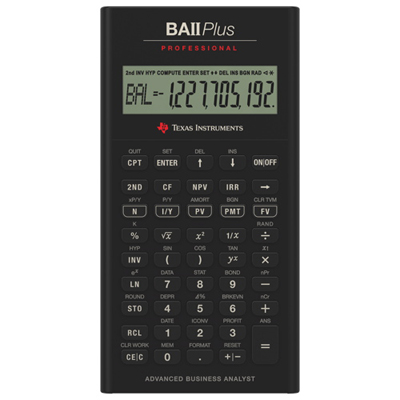

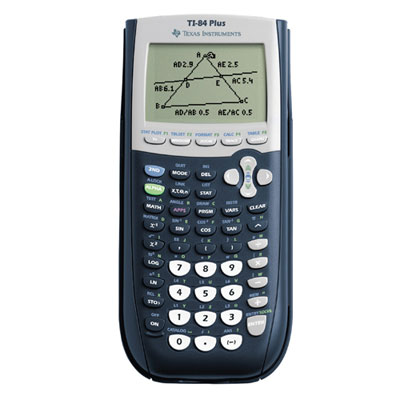
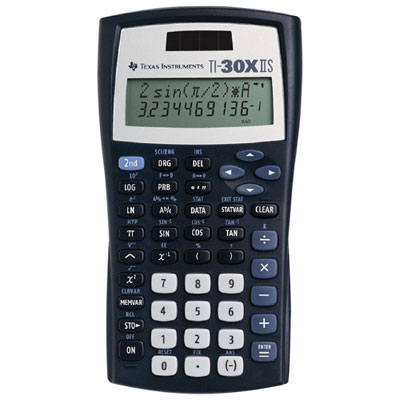
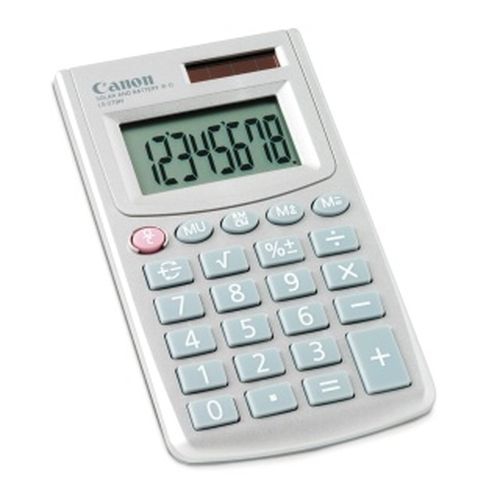
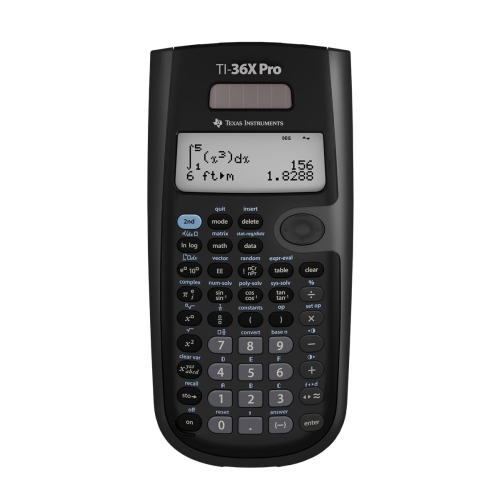
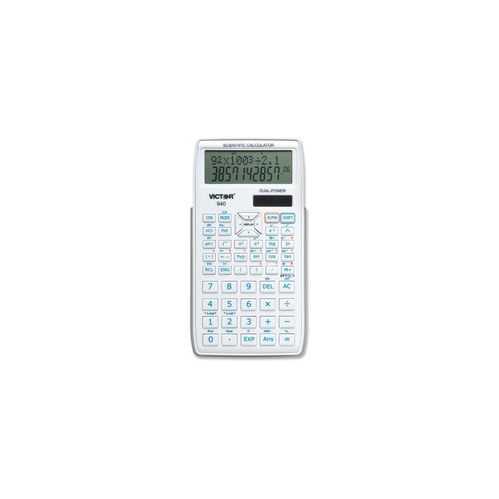
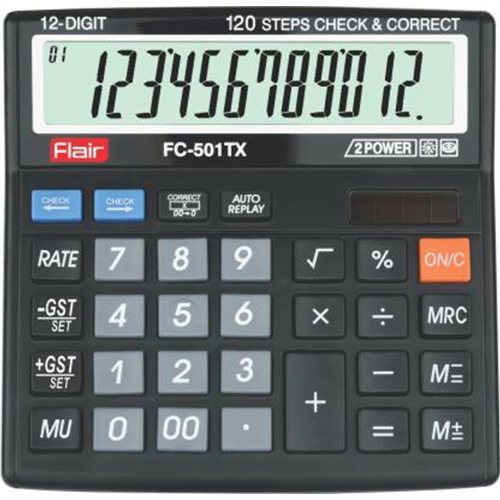
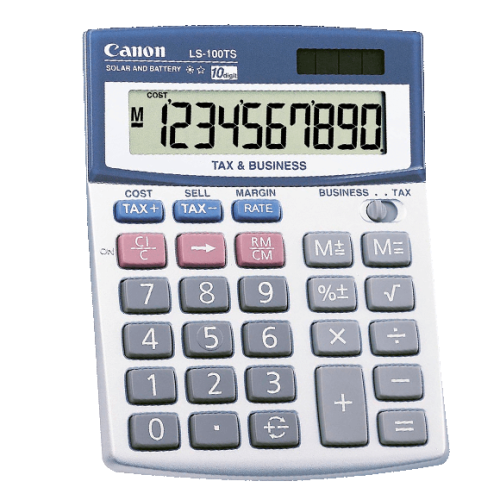
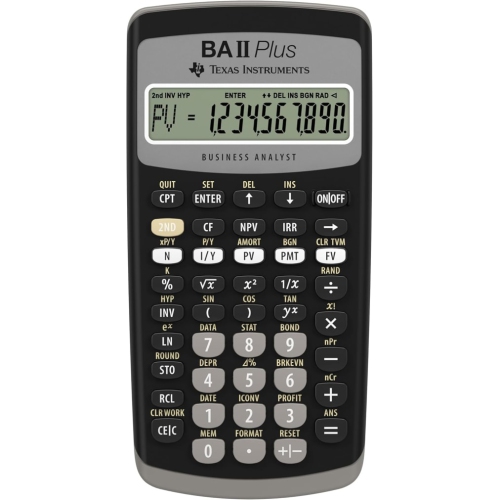
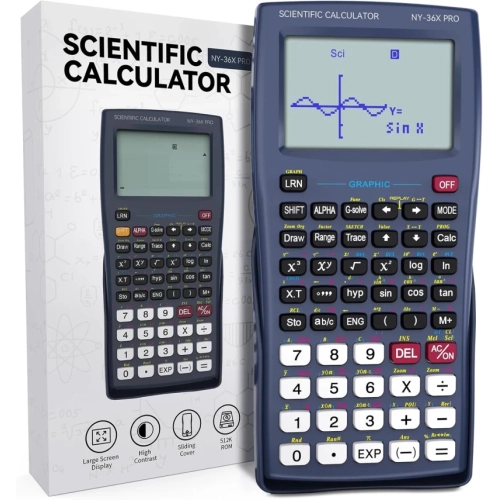
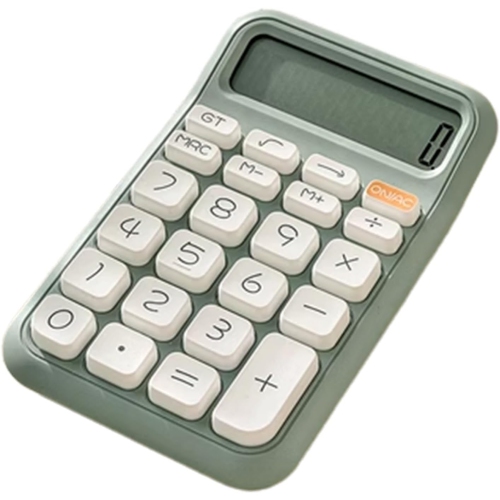
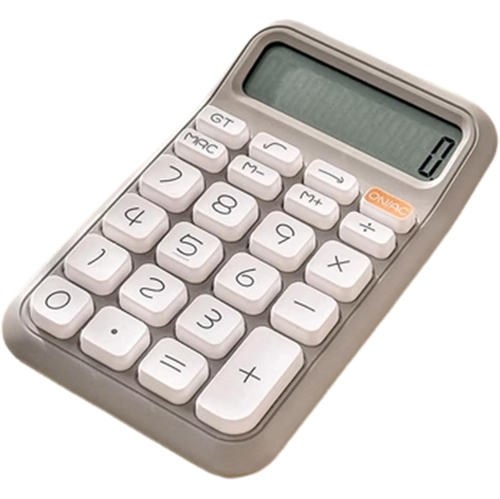
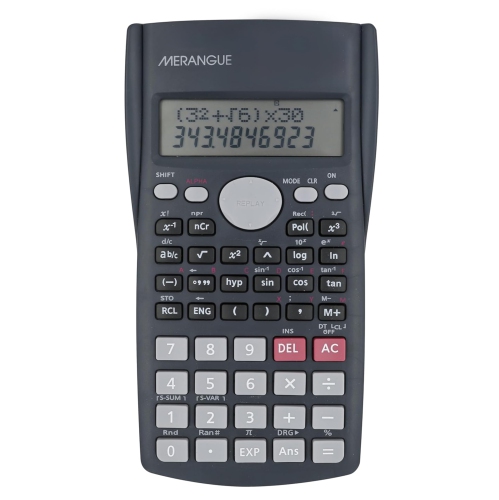

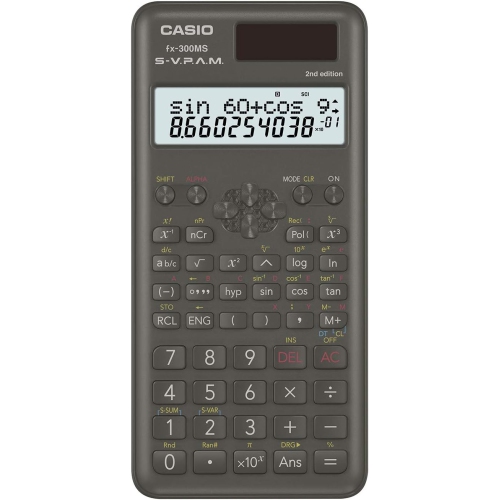
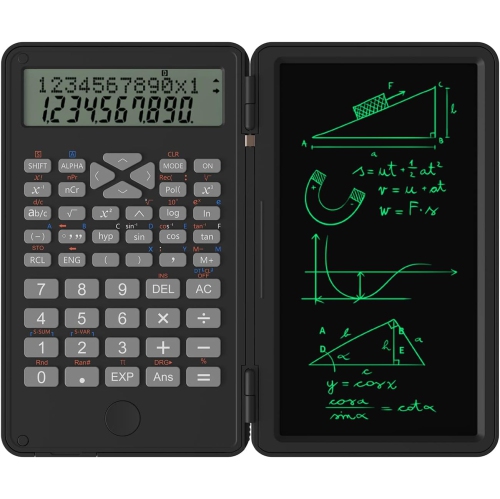
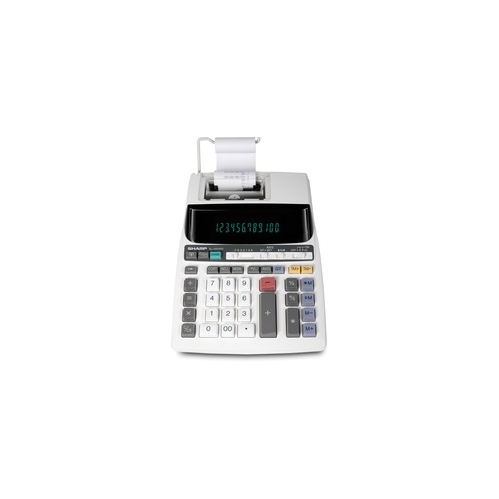
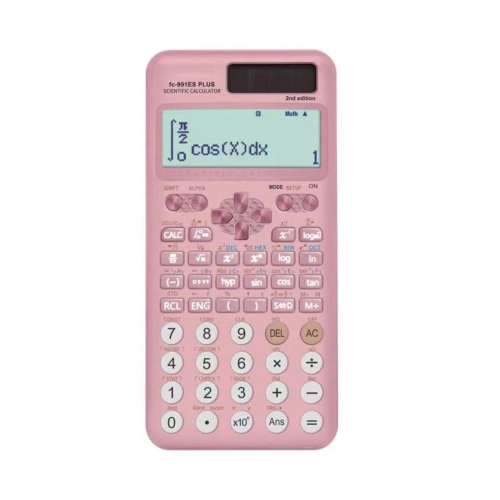
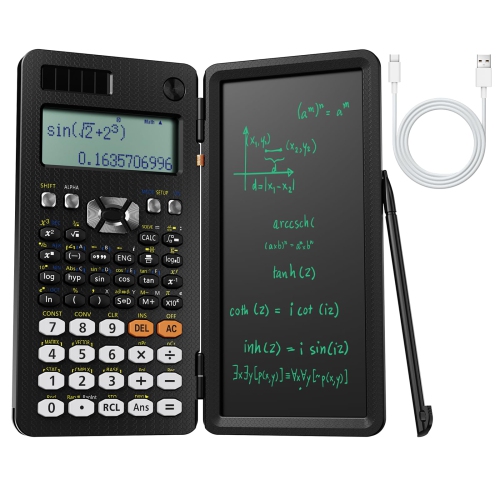
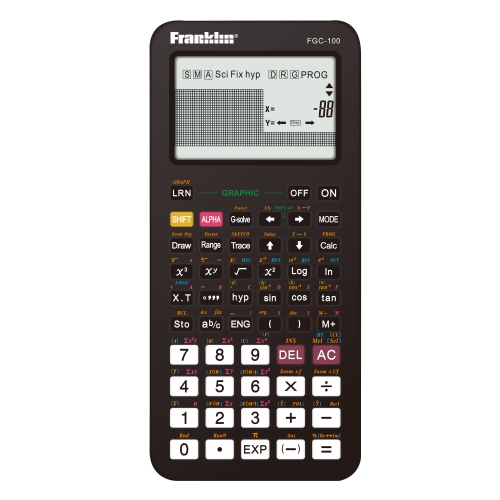
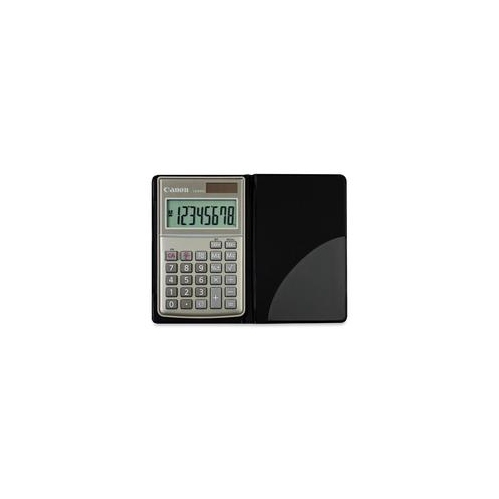
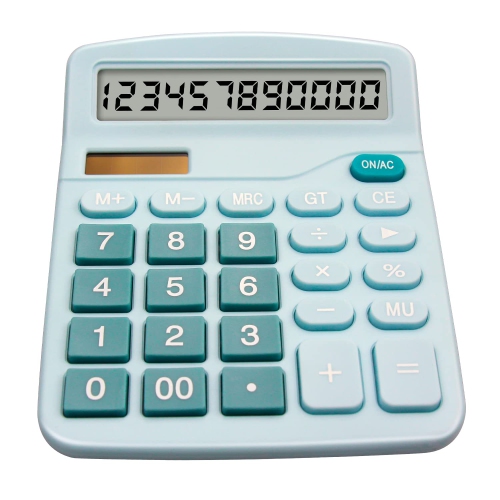
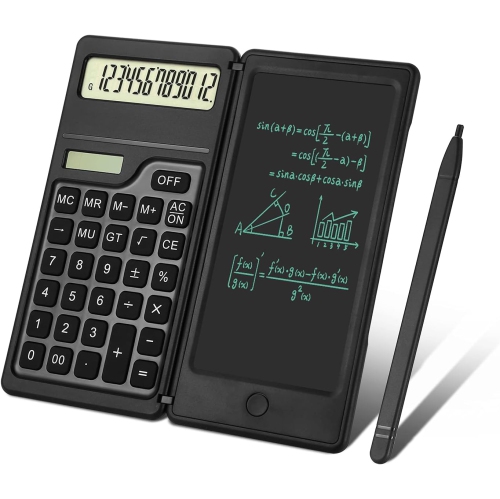
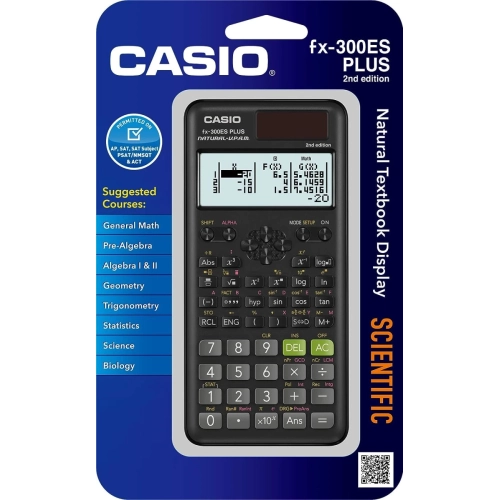
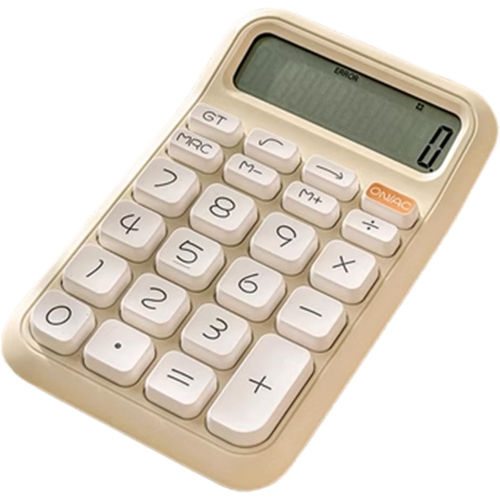
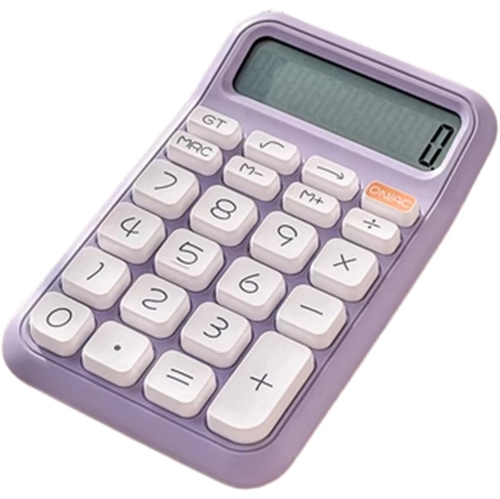
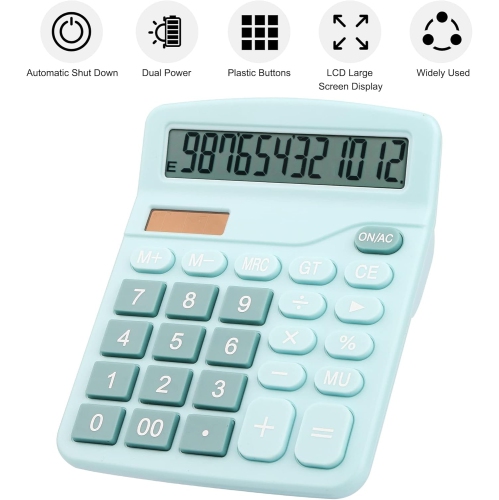
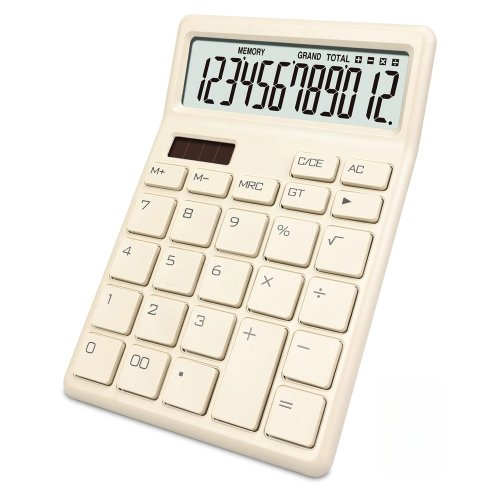
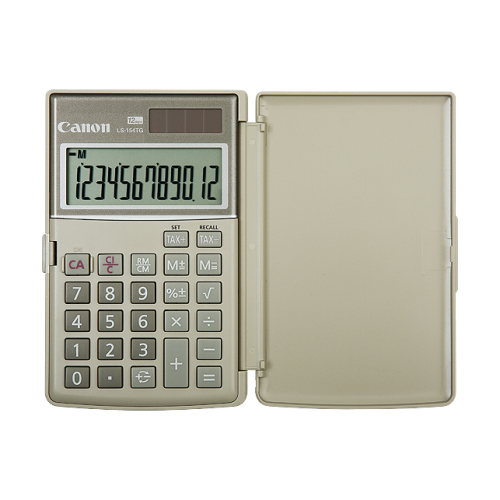
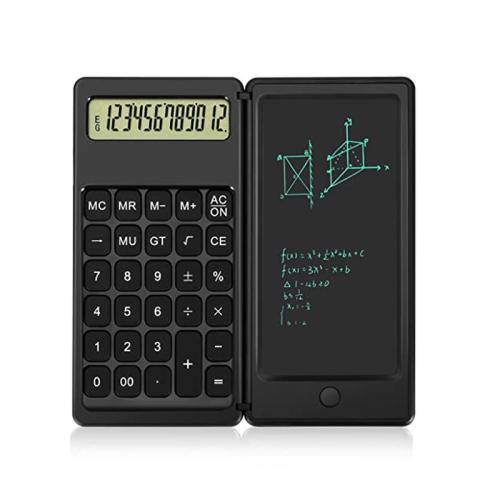
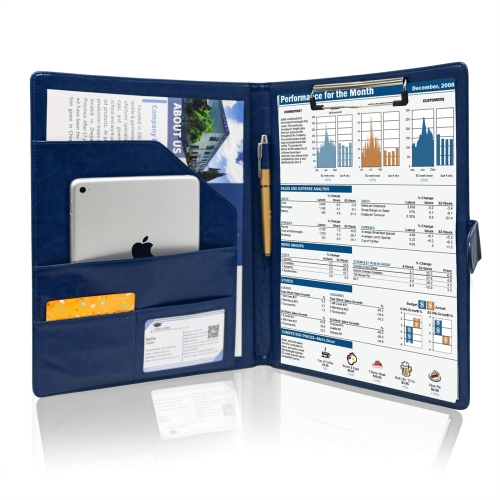
More capable calculations for finance, science, and technical work
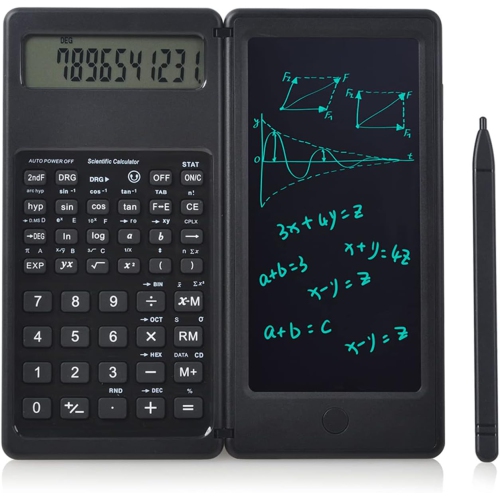
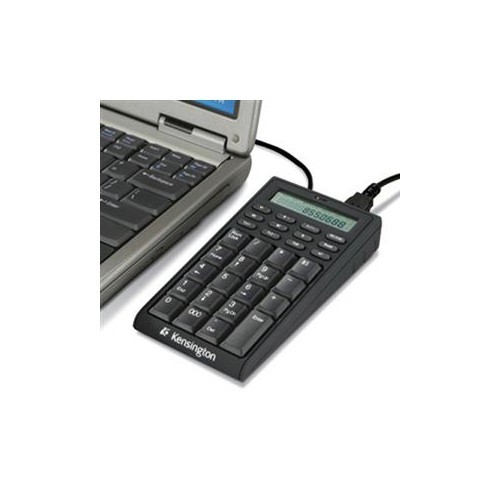
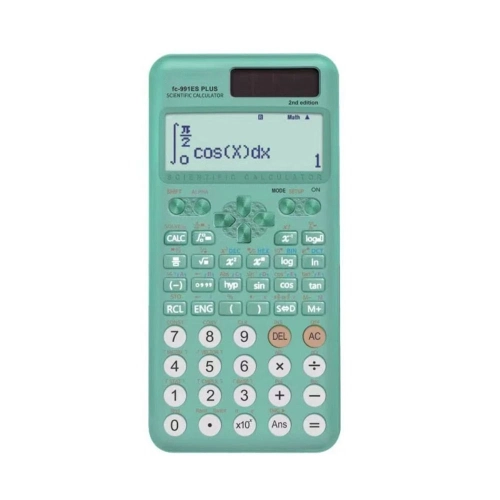
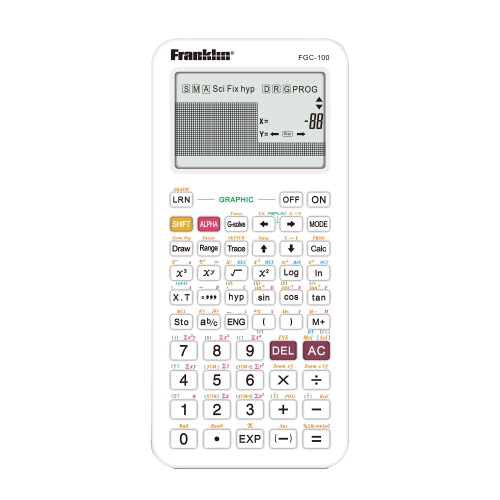
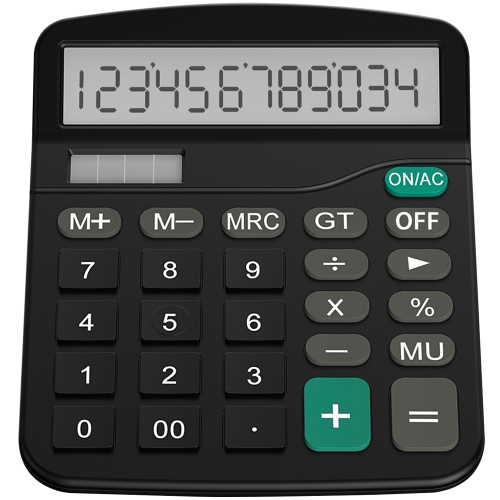
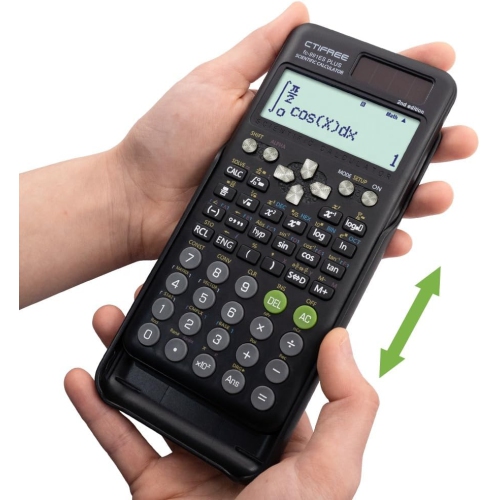
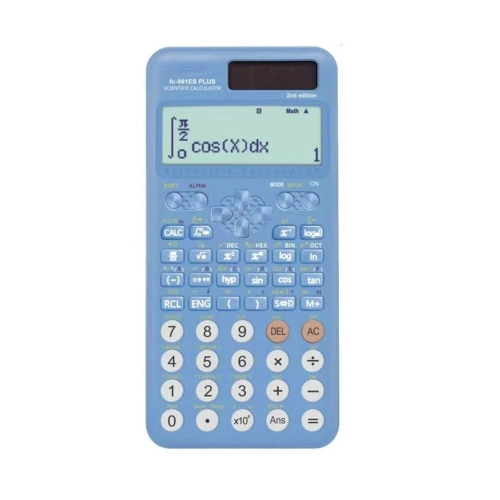
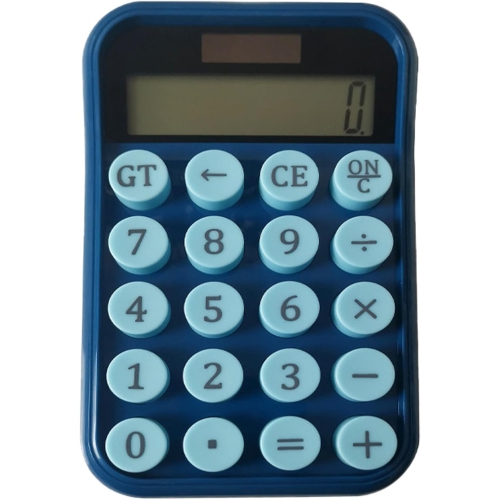
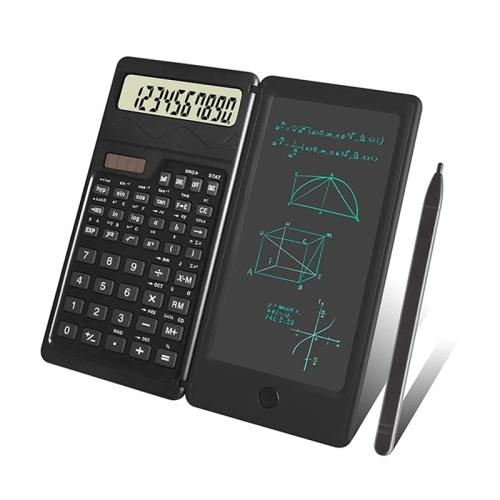
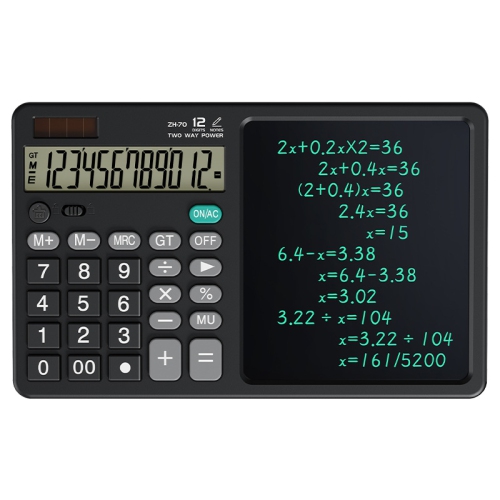
Professional calculators are designed for work that goes beyond basic addition, subtraction, multiplication, and division. They provide dedicated functions and structured workflows for financial analysis, advanced mathematics, engineering, accounting, science, and other technical fields where accuracy and repeatable results matter. Depending on the model, these calculators may support time-value-of-money calculations, cash-flow analysis, depreciation, statistics, probability, trigonometry, logarithms, fractions, unit conversions, equation solving, and other specialised operations. A clear multi-line display can make it easier to review entries before confirming an answer, while a familiar keypad layout can help users work quickly when calculations become part of a daily routine. For someone moving between handwritten notes, spreadsheets, reports, and a calculator on a busy desk, having the right functions close at hand can reduce interruptions and make complex figures easier to check. Professional calculators are useful in classrooms, offices, workshops, laboratories, job sites, and home study areas, giving learners and experienced professionals a dependable tool for calculations that need more capability than a standard pocket calculator. Those looking for an even broader range of advanced mathematical functions can also explore Complex Calculators.
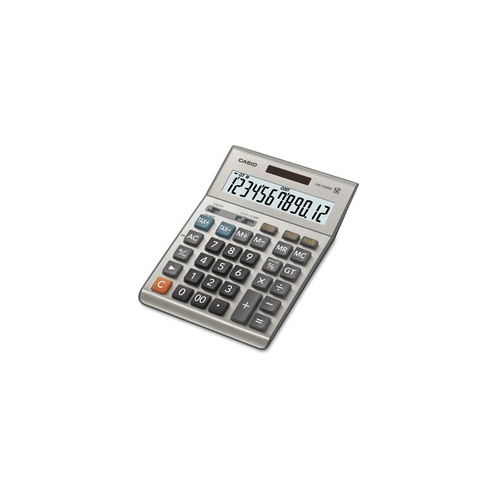
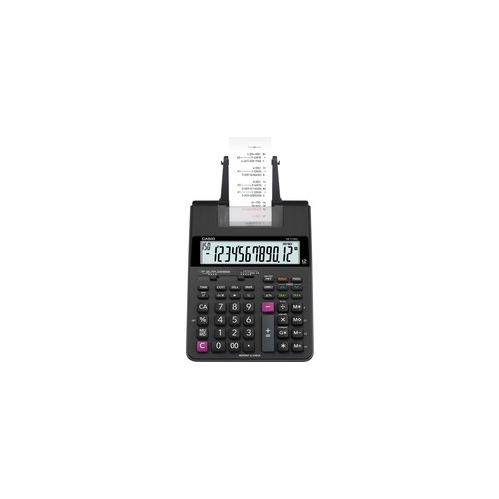
Choosing a professional calculator starts with identifying the type of work it needs to handle. Finance and accounting users may benefit from dedicated keys or menus for present value, future value, interest rates, loan payments, amortization, net present value, and internal rate of return. These features can be especially helpful when reviewing budgets, comparing investment scenarios, preparing coursework, or checking figures during a meeting. Students and professionals preparing for certification exams should confirm the calculator requirements for their programme or testing body before purchasing, since approved models and permitted functions can vary. Engineering and science students may place greater importance on a natural textbook-style display, complex-number support, equation solving, statistical tools, trigonometric functions, and the ability to work with scientific notation. A calculator with a large, easy-to-read display can be valuable when working through formulas in a lecture hall or checking measurements at a workbench. For bookkeeping, retail, and office administration, a printing calculator may be preferable when a visible paper record helps with balancing totals, reviewing transactions, or explaining the steps behind a result. Other practical considerations include battery type, solar-assist operation where available, key size, tactile feedback, protective covers, memory functions, screen contrast, and whether the calculator can be used comfortably for long periods. A compact design may suit a student carrying supplies between classes, while a larger desktop format can be easier to operate beside invoices, ledgers, and reference documents.
Professional calculators can suit a wide range of users, from secondary and post-secondary students to accountants, financial advisers, engineers, architects, scientists, tradespeople, business owners, teachers, and office teams. They can also make thoughtful gifts for someone beginning a programme in business, mathematics, engineering, computer science, or another technical field, particularly when their studies involve frequent calculations and examination preparation. A durable calculator tucked into a backpack can become a familiar companion through lectures, library sessions, group projects, and practical placements; at home, it may sit beside a notebook covered with formulas and worked examples. During the cooler months, when more time may be spent indoors organizing coursework, planning household finances, or completing professional training, a reliable calculator can help turn a cluttered page of figures into a clear sequence of steps. When comparing options, consider whether the user prefers algebraic entry or reverse Polish notation, whether they need one-touch access to common functions, and whether a two-line or multi-line screen would make reviewing calculations easier. It is also worth checking the calculator’s instruction manual and learning resources, as advanced functions can differ in how data is entered and stored. Prices commonly range from about $30 for capable scientific models to $175 or more for specialised financial, printing, or advanced professional calculators, with features, display types, and intended applications influencing the cost. Selecting a model that matches the user’s field, level of experience, and everyday workflow can make calculations feel more natural and provide dependable support for study, work, and ongoing professional development.
Choosing a professional calculator starts with identifying the type of work it needs to handle. Finance and accounting users may benefit from dedicated keys or menus for present value, future value, interest rates, loan payments, amortization, net present value, and internal rate of return. These features can be especially helpful when reviewing budgets, comparing investment scenarios, preparing coursework, or checking figures during a meeting. Students and professionals preparing for certification exams should confirm the calculator requirements for their programme or testing body before purchasing, since approved models and permitted functions can vary. Engineering and science students may place greater importance on a natural textbook-style display, complex-number support, equation solving, statistical tools, trigonometric functions, and the ability to work with scientific notation. A calculator with a large, easy-to-read display can be valuable when working through formulas in a lecture hall or checking measurements at a workbench. For bookkeeping, retail, and office administration, a printing calculator may be preferable when a visible paper record helps with balancing totals, reviewing transactions, or explaining the steps behind a result. Other practical considerations include battery type, solar-assist operation where available, key size, tactile feedback, protective covers, memory functions, screen contrast, and whether the calculator can be used comfortably for long periods. A compact design may suit a student carrying supplies between classes, while a larger desktop format can be easier to operate beside invoices, ledgers, and reference documents.
Professional calculators can suit a wide range of users, from secondary and post-secondary students to accountants, financial advisers, engineers, architects, scientists, tradespeople, business owners, teachers, and office teams. They can also make thoughtful gifts for someone beginning a programme in business, mathematics, engineering, computer science, or another technical field, particularly when their studies involve frequent calculations and examination preparation. A durable calculator tucked into a backpack can become a familiar companion through lectures, library sessions, group projects, and practical placements; at home, it may sit beside a notebook covered with formulas and worked examples. During the cooler months, when more time may be spent indoors organizing coursework, planning household finances, or completing professional training, a reliable calculator can help turn a cluttered page of figures into a clear sequence of steps. When comparing options, consider whether the user prefers algebraic entry or reverse Polish notation, whether they need one-touch access to common functions, and whether a two-line or multi-line screen would make reviewing calculations easier. It is also worth checking the calculator’s instruction manual and learning resources, as advanced functions can differ in how data is entered and stored. Prices commonly range from about $30 for capable scientific models to $175 or more for specialised financial, printing, or advanced professional calculators, with features, display types, and intended applications influencing the cost. Selecting a model that matches the user’s field, level of experience, and everyday workflow can make calculations feel more natural and provide dependable support for study, work, and ongoing professional development.
Top selling and popular products
-
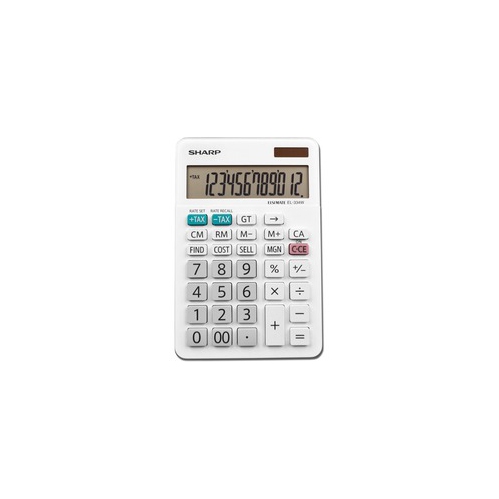 Your price for this item is $17.99
 -
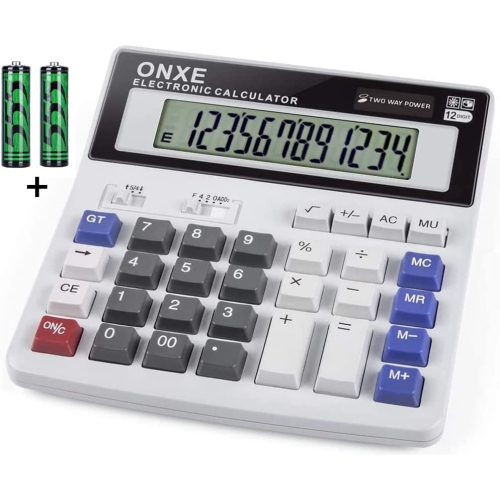 Your price for this item is $49.96
 -
 Your price for this item is $6.99
 -
 Your price for this item is $16.99
 -
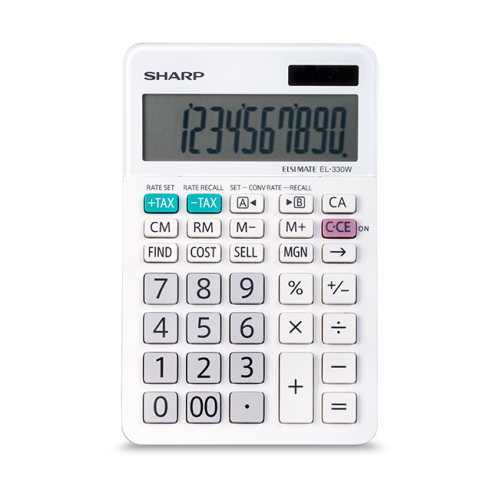 Your price for this item is $28.68
 -
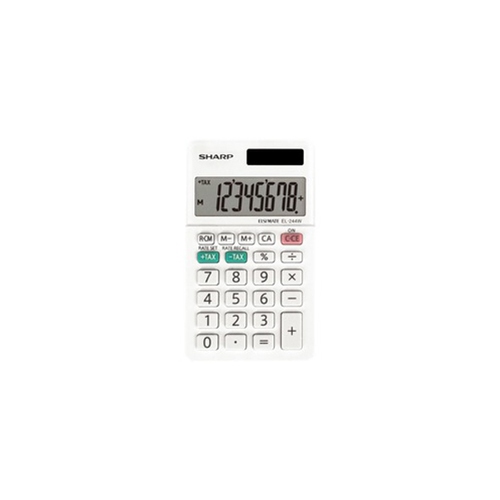 Your price for this item is $7.99
 -
 Your price for this item is $19.99
 -
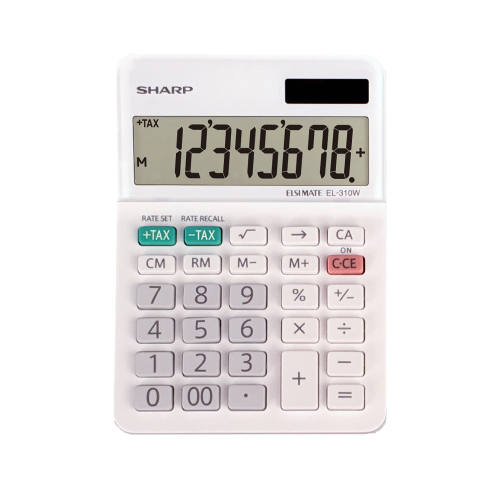 Your price for this item is $11.99
Discover more categories related to Professional Calculators
Top Collections:
Pokemon Centers, Kindle Devices, Best Budget Office Chairs, Apple iPhones 16, Best Laptops for Writers, iPhone 15 Apple, Canon G7X Cameras, Refurbished Apple Laptops, Alarm Clock, Motorola Razr Phones
Some products may be subject to Environmental Handling Fees
(EHF) depending on your province.
Learn more about EHFs.