Cartridge Replacements
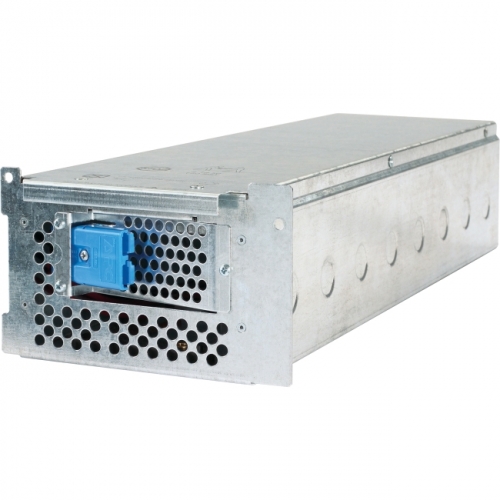
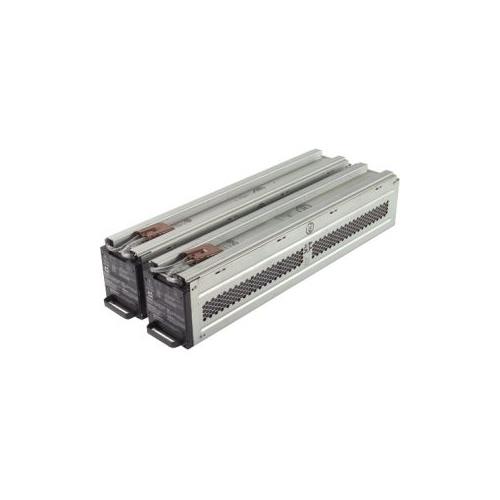
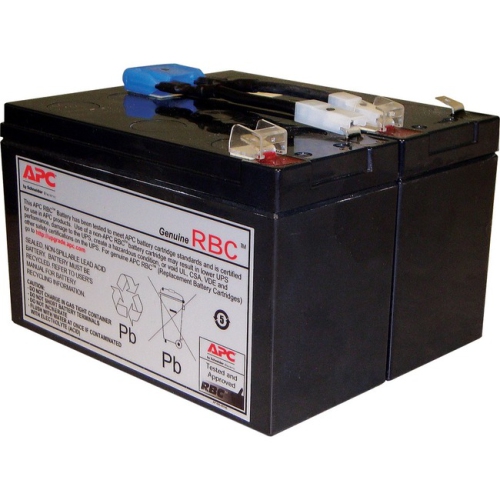
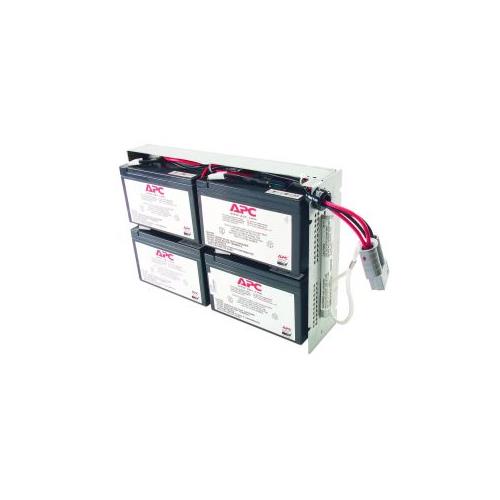
Cartridge replacements are essential for keeping your devices running smoothly, whether it's your trusty printer at home or the office workhorse. Offering a wide variety of options to suit different models and needs, finding the right cartridge replacement ensures optimal performance and quality output every time. With a focus on delivering crisp, clear results, these cartridges are designed to meet high standards while providing the convenience and reliability you expect. Explore the range of cartridge replacements available to keep your equipment functioning at its best, ensuring seamless productivity and satisfaction with every use.
Sort
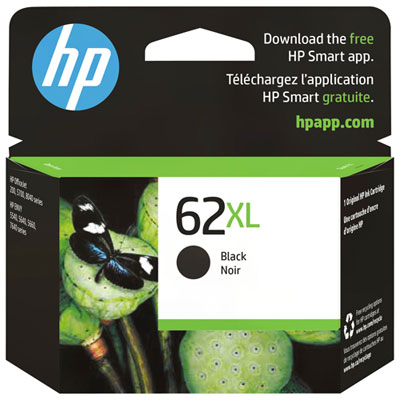
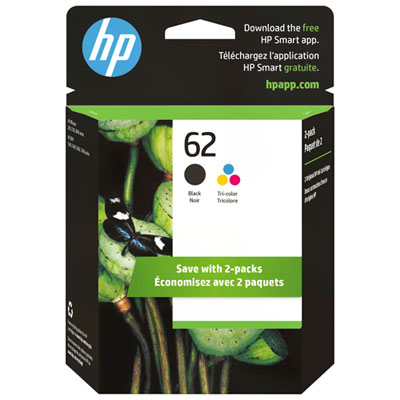
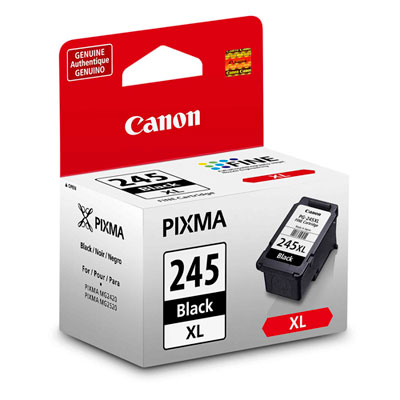
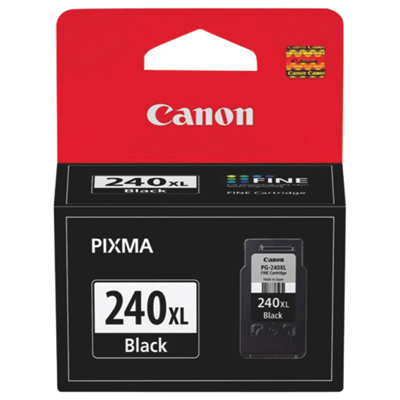


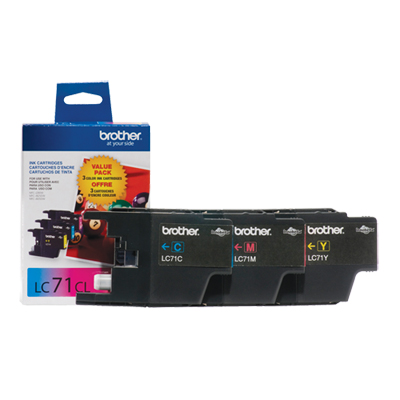
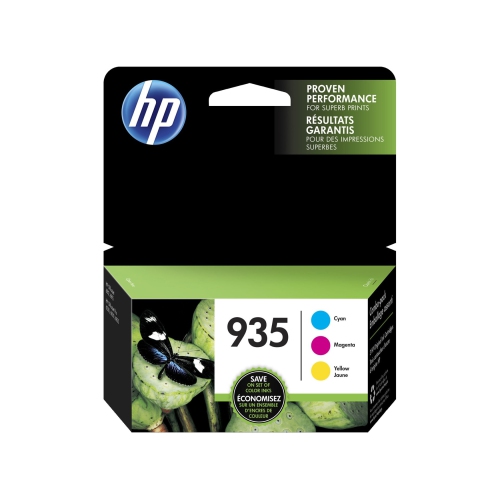
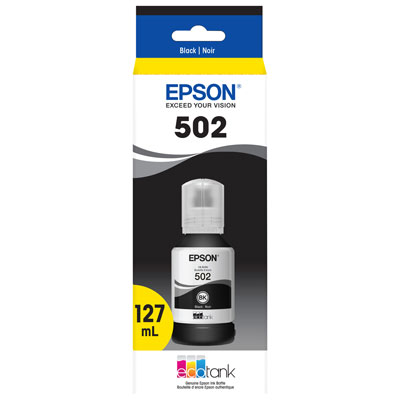
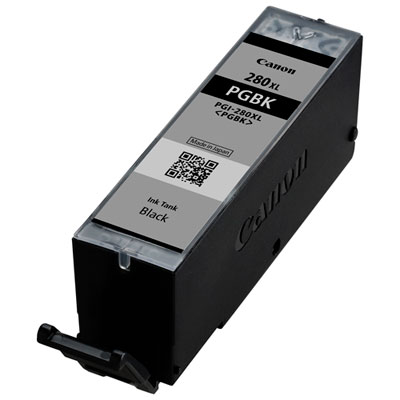
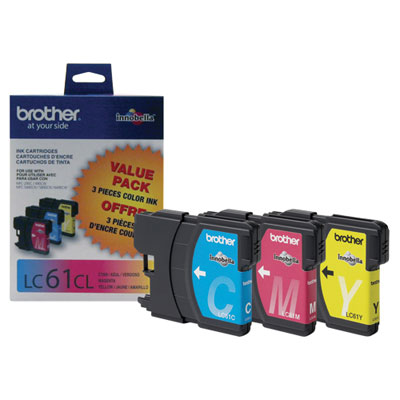
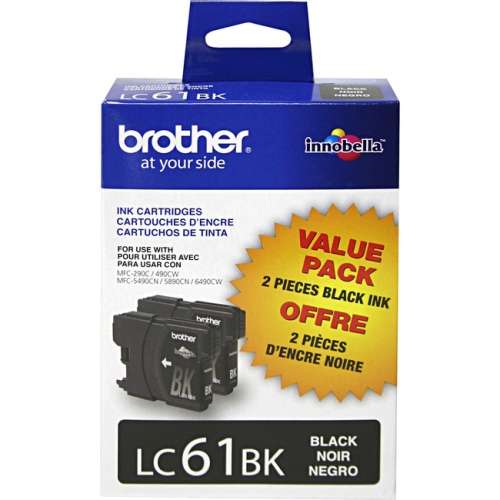
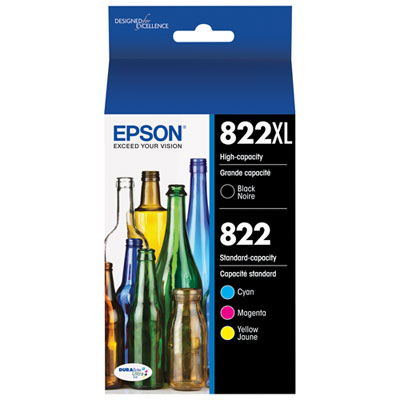
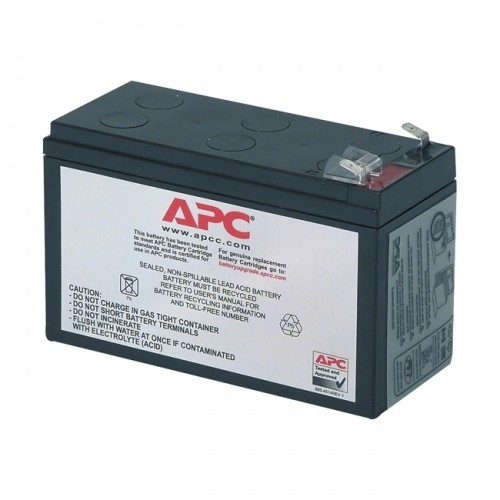
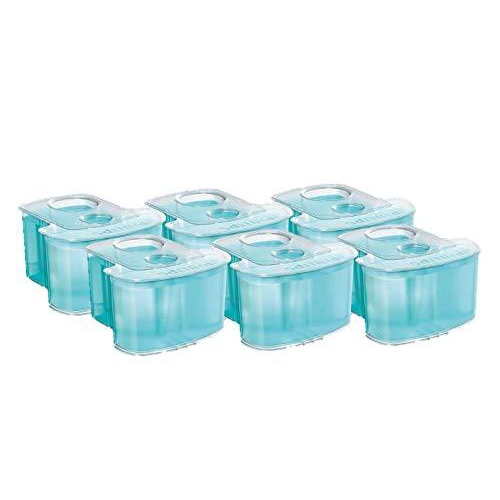
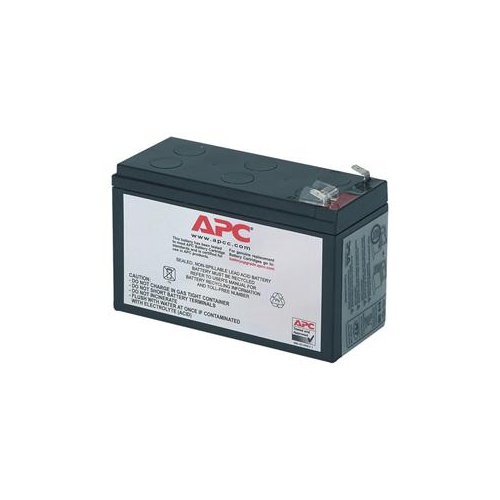
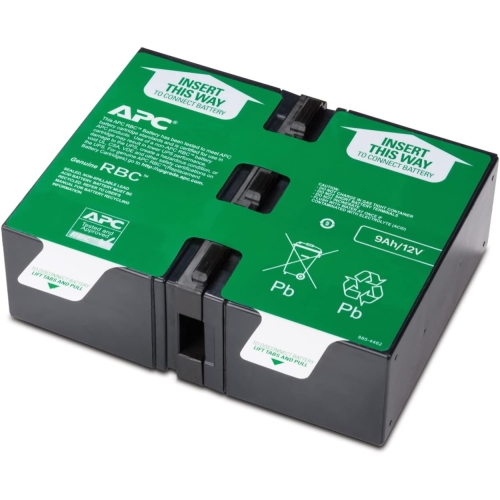
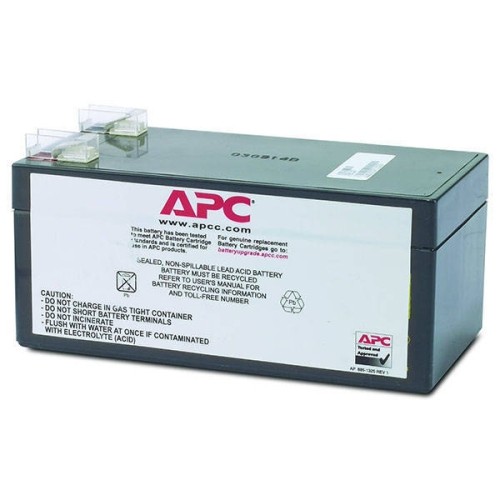
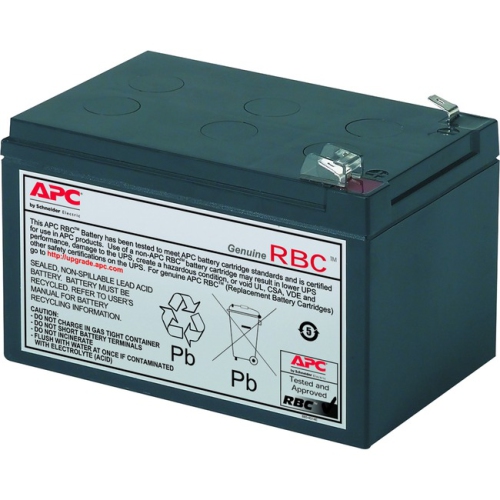
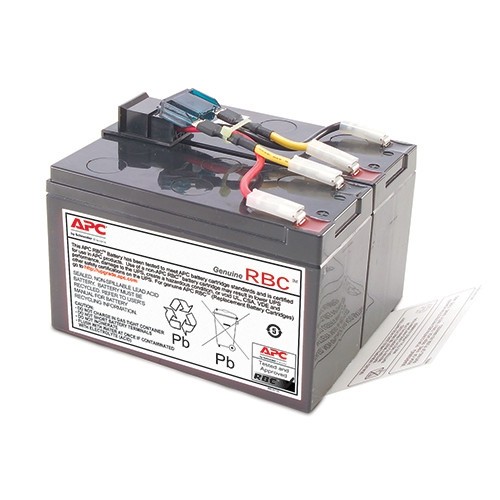
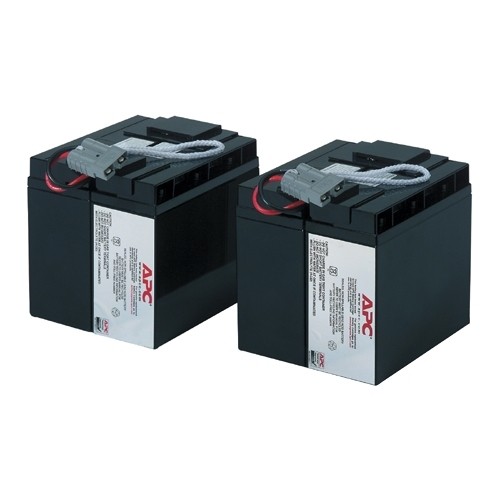
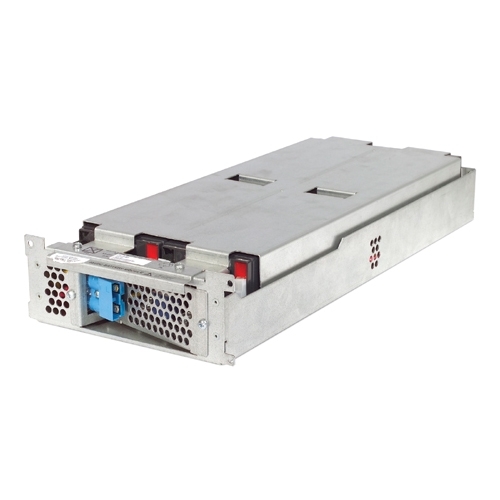
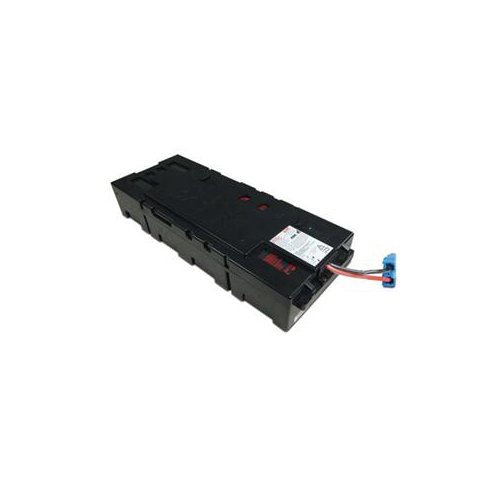
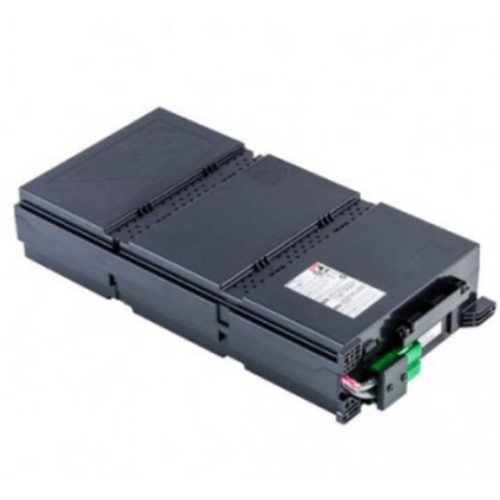
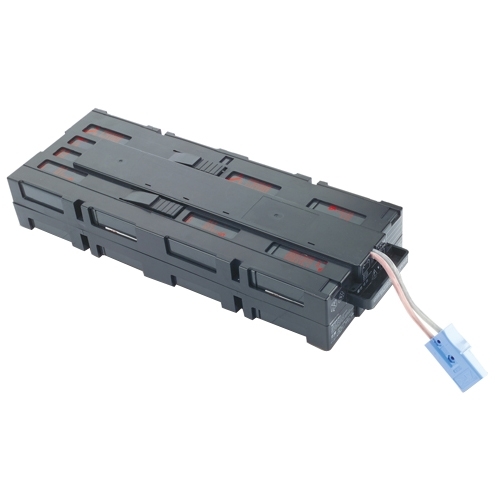
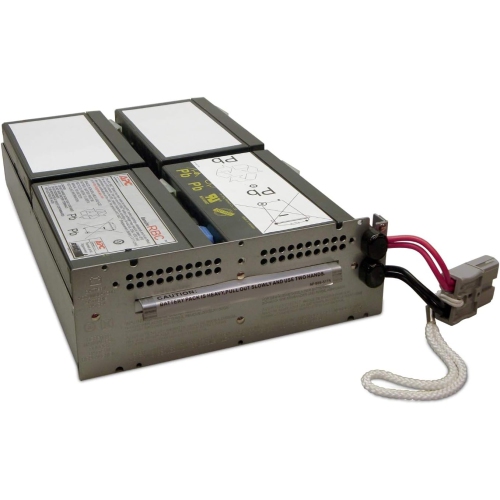
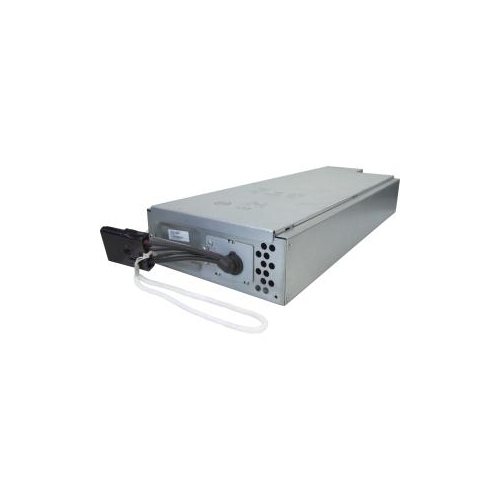
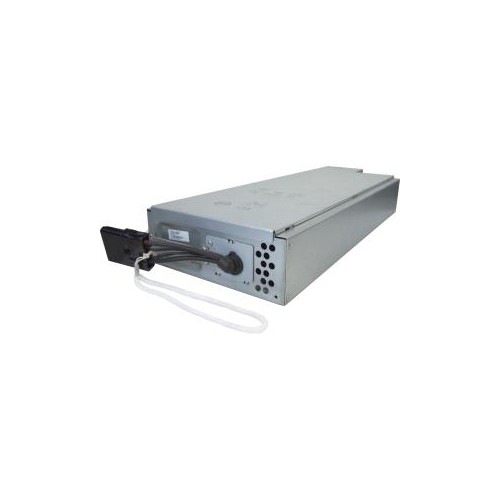
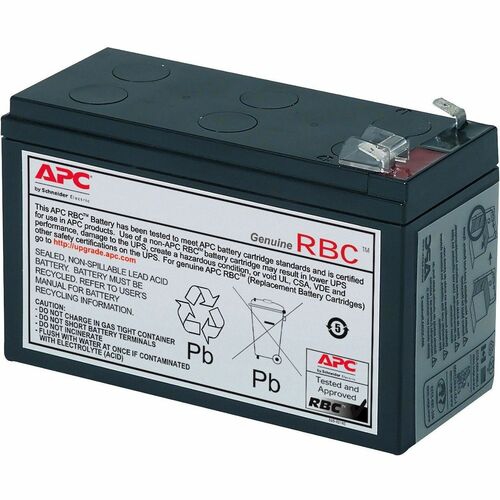
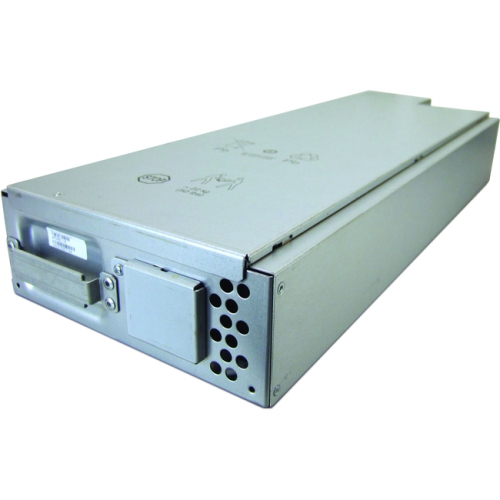


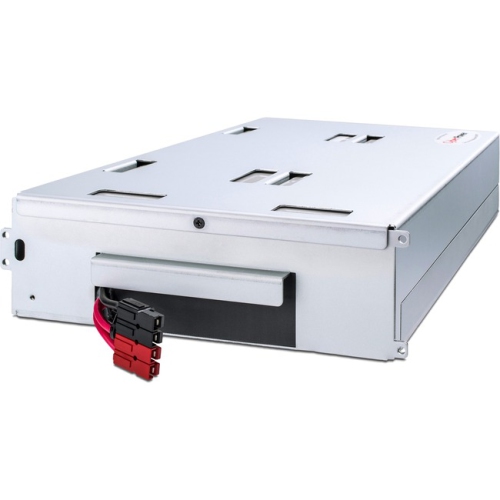
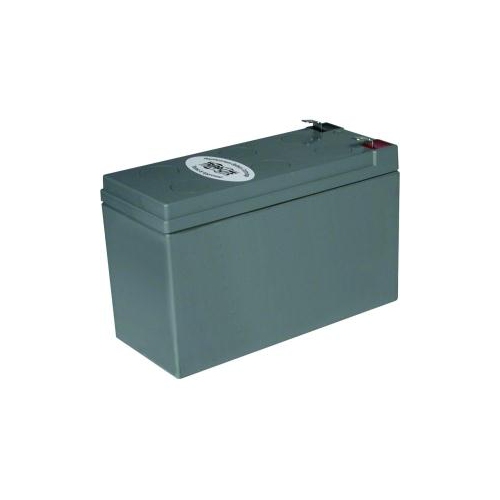
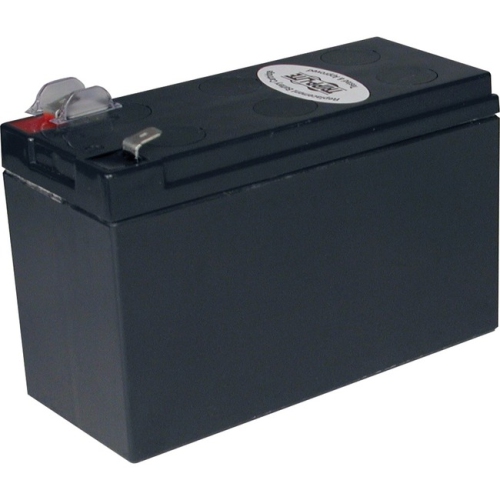
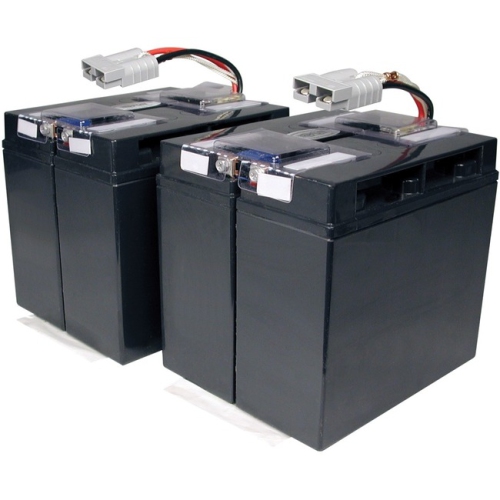
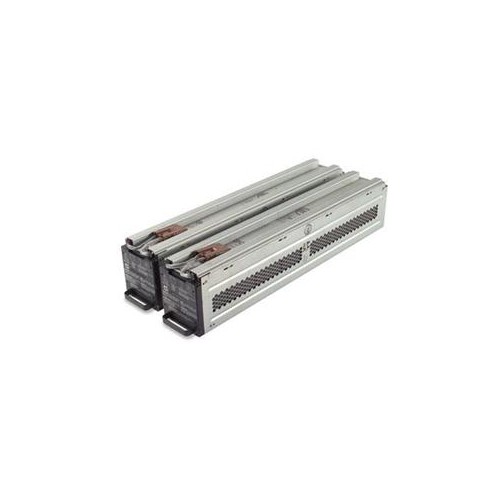
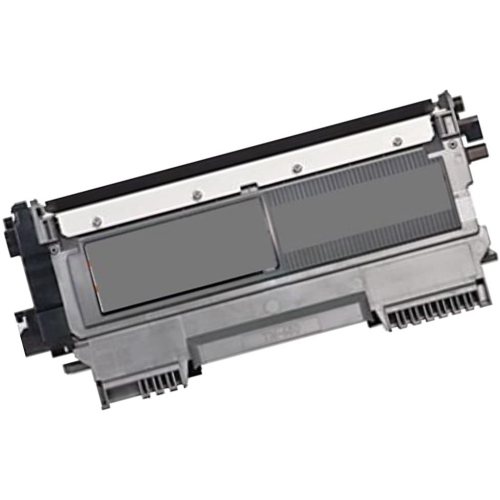
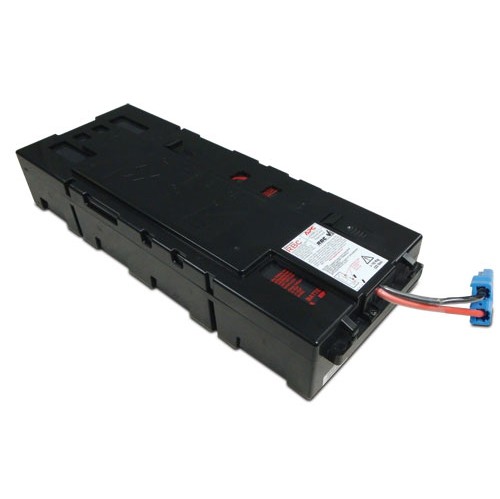
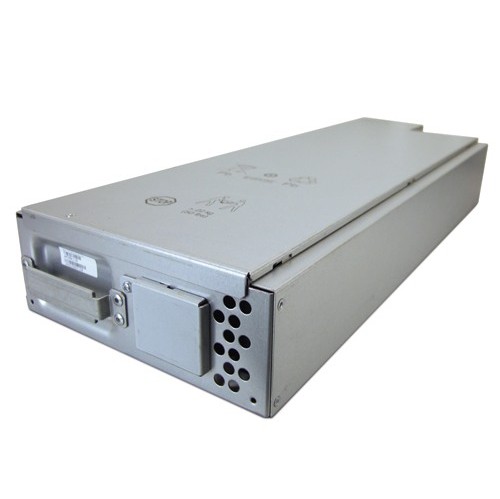
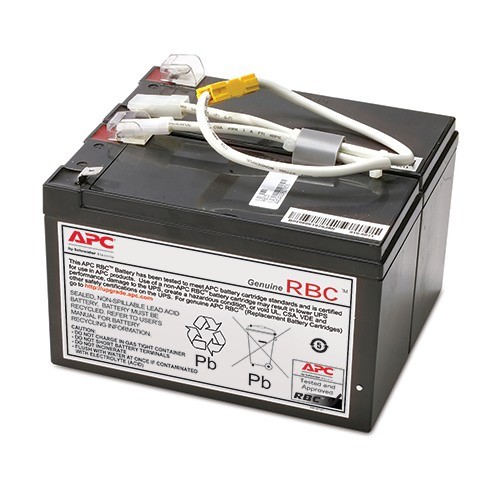
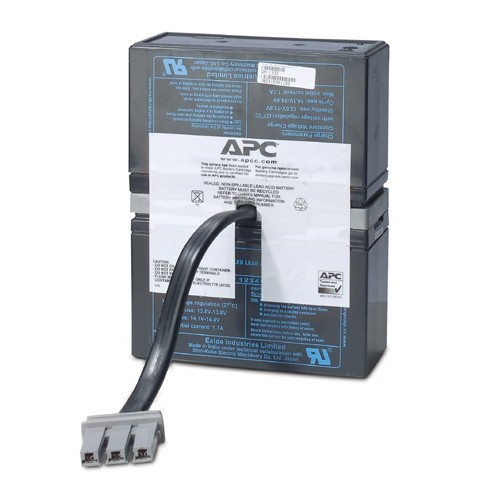
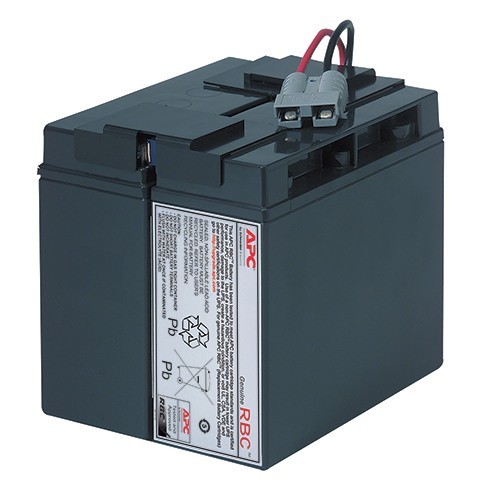
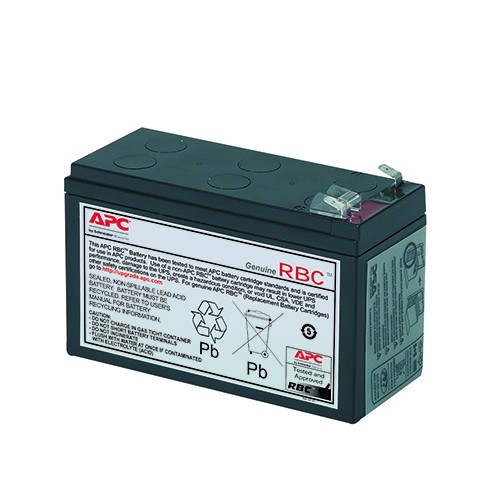


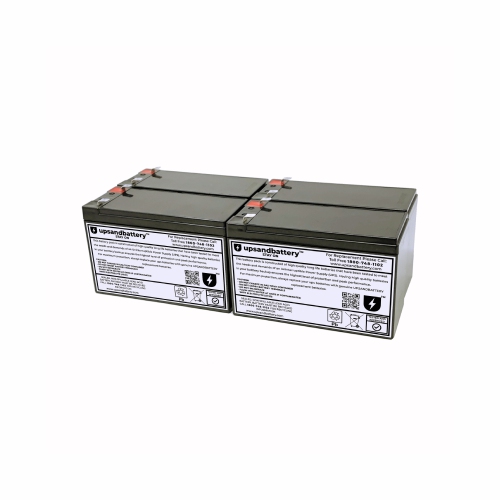
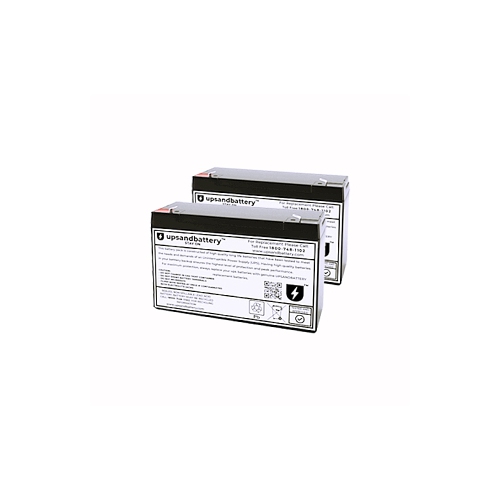
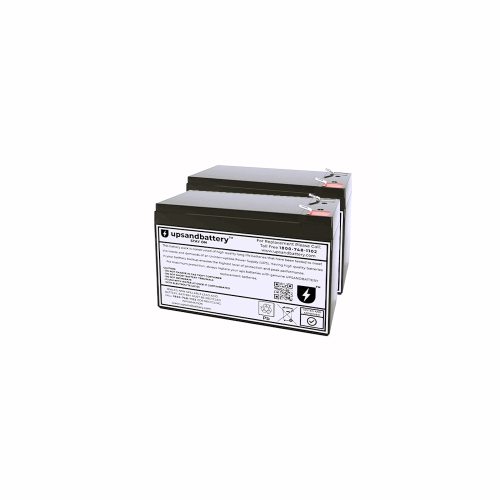
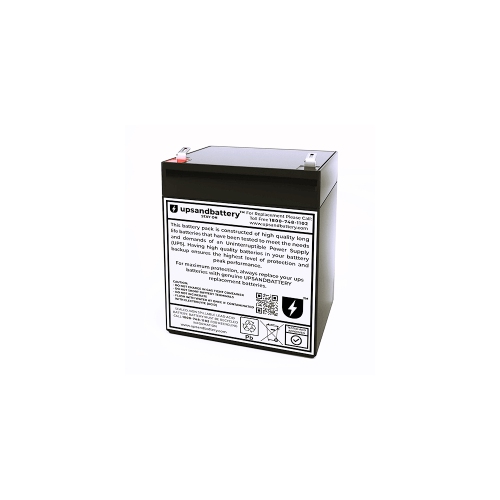
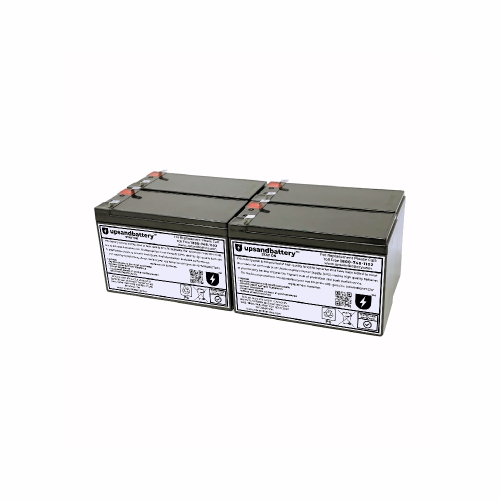
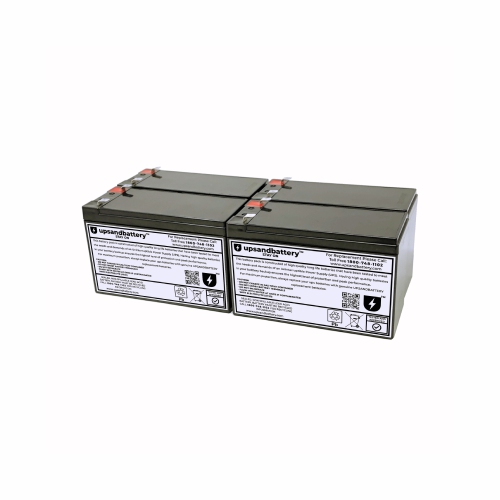
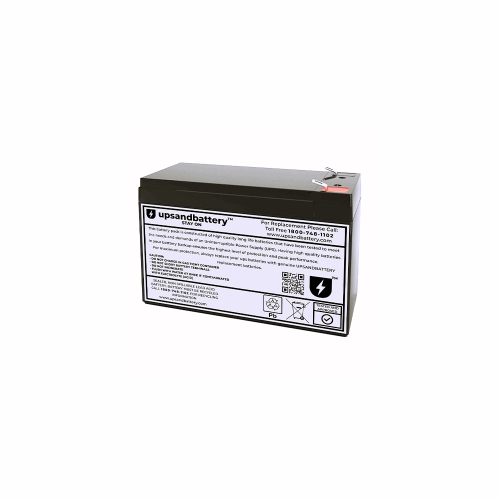
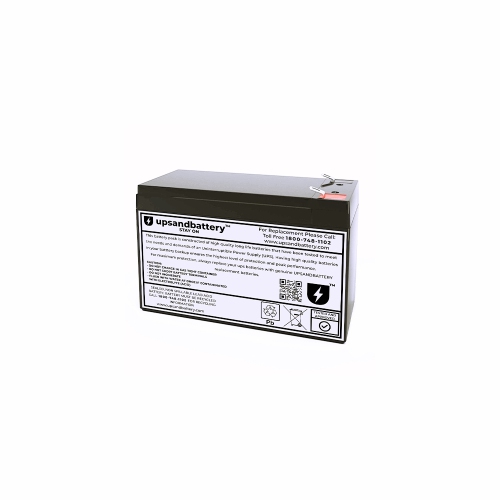
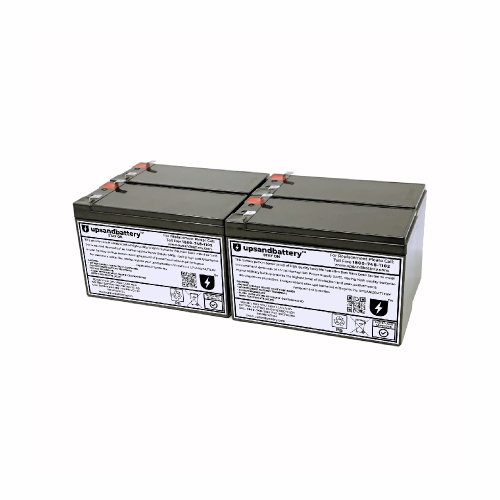
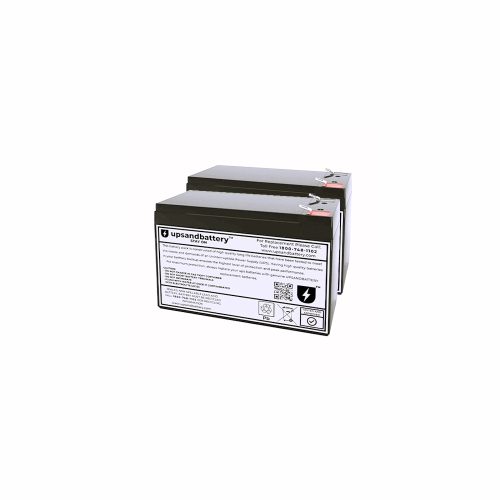
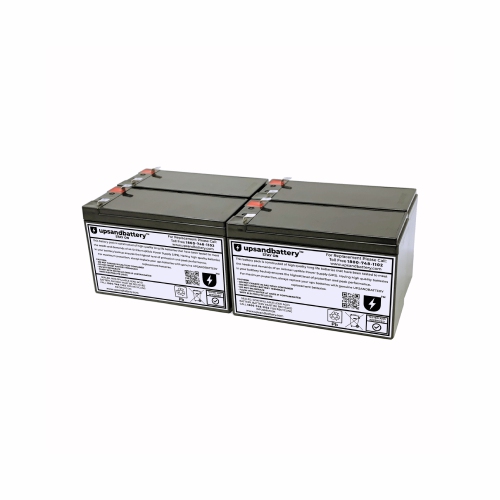
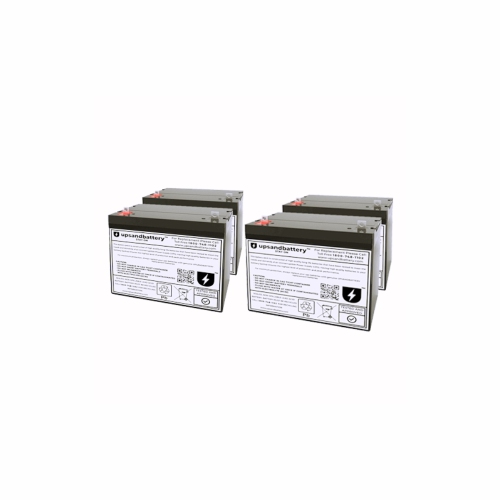
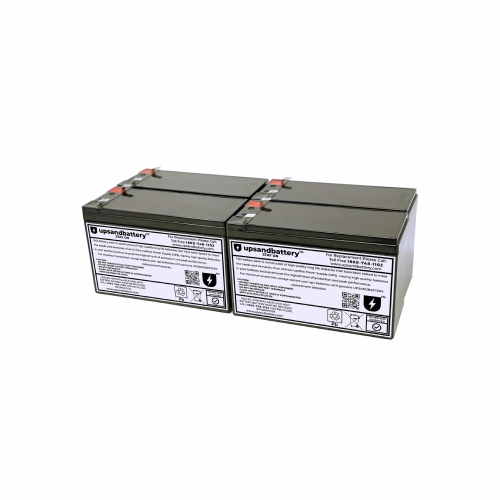
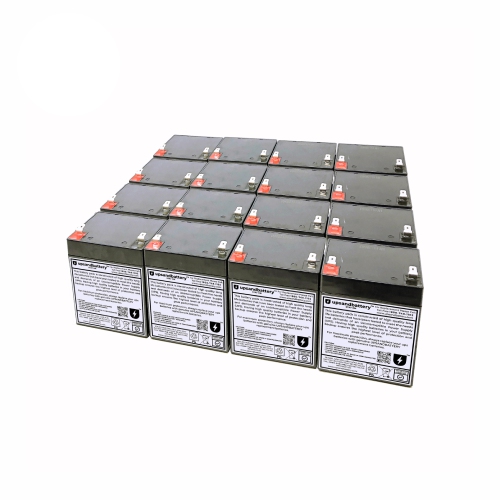
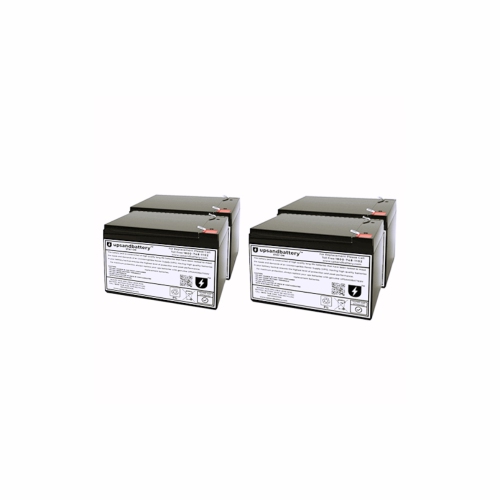
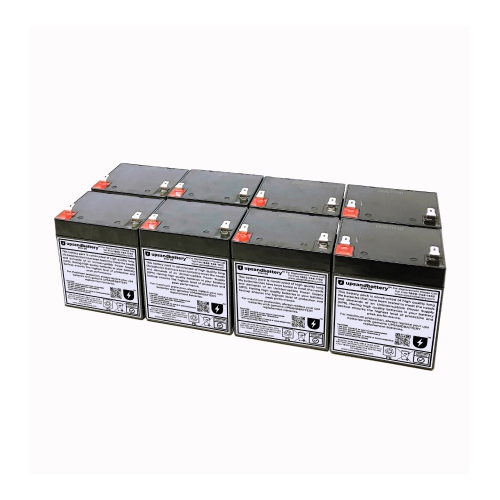
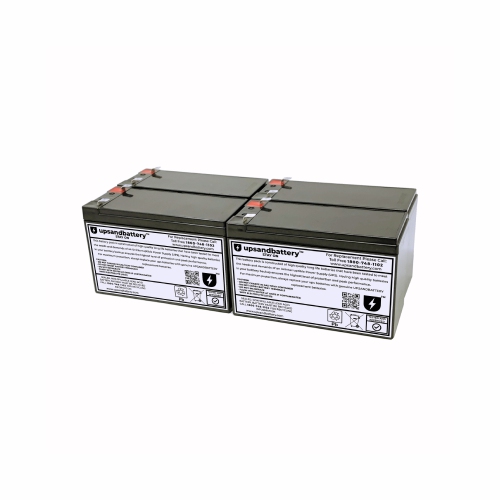
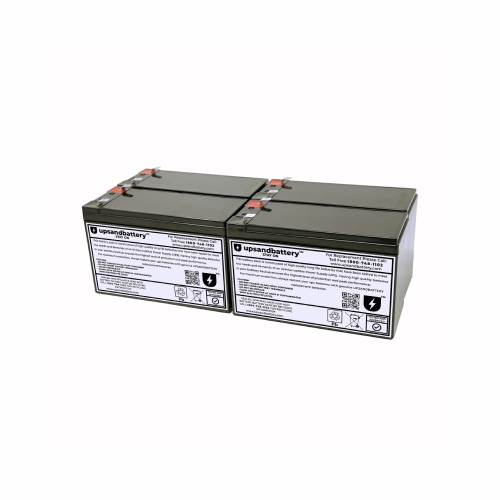
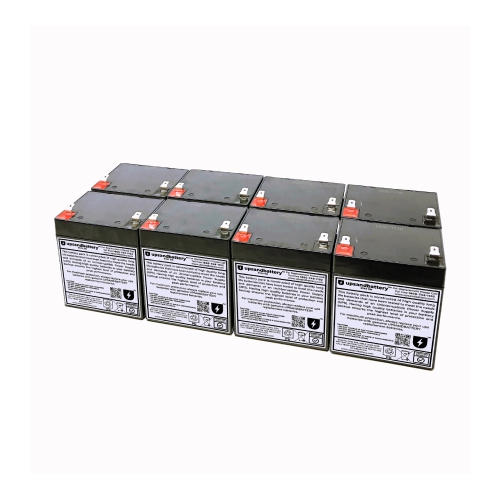
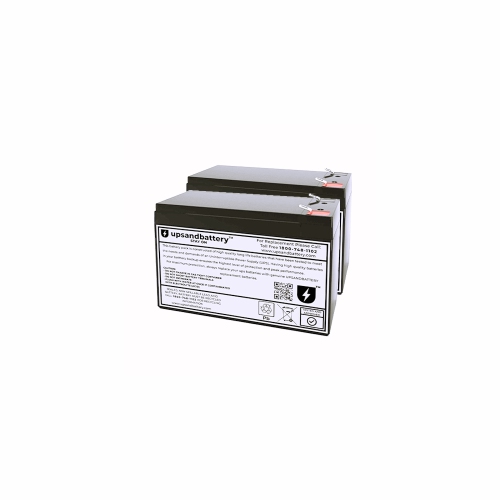


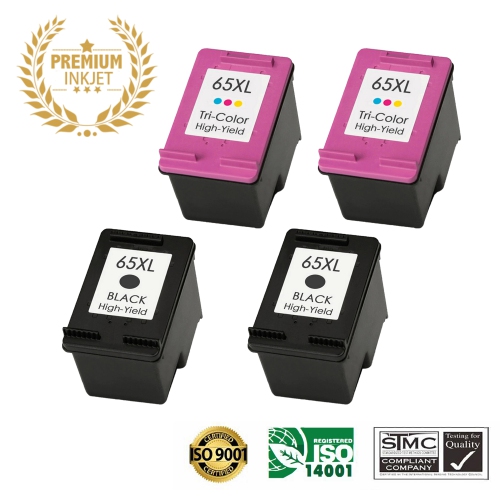
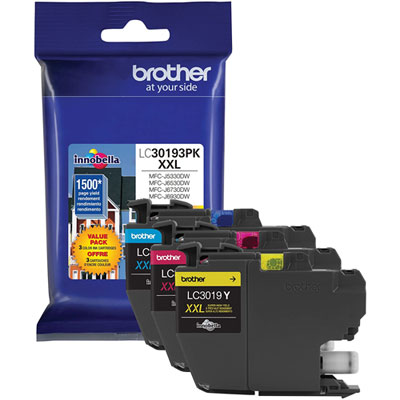
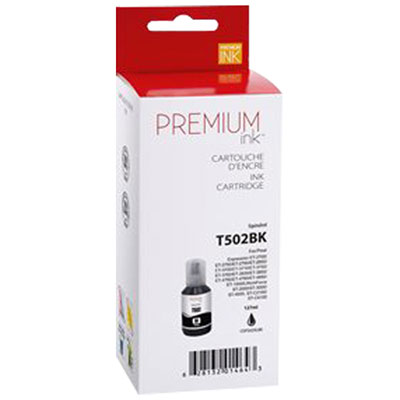
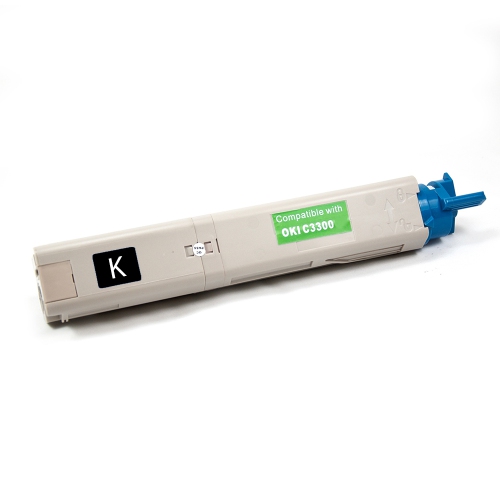
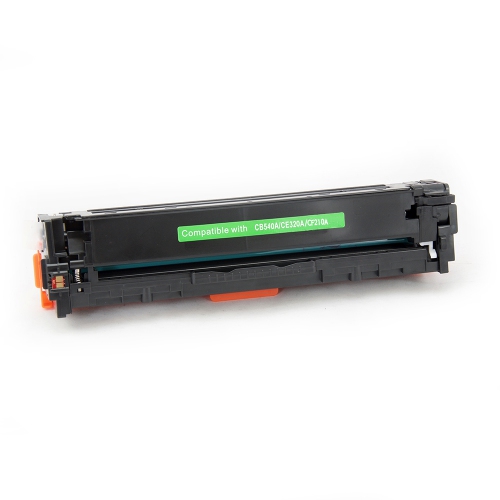
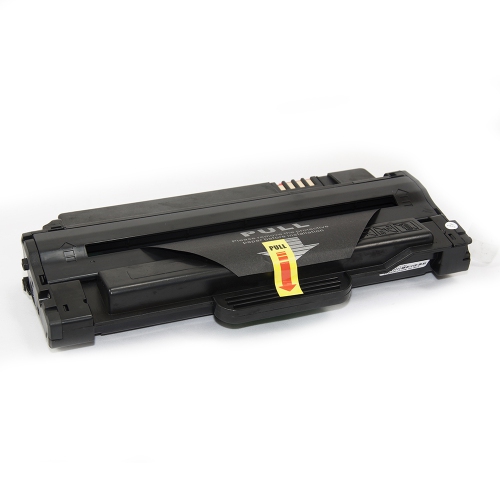
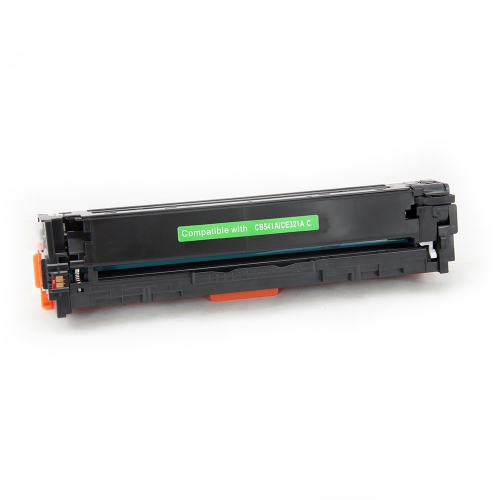
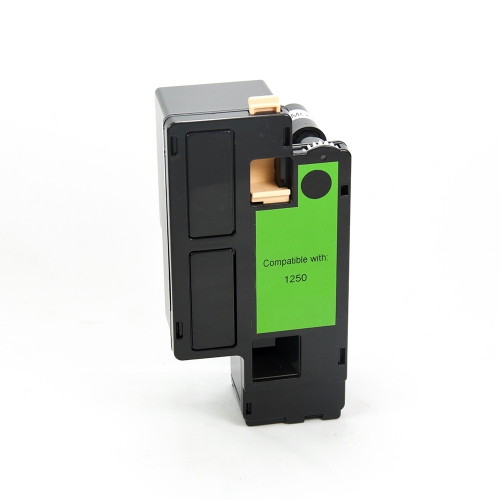
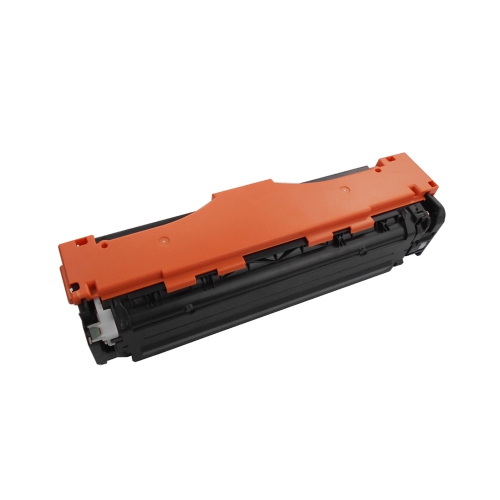
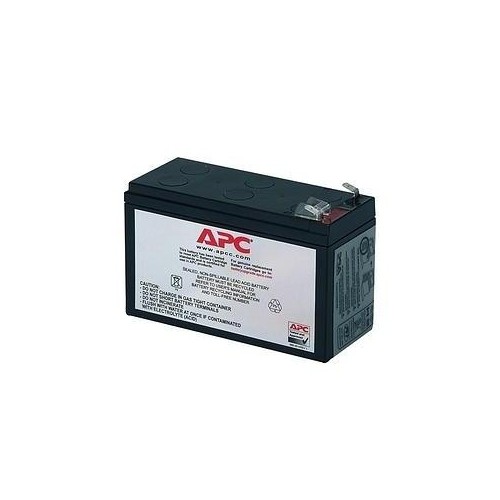
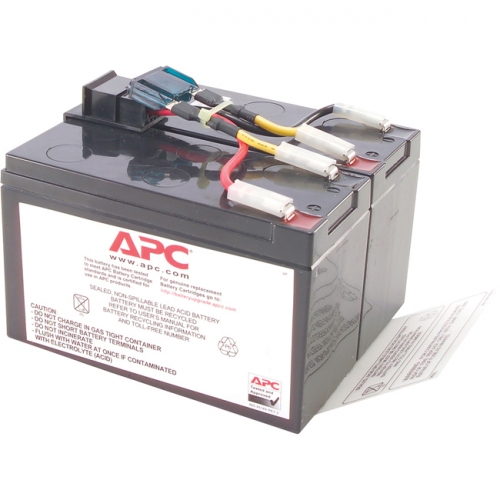
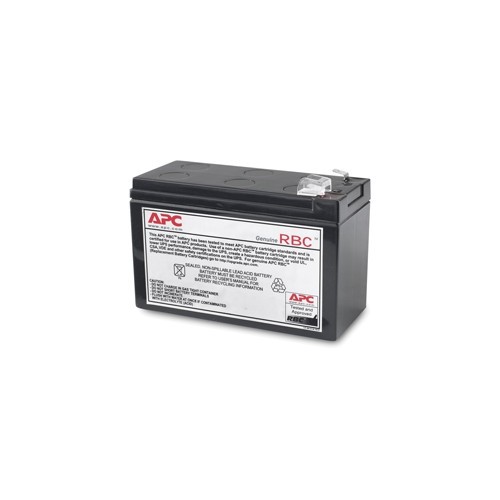
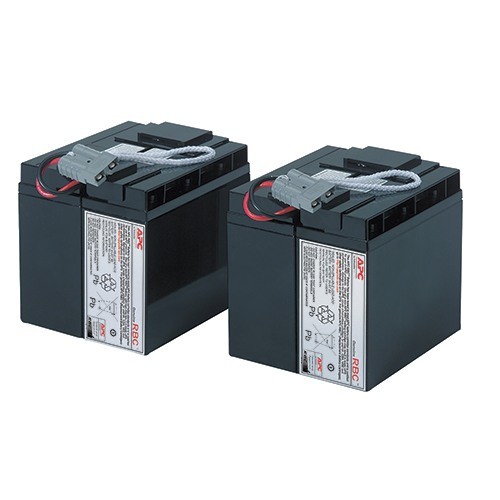
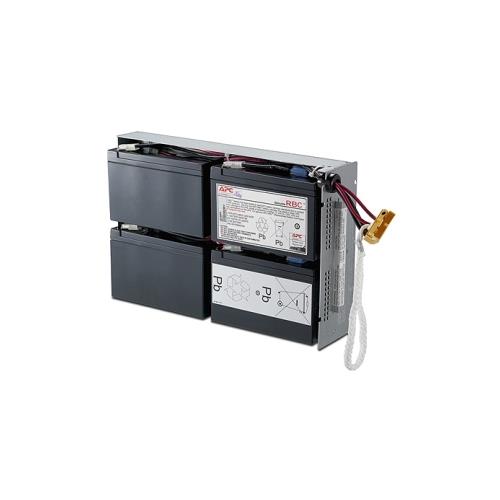
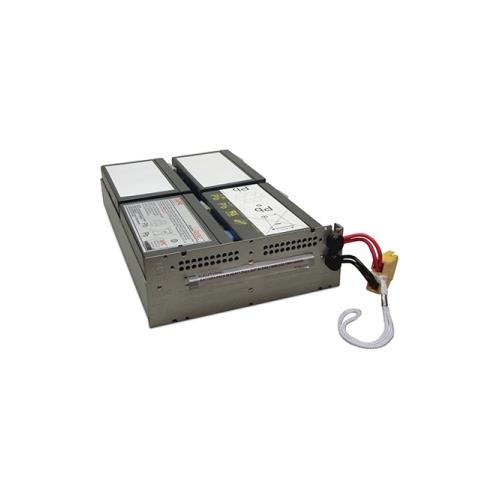
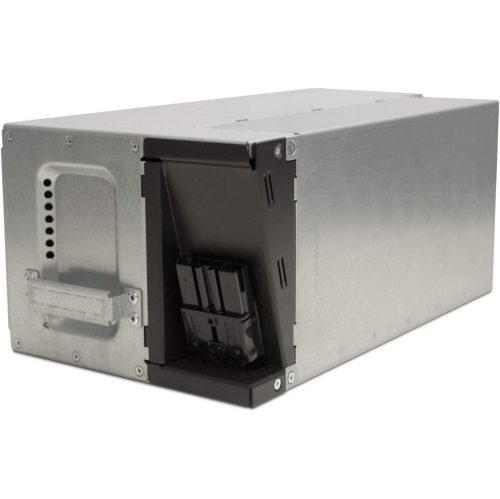


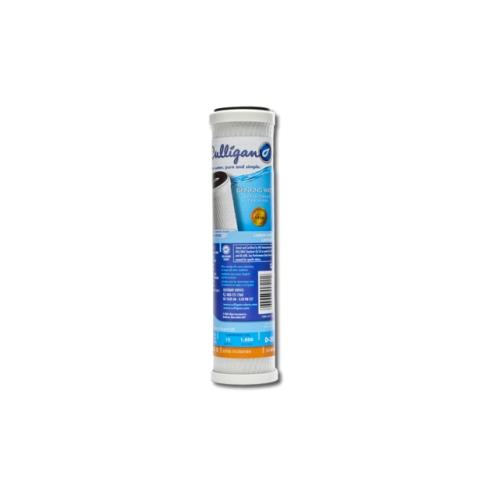


Why the right valve fit matters for faucet repairs
Cartridge replacements for faucets, tubs, and showers are internal valve components that help control water flow and, in many fixtures, the mix of hot and cold water. A correctly matched replacement can address problems such as a persistent drip, a handle that has become difficult to turn, or inconsistent operation without requiring the entire fixture to be replaced. These parts sit inside the faucet body or shower valve, so compatibility depends on more than the appearance of the handle or spout. The fixture manufacturer, model, valve series, and sometimes its production period all help identify the appropriate fit. Two faucets with nearly identical finishes can use different internal components, while fixtures with different exterior designs may share a cartridge type. For homeowners refreshing a bathroom, property managers arranging routine repairs, and tradespeople servicing kitchen or laundry fixtures, the main consideration is the connection between the replacement cartridge and the existing valve. A sink cartridge is not automatically suitable for a shower, and a cartridge designed for a single-handle mixer will generally serve a different purpose from one used in a two-handle tap. Single-handle designs commonly regulate flow and mixing through one control; two-handle fixtures typically use separate components for the hot and cold sides. In the latter case, opening direction and handle rotation can matter as much as overall dimensions. A cartridge that looks close but has the wrong stem, locating tabs, seals, or internal passages may not seat properly or operate as intended. Exact compatibility information is therefore more useful than a broad description such as “bathroom cartridge” or “universal replacement.” Original fixture paperwork, a model marking, and clear compatibility details can help distinguish between similar-looking parts. When documentation is missing, the removed component’s shape and measurements may help narrow the possibilities, but visual resemblance alone does not establish a match. The practical goal is a cartridge that restores the fixture’s intended operation while fitting its existing housing, handle connection, and retaining system.
Materials and construction influence how cartridge replacements feel in use and how they withstand repeated operation. Many faucet cartridges use closely fitted ceramic discs to regulate water through aligned openings. Other designs rely on moving stems, seals, and internal assemblies suited to a particular valve system. Depending on the design, the cartridge body may incorporate engineered plastic, brass, or other metals, with rubber or similar sealing materials around critical contact points. Ceramic discs can provide smooth control and resist wear, but grit or mineral deposits can interfere with their sealing surfaces. Metal components can offer strength at connection points, while purpose-made plastic housings allow complex internal shapes; neither material, by itself, confirms compatibility or service life. Build quality, water conditions, frequency of use, and correct installation all contribute to durability. A frequently used kitchen mixer handles a different daily routine from a guest bathroom tap, and a shared household shower may be operated many times between cleaning sessions. For these situations, the useful details are the cartridge’s intended application, its specified valve fit, and any operating limits provided by the manufacturer. Dimensions such as body diameter and overall length are relevant, but a diameter match alone is not enough. Stem height, the shape or spline pattern of the handle connection, port layout, and the position of sealing rings can determine whether a replacement works with the fixture. Some assemblies include seals or other fitting components, while others require compatible parts to be retained or obtained separately, making package contents another practical consideration. Shower cartridges also deserve particular attention because pressure-balancing and thermostatic functions are not interchangeable. A pressure-balancing valve helps limit changes in the hot-to-cold mix caused by supply-pressure variations, whereas a thermostatic valve responds to changes in mixed-water temperature. These mechanisms must match the valve’s design; a different cartridge cannot simply add a function the fixture was not built to support. Accurate matching preserves the intended handle movement, flow control, and any built-in temperature-control features.
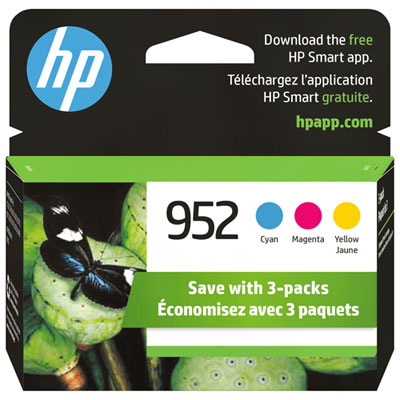
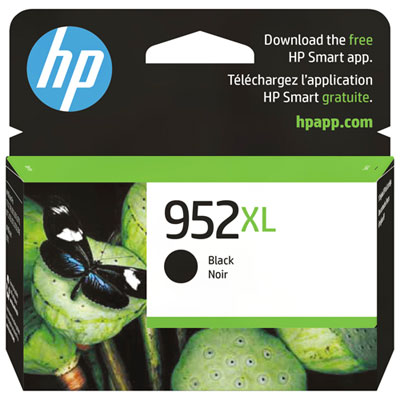
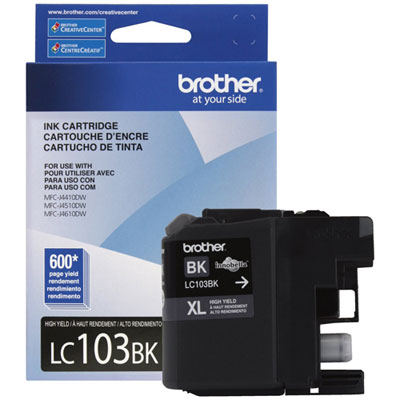
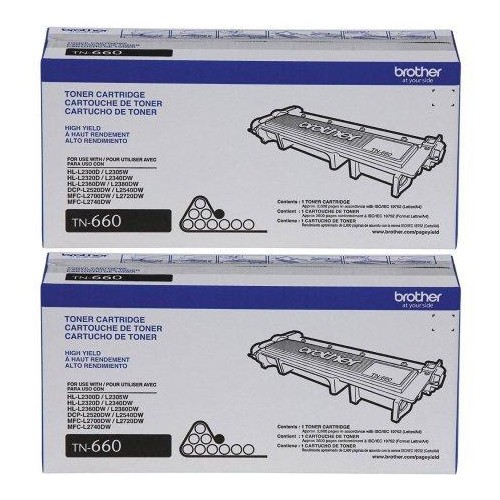
The value of a suitable replacement is most apparent in everyday use: a bathroom tap that closes without repeated tightening, a kitchen handle that moves smoothly while dishes are being rinsed, or a shower control that responds predictably. Still, not every leak or flow problem originates in the cartridge. Moisture around the faucet base, reduced flow at the spout, or water escaping behind a wall can have other causes, including worn seals, a blocked aerator, connection issues, or damage elsewhere in the fixture. A cartridge replacement is most appropriate when the fault has been traced to that component and the surrounding valve body remains serviceable. This distinction matters for anyone deciding between a targeted repair and a larger fixture replacement. Care also extends beyond the new part itself. Debris left inside a valve body can affect a fresh cartridge, and forcing a stiff handle can place unnecessary stress on its stem and connection. Manufacturer-specified cleaning methods and lubricants help protect seals and contact surfaces; an unsuitable cleaner or lubricant may damage materials rather than improve movement. Replacement work requires an isolated water supply, and a concealed shower valve, seized component, or uncertain shut-off arrangement may call for a qualified plumber. For ongoing household maintenance, keeping the fixture model and installed cartridge details together makes future identification easier, particularly in homes with several bathrooms or a mix of fixture styles. Property managers can benefit from the same records when coordinating repairs across multiple units. Clear identification is useful beyond plumbing, too, because the word cartridge describes several unrelated product categories. Printing supplies belong to a separate category, such as replacement ink cartridges for printers, rather than faucet or shower valve components. For plumbing applications, the most useful comparison remains straightforward: intended fixture, confirmed valve compatibility, construction, included components, and the condition of the existing installation. Together, those details support a repair that suits the fixture already in place and the way it is used each day.
Materials and construction influence how cartridge replacements feel in use and how they withstand repeated operation. Many faucet cartridges use closely fitted ceramic discs to regulate water through aligned openings. Other designs rely on moving stems, seals, and internal assemblies suited to a particular valve system. Depending on the design, the cartridge body may incorporate engineered plastic, brass, or other metals, with rubber or similar sealing materials around critical contact points. Ceramic discs can provide smooth control and resist wear, but grit or mineral deposits can interfere with their sealing surfaces. Metal components can offer strength at connection points, while purpose-made plastic housings allow complex internal shapes; neither material, by itself, confirms compatibility or service life. Build quality, water conditions, frequency of use, and correct installation all contribute to durability. A frequently used kitchen mixer handles a different daily routine from a guest bathroom tap, and a shared household shower may be operated many times between cleaning sessions. For these situations, the useful details are the cartridge’s intended application, its specified valve fit, and any operating limits provided by the manufacturer. Dimensions such as body diameter and overall length are relevant, but a diameter match alone is not enough. Stem height, the shape or spline pattern of the handle connection, port layout, and the position of sealing rings can determine whether a replacement works with the fixture. Some assemblies include seals or other fitting components, while others require compatible parts to be retained or obtained separately, making package contents another practical consideration. Shower cartridges also deserve particular attention because pressure-balancing and thermostatic functions are not interchangeable. A pressure-balancing valve helps limit changes in the hot-to-cold mix caused by supply-pressure variations, whereas a thermostatic valve responds to changes in mixed-water temperature. These mechanisms must match the valve’s design; a different cartridge cannot simply add a function the fixture was not built to support. Accurate matching preserves the intended handle movement, flow control, and any built-in temperature-control features.
The value of a suitable replacement is most apparent in everyday use: a bathroom tap that closes without repeated tightening, a kitchen handle that moves smoothly while dishes are being rinsed, or a shower control that responds predictably. Still, not every leak or flow problem originates in the cartridge. Moisture around the faucet base, reduced flow at the spout, or water escaping behind a wall can have other causes, including worn seals, a blocked aerator, connection issues, or damage elsewhere in the fixture. A cartridge replacement is most appropriate when the fault has been traced to that component and the surrounding valve body remains serviceable. This distinction matters for anyone deciding between a targeted repair and a larger fixture replacement. Care also extends beyond the new part itself. Debris left inside a valve body can affect a fresh cartridge, and forcing a stiff handle can place unnecessary stress on its stem and connection. Manufacturer-specified cleaning methods and lubricants help protect seals and contact surfaces; an unsuitable cleaner or lubricant may damage materials rather than improve movement. Replacement work requires an isolated water supply, and a concealed shower valve, seized component, or uncertain shut-off arrangement may call for a qualified plumber. For ongoing household maintenance, keeping the fixture model and installed cartridge details together makes future identification easier, particularly in homes with several bathrooms or a mix of fixture styles. Property managers can benefit from the same records when coordinating repairs across multiple units. Clear identification is useful beyond plumbing, too, because the word cartridge describes several unrelated product categories. Printing supplies belong to a separate category, such as replacement ink cartridges for printers, rather than faucet or shower valve components. For plumbing applications, the most useful comparison remains straightforward: intended fixture, confirmed valve compatibility, construction, included components, and the condition of the existing installation. Together, those details support a repair that suits the fixture already in place and the way it is used each day.
Top selling and popular products
-
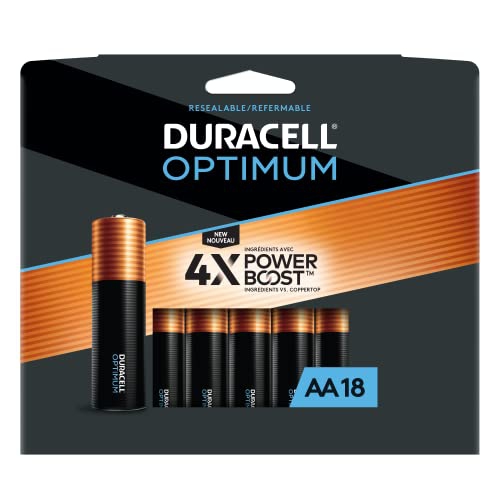 Your price for this item is $72.97
 -
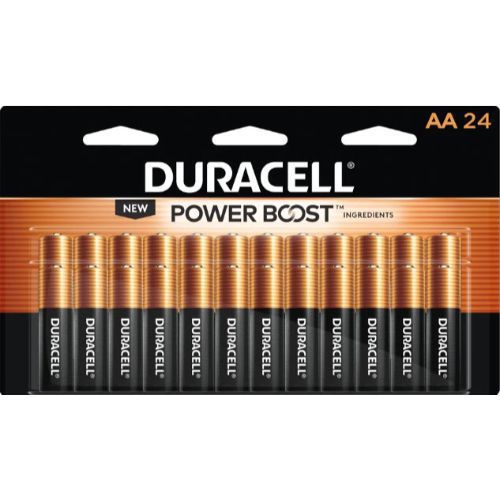 Your price for this item is $24.99
 -
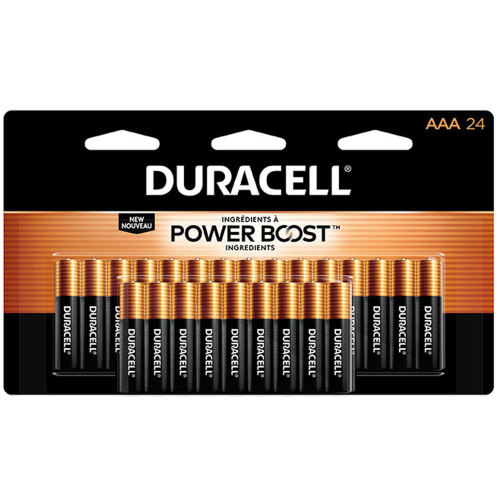 Your price for this item is $26.74
 -
 Your price for this item is $22.97
 -
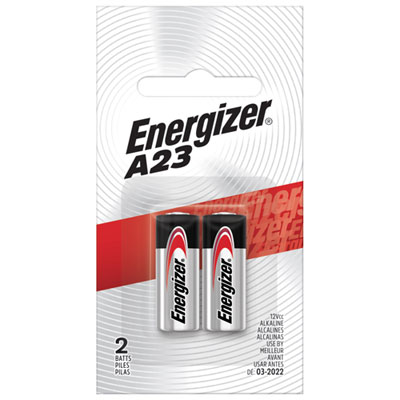 Your price for this item is $11.99
 -
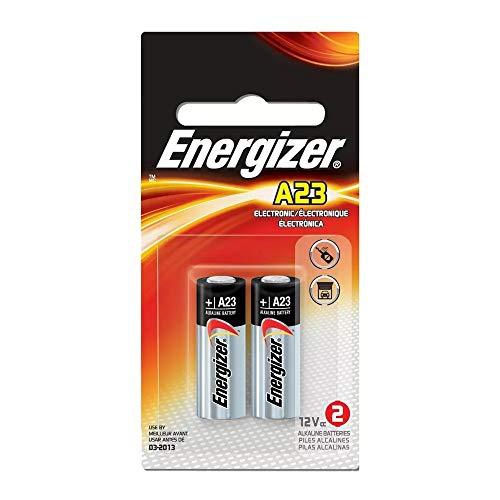 Your price for this item is $6.99
 -
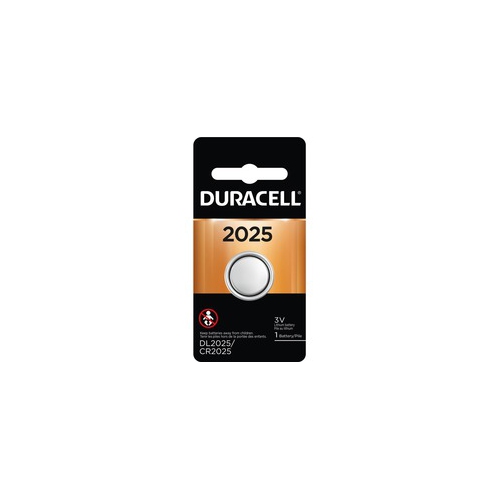 Your price for this item is $4.89
 -
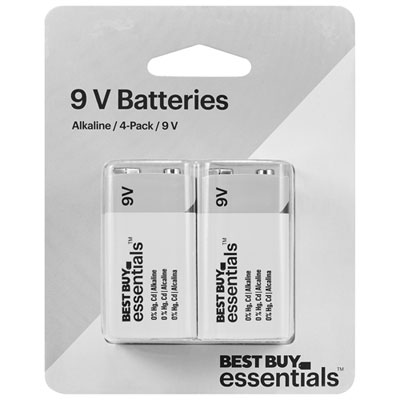 Your price for this item is $13.99
Discover more categories related to Cartridge Replacements
Top Collections:
Pokemon Centers, Kindle Devices, Best Budget Office Chairs, Apple iPhones 16, Best Laptops for Writers, iPhone 15 Apple, Canon G7X Cameras, Refurbished Apple Laptops, Alarm Clock, Motorola Razr Phones
Some products may be subject to Environmental Handling Fees
(EHF) depending on your province.
Learn more about EHFs.