Classroom Essentials
Setting up a productive and engaging learning environment is crucial for students of all ages. Whether you're a teacher, a parent, or a student yourself, having the right classroom essentials can make a world of difference. From practical and durable furniture to innovative tech gadgets and helpful organizational tools, these classroom essentials have everything you need to create an optimal space for learning and growth.
Sort



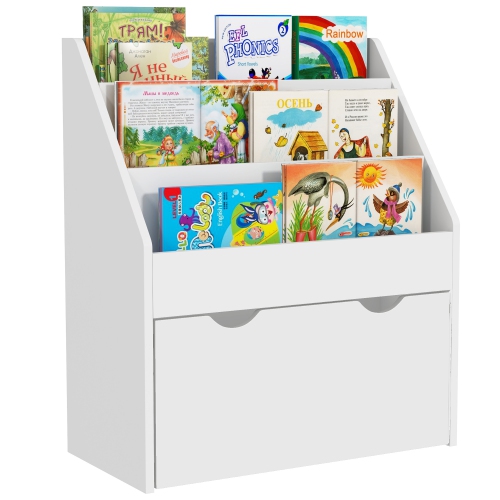
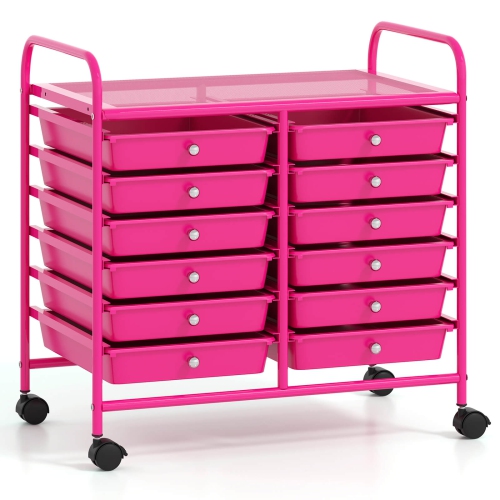
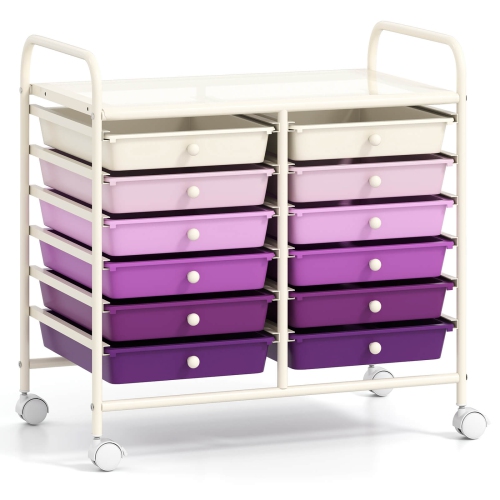
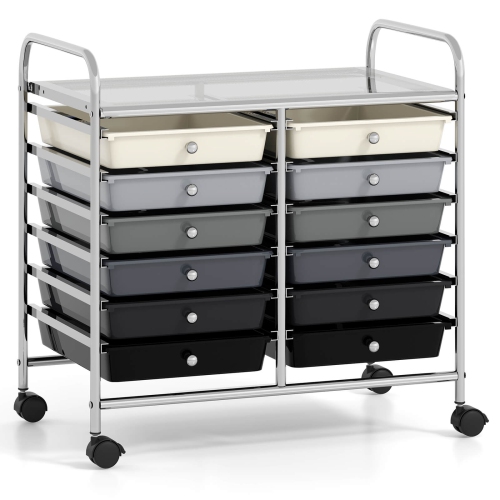
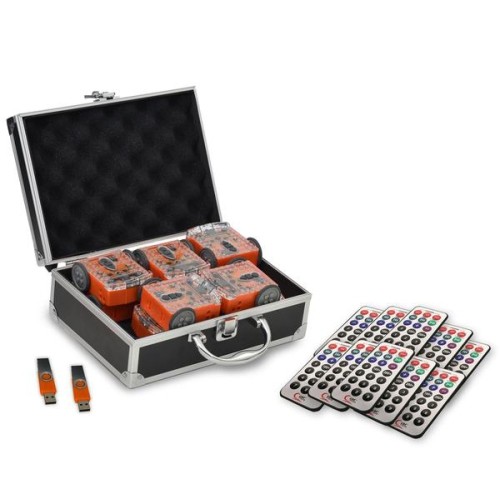
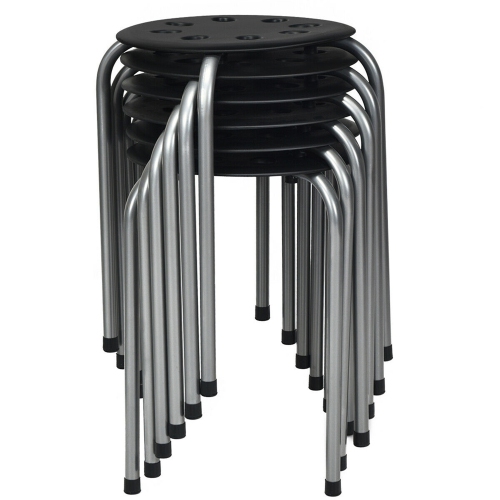
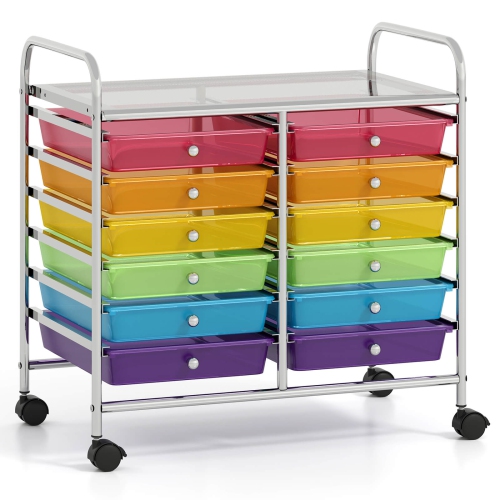
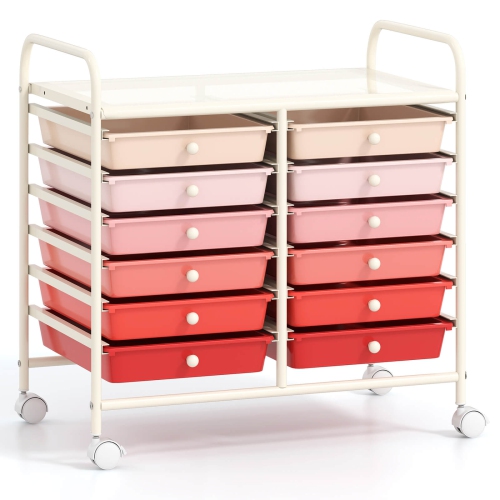
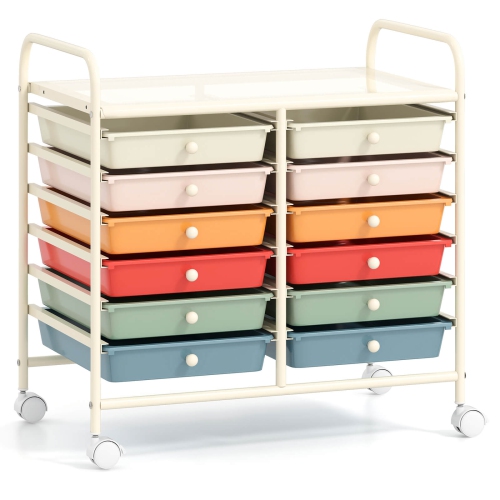
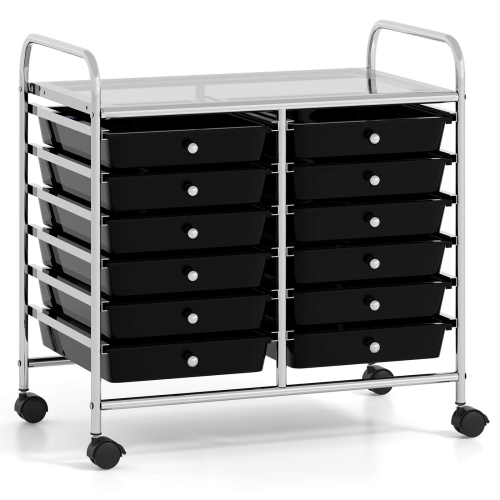






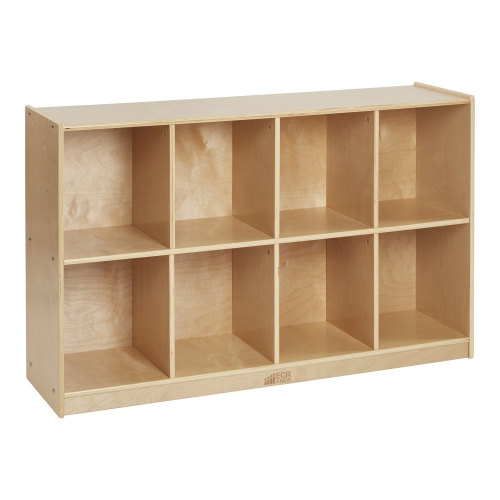
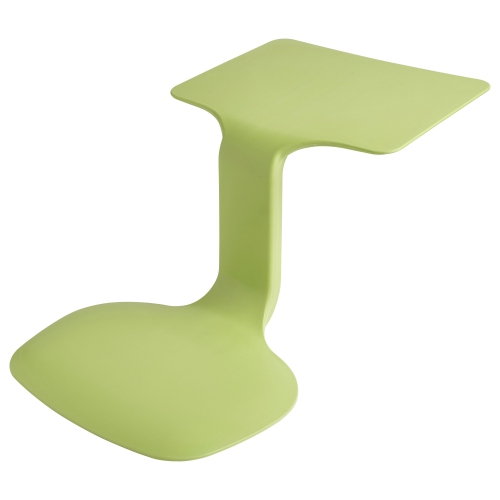
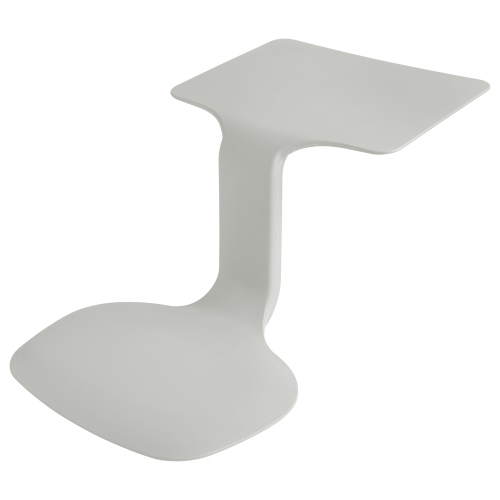
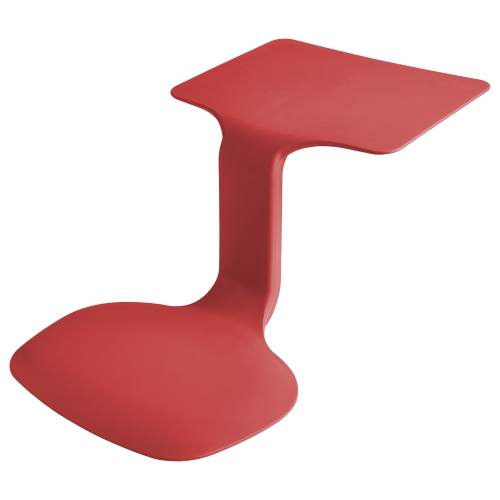
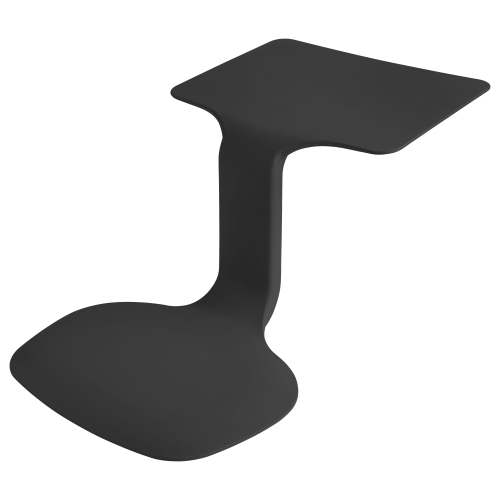
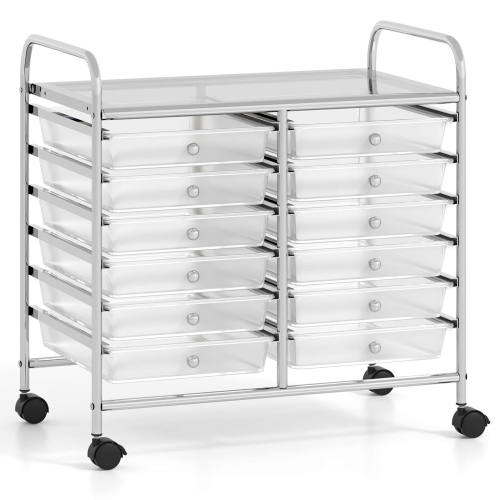
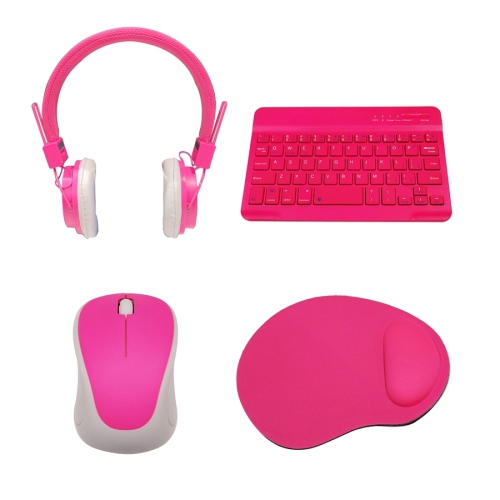

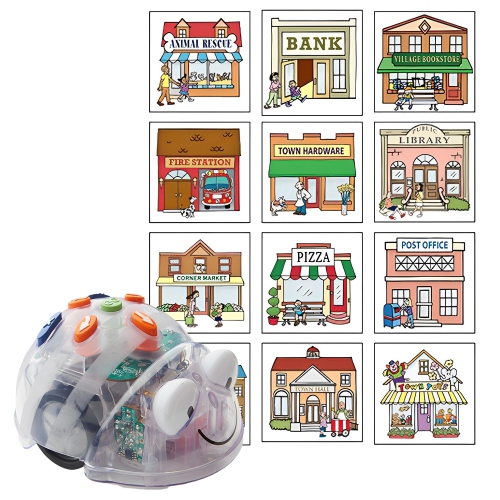
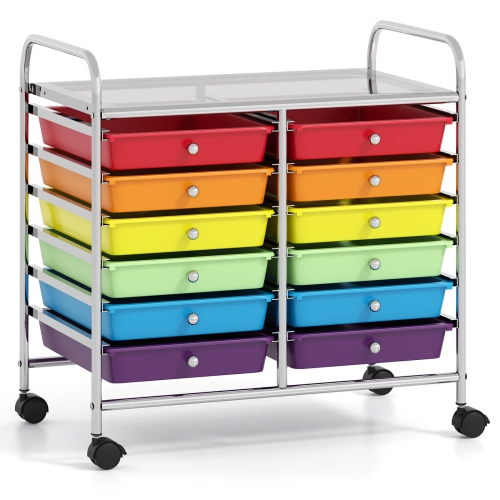
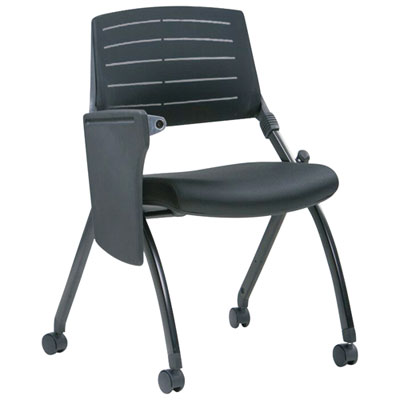
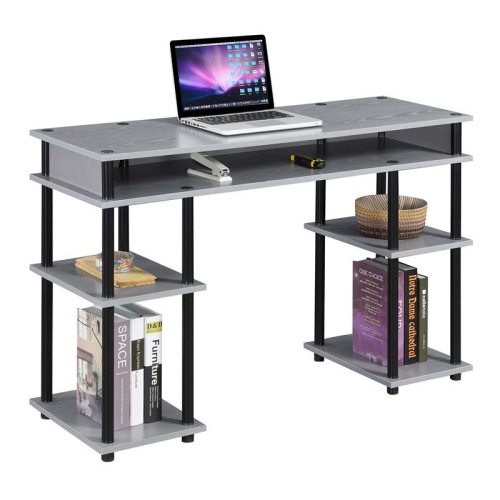
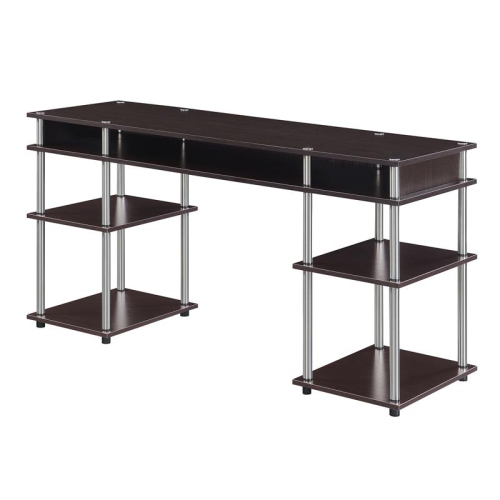
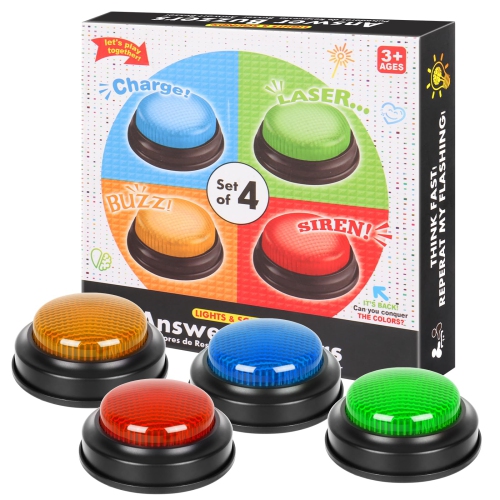
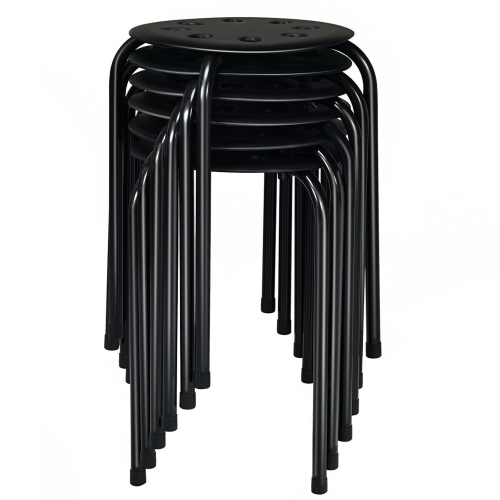
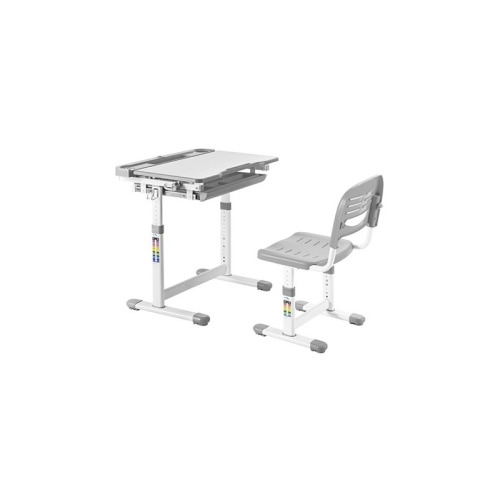
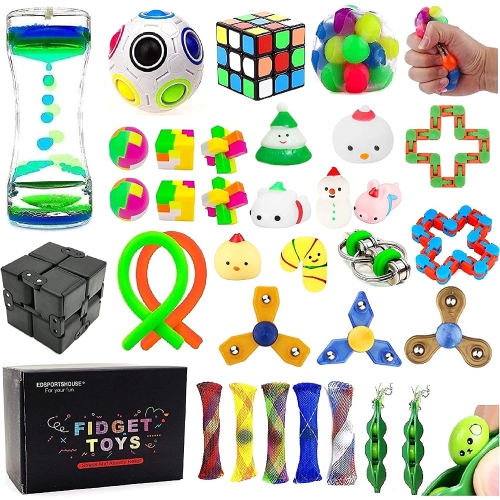




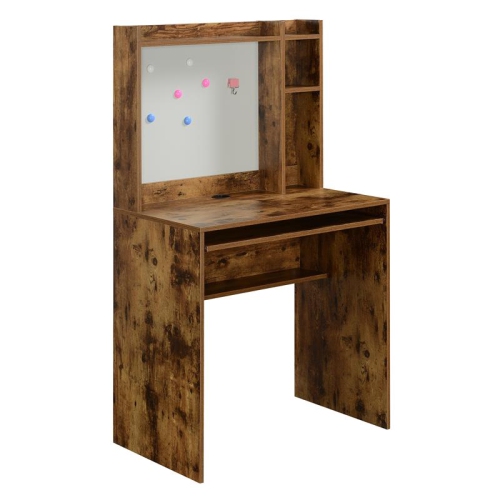
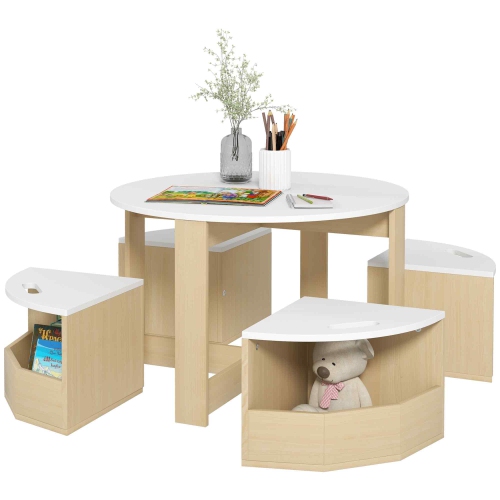
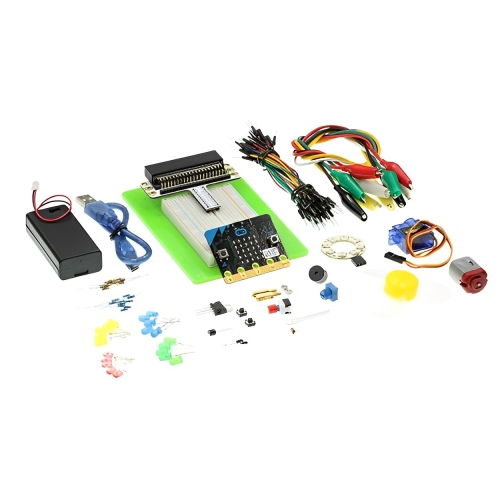

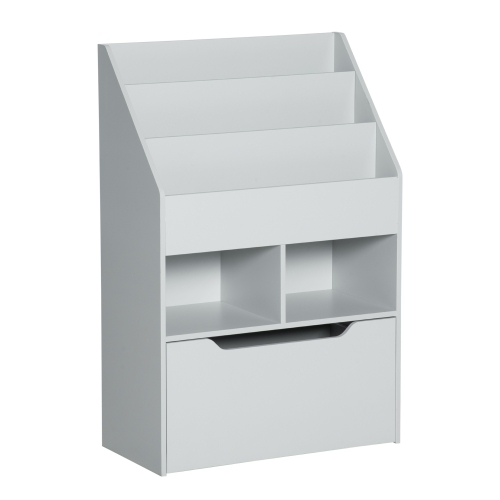
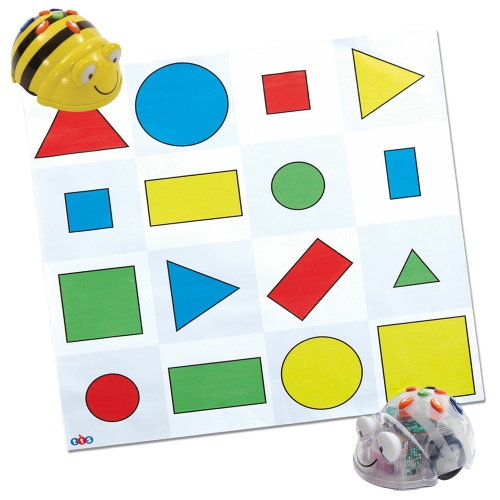
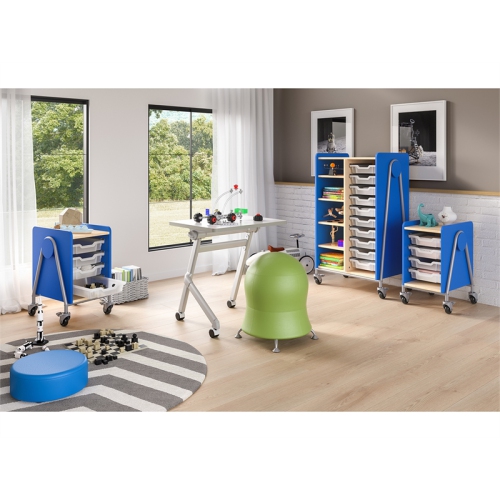
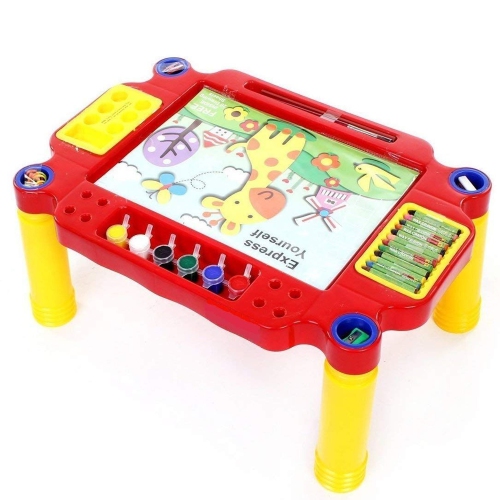
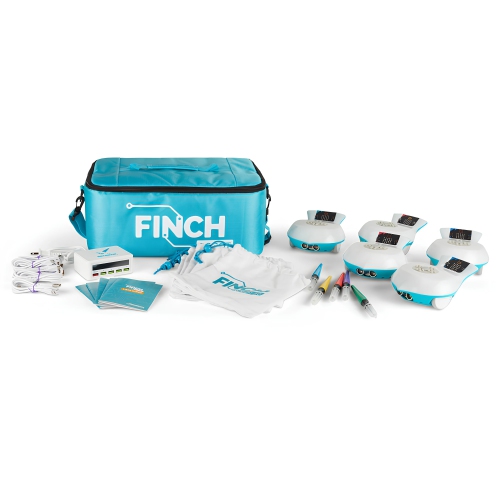
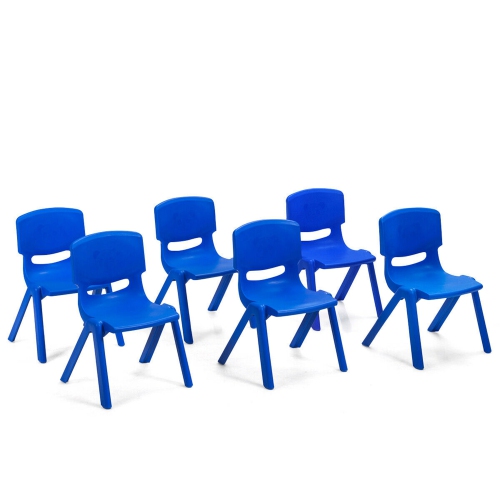

Everyday supplies for learning, organizing and shared classroom routines
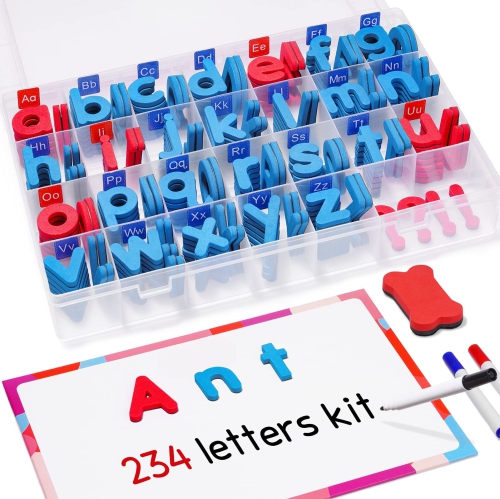
Classroom essentials help create a smoother school day by giving students and teachers the everyday supplies they rely on for learning, planning, creating and staying organized. A well-stocked classroom commonly includes writing supplies such as pencils, pens, sharpeners, erasers and highlighters, along with notebooks or exercise books for lessons, practice work and personal notes. Pre-sharpened wooden pencils can save valuable time at the start of an activity, while classic block erasers are easy for small hands to use when correcting calculations, diagrams or written work. For younger learners and creative projects, crayons, coloured pencils and markers support drawing, labelling, presentations and classroom displays. Glue sticks are a practical choice for paper crafts and collage work because they are simple to apply and less messy than liquid adhesives, while scissors, rulers and basic measuring tools support both art activities and hands-on assignments. Different age groups and subjects may call for different formats: durable composition-style notebooks can hold up well throughout a term, spiral notebooks can make it easier to fold pages back during note-taking, and loose-leaf paper can be sorted into binders by subject. Families preparing children for a new school routine may appreciate having a complete selection of these basics at home, especially when supplies seem to disappear between a desk, backpack and homework area. These items can also make useful gifts for students, student teachers, tutors or educators who enjoy having extra materials ready for an unexpected project.
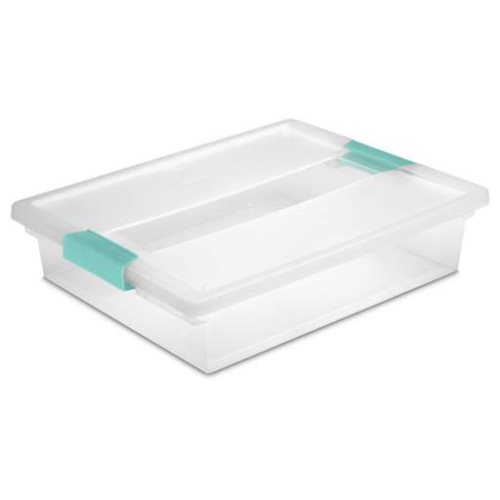
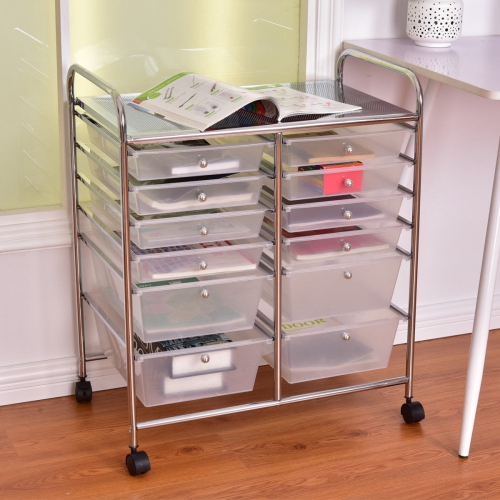
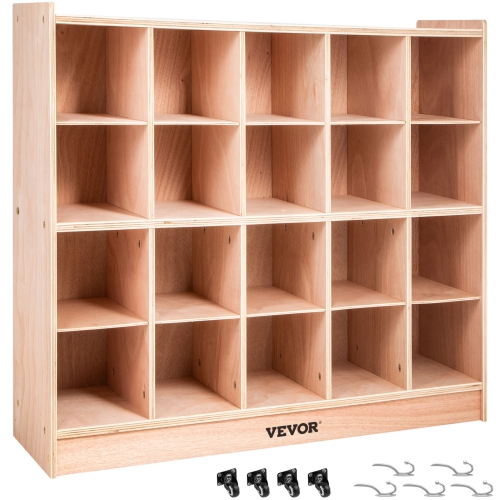
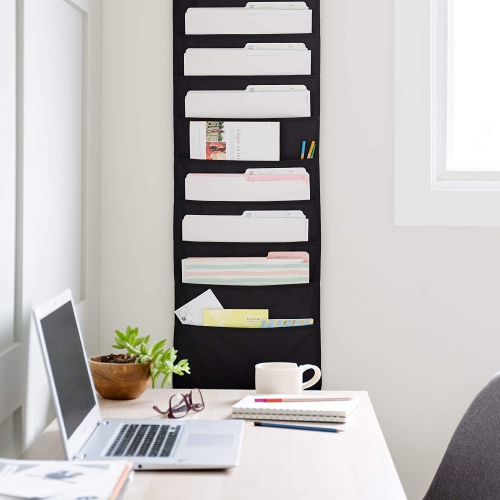
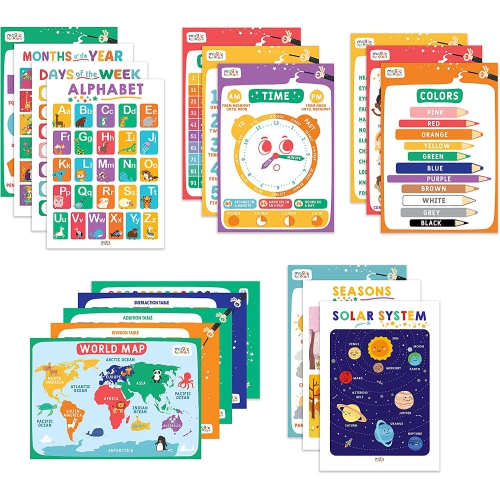
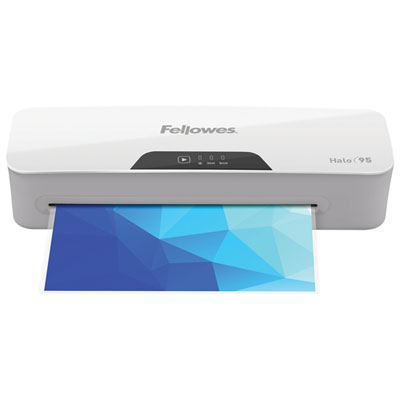
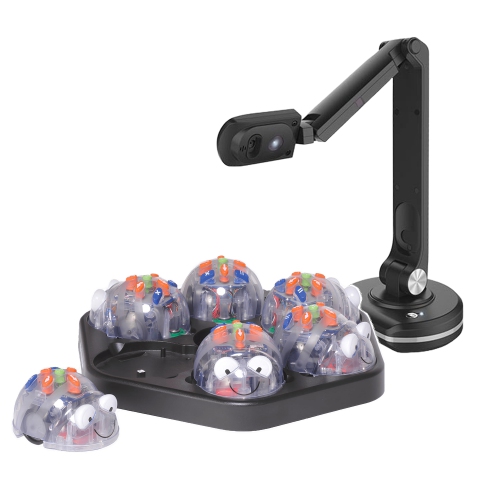
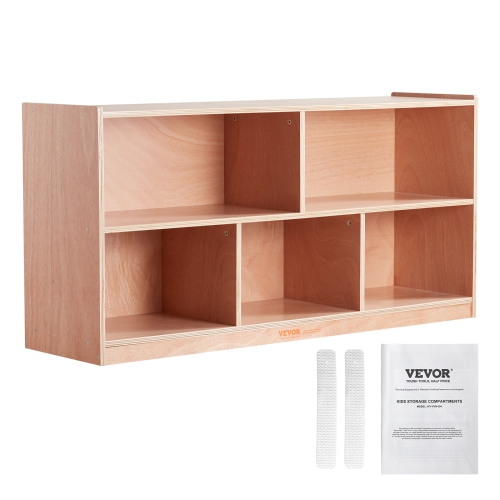
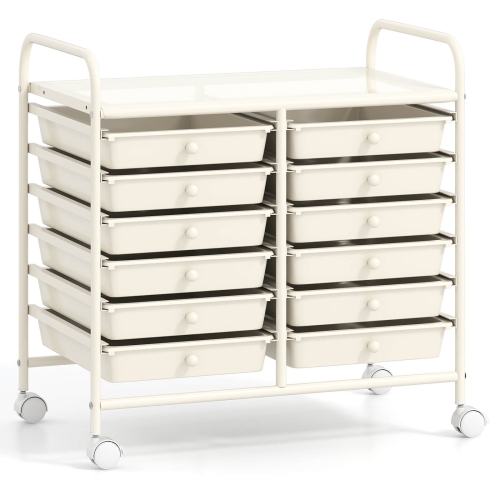
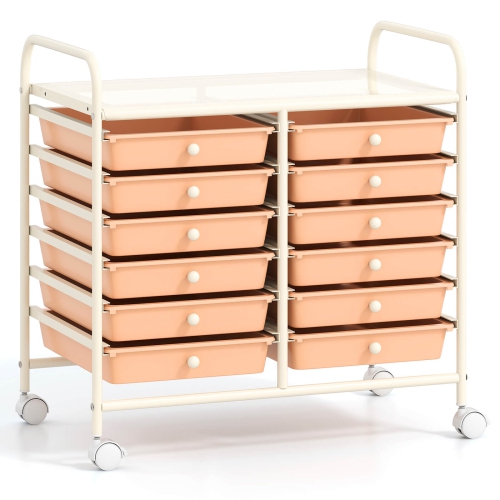
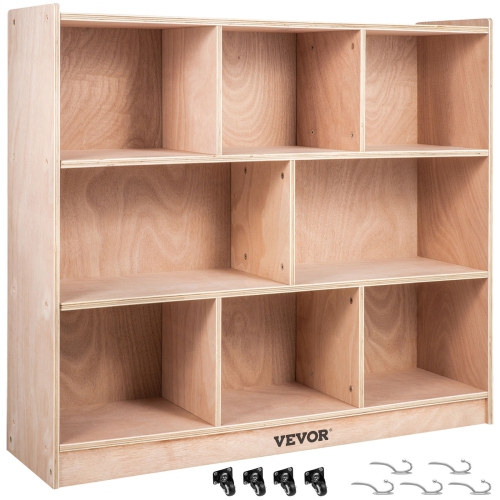
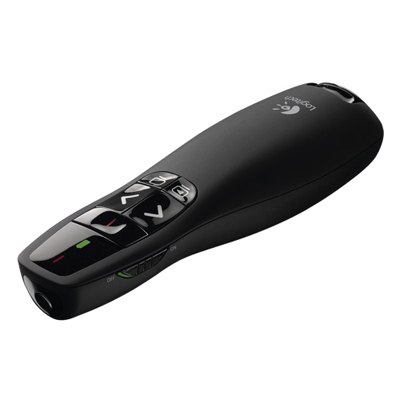
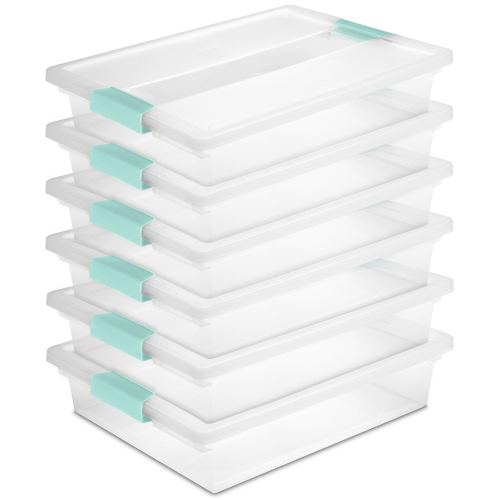
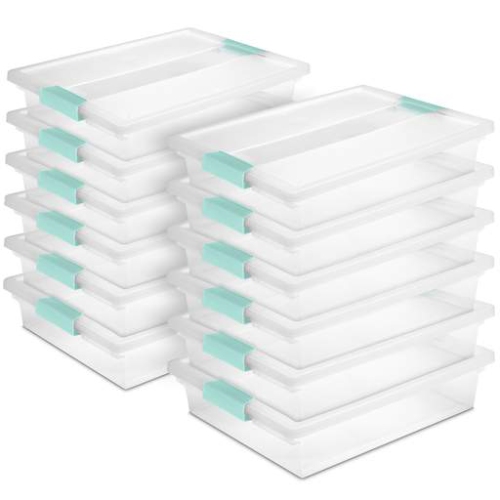
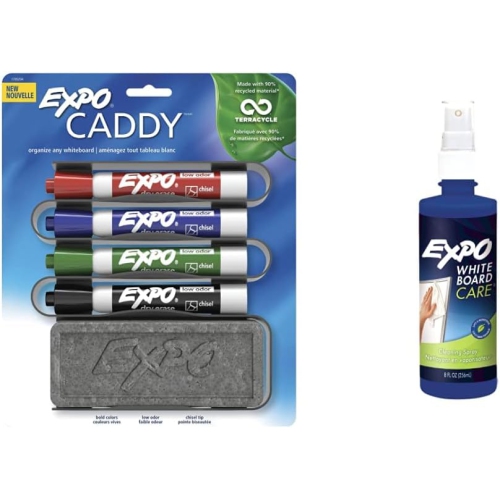
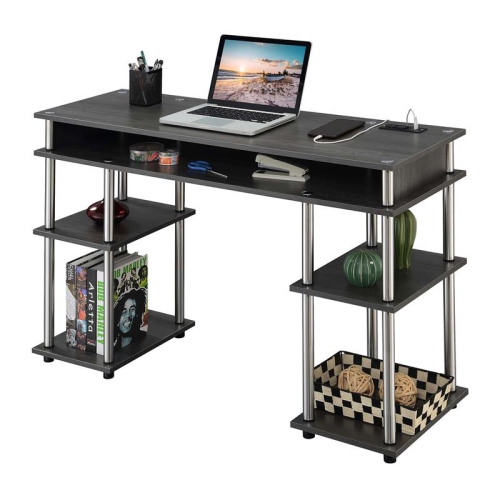
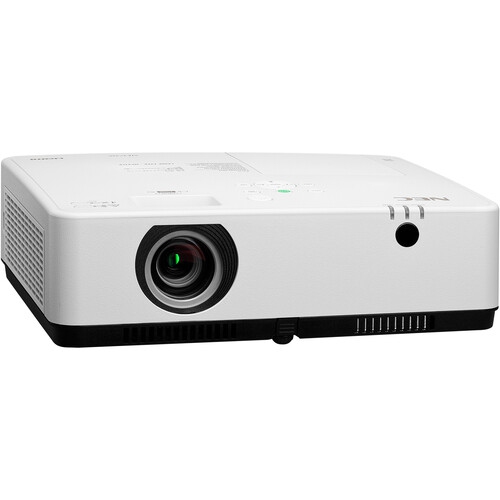
Teacher tools and classroom organization supplies help turn a busy room into a space where materials are easier to find and routines are easier to follow. File folders can separate worksheets, permission forms, parent notes and completed assignments, while labelled storage containers, desktop organizers and paper trays can give each class activity its own place. Separate trays may be used for work that is ready to be handed in, assignments waiting to be returned or materials sorted by subject, reducing the familiar end-of-day pile-up on a desk. A sturdy stapler, replacement staples, paper clips, binder clips and tape are useful for assembling handouts, displays and small classroom repairs. Dry erase boards, markers and reusable dry erase pockets support lessons, practice exercises and quick demonstrations without requiring a fresh sheet of paper for every attempt. They are particularly handy for spelling practice, mathematics, brainstorming and group participation, since students can write, erase and try again. Calendars, planners and visual scheduling tools can help teachers map out lessons and help students understand what is happening throughout the day. A document camera or presentation accessory may support demonstrations, while a reliable printer setup can make it easier to prepare worksheets, labels and classroom signage. When choosing supplies, consider durability, storage space, ease of use and the number of students who will share them. Items used several times a day should be comfortable to handle and simple to replenish, while occasional-use materials can be selected according to upcoming projects, curriculum needs or classroom interests. The broader selection of Classroom Tools can help educators, families and learning leaders compare practical options for work areas, study spaces and group instruction.
Cleanliness and comfort are also important parts of a prepared learning environment, particularly as children spend more time indoors during the cooler months. Facial tissues are useful for desks, reading corners, staff areas and shared activity spaces, and keeping a supply within easy reach can help reduce interruptions during lessons. Hand sanitizer can offer a convenient way to clean hands when soap and water are not immediately available, while surface-cleaning wipes can be used on shared desks, tables and frequently handled classroom equipment according to their directions. A small collection of paper towels, disposable gloves and rubbish bags may also be helpful for art activities, science demonstrations or accidental spills. Teachers can make shared materials easier to manage by using clearly marked bins for writing tools, craft supplies and returned equipment, and students can take part in simple end-of-activity routines such as returning items to their assigned locations. For home learning areas, the same approach works well: a compact caddy can keep pencils, erasers, markers, glue and scissors together, while a filing box can hold current assignments and reference pages. When selecting classroom essentials, think about the learner’s age, the size of the group, the available storage and the types of activities planned during the school year. Younger children may benefit from larger, easy-to-grip supplies and clearly visible colour choices, while older students may need tools for detailed writing, project planning and independent study. As routines settle in and the weather shifts from early fall into winter, having dependable basics close at hand can make homework, classroom projects and daily teaching feel more orderly, comfortable and prepared.
Teacher tools and classroom organization supplies help turn a busy room into a space where materials are easier to find and routines are easier to follow. File folders can separate worksheets, permission forms, parent notes and completed assignments, while labelled storage containers, desktop organizers and paper trays can give each class activity its own place. Separate trays may be used for work that is ready to be handed in, assignments waiting to be returned or materials sorted by subject, reducing the familiar end-of-day pile-up on a desk. A sturdy stapler, replacement staples, paper clips, binder clips and tape are useful for assembling handouts, displays and small classroom repairs. Dry erase boards, markers and reusable dry erase pockets support lessons, practice exercises and quick demonstrations without requiring a fresh sheet of paper for every attempt. They are particularly handy for spelling practice, mathematics, brainstorming and group participation, since students can write, erase and try again. Calendars, planners and visual scheduling tools can help teachers map out lessons and help students understand what is happening throughout the day. A document camera or presentation accessory may support demonstrations, while a reliable printer setup can make it easier to prepare worksheets, labels and classroom signage. When choosing supplies, consider durability, storage space, ease of use and the number of students who will share them. Items used several times a day should be comfortable to handle and simple to replenish, while occasional-use materials can be selected according to upcoming projects, curriculum needs or classroom interests. The broader selection of Classroom Tools can help educators, families and learning leaders compare practical options for work areas, study spaces and group instruction.
Cleanliness and comfort are also important parts of a prepared learning environment, particularly as children spend more time indoors during the cooler months. Facial tissues are useful for desks, reading corners, staff areas and shared activity spaces, and keeping a supply within easy reach can help reduce interruptions during lessons. Hand sanitizer can offer a convenient way to clean hands when soap and water are not immediately available, while surface-cleaning wipes can be used on shared desks, tables and frequently handled classroom equipment according to their directions. A small collection of paper towels, disposable gloves and rubbish bags may also be helpful for art activities, science demonstrations or accidental spills. Teachers can make shared materials easier to manage by using clearly marked bins for writing tools, craft supplies and returned equipment, and students can take part in simple end-of-activity routines such as returning items to their assigned locations. For home learning areas, the same approach works well: a compact caddy can keep pencils, erasers, markers, glue and scissors together, while a filing box can hold current assignments and reference pages. When selecting classroom essentials, think about the learner’s age, the size of the group, the available storage and the types of activities planned during the school year. Younger children may benefit from larger, easy-to-grip supplies and clearly visible colour choices, while older students may need tools for detailed writing, project planning and independent study. As routines settle in and the weather shifts from early fall into winter, having dependable basics close at hand can make homework, classroom projects and daily teaching feel more orderly, comfortable and prepared.
Top selling and popular products
-
 Your price for this item is $304.99
 -
 Your price for this item is $93.99
 -
 Your price for this item is $248.99
 -
 Your price for this item is $83.99
 -
 Your price for this item is $108.99
 -
 Your price for this item is $94.99
 -
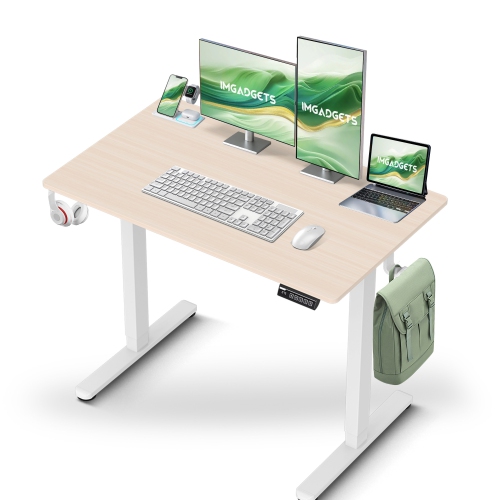 Your price for this item is $74.97
 -
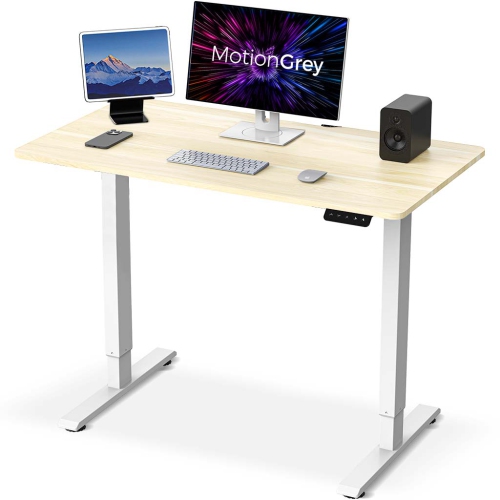 Your price for this item is $83.95
Discover more categories related to Classroom Essentials
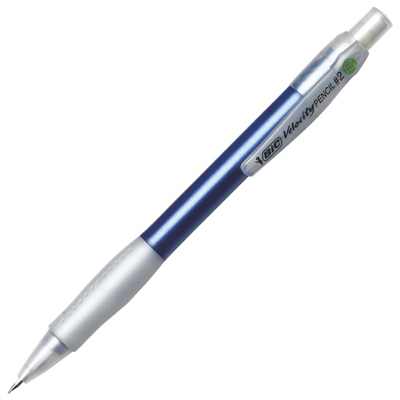
Top Collections:
Pokemon Centers, Kindle Devices, Best Budget Office Chairs, Apple iPhones 16, Best Laptops for Writers, iPhone 15 Apple, Canon G7X Cameras, Refurbished Apple Laptops, Alarm Clock, Motorola Razr Phones
Some products may be subject to Environmental Handling Fees
(EHF) depending on your province.
Learn more about EHFs.