Cubicle Organizers
Stay organized and maximize your workspace with this selection of cubicle organizers. From sleek desk organizers to versatile storage solutions, we have everything you need to keep your office essentials organized. Say goodbye to clutter and hello to efficiency with our range of stylish and functional cubicle organizers, designed to help you work smarter, not harder. Whether you're looking to declutter your desk or streamline your workflow, we have the perfect organizational tools to elevate your workspace and boost productivity.
Sort
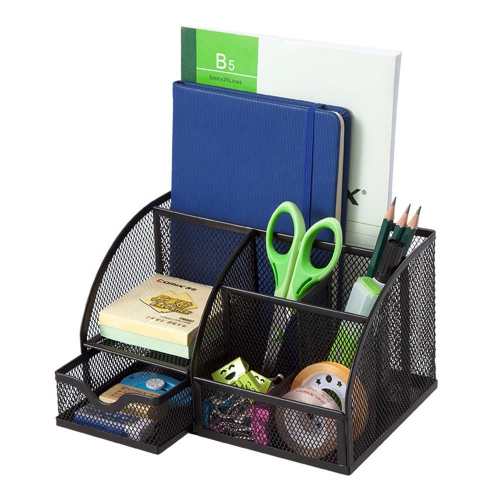
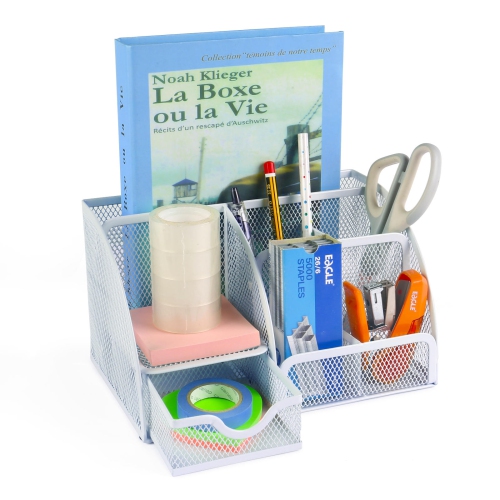
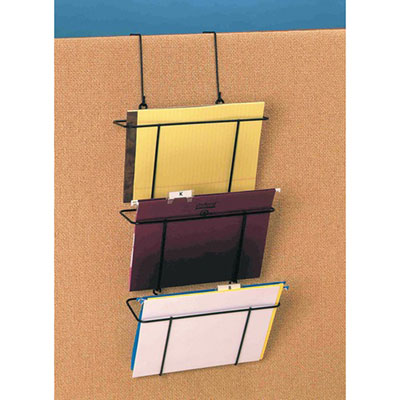
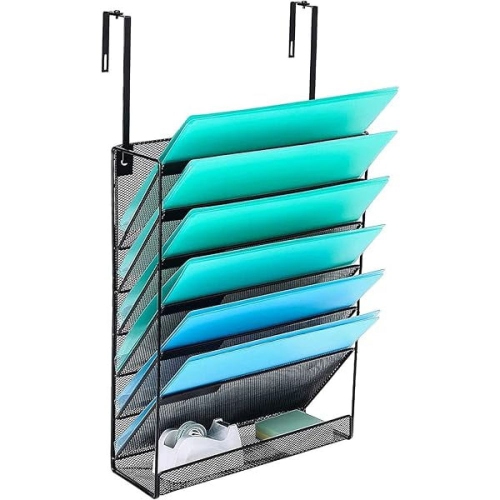
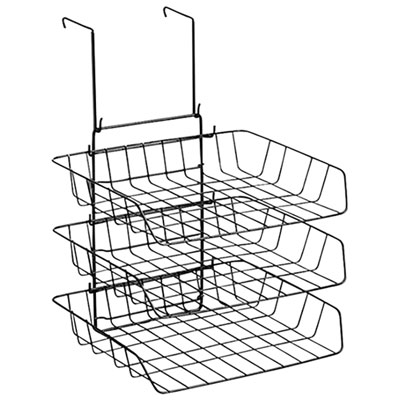

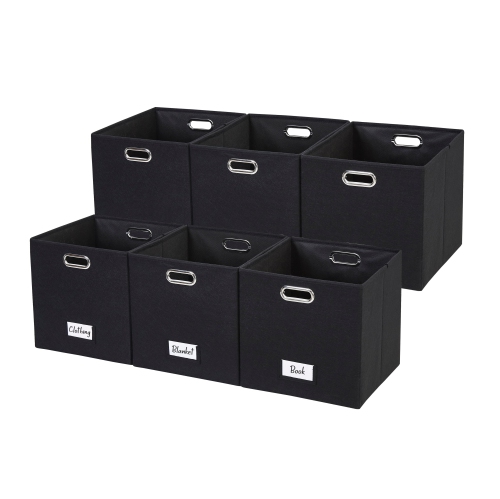
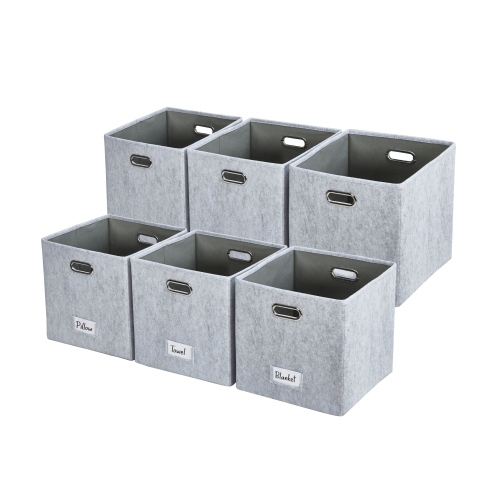
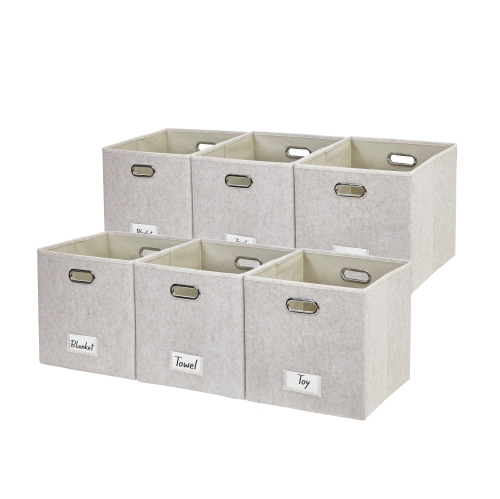
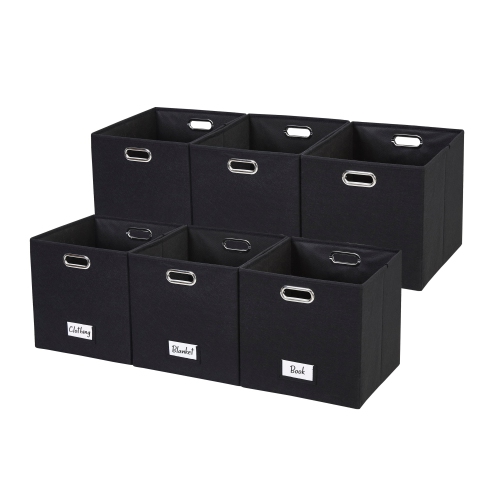
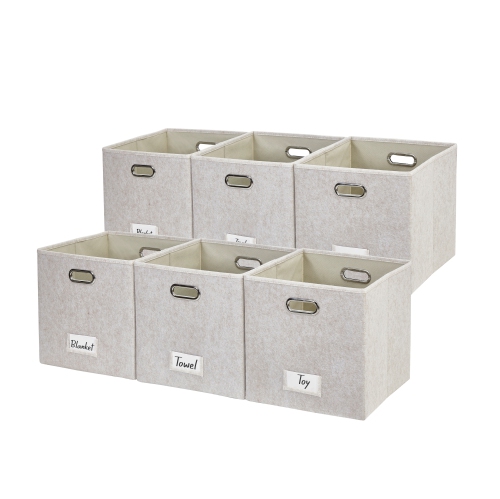
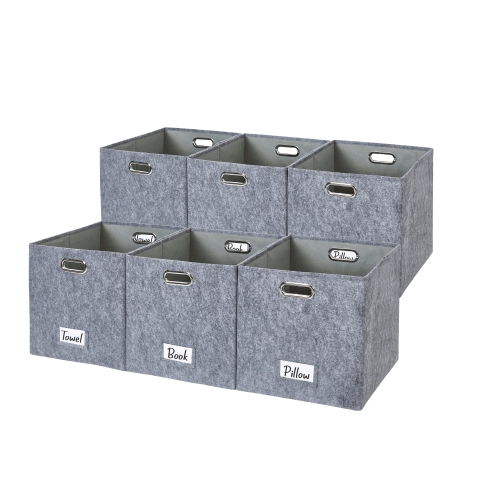
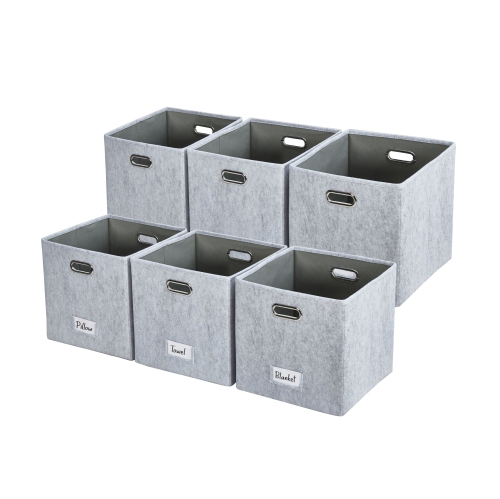
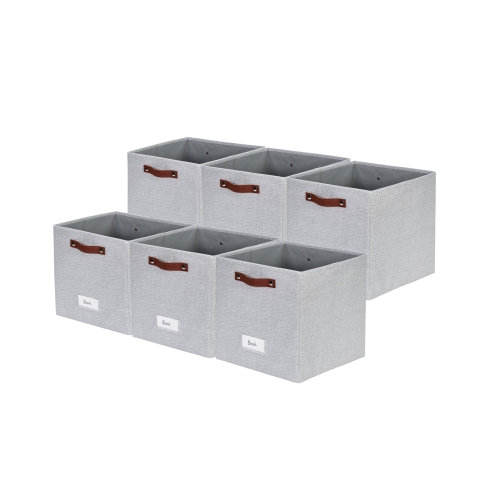
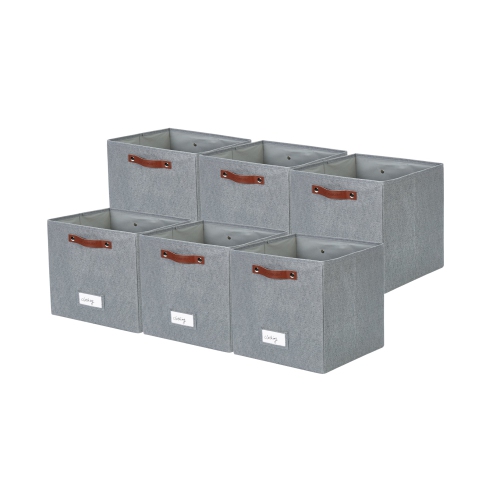

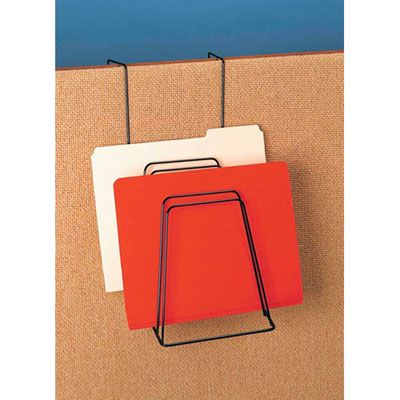
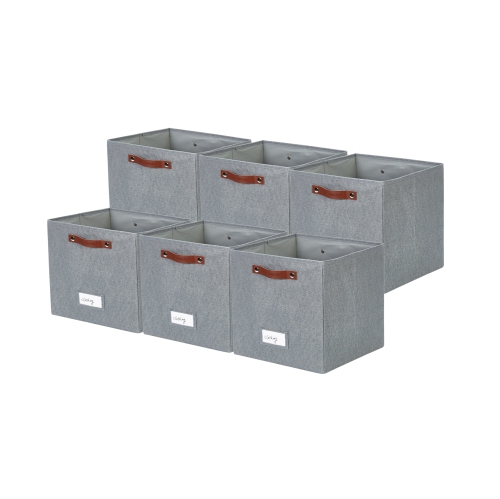
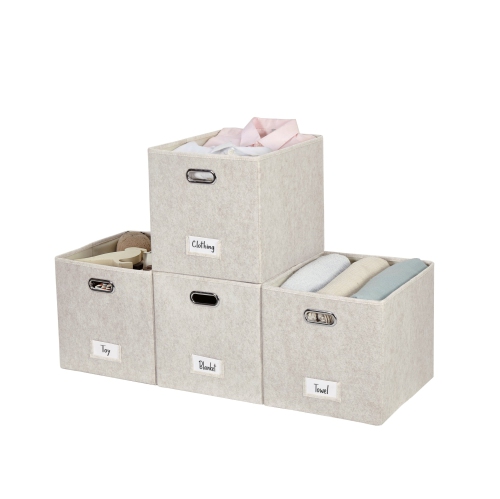
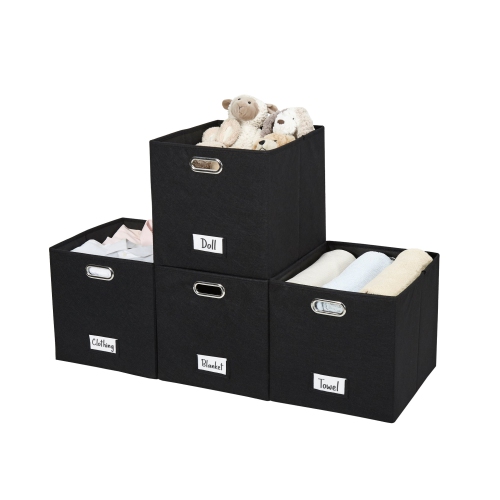
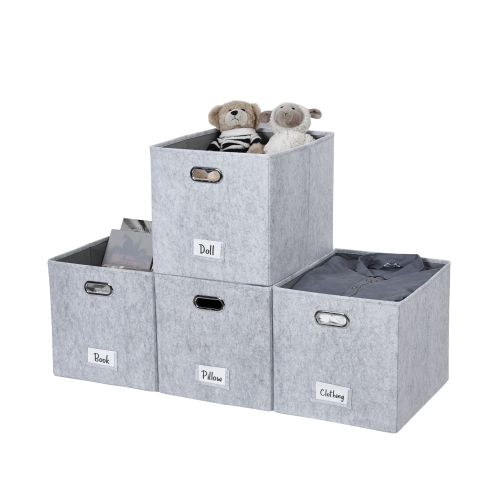


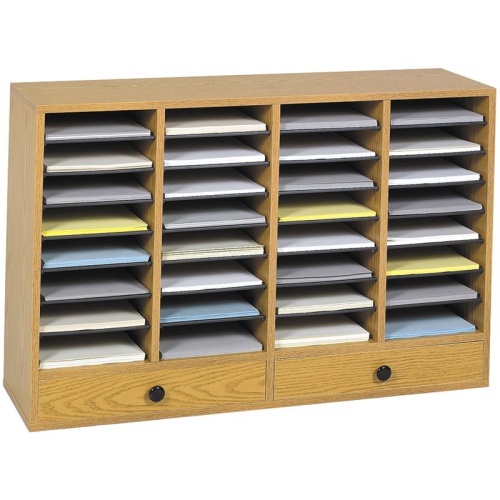
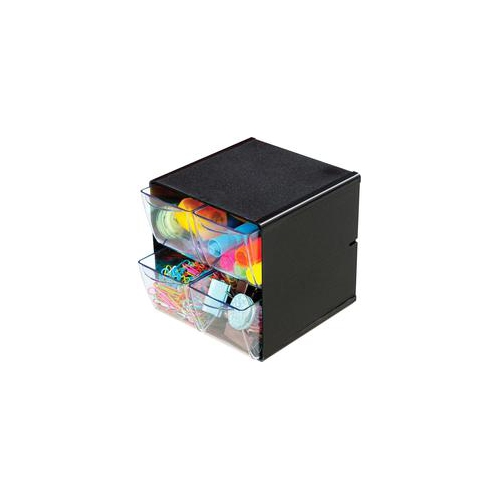
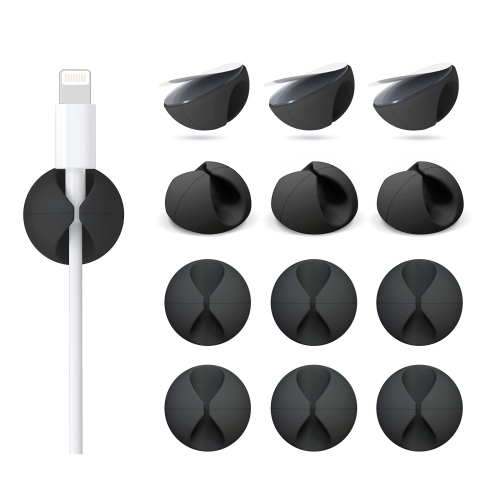


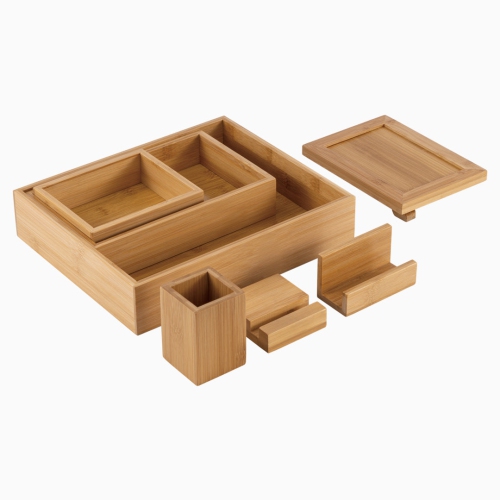


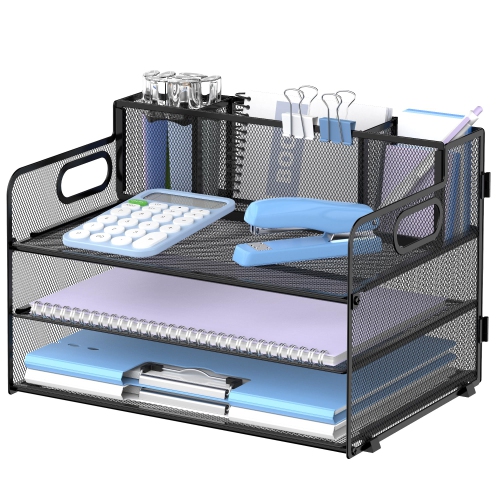

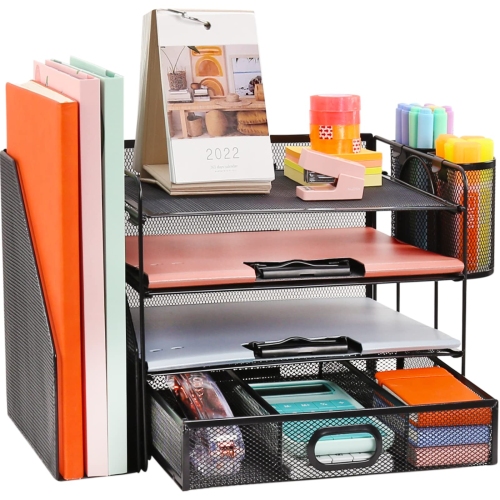
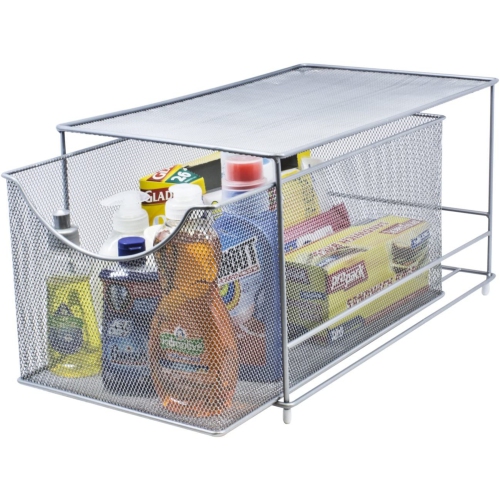
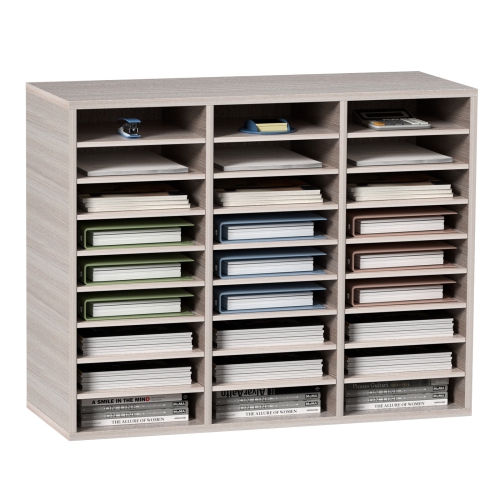
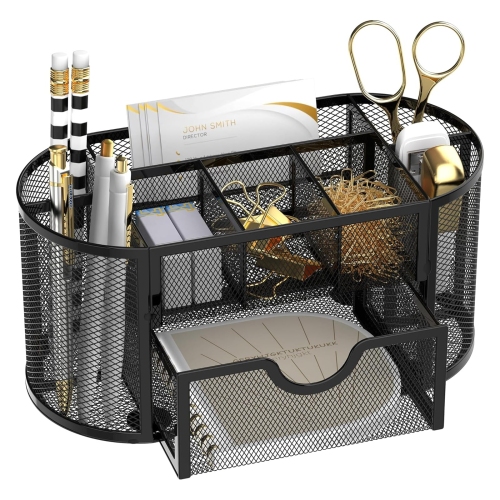
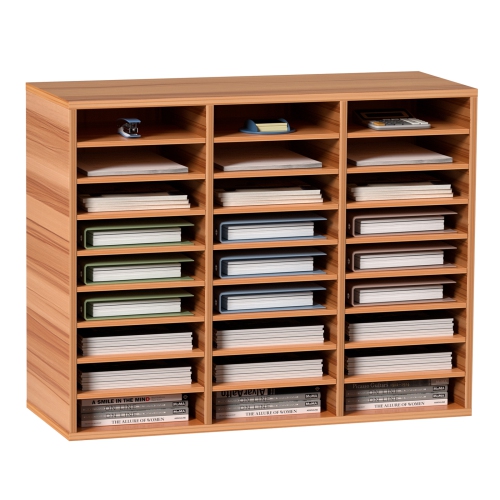
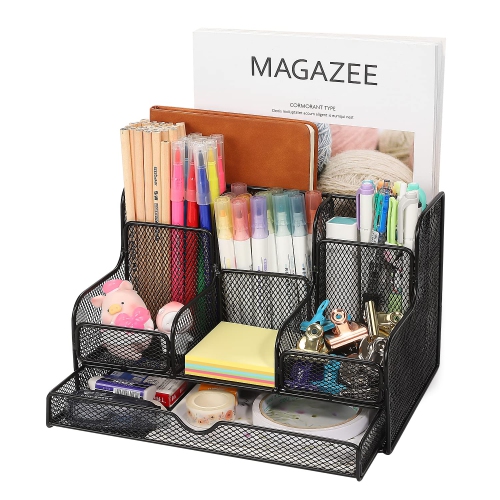

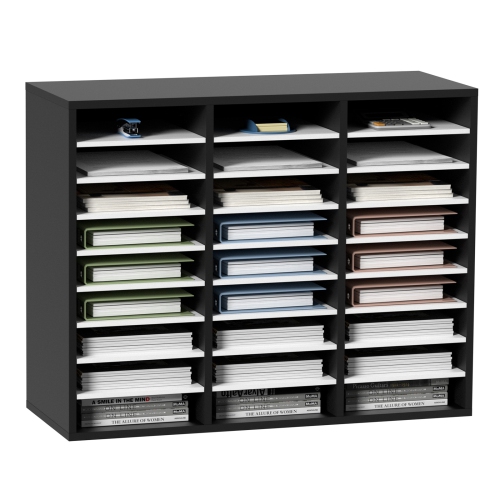

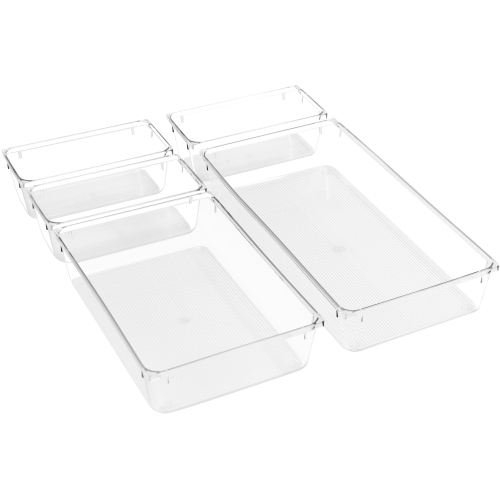
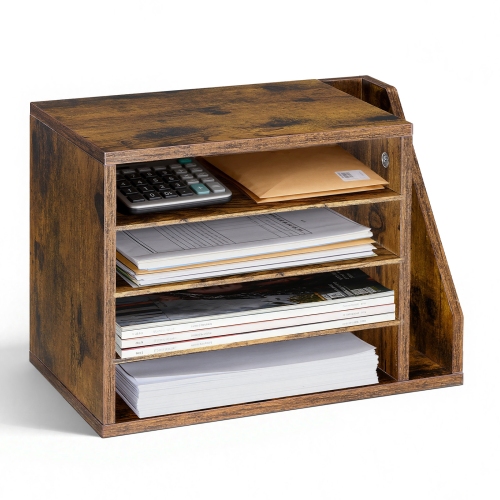
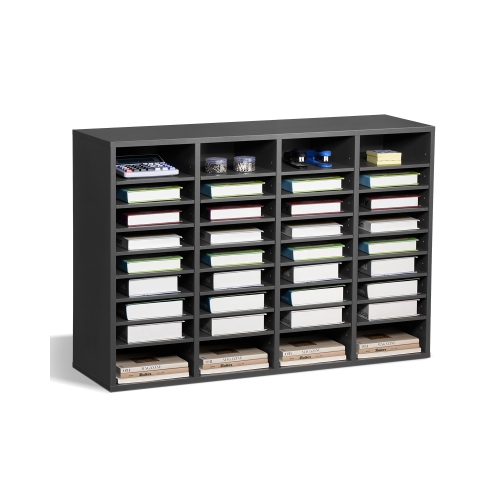
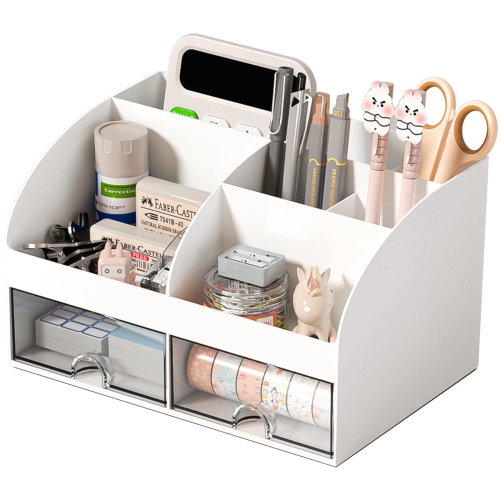

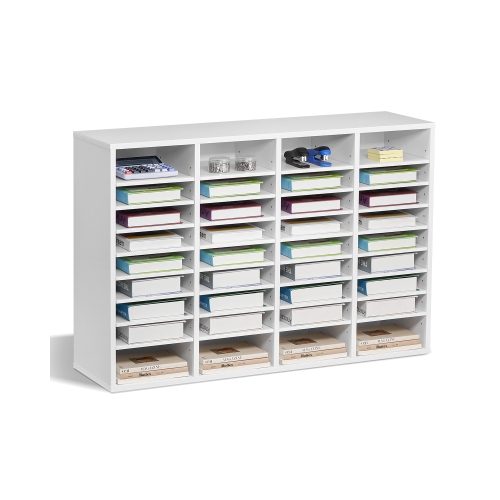

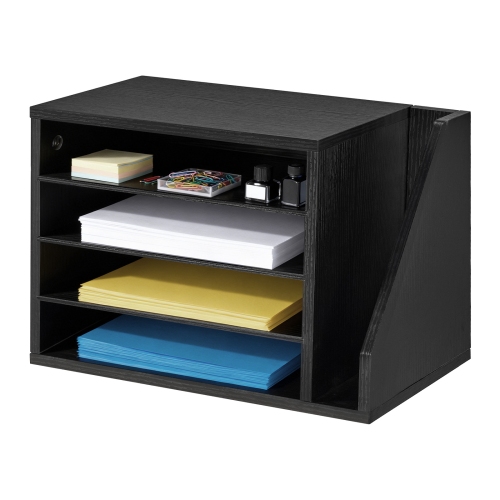
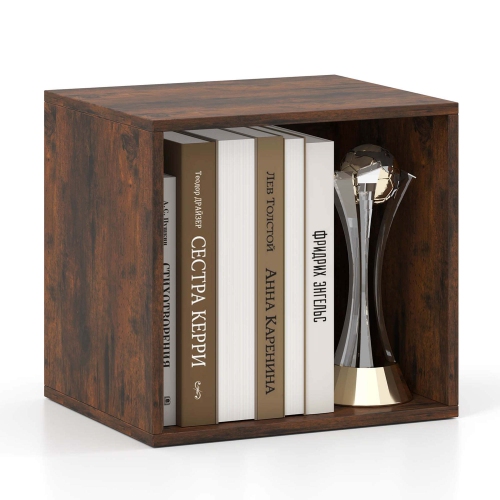
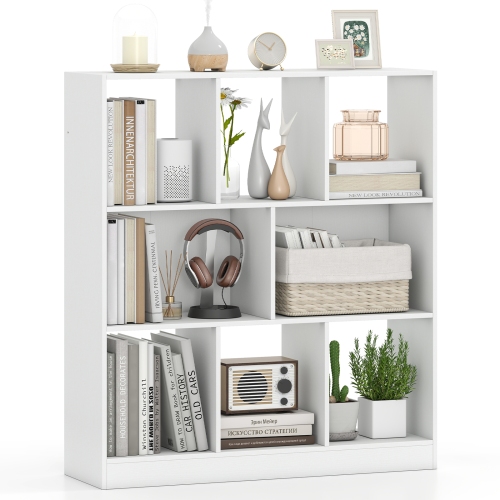

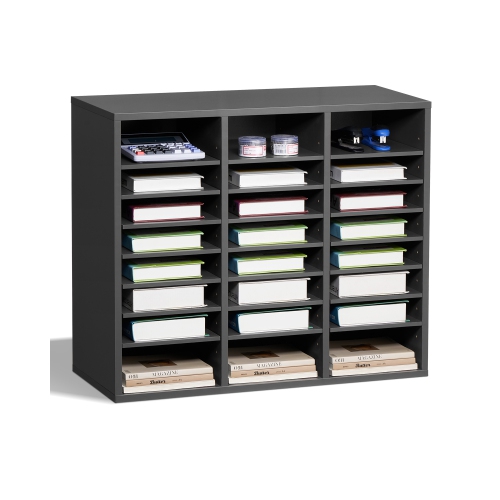

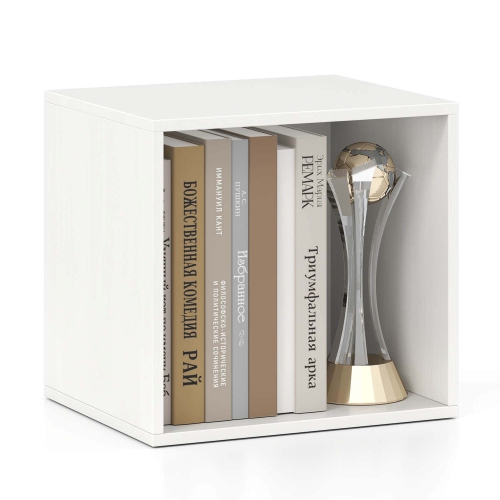
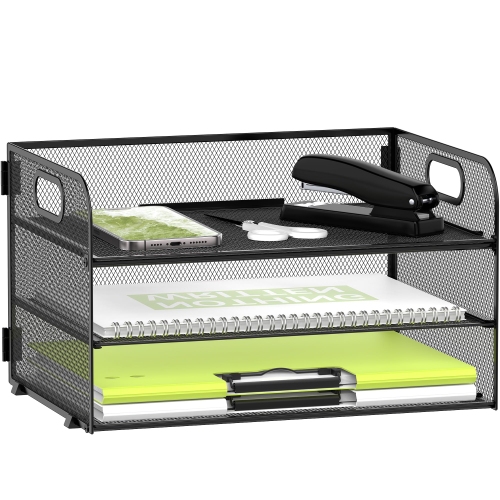
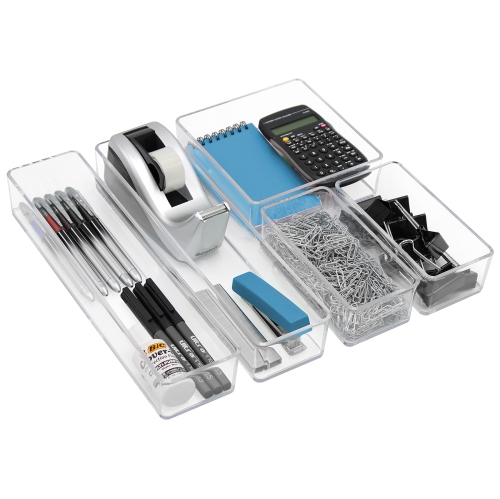


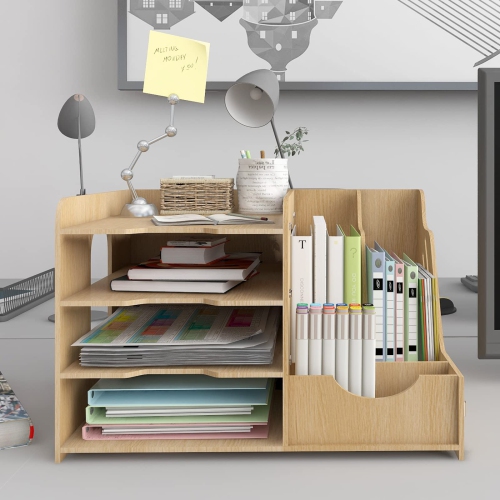
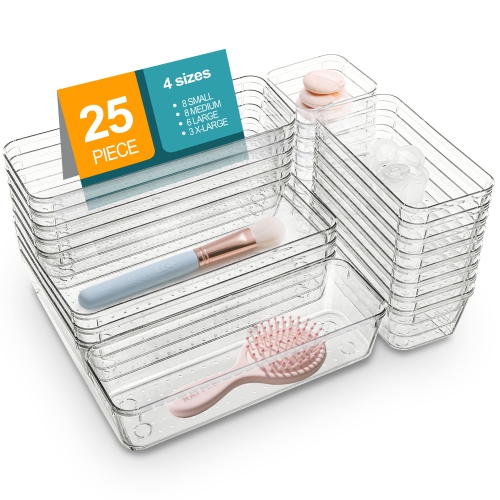
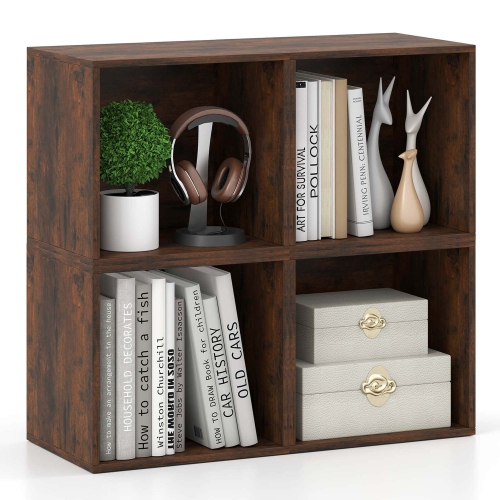


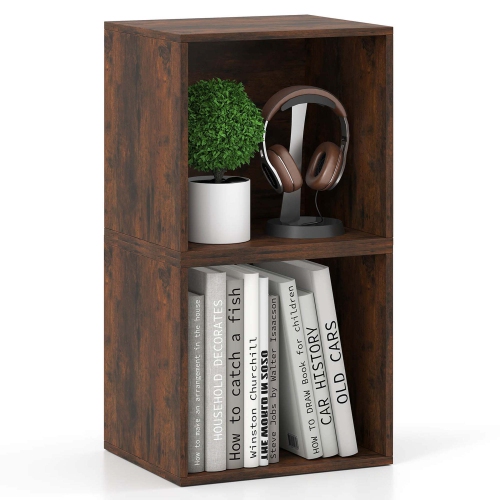


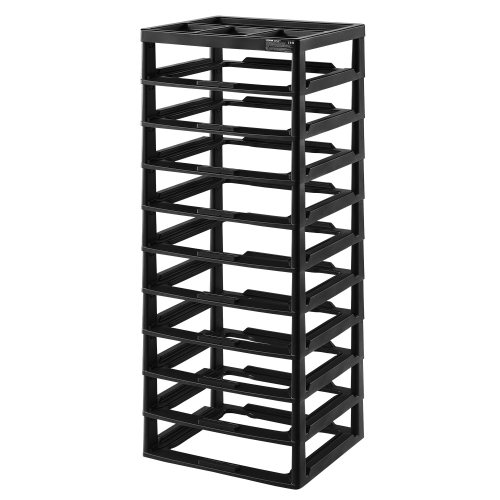
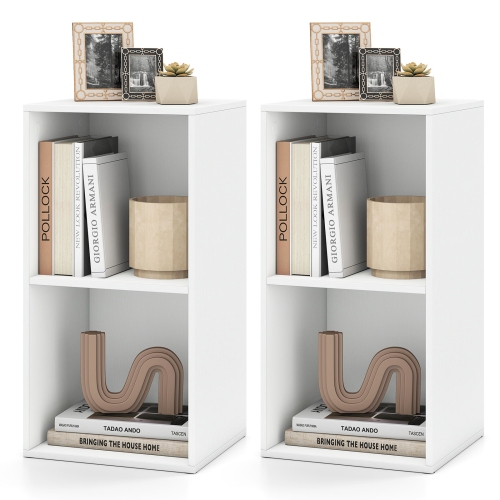
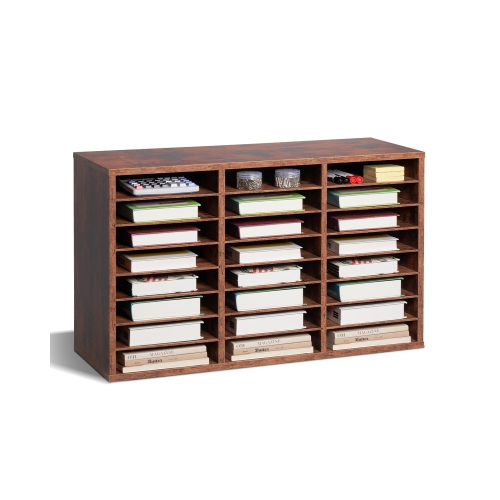
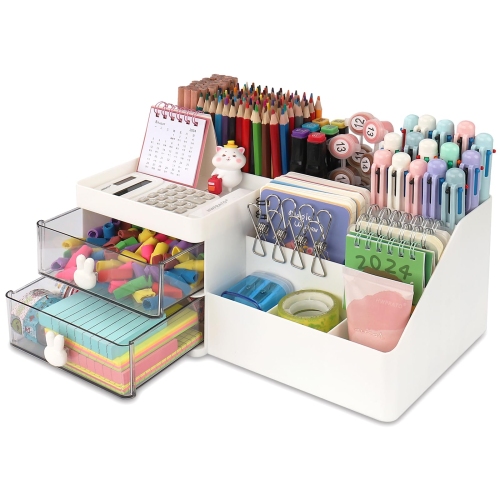
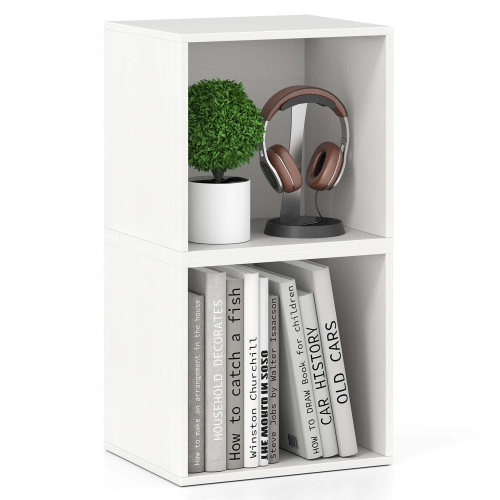

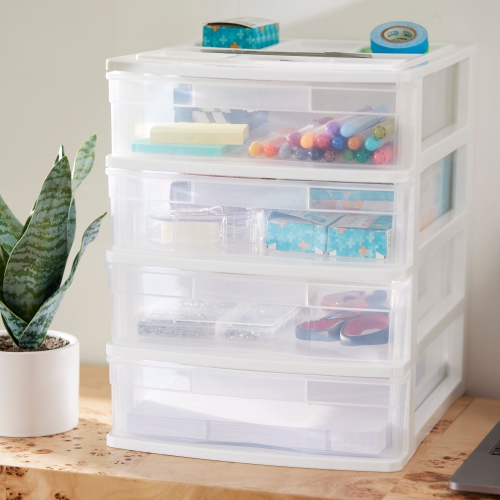
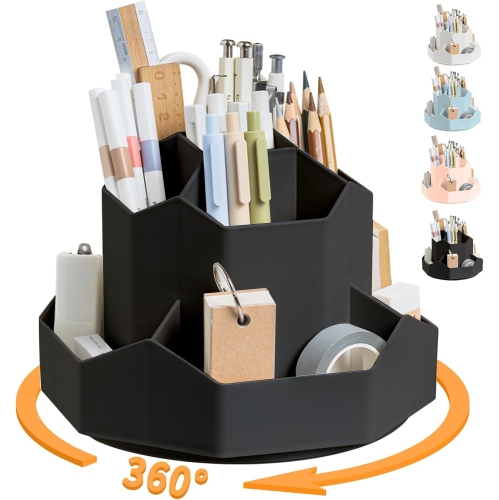

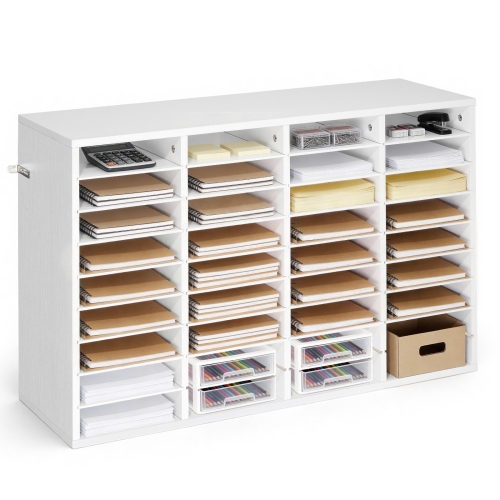


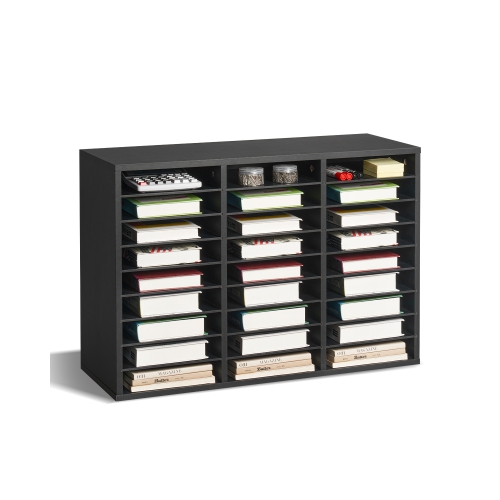

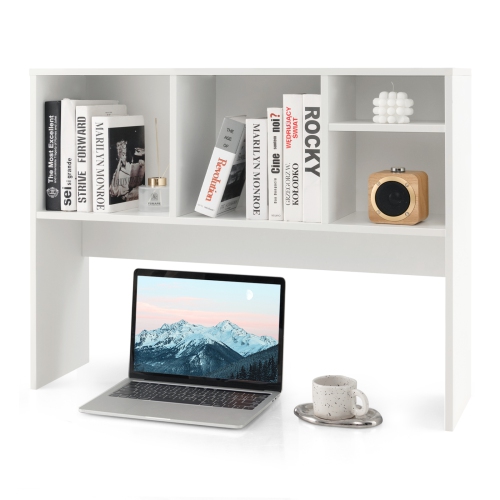


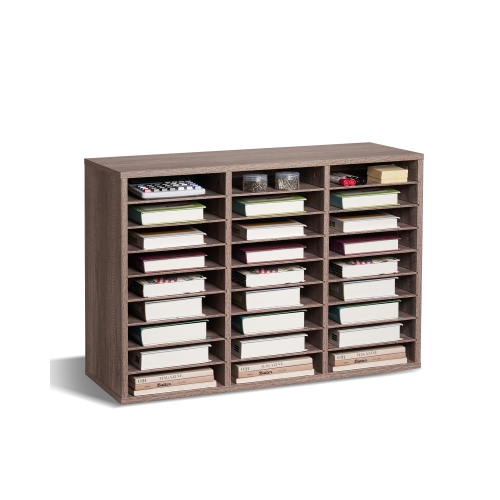
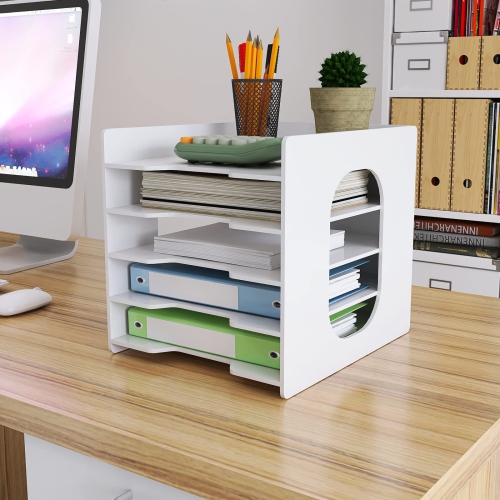
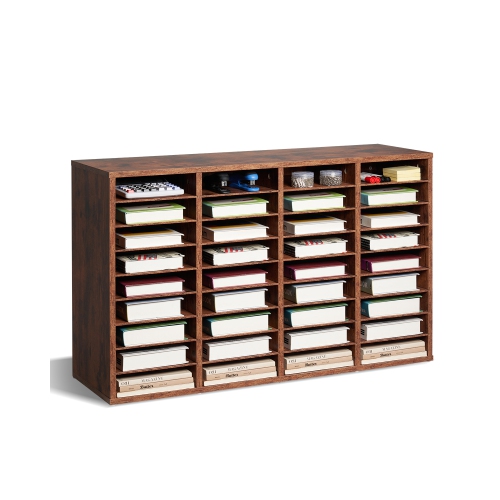
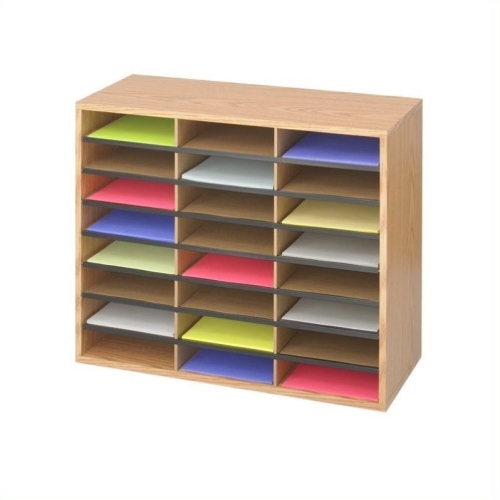
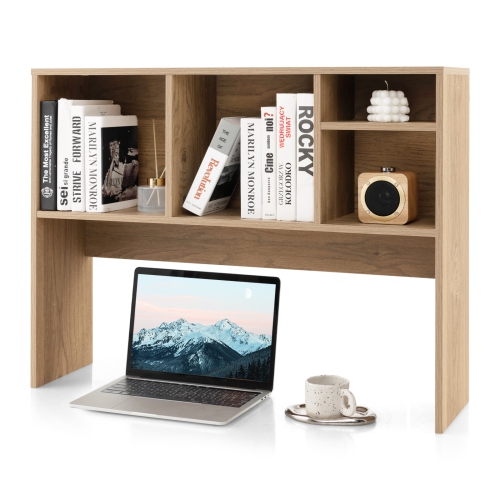

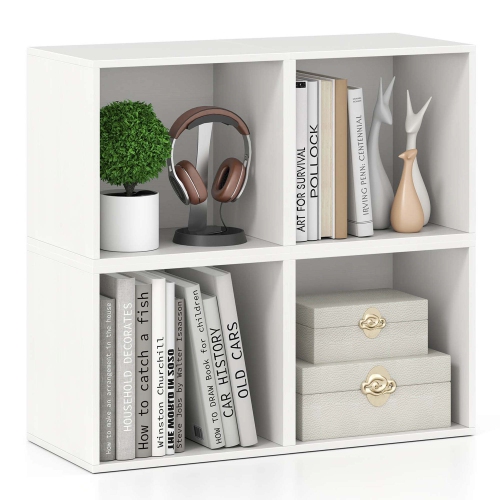
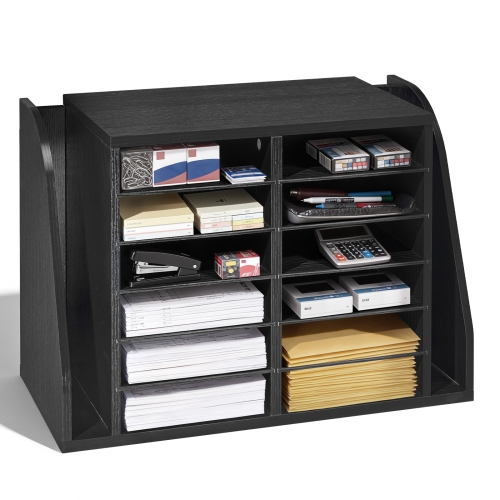


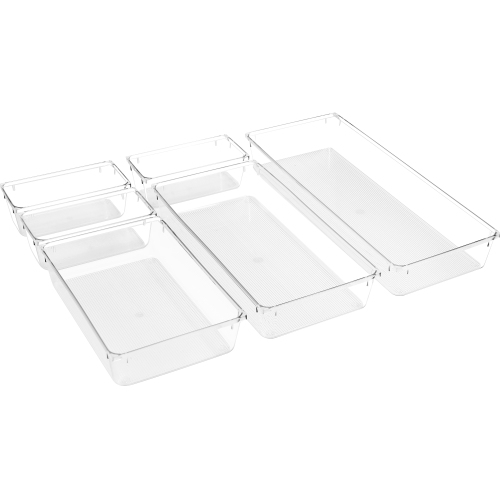
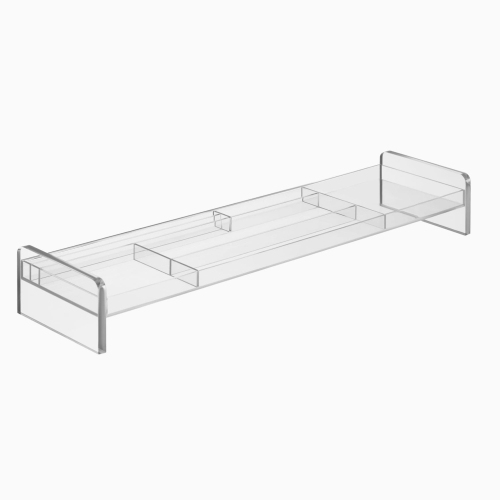

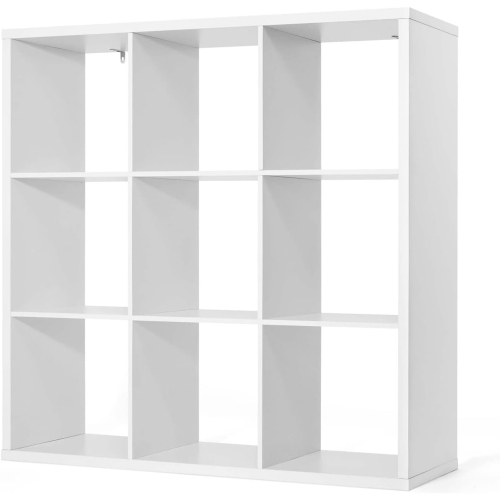
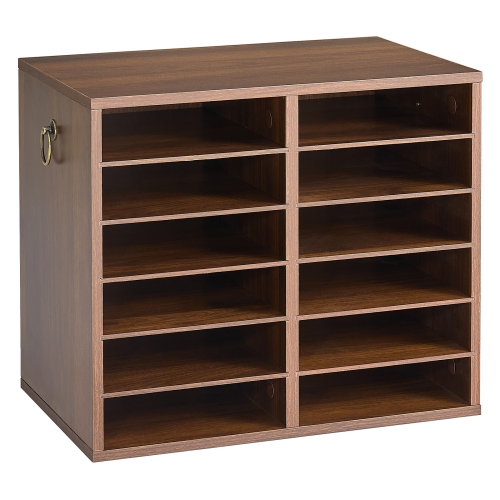
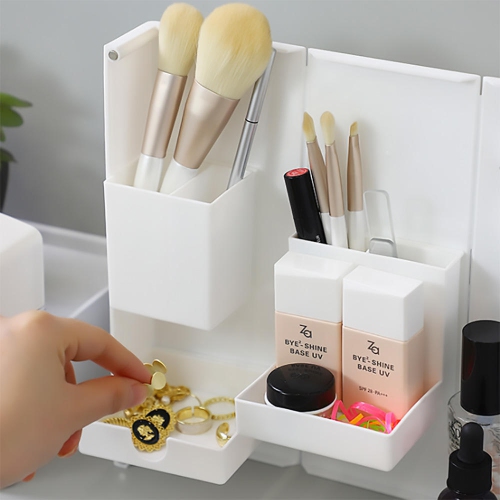
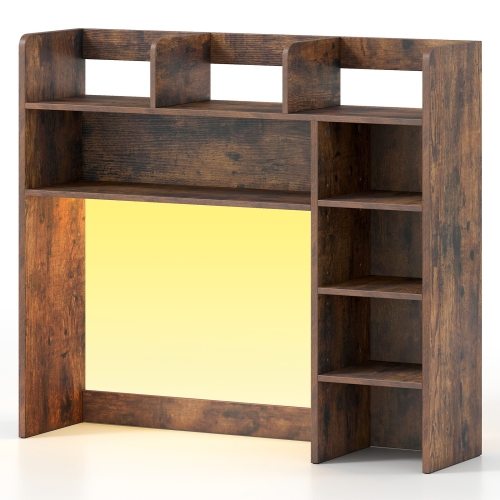
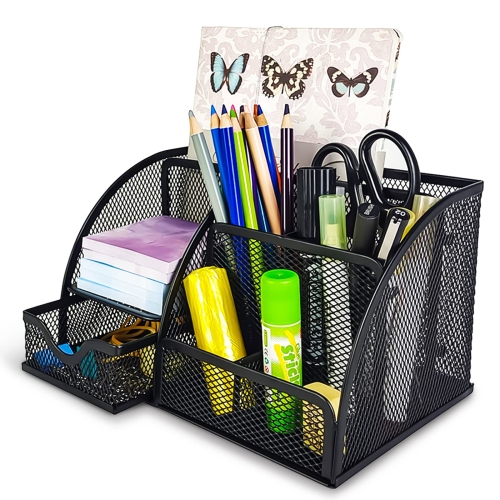
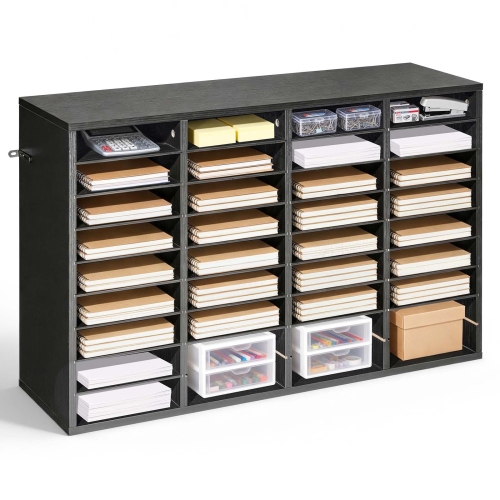

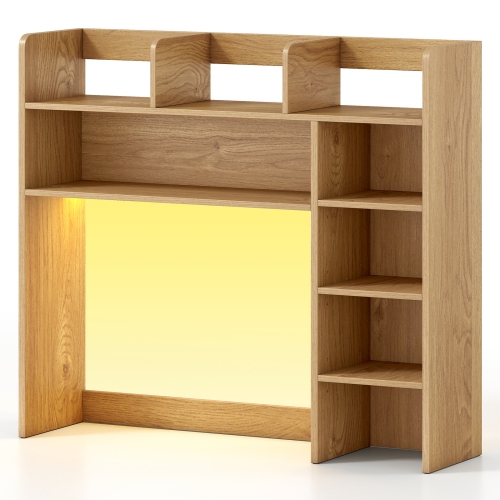
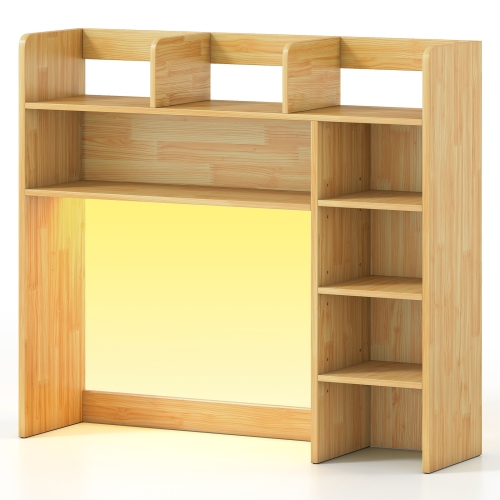
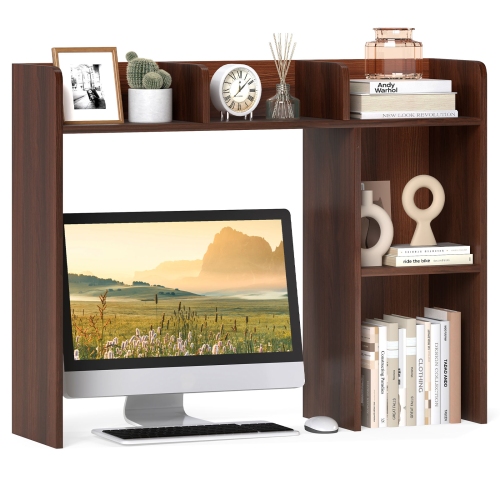
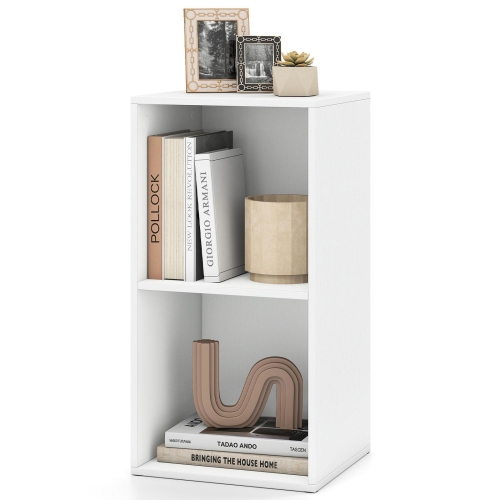

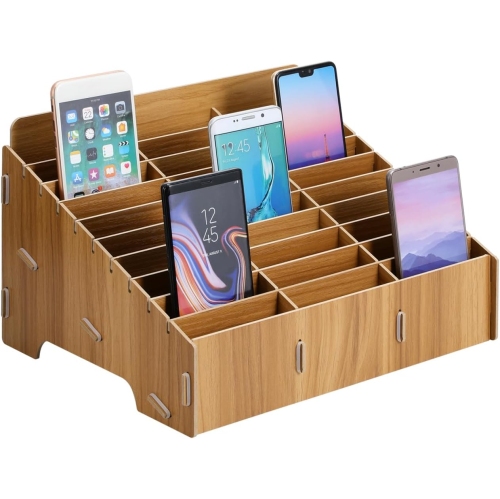
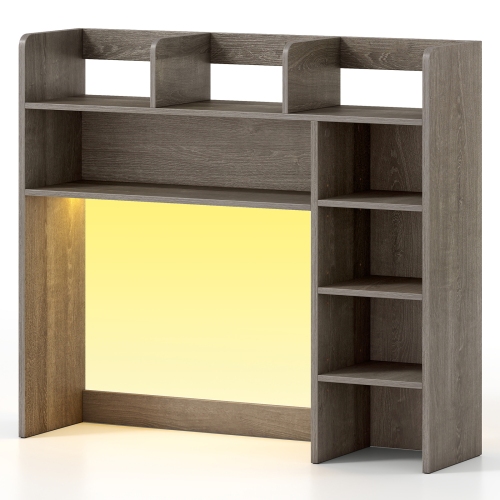
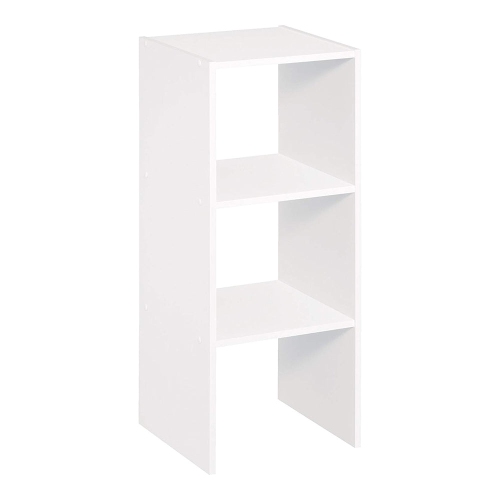

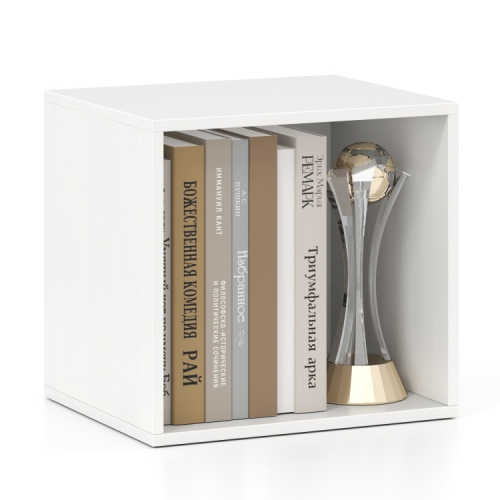
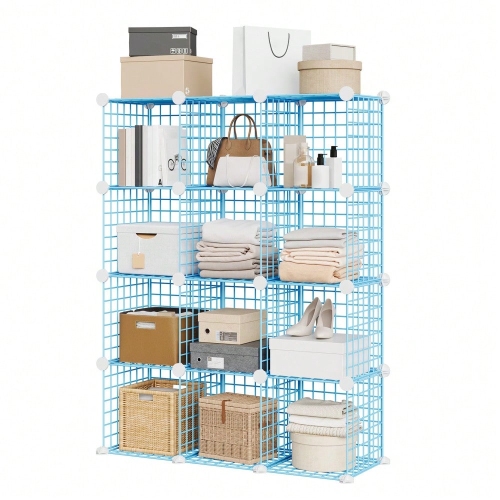
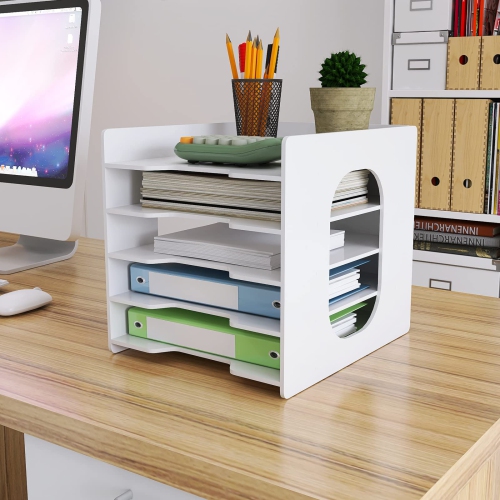


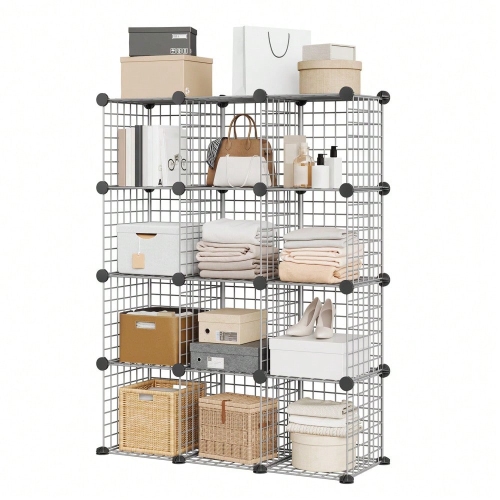

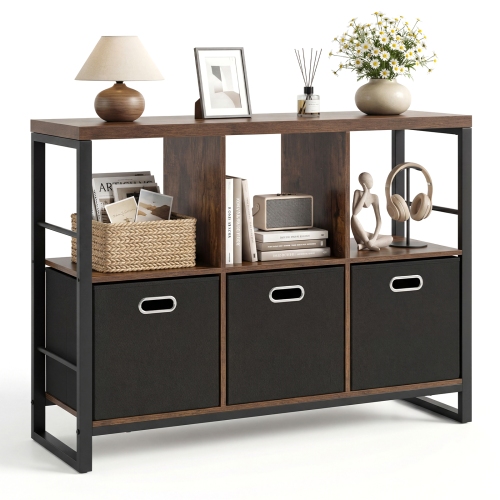


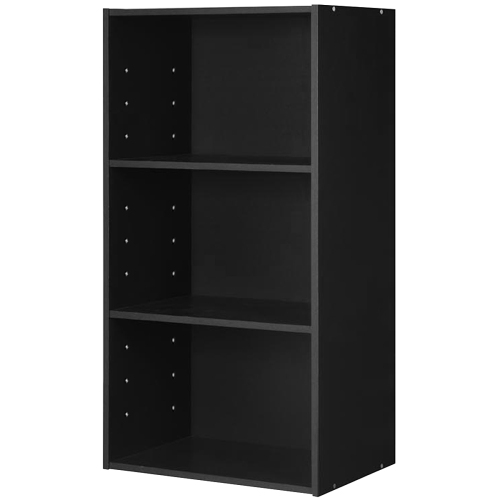


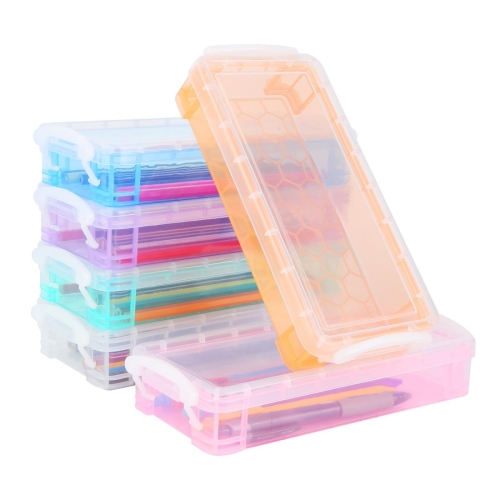
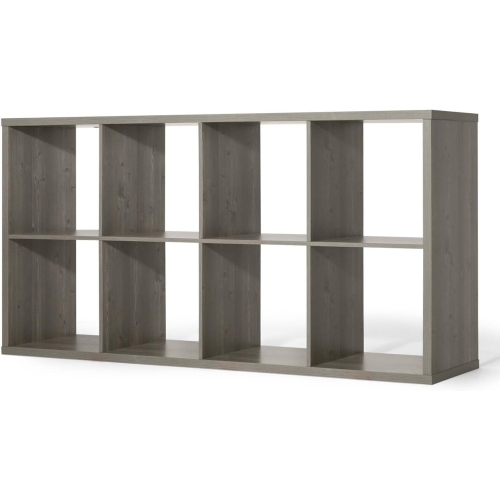
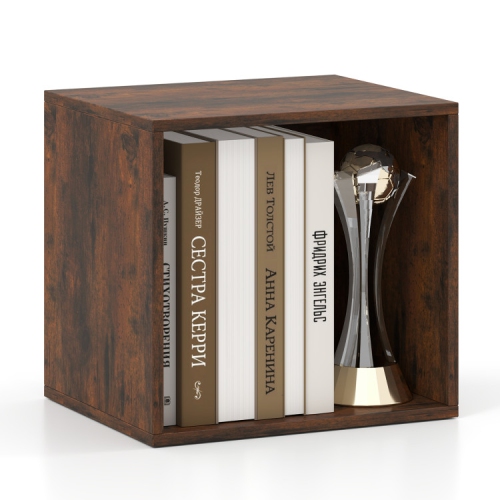
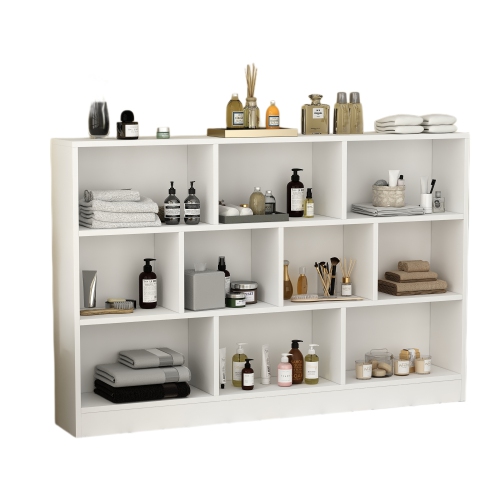
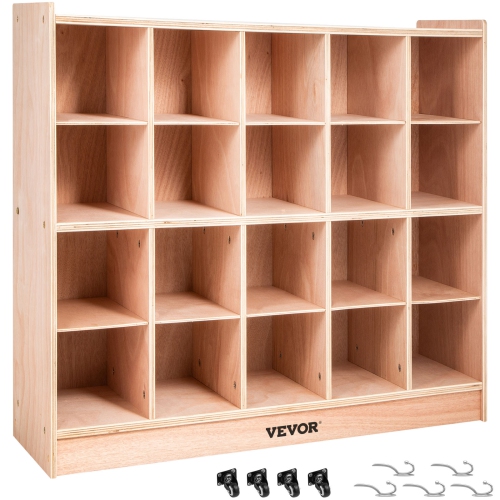
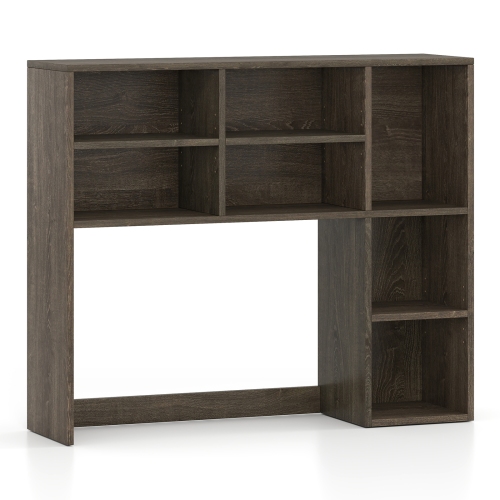
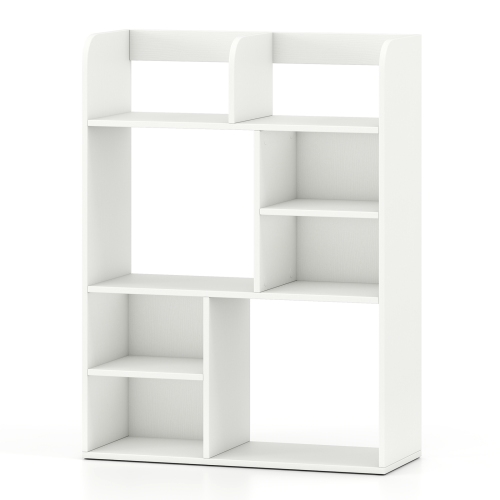
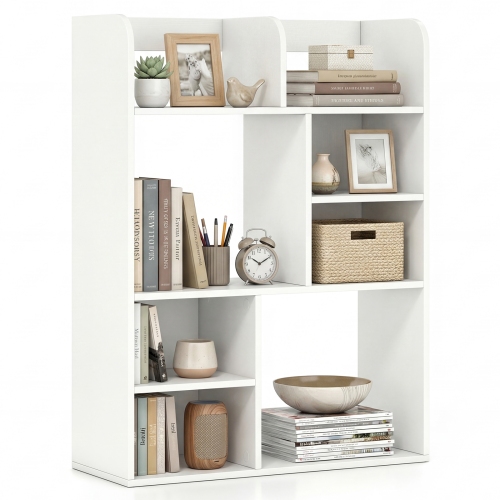

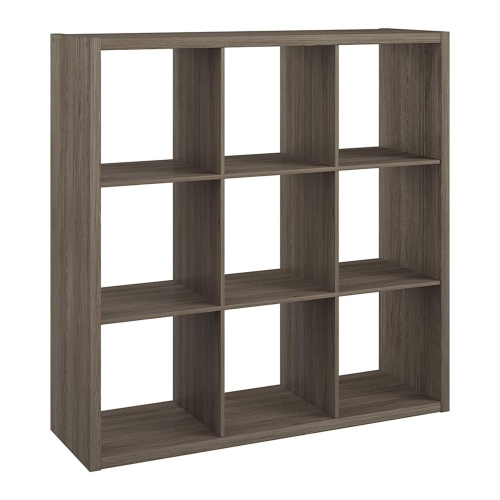
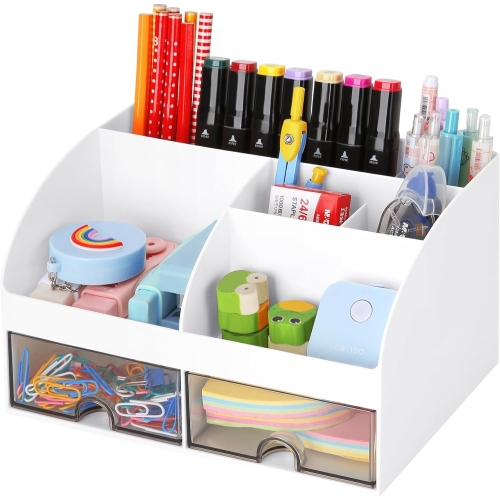

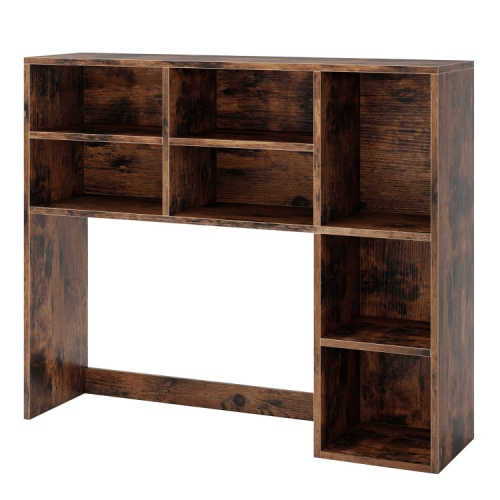
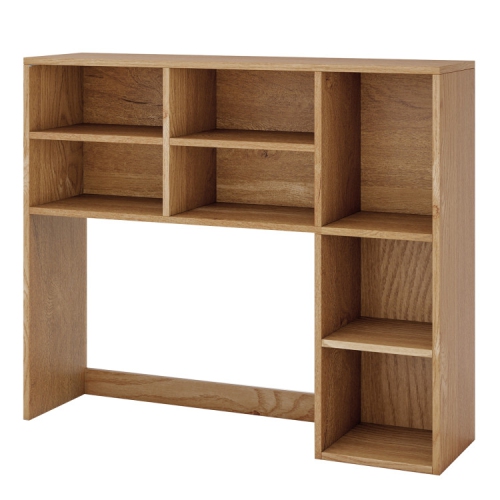
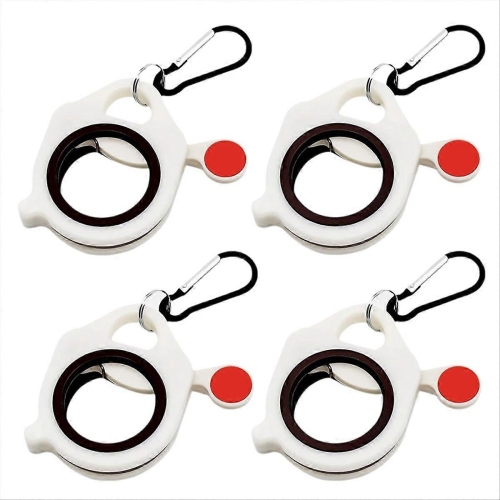

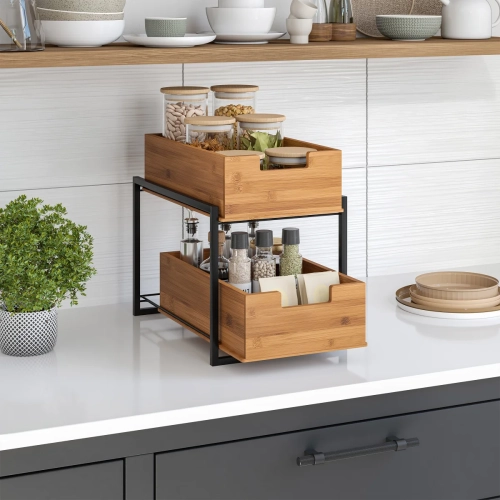
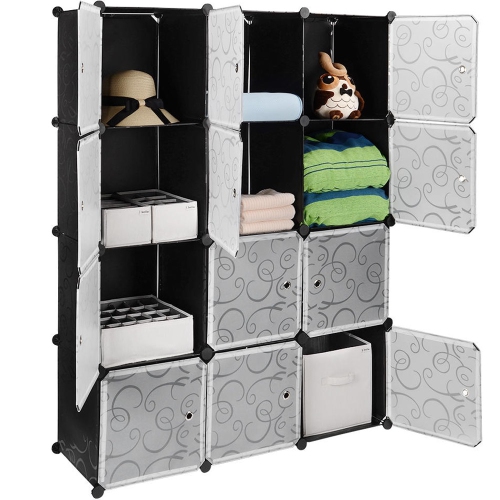
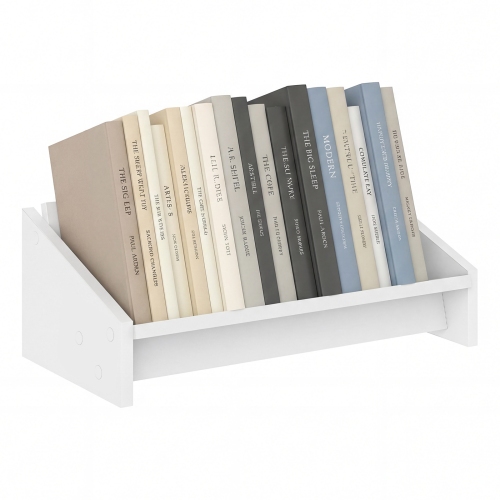
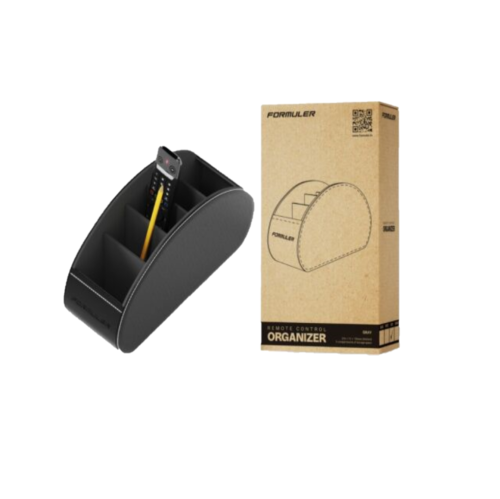

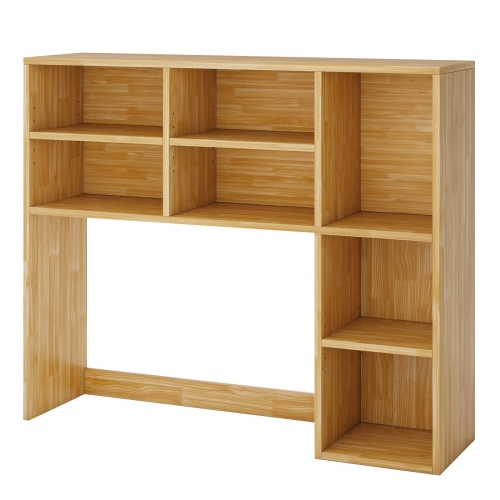
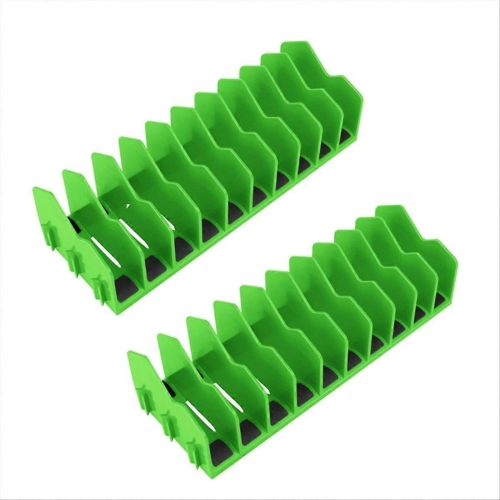

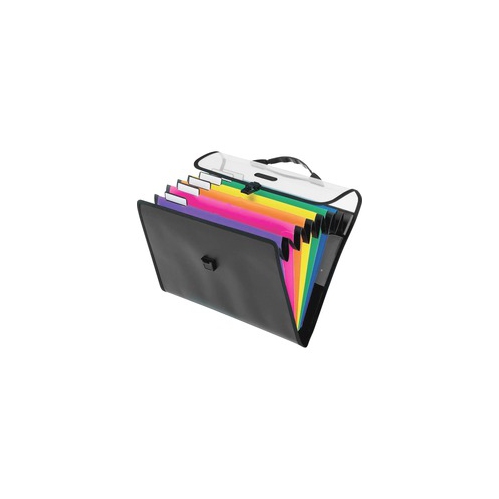
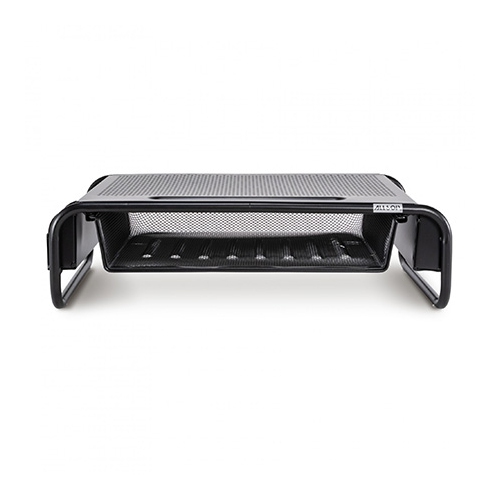
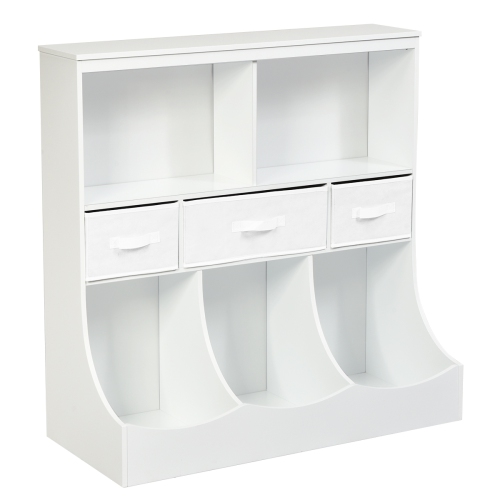
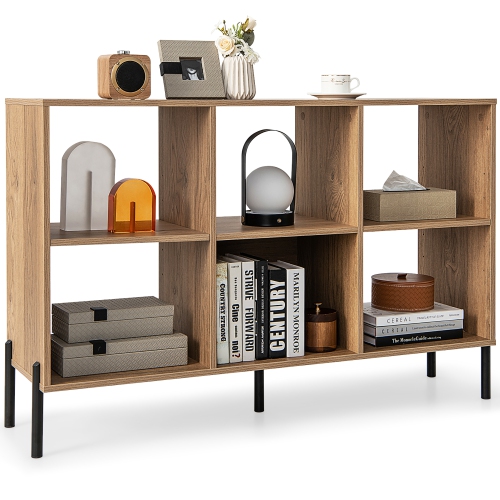
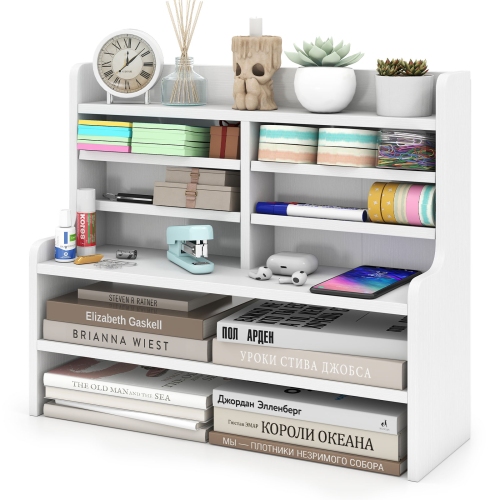
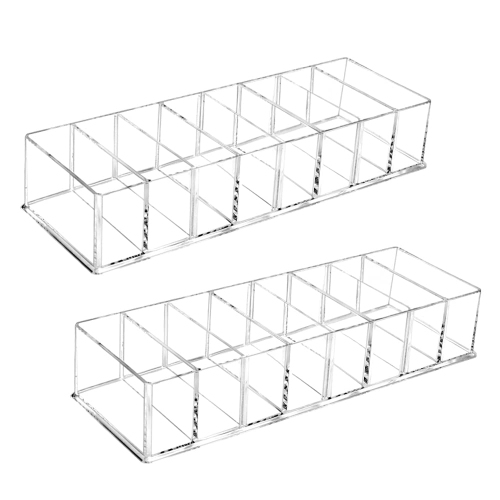
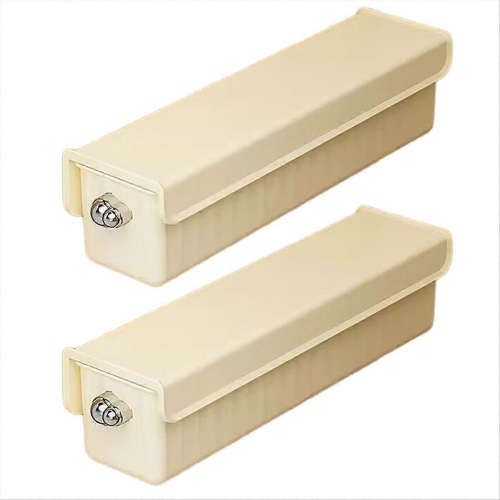
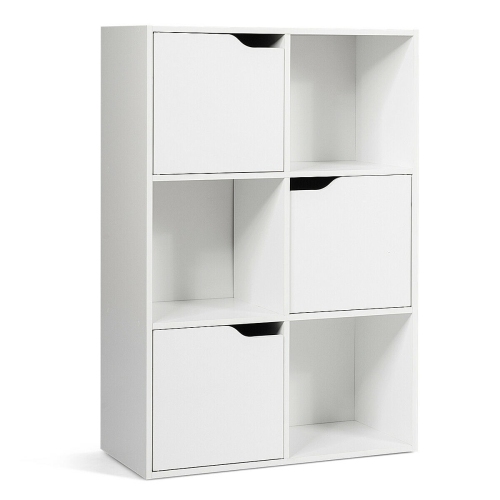
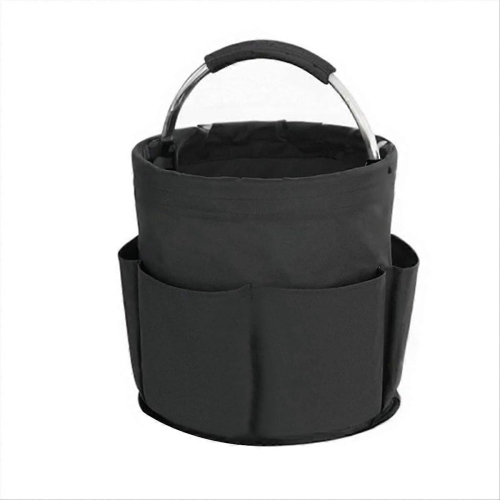
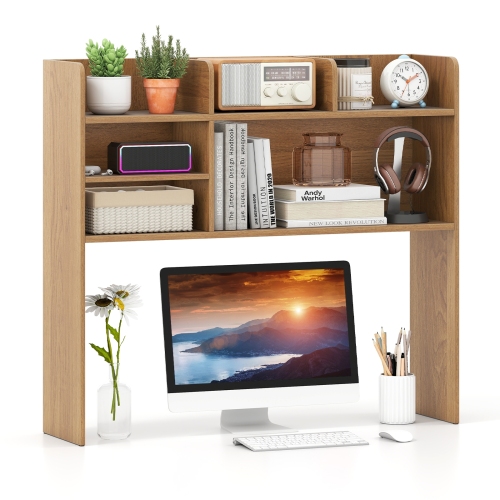
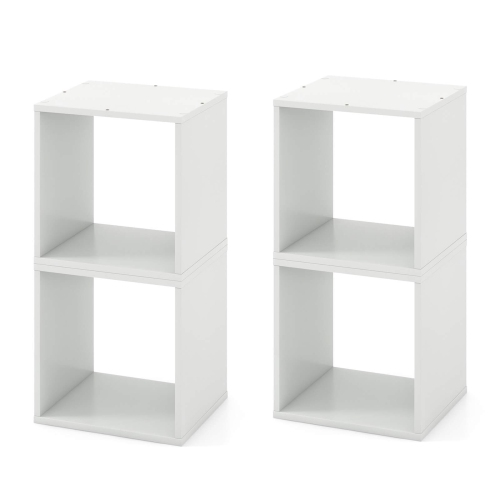
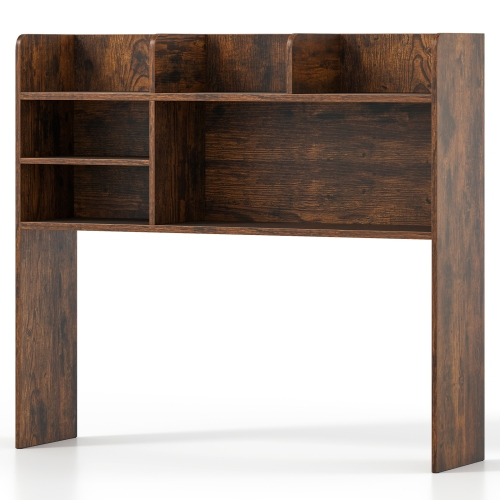


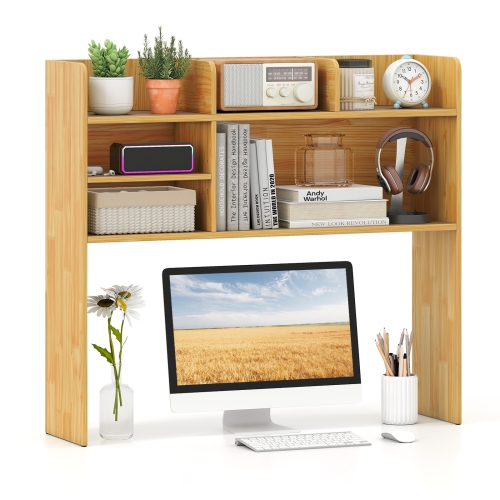
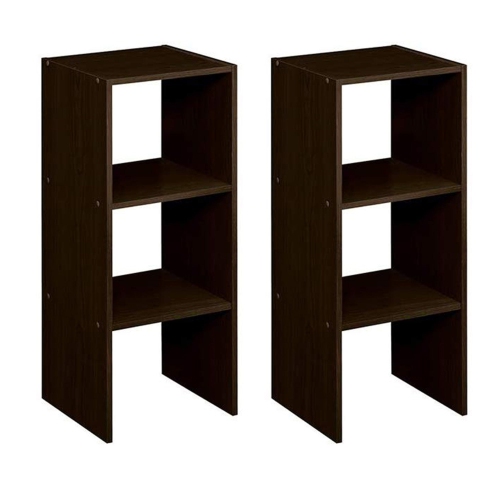
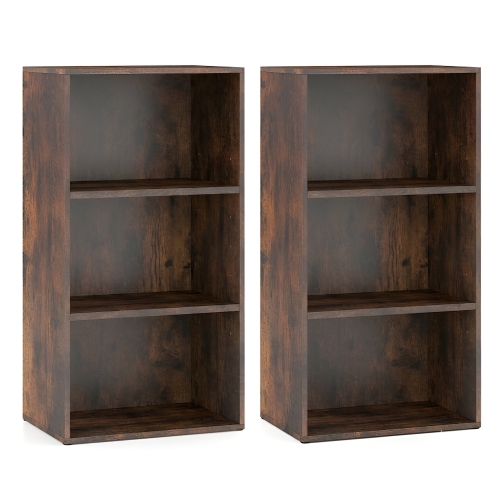

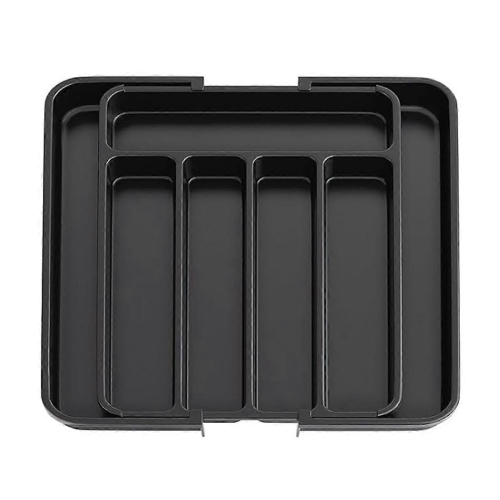
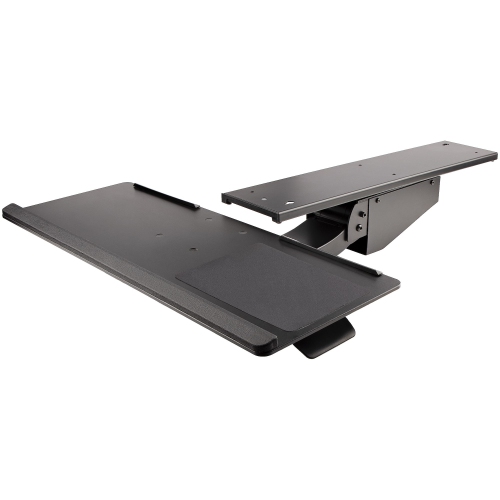
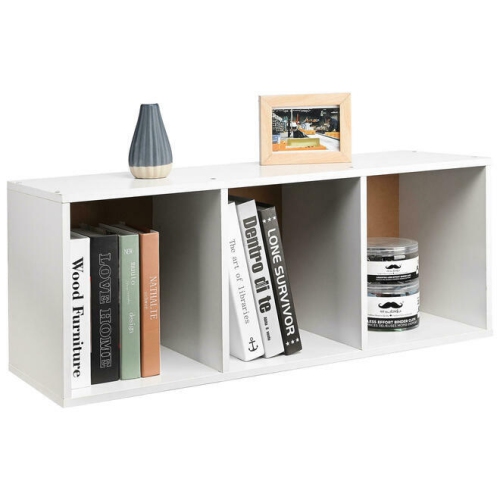
Everyday supplies within reach without crowding your desk
Cubicle organizers create dedicated places for paperwork, stationery, and everyday work essentials within a partitioned workspace. The category includes desktop trays, upright file holders, drawer dividers, hanging pockets, and shelves designed to attach to compatible cubicle walls. Unlike freestanding cube shelving, these organizers generally work within the footprint of a desk or make use of the partition above it. Their purpose is straightforward: keep frequently used supplies within reach while leaving enough clear surface for a keyboard, notebook, or document review. A desk used for calls and scheduling may benefit from small compartments for pens and sticky notes, with a wall pocket for reference sheets. A workstation centred on printed documents may need deeper file sections and separate trays for incoming paperwork and completed tasks. Vertical storage can be particularly helpful on shallow desks, where spreading folders across the surface quickly crowds the working area. Open compartments make contents easy to spot, while enclosed drawers keep small supplies together and reduce visual clutter. For shared workstations, portable desktop organizers allow employees to move their essentials without disturbing permanent fixtures. Students, administrative staff, customer service teams, and people working from a partitioned home office can all use these accessories to give a compact space a more predictable layout. The most useful arrangement follows the actual workday: frequently handled supplies stay close to the dominant hand, occasional reference materials sit farther back, and paperwork has a clear destination rather than accumulating beside the monitor. That distinction matters more than filling every section of an organizer. A few appropriately sized compartments can be easier to maintain than a large unit with spaces that do not suit the supplies being stored. Cubicle storage also differs from general office furniture in its mounting requirements and scale, so the desk dimensions, partition construction, and daily tasks all help determine which format makes sense. Keeping those details in view helps a small workspace feel orderly without making it feel crowded.
Fit is especially important for hanging cubicle organizers because office partitions vary in thickness, surface material, and top-edge shape. An over-panel bracket needs an opening that accommodates the wall, along with enough clearance to sit securely without pressing against trim or another fixture. Adjustable hooks may suit a range of panel widths, but their stated adjustment range still needs to match the partition. Fabric-panel attachments require equal attention: a textured wall covering does not automatically mean it can support every pin, grip, or hook-and-loop fastener. Attachment methods should be approved for the panel surface, particularly in leased offices or shared spaces where punctures and adhesive residue may be a concern. Weight limits apply to the complete load, including the organizer and its contents where specified, and should never be assumed from appearance alone. A slim hanging pocket filled with loose sheets places different demands on a partition than a shelf holding several binders. Desktop organizers have their own fit considerations. Overall width and depth determine how much work surface remains, while compartment dimensions determine whether folders, envelopes, and notebooks sit comfortably without bending. Letter-size and legal-size paperwork require different amounts of space, and a holder designed for loose sheets may not accommodate bulky file folders. Drawer inserts need clearance beneath the desktop as well as a suitable footprint inside the drawer; handles, rails, and curved drawer corners can reduce usable room. Shelf depth matters around monitors, and storage should not block screen adjustment, ventilation openings, power connections, or access to desk controls. At a narrow workstation, keeping a hanging organizer within the desk boundary also helps preserve room for chair movement and avoids projections into a shared aisle. Freestanding furniture serves a different purpose when the need extends beyond everyday desk supplies. For binders, larger bins, and materials stored away from the immediate work surface, Storage Cube Organizers offer a related storage format. Cubicle organizers remain the more specific category for partition-mounted accessories and compact arrangements built around an individual workstation.
Materials influence how cubicle organizers look, how much they weigh, and how they stand up to repeated handling. Metal mesh offers visibility through the sides and allows loose dust to fall through rather than collecting on a solid base, though edges and joins should feel smooth wherever hands reach into a compartment. Solid metal designs can provide firm support, with protective finishes helping limit everyday surface wear; scratches or damaged coatings may need attention according to the care instructions. Lightweight plastic, including polypropylene, is often easy to wipe clean and move between work areas, while thicker walls and reinforced corners can help an organizer retain its shape under regular use. Fabric pockets offer flexible storage for papers and light supplies, but their seams, backing, and attachment points need to suit the intended load. Wood and wood-based desktop organizers bring a more furniture-like finish to the desk, with care requirements that depend on the surface treatment. Excess moisture can damage some finishes or cause exposed composite edges to swell, so cleaning generally calls for a soft cloth and only the amount of moisture permitted by the manufacturer. Across materials, ink marks, dust, and drink spills are easier to manage when compartments can be emptied without dismantling the entire setup. Removable inserts and accessible corners can make routine cleaning less awkward. Durability also depends on how the organizer is used: repeatedly overfilling a pocket, pulling a loaded tray from one corner, or stacking beyond the intended configuration can strain parts that would otherwise hold up well. Neutral colours can blend into a shared office, while a contrasting interior may make small supplies easier to see. Labels help distinguish shared materials from personal paperwork, although open storage is not suitable for confidential documents that require secure handling. As a practical gift for someone starting an office role or setting up a study space, a compact desktop organizer avoids some of the compatibility concerns of wall-mounted designs. A well-matched organizer earns its place through everyday convenience, whether that means finding a pen during a call or keeping a clear patch of desk for the next task.
Top selling and popular products
-
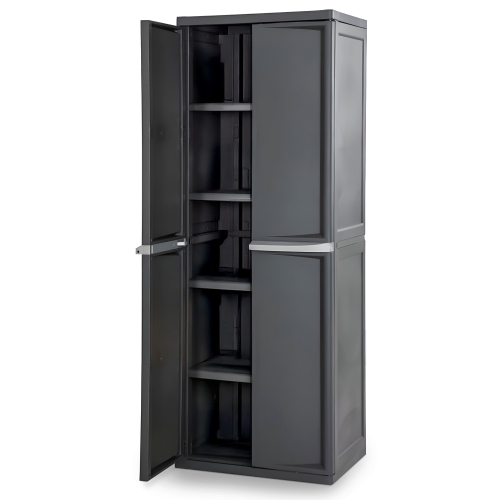 Your price for this item is $412.99
-
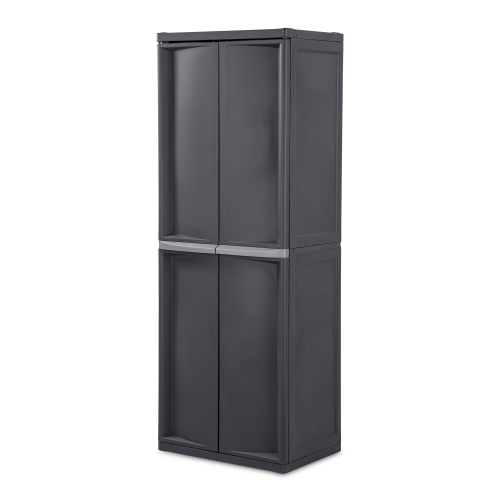 Your price for this item is $1530.99
-
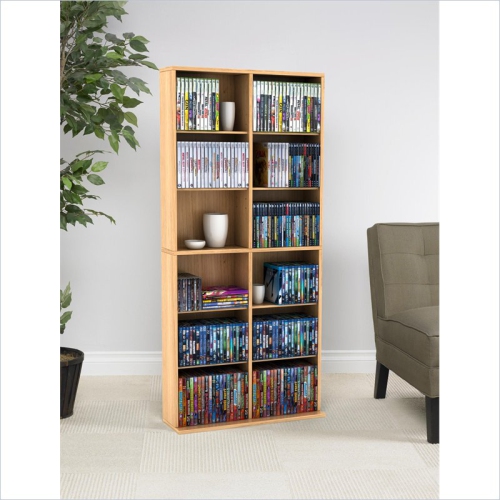 Your price for this item is $234.68
-
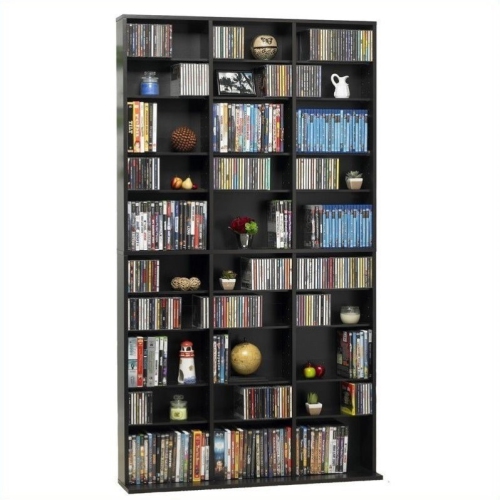 Your price for this item is $365.38
-
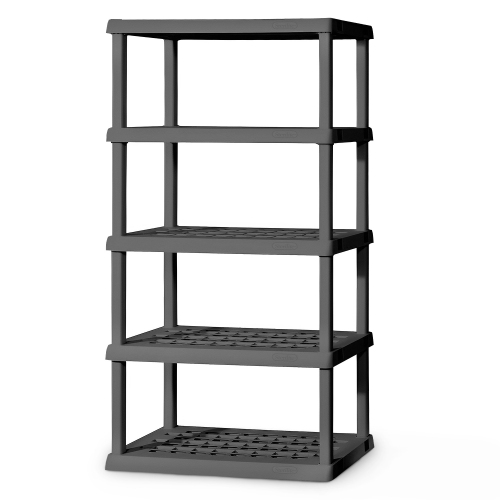 Your price for this item is $320.99
-
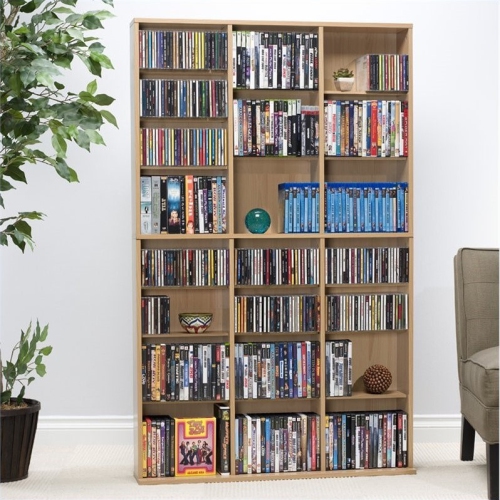 Your price for this item is $295.84
-
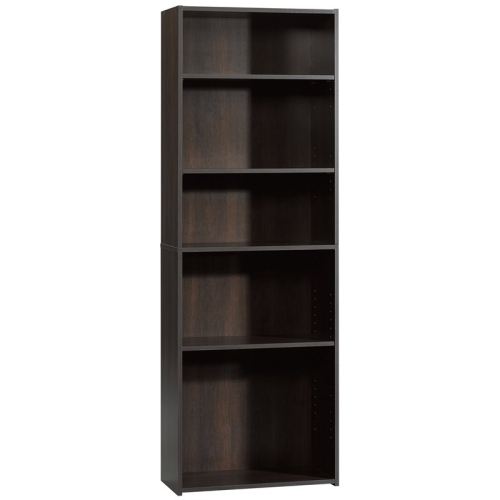 Your price for this item is $227.8
-
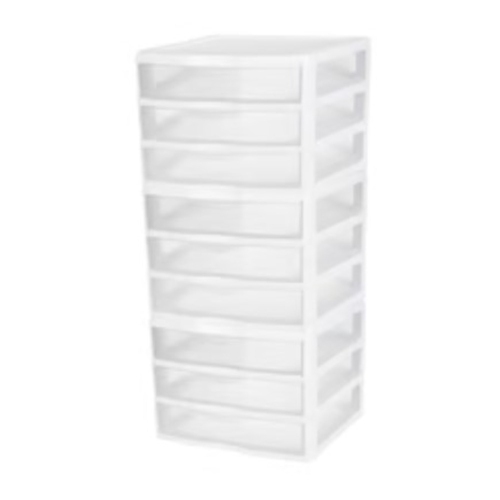 Your price for this item is $127.99
Discover more categories related to Cubicle Organizers
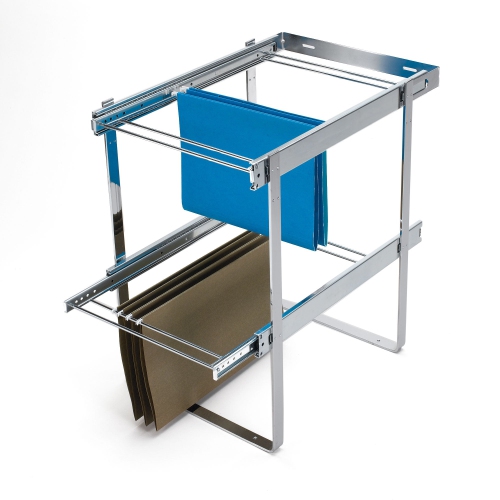
Top Collections:
Pokemon Centers, Best Cameras for Sports Photography, Kindle Devices, Samsung Galaxy Phones, Canon G7X Cameras, Pokémon 30th Celebration Cards, Refurbished Apple Laptops, iPhone 15 Apple, Laptops for Students, Budget Smartphones
Some products may be subject to Environmental Handling Fees
(EHF) depending on your province.
Learn more about EHFs.