D Ring Binders
Are you looking for a reliable and versatile way to organize your documents? Look no further than our collection of D-ring binders. These binders are designed to keep your papers neat, secure, and easily accessible, making them perfect for home, office, or school use. With their sturdy construction and spacious capacity, D-ring binders provide an efficient solution for storing everything from important reports and presentations to personal projects and creative portfolios.
Sort




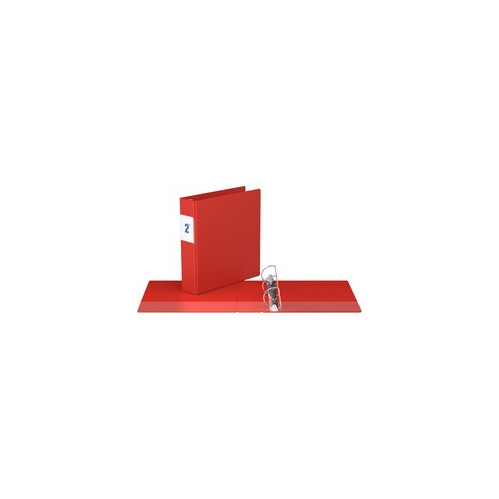
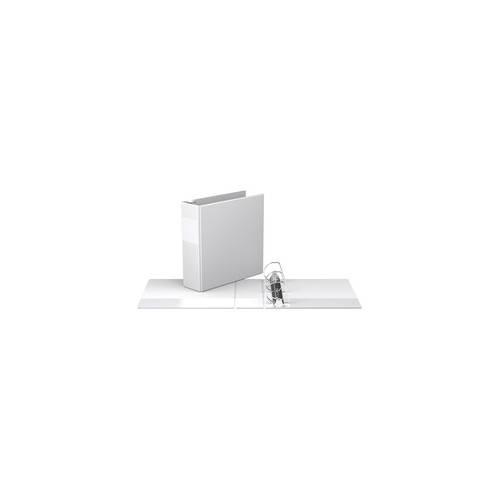
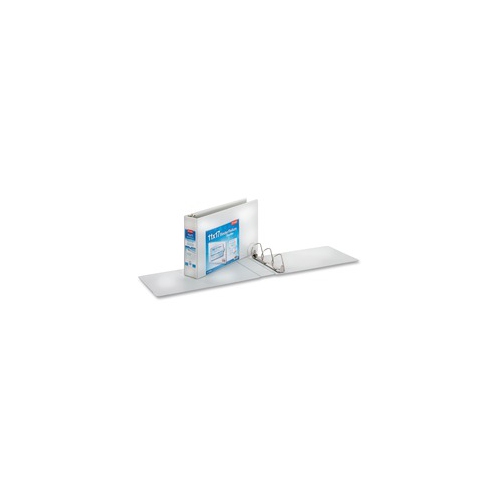
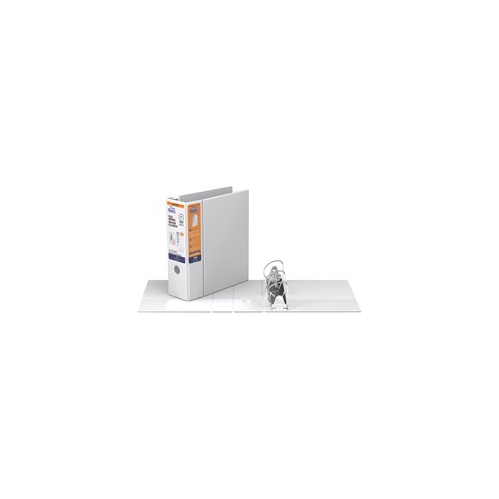


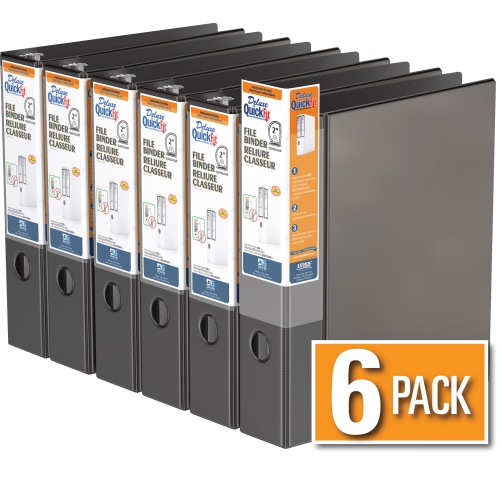
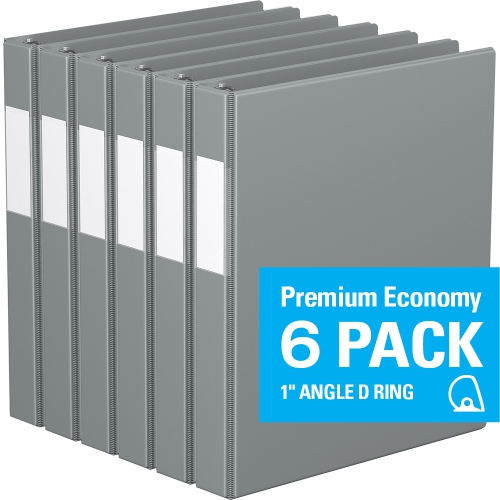
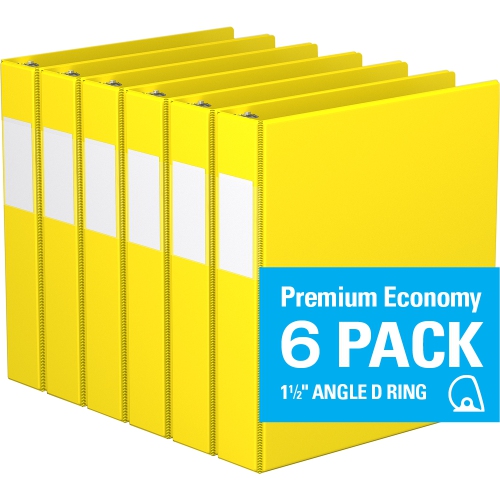
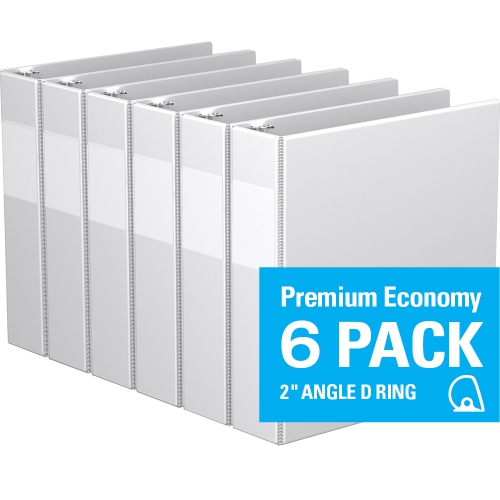


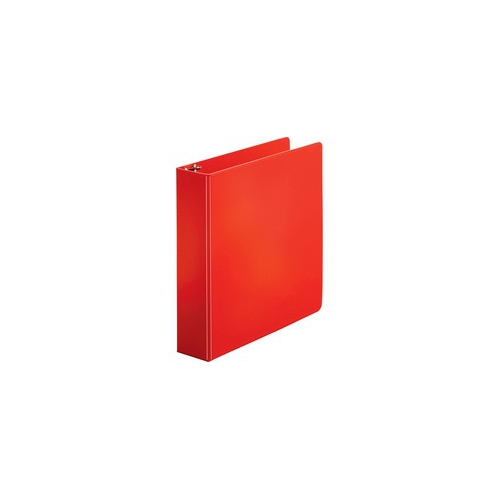
A practical system for accessible, organized documents
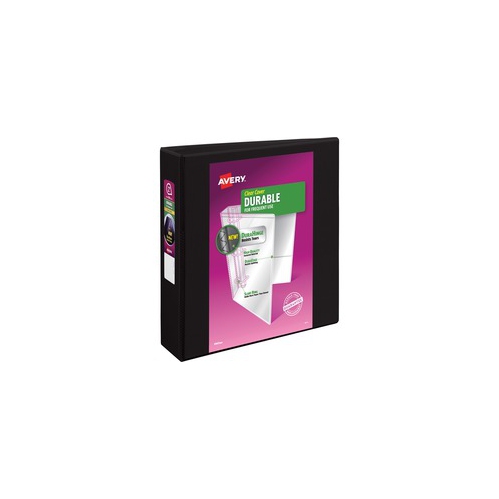
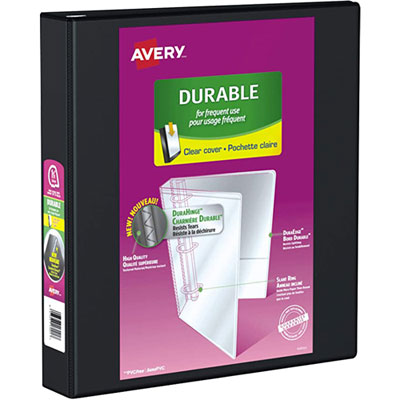
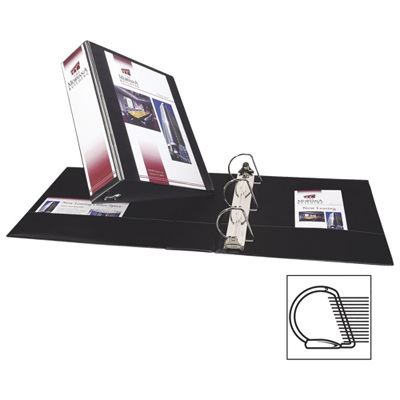
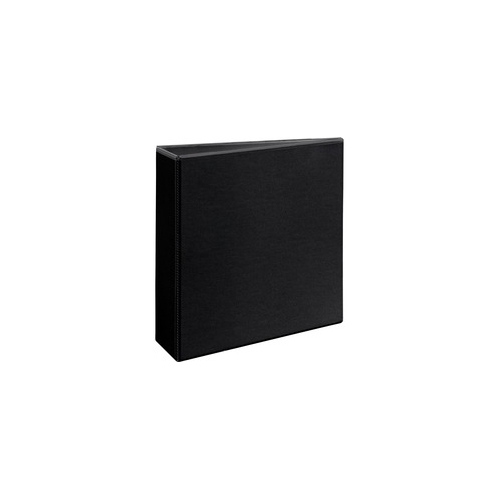
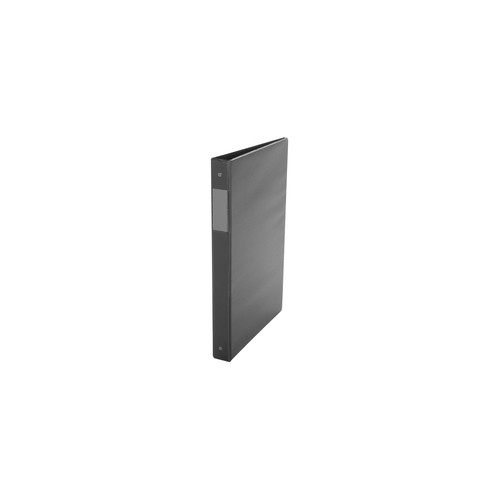
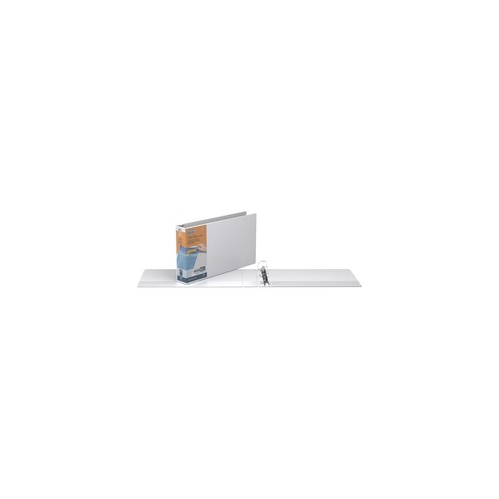
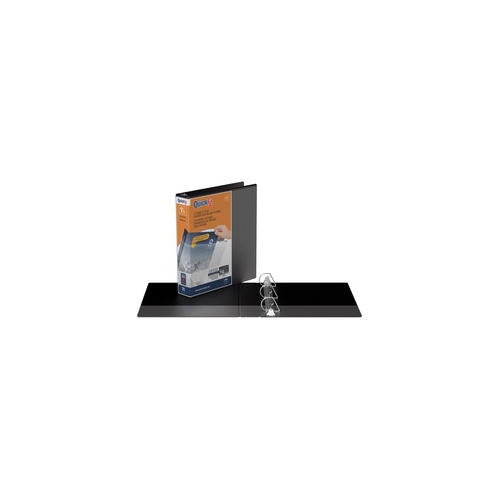
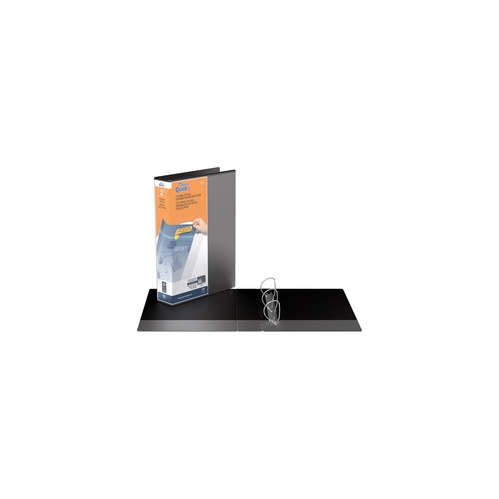
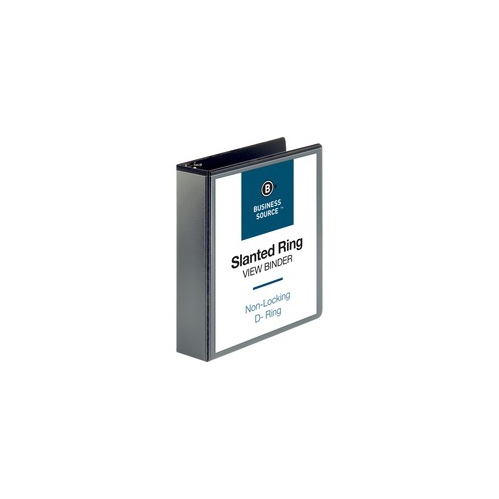
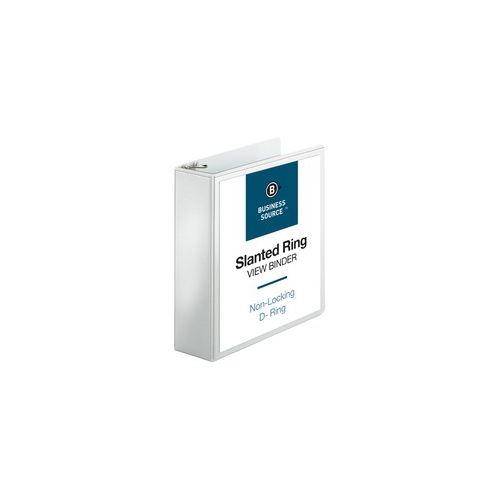
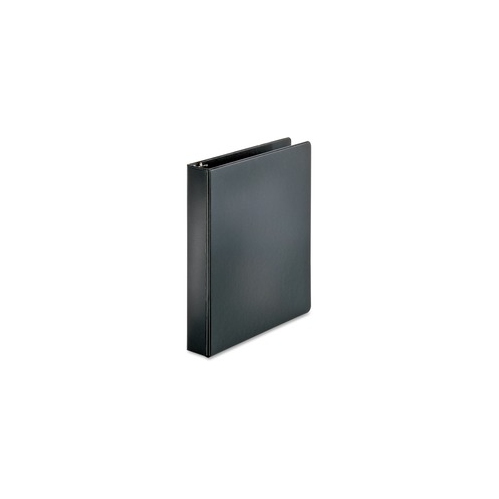
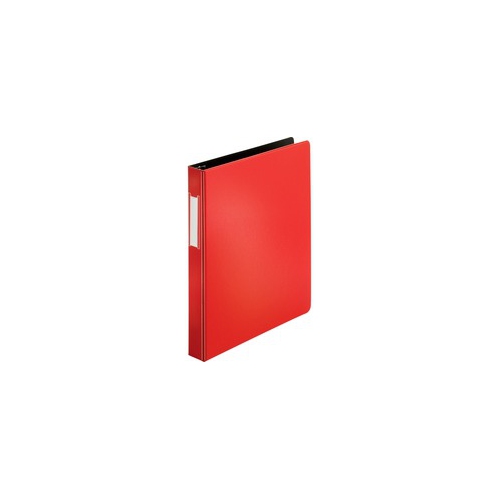
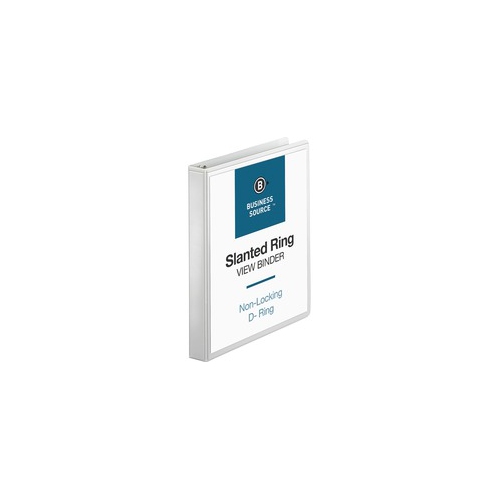
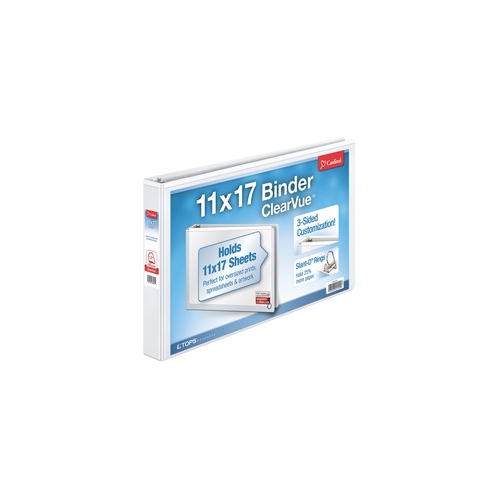
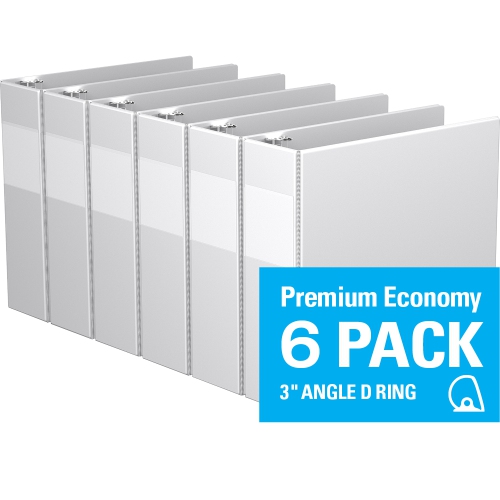
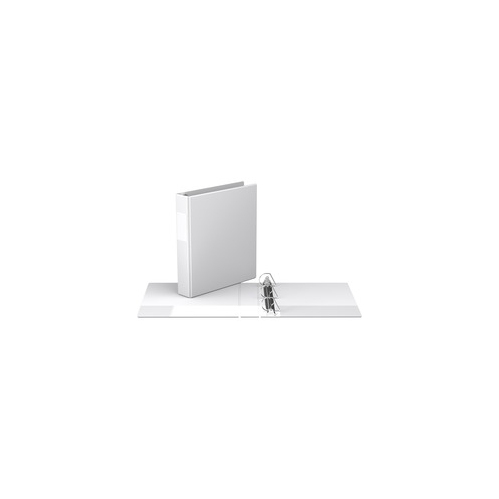
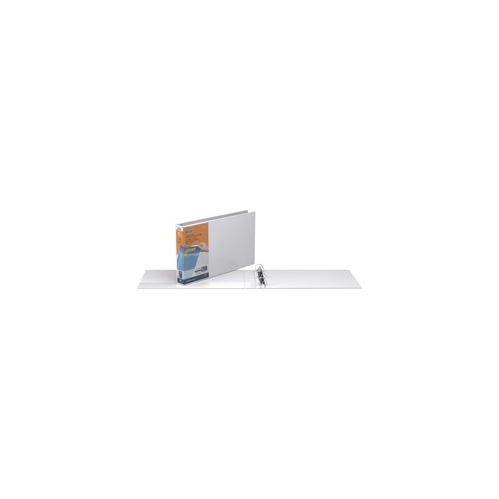
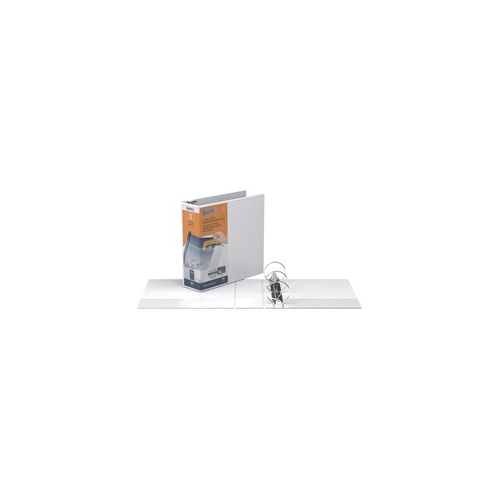
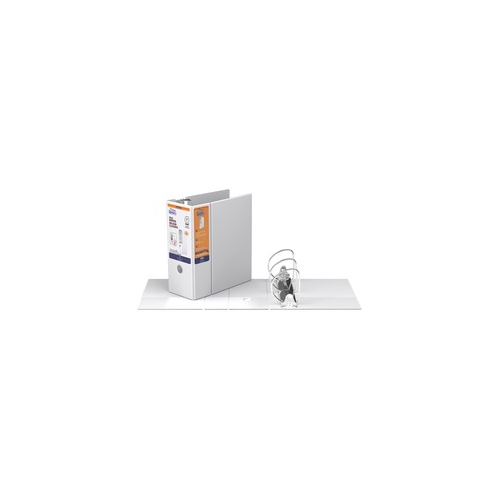
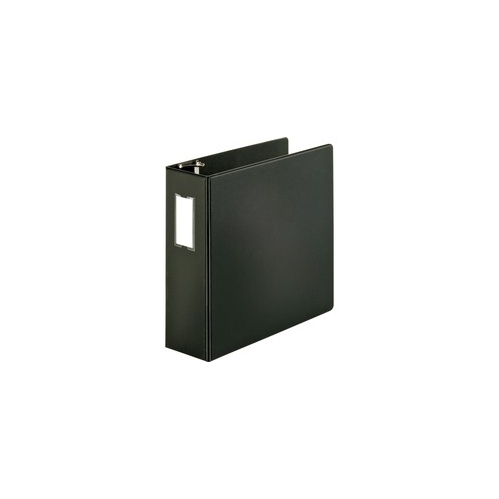
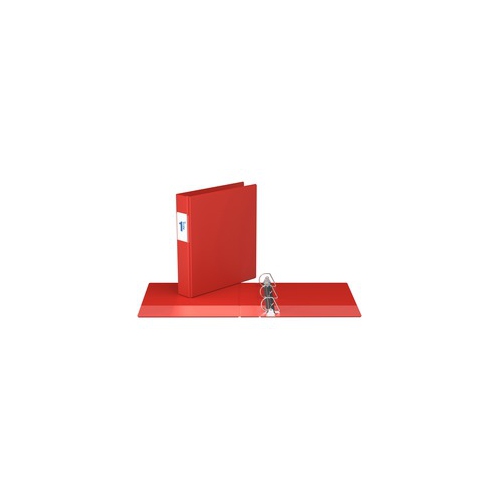
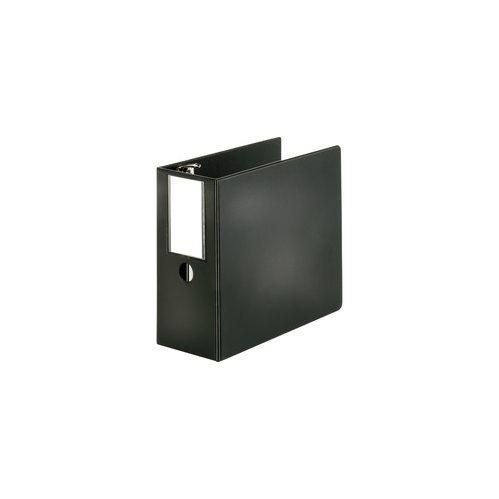
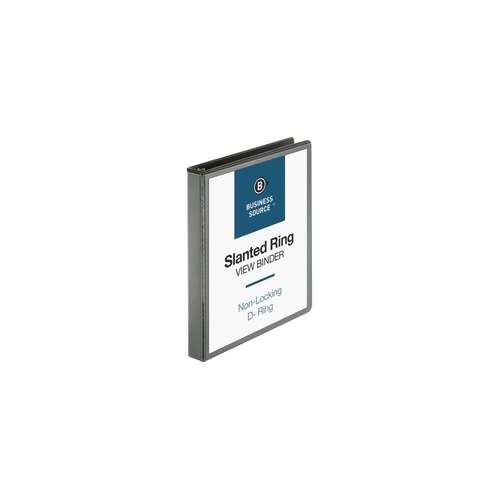
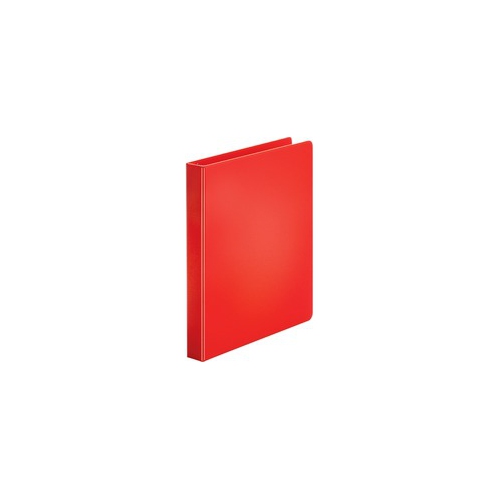
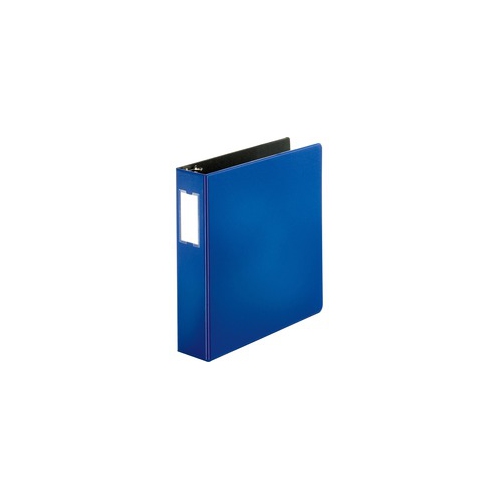
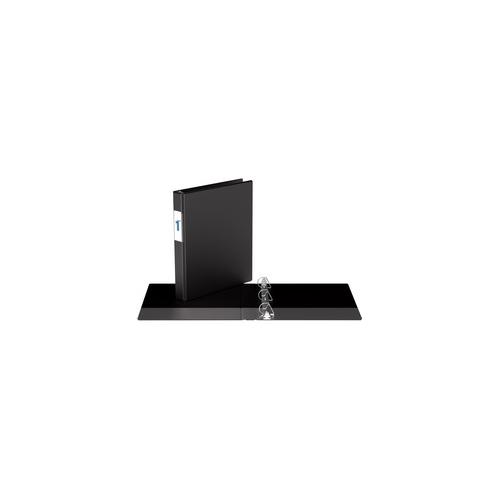
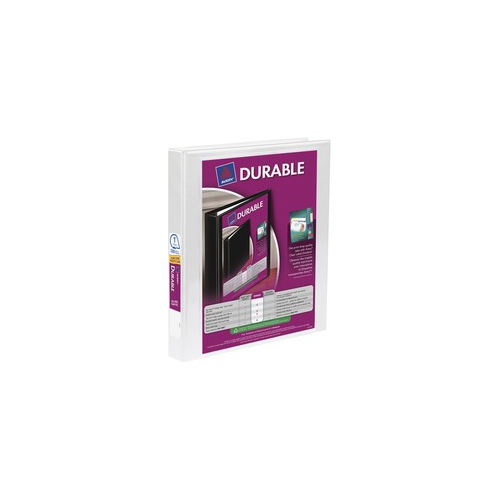
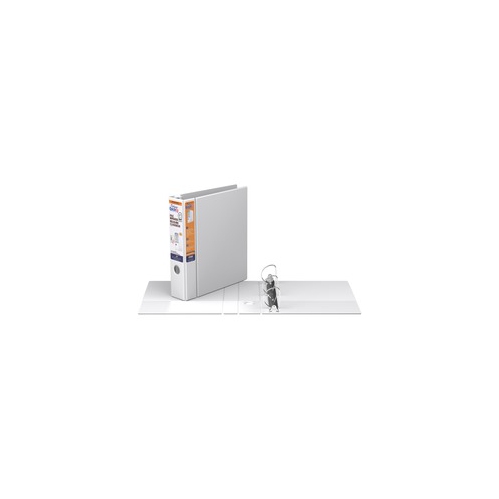
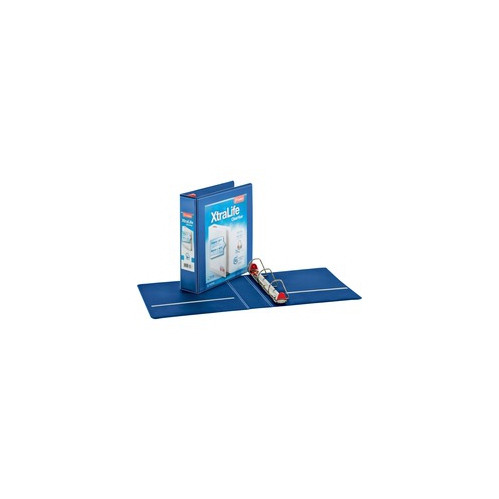
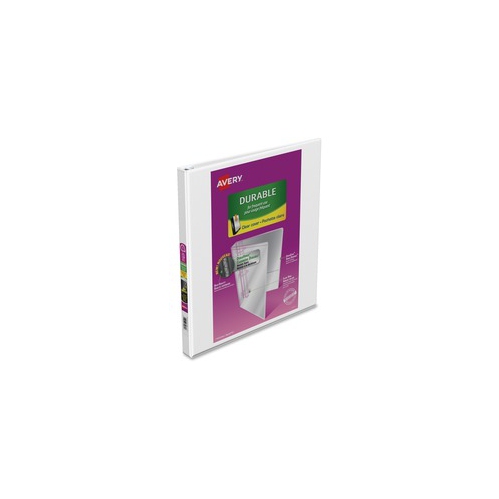
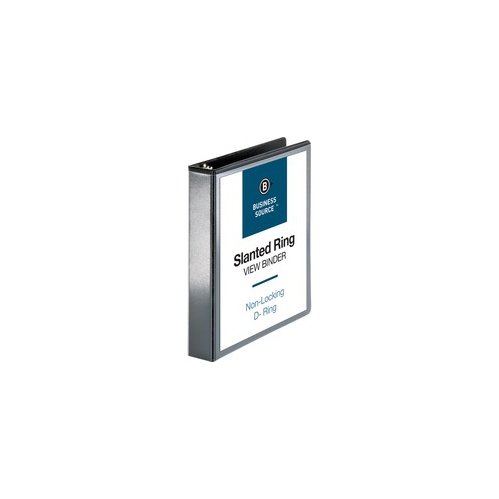
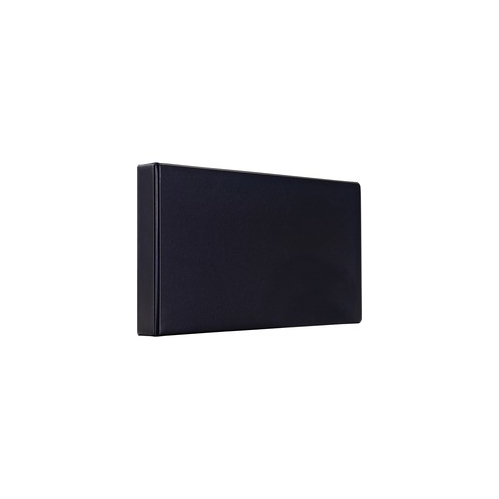
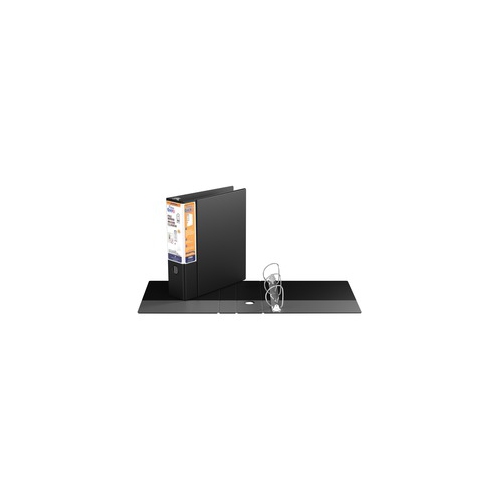
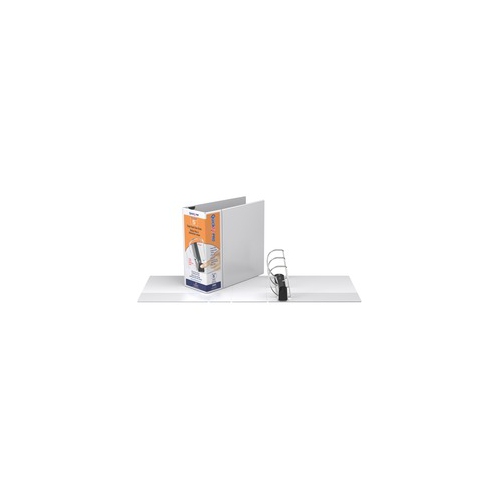
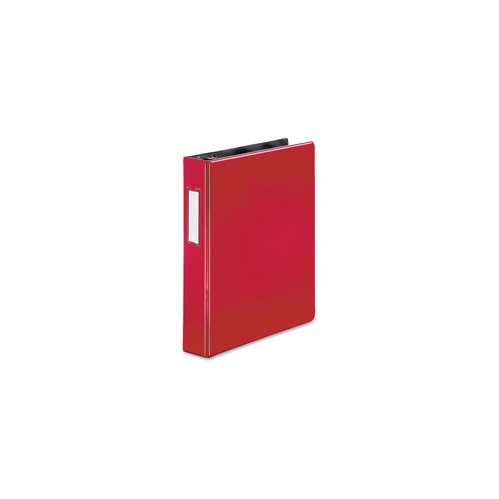
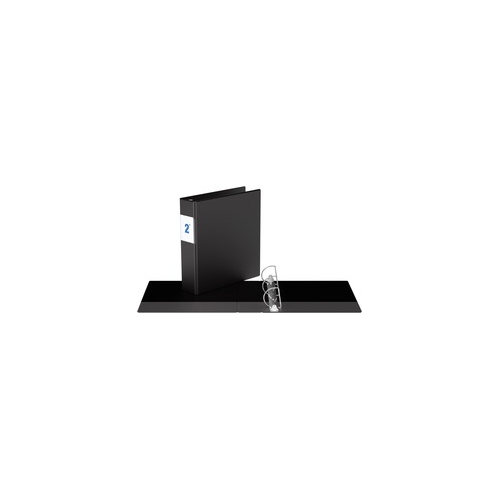
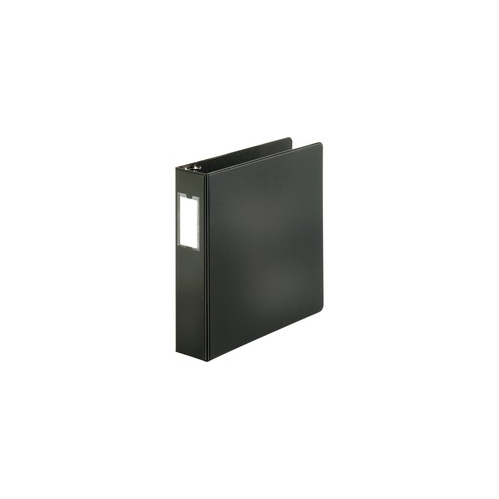
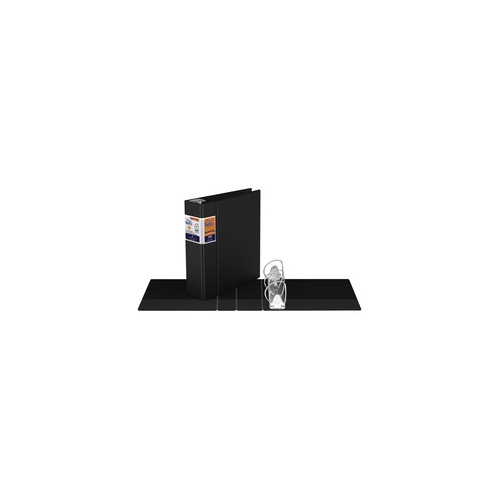
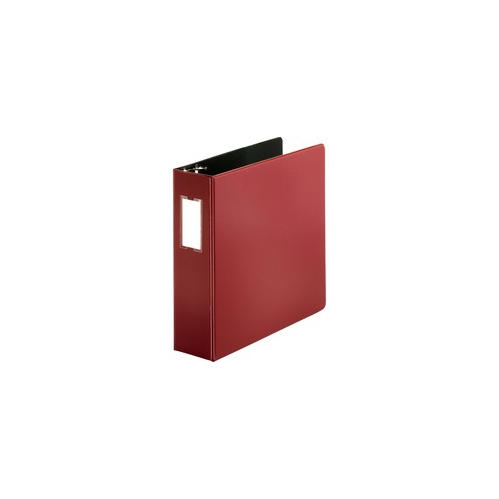
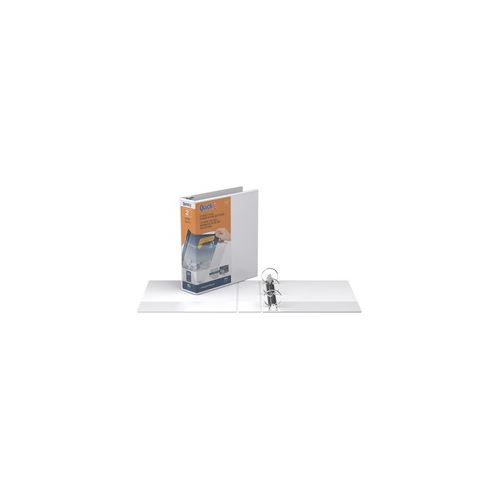
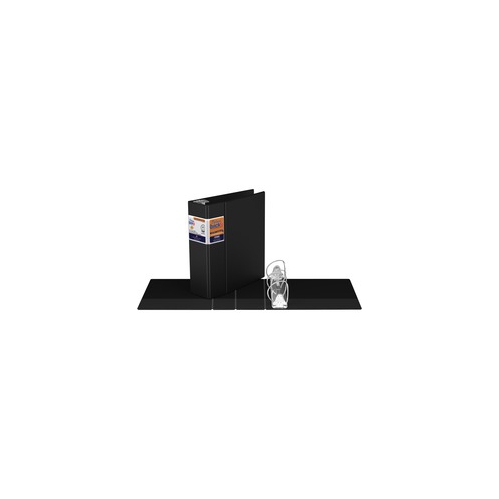
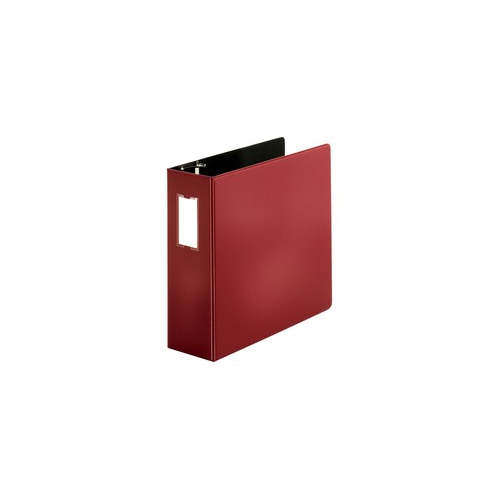
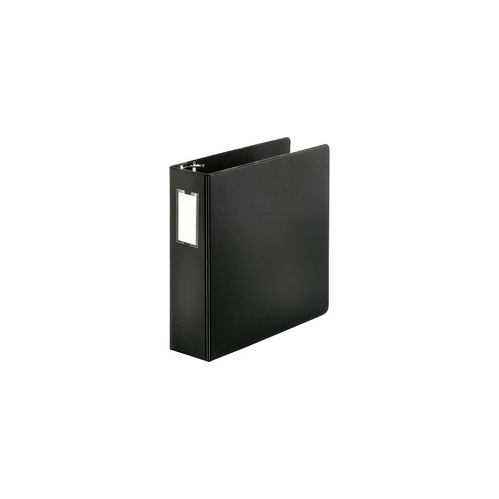
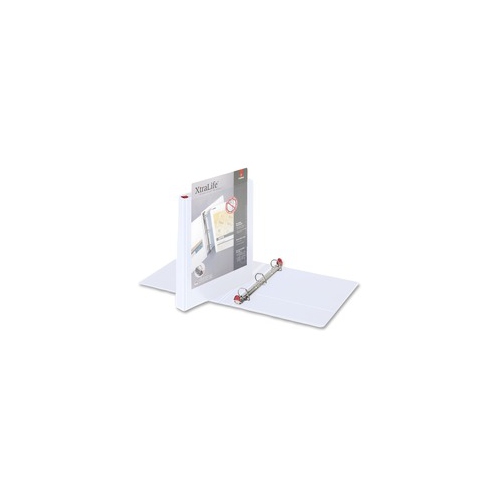
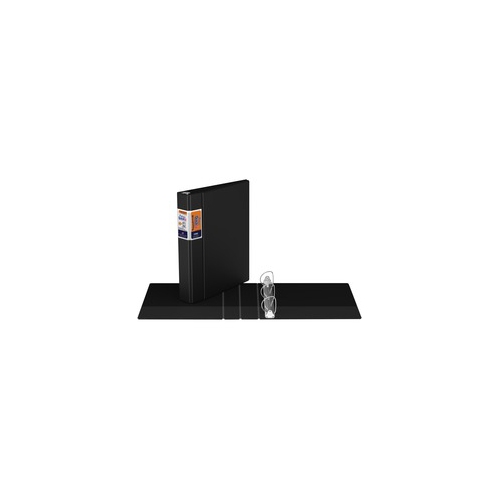
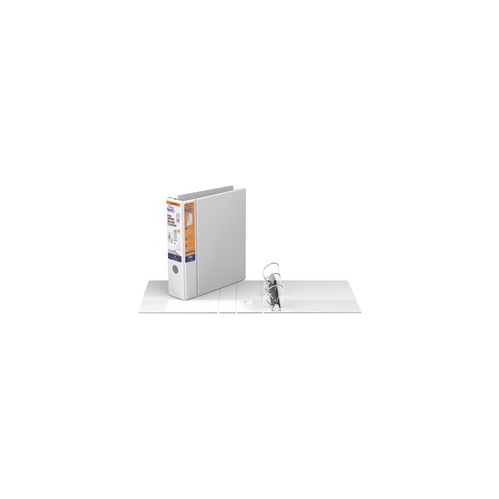
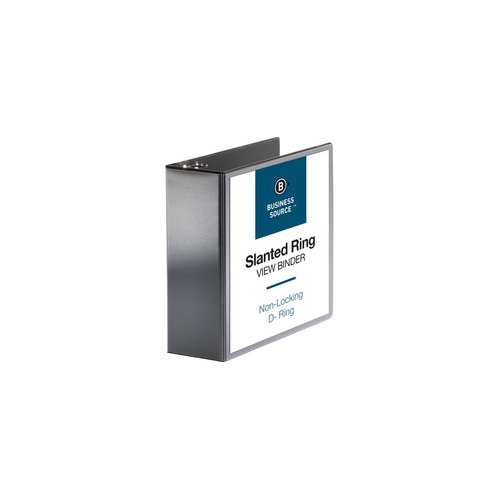
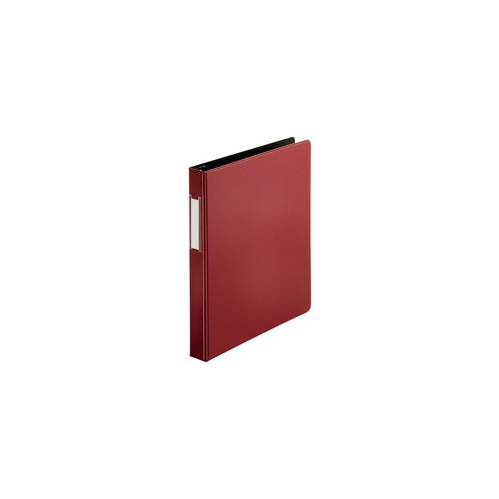
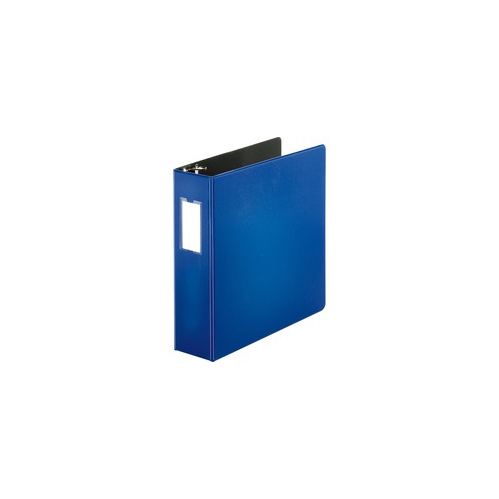
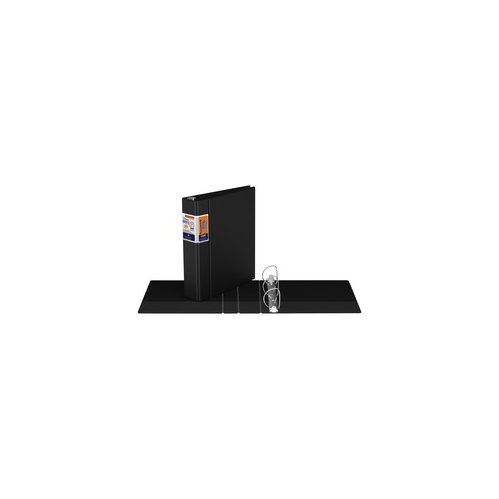
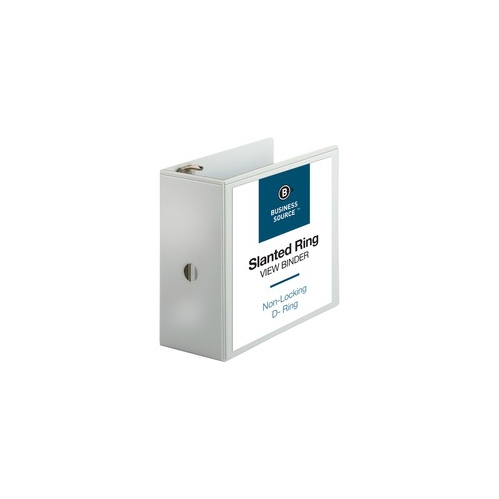
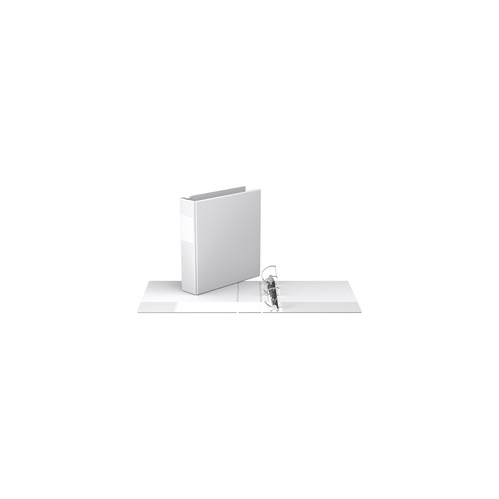
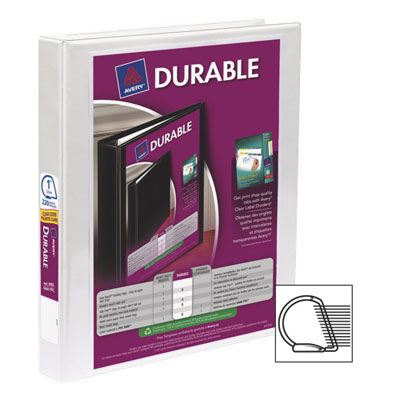
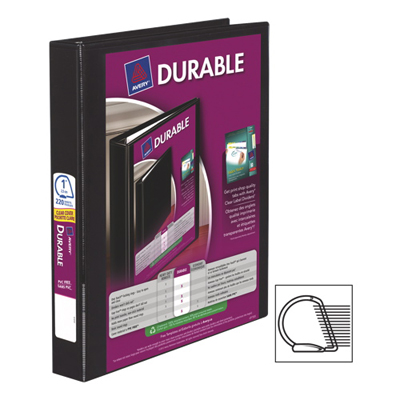
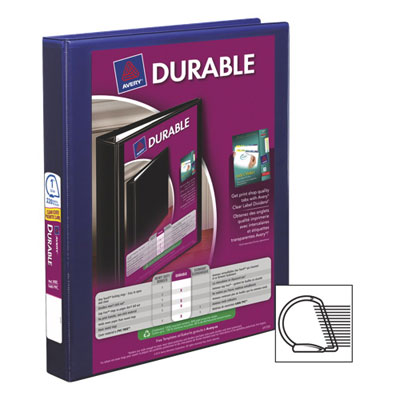
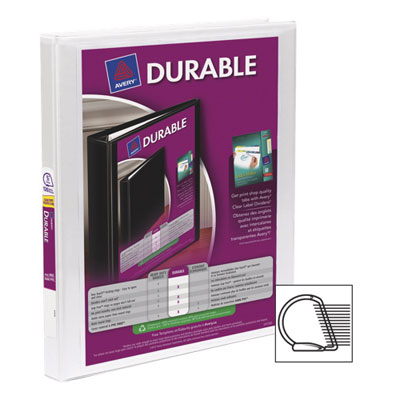
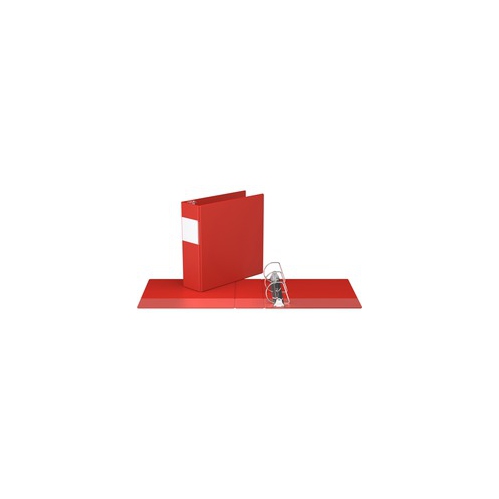
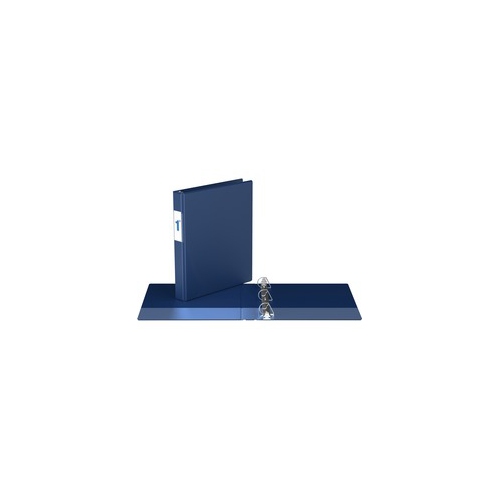
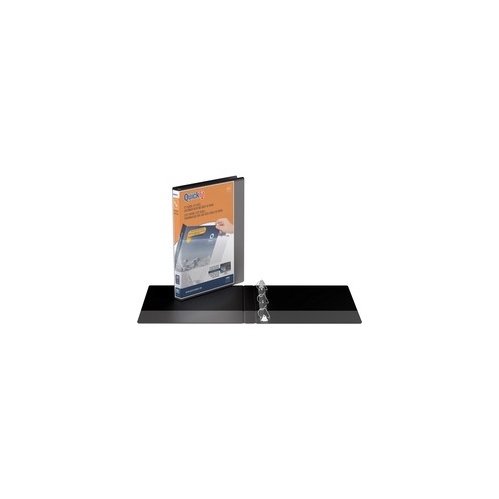
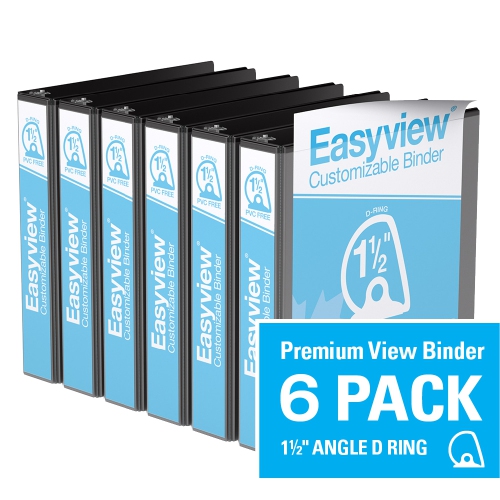
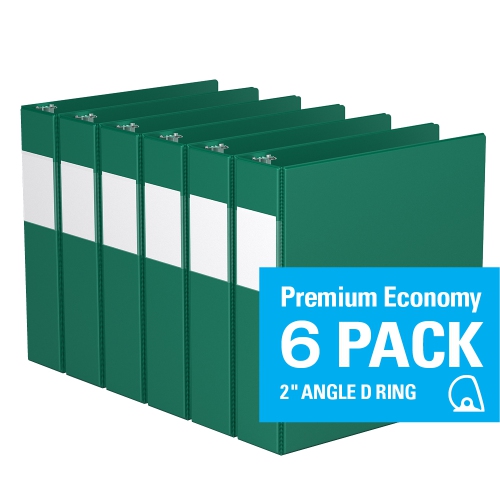
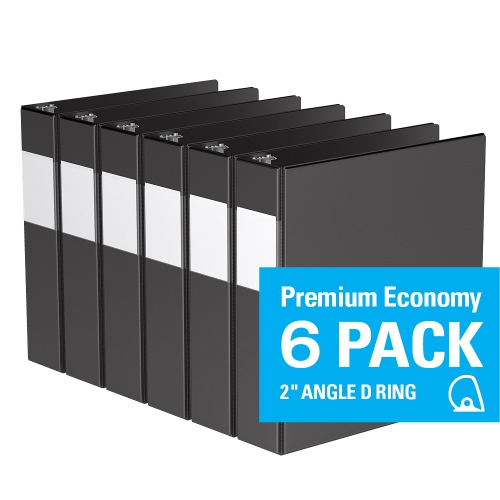
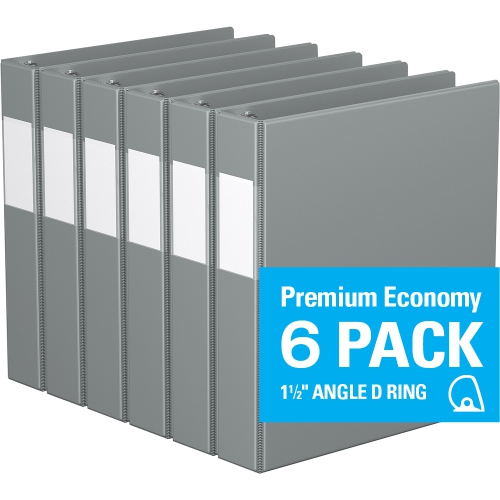
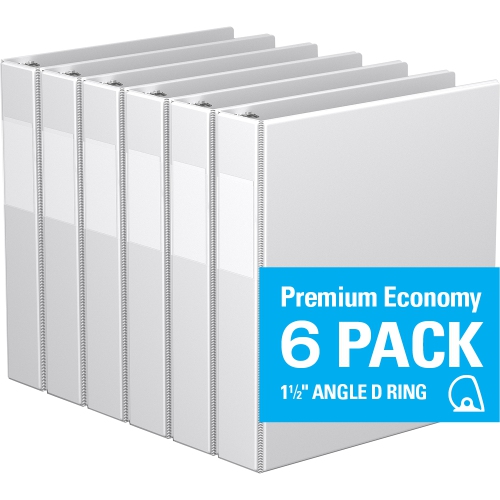
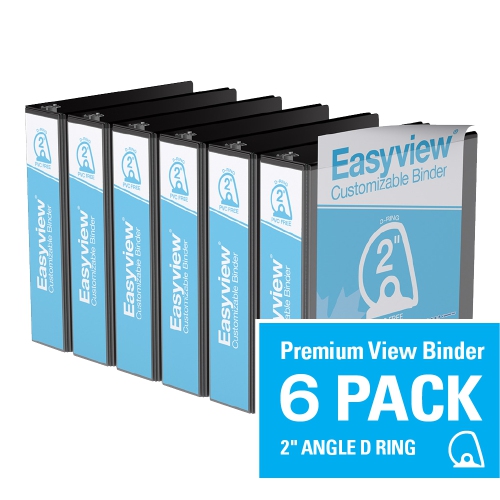
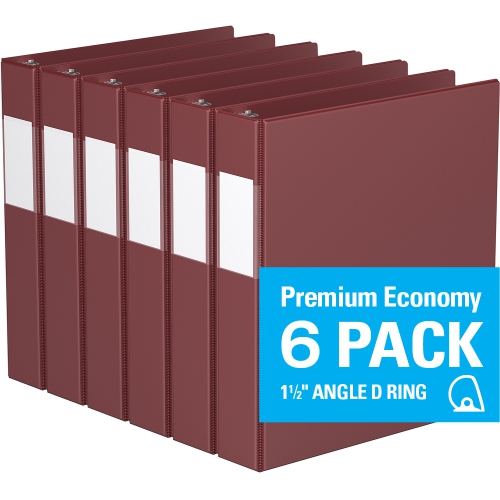
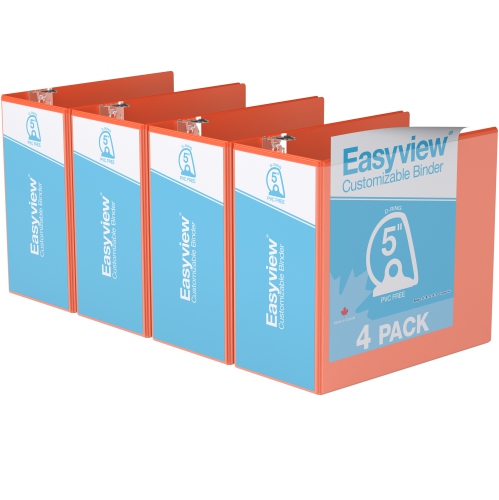
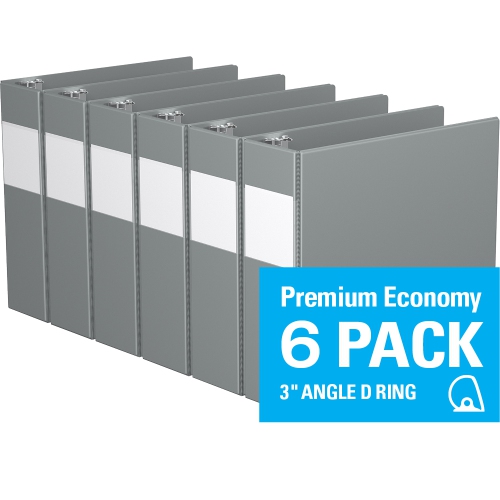
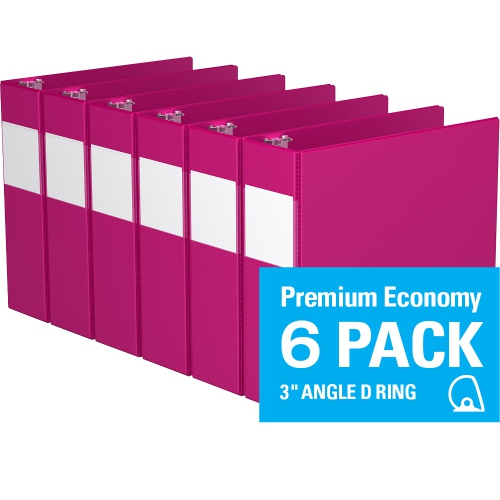
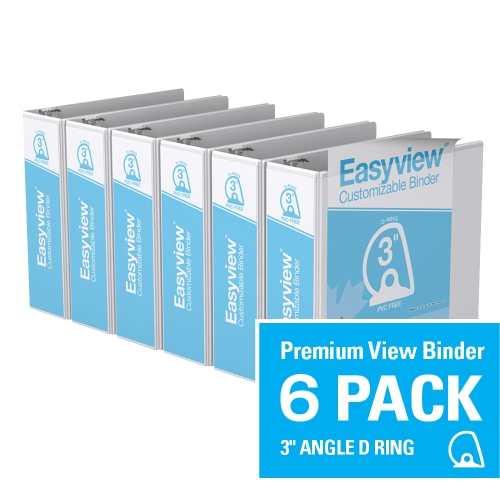
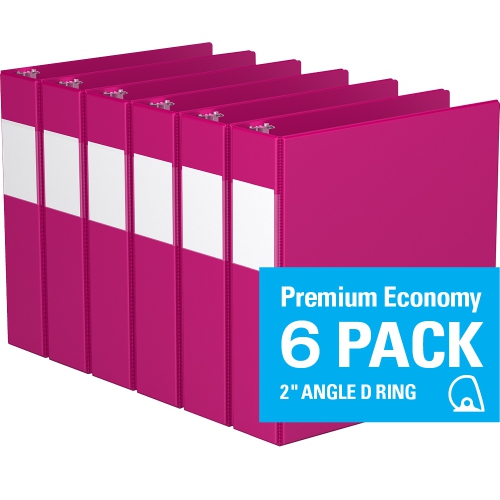
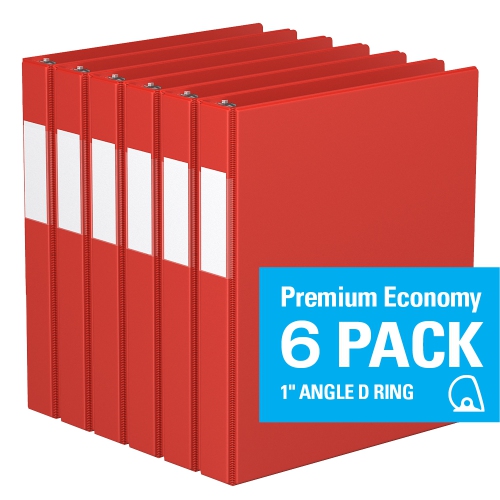
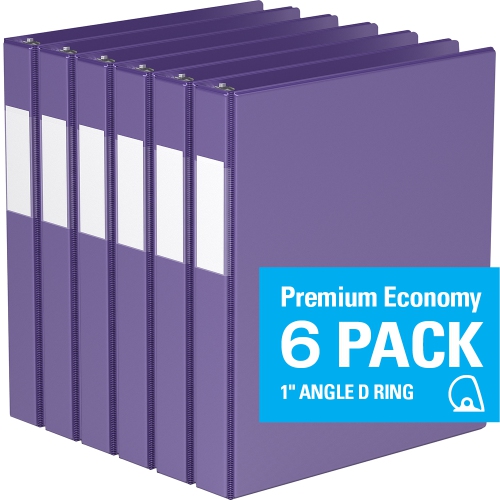
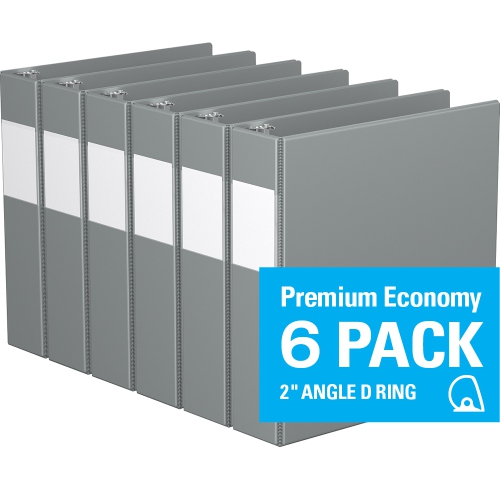
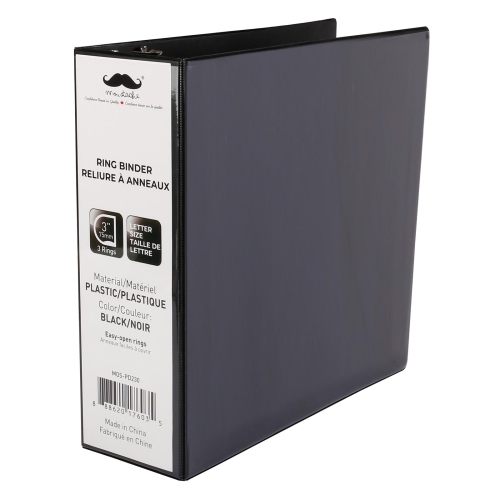
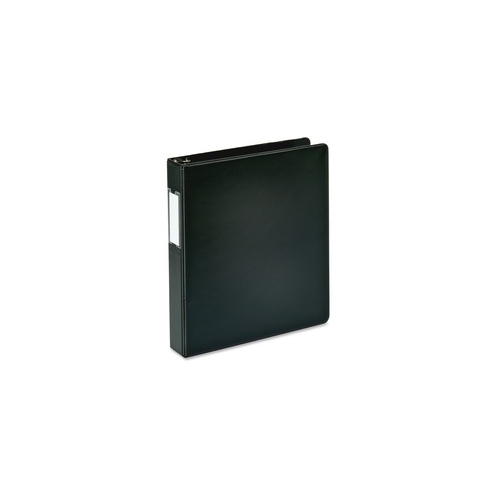
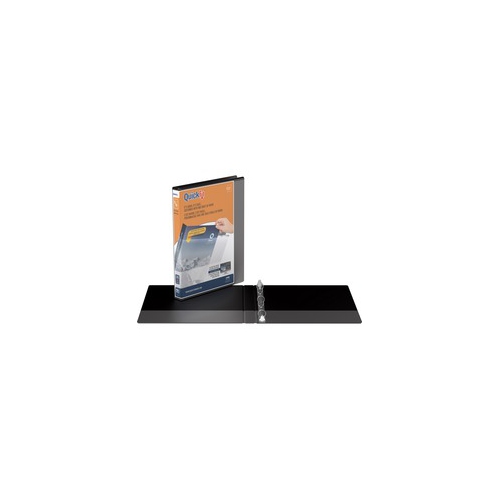
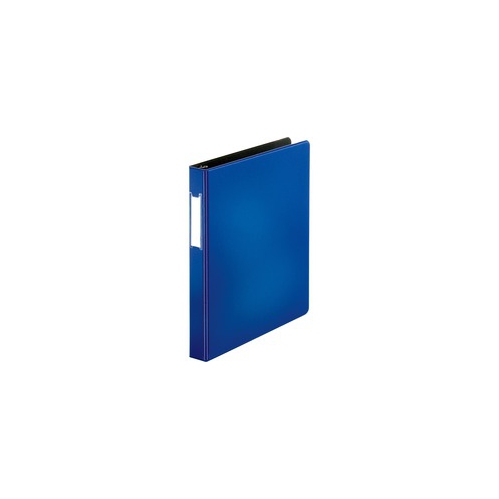
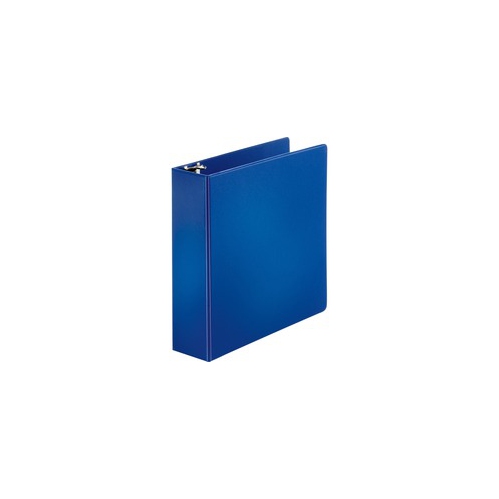
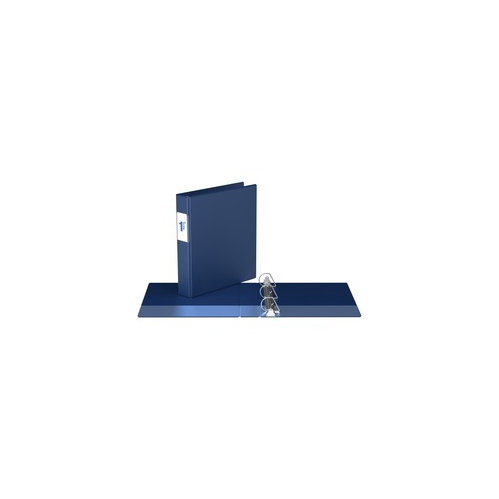
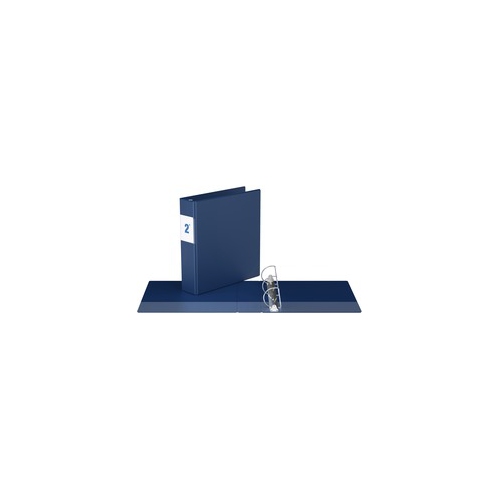
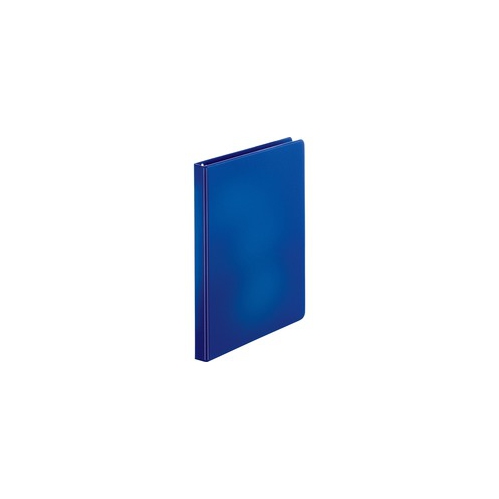
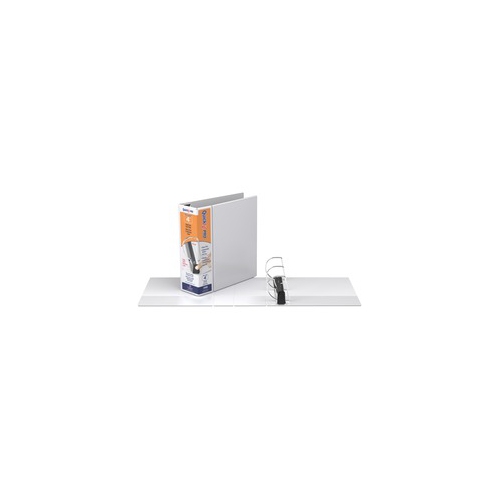
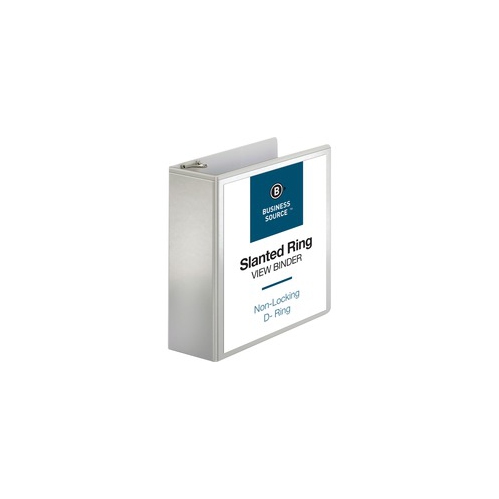
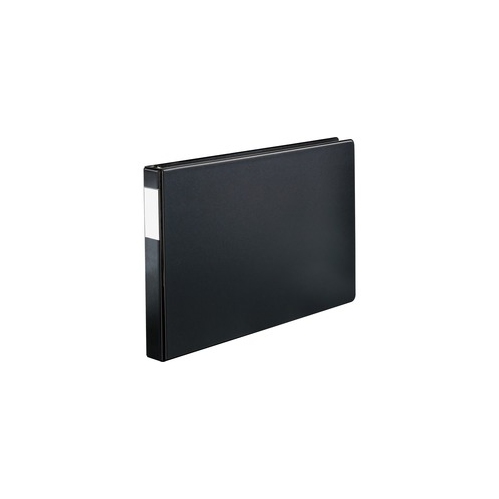
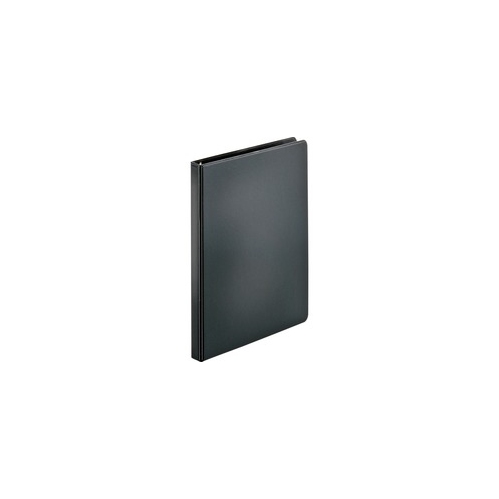
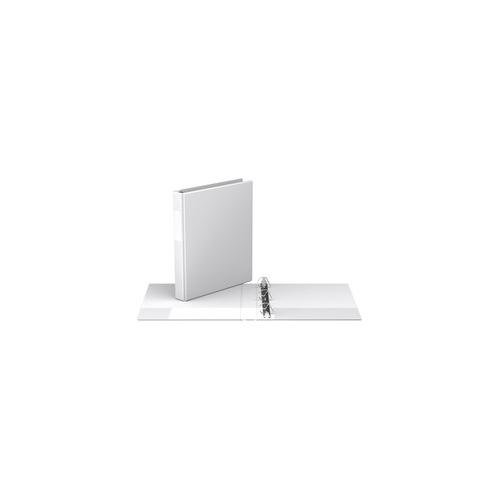
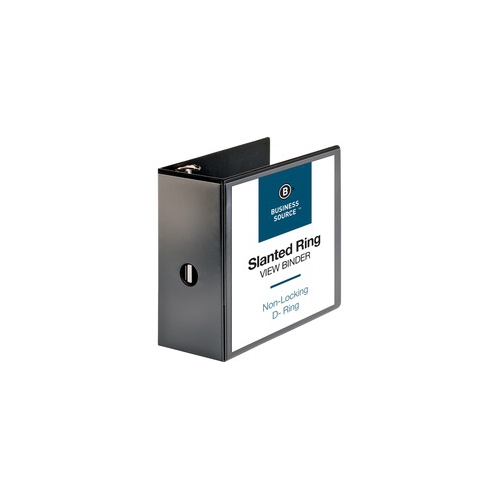
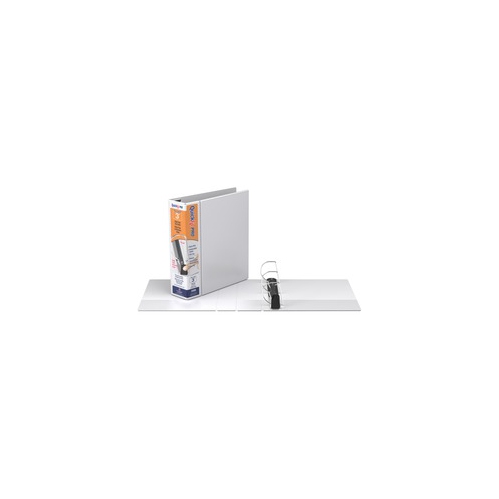
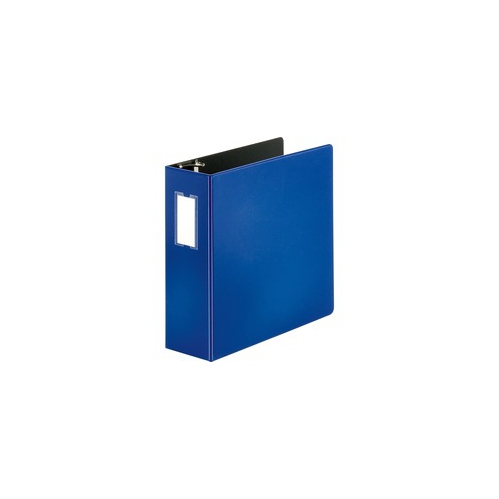
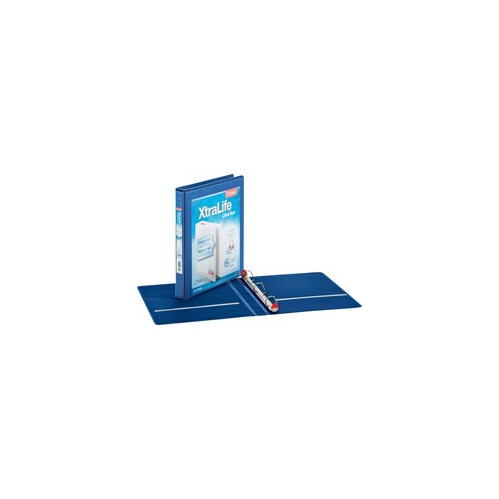
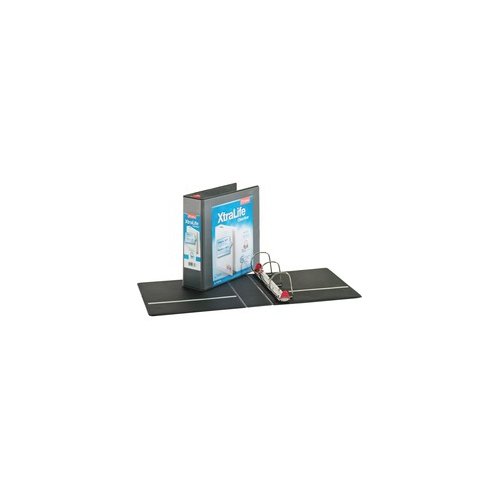
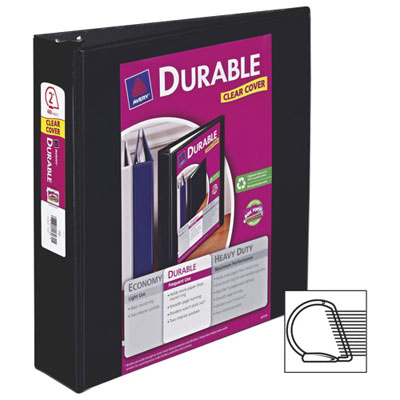
D-ring binders are a practical way to bring structure to loose papers, handouts, forms, notes, and reference materials. Unlike traditional round-ring binders, D-ring binders use rings shaped like the letter “D,” with the straight edge positioned along the spine. This design gives pages a flatter surface when the binder is open, making documents easier to read, sort, and turn. It can also provide more usable capacity than a round-ring binder of the same size, which is helpful when storing a growing collection of papers. Whether placed on a home office shelf, carried between classes, or kept in a workplace filing area, a D-ring binder can help keep important information together instead of scattered across desks, bags, and drawers. Students may use one for class notes, assignments, project outlines, and study materials, while teachers and tutors can use them to organize lesson plans, worksheets, assessment records, or presentation materials. At home, D-ring binders are useful for appliance manuals, insurance documents, receipts, household records, recipes, travel information, and children’s artwork. They can also make a thoughtful and practical gift for a student, new homeowner, remote worker, small-business owner, or anyone preparing for a more organized routine during the cooler months. A binder filled with neatly sorted documents can make everyday tasks feel more manageable, especially when information needs to be found quickly.
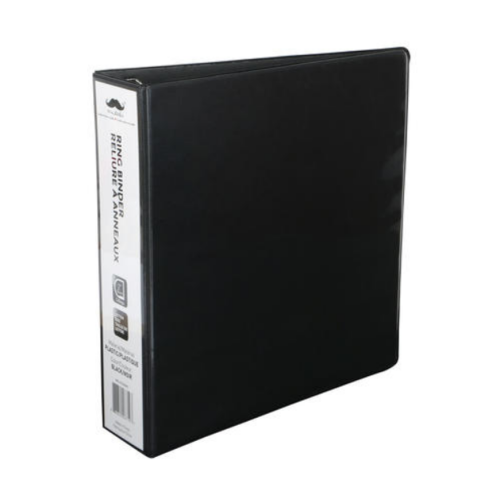
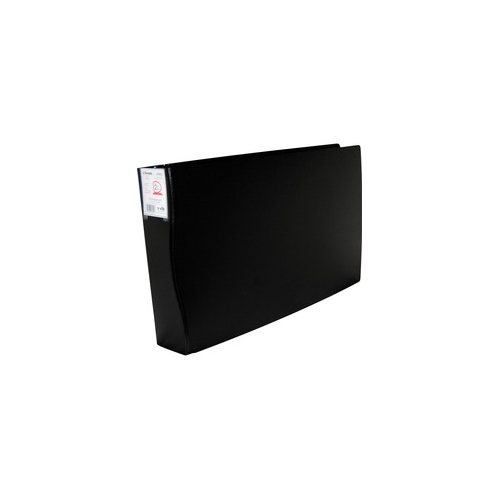
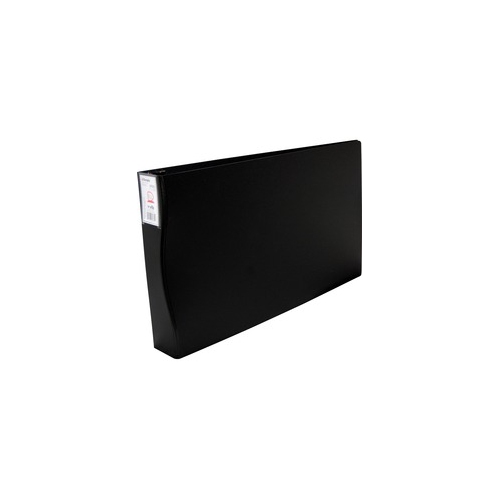
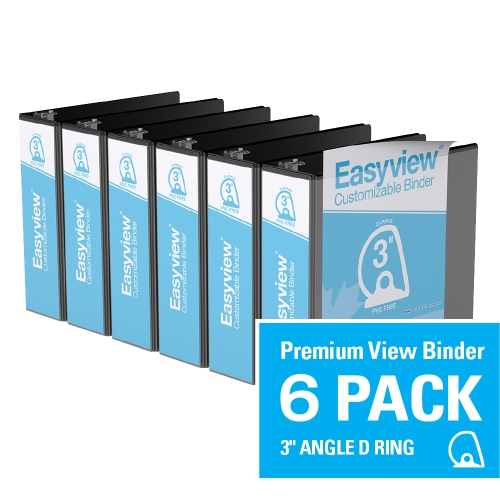
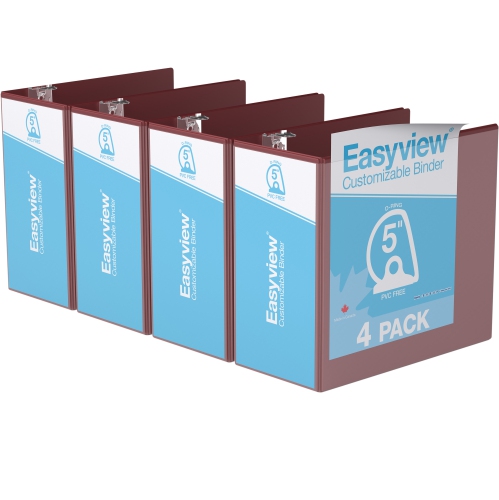
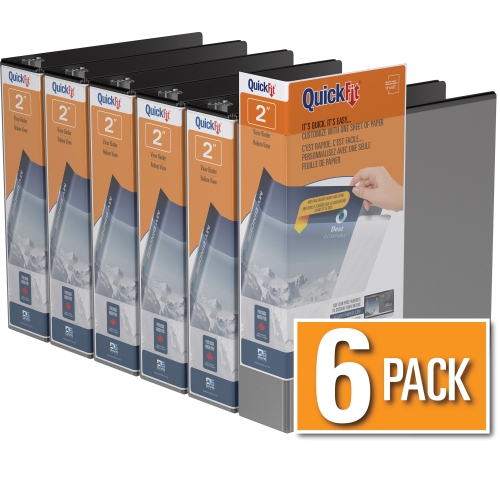
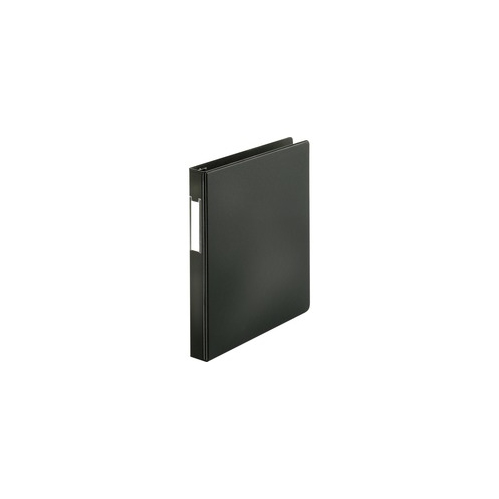
When choosing among D-ring binders, begin by considering the amount and type of material that will be stored. Ring size is one of the most important details because it affects the binder’s sheet capacity. A slimmer size may be suitable for a small set of notes or a project that will be completed soon, while a larger ring size can accommodate reports, manuals, reference pages, and other documents that may accumulate over time. Avoid filling a binder beyond its practical capacity, since overstuffing can make pages difficult to turn and may place unnecessary strain on the covers, rings, and punched holes. The thickness and weight of the paper also matter; card stock, dividers, plastic sleeves, and sheet protectors take up more room than standard printer paper. For documents that will be handled frequently, look for a sturdy cover and a firm spine that can stand up to repeated opening, closing, carrying, and shelf storage. A clear-view cover can be useful when you want to identify the binder at a glance or create a customized front page, while a spine label makes it easier to locate a particular subject among several binders. Interior pockets can hold loose receipts, forms, index cards, or papers waiting to be filed, reducing the chance that smaller pieces will slip away before they are organized. If the binder will travel in a backpack, briefcase, or tote, consider its overall size, weight, closure style, and how well the covers protect the pages inside. For a coordinated filing system, selecting a consistent colour scheme can help separate school subjects, household records, work projects, or personal reference materials; black binders, for example, can create a clean, understated look and pair easily with other office supplies. Browse Black Binders when a classic colour is preferred.
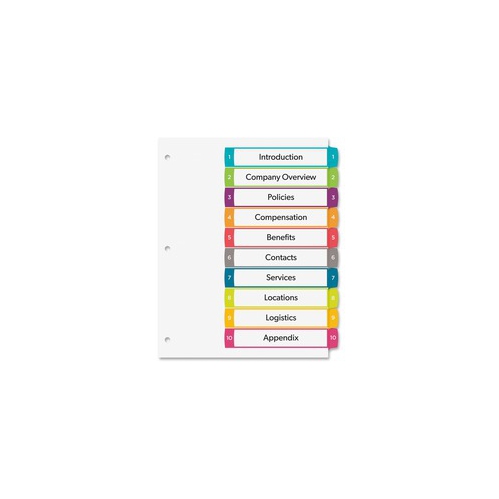
D-ring binders are especially useful when documents need to remain accessible rather than simply stored away. Because the rings support pages along a straight edge, papers can sit more evenly and are generally easier to turn from front to back. This makes them well suited to reports, presentations, training materials, recipe collections, project plans, and other documents that are reviewed repeatedly. Adding tabbed dividers can create clear sections, while sheet protectors can help keep frequently handled pages clean and intact. For a home filing system, one binder might hold household maintenance information, another could contain financial paperwork, and a third could be reserved for health, school, or travel records. In a workplace, separate binders can organize meeting materials, procedures, client information, inventory notes, or training documents without requiring everything to remain in a single oversized file. Collectors may also use binders with suitable sleeves or pages to arrange cards, photographs, stamps, or other flat paper items, provided the interior accessories are compatible with the ring spacing and the materials being stored. Before placing papers inside, remove unnecessary duplicates, group related documents, and label each section with wording that will still make sense later. Keeping the heaviest pages closer to the back cover can help the binder sit more steadily, while leaving a little room for additions makes it easier to maintain over time. During the transition from warm days to cooler weather, a binder can also support practical seasonal routines, such as organizing school materials, preparing tax-related paperwork, sorting home service records, or keeping holiday planning documents together. With the right ring size, capacity, cover construction, and organizing accessories, a D-ring binder becomes more than a place to hold punched paper: it is a dependable system for keeping essential information visible, protected, and ready when needed.
When choosing among D-ring binders, begin by considering the amount and type of material that will be stored. Ring size is one of the most important details because it affects the binder’s sheet capacity. A slimmer size may be suitable for a small set of notes or a project that will be completed soon, while a larger ring size can accommodate reports, manuals, reference pages, and other documents that may accumulate over time. Avoid filling a binder beyond its practical capacity, since overstuffing can make pages difficult to turn and may place unnecessary strain on the covers, rings, and punched holes. The thickness and weight of the paper also matter; card stock, dividers, plastic sleeves, and sheet protectors take up more room than standard printer paper. For documents that will be handled frequently, look for a sturdy cover and a firm spine that can stand up to repeated opening, closing, carrying, and shelf storage. A clear-view cover can be useful when you want to identify the binder at a glance or create a customized front page, while a spine label makes it easier to locate a particular subject among several binders. Interior pockets can hold loose receipts, forms, index cards, or papers waiting to be filed, reducing the chance that smaller pieces will slip away before they are organized. If the binder will travel in a backpack, briefcase, or tote, consider its overall size, weight, closure style, and how well the covers protect the pages inside. For a coordinated filing system, selecting a consistent colour scheme can help separate school subjects, household records, work projects, or personal reference materials; black binders, for example, can create a clean, understated look and pair easily with other office supplies. Browse Black Binders when a classic colour is preferred.
D-ring binders are especially useful when documents need to remain accessible rather than simply stored away. Because the rings support pages along a straight edge, papers can sit more evenly and are generally easier to turn from front to back. This makes them well suited to reports, presentations, training materials, recipe collections, project plans, and other documents that are reviewed repeatedly. Adding tabbed dividers can create clear sections, while sheet protectors can help keep frequently handled pages clean and intact. For a home filing system, one binder might hold household maintenance information, another could contain financial paperwork, and a third could be reserved for health, school, or travel records. In a workplace, separate binders can organize meeting materials, procedures, client information, inventory notes, or training documents without requiring everything to remain in a single oversized file. Collectors may also use binders with suitable sleeves or pages to arrange cards, photographs, stamps, or other flat paper items, provided the interior accessories are compatible with the ring spacing and the materials being stored. Before placing papers inside, remove unnecessary duplicates, group related documents, and label each section with wording that will still make sense later. Keeping the heaviest pages closer to the back cover can help the binder sit more steadily, while leaving a little room for additions makes it easier to maintain over time. During the transition from warm days to cooler weather, a binder can also support practical seasonal routines, such as organizing school materials, preparing tax-related paperwork, sorting home service records, or keeping holiday planning documents together. With the right ring size, capacity, cover construction, and organizing accessories, a D-ring binder becomes more than a place to hold punched paper: it is a dependable system for keeping essential information visible, protected, and ready when needed.
Top selling and popular products
-
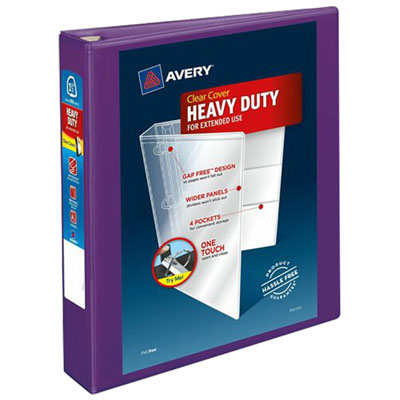 Your price for this item is $11.99
 -
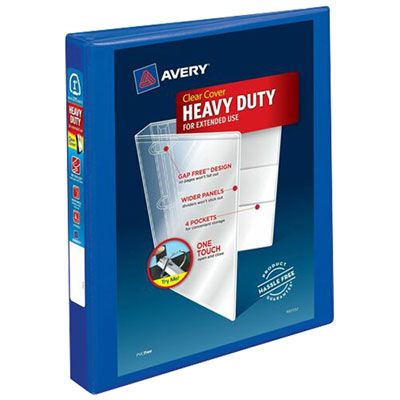 Your price for this item is $17.99
 -
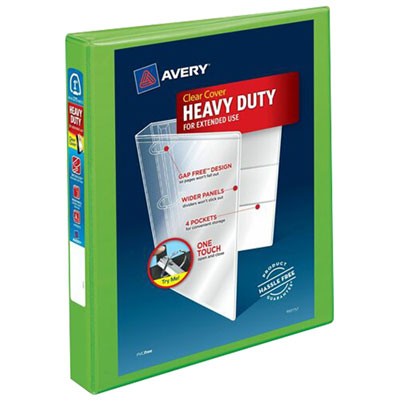 Your price for this item is $9.99
 -
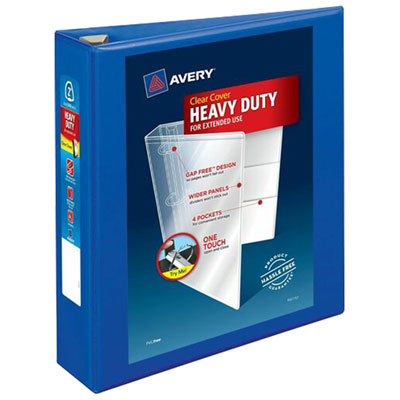 Your price for this item is $13.99
 -
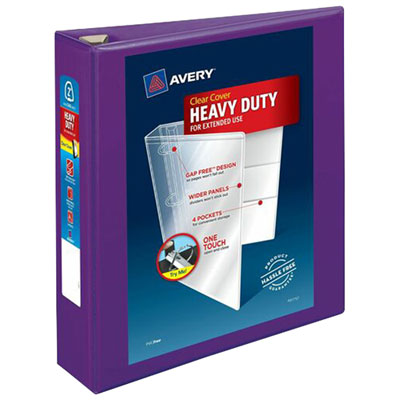 Your price for this item is $14.99
 -
 Your price for this item is $9.99
 -
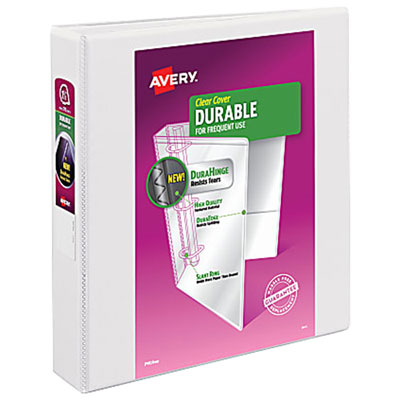 Your price for this item is $12.99
 -
 Your price for this item is $10.99
Discover more categories related to D Ring Binders
Top Collections:
Pokemon Centers, Kindle Devices, Best Budget Office Chairs, Apple iPhones 16, Best Laptops for Writers, iPhone 15 Apple, Canon G7X Cameras, Refurbished Apple Laptops, Alarm Clock, Motorola Razr Phones
Some products may be subject to Environmental Handling Fees
(EHF) depending on your province.
Learn more about EHFs.