Film Roll
Capture the essence of your memories with this selection of film rolls, perfect for capturing life's most precious moments. Whether you're an avid photographer or a casual snap shooter, film rolls offer a timeless appeal that digital photos simply can't replicate. Browse through this range of film rolls to find the perfect option for your camera and start preserving memories in a classic and authentic way.
Sort
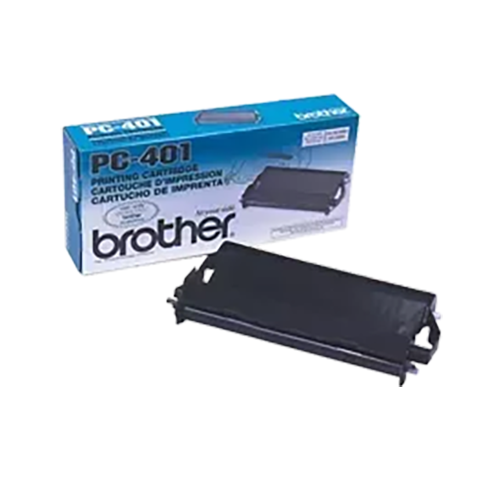
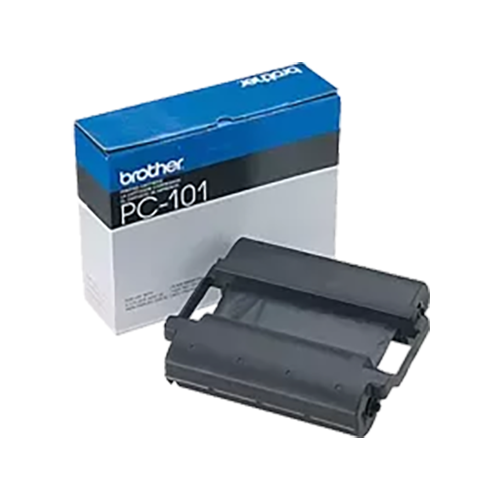
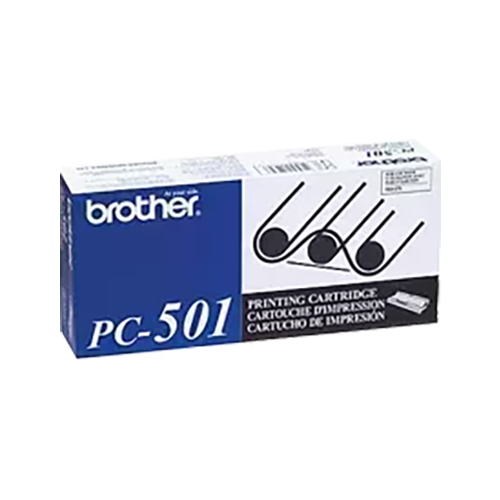
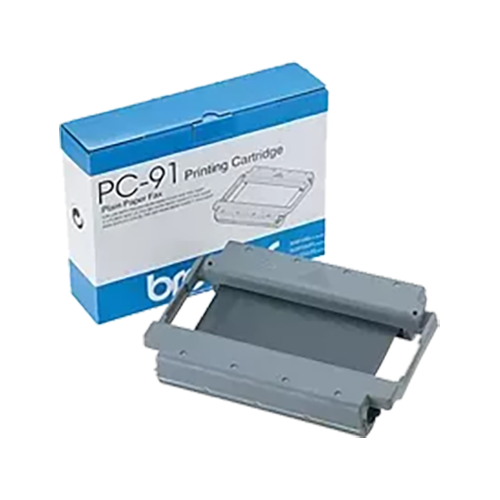
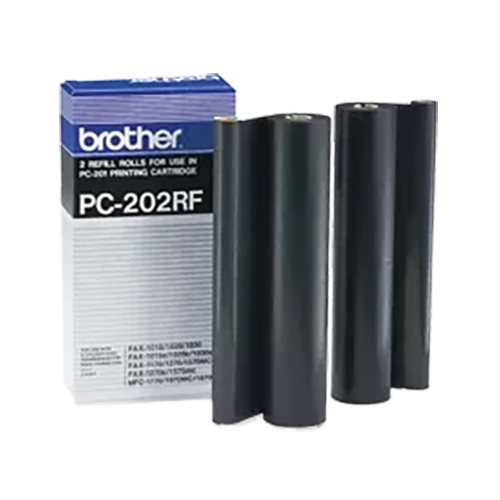
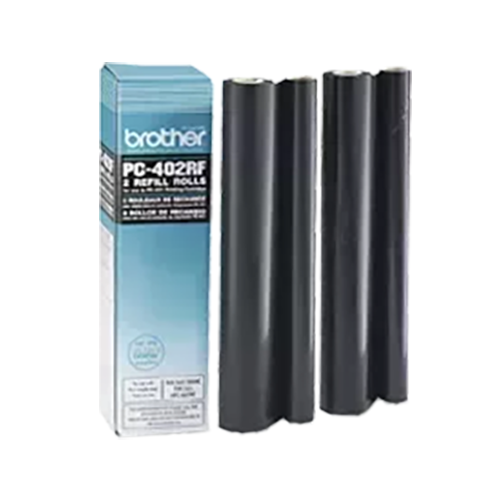
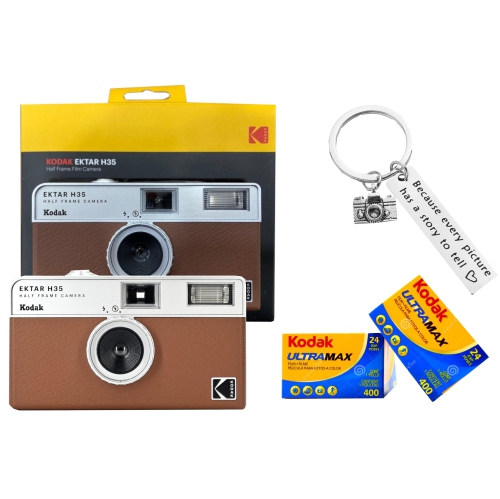
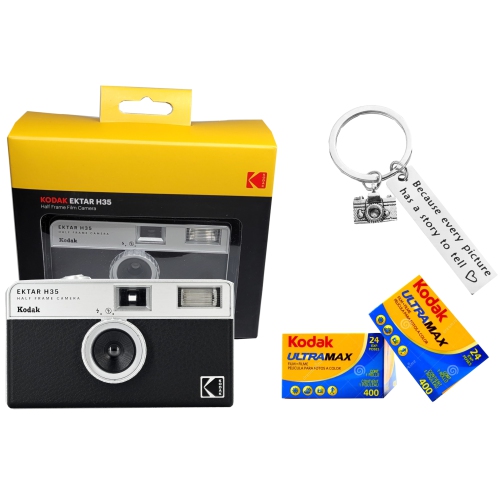
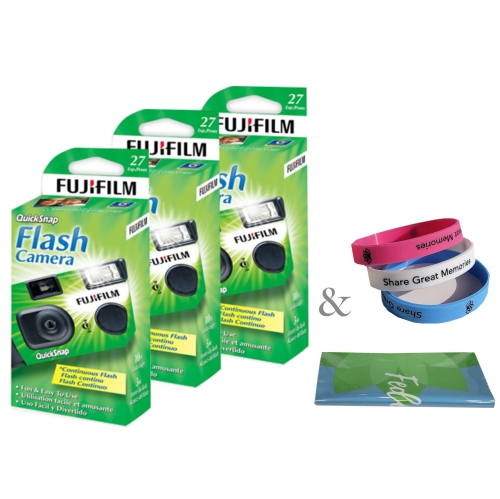
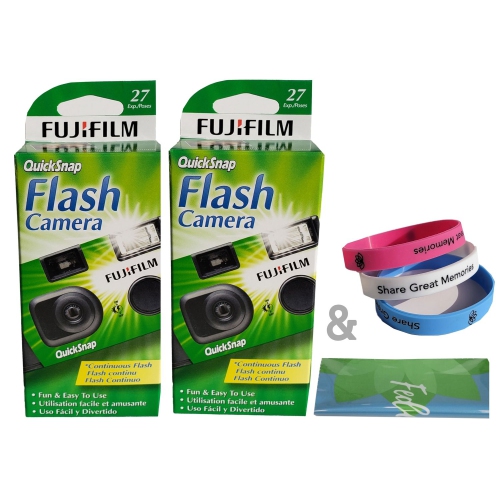

What to know about formats, speeds, storage and processing
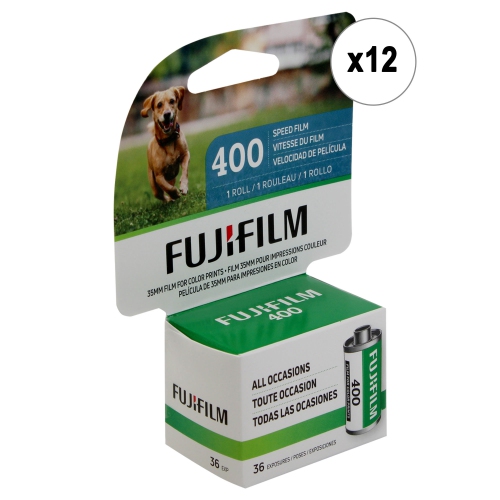
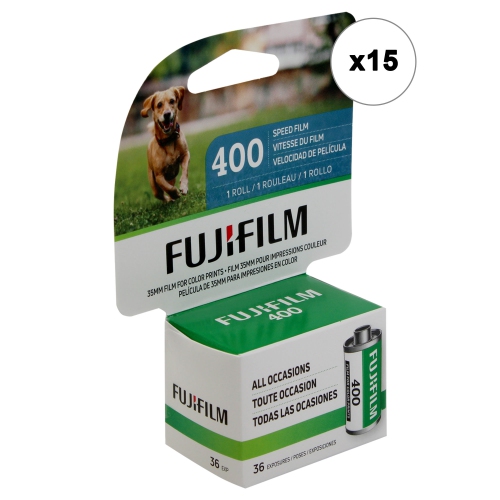
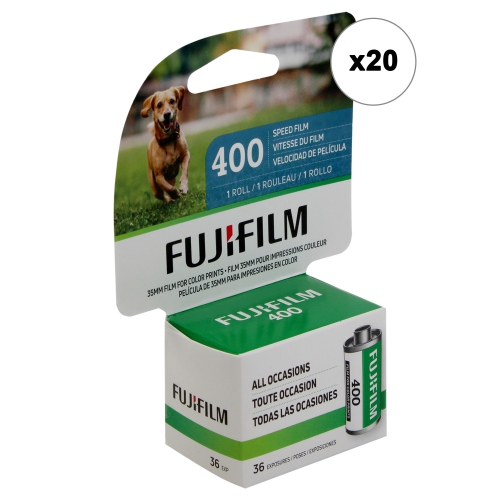
Film roll brings a deliberate, tactile quality to photography, turning each exposure into a considered moment rather than an unlimited digital capture. A roll is a strip of photographic material coated with light-sensitive chemicals and wound around a spool, ready to record images when loaded into a compatible camera. The most familiar format is 35mm, also known as 135 film. It is designed for many everyday film cameras and comes in a protective metal canister, with sprocket holes along the edges that allow the camera to advance the film from one frame to the next. Medium-format 120 film uses a wider strip wound around a spool with opaque paper backing instead of a canister. Because its larger frame size can capture more detail and produce distinctive depth and tonal transitions, 120 film is often chosen for portraiture, landscapes, still life and other photography where the negative itself is part of the creative process. Before selecting a roll, check the camera’s format requirements, since 35mm and 120 film are not interchangeable. It is also helpful to confirm whether the camera has a working light meter, manual exposure controls or an automatic setting, as these features can influence the film speed and style that will work best. Browsing film-compatible equipment alongside Film Cameras can make it easier to match the roll to the camera being used, whether that camera is a familiar companion from years ago or a new addition to a growing collection.
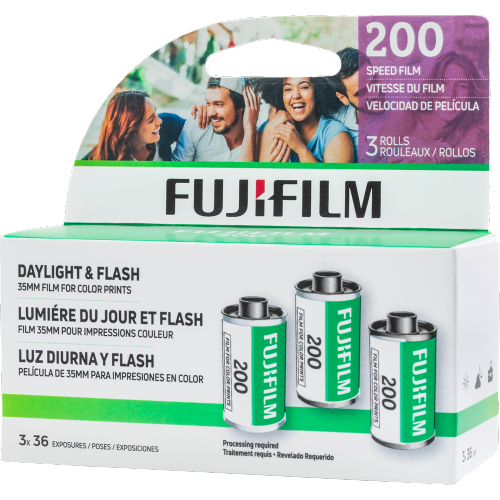
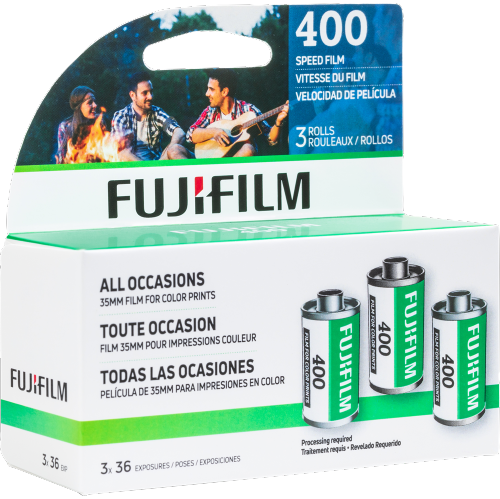
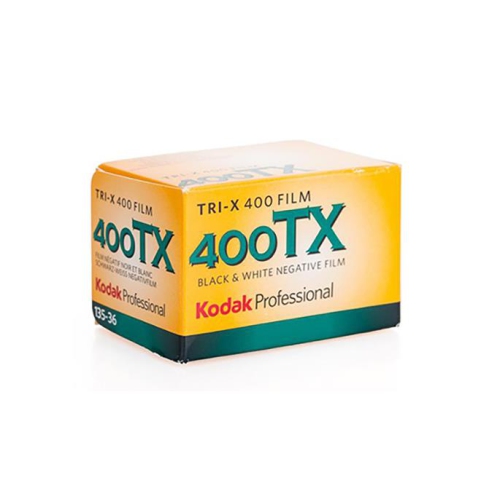
Film speed, usually shown as an ISO number, is one of the most important choices when comparing film roll options. Lower-speed film, such as ISO 100 or ISO 200, generally works well in bright outdoor conditions and can produce fine grain with crisp detail. It can be a strong choice for sunny walks, travel photography, architecture, product images or carefully lit portraits. Medium-speed film, such as ISO 400, offers a versatile balance for changing conditions and is commonly used for everyday photography, indoor scenes near windows and outdoor images during overcast weather. Higher-speed film, including ISO 800 and above, is more suitable for dimmer light, evening scenes, concerts, indoor gatherings and handheld shooting when a longer exposure would make camera movement more noticeable. As film speed increases, grain may become more visible, but that texture is often part of the appeal of analogue photography. Colour negative film records a broad range of everyday scenes with familiar tones and is commonly processed using the C-41 chemical process. Black-and-white film creates images through shades of grey, highlights and shadows, making it especially appealing for expressive portraits, street photography, dramatic architecture and images where texture matters more than colour. The intended lighting, subject and mood should all be considered together: a bright beach or snow-covered landscape may call for a different ISO than a softly lit room, while a fast-moving subject may benefit from a faster film and shutter speed. Film roll can also be a thoughtful gift for someone who enjoys photography, collecting vintage cameras, making photo albums or slowing down to document ordinary moments with greater intention. It suits beginners learning how exposure works, experienced photographers exploring a different visual language and creative family members who appreciate the anticipation of seeing images after development.
Storage and handling have a direct effect on results. Unexposed film should remain in its original packaging and be kept in a cool, dry place away from direct sunlight, excessive heat and moisture. Some photographers refrigerate or freeze film for longer-term storage, but it should be allowed to return fully to room temperature before opening the package to help prevent condensation. Always check the expiry date and follow the storage recommendations provided with the film. When loading a roll, work in ordinary light only if the camera and packaging allow it; once the film has been exposed, protect it from light and rewind it into its canister or spool before opening the camera back. A roll should be matched with the intended developing service before shooting, since colour negative and black-and-white film require different processing methods. C-41 colour film is widely supported by many photo labs, while black-and-white film may require dedicated processing or a lab that accepts standard monochrome chemistry. The number of exposures also varies by format and camera, so checking the roll specification helps with planning. Keeping notes about the film speed, lighting and exposure settings can make each developed roll more useful, especially when learning how a particular camera responds. Film roll is well suited to portraits of friends, candid family gatherings, weekend road trips, seasonal scenery and small details that might otherwise go unnoticed, from condensation on a window to the glow of a lamp during the cooler months. The finished negatives can be scanned for digital sharing, printed for albums or stored as physical keepsakes, giving each roll a lasting place in a personal photography routine.
Film speed, usually shown as an ISO number, is one of the most important choices when comparing film roll options. Lower-speed film, such as ISO 100 or ISO 200, generally works well in bright outdoor conditions and can produce fine grain with crisp detail. It can be a strong choice for sunny walks, travel photography, architecture, product images or carefully lit portraits. Medium-speed film, such as ISO 400, offers a versatile balance for changing conditions and is commonly used for everyday photography, indoor scenes near windows and outdoor images during overcast weather. Higher-speed film, including ISO 800 and above, is more suitable for dimmer light, evening scenes, concerts, indoor gatherings and handheld shooting when a longer exposure would make camera movement more noticeable. As film speed increases, grain may become more visible, but that texture is often part of the appeal of analogue photography. Colour negative film records a broad range of everyday scenes with familiar tones and is commonly processed using the C-41 chemical process. Black-and-white film creates images through shades of grey, highlights and shadows, making it especially appealing for expressive portraits, street photography, dramatic architecture and images where texture matters more than colour. The intended lighting, subject and mood should all be considered together: a bright beach or snow-covered landscape may call for a different ISO than a softly lit room, while a fast-moving subject may benefit from a faster film and shutter speed. Film roll can also be a thoughtful gift for someone who enjoys photography, collecting vintage cameras, making photo albums or slowing down to document ordinary moments with greater intention. It suits beginners learning how exposure works, experienced photographers exploring a different visual language and creative family members who appreciate the anticipation of seeing images after development.
Storage and handling have a direct effect on results. Unexposed film should remain in its original packaging and be kept in a cool, dry place away from direct sunlight, excessive heat and moisture. Some photographers refrigerate or freeze film for longer-term storage, but it should be allowed to return fully to room temperature before opening the package to help prevent condensation. Always check the expiry date and follow the storage recommendations provided with the film. When loading a roll, work in ordinary light only if the camera and packaging allow it; once the film has been exposed, protect it from light and rewind it into its canister or spool before opening the camera back. A roll should be matched with the intended developing service before shooting, since colour negative and black-and-white film require different processing methods. C-41 colour film is widely supported by many photo labs, while black-and-white film may require dedicated processing or a lab that accepts standard monochrome chemistry. The number of exposures also varies by format and camera, so checking the roll specification helps with planning. Keeping notes about the film speed, lighting and exposure settings can make each developed roll more useful, especially when learning how a particular camera responds. Film roll is well suited to portraits of friends, candid family gatherings, weekend road trips, seasonal scenery and small details that might otherwise go unnoticed, from condensation on a window to the glow of a lamp during the cooler months. The finished negatives can be scanned for digital sharing, printed for albums or stored as physical keepsakes, giving each roll a lasting place in a personal photography routine.
Top selling and popular products
-
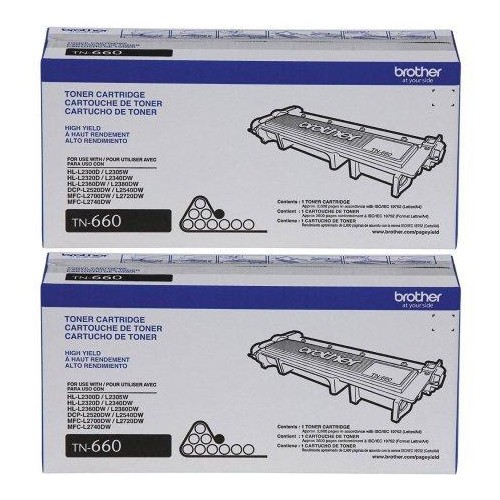 Your price for this item is $157.94
 -
 Your price for this item is $74.99
 -
 Your price for this item is $102.99
 -
 Your price for this item is $115.02
 -
 Your price for this item is $72.99
 -
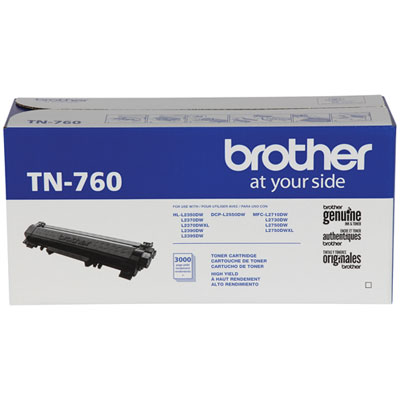 Your price for this item is $115.99
 -
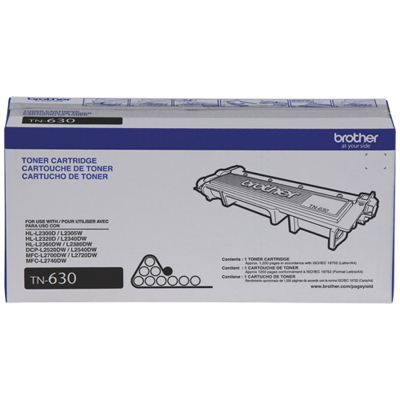 Your price for this item is $72.99
 -
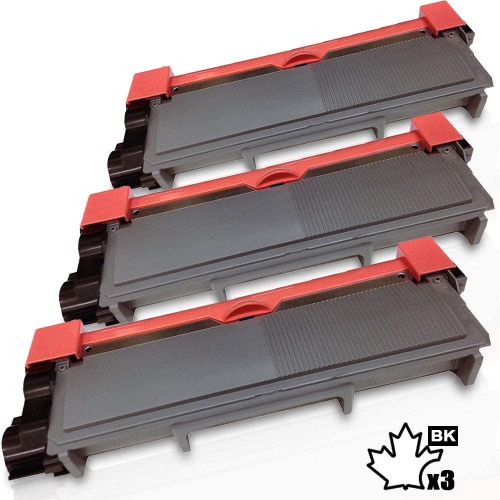 Your price for this item is $58.2
Discover more categories related to Film Roll
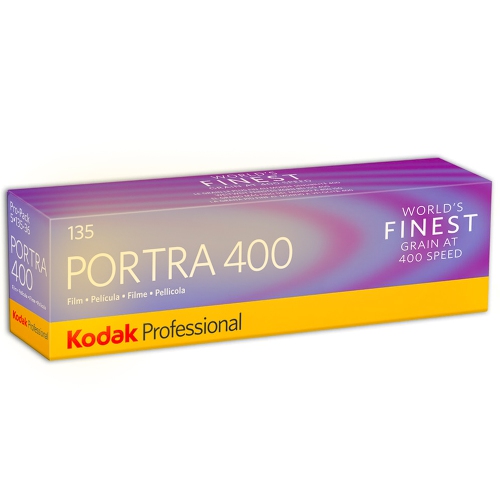
Top Collections:
Best Laptops for Video Editing, Pokemon Centers, Samsung Z Fold, Kindle Devices, Best Cell Phones Under $300, Best Laptop Computers for Students, iPhone 15 Apple, Best Cell Phones Under $500, Alarm Clock, Canon G7X Cameras
Some products may be subject to Environmental Handling Fees
(EHF) depending on your province.
Learn more about EHFs.