Foldable Garden Wagons
Looking to make your gardening tasks a breeze? Look no further than our selection of foldable garden wagons. These versatile and convenient wagons are designed to help you transport heavy loads, whether it's hauling gardening tools, plants, or even groceries. With their sturdy construction and collapsible design, these garden wagons are not only practical but also easy to store and transport. Whether you're a seasoned gardener or just starting out, our collection of foldable garden wagons has something to suit your needs.
Sort
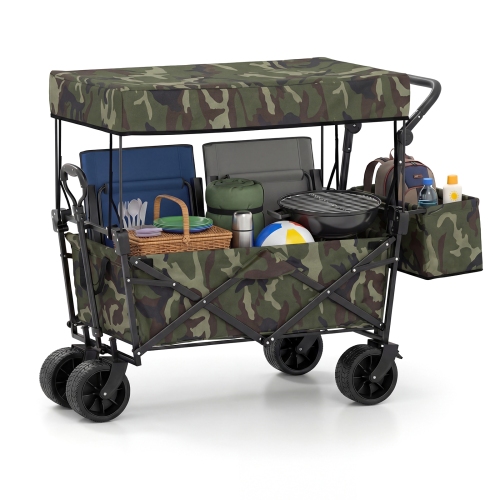
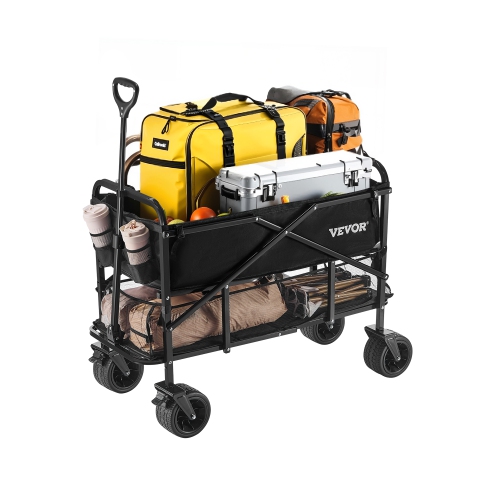
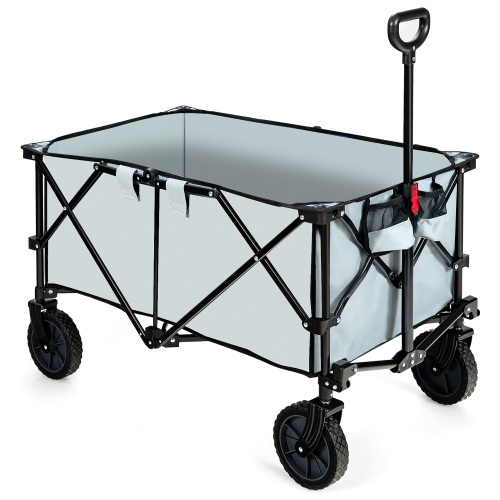
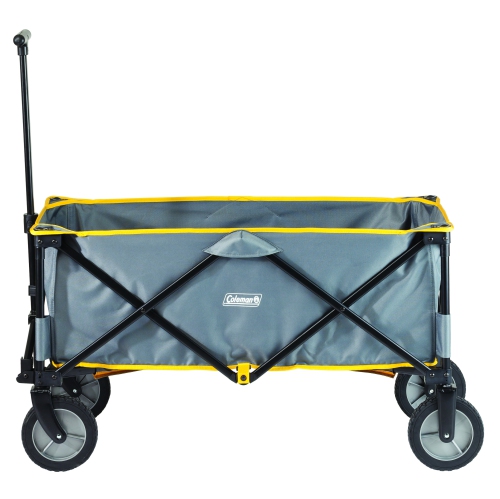
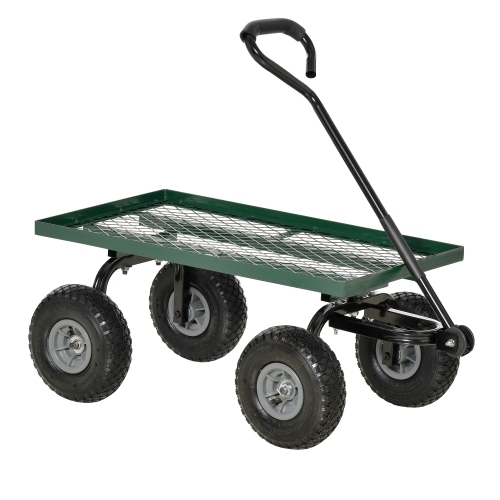
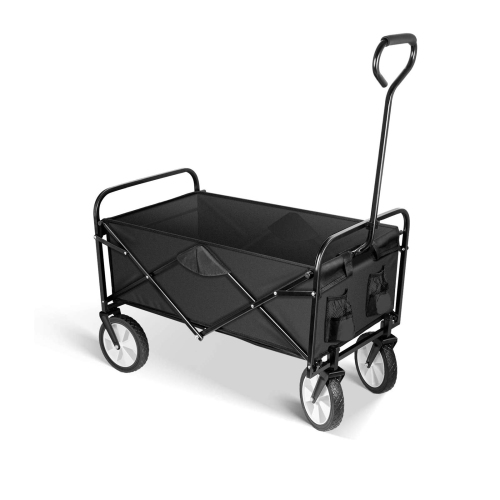
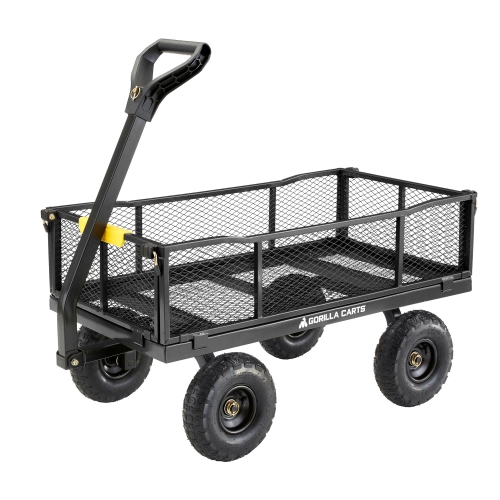
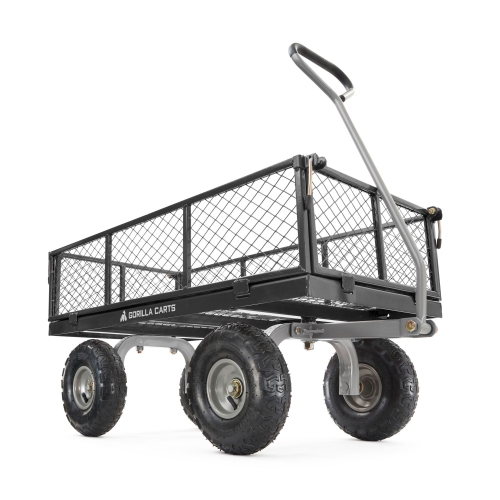
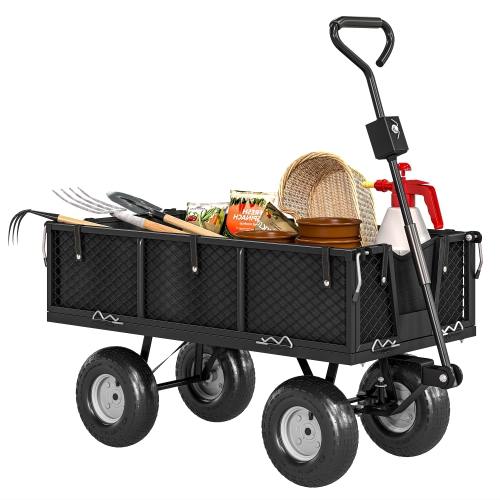
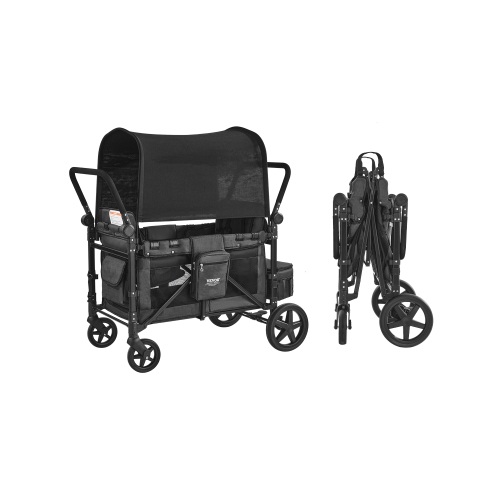
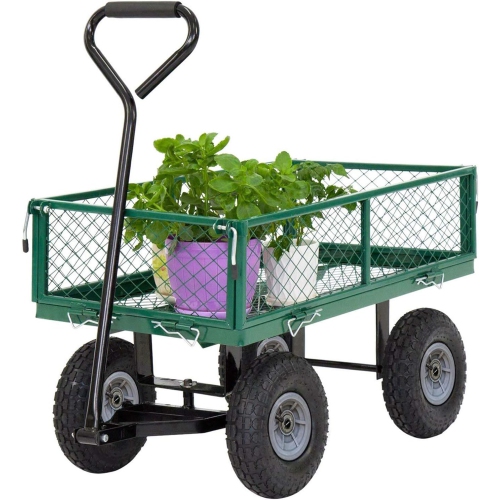

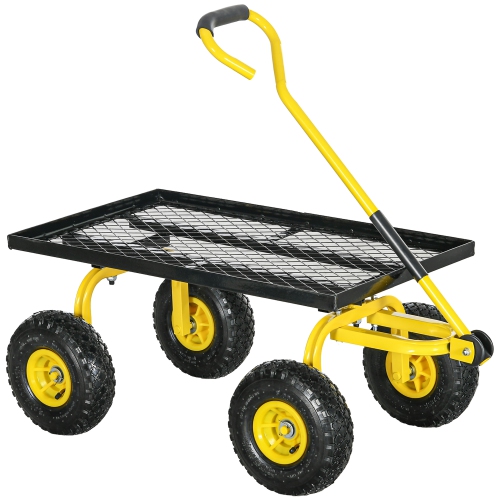
Space for garden supplies without the storage bulk
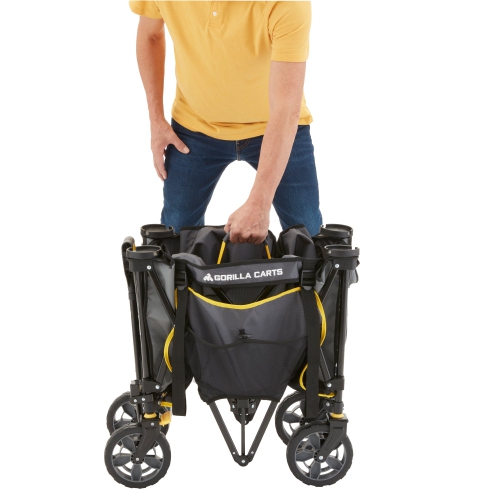
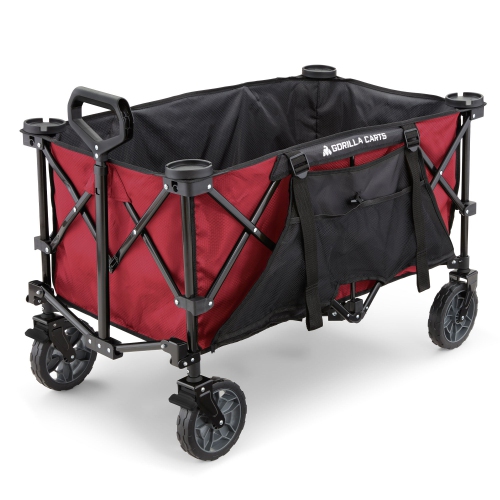
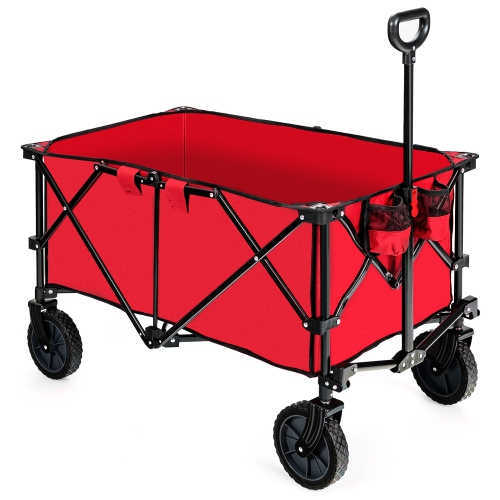
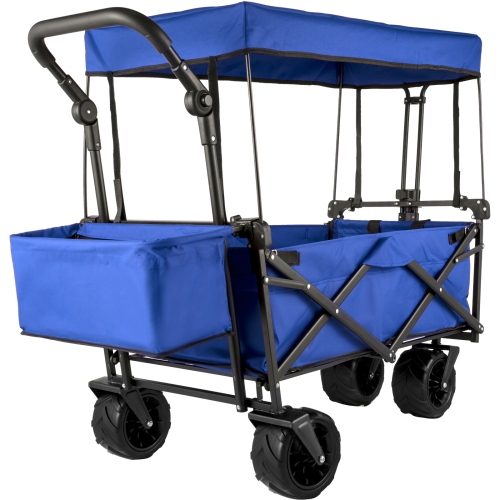
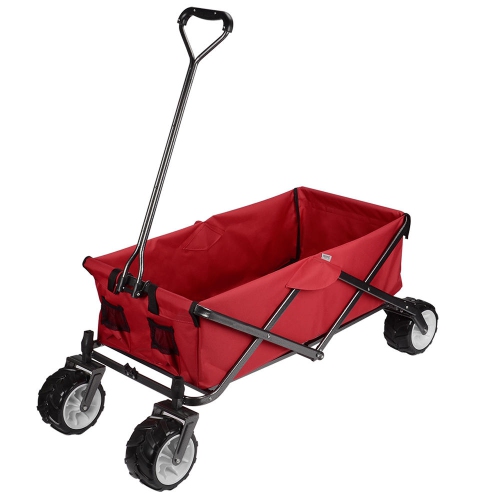
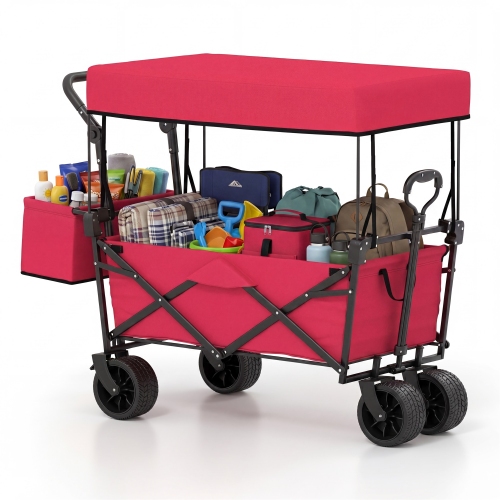
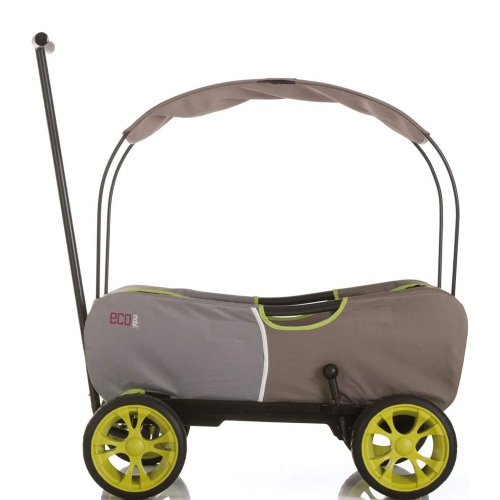
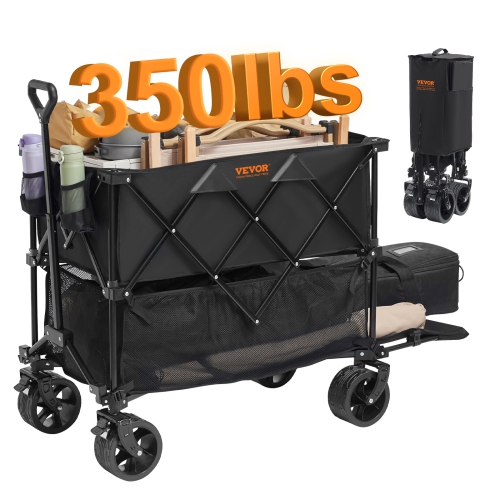
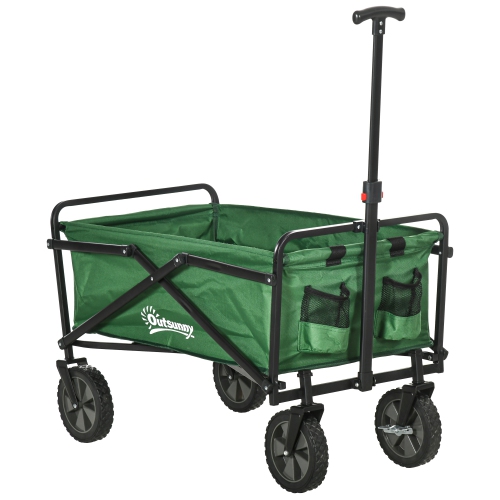
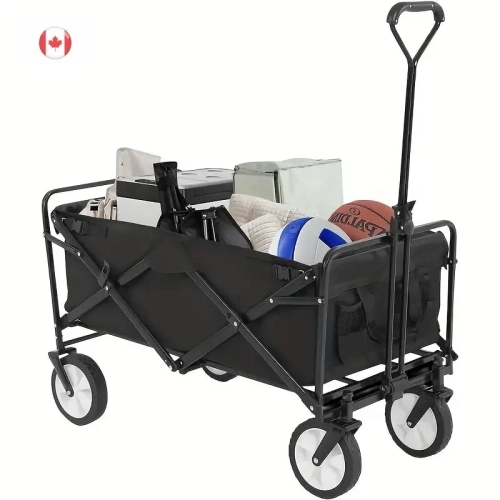
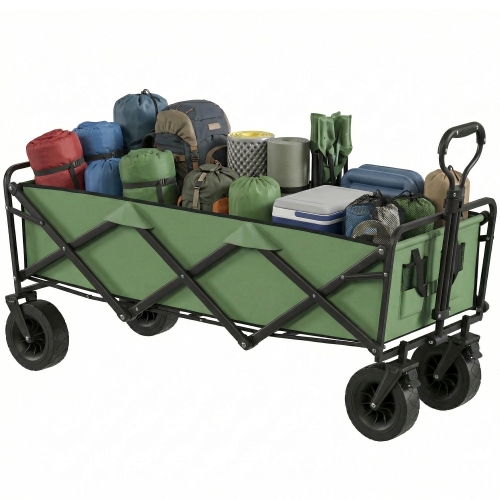
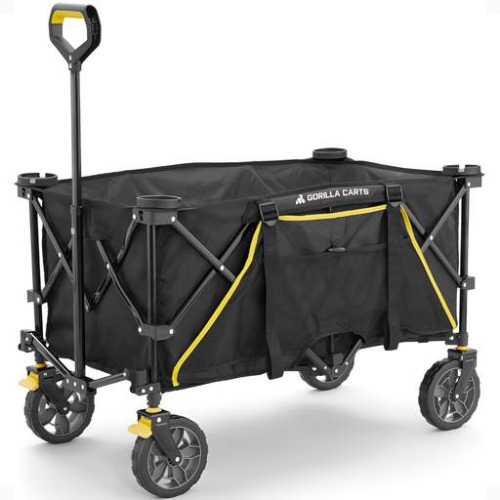
Foldable garden wagons are collapsible utility carts designed to carry gardening supplies, yard tools, and other loads while taking up less storage space than a rigid cart. A folding frame and flexible cargo bed make them useful for moving bags of potting mix from a driveway to a raised bed, gathering hand tools for work along a fence, or transporting empty planters between a shed and a patio. Their main appeal is the balance between carrying space when open and a smaller footprint when folded. For gardeners with a narrow shed, a shared garage, or limited storage beside a back door, that difference can make a wagon easier to keep close at hand. The most useful size depends on both the load and the route: a deep cargo bed can contain bulky supplies, while a narrower frame may fit more comfortably through a garden gate or between planting beds. Weight capacity and cargo volume describe different things, so both matter. A wagon may have room for several bags of soil without being rated to carry their combined weight, while lightweight pruning waste can fill the bed well before reaching its load limit. Internal bed dimensions help show whether a tray of seedlings or a rectangular planter will sit flat; overall dimensions show how much room the wagon needs to travel and turn. Folded measurements are just as relevant when storage involves a cupboard, garage shelf, or vehicle boot. The wagon’s own weight also deserves attention, especially if it needs to be lifted over a doorstep or into a vehicle after use. For people tending a community garden, maintaining a family yard, or moving supplies around a larger patio, a well-matched folding garden cart can reduce repeated carrying trips. It remains a load-carrying tool rather than a lifting aid, so bags, pots, and equipment still need to be manageable when loading and unloading.
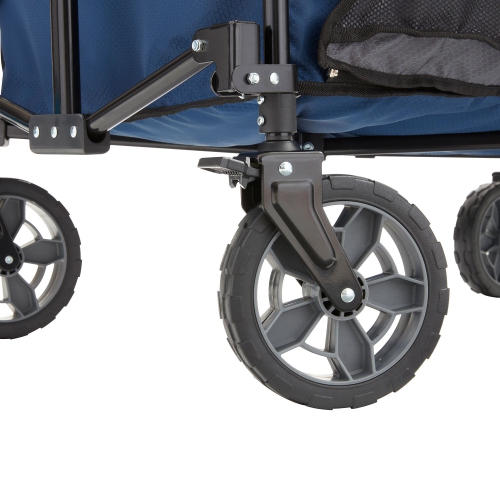
Materials, frame construction, and wheels all influence how a foldable garden wagon handles everyday garden work. Steel frames can provide sturdy support, while aluminium frames may offer a lighter overall build; actual weight and strength depend on the complete design rather than the metal alone. Protective finishes help limit corrosion, but exposed joints, scratched tubing, and fasteners still need attention after contact with moisture or damp soil. Cargo beds commonly use woven synthetic fabrics, sometimes with a coating or liner that helps contain loose debris and makes wiping down easier. Fabric thickness is only one part of durability: reinforced corners, secure attachment points, supported bases, and well-finished seams also matter when a load presses against the sides. Sharp trowels, pruning tools, and rough-edged materials are better contained in a tool bag or protective holder than left loose against the lining. Wheel choice should reflect the surfaces between storage and the garden. Larger-diameter wheels generally pass over small surface irregularities more easily than very small wheels, and wider wheels can help distribute weight across softer ground. Neither feature guarantees effortless travel through loose gravel, sand, or deep mud, particularly with a full load. Firm pathways tend to be easier to navigate, while ruts, roots, and edging can interrupt even a short trip. Swivelling front wheels help with turns around patio furniture and garden beds, although a long wagon still needs adequate turning space. Wheel material affects noise, cushioning, and upkeep; air-filled tyres require pressure checks, while solid tyres avoid that task but can transmit more vibration on uneven paving. An adjustable handle can make the pulling position more comfortable for users of different heights, and a comfortable grip matters when travelling farther than the length of a driveway. Parking brakes, where fitted, can help keep the wagon stationary during loading, but they do not make slopes safe for unattended use. Keeping heavier supplies low and centred, staying within the stated capacity, and avoiding abrupt turns all contribute to steadier handling.
Storage features and straightforward care can make a folding wagon more practical over years of use. Folding mechanisms vary: some bring the sides inward, while others collapse around a central pull point. A design that folds without removing several parts can be convenient when hands are dusty or the storage area is cramped, but the frame should always be fully opened and secured before loading. Fingers need to stay clear of hinges and moving joints during setup and folding. A retaining strap or storage cover helps keep the folded frame together, and a freestanding folded design can be useful where leaning a cart against a wall is awkward. Side pockets give gloves, plant labels, and small tools a place away from heavier cargo; removable liners can simplify cleaning when their care instructions permit removal and washing. Extended beds or opening end panels may suit longer garden supplies, provided those loads are supported and carried as directed by the manufacturer. Beyond gardening, the same general cart format can be useful for moving grocery bags from a parking area, carrying picnic equipment, or transporting supplies for a community gathering. The Foldable Wagon collection offers a broader category to explore when garden tasks are only part of the intended use. Utility wagons should not be treated as passenger carriers: children and pets need equipment specifically designed and rated for that purpose. After garden work, brushing out grit and removing trapped leaves helps prevent debris from accumulating around seams and hinges. Wipe the frame and wheels as needed, follow the fabric’s cleaning instructions, and let the cargo bed dry fully before folding it away. Fertilizer residue and spilled soil should not sit against fabric or metal for extended periods. Periodic checks of wheel attachments, fasteners, stitching, and folding joints can reveal looseness or wear before the next heavy load. Stored in a dry, sheltered place, a clean wagon is easier to open and put back to work. As a gift for a keen gardener or someone setting up a new yard, a foldable garden wagon is most thoughtful when its handle height, lifting weight, pathway clearance, and storage footprint suit the person who will use it.
Materials, frame construction, and wheels all influence how a foldable garden wagon handles everyday garden work. Steel frames can provide sturdy support, while aluminium frames may offer a lighter overall build; actual weight and strength depend on the complete design rather than the metal alone. Protective finishes help limit corrosion, but exposed joints, scratched tubing, and fasteners still need attention after contact with moisture or damp soil. Cargo beds commonly use woven synthetic fabrics, sometimes with a coating or liner that helps contain loose debris and makes wiping down easier. Fabric thickness is only one part of durability: reinforced corners, secure attachment points, supported bases, and well-finished seams also matter when a load presses against the sides. Sharp trowels, pruning tools, and rough-edged materials are better contained in a tool bag or protective holder than left loose against the lining. Wheel choice should reflect the surfaces between storage and the garden. Larger-diameter wheels generally pass over small surface irregularities more easily than very small wheels, and wider wheels can help distribute weight across softer ground. Neither feature guarantees effortless travel through loose gravel, sand, or deep mud, particularly with a full load. Firm pathways tend to be easier to navigate, while ruts, roots, and edging can interrupt even a short trip. Swivelling front wheels help with turns around patio furniture and garden beds, although a long wagon still needs adequate turning space. Wheel material affects noise, cushioning, and upkeep; air-filled tyres require pressure checks, while solid tyres avoid that task but can transmit more vibration on uneven paving. An adjustable handle can make the pulling position more comfortable for users of different heights, and a comfortable grip matters when travelling farther than the length of a driveway. Parking brakes, where fitted, can help keep the wagon stationary during loading, but they do not make slopes safe for unattended use. Keeping heavier supplies low and centred, staying within the stated capacity, and avoiding abrupt turns all contribute to steadier handling.
Storage features and straightforward care can make a folding wagon more practical over years of use. Folding mechanisms vary: some bring the sides inward, while others collapse around a central pull point. A design that folds without removing several parts can be convenient when hands are dusty or the storage area is cramped, but the frame should always be fully opened and secured before loading. Fingers need to stay clear of hinges and moving joints during setup and folding. A retaining strap or storage cover helps keep the folded frame together, and a freestanding folded design can be useful where leaning a cart against a wall is awkward. Side pockets give gloves, plant labels, and small tools a place away from heavier cargo; removable liners can simplify cleaning when their care instructions permit removal and washing. Extended beds or opening end panels may suit longer garden supplies, provided those loads are supported and carried as directed by the manufacturer. Beyond gardening, the same general cart format can be useful for moving grocery bags from a parking area, carrying picnic equipment, or transporting supplies for a community gathering. The Foldable Wagon collection offers a broader category to explore when garden tasks are only part of the intended use. Utility wagons should not be treated as passenger carriers: children and pets need equipment specifically designed and rated for that purpose. After garden work, brushing out grit and removing trapped leaves helps prevent debris from accumulating around seams and hinges. Wipe the frame and wheels as needed, follow the fabric’s cleaning instructions, and let the cargo bed dry fully before folding it away. Fertilizer residue and spilled soil should not sit against fabric or metal for extended periods. Periodic checks of wheel attachments, fasteners, stitching, and folding joints can reveal looseness or wear before the next heavy load. Stored in a dry, sheltered place, a clean wagon is easier to open and put back to work. As a gift for a keen gardener or someone setting up a new yard, a foldable garden wagon is most thoughtful when its handle height, lifting weight, pathway clearance, and storage footprint suit the person who will use it.
Top selling and popular products
-
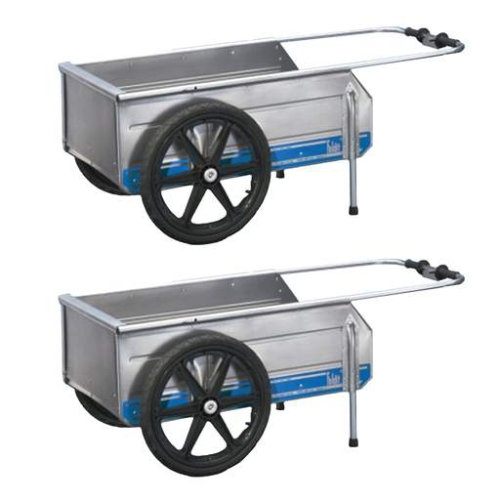 Your price for this item is $1405.99
 -
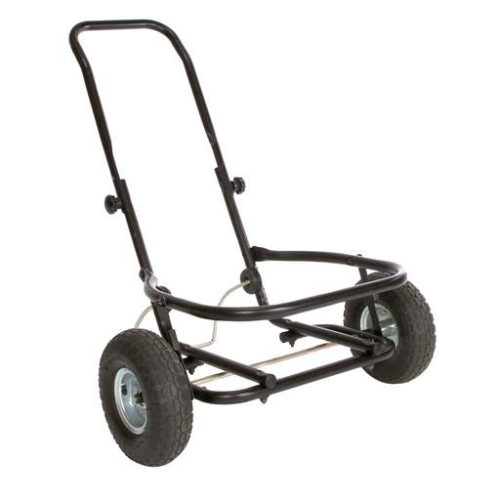 Your price for this item is $228.99
 -
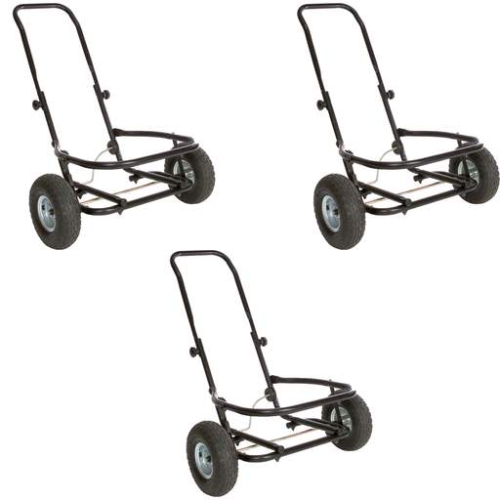 Your price for this item is $691.99
 -
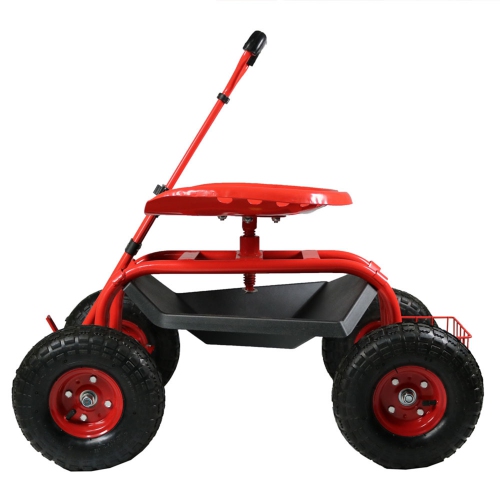 Your price for this item is $247.35
 -
 Your price for this item is $247.35
 -
 Your price for this item is $177.99
 -
 Your price for this item is $261.95
 -
 Your price for this item is $700.99
Discover more categories related to Foldable Garden Wagons
Top Collections:
Pokemon Centers, Kindle Devices, Best Budget Office Chairs, Apple iPhones 16, Best Laptops for Writers, iPhone 15 Apple, Canon G7X Cameras, Refurbished Apple Laptops, Alarm Clock, Motorola Razr Phones
Some products may be subject to Environmental Handling Fees
(EHF) depending on your province.
Learn more about EHFs.