Hardcover Binders
Organize your documents in style with our collection of hardcover bindings. Whether you're a student looking to keep your notes and assignments in order or a professional needing to store important documents, our selection of hardcover binders is sure to meet your needs. With their durable construction and sleek designs, these binders not only provide a secure way to keep your papers together but also add a touch of sophistication to any workspace. Explore our range of sizes, colors, and styles to find the perfect binder that matches your personal taste and organizational requirements.
Sort
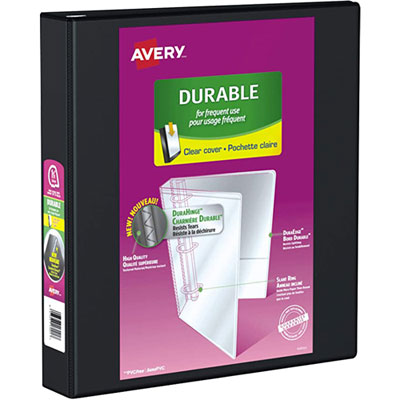
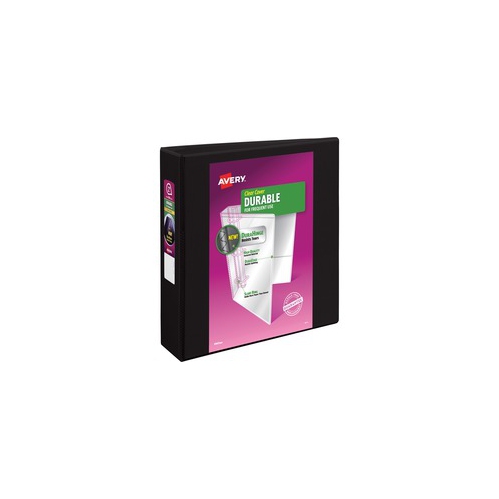
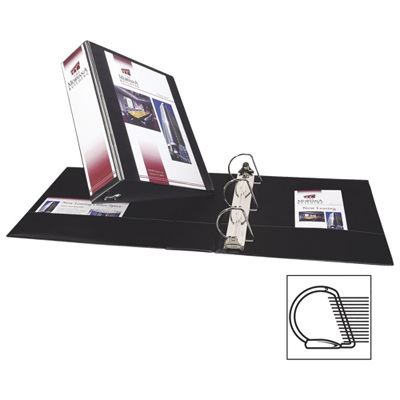
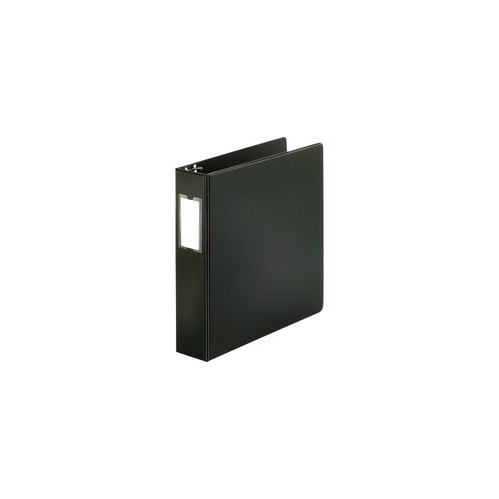
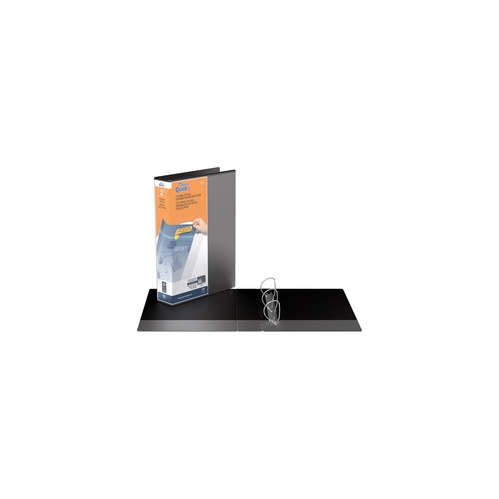
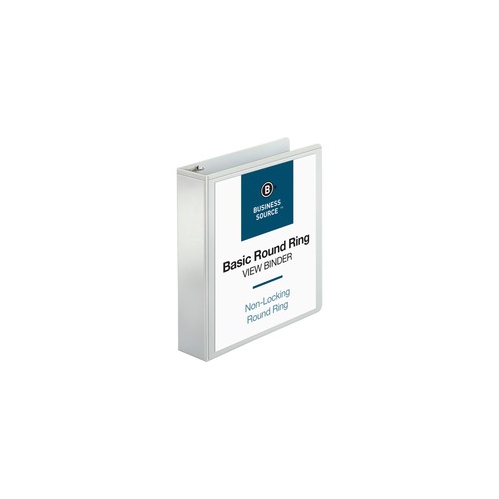
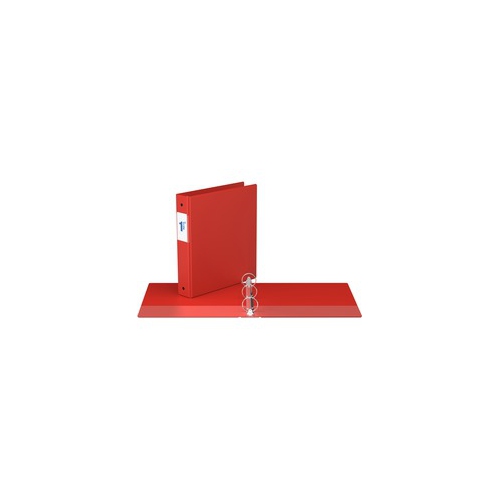


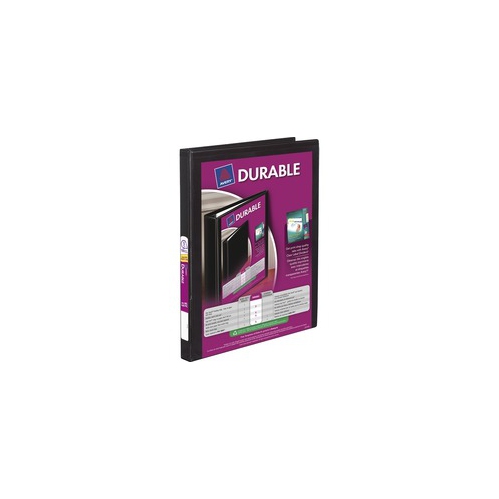
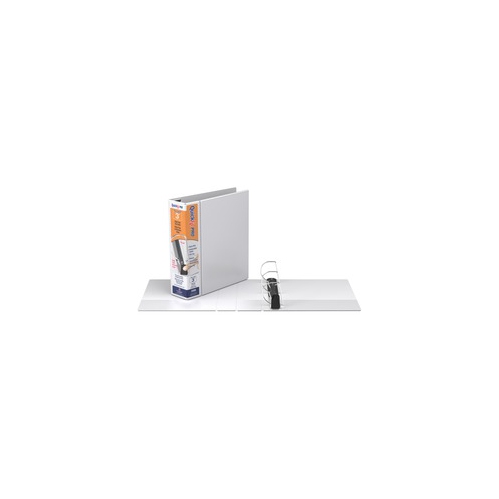
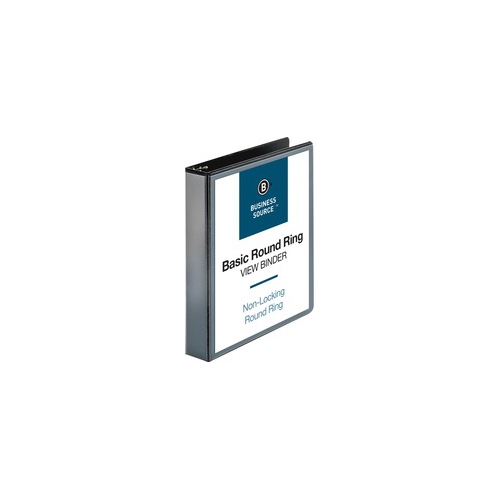
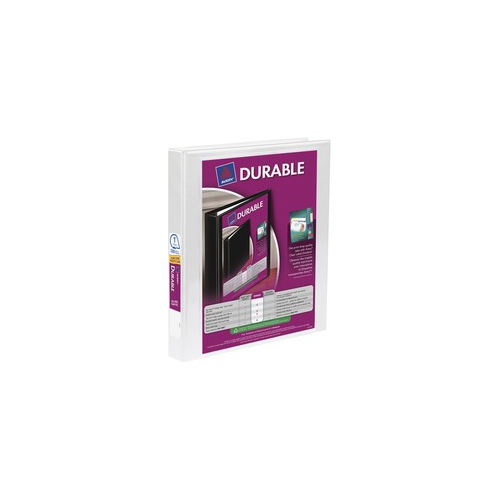

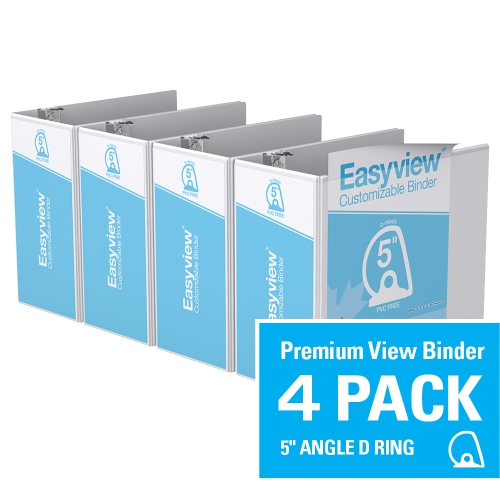
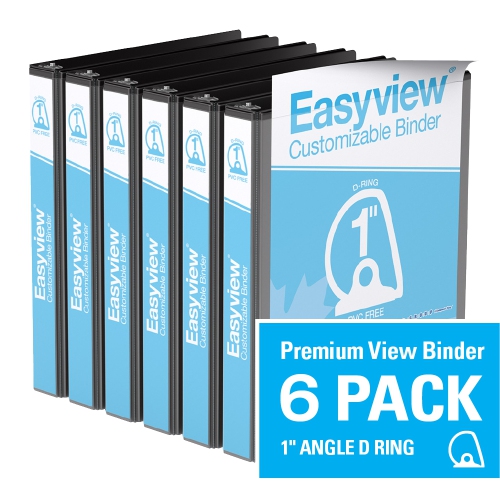
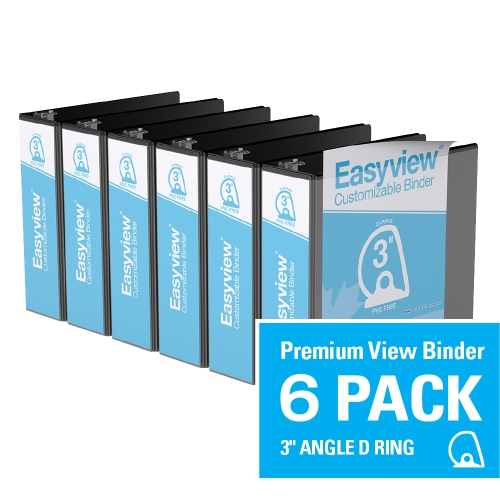
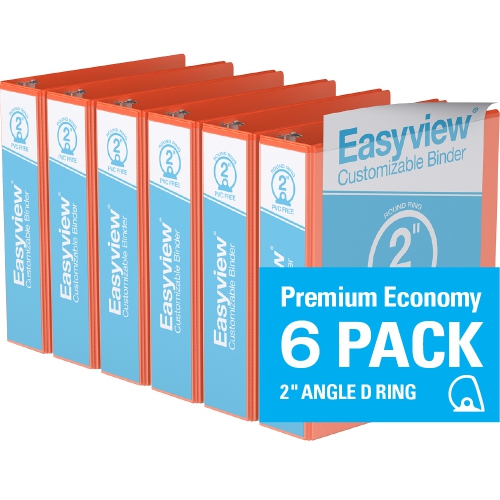
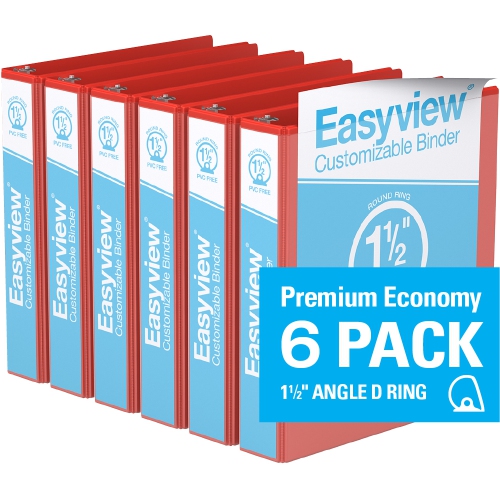
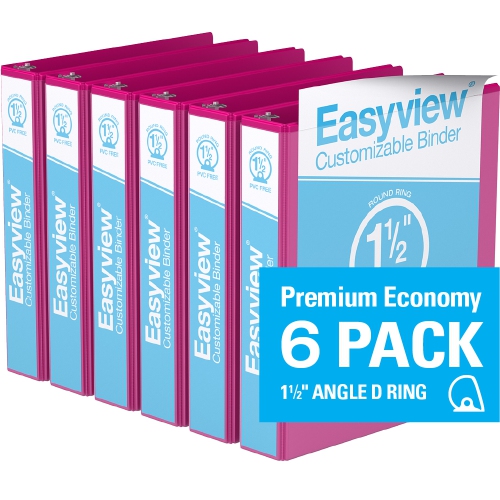
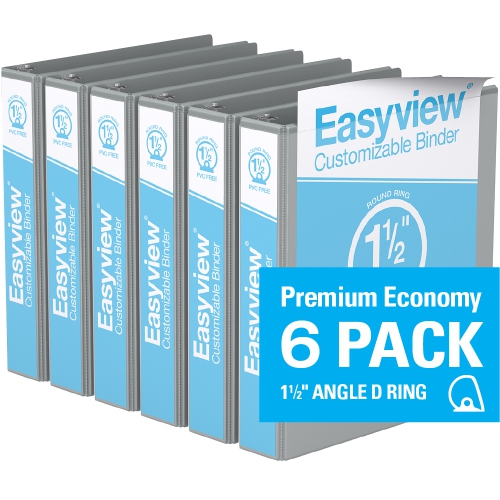
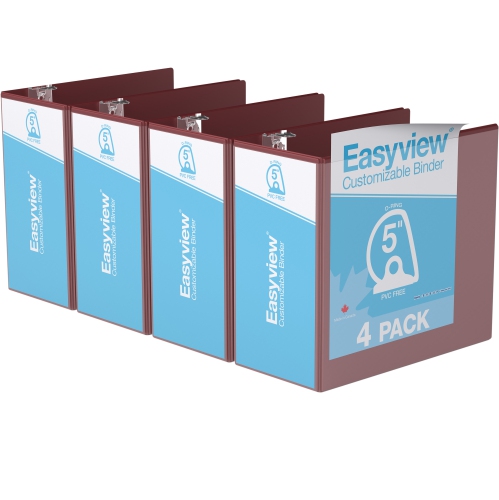

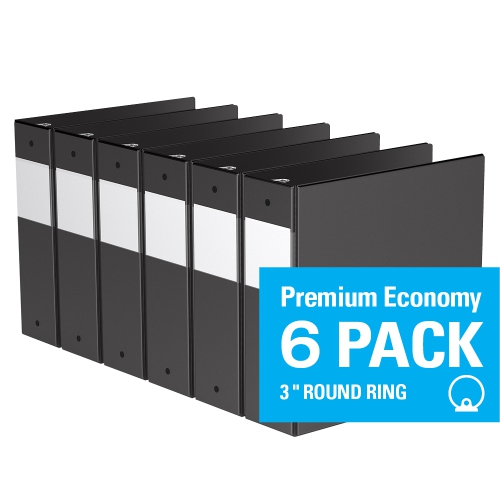
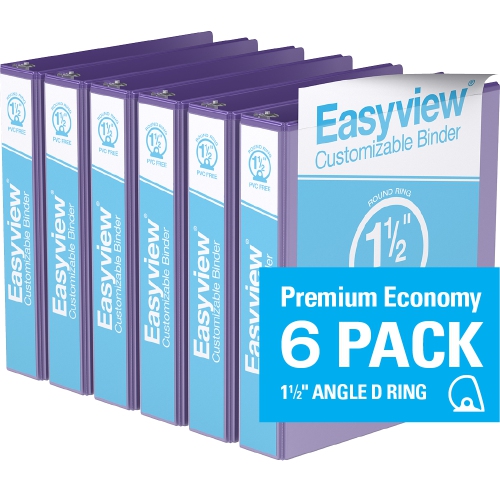
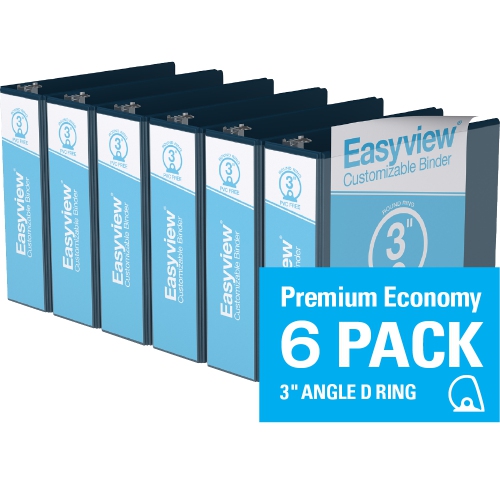
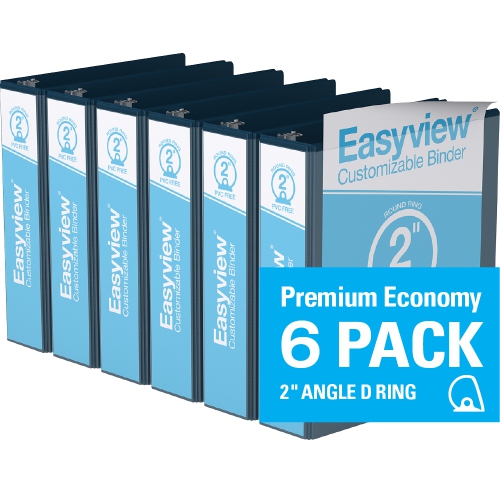
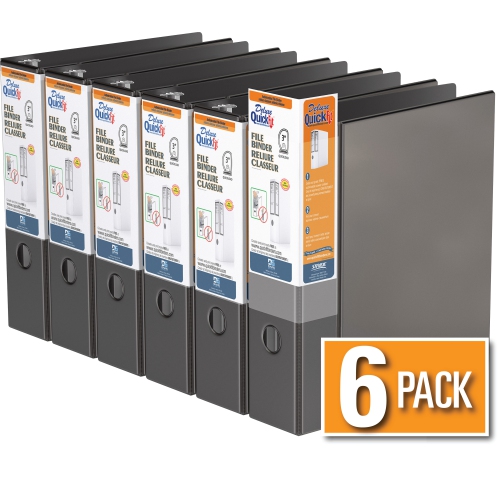
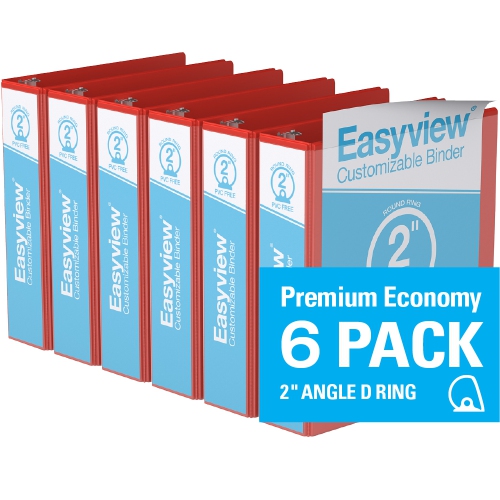
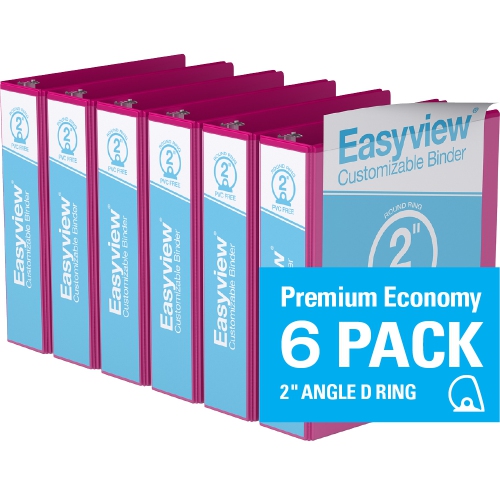
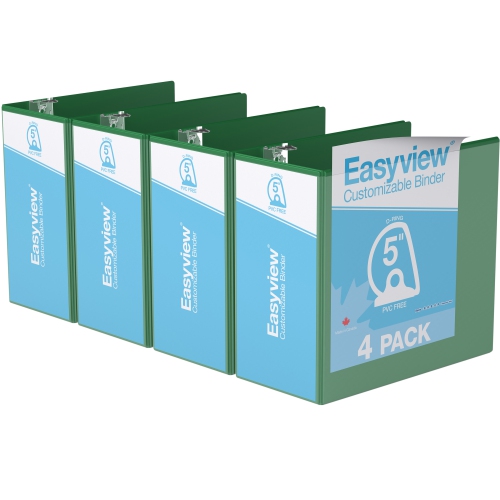
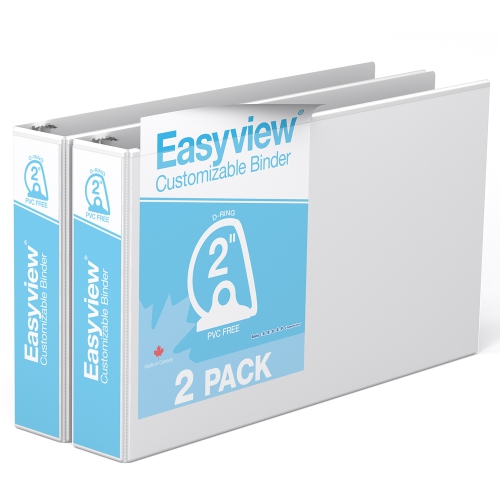
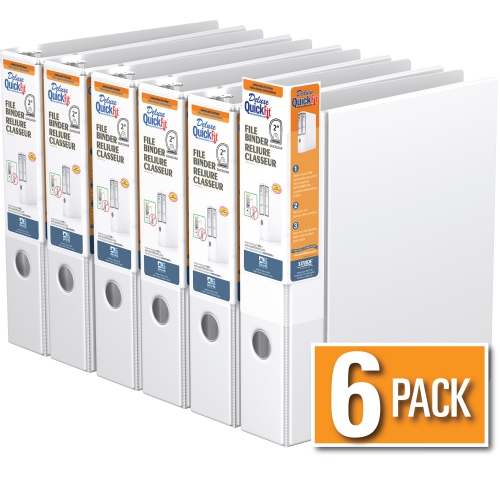
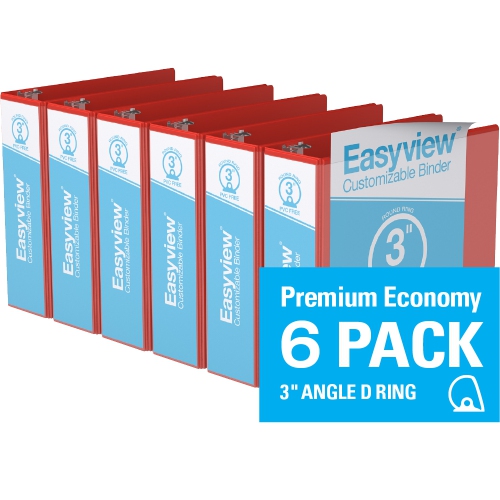
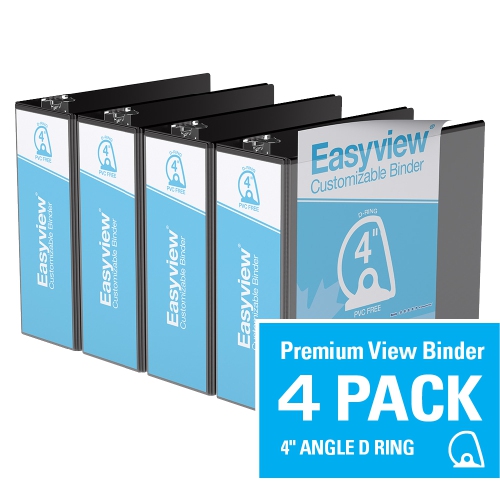
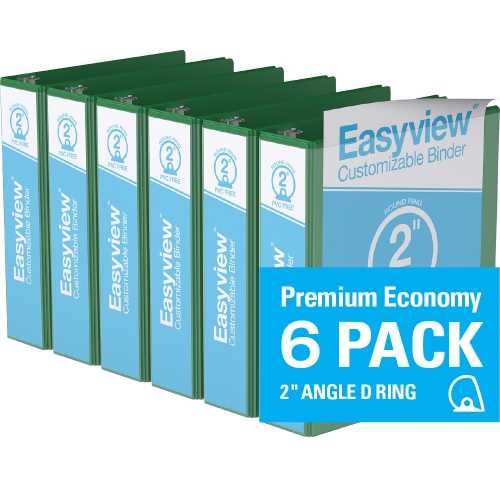
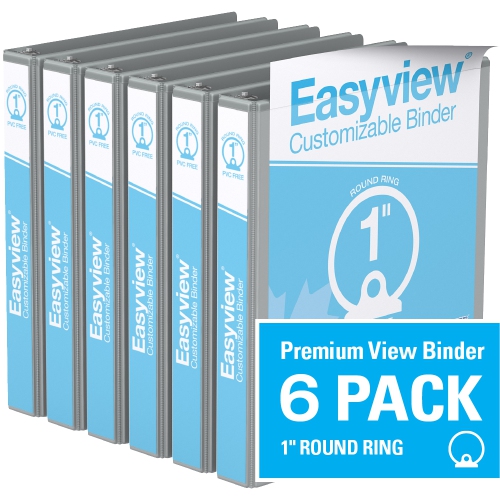
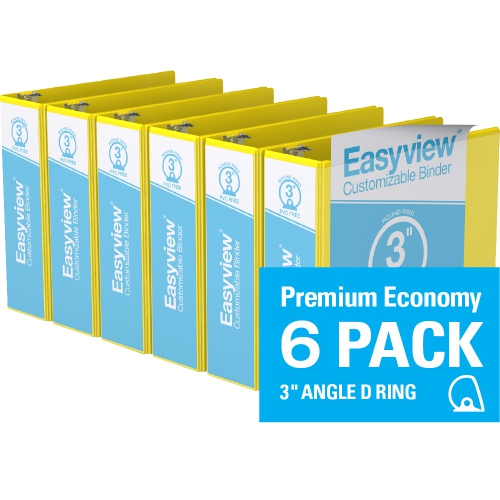
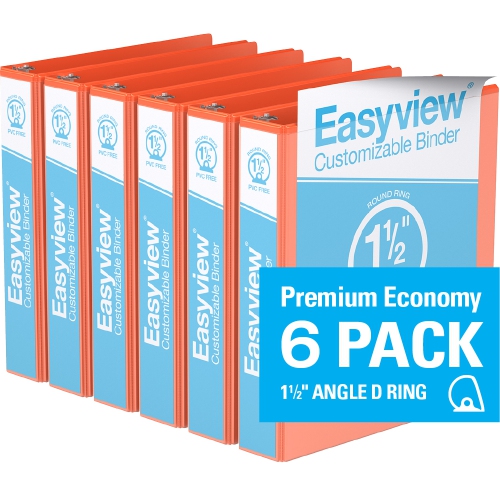

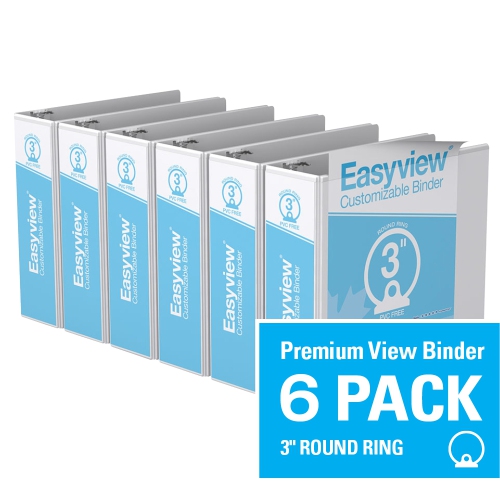
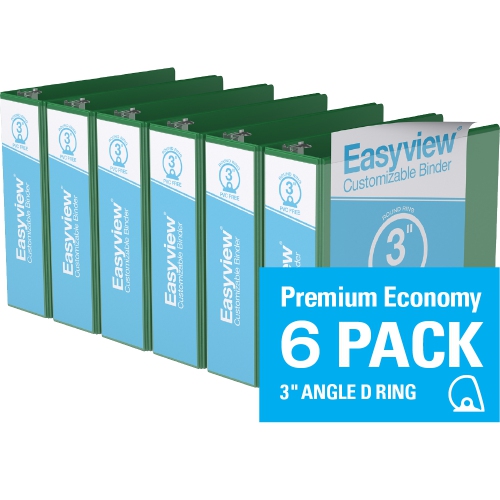
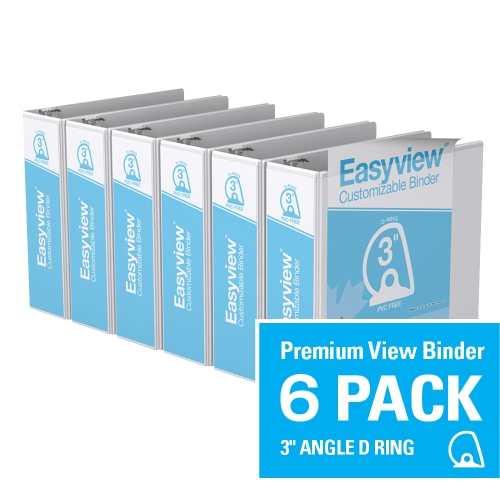
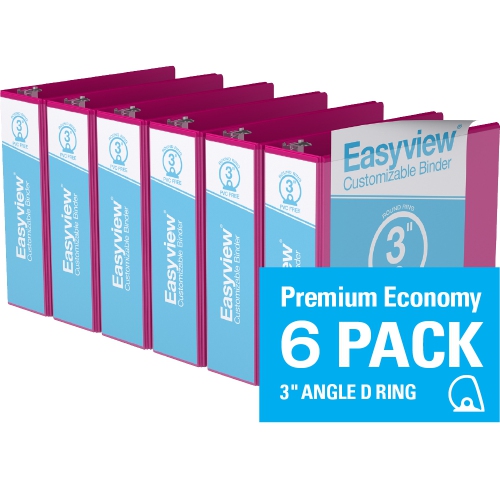

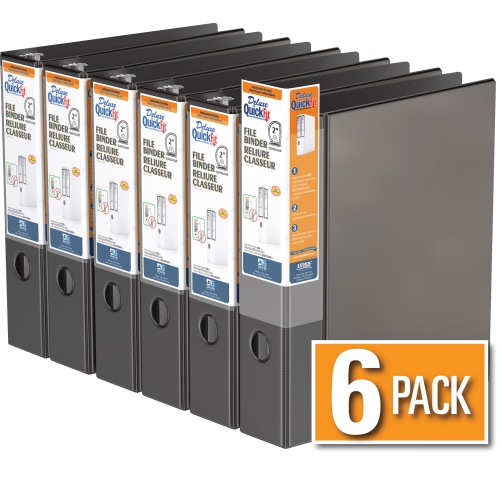
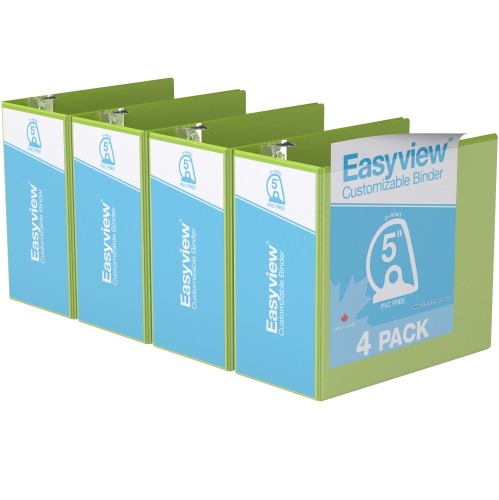
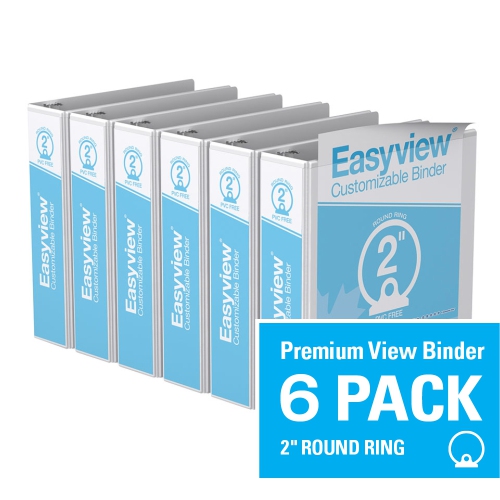
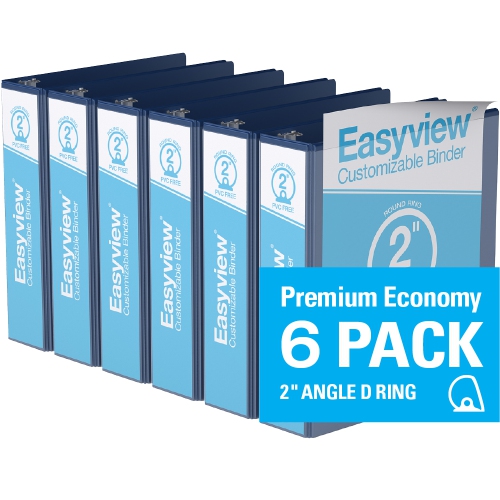
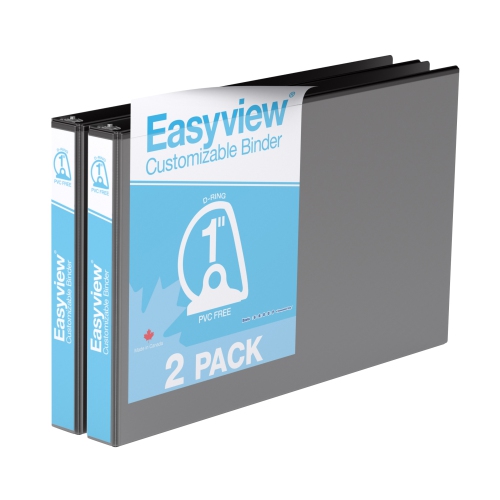
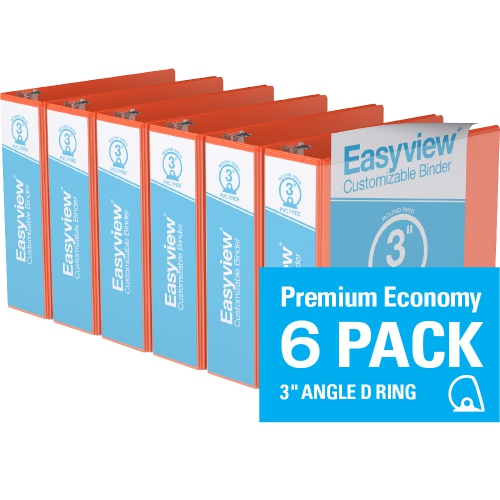
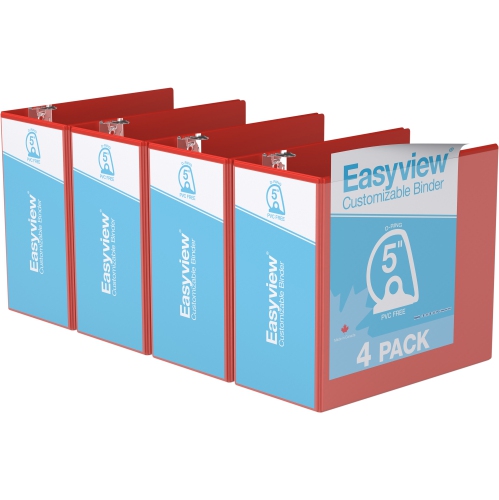
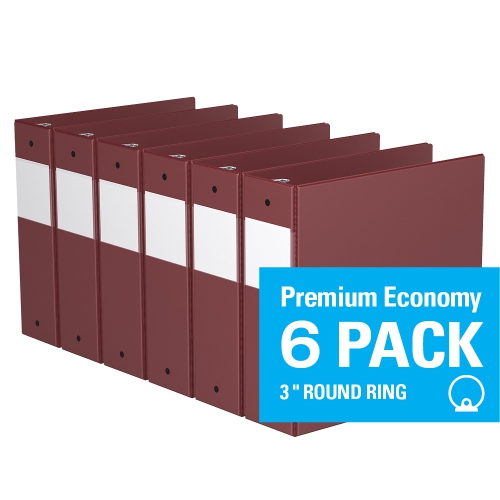

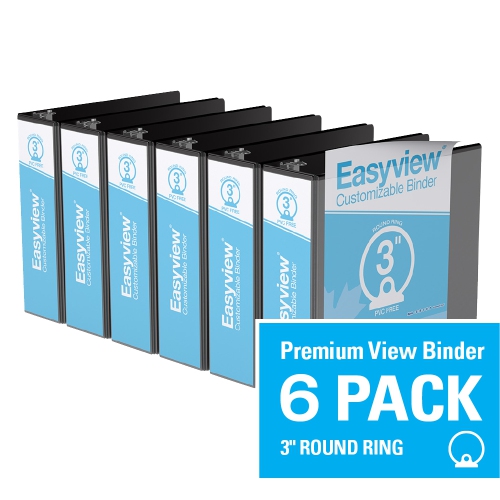
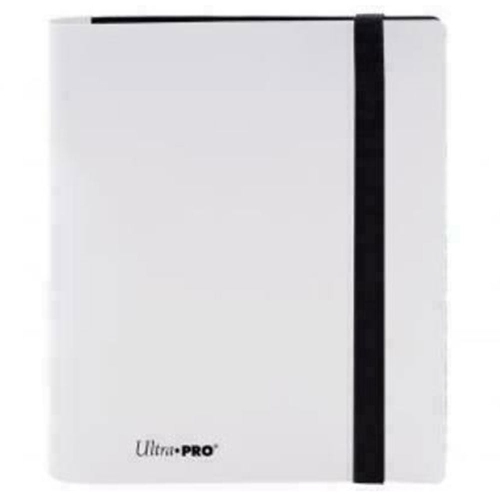


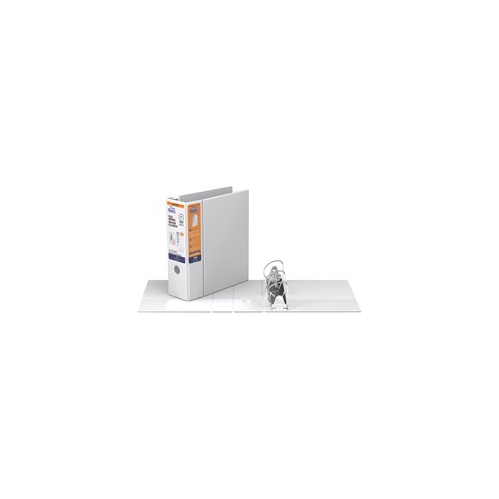
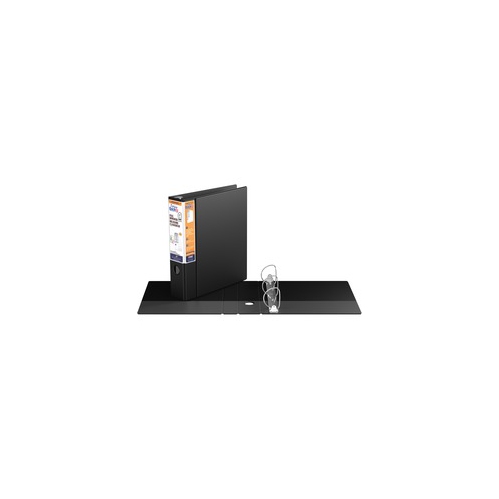
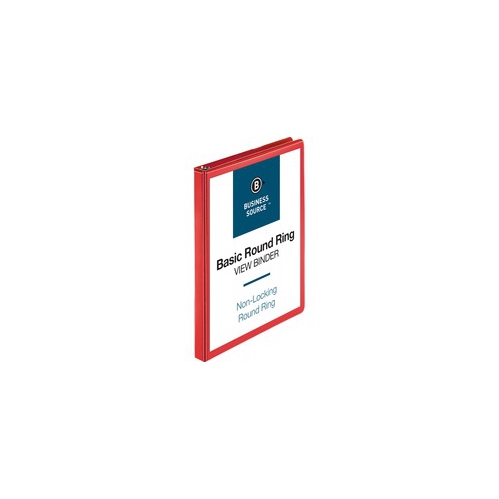
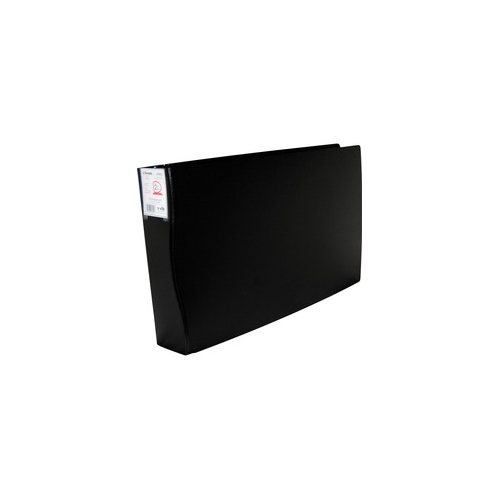

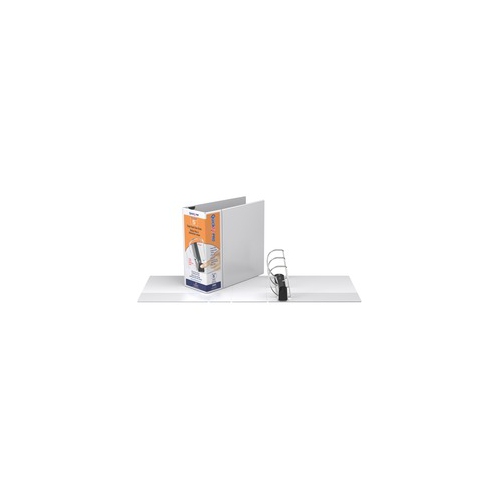

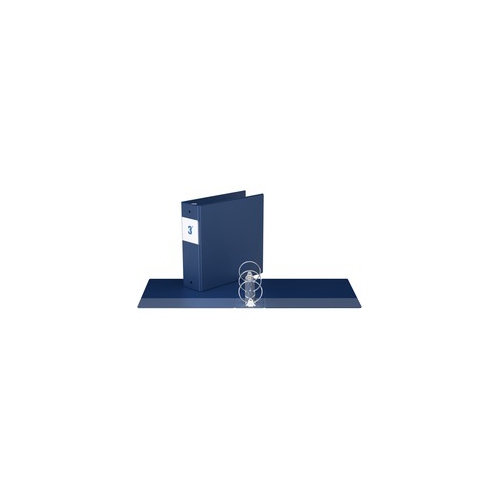
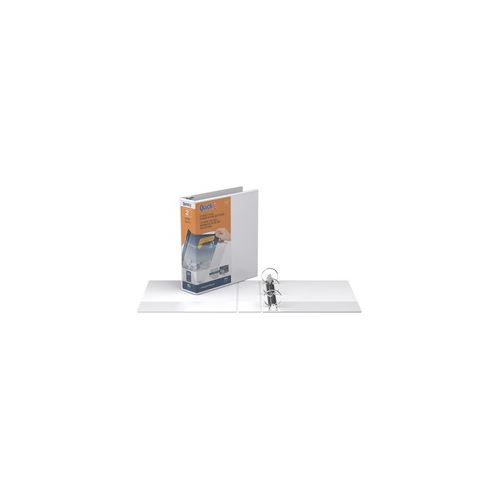
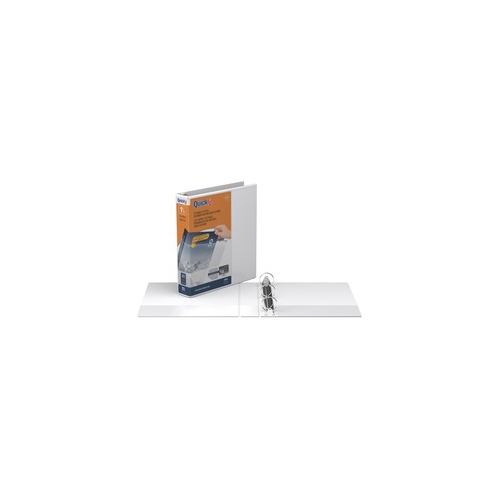
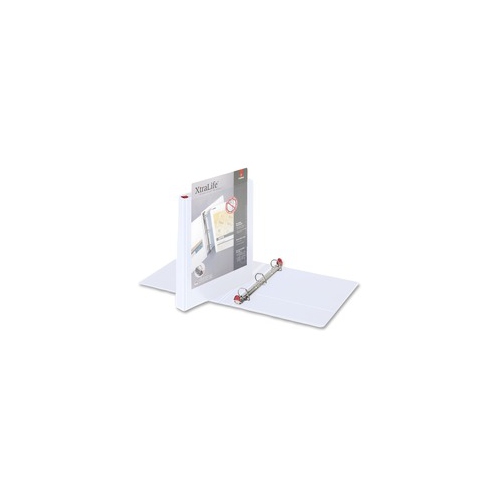
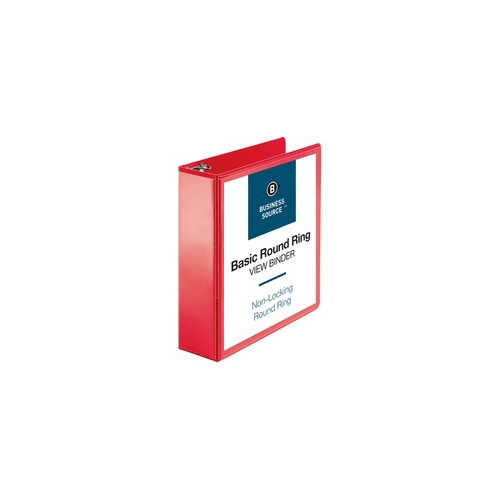
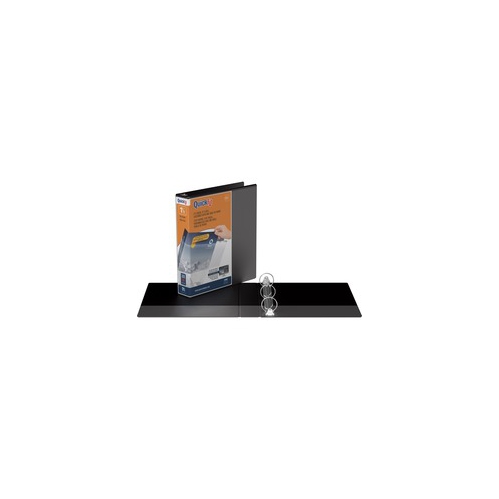
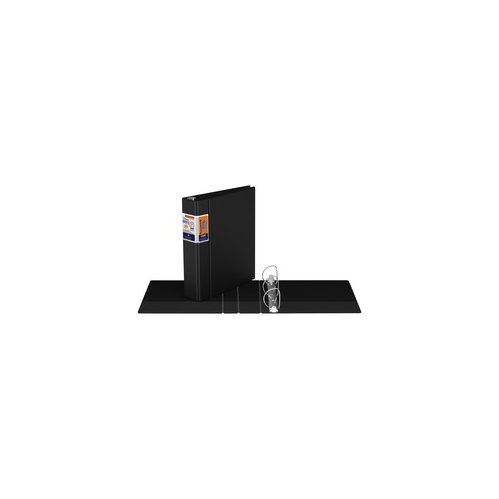
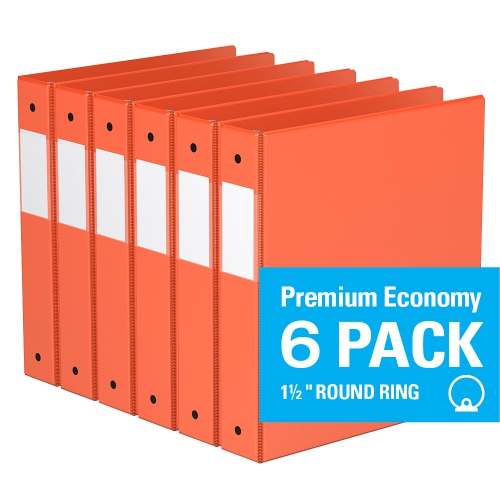
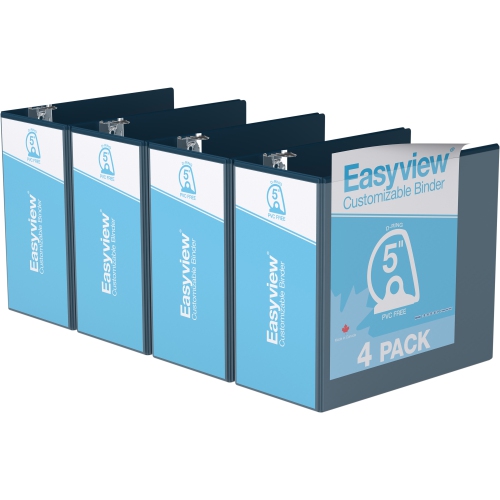
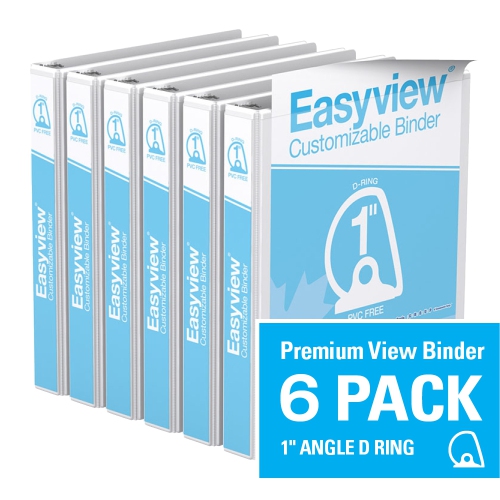
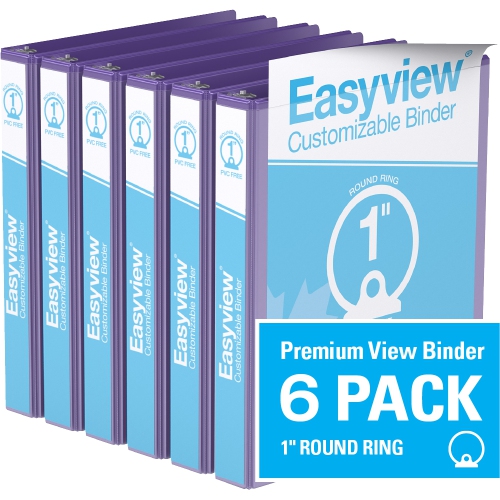
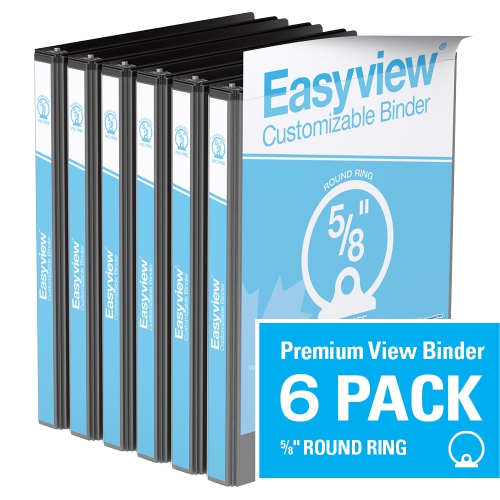
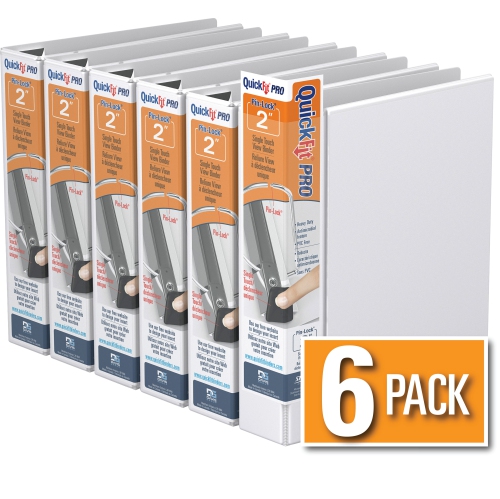
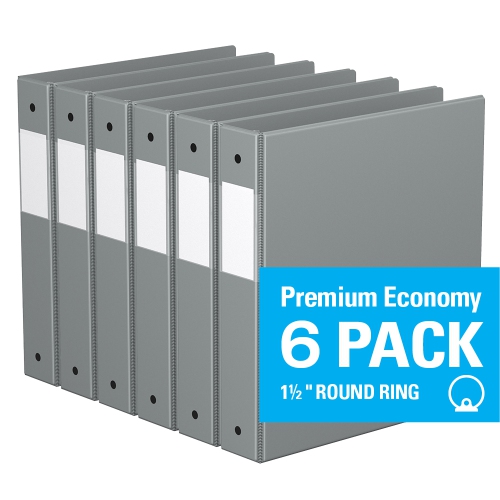
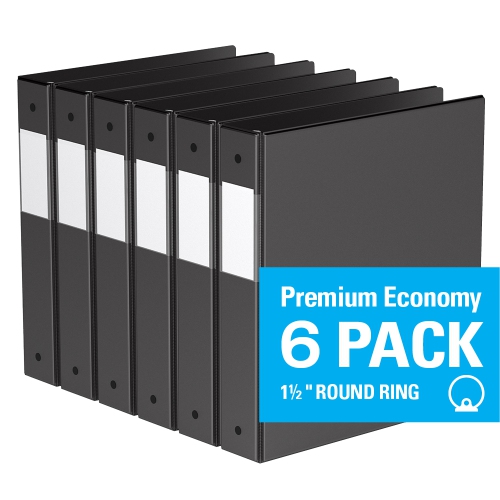
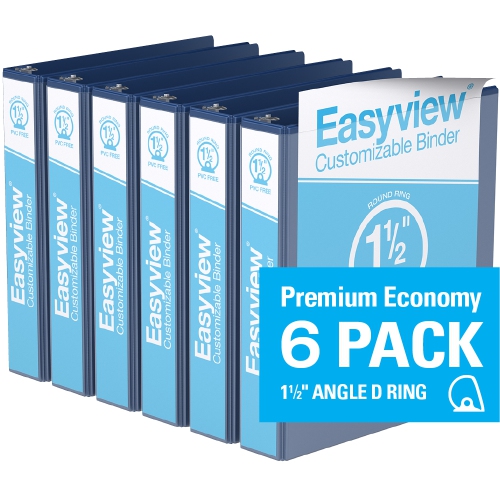
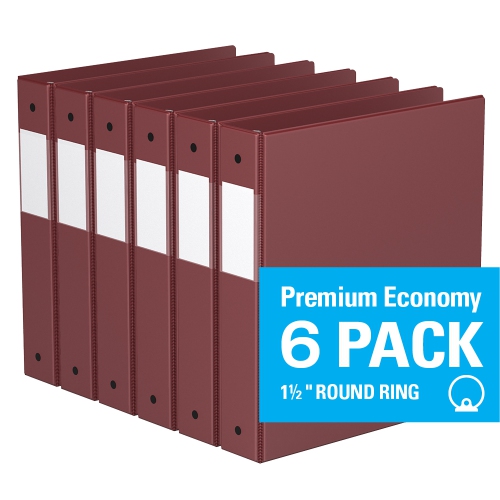
A polished, lasting home for important papers
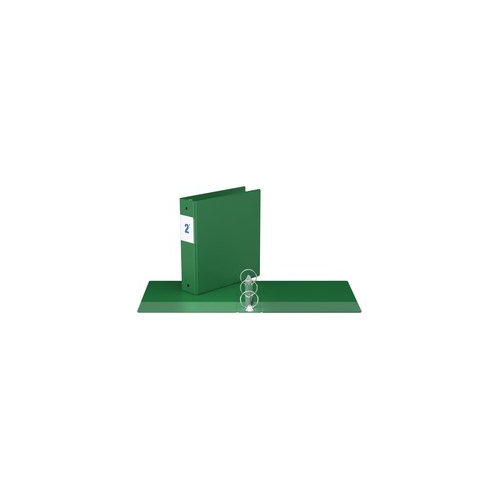
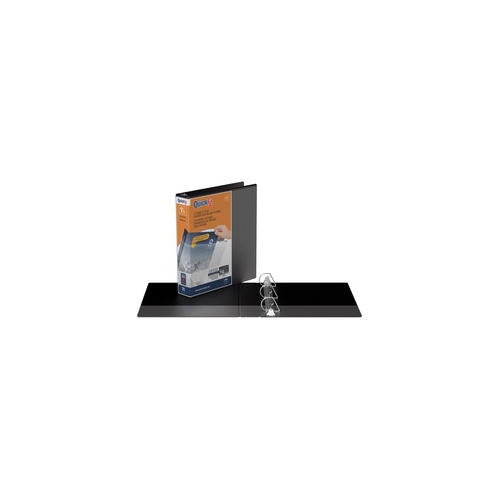
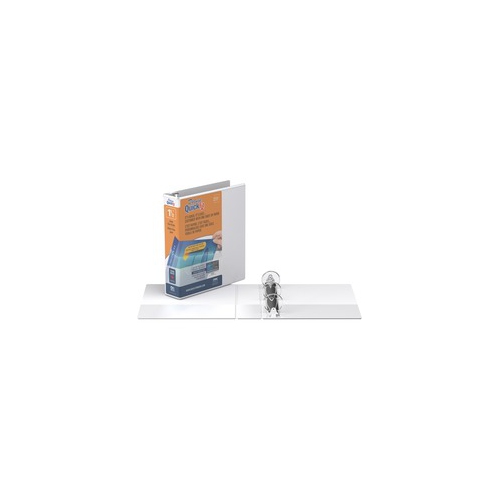
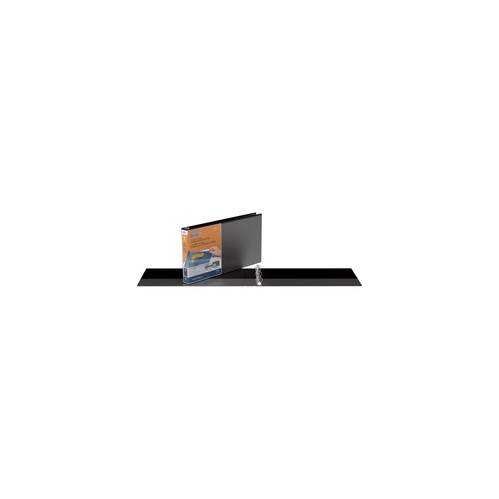
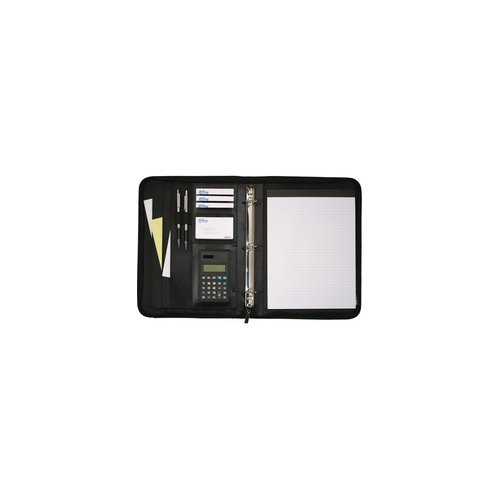
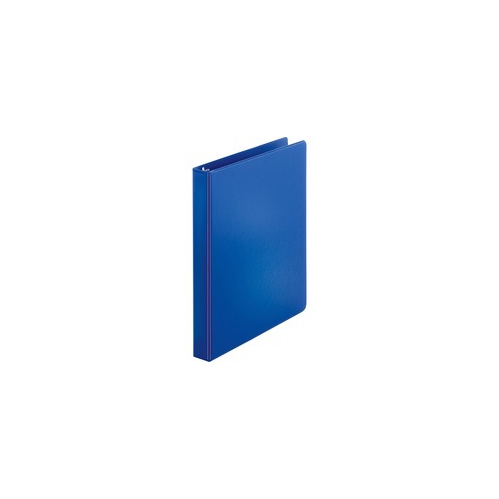
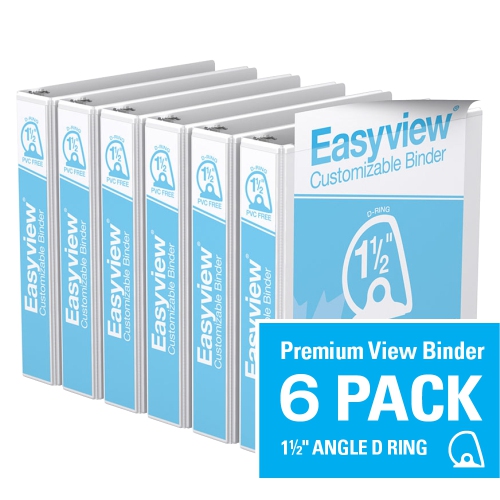
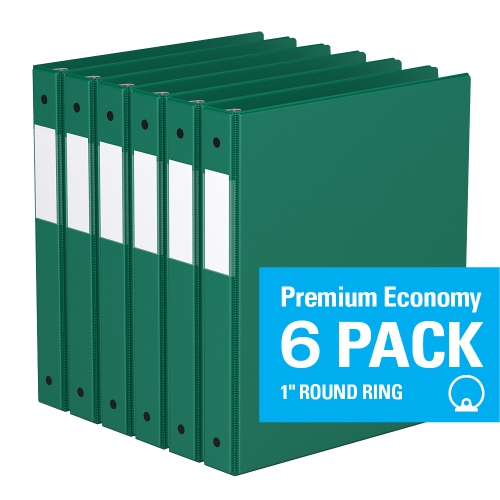
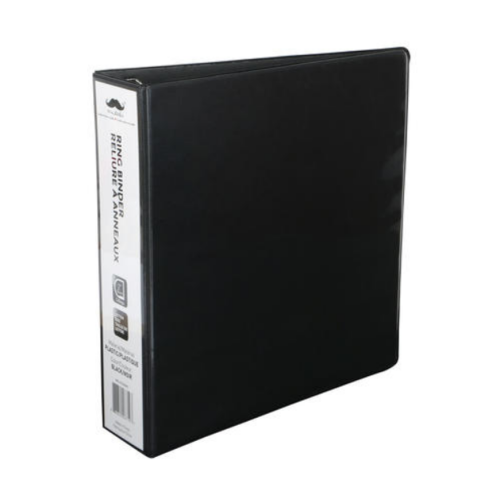
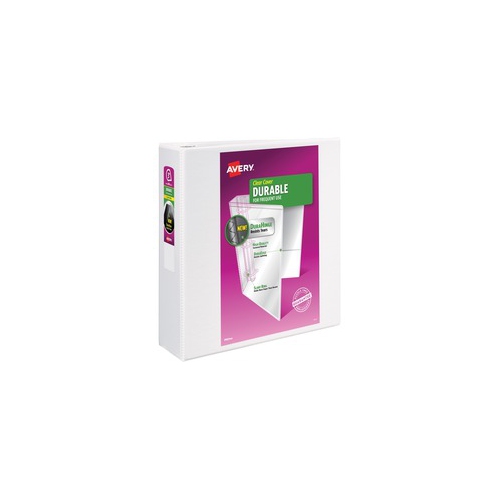
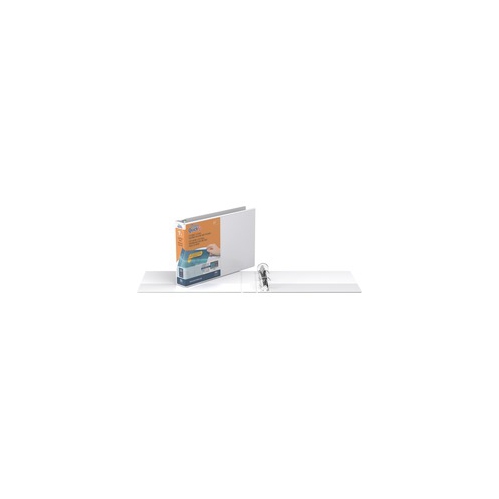
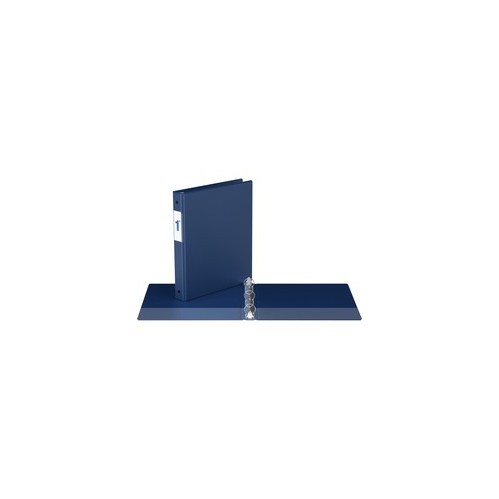
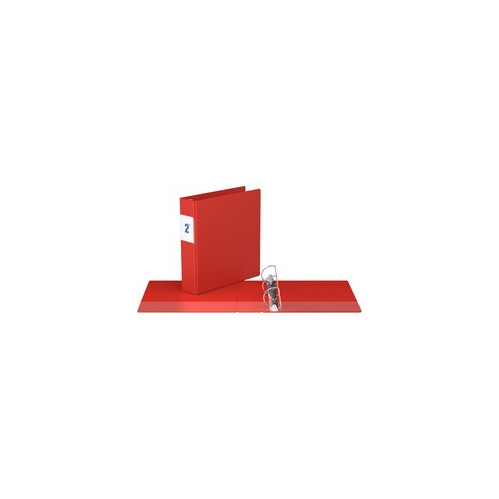
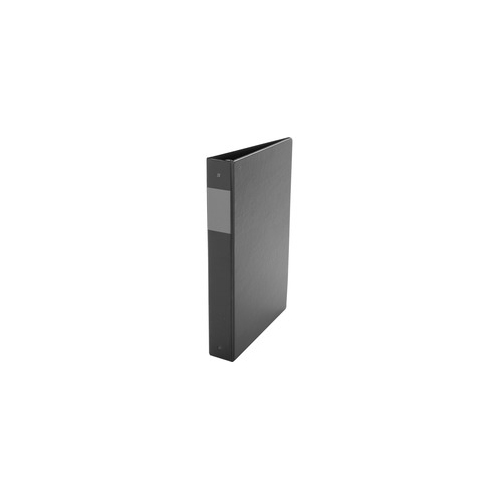
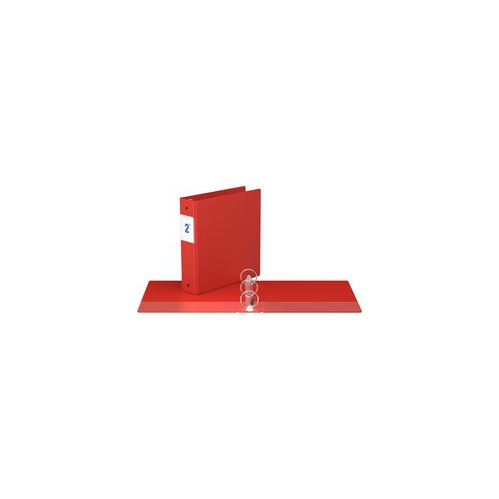
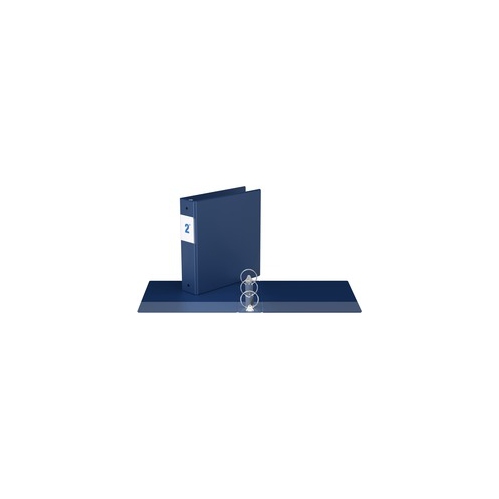
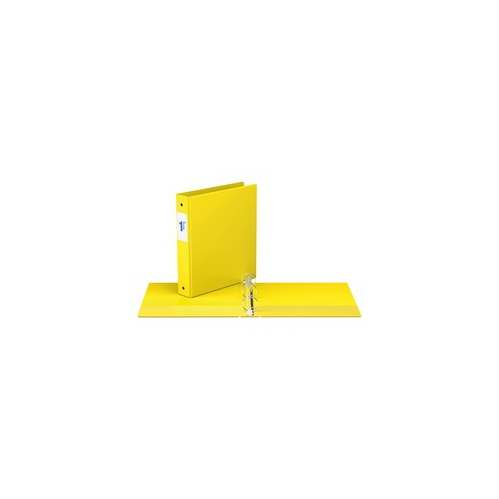
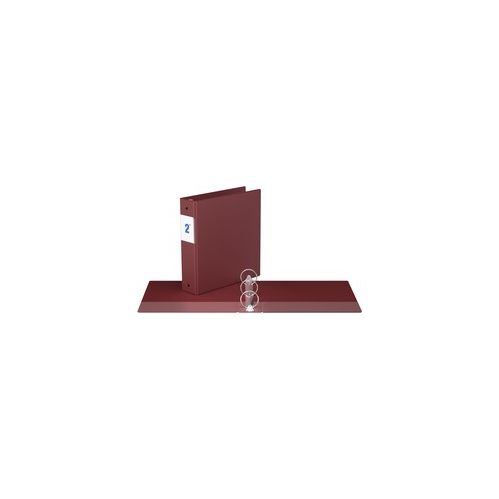
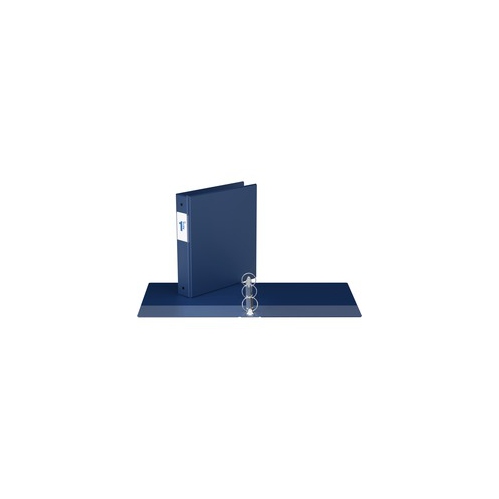
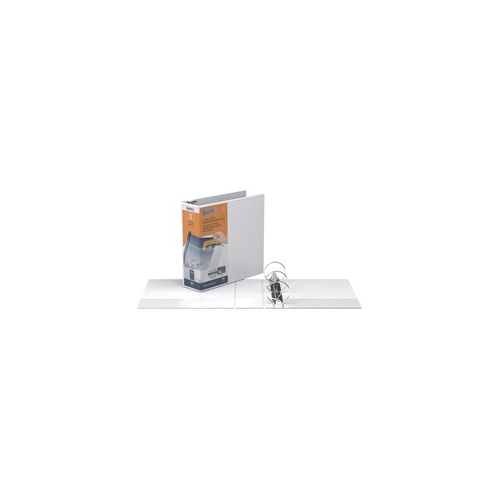
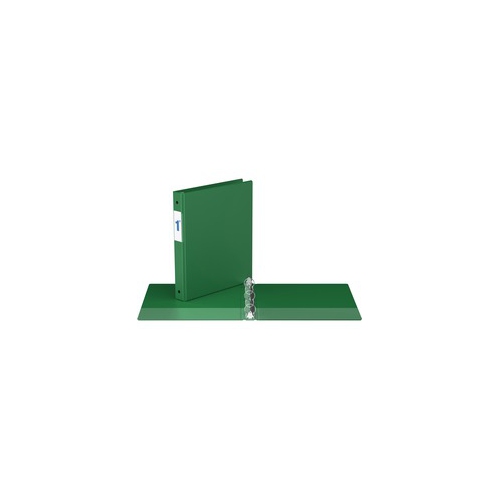
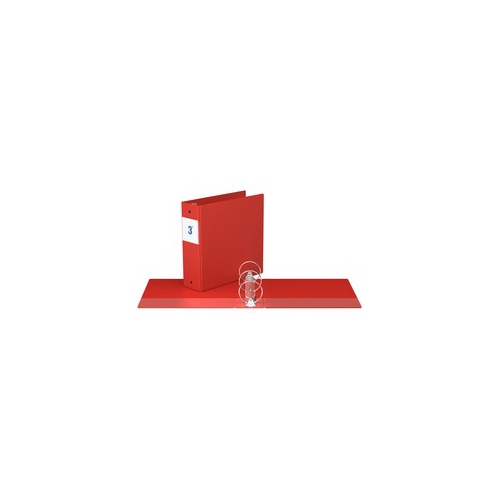
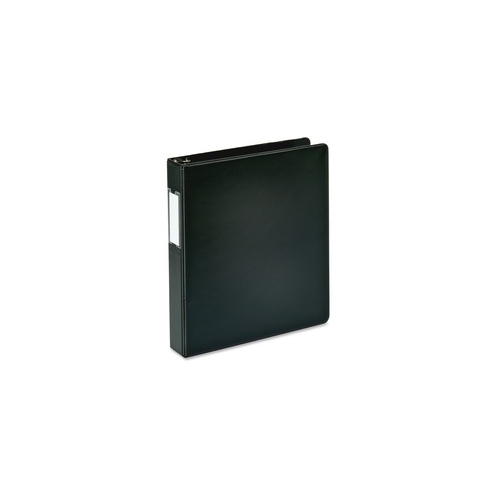
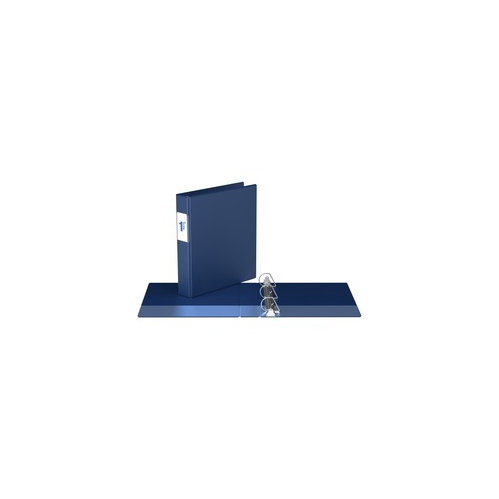
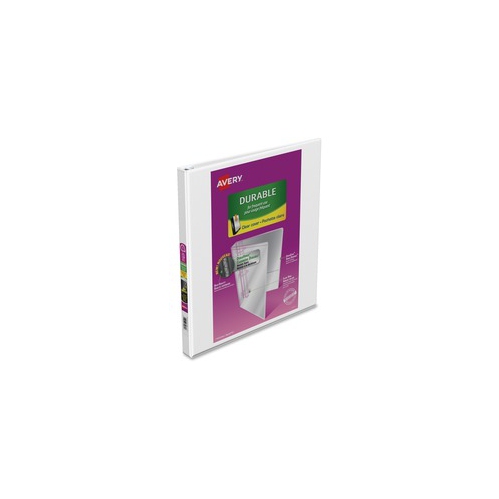
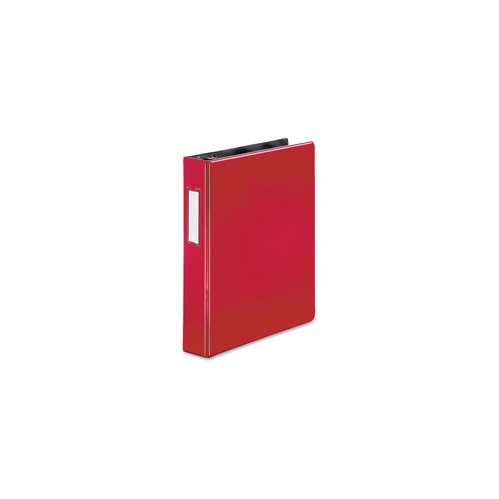
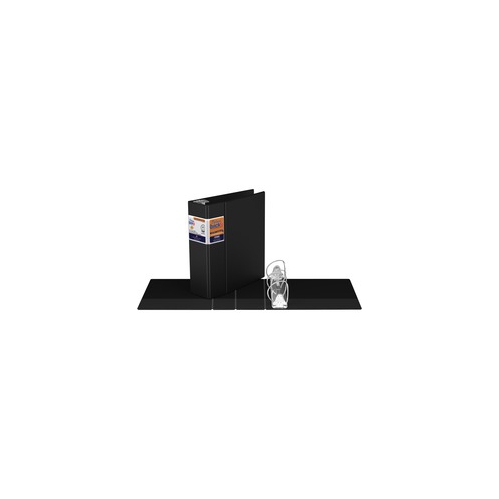
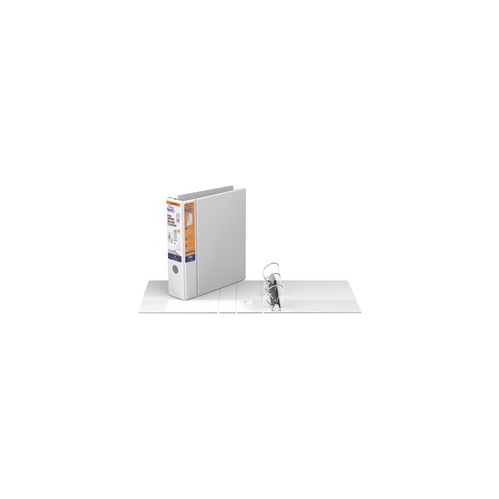
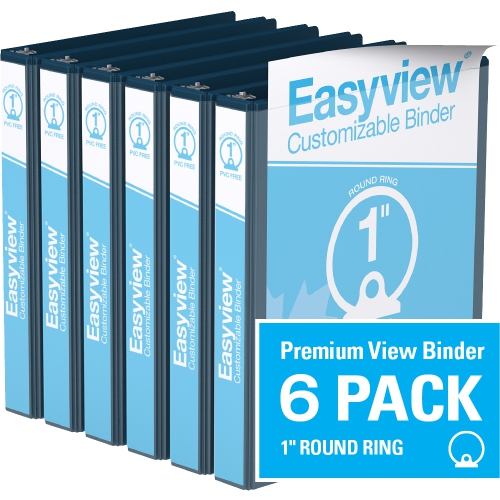
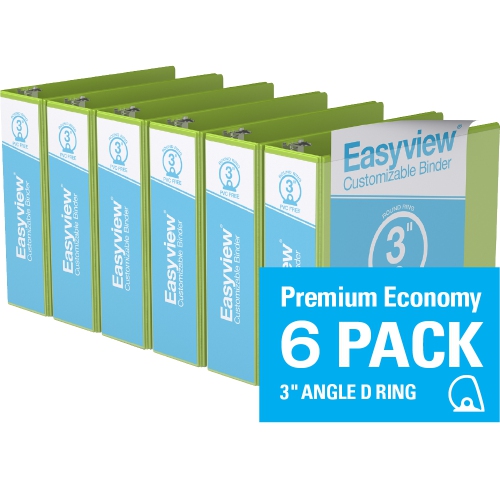
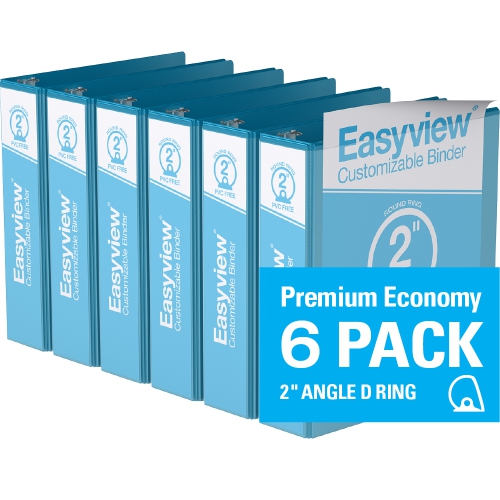
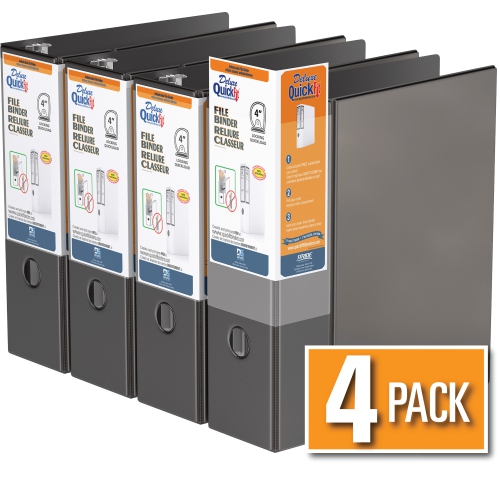
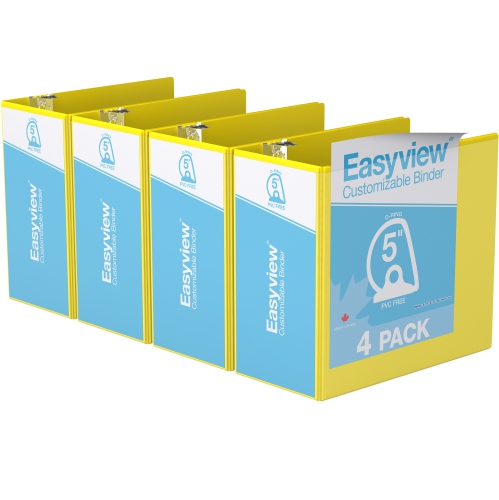
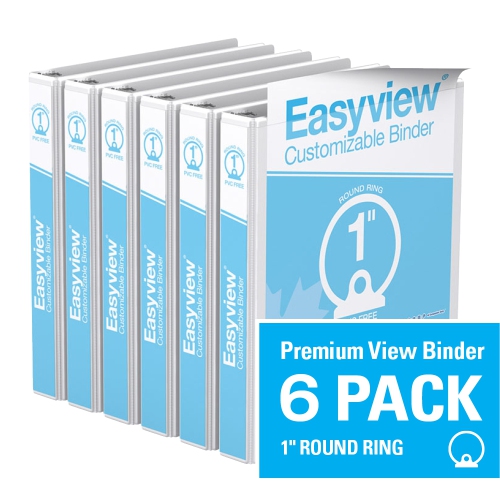
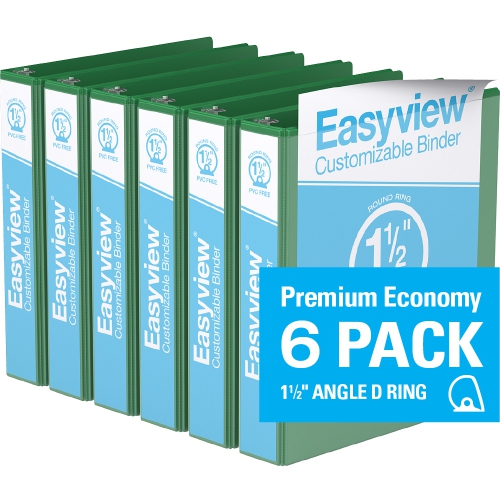
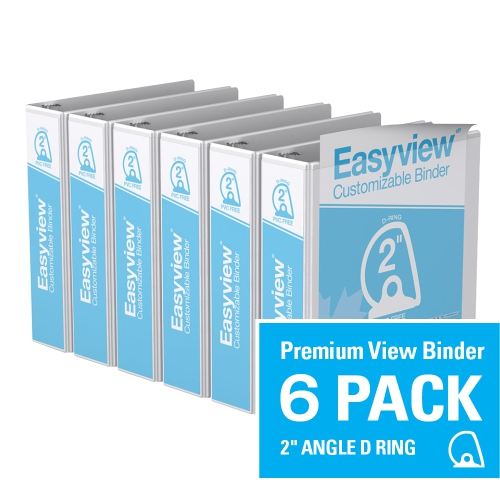
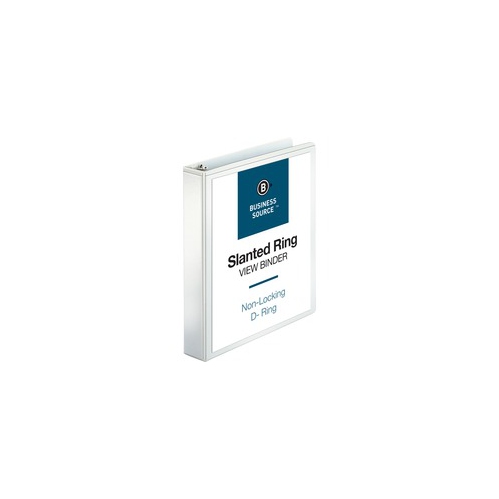
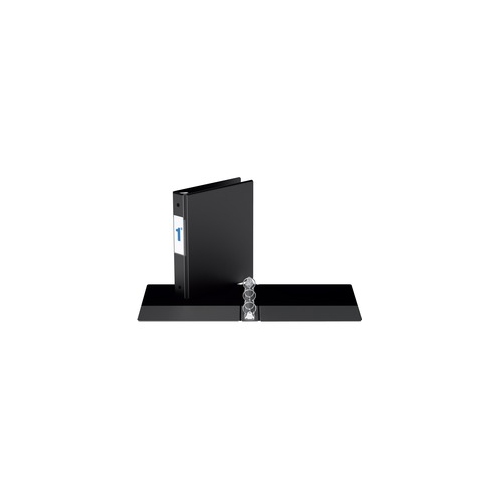
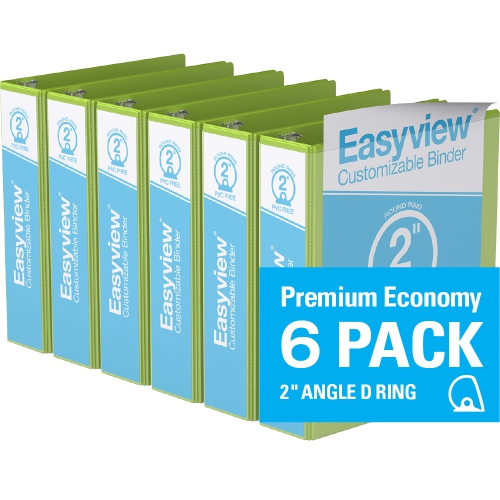
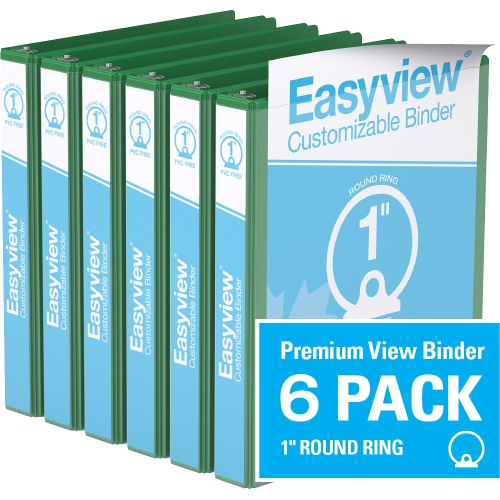
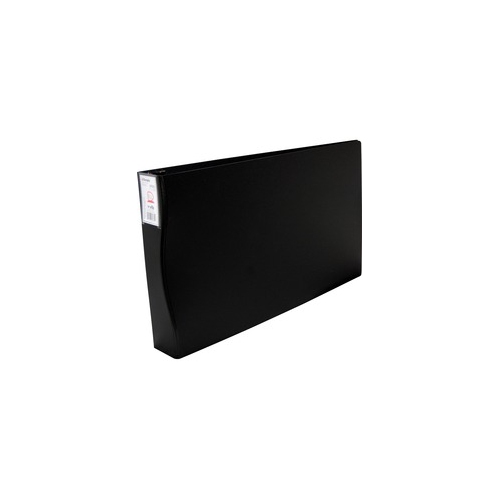
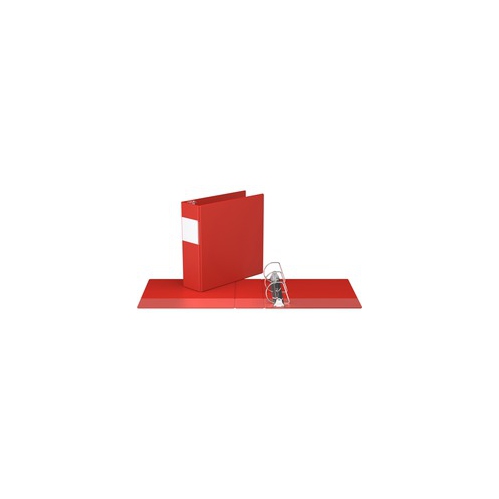
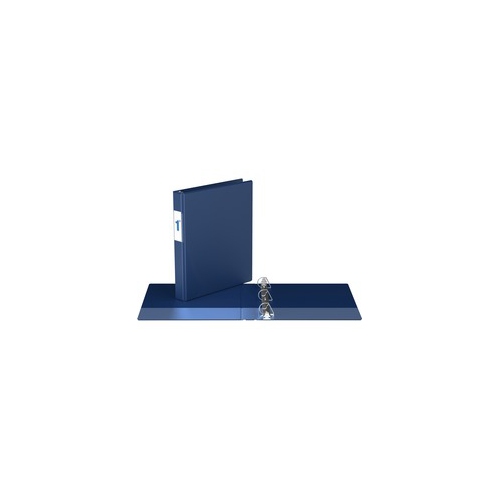
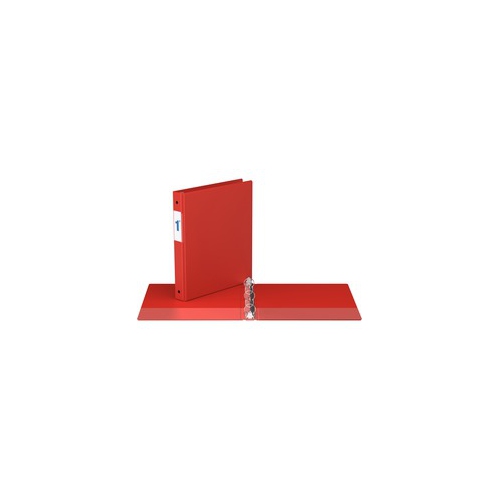
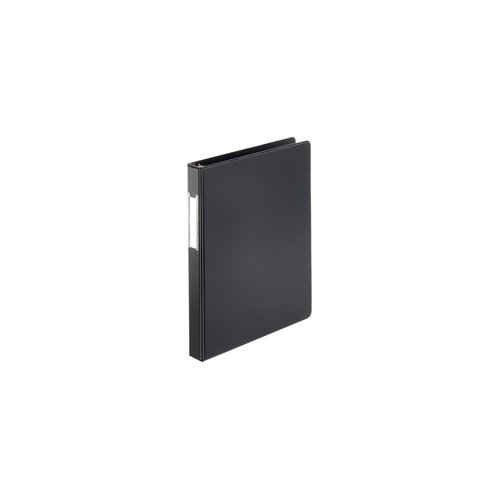
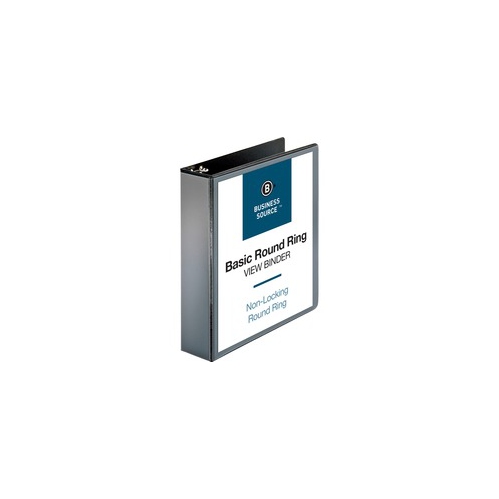
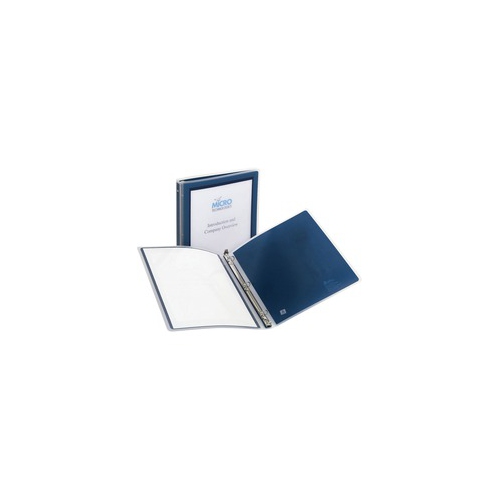
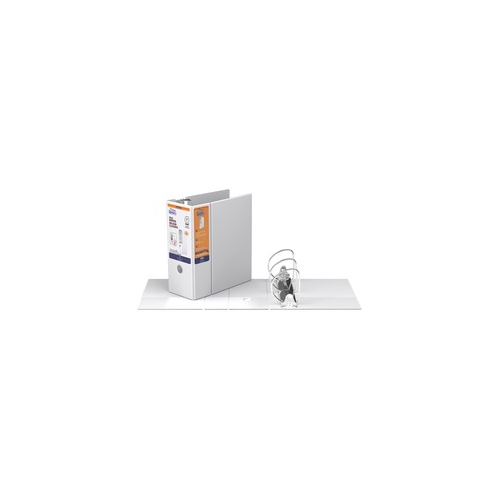
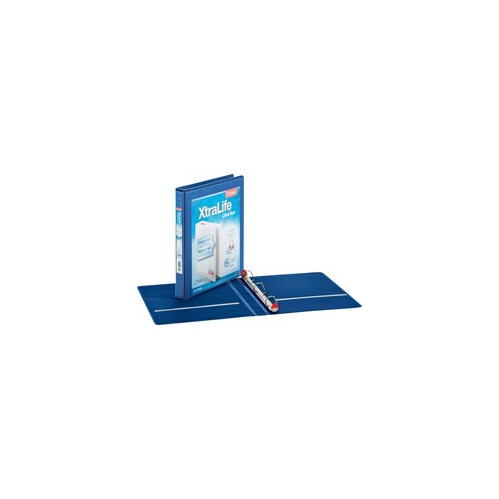
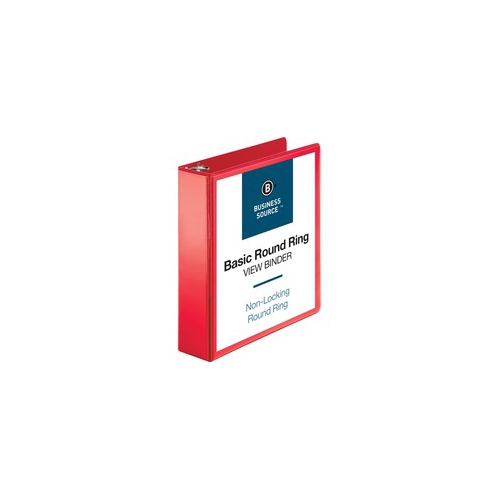
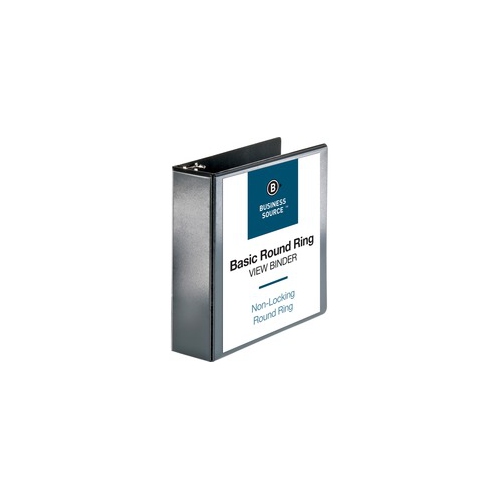
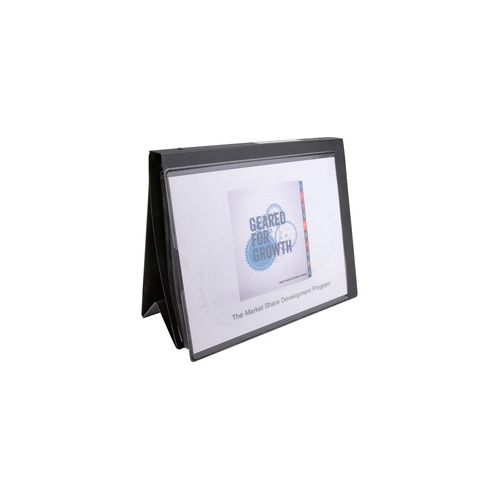
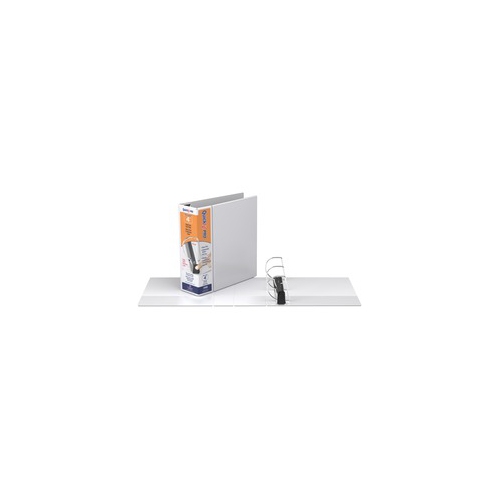
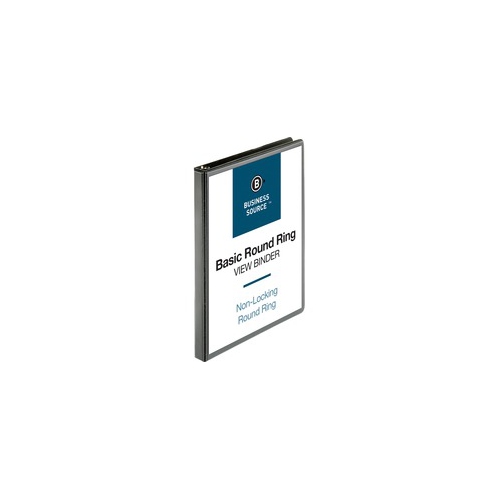
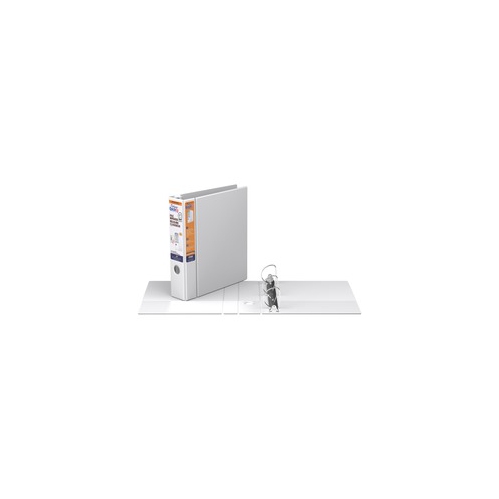
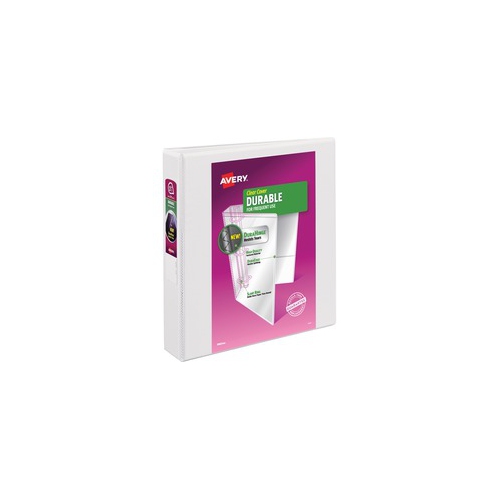
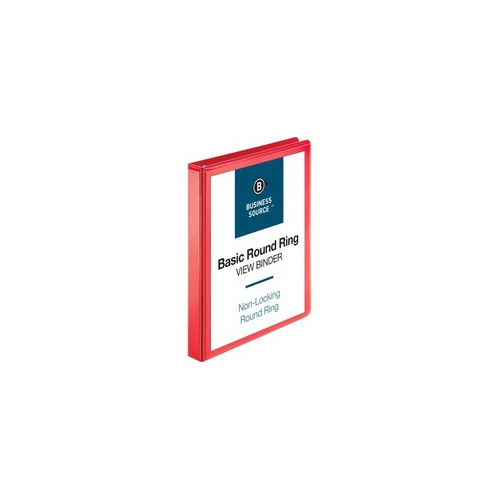
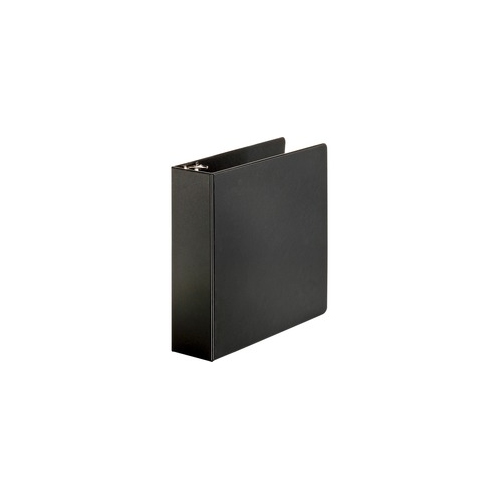
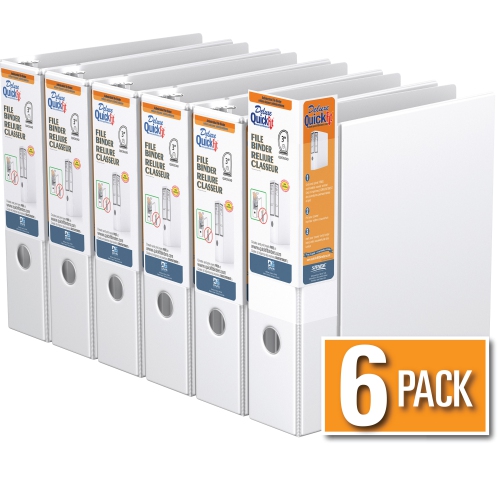
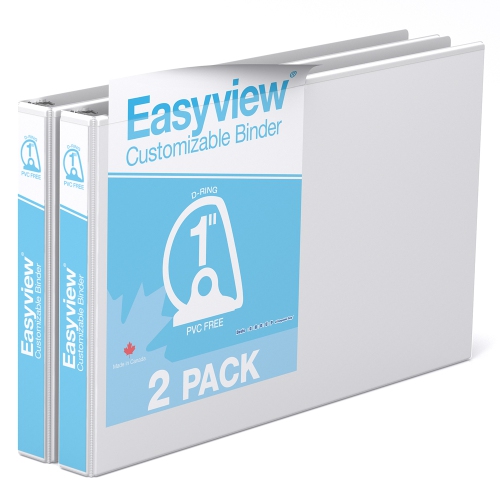
Hardcover binders offer a dependable way to organize papers while giving a collection of documents a more polished, substantial appearance. Unlike flexible folders that can bend or collapse when they are carried between rooms, a rigid cover helps shield pages from creased corners, spills, and the everyday scuffing that comes with regular handling. They are well suited to office records, school assignments, presentation materials, reference notes, receipts, project plans, recipes, certificates, and other papers that deserve a more permanent home. Some styles have a smooth leather-like finish for a refined executive setting, while others use textured fabric, coated paperboard, or a durable rigid exterior for a practical look. Consider the overall impression you want the binder to make, as well as where it will be used. A clean, understated cover can sit comfortably in a boardroom or reception area, while a more expressive colour or pattern may be a welcome addition to a home workspace, student desk, or craft area. Hardcover binders can also make thoughtful gifts for a new graduate, a student beginning a new school year, someone moving into a first home, or a colleague who enjoys keeping projects and paperwork in order. They are especially useful when paired with dividers, sheet protectors, tabbed pockets, or lined paper, allowing the recipient to build an organizing system that suits daily routines rather than forcing every document into the same format.
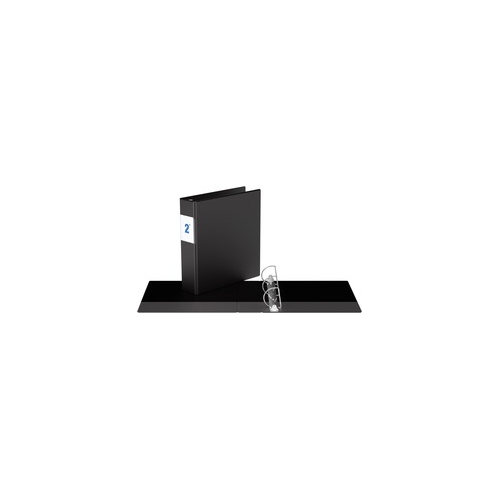
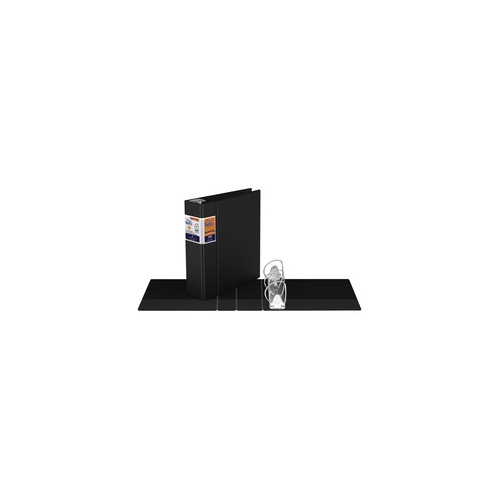
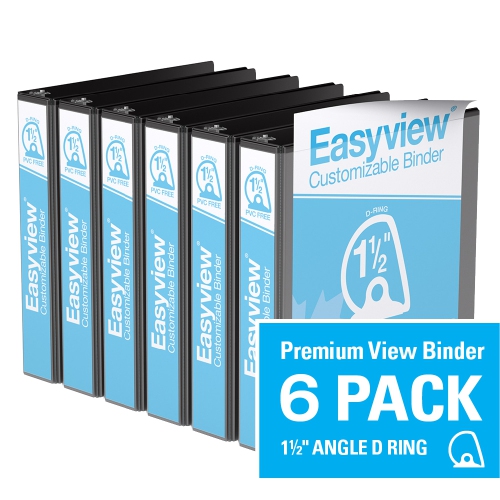
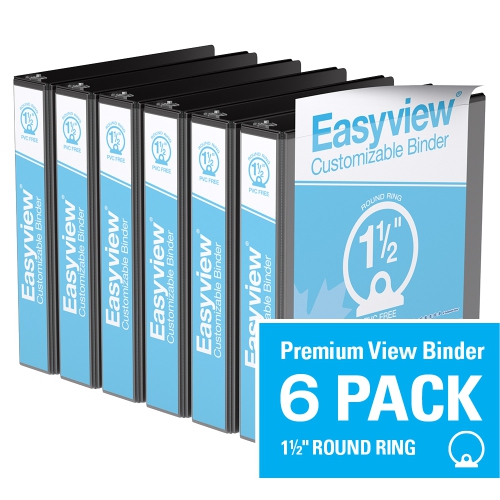
Capacity and ring design are among the most important details to compare when choosing Hardcover Binders. A slimmer binder is convenient for a small set of notes, a short presentation, or documents that need to travel in a briefcase or backpack. Larger capacities are better for manuals, training materials, household records, or an expanding collection that will be updated over time. The measurement refers to the ring size, so it is worth checking the manufacturer’s stated sheet capacity instead of assuming that every binder with the same measurement will hold an identical number of pages. Round rings provide a familiar page-turning experience and are often a good fit for everyday schoolwork, lists, and notes. D-ring designs hold pages along a straighter edge, which can help a thick collection sit neatly and often provides greater capacity than a round-ring style of the same general size. When selecting a binder, allow a little extra room for future additions, especially if you plan to use page protectors, tabbed dividers, envelopes, or other accessories that add thickness. Check that the mechanism opens smoothly, closes securely, and aligns properly from top to bottom. A reinforced spine, strong hinges, and well-fastened hardware can make a noticeable difference when the binder is opened repeatedly or moved between a desk, shelf, and meeting room. For important papers, look for an interior that keeps pages away from exposed metal edges and a cover that can withstand being placed in a full bookcase or carried alongside a laptop.
The best way to use a hardcover binder is to give it a clear purpose before filling it. A family might organize appliance instructions, warranties, renovation notes, and service records into separate labelled sections. A small business owner could keep invoices, meeting notes, contracts, and planning documents together without allowing loose pages to spread across several drawers. Students can use one binder for each subject or create a central binder with dividers for class notes, assignment sheets, study guides, and returned work. During the cooler months, a binder can become a useful home reference for schedules, household paperwork, hobby instructions, or preparations for upcoming gatherings. In a workplace, a presentation binder can help keep printed materials in order during a meeting, while a project binder gives a team one visible place for timelines, approvals, diagrams, and updates. For a more professional presentation, place frequently consulted documents at the front, use labelled tabs that can be read at a glance, and store loose handouts in pockets or protective sleeves. Avoid overfilling the rings, since a crowded binder is harder to close and can place strain on both the mechanism and the pages. Store it upright on a shelf when possible, and keep heavier binders lower down for easier access. If the binder will be handled often, choose a finish that feels comfortable in the hand and a size that is easy to carry. Those looking for a more polished option for client materials, office presentations, or professional records can also explore Executive Binders. With the right capacity, cover material, ring style, and accessories, a hardcover binder can turn a loose stack of papers into an organized collection that is easier to protect, transport, update, and revisit.
Capacity and ring design are among the most important details to compare when choosing Hardcover Binders. A slimmer binder is convenient for a small set of notes, a short presentation, or documents that need to travel in a briefcase or backpack. Larger capacities are better for manuals, training materials, household records, or an expanding collection that will be updated over time. The measurement refers to the ring size, so it is worth checking the manufacturer’s stated sheet capacity instead of assuming that every binder with the same measurement will hold an identical number of pages. Round rings provide a familiar page-turning experience and are often a good fit for everyday schoolwork, lists, and notes. D-ring designs hold pages along a straighter edge, which can help a thick collection sit neatly and often provides greater capacity than a round-ring style of the same general size. When selecting a binder, allow a little extra room for future additions, especially if you plan to use page protectors, tabbed dividers, envelopes, or other accessories that add thickness. Check that the mechanism opens smoothly, closes securely, and aligns properly from top to bottom. A reinforced spine, strong hinges, and well-fastened hardware can make a noticeable difference when the binder is opened repeatedly or moved between a desk, shelf, and meeting room. For important papers, look for an interior that keeps pages away from exposed metal edges and a cover that can withstand being placed in a full bookcase or carried alongside a laptop.
The best way to use a hardcover binder is to give it a clear purpose before filling it. A family might organize appliance instructions, warranties, renovation notes, and service records into separate labelled sections. A small business owner could keep invoices, meeting notes, contracts, and planning documents together without allowing loose pages to spread across several drawers. Students can use one binder for each subject or create a central binder with dividers for class notes, assignment sheets, study guides, and returned work. During the cooler months, a binder can become a useful home reference for schedules, household paperwork, hobby instructions, or preparations for upcoming gatherings. In a workplace, a presentation binder can help keep printed materials in order during a meeting, while a project binder gives a team one visible place for timelines, approvals, diagrams, and updates. For a more professional presentation, place frequently consulted documents at the front, use labelled tabs that can be read at a glance, and store loose handouts in pockets or protective sleeves. Avoid overfilling the rings, since a crowded binder is harder to close and can place strain on both the mechanism and the pages. Store it upright on a shelf when possible, and keep heavier binders lower down for easier access. If the binder will be handled often, choose a finish that feels comfortable in the hand and a size that is easy to carry. Those looking for a more polished option for client materials, office presentations, or professional records can also explore Executive Binders. With the right capacity, cover material, ring style, and accessories, a hardcover binder can turn a loose stack of papers into an organized collection that is easier to protect, transport, update, and revisit.
Top selling and popular products
-
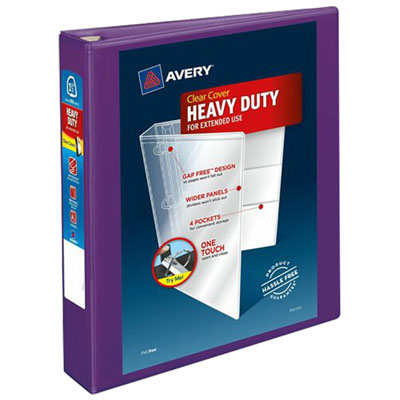 Your price for this item is $11.99
 -
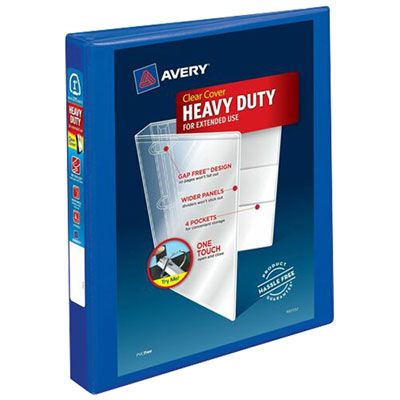 Your price for this item is $17.99
 -
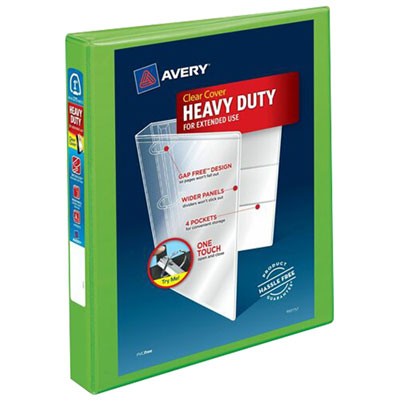 Your price for this item is $9.99
 -
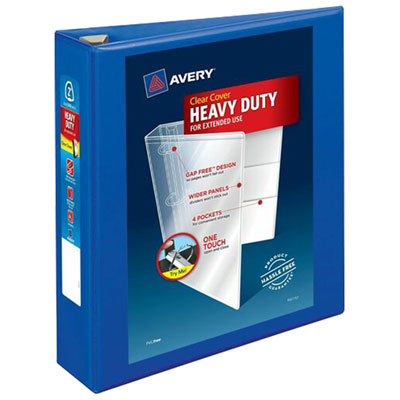 Your price for this item is $13.99
 -
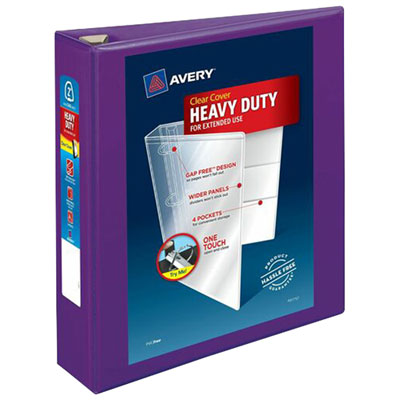 Your price for this item is $14.99
 -
 Your price for this item is $9.99
 -
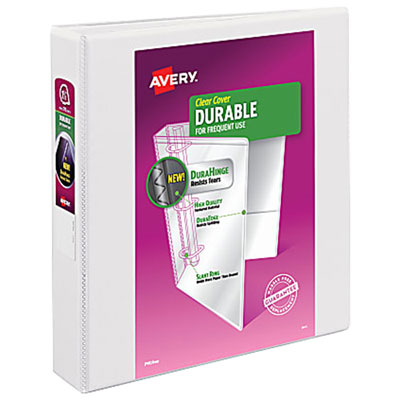 Your price for this item is $12.99
 -
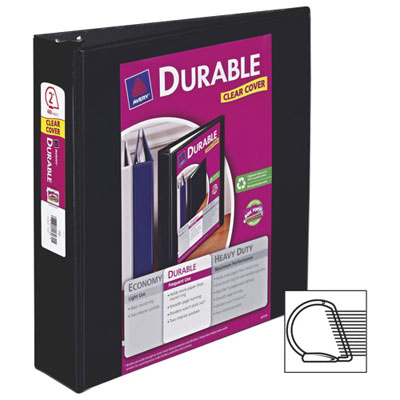 Your price for this item is $10.99
Discover more categories related to Hardcover Binders
Top Collections:
Pokemon Centers, Kindle Devices, Best Budget Office Chairs, Apple iPhones 16, Best Laptops for Writers, iPhone 15 Apple, Canon G7X Cameras, Refurbished Apple Laptops, Alarm Clock, Motorola Razr Phones
Some products may be subject to Environmental Handling Fees
(EHF) depending on your province.
Learn more about EHFs.