Heavy Duty Garden Carts
Transform your gardening experience with this range of heavy-duty garden carts. Whether you're tackling a large landscaping project or simply need a reliable tool for transporting supplies, these rugged and durable carts are designed to make your outdoor tasks easier than ever. With their sturdy construction and ample storage capacity, these heavy-duty garden carts are built to withstand the toughest conditions while providing you with the convenience and efficiency you need.
Sort




Why load capacity is only part of the story
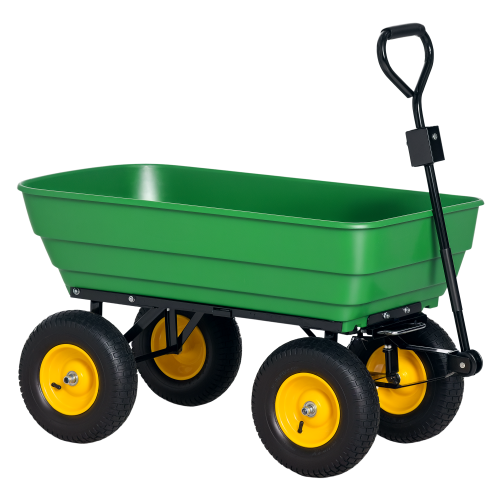
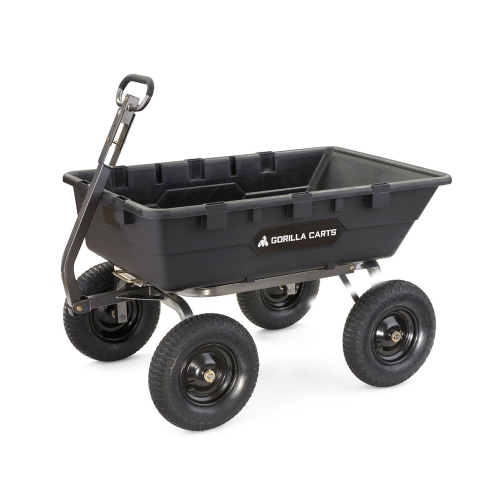
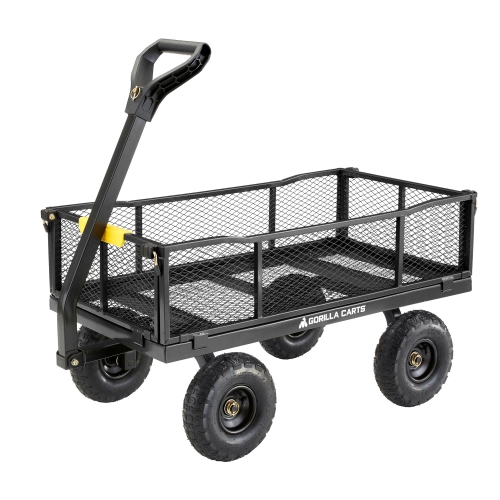
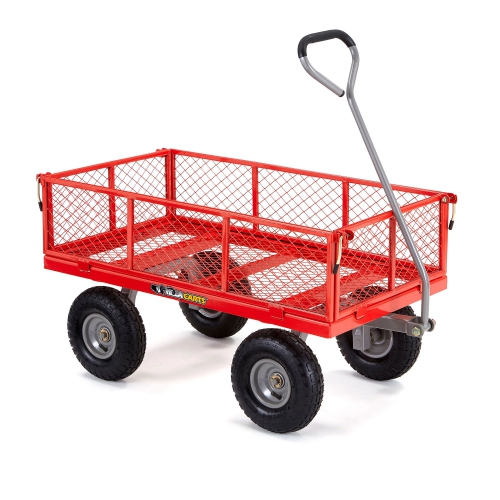
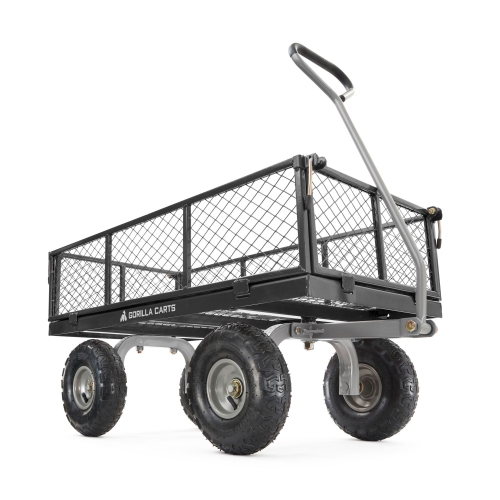
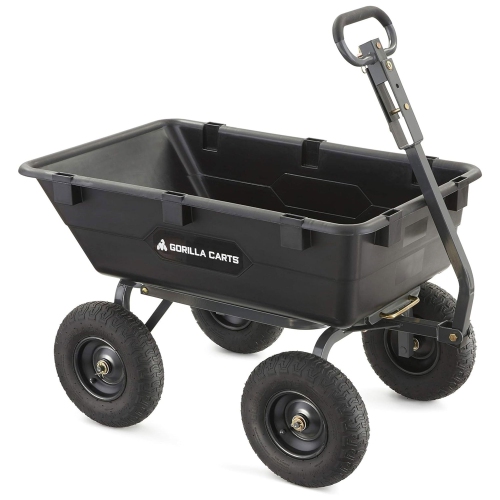
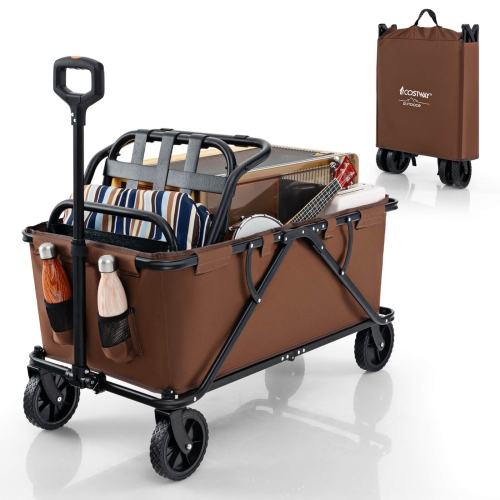
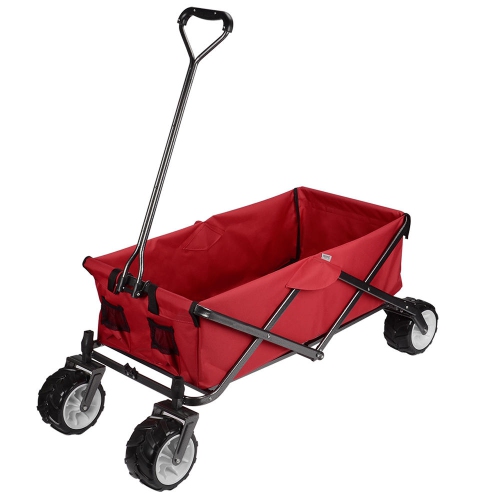
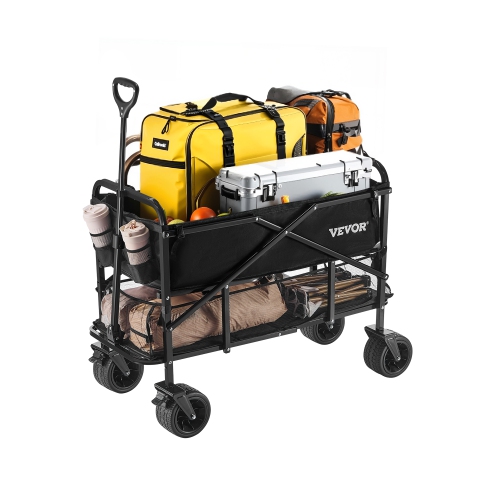
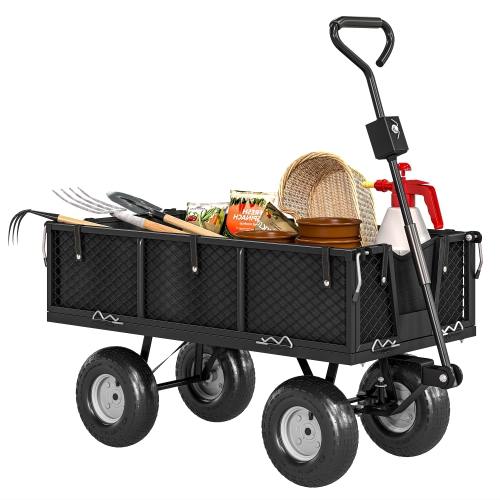
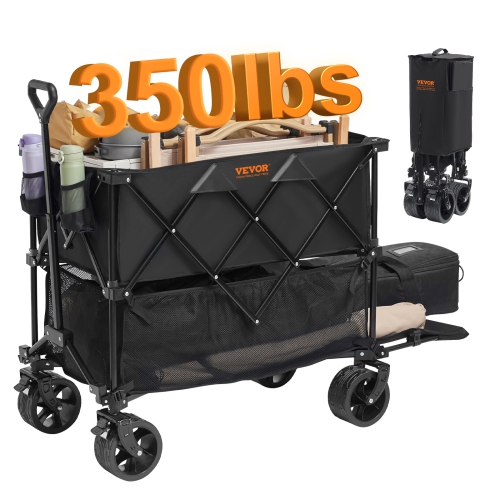
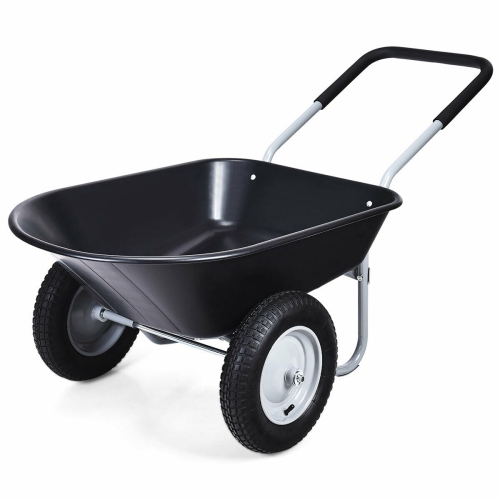
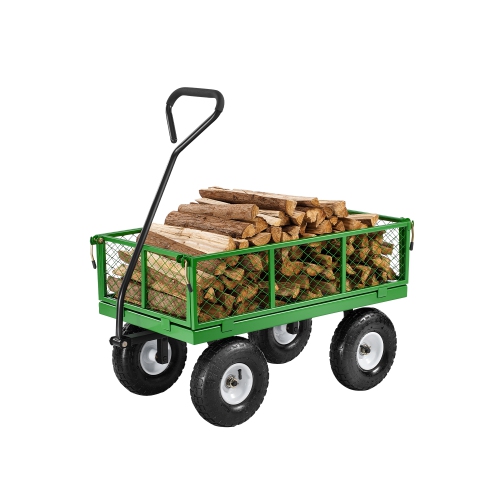
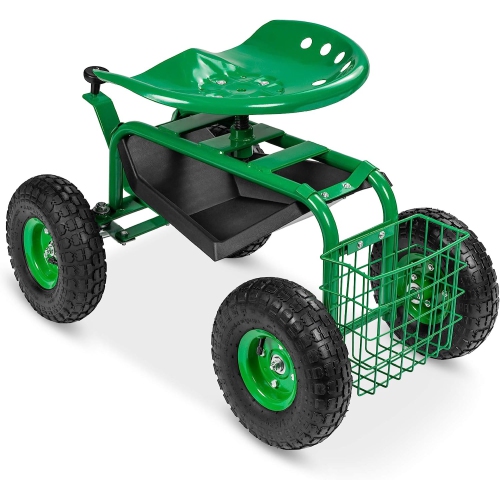
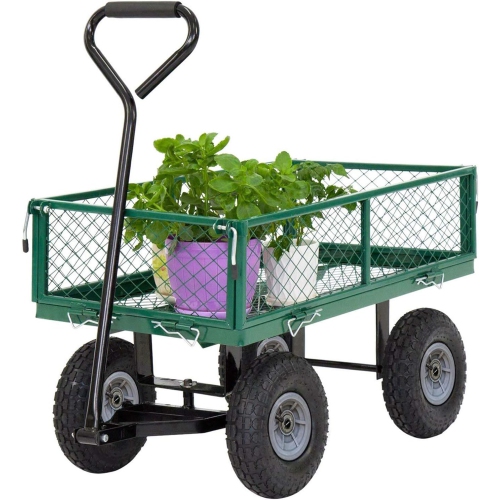
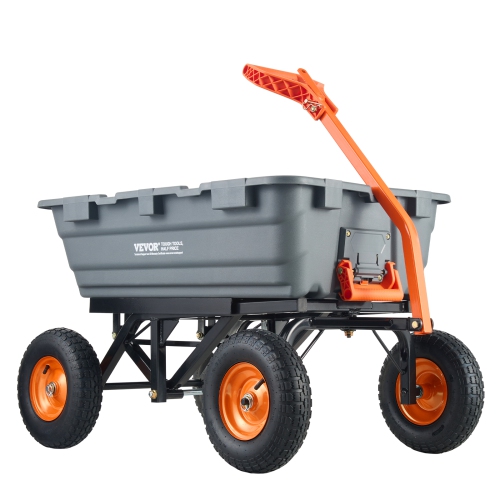
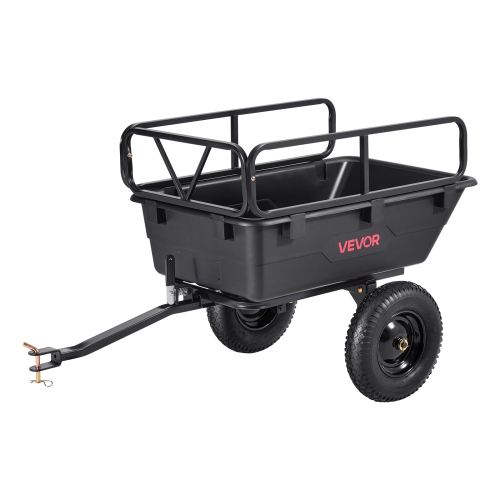
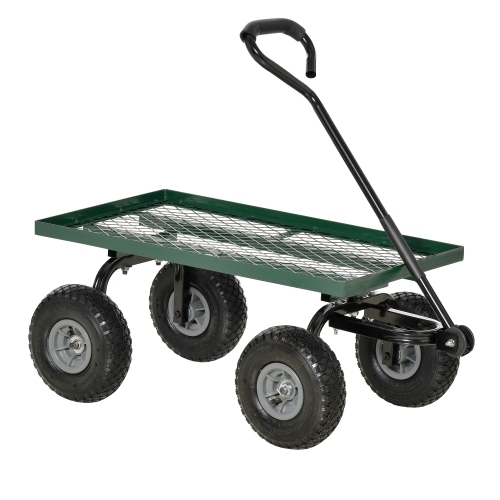
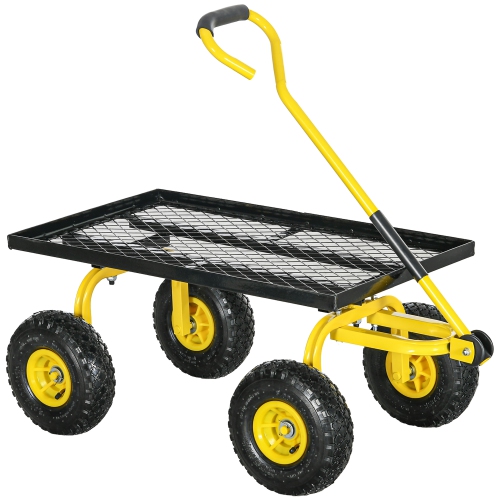
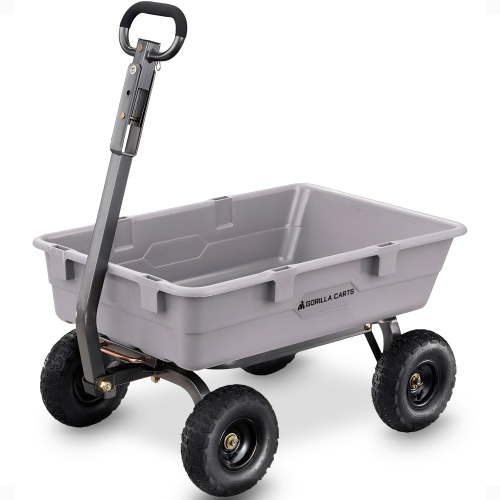
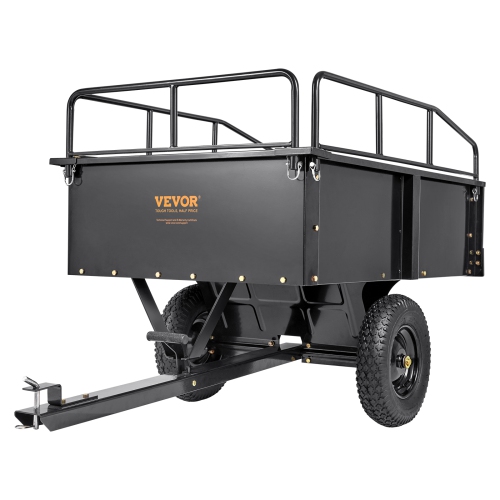
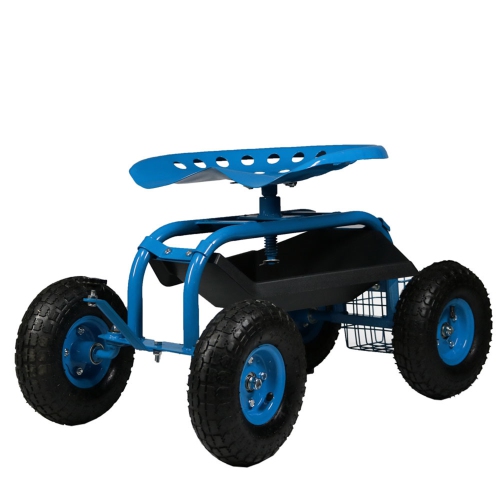
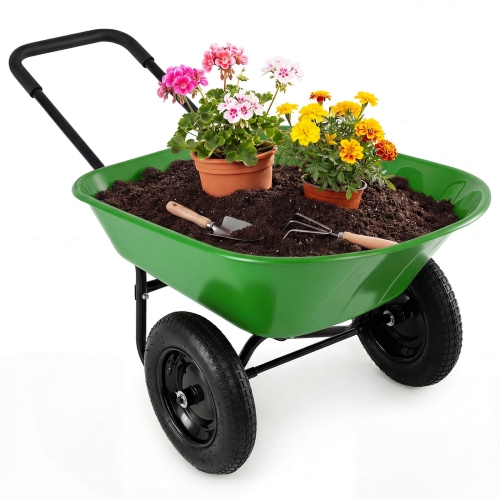
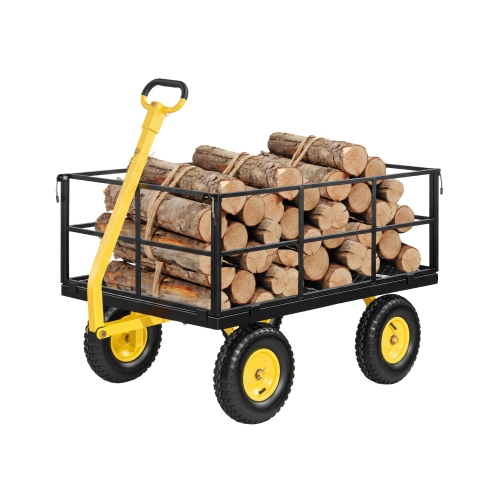
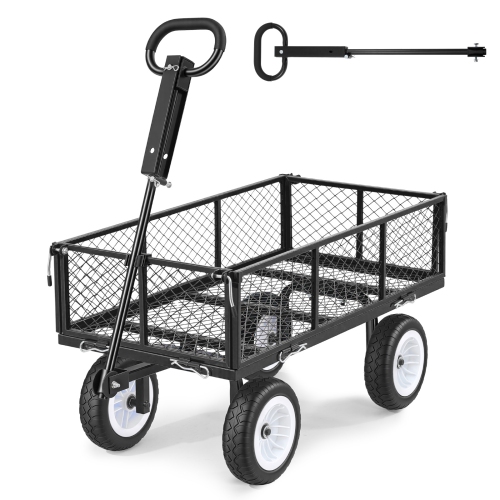
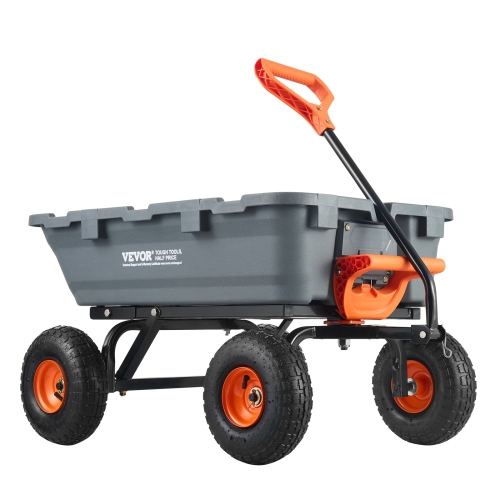
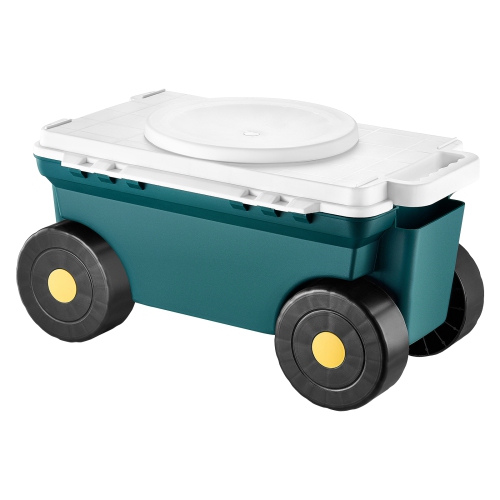
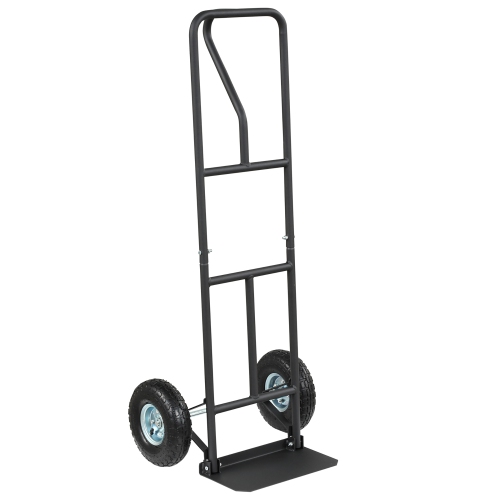
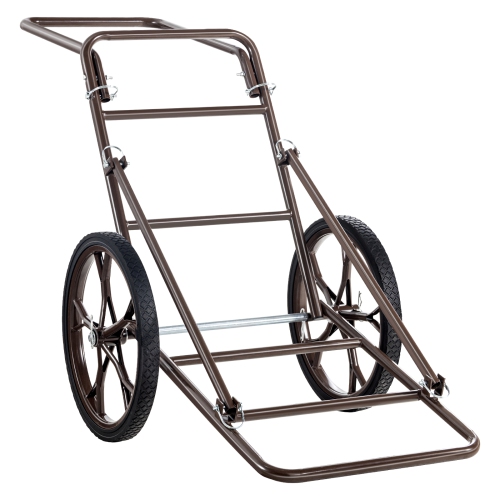
Heavy duty garden carts carry bulky, awkward materials between the places where outdoor work happens, from a soil pile beside the driveway to raised beds at the back of a property. Their reinforced frames, substantial wheels, and practical load beds suit jobs that would otherwise mean repeated trips with buckets or armfuls of supplies. Common uses include moving bagged soil, loose mulch, stones, firewood, planters, and gardening tools. The main types serve different purposes: poly dump carts contain loose material and tip to unload it, steel mesh wagons carry mixed loads and may have removable sides, and towable utility trailers move materials behind compatible powered equipment. Load capacity matters, but it tells only part of the story. A cart’s stated weight rating is the maximum load permitted under the manufacturer’s specified conditions, not a promise that the same load will be easy to pull across every surface. Dense material such as gravel can reach that limit long before the bed looks full, while a generous heap of dry leaves may occupy the entire bed without approaching it. Bed volume, cart weight, balance, and the route through the garden all affect how useful a cart feels in practice. A homeowner tending several planting beds may value a manageable cart that slips through a side gate, while someone maintaining a larger property may need more carrying space and a compatible towing connection. Community gardeners can use these carts to move shared tools and planting supplies, and groundskeeping crews may appreciate a sturdy platform for repeated hauling tasks. For any of these users, the most useful size is one that fits both the work and the space. A broad bed is helpful for bulky loads, but a narrower footprint can be more practical around closely spaced beds, fences, and storage sheds. The right balance reduces trips without turning each journey into a struggle to steer, stop, or unload.
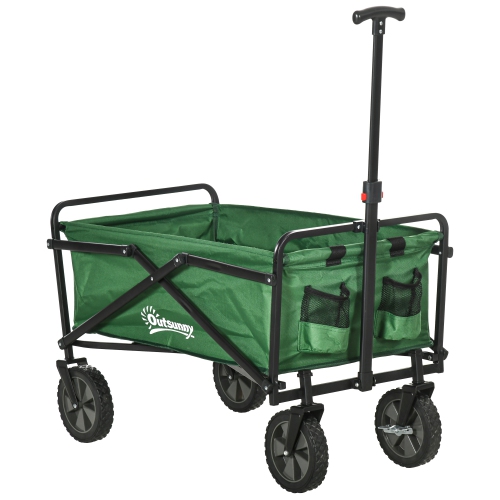
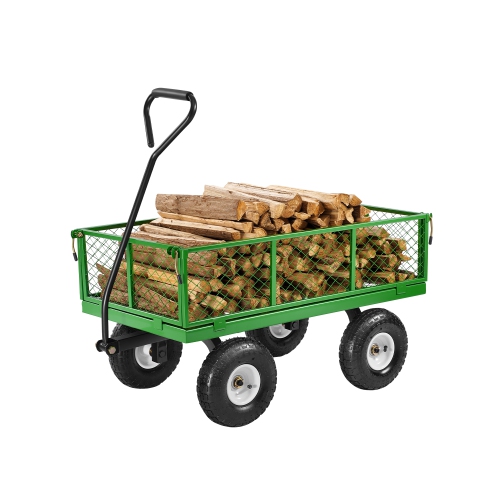
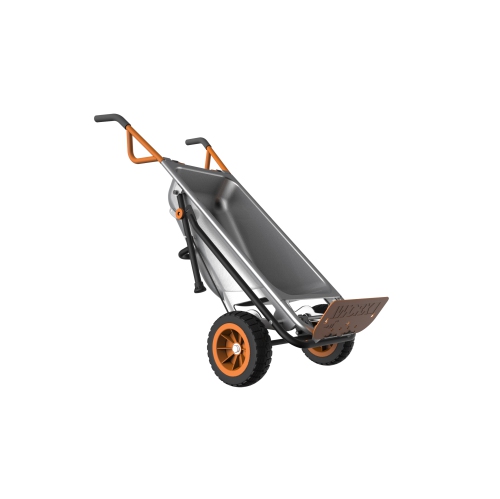
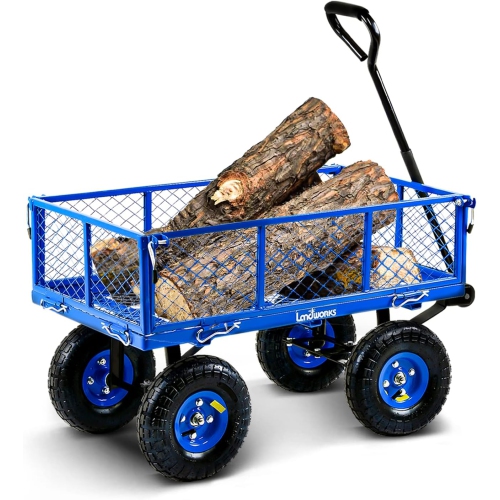
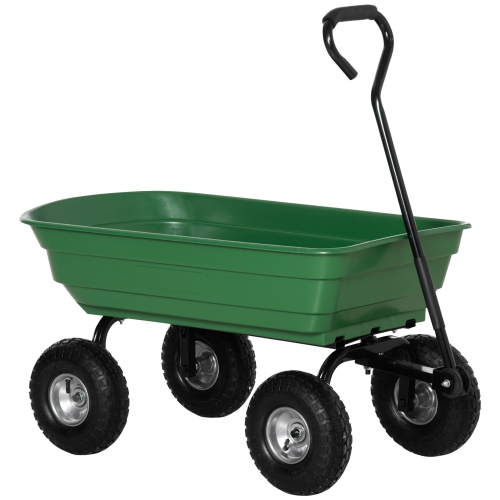
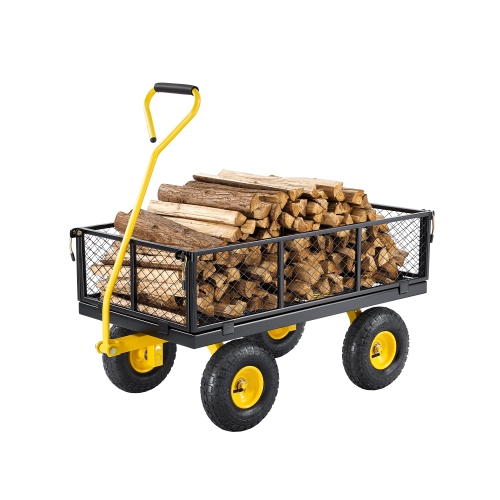
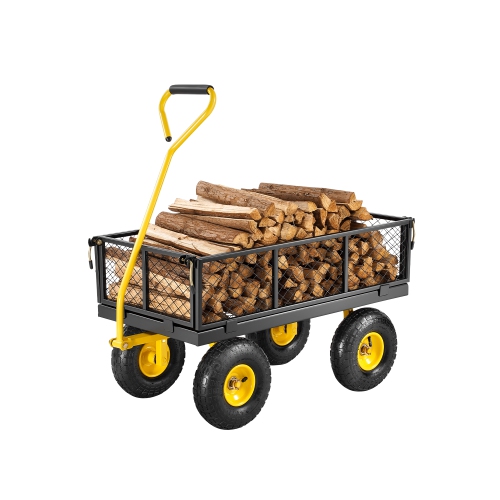
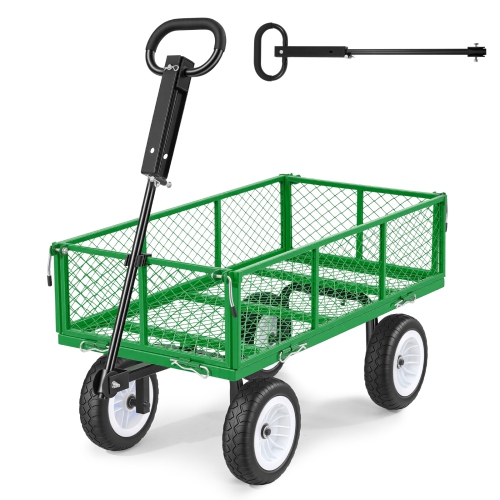
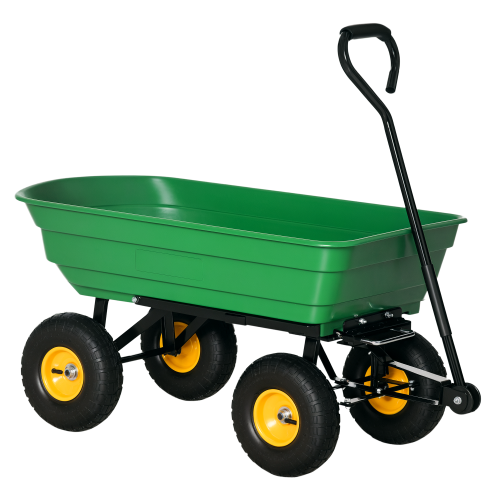
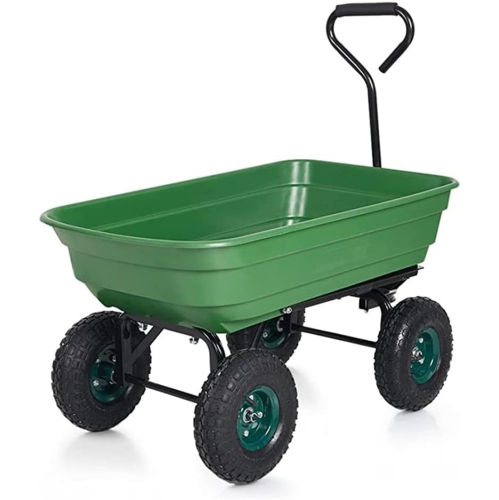
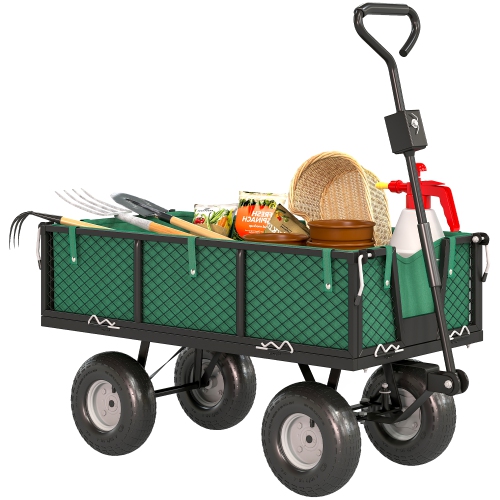
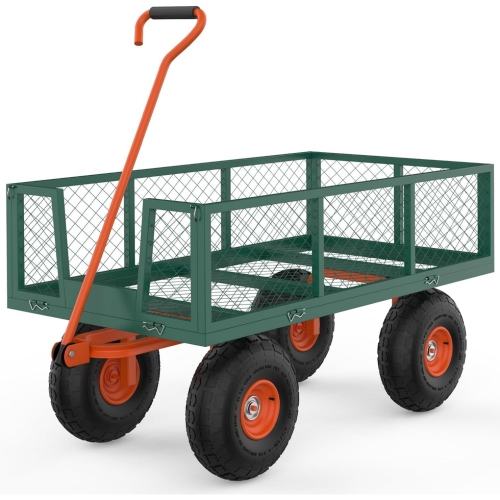
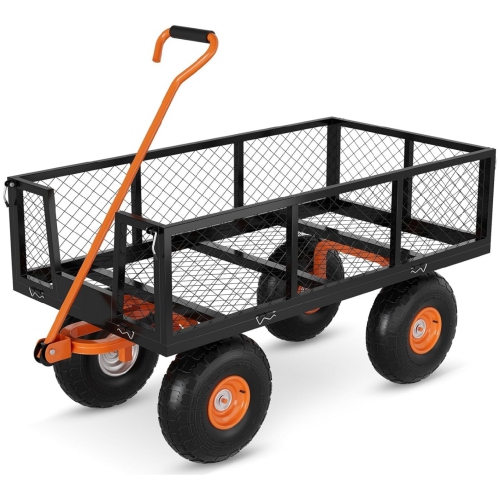
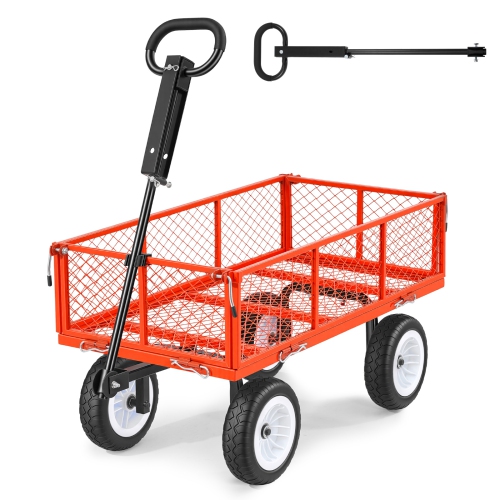
Materials and construction shape how a heavy duty garden cart handles daily use. A moulded poly bed has a solid basin that holds fine soil and mulch without letting material fall through gaps. The bed itself does not rust, although its supporting frame, axle, fasteners, and tipping hardware may still need attention. Poly surfaces are generally straightforward to rinse clean, but sharp rubble and careless shovel work can leave gouges, so the bed should be suited to the intended load. Steel mesh garden wagons offer a different kind of flexibility. Their open platforms work well for bags, pots, branches, and larger tools, while removable side panels, where fitted, allow longer or wider cargo to sit on a flatbed. Loose sand and fine compost need a suitable liner or container rather than an open mesh floor. Painted or powder-coated steel helps protect the underlying metal, though scratched areas should be maintained according to the manufacturer’s directions. Beyond the bed, strong joints, secure panel latches, properly fitted wheels, and a well-supported axle contribute to durability. Wheels deserve particular attention because the same load feels very different on a paved path, packed earth, or uneven lawn. Pneumatic tires can cushion movement over bumps but require pressure checks and can puncture. Flat-free designs avoid air-pressure maintenance, although their ride and pulling resistance vary with construction and surface. Wheel diameter, tread, and width also influence clearance and movement; a wider tire may spread weight more effectively, but no wheel design makes every ground condition easy to cross. Four-wheel wagons support their loads without requiring the operator to lift the front end continuously, while steering geometry determines how neatly they turn around corners. A comfortable handle with enough clearance for a natural walking stride can make repeated trips less tiring. Overall width, including the wheels, is especially important when a cart must pass through a gate or along a narrow path, and handle length matters when parking it inside a shed.
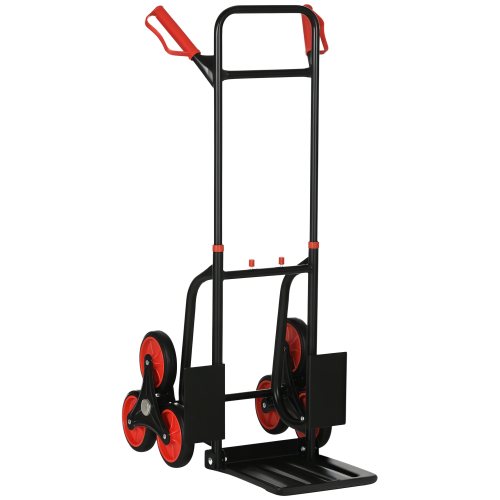
Unloading features often make the greatest difference once a garden cart reaches its destination. A dump bed can release soil or mulch close to the work area without requiring every shovelful to be lifted over a fixed side. Its usefulness depends on the release mechanism, tipping angle, ground clearance, and whether the load slides out cleanly. Damp soil can cling to a bed, and tangled branches may still need to be removed by hand. A secure latch keeps a tipping bed seated during transport, while stable, level ground provides a safer place to unload. For a mesh wagon, removable sides can simplify lifting out a heavy planter or sliding off bundled stakes, provided the load stays within the cart’s limits and is secured appropriately. Long cargo should not obstruct the handle, steering, or walking space. Towable garden carts require a closer match between the trailer, hitch, and towing equipment; a convertible handle alone does not establish compatibility with every mower, tractor, or ATV. Manufacturer requirements for towing speed, load, terrain, and connections remain important, particularly where a route includes slopes. Even with a hand-pulled cart, distributing weight low and evenly helps maintain control, and smaller loads are often more manageable than one oversized trip. After use, clearing soil from corners, removing debris around the axles, and checking fasteners can help keep the cart working smoothly. Tire pressure, lubrication points, and bed latches should receive the care specified for their design, and storage should leave the cart clean and dry where practical. For carrying equipment through workshops, garages, or other workspaces, Heavy Duty Utility Carts offer another category to consider, with wheel designs and layouts that may suit different surfaces and tasks. A heavy duty garden cart can also be a practical gift for an avid gardener or someone setting up a larger growing space, especially when its dimensions, weight, and unloading method match how that person actually works. Durable construction matters most when it is paired with a design that makes routine hauling simpler.
Materials and construction shape how a heavy duty garden cart handles daily use. A moulded poly bed has a solid basin that holds fine soil and mulch without letting material fall through gaps. The bed itself does not rust, although its supporting frame, axle, fasteners, and tipping hardware may still need attention. Poly surfaces are generally straightforward to rinse clean, but sharp rubble and careless shovel work can leave gouges, so the bed should be suited to the intended load. Steel mesh garden wagons offer a different kind of flexibility. Their open platforms work well for bags, pots, branches, and larger tools, while removable side panels, where fitted, allow longer or wider cargo to sit on a flatbed. Loose sand and fine compost need a suitable liner or container rather than an open mesh floor. Painted or powder-coated steel helps protect the underlying metal, though scratched areas should be maintained according to the manufacturer’s directions. Beyond the bed, strong joints, secure panel latches, properly fitted wheels, and a well-supported axle contribute to durability. Wheels deserve particular attention because the same load feels very different on a paved path, packed earth, or uneven lawn. Pneumatic tires can cushion movement over bumps but require pressure checks and can puncture. Flat-free designs avoid air-pressure maintenance, although their ride and pulling resistance vary with construction and surface. Wheel diameter, tread, and width also influence clearance and movement; a wider tire may spread weight more effectively, but no wheel design makes every ground condition easy to cross. Four-wheel wagons support their loads without requiring the operator to lift the front end continuously, while steering geometry determines how neatly they turn around corners. A comfortable handle with enough clearance for a natural walking stride can make repeated trips less tiring. Overall width, including the wheels, is especially important when a cart must pass through a gate or along a narrow path, and handle length matters when parking it inside a shed.
Unloading features often make the greatest difference once a garden cart reaches its destination. A dump bed can release soil or mulch close to the work area without requiring every shovelful to be lifted over a fixed side. Its usefulness depends on the release mechanism, tipping angle, ground clearance, and whether the load slides out cleanly. Damp soil can cling to a bed, and tangled branches may still need to be removed by hand. A secure latch keeps a tipping bed seated during transport, while stable, level ground provides a safer place to unload. For a mesh wagon, removable sides can simplify lifting out a heavy planter or sliding off bundled stakes, provided the load stays within the cart’s limits and is secured appropriately. Long cargo should not obstruct the handle, steering, or walking space. Towable garden carts require a closer match between the trailer, hitch, and towing equipment; a convertible handle alone does not establish compatibility with every mower, tractor, or ATV. Manufacturer requirements for towing speed, load, terrain, and connections remain important, particularly where a route includes slopes. Even with a hand-pulled cart, distributing weight low and evenly helps maintain control, and smaller loads are often more manageable than one oversized trip. After use, clearing soil from corners, removing debris around the axles, and checking fasteners can help keep the cart working smoothly. Tire pressure, lubrication points, and bed latches should receive the care specified for their design, and storage should leave the cart clean and dry where practical. For carrying equipment through workshops, garages, or other workspaces, Heavy Duty Utility Carts offer another category to consider, with wheel designs and layouts that may suit different surfaces and tasks. A heavy duty garden cart can also be a practical gift for an avid gardener or someone setting up a larger growing space, especially when its dimensions, weight, and unloading method match how that person actually works. Durable construction matters most when it is paired with a design that makes routine hauling simpler.
Top selling and popular products
-
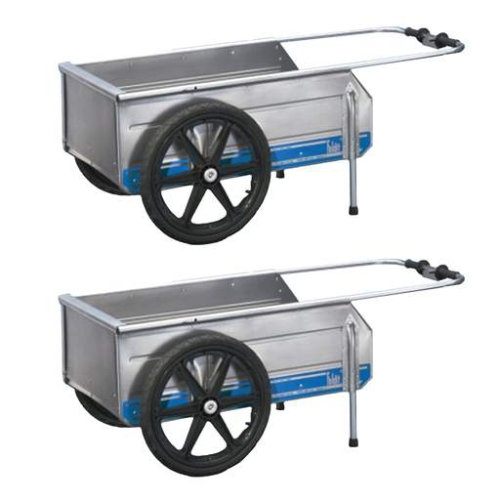 Your price for this item is $1405.99
 -
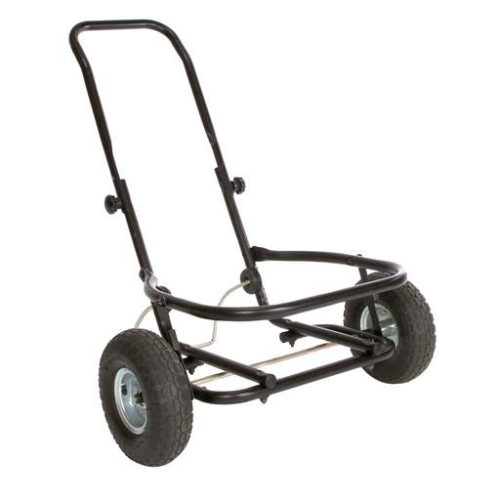 Your price for this item is $228.99
 -
 Your price for this item is $691.99
 -
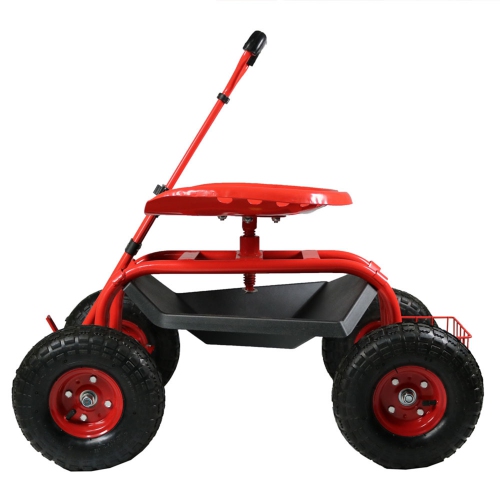 Your price for this item is $247.35
 -
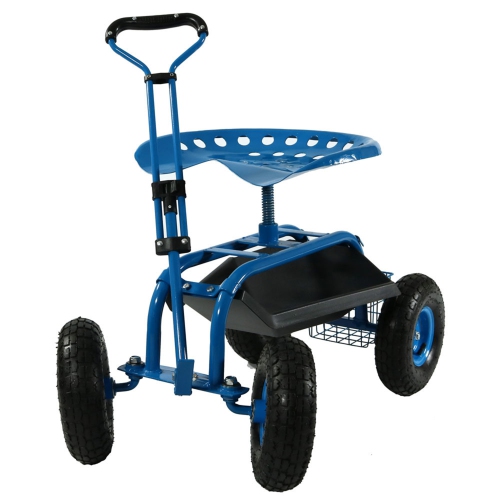 Your price for this item is $247.35
 -
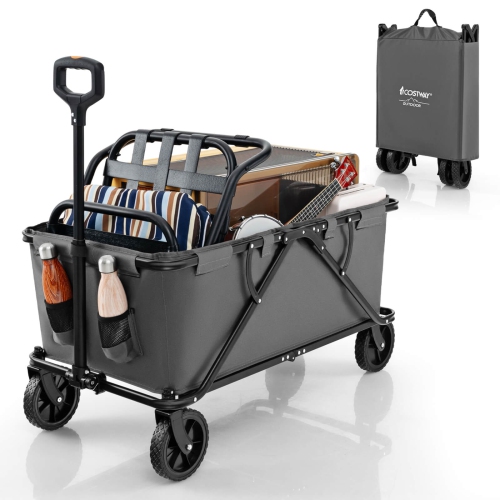 Your price for this item is $177.99
 -
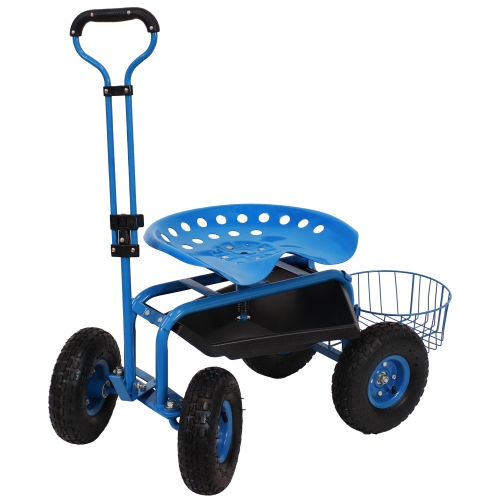 Your price for this item is $261.95
 -
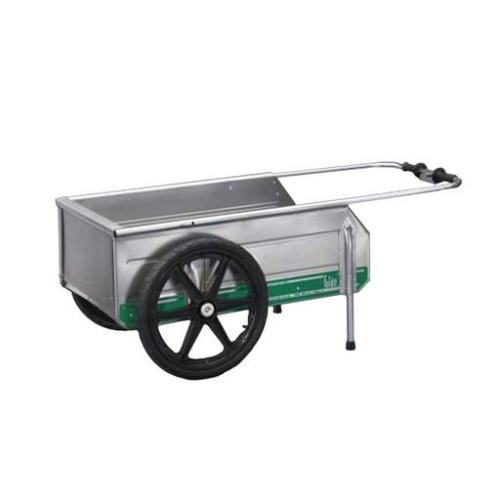 Your price for this item is $700.99
Discover more categories related to Heavy Duty Garden Carts
Top Collections:
Pokemon Centers, Kindle Devices, Best Budget Office Chairs, Apple iPhones 16, Best Laptops for Writers, iPhone 15 Apple, Canon G7X Cameras, Refurbished Apple Laptops, Alarm Clock, Motorola Razr Phones
Some products may be subject to Environmental Handling Fees
(EHF) depending on your province.
Learn more about EHFs.