High Capacity 18650 Batteries
High Capacity 18650 Batteries are a reliable power solution for a wide range of devices, from flashlights and portable electronics to DIY projects and more. Designed to deliver consistent energy output, these batteries offer dependable performance for everyday use and demanding applications alike. Explore the selection of High Capacity 18650 Batteries to find the right fit for your needs and keep your devices powered up and ready to go.
Sort
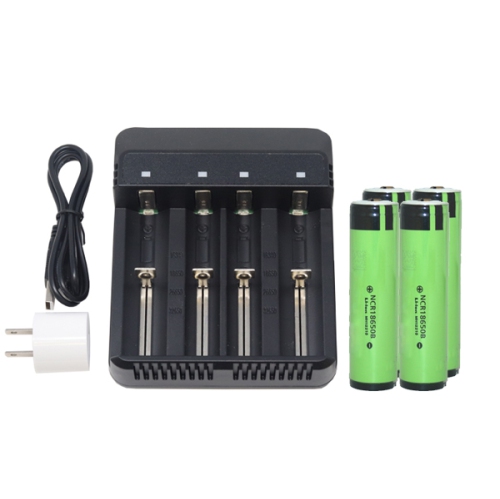
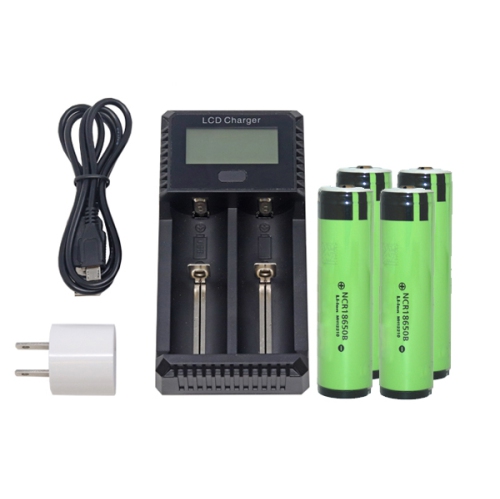
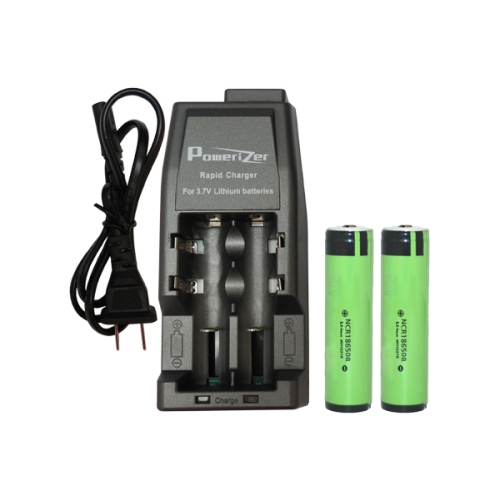
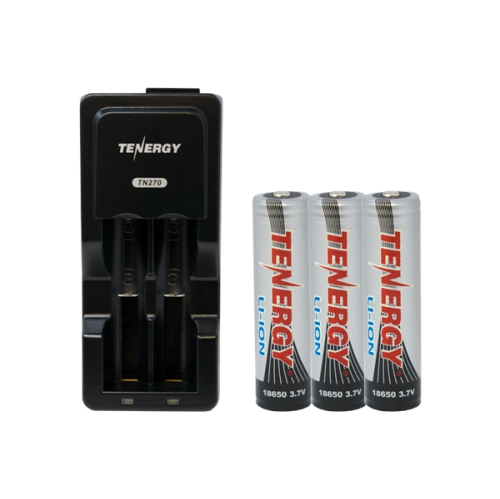
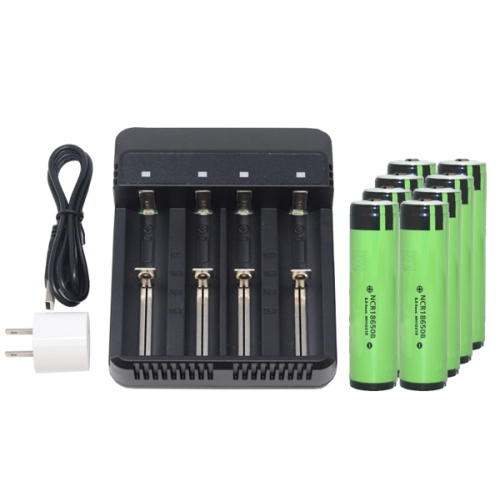
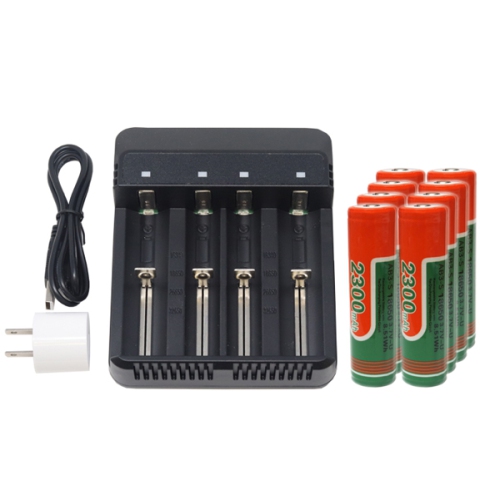
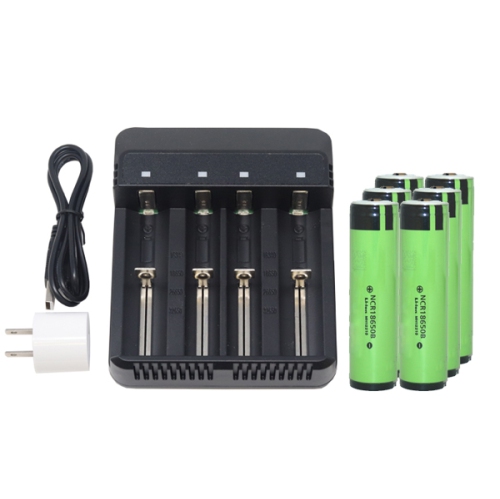
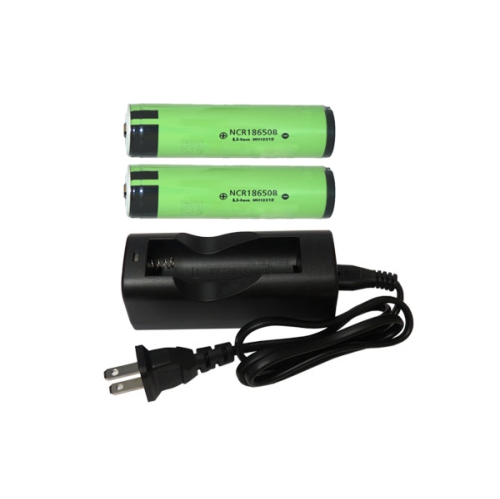
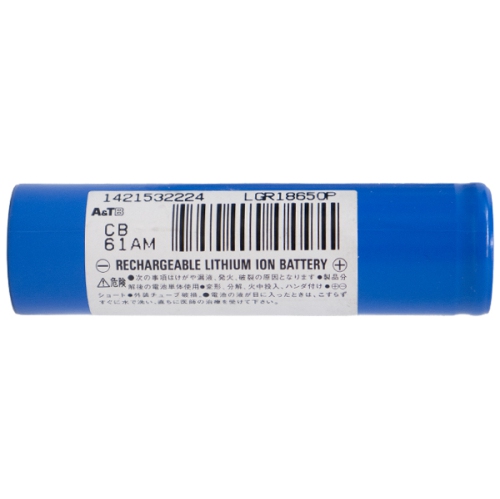
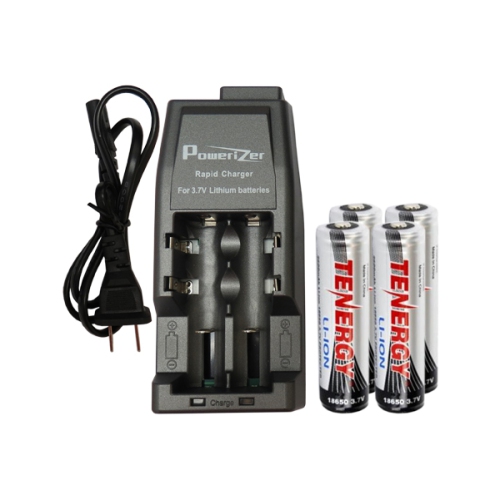
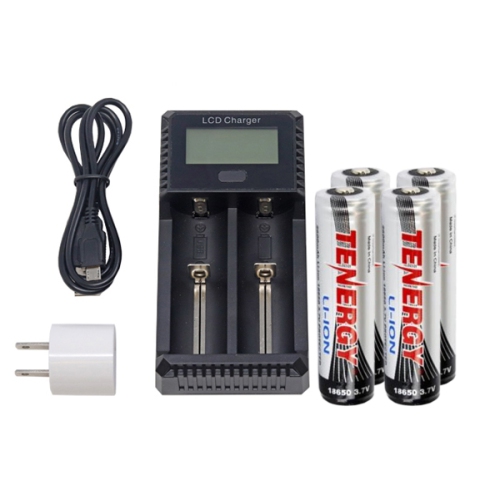

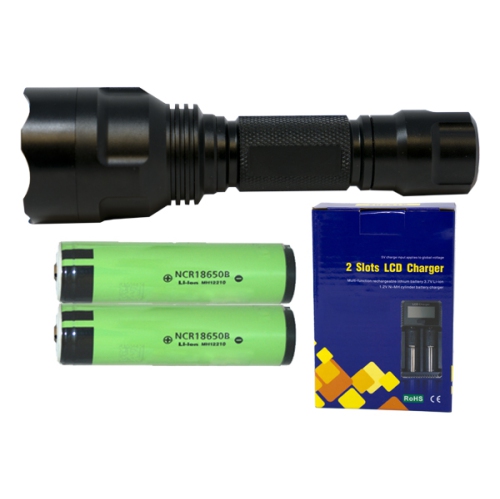
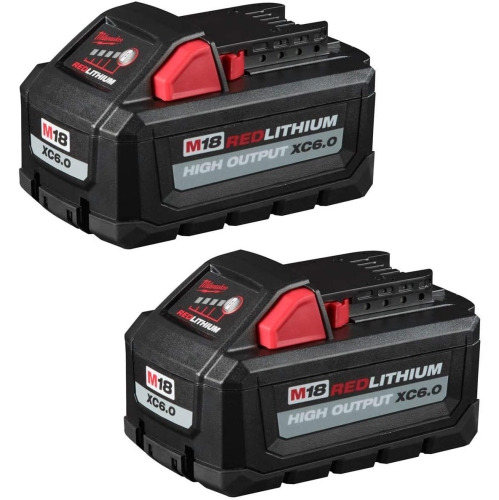
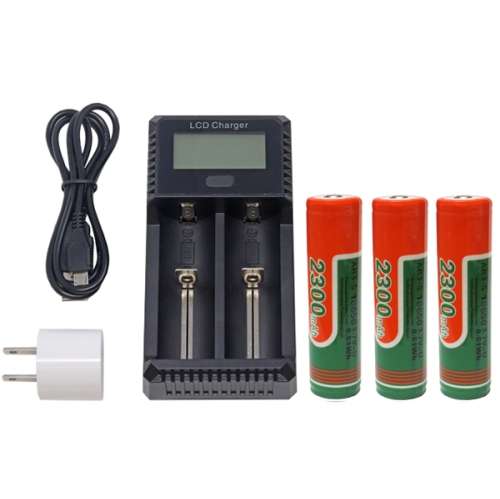
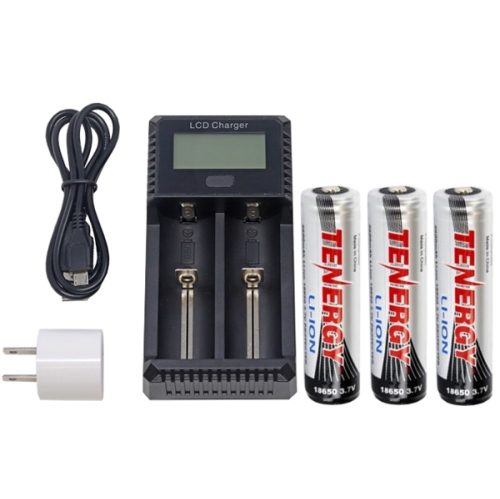
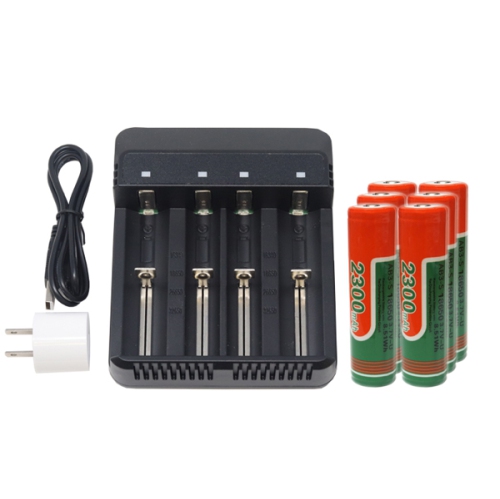
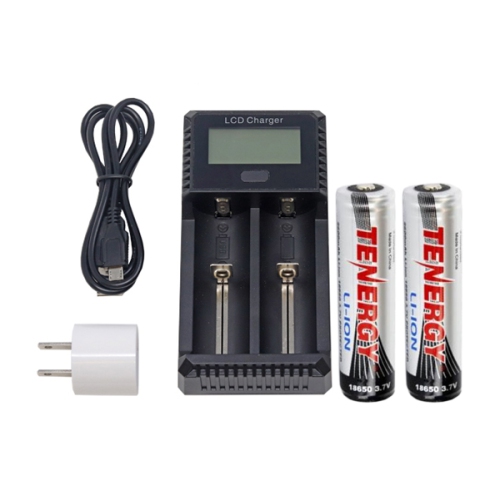
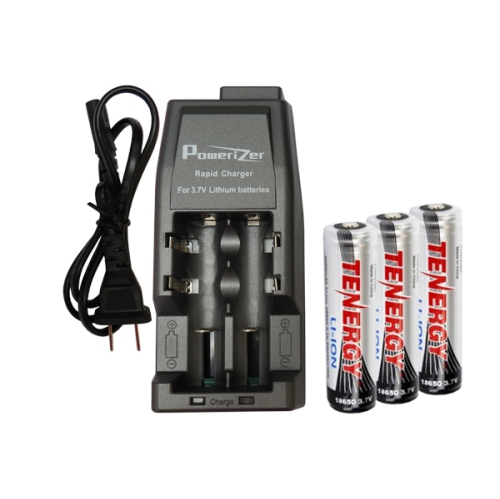
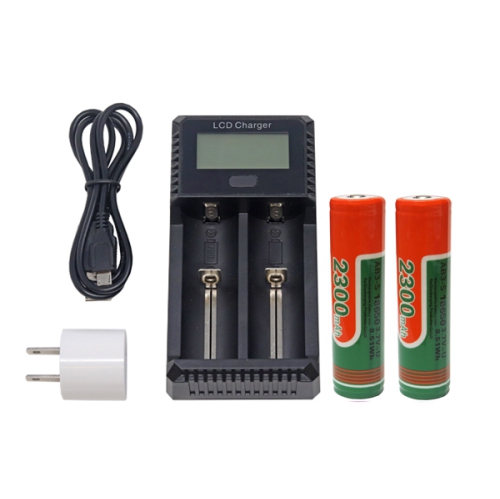
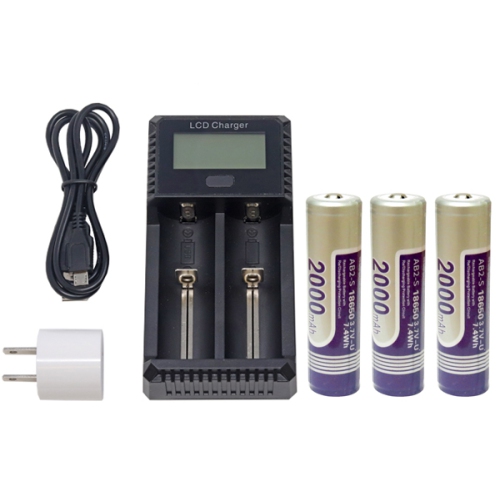
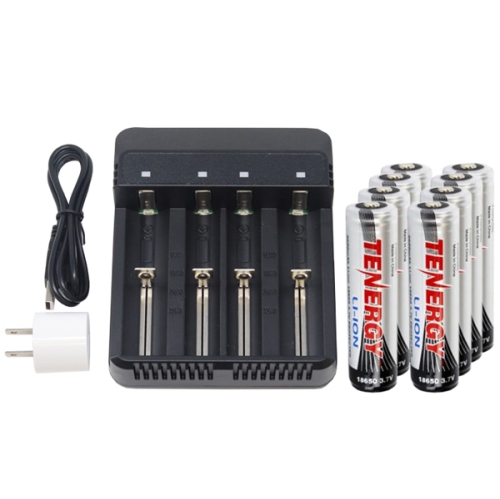
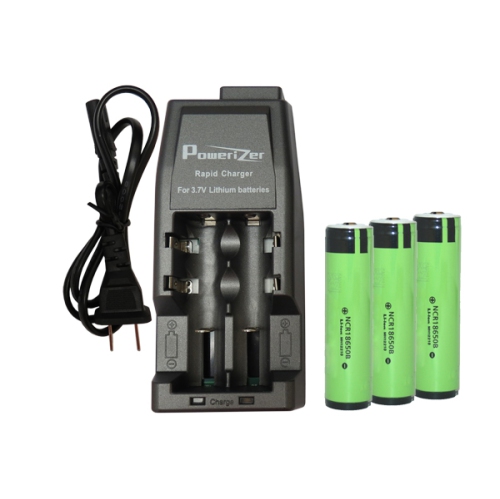
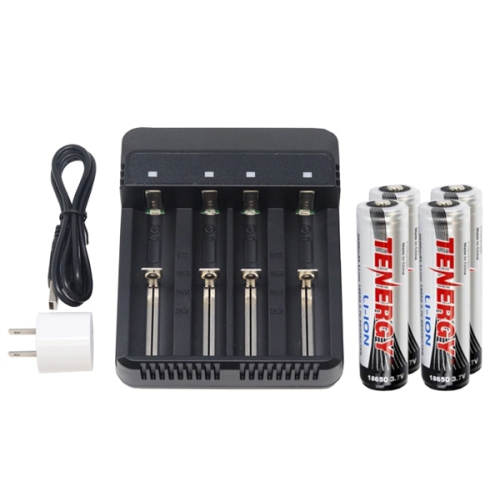
Understanding capacity, discharge ratings, fit, and battery safety
High capacity 18650 batteries are cylindrical lithium-ion cells designed for compatible electronics that need dependable energy in a compact format. They are commonly used in rechargeable flashlights, headlamps, cameras, portable power equipment, electronic projects, and other devices built specifically for an 18 mm by 65 mm cell. The term “high capacity” generally refers to a battery’s milliamp-hour rating, or mAh, which indicates how much energy it can store and how long it may operate before recharging. For standard, commercially available 18650 cells, genuine capacities commonly range from approximately 2500mAh to 3600mAh, with 3600mAh representing the upper end for many mass-produced cells. A higher mAh rating can provide longer runtime in a low- or moderate-drain device, which is useful for a flashlight used on extended walks, a camera carried through a full day of travel, or a portable electronic project that is not always close to an outlet. Capacity is only one part of performance, however, and a battery with the largest number on its label is not automatically the right choice for every application. When browsing 18650 Batteries, match the cell specifications to the equipment manufacturer’s requirements rather than choosing by capacity alone.
The balance between capacity and discharge capability is especially important. High-capacity cells often provide excellent runtime but may have a lower continuous discharge rating than cells designed for demanding, high-power loads. A device that draws energy gradually, such as a compatible lantern or electronic project, may benefit from a 3000mAh to 3600mAh cell. Equipment that requires a strong burst of power, including certain power tools or high-drain electronics, may need a lower-capacity 18650 battery with a higher continuous discharge rating instead. The continuous discharge rating describes the current a cell can safely provide over time, while a pulse or maximum rating may describe only a short-duration output and should not be treated as the normal operating limit. Check the device manual for the required voltage, minimum discharge rating, recommended capacity range, and whether a protected or unprotected cell is specified. It is also important to confirm the physical style: flat-top and button-top cells can differ in length and contact design, and a battery that fits in one device may not make proper contact in another. Protection circuits can help guard against overcharge, over-discharge, short circuits, and excessive current, but not every device is designed for protected cells. Do not substitute an 18650 cell for another battery size, connect loose cells to equipment that was not designed for them, or rely on a product description that omits key electrical specifications.
Authenticity and condition deserve close attention when selecting high capacity 18650 batteries. A standard 18650 cell claiming 4000mAh, 5000mAh, or more should be treated with caution, as capacities far above the established range for this format may be misleading or inaccurately labelled. Compare the stated capacity with the continuous discharge rating, voltage, dimensions, protection details, and available safety information. Avoid cells with torn wrappers, dents, corrosion, leaking, swelling, or damaged terminals, and never use a battery that becomes unusually hot during charging or operation. Use a charger made for the correct cell chemistry and configuration, and follow the charger and battery instructions carefully. Do not leave loose cells in a pocket, drawer, bag, or tool case where the terminals could touch coins, keys, or other metal objects; a dedicated case helps prevent accidental contact. If using more than one cell in a device, use matching cells of the same type, capacity, age, and charge level, and replace the set together when recommended by the manufacturer. Keep batteries away from water and excessive heat, store them in a cool, dry place, and follow local requirements for battery recycling or disposal when they reach the end of their service life. These batteries can be a practical choice for people who rely on rechargeable lighting during the cooler months, hobbyists building compatible electronics, photographers preparing for long outings, or anyone who wants spare power for a supported device. They may also be a thoughtful gift for a technically minded friend or family member, provided the recipient’s equipment and battery specifications are confirmed first.
The balance between capacity and discharge capability is especially important. High-capacity cells often provide excellent runtime but may have a lower continuous discharge rating than cells designed for demanding, high-power loads. A device that draws energy gradually, such as a compatible lantern or electronic project, may benefit from a 3000mAh to 3600mAh cell. Equipment that requires a strong burst of power, including certain power tools or high-drain electronics, may need a lower-capacity 18650 battery with a higher continuous discharge rating instead. The continuous discharge rating describes the current a cell can safely provide over time, while a pulse or maximum rating may describe only a short-duration output and should not be treated as the normal operating limit. Check the device manual for the required voltage, minimum discharge rating, recommended capacity range, and whether a protected or unprotected cell is specified. It is also important to confirm the physical style: flat-top and button-top cells can differ in length and contact design, and a battery that fits in one device may not make proper contact in another. Protection circuits can help guard against overcharge, over-discharge, short circuits, and excessive current, but not every device is designed for protected cells. Do not substitute an 18650 cell for another battery size, connect loose cells to equipment that was not designed for them, or rely on a product description that omits key electrical specifications.
Authenticity and condition deserve close attention when selecting high capacity 18650 batteries. A standard 18650 cell claiming 4000mAh, 5000mAh, or more should be treated with caution, as capacities far above the established range for this format may be misleading or inaccurately labelled. Compare the stated capacity with the continuous discharge rating, voltage, dimensions, protection details, and available safety information. Avoid cells with torn wrappers, dents, corrosion, leaking, swelling, or damaged terminals, and never use a battery that becomes unusually hot during charging or operation. Use a charger made for the correct cell chemistry and configuration, and follow the charger and battery instructions carefully. Do not leave loose cells in a pocket, drawer, bag, or tool case where the terminals could touch coins, keys, or other metal objects; a dedicated case helps prevent accidental contact. If using more than one cell in a device, use matching cells of the same type, capacity, age, and charge level, and replace the set together when recommended by the manufacturer. Keep batteries away from water and excessive heat, store them in a cool, dry place, and follow local requirements for battery recycling or disposal when they reach the end of their service life. These batteries can be a practical choice for people who rely on rechargeable lighting during the cooler months, hobbyists building compatible electronics, photographers preparing for long outings, or anyone who wants spare power for a supported device. They may also be a thoughtful gift for a technically minded friend or family member, provided the recipient’s equipment and battery specifications are confirmed first.
Top selling and popular products
-
 Your price for this item is $39.99
 -
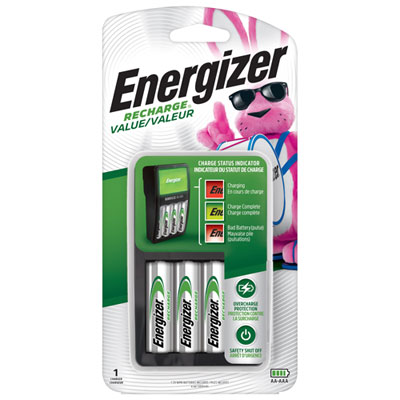 Your price for this item is $29.99
 -
 Your price for this item is $399.99
 -
 Your price for this item is $229.99
 -
 Your price for this item is $34.99
 -
 Your price for this item is $199
 -
 Your price for this item is $44.04
 -
 Your price for this item is $89.99
Discover more categories related to High Capacity 18650 Batteries

Top Collections:
Pokemon Centers, Kindle Devices, Best Budget Office Chairs, Apple iPhones 16, Best Laptops for Writers, iPhone 15 Apple, Canon G7X Cameras, Refurbished Apple Laptops, Alarm Clock, Motorola Razr Phones
Some products may be subject to Environmental Handling Fees
(EHF) depending on your province.
Learn more about EHFs.