Lithium Button Batteries
Power up your devices with our selection of lithium button batteries. These compact and reliable power sources are essential for various small electronics, from watches and calculators to key fobs and medical devices. Designed for long-lasting performance, lithium button batteries are known for their high energy density and stable voltage, ensuring your gadgets run smoothly when you need them most. Explore our range of lithium button batteries to find the right fit for your devices and enjoy uninterrupted power on the go.
Sort
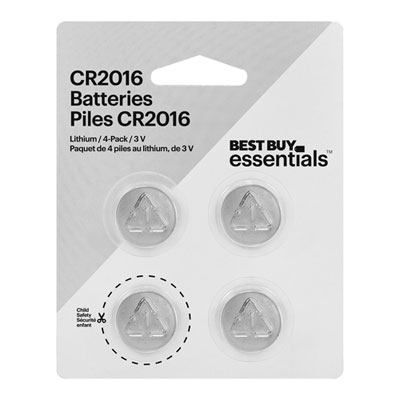
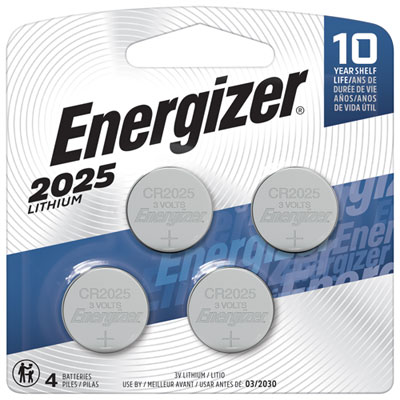

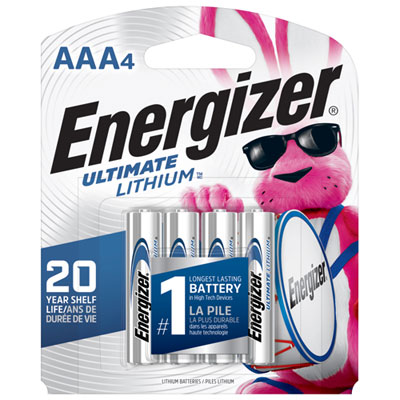
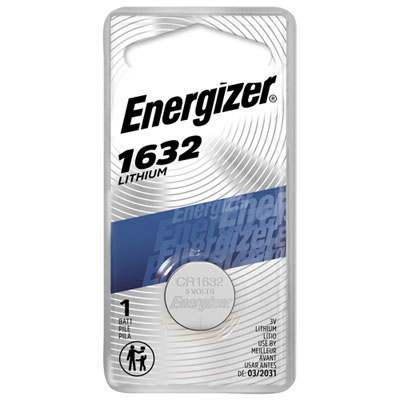
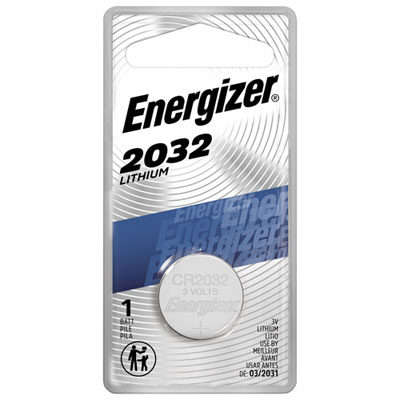
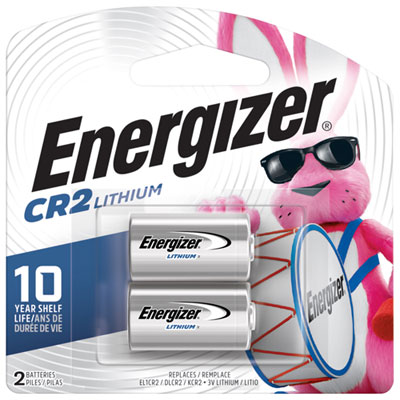
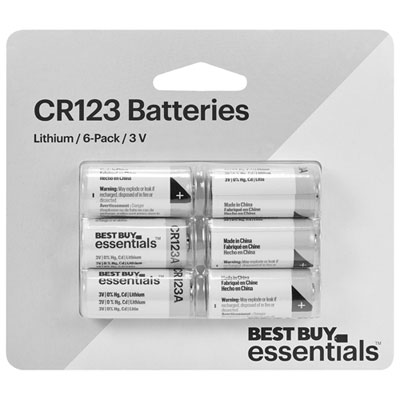
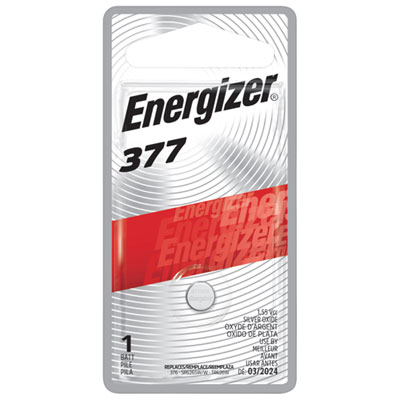
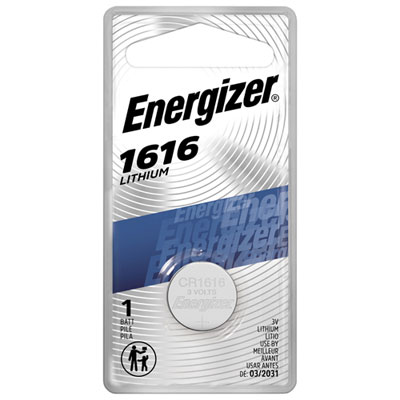
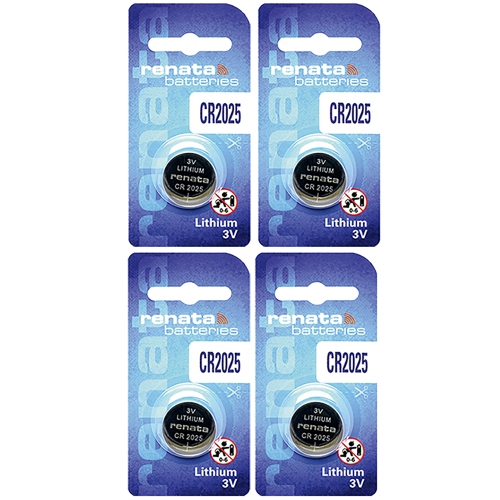
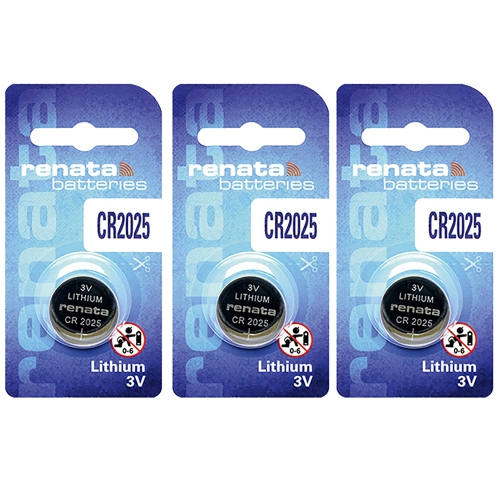
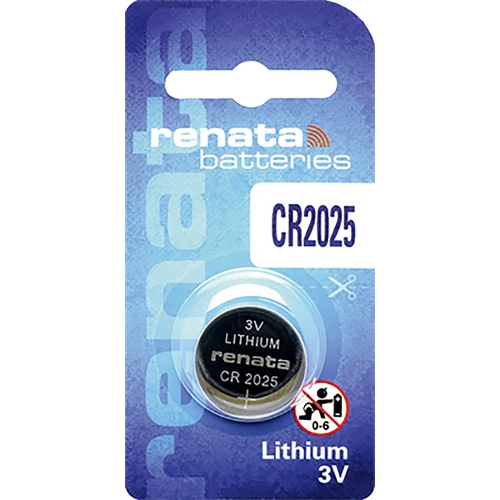
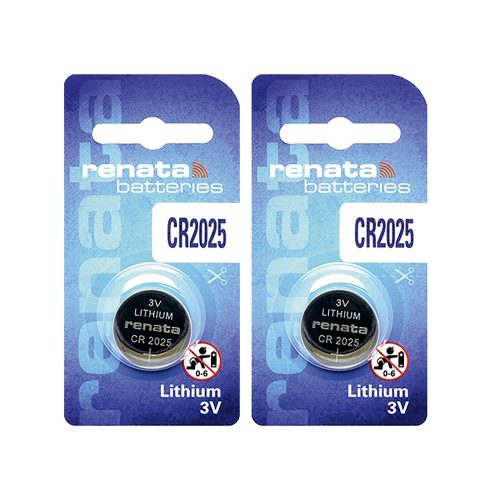
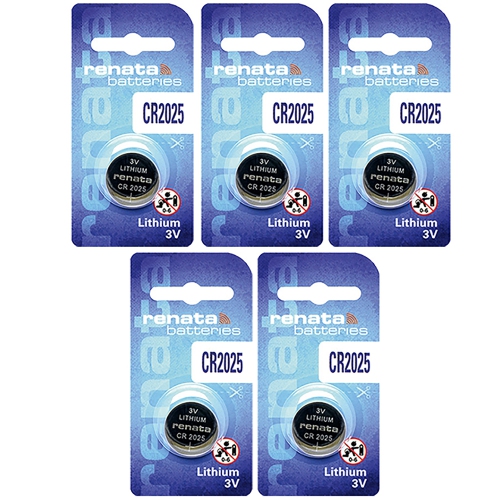
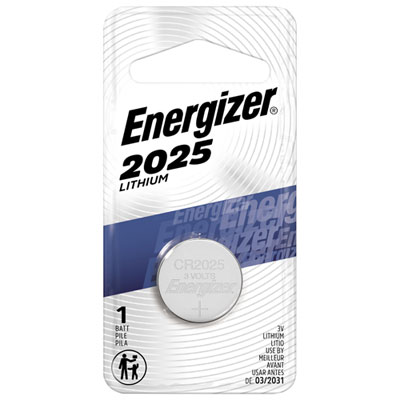
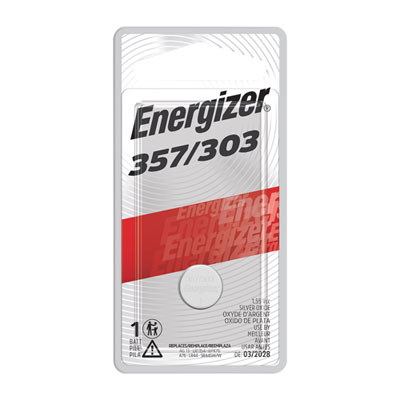
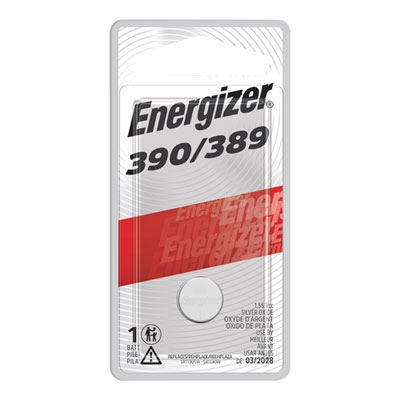
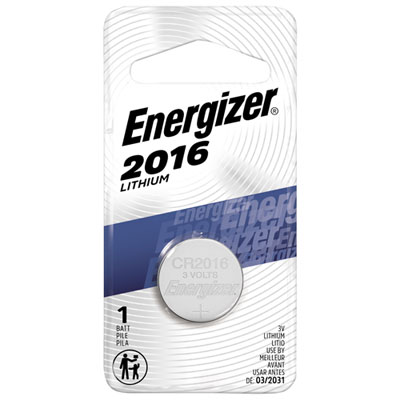
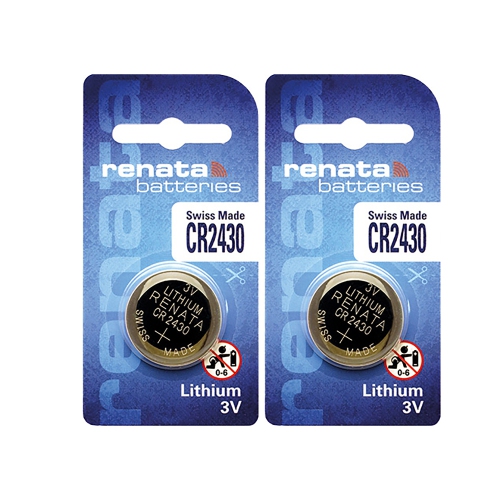
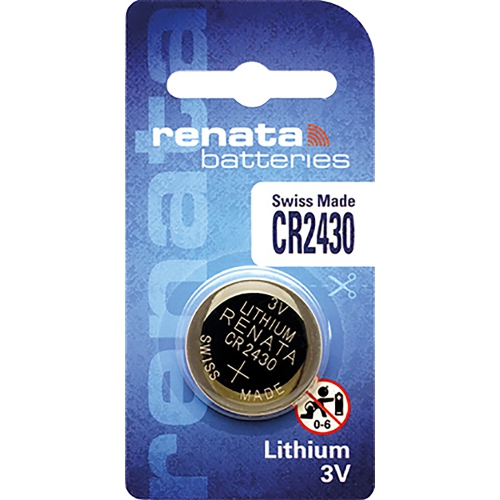
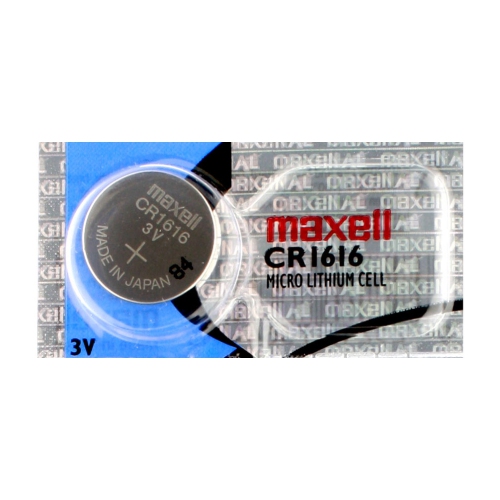
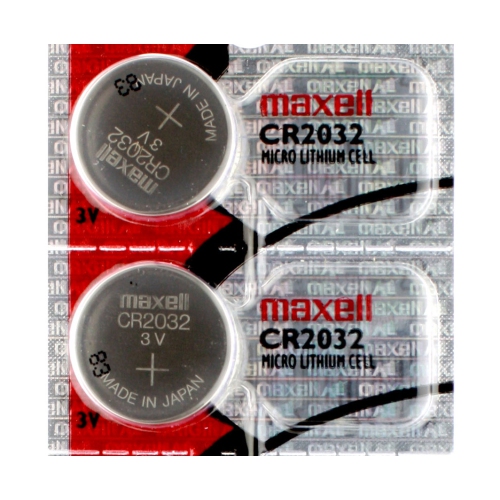
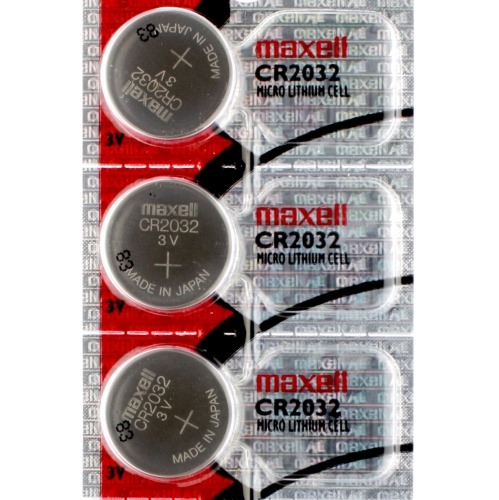
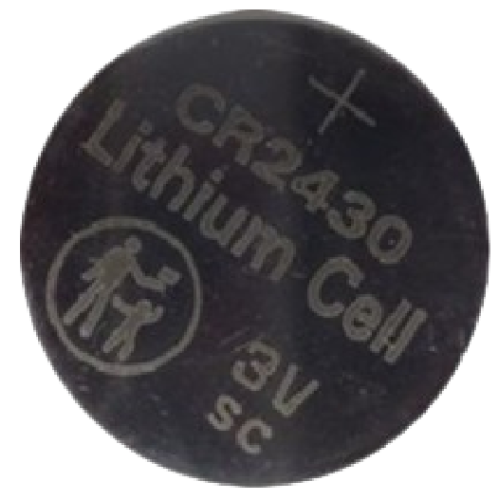

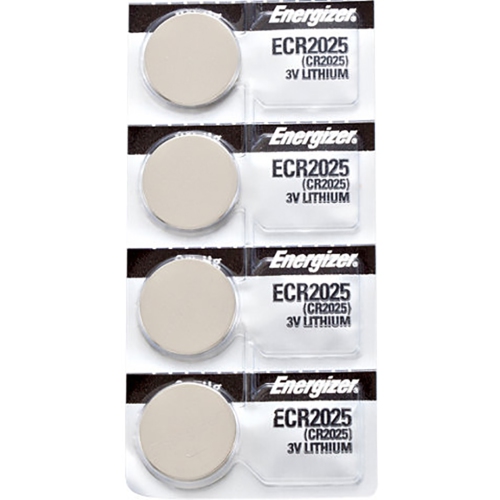


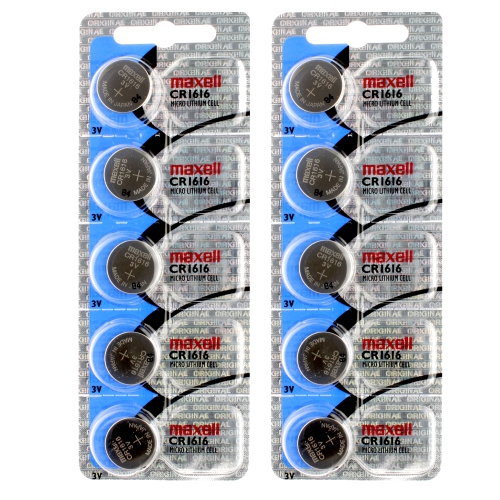
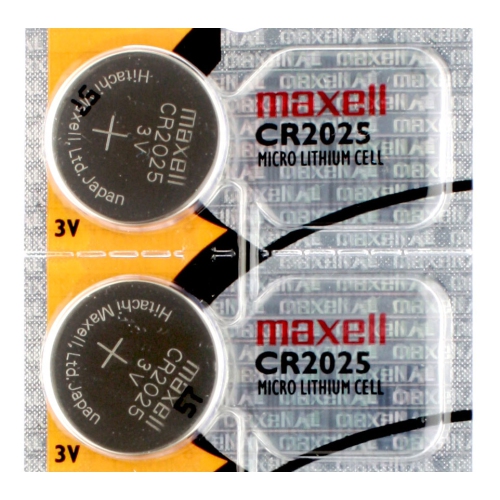
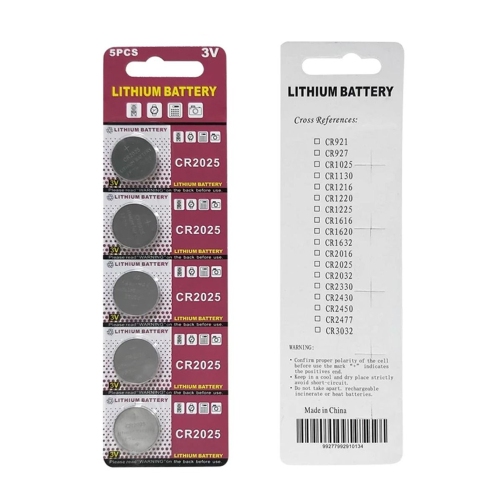
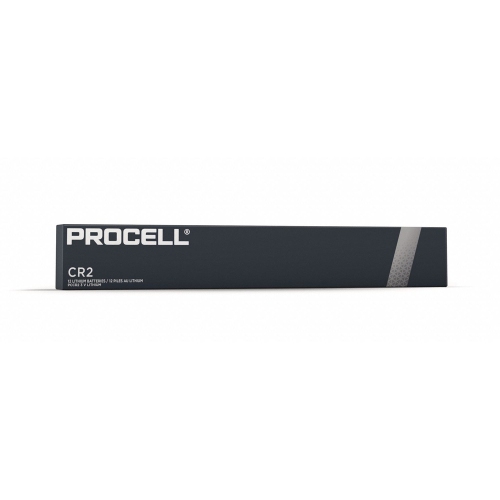
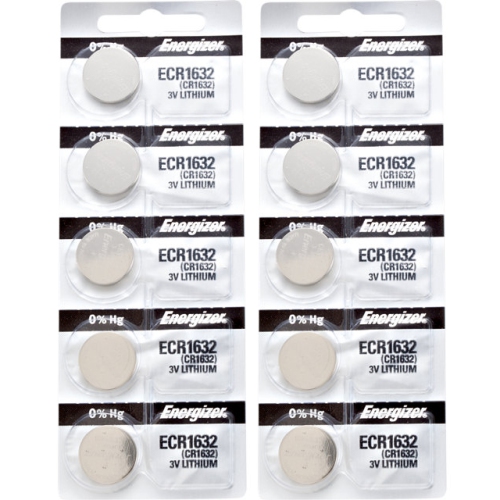

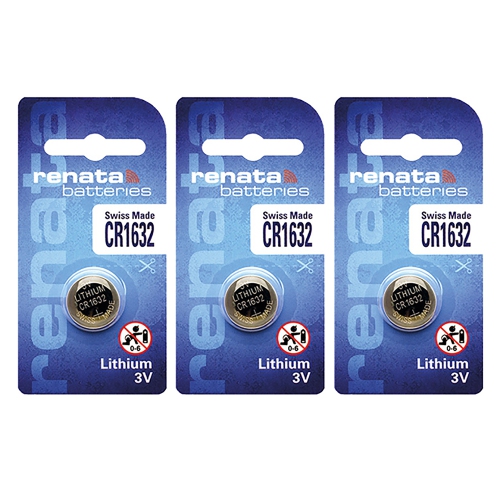
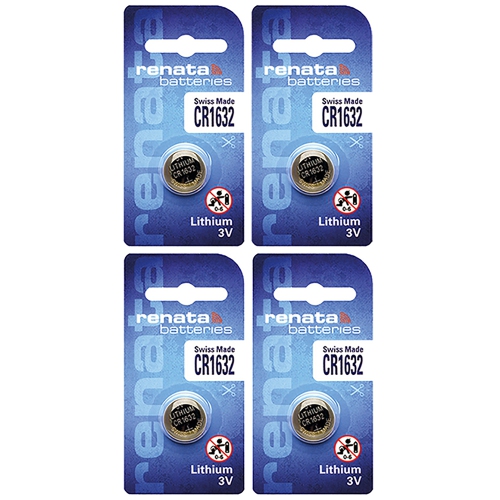
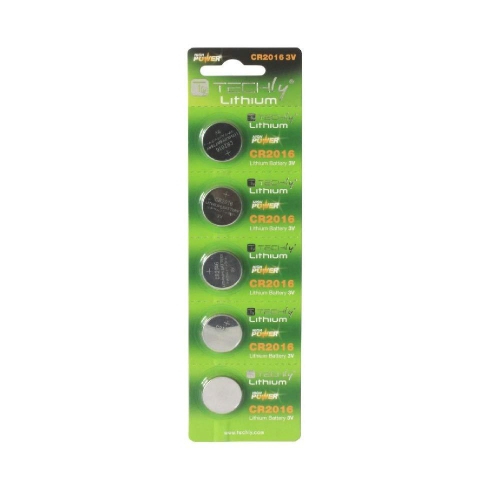
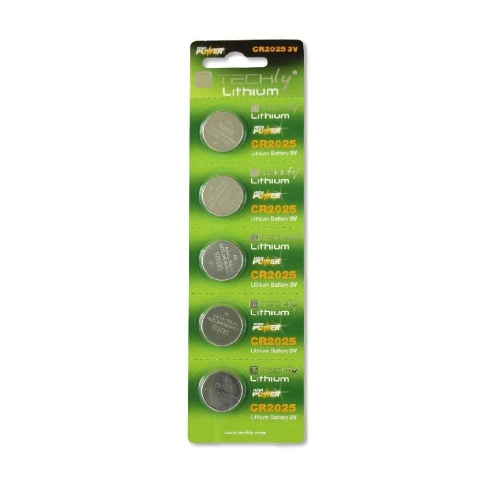
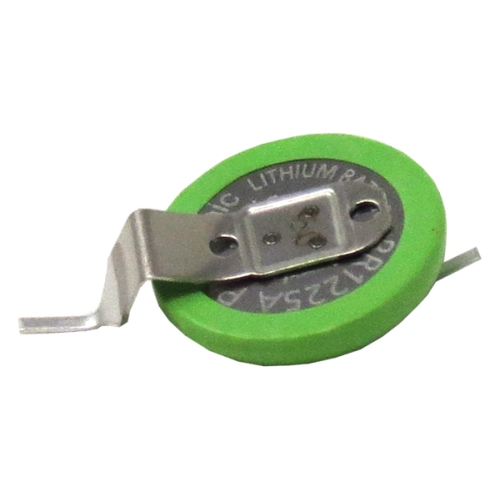
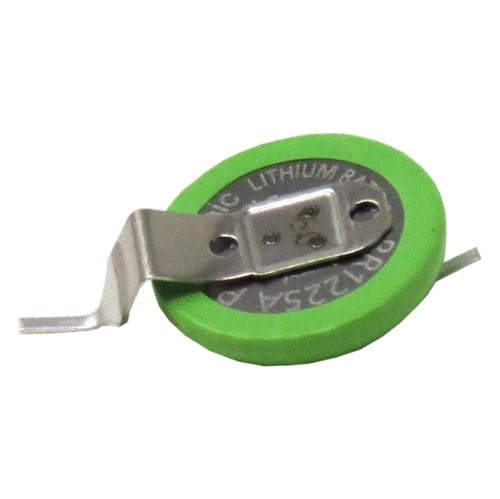
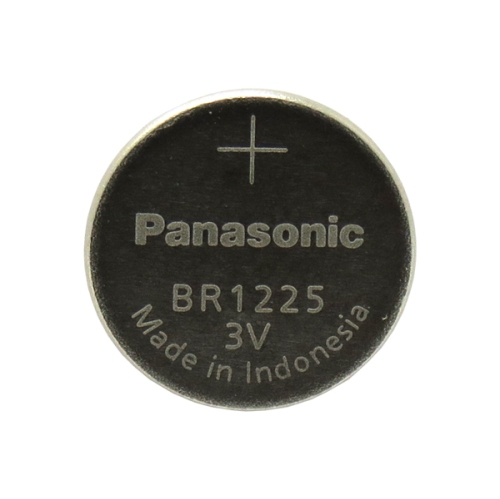
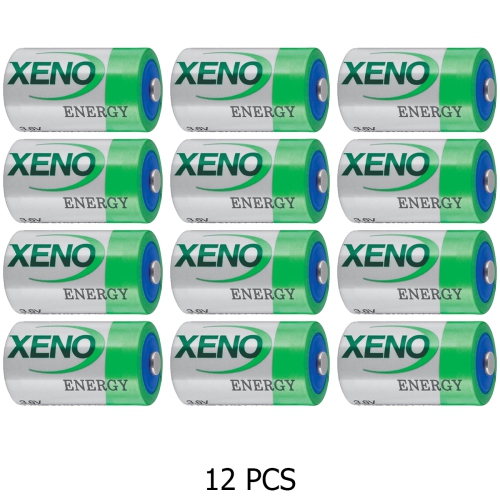
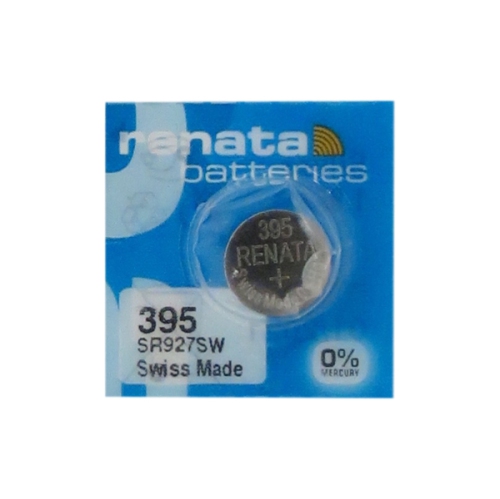

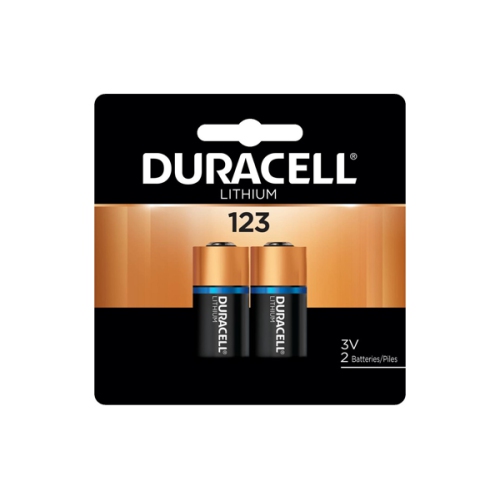
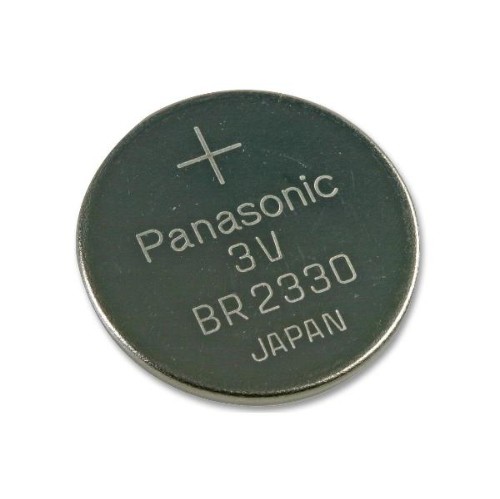
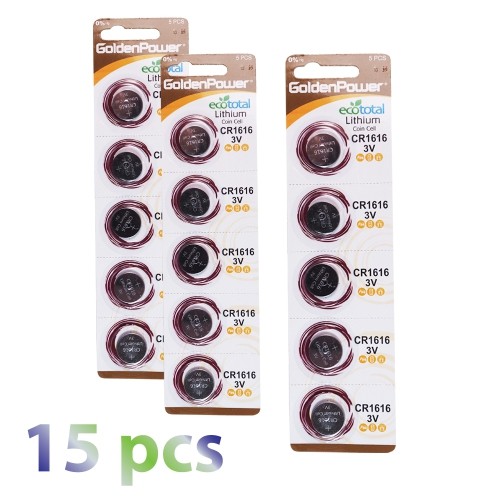
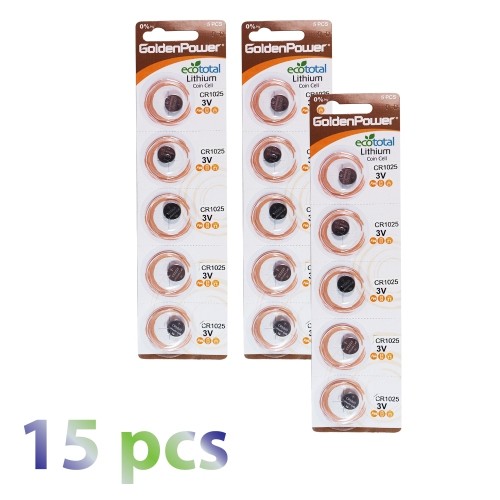
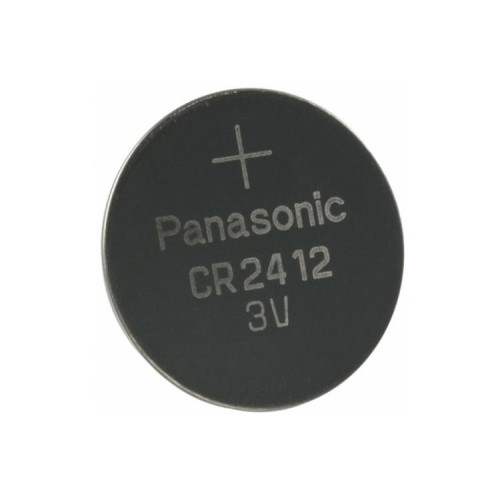


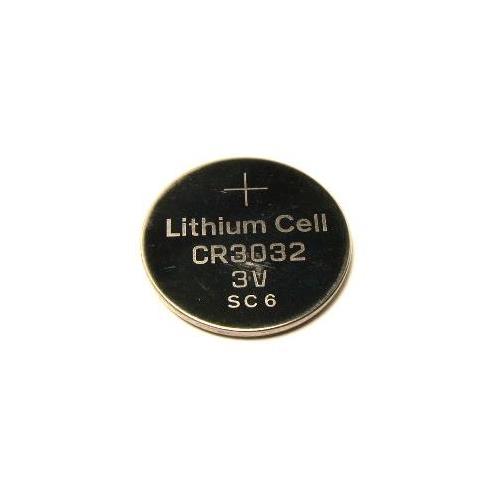

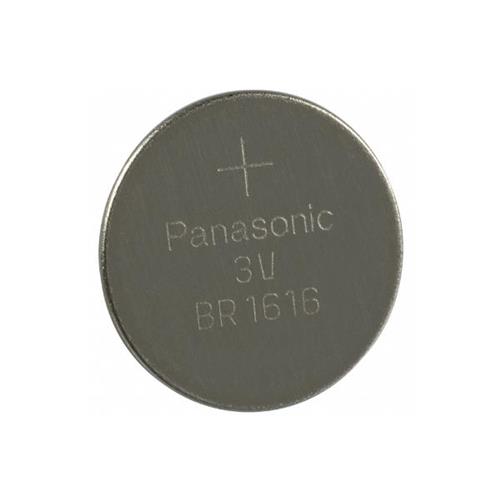
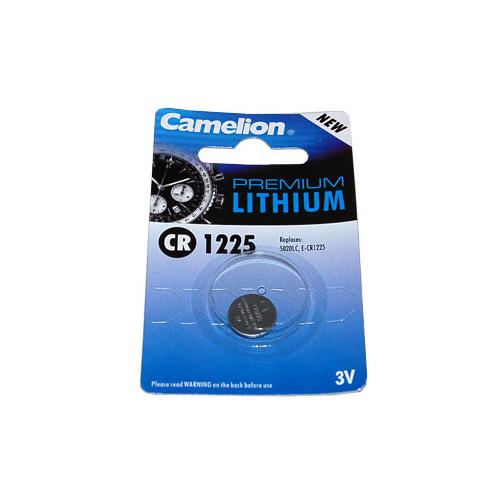
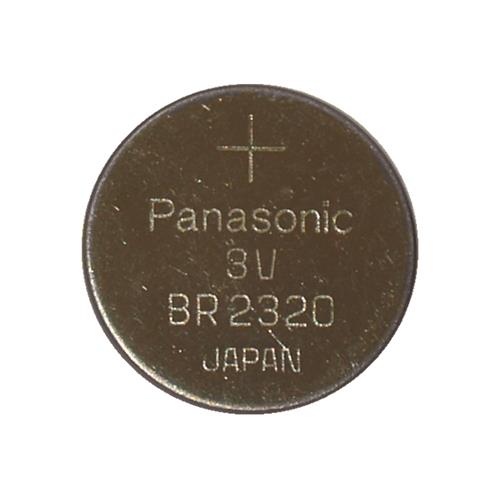
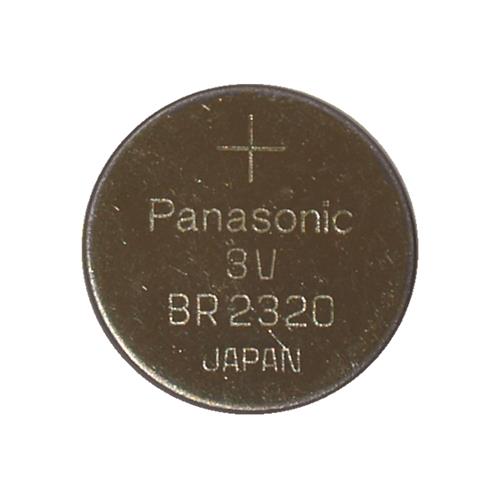
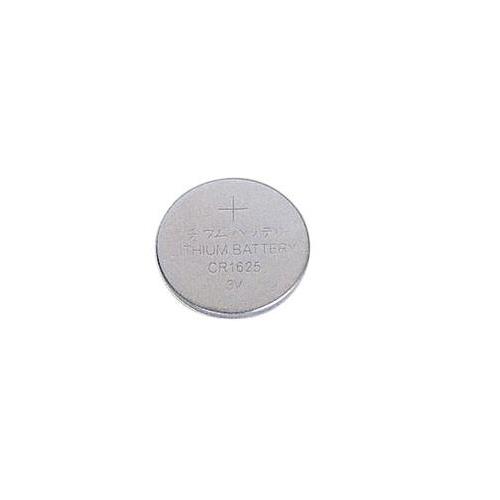
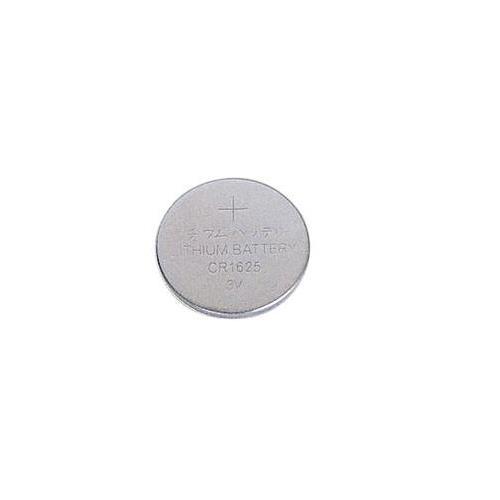
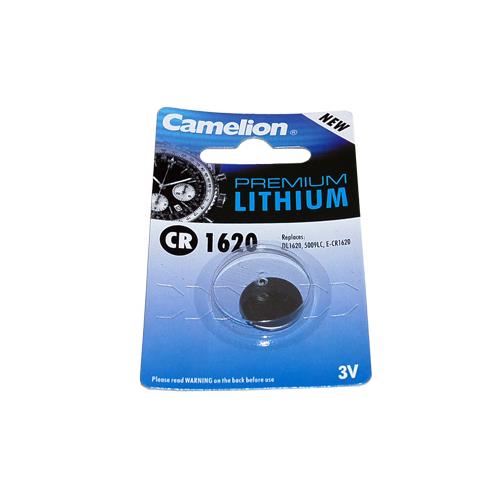
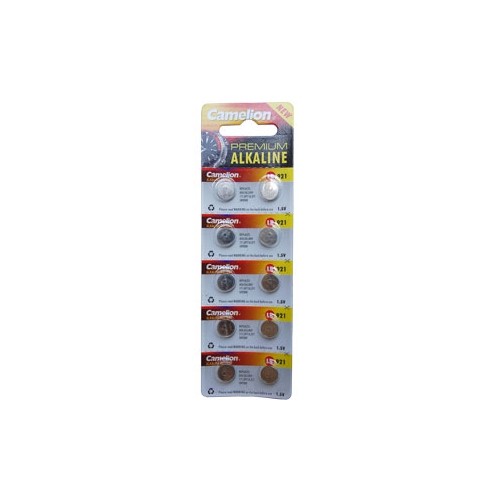
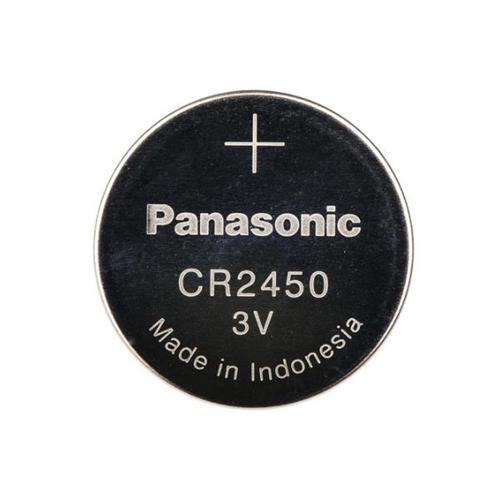
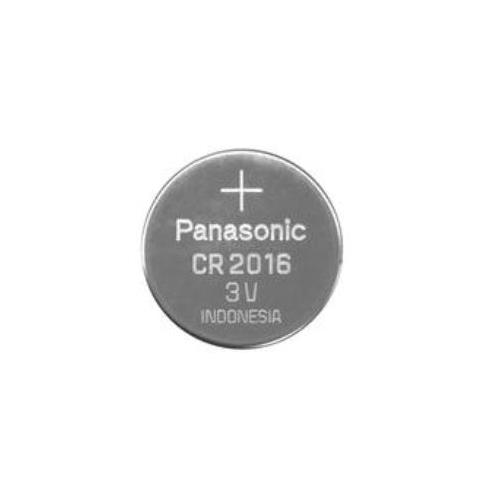



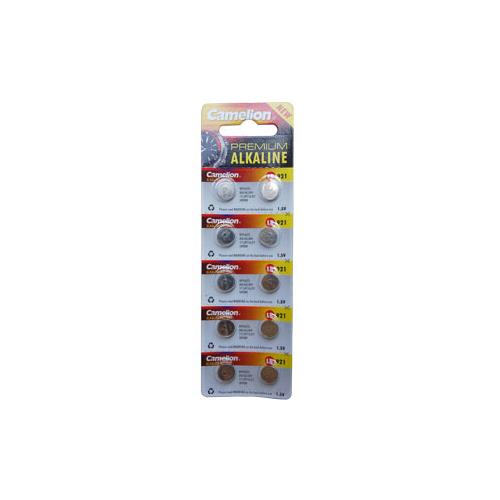

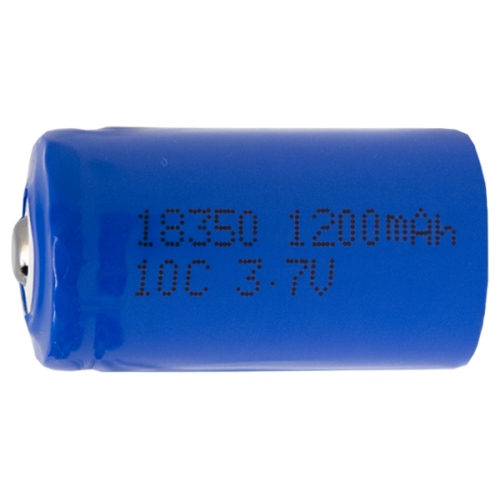
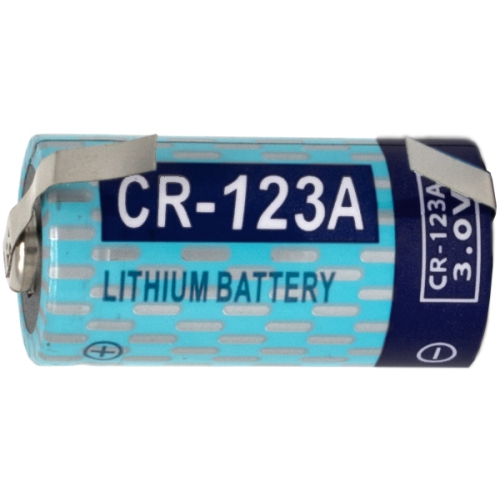
Small-device power with important compatibility and safety guidance
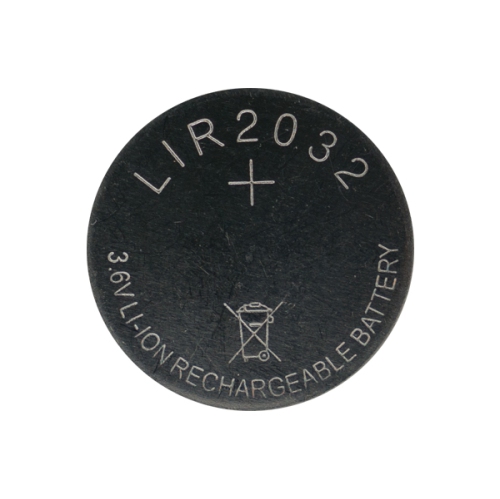
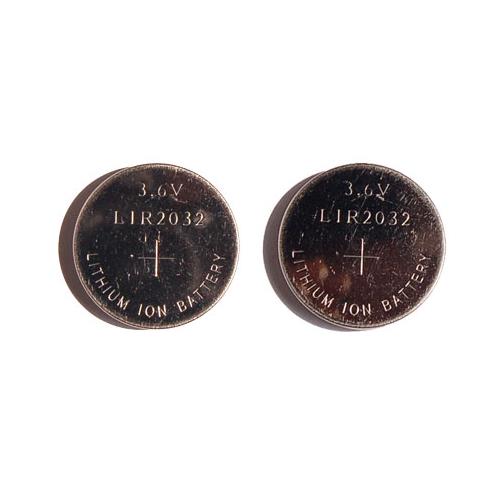
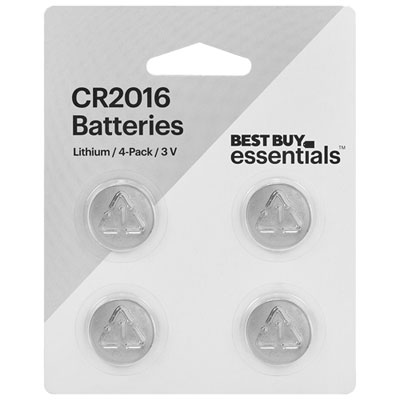
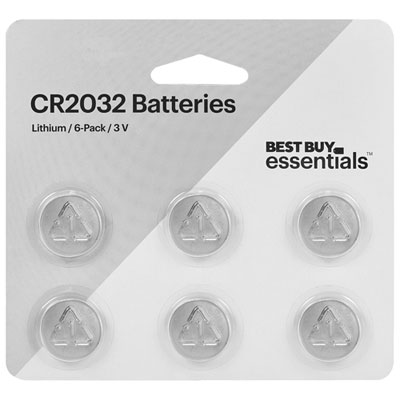
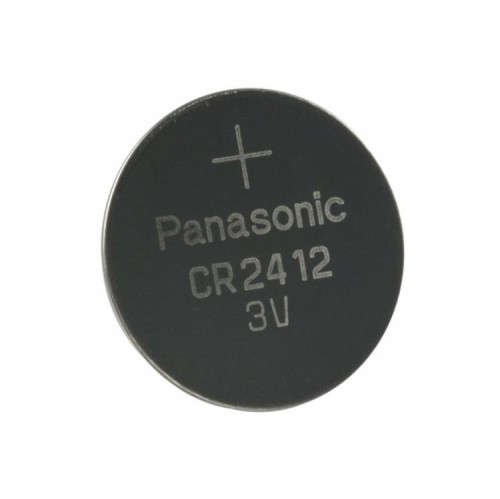
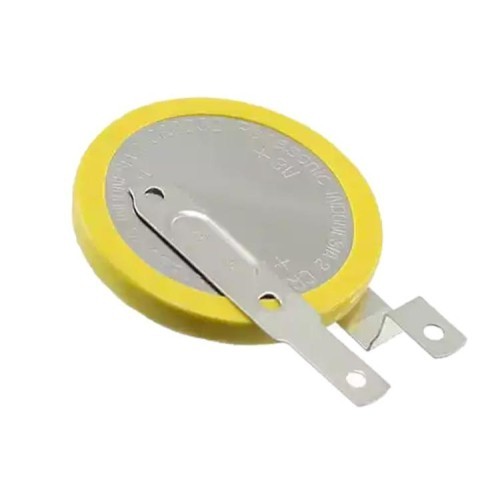
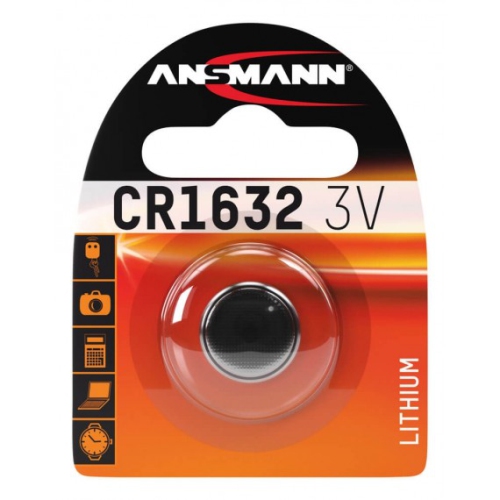
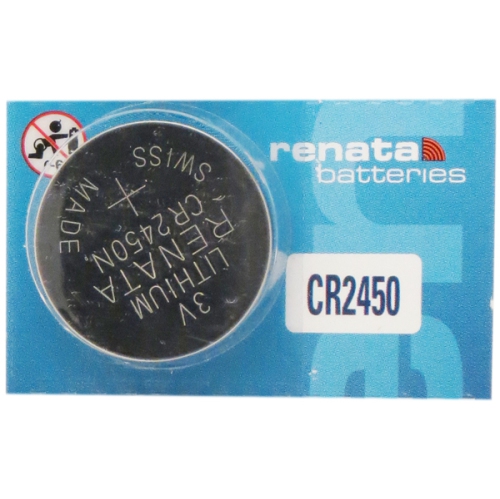
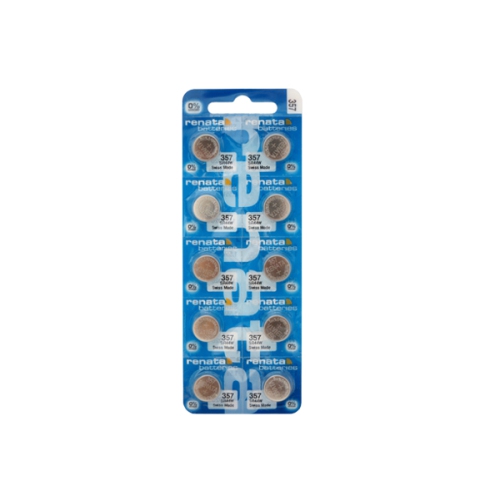
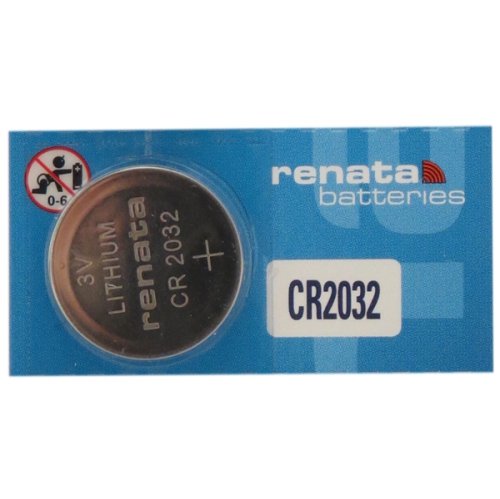
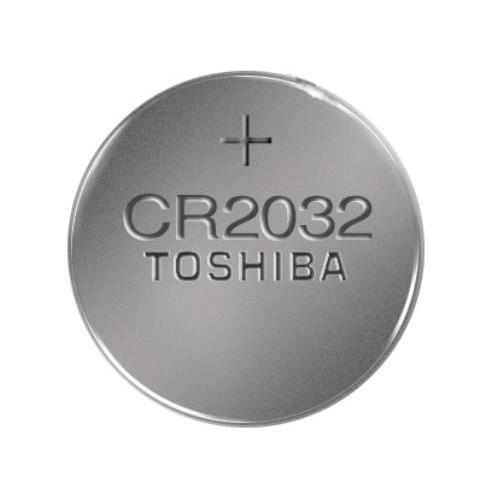
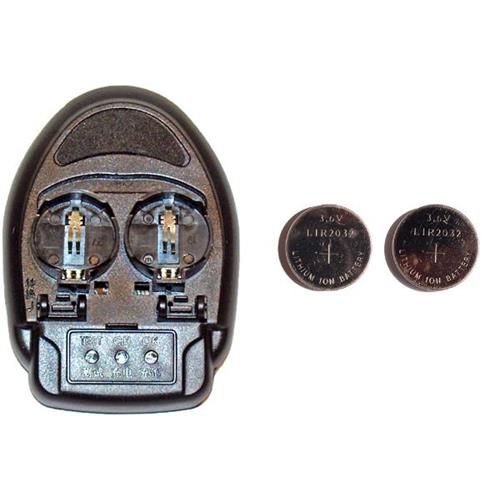
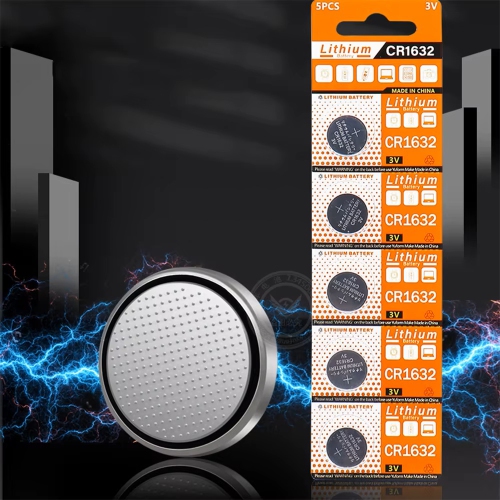
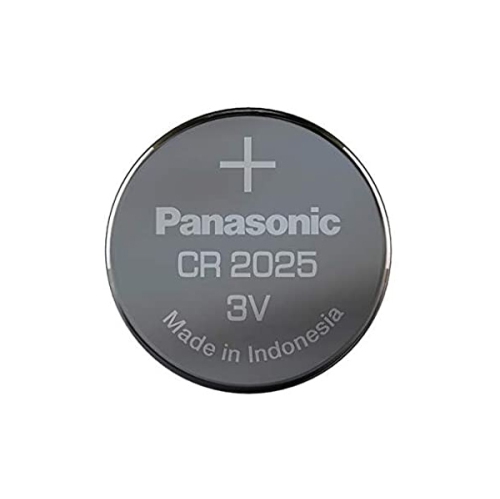
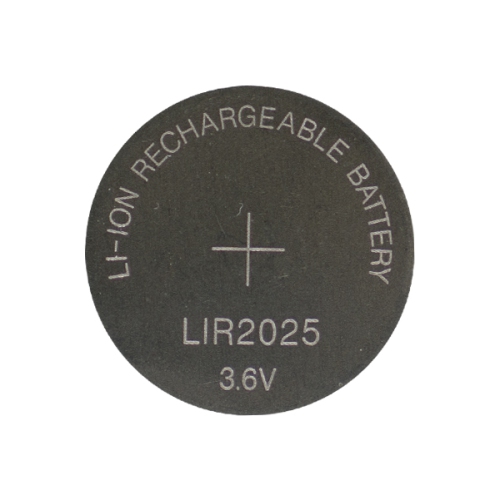
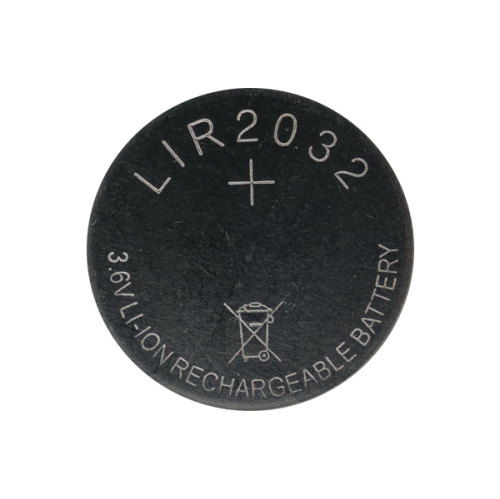
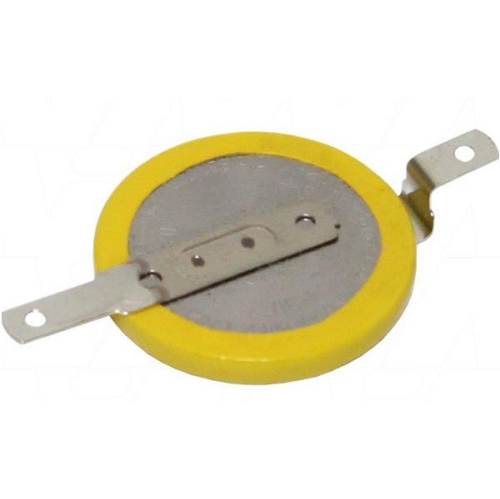
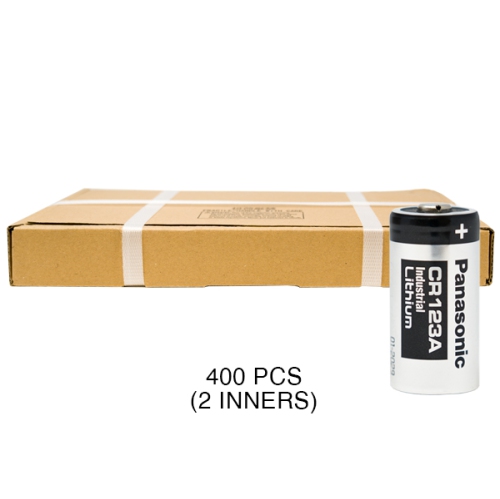
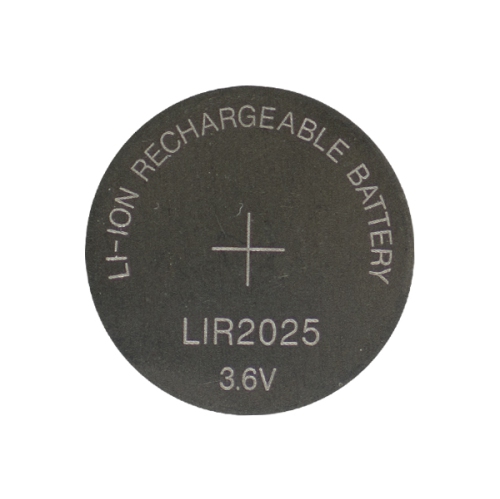
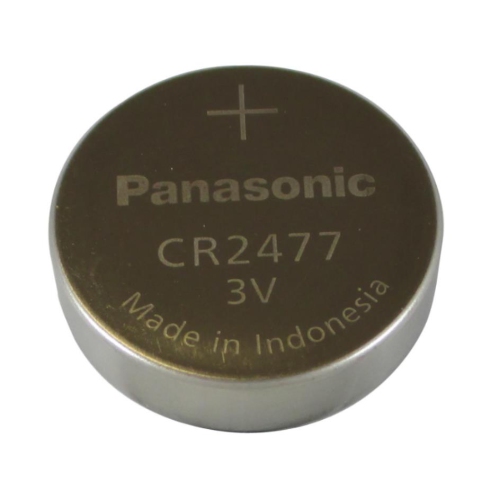
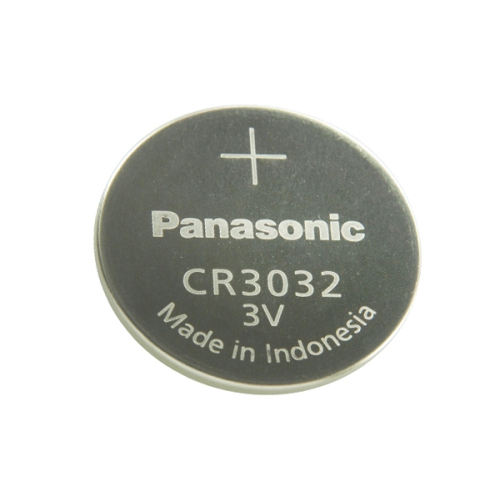
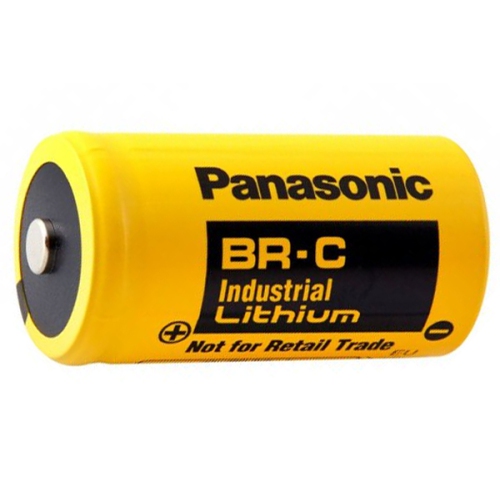
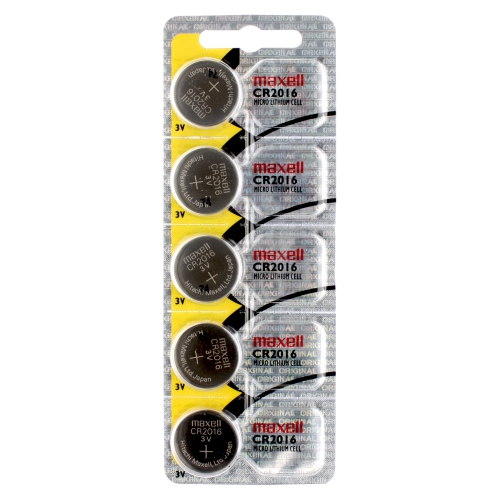
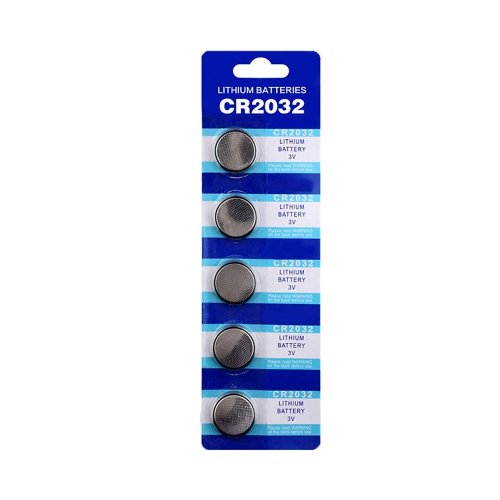
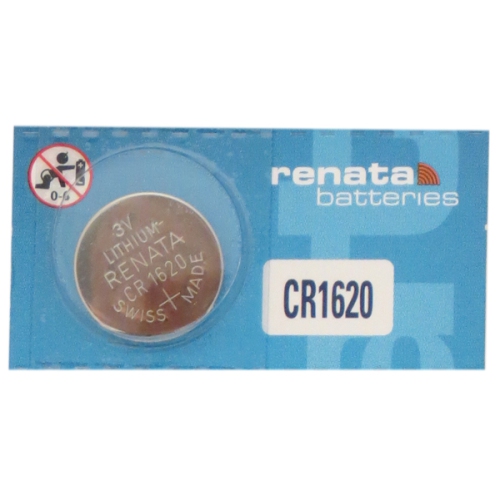
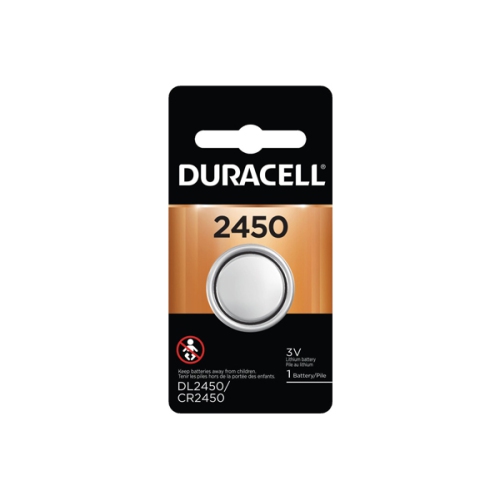
Lithium button batteries are compact, round power cells designed for electronics that need dependable energy in a very small space. Commonly found in car key fobs, watches, calculators, digital thermometers, small remotes, computer accessories, fitness devices, hearing-related equipment and other compact electronics, these batteries typically provide a steady 3-volt output. Their high energy density allows a small cell to deliver useful power without adding noticeable weight or bulk, making them practical for devices that spend much of their time in a pocket, handbag, drawer or vehicle. Most lithium button batteries are single-use cells, although rechargeable button batteries are available for certain applications and must only be used when the device specifically supports them. When selecting a replacement, match the code printed on the original battery or listed in the device manual. Common designations include CR2032, CR2025, CR2016 and CR2450, with the numbers identifying the cell’s approximate diameter and thickness. Batteries that look nearly identical can have different capacities, dimensions or performance characteristics, so a cell that fits loosely, sits too high or has a different code may not be a suitable substitute. Checking the positive and negative markings before installation also helps prevent incorrect placement. If the original battery is unavailable, consult the manufacturer’s instructions or the device maker rather than relying on appearance alone. For shoppers comparing packs, consider how many devices are used at home, whether replacements are needed for several family members and how often each device is used. A multi-pack can be convenient for a household with several key fobs, watches or small electronic accessories, while a smaller pack may be a better fit when only one replacement is needed. Lithium cells can retain their charge for years when stored properly, so an unopened pack may be useful to keep with household essentials, travel accessories or a drawer of frequently needed electronics.
Safe handling is especially important because button batteries are small enough to be swallowed by young children and can cause severe internal chemical burns and life-threatening injuries within hours if lodged in the body. Keep new and used batteries out of sight and reach of children and pets, and leave them in their original child-resistant packaging until needed. Packaging designed to make access more difficult is helpful, but it is not a substitute for secure storage and supervision. Store batteries in a cool, dry place away from loose objects such as coins, keys, paper clips and other metal items that could bridge the terminals and create heat. Do not carry loose button batteries in a pocket, purse compartment or drawer where they can contact metal objects. Keep them away from heat, moisture and direct sunlight, and avoid storing them in refrigerators or freezers unless the manufacturer specifically recommends it. Before fitting a replacement, inspect the battery and device compartment for corrosion, damage or a loose contact. Do not use a cell that is swollen, leaking, dented, punctured or otherwise damaged, and never attempt to recharge a single-use lithium button battery. Avoid bending, crushing, opening or exposing a battery to fire. If a device will be stored for an extended period, follow its instructions about removing the battery; this can help prevent leakage or damage to the contacts. Dispose of used batteries promptly through an appropriate local battery collection or recycling programme, keeping them separated from new cells and covering exposed terminals as recommended by local guidelines. If a child or another person may have swallowed or inserted a button battery, seek emergency medical assistance immediately and do not wait for symptoms to appear. Do not induce vomiting or give food or drink unless directed by medical professionals.
Choosing the right lithium button battery is primarily about compatibility, dependable storage and safe everyday use. Start with the device: a car key fob may require a different thickness from a watch, while a thermometer or electronic accessory may call for a particular voltage and capacity. Check the battery compartment, instruction manual or original packaging for the exact code, and compare the quantity in each pack with the number of devices that require replacements. It is useful to keep a written note or photograph of the required size before shopping, particularly when several cells in the home appear similar. For devices used outdoors during cooler months, such as vehicle remotes or compact lighting accessories, proper installation and a fresh cell can help maintain reliable operation, but battery performance may vary with temperature and usage. Replace a weak cell when a display dims, a remote becomes unreliable or a device warns of low power, rather than waiting until the battery is completely depleted. Some equipment, including medical devices, may have strict battery requirements; follow the care instructions provided by the healthcare professional or device manufacturer and keep a suitable spare only when advised. Lithium button batteries can also be compared with other compact cell types when shopping for a replacement. For devices that specify a different chemistry, explore Oxide Button Batteries instead of assuming that any round cell will work. With the correct size, the appropriate chemistry and careful storage, these small batteries can provide convenient, long-lasting power for the compact electronics that support daily routines at home, in the car and while travelling.
Safe handling is especially important because button batteries are small enough to be swallowed by young children and can cause severe internal chemical burns and life-threatening injuries within hours if lodged in the body. Keep new and used batteries out of sight and reach of children and pets, and leave them in their original child-resistant packaging until needed. Packaging designed to make access more difficult is helpful, but it is not a substitute for secure storage and supervision. Store batteries in a cool, dry place away from loose objects such as coins, keys, paper clips and other metal items that could bridge the terminals and create heat. Do not carry loose button batteries in a pocket, purse compartment or drawer where they can contact metal objects. Keep them away from heat, moisture and direct sunlight, and avoid storing them in refrigerators or freezers unless the manufacturer specifically recommends it. Before fitting a replacement, inspect the battery and device compartment for corrosion, damage or a loose contact. Do not use a cell that is swollen, leaking, dented, punctured or otherwise damaged, and never attempt to recharge a single-use lithium button battery. Avoid bending, crushing, opening or exposing a battery to fire. If a device will be stored for an extended period, follow its instructions about removing the battery; this can help prevent leakage or damage to the contacts. Dispose of used batteries promptly through an appropriate local battery collection or recycling programme, keeping them separated from new cells and covering exposed terminals as recommended by local guidelines. If a child or another person may have swallowed or inserted a button battery, seek emergency medical assistance immediately and do not wait for symptoms to appear. Do not induce vomiting or give food or drink unless directed by medical professionals.
Choosing the right lithium button battery is primarily about compatibility, dependable storage and safe everyday use. Start with the device: a car key fob may require a different thickness from a watch, while a thermometer or electronic accessory may call for a particular voltage and capacity. Check the battery compartment, instruction manual or original packaging for the exact code, and compare the quantity in each pack with the number of devices that require replacements. It is useful to keep a written note or photograph of the required size before shopping, particularly when several cells in the home appear similar. For devices used outdoors during cooler months, such as vehicle remotes or compact lighting accessories, proper installation and a fresh cell can help maintain reliable operation, but battery performance may vary with temperature and usage. Replace a weak cell when a display dims, a remote becomes unreliable or a device warns of low power, rather than waiting until the battery is completely depleted. Some equipment, including medical devices, may have strict battery requirements; follow the care instructions provided by the healthcare professional or device manufacturer and keep a suitable spare only when advised. Lithium button batteries can also be compared with other compact cell types when shopping for a replacement. For devices that specify a different chemistry, explore Oxide Button Batteries instead of assuming that any round cell will work. With the correct size, the appropriate chemistry and careful storage, these small batteries can provide convenient, long-lasting power for the compact electronics that support daily routines at home, in the car and while travelling.
Top selling and popular products
-
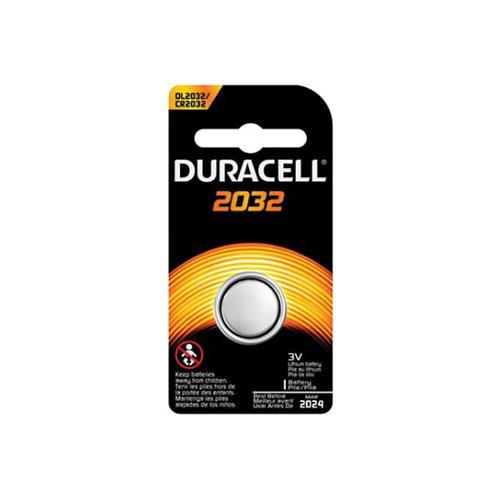 Your price for this item is $25.97
 -
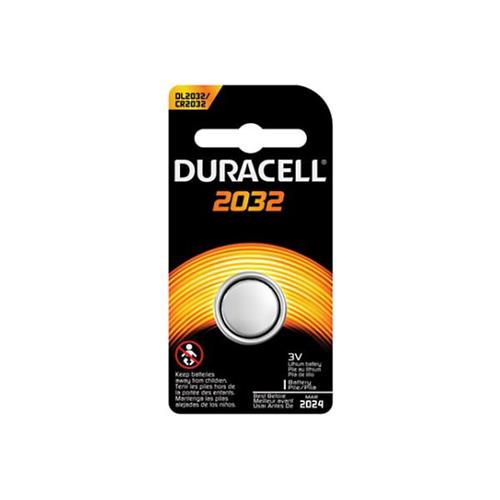 Your price for this item is $45.97
 -
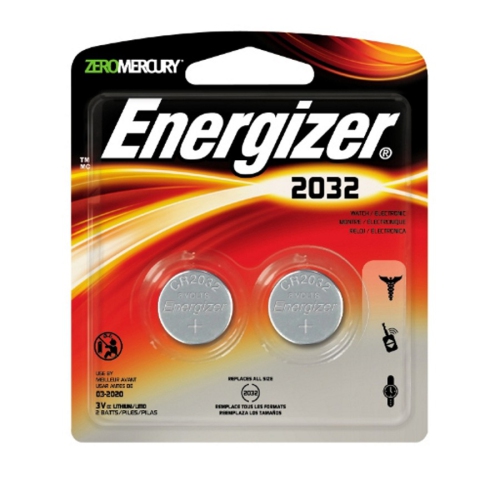 Your price for this item is $9.99
 -
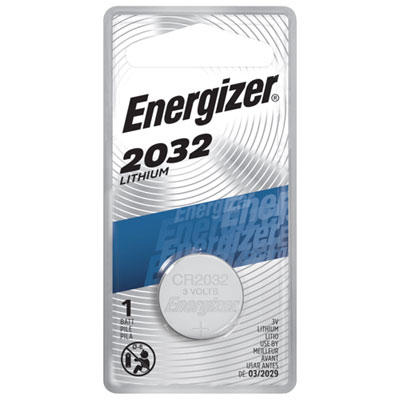 Your price for this item is $10.99
 -
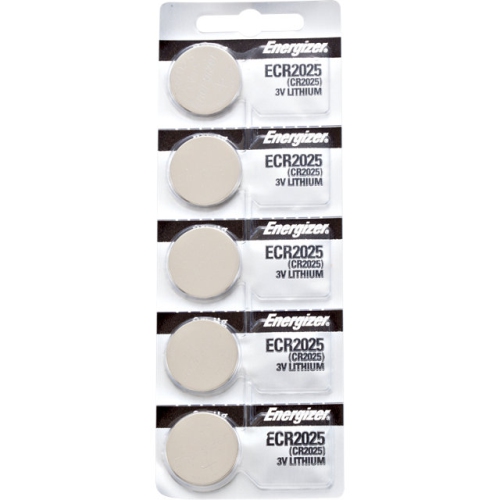 Your price for this item is $6.99
 -
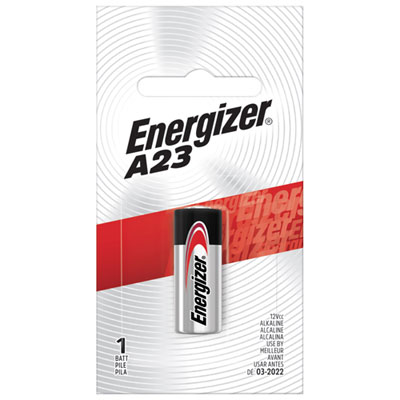 Your price for this item is $6.97
 -
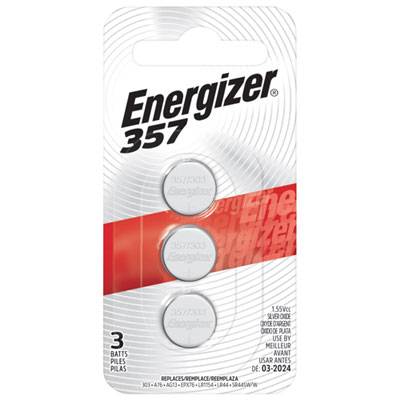 Your price for this item is $12.99
 -
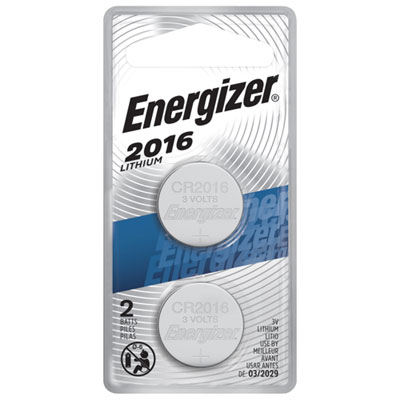 Your price for this item is $10.99
Discover more categories related to Lithium Button Batteries
Top Collections:
Pokemon Centers, Kindle Devices, Best Budget Office Chairs, Apple iPhones 16, Best Laptops for Writers, iPhone 15 Apple, Canon G7X Cameras, Refurbished Apple Laptops, Alarm Clock, Motorola Razr Phones
Some products may be subject to Environmental Handling Fees
(EHF) depending on your province.
Learn more about EHFs.