Locker Organizers
Looking to declutter your space and keep everything in order? Look no further than our selection of locker organizers. Whether you need to tidy up your school locker, gym locker, or workplace storage unit, these organizers are designed to maximize space and make your life easier. From shelves and hooks to magnetic bins and file holders, our range of locker organizers offers practical solutions for keeping your belongings neatly arranged and easily accessible. Say goodbye to the chaos and hello to a more organized and efficient storage solution with our top-quality locker organizers.
Sort
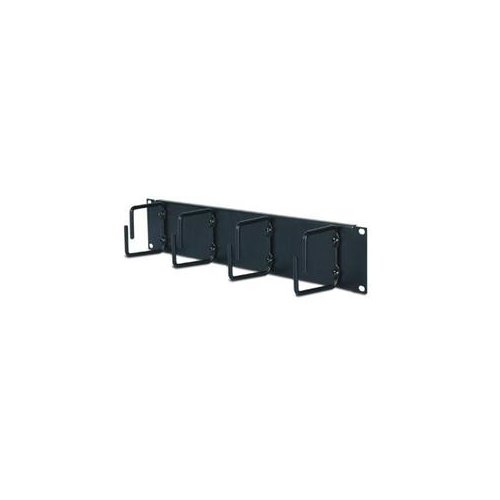
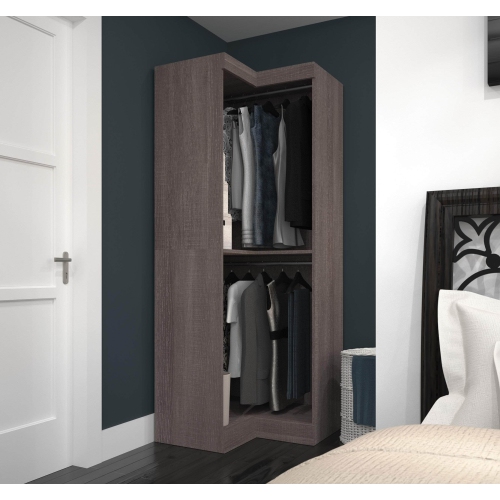

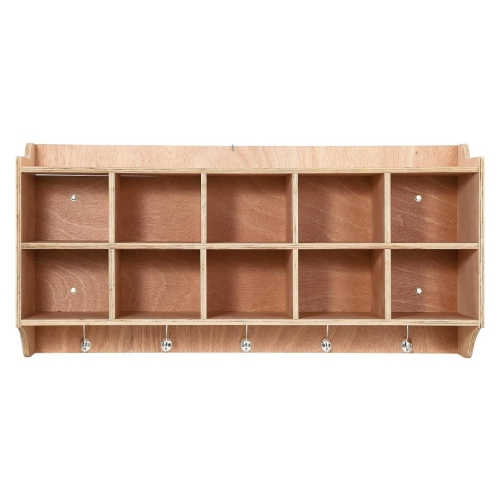
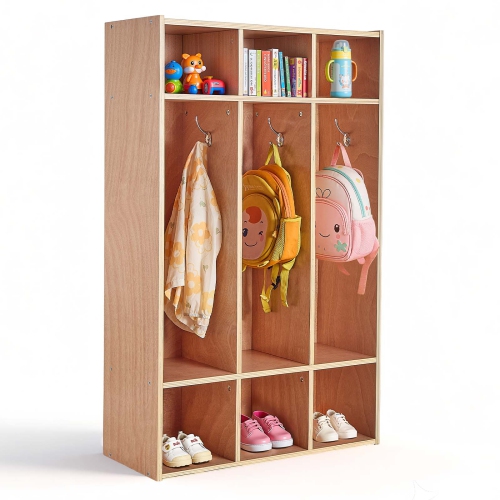
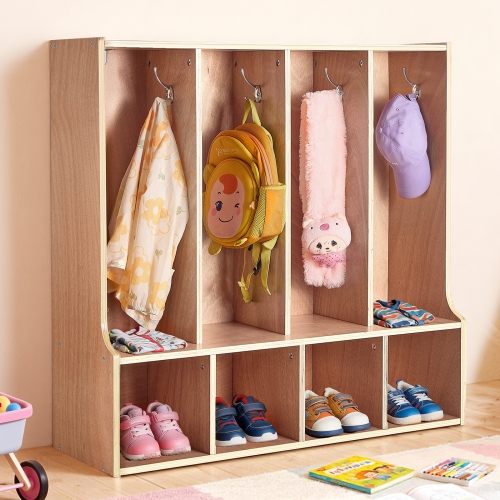
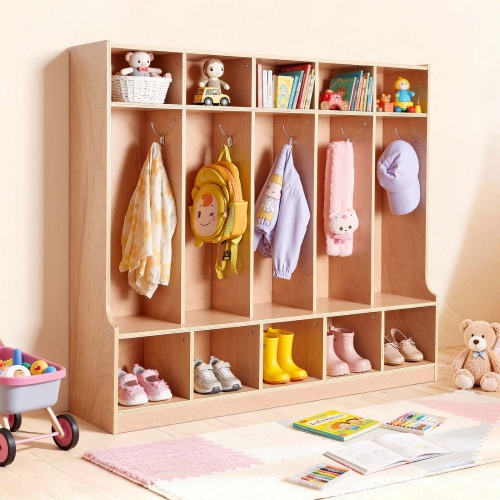
Less rummaging starts with a locker layout that fits
Locker organizers bring structure to a space that often has to hold much more than its narrow shape suggests. A few textbooks, a lunch bag, a pair of shoes, and a jacket can quickly turn an undivided compartment into a pile, leaving smaller belongings buried at the bottom. By separating that space into useful zones, organizers make it easier to see what is inside and reach what is needed without emptying the locker. For students, that might mean keeping notebooks upright and leaving a clear spot for a backpack between classes. At a workplace, it could mean separating personal belongings from a uniform or keeping everyday essentials within reach during a short break. At a gym or recreation centre, the priority may be keeping clean clothing apart from footwear while giving keys and other small possessions a consistent place. The most useful arrangement depends on what goes into the locker each day, rather than how many compartments an organizer has. Open shelving can divide tall spaces, hanging storage can use the area beneath a hook, and shallow pockets can keep small belongings visible without taking up the entire interior. A clear space near the front is especially helpful when a locker must be opened and closed quickly. Colour can also serve a practical purpose: contrasting compartments make it easier to distinguish school supplies from personal accessories at a glance. For children learning to manage their own belongings, a simple layout with a few obvious destinations is often easier to maintain than an arrangement filled with tiny sections. Older students and adults may prefer a more understated setup that keeps the contents tidy without drawing attention. Locker organizers can also make thoughtful, practical gifts for someone starting at a new school, taking on a job with assigned storage, or establishing a regular fitness routine, particularly when the locker’s dimensions and the recipient’s daily habits are known.
Fit matters as much as storage capacity because lockers vary in width, depth, height, and interior layout. The usable space may be smaller than the outer dimensions suggest, especially around door frames, hinges, built-in shelves, and locking mechanisms. Measuring the inside of the locker and checking the opening helps establish whether an organizer can be inserted, positioned, and used comfortably. It is also worth considering the space needed for the door to close when pockets are filled or clothing is hanging inside. An organizer that fits neatly when empty may feel crowded once a lunch container or bulky bag is added. Adjustable designs can offer flexibility, but their adjustment range still needs to suit the space. Freestanding structures need a level base and enough clearance to remain stable, while hanging designs rely on the placement and strength of the existing hooks or rail. Magnetic attachments require a compatible metal surface; they will not hold on every locker material, and a painted or textured finish can affect how well they grip. Where storage is shared or assigned by a school, employer, or fitness facility, permitted attachment methods are another practical consideration. Materials influence both the feel of the setup and how it handles everyday use. Metal frames can provide firm support, though edges, joints, and protective finishes deserve attention wherever they may touch clothing or the locker interior. Plastic surfaces are often straightforward to wipe clean, with rounded corners helping reduce awkward snagging points. Fabric compartments offer a softer structure and can be convenient for lightweight belongings, while mesh sections make contents easier to identify and allow air to pass through. Neither fabric nor mesh is a substitute for keeping damp belongings out of enclosed storage for extended periods. For heavier books or equipment, the stated weight capacity is more meaningful than appearance alone. Shelf supports, seams, fasteners, and attachment points all contribute to durability, particularly when belongings are moved in and out several times a day.
A comfortable locker setup leaves room for the things that do not fit into neat compartments. A backpack may need to sit upright, a jacket needs space to hang without being pinched in the door, and a lunch bag should be easy to lift out without disturbing the contents around it. Placing frequently used belongings near the front and reserving less accessible areas for occasional essentials can reduce rummaging. Heavier contents generally belong lower down, within the organizer’s rated capacity, rather than balanced on a narrow upper shelf. Small pockets work best when their contents remain easy to identify; filling every pocket to the top can make a tidy-looking system frustrating to use. Visibility is particularly useful in a deep locker where the interior receives little light. Keeping pens, hair accessories, or a membership card in a consistent place can save a search at the start or end of a busy day, though an organizer itself does not provide security for valuables. Care is usually simpler when the layout allows each section to be removed without dismantling everything around it. Crumbs, dust, and marks from footwear can collect along shelf edges and in lower compartments, so accessible surfaces make routine cleaning less of a chore. Follow the material’s care instructions, use suitable cleaning methods, and let washed or wiped components dry fully before returning them to an enclosed locker. Fabric sections may have different washing requirements from rigid frames, and coated metal should be checked for damage that could leave rough spots exposed. Periodically checking loose fittings or stretched seams can help identify wear before it affects support. Similar habits can bring order to a desk or bedside space, where drawer organizers separate smaller belongings inside shallow storage. In a locker, the aim remains straightforward: give everyday essentials a dependable place while leaving enough open space to use the compartment naturally. A layout that suits real routines is easier to keep organized than one that needs constant rearranging.
Top selling and popular products
-
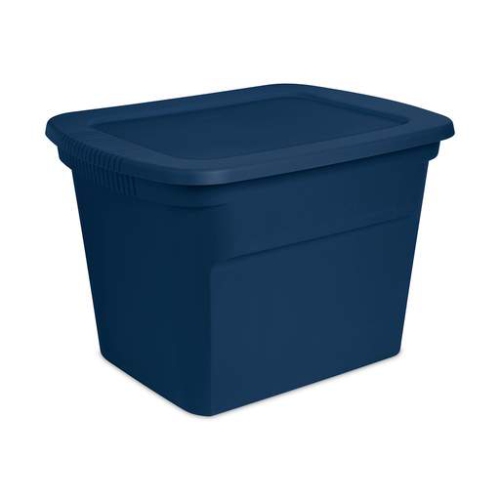 Your price for this item is $661.99
-
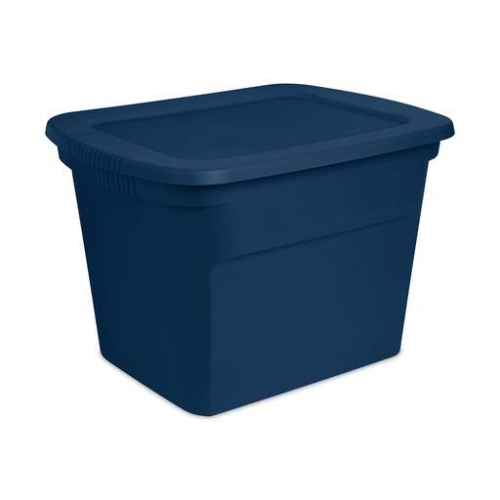 Your price for this item is $881.99
-
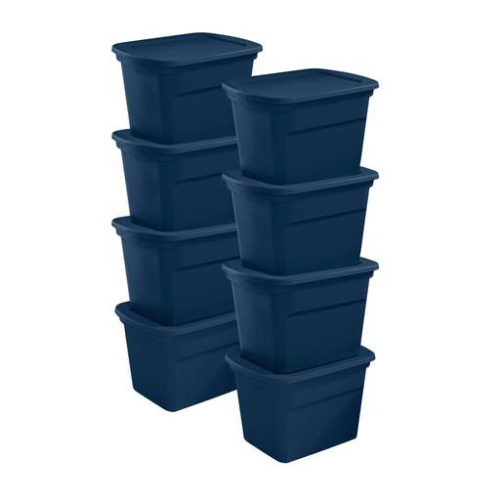 Your price for this item is $227.99
-
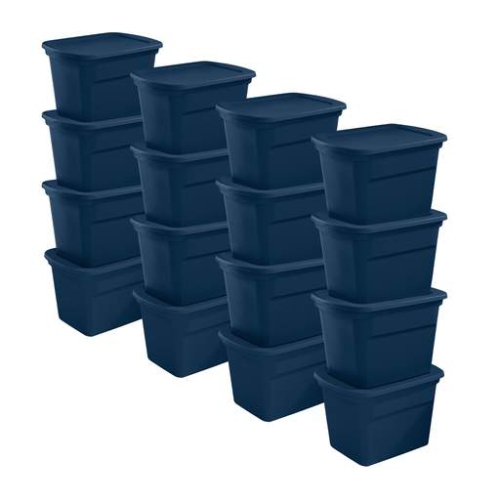 Your price for this item is $440.99
-
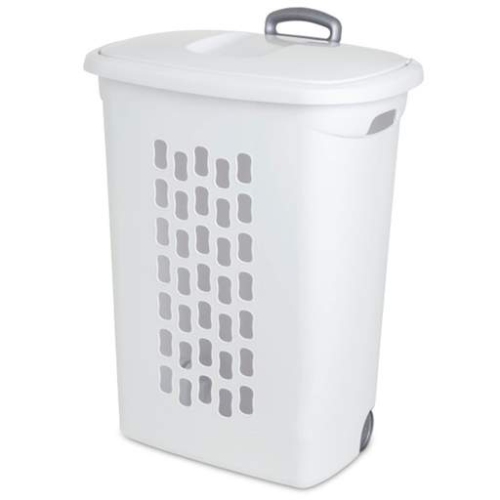 Your price for this item is $517.99
-
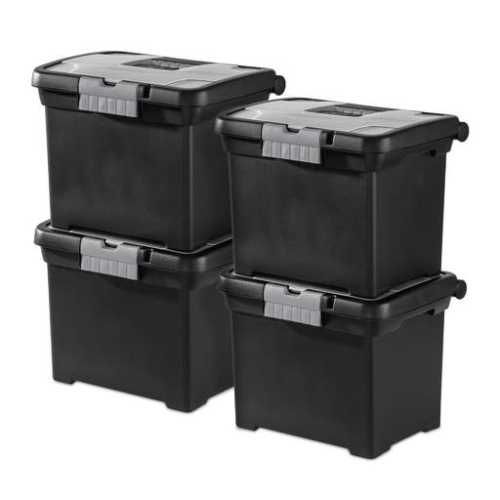 Your price for this item is $132.99
-
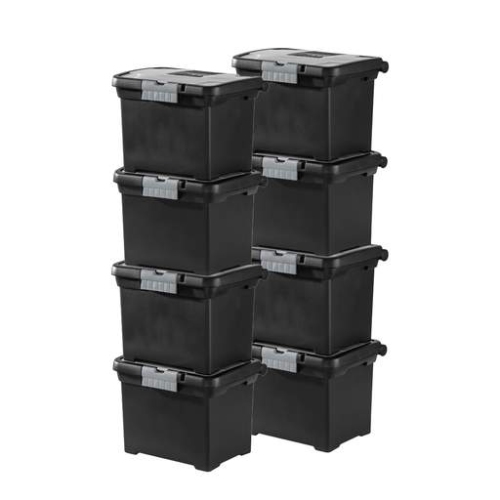 Your price for this item is $260.99
-
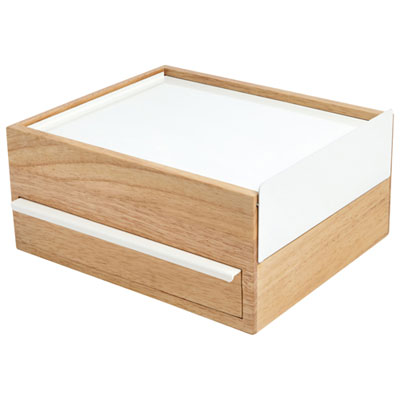 Your price for this item is $64.98
Discover more categories related to Locker Organizers

Top Collections:
Pokemon Centers, Kindle Devices, Best Budget Office Chairs, Canon G7X Cameras, Apple iPhones 16, Samsung Galaxy Phones, Refurbished Apple Laptops, Laptops for Students, iPhone 15 Apple, Budget Smartphones
Some products may be subject to Environmental Handling Fees
(EHF) depending on your province.
Learn more about EHFs.