Metric Rulers
Whether you're a student, a professional, or simply someone who enjoys precision and accuracy, metric rulers are an essential tool for measuring and drawing straight lines. With their sleek design and precise markings, these rulers are perfect for a wide range of applications, from drafting and engineering to arts and crafts. Available in various lengths and materials, metric rulers offer versatility and reliability for all your measuring needs.
Sort
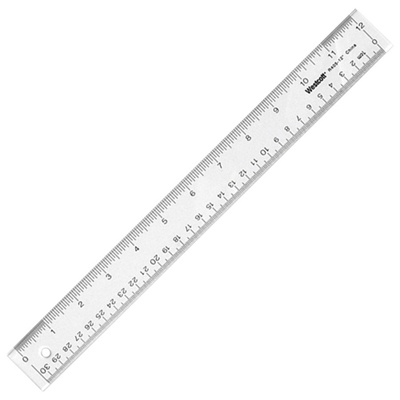
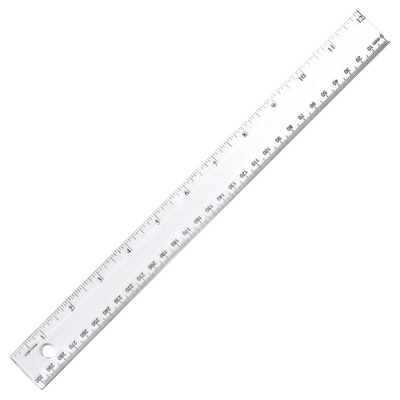
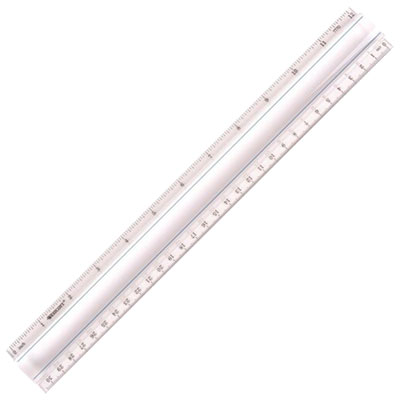
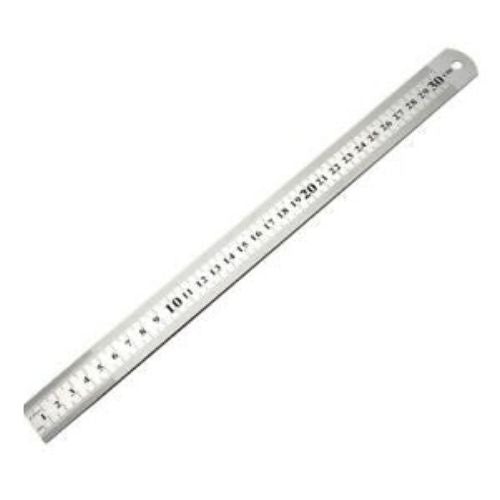
Accurate measurements for school, crafts and everyday projects
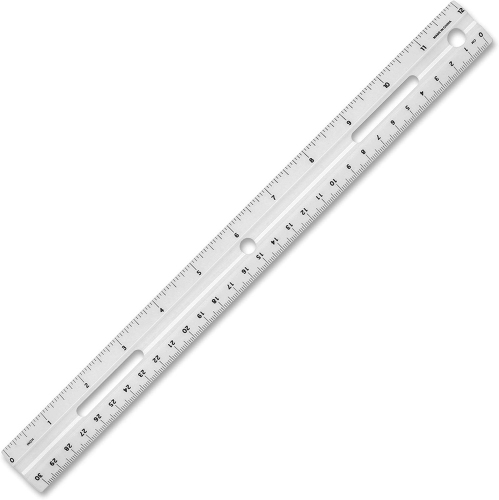
Metric rulers are practical measuring tools for schoolwork, drafting, crafting, sewing, model making, home projects and everyday tasks that call for accurate measurements in centimetres and millimetres. A typical school-style ruler measures 30 cm from end to end, with numbered lines marking each centimetre and smaller divisions between them marking millimetres. There are 10 millimetres in 1 centimetre, making it easy to move between the two units as a project requires. For example, a line that reaches the sixth small mark after 4 cm measures 4.6 cm, while a measurement that ends at the second small mark after 12 cm measures 12.2 cm. This clear relationship between the larger and smaller markings makes metric rulers useful for learners who are developing measurement skills, as well as for experienced users who need a quick, dependable reference at a desk or workbench. When choosing one, look closely at the starting point: a ruler with a clearly defined zero mark can help reduce mistakes, especially when measuring the edge of paper, fabric or a small component. The visibility of the markings matters as well. Strong, evenly spaced lines and easy-to-read numbers are helpful in bright classrooms, home offices and detailed work areas where a measurement needs to be checked at a glance. Transparent styles allow users to see lines, printed patterns and cutting guides beneath the ruler, while solid options can offer a bold contrast against pale or colourful materials. A straight, firm edge is useful for drawing, scoring and aligning, and a flexible format may be more suitable for wrapping around a curved surface or following a gentle contour. For a broader selection of measuring and drawing tools, browse Mathematical Rulers.
The best metric ruler depends on where and how it will be used. Students may want a lightweight ruler that slips neatly into a pencil case or school supply pouch, with markings that remain easy to read during geometry exercises, art assignments and science labs. At home, a longer or sturdier ruler can be helpful for measuring shelves, checking the scale of a printed plan, lining up photographs or marking a straight cut on cardstock. Crafters often appreciate a smooth edge and precise millimetre graduations when trimming paper, creating patterns or assembling miniature scenes, while artists may use a ruler to build clean borders, perspective lines and geometric layouts. For sewing and fabric projects, a clear surface can make it easier to see a seam allowance or align a pattern without losing sight of the material underneath. Technical students, hobbyists and makers may favour a rigid ruler with durable markings for repeated use at a drafting table, electronics bench or model-building station. Material is another useful consideration. Plastic can be light and convenient for everyday school or office work; wood can provide a warm, traditional feel for desks and craft rooms; and metal can offer a firm edge for projects that involve frequent handling or careful scoring. Some rulers include both centimetre and millimetre graduations along one edge, while others provide additional scales or angled guides for drawing. A ruler with a non-slip surface can stay steadier on smooth paper, whereas a clean, unobstructed edge may be preferable for tracing. Storage should also be part of the decision. A ruler kept loose in a crowded drawer can become scratched, bent or difficult to find, so consider whether the size will fit a desk organiser, portfolio, tool case or backpack. Keeping it near the materials used most often turns measuring into a natural part of the process rather than a last-minute search.
Metric rulers can also make thoughtful, useful gifts for people who enjoy making things with their hands. They suit students moving into a new classroom, artists building a supply kit, family members who enjoy scrapbooking or anyone setting up a first home office. A child learning about centimetres can use one to measure leaves, toys, books and drawings, turning ordinary objects into simple lessons about length and comparison. Older students can use the same kind of tool for technical sketches, design assignments and practical experiments, while adults may keep one beside a printer, sewing machine, craft table or household repair supplies. During the cooler months, indoor projects often bring measuring tools into regular rotation: paper decorations, model kits, framed artwork, study materials and small repairs all benefit from a reliable straight edge. They are compact enough to add to a back-to-school bundle, a creative gift basket or a beginner’s collection of office supplies without taking up much room. Before selecting a metric ruler, consider the maximum length needed, the smallest measurement required, the clarity of the scale and the surface where it will be used. Check that the centimetre numbers increase in the expected direction and that the zero point is easy to identify. For precision work, inspect the millimetre marks closely; for casual measuring, a simple, legible scale may be all that is needed. With the right size, material and marking style, a metric ruler can support accurate work across classrooms, studios, offices and home projects, providing a dependable reference whenever a line needs to be measured, aligned or drawn.
The best metric ruler depends on where and how it will be used. Students may want a lightweight ruler that slips neatly into a pencil case or school supply pouch, with markings that remain easy to read during geometry exercises, art assignments and science labs. At home, a longer or sturdier ruler can be helpful for measuring shelves, checking the scale of a printed plan, lining up photographs or marking a straight cut on cardstock. Crafters often appreciate a smooth edge and precise millimetre graduations when trimming paper, creating patterns or assembling miniature scenes, while artists may use a ruler to build clean borders, perspective lines and geometric layouts. For sewing and fabric projects, a clear surface can make it easier to see a seam allowance or align a pattern without losing sight of the material underneath. Technical students, hobbyists and makers may favour a rigid ruler with durable markings for repeated use at a drafting table, electronics bench or model-building station. Material is another useful consideration. Plastic can be light and convenient for everyday school or office work; wood can provide a warm, traditional feel for desks and craft rooms; and metal can offer a firm edge for projects that involve frequent handling or careful scoring. Some rulers include both centimetre and millimetre graduations along one edge, while others provide additional scales or angled guides for drawing. A ruler with a non-slip surface can stay steadier on smooth paper, whereas a clean, unobstructed edge may be preferable for tracing. Storage should also be part of the decision. A ruler kept loose in a crowded drawer can become scratched, bent or difficult to find, so consider whether the size will fit a desk organiser, portfolio, tool case or backpack. Keeping it near the materials used most often turns measuring into a natural part of the process rather than a last-minute search.
Metric rulers can also make thoughtful, useful gifts for people who enjoy making things with their hands. They suit students moving into a new classroom, artists building a supply kit, family members who enjoy scrapbooking or anyone setting up a first home office. A child learning about centimetres can use one to measure leaves, toys, books and drawings, turning ordinary objects into simple lessons about length and comparison. Older students can use the same kind of tool for technical sketches, design assignments and practical experiments, while adults may keep one beside a printer, sewing machine, craft table or household repair supplies. During the cooler months, indoor projects often bring measuring tools into regular rotation: paper decorations, model kits, framed artwork, study materials and small repairs all benefit from a reliable straight edge. They are compact enough to add to a back-to-school bundle, a creative gift basket or a beginner’s collection of office supplies without taking up much room. Before selecting a metric ruler, consider the maximum length needed, the smallest measurement required, the clarity of the scale and the surface where it will be used. Check that the centimetre numbers increase in the expected direction and that the zero point is easy to identify. For precision work, inspect the millimetre marks closely; for casual measuring, a simple, legible scale may be all that is needed. With the right size, material and marking style, a metric ruler can support accurate work across classrooms, studios, offices and home projects, providing a dependable reference whenever a line needs to be measured, aligned or drawn.
Top selling and popular products
-
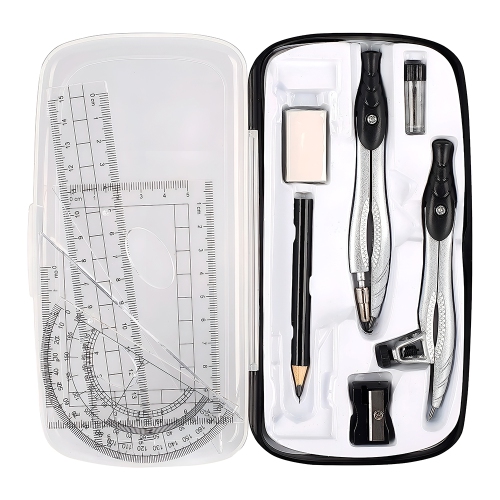 Your price for this item is $10.97
 -
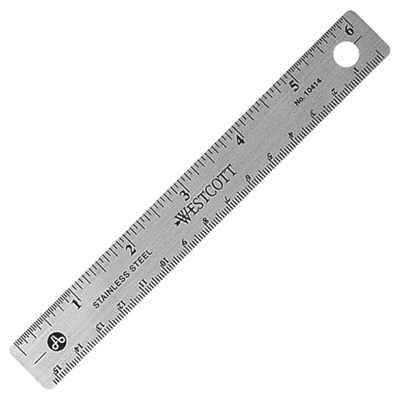 Your price for this item is $5.99
 -
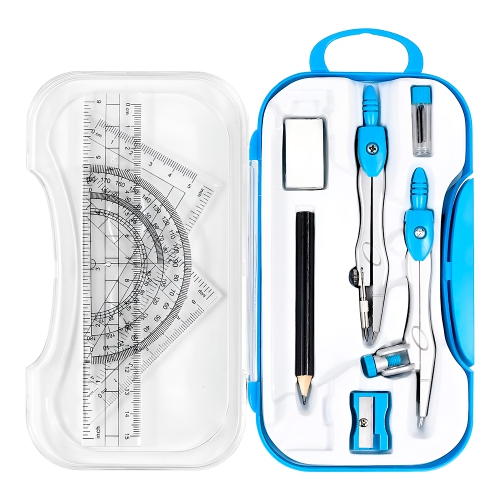 Your price for this item is $10.97
 -
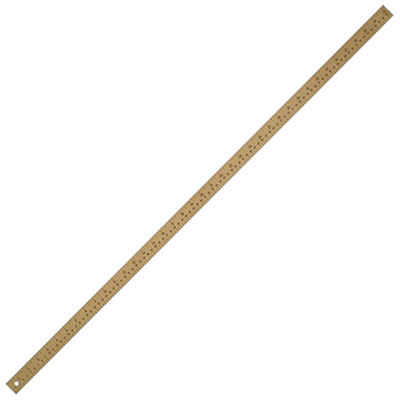 Your price for this item is $7.99
 -
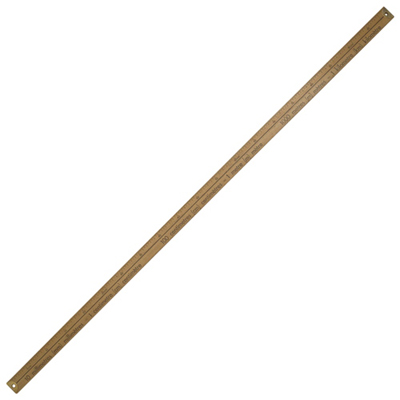 Your price for this item is $9.99
 -
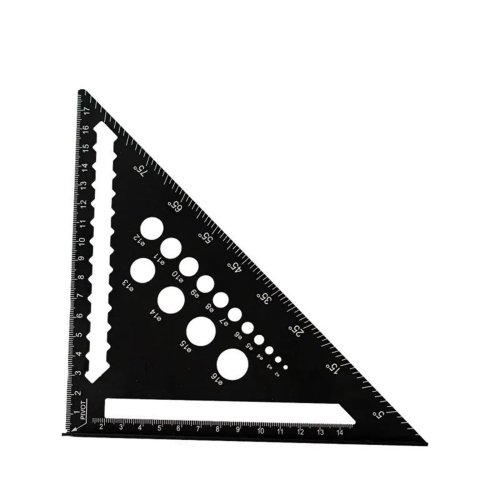 Your price for this item is $24.42
 -
 Your price for this item is $7.99
 -
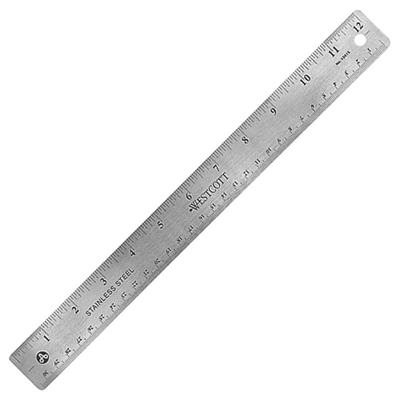 Your price for this item is $7.99
Discover more categories related to Metric Rulers
Top Collections:
Pokemon Centers, Kindle Devices, Best Budget Office Chairs, Apple iPhones 16, Best Laptops for Writers, iPhone 15 Apple, Canon G7X Cameras, Refurbished Apple Laptops, Alarm Clock, Motorola Razr Phones
Some products may be subject to Environmental Handling Fees
(EHF) depending on your province.
Learn more about EHFs.