Opening Tools
Opening tools are essential companions for anyone looking to tackle DIY projects, repairs, or upgrades with precision and ease. Whether you're a seasoned technician or a curious hobbyist, having the right set of opening tools can make all the difference in safely accessing and handling delicate components. From electronics to home appliances, these versatile instruments offer the perfect blend of functionality and reliability, ensuring you can approach each task confidently. Explore our diverse selection to find the ideal tools that cater to your specific needs and enhance your toolkit today.
Sort
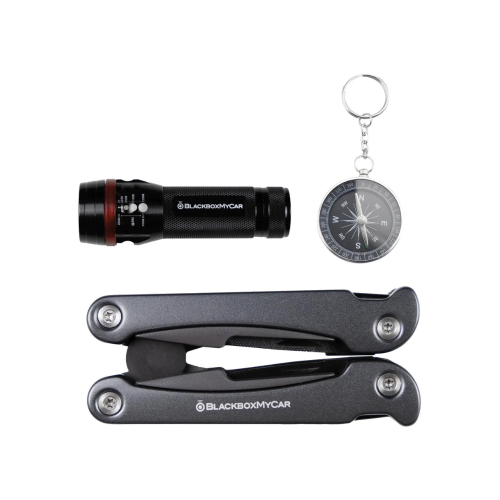
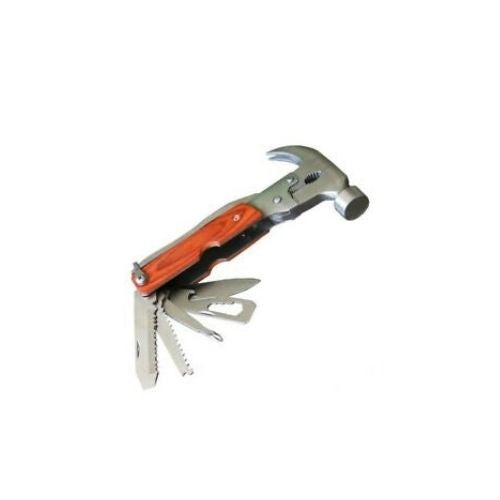
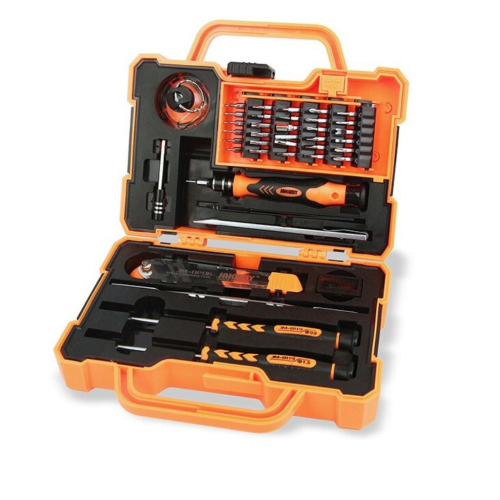

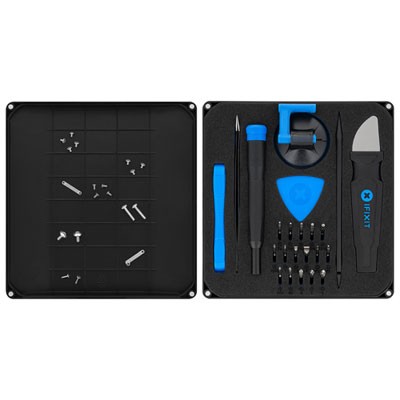
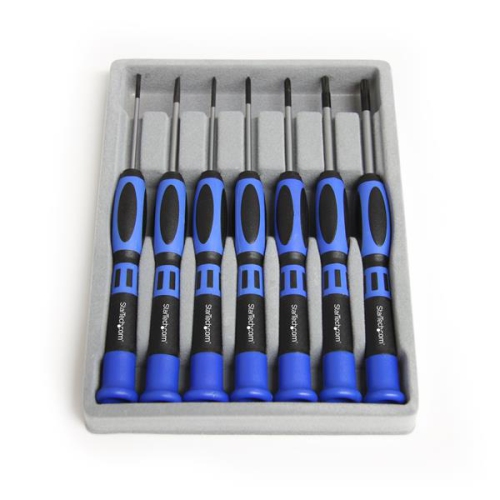
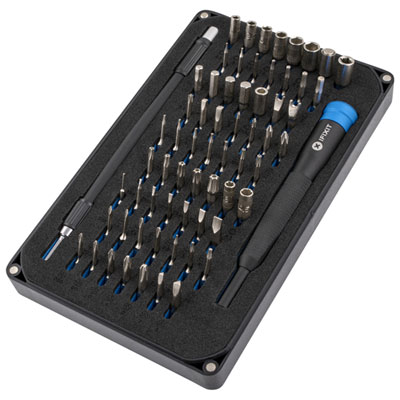
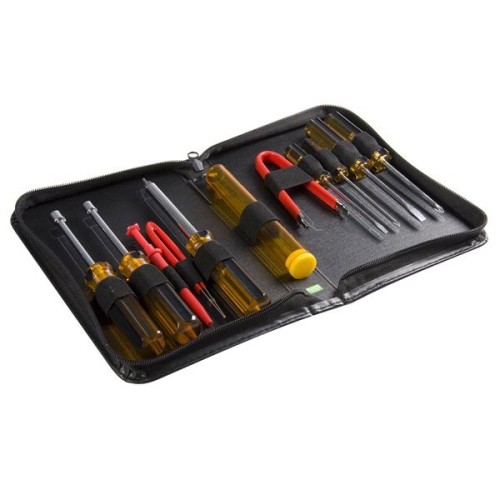
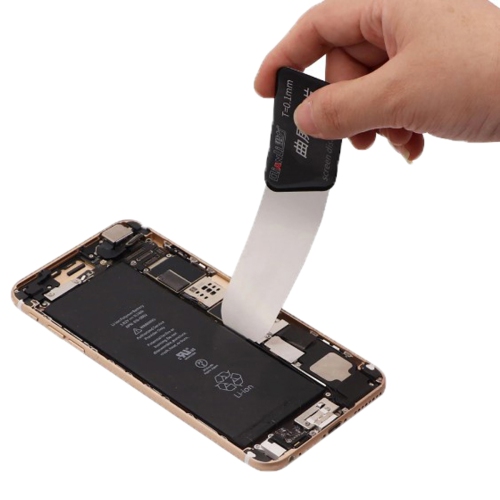
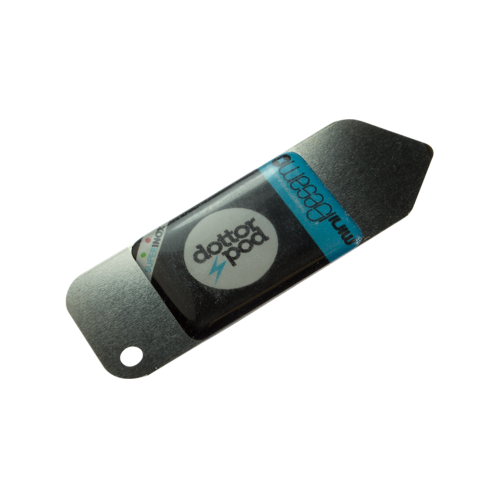
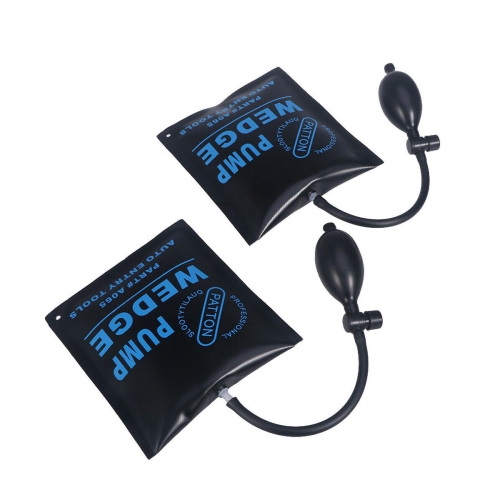
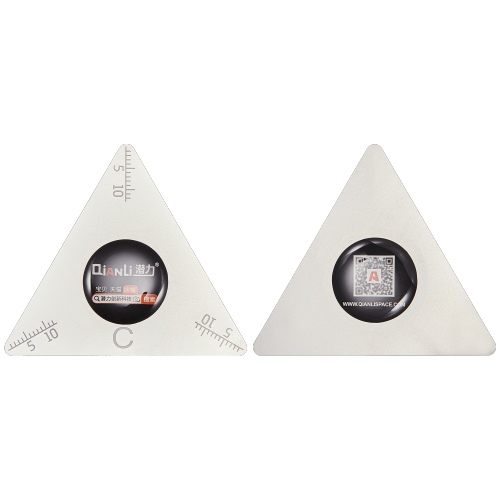
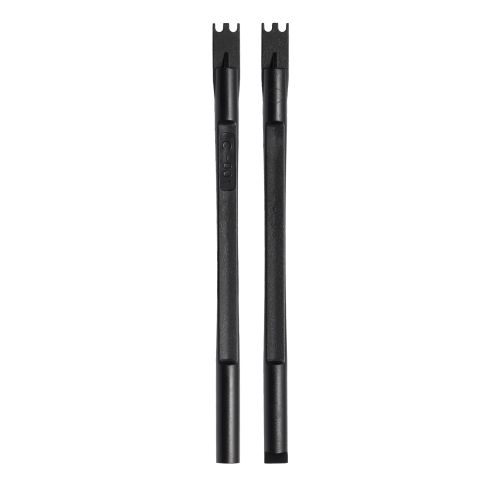

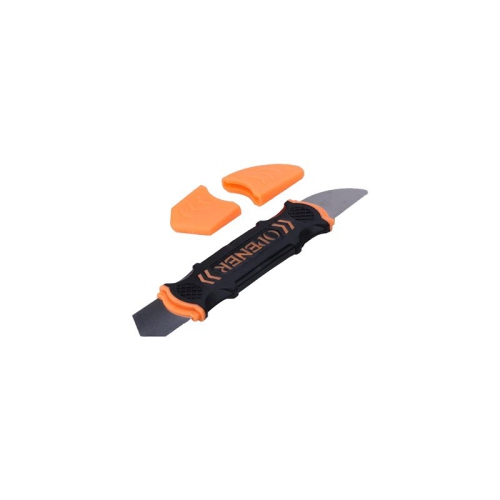
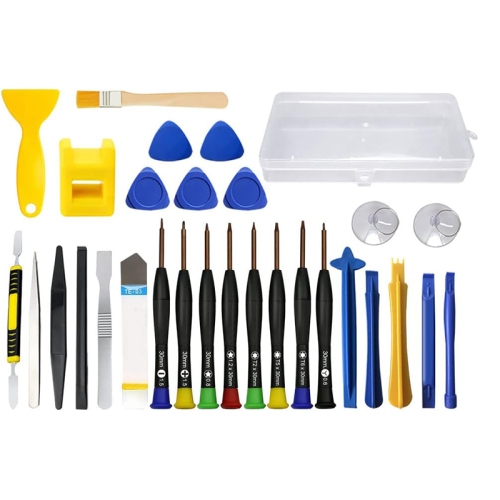
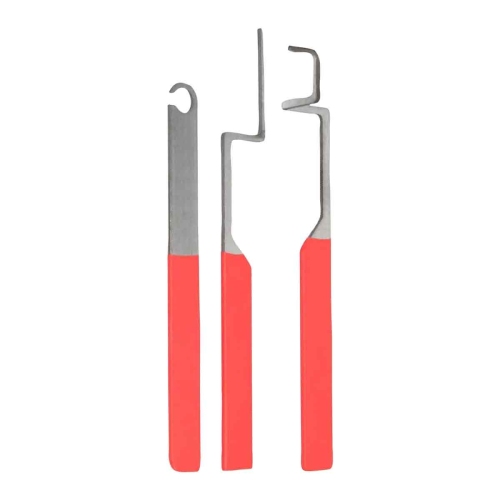
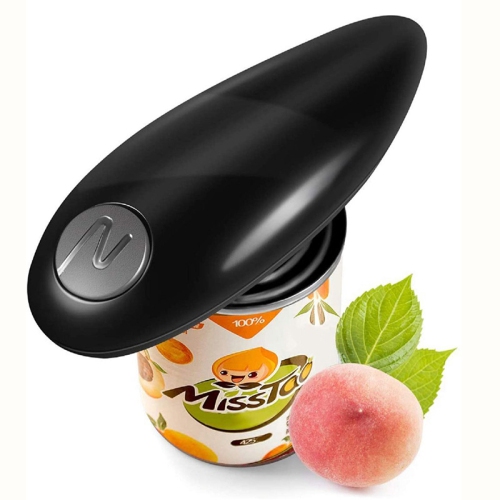

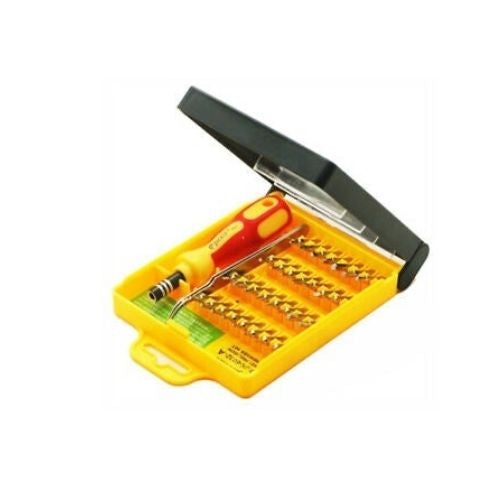

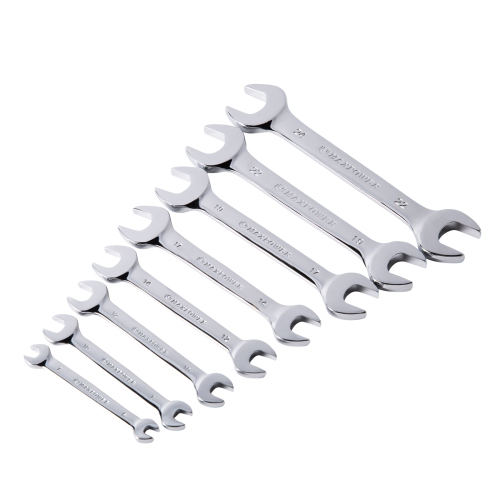
Tools for careful electronics repairs and controlled disassembly
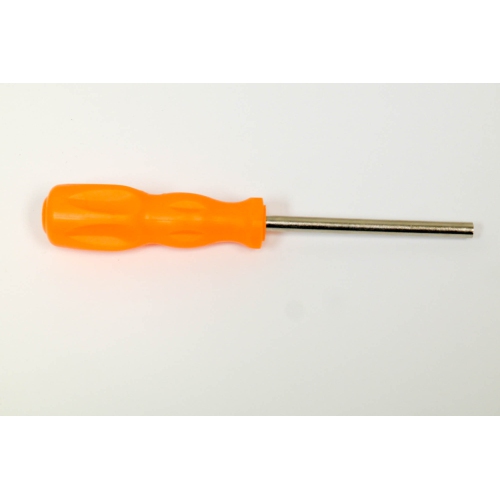
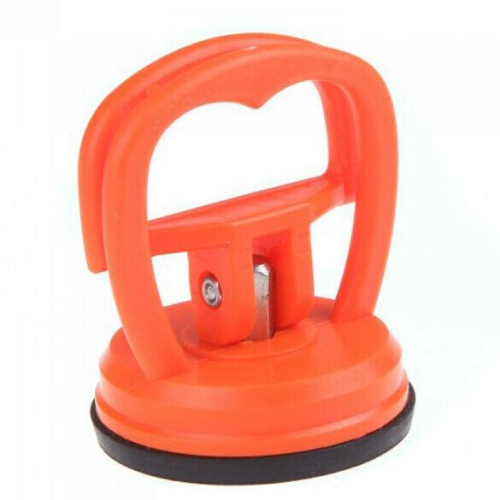
Opening tools are specialized instruments for separating, lifting, prying, and loosening components without putting unnecessary pressure on the item being opened. They are commonly used for mobile phones, tablets, laptops, game consoles, remote controls, small appliances, packages, and other sealed or tightly fitted items. A well-chosen tool can make the difference between a clean repair and a damaged casing, scratched screen, broken clip, or torn cable. Plastic spudgers are useful for creating separation and disconnecting delicate internal connectors because their non-conductive material helps reduce the risk of short circuits around electronic components. Opening picks are thin, flexible pieces that can slide into a narrow seam and move along the edge of a screen or back panel, gradually releasing adhesive without forcing the two surfaces apart. Flexible metal opening blades can help establish an initial gap where a plastic tool will not fit, while suction handles provide a controlled lift for glass panels and screens. Some sets also include precision screwdrivers, tweezers, pry tools, and other accessories, making them practical for repairs that involve several steps. When browsing opening tools, consider the item you plan to open, the size and depth of its seams, whether adhesives or clips hold the casing together, and how much control you need for the job. A compact selection may suit occasional household repairs, while a fuller kit can be helpful for a repair bench, classroom, workshop, or technology hobbyist. If you also need equipment for broader household or workshop tasks, you can explore Work Tools for additional options.
The right opening tool depends on the material and construction of the item, as well as the level of precision required. Plastic tools are often the first choice around screens, painted surfaces, and soft housings because they are less likely to leave marks than harder materials. Different shapes serve different purposes: a pointed pick can reach a tight corner, a wider wedge can spread pressure across a larger area, and a flat spudger can work beneath clips or help lift a connector. Suction handles are most effective on smooth, clean surfaces and can help maintain an even pull while adhesive is being loosened. For stubborn seams, a flexible metal blade may be useful, but it should be handled carefully and kept away from batteries, exposed circuit boards, and fragile ribbon cables. Before beginning, power down and unplug the device, remove any accessible memory cards or accessories, and check whether the battery can be disconnected safely. Heat may soften some adhesives, but it can also damage screens, batteries, finishes, and nearby components, so the tool and technique should match the repair. Work slowly under good lighting, apply steady rather than sudden force, and stop if a panel bends, a cable stretches, or a battery appears swollen. Opening tools are not intended to defeat locks, security devices, or sealed containers that could create a safety hazard. They are designed for controlled access to items that are meant to be inspected, repaired, maintained, or carefully disassembled.
Opening tool sets can be useful for people who enjoy maintaining their own electronics, students learning how devices are assembled, technicians who need dependable tools at hand, and households that occasionally repair a loose button, replace a component, or clean beneath a removable panel. They can also make a thoughtful gift for a practical-minded friend, a maker, a photography or gaming enthusiast, or someone setting up a first home workshop. For a gift, a versatile kit with several pry shapes, opening picks, a suction handle, and precision accessories may offer more value than a single-purpose tool, especially when the recipient works on different devices. For personal use, it is worth checking the tool dimensions, material, flexibility, grip, storage case, and compatibility with the types of repairs you expect to perform. Thin tools are useful for narrow gaps, while broader handles can provide better comfort during longer jobs. Kits with clearly organized compartments make it easier to find a small pick or spudger when a repair is spread across a table with screws and parts laid out in careful rows. Keep the work area uncluttered, label removed screws, protect the display surface, and avoid using excessive force simply because a panel does not open immediately. Whether you are separating an adhesive-backed screen, releasing clips from a console shell, opening a laptop enclosure, or examining a small household device, opening tools provide the control needed to work methodically and help preserve the parts you intend to keep.
The right opening tool depends on the material and construction of the item, as well as the level of precision required. Plastic tools are often the first choice around screens, painted surfaces, and soft housings because they are less likely to leave marks than harder materials. Different shapes serve different purposes: a pointed pick can reach a tight corner, a wider wedge can spread pressure across a larger area, and a flat spudger can work beneath clips or help lift a connector. Suction handles are most effective on smooth, clean surfaces and can help maintain an even pull while adhesive is being loosened. For stubborn seams, a flexible metal blade may be useful, but it should be handled carefully and kept away from batteries, exposed circuit boards, and fragile ribbon cables. Before beginning, power down and unplug the device, remove any accessible memory cards or accessories, and check whether the battery can be disconnected safely. Heat may soften some adhesives, but it can also damage screens, batteries, finishes, and nearby components, so the tool and technique should match the repair. Work slowly under good lighting, apply steady rather than sudden force, and stop if a panel bends, a cable stretches, or a battery appears swollen. Opening tools are not intended to defeat locks, security devices, or sealed containers that could create a safety hazard. They are designed for controlled access to items that are meant to be inspected, repaired, maintained, or carefully disassembled.
Opening tool sets can be useful for people who enjoy maintaining their own electronics, students learning how devices are assembled, technicians who need dependable tools at hand, and households that occasionally repair a loose button, replace a component, or clean beneath a removable panel. They can also make a thoughtful gift for a practical-minded friend, a maker, a photography or gaming enthusiast, or someone setting up a first home workshop. For a gift, a versatile kit with several pry shapes, opening picks, a suction handle, and precision accessories may offer more value than a single-purpose tool, especially when the recipient works on different devices. For personal use, it is worth checking the tool dimensions, material, flexibility, grip, storage case, and compatibility with the types of repairs you expect to perform. Thin tools are useful for narrow gaps, while broader handles can provide better comfort during longer jobs. Kits with clearly organized compartments make it easier to find a small pick or spudger when a repair is spread across a table with screws and parts laid out in careful rows. Keep the work area uncluttered, label removed screws, protect the display surface, and avoid using excessive force simply because a panel does not open immediately. Whether you are separating an adhesive-backed screen, releasing clips from a console shell, opening a laptop enclosure, or examining a small household device, opening tools provide the control needed to work methodically and help preserve the parts you intend to keep.
Top selling and popular products
-
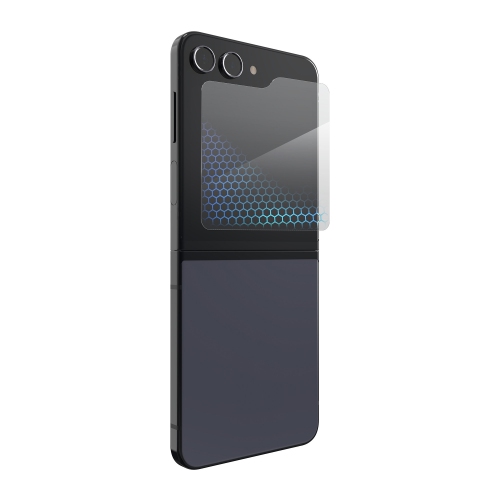 Your price for this item is $59.99
 -
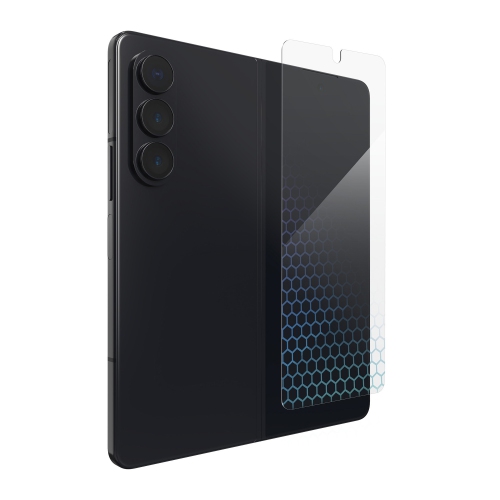 Your price for this item is $59.99
 -
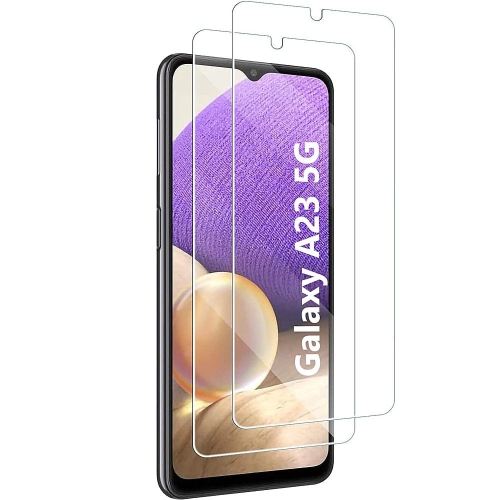 Your price for this item is $52
 -
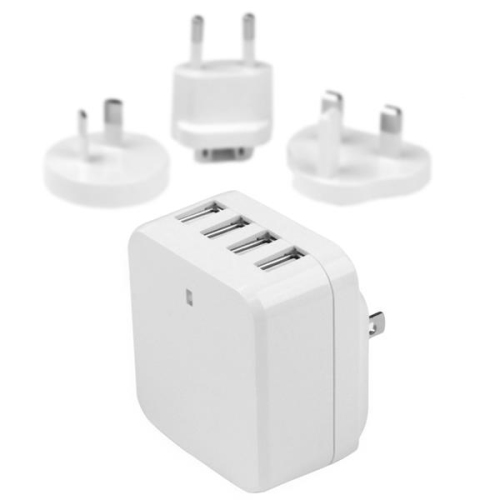 Your price for this item is $49.99
 -
 Your price for this item is $14.68
 -
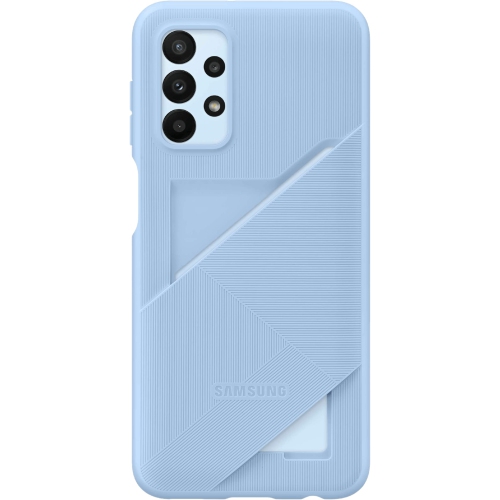 Your price for this item is $52.49
 -
 Your price for this item is $16.79
 -
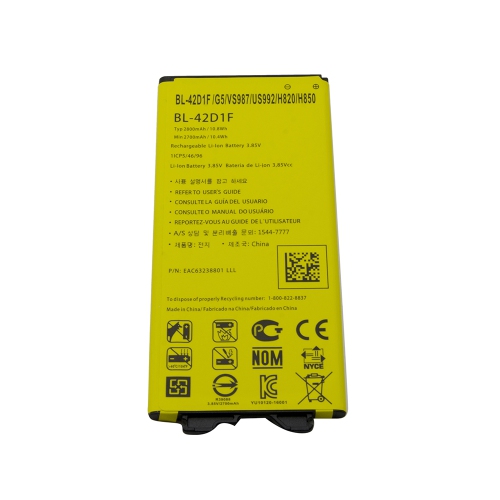 Your price for this item is $14.79
Discover more categories related to Opening Tools

Top Collections:
Pokemon Centers, Budget 4K TVs, Best Budget Office Chairs, Kindle Devices, Canon G7X Cameras, Apple iPhones 16, iPhone 15 Apple, Laptops for Business Work, Xiaomi Phones, Flip Phones
Some products may be subject to Environmental Handling Fees
(EHF) depending on your province.
Learn more about EHFs.