Organizational Carts
Looking to declutter and streamline your space? Look no further than our selection of organizational carts. These versatile and practical solutions are designed to help you keep everything in its place, whether it's in your home, office, or in almost any other setting. From mobile storage carts with multiple drawers to sleek utility carts with adjustable shelves, our collection offers a wide range of options to suit your needs.
Sort






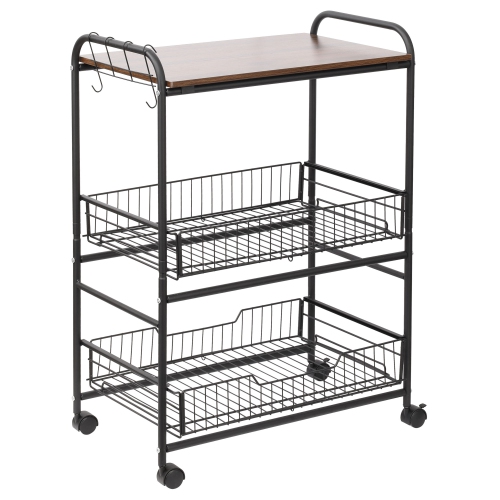
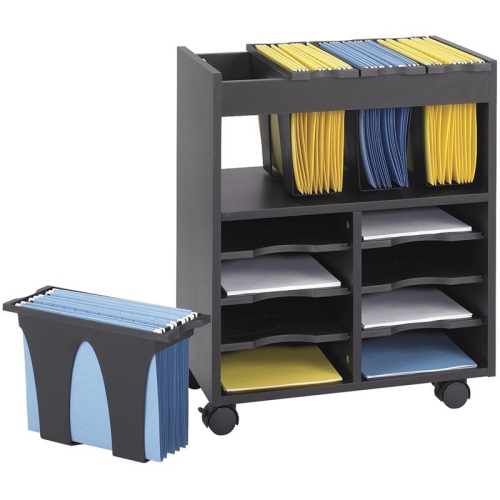
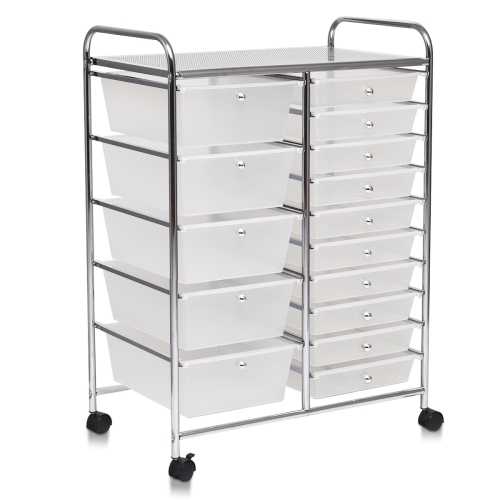
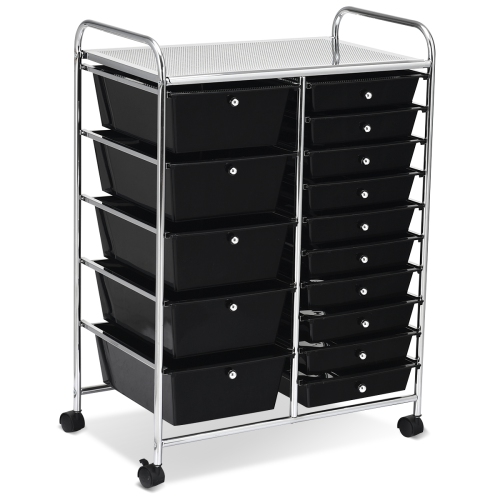

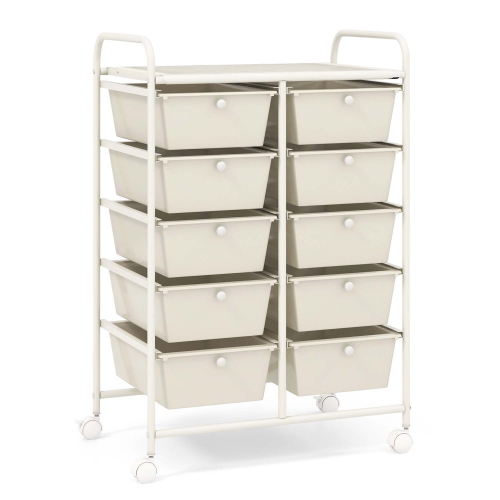
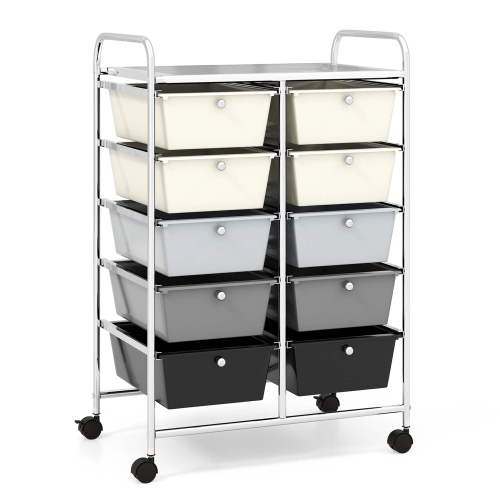
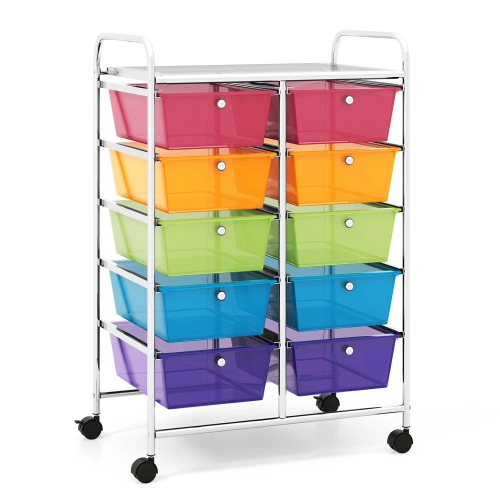
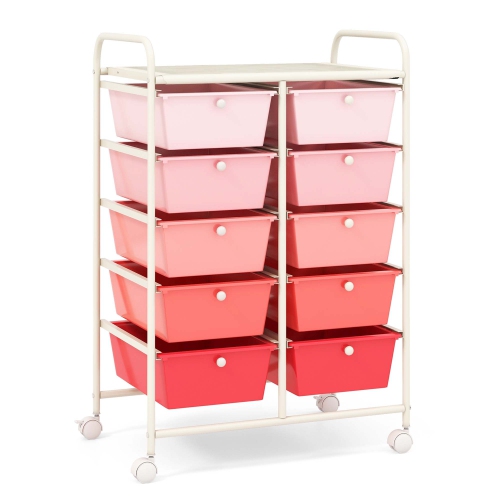


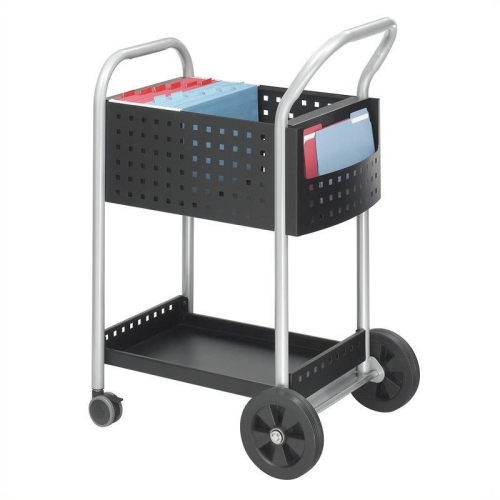
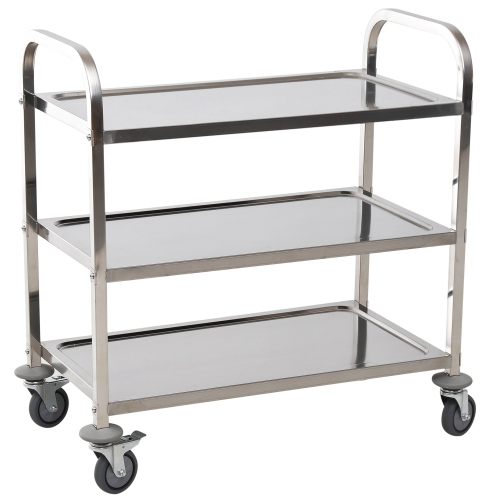
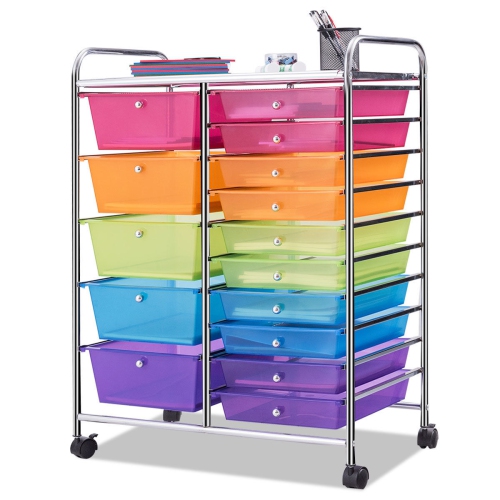
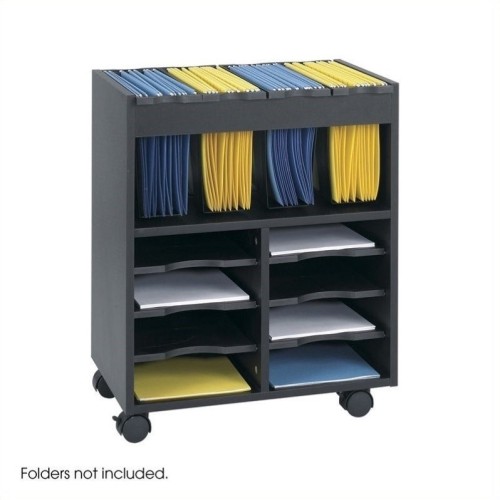

Flexible mobile storage for every room and routine
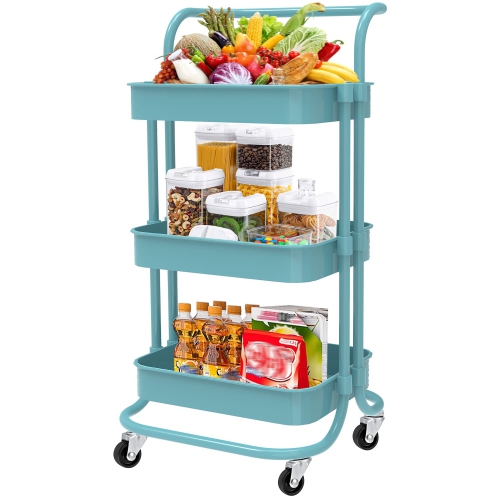
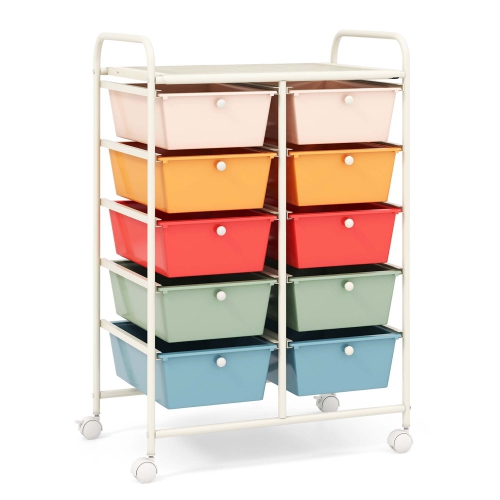
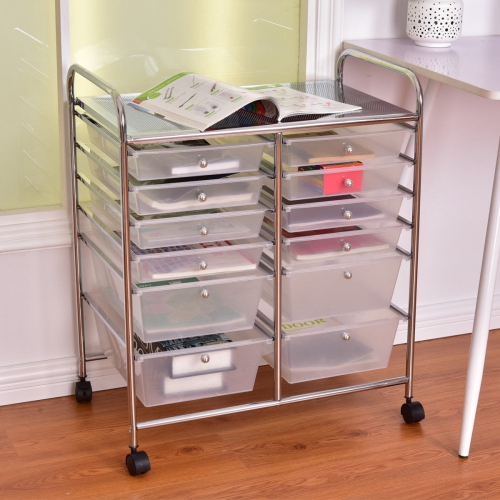
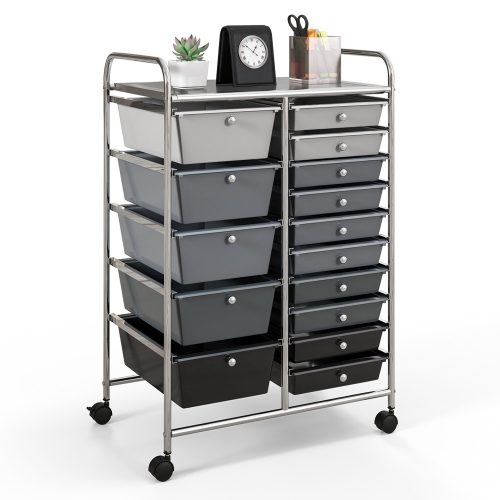
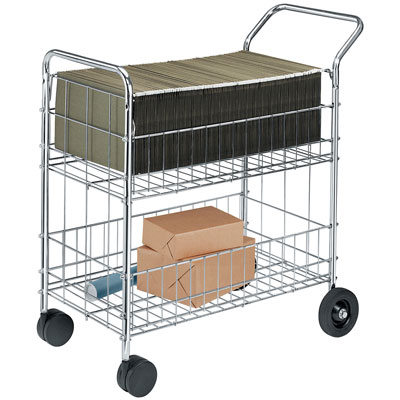
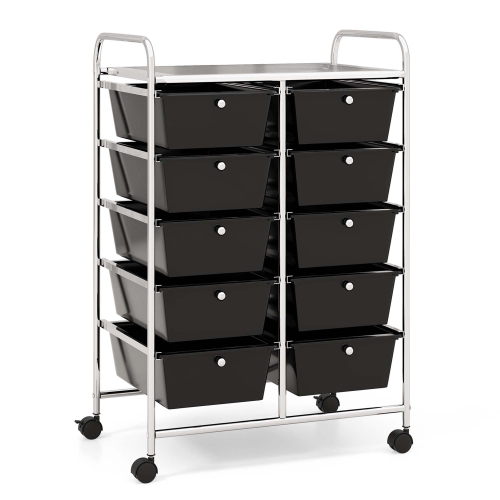
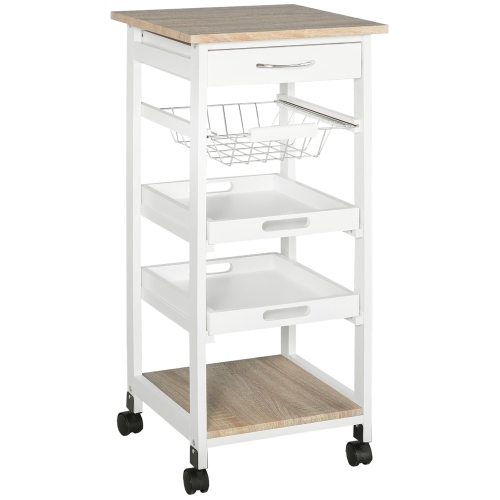
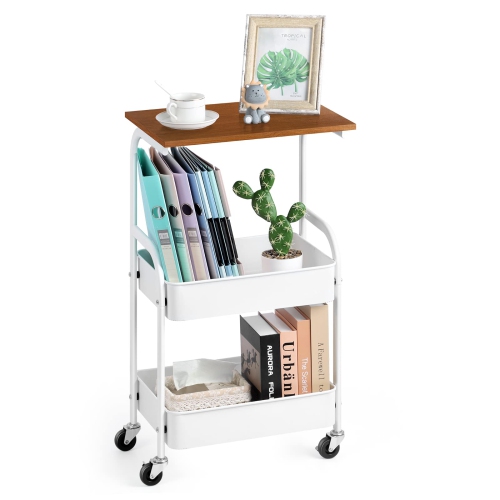
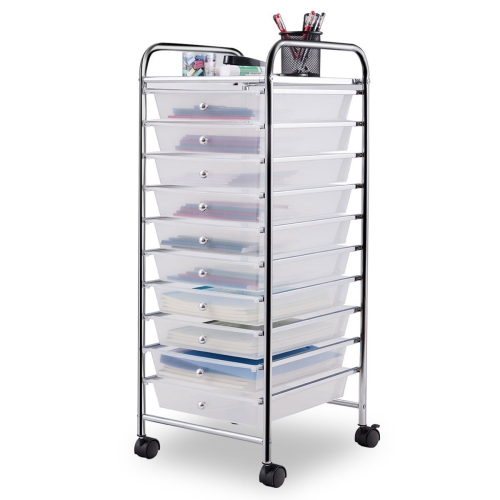
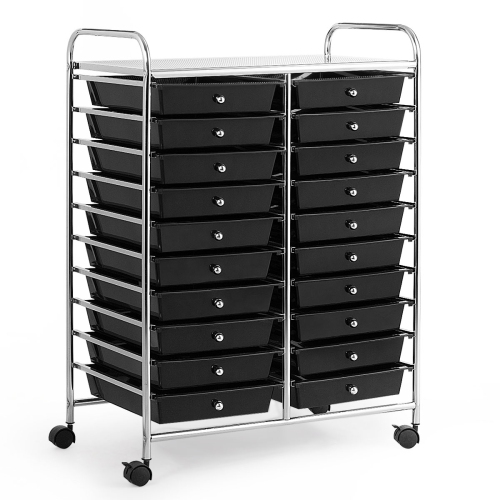
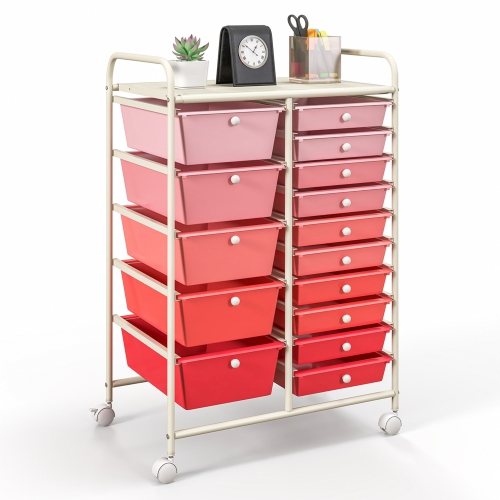
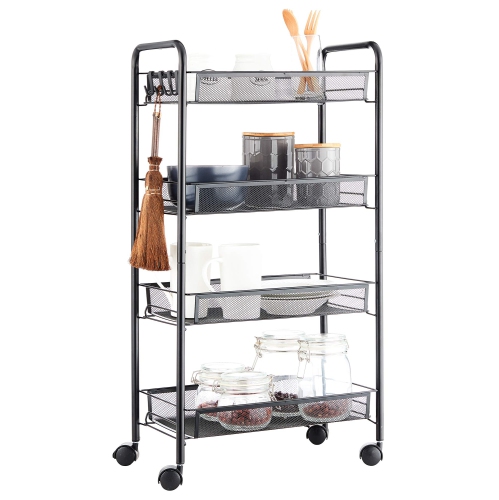
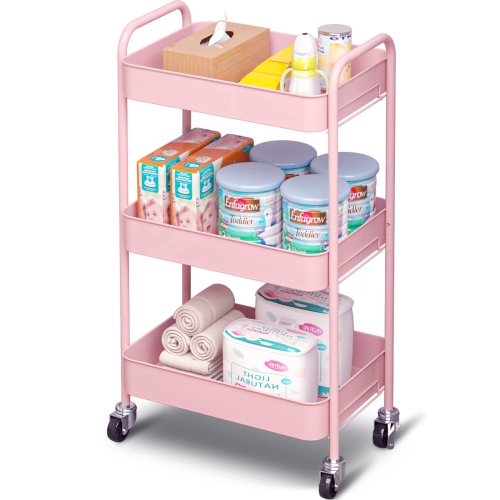
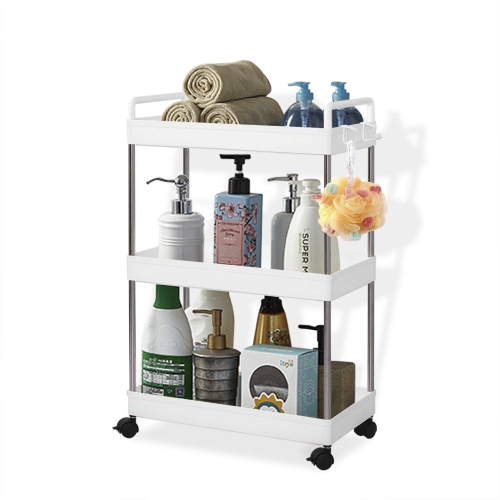
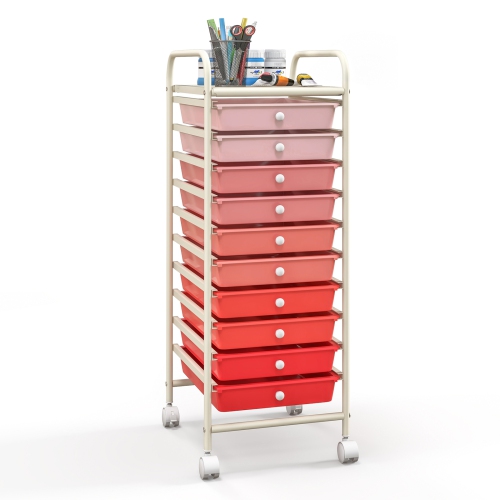
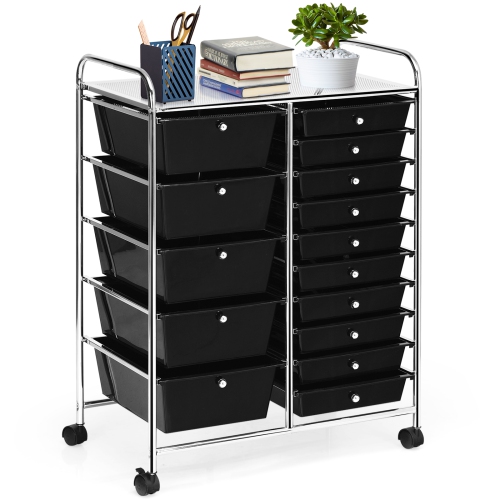
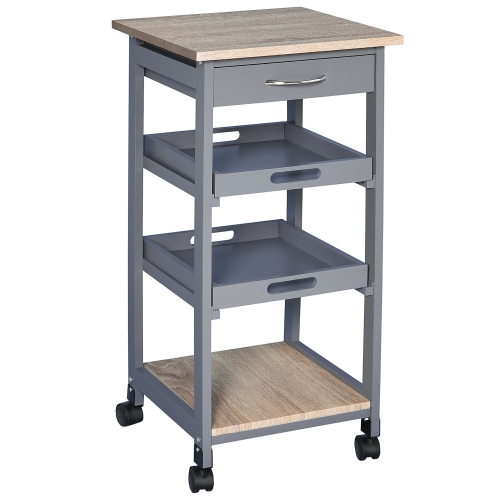
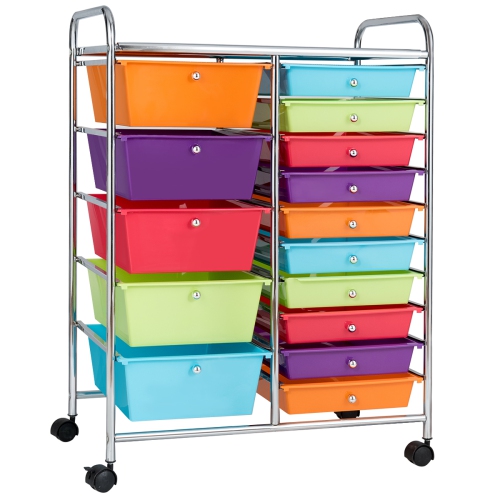
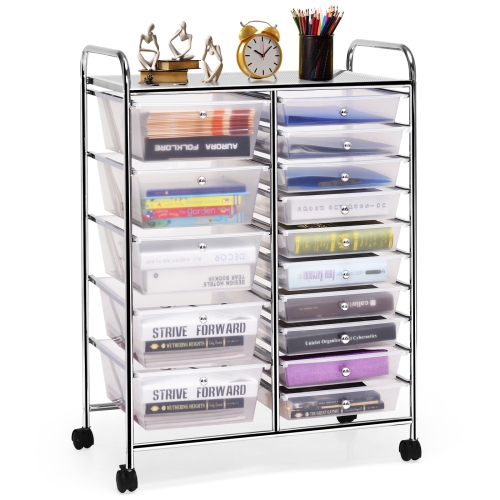
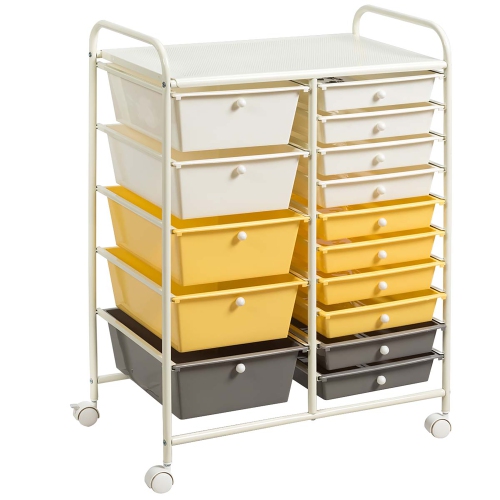
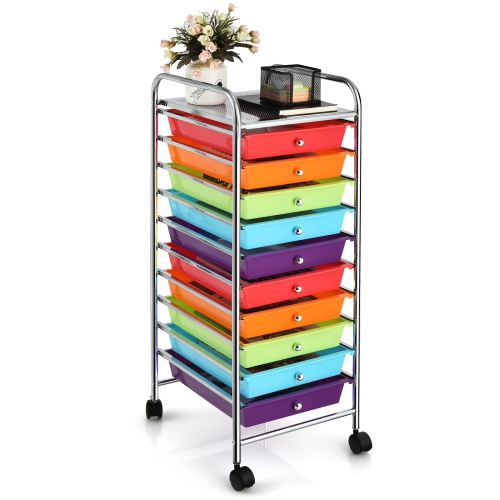
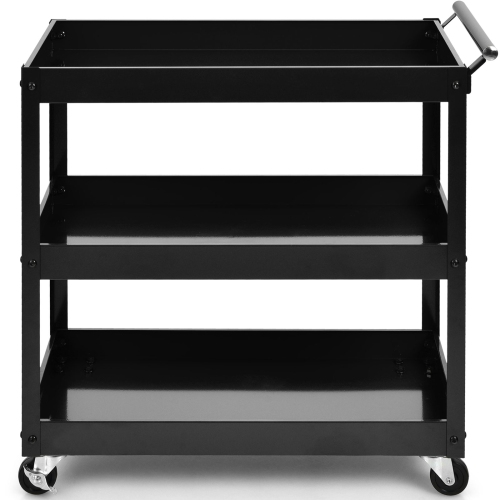
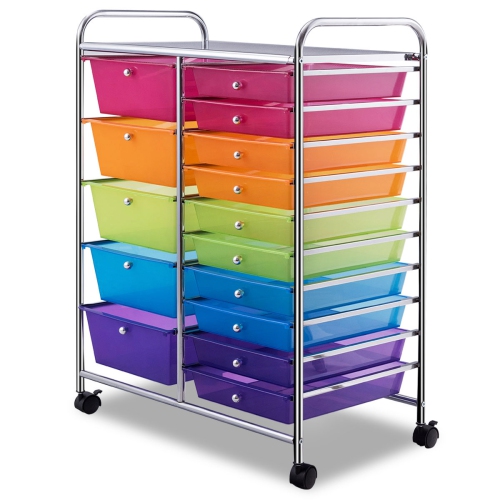
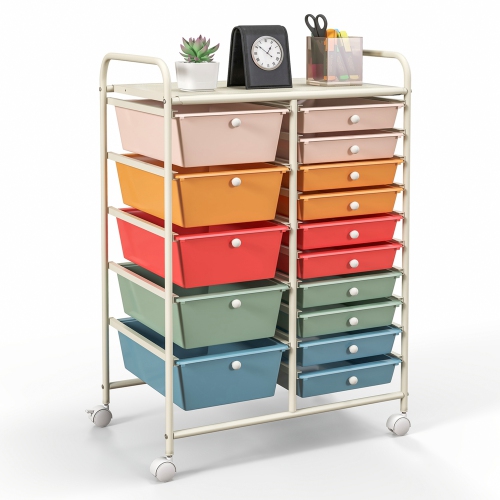
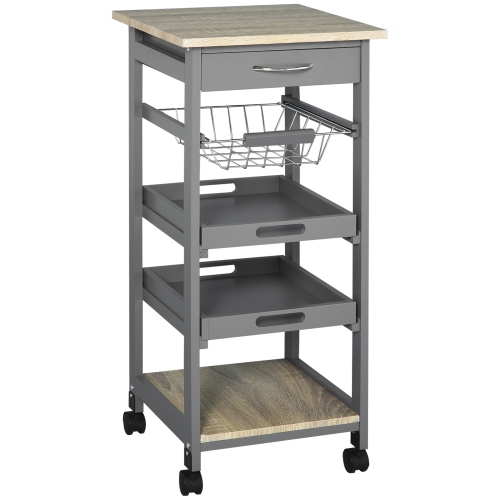
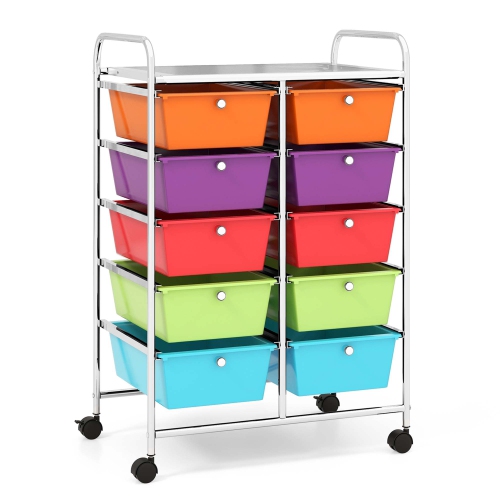
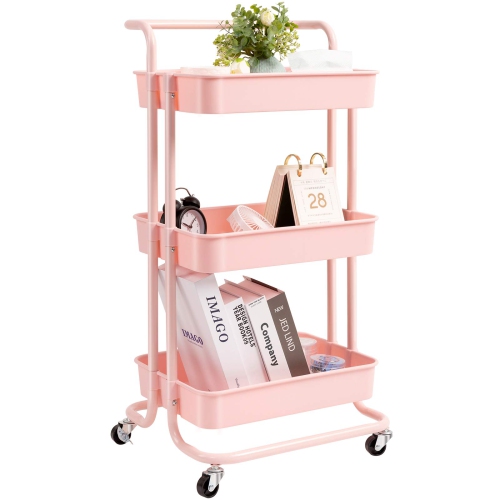
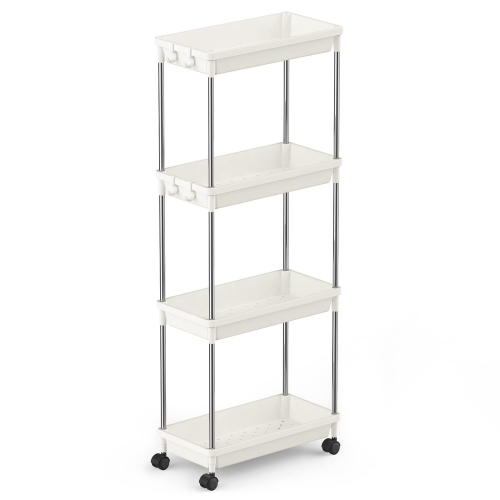
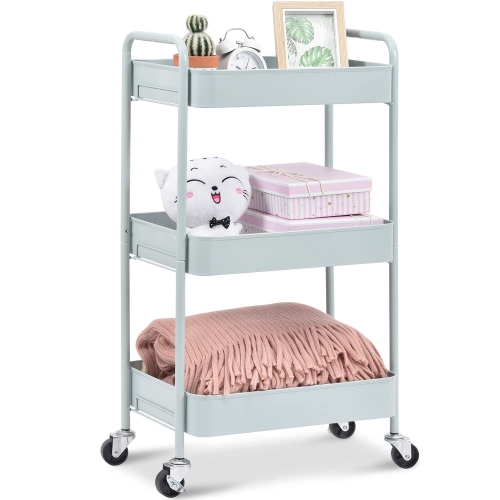
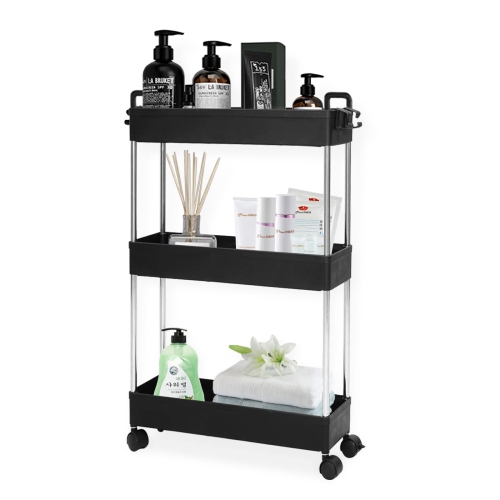
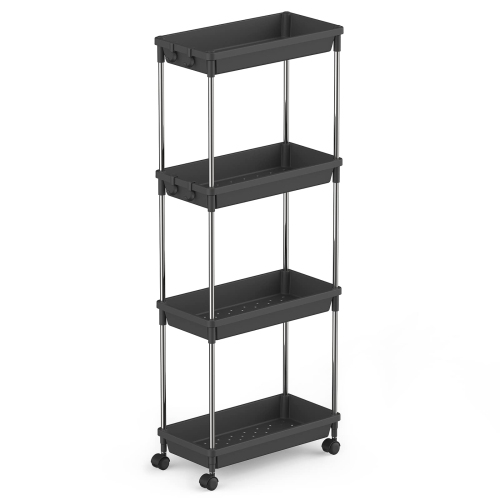
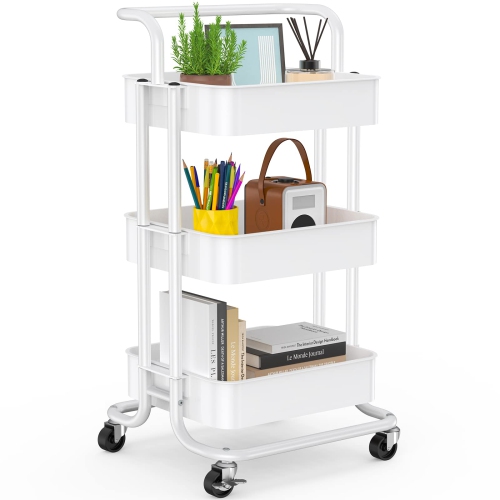
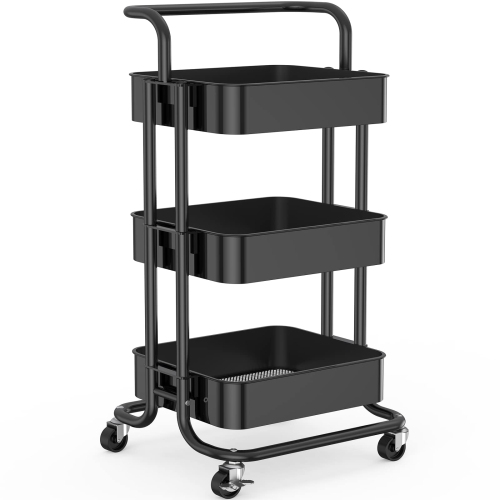
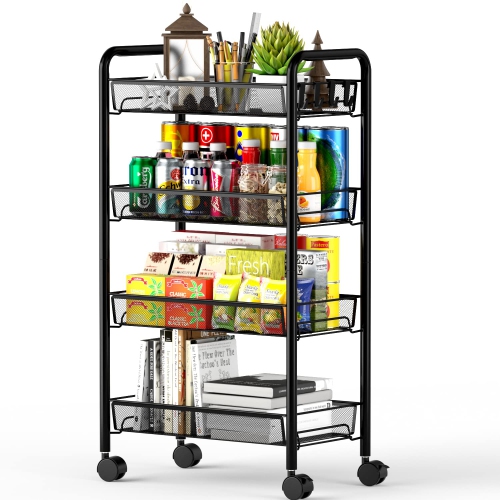
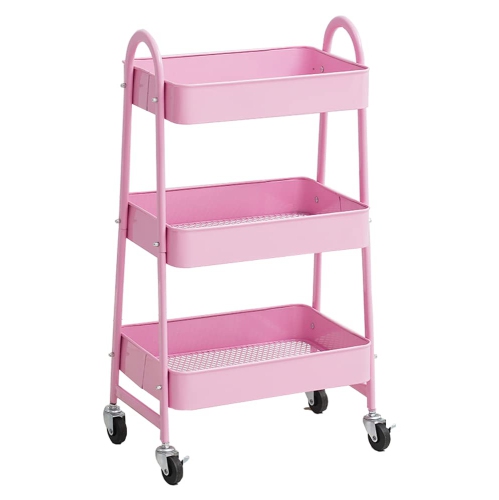
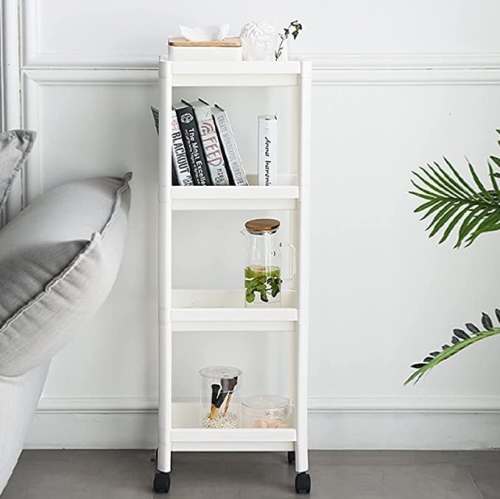
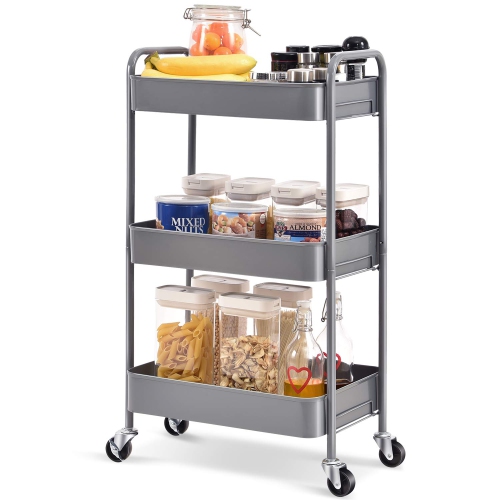
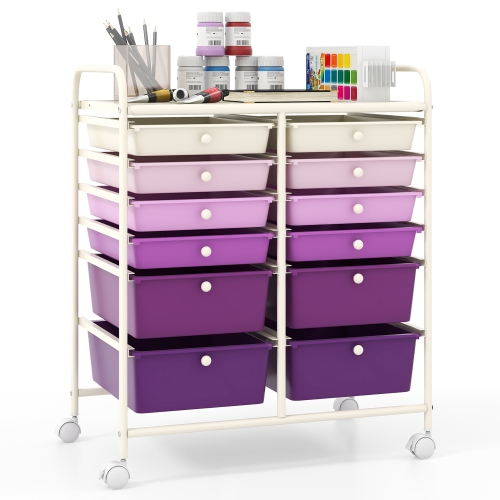
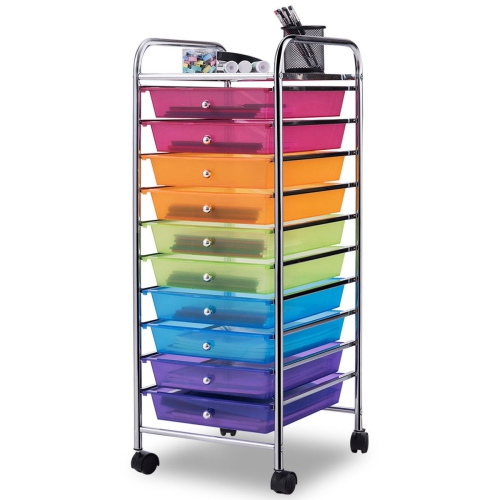
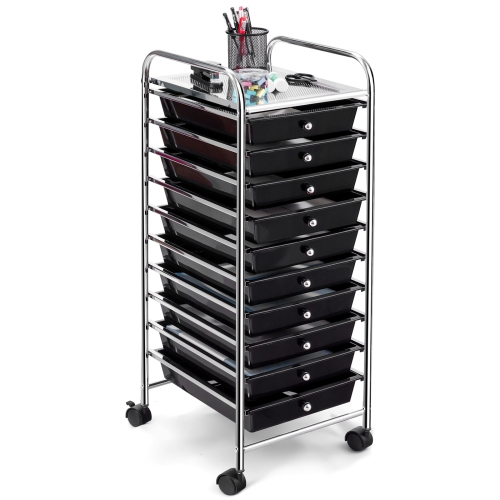
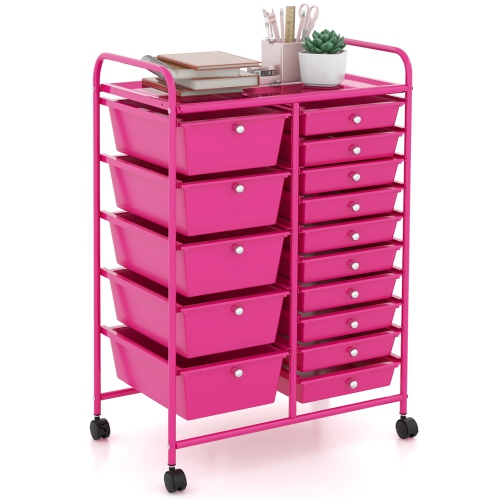
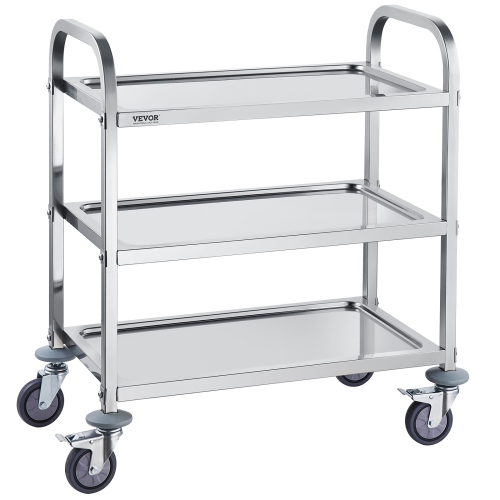
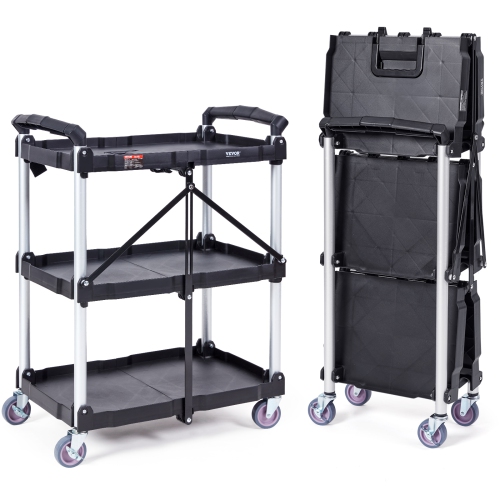
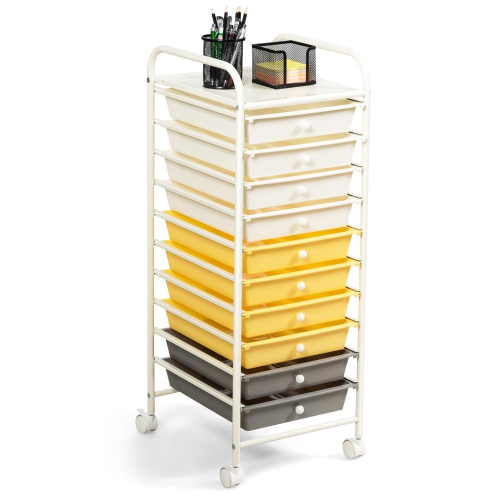
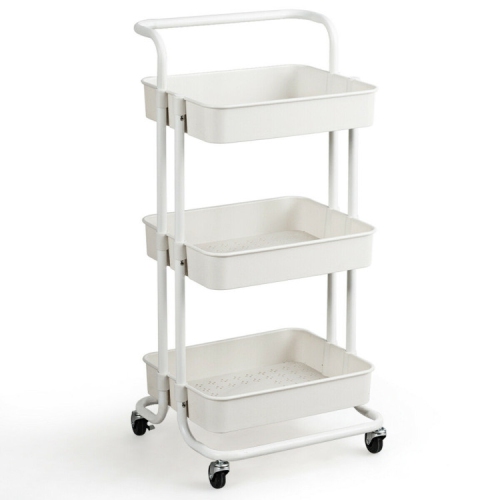
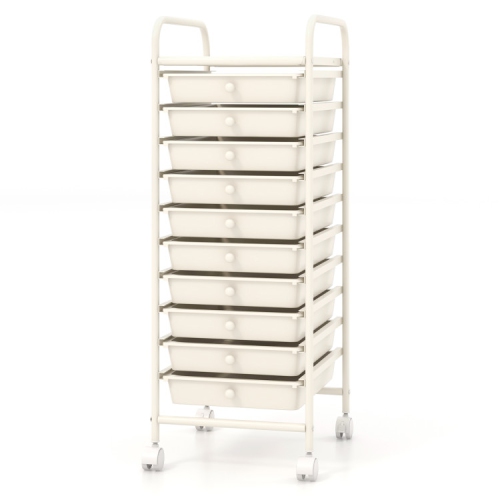
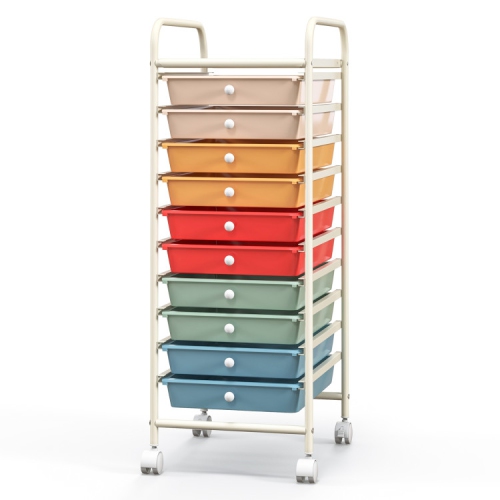
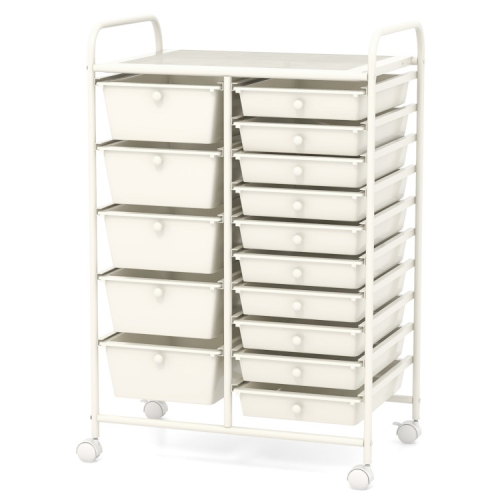
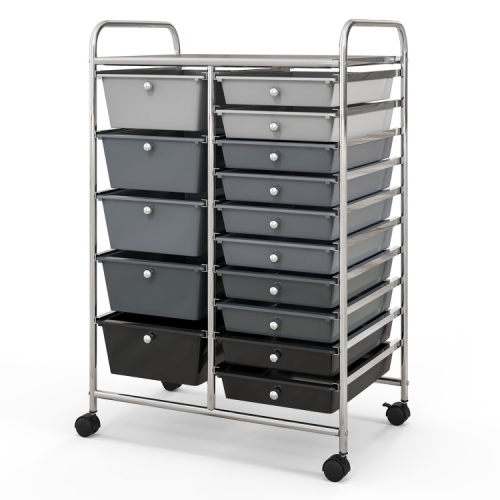
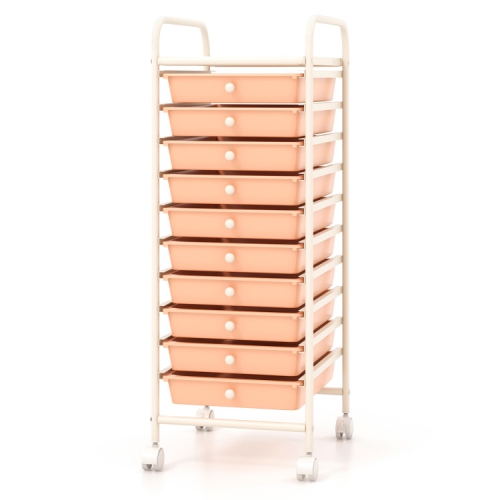
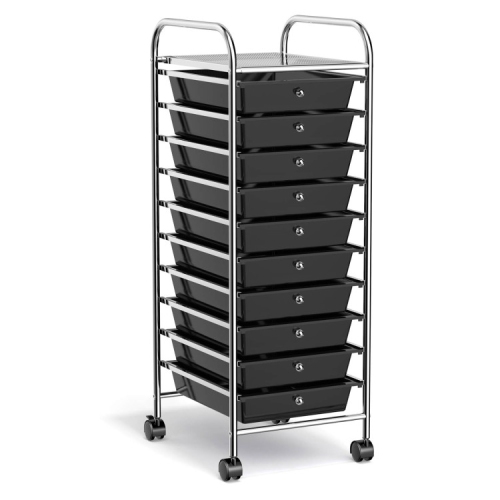
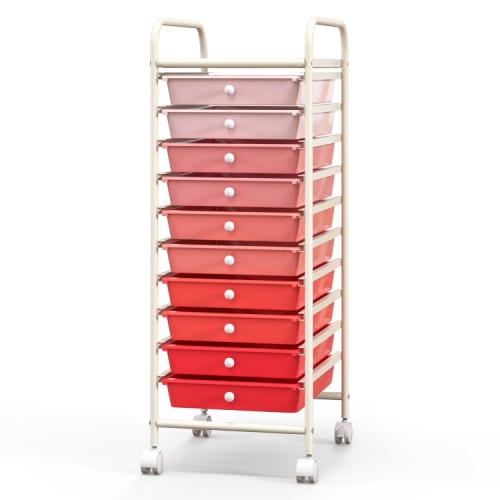
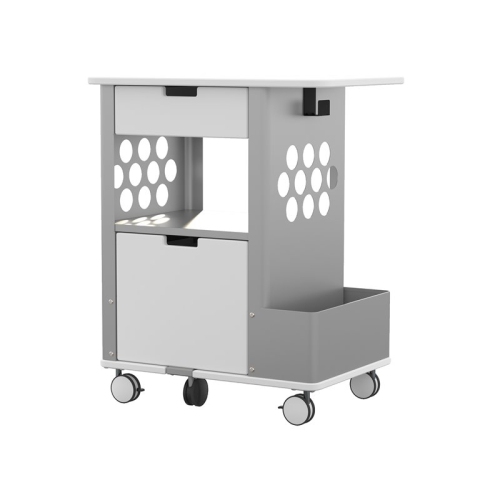
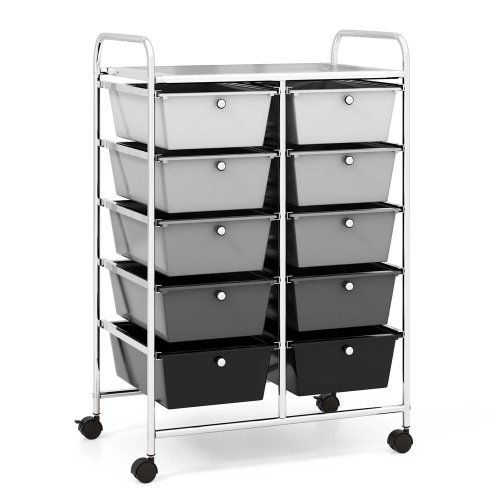
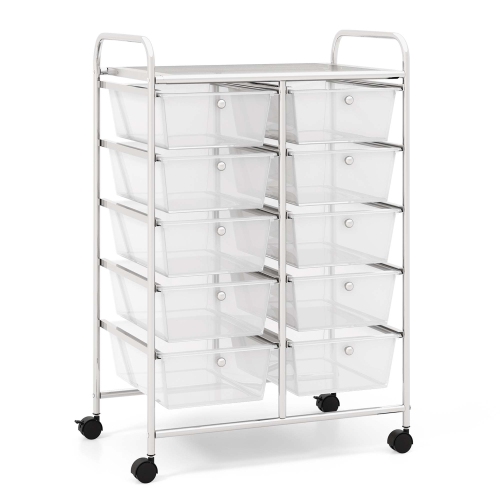
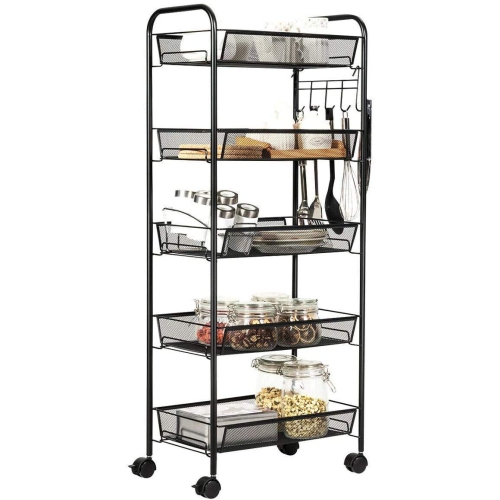
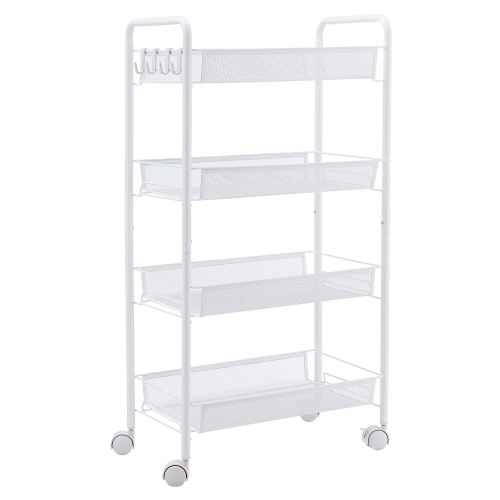
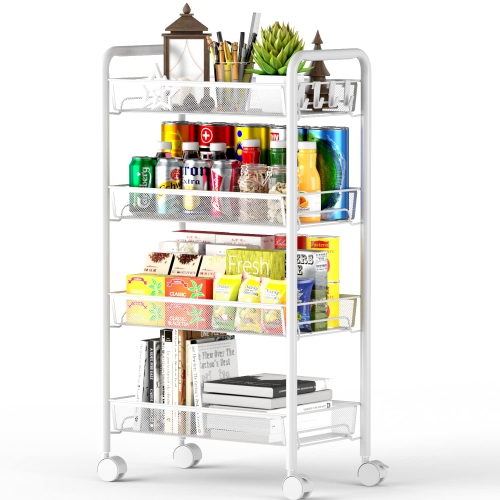
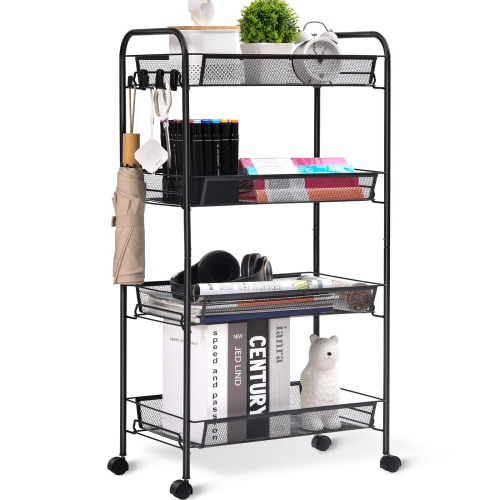
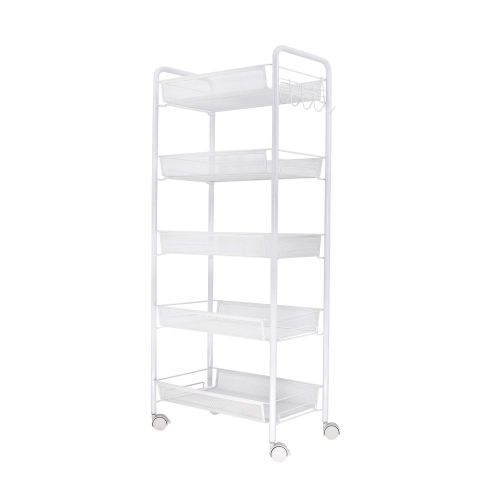
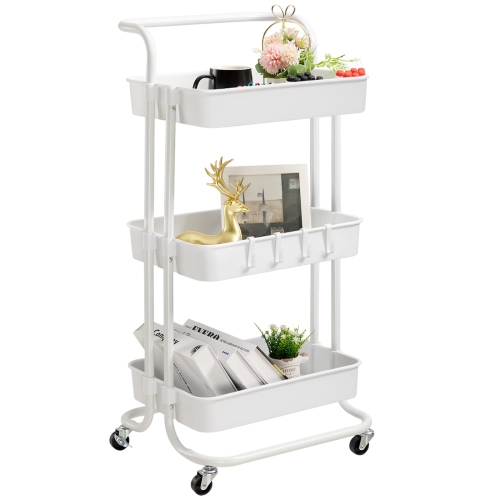
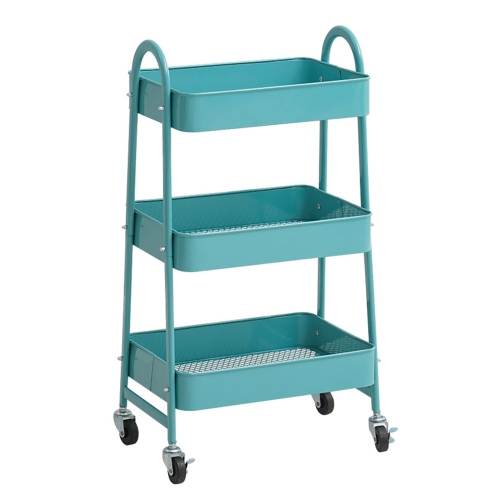
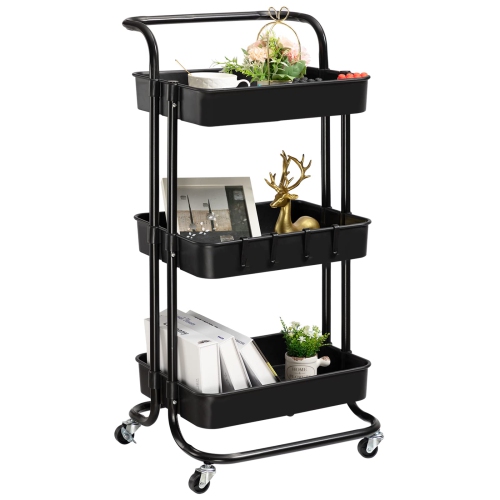
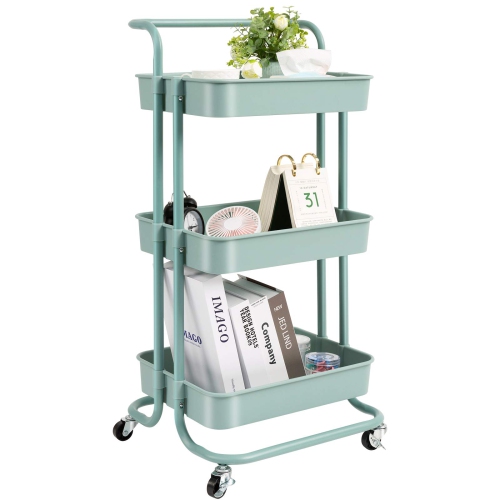
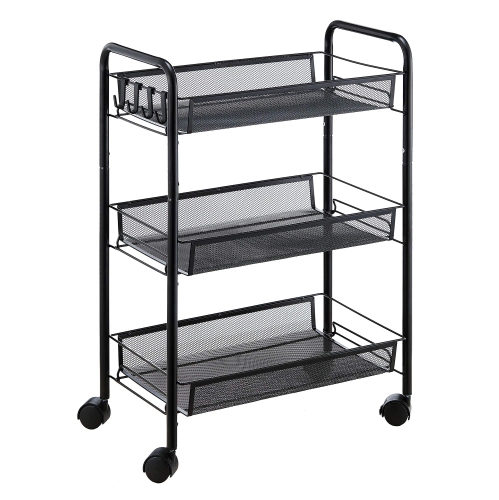
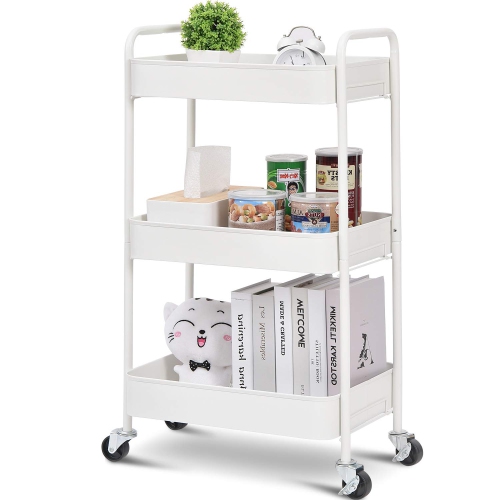
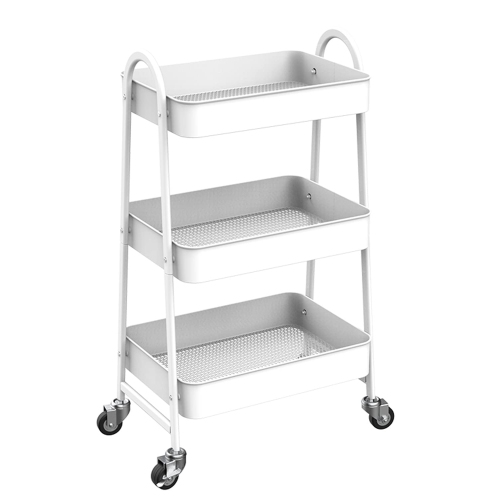
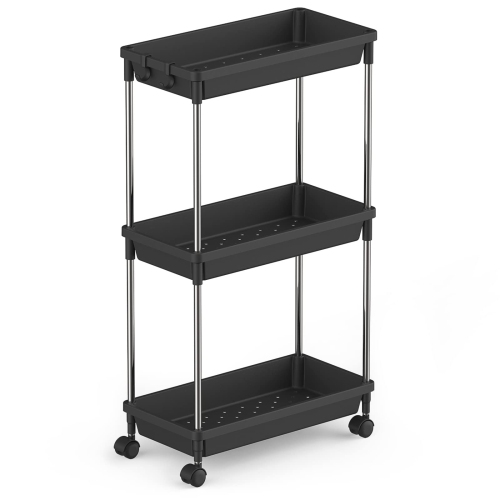
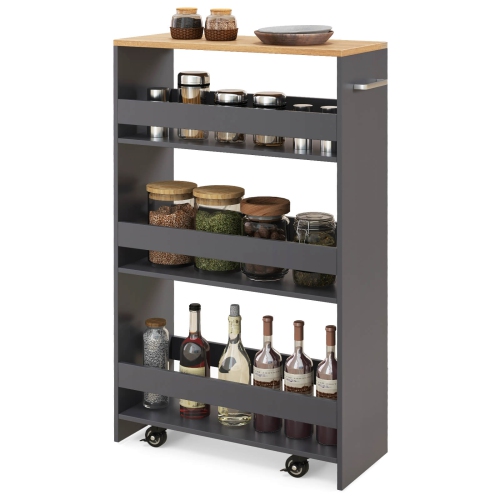
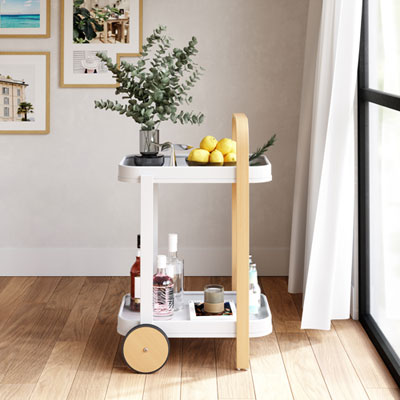
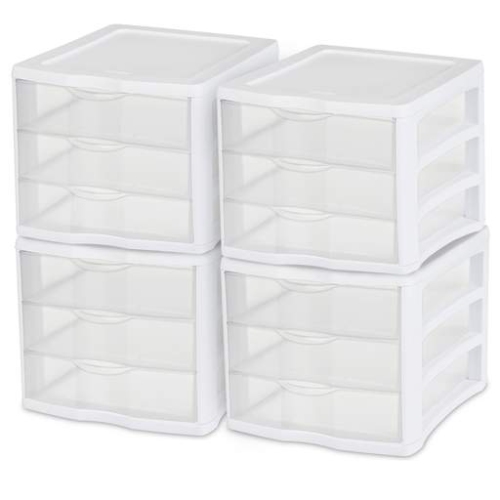
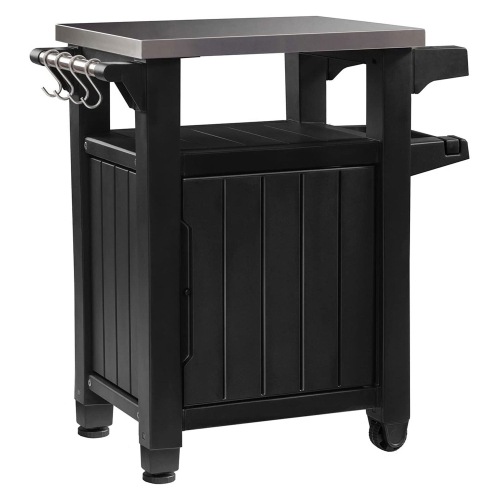
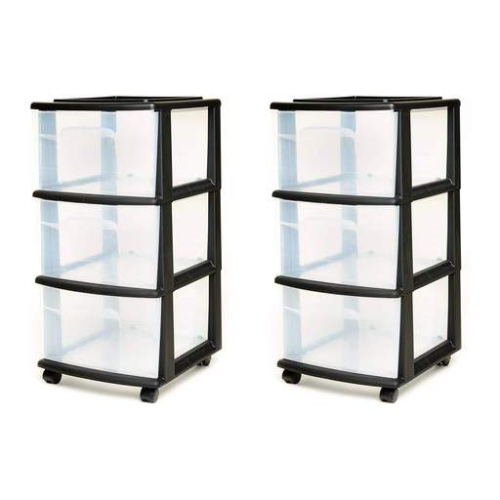
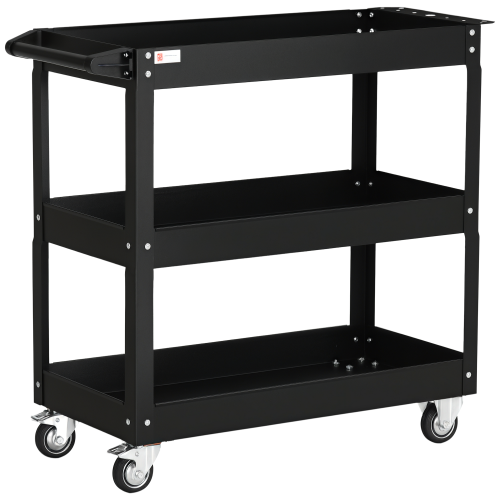
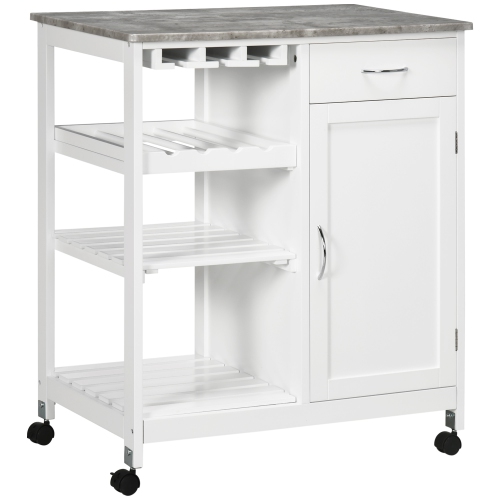
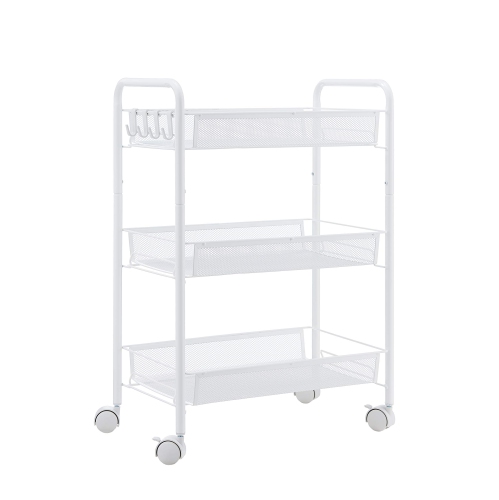
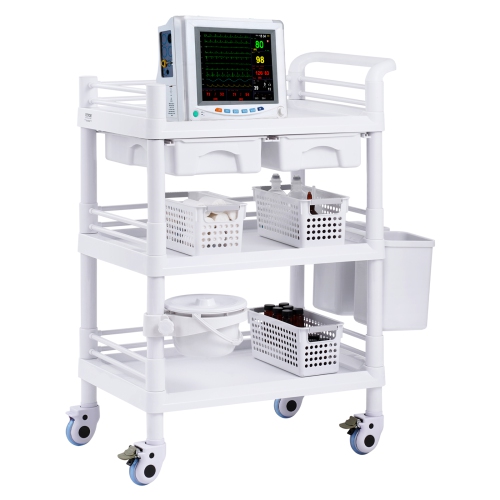
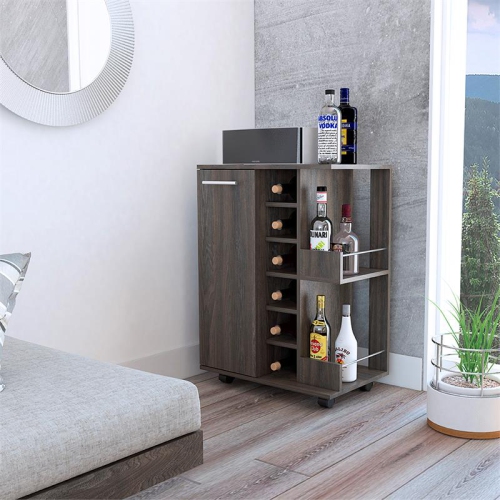
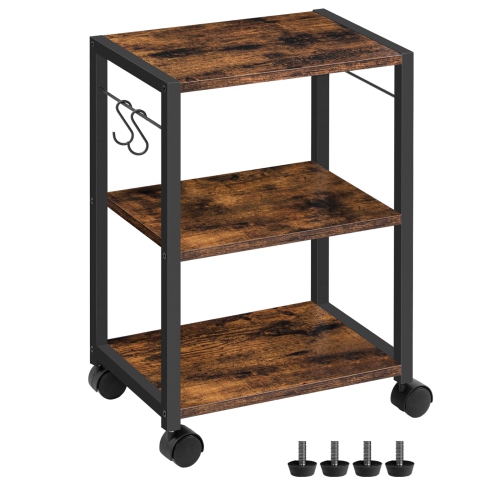
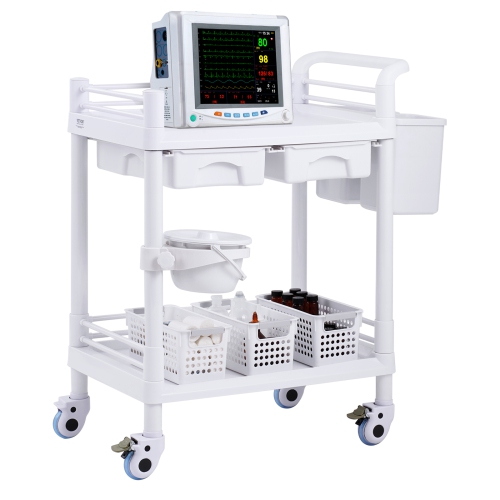
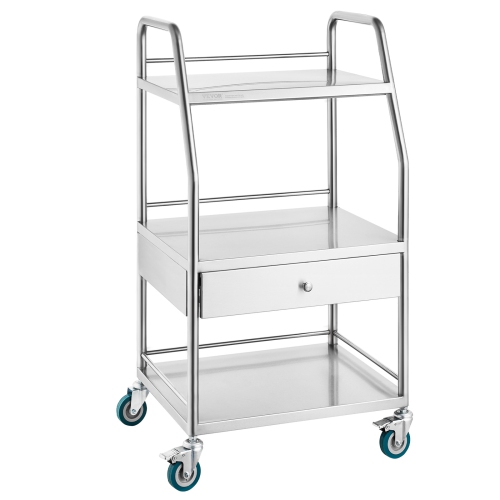
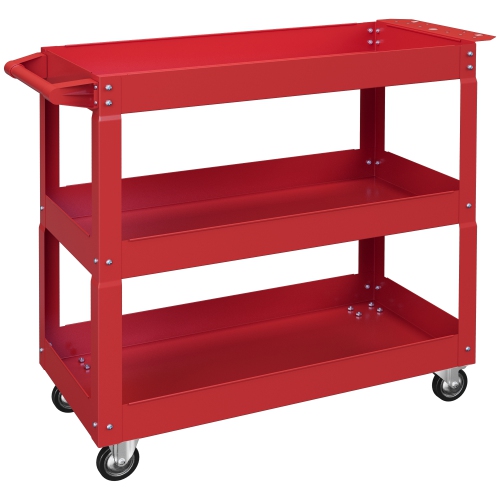
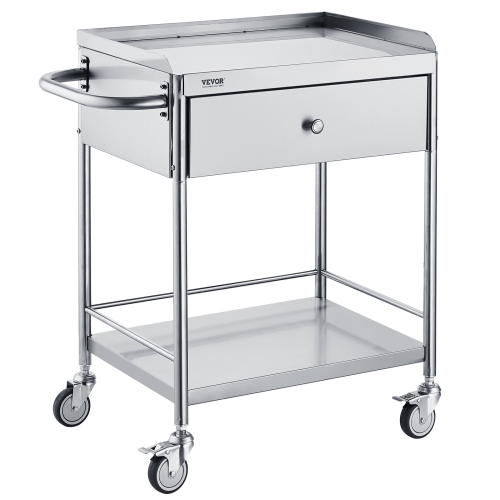
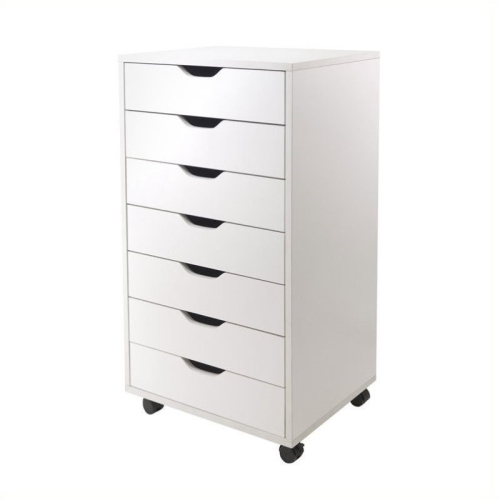
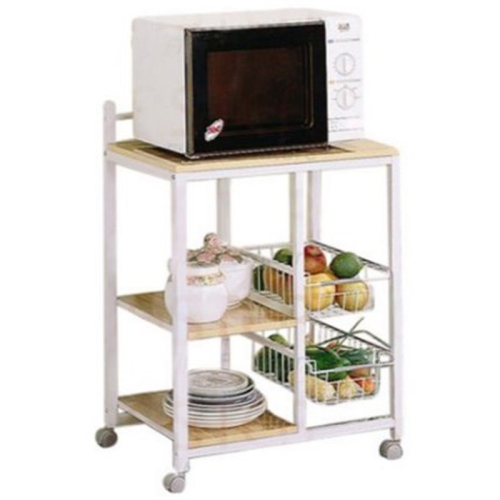
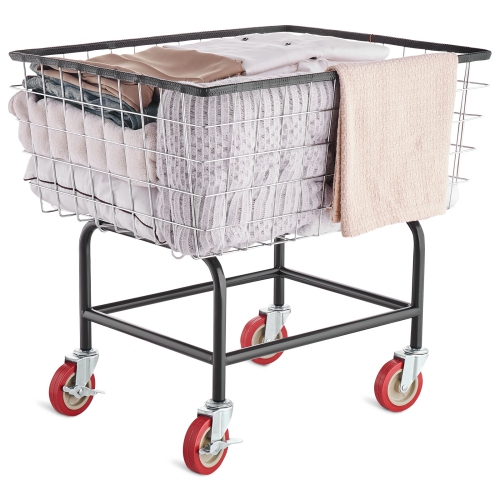
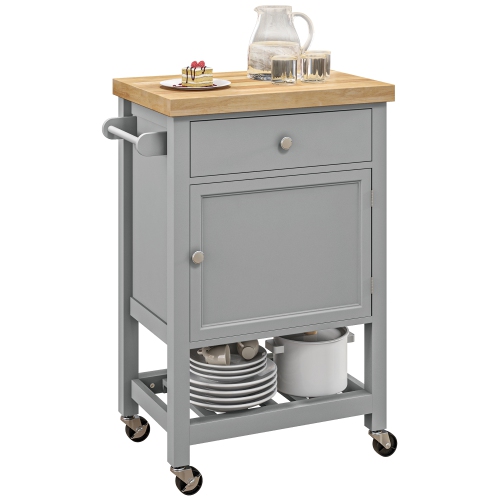
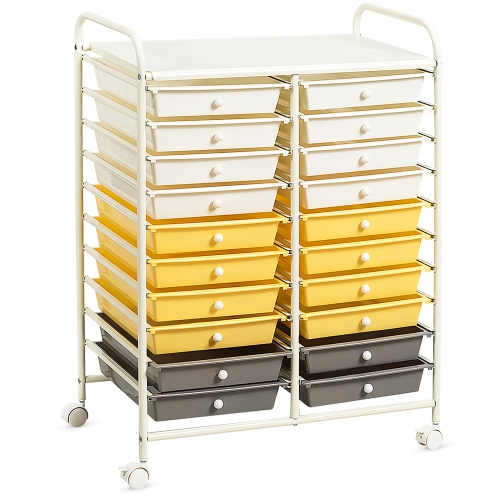
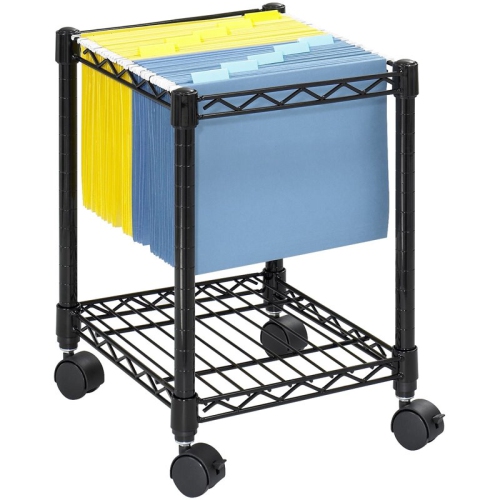
Organizational carts are mobile, multi-tiered storage units that make it easier to keep frequently used items together, visible, and ready to move from one area to another. With rolling casters and multiple shelves, drawers, or compartments, they can turn an overlooked corner into a practical storage station without taking up the footprint of a full cabinet or shelving unit. Open three-tier metal or mesh carts are especially useful when supplies need to be reached often, since their contents can be seen at a glance and lifted out quickly. They work well beside a desk, workbench, kitchen counter, sewing table, or classroom activity area. Multi-drawer plastic carts offer a different kind of organization, with shallow drawers for labels, pens, clips, stickers, and other small pieces and deeper drawers for paper, yarn, craft materials, tools, or personal-care supplies. A cart with a solid top can add another useful surface for sorting mail, preparing a project, arranging a coffee station, or keeping a small selection of daily essentials within arm’s reach. When browsing organizational carts, consider the size of the area where the cart will be stored, the width of nearby doorways, and whether it needs to slide under a desk or beside a cabinet. The number and depth of the compartments matter just as much as the overall appearance: open shelves suit bulky items and quick access, while drawers help separate smaller supplies and reduce visual clutter. A lightweight cart may be ideal for moving between rooms, while a sturdier frame can be a better choice for heavier books, equipment, bottles, or pantry goods. Locking casters can help keep a cart steady while it is in use, and smooth-rolling wheels are helpful when the cart needs to travel across a larger room or between work areas.
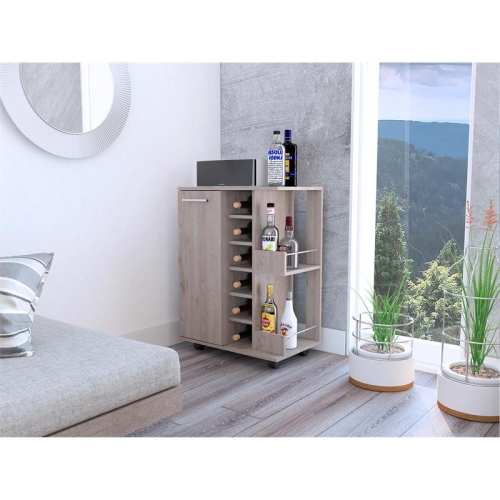
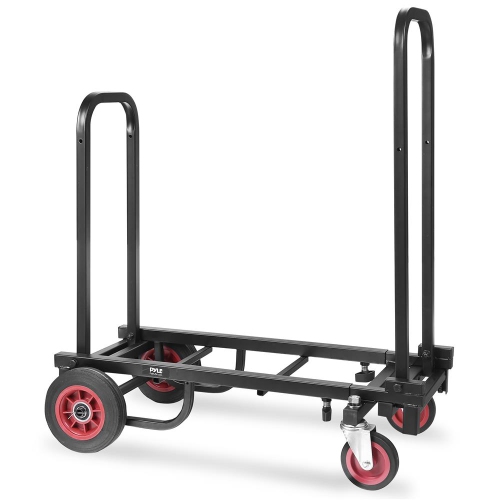
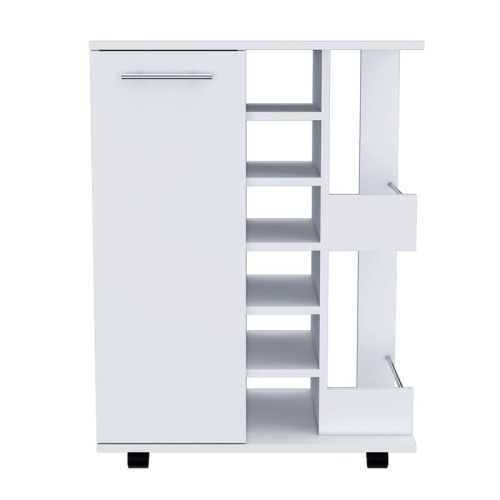
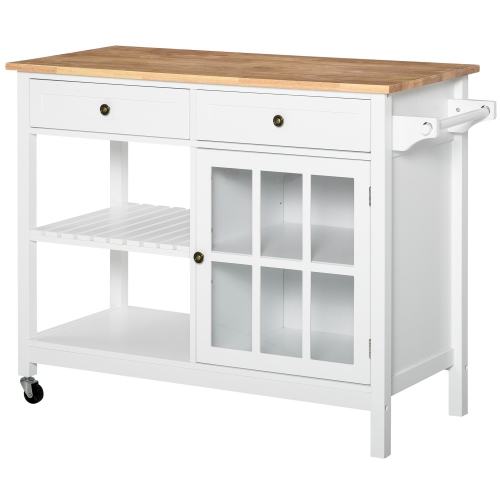
Different rooms call for different cart layouts, and a well-chosen organizer can support routines at home, work, school, or a hobby space. In a craft or art area, one tier can hold paper pads and notebooks, another can keep markers, paint, brushes, scissors, and adhesives together, and drawers can sort beads, thread, cutting tools, or other small components. The cart can be rolled beside a table when a project begins and moved out of the way when the surface needs to be cleared. In a home office, it can gather notebooks, planners, envelopes, printer supplies, charging cables, headphones, and pens in one mobile hub rather than spreading them across a desk. A cart near a kitchen or dining area can organize mugs, drink mixes, napkins, serving pieces, and other beverage supplies, while a more open design can provide a convenient place for frequently used kitchen tools or entertaining essentials. In a bathroom, a narrow cart can hold folded hand towels, toiletries, hair-care items, and refill supplies, provided that the materials and finish are suitable for the room. In a nursery or family area, a cart may keep diapers, wipes, lotions, burp cloths, and spare clothing close to a changing or feeding station. It is best to keep heavier items on the lower shelf and lighter or frequently used items higher up, which can improve stability and make the cart easier to move. For workplaces, studios, salons, classrooms, and service areas, Service Carts can provide additional options for transporting supplies, equipment, documents, or refreshments. Before choosing a cart, check its weight capacity, shelf spacing, drawer dimensions, handle design, wheel construction, and assembly requirements. A cart with removable or adjustable components can adapt as storage needs change, while a compact frame may be the better fit for a hallway, apartment, dorm room, or shared workspace.
Organizational carts can also make thoughtful gifts for someone setting up a new home office, creative corner, study area, nursery, hobby room, or small business workspace. They are particularly useful for people who like to keep a project ready to go instead of packing everything away after each use. A student might use one for textbooks, stationery, study aids, and computer accessories; a baker or host could use one for serving pieces and entertaining supplies; and someone who enjoys sewing, painting, scrapbooking, or model building may appreciate having a dedicated place for materials that otherwise tend to collect in boxes. During the warmer seasons, a cart can move easily between an indoor work area and a covered outdoor space for light projects, gardening supplies, or refreshments, while during the cooler months it can help create an orderly station for indoor hobbies, wrapping supplies, baking tools, or household paperwork. To get the most from a cart, group items according to how they are used rather than simply filling each shelf. Keep everyday essentials at hand, reserve deeper storage for occasional supplies, and use small bins or labelled containers inside open shelves when several loose items need to stay together. Leave enough room to see and lift items without unloading an entire tier, and check the wheel path before placing the cart in a narrow passage. Whether the goal is to organize art materials, tidy a work-from-home setup, prepare a beverage station, manage bathroom supplies, or keep a family’s daily essentials together, an organizational cart offers flexible storage that can follow the rhythm of the room and adapt as needs evolve.
Different rooms call for different cart layouts, and a well-chosen organizer can support routines at home, work, school, or a hobby space. In a craft or art area, one tier can hold paper pads and notebooks, another can keep markers, paint, brushes, scissors, and adhesives together, and drawers can sort beads, thread, cutting tools, or other small components. The cart can be rolled beside a table when a project begins and moved out of the way when the surface needs to be cleared. In a home office, it can gather notebooks, planners, envelopes, printer supplies, charging cables, headphones, and pens in one mobile hub rather than spreading them across a desk. A cart near a kitchen or dining area can organize mugs, drink mixes, napkins, serving pieces, and other beverage supplies, while a more open design can provide a convenient place for frequently used kitchen tools or entertaining essentials. In a bathroom, a narrow cart can hold folded hand towels, toiletries, hair-care items, and refill supplies, provided that the materials and finish are suitable for the room. In a nursery or family area, a cart may keep diapers, wipes, lotions, burp cloths, and spare clothing close to a changing or feeding station. It is best to keep heavier items on the lower shelf and lighter or frequently used items higher up, which can improve stability and make the cart easier to move. For workplaces, studios, salons, classrooms, and service areas, Service Carts can provide additional options for transporting supplies, equipment, documents, or refreshments. Before choosing a cart, check its weight capacity, shelf spacing, drawer dimensions, handle design, wheel construction, and assembly requirements. A cart with removable or adjustable components can adapt as storage needs change, while a compact frame may be the better fit for a hallway, apartment, dorm room, or shared workspace.
Organizational carts can also make thoughtful gifts for someone setting up a new home office, creative corner, study area, nursery, hobby room, or small business workspace. They are particularly useful for people who like to keep a project ready to go instead of packing everything away after each use. A student might use one for textbooks, stationery, study aids, and computer accessories; a baker or host could use one for serving pieces and entertaining supplies; and someone who enjoys sewing, painting, scrapbooking, or model building may appreciate having a dedicated place for materials that otherwise tend to collect in boxes. During the warmer seasons, a cart can move easily between an indoor work area and a covered outdoor space for light projects, gardening supplies, or refreshments, while during the cooler months it can help create an orderly station for indoor hobbies, wrapping supplies, baking tools, or household paperwork. To get the most from a cart, group items according to how they are used rather than simply filling each shelf. Keep everyday essentials at hand, reserve deeper storage for occasional supplies, and use small bins or labelled containers inside open shelves when several loose items need to stay together. Leave enough room to see and lift items without unloading an entire tier, and check the wheel path before placing the cart in a narrow passage. Whether the goal is to organize art materials, tidy a work-from-home setup, prepare a beverage station, manage bathroom supplies, or keep a family’s daily essentials together, an organizational cart offers flexible storage that can follow the rhythm of the room and adapt as needs evolve.
Top selling and popular products
-
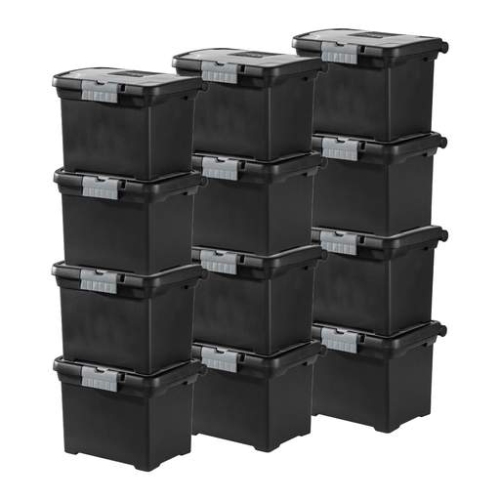 Your price for this item is $419.99
 -
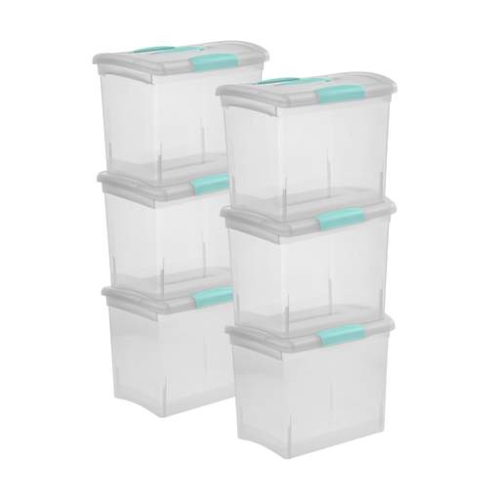 Your price for this item is $125.99
 -
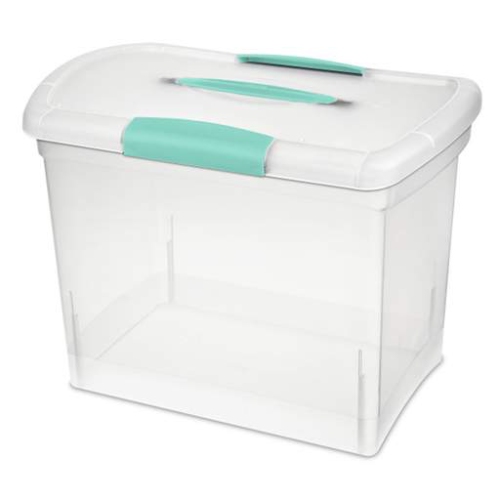 Your price for this item is $354.99
 -
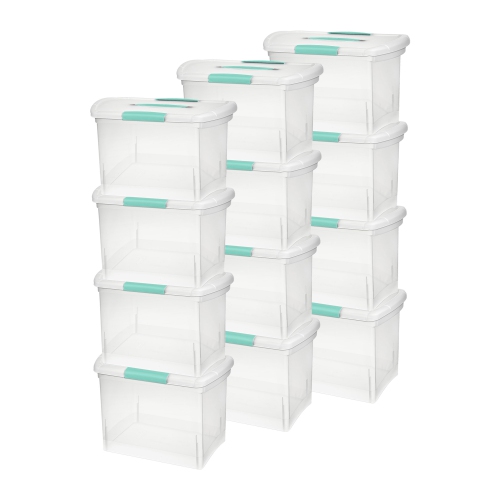 Your price for this item is $242.99
 -
 Your price for this item is $12.99
 -
 Your price for this item is $90.99
 -
 Your price for this item is $10.99
 -
 Your price for this item is $223.99
Discover more categories related to Organizational Carts
Top Collections:
Pokemon Centers, Kindle Devices, Best Budget Office Chairs, Apple iPhones 16, Best Laptops for Writers, iPhone 15 Apple, Canon G7X Cameras, Refurbished Apple Laptops, Alarm Clock, Motorola Razr Phones
Some products may be subject to Environmental Handling Fees
(EHF) depending on your province.
Learn more about EHFs.