Paper Rolls
Explore the versatility and convenience of paper rolls, an essential item for both home and business use. Whether you're stocking up for your office, restaurant, or personal crafting projects, these rolls offer a practical solution for various needs. From printing receipts to creating art projects or even wrapping gifts, paper rolls are designed to meet a wide array of requirements. With options available in different sizes and types, finding the perfect fit for your task is simple. Enhance your efficiency and creativity with our selection of high-quality paper rolls today.
Sort
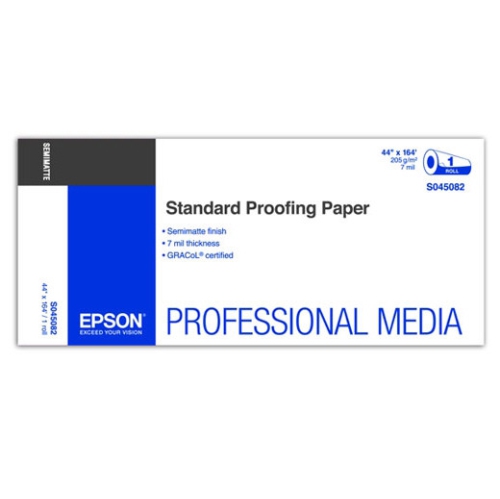
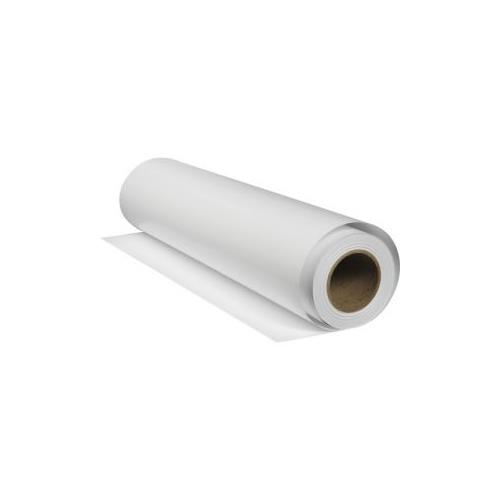
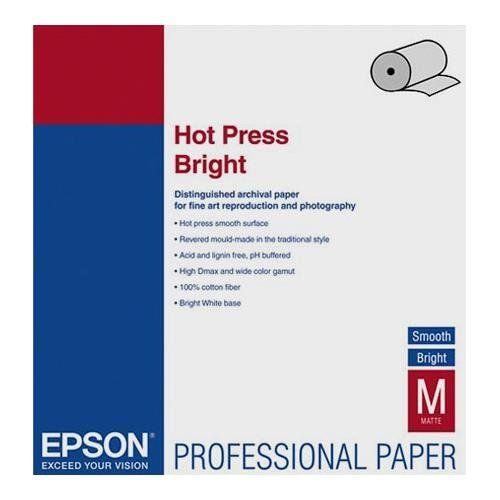

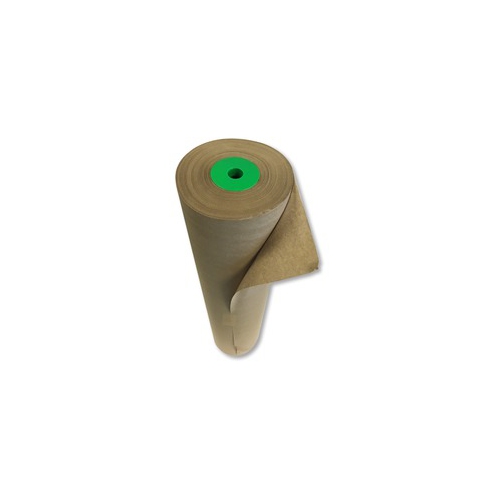
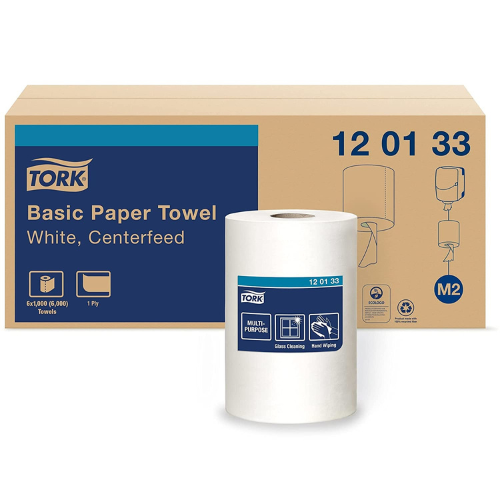
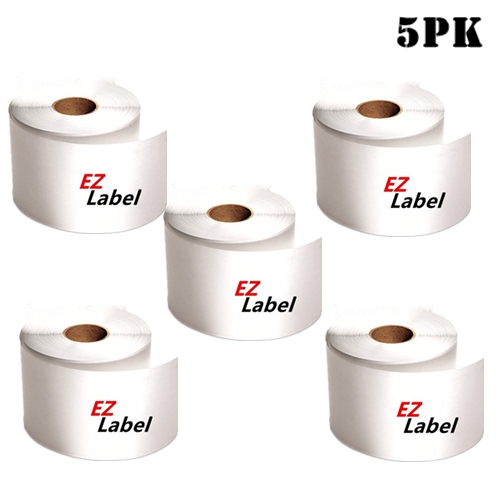

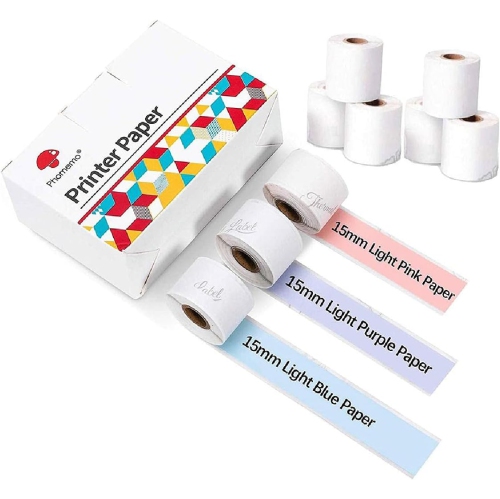
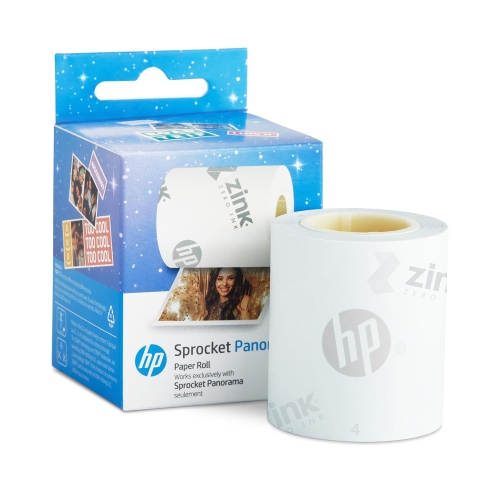
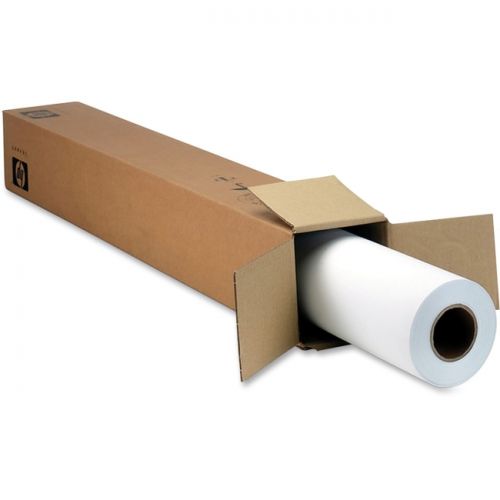

Why similar-looking rolls suit very different jobs
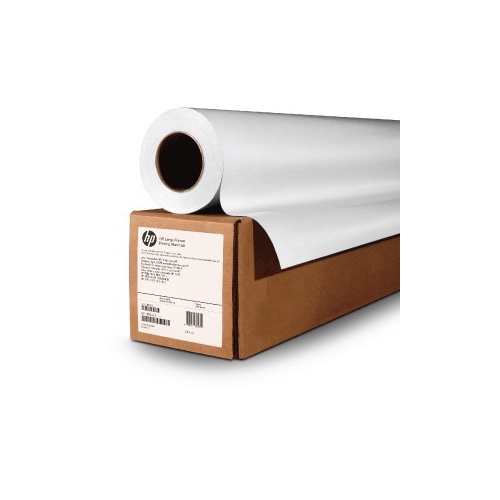
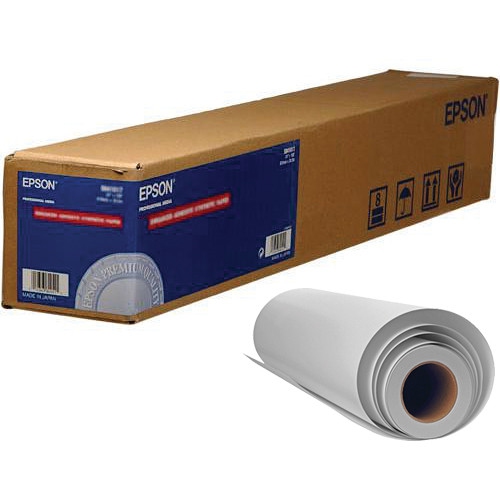
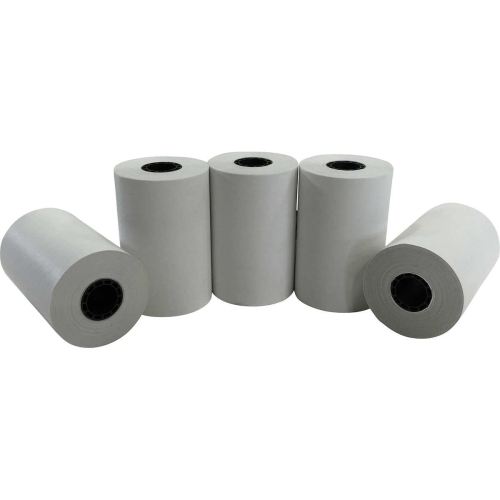
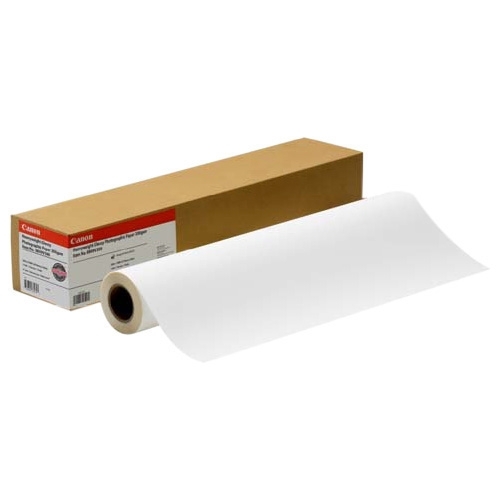
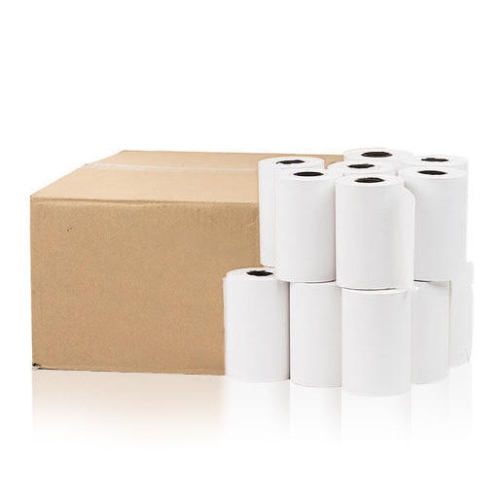
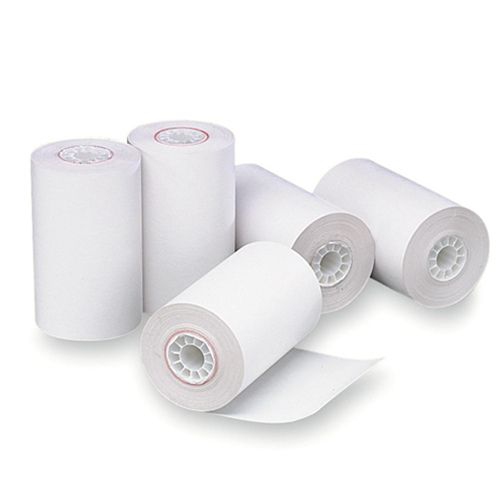
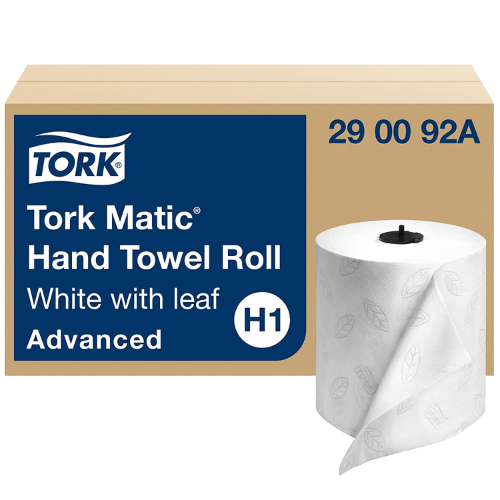
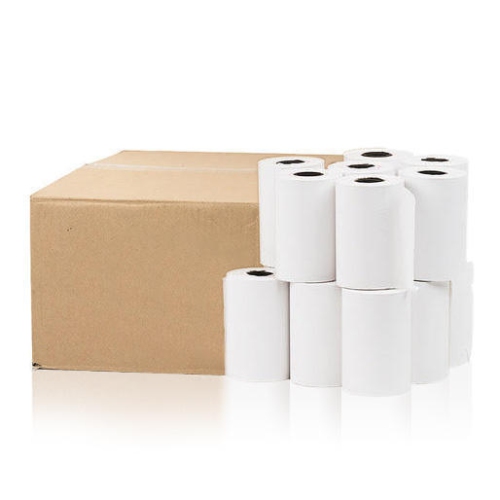
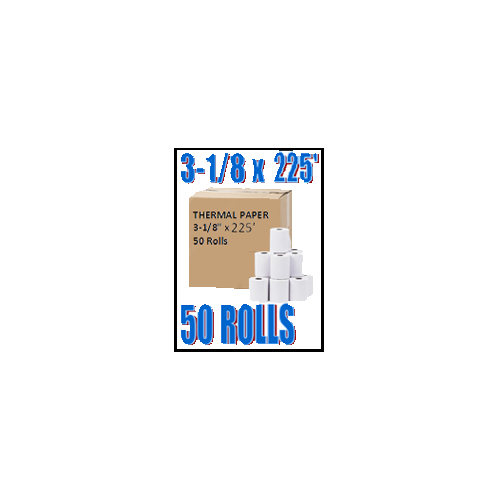
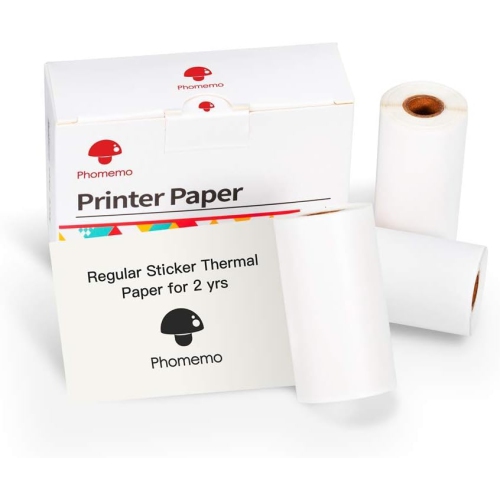
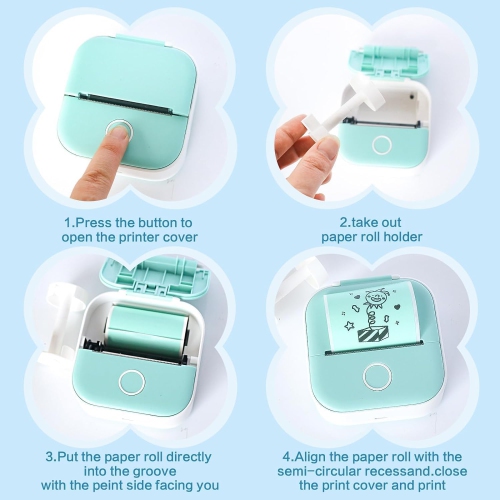
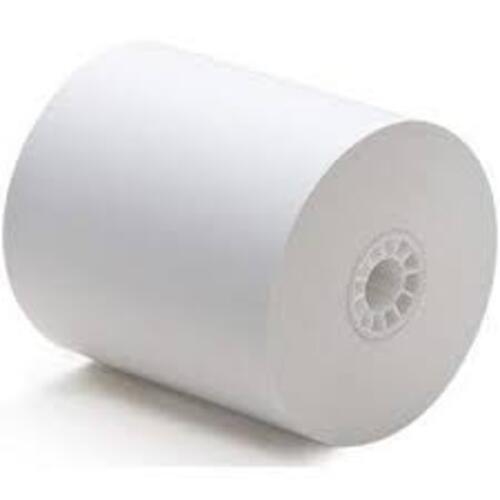
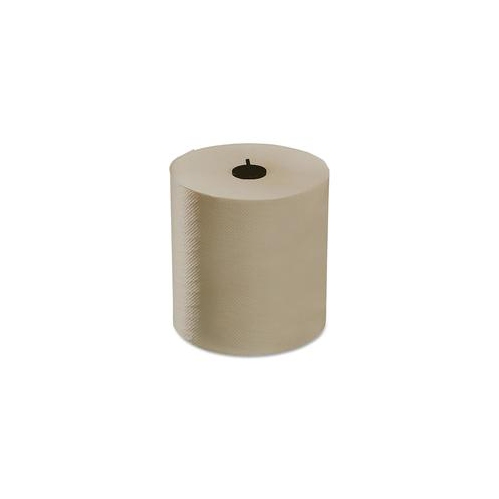
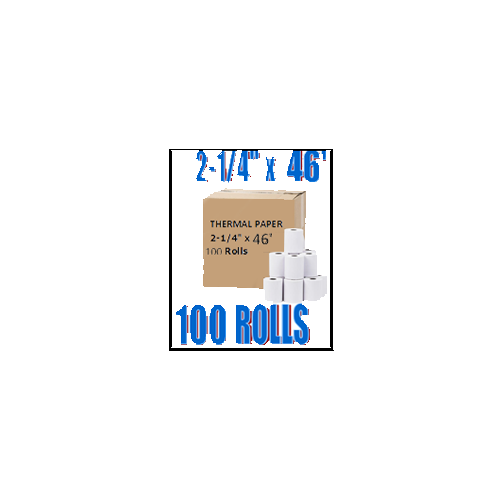
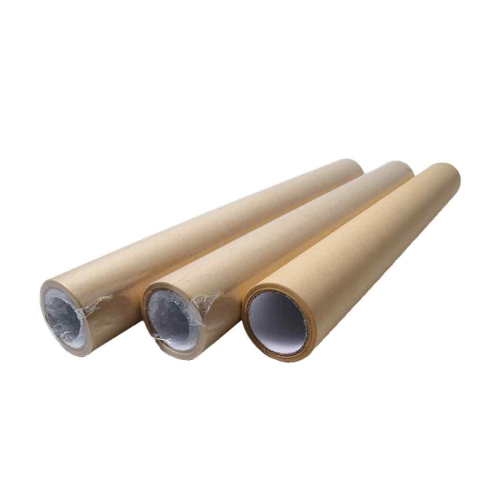
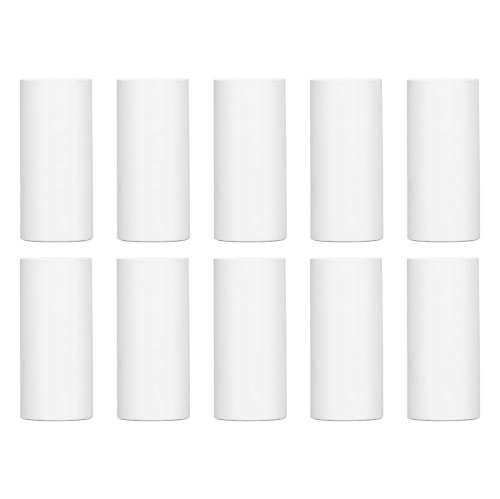
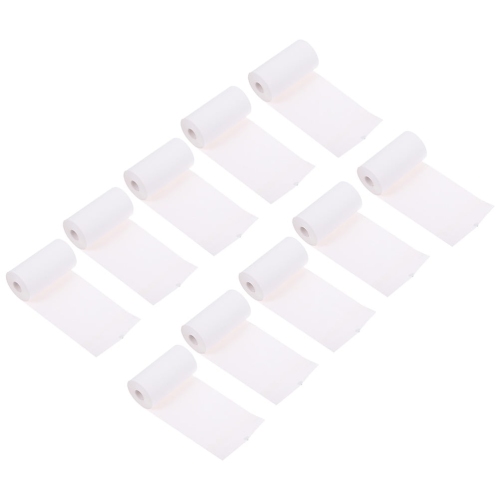
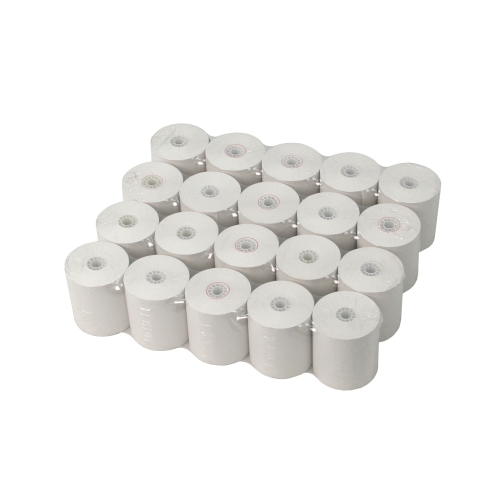
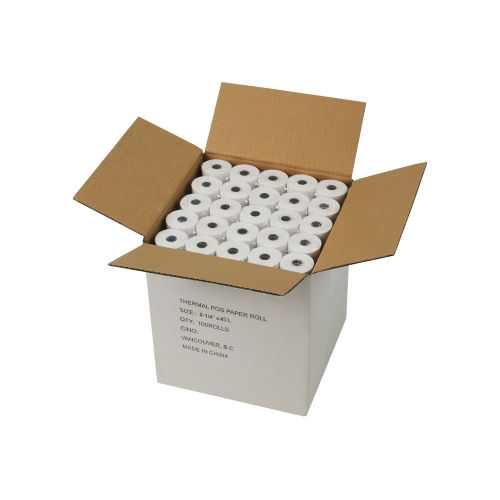
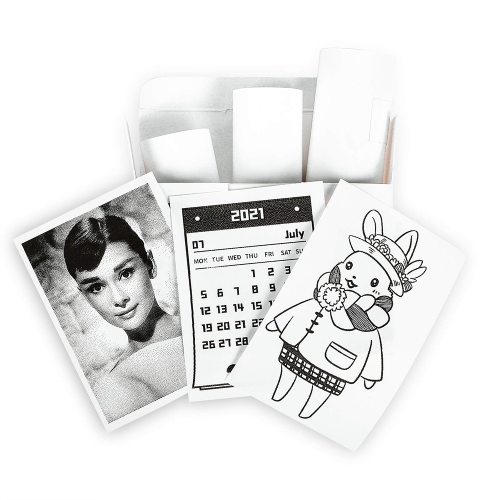
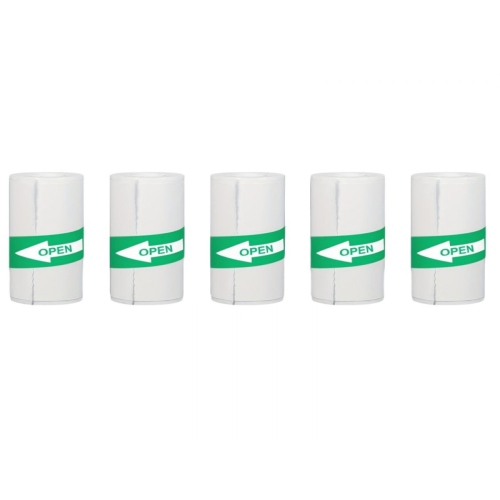
Paper rolls provide a continuous supply of paper for printing receipts, recording calculations, drawing, wrapping, and packing. The main types include thermal receipt paper, plain bond rolls for compatible printing equipment, kraft paper for wrapping and cushioning, and wider drawing paper for creative work. Although they share a rolled format, these materials are designed for different jobs and are not automatically interchangeable. A compact receipt roll needs to match a printer’s specifications, while a broad craft roll is more often chosen for its surface, strength, and working width. Thermal paper has a heat-sensitive coating that produces an image when it passes under a thermal printhead, so a compatible direct thermal printer does not require an ink cartridge or ribbon. Plain bond receipt paper, by contrast, is commonly used with impact equipment that transfers ink from a ribbon onto the sheet. Some receipt systems use multi-ply rolls to produce copies of the same transaction, but those rolls also require compatible equipment. Paper for calculators and adding machines can vary in printing method, making the equipment model more useful than appearance alone when identifying the right format. For shoppers comparing heat-sensitive printing supplies, Thermal Papers focuses on the paper category used by compatible direct thermal devices. These distinctions matter in everyday settings: a café needs readable order details, a service counter needs clear transaction records, and a home office may need a printed calculation trail. Even when two rolls look almost identical, differences in coating, thickness, or winding direction can affect whether the paper feeds and prints correctly. White paper is common for clear contrast, while coloured paper can help distinguish certain records or creative projects when the application permits it. The right paper roll therefore starts with its intended purpose, whether that means producing a legible receipt, covering a long drawing surface, or wrapping an object without joining several separate sheets. Each use places different demands on the paper, from reliable feeding to resistance against tearing during handling.
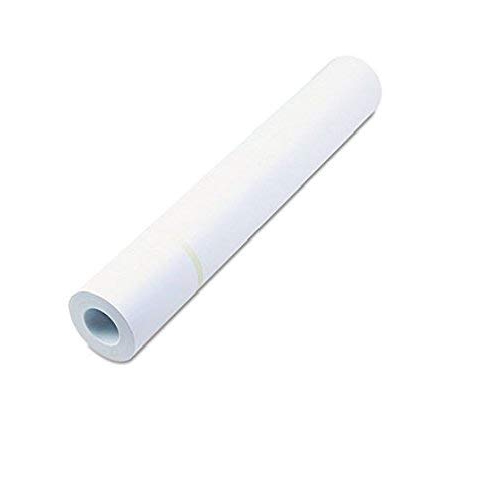
For printer and calculator paper rolls, fit involves more than the width of the strip. Roll width, outside diameter, core size, and paper thickness all contribute to compatibility. A roll can have the correct width yet still be too large for the paper compartment, and a core opening may need to fit a particular spindle or holder. Measurements should be compared in the same units as the equipment specifications rather than judged from a photograph. Roll length indicates how much paper is wound onto the core, but it does not establish fit on its own: thicker paper takes up more space than thinner paper of the same length. The direction in which the paper unwinds can also matter, especially with thermal rolls that generally print on one coated side. In a busy checkout area, properly fitting rolls help the printer lid close correctly and allow paper to travel through the feed path without unnecessary drag. Paper quality affects handling as well as the finished print. Consistent thickness, cleanly cut edges, and a surface suited to the printing mechanism support dependable feeding and readable text. Loose paper dust or damaged edges can contribute to maintenance needs, although cleaning should always follow the equipment manufacturer’s directions. Storage is particularly important for thermal paper because heat, direct sunlight, and contact with certain oils, adhesives, or plastic materials can affect the coating or fade the image. A dry storage space away from strong light helps protect unused rolls, while keeping them in their packaging can reduce dust and accidental damage. Plain paper also benefits from protection against moisture, which can cause curling or uneven feeding. Printed thermal receipts are not ideal as the sole copy of information needed for long-term reference; a digital copy can help preserve details for expense tracking or warranty records. For shared workspaces, a clearly labelled storage spot for each compatible roll size makes routine replacement simpler and reduces mix-ups between machines that use similar-looking supplies.
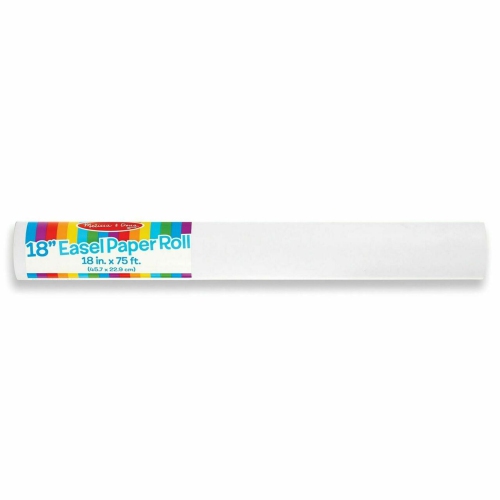
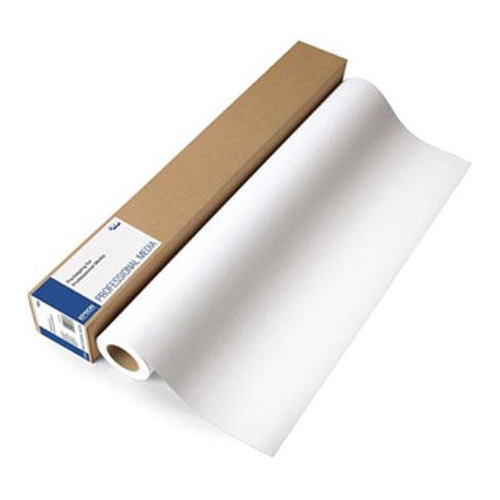
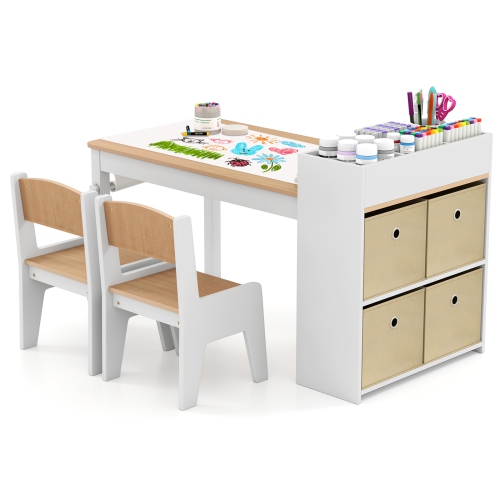
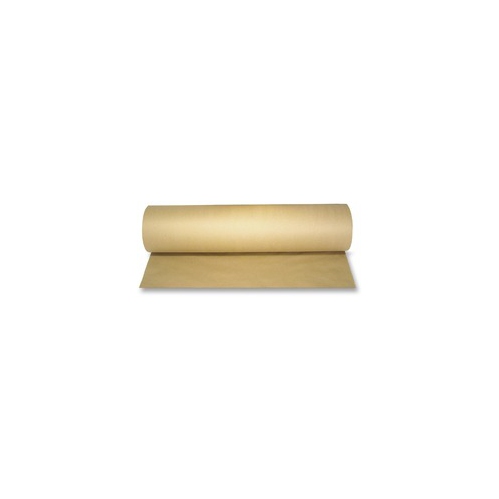
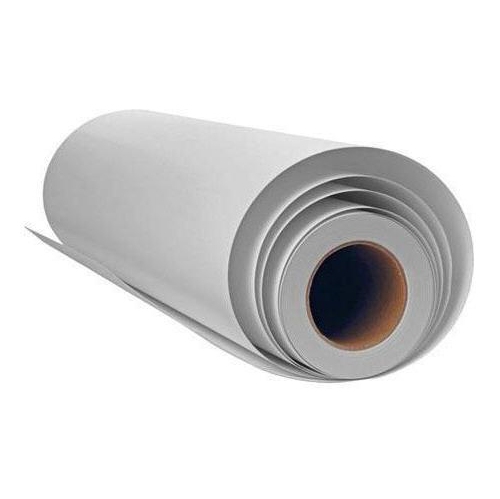
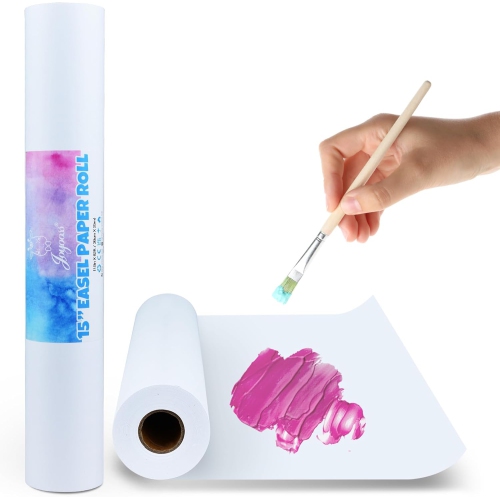
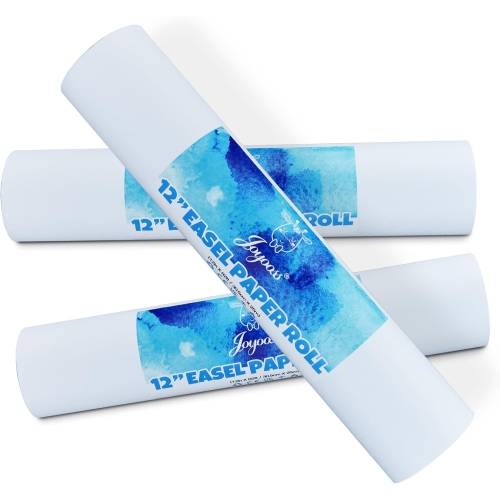
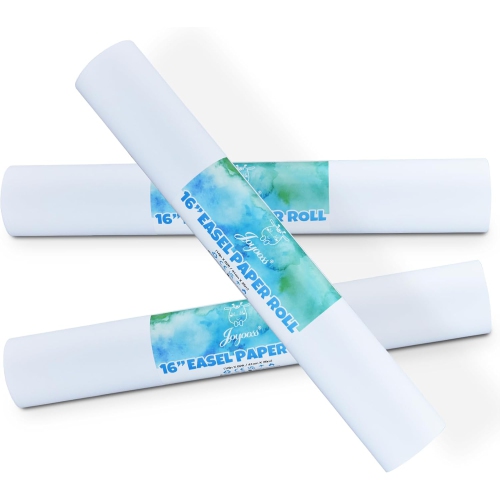
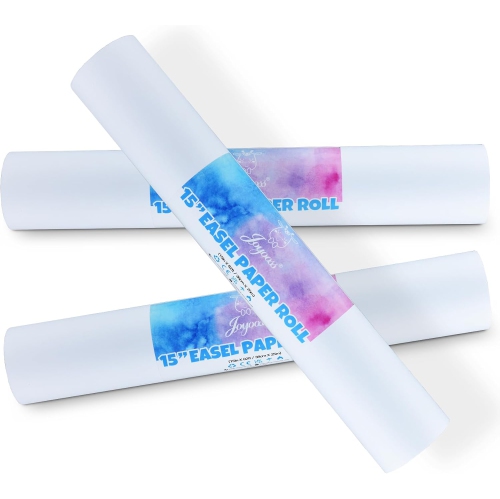
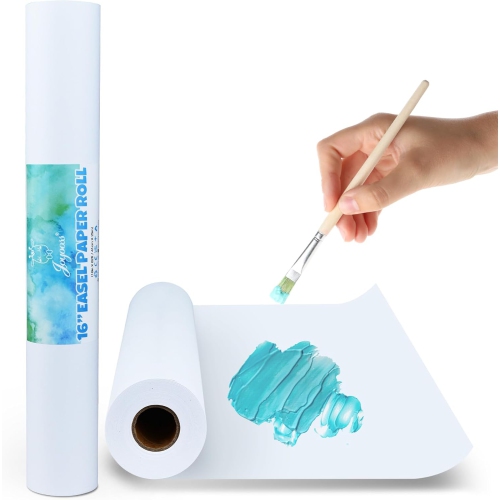
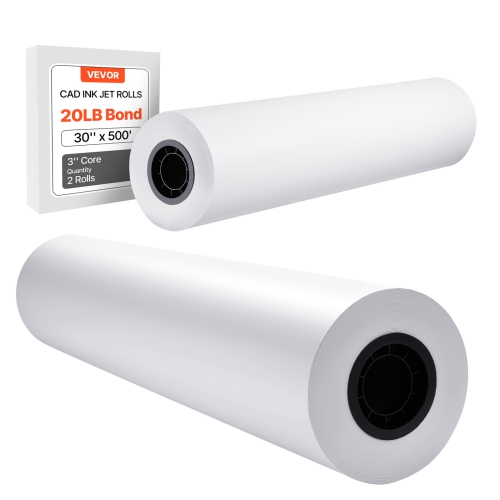
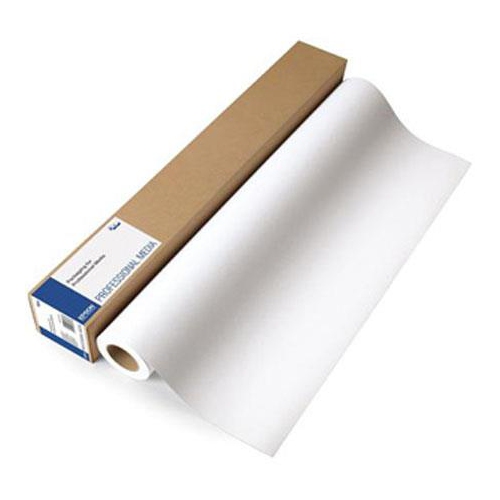
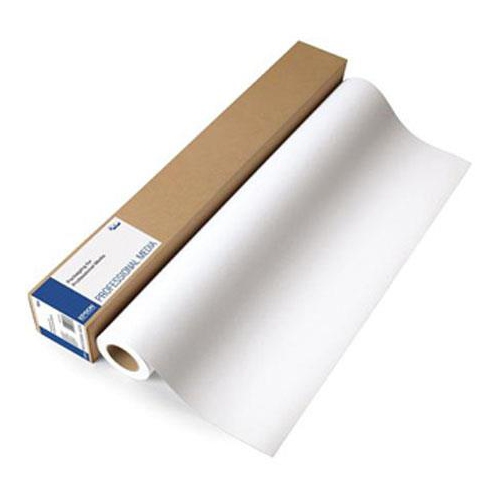
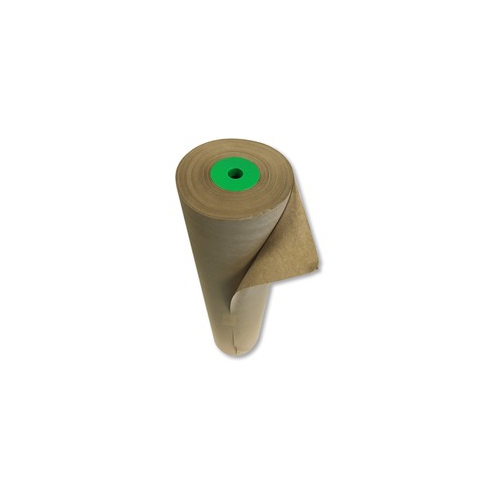
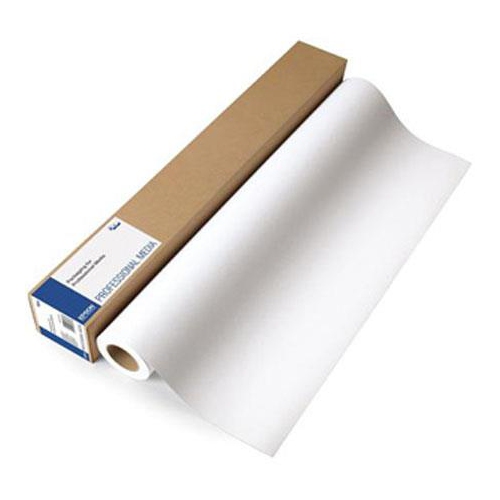
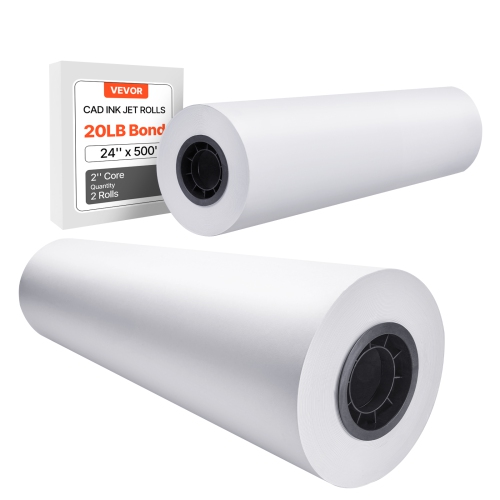
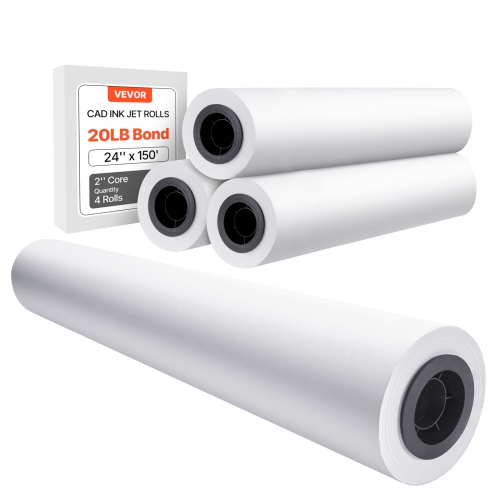
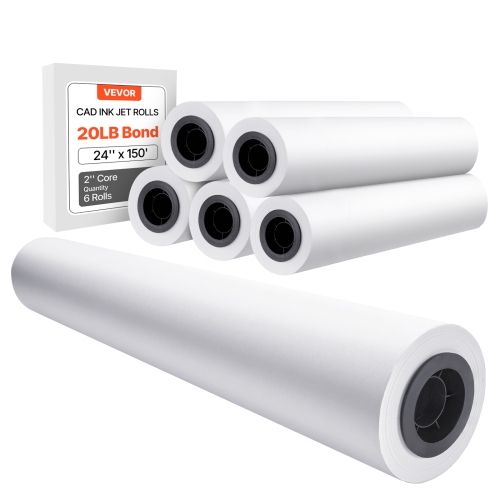
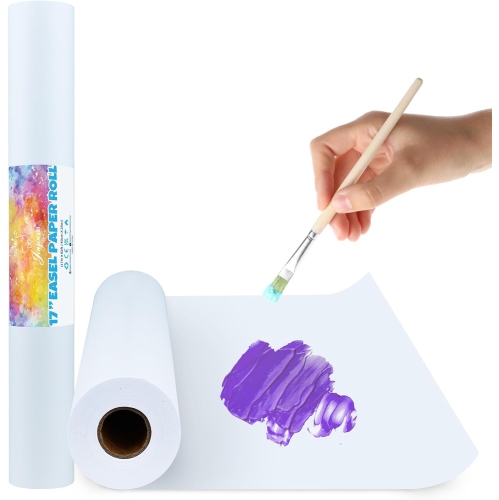
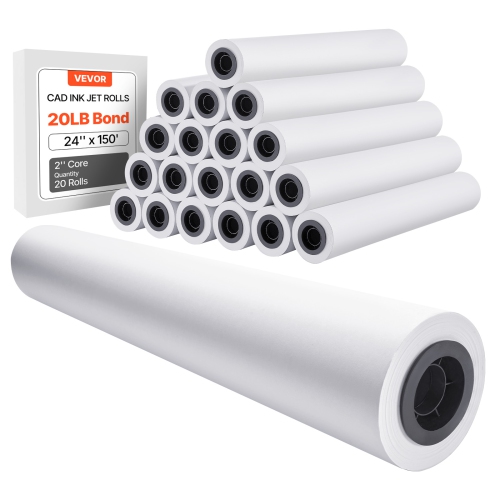
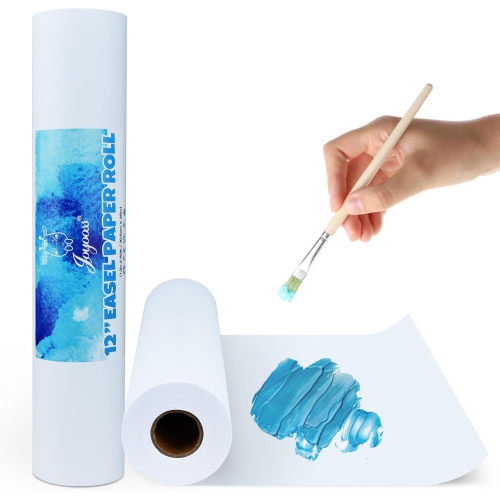
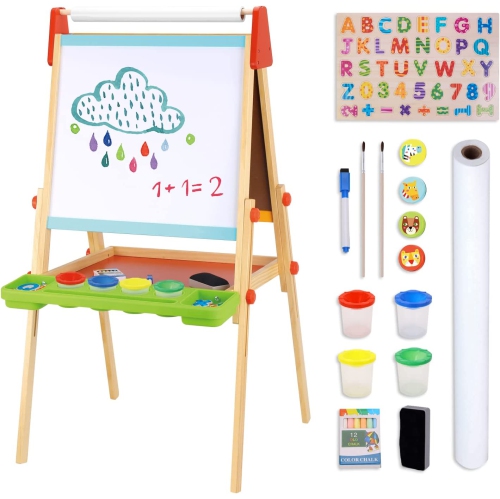
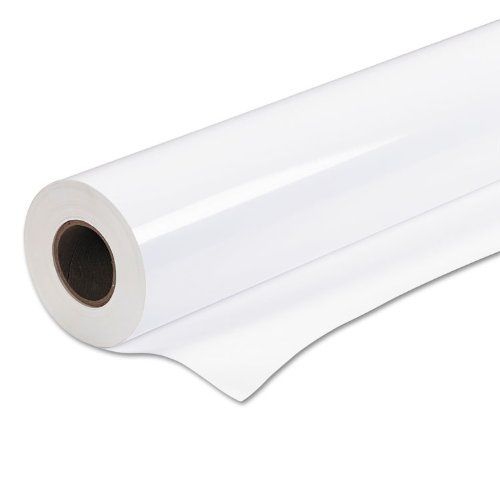
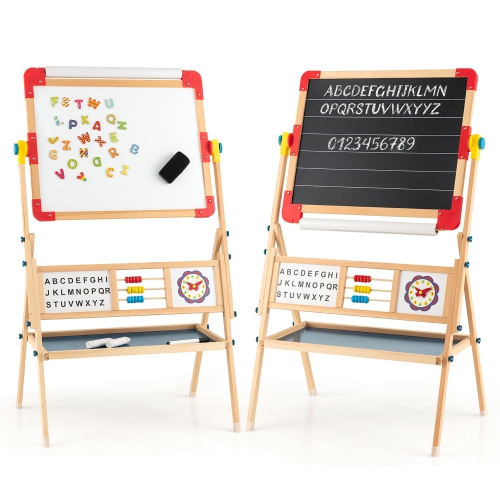
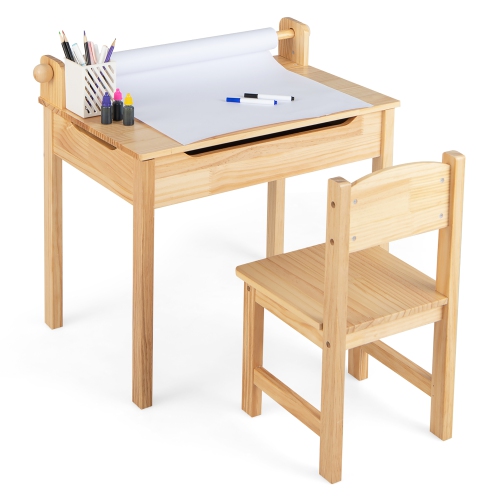
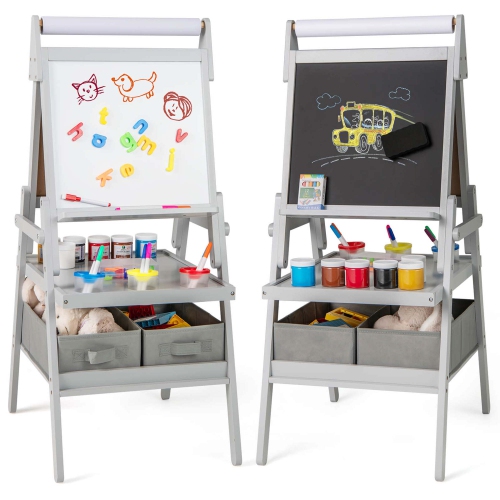
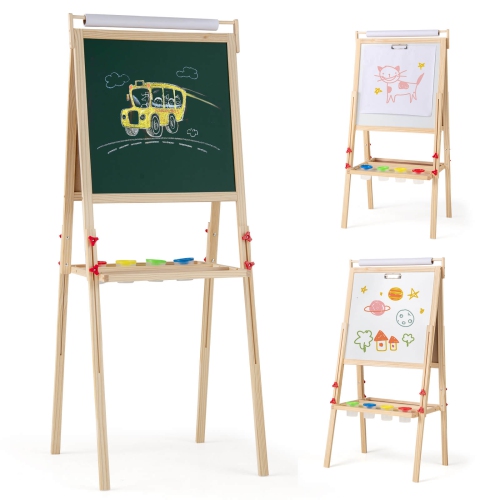
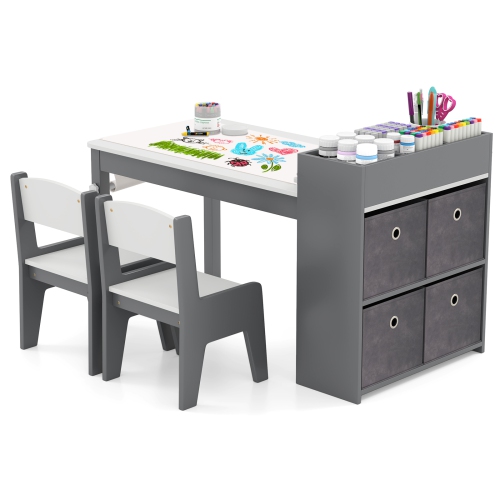
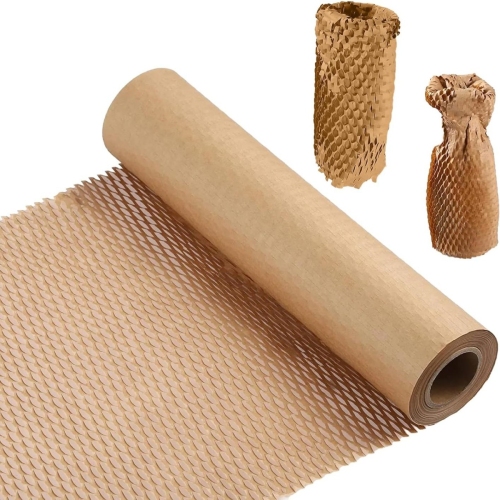
Larger paper rolls serve a different set of needs, giving households, classrooms, studios, and packing areas a surface that can be cut to the length of the task. Kraft paper is widely used for wrapping parcels, separating objects, filling empty space inside boxes, and covering work surfaces during dry craft activities. Its strength varies with paper weight and construction, so a lightweight wrapping sheet should not be expected to perform like a heavier packing paper. Crumpled kraft paper can help limit movement in a box, but fragile objects may need additional cushioning and a suitable outer carton. Paper wrapping alone is not a moisture barrier. For a neatly wrapped book or a group of small boxed gifts, a flexible sheet folds around corners more easily; for a workbench covering or a larger parcel, tear resistance may matter more than a crisp decorative fold. Drawing paper rolls offer room for full-length sketches, banners, classroom murals, and children’s art without the fixed boundaries of a standard sheet. A long strip spread across a table can become a shared city map in pencil, while an easel-mounted roll makes it easy to pull down a fresh section between drawings. The surface should suit the medium: smoother paper often works well for pencils and crayons, while some texture can give charcoal or pastel more grip. Marker ink may show through lighter paper, and wet paint requires paper made to tolerate moisture; ordinary drawing or kraft paper can wrinkle, soften, or allow colour to reach the surface underneath. Paper weight, often expressed in grams per square metre, provides useful context, though weight alone does not determine absorbency or strength. Width matters just as much in creative spaces, particularly when a roll needs to fit an easel, dispenser, shelf, or tabletop. A secure holder helps keep the roll from travelling across the work area, and children’s setups benefit from adult-managed cutting rather than an exposed cutting edge. Stored upright in a stable container or horizontally with support, larger rolls should be protected from crushed edges and damp floors. Matching the roll to its holder, tools, and intended medium turns a simple length of paper into a practical surface for work, presentation, and play.
For printer and calculator paper rolls, fit involves more than the width of the strip. Roll width, outside diameter, core size, and paper thickness all contribute to compatibility. A roll can have the correct width yet still be too large for the paper compartment, and a core opening may need to fit a particular spindle or holder. Measurements should be compared in the same units as the equipment specifications rather than judged from a photograph. Roll length indicates how much paper is wound onto the core, but it does not establish fit on its own: thicker paper takes up more space than thinner paper of the same length. The direction in which the paper unwinds can also matter, especially with thermal rolls that generally print on one coated side. In a busy checkout area, properly fitting rolls help the printer lid close correctly and allow paper to travel through the feed path without unnecessary drag. Paper quality affects handling as well as the finished print. Consistent thickness, cleanly cut edges, and a surface suited to the printing mechanism support dependable feeding and readable text. Loose paper dust or damaged edges can contribute to maintenance needs, although cleaning should always follow the equipment manufacturer’s directions. Storage is particularly important for thermal paper because heat, direct sunlight, and contact with certain oils, adhesives, or plastic materials can affect the coating or fade the image. A dry storage space away from strong light helps protect unused rolls, while keeping them in their packaging can reduce dust and accidental damage. Plain paper also benefits from protection against moisture, which can cause curling or uneven feeding. Printed thermal receipts are not ideal as the sole copy of information needed for long-term reference; a digital copy can help preserve details for expense tracking or warranty records. For shared workspaces, a clearly labelled storage spot for each compatible roll size makes routine replacement simpler and reduces mix-ups between machines that use similar-looking supplies.
Larger paper rolls serve a different set of needs, giving households, classrooms, studios, and packing areas a surface that can be cut to the length of the task. Kraft paper is widely used for wrapping parcels, separating objects, filling empty space inside boxes, and covering work surfaces during dry craft activities. Its strength varies with paper weight and construction, so a lightweight wrapping sheet should not be expected to perform like a heavier packing paper. Crumpled kraft paper can help limit movement in a box, but fragile objects may need additional cushioning and a suitable outer carton. Paper wrapping alone is not a moisture barrier. For a neatly wrapped book or a group of small boxed gifts, a flexible sheet folds around corners more easily; for a workbench covering or a larger parcel, tear resistance may matter more than a crisp decorative fold. Drawing paper rolls offer room for full-length sketches, banners, classroom murals, and children’s art without the fixed boundaries of a standard sheet. A long strip spread across a table can become a shared city map in pencil, while an easel-mounted roll makes it easy to pull down a fresh section between drawings. The surface should suit the medium: smoother paper often works well for pencils and crayons, while some texture can give charcoal or pastel more grip. Marker ink may show through lighter paper, and wet paint requires paper made to tolerate moisture; ordinary drawing or kraft paper can wrinkle, soften, or allow colour to reach the surface underneath. Paper weight, often expressed in grams per square metre, provides useful context, though weight alone does not determine absorbency or strength. Width matters just as much in creative spaces, particularly when a roll needs to fit an easel, dispenser, shelf, or tabletop. A secure holder helps keep the roll from travelling across the work area, and children’s setups benefit from adult-managed cutting rather than an exposed cutting edge. Stored upright in a stable container or horizontally with support, larger rolls should be protected from crushed edges and damp floors. Matching the roll to its holder, tools, and intended medium turns a simple length of paper into a practical surface for work, presentation, and play.
Top selling and popular products
-
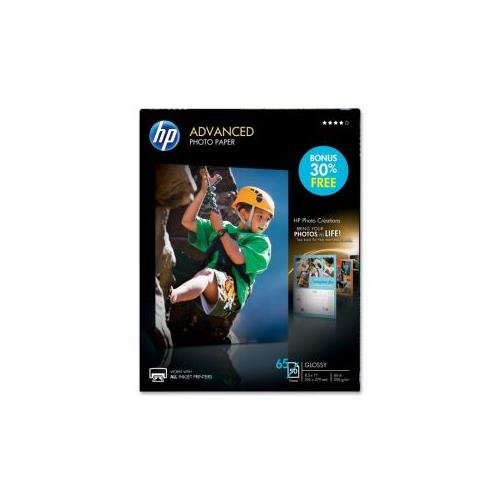 Your price for this item is $57.68
 -
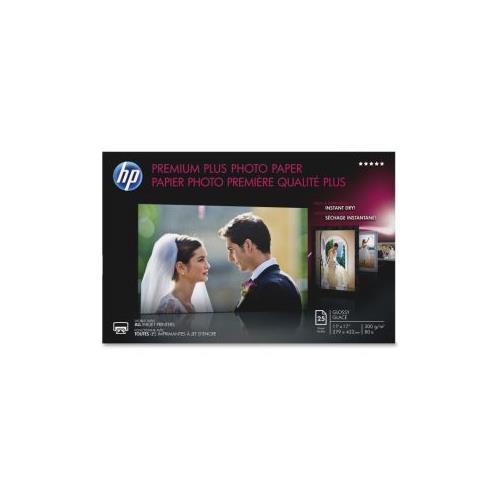 Your price for this item is $90.68
 -
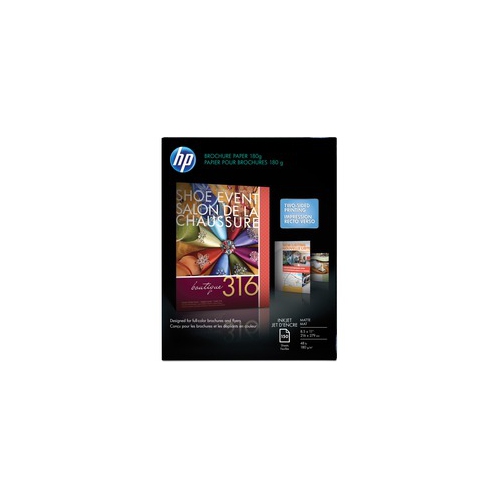 Your price for this item is $45.99
 -
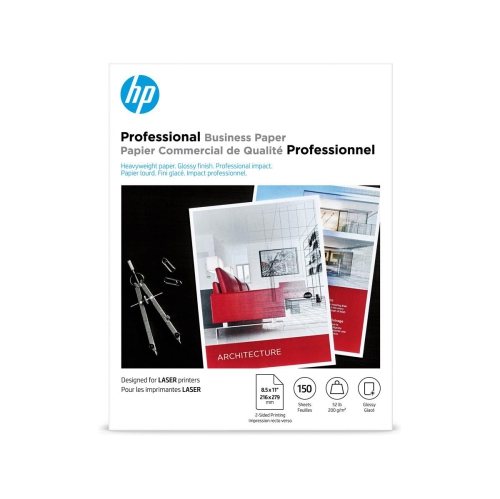 Your price for this item is $45.79
 -
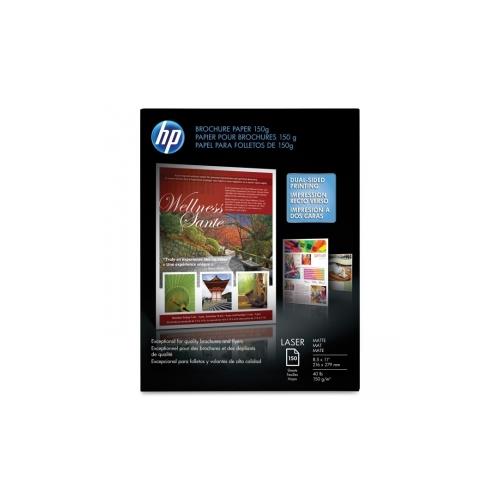 Your price for this item is $37.99
 -
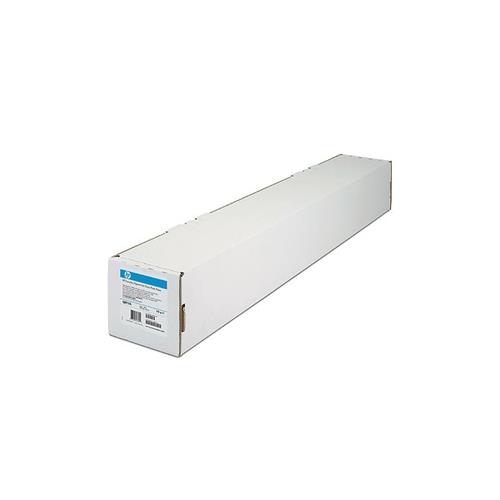 Your price for this item is $358.99
 -
 Your price for this item is $31.99
 -
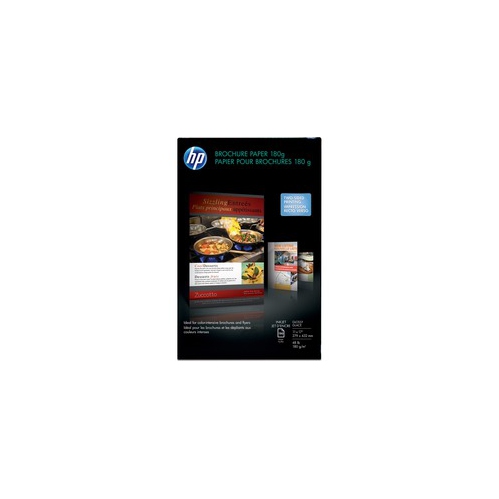 Your price for this item is $103.99
Discover more categories related to Paper Rolls
Top Collections:
Pokemon Centers, Kindle Devices, Best Budget Office Chairs, Apple iPhones 16, Canon G7X Cameras, iPhone 15 Apple, Alarm Clock, Refurbished Apple Laptops, Flip Phones, Best Laptops for Writers
Some products may be subject to Environmental Handling Fees
(EHF) depending on your province.
Learn more about EHFs.