Personal Organizers
Stay on top of your busy schedule with this selection of personal organizers designed to keep your life running smoothly. Whether you prefer a classic paper planner or a digital organizer, we have options to suit every style and need. From compact designs perfect for on-the-go organization to spacious planners with room for detailed scheduling, find the perfect personal organizer to help you stay productive and organized in style.
Sort
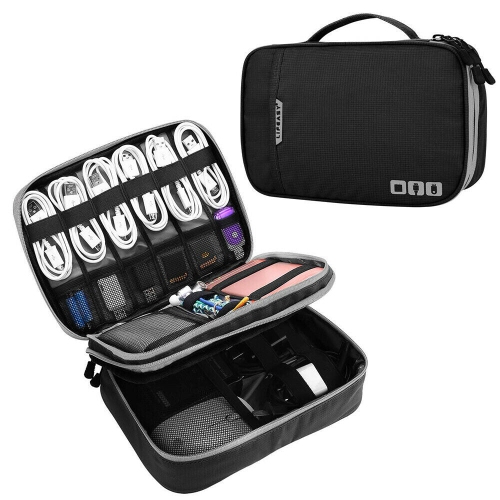
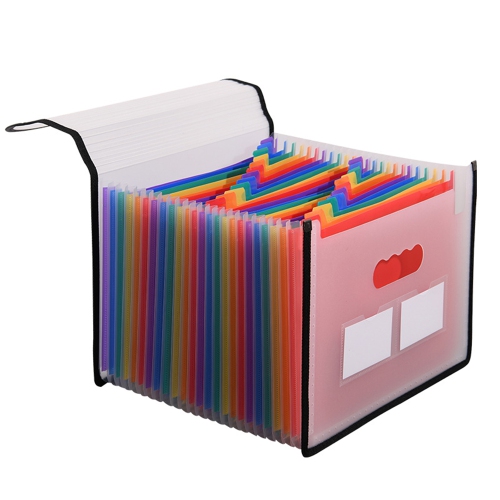
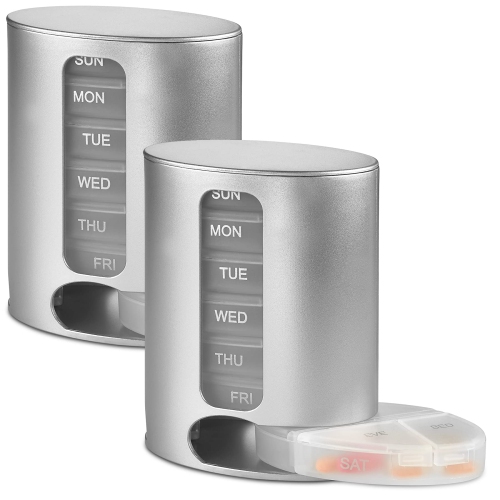

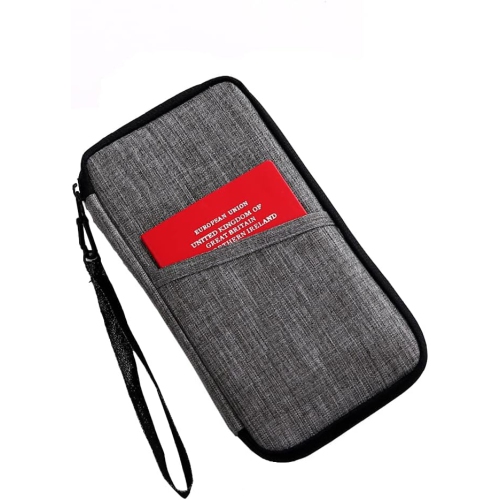
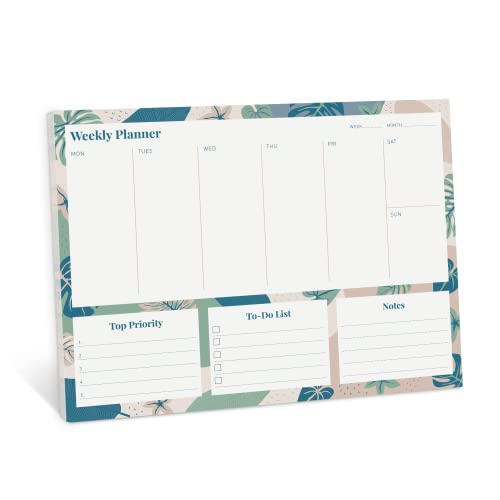
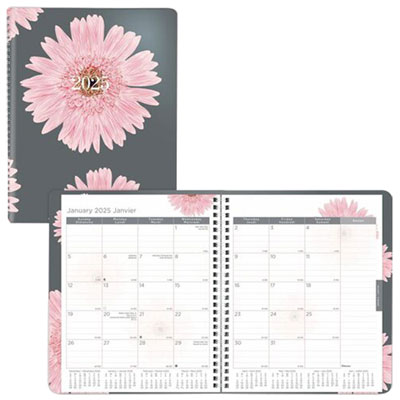
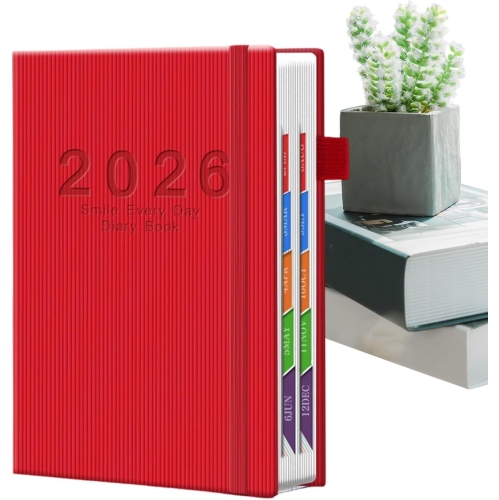


![YELLOW-PRICE [Large Capacity & Water Resisitent] Portable Electronic Organizer Travel Bag Ca](https://multimedia.bbycastatic.ca/multimedia/products/500x500/165/16529/16529203.jpeg)

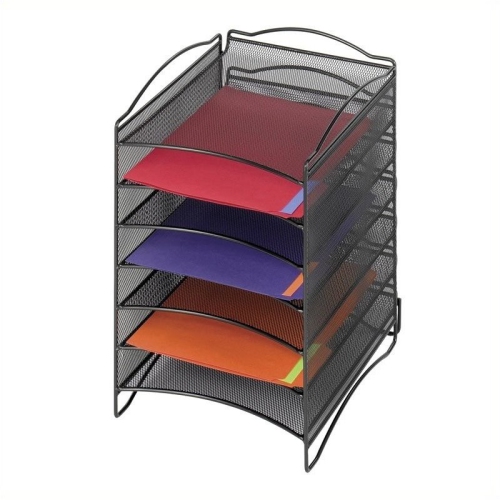
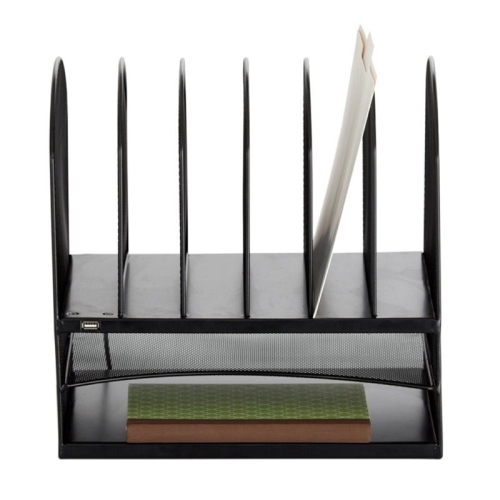
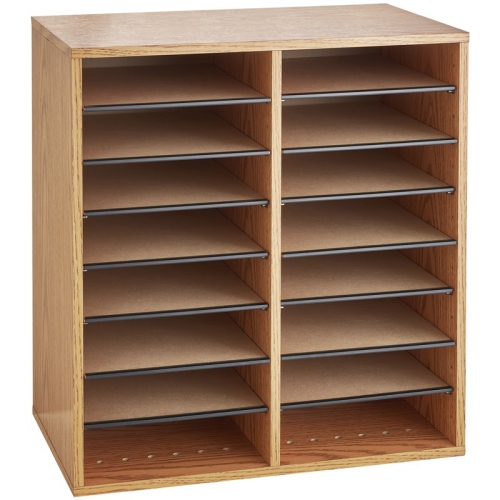
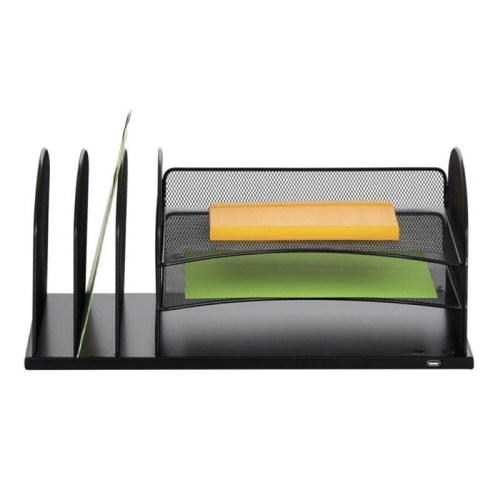
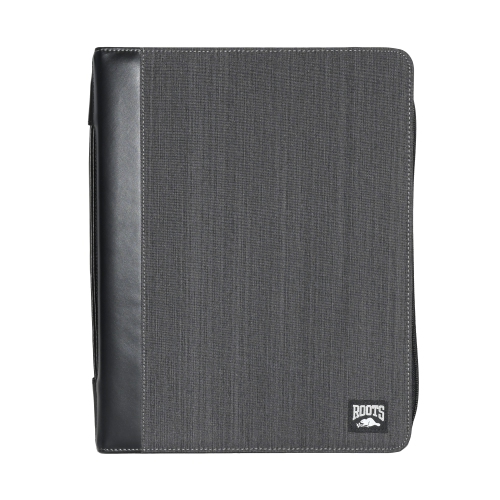
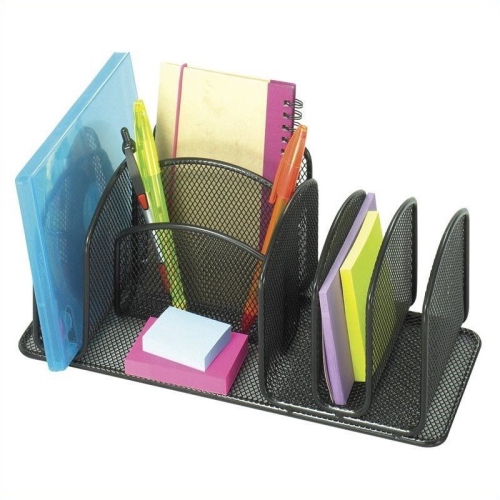

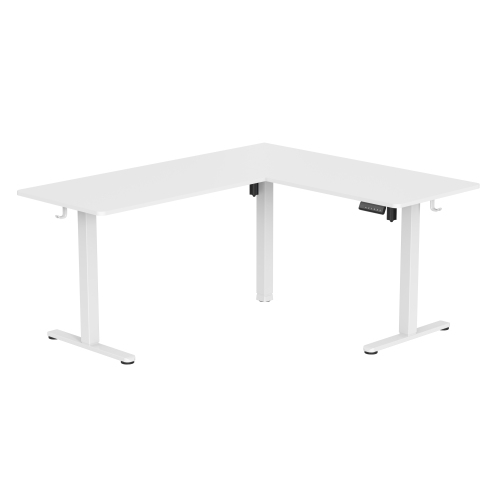
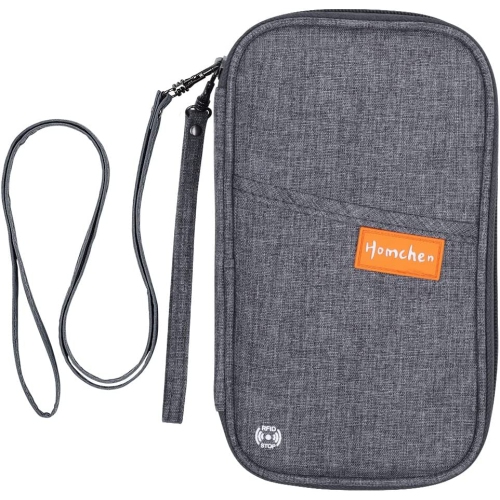
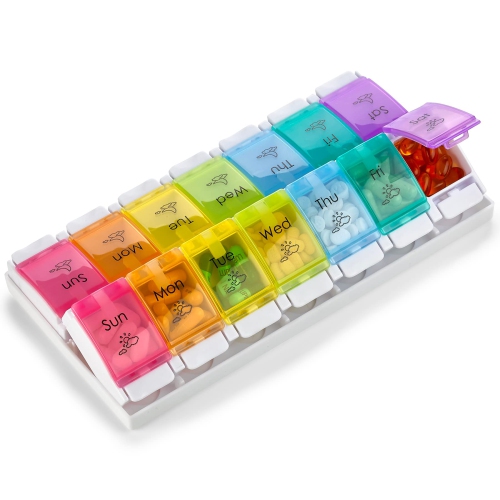
Planning systems for schedules, tasks, notes, and everyday information
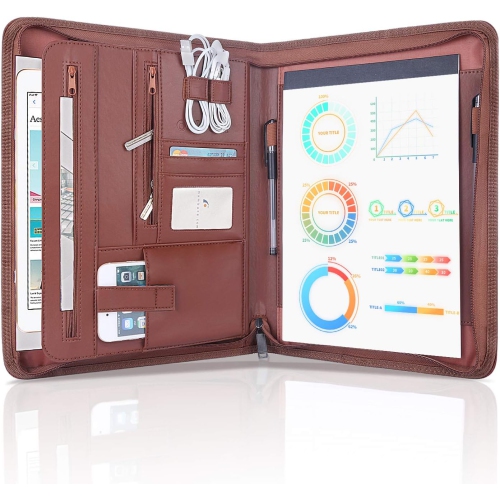
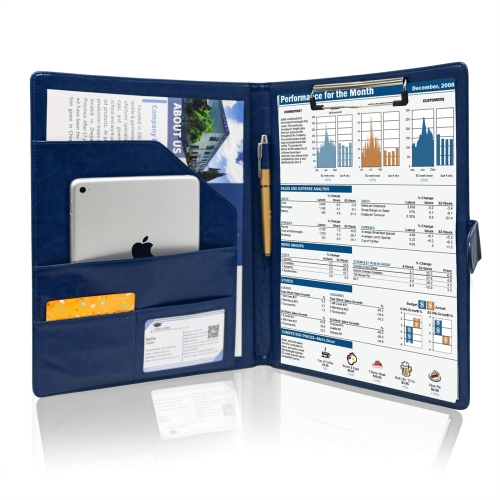
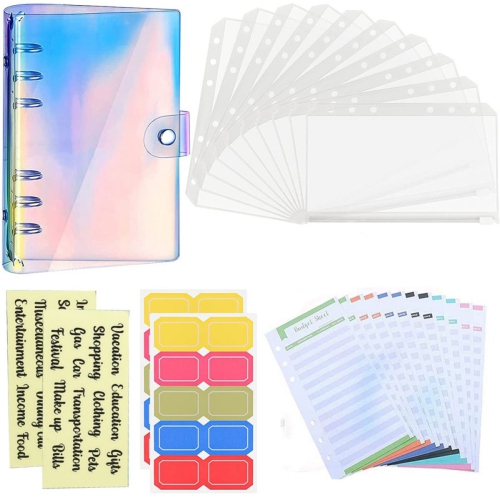
Personal organizers are portable tools for keeping schedules, tasks, notes, contacts, and everyday information together in one dependable place. They may take the form of a paper planner, agenda, datebook, year planner, ring-bound organizer, notebook-style system, or digital planning tool, with each format offering a different way to bring order to a busy routine. A paper organizer can provide a satisfying, highly visible overview of the day, week, or year, while a digital organizer can make it easier to set reminders, update appointments, search notes, and manage information across multiple devices. Some people use an organizer primarily for scheduling appointments and meetings; others rely on it for grocery lists, school dates, household jobs, travel details, project milestones, or personal goals. The best choice depends on how much information needs to be recorded, how often plans change, and whether the organizer will stay on a desk, travel in a work bag, or move from room to room at home. Consider the layout carefully: daily pages suit detailed planning, weekly spreads provide a quick view of competing commitments, and monthly calendars make it easier to see deadlines, birthdays, classes, appointments, and larger plans at a glance. A compact format can slip into a handbag, backpack, or coat pocket, while a larger organizer may offer more writing space for people who prefer to record everything in one place. Other useful details include dividers, pockets, address sections, pen loops, refillable pages, undated layouts, and space for notes. Someone who enjoys writing by hand may appreciate the clear sense of progress that comes from checking off a task or turning to a fresh page, while someone with a constantly changing schedule may prefer a flexible digital system that can be edited without crossing out a full page.
Personal organizers can support nearly any routine that includes appointments, responsibilities, reminders, or several moving parts. Students can use them to map out assignment due dates, study sessions, activities, and exam preparation, especially when a busy school day continues into evenings and weekends. Professionals may use one to separate client meetings, project targets, travel plans, follow-ups, and personal commitments without relying on memory alone. At home, an organizer can help coordinate household appointments, meal ideas, shopping lists, maintenance reminders, children’s activities, and important contact information. Freelancers, small business owners, caregivers, and people balancing work with continuing education may find a central planning system particularly helpful when their schedules do not follow a simple Monday-to-Friday pattern. Personal organizers are also thoughtful gifts for graduates starting a new routine, new employees preparing for a demanding role, teachers managing full days, parents coordinating family life, or anyone who enjoys stationery and practical tools. During the cooler months, when indoor routines often become more structured and calendars fill with school activities, work deadlines, appointments, and social plans, a well-designed organizer can make a crowded week feel easier to understand. It can also serve as a private place to record ideas, reflections, priorities, and small victories. A useful habit is to review the organizer at the same time each day or week, transferring important dates, choosing a few realistic priorities, and leaving space for unexpected tasks. Writing down every obligation can make a page feel overwhelming, so many people find it more effective to distinguish between fixed appointments, flexible tasks, and longer-term goals. Colour coding, symbols, sticky notes, or separate sections can help information stand out without making the system complicated.
When comparing personal organizers, think about the way information will be captured in real life rather than choosing based only on appearance. Paper users may want pages that open flat, durable covers, clear print, comfortable writing space, and a layout that matches their preferred level of detail. A ring-bound or refillable design can be useful for rearranging pages, adding notes, and carrying only the sections needed for the season or project. Digital users may wish to look for straightforward navigation, calendar and task features, reminders, recurring events, secure access, and convenient syncing between devices. For people who prefer a combination of both, a paper planner can provide an at-a-glance overview while a digital calendar handles alerts and appointments that change frequently. Portability matters as well: an organizer that is too large to carry may be left at home, while one with pages that are too small may become frustrating when detailed notes are needed. Consider how much writing space is required for a typical day, whether contact and reference information should be included, and whether the format can accommodate travel, shift work, school terms, or irregular schedules. Those who organize projects or spaces for others may also benefit from exploring Tools for Professional Organizers alongside personal planning supplies. Whether used to manage a packed family calendar, prepare for a new term, keep track of work commitments, or create a calmer evening routine, a personal organizer works best when it is simple enough to use consistently. Keeping it within reach, reviewing it regularly, and choosing a format that feels natural can turn scattered reminders into a clear, practical plan.
Personal organizers can support nearly any routine that includes appointments, responsibilities, reminders, or several moving parts. Students can use them to map out assignment due dates, study sessions, activities, and exam preparation, especially when a busy school day continues into evenings and weekends. Professionals may use one to separate client meetings, project targets, travel plans, follow-ups, and personal commitments without relying on memory alone. At home, an organizer can help coordinate household appointments, meal ideas, shopping lists, maintenance reminders, children’s activities, and important contact information. Freelancers, small business owners, caregivers, and people balancing work with continuing education may find a central planning system particularly helpful when their schedules do not follow a simple Monday-to-Friday pattern. Personal organizers are also thoughtful gifts for graduates starting a new routine, new employees preparing for a demanding role, teachers managing full days, parents coordinating family life, or anyone who enjoys stationery and practical tools. During the cooler months, when indoor routines often become more structured and calendars fill with school activities, work deadlines, appointments, and social plans, a well-designed organizer can make a crowded week feel easier to understand. It can also serve as a private place to record ideas, reflections, priorities, and small victories. A useful habit is to review the organizer at the same time each day or week, transferring important dates, choosing a few realistic priorities, and leaving space for unexpected tasks. Writing down every obligation can make a page feel overwhelming, so many people find it more effective to distinguish between fixed appointments, flexible tasks, and longer-term goals. Colour coding, symbols, sticky notes, or separate sections can help information stand out without making the system complicated.
When comparing personal organizers, think about the way information will be captured in real life rather than choosing based only on appearance. Paper users may want pages that open flat, durable covers, clear print, comfortable writing space, and a layout that matches their preferred level of detail. A ring-bound or refillable design can be useful for rearranging pages, adding notes, and carrying only the sections needed for the season or project. Digital users may wish to look for straightforward navigation, calendar and task features, reminders, recurring events, secure access, and convenient syncing between devices. For people who prefer a combination of both, a paper planner can provide an at-a-glance overview while a digital calendar handles alerts and appointments that change frequently. Portability matters as well: an organizer that is too large to carry may be left at home, while one with pages that are too small may become frustrating when detailed notes are needed. Consider how much writing space is required for a typical day, whether contact and reference information should be included, and whether the format can accommodate travel, shift work, school terms, or irregular schedules. Those who organize projects or spaces for others may also benefit from exploring Tools for Professional Organizers alongside personal planning supplies. Whether used to manage a packed family calendar, prepare for a new term, keep track of work commitments, or create a calmer evening routine, a personal organizer works best when it is simple enough to use consistently. Keeping it within reach, reviewing it regularly, and choosing a format that feels natural can turn scattered reminders into a clear, practical plan.
Top selling and popular products
-
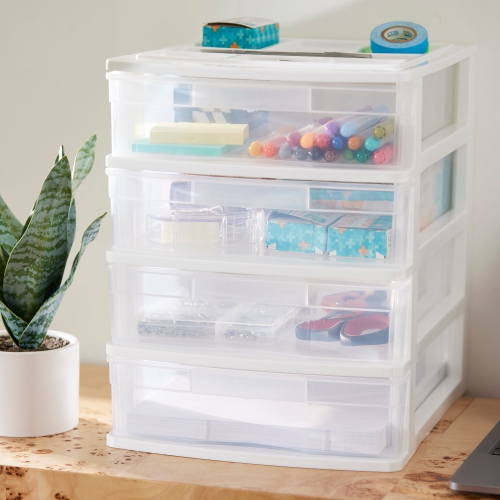 Your price for this item is $162.99
 -
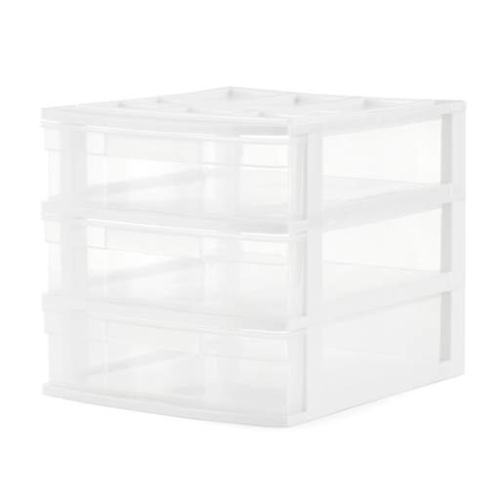 Your price for this item is $71.99
 -
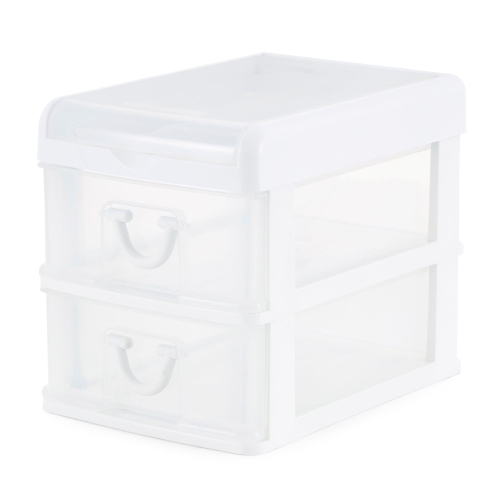 Your price for this item is $65.99
 -
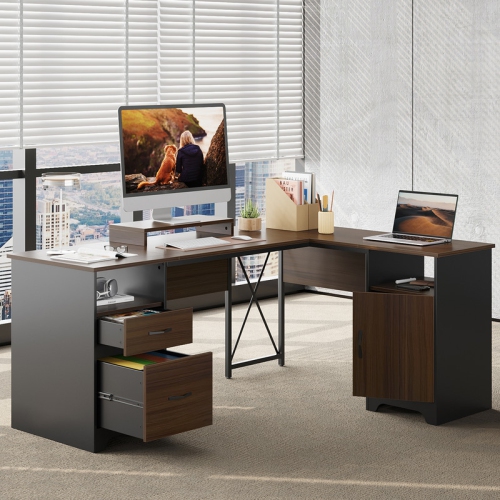 Your price for this item is $299.99
 -
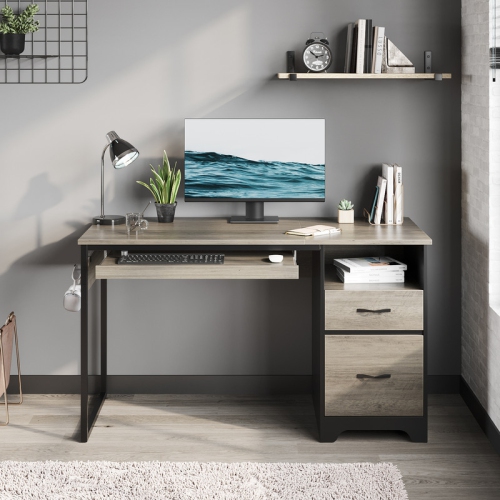 Your price for this item is $249.99
 -
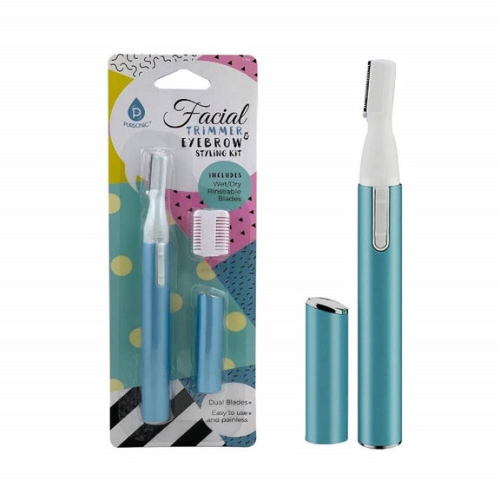 Your price for this item is $19.99
 -
 Your price for this item is $745
 -
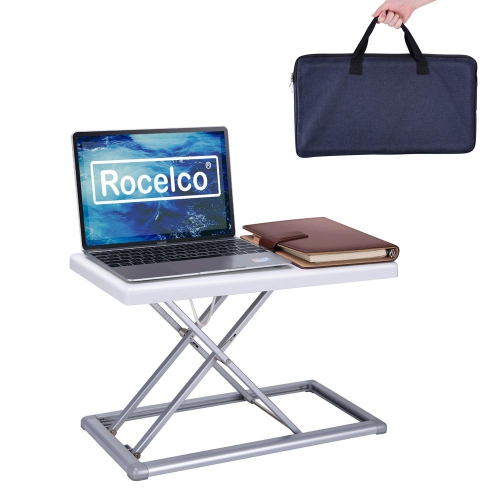 Your price for this item is $129.99
Discover more categories related to Personal Organizers
Top Collections:
Pokemon Centers, Kindle Devices, Best Budget Office Chairs, Apple iPhones 16, Best Laptops for Writers, iPhone 15 Apple, Canon G7X Cameras, Refurbished Apple Laptops, Alarm Clock, Motorola Razr Phones
Some products may be subject to Environmental Handling Fees
(EHF) depending on your province.
Learn more about EHFs.