Personal Shopping Cart
A personal shopping cart makes every trip to the store more convenient and organized. Whether you’re navigating crowded aisles or transporting groceries from your car to your home, a personal shopping cart helps simplify the process. Explore options tailored to suit a range of needs, providing reliable support for your daily tasks. Find the perfect personal shopping cart to make your next shopping experience easier and more efficient.
Sort


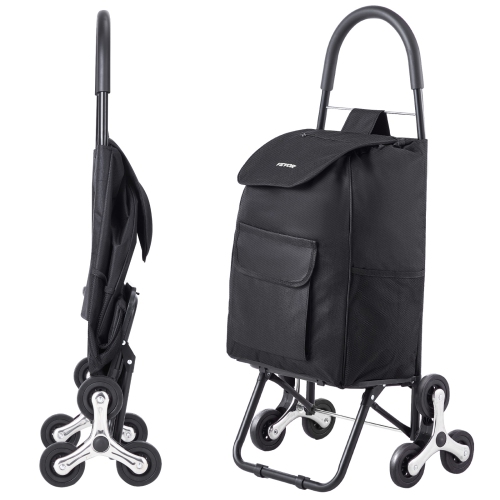
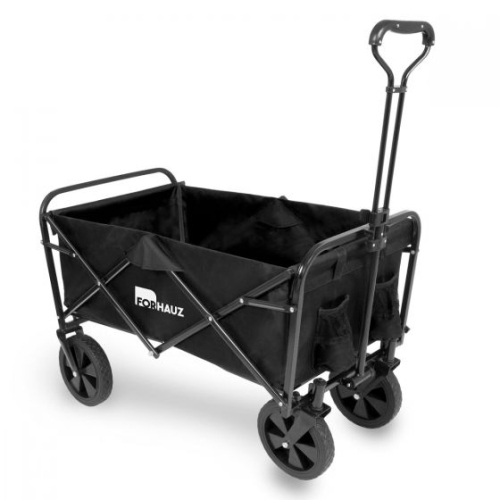
Heavy grocery trips feel easier with the right wheels
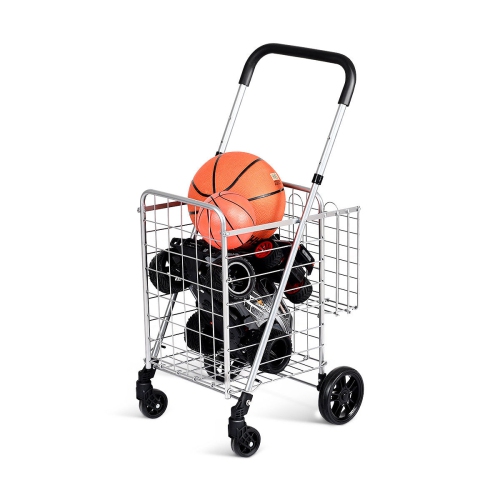
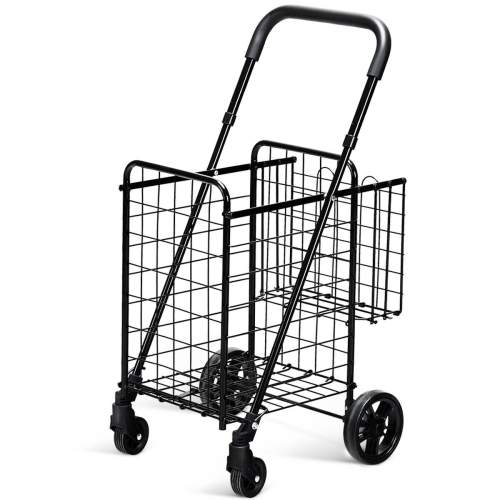
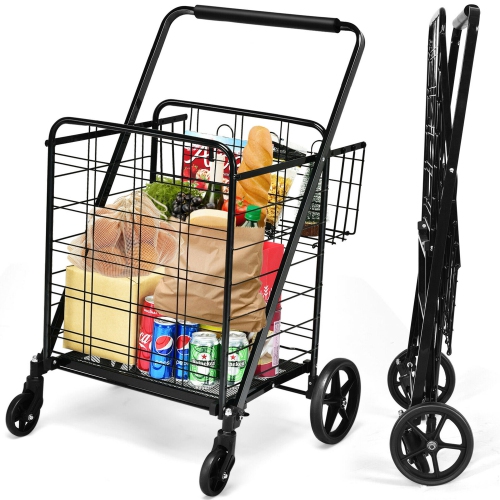
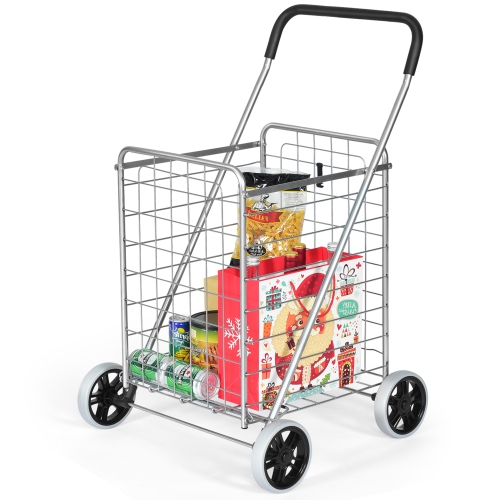
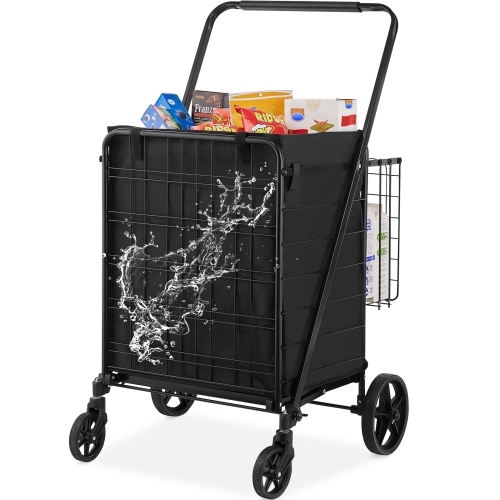
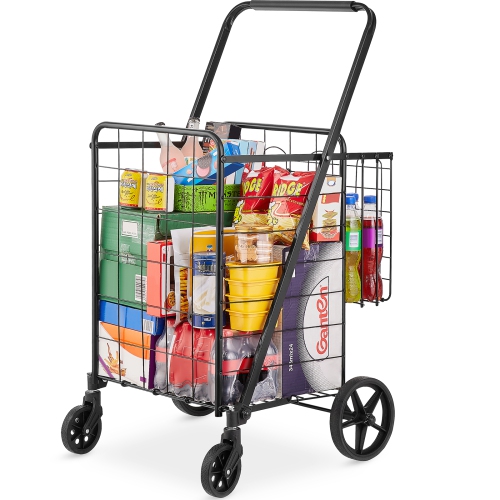
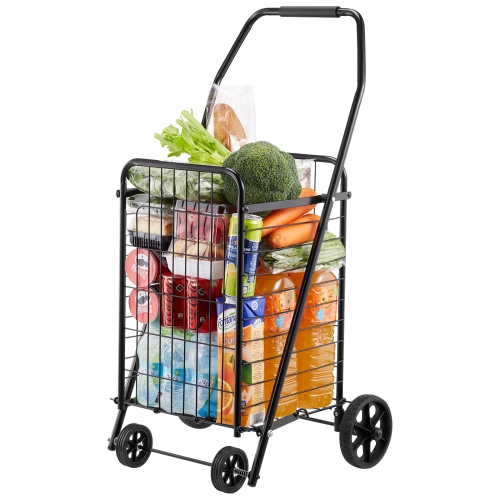
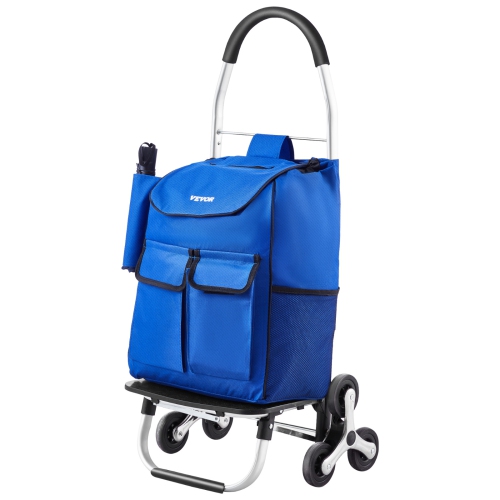
A personal shopping cart is a wheeled carrier designed to move groceries, household essentials, and other everyday loads without carrying every bag by hand. Often called a shopping trolley, it can make the trip between a shop, a transit stop, and home more manageable, especially when a few heavy staples turn a short errand into an awkward walk. These carts generally pair a metal frame with either an open basket or a fabric bag, with designs ranging from compact two-wheel pull carts to larger four-wheel carriers that can be pushed. The most suitable style depends as much on the route as on the load. A narrow cart may be easier to move through apartment entrances and busy aisles, while a broader base can provide more room for bulky groceries. For someone walking several blocks, handle comfort and wheel movement deserve as much attention as storage capacity. For someone driving to the shops, the folded size and the effort needed to lift the empty frame into a vehicle may matter more. Students carrying supplies to a residence, people bringing laundry to a shared laundry room, and households making frequent grocery trips can all have practical uses for a personal cart. It can also be a thoughtful housewarming gift for someone settling into a walkable neighbourhood, provided its size and handling suit their needs. During the cooler months, a covered bag can help shield the contents from light splashes and falling leaves, although protection depends on the fabric, seams, and closure. A personal shopping cart is not a mobility aid unless it is specifically designed and rated for that purpose; its handle should not be treated as support for balance. Its everyday value comes from matching carrying space, manoeuvrability, and storage needs to familiar routines, whether that means bringing groceries up to a condo or moving supplies from a parking area to a community gathering.
Frame construction, bag material, and wheel design all influence how a cart feels after repeated use. Steel frames are often chosen for their sturdy construction, while aluminium frames can help keep empty weight lower, although tube thickness, joints, and overall design also affect strength. A stated weight capacity is the maximum load specified by the manufacturer, not a guarantee that the same load will feel comfortable to pull along every route. Capacity in litres describes storage volume rather than weight, so a roomy bag and a high load rating answer different needs. A large but light package may fill the bag quickly, while a smaller collection of drinks can add considerable weight. Fabric compartments made from polyester, nylon, or canvas-style materials offer enclosed storage, and a removable bag can make unloading and cleaning simpler. Water-resistant fabric may handle light moisture, but it should not be assumed to be waterproof. Open wire baskets make contents visible and can accommodate differently shaped bags, though smaller objects may need a separate liner or pouch. Reinforced stitching, securely attached straps, a firm base, and well-finished frame joints are useful details to examine when assessing durability. Wheel size matters on the ground: larger wheels generally pass over pavement joints and small surface irregularities more easily than very small wheels, while swivelling front wheels can help with turns in tighter spaces. Two-wheel carts usually travel tilted behind the user, whereas many four-wheel designs carry the load upright. Neither layout is automatically better for every person or route. Stair-climbing wheel clusters are designed to rotate over step edges, but they still require controlled handling and may not suit every staircase. The height of the steps, the weight of the load, and the user’s ability all remain important. On wet pavement, snow, or ice, even a capable cart needs a clear route and careful handling; wheel design does not remove the risk of slipping.
Fit is easy to overlook until a cart is loaded. A handle that sits at a comfortable height can help avoid an awkward reach, and an adjustable handle may be useful when people of different heights share the same cart. Grip shape, room for a gloved hand, and enough clearance to walk without catching a heel on the frame can make an ordinary grocery run feel less cumbersome. At home, folded dimensions should work with the actual storage spot, whether that is a shallow hall cupboard, a space beside the washing machine, or the boot of a small car. Folding mechanisms should be straightforward to operate, with catches that hold the frame securely in its intended position. Removable bags, accessible pockets, and separate compartments can also shape daily use: a small outer pocket can keep keys within reach, while a divided storage area can help prevent delicate groceries from being pressed beneath heavier loads. If a cart has an insulated compartment, that feature may help slow temperature changes, but it does not replace safe food handling or prompt refrigeration. Packing heavier goods low and distributing weight evenly helps keep the cart more stable; hanging extra bags from the handle can upset its balance. Regular care is usually simple but should follow the manufacturer’s directions. Crumbs and grit can be shaken or vacuumed out of a removable liner, suitable surfaces can be wiped with a damp cloth, and fabric should be allowed to dry fully before the cart is folded away. After travel through slush or road salt, cleaning and drying the wheels and frame can help limit residue and corrosion. Periodic checks for loose fasteners, worn wheel treads, frayed straps, and damaged seams can catch wear before the next heavy trip. A well-matched personal shopping cart combines manageable empty weight, useful carrying capacity, comfortable handling, and easy storage, making it a practical companion for the errands that fill an ordinary week.
Frame construction, bag material, and wheel design all influence how a cart feels after repeated use. Steel frames are often chosen for their sturdy construction, while aluminium frames can help keep empty weight lower, although tube thickness, joints, and overall design also affect strength. A stated weight capacity is the maximum load specified by the manufacturer, not a guarantee that the same load will feel comfortable to pull along every route. Capacity in litres describes storage volume rather than weight, so a roomy bag and a high load rating answer different needs. A large but light package may fill the bag quickly, while a smaller collection of drinks can add considerable weight. Fabric compartments made from polyester, nylon, or canvas-style materials offer enclosed storage, and a removable bag can make unloading and cleaning simpler. Water-resistant fabric may handle light moisture, but it should not be assumed to be waterproof. Open wire baskets make contents visible and can accommodate differently shaped bags, though smaller objects may need a separate liner or pouch. Reinforced stitching, securely attached straps, a firm base, and well-finished frame joints are useful details to examine when assessing durability. Wheel size matters on the ground: larger wheels generally pass over pavement joints and small surface irregularities more easily than very small wheels, while swivelling front wheels can help with turns in tighter spaces. Two-wheel carts usually travel tilted behind the user, whereas many four-wheel designs carry the load upright. Neither layout is automatically better for every person or route. Stair-climbing wheel clusters are designed to rotate over step edges, but they still require controlled handling and may not suit every staircase. The height of the steps, the weight of the load, and the user’s ability all remain important. On wet pavement, snow, or ice, even a capable cart needs a clear route and careful handling; wheel design does not remove the risk of slipping.
Fit is easy to overlook until a cart is loaded. A handle that sits at a comfortable height can help avoid an awkward reach, and an adjustable handle may be useful when people of different heights share the same cart. Grip shape, room for a gloved hand, and enough clearance to walk without catching a heel on the frame can make an ordinary grocery run feel less cumbersome. At home, folded dimensions should work with the actual storage spot, whether that is a shallow hall cupboard, a space beside the washing machine, or the boot of a small car. Folding mechanisms should be straightforward to operate, with catches that hold the frame securely in its intended position. Removable bags, accessible pockets, and separate compartments can also shape daily use: a small outer pocket can keep keys within reach, while a divided storage area can help prevent delicate groceries from being pressed beneath heavier loads. If a cart has an insulated compartment, that feature may help slow temperature changes, but it does not replace safe food handling or prompt refrigeration. Packing heavier goods low and distributing weight evenly helps keep the cart more stable; hanging extra bags from the handle can upset its balance. Regular care is usually simple but should follow the manufacturer’s directions. Crumbs and grit can be shaken or vacuumed out of a removable liner, suitable surfaces can be wiped with a damp cloth, and fabric should be allowed to dry fully before the cart is folded away. After travel through slush or road salt, cleaning and drying the wheels and frame can help limit residue and corrosion. Periodic checks for loose fasteners, worn wheel treads, frayed straps, and damaged seams can catch wear before the next heavy trip. A well-matched personal shopping cart combines manageable empty weight, useful carrying capacity, comfortable handling, and easy storage, making it a practical companion for the errands that fill an ordinary week.
Top selling and popular products
-
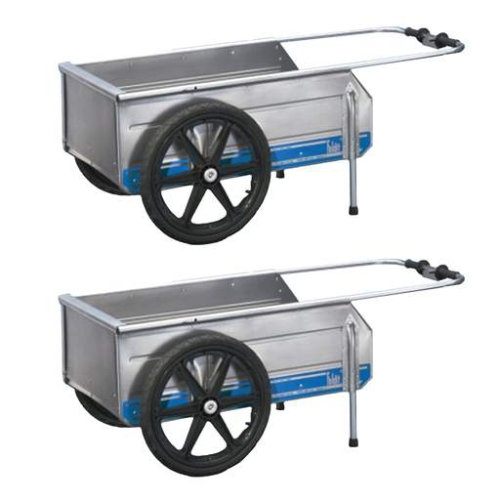 Your price for this item is $1405.99
 -
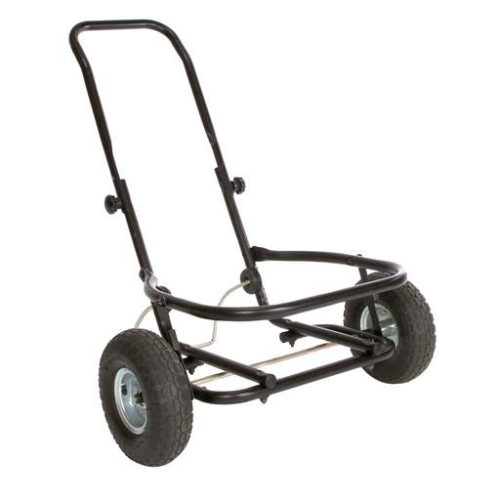 Your price for this item is $228.99
 -
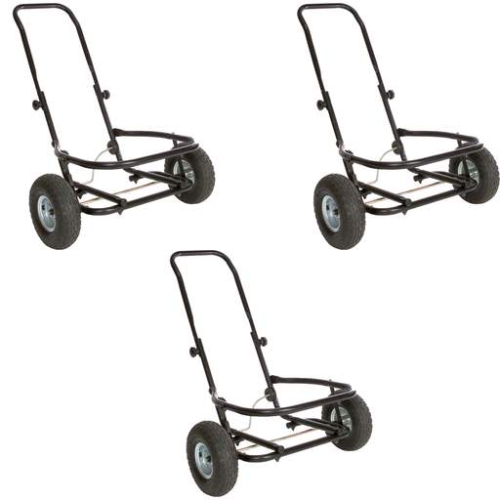 Your price for this item is $691.99
 -
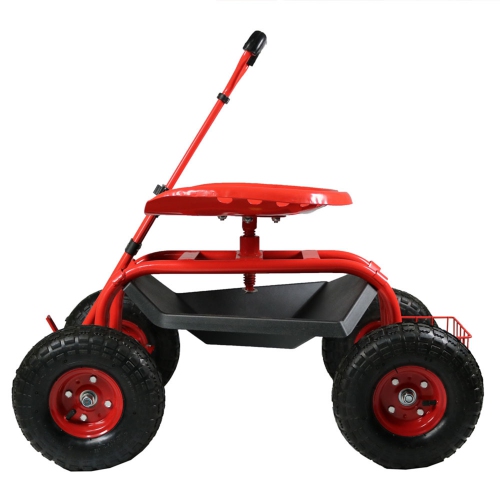 Your price for this item is $247.35
 -
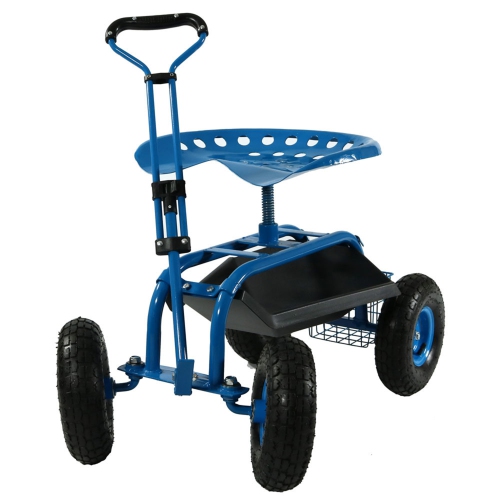 Your price for this item is $247.35
 -
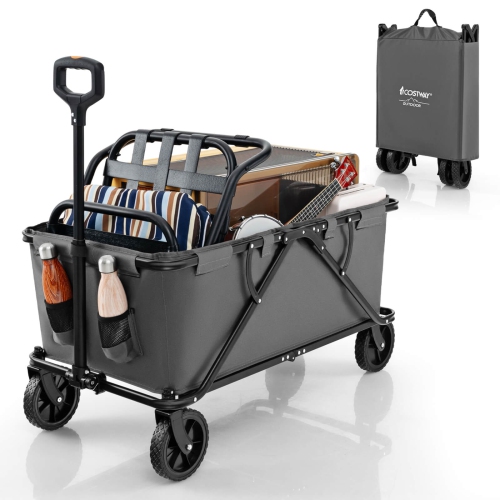 Your price for this item is $177.99
 -
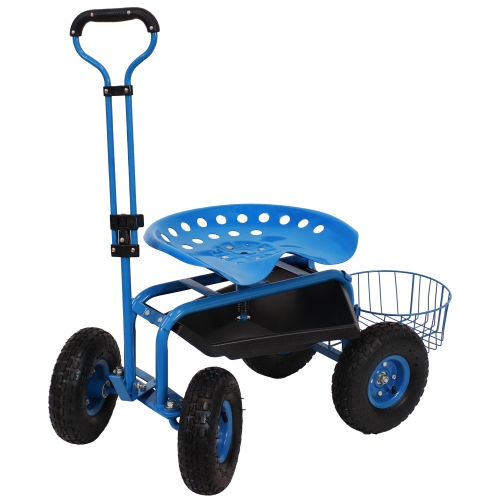 Your price for this item is $261.95
 -
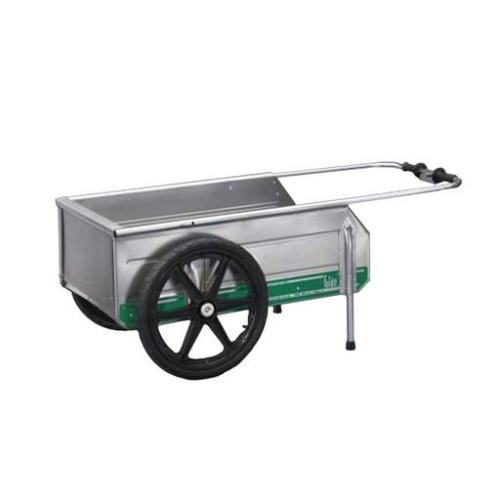 Your price for this item is $700.99
Discover more categories related to Personal Shopping Cart
Top Collections:
Pokemon Centers, Kindle Devices, Best Budget Office Chairs, Apple iPhones 16, Best Laptops for Writers, iPhone 15 Apple, Canon G7X Cameras, Refurbished Apple Laptops, Alarm Clock, Motorola Razr Phones
Some products may be subject to Environmental Handling Fees
(EHF) depending on your province.
Learn more about EHFs.