Physics Calculators
Looking to solve complex equations and delve into the fascinating world of physics? Look no further than our collection of physics calculators. Whether you're a student, teacher, or professional in the field, these powerful tools are designed to simplify your calculations and make studying physics a breeze. From solving for velocity and acceleration to determining energy and force, physics calculators offer accurate results in a matter of seconds. Here are some great options available.
Tools that turn complex formulas into confident calculations
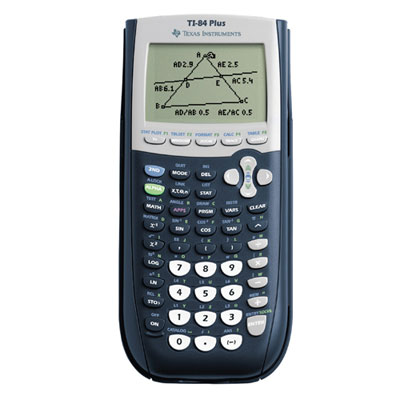
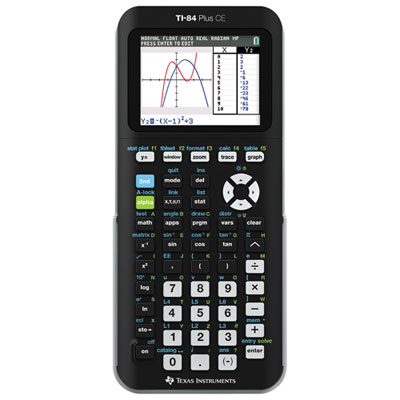
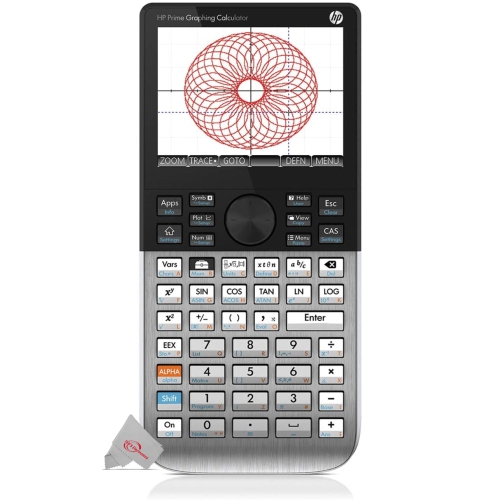
Physics calculators are practical tools for working through the numbers behind motion, forces, energy, electricity, waves and heat. Unlike a basic four-function calculator, a scientific calculator designed for physics-related study typically includes trigonometric functions, powers, roots, logarithms, fractions and scientific notation, making it easier to handle the very large and very small values that appear in real problems. Many also support parentheses and memory functions, which help preserve the order of operations when a formula contains several steps. For students, the right calculator can make the transition from a classroom equation to a finished calculation feel far less intimidating. A projectile-motion problem, for example, may involve an initial velocity, an angle, gravitational acceleration and a time interval; entering each part carefully can help reveal how the variables work together. Similar tools can assist with momentum, acceleration, density, pressure, work, power and kinetic energy. When comparing physics calculators, look for clear keys, an easy-to-read display and a layout that feels comfortable during long homework sessions or timed exams. A two-line display can show both the expression and the result, which makes it easier to check whether a negative sign, exponent or bracket was entered correctly. Students who regularly work with fractions may appreciate a calculator that displays answers in a familiar fraction format before converting them to decimals. Those beginning more advanced courses may benefit from a graphing or programmable option, provided it is permitted by their school or examination rules. It is also useful to check whether the calculator supports the angle modes required for physics, including degrees and radians, since an incorrect setting can produce an answer that looks reasonable but is not valid.
Unit handling is another important consideration when choosing a calculator for physics. Most classroom work uses the metric system, or SI units, including metres, kilograms, seconds, amperes and kelvins, although assignments and practical projects may also include kilometres per hour, centimetres, grams, litres or imperial measurements. A calculator itself may not automatically convert every unit, so a clear understanding of conversions remains essential; however, a model with convenient scientific notation and accessible memory functions can make those conversions easier to manage. Some learners pair a handheld calculator with trusted online tools for checking a result, exploring a formula or seeing how a change in one variable affects the outcome. Common digital calculators can provide focused support for mechanics, kinematics and thermodynamics, while other tools can help with projectile motion, momentum, friction, density, force and kinetic energy. Step-by-step resources are especially helpful when the goal is learning rather than simply obtaining a final number, because they show the formula, identify the known values and explain how the missing value is isolated. Reverse solving is useful in the same way: after entering the known variables, a learner can determine an unknown distance, speed, mass, force or temperature and then compare the result with a hand calculation. Even when a calculator gives an answer instantly, it is worth estimating the expected size and unit first. A quick mental check can catch an incorrect conversion or misplaced decimal before the result is used in a lab report. For calculus-based physics courses, tools such as Calculus Calculators may also be relevant when studying rates of change, integration or the area beneath a curve.
Physics calculators can be useful for secondary-school students, university learners, engineering students, technicians, teachers and curious hobbyists who enjoy testing how the physical world behaves. They also make thoughtful gifts for a student preparing for a new school year, someone building a study kit for a science course or a family member who enjoys practical problem-solving. During the cooler months, a compact calculator can be a convenient companion for homework at a kitchen table, in a library study space or beside a home workbench where measurements and formulas are being reviewed. For younger learners, prioritise straightforward controls and a durable design that will not feel overwhelming; for advanced users, consider expanded functions, a larger display, equation memory, data handling or graphing capability. Battery life and power options matter as well, particularly for students who carry the calculator between classes and do not want to rely on a wall outlet. A protective case, slide cover or sturdy build can help keep dust and scratches away in a backpack. Before making a purchase, check the requirements for the intended course, test centre or classroom, since some settings restrict programmable, graphing or communication-enabled calculators. It is also helpful to choose a model that the user can learn confidently: a calculator with every possible feature is not necessarily the best choice if important functions are buried in complicated menus. The most useful physics calculator is one that supports sound habits—writing the equation first, entering values with their units, retaining sensible significant figures and reviewing whether the final answer makes physical sense. With the right combination of functions and a little practice, these calculators can support clearer homework, more organised lab work and greater confidence when turning physics concepts into measurable results.
Unit handling is another important consideration when choosing a calculator for physics. Most classroom work uses the metric system, or SI units, including metres, kilograms, seconds, amperes and kelvins, although assignments and practical projects may also include kilometres per hour, centimetres, grams, litres or imperial measurements. A calculator itself may not automatically convert every unit, so a clear understanding of conversions remains essential; however, a model with convenient scientific notation and accessible memory functions can make those conversions easier to manage. Some learners pair a handheld calculator with trusted online tools for checking a result, exploring a formula or seeing how a change in one variable affects the outcome. Common digital calculators can provide focused support for mechanics, kinematics and thermodynamics, while other tools can help with projectile motion, momentum, friction, density, force and kinetic energy. Step-by-step resources are especially helpful when the goal is learning rather than simply obtaining a final number, because they show the formula, identify the known values and explain how the missing value is isolated. Reverse solving is useful in the same way: after entering the known variables, a learner can determine an unknown distance, speed, mass, force or temperature and then compare the result with a hand calculation. Even when a calculator gives an answer instantly, it is worth estimating the expected size and unit first. A quick mental check can catch an incorrect conversion or misplaced decimal before the result is used in a lab report. For calculus-based physics courses, tools such as Calculus Calculators may also be relevant when studying rates of change, integration or the area beneath a curve.
Physics calculators can be useful for secondary-school students, university learners, engineering students, technicians, teachers and curious hobbyists who enjoy testing how the physical world behaves. They also make thoughtful gifts for a student preparing for a new school year, someone building a study kit for a science course or a family member who enjoys practical problem-solving. During the cooler months, a compact calculator can be a convenient companion for homework at a kitchen table, in a library study space or beside a home workbench where measurements and formulas are being reviewed. For younger learners, prioritise straightforward controls and a durable design that will not feel overwhelming; for advanced users, consider expanded functions, a larger display, equation memory, data handling or graphing capability. Battery life and power options matter as well, particularly for students who carry the calculator between classes and do not want to rely on a wall outlet. A protective case, slide cover or sturdy build can help keep dust and scratches away in a backpack. Before making a purchase, check the requirements for the intended course, test centre or classroom, since some settings restrict programmable, graphing or communication-enabled calculators. It is also helpful to choose a model that the user can learn confidently: a calculator with every possible feature is not necessarily the best choice if important functions are buried in complicated menus. The most useful physics calculator is one that supports sound habits—writing the equation first, entering values with their units, retaining sensible significant figures and reviewing whether the final answer makes physical sense. With the right combination of functions and a little practice, these calculators can support clearer homework, more organised lab work and greater confidence when turning physics concepts into measurable results.
Top selling and popular products
-
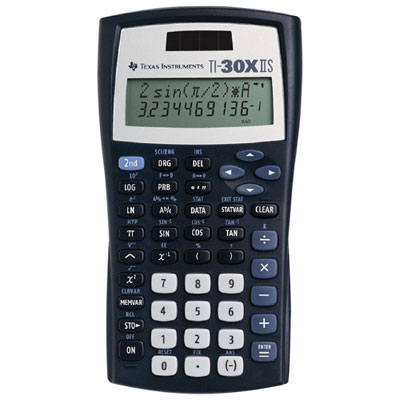 Your price for this item is $18.99
 -
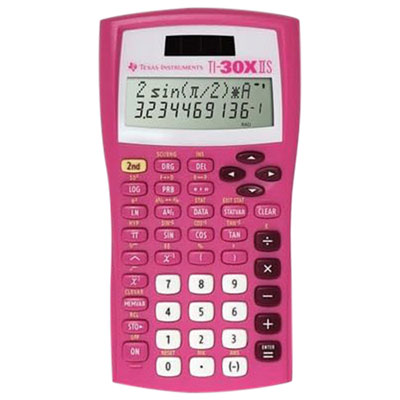 Your price for this item is $25.99
 -
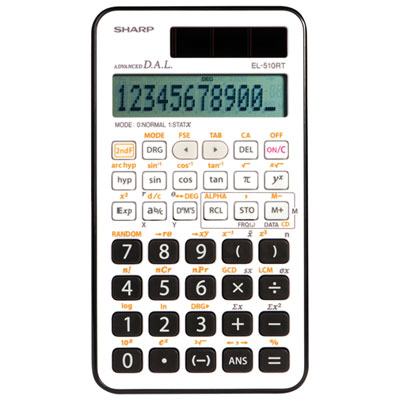 Your price for this item is $16.99
 -
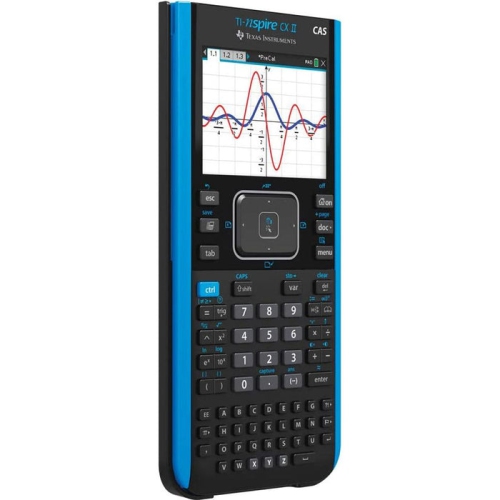 Your price for this item is $1822.99
 -
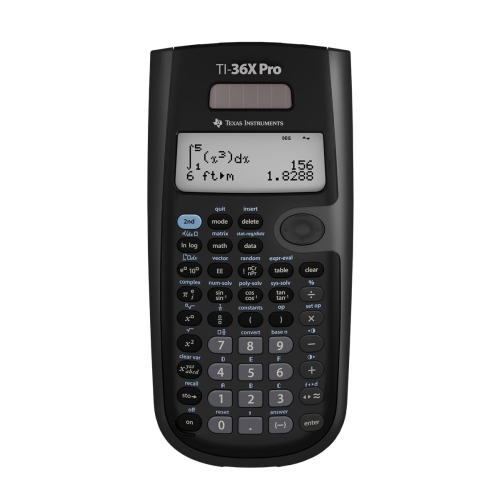 Your price for this item is $55.99
 -
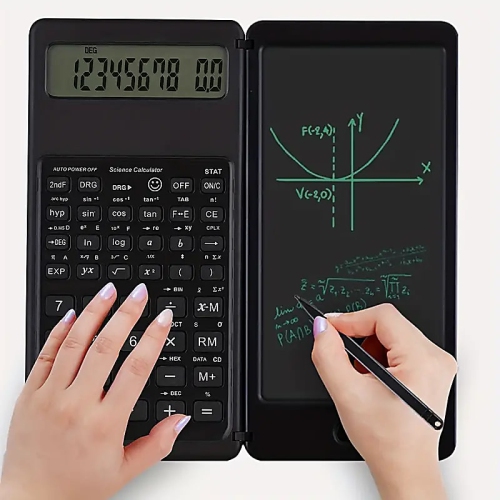 Your price for this item is $29.98
 -
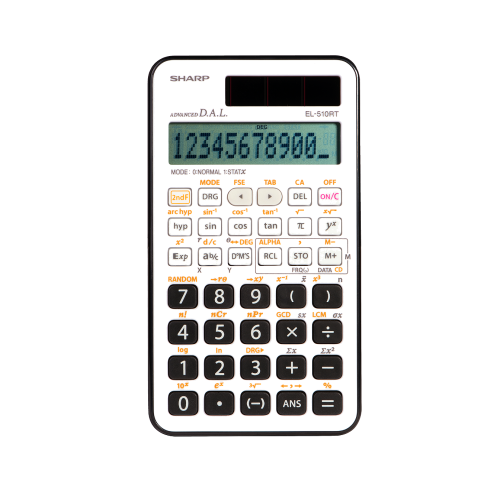 Your price for this item is $13.99
 -
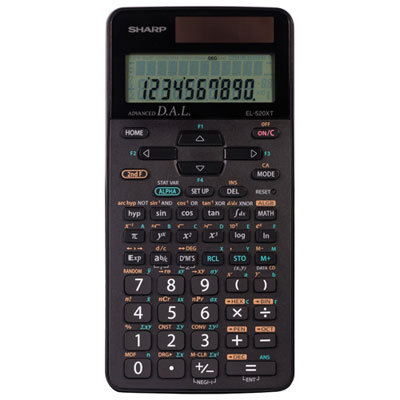 Your price for this item is $25.99
Discover more categories related to Physics Calculators
Top Collections:
Pokemon Centers, Kindle Devices, Best Cell Phones Under $500, Alarm Clock, Canon G7X Cameras, iPhone 15 Apple, Apple iPhones 16, Laptops for Students, iPhone 14 256GB, Budget Smartphones
Some products may be subject to Environmental Handling Fees
(EHF) depending on your province.
Learn more about EHFs.