Planner Pads
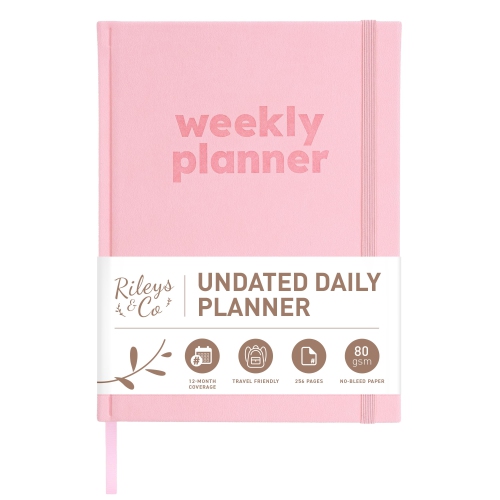
Stay organized and boost productivity with planner pads to help you manage your busy schedule. Whether you're tracking appointments, setting goals, or outlining daily tasks, planner pads offer a convenient way to keep everything in one place. Discover a variety of styles and formats to suit your planning needs and create a routine that works for you. Find the perfect planner pads to streamline your days and stay on top of what matters most.
Sort
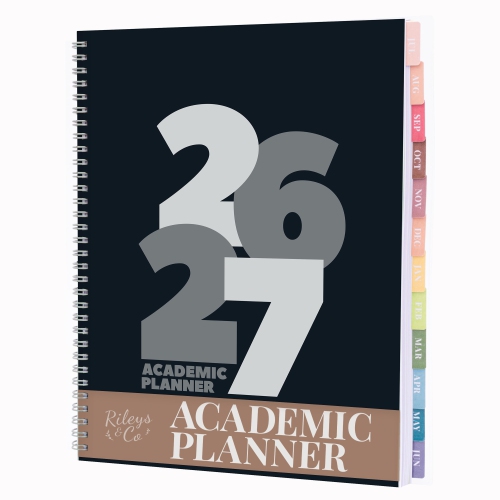
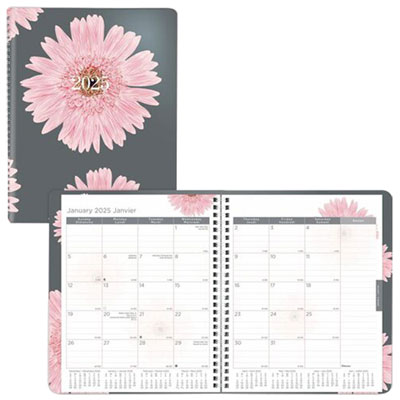
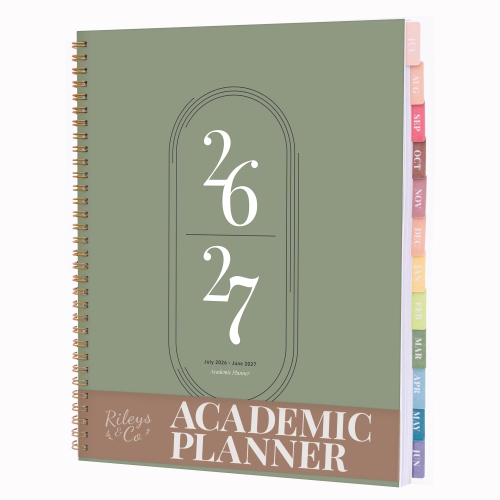
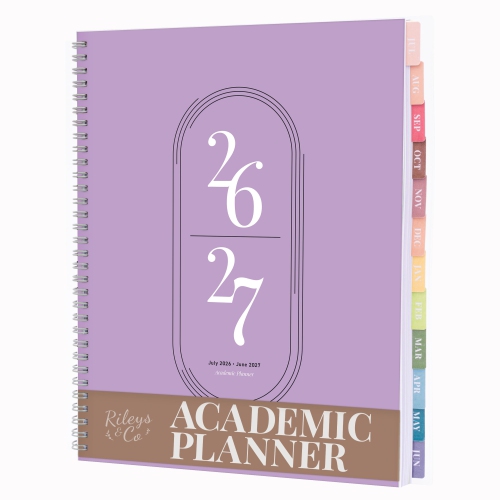
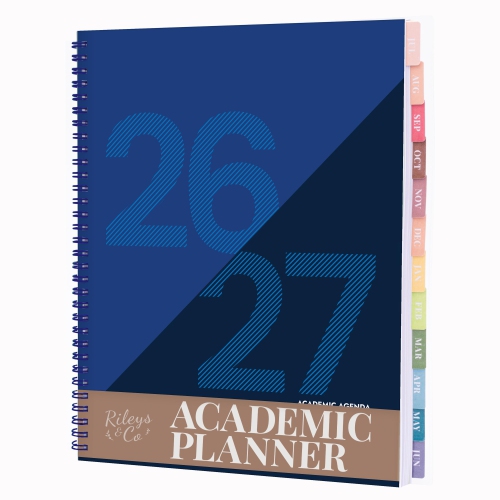
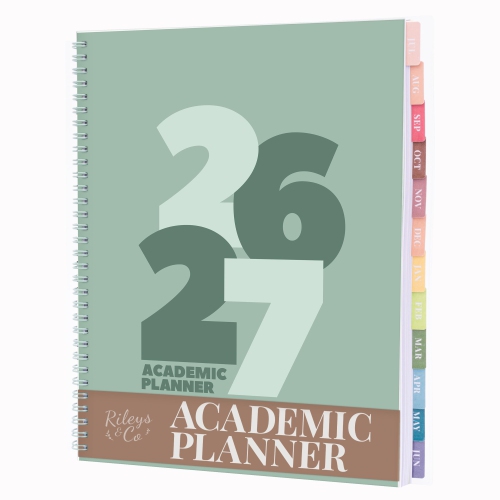
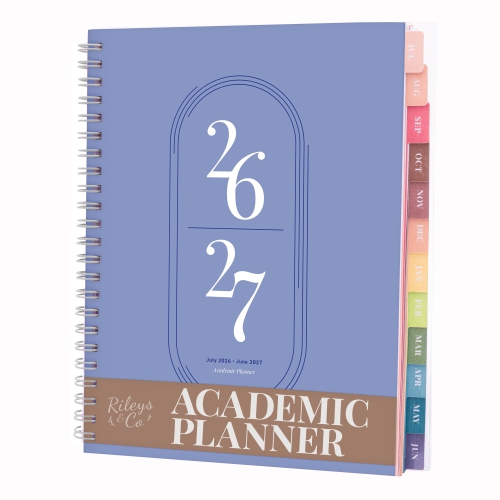
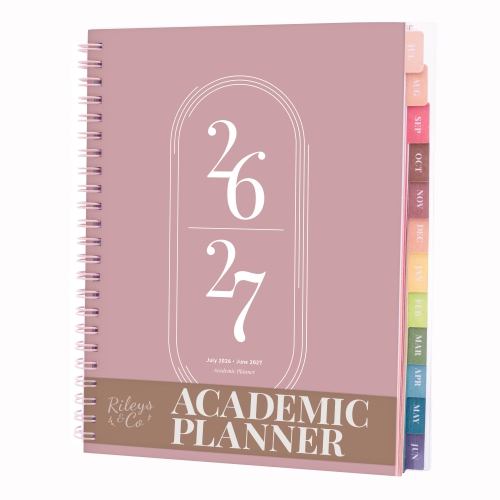
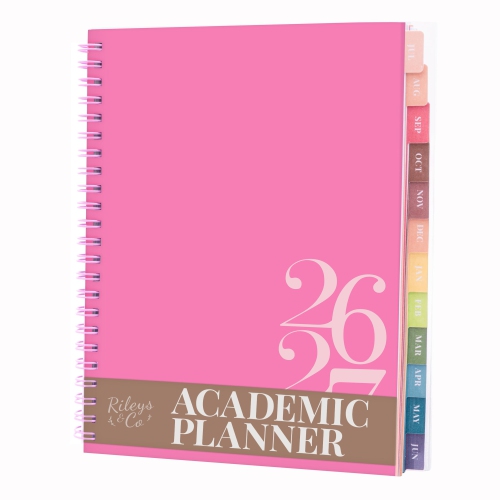
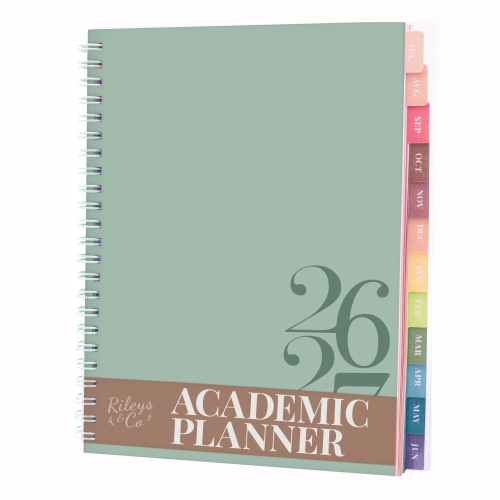
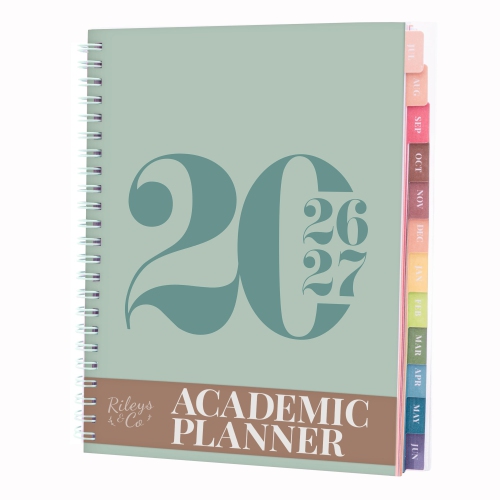
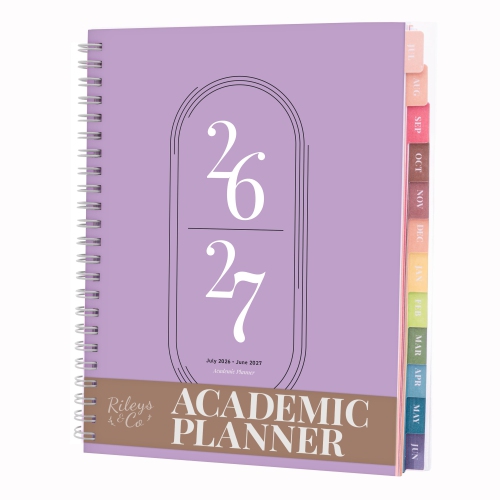
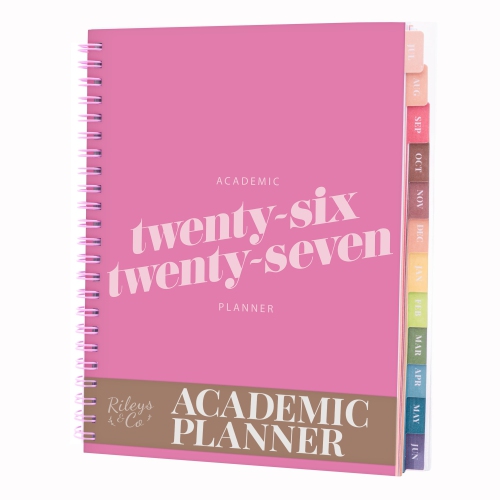
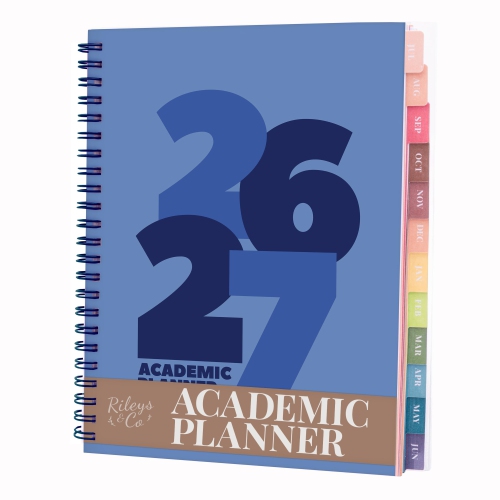
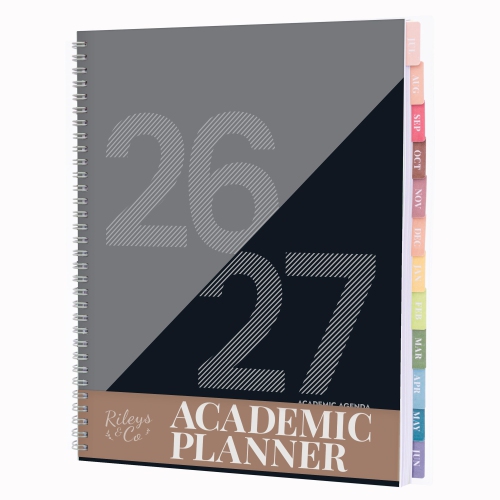
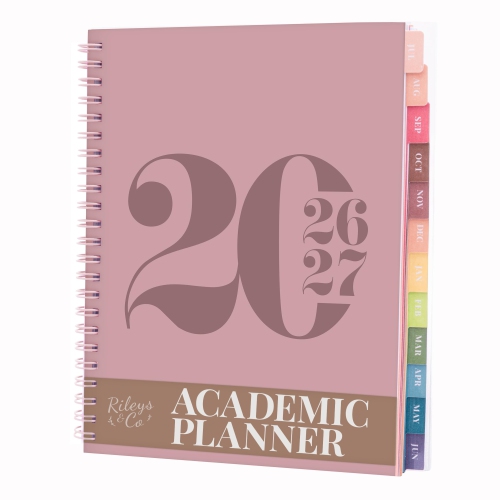
A visible place for schedules, lists, and everyday priorities
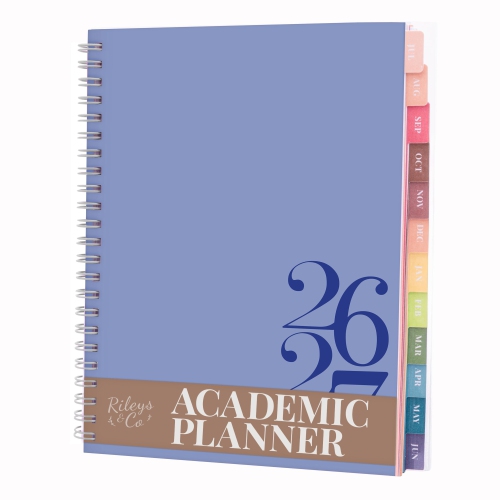
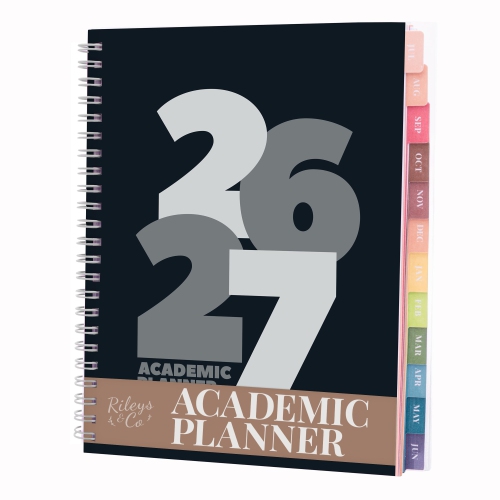
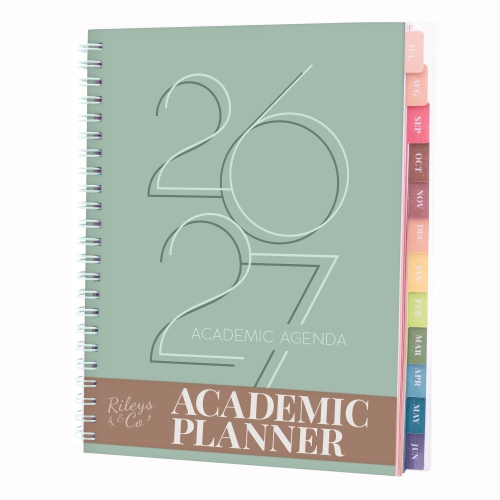
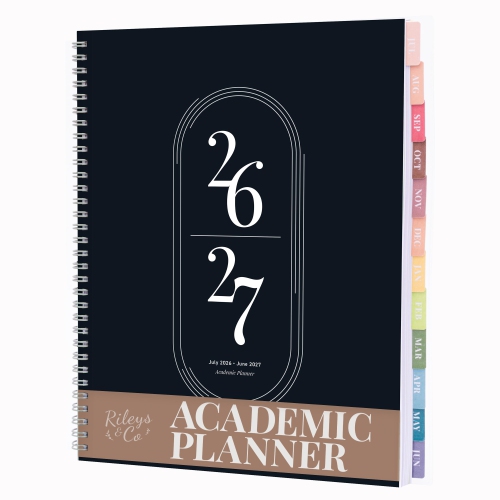
Planner pads bring a practical, visible approach to organising the days ahead. Unlike a digital calendar that can disappear behind app notifications and open tabs, a planner pad gives appointments, reminders, lists, and ideas a dedicated place on a desk, kitchen counter, home office, or study area. The pages are easy to scan at a glance, making them useful for mapping out a busy workday, tracking school commitments, planning household errands, or keeping personal goals close at hand. Some people like to begin each morning by writing down their priorities beside a cup of coffee, while others prefer to review the week on a quiet Sunday evening and mark out the details that might otherwise be overlooked. Planner pads can help divide a full schedule into manageable steps, whether that means noting a meeting time, setting aside space for meal planning, remembering an appointment, or leaving room for a quick idea that comes to mind during the day. They can also add structure to shared spaces: a pad on a family desk can record activities, deliveries, chores, and reminders, while one in a home office can keep project notes and deadlines visible without crowding a computer screen. As the weather warms, a lightweight pad can be convenient for planning travel days, outdoor activities, and changing routines; during the cooler months, it can help bring order to indoor projects, study schedules, gatherings, and the many small tasks that fill a calendar. Their straightforward format makes planner pads suitable for a wide range of users, from students and professionals to parents, retirees, freelancers, and anyone who appreciates the satisfaction of writing something down and checking it off.
When choosing a planner pad, consider how and where it will be used first. A compact format may fit neatly beside a keyboard or in a tote bag, while a larger page can provide the breathing room needed for detailed notes, several schedules, or a combination of appointments and to-do lists. Page layout is equally important. Daily formats are helpful for people who prefer to focus on one date at a time and record plenty of detail, whereas weekly layouts make it easier to see upcoming commitments and balance several responsibilities at once. A monthly view can be useful for deadlines, travel, bill reminders, and events that need to remain visible over a longer stretch. Some layouts include sections for priorities, notes, habits, meal ideas, or tasks, which can make planning feel more natural for people who like a little guidance on the page. Others leave more open space for a flexible approach, allowing users to create their own symbols, colour codes, lists, or sketches. Look at the writing area as well as the printed dates: if you tend to use larger handwriting, record multiple appointments, or make detailed lists, generous spacing can make the pad more comfortable to use. Paper quality and writing tools also matter, particularly if you prefer gel pens, markers, pencils, or felt-tip pens. A sturdy backing can make writing easier when there is no desk nearby, and a tear-off design can be convenient when you want to remove a completed page or carry a single sheet to another room. For a more portable planning system, some shoppers may also want to compare planner pads with Planner Notebooks, which offer a bound format for keeping pages together over time. Think about the habits you already have rather than choosing a layout that looks complicated but may be difficult to maintain. The best planner pad is one that fits naturally into your routine, with enough detail to be useful and enough simplicity to encourage regular use.
Planner pads can make thoughtful gifts for students starting a new term, someone settling into a new job, a family member managing a busy household, or a friend who enjoys stationery and organised workspaces. They are especially useful for people who are balancing several kinds of responsibilities and want a central place to see what is coming next. A student might use a pad to map out assignments, study sessions, group work, and personal plans, while a remote worker could use one to separate work priorities from household reminders throughout the day. A parent may find it helpful for coordinating school activities, appointments, shopping lists, and weekend plans, and a creative hobbyist might use the open space for project steps, inspiration, or materials to gather. Planner pads are also practical in shared environments: placing one near an entryway can create a quick landing spot for reminders, while keeping one in a home office can make longer projects feel less overwhelming by turning them into visible, achievable tasks. To get more value from a pad, many people find it helpful to use a consistent marking system, such as a star for important items, a box for tasks, and a simple line through anything completed. Writing only the most useful information can keep the page clear, while a short review at the end of the day can make it easier to move unfinished tasks forward. During busy travel periods, a planner pad can hold departure times, packing notes, reservations, and errands; as routines shift into the cooler months, it can help organise appointments, indoor activities, household projects, and upcoming occasions without relying on memory alone. Whether placed beside a laptop, tucked into a work bag, or kept in a family command centre, a planner pad offers a simple, tangible way to make plans visible and keep everyday details moving in the right direction.
When choosing a planner pad, consider how and where it will be used first. A compact format may fit neatly beside a keyboard or in a tote bag, while a larger page can provide the breathing room needed for detailed notes, several schedules, or a combination of appointments and to-do lists. Page layout is equally important. Daily formats are helpful for people who prefer to focus on one date at a time and record plenty of detail, whereas weekly layouts make it easier to see upcoming commitments and balance several responsibilities at once. A monthly view can be useful for deadlines, travel, bill reminders, and events that need to remain visible over a longer stretch. Some layouts include sections for priorities, notes, habits, meal ideas, or tasks, which can make planning feel more natural for people who like a little guidance on the page. Others leave more open space for a flexible approach, allowing users to create their own symbols, colour codes, lists, or sketches. Look at the writing area as well as the printed dates: if you tend to use larger handwriting, record multiple appointments, or make detailed lists, generous spacing can make the pad more comfortable to use. Paper quality and writing tools also matter, particularly if you prefer gel pens, markers, pencils, or felt-tip pens. A sturdy backing can make writing easier when there is no desk nearby, and a tear-off design can be convenient when you want to remove a completed page or carry a single sheet to another room. For a more portable planning system, some shoppers may also want to compare planner pads with Planner Notebooks, which offer a bound format for keeping pages together over time. Think about the habits you already have rather than choosing a layout that looks complicated but may be difficult to maintain. The best planner pad is one that fits naturally into your routine, with enough detail to be useful and enough simplicity to encourage regular use.
Planner pads can make thoughtful gifts for students starting a new term, someone settling into a new job, a family member managing a busy household, or a friend who enjoys stationery and organised workspaces. They are especially useful for people who are balancing several kinds of responsibilities and want a central place to see what is coming next. A student might use a pad to map out assignments, study sessions, group work, and personal plans, while a remote worker could use one to separate work priorities from household reminders throughout the day. A parent may find it helpful for coordinating school activities, appointments, shopping lists, and weekend plans, and a creative hobbyist might use the open space for project steps, inspiration, or materials to gather. Planner pads are also practical in shared environments: placing one near an entryway can create a quick landing spot for reminders, while keeping one in a home office can make longer projects feel less overwhelming by turning them into visible, achievable tasks. To get more value from a pad, many people find it helpful to use a consistent marking system, such as a star for important items, a box for tasks, and a simple line through anything completed. Writing only the most useful information can keep the page clear, while a short review at the end of the day can make it easier to move unfinished tasks forward. During busy travel periods, a planner pad can hold departure times, packing notes, reservations, and errands; as routines shift into the cooler months, it can help organise appointments, indoor activities, household projects, and upcoming occasions without relying on memory alone. Whether placed beside a laptop, tucked into a work bag, or kept in a family command centre, a planner pad offers a simple, tangible way to make plans visible and keep everyday details moving in the right direction.
Top selling and popular products
-
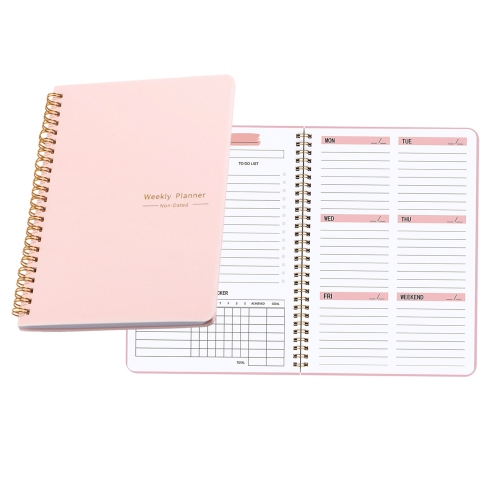 Your price for this item is $21.03
 -
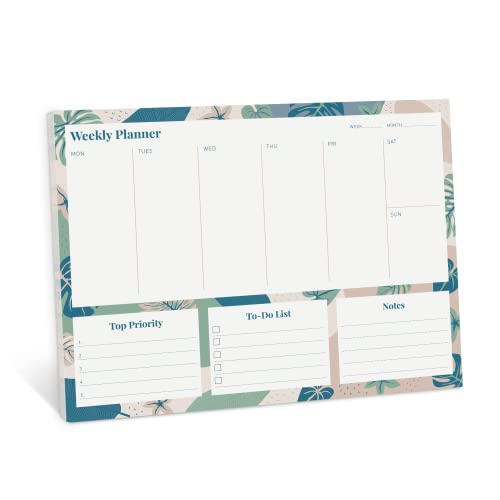 Your price for this item is $19.99
 -
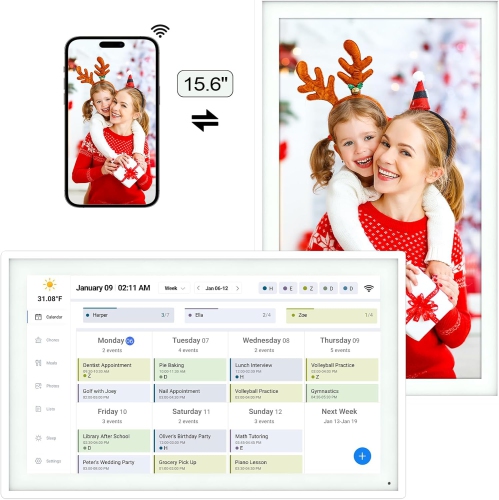 Your price for this item is $349.99
 -
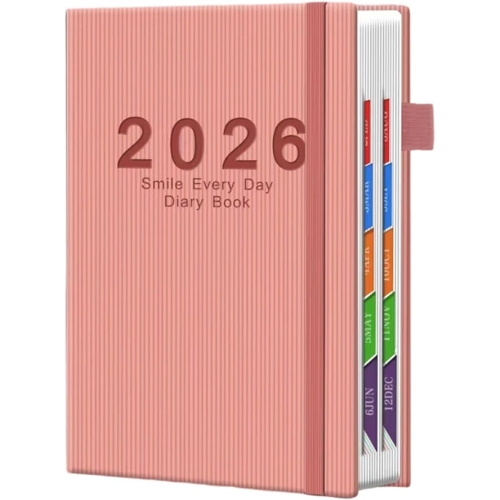 Your price for this item is $23.7
 -
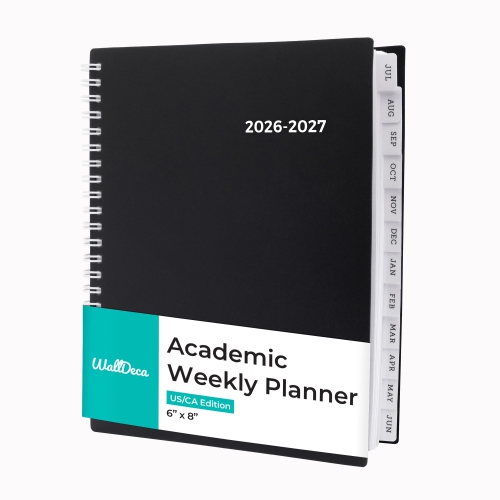 Your price for this item is $99.99
 -
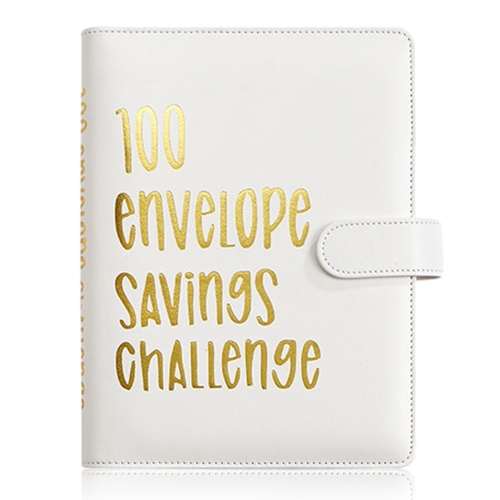 Your price for this item is $26.15
 -
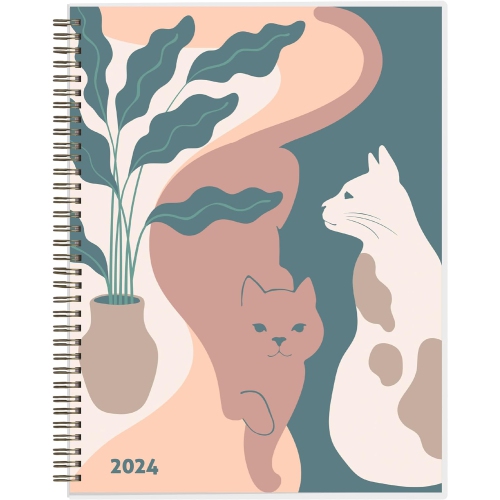 Your price for this item is $19.99
 -
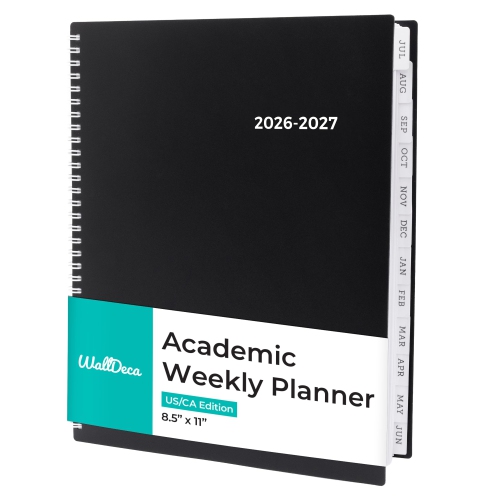 Your price for this item is $153.55
Discover more categories related to Planner Pads
Top Collections:
Pokemon Centers, Kindle Devices, Best Budget Office Chairs, Apple iPhones 16, Best Laptops for Writers, iPhone 15 Apple, Canon G7X Cameras, Refurbished Apple Laptops, Alarm Clock, Motorola Razr Phones
Some products may be subject to Environmental Handling Fees
(EHF) depending on your province.
Learn more about EHFs.