Plastic Storage Clipboards
Organize your documents with ease using these plastic storage clipboards. These versatile and functional clipboards not only offer a convenient writing surface but also provide ample storage space for your important papers, forms, and notes. Whether you're a student, professional, or someone who likes to stay organized on the go, these plastic storage clipboards are the perfect solution. With a variety of sizes and styles to choose from, you'll find the ideal clipboard to suit your needs.
Sort


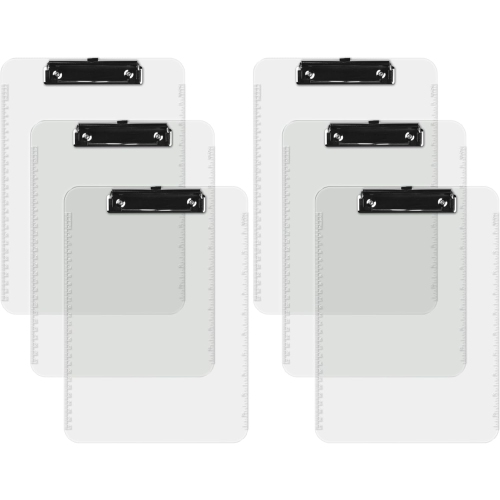
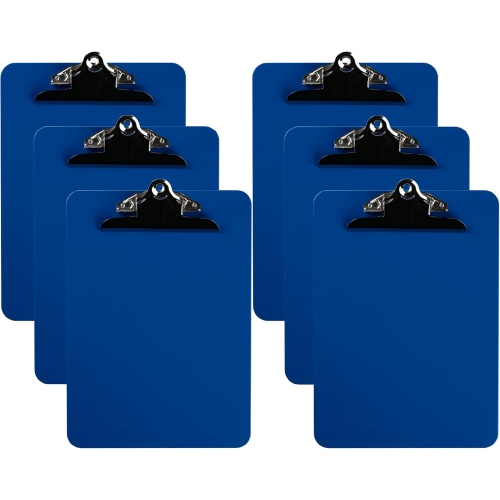
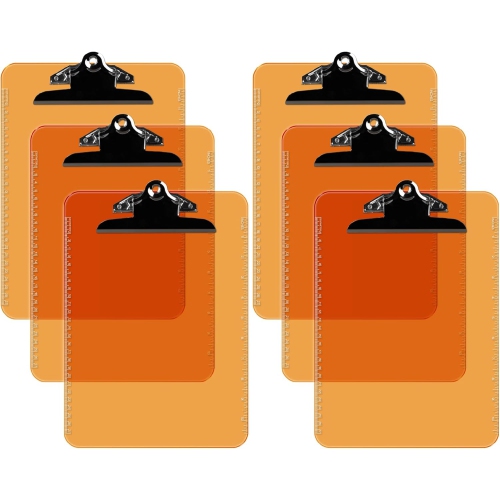
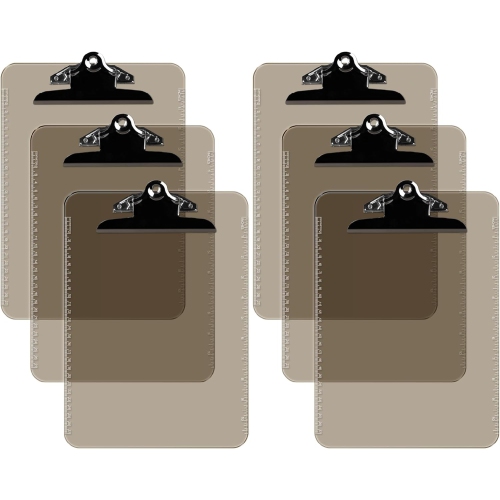
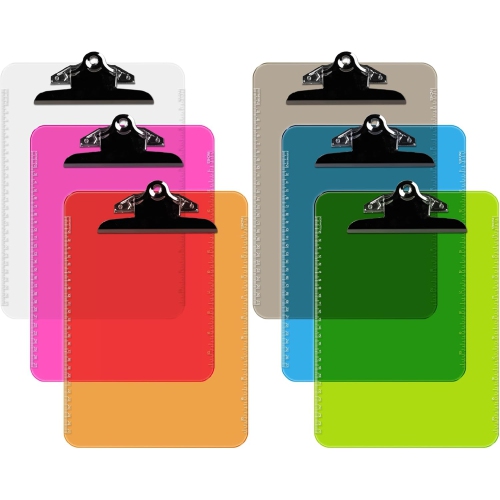
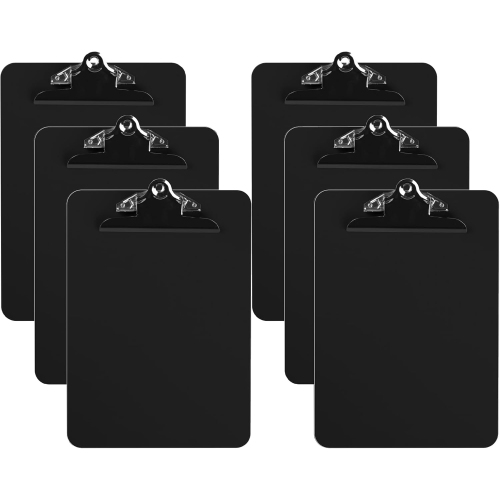
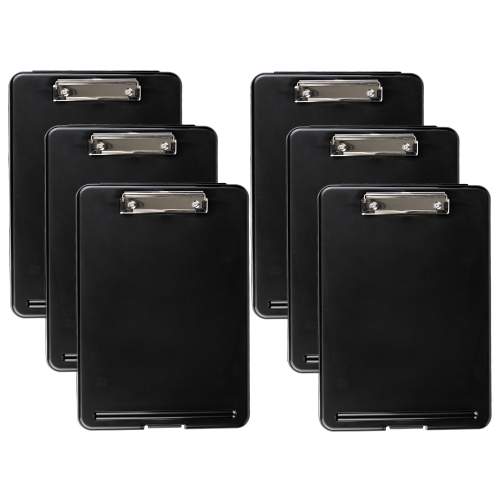
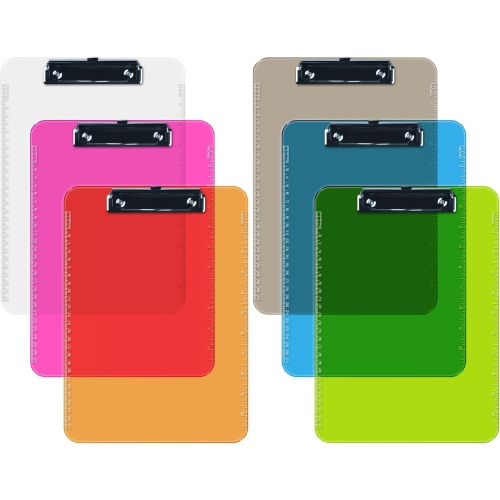

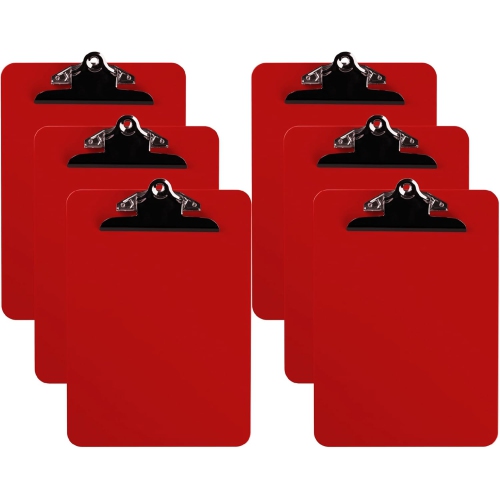

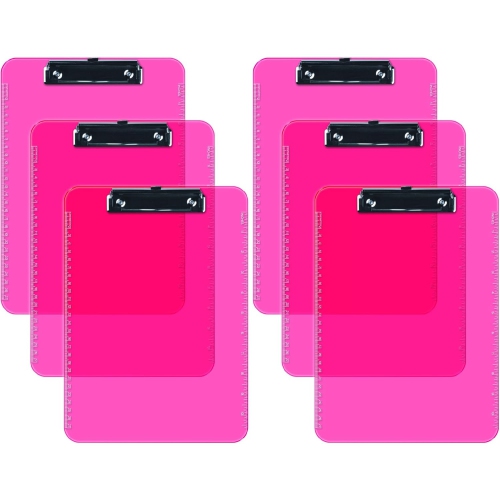
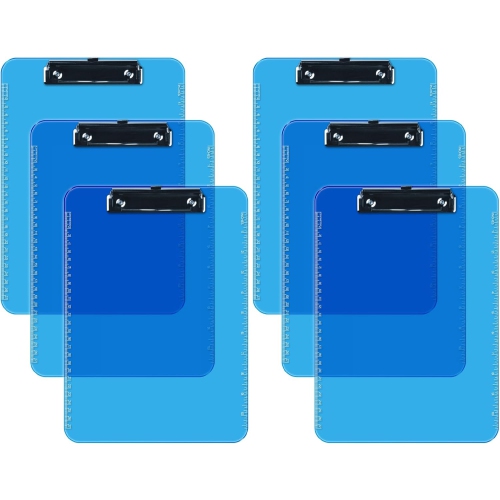
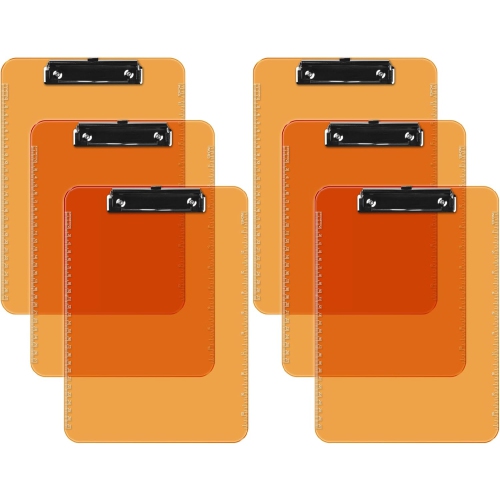
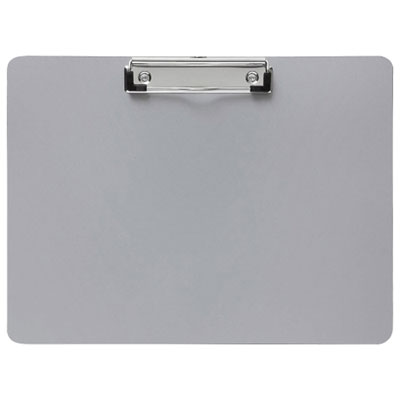
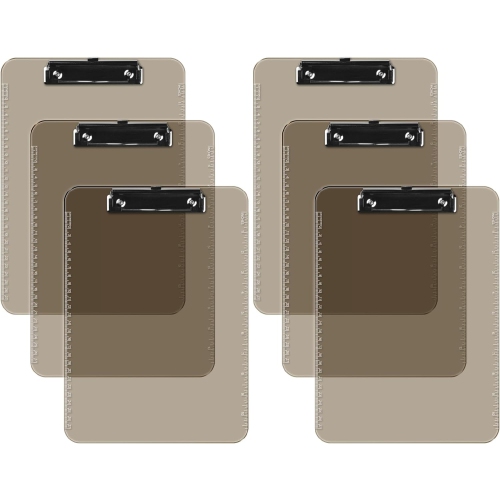

A writing surface with paperwork tucked underneath
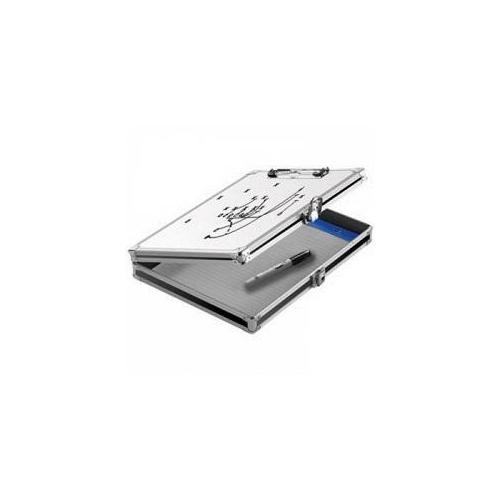
Plastic storage clipboards bring a writing surface and a small document case together, making paperwork easier to carry between desks, rooms, and work sites. The top clip holds the page being used, while an enclosed compartment beneath it provides space for spare forms, completed sheets, or other flat essentials. This combination is useful wherever a full desk is out of reach: a warehouse aisle during an inventory count, a reception area where visitors complete forms, or a gym where a coach tracks attendance and practice notes. Instead of balancing a folder beneath a conventional clipboard, the person writing can keep supporting paperwork inside the same unit. Plastic construction generally keeps the weight manageable, though the overall feel depends on the thickness of the shell, the size of the storage compartment, and how much is packed inside. A smooth, rigid top gives a pen a steady surface, and an enclosed base helps keep loose sheets from folding against the contents of a bag. These clipboards can suit teachers moving between classrooms, tradespeople recording measurements, delivery staff handling signatures, volunteers managing registrations, and students completing observations away from a desk. At home, they can hold household maintenance records, project notes, or activity sheets that need to travel from one room to another. They also offer a simple way to keep blank and completed forms together without carrying a separate case, although internal dividers or folders may be needed to keep the two groups apart. For tasks centred on holding sheets rather than carrying supplies, Paper Clipboards offer another category to explore. The appeal of a storage clipboard is its compact, self-contained layout: the next form, a pen, and the writing surface can stay together, ready to move with the task. That convenience matters most when paperwork changes hands frequently or when stopping to retrieve supplies would interrupt a busy routine.
Size and layout make a noticeable difference in everyday use. Letter-size sheets measure 8.5 by 11 inches, but a clipboard that supports them on top may have a smaller usable compartment beneath, so both the writing area and internal dimensions deserve attention. Legal-size forms, envelopes, folded instructions, and sheets inside protective sleeves can need extra clearance. A shallow case may be enough for a modest stack of forms and fit neatly into a work bag, while a deeper body can accommodate more paperwork or small supplies at the cost of added bulk. Storage capacity is most useful when it matches what actually travels with the clipboard; excessive depth can make one-handed support awkward, especially during longer writing sessions. Some layouts have one open compartment, while others include separate sections for pens, cards, or smaller pieces of paper. A dedicated pen channel can keep a writing tool from pressing into documents, but it needs to fit the barrel and length of the pen being carried. The opening direction also affects the workflow. A side-opening case may feel familiar to someone accustomed to a folder, whereas a compartment that opens from the bottom or lifts beneath the writing surface requires a different grip. Consider whether stored papers can be reached without dislodging the sheet held by the clip. Clip shape matters as well: a low-profile clip takes up less space in a bag, while a larger clip may be easier to grasp, depending on its spring tension and design. Either way, it should hold the intended paper stack without making page changes unnecessarily difficult. Rounded corners and smooth edges can make the case more comfortable against a forearm, and a textured underside may help with handling. Colour can distinguish separate tasks or teams at a glance. An opaque shell conceals stored pages from casual view, while a translucent body makes it easier to see whether supplies are inside. Neither replaces secure handling procedures for personal or confidential information.
Durability comes from the whole assembly, not simply from the fact that the clipboard is plastic. A firm writing surface should resist distracting flex during normal pen pressure, and the body should close evenly without needing to be forced. Hinges, latches, and the clip attachment are frequent contact points, so their construction matters for a clipboard that will be opened repeatedly throughout the day. Depending on the design, the hinge may be a separate component or a flexible section moulded into the case; either benefits from being used within its intended range rather than bent backward. Overfilling puts unnecessary pressure on the closure and can leave papers creased along the edges. Keeping the contents comfortably below the compartment limit also makes it easier to find a particular form without unloading everything onto a nearby surface. For someone completing checklists while standing, a balanced, lightly packed clipboard may be more comfortable than a large case filled with rarely used supplies. For someone moving between scheduled appointments, extra room for separate document bundles may be worth the additional weight. Routine care is usually straightforward: remove the contents, wipe the shell with a soft cloth using a cleaner permitted by the manufacturer, and let it dry before replacing papers. Abrasive pads can scratch the writing surface, and strong cleaning agents may affect the plastic or printed markings. In shared workplaces where cleaning is frequent, compatibility with the required cleaning method is an important consideration. An enclosed compartment can help shield sheets from incidental contact, but it should not be assumed to be waterproof or suitable for spill protection unless that capability is specified. Likewise, a latch that keeps the lid shut is not necessarily a security lock. A practical setup keeps frequently used forms on top, spare sheets flat inside, and only the necessary small supplies alongside them. With the right proportions and an uncomplicated layout, a plastic storage clipboard can make mobile paperwork feel less scattered, whether it is supporting a daily work route, a classroom activity, or a household project.
Size and layout make a noticeable difference in everyday use. Letter-size sheets measure 8.5 by 11 inches, but a clipboard that supports them on top may have a smaller usable compartment beneath, so both the writing area and internal dimensions deserve attention. Legal-size forms, envelopes, folded instructions, and sheets inside protective sleeves can need extra clearance. A shallow case may be enough for a modest stack of forms and fit neatly into a work bag, while a deeper body can accommodate more paperwork or small supplies at the cost of added bulk. Storage capacity is most useful when it matches what actually travels with the clipboard; excessive depth can make one-handed support awkward, especially during longer writing sessions. Some layouts have one open compartment, while others include separate sections for pens, cards, or smaller pieces of paper. A dedicated pen channel can keep a writing tool from pressing into documents, but it needs to fit the barrel and length of the pen being carried. The opening direction also affects the workflow. A side-opening case may feel familiar to someone accustomed to a folder, whereas a compartment that opens from the bottom or lifts beneath the writing surface requires a different grip. Consider whether stored papers can be reached without dislodging the sheet held by the clip. Clip shape matters as well: a low-profile clip takes up less space in a bag, while a larger clip may be easier to grasp, depending on its spring tension and design. Either way, it should hold the intended paper stack without making page changes unnecessarily difficult. Rounded corners and smooth edges can make the case more comfortable against a forearm, and a textured underside may help with handling. Colour can distinguish separate tasks or teams at a glance. An opaque shell conceals stored pages from casual view, while a translucent body makes it easier to see whether supplies are inside. Neither replaces secure handling procedures for personal or confidential information.
Durability comes from the whole assembly, not simply from the fact that the clipboard is plastic. A firm writing surface should resist distracting flex during normal pen pressure, and the body should close evenly without needing to be forced. Hinges, latches, and the clip attachment are frequent contact points, so their construction matters for a clipboard that will be opened repeatedly throughout the day. Depending on the design, the hinge may be a separate component or a flexible section moulded into the case; either benefits from being used within its intended range rather than bent backward. Overfilling puts unnecessary pressure on the closure and can leave papers creased along the edges. Keeping the contents comfortably below the compartment limit also makes it easier to find a particular form without unloading everything onto a nearby surface. For someone completing checklists while standing, a balanced, lightly packed clipboard may be more comfortable than a large case filled with rarely used supplies. For someone moving between scheduled appointments, extra room for separate document bundles may be worth the additional weight. Routine care is usually straightforward: remove the contents, wipe the shell with a soft cloth using a cleaner permitted by the manufacturer, and let it dry before replacing papers. Abrasive pads can scratch the writing surface, and strong cleaning agents may affect the plastic or printed markings. In shared workplaces where cleaning is frequent, compatibility with the required cleaning method is an important consideration. An enclosed compartment can help shield sheets from incidental contact, but it should not be assumed to be waterproof or suitable for spill protection unless that capability is specified. Likewise, a latch that keeps the lid shut is not necessarily a security lock. A practical setup keeps frequently used forms on top, spare sheets flat inside, and only the necessary small supplies alongside them. With the right proportions and an uncomplicated layout, a plastic storage clipboard can make mobile paperwork feel less scattered, whether it is supporting a daily work route, a classroom activity, or a household project.
Top selling and popular products
-
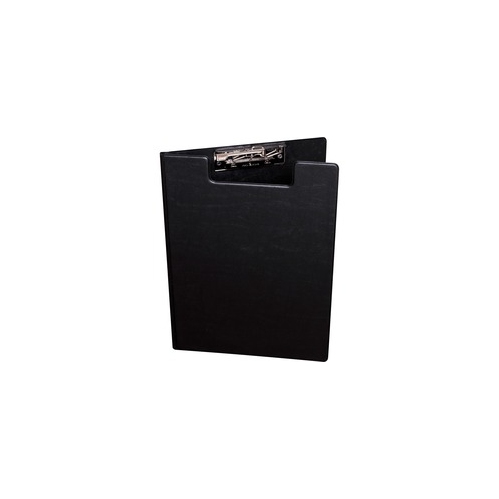 Your price for this item is $5.99
 -
 Your price for this item is $17.99
 -
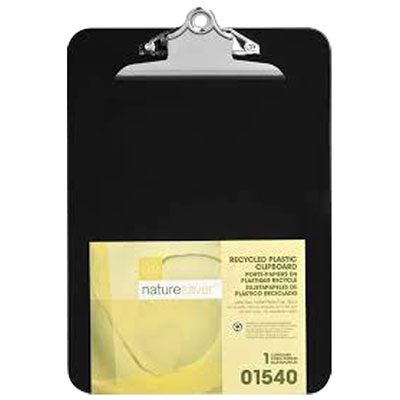 Your price for this item is $4.99
 -
 Your price for this item is $26.24
 -
 Your price for this item is $59.99
 -
 Your price for this item is $59.99
 -
 Your price for this item is $13.99
 -
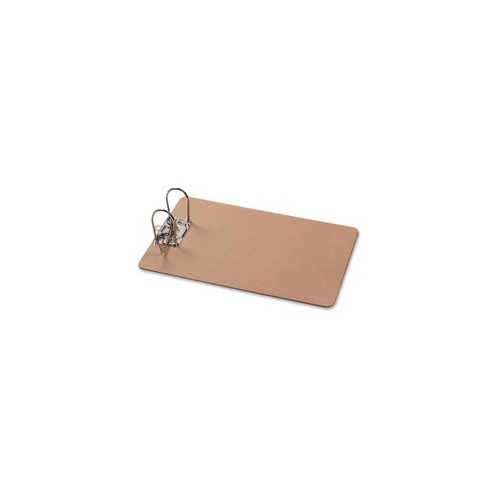 Your price for this item is $8.99
Discover more categories related to Plastic Storage Clipboards
Top Collections:
Pokemon Centers, Kindle Devices, Best Budget Office Chairs, Apple iPhones 16, Canon G7X Cameras, iPhone 15 Apple, Alarm Clock, Refurbished Apple Laptops, Flip Phones, Best Laptops for Writers
Some products may be subject to Environmental Handling Fees
(EHF) depending on your province.
Learn more about EHFs.