Printer Ribbons
Looking to keep your printer running smoothly and producing high-quality prints? Look no further than our wide selection of printer ribbons. These essential accessories are designed to deliver crisp and vibrant text and images, ensuring professional-looking documents with every print job. Whether you need replacement ribbons for your dot matrix printer or thermal transfer ribbons for barcode labels, we have the perfect options to meet your printing needs. Browse our range of printer ribbons today and experience exceptional print quality that won't disappoint.
Sort




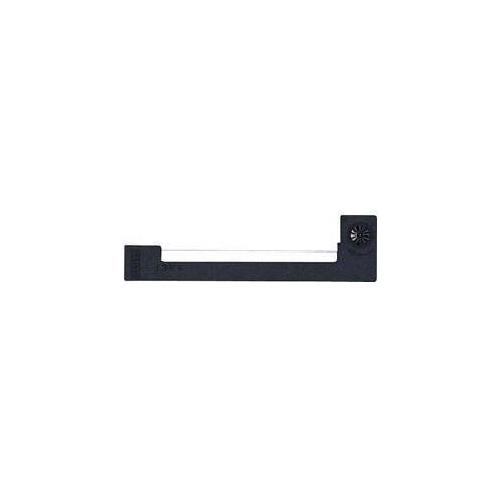
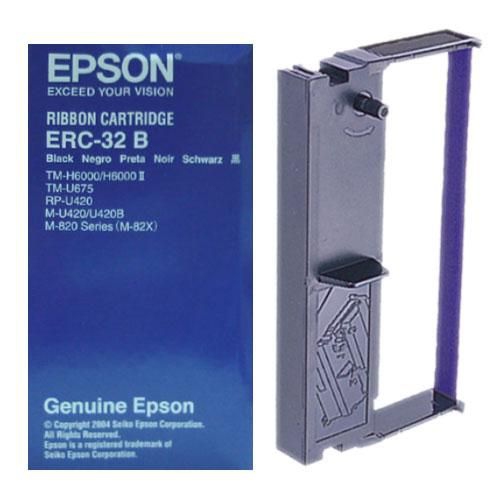
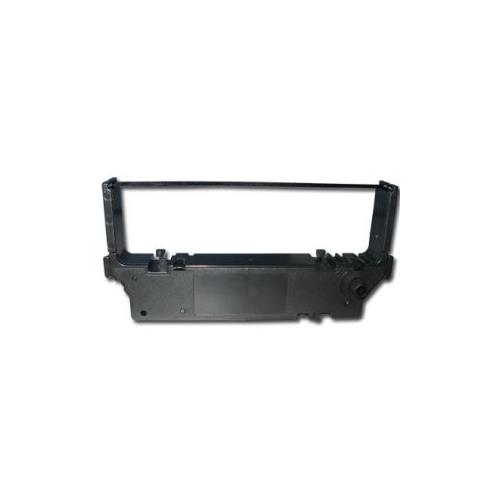
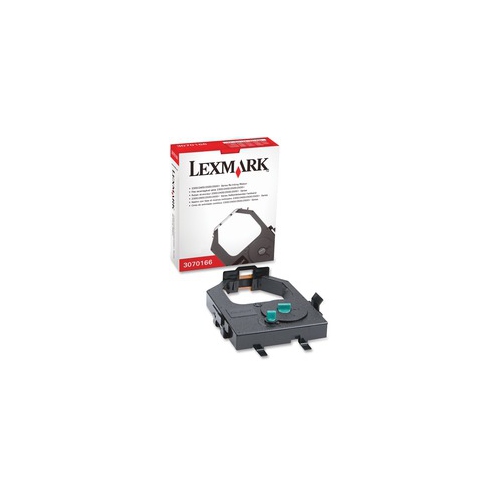
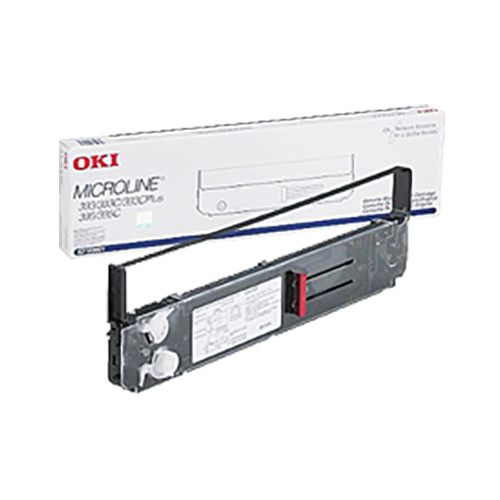
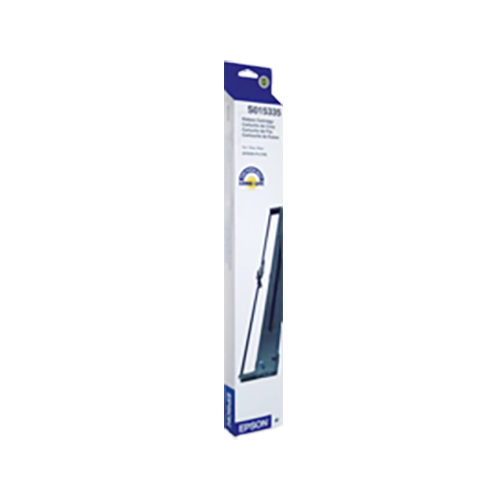

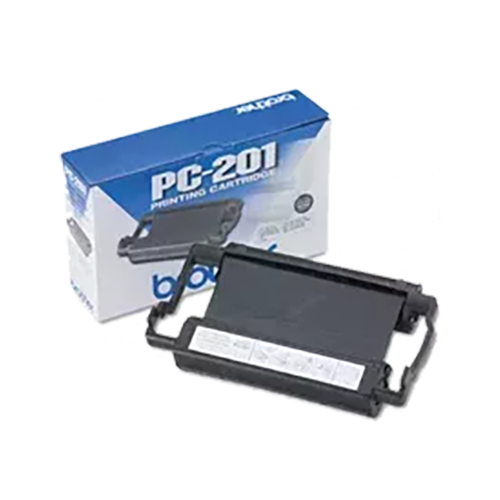
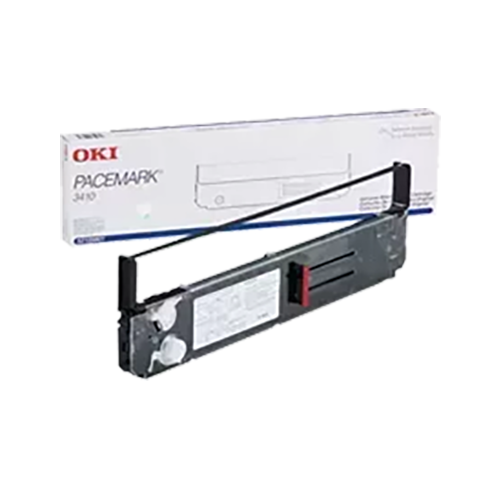




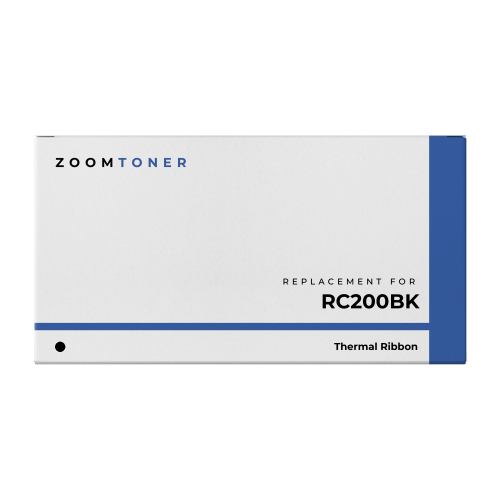
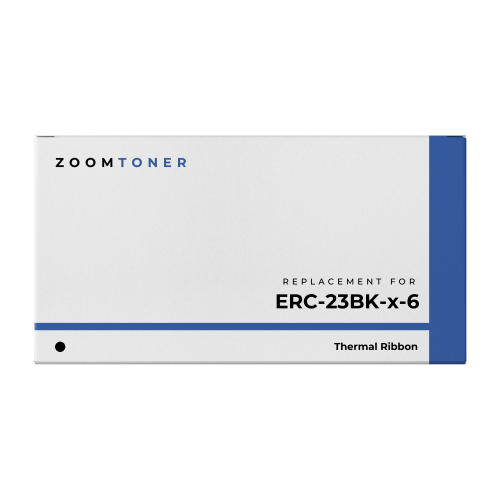
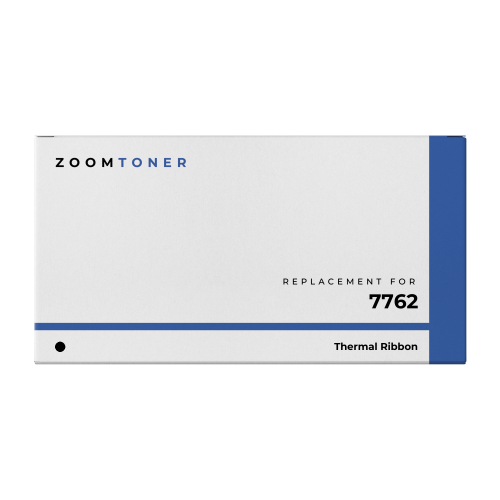
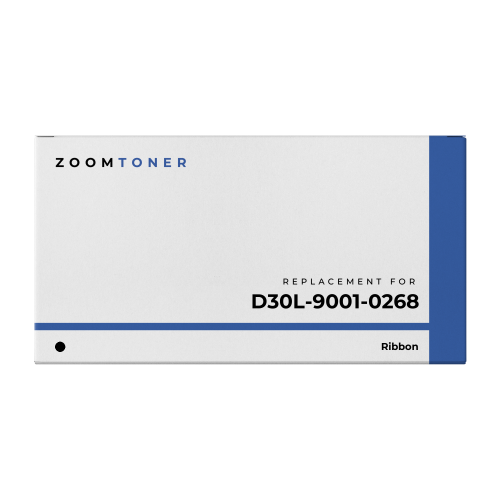
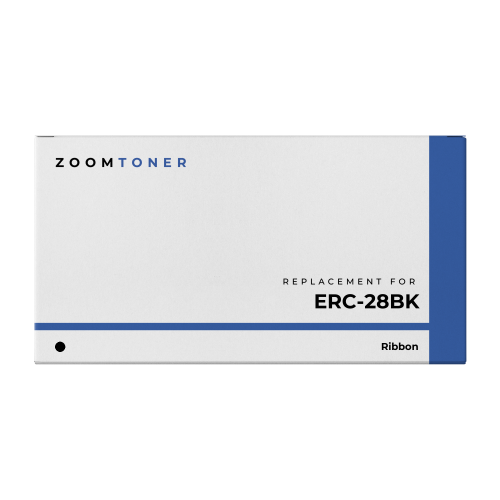
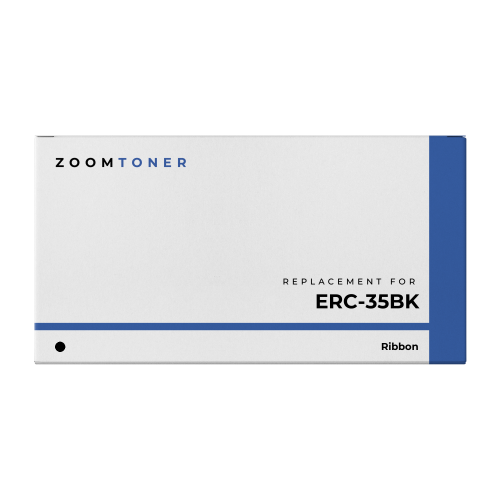
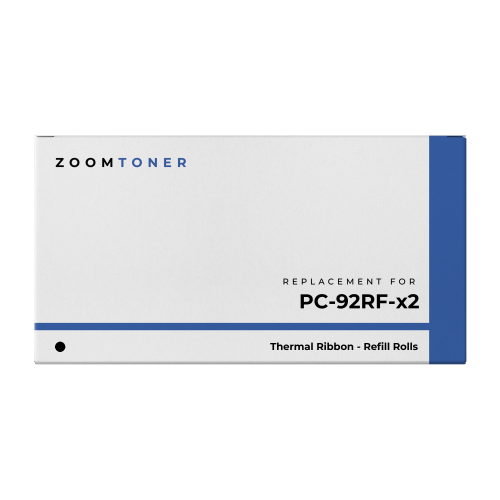
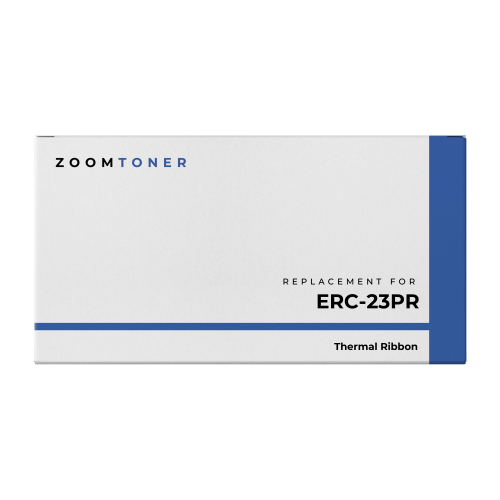

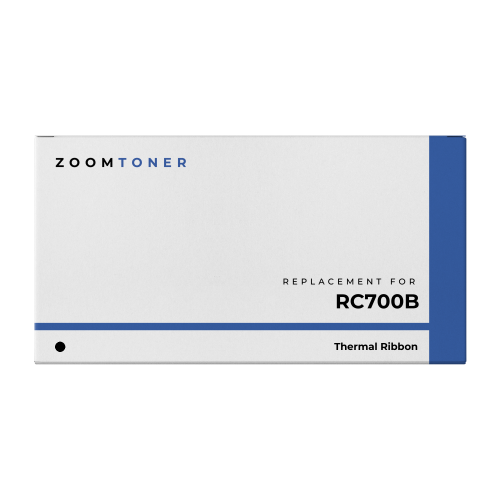
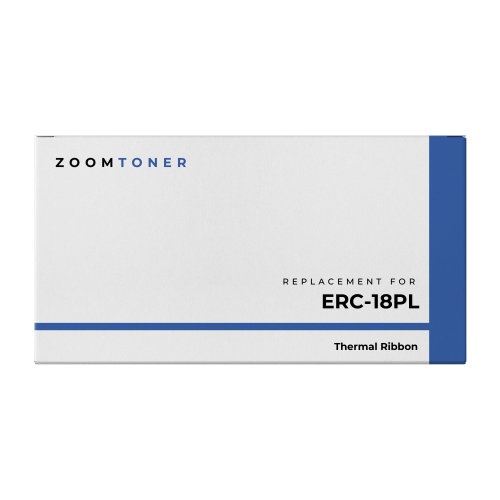
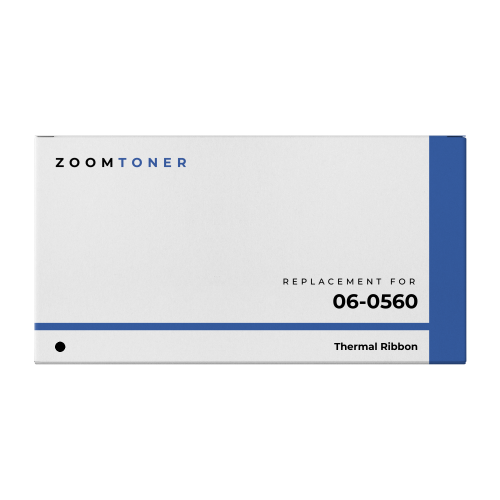
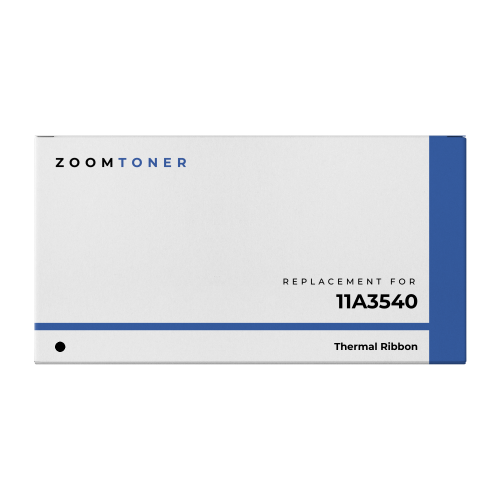






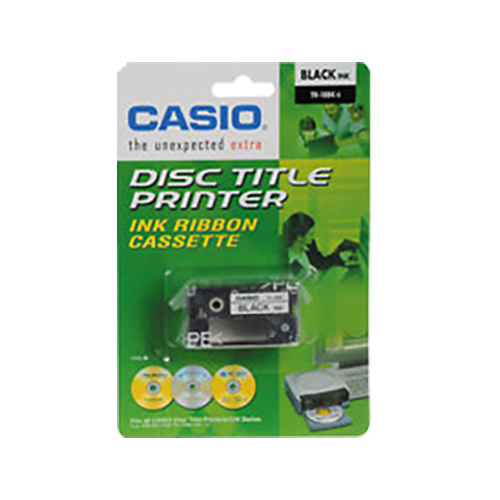
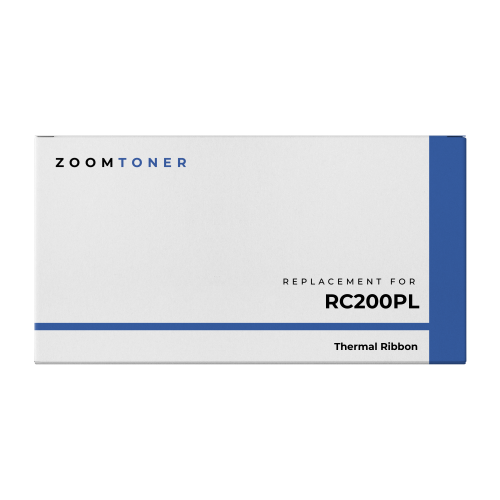
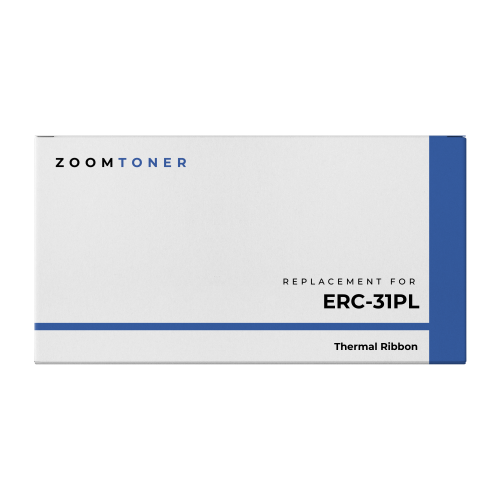
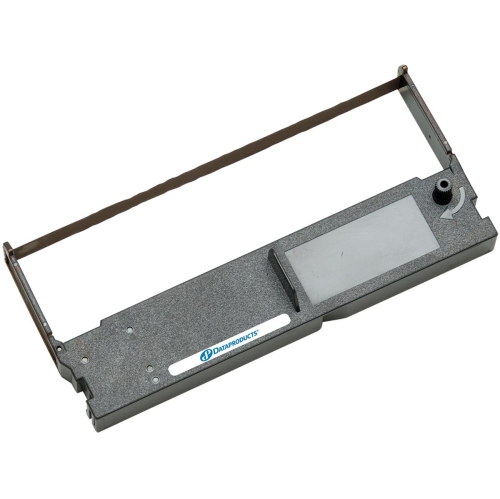
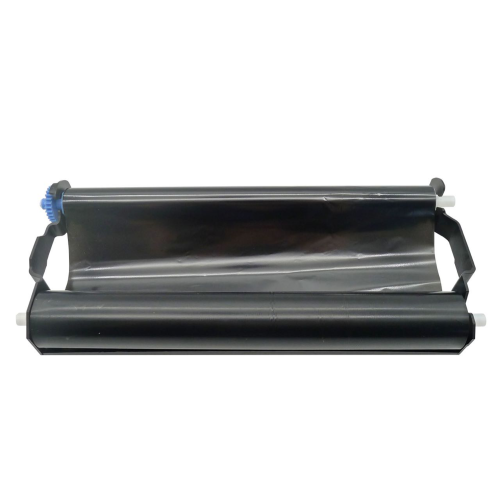
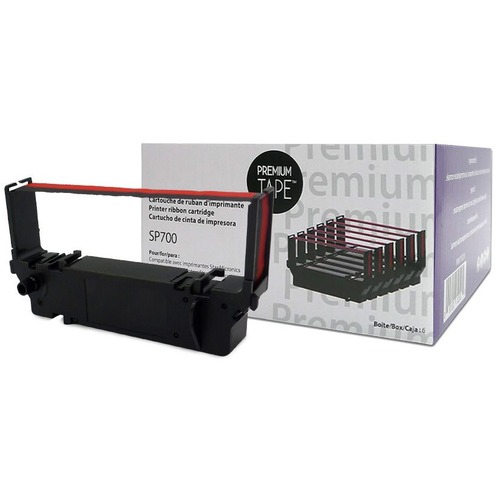
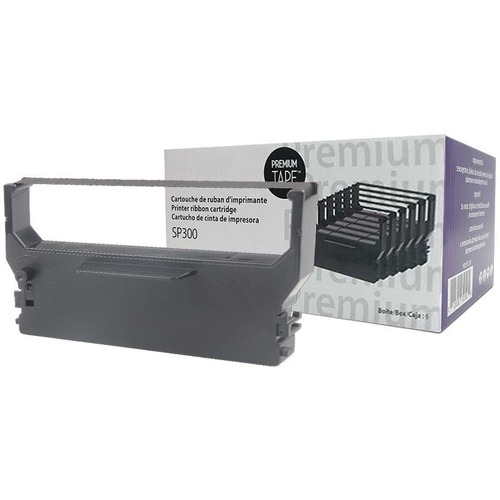
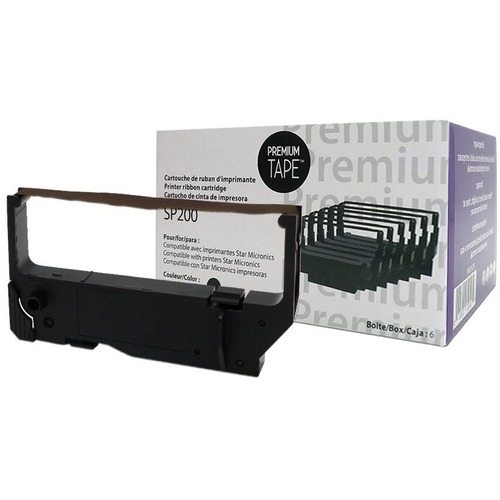
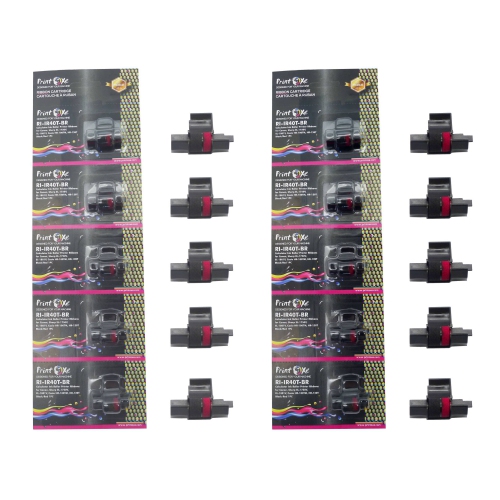
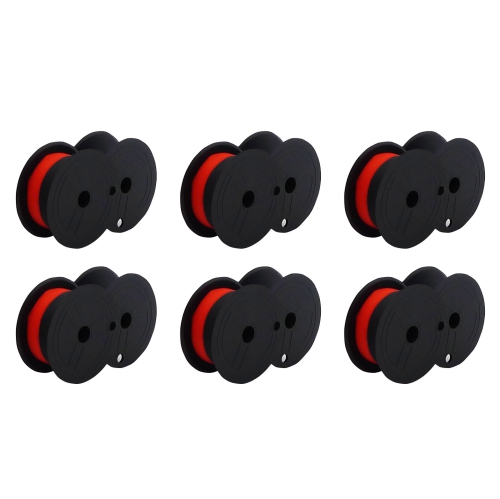
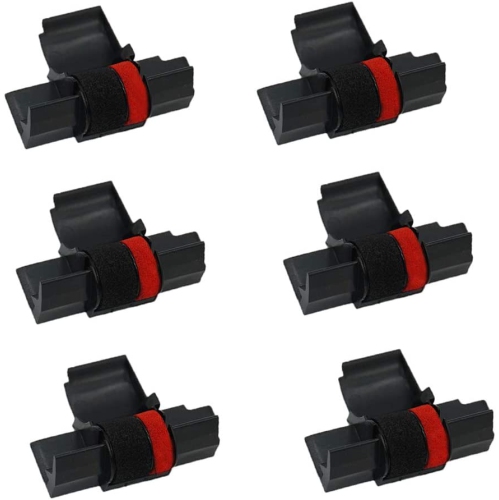
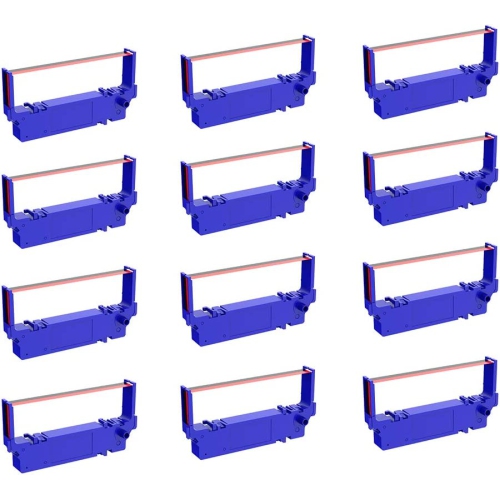
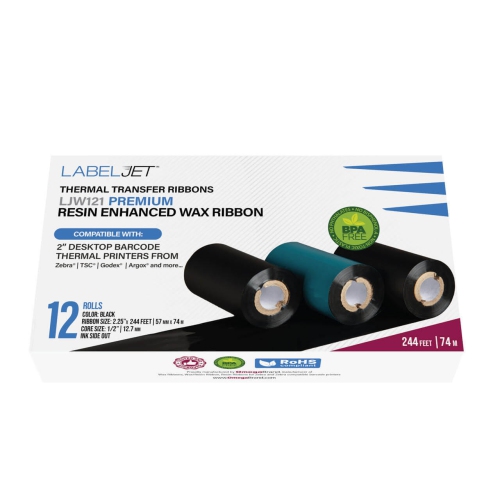
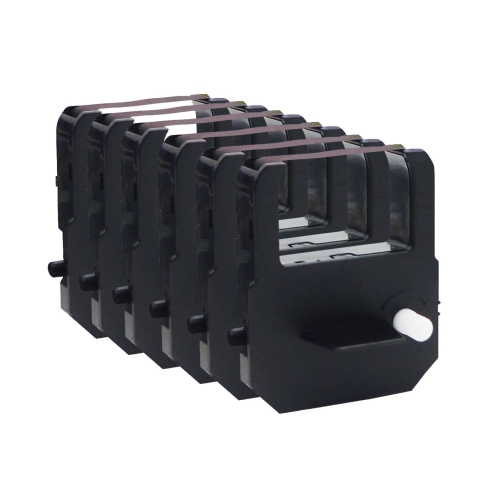
The right ribbon depends on how you print
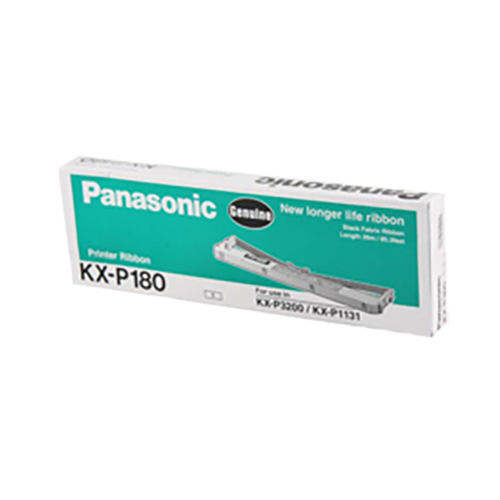
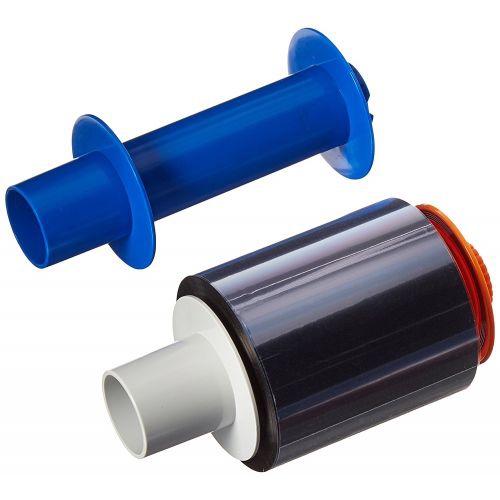
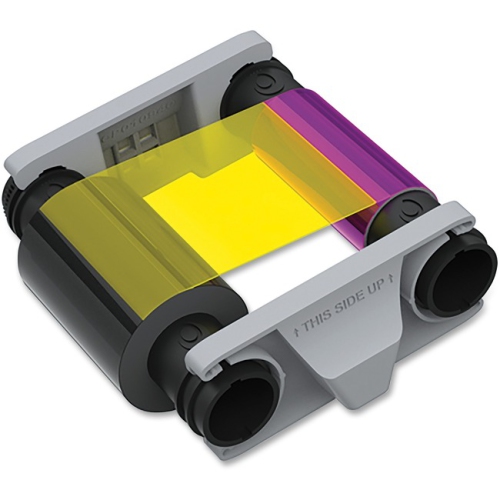
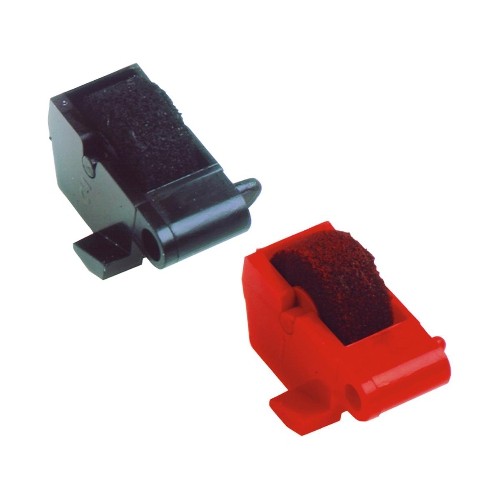
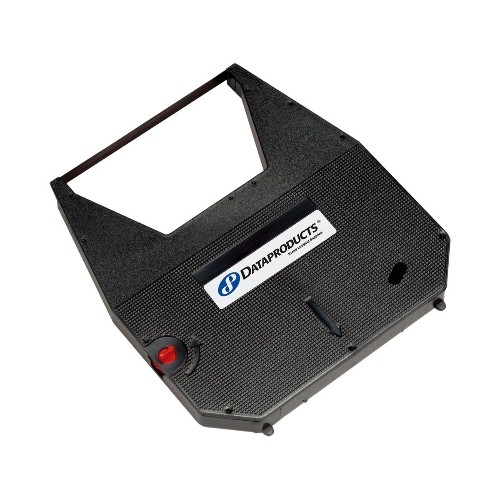
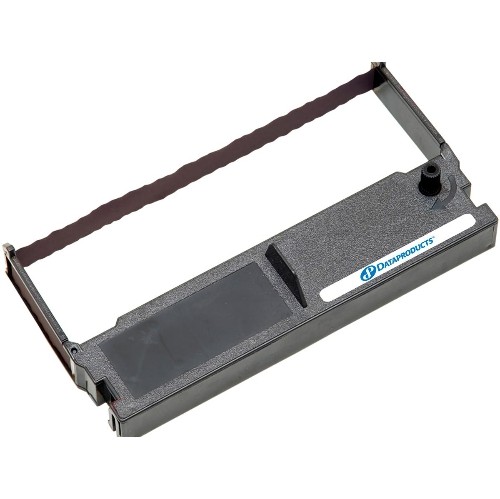
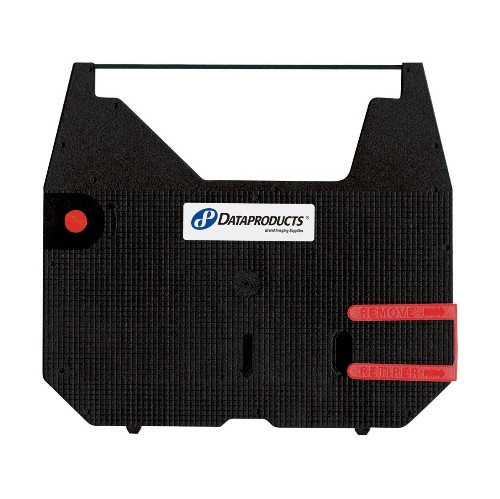
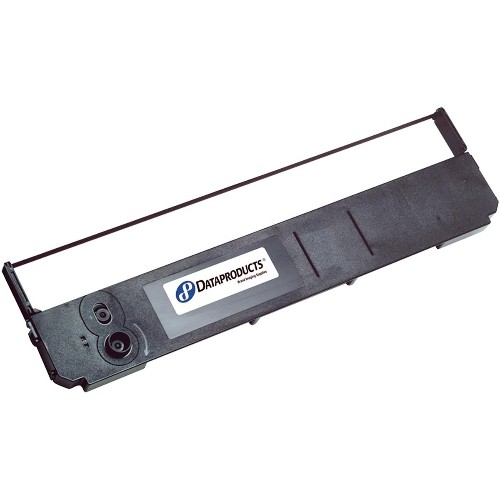
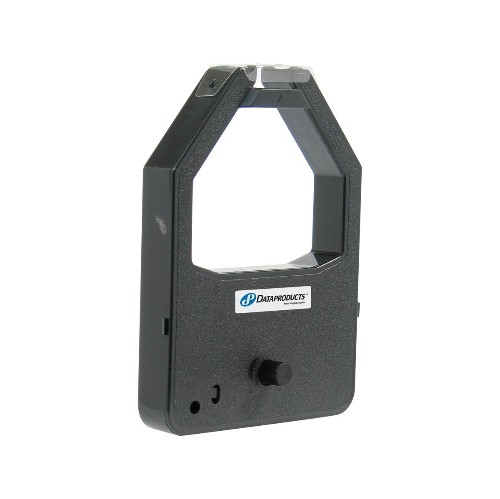
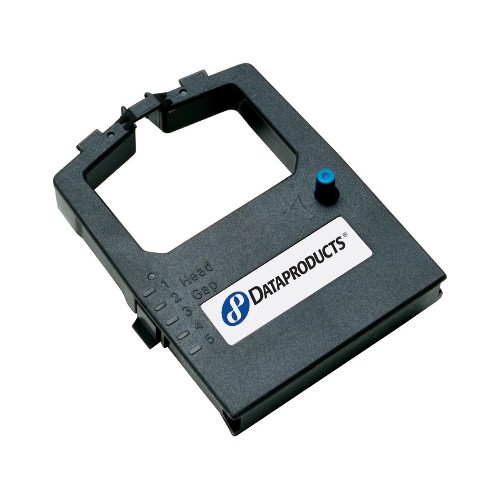
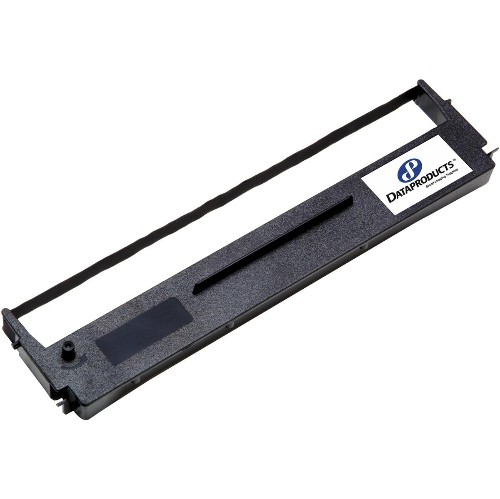
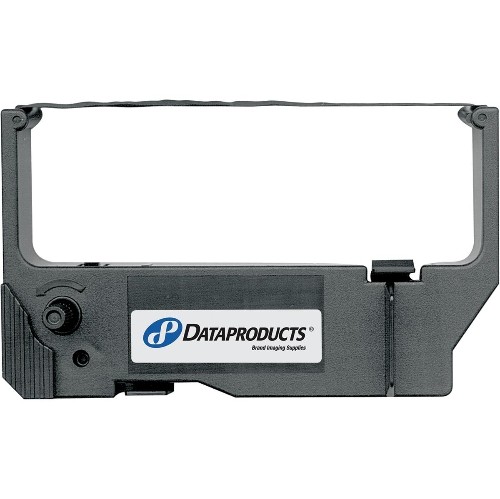
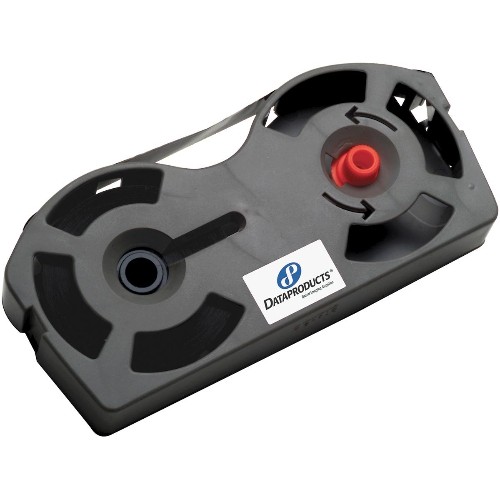
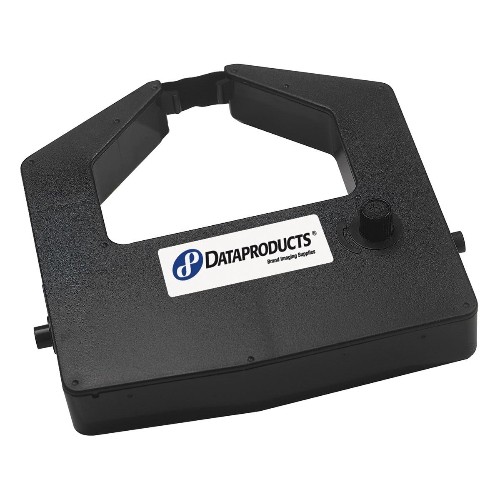
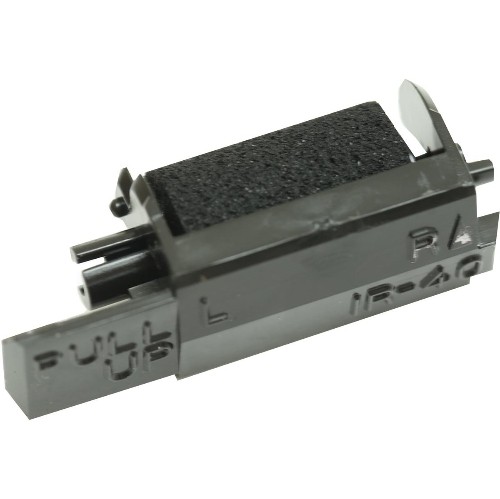
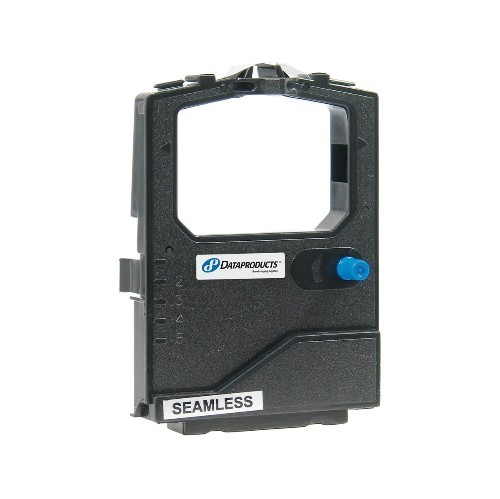
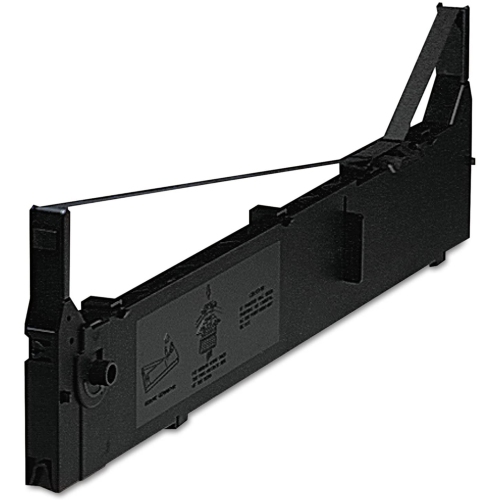
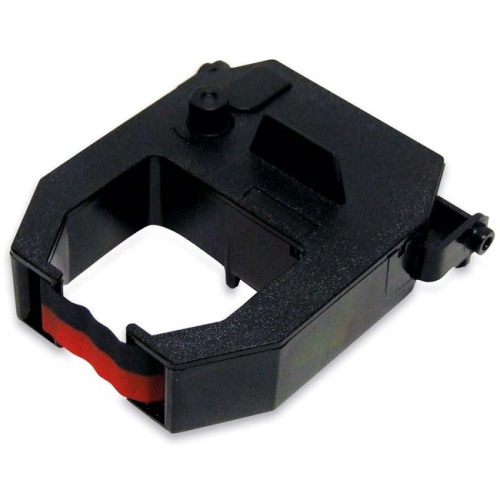
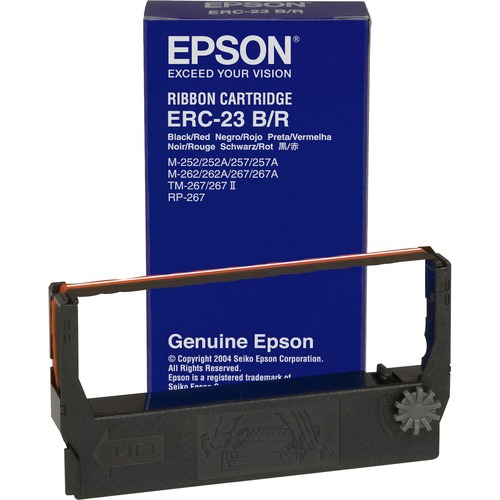
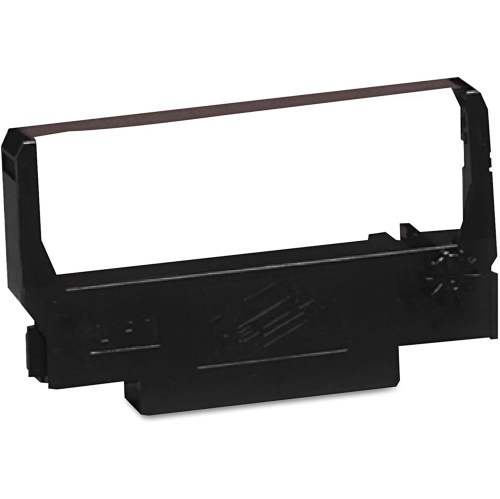
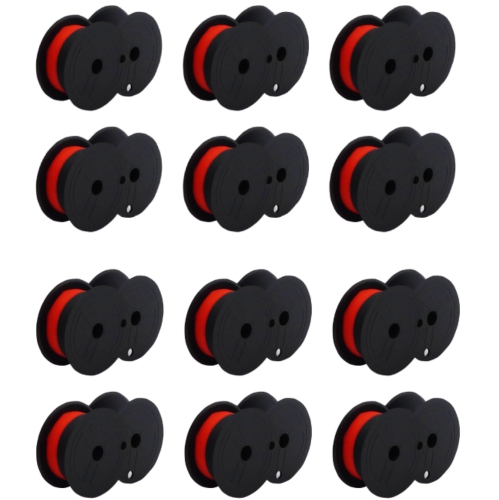
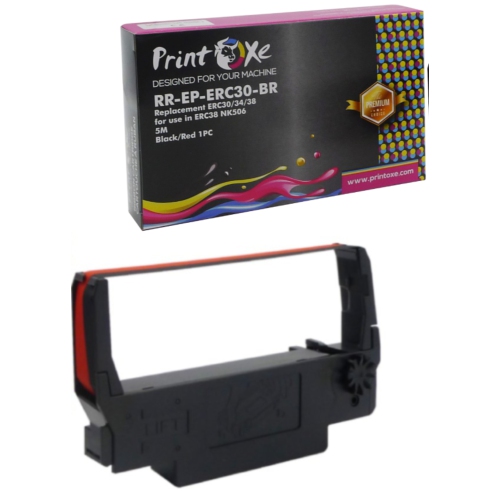
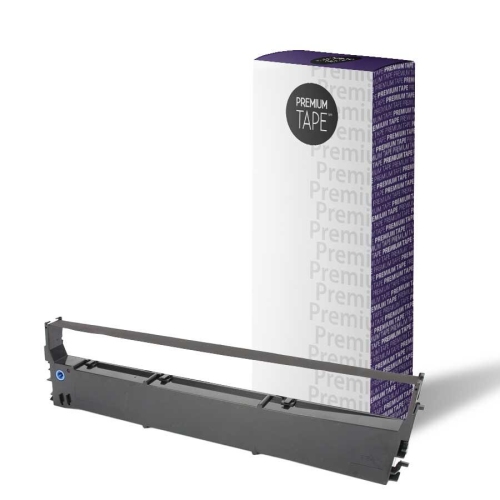
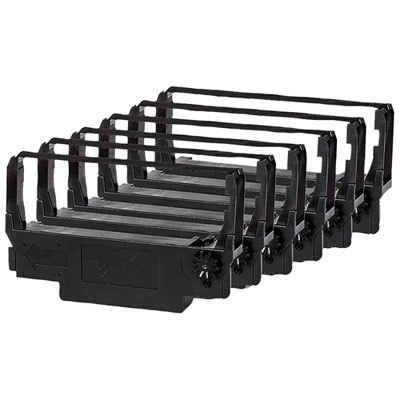
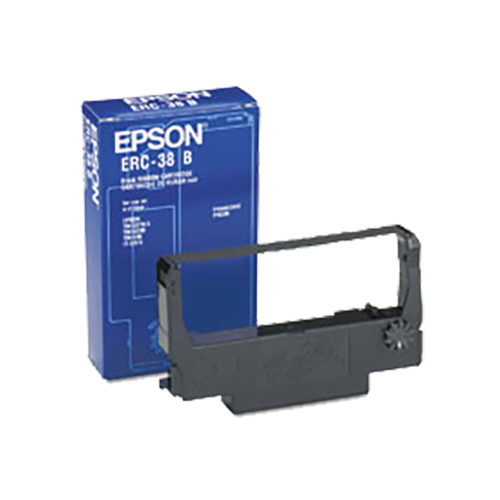
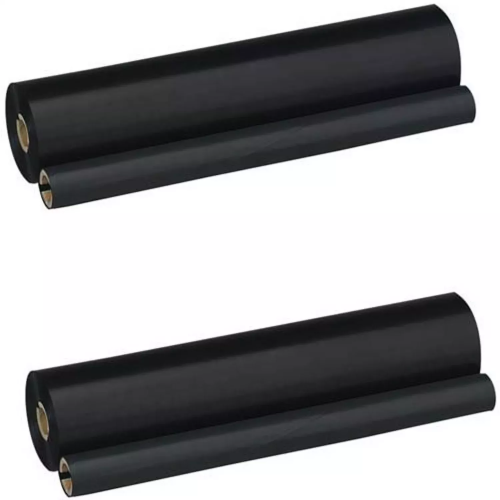
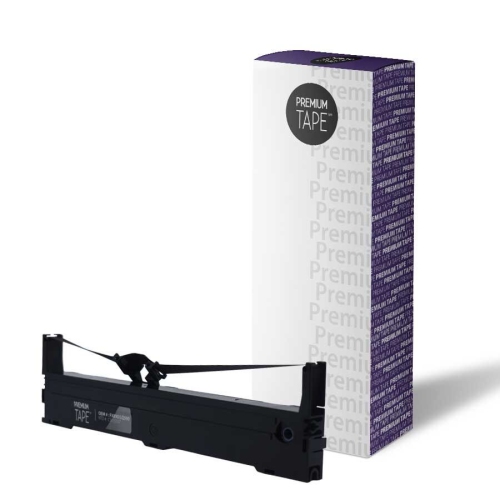
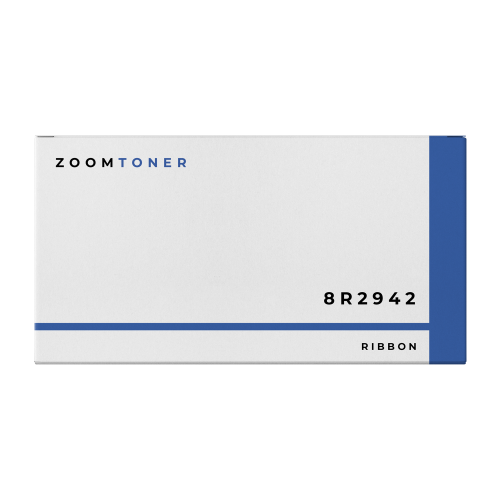
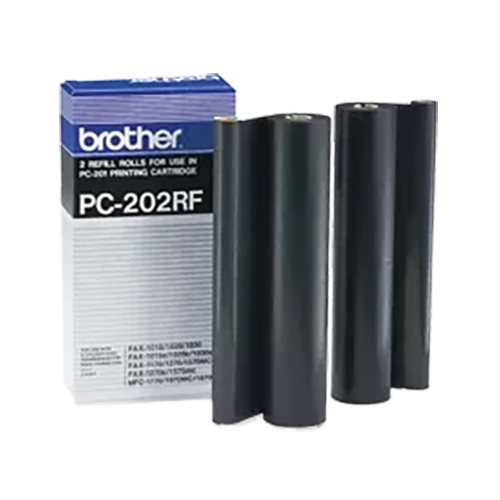
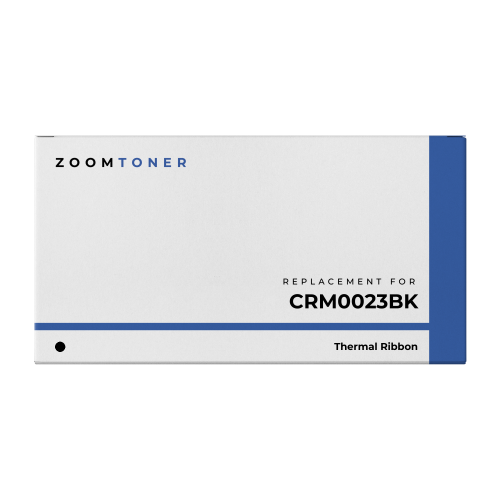
Printer ribbons are replaceable printing supplies that carry ink or a transferable coating, allowing compatible machines to put text, numbers, barcodes, and graphics onto paper, labels, or certain fabrics. The term covers several different formats, from inked fabric ribbons used in impact printers to wax and resin ribbons used in thermal transfer equipment. Although the names sound similar, printer ribbons and ribbon printers are not the same thing: a printer ribbon is a consumable, while a ribbon printer may be a machine designed to personalize decorative fabric ribbon. That distinction matters when matching supplies to an office printer, a shipping label system, or equipment used for custom packaging. In an impact printer, pins or other striking components press an inked ribbon against the paper to form characters. This method remains useful for multipart forms because the physical strike can create impressions through multiple layers, something an ordinary inkjet or laser printer does not do. A service counter issuing duplicate receipts, a warehouse preparing dispatch paperwork, or an office processing continuous forms may depend on this familiar technology. Thermal transfer printing works differently: a heated printhead transfers a coating from the ribbon onto a compatible surface. It is commonly used for labels that need clear lettering, readable barcodes, or resistance to handling. Direct thermal printing, by contrast, uses heat-sensitive media without a ribbon, so even printers that look similar can require different supplies. For personalized fabric ribbons, suitable equipment and a transfer ribbon formulated for the fabric can produce names, messages, or simple designs for packaging and presentation. A crisp message on a satin bow and a sharp barcode on a carton serve very different purposes, but both depend on a suitable match between the printer, its ribbon, and the surface being printed. Printer ribbons therefore belong to several distinct workflows rather than one interchangeable supply category, with compatibility and intended use shaping the most practical choice.
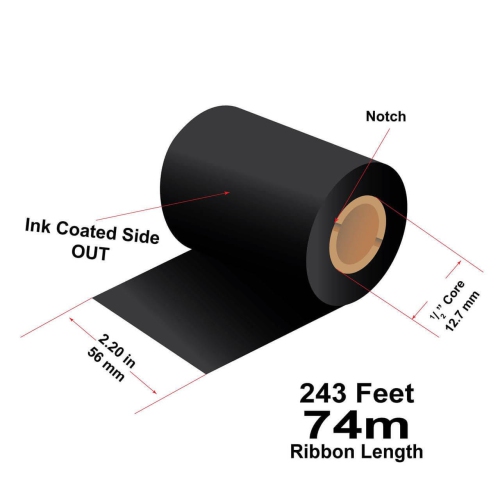
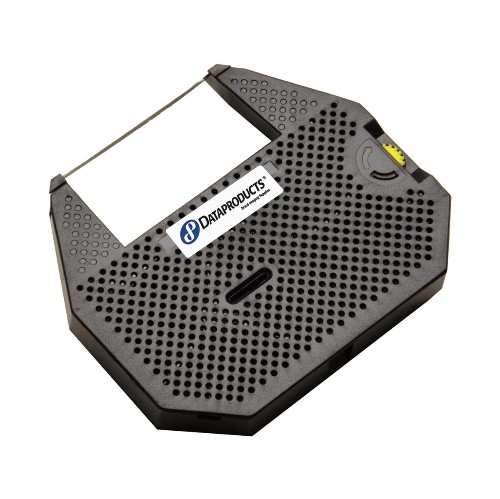
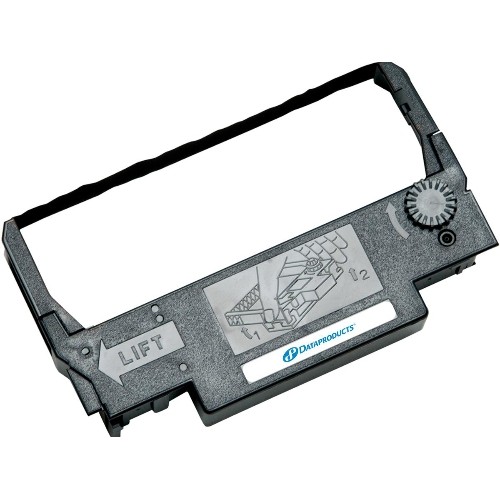
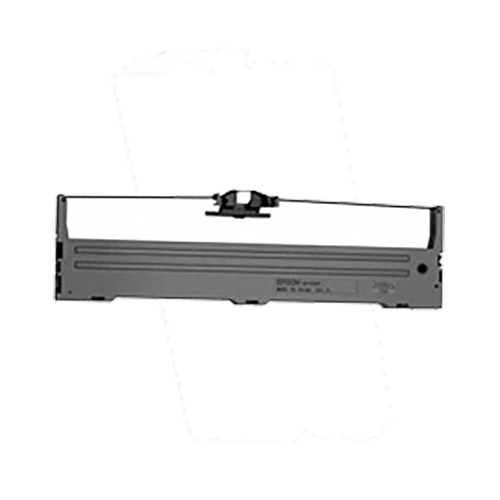
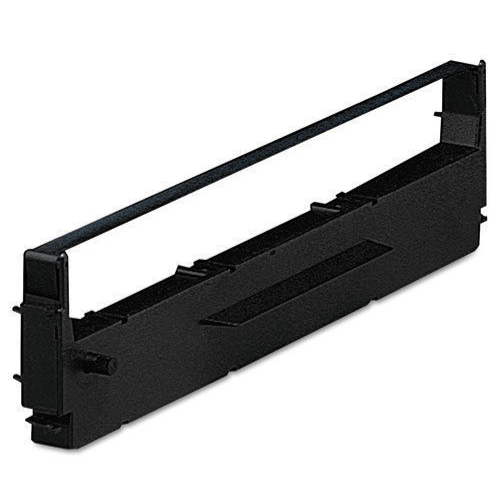
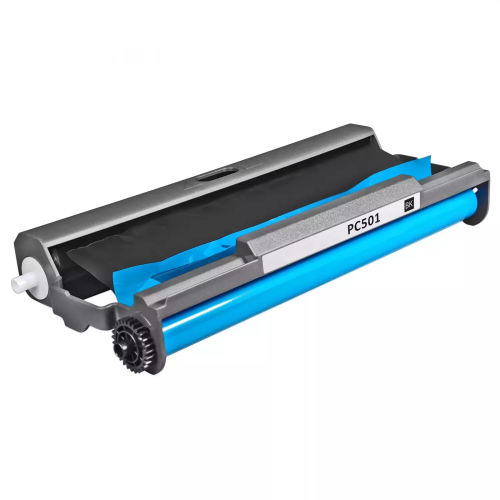
Materials and construction affect how a printer ribbon performs throughout its working life. Many impact ribbons use woven nylon or another fabric designed to hold ink and withstand repeated contact with the print mechanism. Depending on the machine, the ribbon may sit inside a cartridge or run between exposed spools, with the housing, guides, and drive components keeping it moving along the correct path. A cartridge that looks close in size can still have different mounting points, ribbon routing, or feed arrangements, making the printer’s supported ribbon reference more useful than appearance alone. Black ribbons suit everyday text and forms, while compatible two-colour systems can distinguish different kinds of entries. The machine must support the ribbon’s colour arrangement for those differences to appear correctly. Thermal transfer ribbons typically carry a wax, wax-resin, or resin coating on a thin film. Wax formulations are often suited to general-purpose paper labels, such as those used for shipping cartons or shelf identification where exposure is limited. Wax-resin blends can provide greater resistance to rubbing and handling on suitable paper or synthetic label materials. Resin formulations are often chosen for compatible synthetic labels that need stronger resistance to abrasion, moisture, or certain chemicals. These are general distinctions rather than guarantees; the final result also depends on the label surface, printer settings, and conditions the finished label will face. A parcel label brushed against neighbouring boxes has different demands from an equipment label that receives frequent wiping. Width, roll length, core size, maximum roll diameter, and whether the coating faces inward or outward can all affect thermal transfer ribbon fit. The ribbon must also suit the printer’s printhead technology, including flat-head or near-edge designs where applicable. For thermal transfer printing on satin, polyester, or nylon ribbon, the fabric finish and coating formulation are particularly important. A combination that produces clean text on a paper label may not bond properly to a smooth fabric, and a decorative print should not be assumed to withstand washing unless the complete printing system supports that use.
Everyday usability comes down to consistent feeding, clear output, and sensible storage as much as the ribbon material itself. In busy workplaces, readable characters help prevent confusion between similar-looking numbers, while well-defined barcodes support reliable scanning at receiving desks, checkout counters, and packing stations. An impact ribbon approaching the end of its useful life may produce progressively lighter characters, although uneven printing can also point to installation or machine issues. Thermal transfer defects, including gaps, smudging, or wrinkled impressions, may come from an unsuitable ribbon-and-media pairing, incorrect settings, or maintenance needs rather than a depleted roll. Print life varies with ribbon design, coverage, job length, and equipment, so stated yields are best understood alongside the conditions used to measure them. Dense graphics use an impact ribbon differently from short lines of text, while thermal transfer ribbon consumption generally follows the length of media printed, subject to the printer’s design and any ribbon-saving features. Supplies kept in their original packaging, away from direct sunlight, excessive heat, and moisture, are better protected from dust and damage before installation. Clean handling also matters: fingerprints or debris on thermal transfer materials can interfere with output, and an impact ribbon twisted during installation may not feed smoothly. Routine cleaning performed according to the equipment manufacturer’s directions helps keep the print path clear without exposing delicate parts to unsuitable solvents or tools. For a small business, these details support ordinary but important tasks, from producing legible delivery paperwork to adding a neat personalized message to a gift box. Home offices and administrative teams may also use ribbon-based equipment for calculations and transaction paperwork; Calculator Ribbons serve compatible printing calculators and should be matched to those machines rather than treated as substitutes for printer supplies. Across these uses, the most useful printer ribbons are those that fit the equipment precisely, suit the receiving material, and deliver the level of clarity and durability the finished print needs.
Materials and construction affect how a printer ribbon performs throughout its working life. Many impact ribbons use woven nylon or another fabric designed to hold ink and withstand repeated contact with the print mechanism. Depending on the machine, the ribbon may sit inside a cartridge or run between exposed spools, with the housing, guides, and drive components keeping it moving along the correct path. A cartridge that looks close in size can still have different mounting points, ribbon routing, or feed arrangements, making the printer’s supported ribbon reference more useful than appearance alone. Black ribbons suit everyday text and forms, while compatible two-colour systems can distinguish different kinds of entries. The machine must support the ribbon’s colour arrangement for those differences to appear correctly. Thermal transfer ribbons typically carry a wax, wax-resin, or resin coating on a thin film. Wax formulations are often suited to general-purpose paper labels, such as those used for shipping cartons or shelf identification where exposure is limited. Wax-resin blends can provide greater resistance to rubbing and handling on suitable paper or synthetic label materials. Resin formulations are often chosen for compatible synthetic labels that need stronger resistance to abrasion, moisture, or certain chemicals. These are general distinctions rather than guarantees; the final result also depends on the label surface, printer settings, and conditions the finished label will face. A parcel label brushed against neighbouring boxes has different demands from an equipment label that receives frequent wiping. Width, roll length, core size, maximum roll diameter, and whether the coating faces inward or outward can all affect thermal transfer ribbon fit. The ribbon must also suit the printer’s printhead technology, including flat-head or near-edge designs where applicable. For thermal transfer printing on satin, polyester, or nylon ribbon, the fabric finish and coating formulation are particularly important. A combination that produces clean text on a paper label may not bond properly to a smooth fabric, and a decorative print should not be assumed to withstand washing unless the complete printing system supports that use.
Everyday usability comes down to consistent feeding, clear output, and sensible storage as much as the ribbon material itself. In busy workplaces, readable characters help prevent confusion between similar-looking numbers, while well-defined barcodes support reliable scanning at receiving desks, checkout counters, and packing stations. An impact ribbon approaching the end of its useful life may produce progressively lighter characters, although uneven printing can also point to installation or machine issues. Thermal transfer defects, including gaps, smudging, or wrinkled impressions, may come from an unsuitable ribbon-and-media pairing, incorrect settings, or maintenance needs rather than a depleted roll. Print life varies with ribbon design, coverage, job length, and equipment, so stated yields are best understood alongside the conditions used to measure them. Dense graphics use an impact ribbon differently from short lines of text, while thermal transfer ribbon consumption generally follows the length of media printed, subject to the printer’s design and any ribbon-saving features. Supplies kept in their original packaging, away from direct sunlight, excessive heat, and moisture, are better protected from dust and damage before installation. Clean handling also matters: fingerprints or debris on thermal transfer materials can interfere with output, and an impact ribbon twisted during installation may not feed smoothly. Routine cleaning performed according to the equipment manufacturer’s directions helps keep the print path clear without exposing delicate parts to unsuitable solvents or tools. For a small business, these details support ordinary but important tasks, from producing legible delivery paperwork to adding a neat personalized message to a gift box. Home offices and administrative teams may also use ribbon-based equipment for calculations and transaction paperwork; Calculator Ribbons serve compatible printing calculators and should be matched to those machines rather than treated as substitutes for printer supplies. Across these uses, the most useful printer ribbons are those that fit the equipment precisely, suit the receiving material, and deliver the level of clarity and durability the finished print needs.
Top selling and popular products
-
 Your price for this item is $82.68
 -
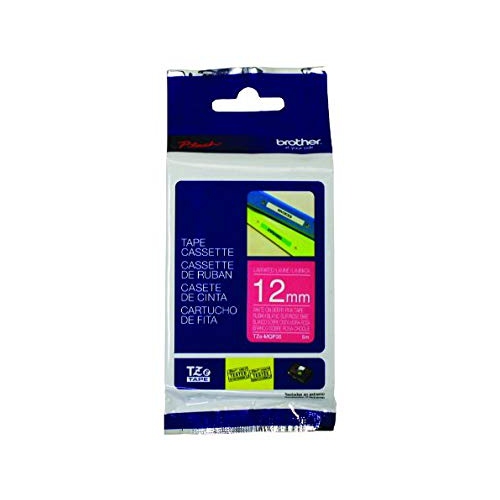 Your price for this item is $29.68
 -
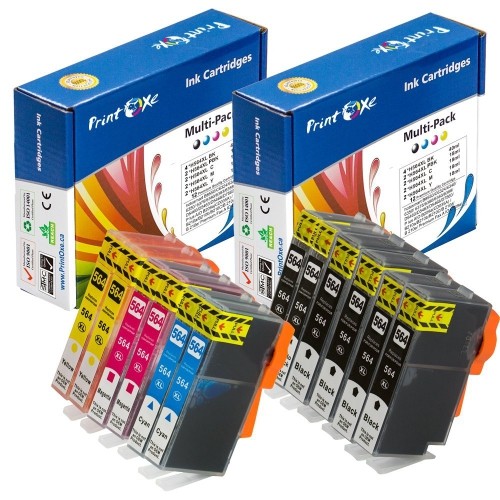 Your price for this item is $43.99
 -
 Your price for this item is $19.86
 -
 Your price for this item is $189.1
 -
 Your price for this item is $167.65
 -
 Your price for this item is $167.65
 -
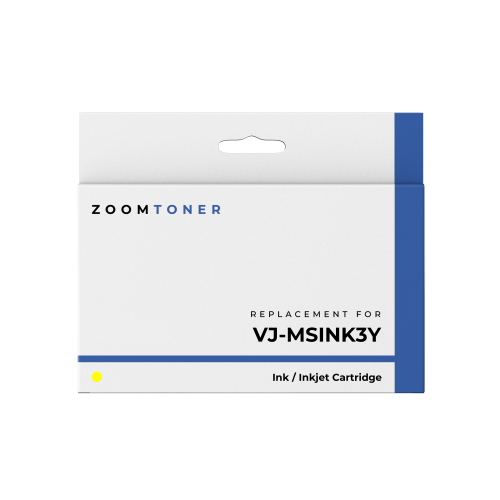 Your price for this item is $94.97
Discover more categories related to Printer Ribbons
Top Collections:
Pokemon Centers, Kindle Devices, Best Budget Office Chairs, Apple iPhones 16, Best Laptops for Writers, iPhone 15 Apple, Canon G7X Cameras, Refurbished Apple Laptops, Alarm Clock, Motorola Razr Phones
Some products may be subject to Environmental Handling Fees
(EHF) depending on your province.
Learn more about EHFs.