Professional Binders
Organize your documents with ease and professionalism using our wide selection of professional binders. Whether you're a student, a teacher, or a business professional, these Ring Binders are designed to keep your papers secure and your work looking polished. With various sizes, styles, and features available, you'll find the perfect binder to suit your needs. From sleek leather options to durable plastic designs, our collection offers high-quality choices that will help you stay organized and make a lasting impression. Explore our range of professional binders today and elevate your document organization to the next level.
Sort
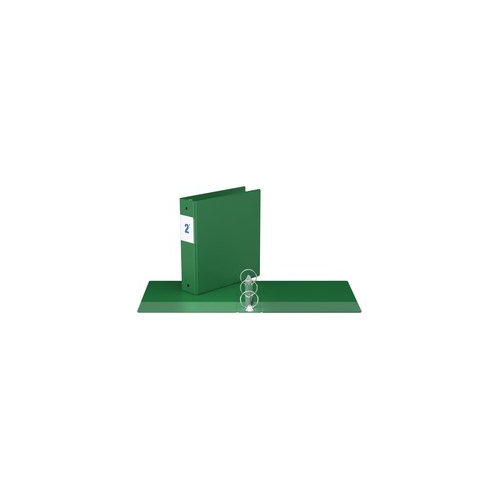
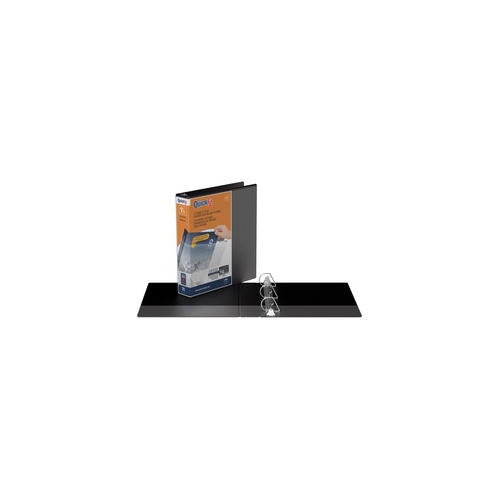
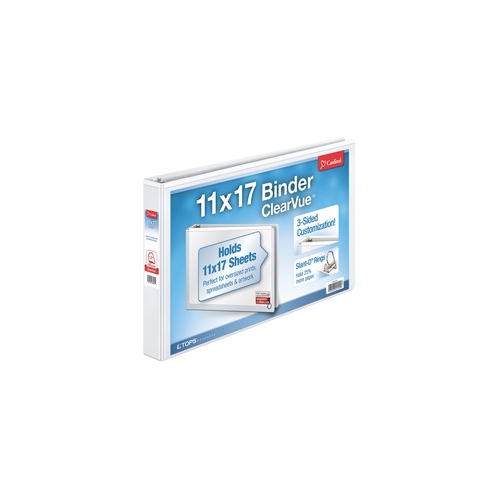


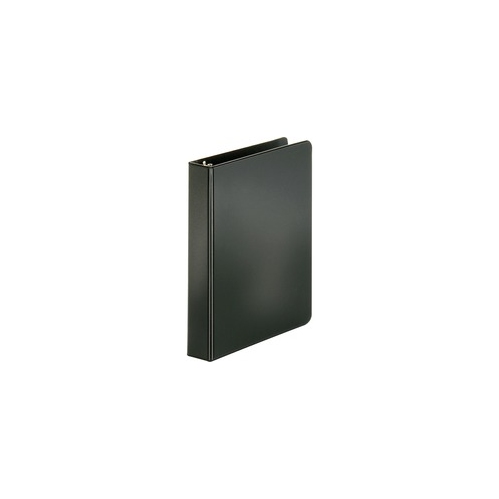
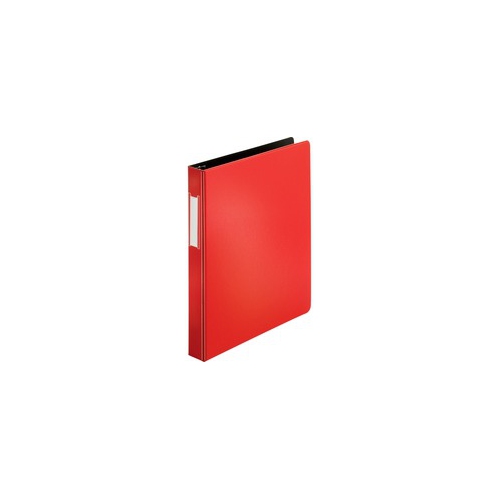
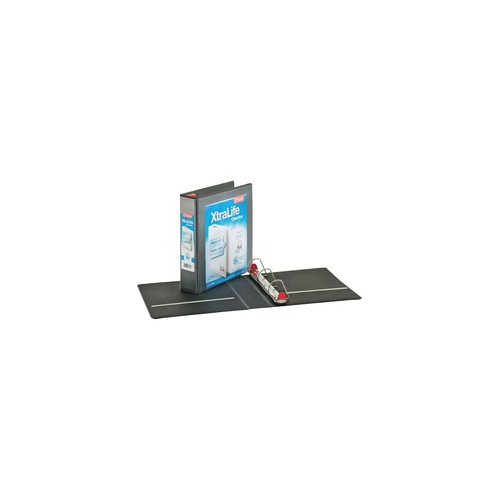
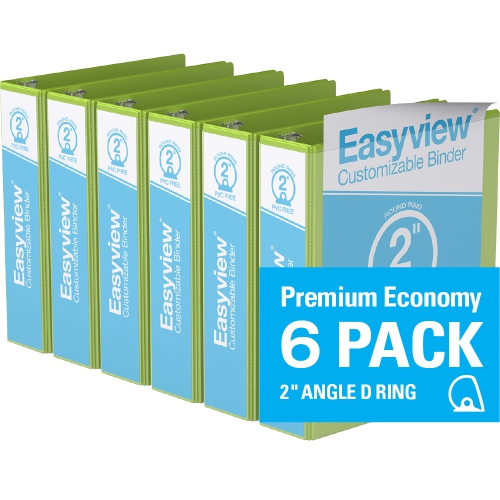

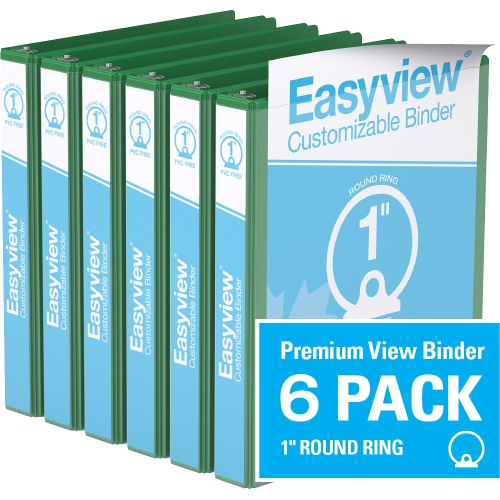
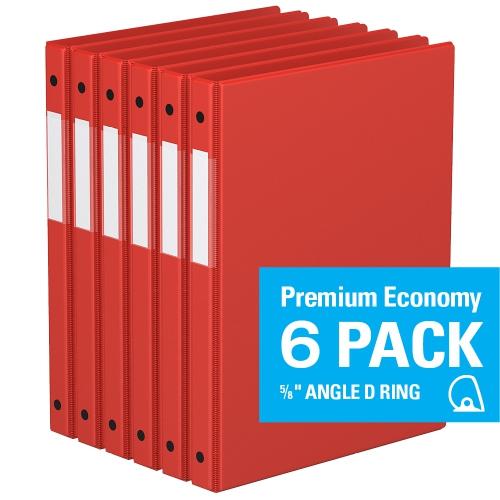
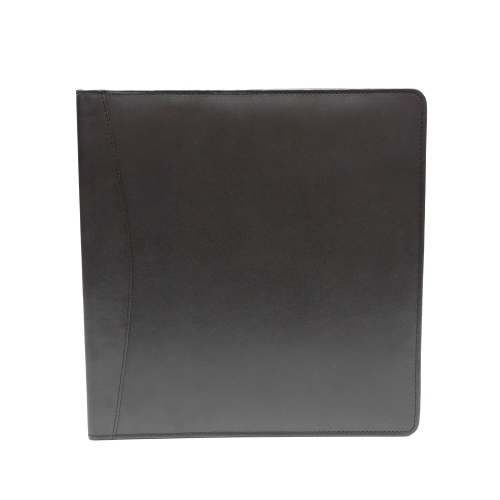
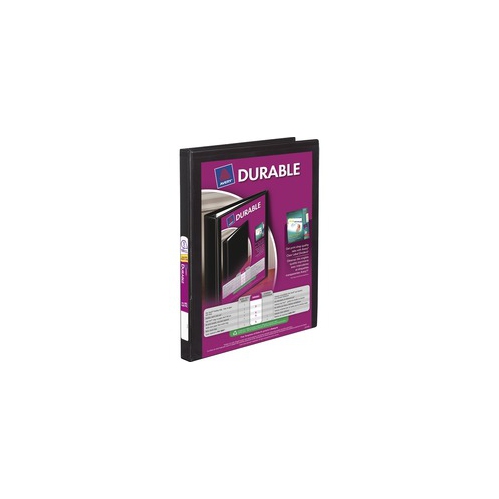
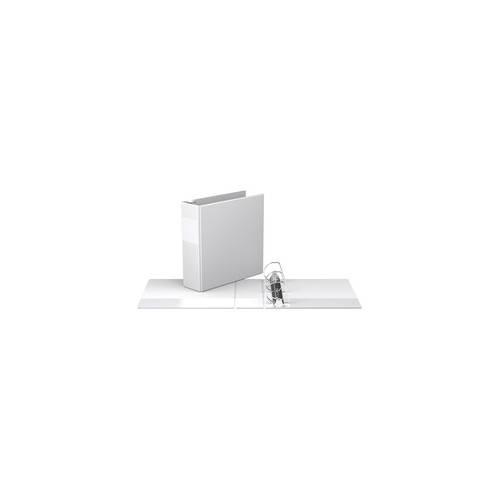
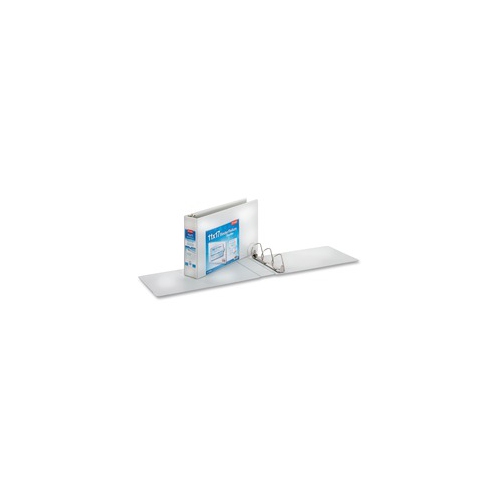
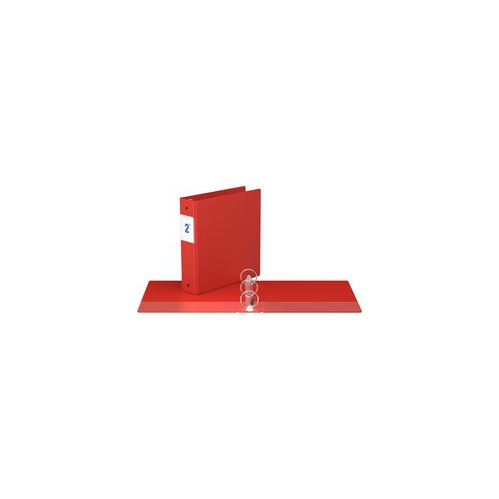
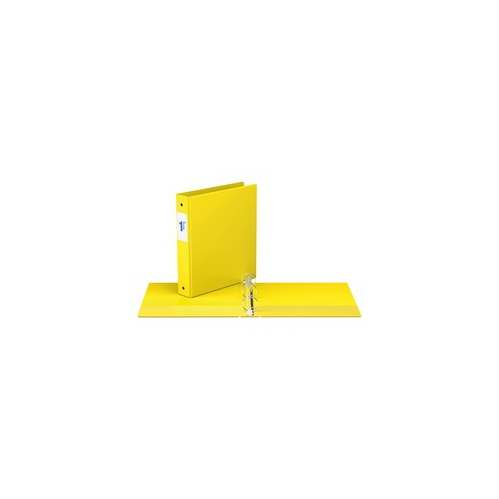
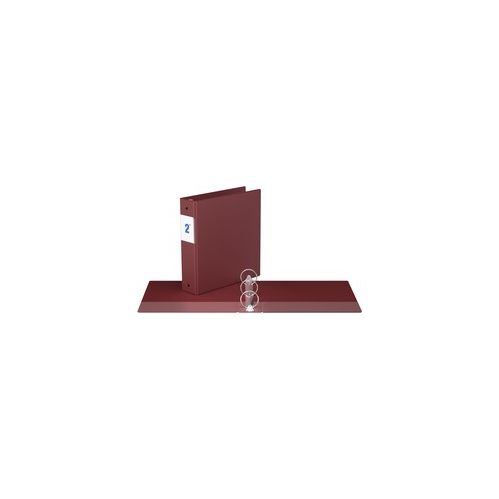
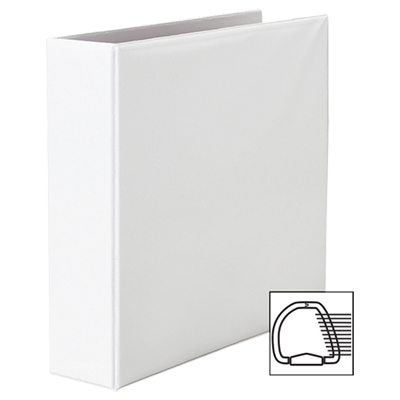
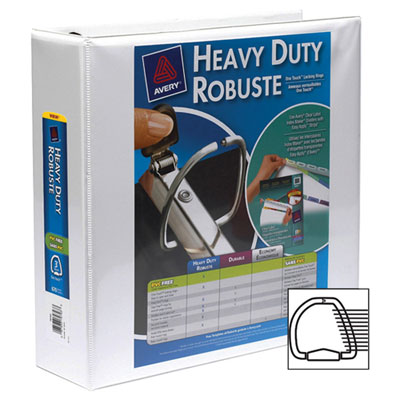
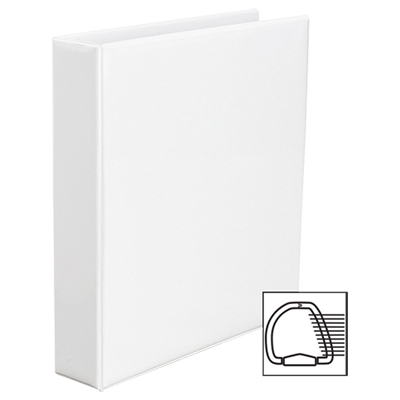
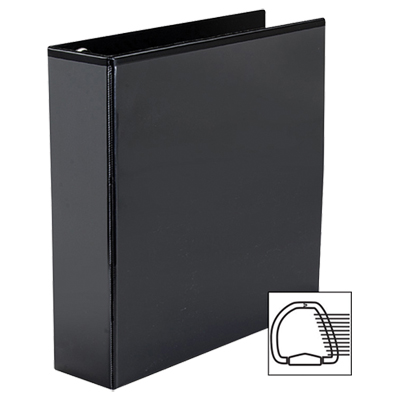
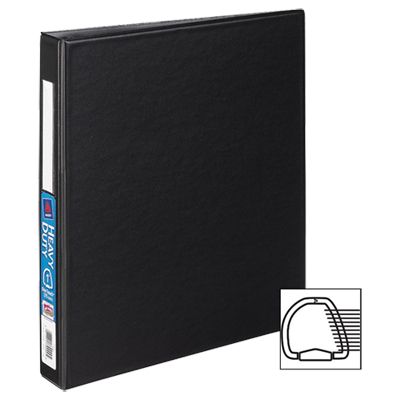
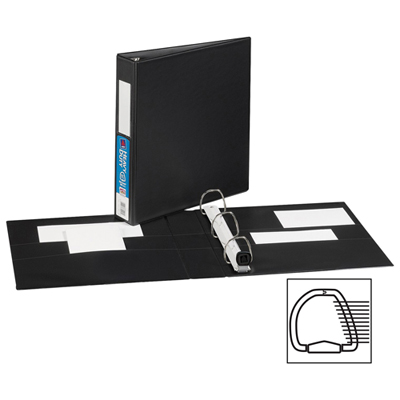
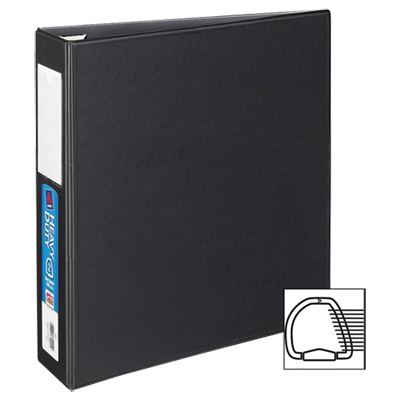
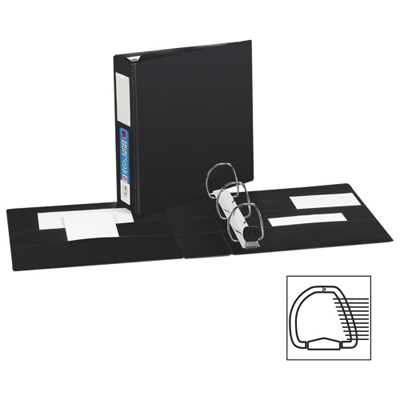
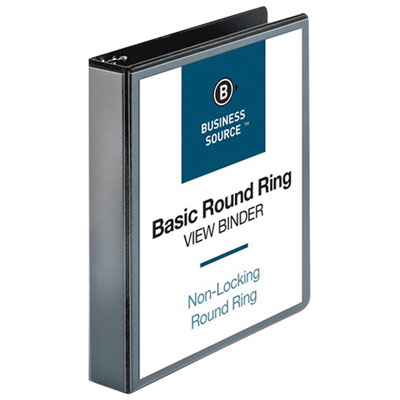
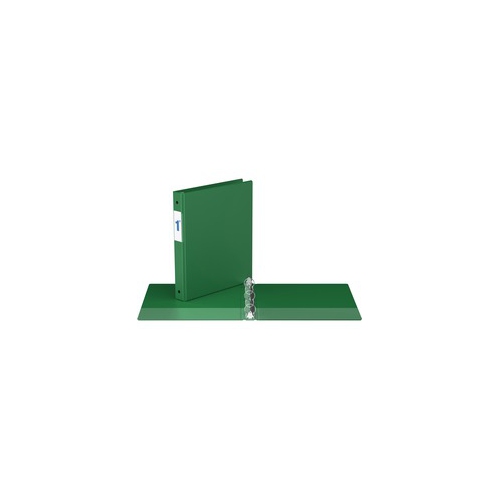
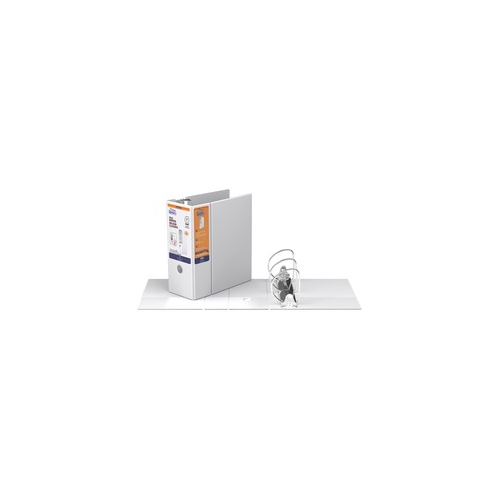
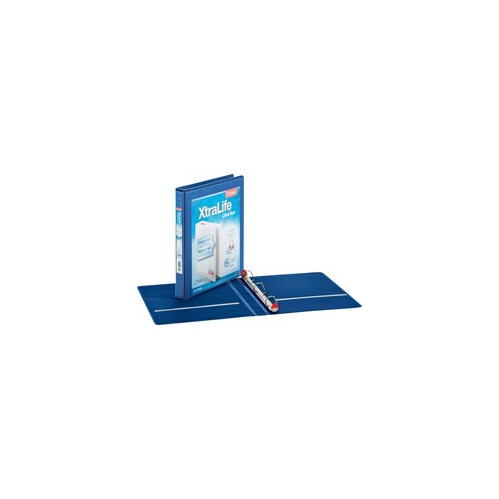
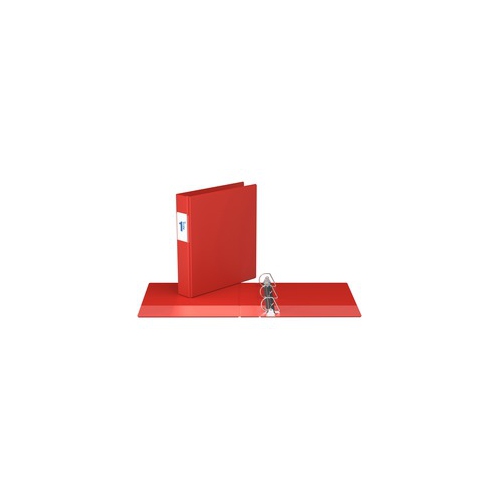
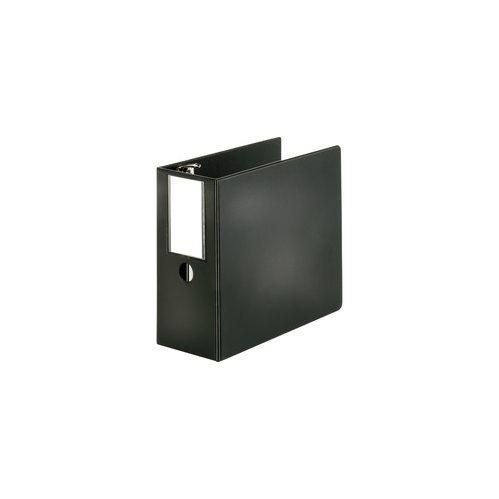
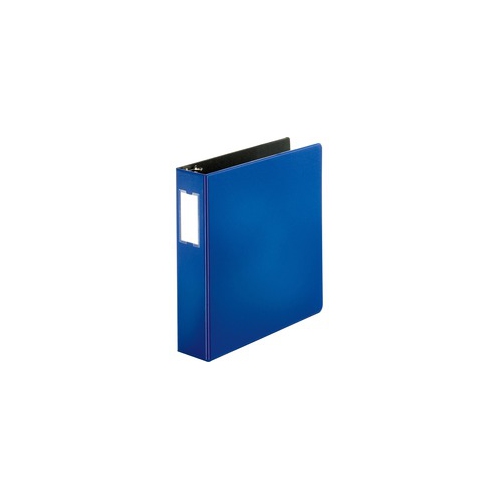
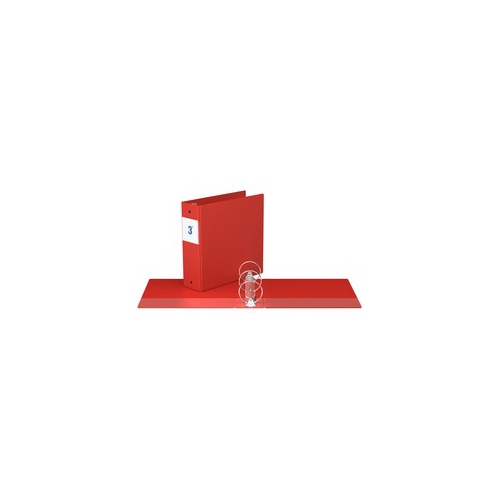
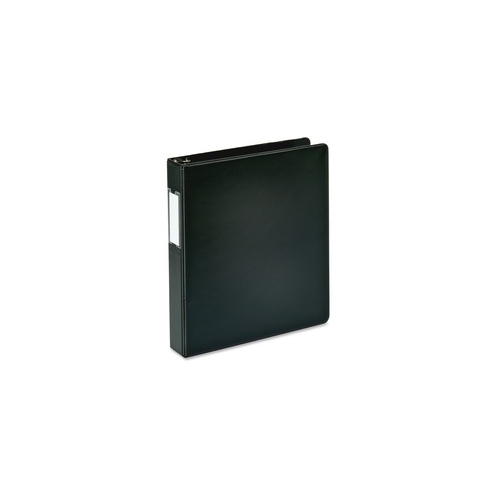
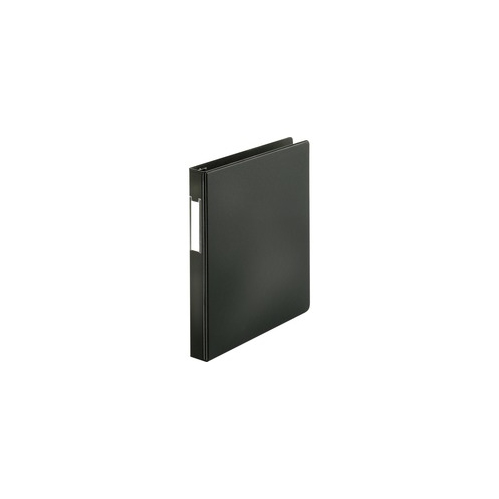
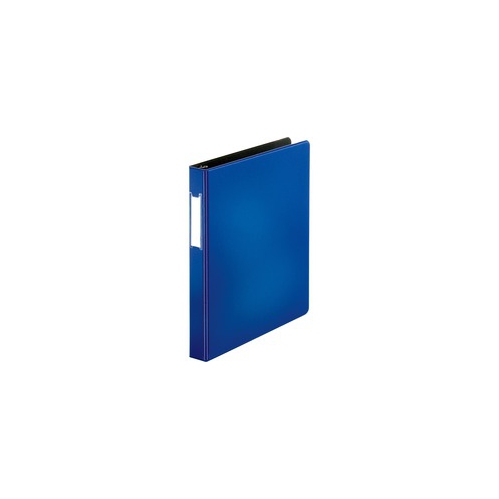
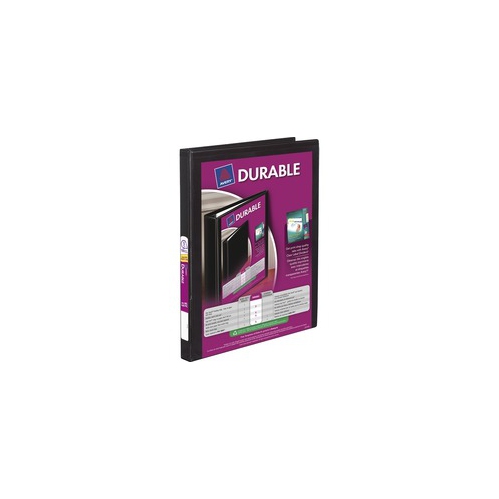
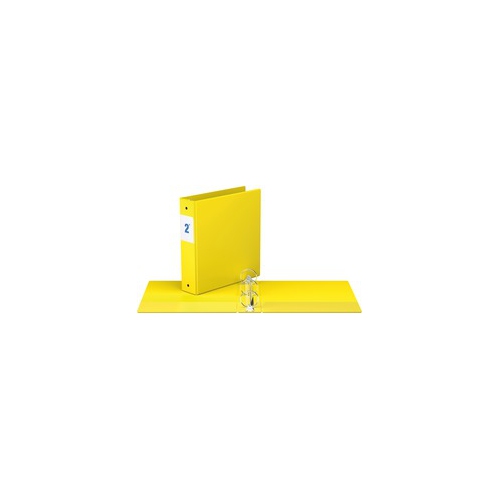
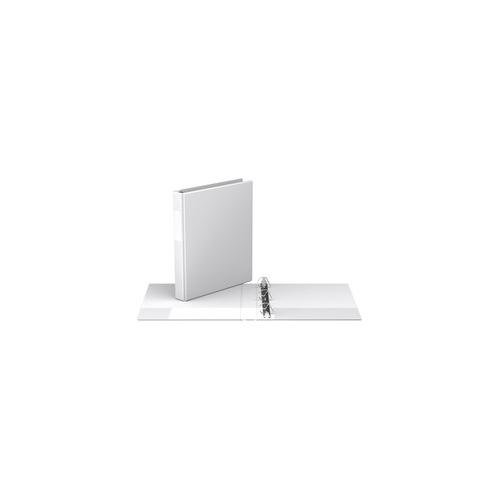
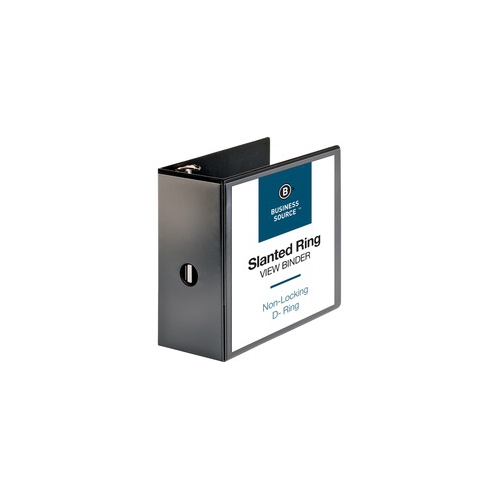
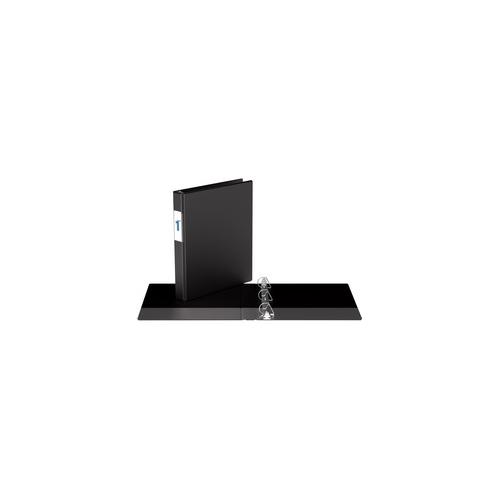
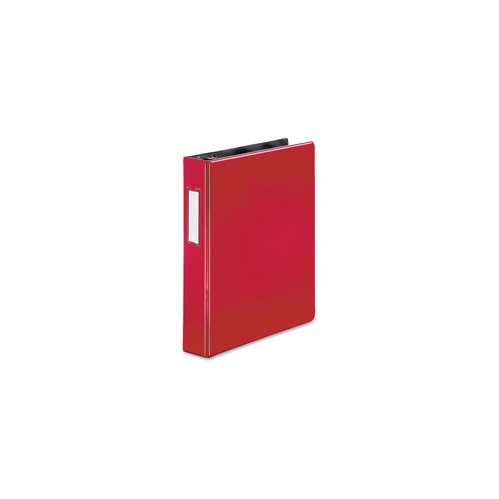
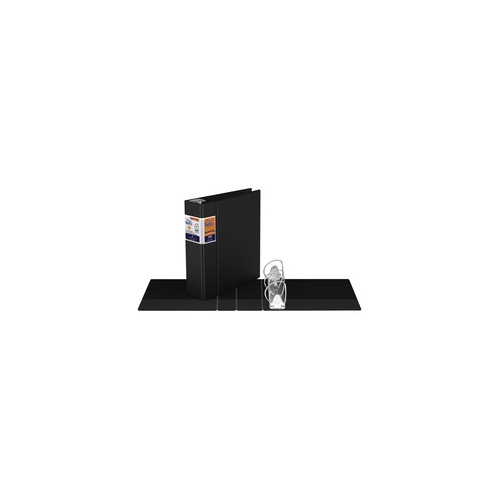
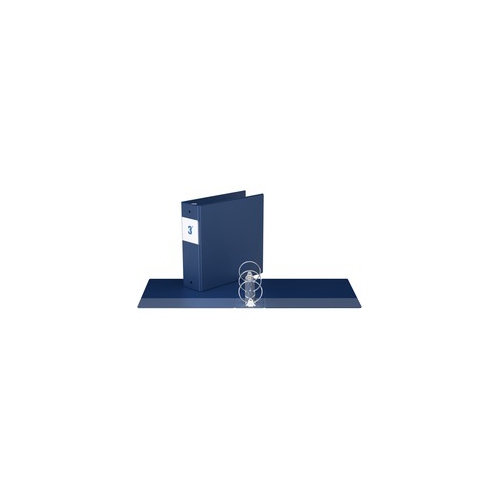
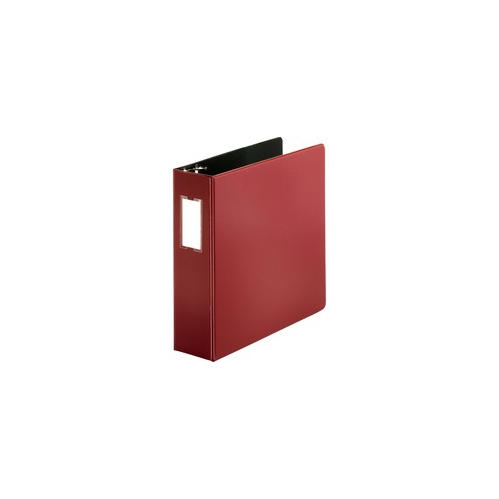
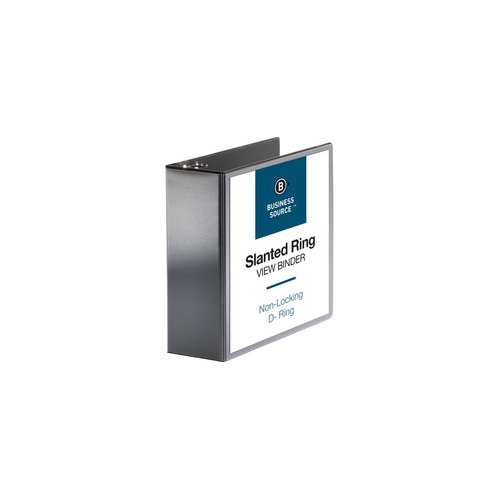
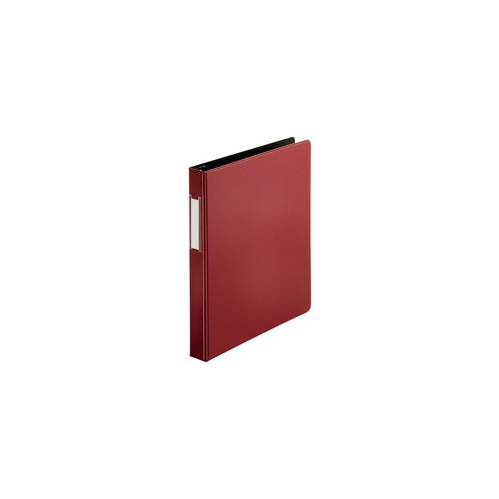
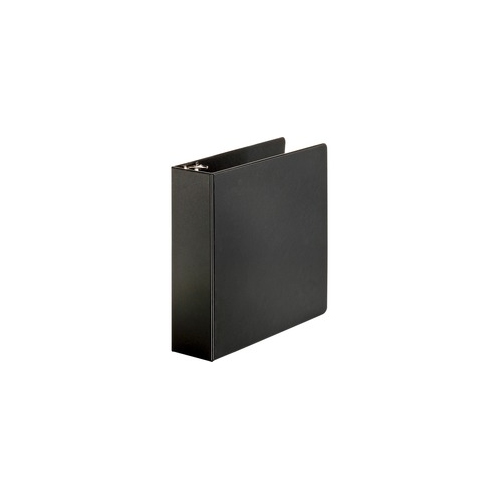
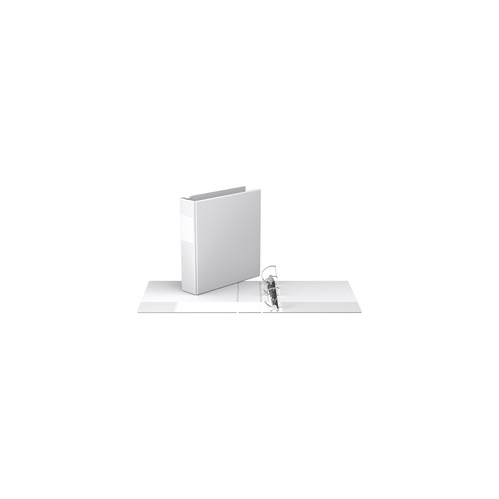
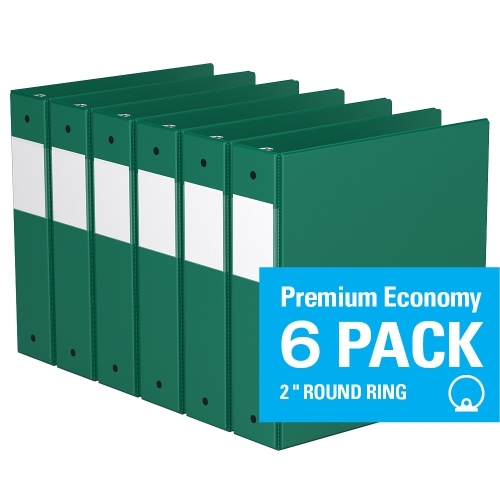
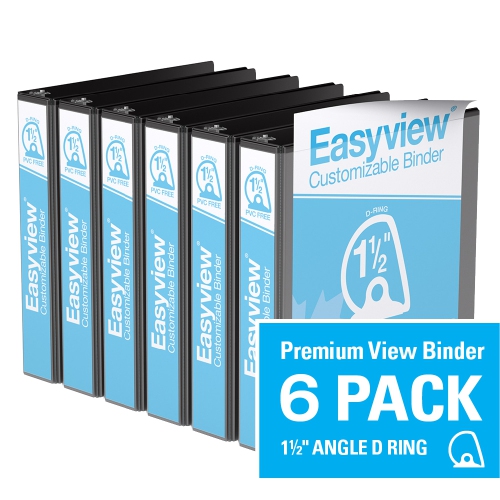
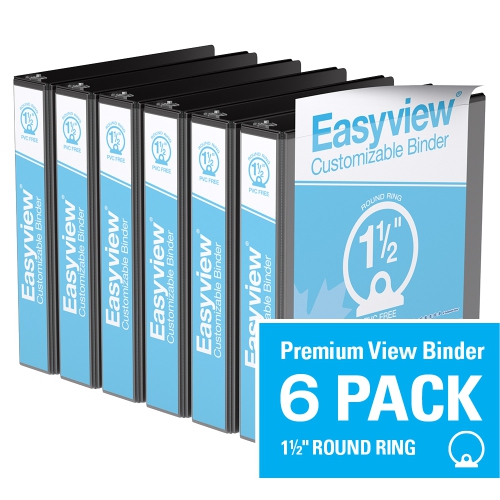
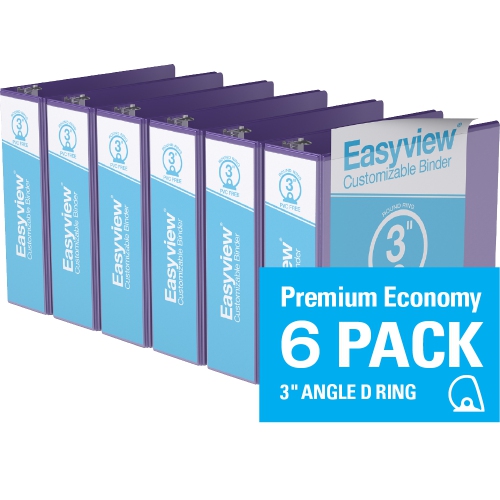
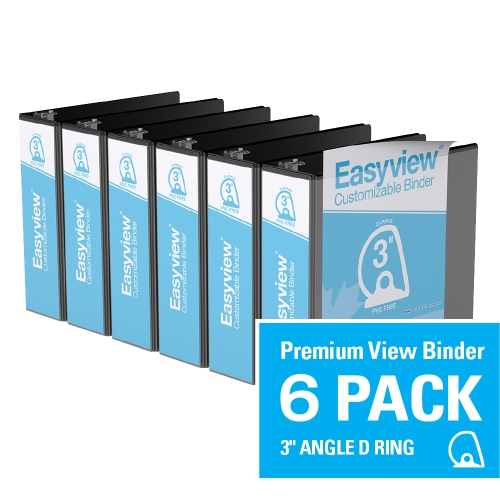
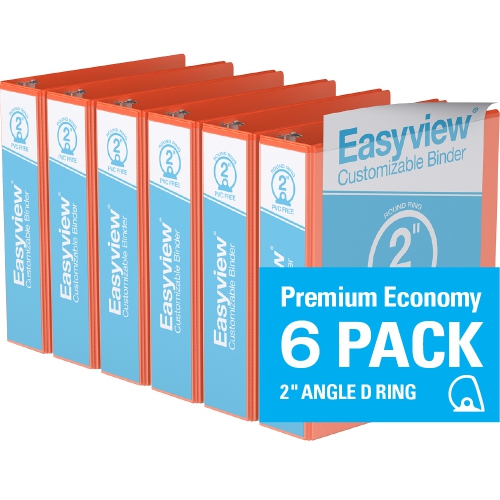
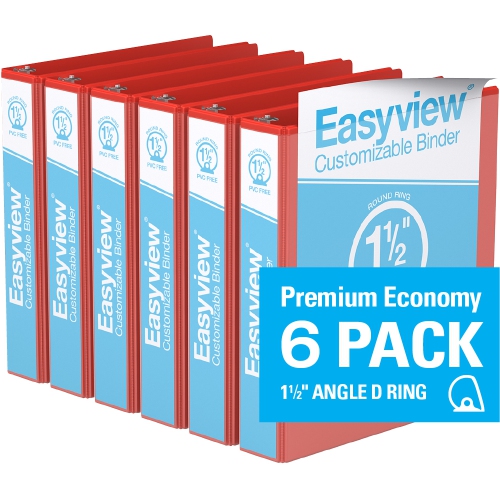
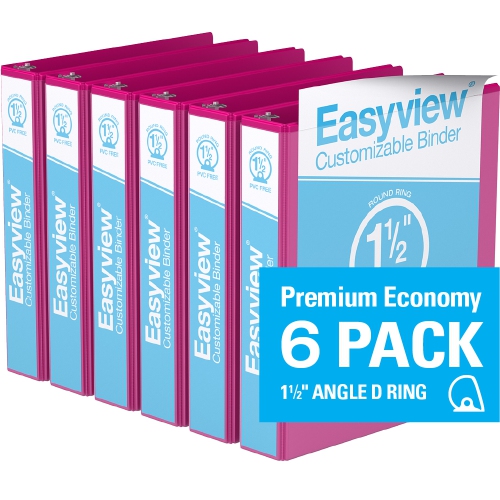
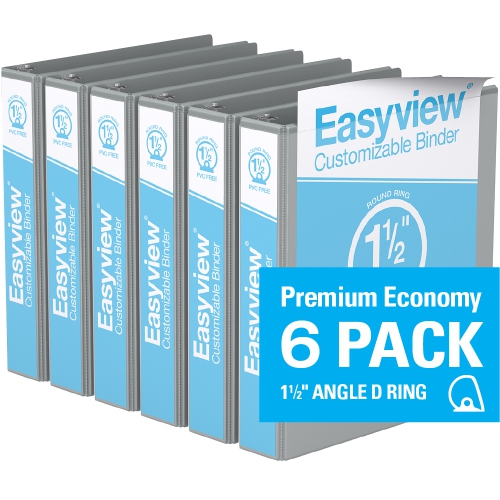
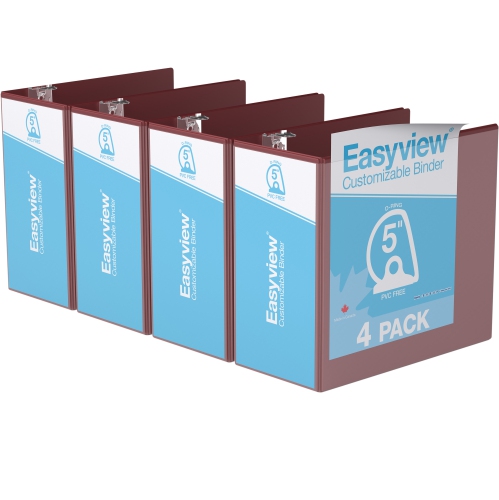
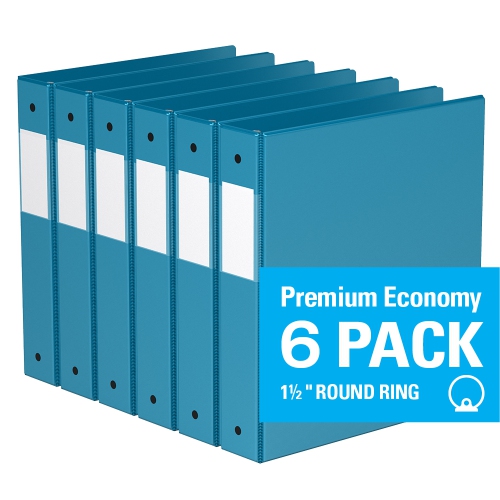

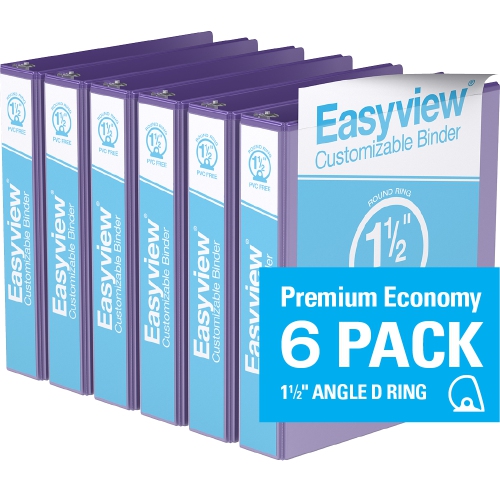
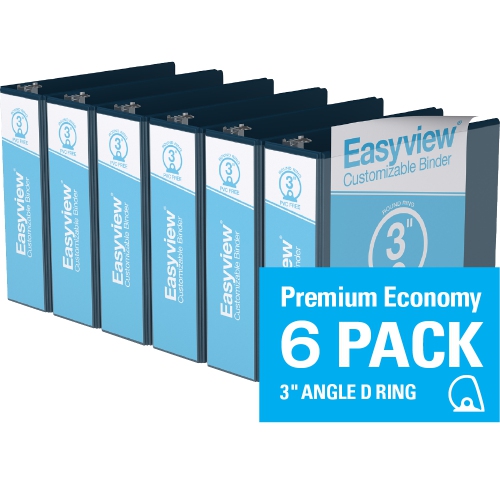
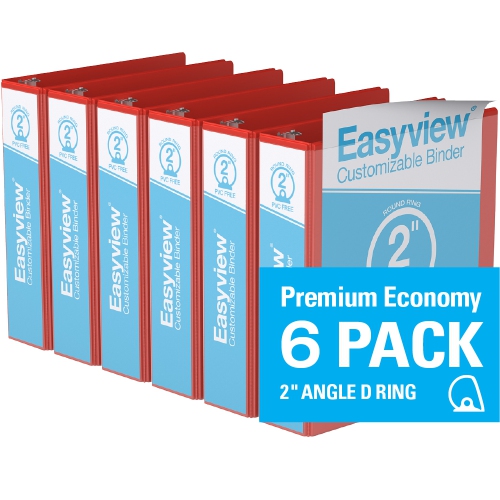
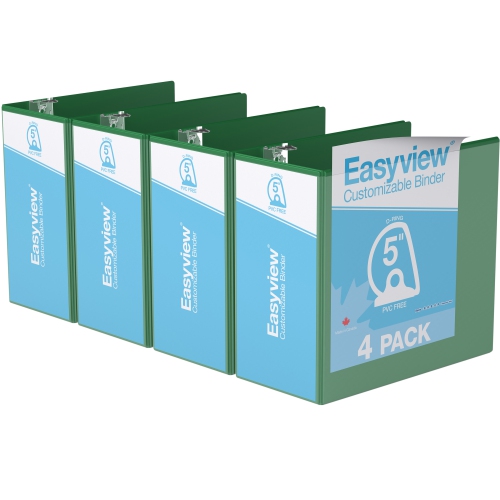
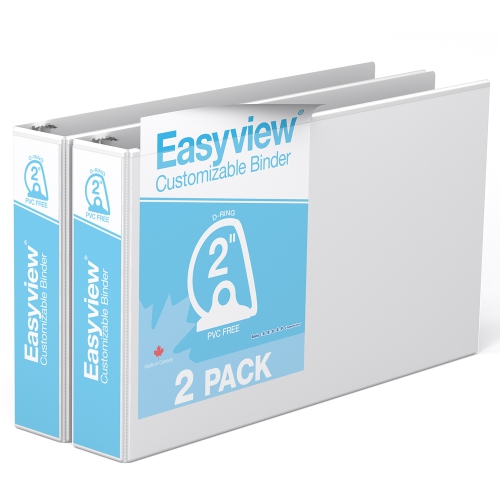
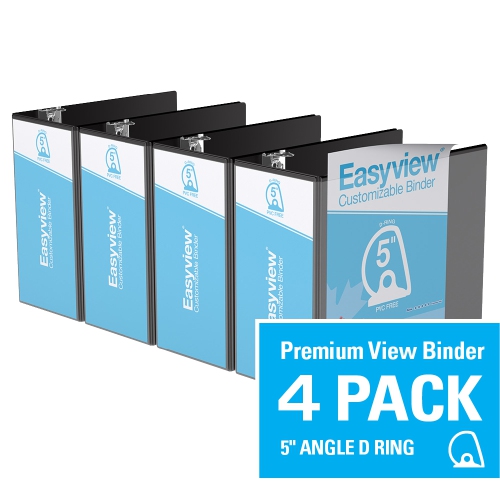
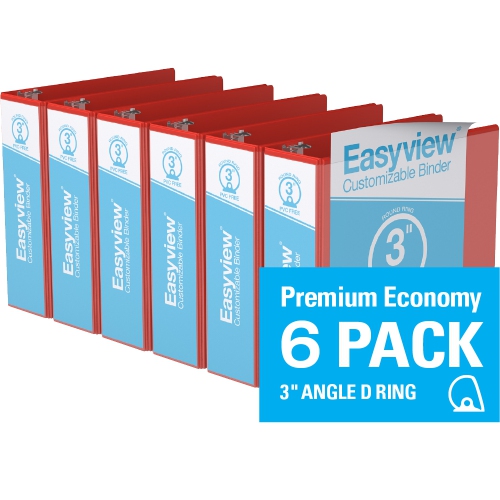
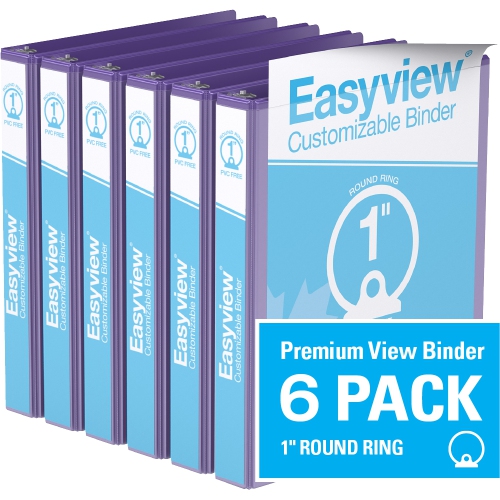
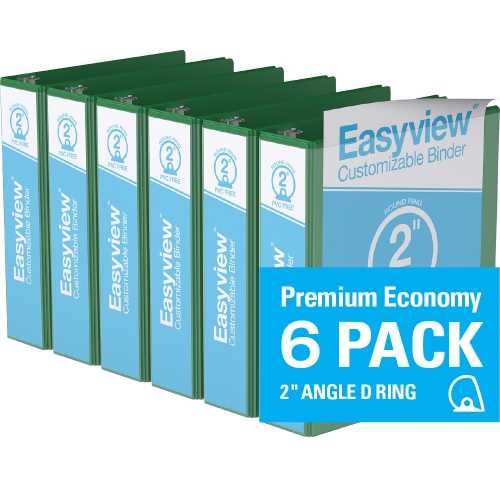
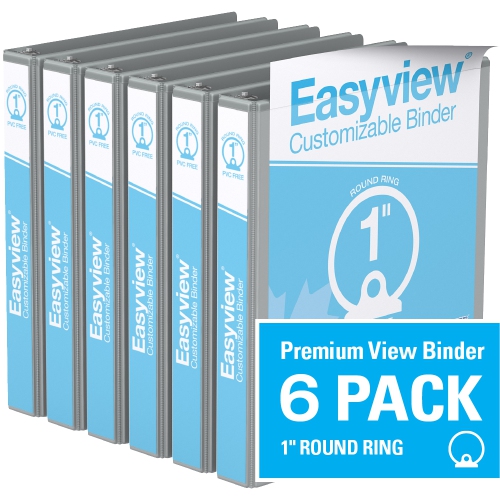
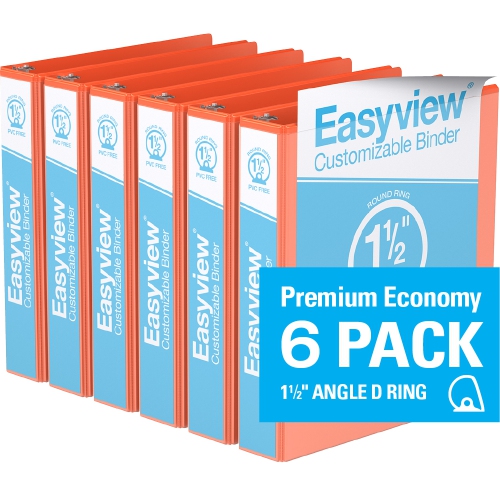
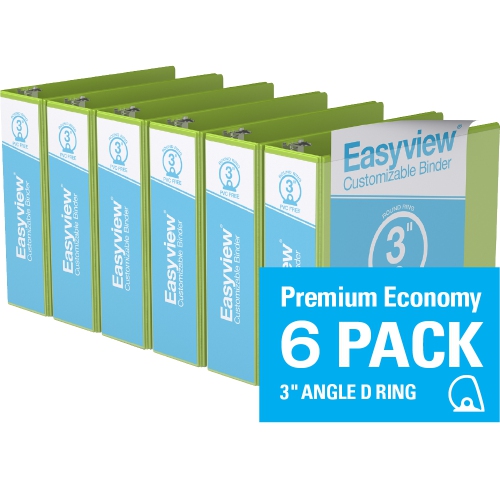
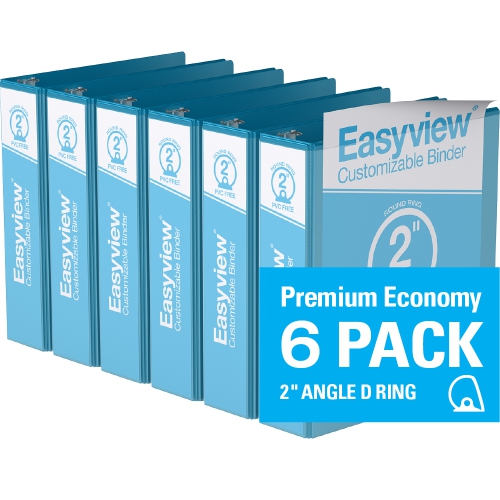

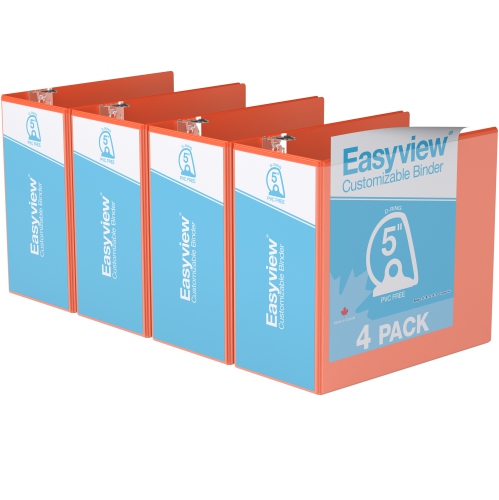
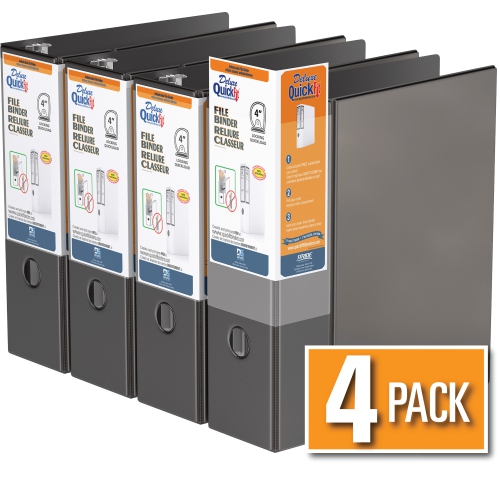
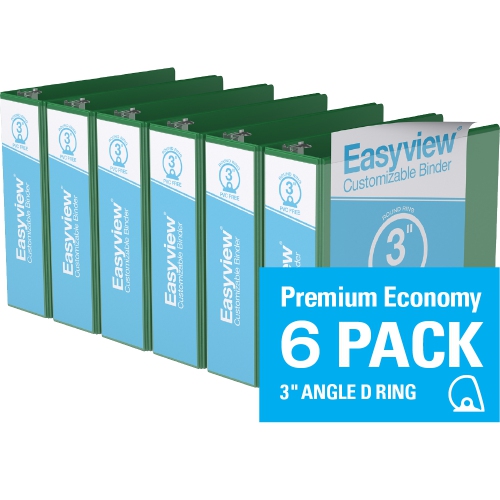
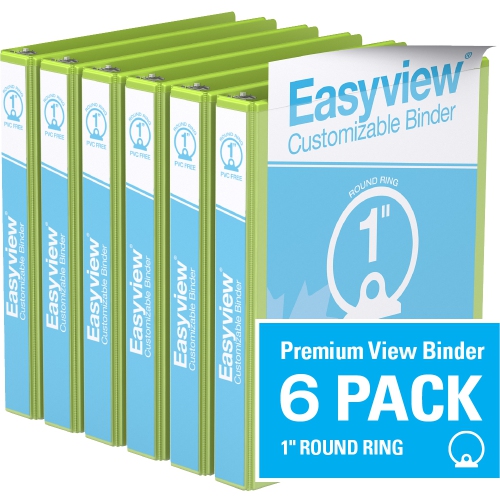
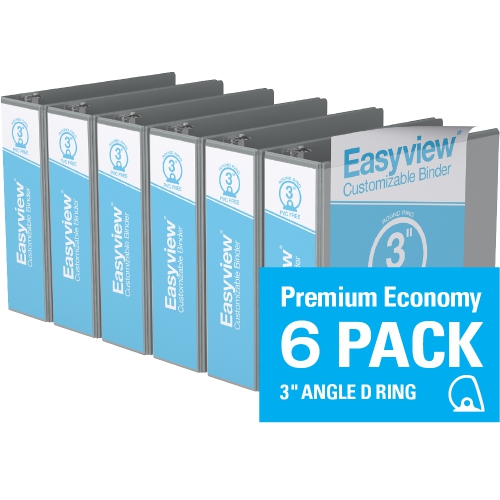
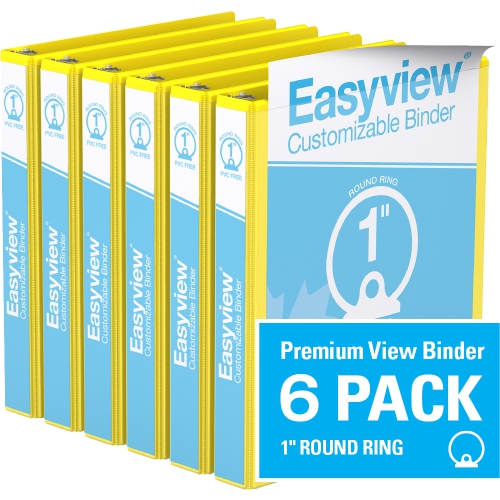
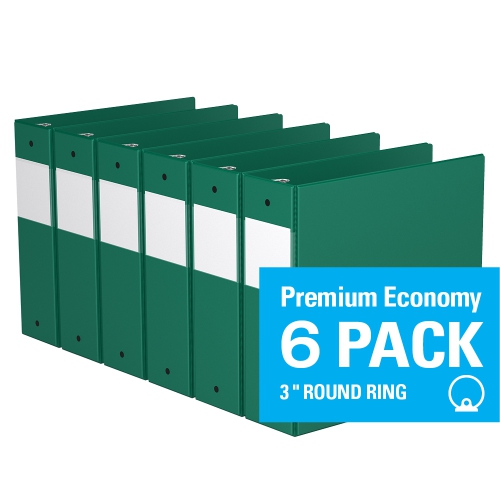
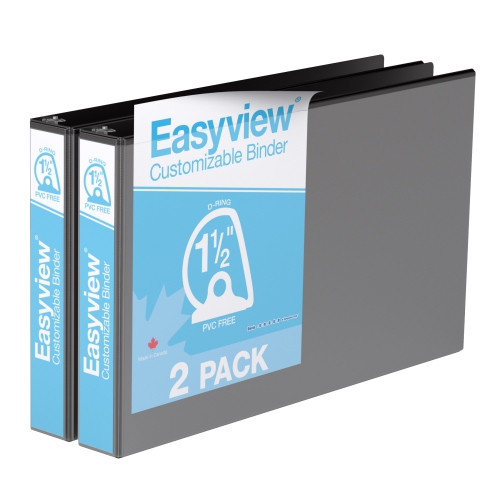
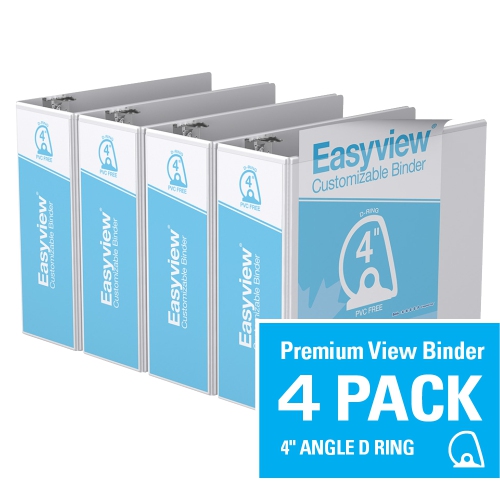
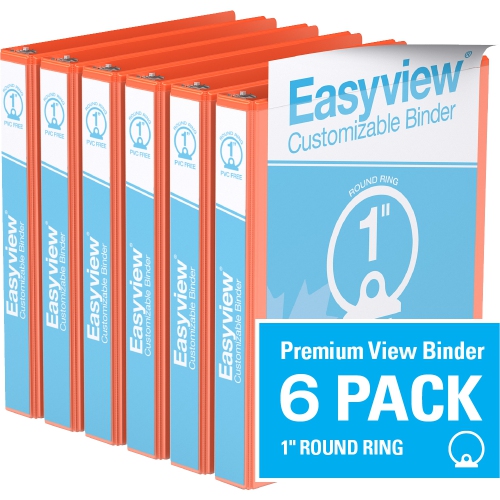
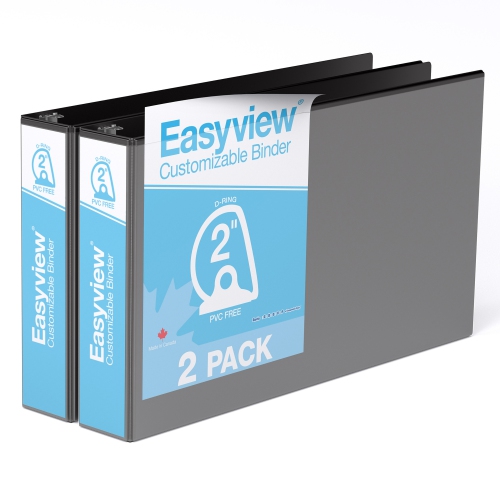
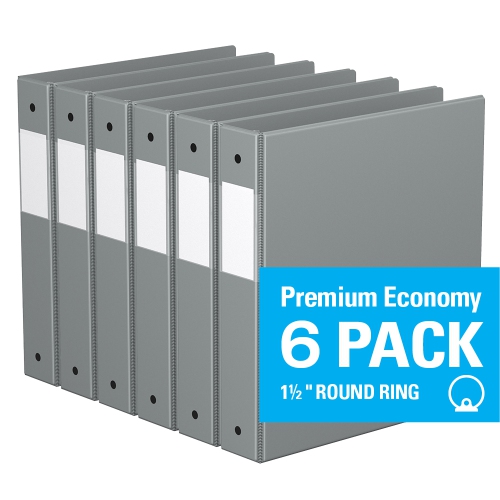

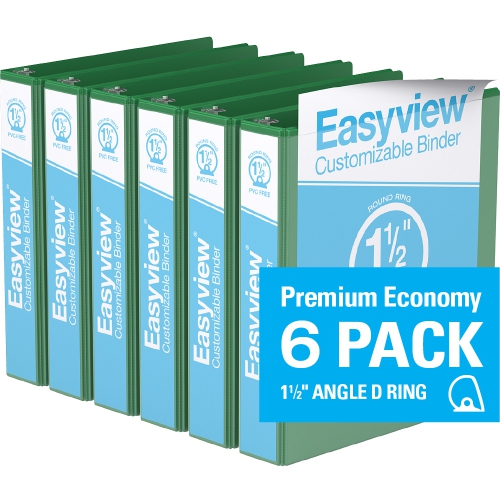

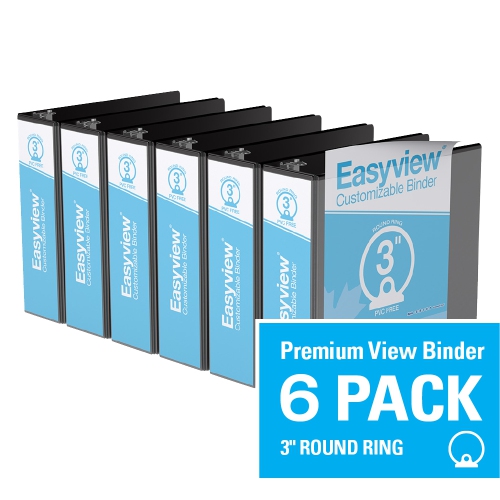
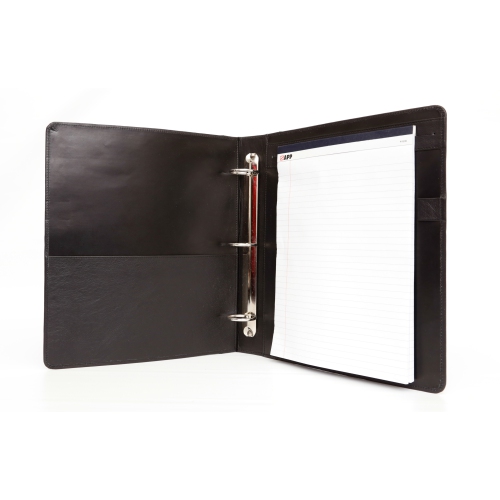
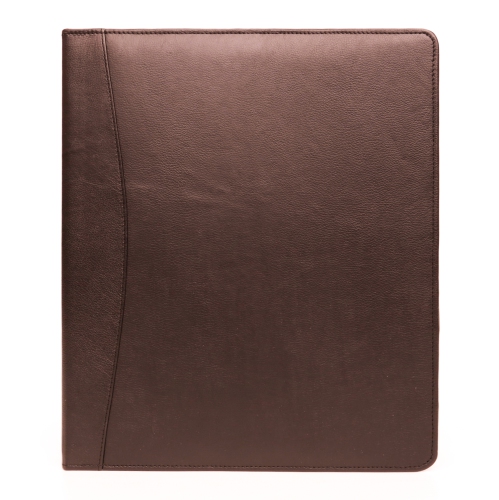
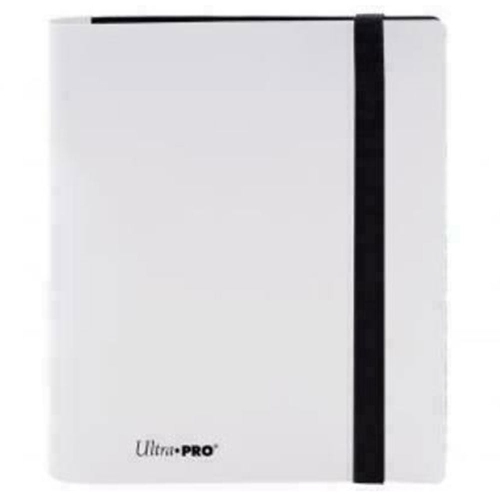

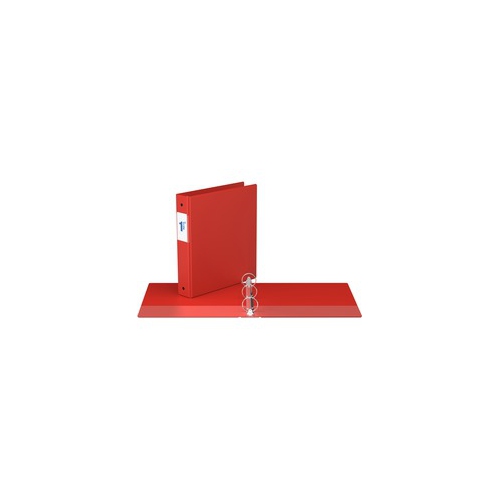

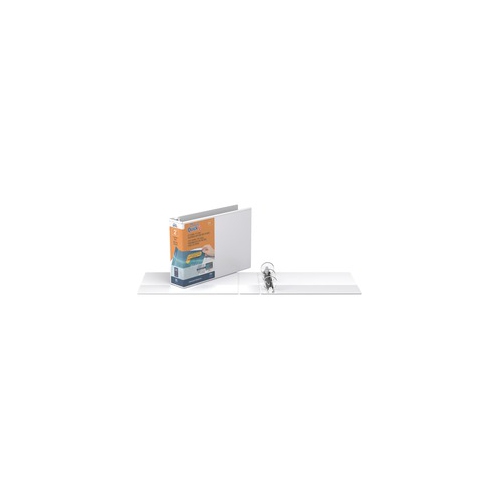
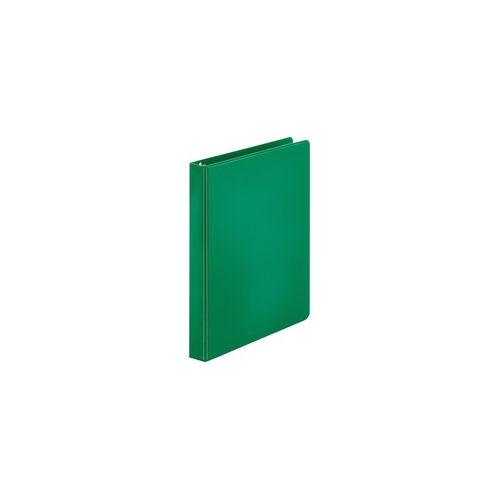
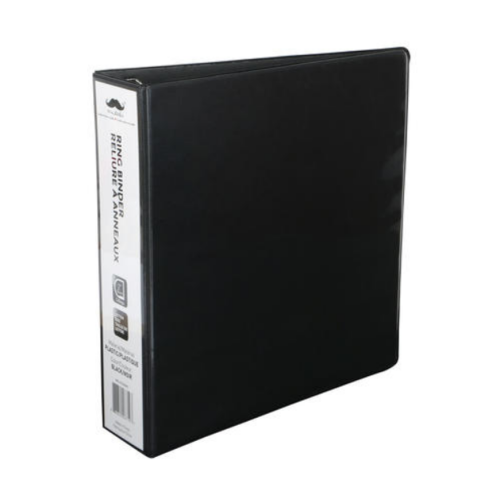
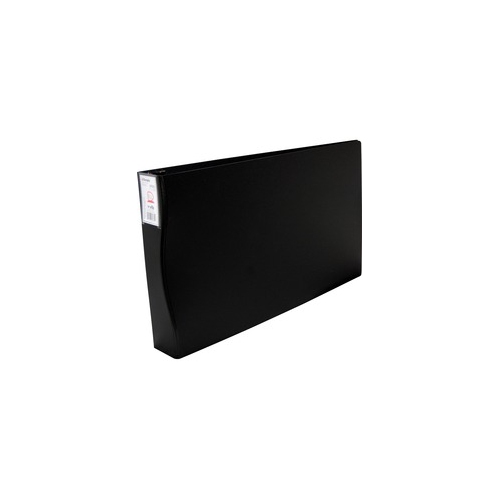
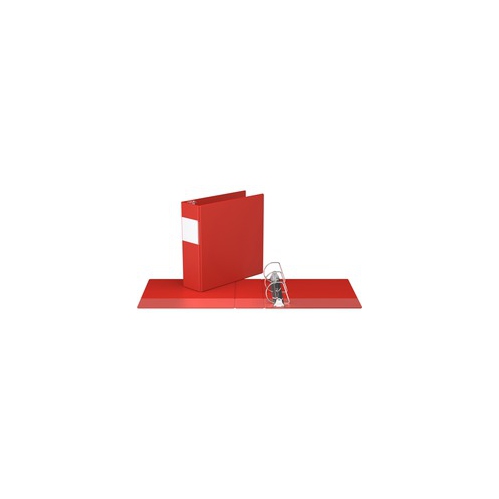
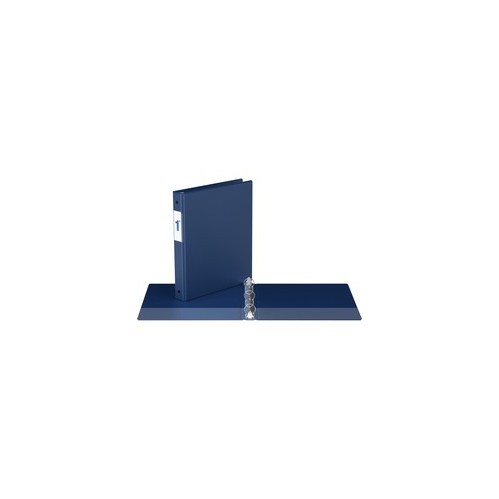
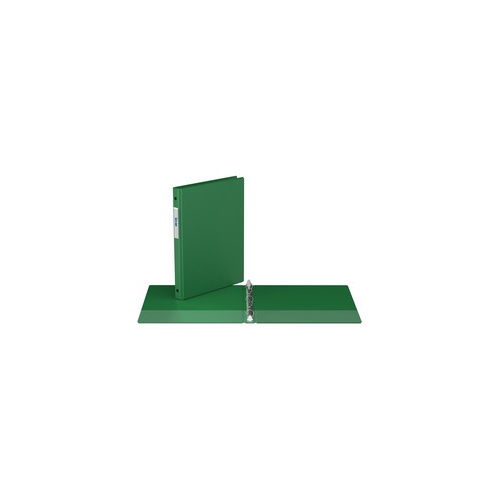
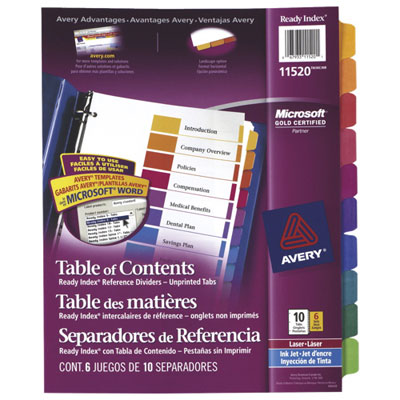
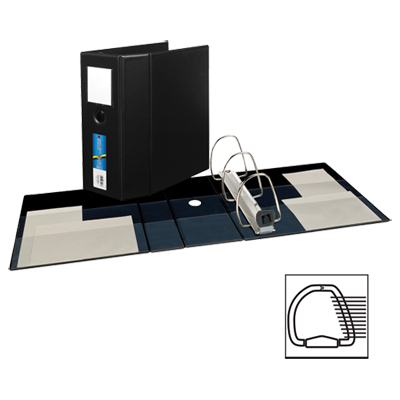
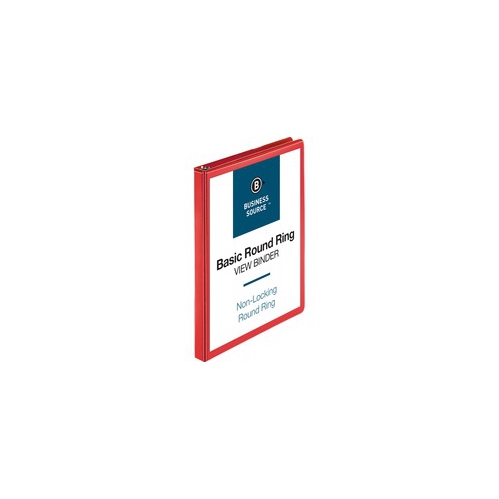

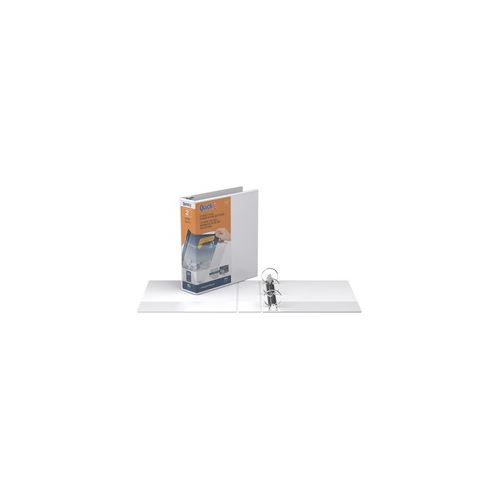

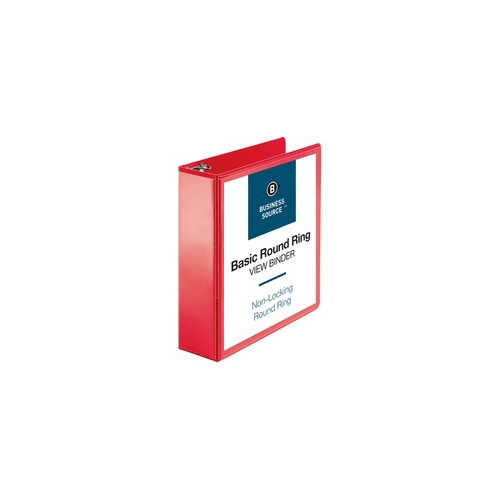
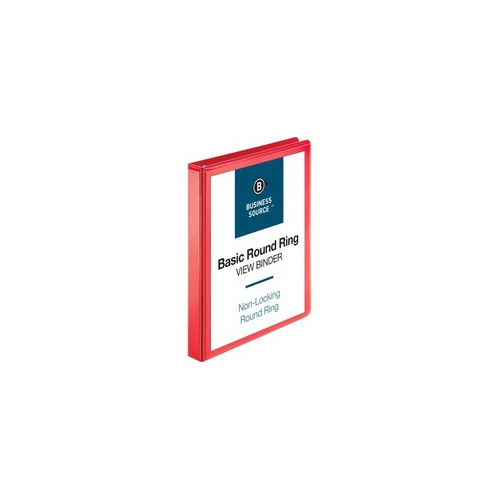
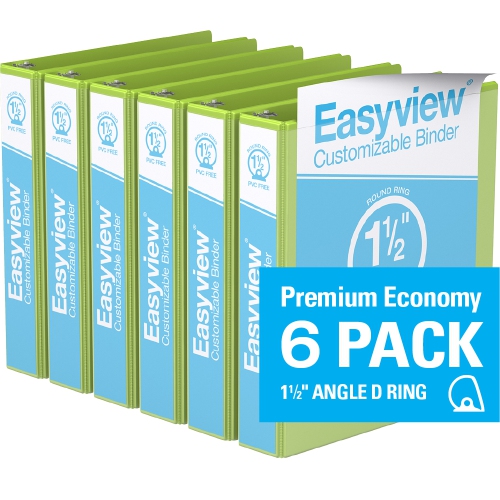
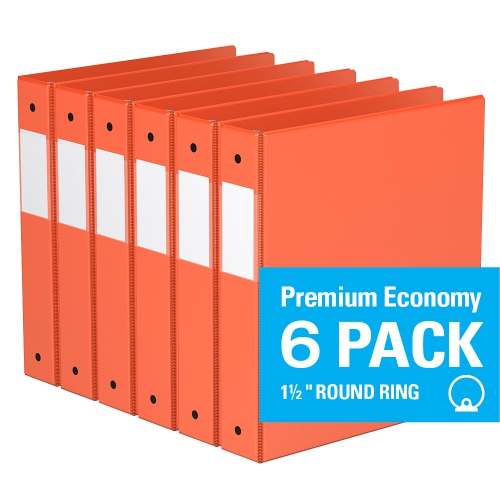
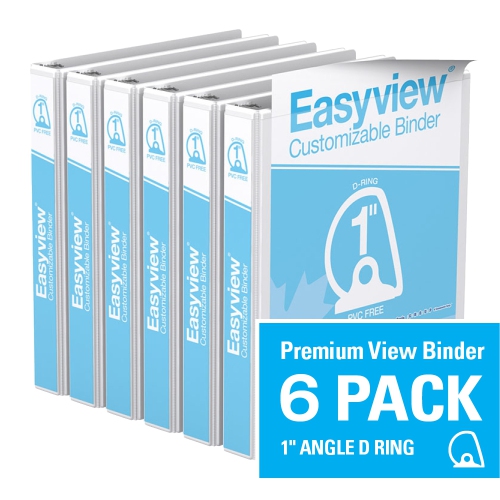
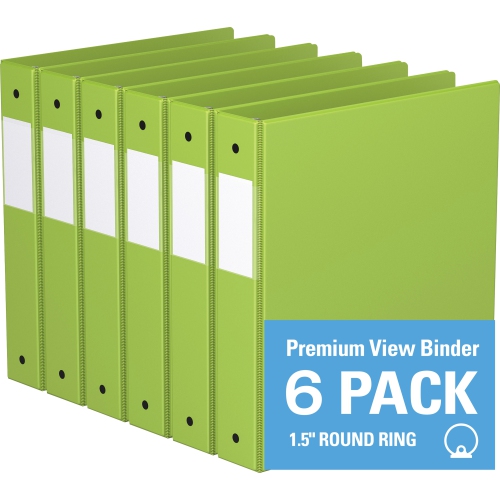
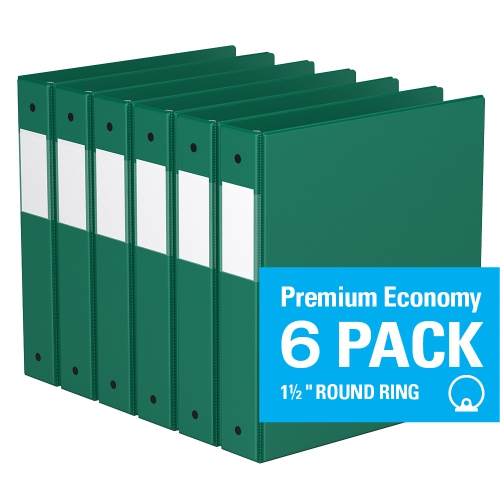
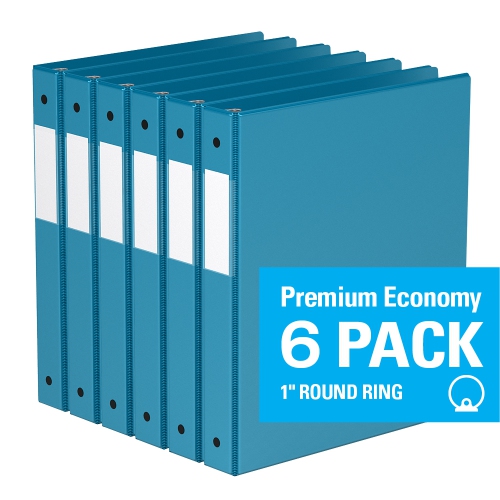
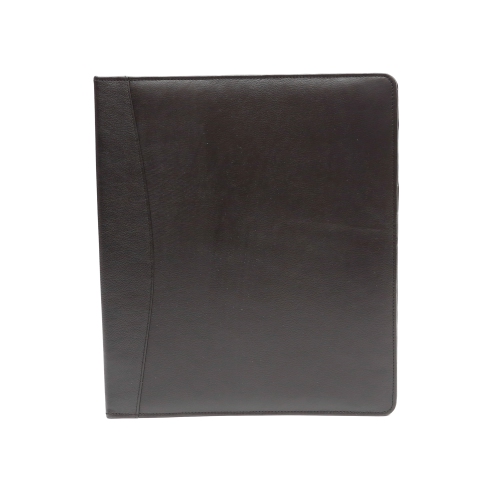
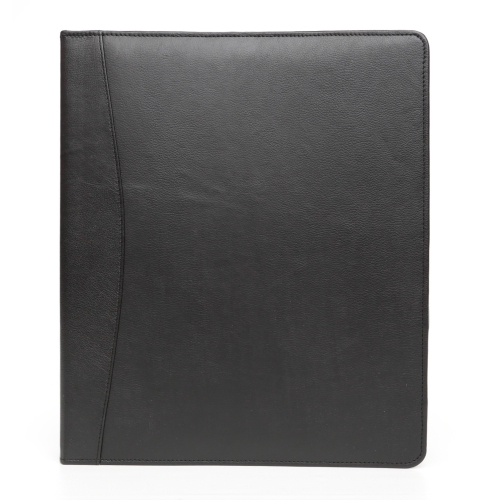
Professional document organization from desk to meeting room
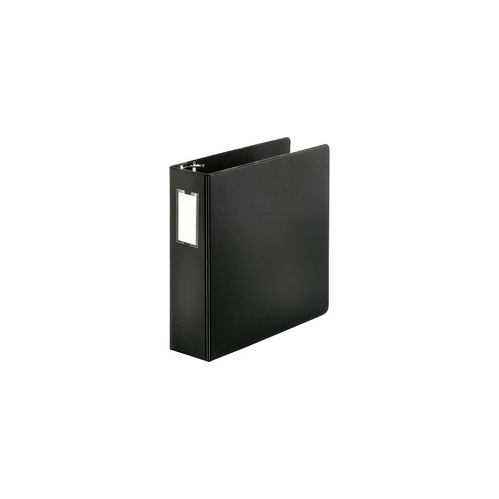
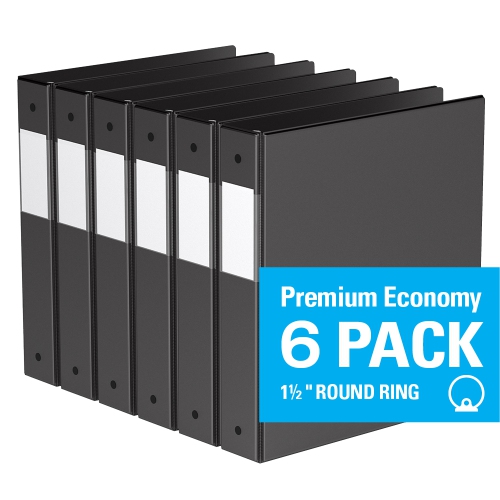
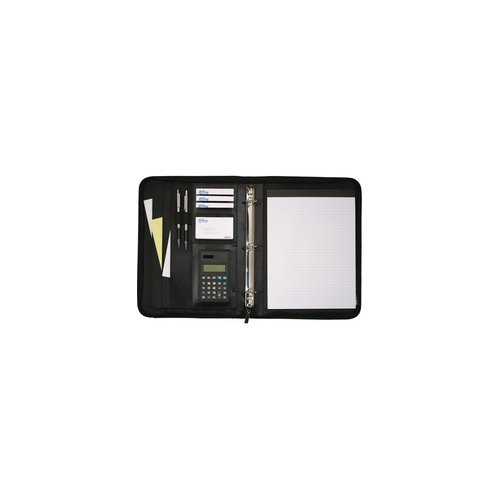
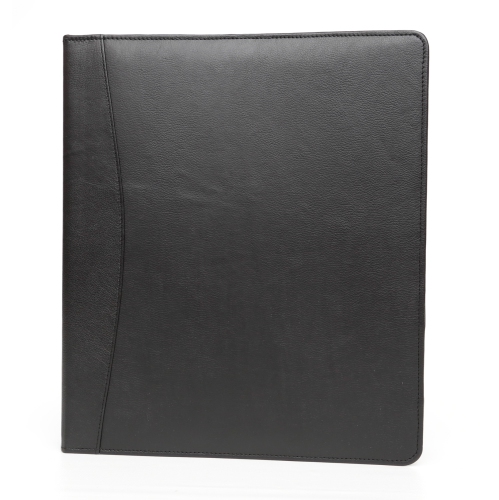
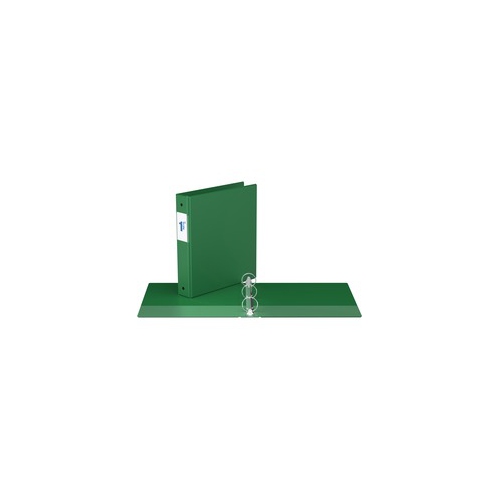
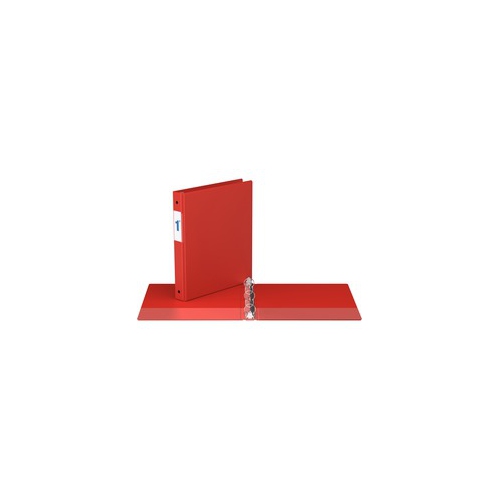
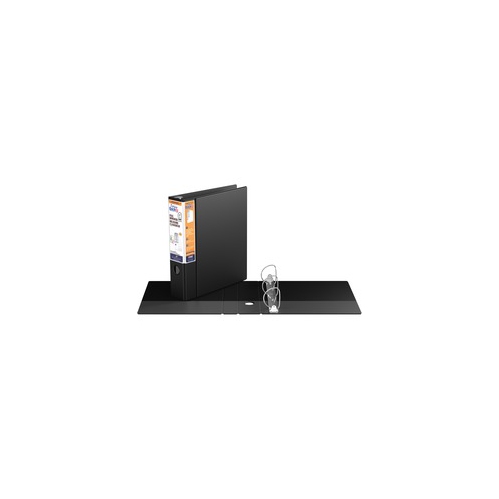
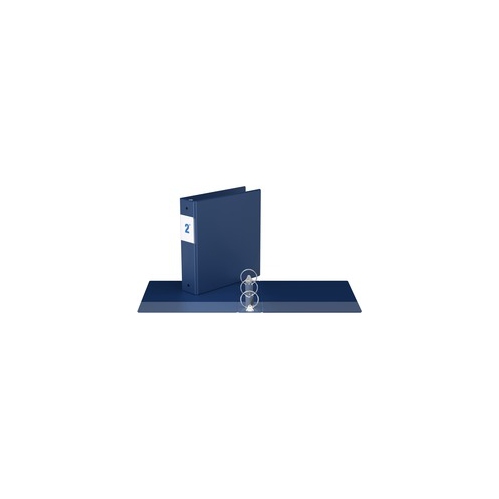
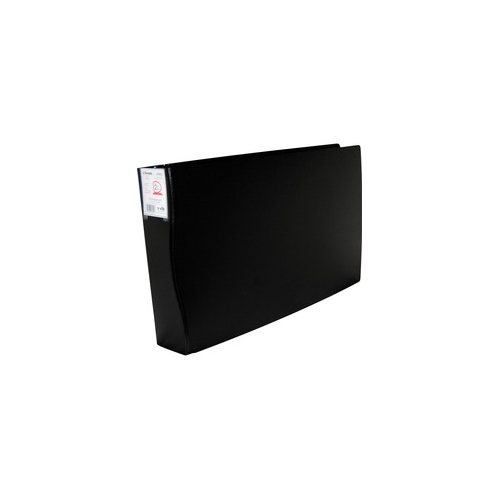
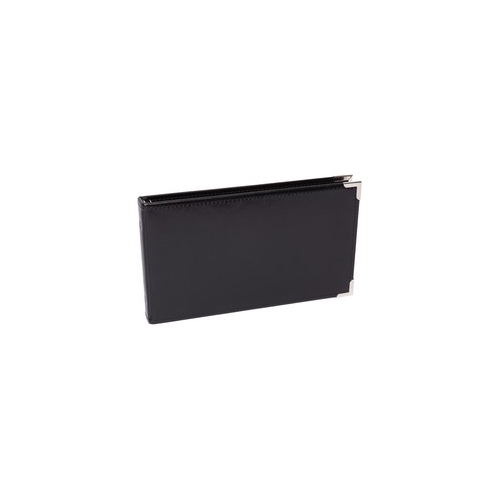
Professional binders bring structure to documents that need to look polished, stay protected and remain easy to access. They are useful in offices, home workspaces, classrooms, reception areas and meeting rooms, particularly when printed materials need to be carried between locations or presented to other people. A well-chosen binder can hold contracts, reports, proposals, invoices, training materials, client notes, project plans and presentation pages without allowing loose sheets to become bent, marked or misplaced. Executive-style binders and portfolios made from faux leather, bonded leather or other refined materials can add a professional finish to a boardroom presentation, interview, sales appointment or consultation. Stitched edges, concealed hardware and a clean exterior create a more polished impression than a basic school binder, while interior pockets may provide convenient storage for business cards, unpunched documents, a notepad or a pen. For a coordinated filing system, consider browsing Black Binders alongside other professional office essentials. Dark, neutral colours are especially versatile in shared workspaces because they pair easily with existing furniture and can be labelled clearly on a shelf, cabinet or bookcase. These binders may also be thoughtful gifts for a new graduate starting an office role, a small-business owner organizing client records, a teacher preparing course materials or anyone building a more orderly home office. During the busier seasons of the working year, having a dependable place for frequently referenced documents can make a desk feel calmer and help important papers travel neatly from one meeting to the next.
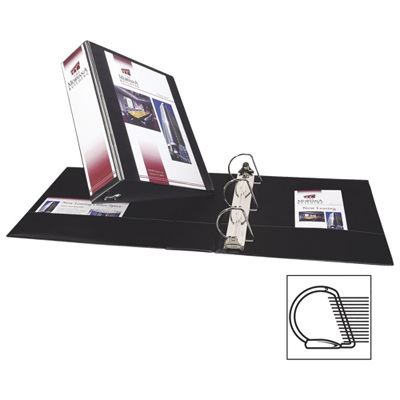
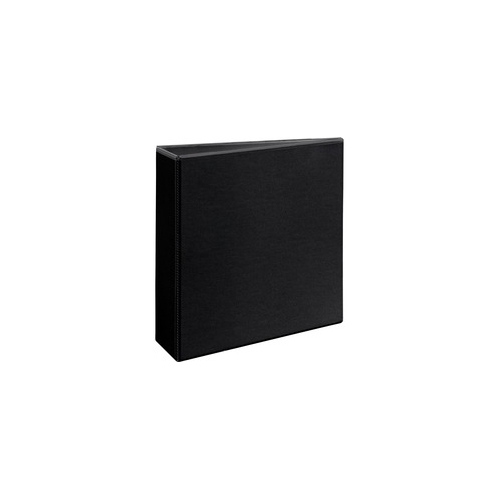
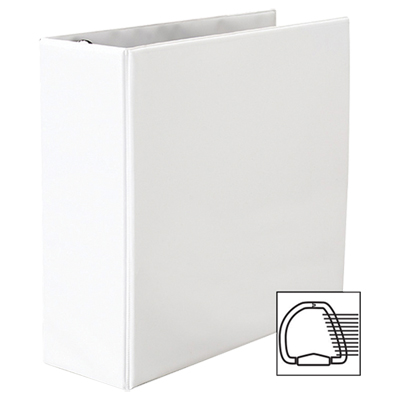
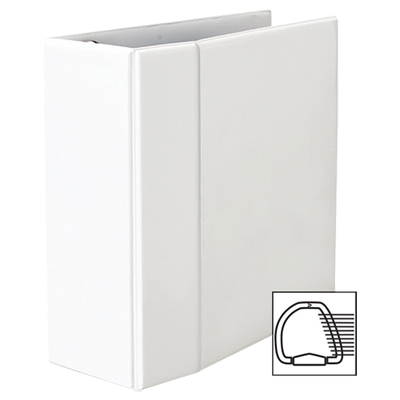
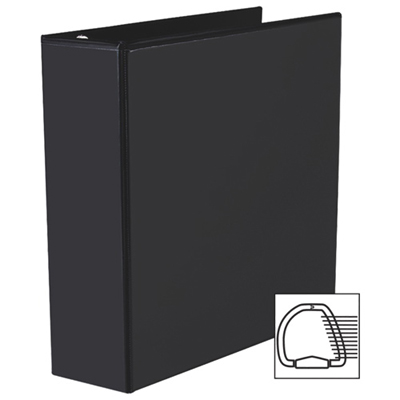
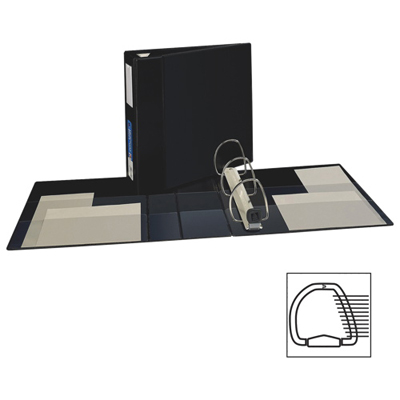
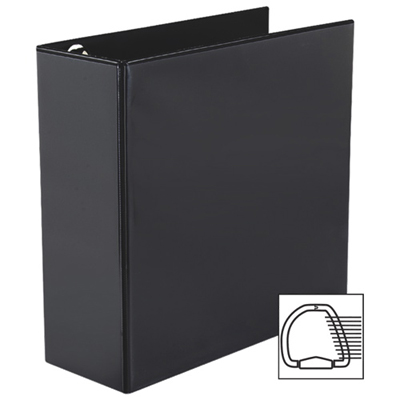
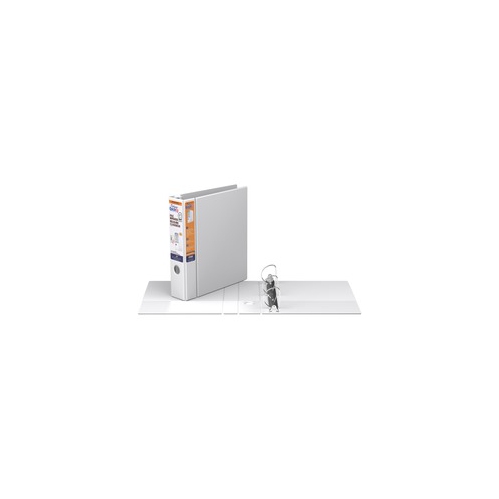
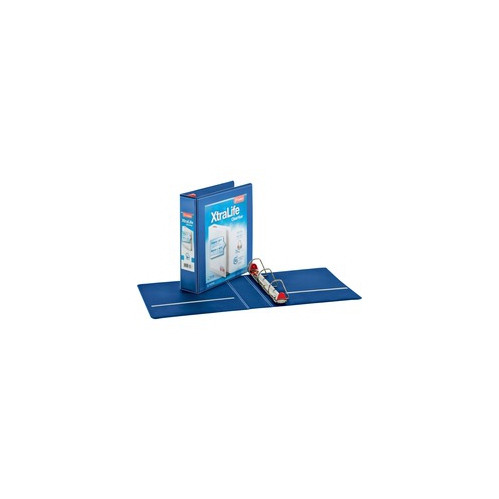
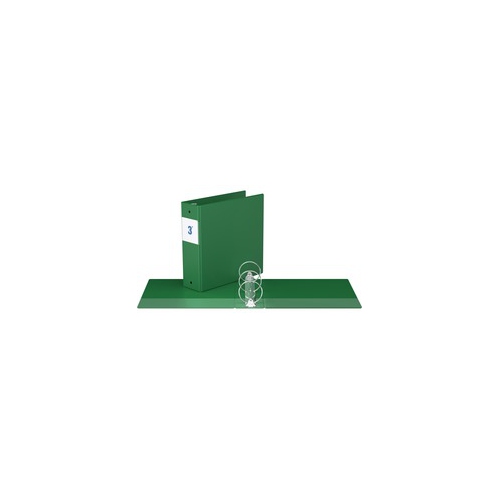
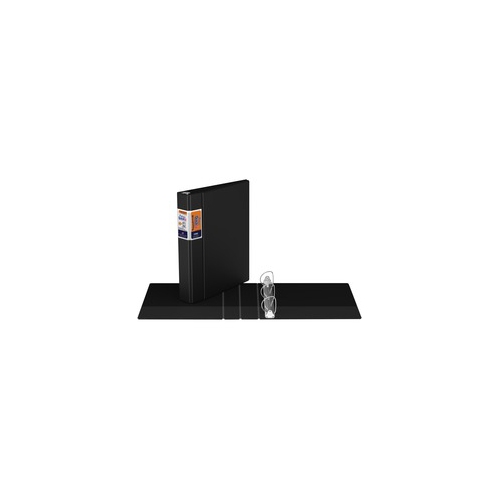
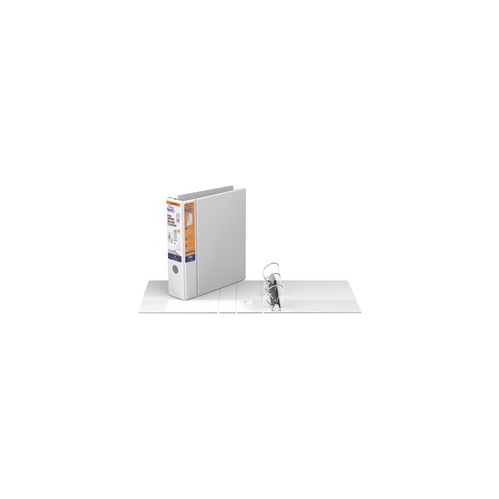
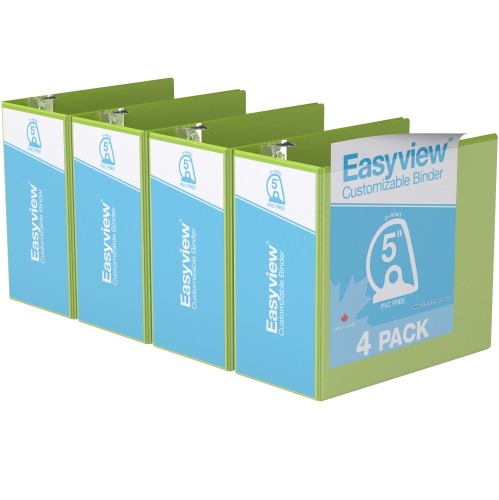
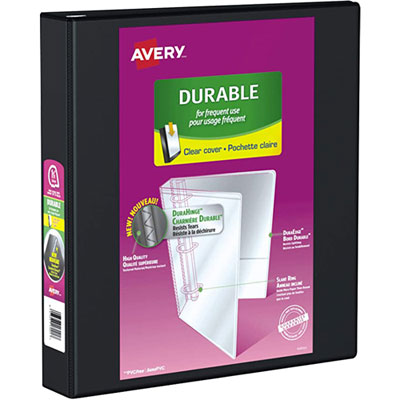
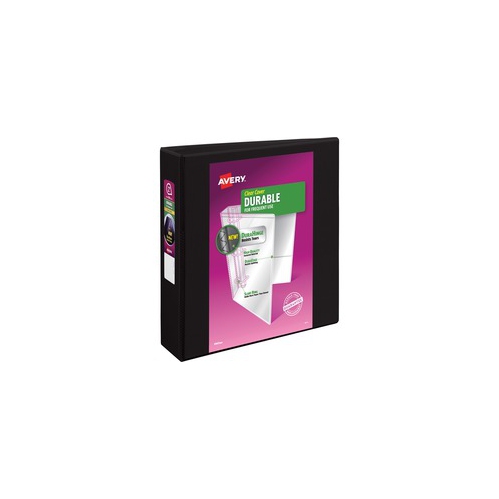
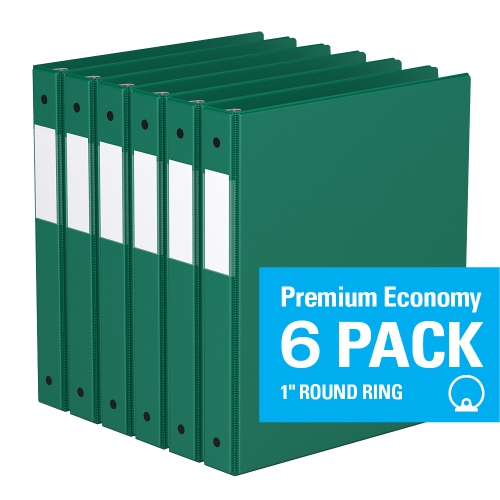
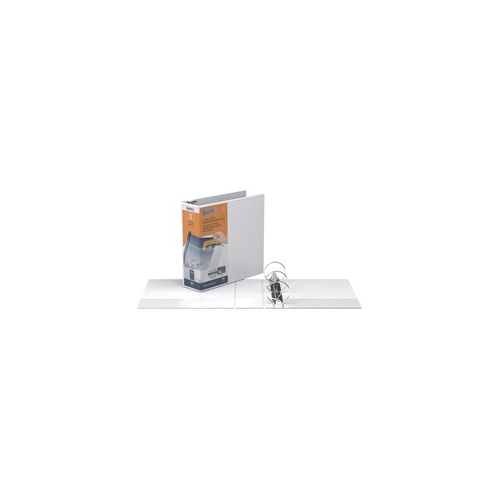
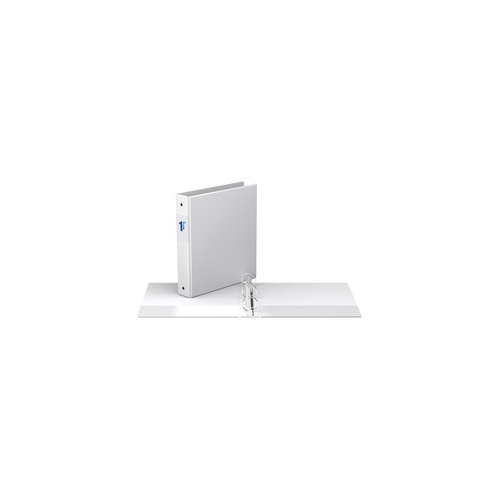
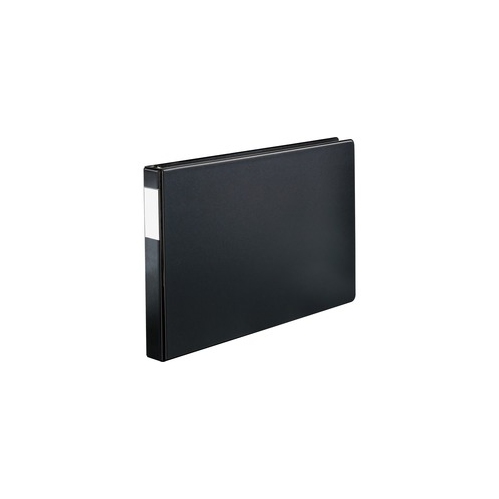
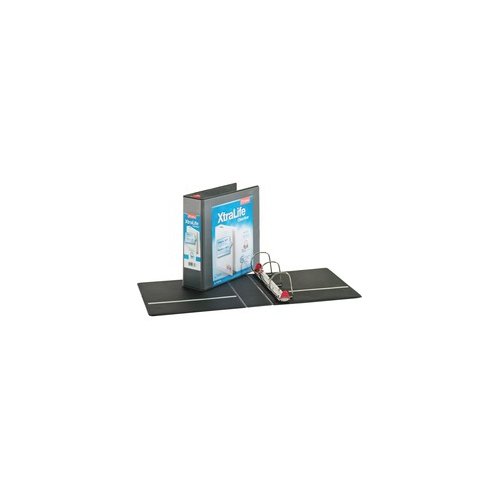
The ring style and capacity are two of the most important details to compare. Round-ring binders are suitable for everyday filing and smaller collections of punched pages, while D-ring binders generally hold more paper and allow sheets to rest more evenly across the spine. Their flatter opening can make it easier to review a report, add pages in sequence or keep a document set open while taking notes. D-rings also tend to support the pages along a straighter edge, which can help reduce the pinching and curling that sometimes occurs when a thick stack is forced around a round ring. Capacity is commonly expressed by the ring size, with slimmer options around 1 inch suited to a compact reference set and larger options around 2 or 3 inches designed for substantial project files, policies or archives. The number of sheets a binder can hold varies according to paper thickness, page protectors, dividers and other inserts, so a binder rated for approximately 100 sheets may accommodate fewer pages when each sheet is placed inside a sleeve. A little extra room is often useful for documents that will grow over time, but an oversized binder can become heavy and awkward to carry. Check that the paper format matches the binder, especially when working with standard letter pages, specialty forms or European A4 documents. Lever arch files, which are common for A4 filing, use a wide-opening mechanism that can make it practical to add, remove and rearrange large groups of pages. For routine office use, a strong spine, secure rings, reinforced edges and a cover that resists scuffing are worthwhile features. If the binder will move between a desk, vehicle and meeting room, a comfortable exterior and dependable closure can be just as important as maximum capacity.
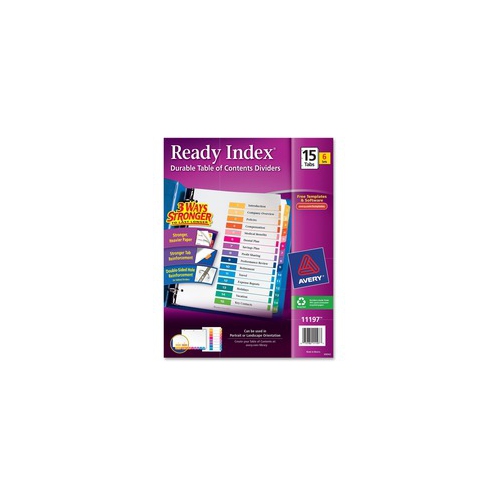
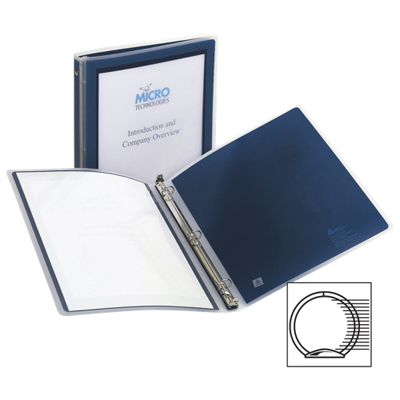
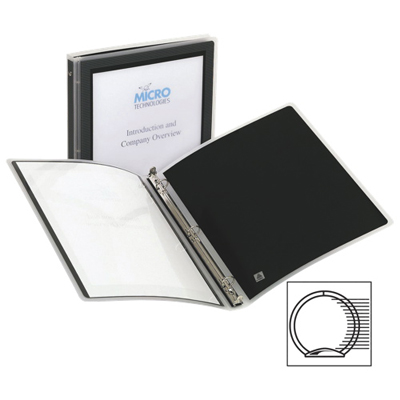
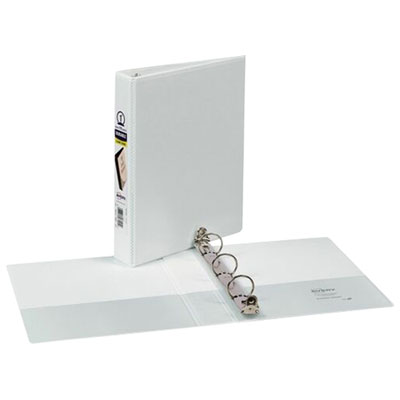
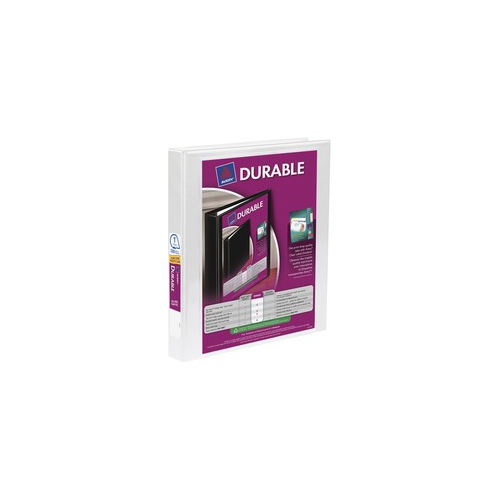
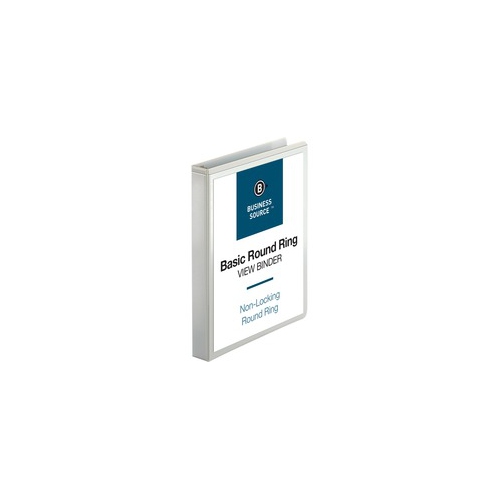
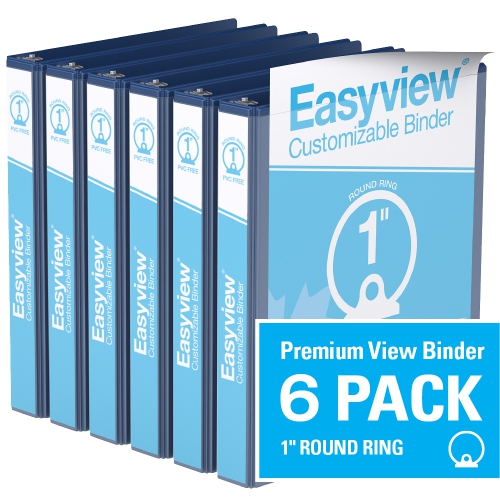
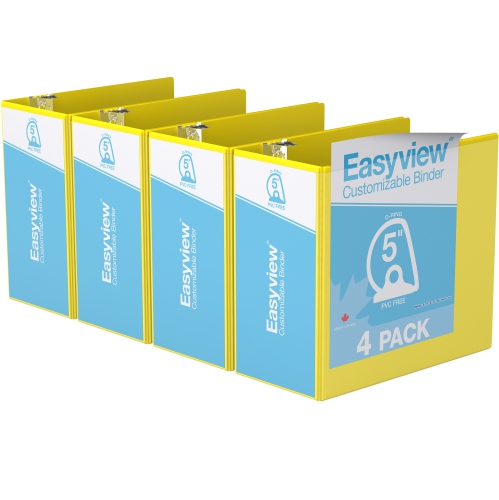
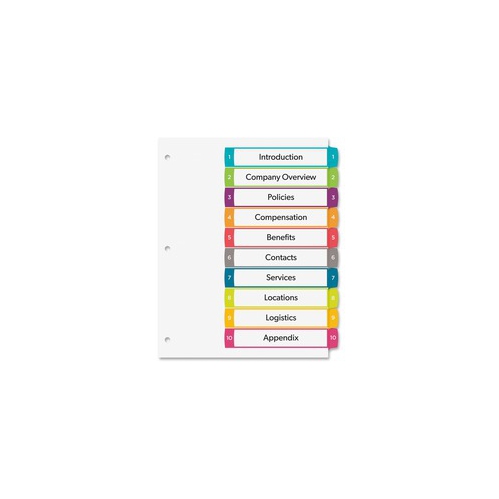
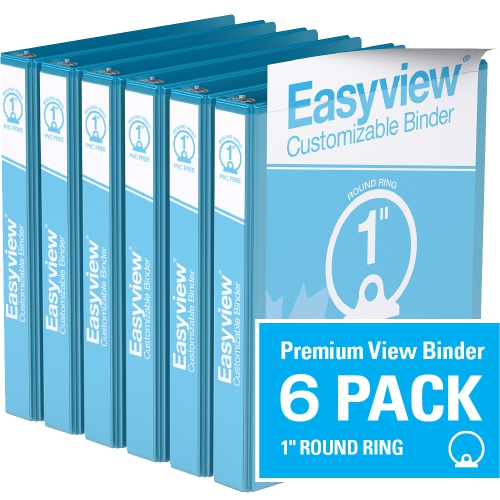
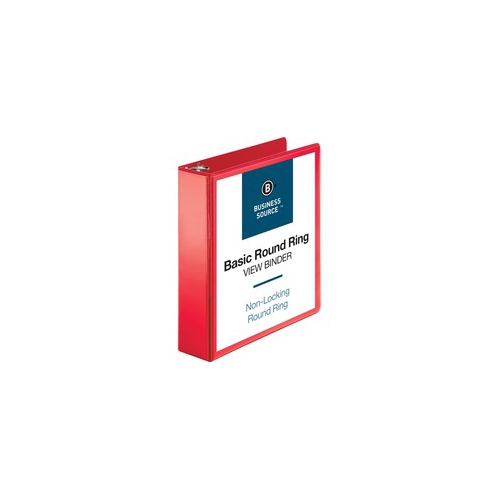
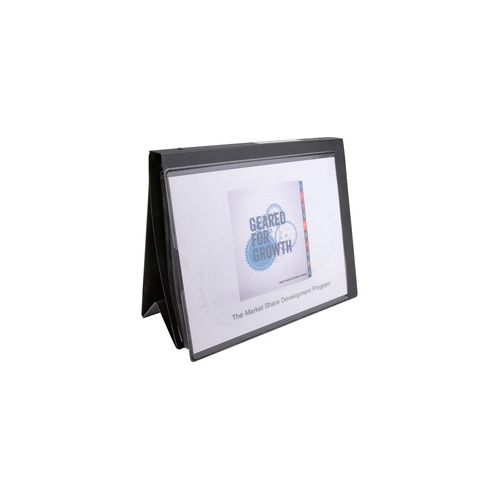
Presentation view binders offer another practical way to combine organization with customization. Clear outer cover overlays can hold a title page, company information, project name or presentation cover, allowing the contents to be identified at a glance while keeping the overall appearance consistent. This format works well for proposals, training handbooks, onboarding materials, portfolios and reference manuals that may need to be updated without replacing the entire binder. Interior pockets can hold loose sheets that have not been punched, while dedicated slots for business cards, labels or writing tools help keep small essentials from disappearing into a briefcase. Dividers with tabs are useful when one binder contains several clients, departments or stages of a project, and sheet protectors can help preserve frequently handled pages without requiring holes to be punched. For documents that will be consulted often, choose a construction that opens smoothly and lies flat enough for comfortable reading. For storage, pay attention to the spine width and the available shelf space so files remain easy to identify and remove. Professional binders can support many different routines: a property manager may use one for inspection records, a tradesperson may organize estimates and job details, a student may assemble a polished portfolio, and a family may keep warranties, service records and important household paperwork together. Selecting the right combination of material, ring style, capacity, pockets and page format helps create a filing system that feels natural to use, whether the binder sits permanently in an office or accompanies its owner through changing projects and cooler-season workdays.
The ring style and capacity are two of the most important details to compare. Round-ring binders are suitable for everyday filing and smaller collections of punched pages, while D-ring binders generally hold more paper and allow sheets to rest more evenly across the spine. Their flatter opening can make it easier to review a report, add pages in sequence or keep a document set open while taking notes. D-rings also tend to support the pages along a straighter edge, which can help reduce the pinching and curling that sometimes occurs when a thick stack is forced around a round ring. Capacity is commonly expressed by the ring size, with slimmer options around 1 inch suited to a compact reference set and larger options around 2 or 3 inches designed for substantial project files, policies or archives. The number of sheets a binder can hold varies according to paper thickness, page protectors, dividers and other inserts, so a binder rated for approximately 100 sheets may accommodate fewer pages when each sheet is placed inside a sleeve. A little extra room is often useful for documents that will grow over time, but an oversized binder can become heavy and awkward to carry. Check that the paper format matches the binder, especially when working with standard letter pages, specialty forms or European A4 documents. Lever arch files, which are common for A4 filing, use a wide-opening mechanism that can make it practical to add, remove and rearrange large groups of pages. For routine office use, a strong spine, secure rings, reinforced edges and a cover that resists scuffing are worthwhile features. If the binder will move between a desk, vehicle and meeting room, a comfortable exterior and dependable closure can be just as important as maximum capacity.
Presentation view binders offer another practical way to combine organization with customization. Clear outer cover overlays can hold a title page, company information, project name or presentation cover, allowing the contents to be identified at a glance while keeping the overall appearance consistent. This format works well for proposals, training handbooks, onboarding materials, portfolios and reference manuals that may need to be updated without replacing the entire binder. Interior pockets can hold loose sheets that have not been punched, while dedicated slots for business cards, labels or writing tools help keep small essentials from disappearing into a briefcase. Dividers with tabs are useful when one binder contains several clients, departments or stages of a project, and sheet protectors can help preserve frequently handled pages without requiring holes to be punched. For documents that will be consulted often, choose a construction that opens smoothly and lies flat enough for comfortable reading. For storage, pay attention to the spine width and the available shelf space so files remain easy to identify and remove. Professional binders can support many different routines: a property manager may use one for inspection records, a tradesperson may organize estimates and job details, a student may assemble a polished portfolio, and a family may keep warranties, service records and important household paperwork together. Selecting the right combination of material, ring style, capacity, pockets and page format helps create a filing system that feels natural to use, whether the binder sits permanently in an office or accompanies its owner through changing projects and cooler-season workdays.
Top selling and popular products
-
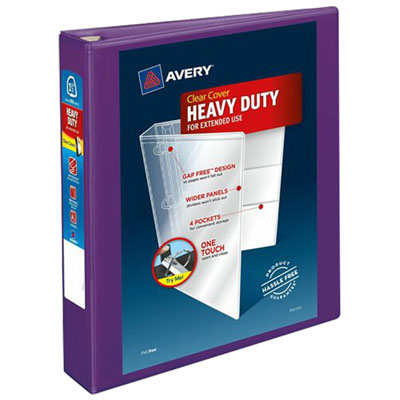 Your price for this item is $11.99
 -
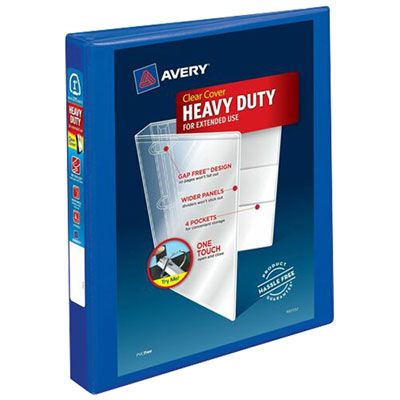 Your price for this item is $17.99
 -
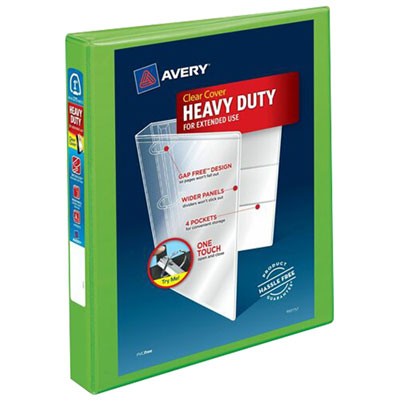 Your price for this item is $9.99
 -
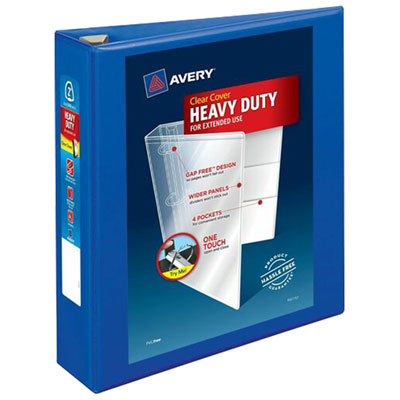 Your price for this item is $13.99
 -
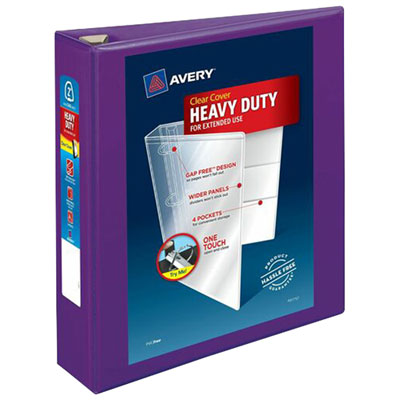 Your price for this item is $14.99
 -
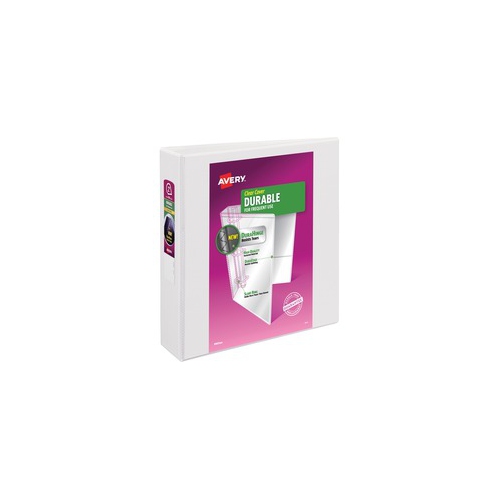 Your price for this item is $9.99
 -
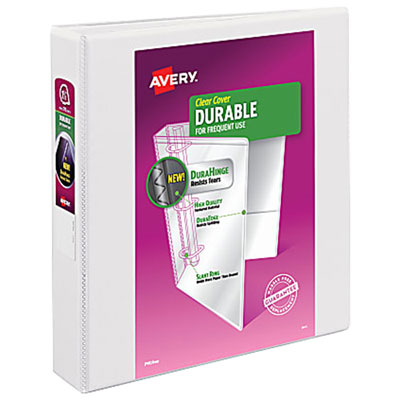 Your price for this item is $12.99
 -
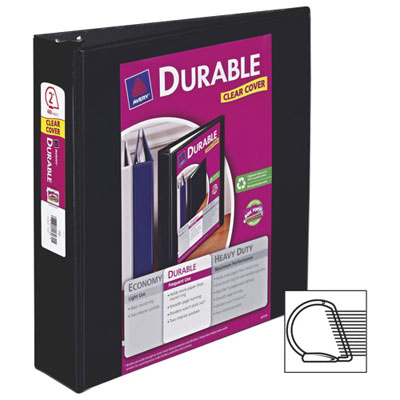 Your price for this item is $10.99
Discover more categories related to Professional Binders
Top Collections:
Pokemon Centers, Kindle Devices, Best Budget Office Chairs, Apple iPhones 16, Best Laptops for Writers, iPhone 15 Apple, Canon G7X Cameras, Refurbished Apple Laptops, Alarm Clock, Motorola Razr Phones
Some products may be subject to Environmental Handling Fees
(EHF) depending on your province.
Learn more about EHFs.