Professional Gloves
Whether you're a professional tradesperson, an avid DIY enthusiast, or simply looking for reliable hand protection, our selection of professional gloves has you covered. From durable work gloves designed to withstand tough jobs to comfortable and flexible options for intricate tasks, we offer a variety of styles and materials to suit your needs. Find the perfect pair of gloves to keep your hands safe and comfortable during any project or activity.
Sort





Why the task matters more than the glove’s label
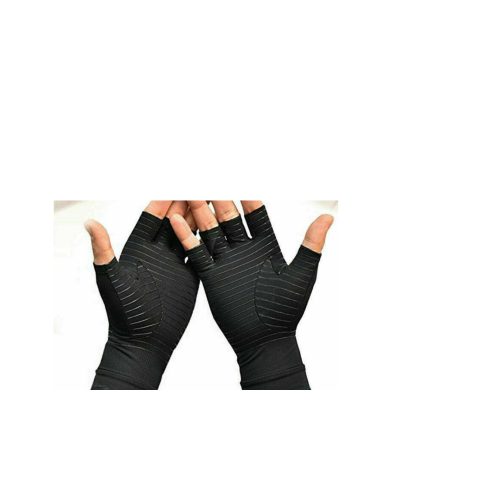
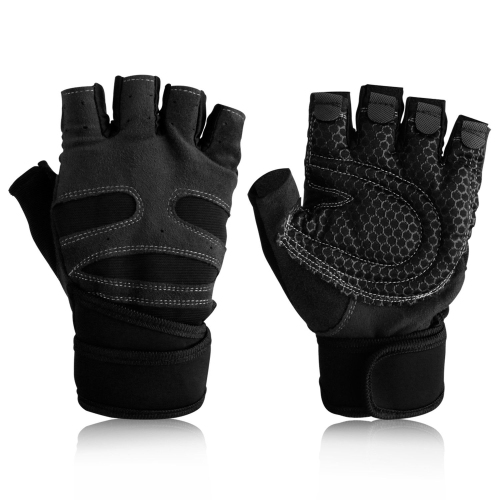
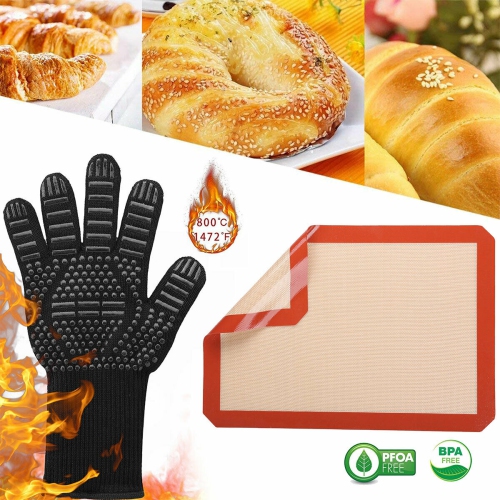
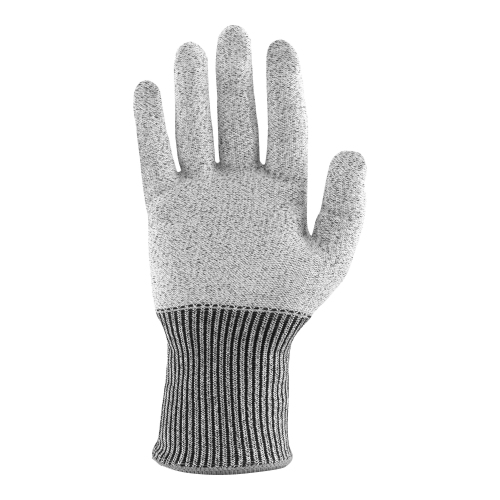
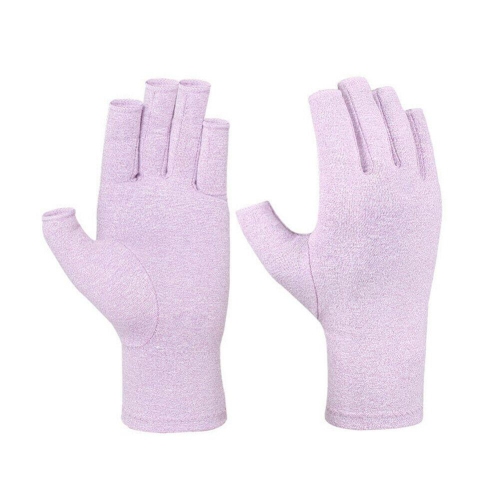
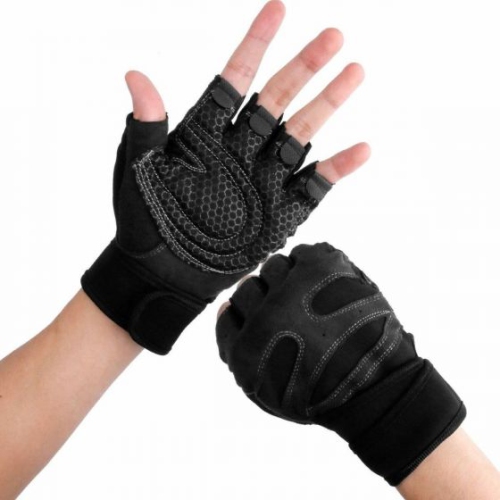
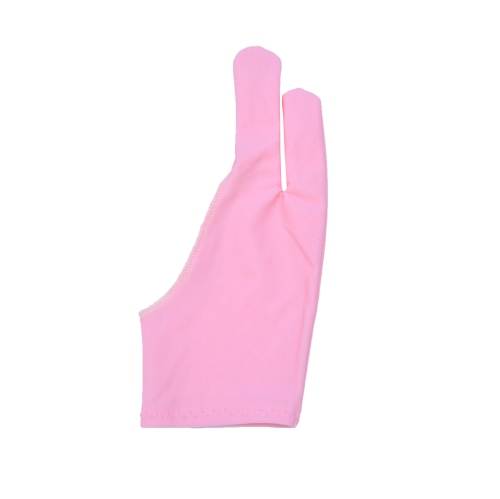
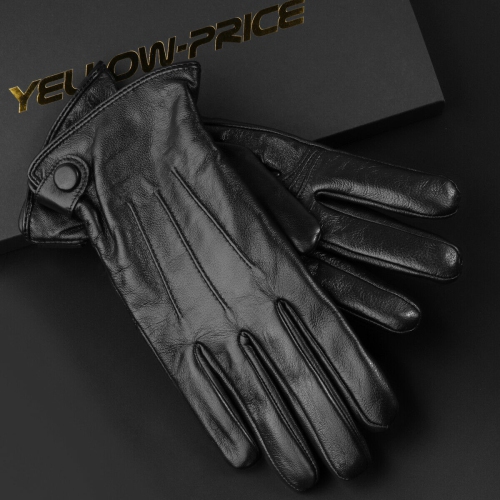
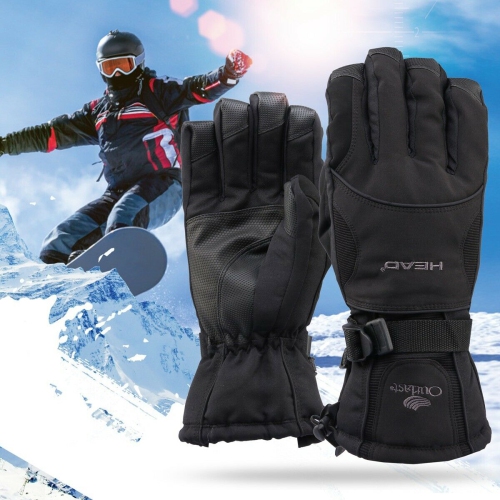
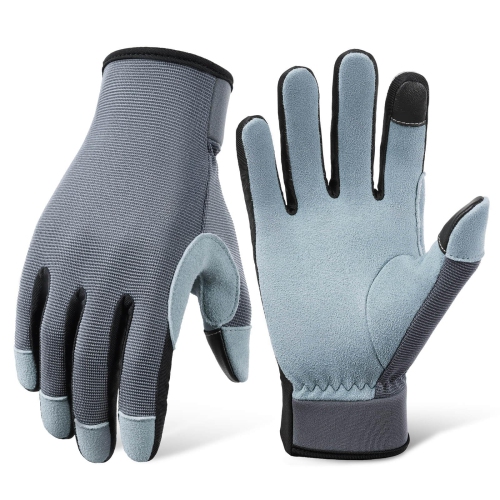
Professional gloves are purpose-built hand coverings for tasks that demand a particular balance of protection, grip, dexterity, and comfort. The term covers several distinct categories, including industrial work gloves, boxing and combat sports gloves, and disposable examination gloves. Their functions are not interchangeable: a padded boxing glove manages contact during sport, a coated work glove helps with handling materials, and an examination glove provides a single-use barrier for appropriate care tasks. The intended activity matters more than the word “professional” on its own. For tradespeople, warehouse staff, maintenance teams, and grounds crews, construction details can make a noticeable difference over hours of repeated movement. Leather palms can offer abrasion resistance and a supple feel as they break in, while synthetic fabrics allow manufacturers to place stretch, padding, and reinforcement where hands bend or meet tools. Knitted liners with coated palms can balance flexibility with grip, although performance on dry, wet, or oily surfaces depends on the coating and its intended application. Reinforcement between the thumb and index finger is useful where handles repeatedly rub, and well-positioned seams can reduce pressure when carrying cartons or holding a tool. Cut resistance, puncture resistance, and impact protection describe different properties; none should be assumed from a rugged appearance, and cut-resistant does not mean cut-proof. Task-specific ratings and workplace requirements help establish whether a glove is suitable for a particular hazard. Grounds maintenance introduces its own combination of abrasive handles, soil, and plant debris, making Landscape Gloves a related category for planting and routine property care. Fit remains important across work applications: fingertips should reach comfortably into the glove without excess material folding under the fingers, and the palm should close around a handle without pulling tightly across the knuckles. Adjustable cuffs can help maintain a secure fit, while longer cuffs provide additional coverage where the task calls for it. Gloves are not appropriate around every machine; loose material can create an entanglement hazard near rotating equipment, so machinery-specific safety procedures take priority.
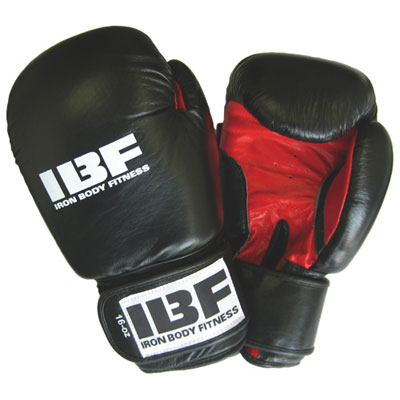
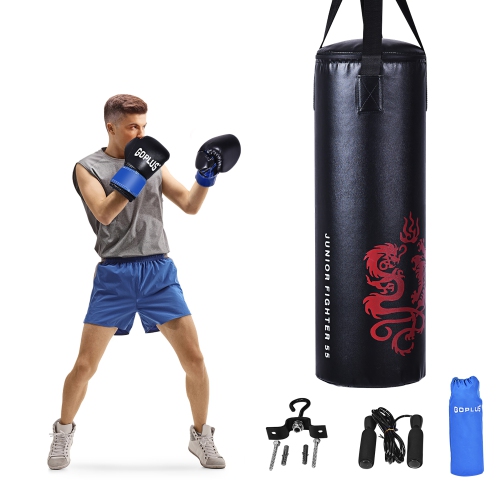
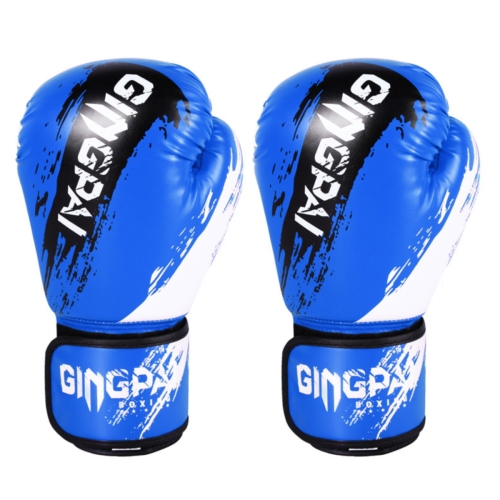
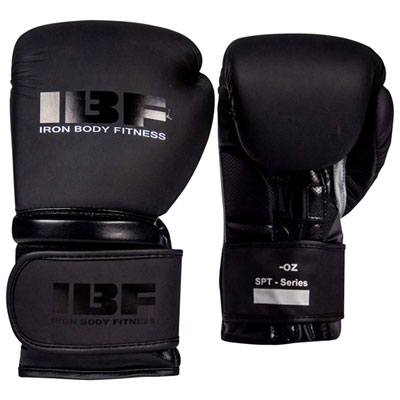
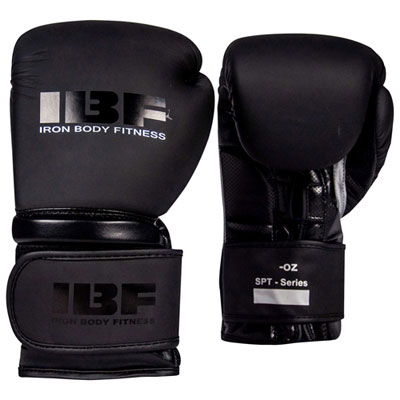
In boxing and combat sports, professional gloves are shaped around a different set of demands: repeated striking, hand positioning, wrist support, and the rules of the activity. Bag gloves, sparring gloves, and competition gloves may look similar from a distance, but their padding, construction, and permitted uses can differ substantially. Bag work places repeated stress on the striking surface as a boxer practises combinations, while sparring calls for gloves suited to controlled partner training and the requirements of the gym. Competition equipment must meet the rules of the relevant sport and sanctioning body; “professional” is not a substitute for approval. Glove weight is commonly expressed in ounces, but weight alone does not establish fit, padding distribution, or suitability for a particular session. Hand size, the space needed for wraps, training purpose, and a coach’s requirements all influence the appropriate choice. A well-fitting glove allows the hand to settle into a natural fist without pinching the fingertips or forcing the thumb into an awkward position. The wrist closure should feel secure without restricting circulation. Lace-up closures allow a closely adjusted fit but generally require assistance, while hook-and-loop straps are convenient for athletes moving between drills and equipment. Leather shells can offer durability with suitable care, and synthetic shells vary in flexibility, surface finish, and maintenance needs. Inside the glove, lining, stitching, and the placement of padding affect how it feels through repeated rounds. Neither substantial padding nor a firm wrist closure eliminates the risk of injury, and gloves do not replace sound technique, appropriate wraps, or supervision. For someone buying a gift for a boxer or martial artist, knowing the recipient’s discipline and training requirements is more useful than choosing by colour alone. Care also affects everyday usability: opening the cuffs after training, allowing the lining to dry fully, and wiping the exterior according to the manufacturer’s directions help manage moisture and odour. Flattened padding, split seams, damaged closures, or a cracked striking surface can indicate that a glove is no longer suitable for its intended role.
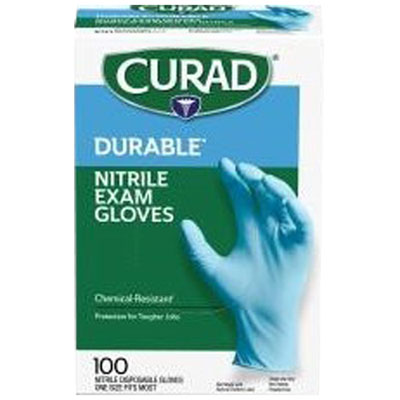
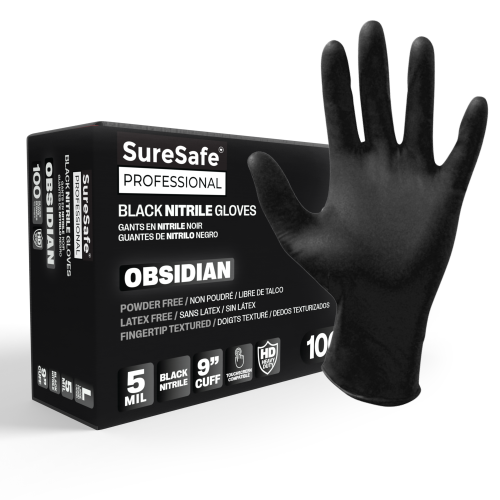
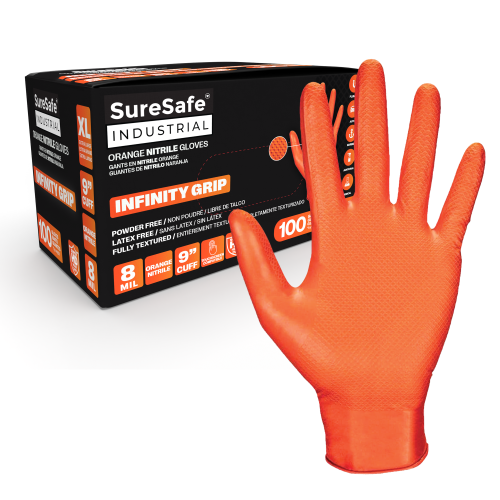
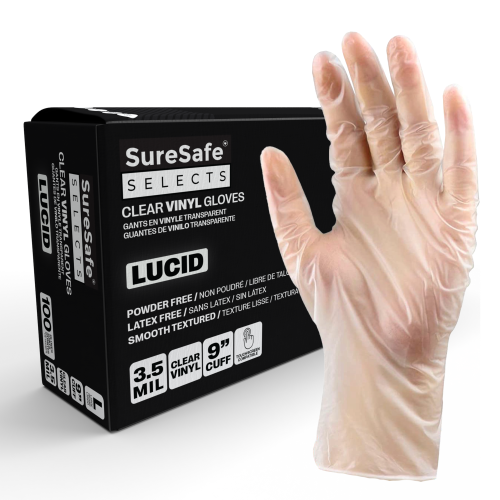
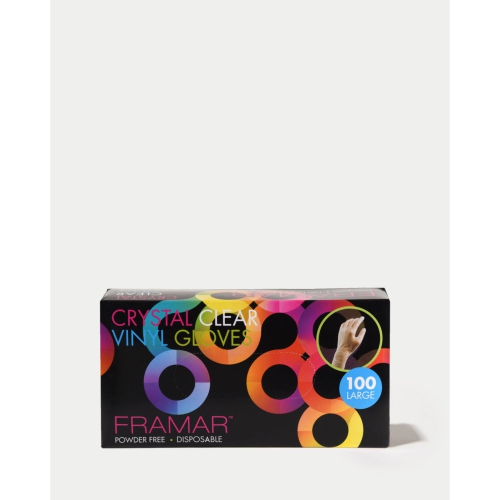
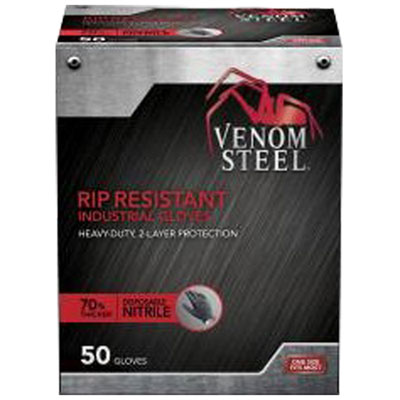
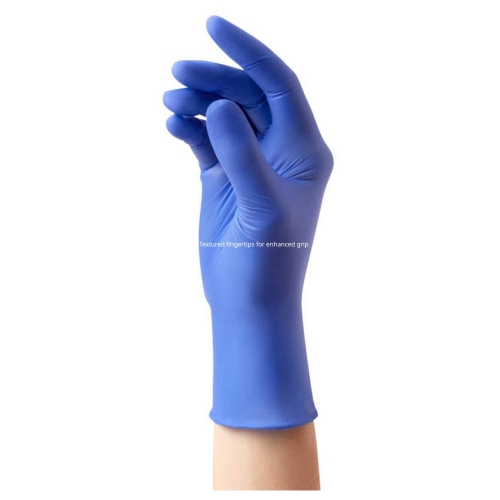
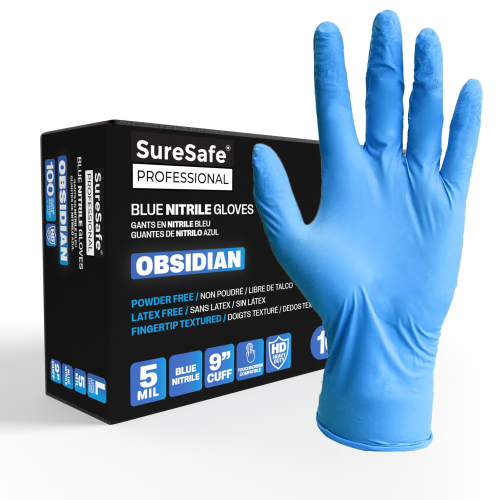
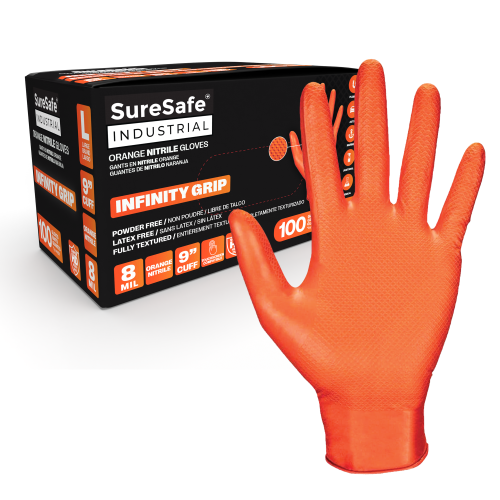
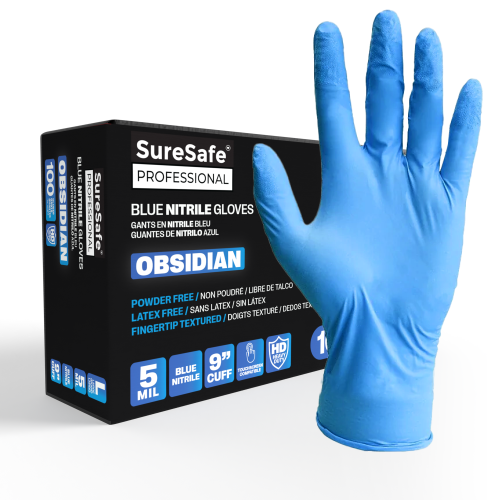
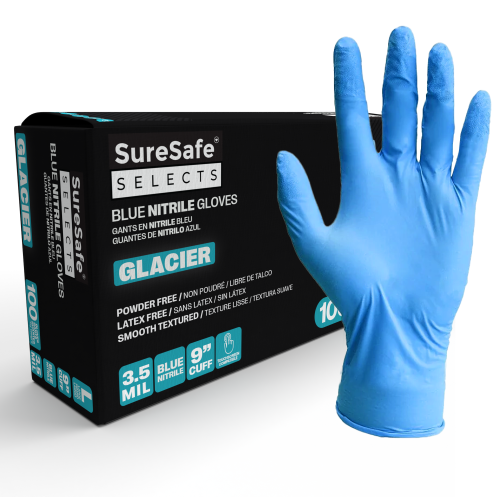
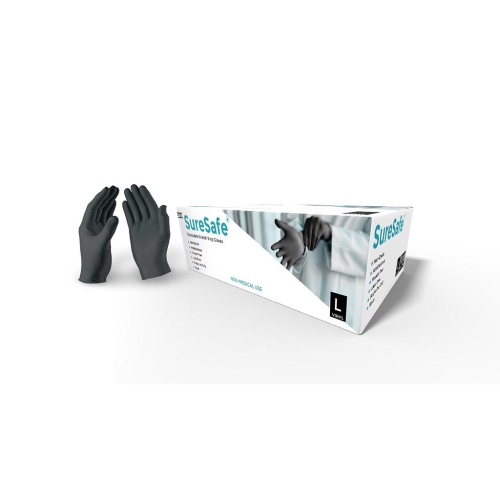
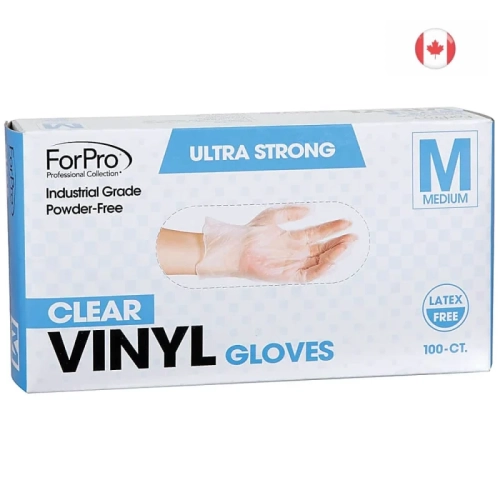
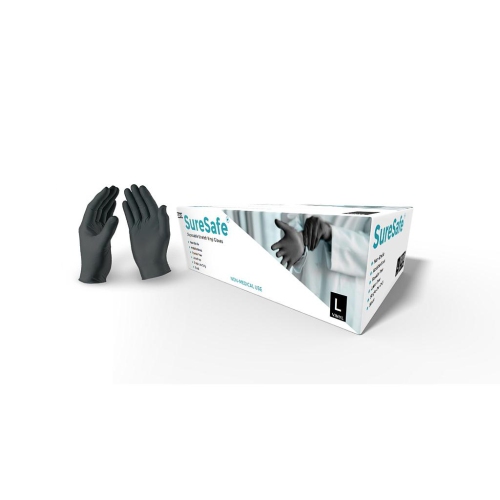
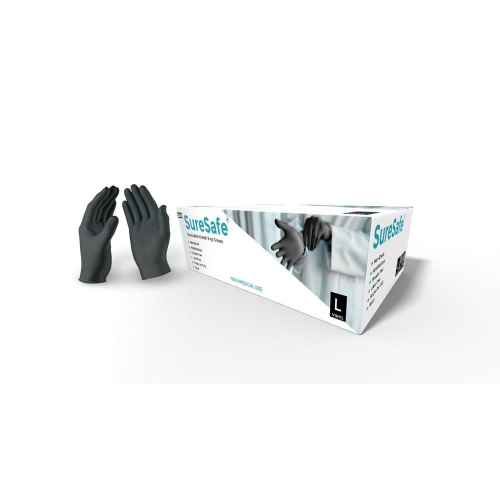
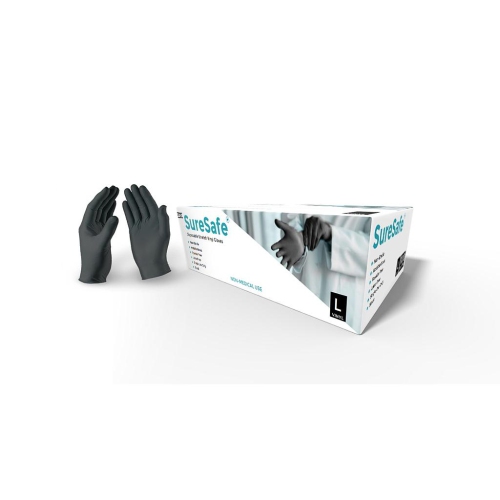
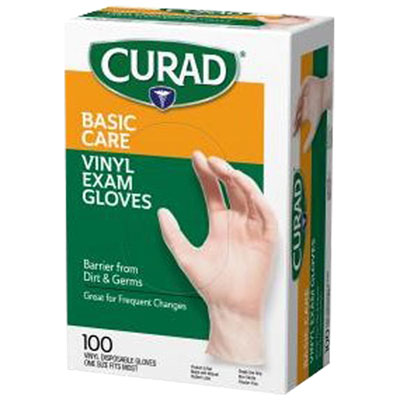
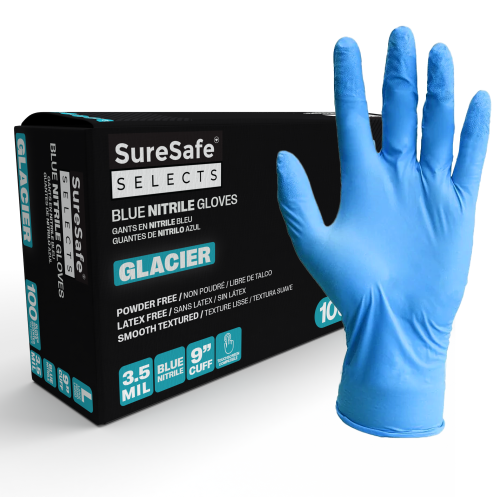
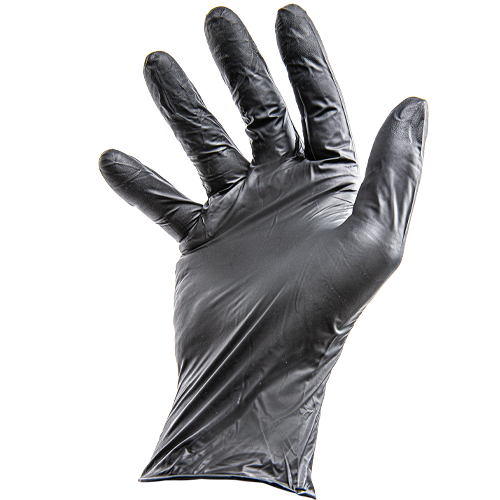
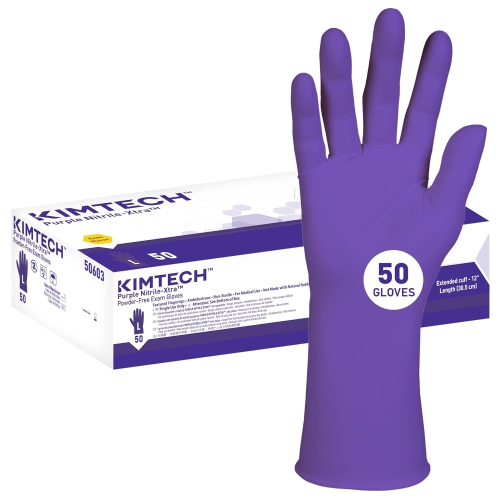
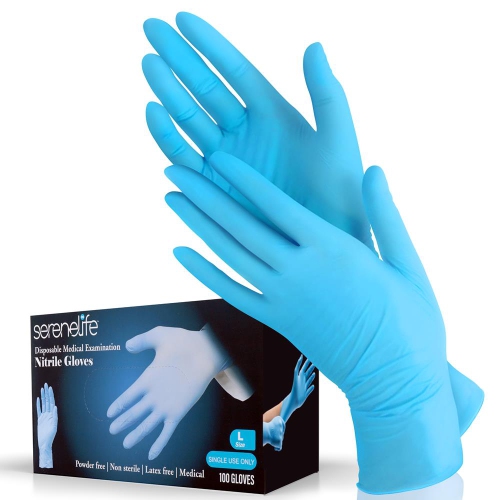
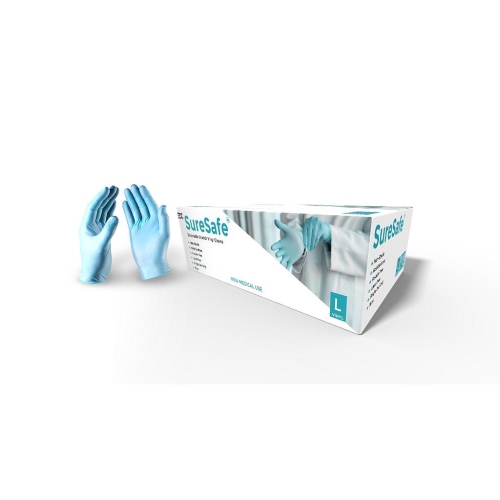
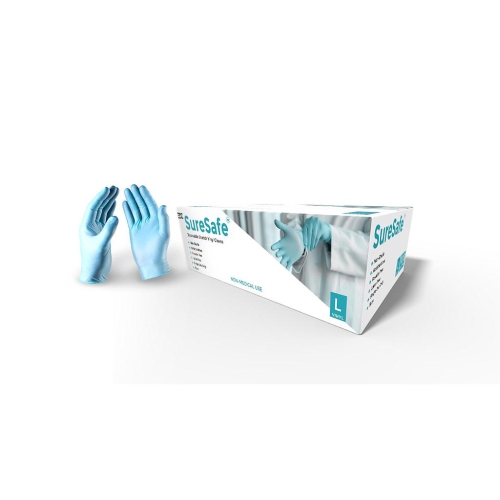
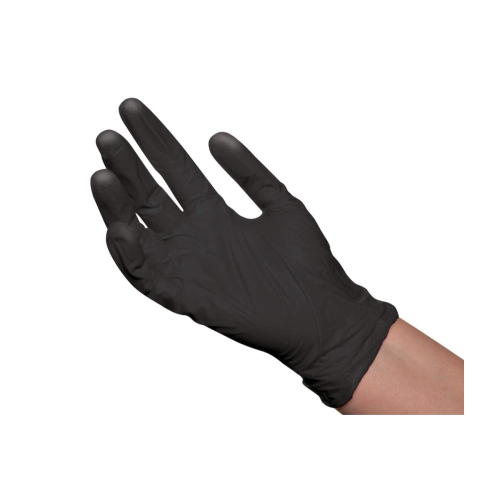
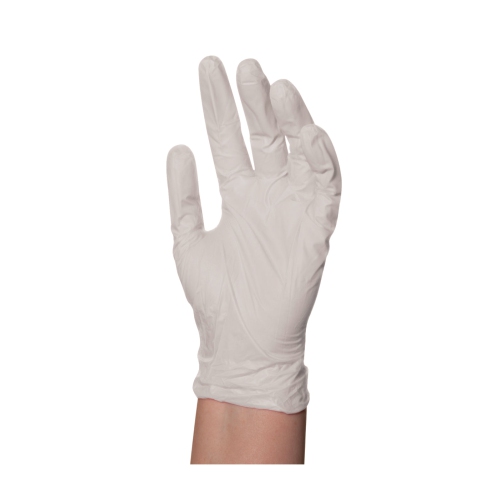
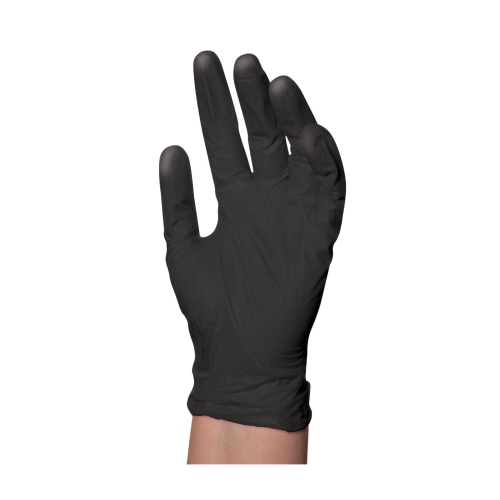
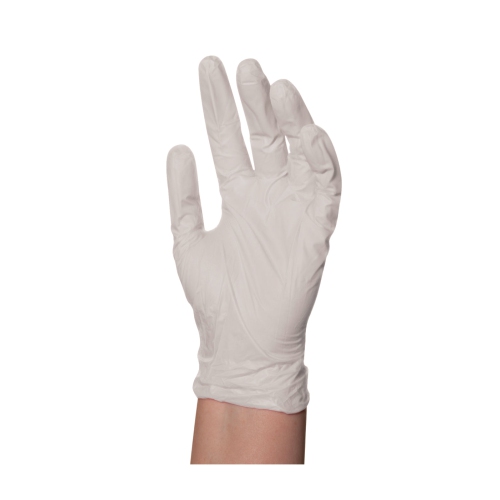
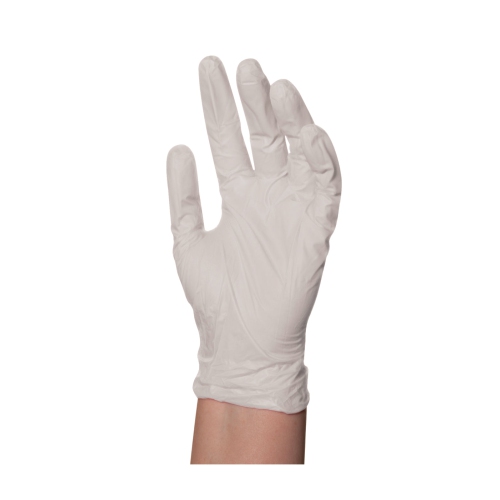
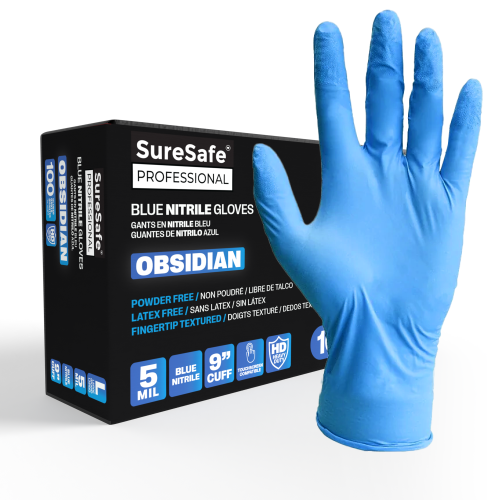
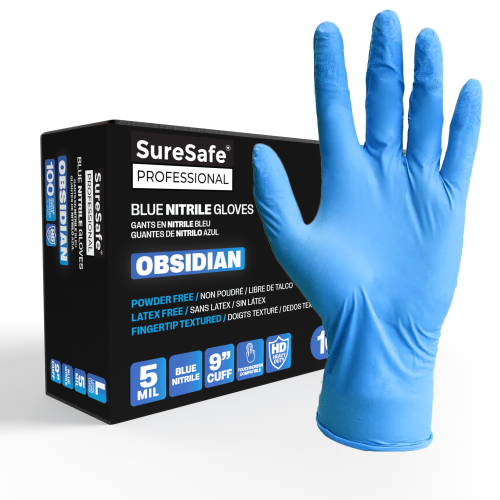
Disposable professional gloves serve healthcare, personal care, food handling, cleaning, and other tasks where an appropriate barrier helps limit direct contact with substances or contamination. Medical examination gloves belong to a specific category; not every disposable glove is suitable for clinical use, and examination gloves are not necessarily sterile or intended for surgery. Nitrile, latex, and vinyl are common materials, each with different characteristics. Nitrile is widely used where latex avoidance, flexibility, and resistance to certain substances are important. Natural rubber latex offers elasticity and a close fit but may cause allergic reactions in sensitive individuals. Vinyl can suit some brief, lower-risk tasks, depending on the application and applicable requirements. Chemical resistance varies by material, formulation, thickness, and exposure, so a glove that works for one cleaning solution may be unsuitable for another. Compatibility information and the relevant workplace procedures matter more than a general claim of toughness. Texture at the fingertips can assist with handling small objects, while a close, comfortable fit supports movements such as fastening a dressing or picking up a small instrument. Gloves that are too tight can strain during use, and loose fingertips can interfere with precision. Thickness can affect tactile sensitivity and durability, but thicker does not automatically mean appropriate for every hazard. For food preparation, suitability for food contact must be established rather than inferred from the material or colour. Single-use gloves should not be washed for reuse, and changing them between incompatible tasks helps avoid transferring contamination from one surface to another. Hand hygiene remains necessary before and after appropriate glove use. Storage and condition matter across professional glove categories: disposable gloves need intact packaging and storage consistent with their labelling, while reusable work gloves need cleaning methods suited to their fibres, coatings, and reinforcements. Tears, stiffness, worn gripping surfaces, and damaged seams can change performance even when a glove still looks serviceable at a glance. Whether the wearer is handling tools, training with a partner, or completing a care task, the defining qualities of useful professional gloves are suitability for the job, dependable construction, and a fit that supports controlled movement.
In boxing and combat sports, professional gloves are shaped around a different set of demands: repeated striking, hand positioning, wrist support, and the rules of the activity. Bag gloves, sparring gloves, and competition gloves may look similar from a distance, but their padding, construction, and permitted uses can differ substantially. Bag work places repeated stress on the striking surface as a boxer practises combinations, while sparring calls for gloves suited to controlled partner training and the requirements of the gym. Competition equipment must meet the rules of the relevant sport and sanctioning body; “professional” is not a substitute for approval. Glove weight is commonly expressed in ounces, but weight alone does not establish fit, padding distribution, or suitability for a particular session. Hand size, the space needed for wraps, training purpose, and a coach’s requirements all influence the appropriate choice. A well-fitting glove allows the hand to settle into a natural fist without pinching the fingertips or forcing the thumb into an awkward position. The wrist closure should feel secure without restricting circulation. Lace-up closures allow a closely adjusted fit but generally require assistance, while hook-and-loop straps are convenient for athletes moving between drills and equipment. Leather shells can offer durability with suitable care, and synthetic shells vary in flexibility, surface finish, and maintenance needs. Inside the glove, lining, stitching, and the placement of padding affect how it feels through repeated rounds. Neither substantial padding nor a firm wrist closure eliminates the risk of injury, and gloves do not replace sound technique, appropriate wraps, or supervision. For someone buying a gift for a boxer or martial artist, knowing the recipient’s discipline and training requirements is more useful than choosing by colour alone. Care also affects everyday usability: opening the cuffs after training, allowing the lining to dry fully, and wiping the exterior according to the manufacturer’s directions help manage moisture and odour. Flattened padding, split seams, damaged closures, or a cracked striking surface can indicate that a glove is no longer suitable for its intended role.
Disposable professional gloves serve healthcare, personal care, food handling, cleaning, and other tasks where an appropriate barrier helps limit direct contact with substances or contamination. Medical examination gloves belong to a specific category; not every disposable glove is suitable for clinical use, and examination gloves are not necessarily sterile or intended for surgery. Nitrile, latex, and vinyl are common materials, each with different characteristics. Nitrile is widely used where latex avoidance, flexibility, and resistance to certain substances are important. Natural rubber latex offers elasticity and a close fit but may cause allergic reactions in sensitive individuals. Vinyl can suit some brief, lower-risk tasks, depending on the application and applicable requirements. Chemical resistance varies by material, formulation, thickness, and exposure, so a glove that works for one cleaning solution may be unsuitable for another. Compatibility information and the relevant workplace procedures matter more than a general claim of toughness. Texture at the fingertips can assist with handling small objects, while a close, comfortable fit supports movements such as fastening a dressing or picking up a small instrument. Gloves that are too tight can strain during use, and loose fingertips can interfere with precision. Thickness can affect tactile sensitivity and durability, but thicker does not automatically mean appropriate for every hazard. For food preparation, suitability for food contact must be established rather than inferred from the material or colour. Single-use gloves should not be washed for reuse, and changing them between incompatible tasks helps avoid transferring contamination from one surface to another. Hand hygiene remains necessary before and after appropriate glove use. Storage and condition matter across professional glove categories: disposable gloves need intact packaging and storage consistent with their labelling, while reusable work gloves need cleaning methods suited to their fibres, coatings, and reinforcements. Tears, stiffness, worn gripping surfaces, and damaged seams can change performance even when a glove still looks serviceable at a glance. Whether the wearer is handling tools, training with a partner, or completing a care task, the defining qualities of useful professional gloves are suitability for the job, dependable construction, and a fit that supports controlled movement.
Top selling and popular products
-
 Your price for this item is $189.05
 -
 Your price for this item is $39.25
 -
 Your price for this item is $21.99
 -
 Your price for this item is $16
 -
 Your price for this item is $44.8
 -
 Your price for this item is $52
 -
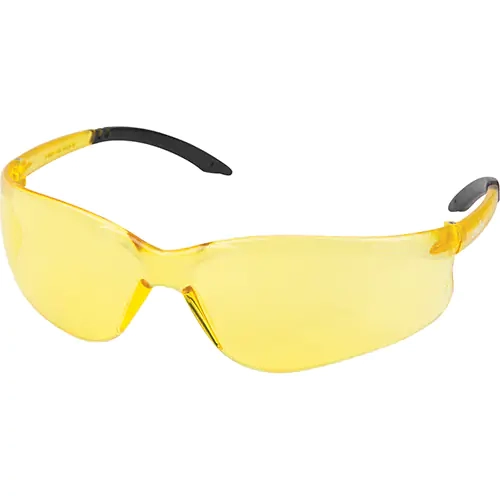 Your price for this item is $2.68
 -
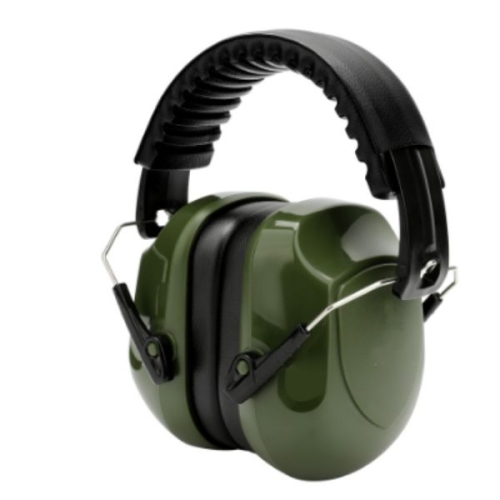 Your price for this item is $31.99
Discover more categories related to Professional Gloves
Top Collections:
Pokemon Centers, Kindle Devices, Best Budget Office Chairs, Apple iPhones 16, Best Laptops for Writers, iPhone 15 Apple, Canon G7X Cameras, Refurbished Apple Laptops, Alarm Clock, Motorola Razr Phones
Some products may be subject to Environmental Handling Fees
(EHF) depending on your province.
Learn more about EHFs.