Quality Pens
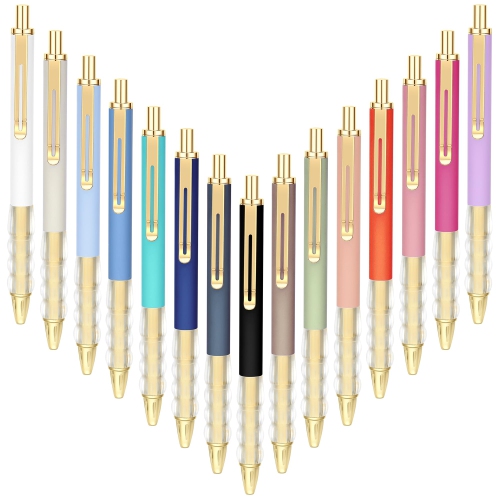
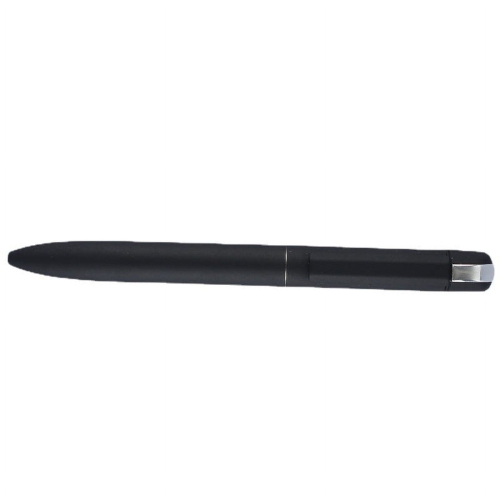
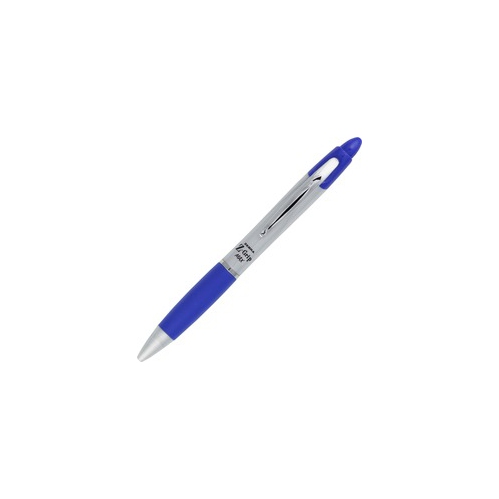
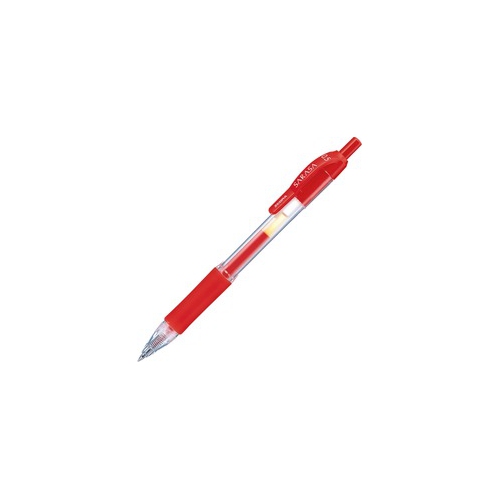
Upgrade your writing experience with our collection of quality pens. Whether you're jotting down notes, sketching ideas, or simply enjoying the act of putting pen to paper, our range of pens offers a seamless and enjoyable writing experience. From sleek and sophisticated designs to comfortable grips and smooth ink flow, these pens are crafted to meet the demands of both professional and creative endeavors. Discover the perfect pen to suit your style and elevate your writing game with Best Buy.
Sort



Why smooth writing takes more than a polished barrel
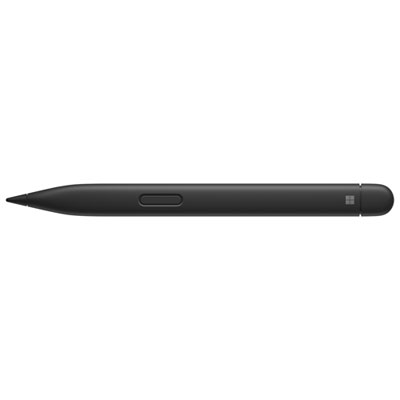
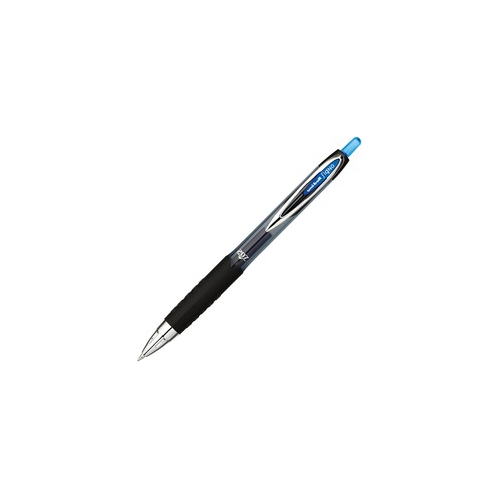
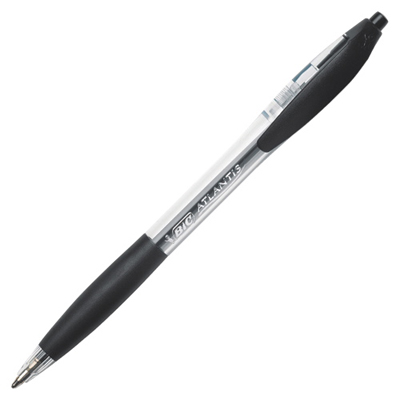
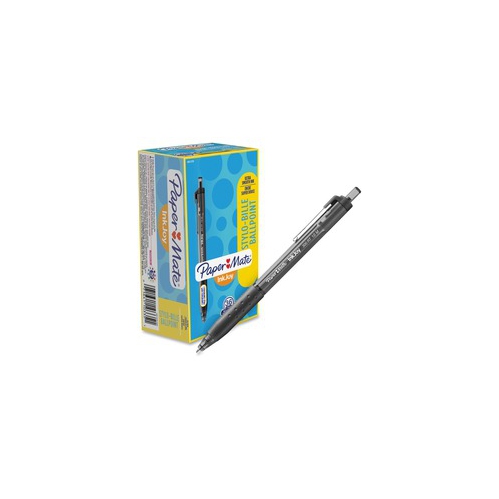
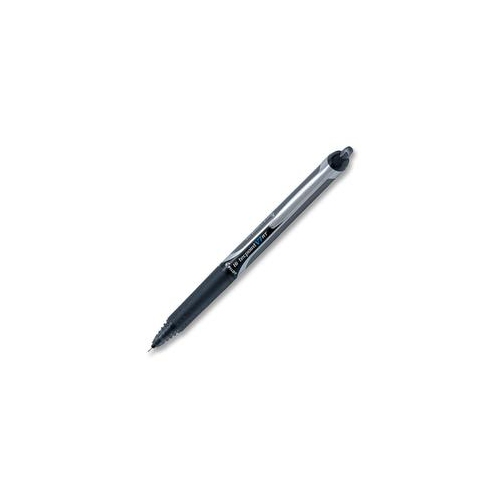
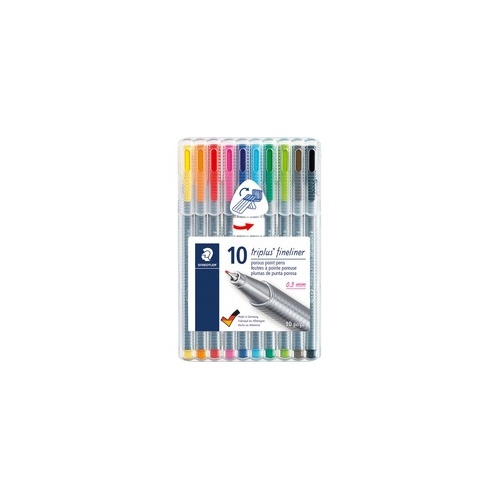
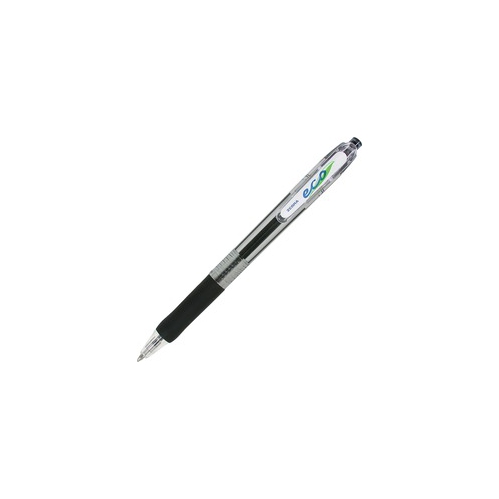
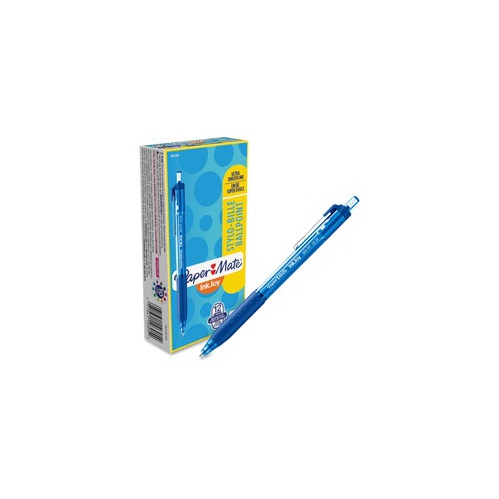
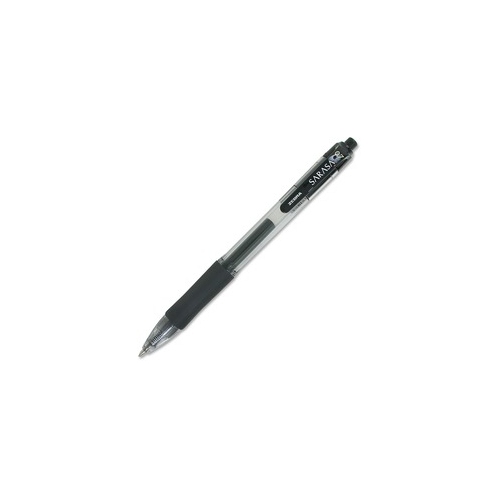
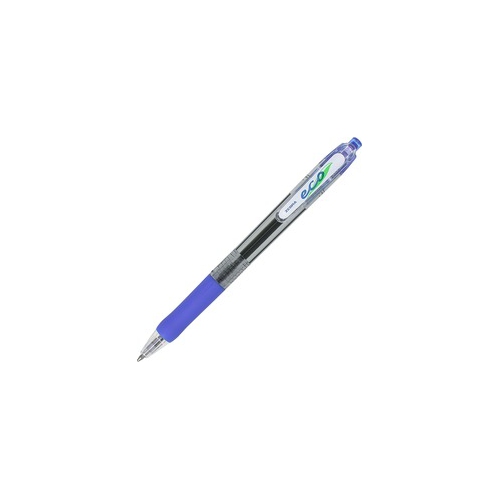
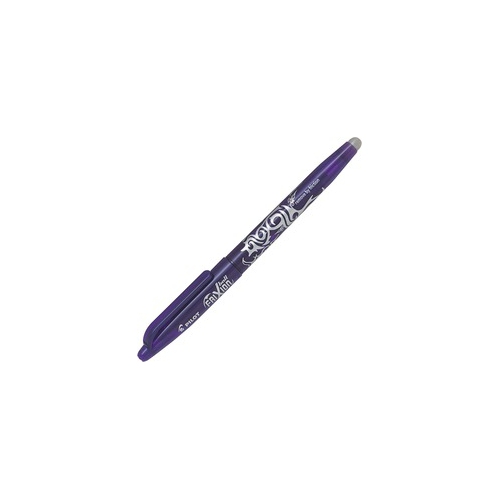
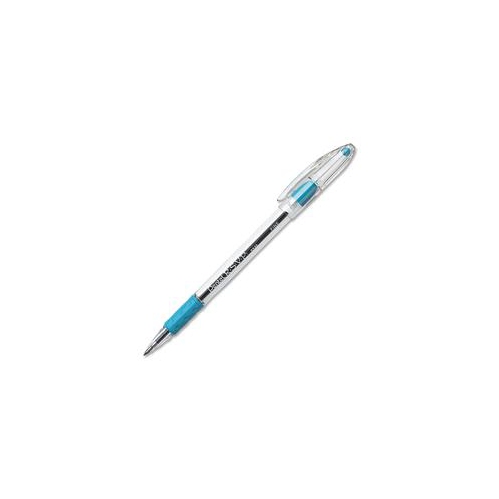
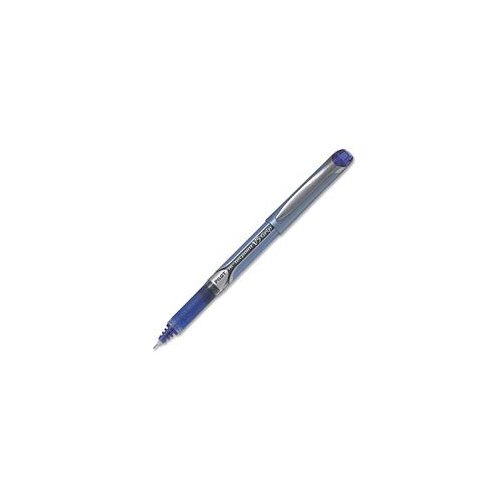
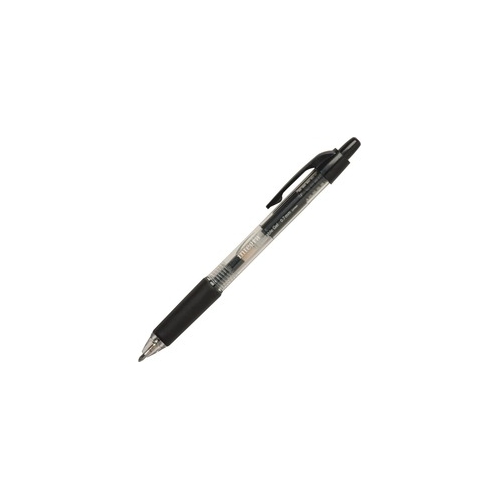
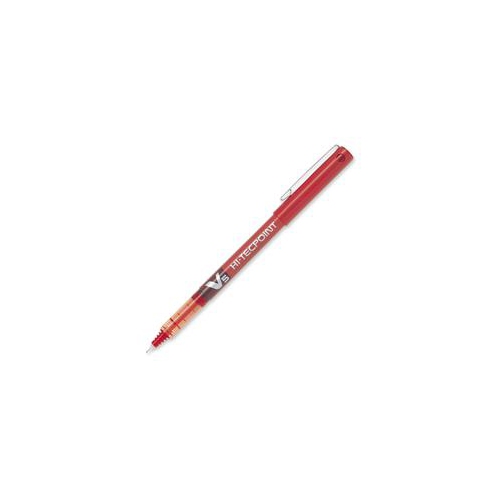
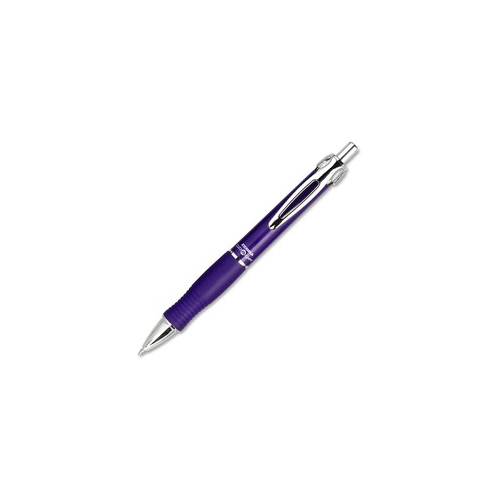
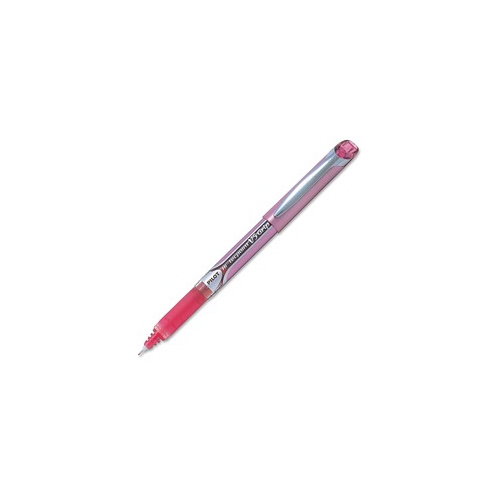
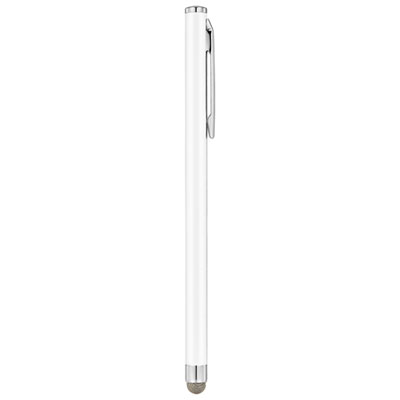
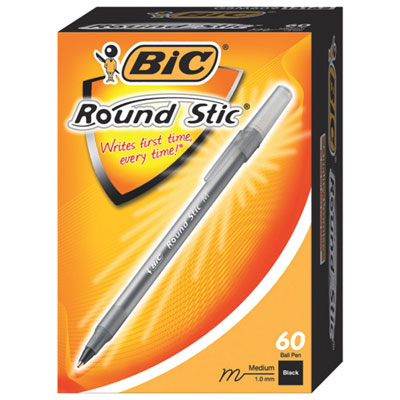
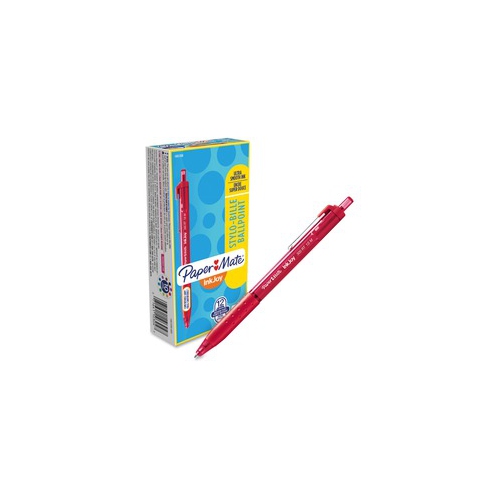
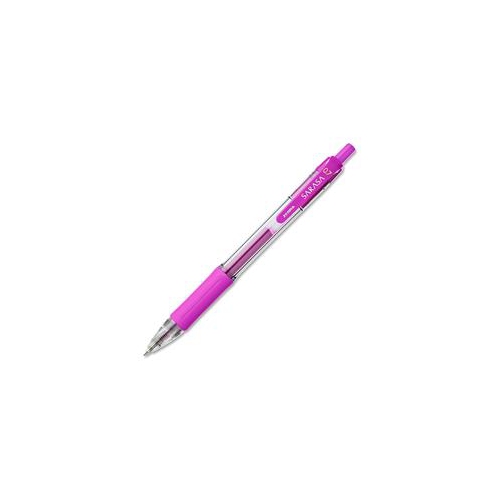
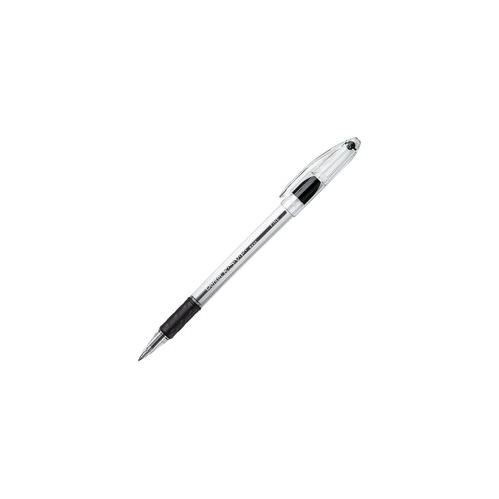
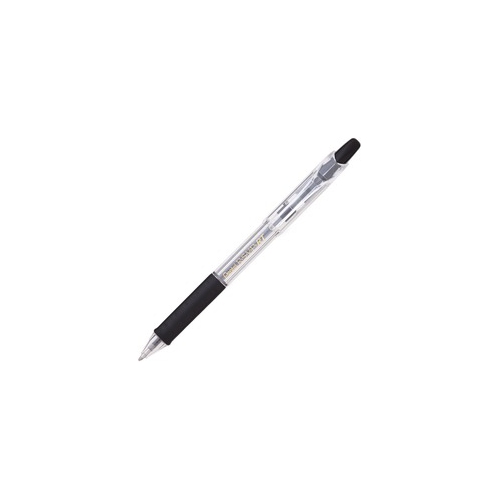
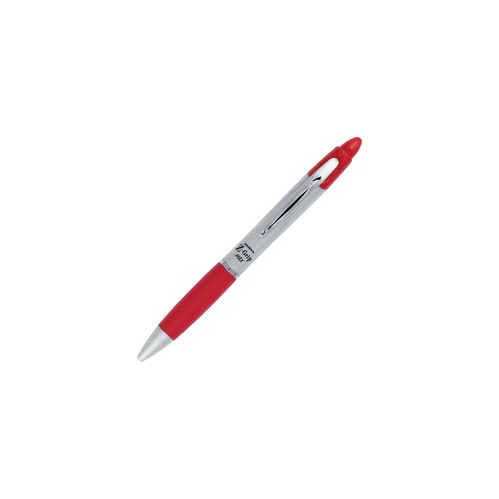
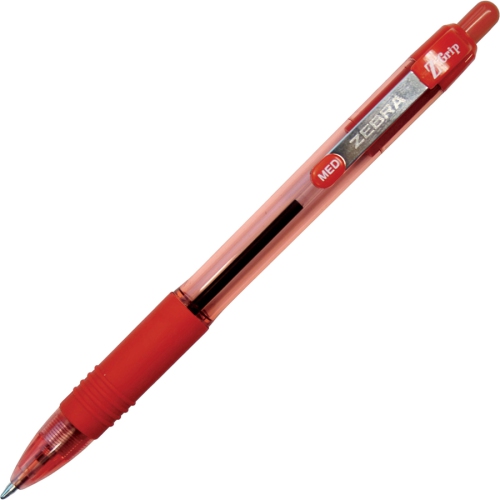
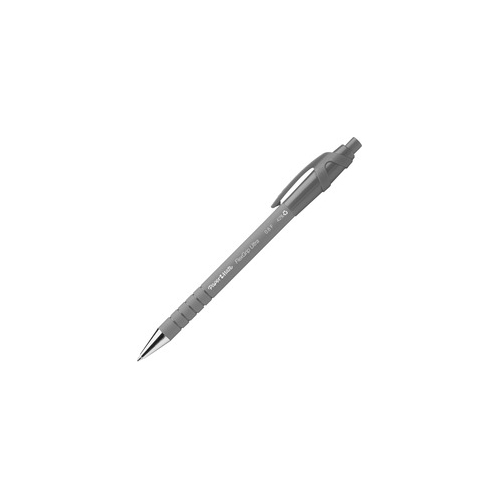
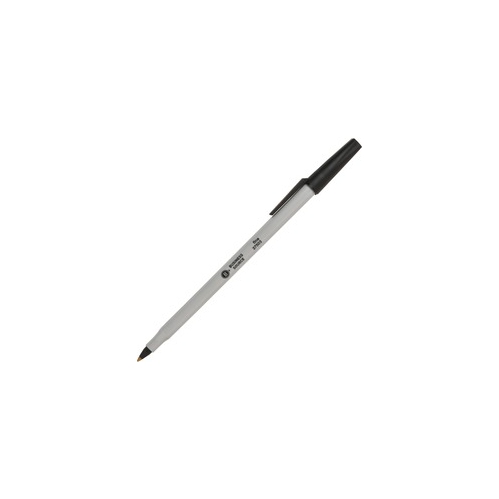
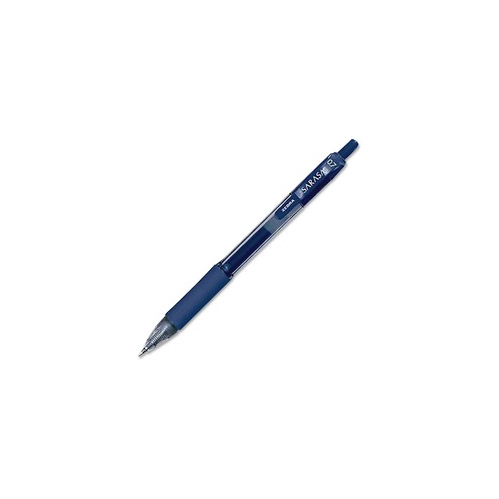
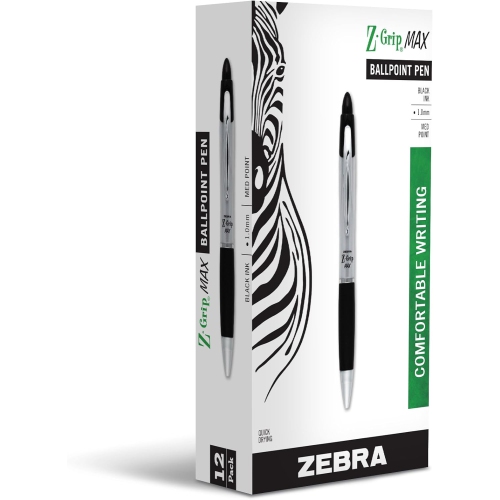
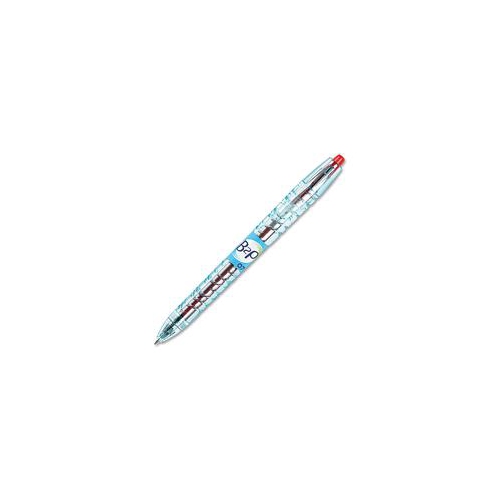
Quality pens pair consistent ink flow with a comfortable shape and dependable construction, making everything from a quick signature to a full page of notes feel more controlled. Quality is not defined by a heavy barrel or an elaborate finish alone: a well-made pen should start reliably, produce a reasonably even line, and suit the way its owner writes. Ballpoint, gel, rollerball, and fountain pens each offer a distinct writing experience. Traditional ballpoints use relatively thick, oil-based ink that generally dries quickly and works well for everyday lists, office paperwork, and notes on ordinary paper. They can also be useful for duplicate forms that need firm pressure to transfer writing through several sheets. Gel pens use pigment or dye in a water-based gel, often producing dark, clearly defined strokes with less pressure than a traditional ballpoint. Drying time varies by formulation, tip size, and paper, so a bold gel line may need a moment before a notebook closes. Hybrid ballpoint inks aim to combine the controlled application of a ballpoint with a smoother feel, although performance differs between designs. Rollerballs use fluid, typically water-based ink for an easy glide and expressive line, but absorbent paper may show feathering or ink coming through to the reverse side. Fountain pens feed ink through a nib rather than a rolling ball and can write with a light touch, offering a distinctive sense of contact with the page. Their performance depends on the combination of nib, ink, and paper, not simply the barrel material. For a broader view of everyday writing styles, Pens for Writing brings the focus back to the tasks a pen needs to handle. Lecture notes, meeting minutes, journal entries, and handwritten cards all place slightly different demands on line width, drying speed, and comfort. A pen that feels effortless for a short signature may feel quite different after several pages, making intended use an important part of what quality means.
Materials and fit shape the experience as much as ink does. Resin and plastic barrels can offer a lighter feel for extended note-taking, while aluminium, brass, and stainless steel bring different combinations of weight, rigidity, and surface texture. A metal body is not automatically more comfortable or more durable in every situation; the strength of the clip, the fit of the cap, and the reliability of the retracting mechanism also matter. Smooth joins, secure threads, and a tip that stays steady during writing are useful signs of careful construction. Barrel diameter is particularly personal. A wider grip may reduce the need to pinch tightly for some writers, while a slimmer profile can feel more precise in smaller hands or fit more neatly into a planner loop. Rubberized sections add traction, textured metal provides a firmer contact surface, and moulded grip shapes can encourage a particular finger position. Those shaped grips do not suit every hand, especially for anyone who rotates a pen while writing. Balance deserves attention too: a pen with most of its weight near the tip can feel different from one made top-heavy by a cap placed on its back end. Fountain pen users may prefer writing with the cap set aside rather than attached to the barrel. Tip size influences both appearance and practicality. Fine points leave more space between letters in small handwriting, narrow appointment boxes, or detailed annotations, while medium and broad points can create fuller strokes for larger lettering. Size labels are not identical across all pen types, and fountain pen nib widths can vary even when they share the same description. Left-handed writers may find a fast-drying ink especially helpful when their hand passes over fresh lines, though grip position and paper finish also affect smudging. Students taking rapid notes, professionals marking documents, and people keeping daily journals may value different features, but each benefits from a pen that feels secure without requiring an unnecessarily tight grip.
Durability includes the parts that keep a pen useful after its first ink supply runs out. Refillable designs can remain familiar writing companions when compatible refills, cartridges, or filling systems are easy to identify. Refill shape, length, and tip clearance need to match the pen; two refills that look similar are not necessarily interchangeable. A change of refill may also alter ink colour, line width, and smoothness without changing the barrel that already fits comfortably in the hand. Fountain pens may use cartridges, a converter for bottled ink, or an integrated filling mechanism, with each approach bringing different routines for filling and cleaning. Larger ink capacity can be convenient for long writing sessions, while cartridges offer a contained way to carry a spare. Care should follow the pen’s instructions, particularly where finishes, seals, and filling mechanisms are concerned. Keeping a cap securely closed or retracting the tip helps protect the writing point and reduces accidental marks inside a bag. A soft pouch or a separate pocket can limit scratches caused by keys and other hard objects, especially on polished or lacquered surfaces. For fountain pens, periodic flushing with water, where specified by the maker, can help clear residual ink; household solvents and inks not intended for fountain pens can damage components or interrupt flow. Ballpoint and gel pens generally need less routine maintenance, but dried ink around a tip and a damaged refill can still affect writing. Paper remains part of the equation throughout a pen’s life: smoother, less absorbent sheets can preserve crisp lines, although some inks take longer to dry on them. As gifts, quality pens suit graduations, professional milestones, new jobs, and personal achievements without needing an ornate presentation to feel thoughtful. The most personal choice often reflects an existing habit: a comfortable everyday pen for someone who fills notebooks, a clean-lined design for a desk, or a fountain pen for someone who enjoys handwritten correspondence. Reliable performance, a pleasing feel, and straightforward care give these everyday tools their lasting appeal.
Materials and fit shape the experience as much as ink does. Resin and plastic barrels can offer a lighter feel for extended note-taking, while aluminium, brass, and stainless steel bring different combinations of weight, rigidity, and surface texture. A metal body is not automatically more comfortable or more durable in every situation; the strength of the clip, the fit of the cap, and the reliability of the retracting mechanism also matter. Smooth joins, secure threads, and a tip that stays steady during writing are useful signs of careful construction. Barrel diameter is particularly personal. A wider grip may reduce the need to pinch tightly for some writers, while a slimmer profile can feel more precise in smaller hands or fit more neatly into a planner loop. Rubberized sections add traction, textured metal provides a firmer contact surface, and moulded grip shapes can encourage a particular finger position. Those shaped grips do not suit every hand, especially for anyone who rotates a pen while writing. Balance deserves attention too: a pen with most of its weight near the tip can feel different from one made top-heavy by a cap placed on its back end. Fountain pen users may prefer writing with the cap set aside rather than attached to the barrel. Tip size influences both appearance and practicality. Fine points leave more space between letters in small handwriting, narrow appointment boxes, or detailed annotations, while medium and broad points can create fuller strokes for larger lettering. Size labels are not identical across all pen types, and fountain pen nib widths can vary even when they share the same description. Left-handed writers may find a fast-drying ink especially helpful when their hand passes over fresh lines, though grip position and paper finish also affect smudging. Students taking rapid notes, professionals marking documents, and people keeping daily journals may value different features, but each benefits from a pen that feels secure without requiring an unnecessarily tight grip.
Durability includes the parts that keep a pen useful after its first ink supply runs out. Refillable designs can remain familiar writing companions when compatible refills, cartridges, or filling systems are easy to identify. Refill shape, length, and tip clearance need to match the pen; two refills that look similar are not necessarily interchangeable. A change of refill may also alter ink colour, line width, and smoothness without changing the barrel that already fits comfortably in the hand. Fountain pens may use cartridges, a converter for bottled ink, or an integrated filling mechanism, with each approach bringing different routines for filling and cleaning. Larger ink capacity can be convenient for long writing sessions, while cartridges offer a contained way to carry a spare. Care should follow the pen’s instructions, particularly where finishes, seals, and filling mechanisms are concerned. Keeping a cap securely closed or retracting the tip helps protect the writing point and reduces accidental marks inside a bag. A soft pouch or a separate pocket can limit scratches caused by keys and other hard objects, especially on polished or lacquered surfaces. For fountain pens, periodic flushing with water, where specified by the maker, can help clear residual ink; household solvents and inks not intended for fountain pens can damage components or interrupt flow. Ballpoint and gel pens generally need less routine maintenance, but dried ink around a tip and a damaged refill can still affect writing. Paper remains part of the equation throughout a pen’s life: smoother, less absorbent sheets can preserve crisp lines, although some inks take longer to dry on them. As gifts, quality pens suit graduations, professional milestones, new jobs, and personal achievements without needing an ornate presentation to feel thoughtful. The most personal choice often reflects an existing habit: a comfortable everyday pen for someone who fills notebooks, a clean-lined design for a desk, or a fountain pen for someone who enjoys handwritten correspondence. Reliable performance, a pleasing feel, and straightforward care give these everyday tools their lasting appeal.
Top selling and popular products
-
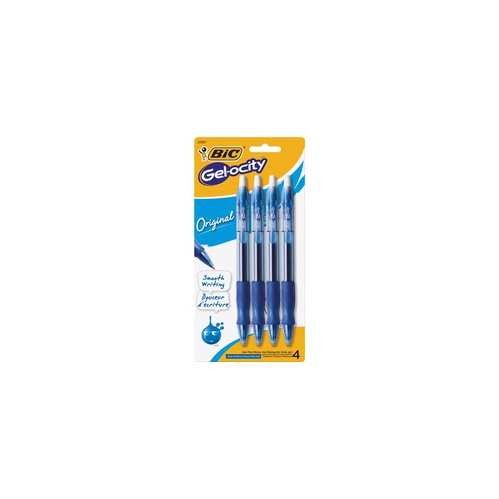 Your price for this item is $6.99
 -
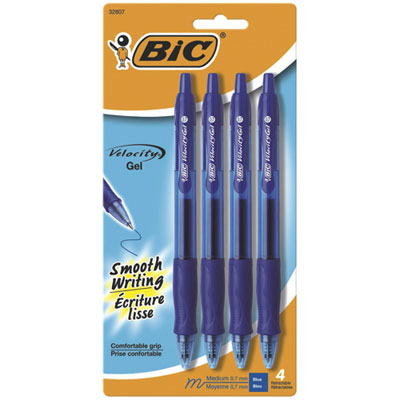 Your price for this item is $10.99
 -
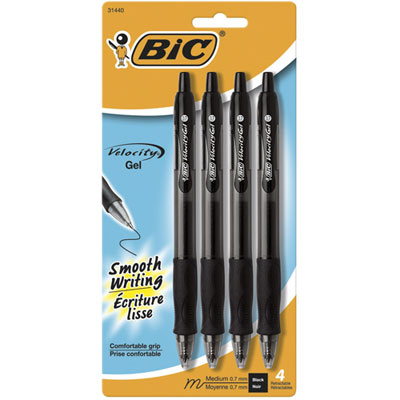 Your price for this item is $10.99
 -
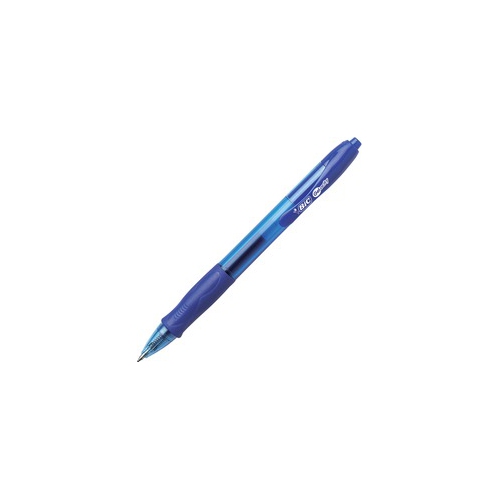 Your price for this item is $16.99
 -
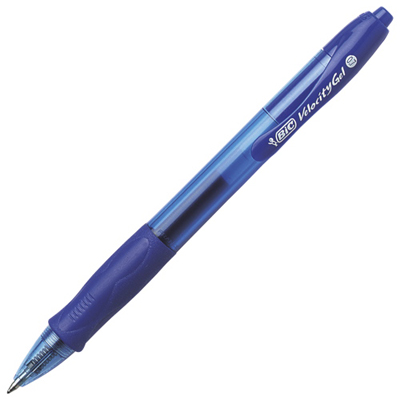 Your price for this item is $23.99
 -
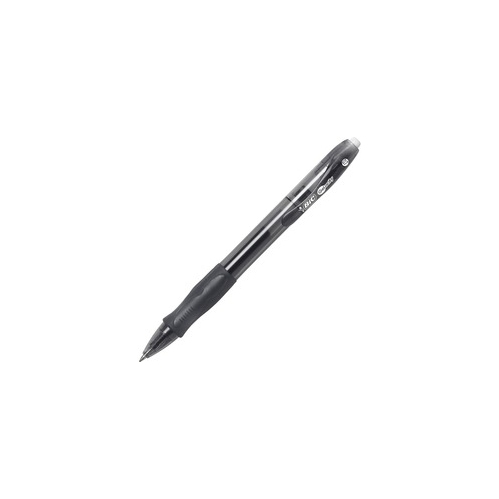 Your price for this item is $16.99
 -
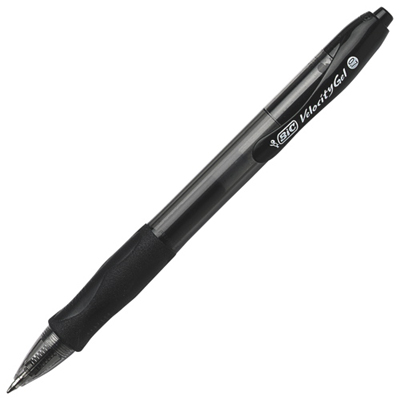 Your price for this item is $23.99
 -
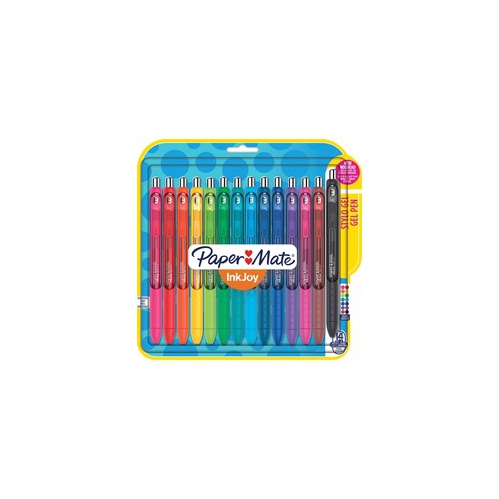 Your price for this item is $38.99
Discover more categories related to Quality Pens

Top Collections:
Pokemon Centers, Kindle Devices, Best Budget Office Chairs, Apple iPhones 16, Best Laptops for Writers, iPhone 15 Apple, Canon G7X Cameras, Refurbished Apple Laptops, Alarm Clock, Motorola Razr Phones
Some products may be subject to Environmental Handling Fees
(EHF) depending on your province.
Learn more about EHFs.