Rolling Cart Organizers
Stay organized and maximize your space with our collection of rolling cart organizers. Whether you need a versatile storage solution for your home, office, or classroom, these handy carts are designed to keep your belongings neatly in place. With their sturdy construction and convenient mobility, our rolling cart organizers offer a practical and stylish way to declutter any space. From storing crafting supplies and kitchen essentials to organizing office supplies and laundry items, these versatile carts are the perfect addition to any room. Browse our selection today and discover the perfect rolling cart organizer to streamline your life.
Sort

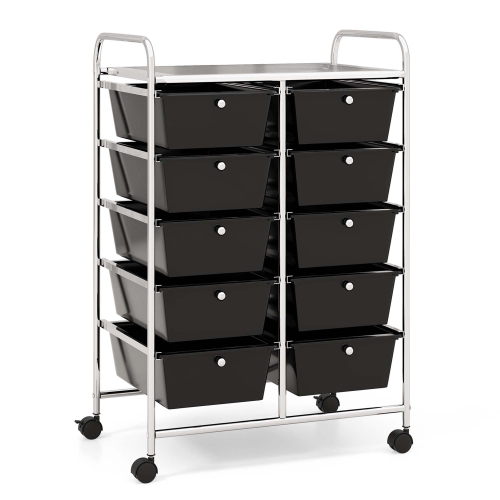
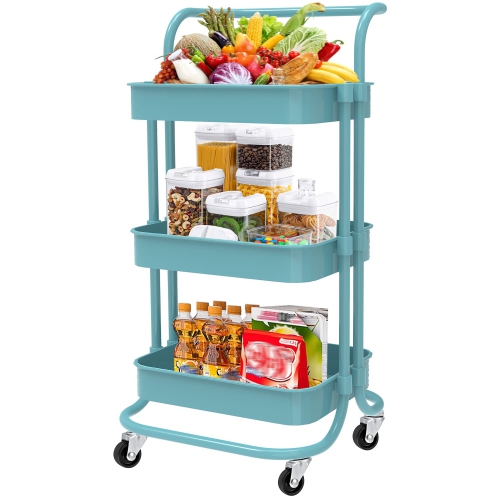
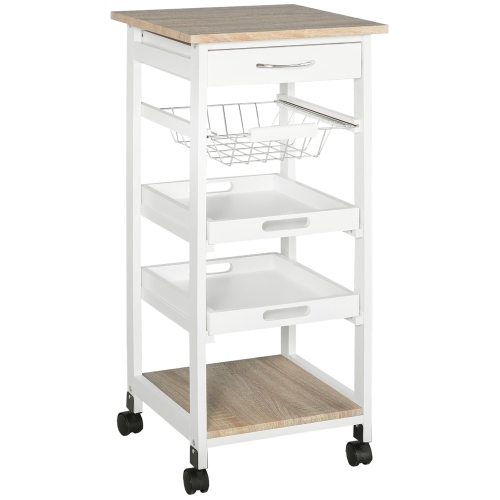
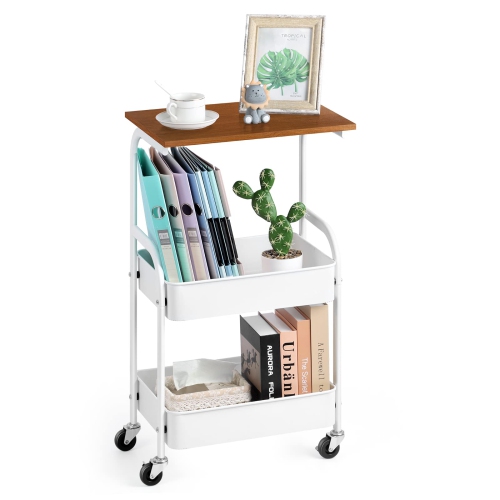



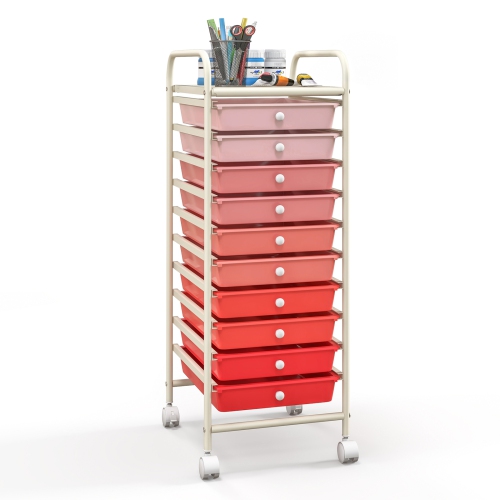

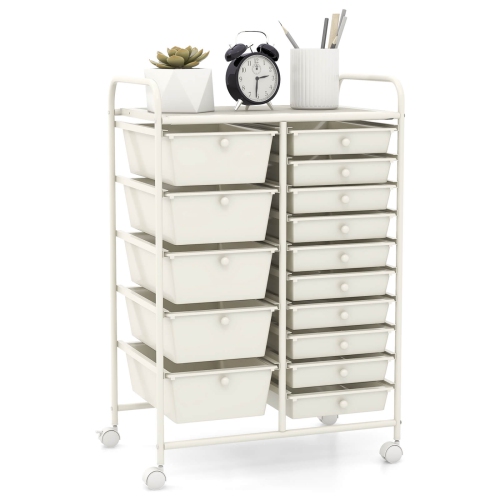
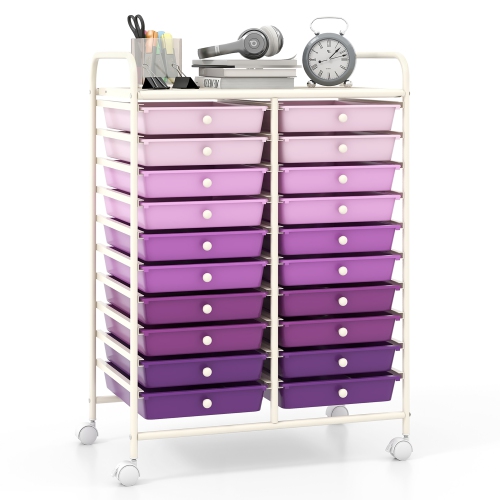
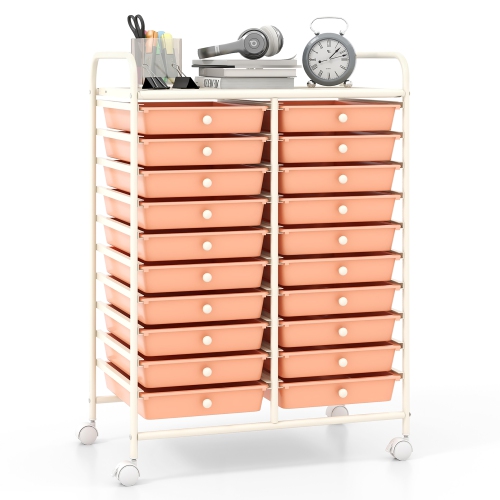

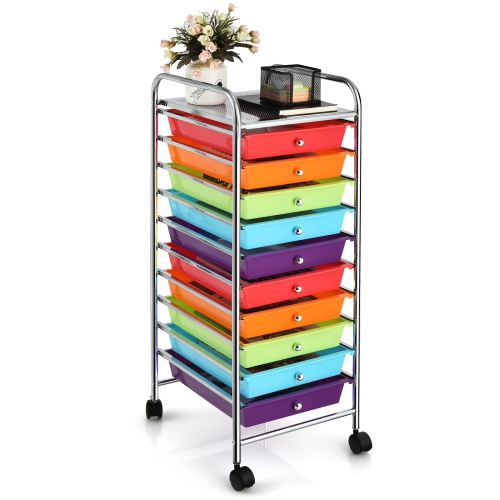
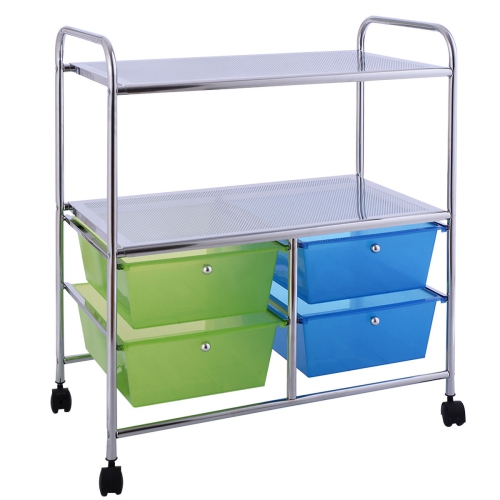
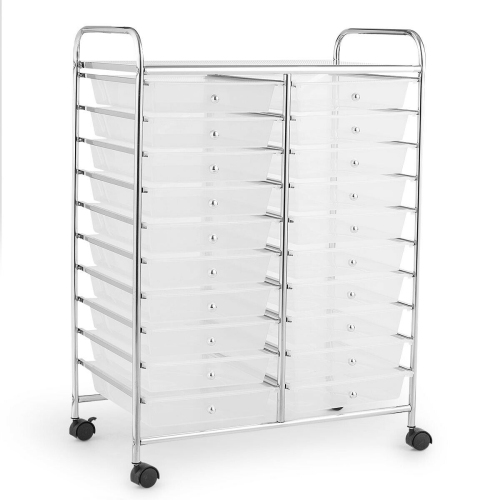
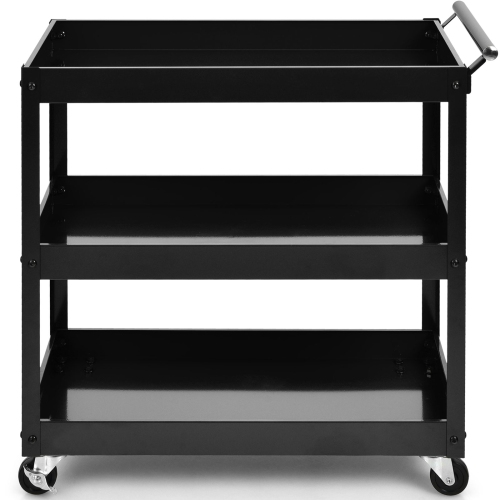
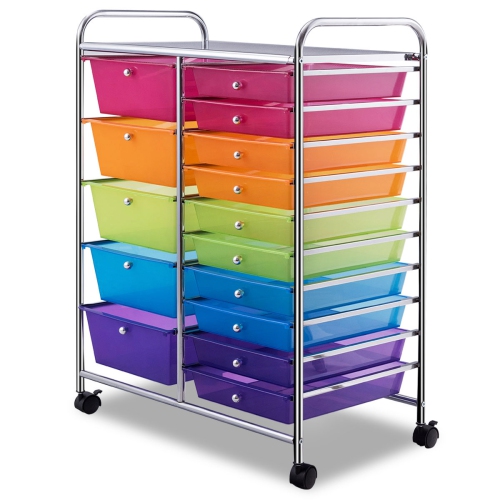
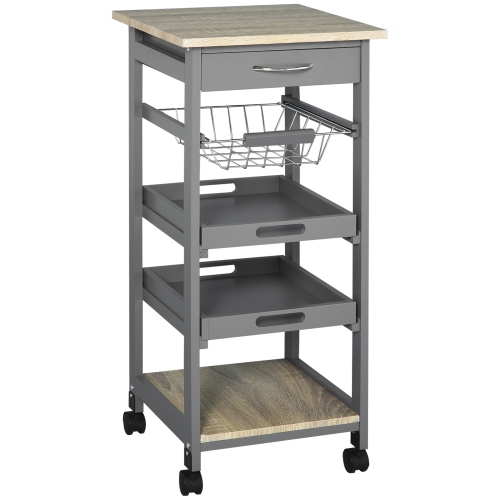
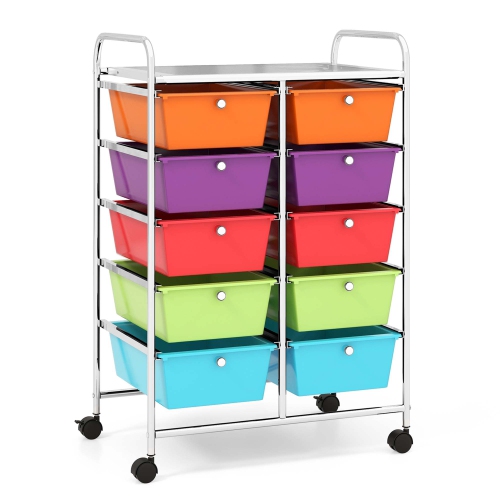
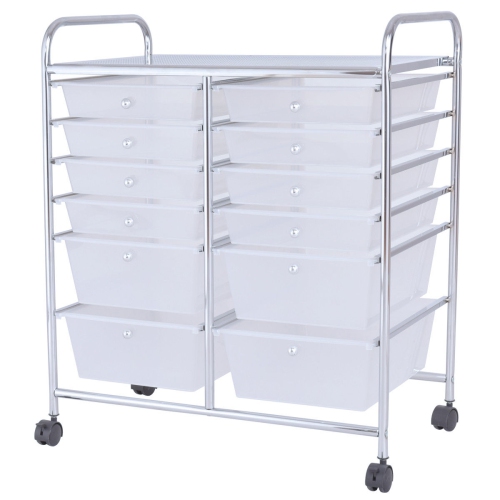
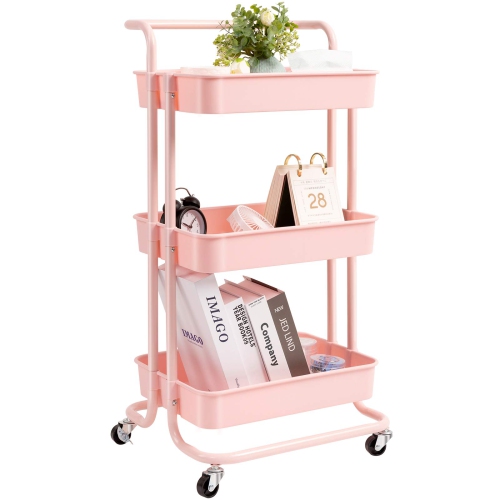
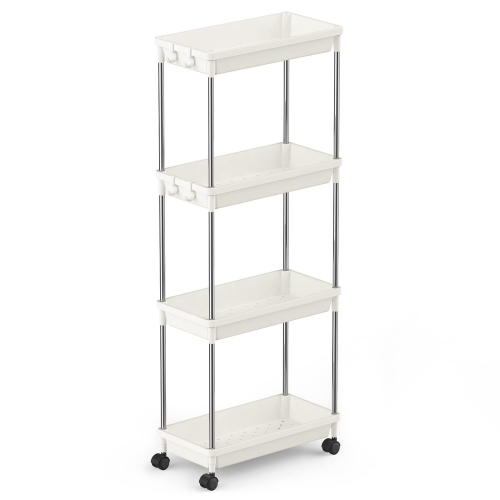
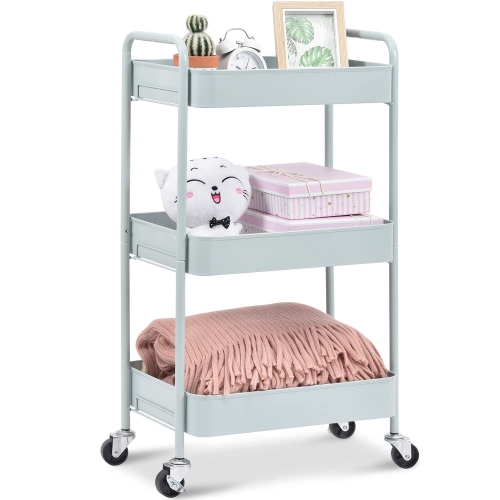
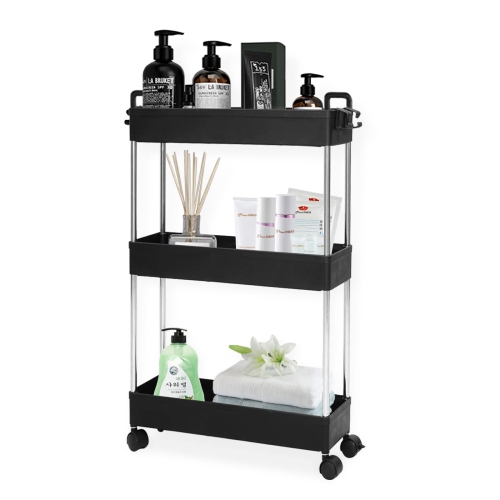
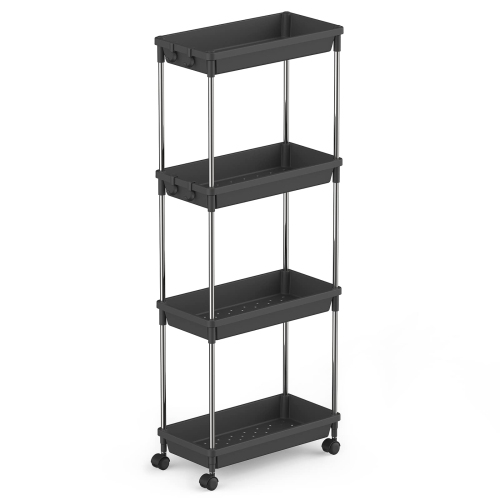

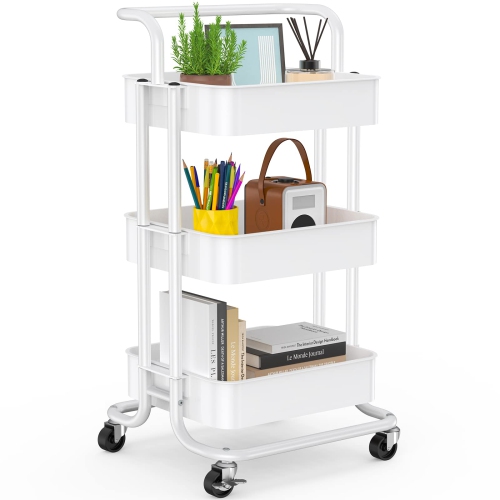
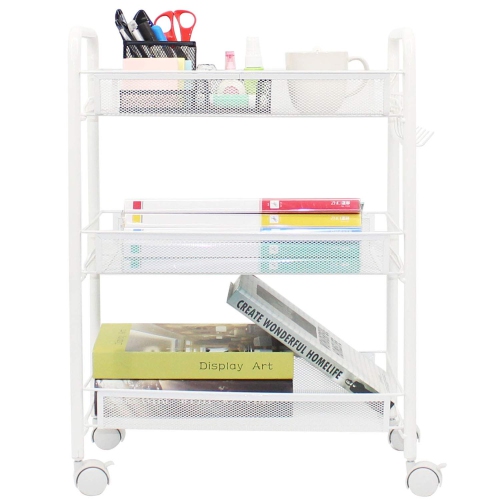
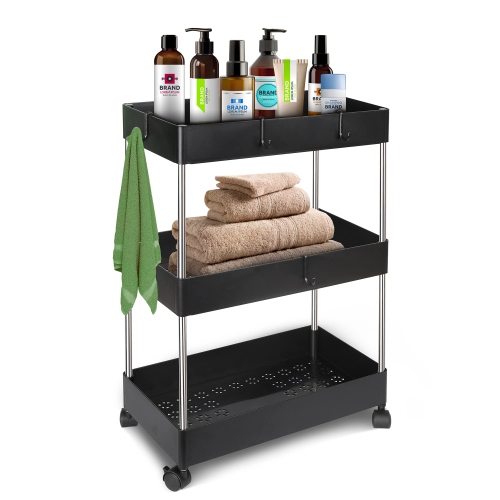
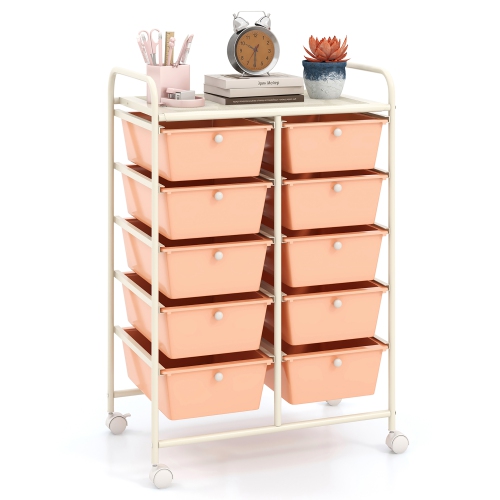
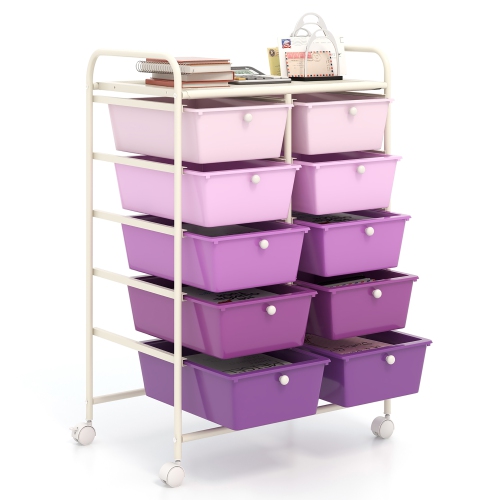
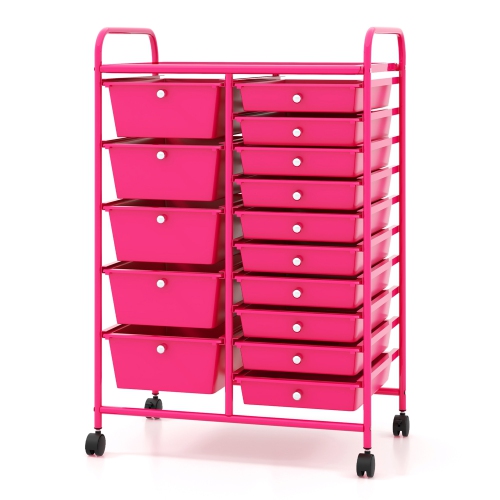
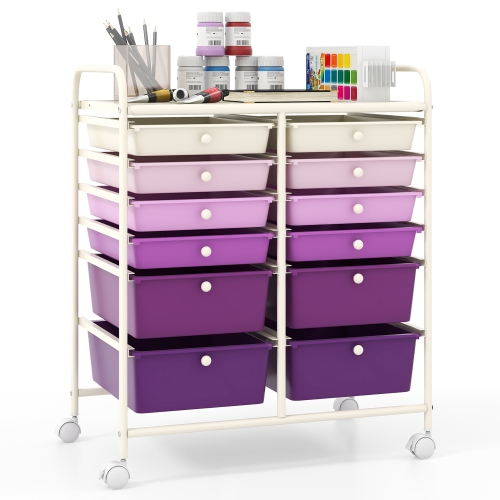
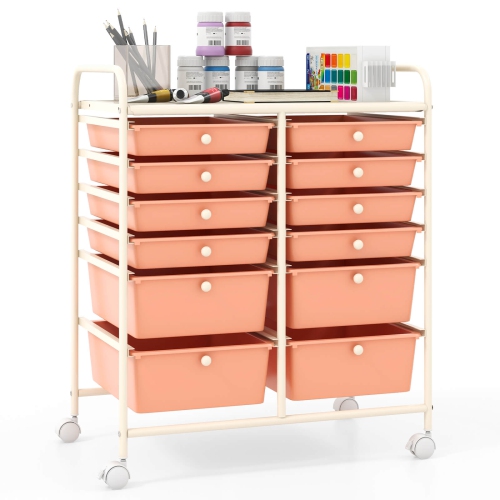
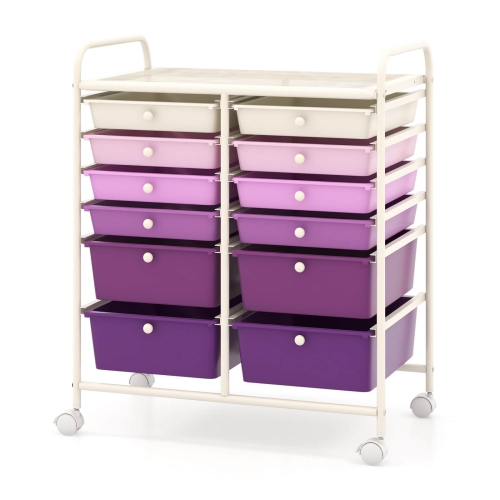
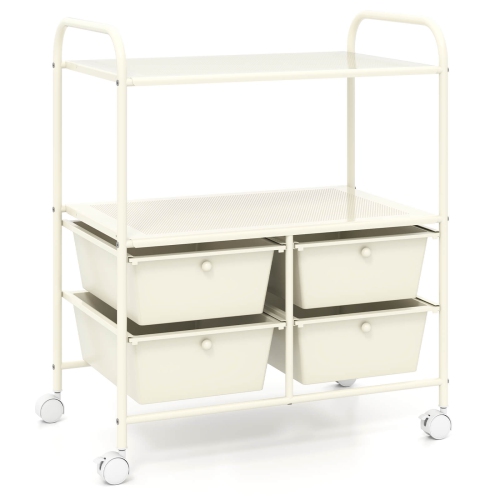
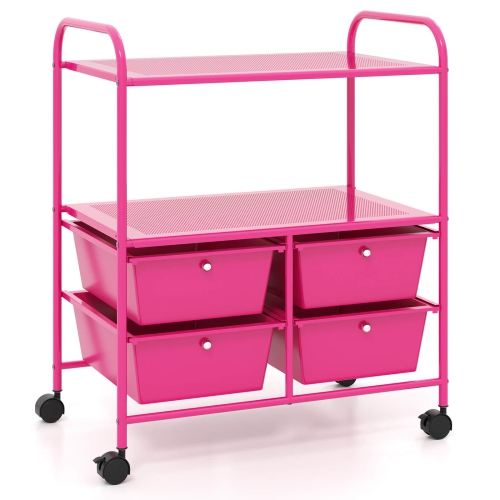
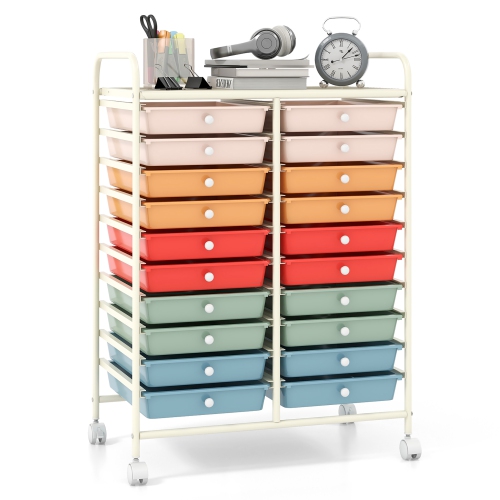
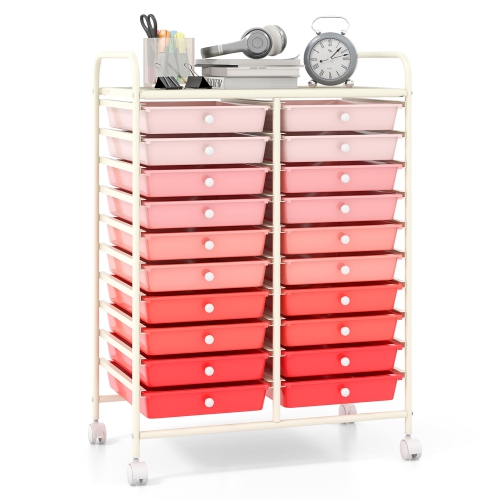
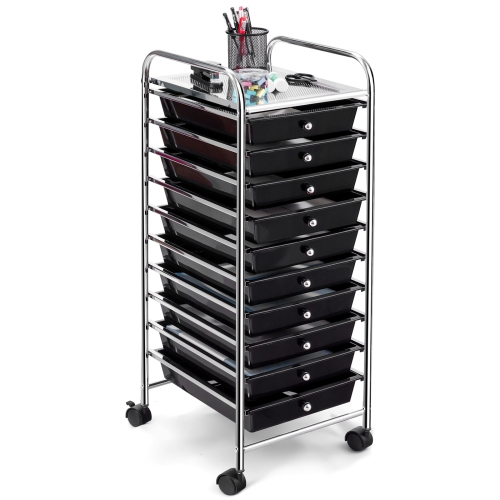
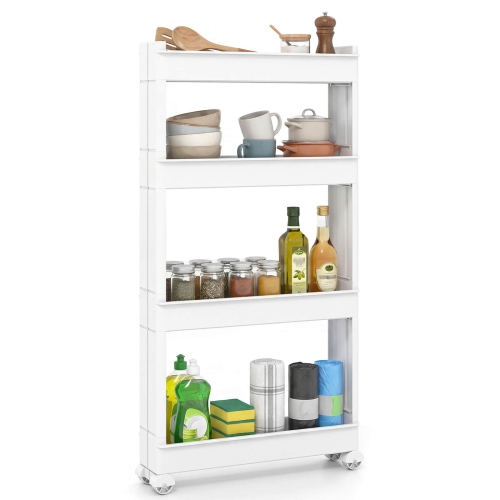
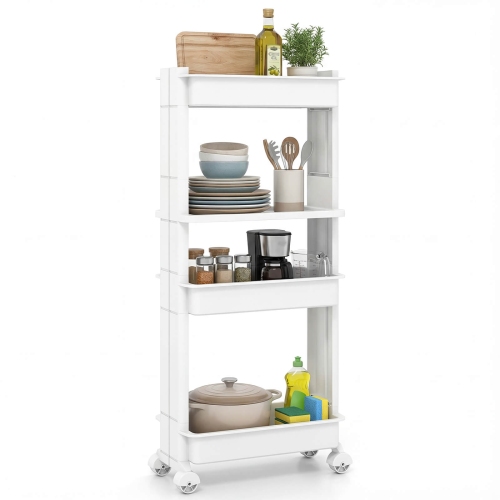
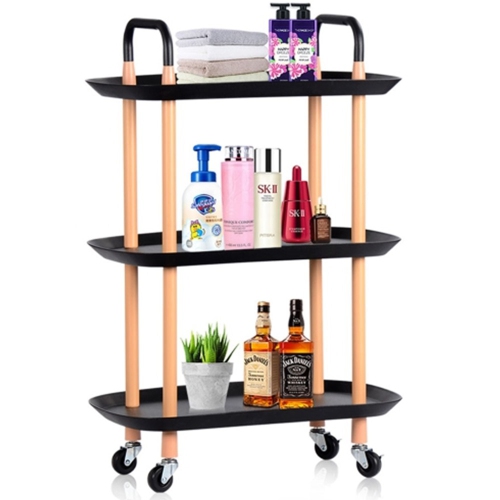
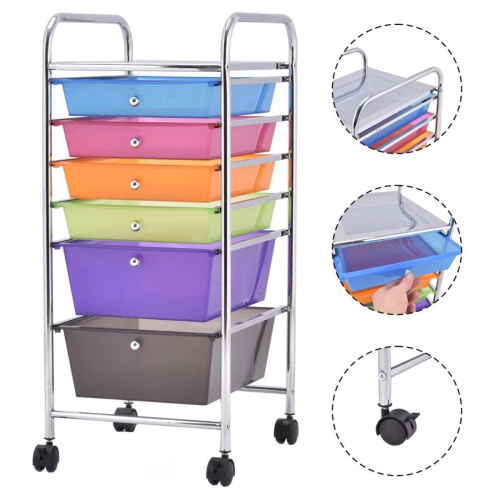
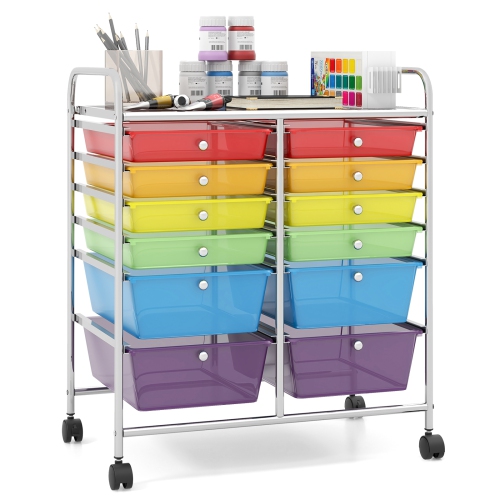
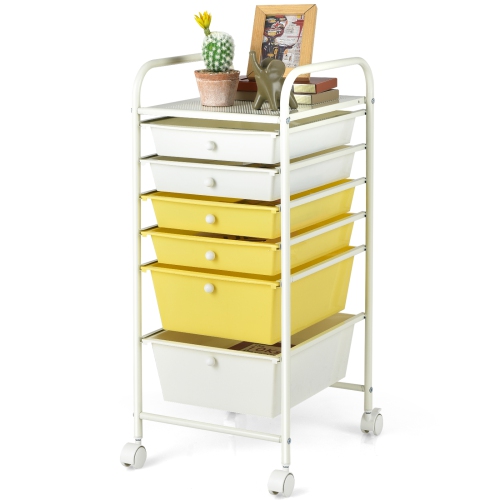
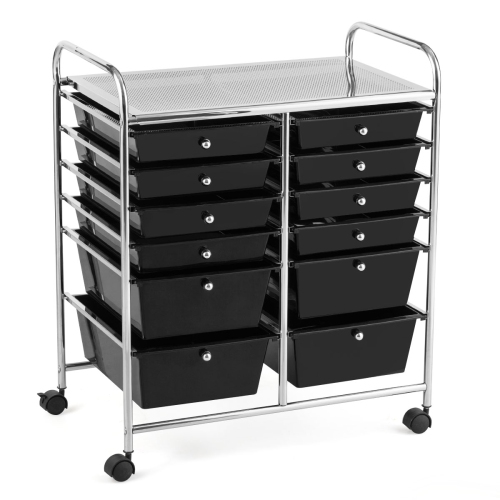
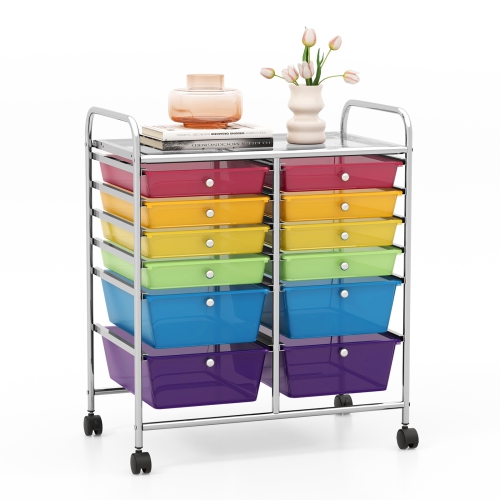
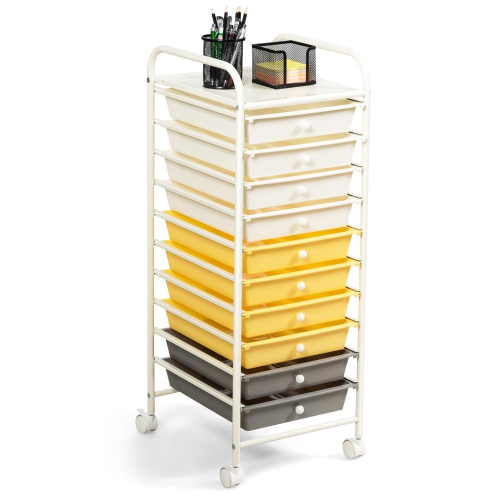
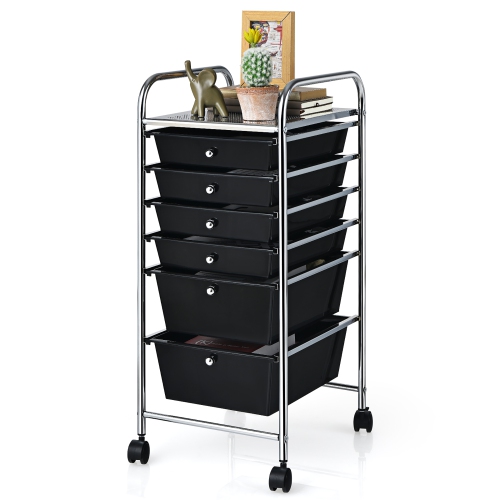
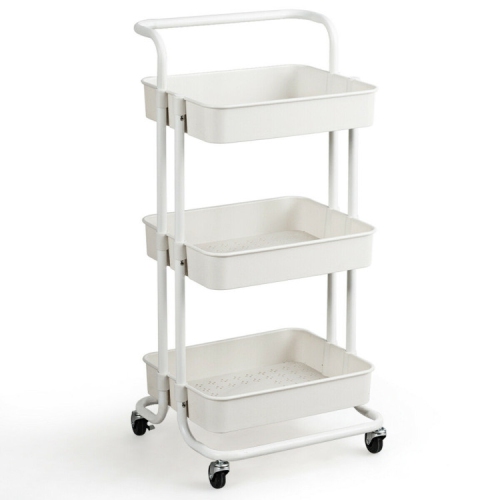
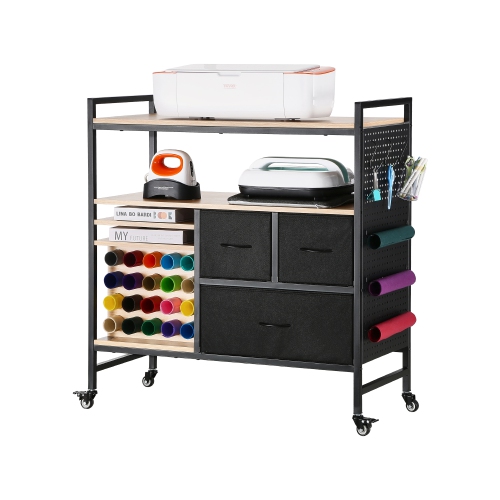
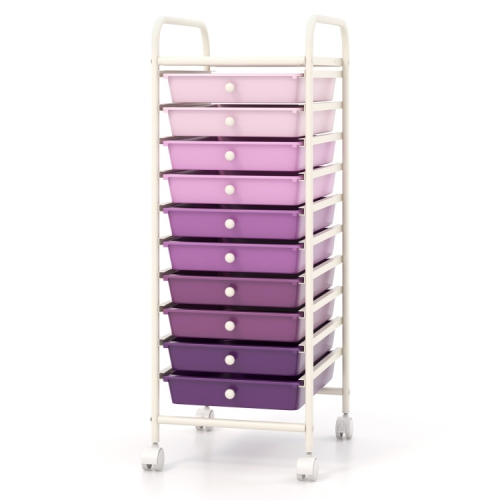
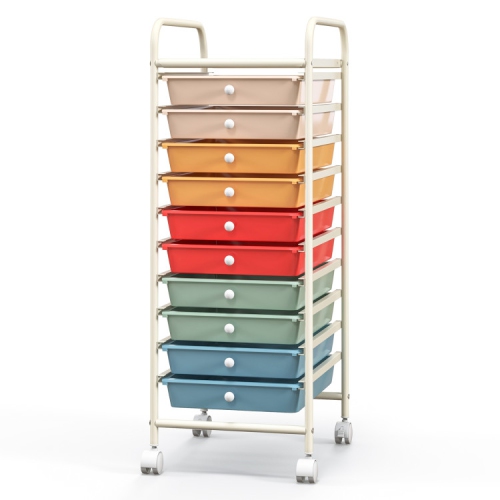
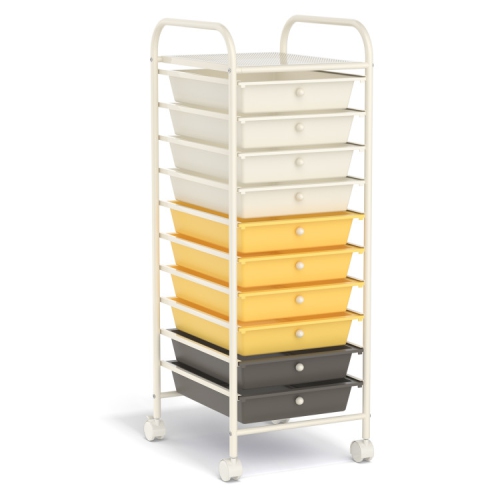
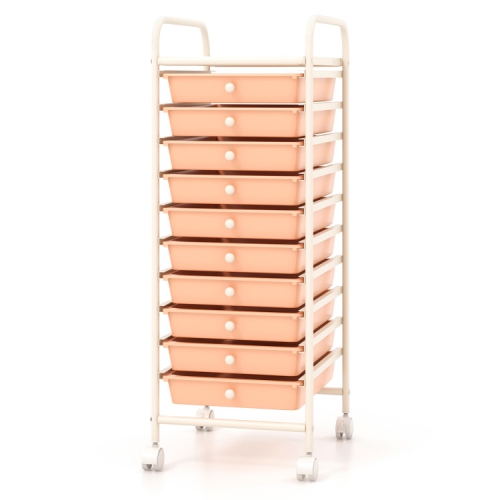
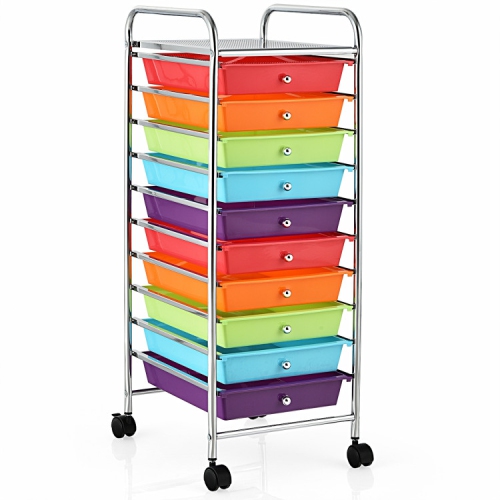
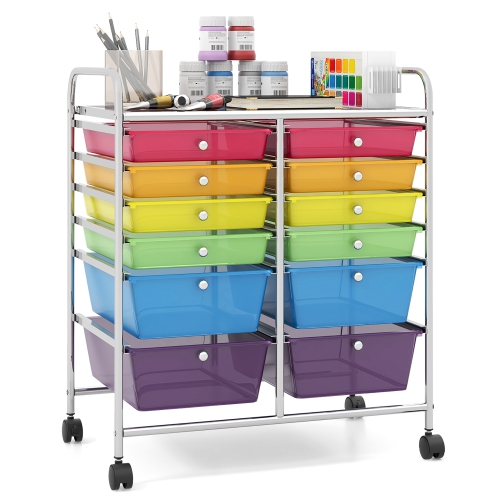
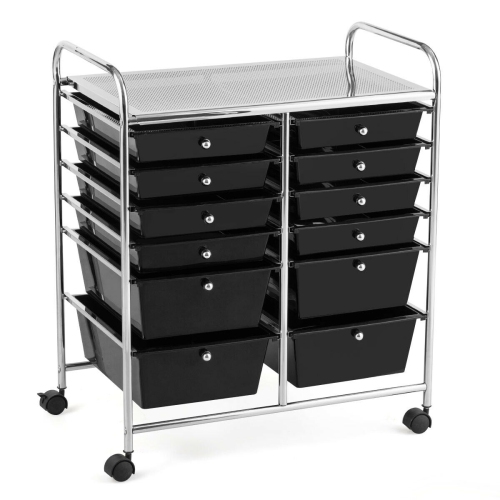
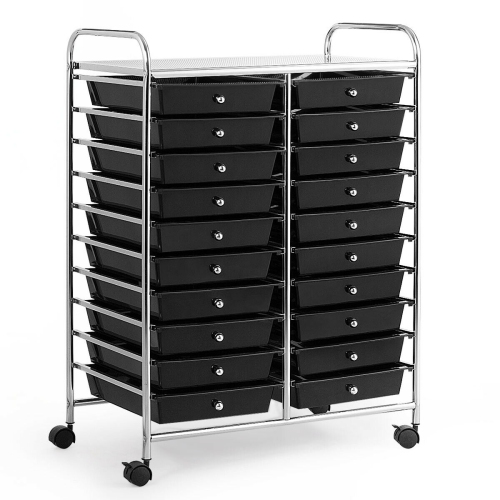
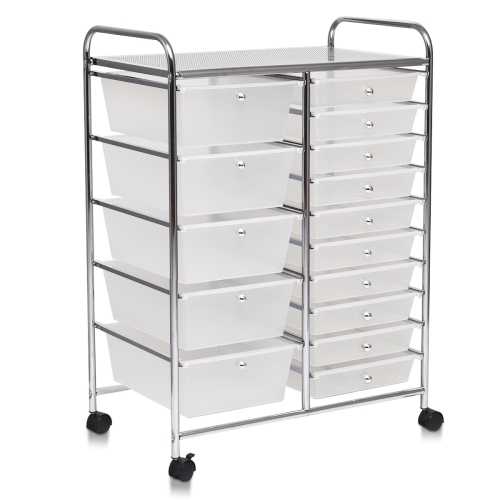
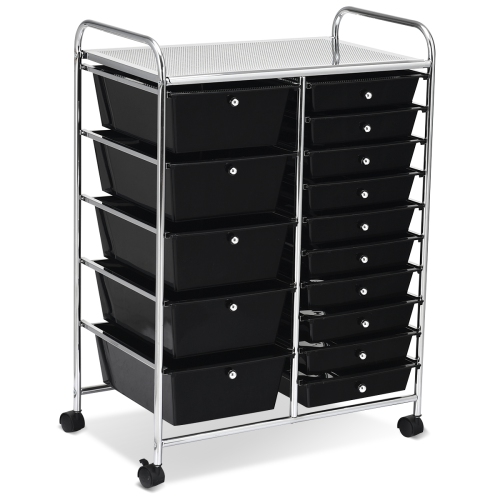
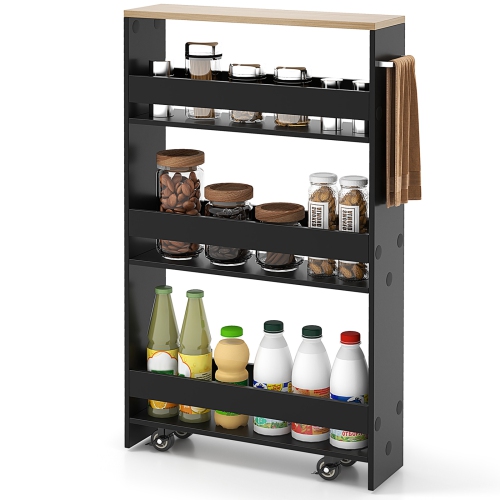
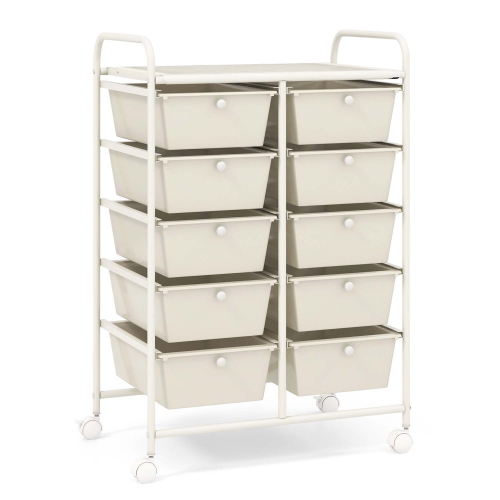
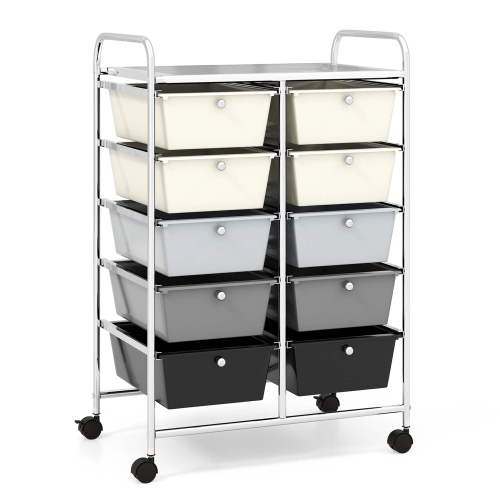
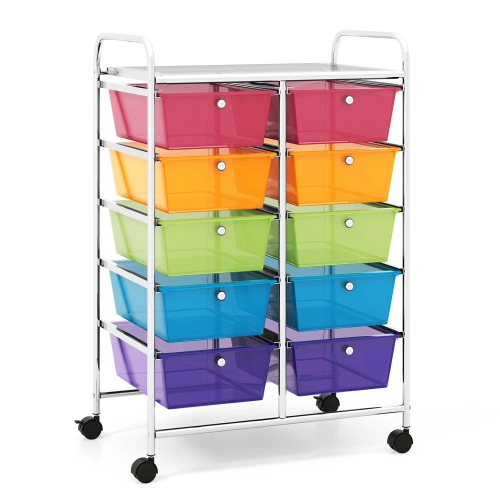
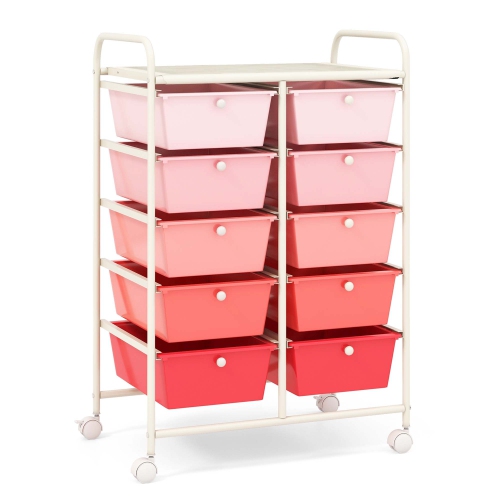
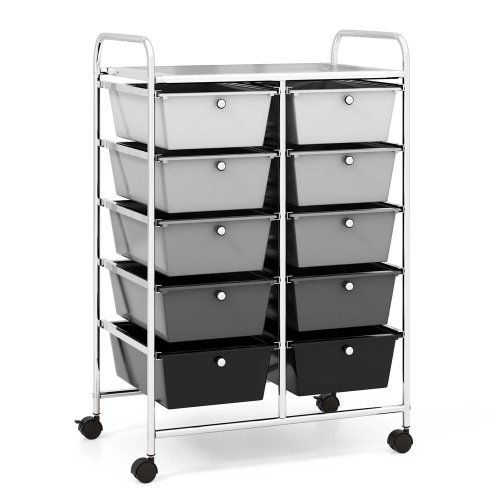
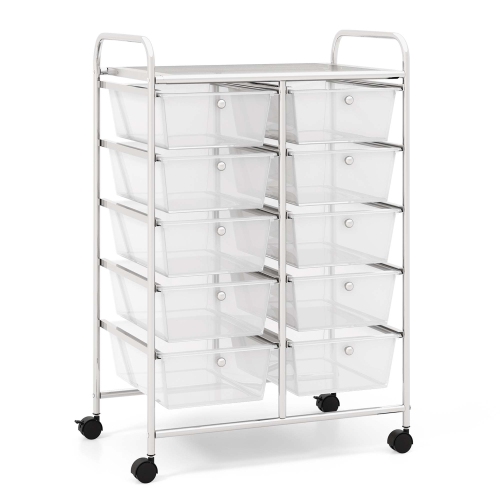

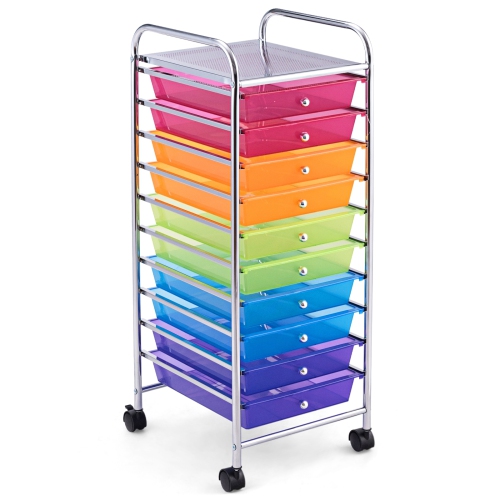
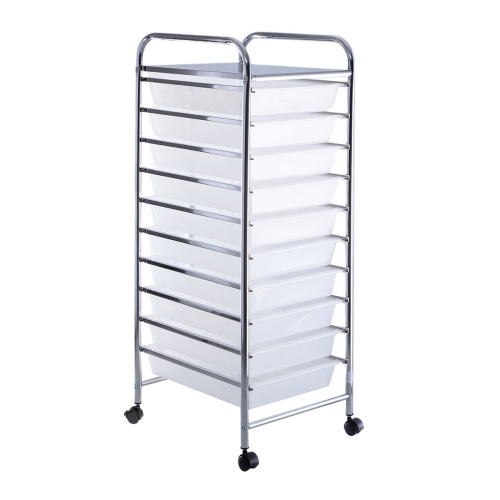
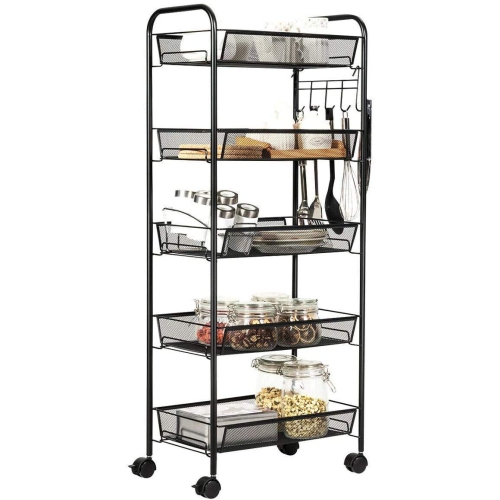
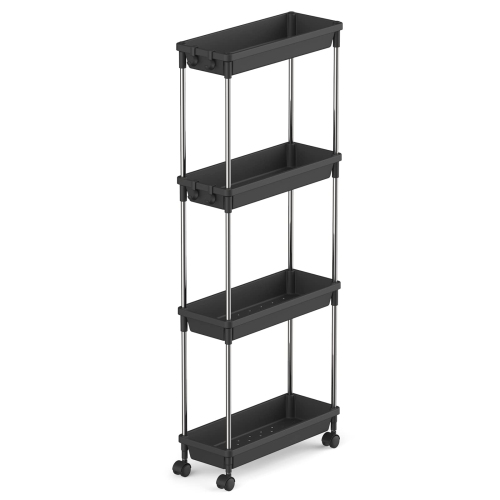
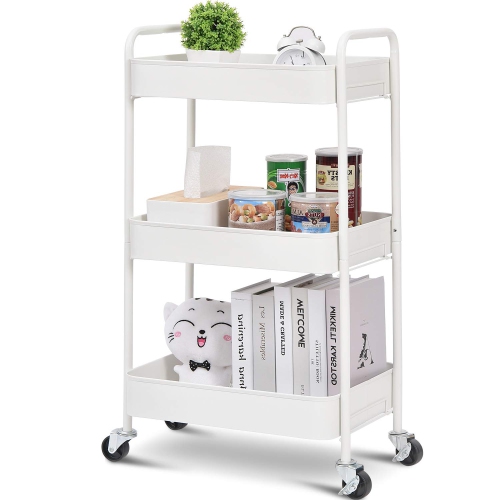
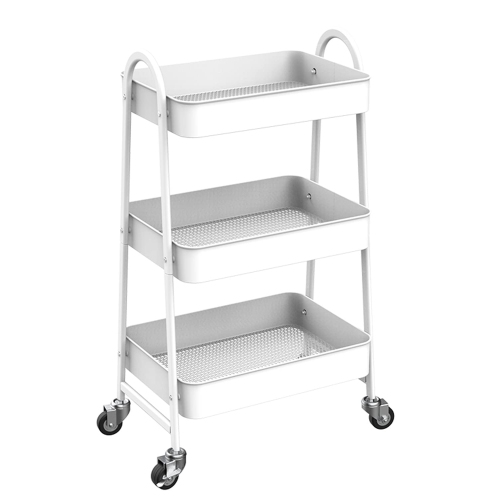
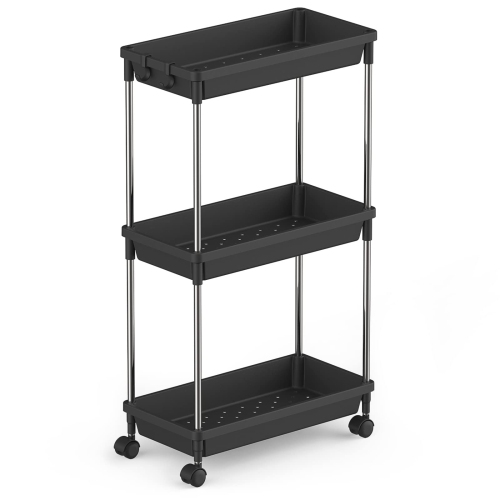
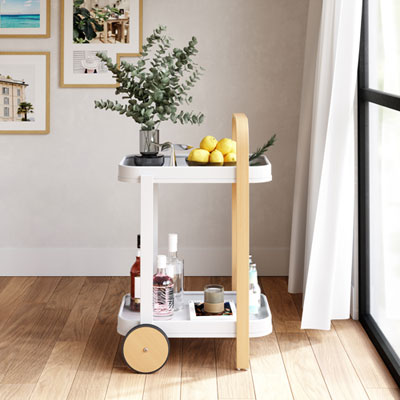
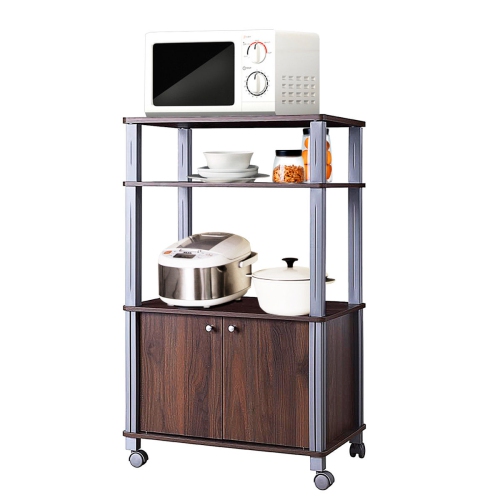
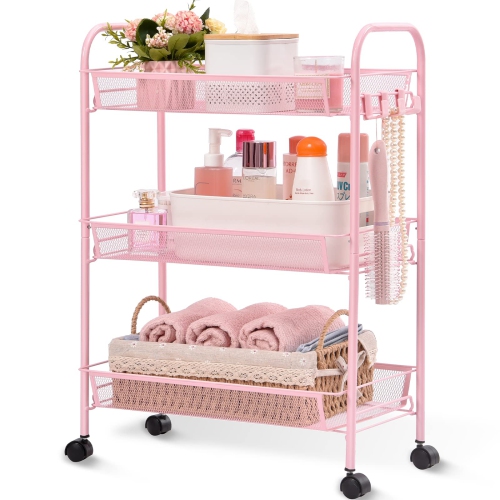
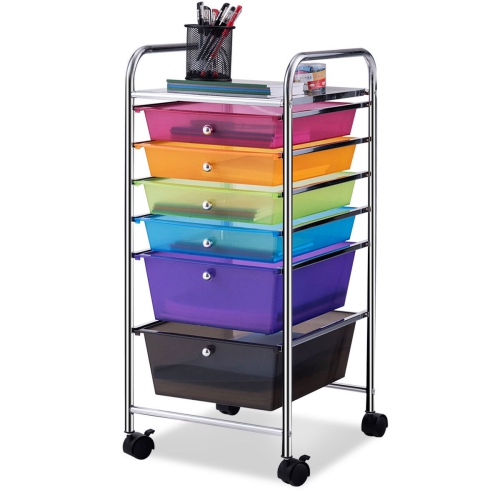
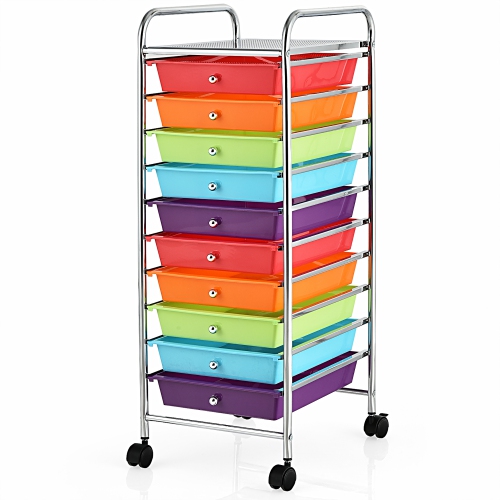
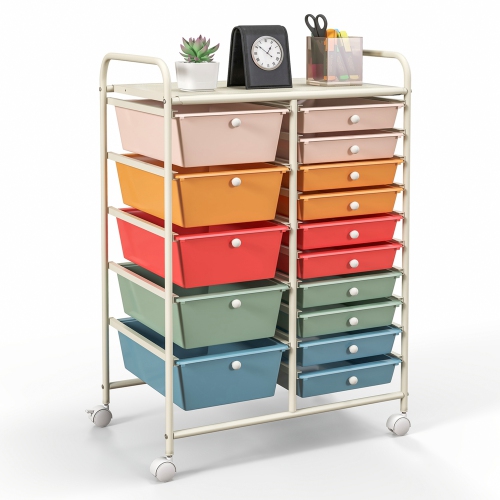
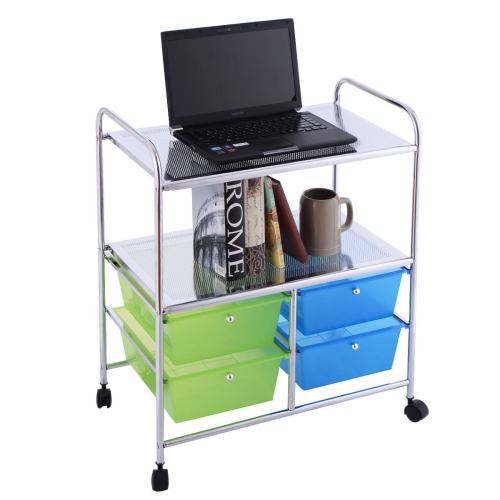
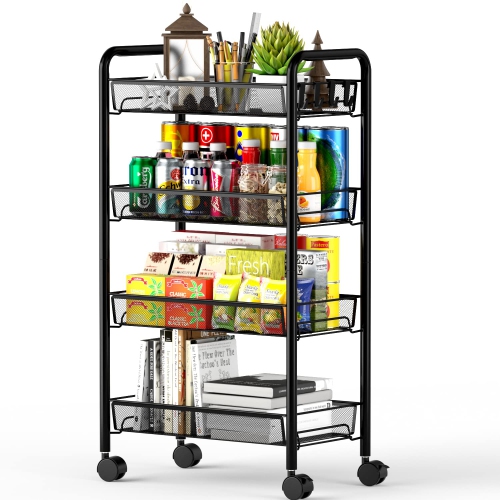
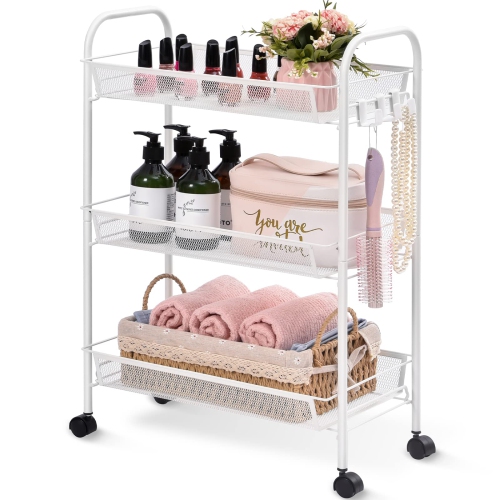
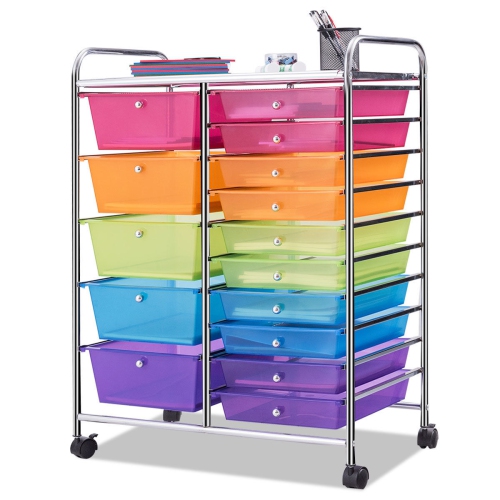
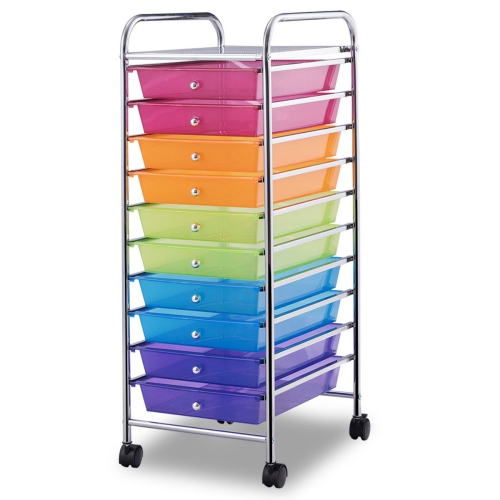
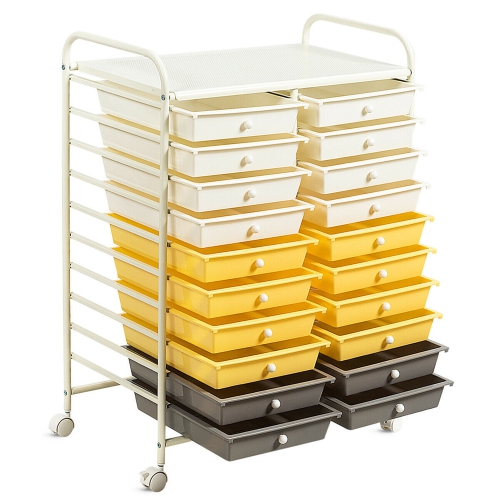

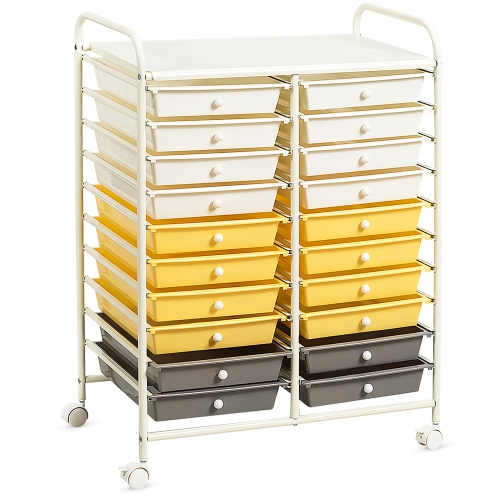
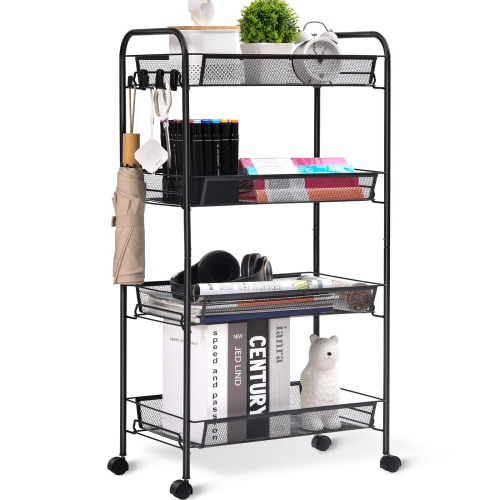
Compact storage that moves from task to task
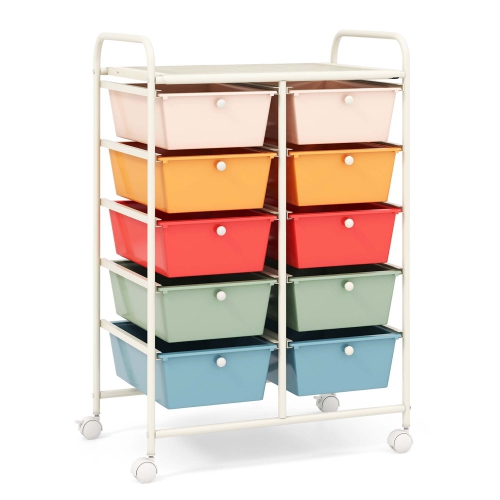
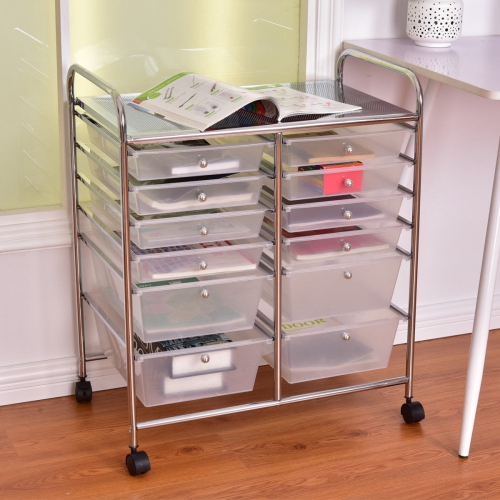
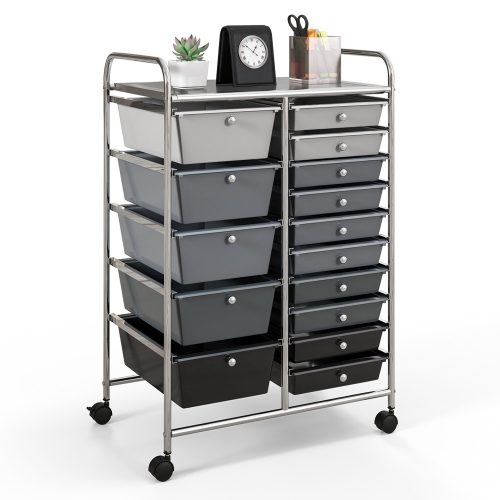
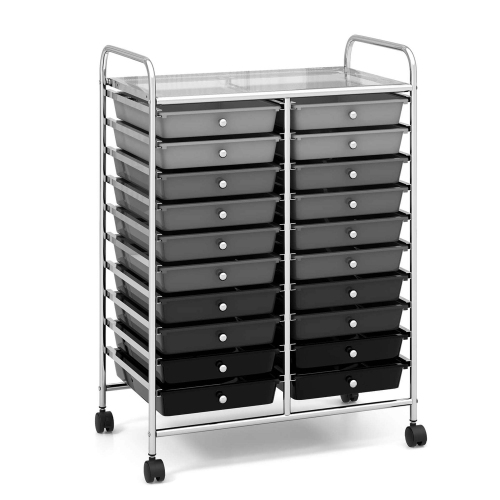
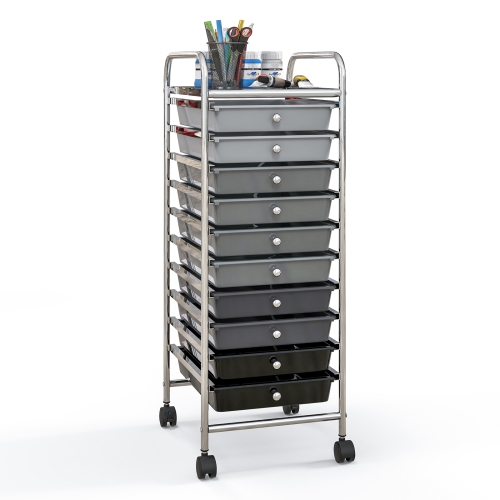
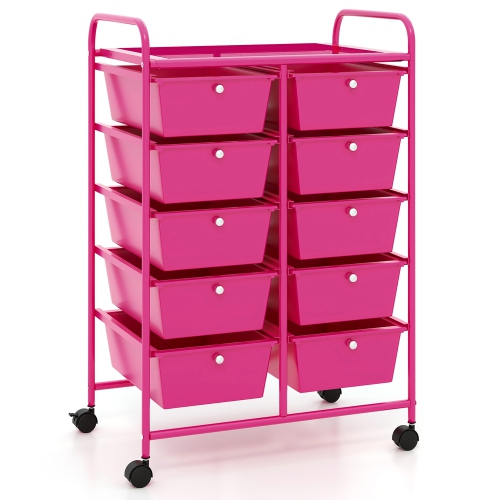
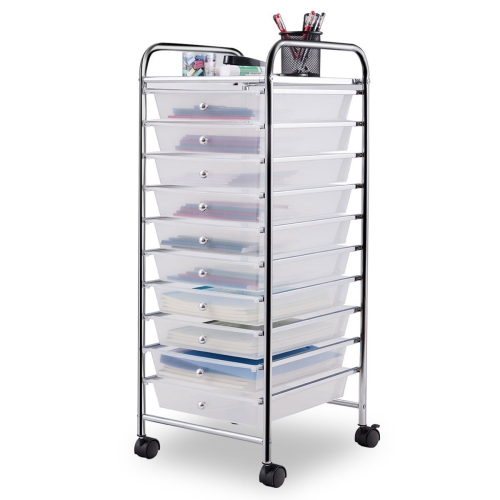
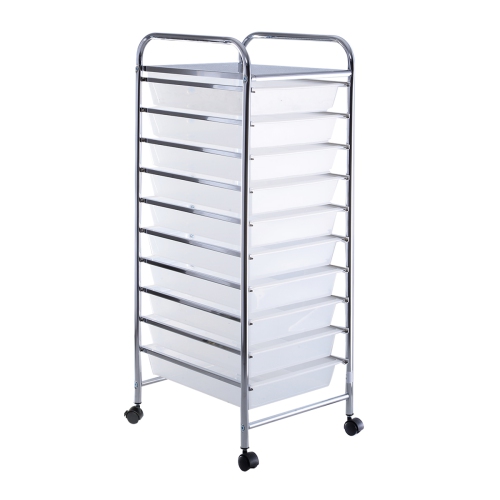
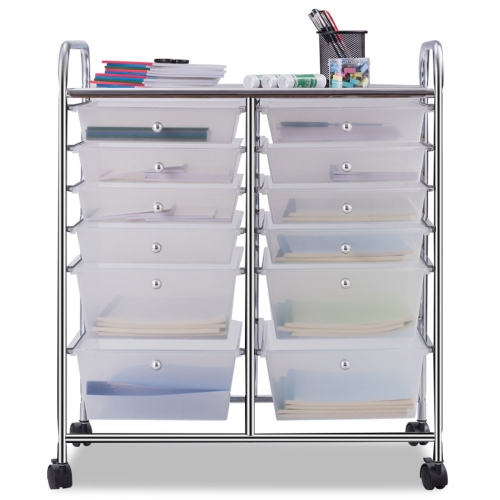
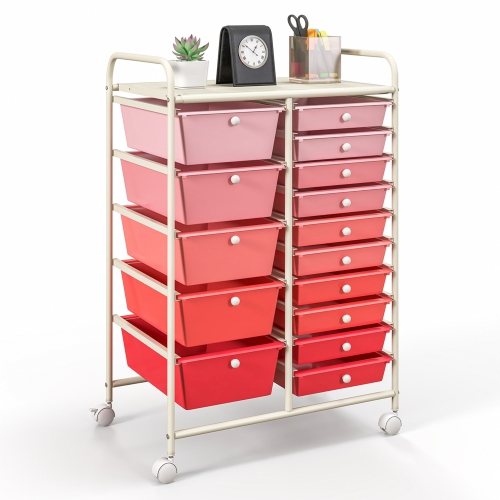
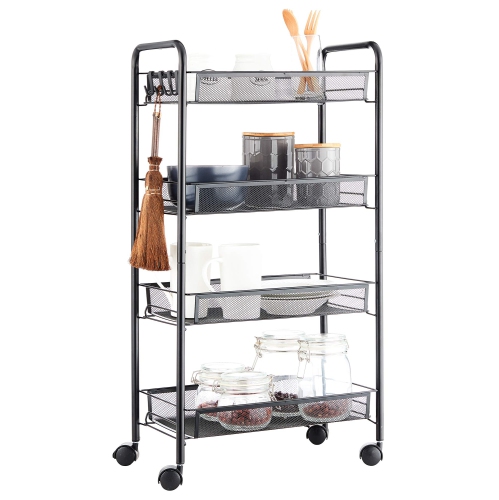
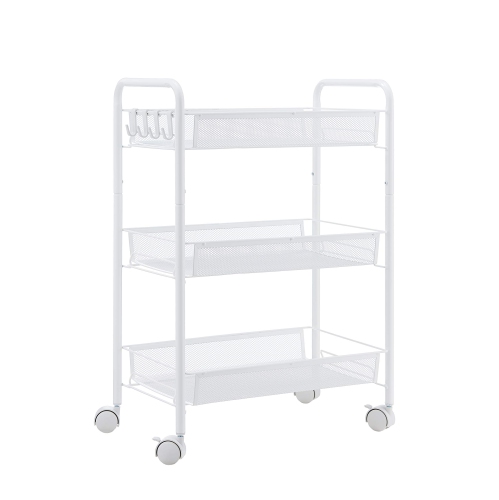
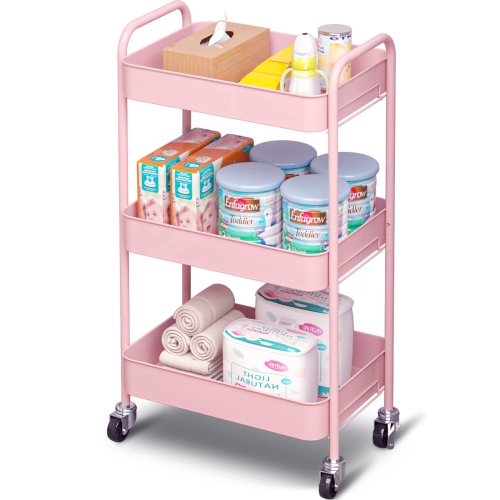
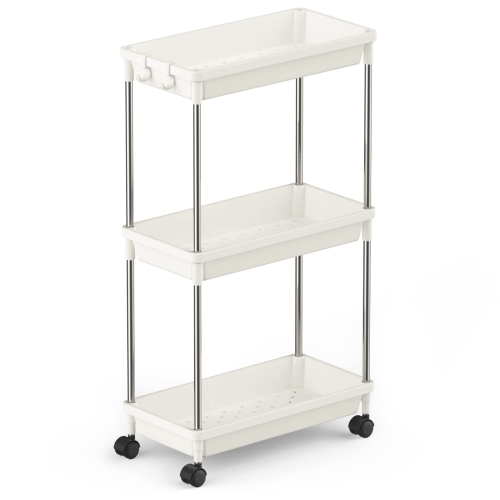
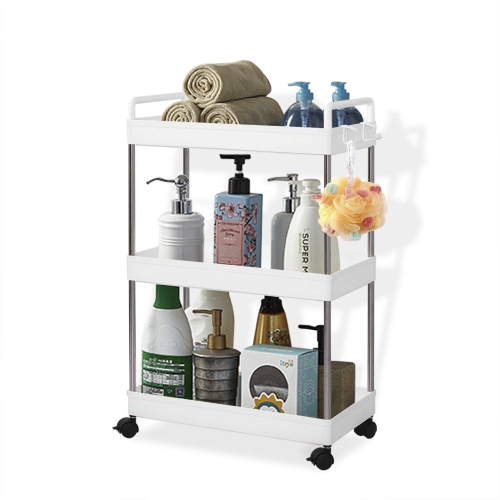
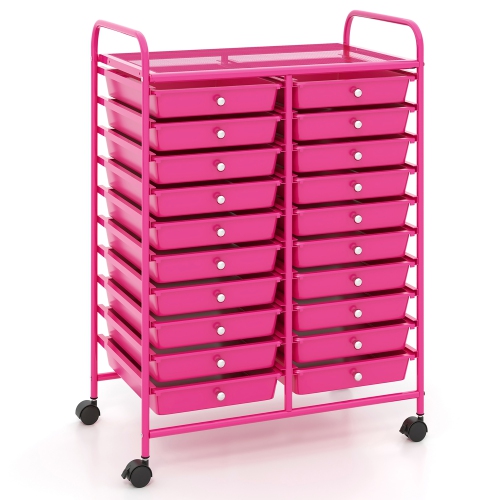
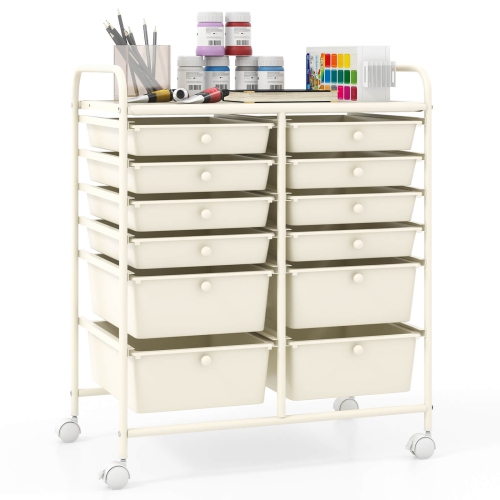
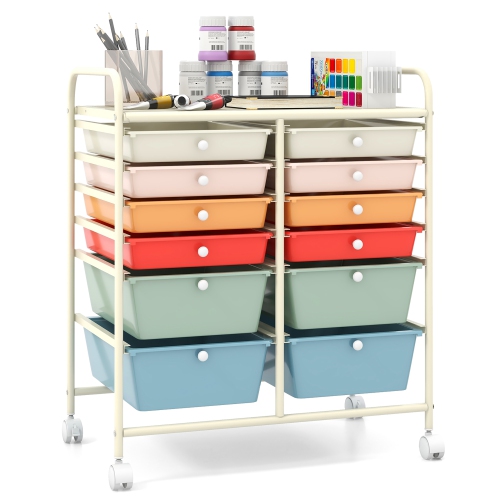
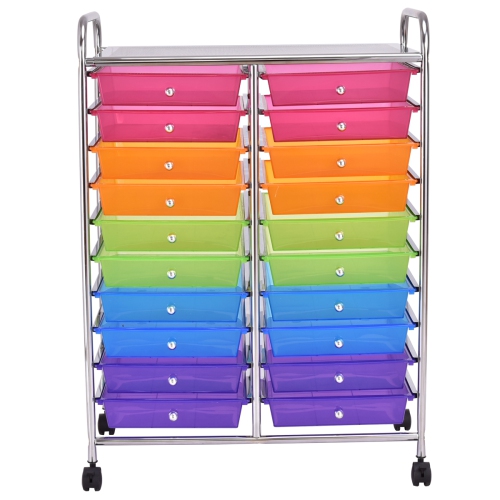
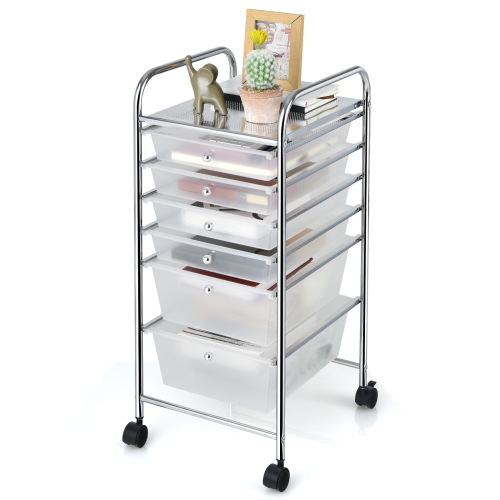
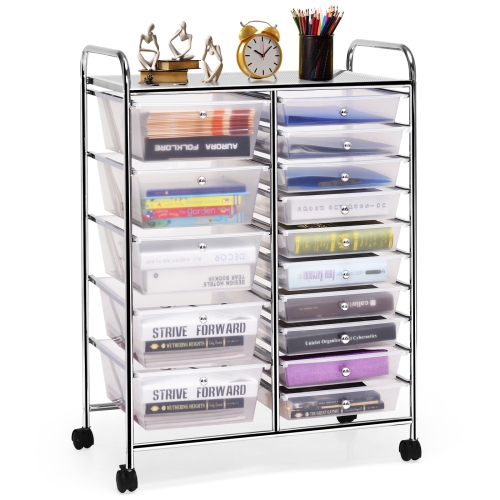
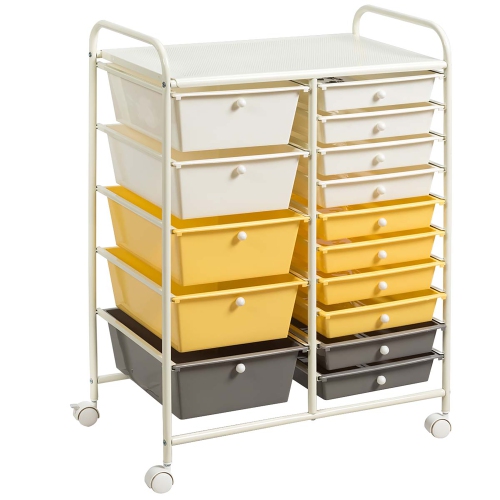
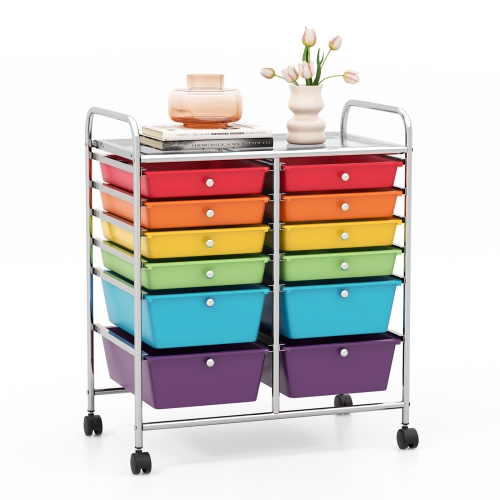
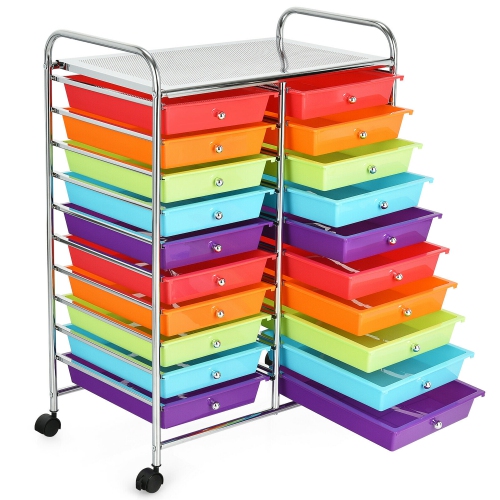
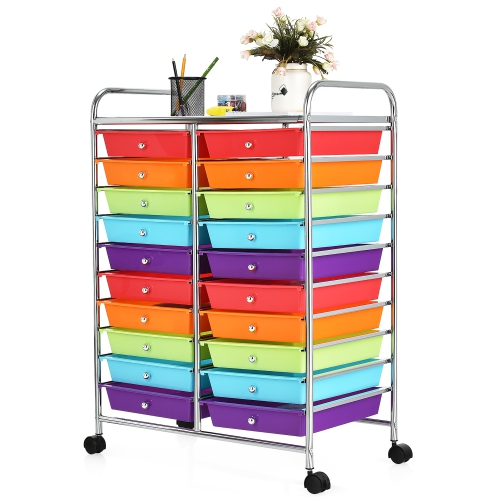
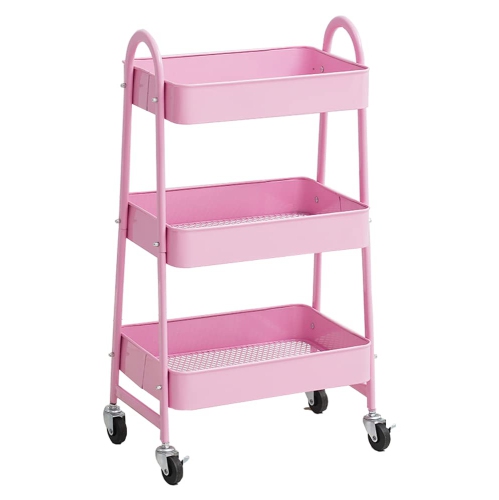
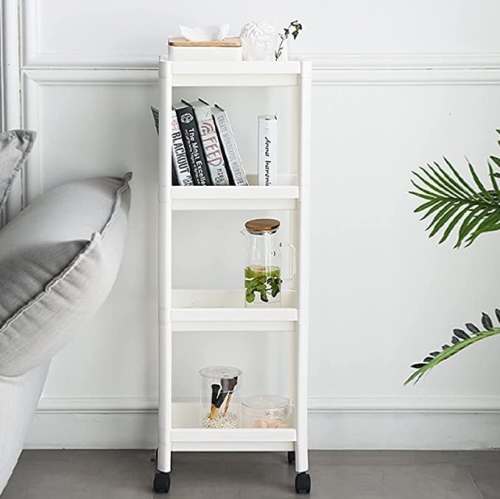
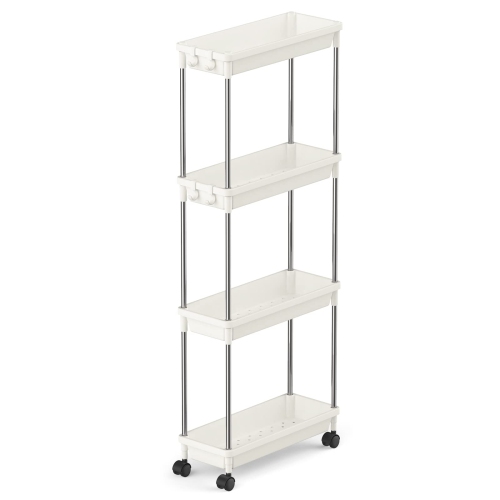
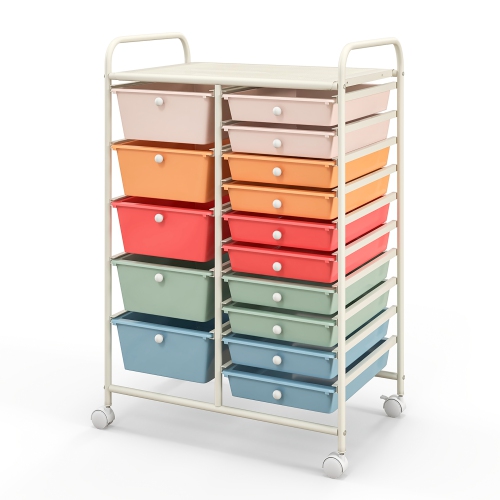
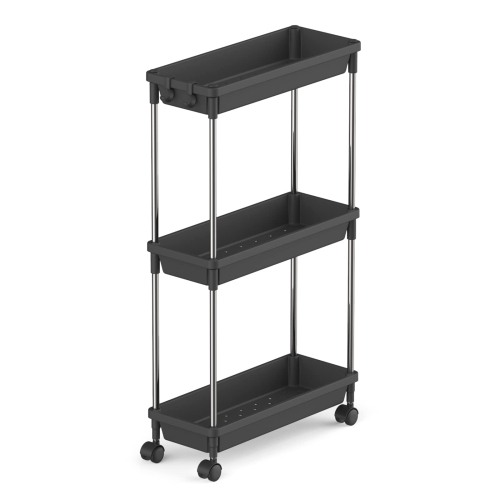
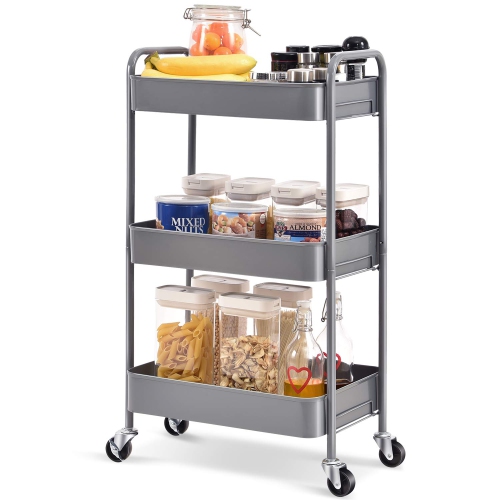
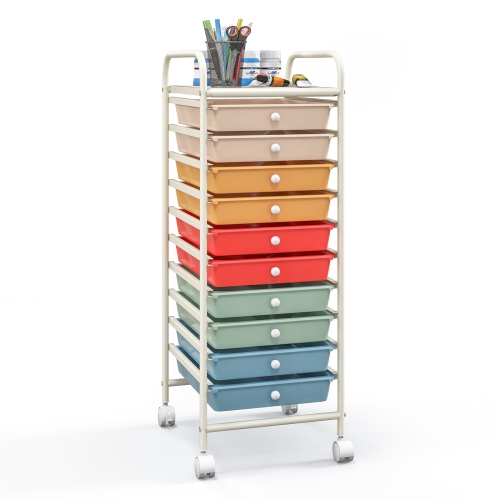
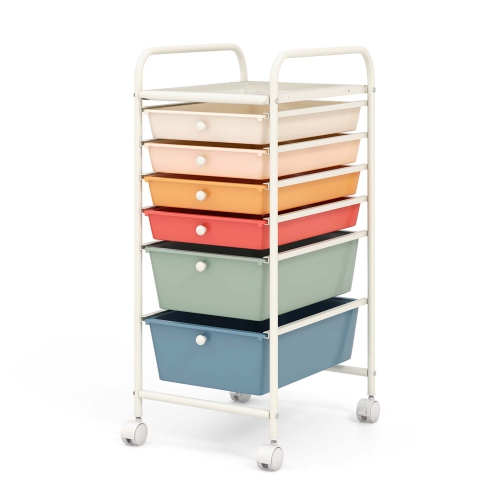
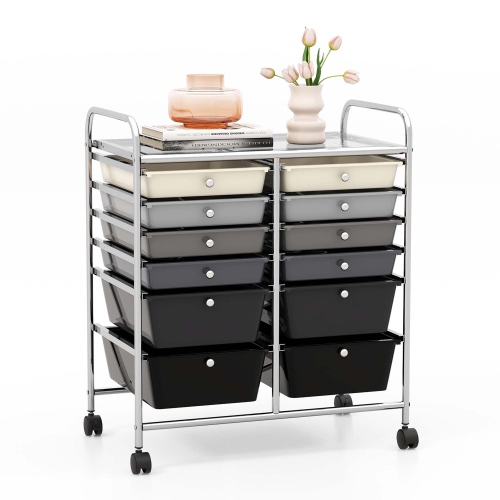
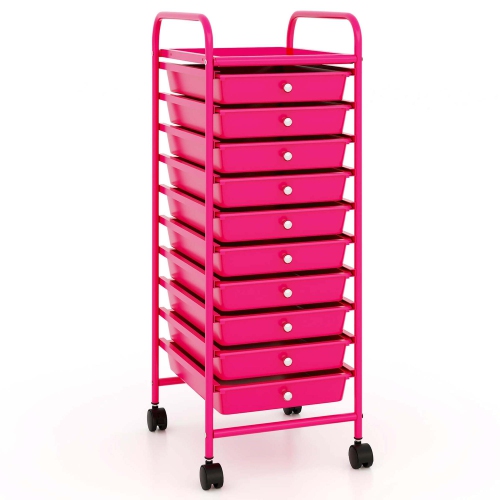
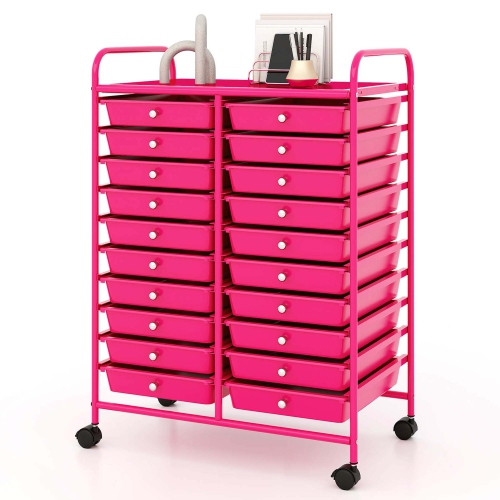
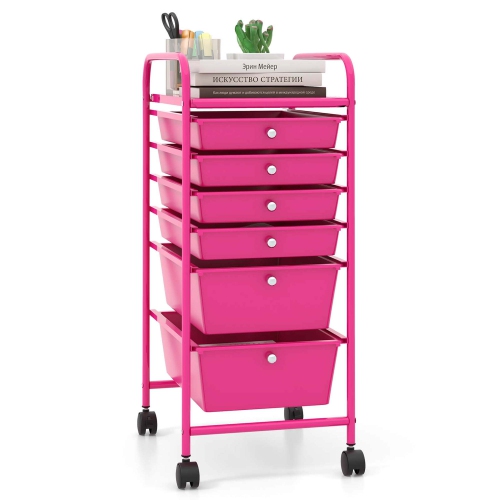
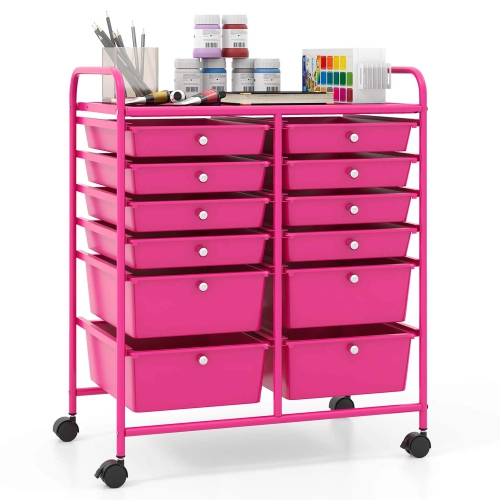
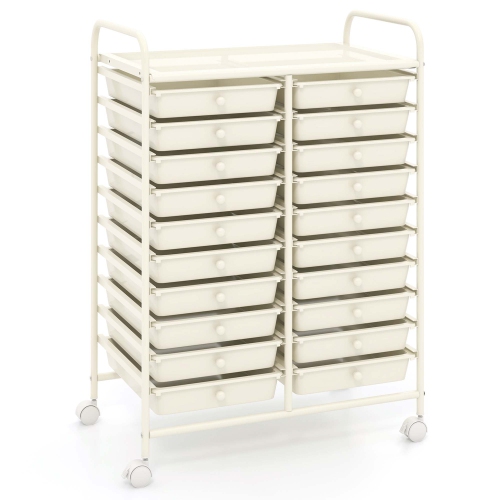
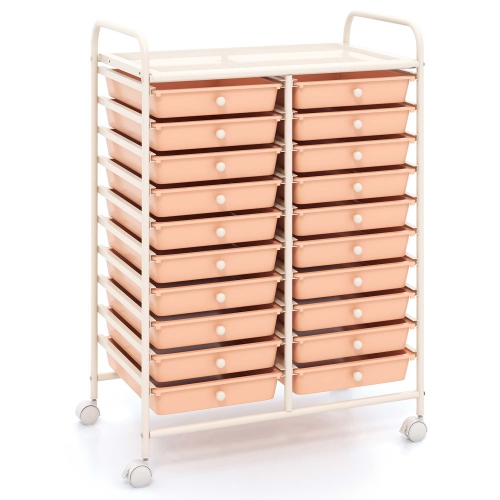
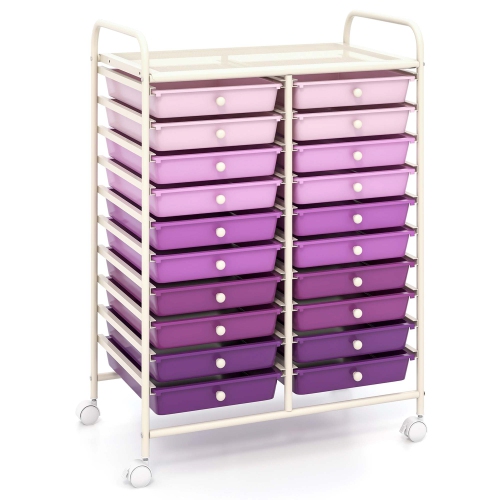
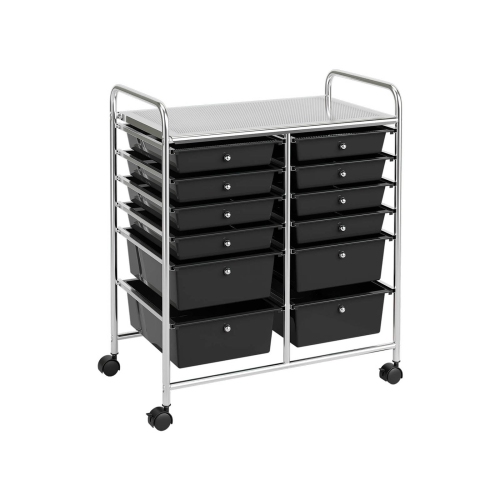
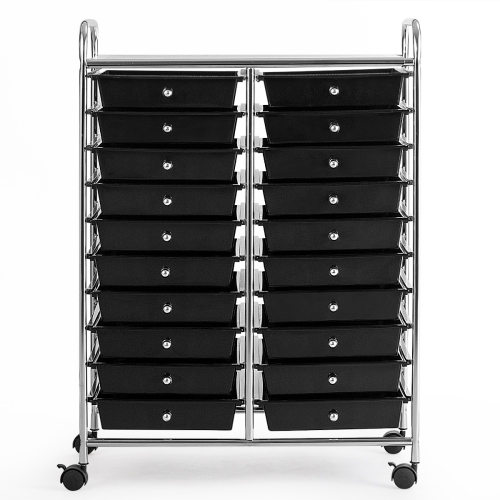
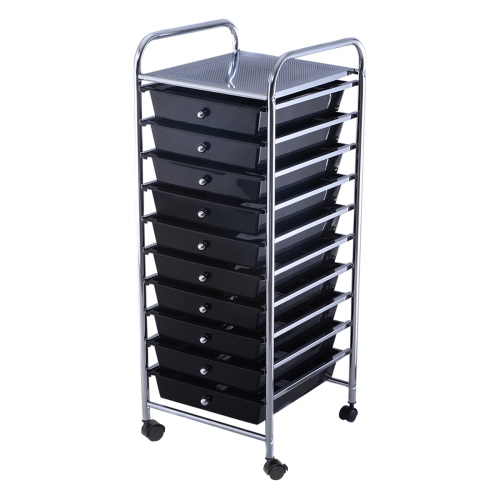
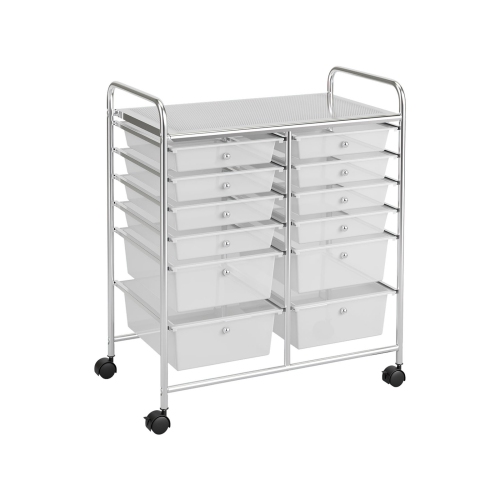
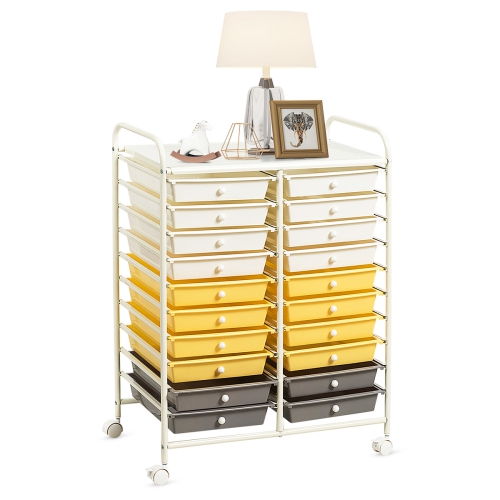
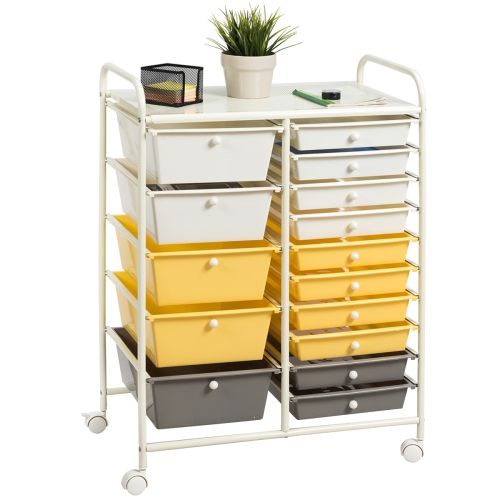
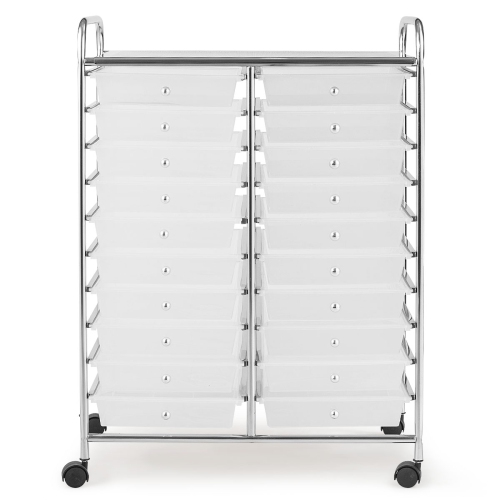
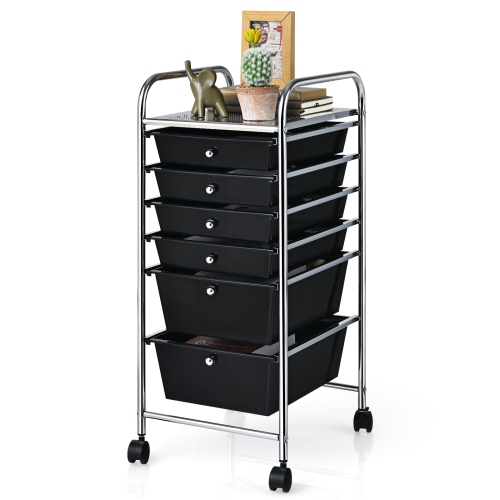
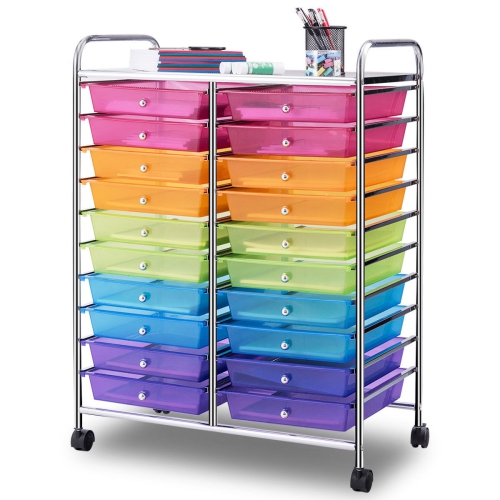
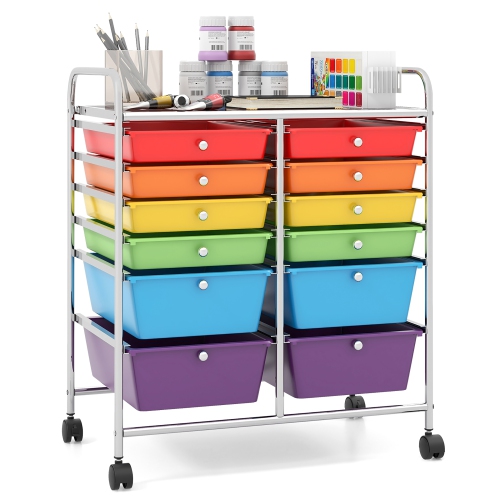
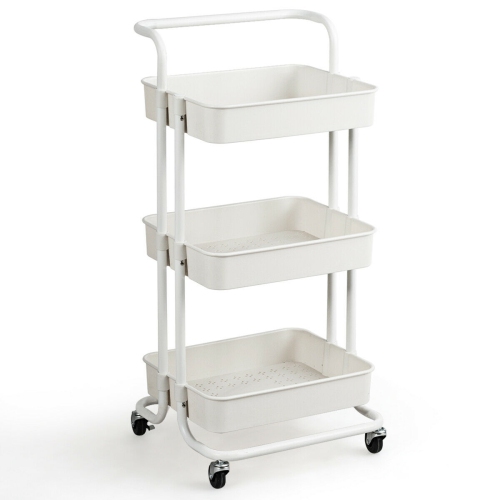
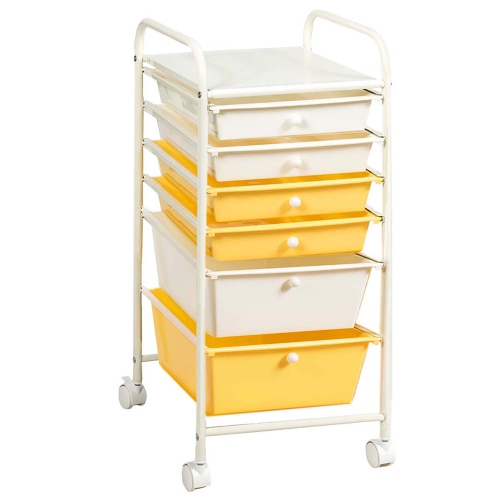
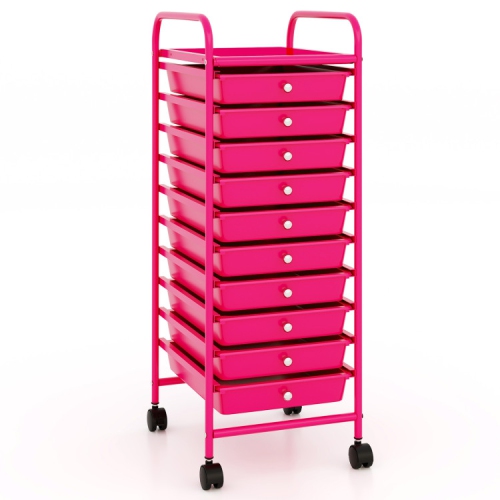
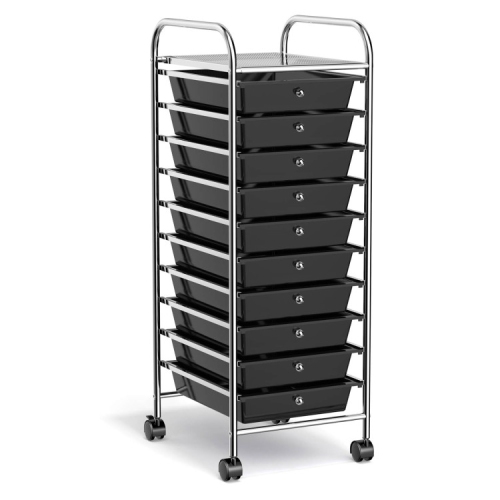
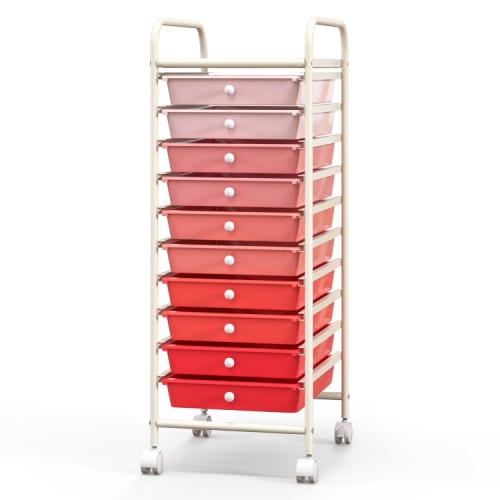
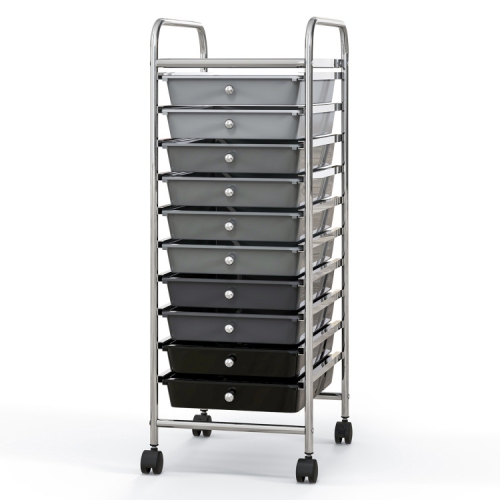
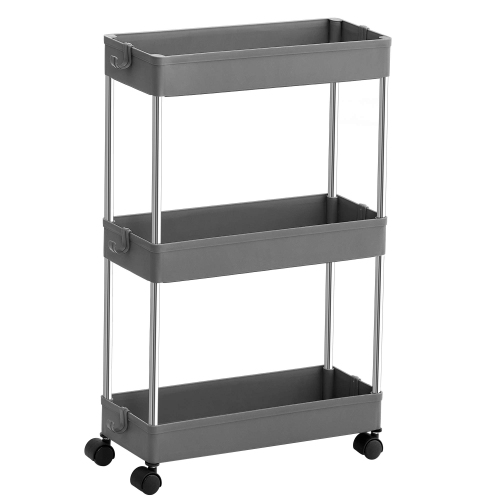
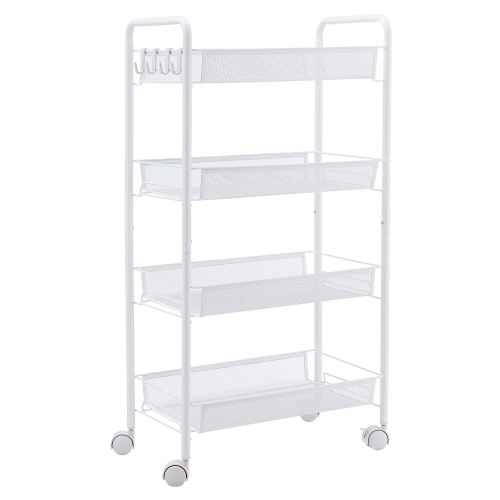
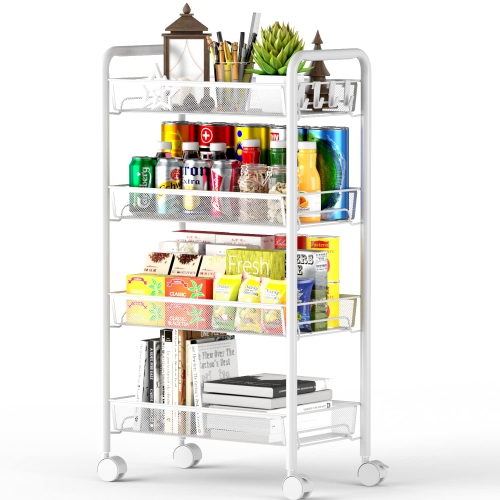
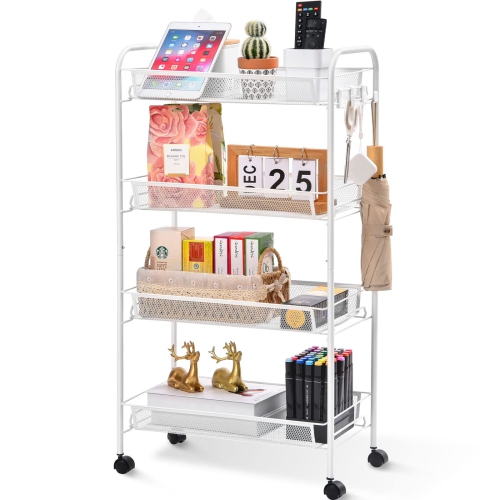
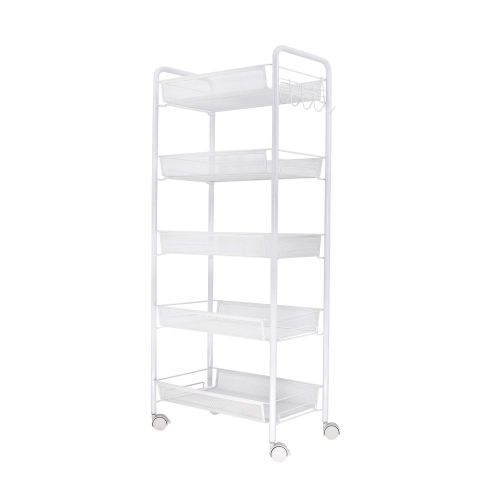
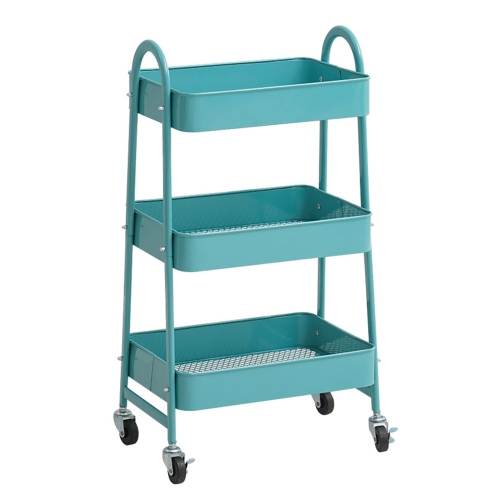
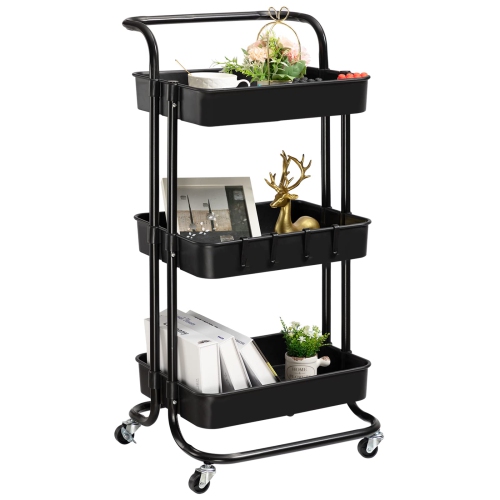
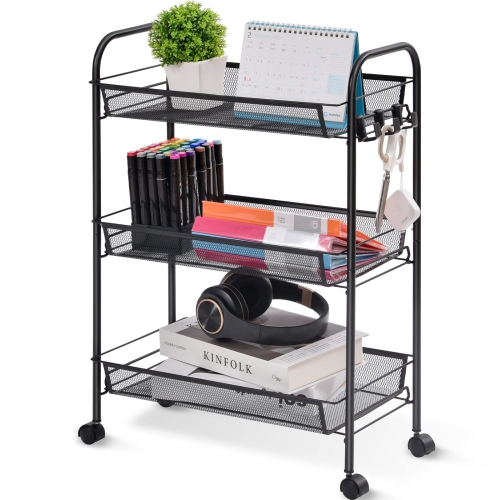
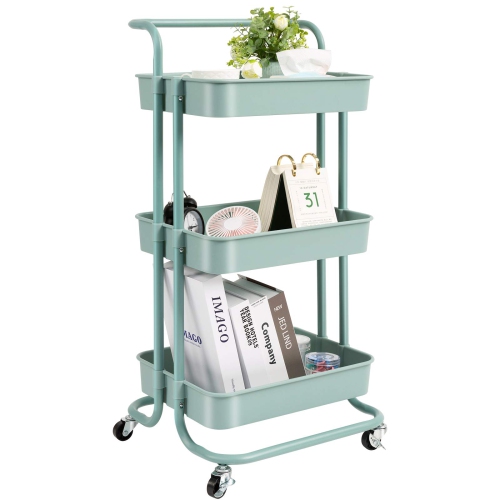
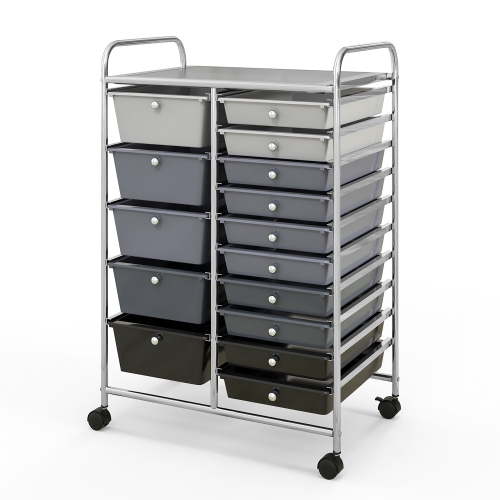
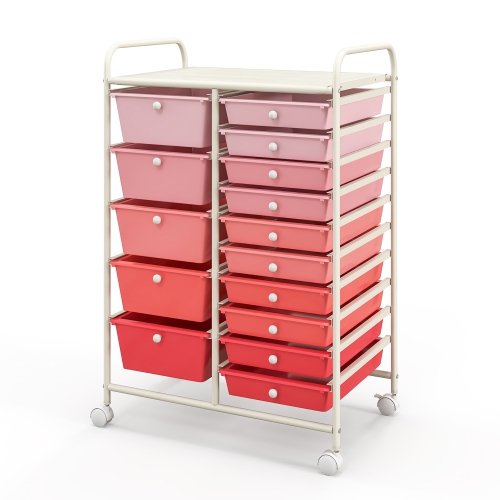
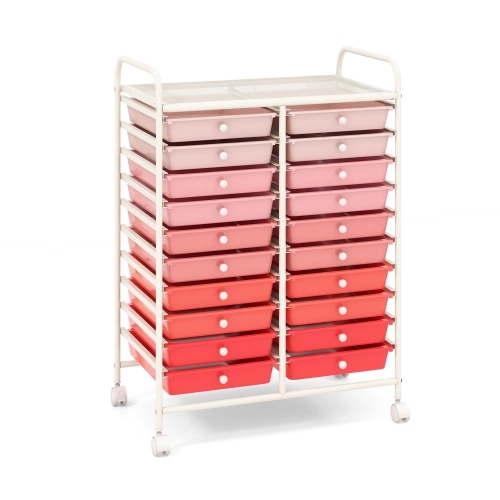
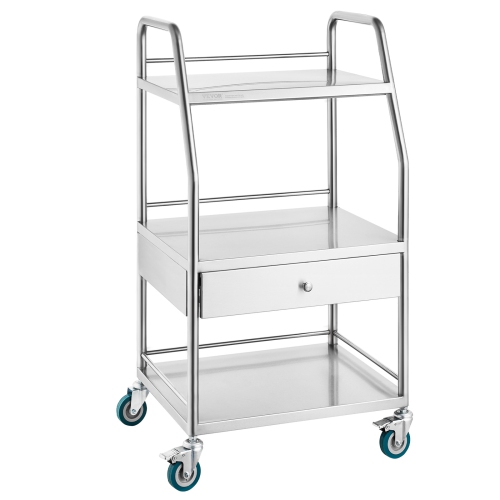
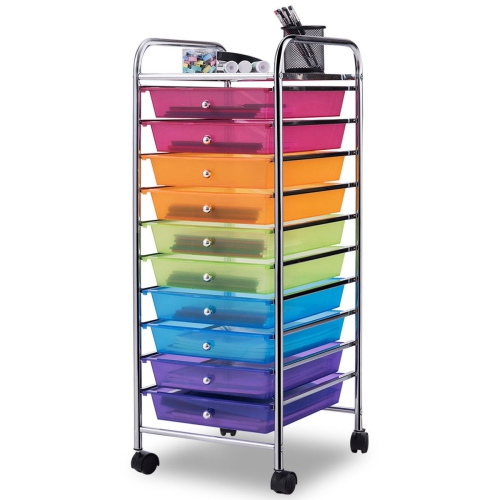
Rolling cart organizers are mobile storage units with shelves, baskets, drawers, or a combination of compartments mounted on wheels. They bring everyday supplies together in a compact footprint, using vertical space while allowing storage to move where it is needed. Unlike a fixed shelving unit, a rolling organizer can sit beside a desk during a project, move closer to a work surface, and tuck away when the task is finished. Open shelving keeps frequently used supplies visible, while raised basket edges help contain smaller belongings during movement. Drawer carts separate loose contents and keep visual clutter out of sight; transparent drawers make contents easier to identify, while opaque fronts create a more uniform appearance. The most useful layout depends on what the cart holds and how often those contents are reached for. A kitchen cart might keep tea tins, coffee filters, and packaged snacks together, freeing up cupboard space without spreading supplies across the counter. In a home office, a drawer organizer can separate stationery, charging cables, and paperwork that otherwise collect around a keyboard. Craft rooms benefit from shallow compartments for thread, markers, and small tools, with deeper storage below for bulkier materials. Bathroom carts provide a place for spare towels and toiletries, provided the materials suit the room and the unit stays clear of splashes. In a nursery, a mobile organizer can keep diapers, wipes, and clean clothing close to an adult’s changing area, with care supplies stored out of children’s reach. These uses make rolling storage carts particularly practical in apartments, shared rooms, and multipurpose spaces where one corner may support several daily routines. They can also be a thoughtful housewarming gift or a useful addition to a student’s study space, especially when the recipient’s room dimensions and storage habits are known.
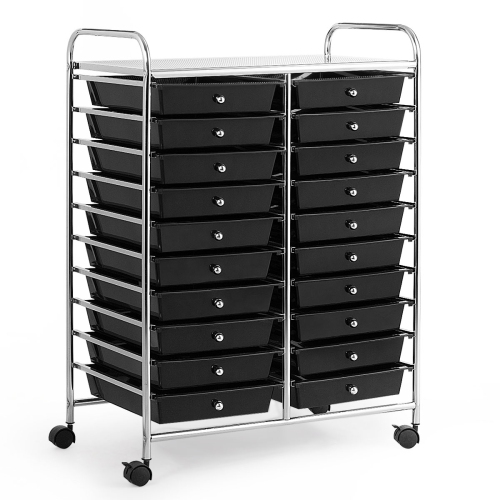
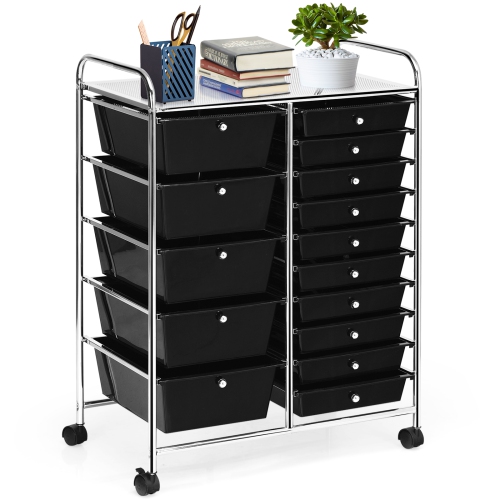
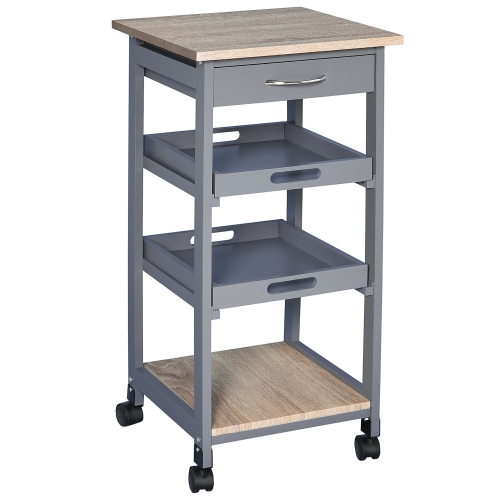
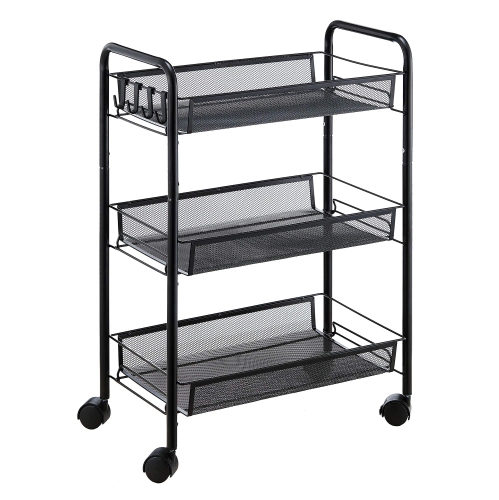
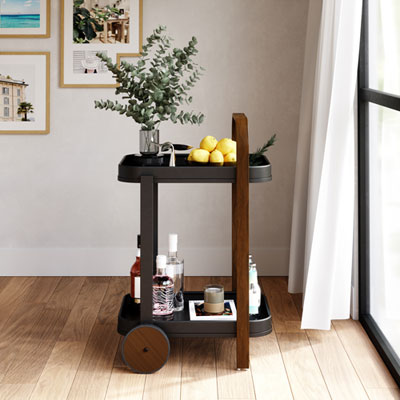
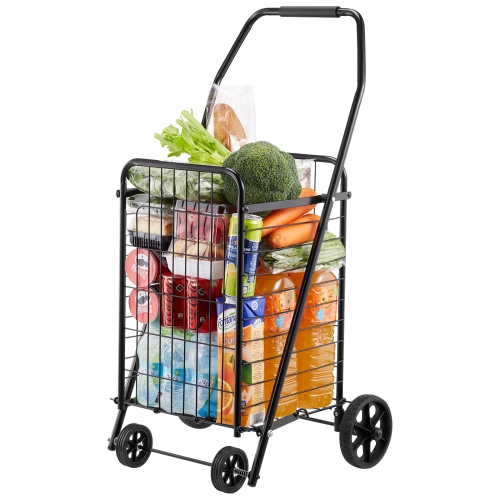
Materials and construction influence how a rolling cart organizer looks, feels, and stands up to regular use. Metal frames can provide a firm structure for frequently handled supplies, although the cart’s stated weight capacity matters more than appearance alone. Painted or powder-coated finishes offer a smooth surface that is generally easy to wipe, but chips and scratches may need attention according to the manufacturer’s care instructions. Plastic drawers are often lightweight and convenient for sorting small belongings; their suitability for heavier contents depends on the drawer base, runners, and overall frame. Wood and wood-look components can help a storage cart blend with nearby furniture, though care requirements vary between solid wood, veneer, and laminated surfaces. Spills are best wiped promptly, particularly around edges and joints where moisture may enter. Shelf construction matters, too. A solid shelf provides an even resting surface for small bottles and containers, while mesh or slatted shelves may need a suitable tray beneath narrow objects to keep them upright. Removable baskets and drawers can make cleaning and sorting easier, especially when a project moves between rooms. For most carts, routine care involves emptying compartments as needed, removing dust and debris, and cleaning with a soft cloth and a product appropriate for the finish. Wheels also benefit from periodic checks for hair, thread, or other material caught around the axles. Where assembly is required, secure fasteners and correctly fitted casters help prevent wobbling; connections may need checking again with regular use. Colour and finish can make the organizer feel like part of the room rather than an extra utility piece. Black Rolling Carts can coordinate with dark desk frames, cabinet handles, and shelving, while the choice between open baskets and enclosed drawers has an equally noticeable effect on the room’s appearance. A visible cart holding neatly grouped supplies creates a different impression from one designed to conceal a mixture of everyday essentials.
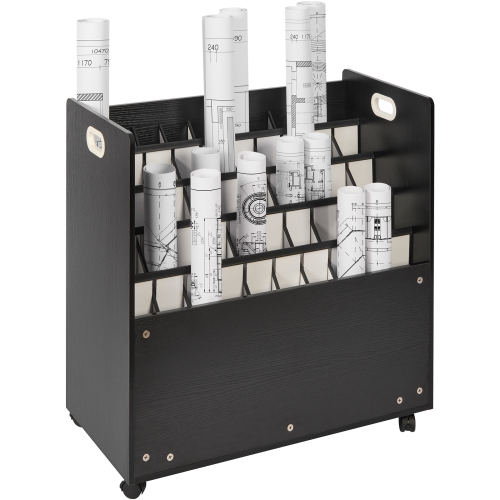
Fit involves more than finding a gap wide enough for the frame. The cart’s full dimensions include any projecting handles, wheels, or side attachments, and a drawer model needs enough space in front for compartments to open comfortably. A narrow cart beside a bathroom vanity may fit neatly while parked but still need turning room to roll out for cleaning. Under a desk, overall height determines whether the organizer clears the underside, while its depth affects legroom and access to nearby outlets. Shelf spacing is just as important as the cart’s outside measurements: tall bottles, upright folders, and stacked containers need sufficient clearance without being forced into place. Wheel design influences movement across different floor surfaces. Small casters may roll easily on smooth flooring yet require more effort on rugs or at doorway thresholds, and floor compatibility should be checked rather than assumed. Locking casters help keep a cart stationary while contents are accessed, but a storage cart is not a support rail, seat, or step. Balanced loading also matters. Heavier belongings are generally better placed on lower shelves, with weight distributed evenly and kept within both the total capacity and any individual shelf or drawer limits. Tall stacks can make contents harder to reach and may affect stability during movement. Moving the cart slowly, closing drawers first, and keeping loose cords away from the wheels helps everyday use feel more manageable. For someone who sews, that might mean rolling thread and fabric beside the worktable, then returning the cart to a corner without carrying several separate boxes. For a household sharing a workspace, labelled drawers can give each person a defined place for supplies. An artist may prefer open baskets that reveal colours and tools at a glance, while someone organizing documents may value enclosed compartments sized for paper stored flat. The right arrangement brings together appropriate capacity, comfortable access, and a footprint that leaves the room easy to move through, making mobile storage a useful part of daily organization rather than another obstacle to work around.
Materials and construction influence how a rolling cart organizer looks, feels, and stands up to regular use. Metal frames can provide a firm structure for frequently handled supplies, although the cart’s stated weight capacity matters more than appearance alone. Painted or powder-coated finishes offer a smooth surface that is generally easy to wipe, but chips and scratches may need attention according to the manufacturer’s care instructions. Plastic drawers are often lightweight and convenient for sorting small belongings; their suitability for heavier contents depends on the drawer base, runners, and overall frame. Wood and wood-look components can help a storage cart blend with nearby furniture, though care requirements vary between solid wood, veneer, and laminated surfaces. Spills are best wiped promptly, particularly around edges and joints where moisture may enter. Shelf construction matters, too. A solid shelf provides an even resting surface for small bottles and containers, while mesh or slatted shelves may need a suitable tray beneath narrow objects to keep them upright. Removable baskets and drawers can make cleaning and sorting easier, especially when a project moves between rooms. For most carts, routine care involves emptying compartments as needed, removing dust and debris, and cleaning with a soft cloth and a product appropriate for the finish. Wheels also benefit from periodic checks for hair, thread, or other material caught around the axles. Where assembly is required, secure fasteners and correctly fitted casters help prevent wobbling; connections may need checking again with regular use. Colour and finish can make the organizer feel like part of the room rather than an extra utility piece. Black Rolling Carts can coordinate with dark desk frames, cabinet handles, and shelving, while the choice between open baskets and enclosed drawers has an equally noticeable effect on the room’s appearance. A visible cart holding neatly grouped supplies creates a different impression from one designed to conceal a mixture of everyday essentials.
Fit involves more than finding a gap wide enough for the frame. The cart’s full dimensions include any projecting handles, wheels, or side attachments, and a drawer model needs enough space in front for compartments to open comfortably. A narrow cart beside a bathroom vanity may fit neatly while parked but still need turning room to roll out for cleaning. Under a desk, overall height determines whether the organizer clears the underside, while its depth affects legroom and access to nearby outlets. Shelf spacing is just as important as the cart’s outside measurements: tall bottles, upright folders, and stacked containers need sufficient clearance without being forced into place. Wheel design influences movement across different floor surfaces. Small casters may roll easily on smooth flooring yet require more effort on rugs or at doorway thresholds, and floor compatibility should be checked rather than assumed. Locking casters help keep a cart stationary while contents are accessed, but a storage cart is not a support rail, seat, or step. Balanced loading also matters. Heavier belongings are generally better placed on lower shelves, with weight distributed evenly and kept within both the total capacity and any individual shelf or drawer limits. Tall stacks can make contents harder to reach and may affect stability during movement. Moving the cart slowly, closing drawers first, and keeping loose cords away from the wheels helps everyday use feel more manageable. For someone who sews, that might mean rolling thread and fabric beside the worktable, then returning the cart to a corner without carrying several separate boxes. For a household sharing a workspace, labelled drawers can give each person a defined place for supplies. An artist may prefer open baskets that reveal colours and tools at a glance, while someone organizing documents may value enclosed compartments sized for paper stored flat. The right arrangement brings together appropriate capacity, comfortable access, and a footprint that leaves the room easy to move through, making mobile storage a useful part of daily organization rather than another obstacle to work around.
Top selling and popular products
-
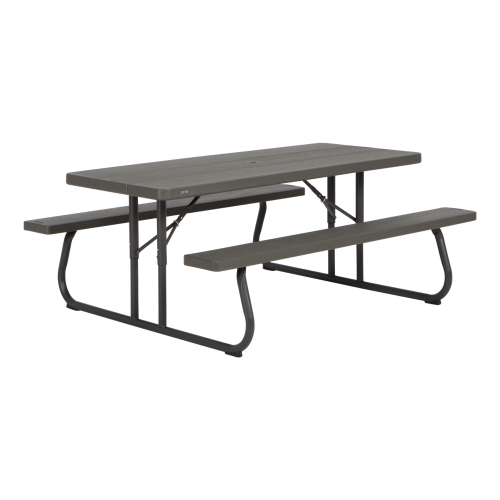 Your price for this item is $369.99
 -
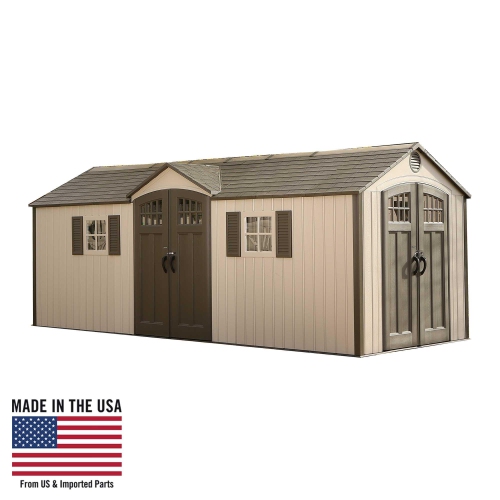 Your price for this item is $5599.99
 -
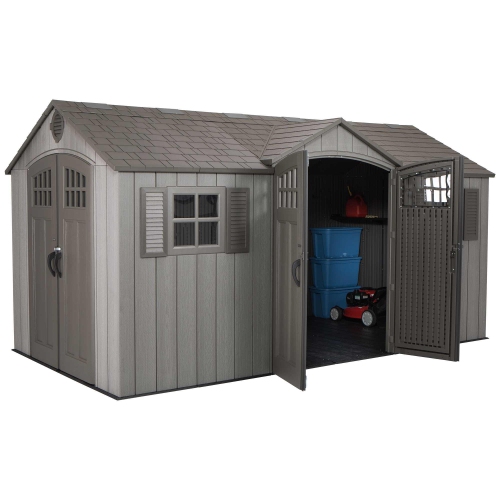 Your price for this item is $4269.99
 -
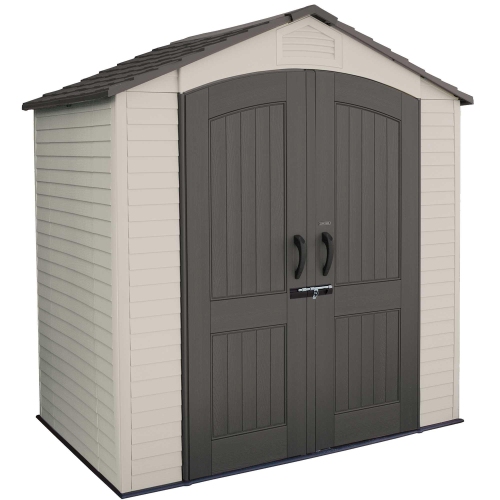 Your price for this item is $1639.99
 -
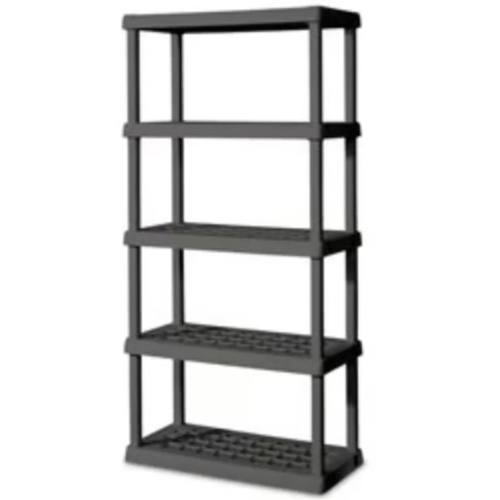 Your price for this item is $967.99
 -
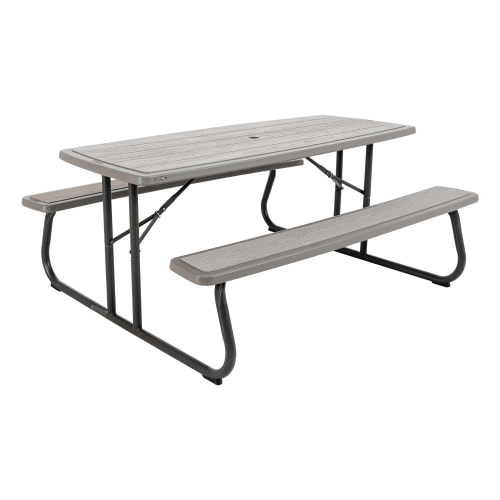 Your price for this item is $369.99
 -
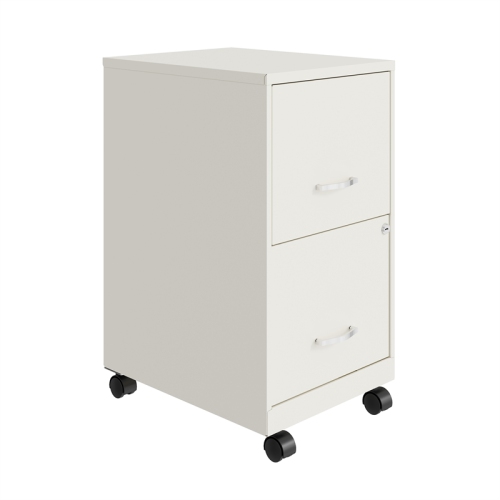 Your price for this item is $399.93
 -
 Your price for this item is $5589.99
Discover more categories related to Rolling Cart Organizers
Top Collections:
Pokemon Centers, Kindle Devices, Best Budget Office Chairs, Apple iPhones 16, Best Laptops for Writers, iPhone 15 Apple, Canon G7X Cameras, Refurbished Apple Laptops, Alarm Clock, Motorola Razr Phones
Some products may be subject to Environmental Handling Fees
(EHF) depending on your province.
Learn more about EHFs.