Scrapbooking Glue
Scrapbooking enthusiasts know that the right glue can make all the difference in preserving treasured memories. Whether you're crafting a heartfelt gift or organizing family photos, choosing the perfect adhesive ensures your creations stand the test of time. From photo-safe formulas to quick-drying options, explore a wide range of scrapbooking glues designed to cater to every project need. With easy application and reliable performance, these adhesives help bring your artistic vision to life, allowing you to focus on creativity without worry. Dive into the world of scrapbooking with confidence and let your imagination soar.
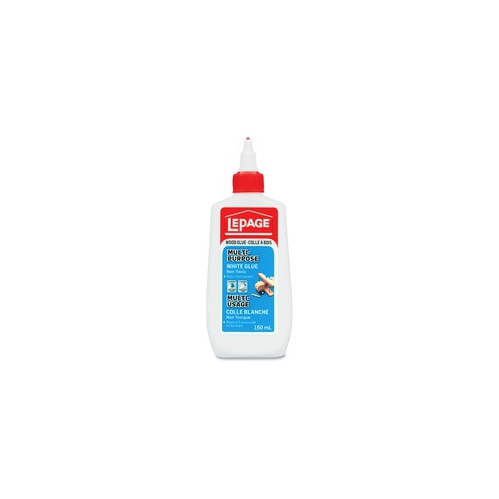
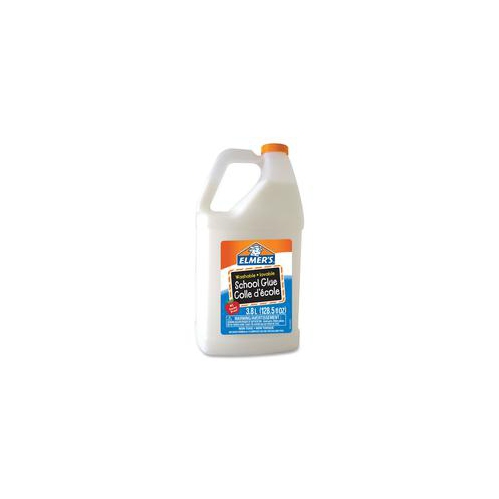
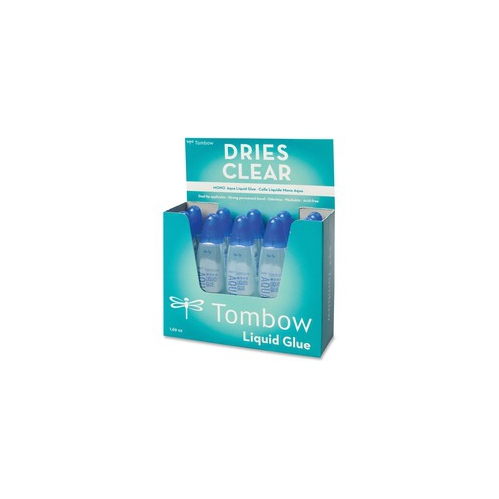
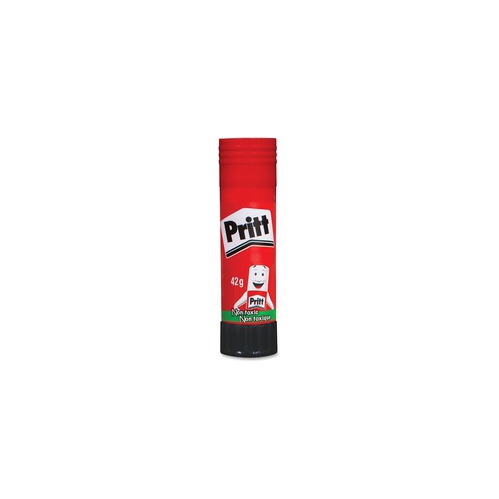

Scrapbooking Glue
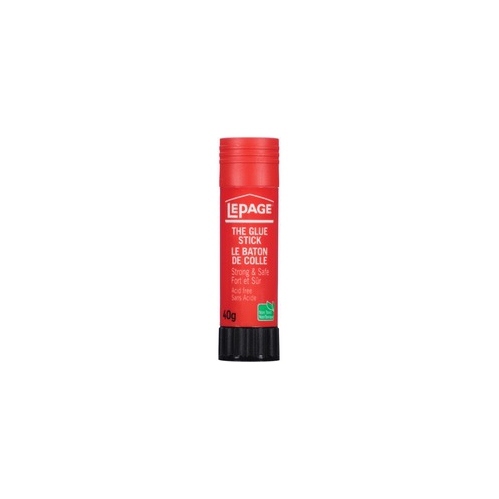
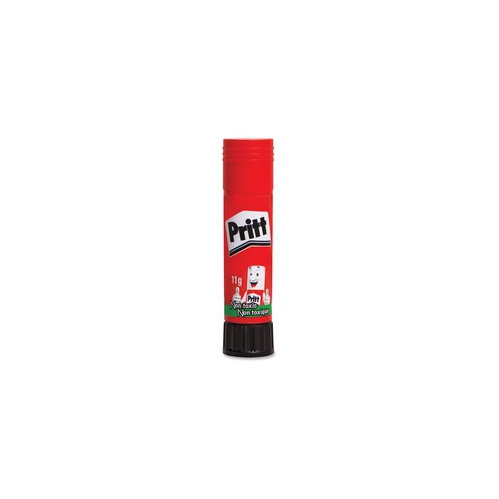
Scrapbooking glue helps turn photographs, patterned paper, journalling cards, cardstock, die cuts, and decorative details into a finished page that feels personal and thoughtfully arranged. The right adhesive depends on the materials being joined and the look you want to achieve, whether that means creating a clean photo spread, layering paper for dimension, or adding tiny embellishments to a memory book. For albums that may be handled often or stored for years, look for acid-free and photo-safe formulas designed to help reduce the risk of paper and photographs yellowing, staining, or degrading over time. A tape runner is a practical choice for flat paper and photographs because it applies a strip of dry, double-sided adhesive with little waiting and can help keep pages smooth. It is especially useful when you are working through several layouts at once, such as a family album, a travel scrapbook, or a collection of school memories. Adhesive rollers are also convenient for crafters who prefer a tidy workspace, since there is no wet glue to spread across a cutting mat or leave on fingertips. For those who enjoy traditional paper crafting, glue sticks can provide an easy way to cover larger, lightweight surfaces with an even layer; explore the selection of Glue Sticks when comparing formats for paper-based projects. As the weather warms or during the cooler months, scrapbooking can be an inviting indoor activity for sorting photographs, revisiting meaningful occasions, and building pages at an unhurried pace. Adhesive is one of the small details that makes that process more enjoyable, helping pieces stay where they are placed while you concentrate on colour, composition, and the story behind each page.
Liquid craft glue is well suited to projects that call for accuracy, flexibility, or a little more control than a broad adhesive application can provide. A fine-tip nozzle can help you attach delicate paper cuts, narrow borders, lettering, sequins, ribbon, and other small embellishments without covering the visible surface in excess glue. Apply a small amount rather than a heavy line, particularly when working with thin paper that may wrinkle as it dries, and allow the adhesive to become tacky or dry according to the instructions before closing an album. Some liquid formulas dry clear, while others may remain repositionable for a short period, so checking the label can help you choose an option that suits the pace and precision of your project. Glue dots are another useful choice for attaching small charms, buttons, bows, and lightweight dimensional accents. They offer a clean, contained application without the seepage that can occur with liquid adhesive, and they can be convenient when crafting with children or assembling pages at a kitchen table. Photo corners provide a more traditional approach by holding pictures at their edges rather than coating the back of the image, which may appeal to anyone who wants to change or rearrange photographs later. They also add a subtle decorative detail around each image. When comparing scrapbooking glue, consider whether the adhesive is permanent or removable, whether it is suitable for glossy photo paper, how quickly it sets, and whether the applicator makes it easy to reach narrow spaces. A smooth roller may be ideal for full-page layouts, while a precision tip or individual dot can be more suitable for layered designs and intricate accents.
Scrapbooking glue is useful for more than formal albums. It can help create greeting cards, memory boxes, recipe books, classroom displays, handmade calendars, travel journals, and keepsake pages for milestones such as graduations, new homes, family gatherings, and creative hobbies. It can also make a thoughtful gift for a scrapbooker, card maker, student, parent, teacher, or anyone who enjoys preserving photographs and mementoes in a hands-on way. A selection that includes more than one adhesive format gives the recipient flexibility: a tape runner for photographs and flat paper, liquid glue for detailed work, glue dots for raised decorations, and photo corners for pictures that may need to be moved. If you are choosing an adhesive for a particular project, consider the weight and texture of each material before buying. Lightweight paper generally needs only a thin, even layer, while heavier cardstock or layered embellishments may require a stronger hold or multiple small points of adhesive. Test a new formula on a spare piece of paper first, especially when using it near an original photograph or a carefully painted embellishment. Keeping caps closed, storing applicators as directed, and wiping away excess adhesive can help maintain smooth application from one project to the next. A well-chosen scrapbook adhesive keeps pages neat, supports creative layouts, and lets the finished work remain the focus, from the first photograph placed on a page to the final handwritten note tucked into an album.
Liquid craft glue is well suited to projects that call for accuracy, flexibility, or a little more control than a broad adhesive application can provide. A fine-tip nozzle can help you attach delicate paper cuts, narrow borders, lettering, sequins, ribbon, and other small embellishments without covering the visible surface in excess glue. Apply a small amount rather than a heavy line, particularly when working with thin paper that may wrinkle as it dries, and allow the adhesive to become tacky or dry according to the instructions before closing an album. Some liquid formulas dry clear, while others may remain repositionable for a short period, so checking the label can help you choose an option that suits the pace and precision of your project. Glue dots are another useful choice for attaching small charms, buttons, bows, and lightweight dimensional accents. They offer a clean, contained application without the seepage that can occur with liquid adhesive, and they can be convenient when crafting with children or assembling pages at a kitchen table. Photo corners provide a more traditional approach by holding pictures at their edges rather than coating the back of the image, which may appeal to anyone who wants to change or rearrange photographs later. They also add a subtle decorative detail around each image. When comparing scrapbooking glue, consider whether the adhesive is permanent or removable, whether it is suitable for glossy photo paper, how quickly it sets, and whether the applicator makes it easy to reach narrow spaces. A smooth roller may be ideal for full-page layouts, while a precision tip or individual dot can be more suitable for layered designs and intricate accents.
Scrapbooking glue is useful for more than formal albums. It can help create greeting cards, memory boxes, recipe books, classroom displays, handmade calendars, travel journals, and keepsake pages for milestones such as graduations, new homes, family gatherings, and creative hobbies. It can also make a thoughtful gift for a scrapbooker, card maker, student, parent, teacher, or anyone who enjoys preserving photographs and mementoes in a hands-on way. A selection that includes more than one adhesive format gives the recipient flexibility: a tape runner for photographs and flat paper, liquid glue for detailed work, glue dots for raised decorations, and photo corners for pictures that may need to be moved. If you are choosing an adhesive for a particular project, consider the weight and texture of each material before buying. Lightweight paper generally needs only a thin, even layer, while heavier cardstock or layered embellishments may require a stronger hold or multiple small points of adhesive. Test a new formula on a spare piece of paper first, especially when using it near an original photograph or a carefully painted embellishment. Keeping caps closed, storing applicators as directed, and wiping away excess adhesive can help maintain smooth application from one project to the next. A well-chosen scrapbook adhesive keeps pages neat, supports creative layouts, and lets the finished work remain the focus, from the first photograph placed on a page to the final handwritten note tucked into an album.
Top selling and popular products
-
 Your price for this item is $284.05
 -
 Your price for this item is $269
 -
 Your price for this item is $339
 -
 Your price for this item is $49
 -
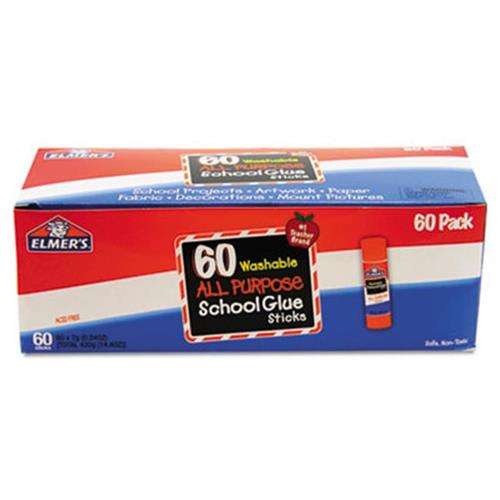 Your price for this item is $80
 -
 Your price for this item is $50.99
 -
 Your price for this item is $36.38
 -
 Your price for this item is $47.99
Discover more categories related to Scrapbooking Glue
Top Collections:
Pokemon Centers, Kindle Devices, Budget Smartphones, Budget 4K TVs, Apple iPhones 16, Canon G7X Cameras, iPhone 15 Apple, Alarm Clock, Budget-Friendly Wireless Earbuds, iPhone 14 256GB
Some products may be subject to Environmental Handling Fees
(EHF) depending on your province.
Learn more about EHFs.