Vertical Organizers
Keep your desk clutter-free and maximize your workspace with our collection of vertical organizers. Ideal for home offices, classrooms, or any workspace in need of a tidy makeover, these versatile organizers will help you stay organized and focused. From file holders to magazine racks, our selection offers a variety of options to suit your specific needs. Whether you're looking to sort documents, store stationery, or keep your favorite magazines within reach, our vertical organizers are designed to keep everything in its place while adding a touch of style to your space. Say goodbye to messy desks and hello to productivity with our range of vertical organizers.
Sort
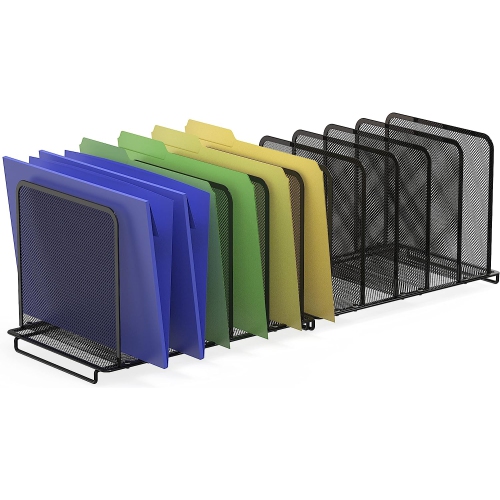
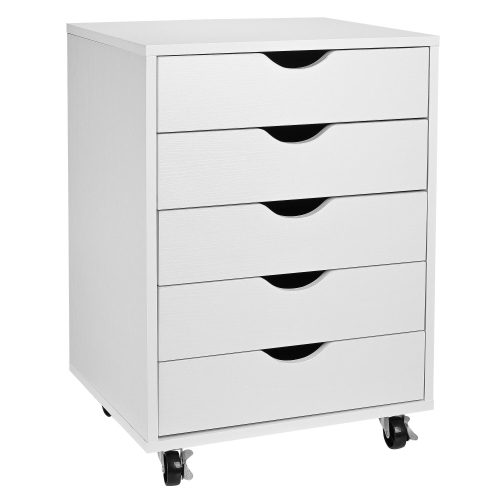

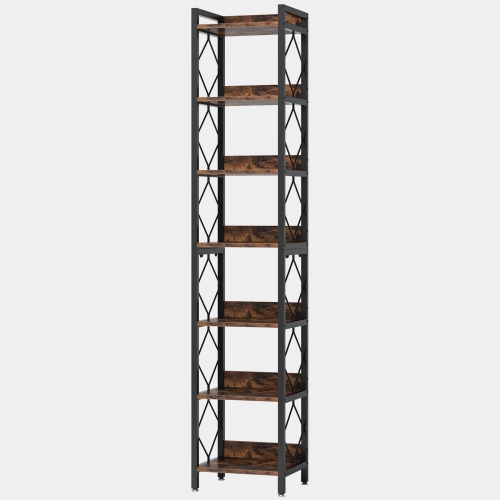
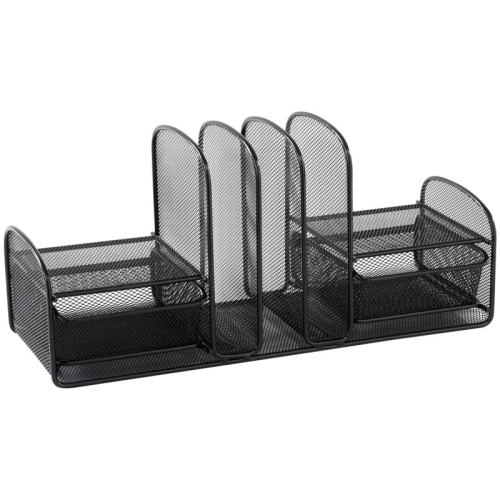
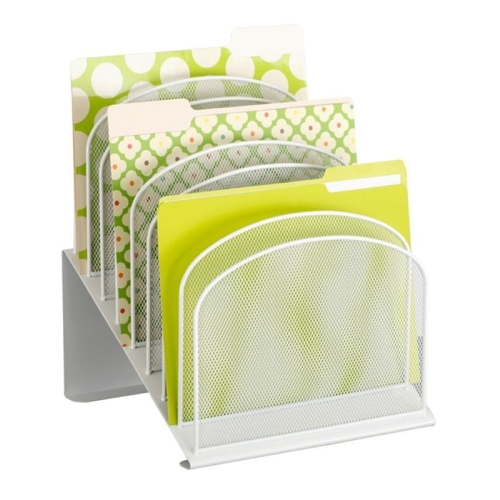

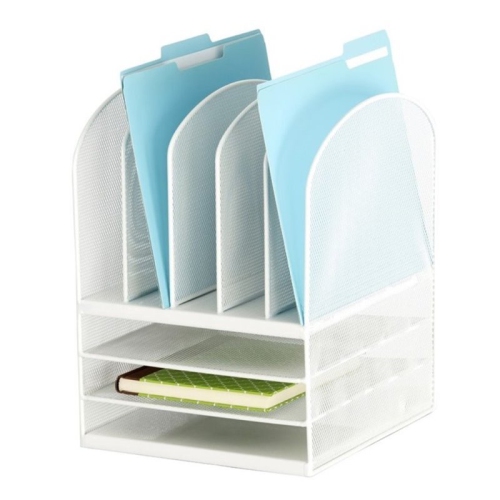
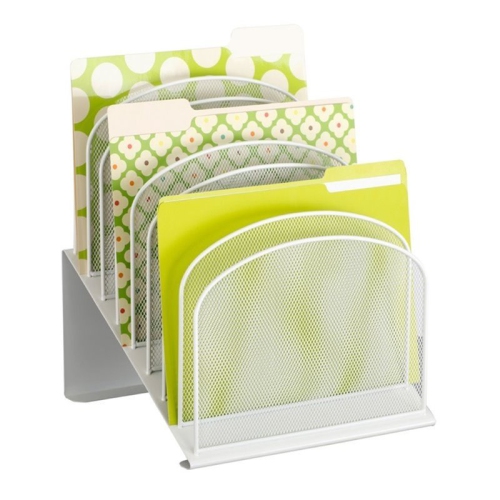
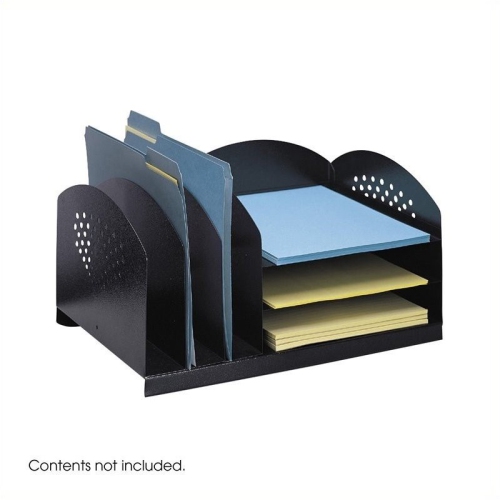
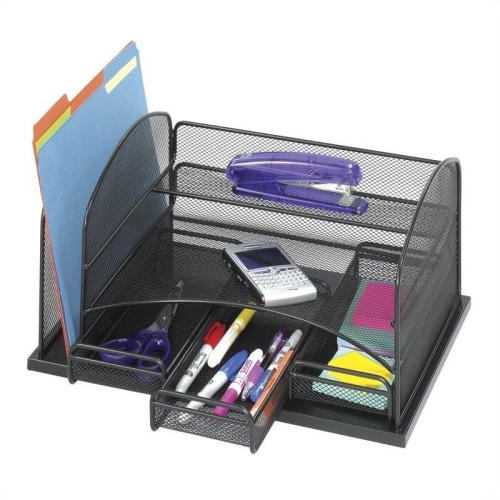

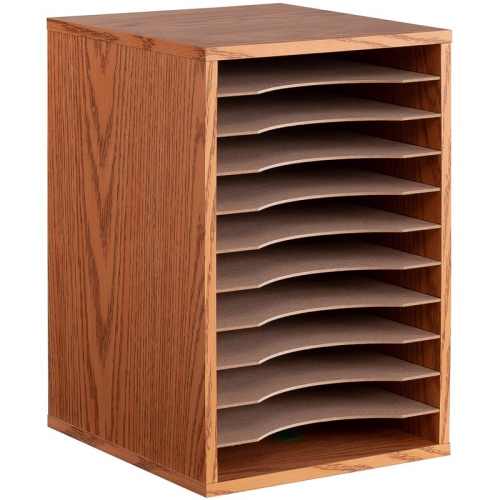
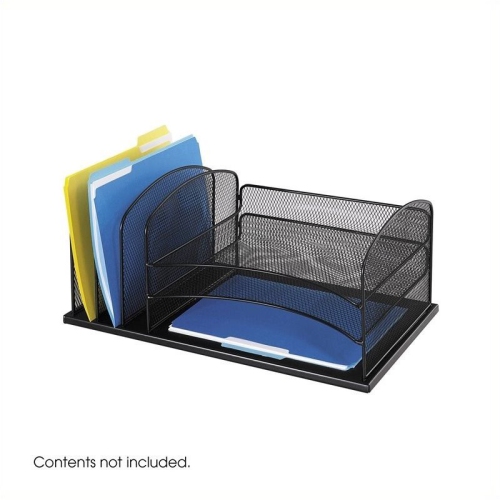
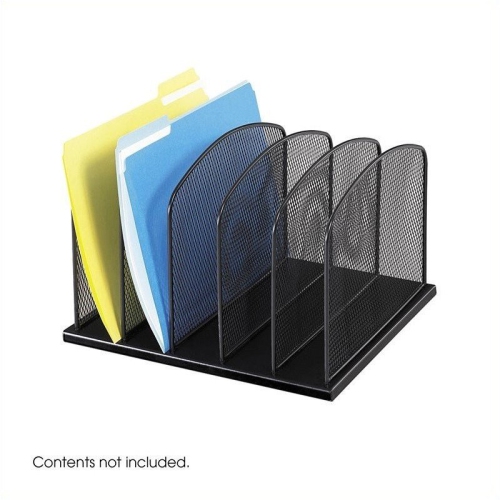
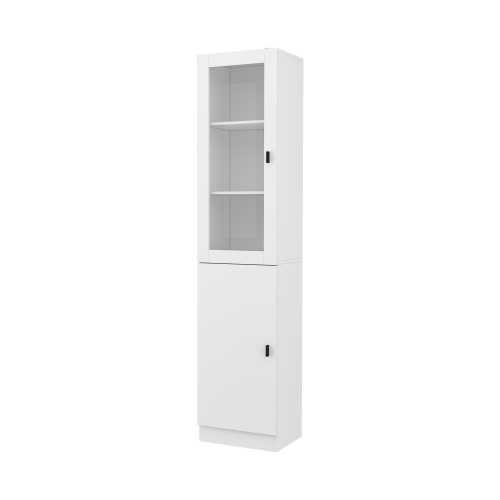
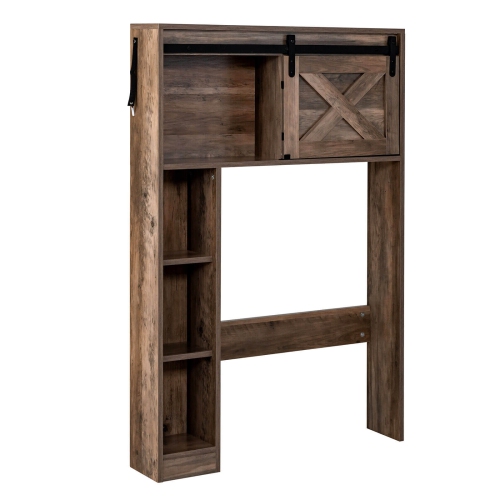
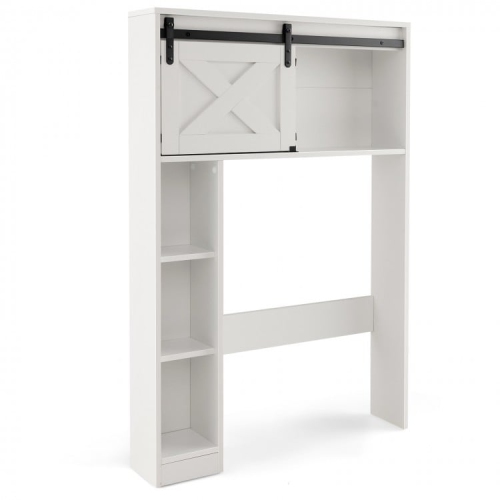
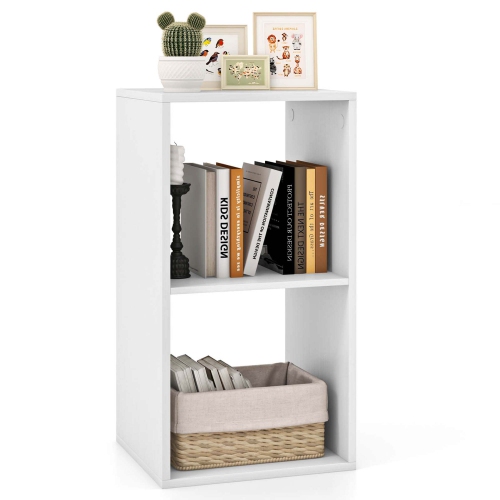
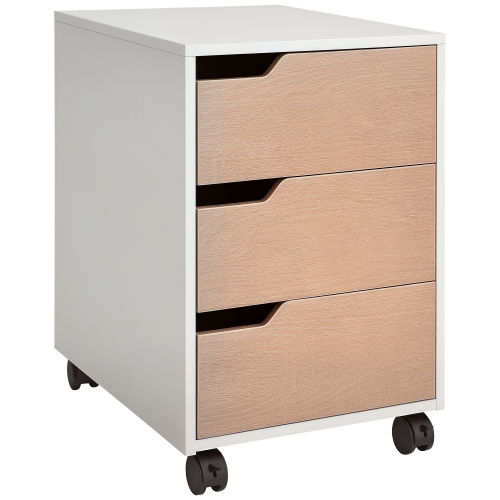
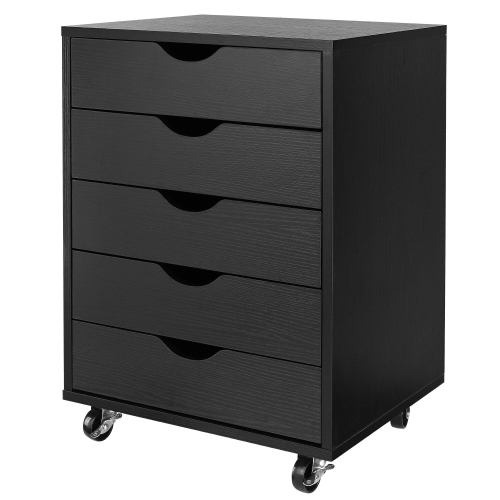


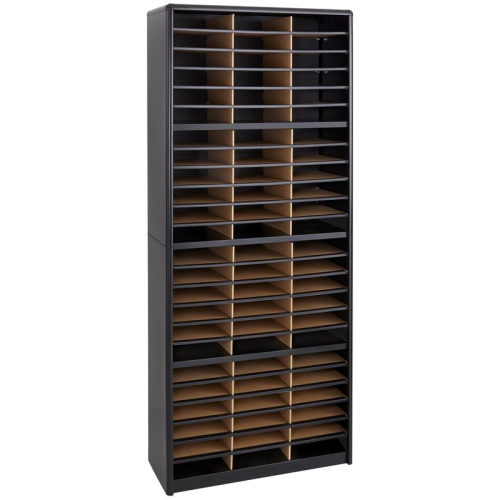
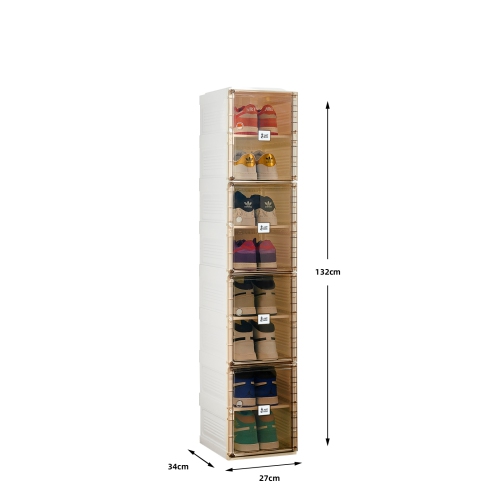
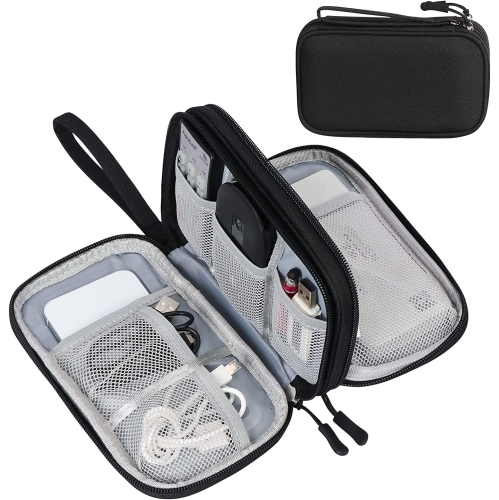
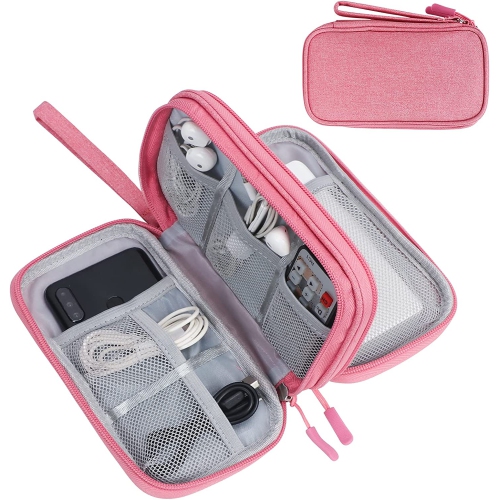
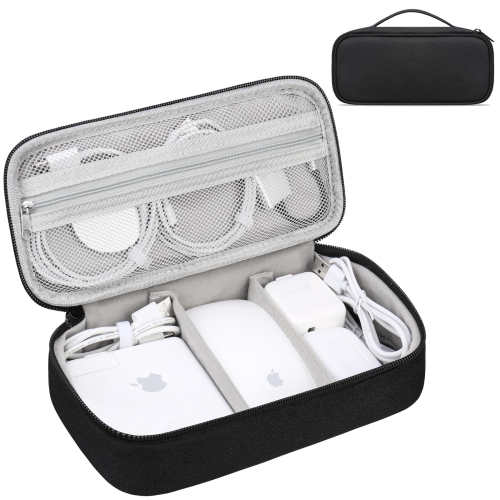
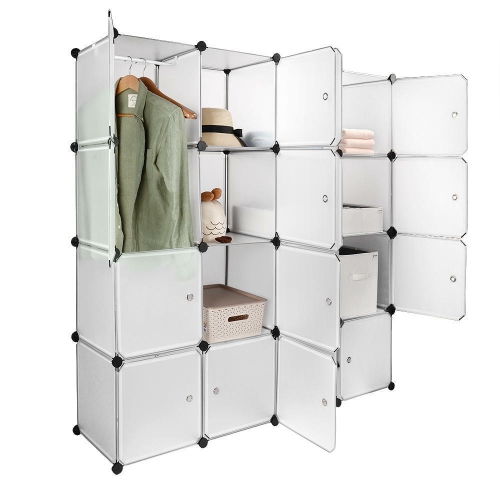
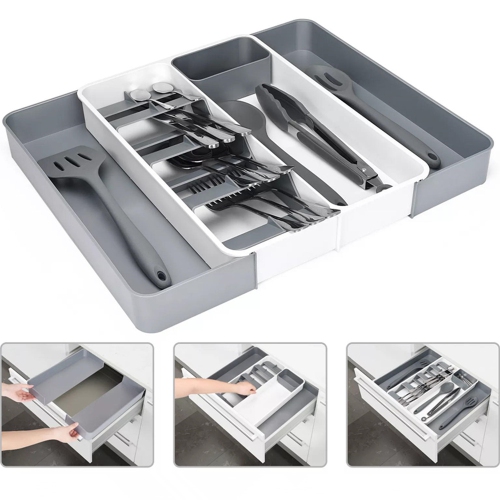

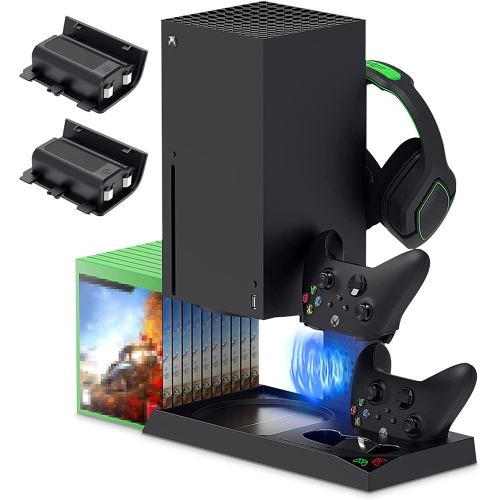
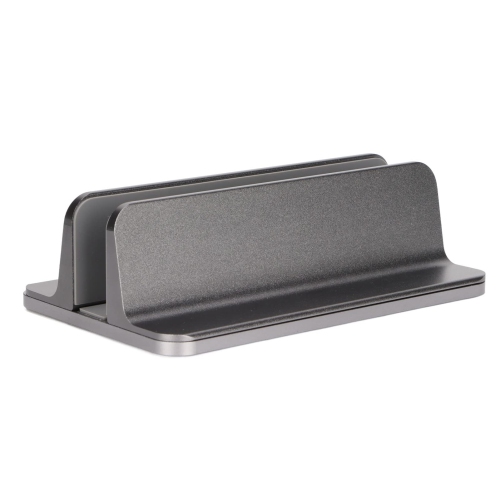
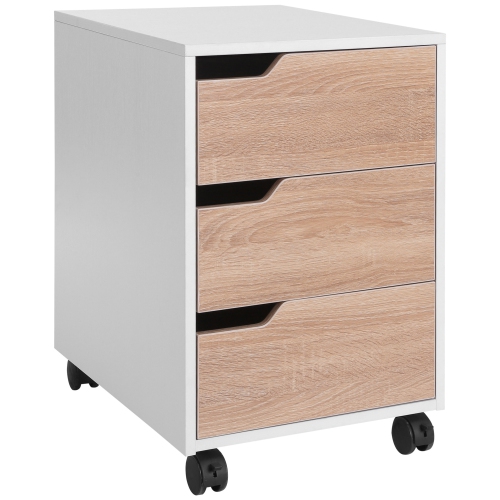
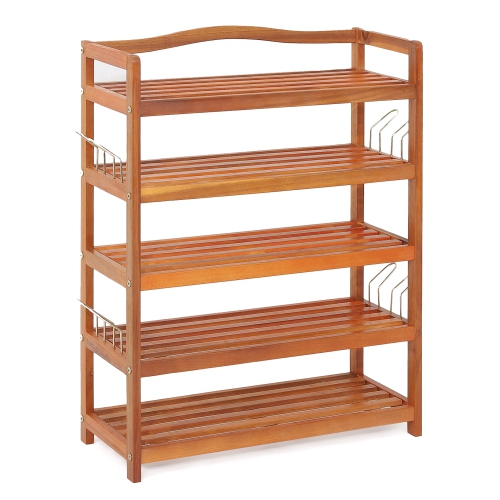
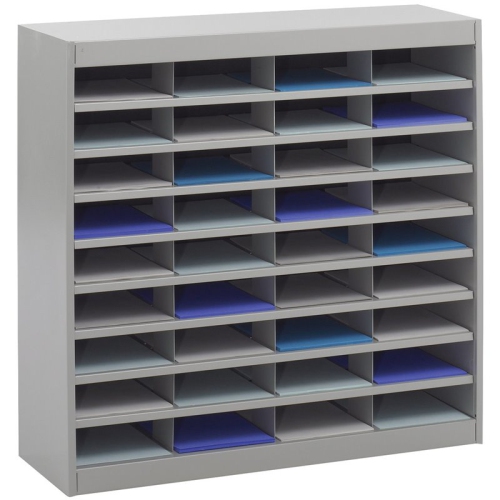
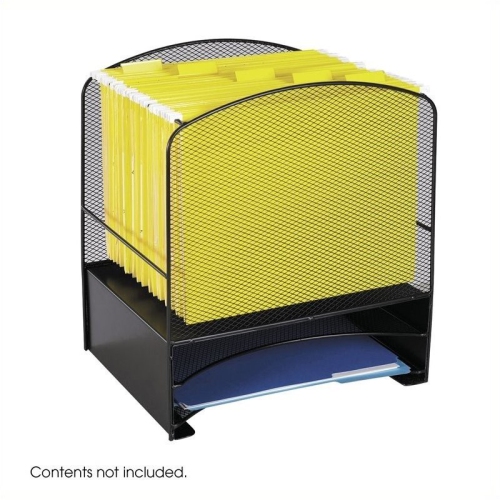
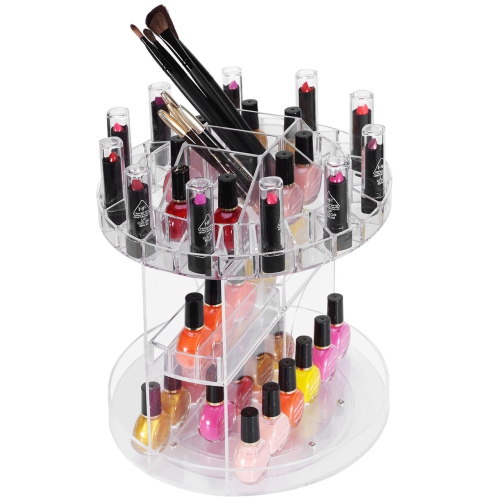
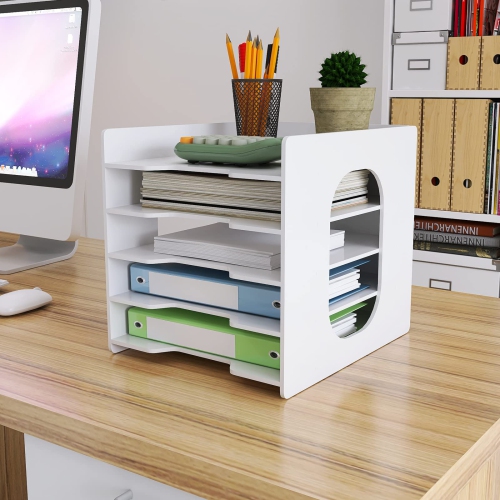
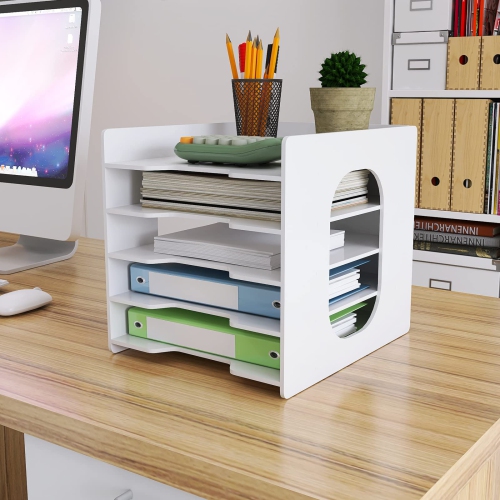

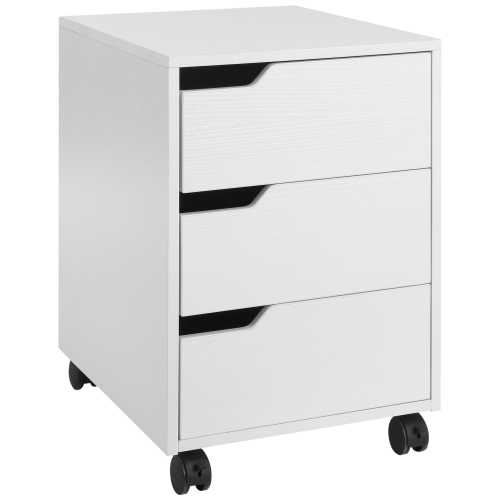


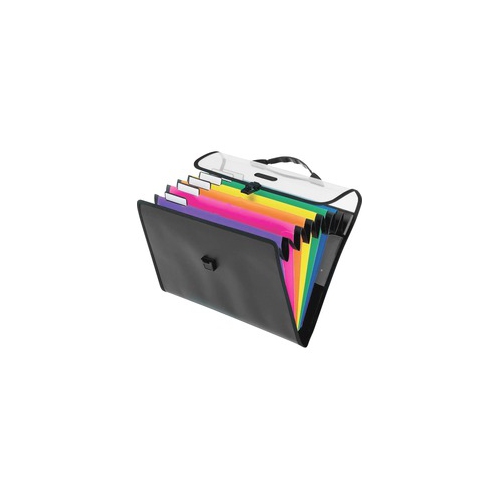
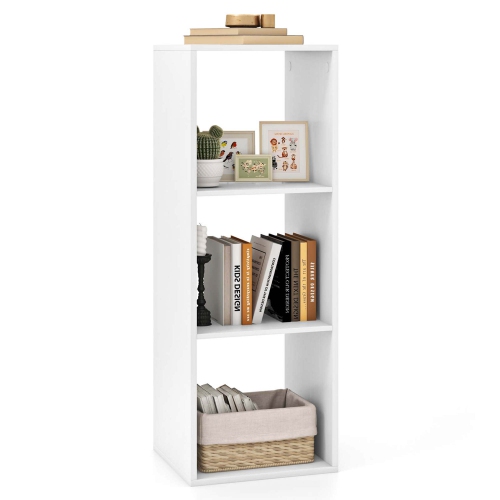
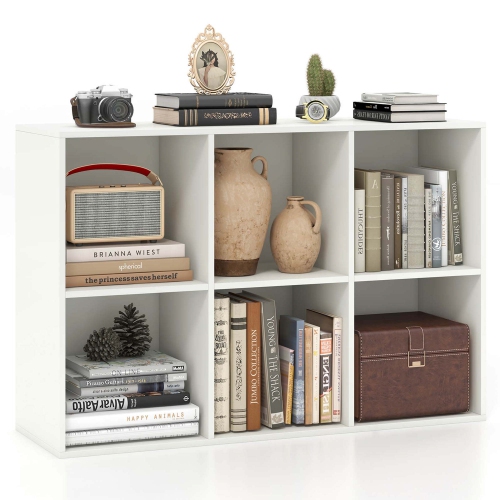
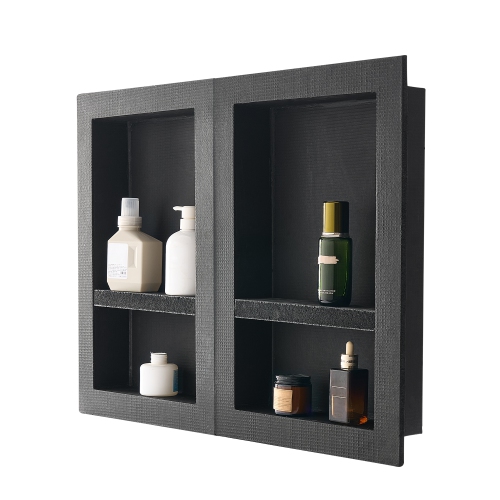
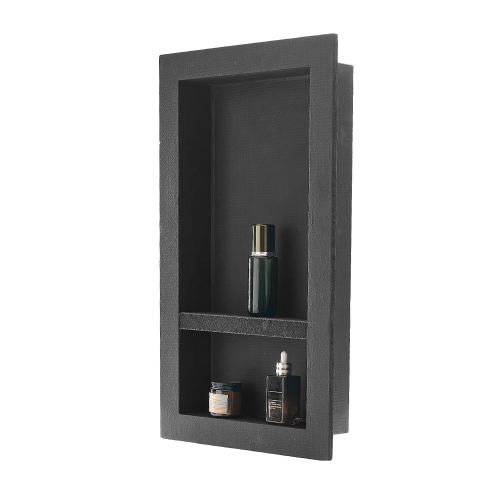
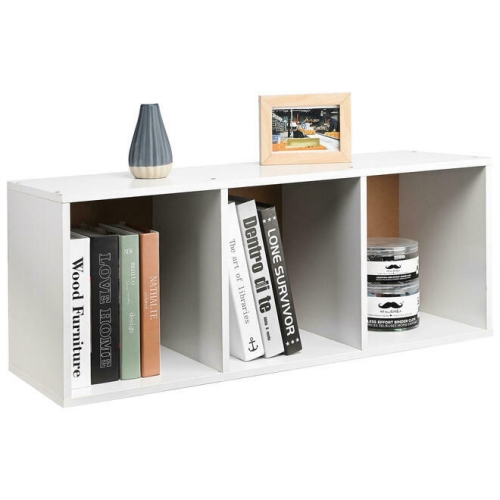
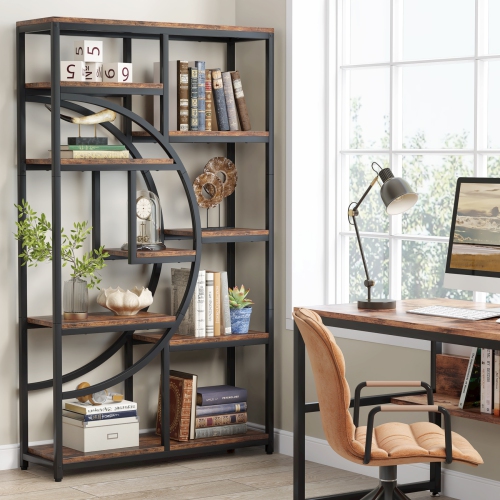
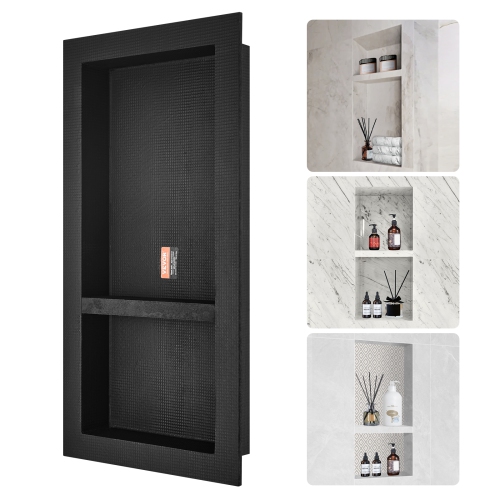
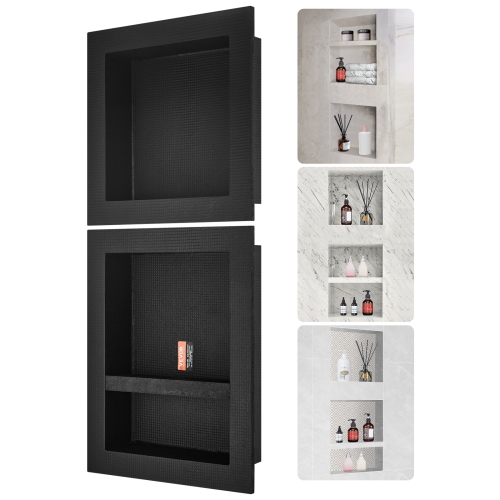
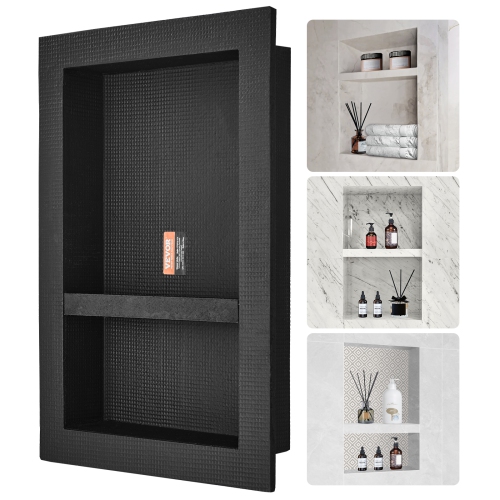
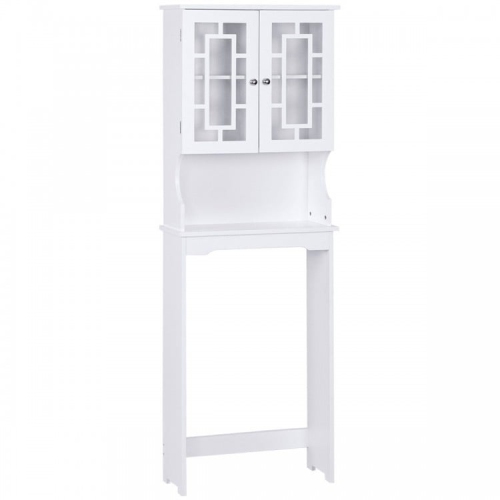
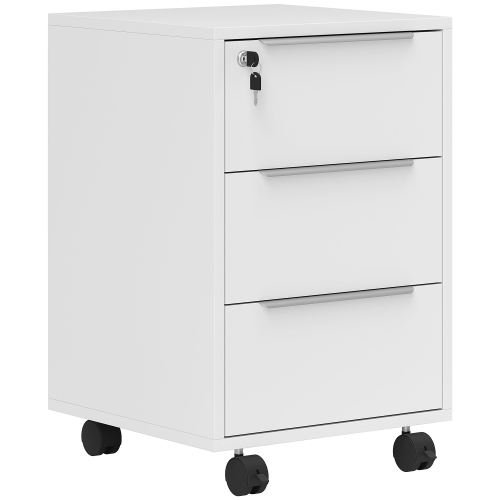
Practical storage for papers, supplies, and daily essentials
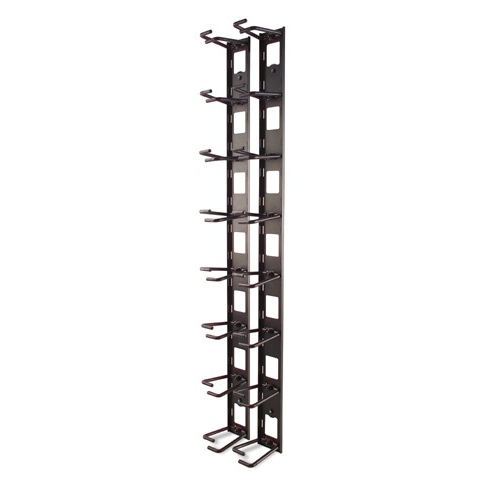
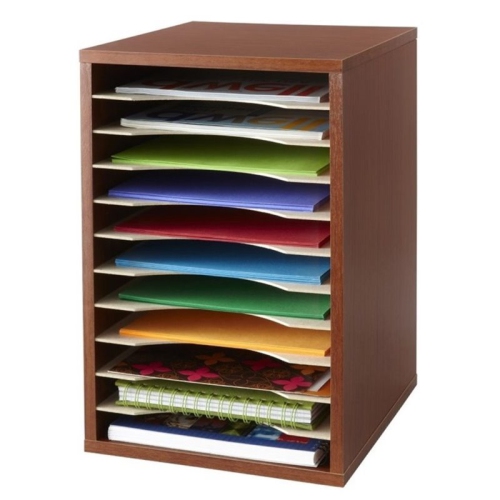
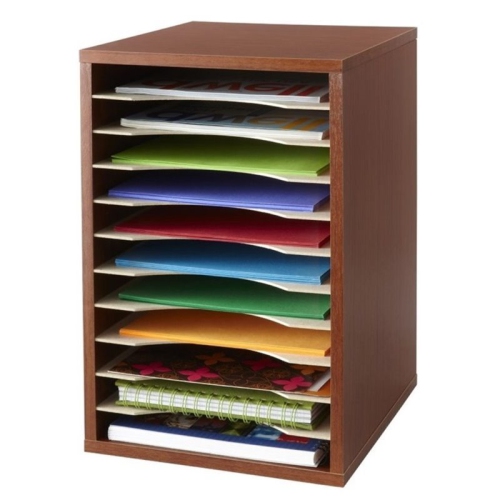
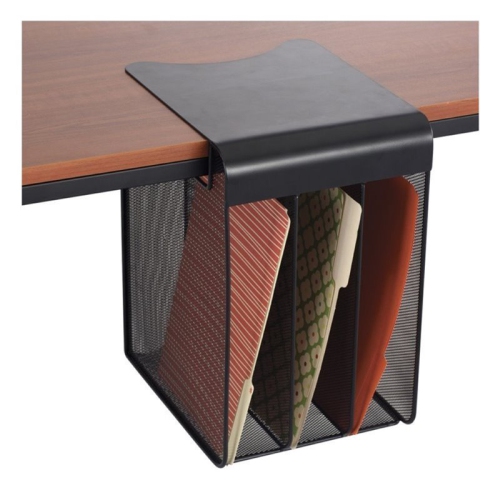
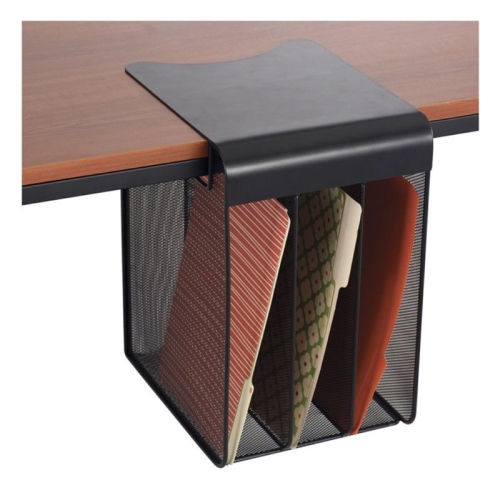
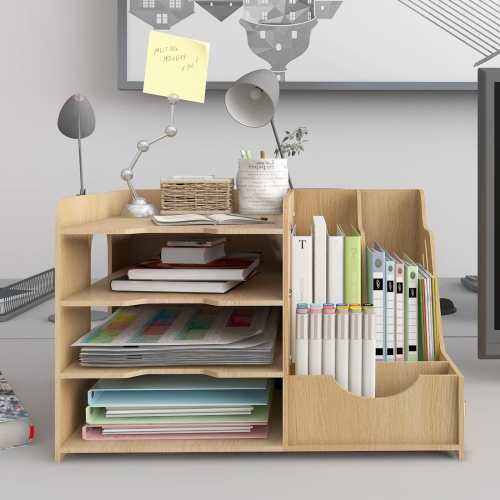
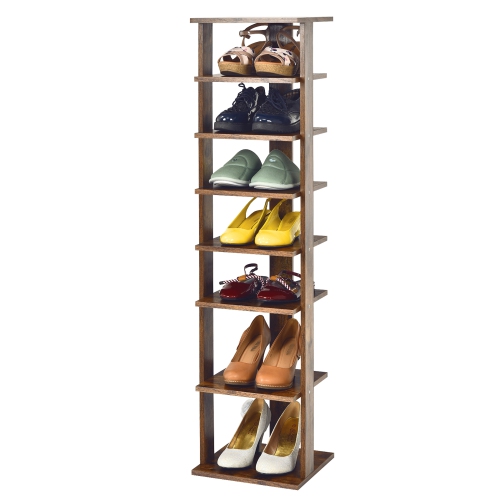
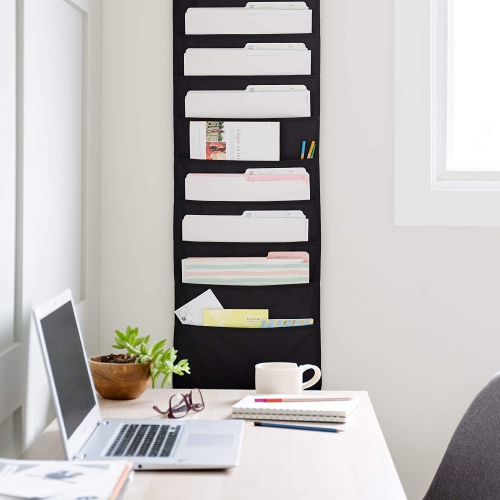
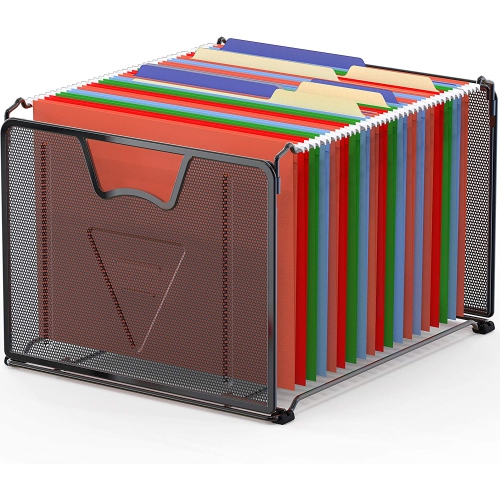
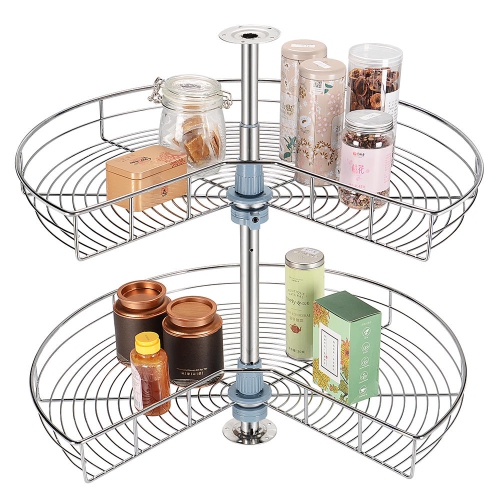
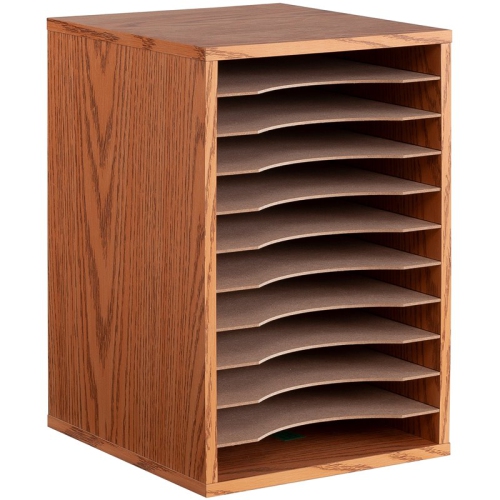
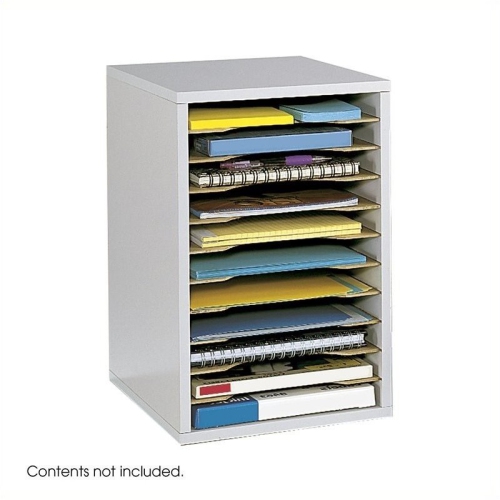
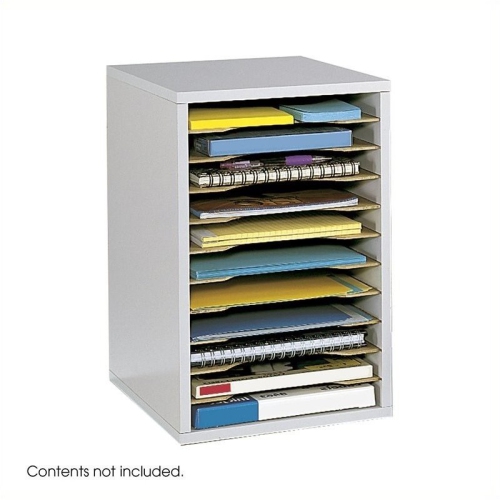
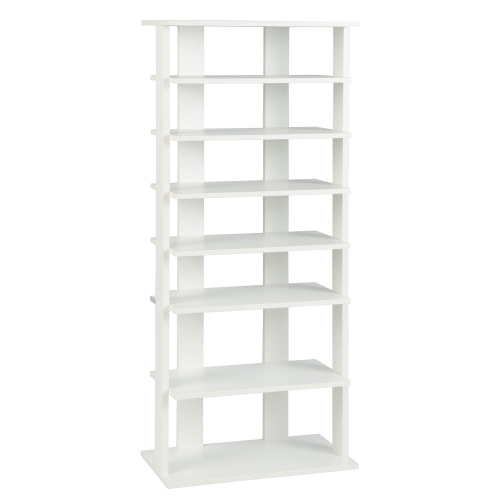
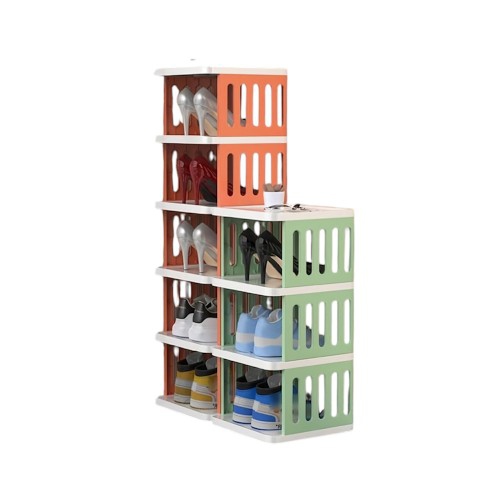
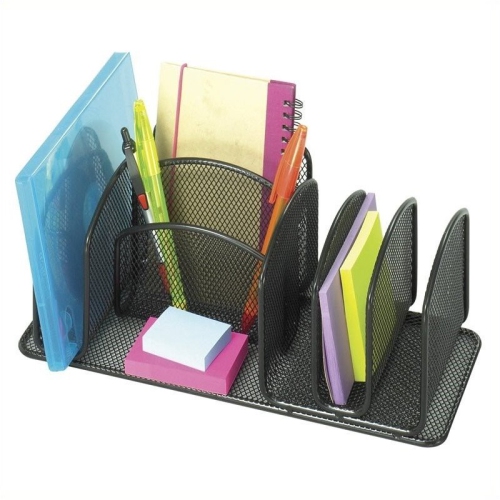
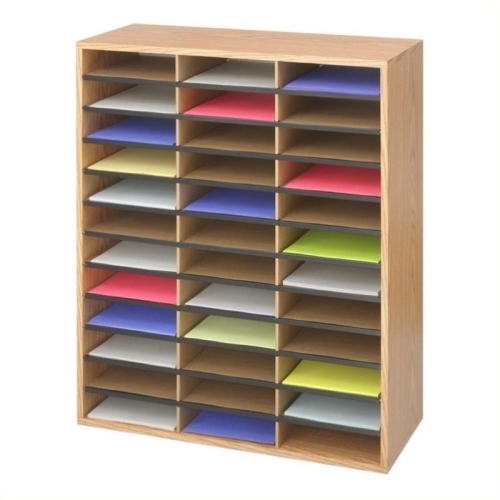
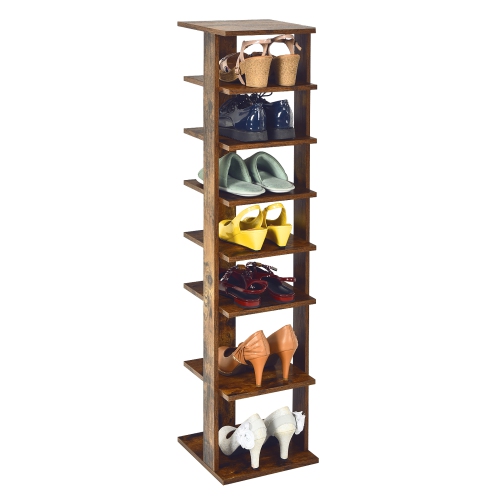
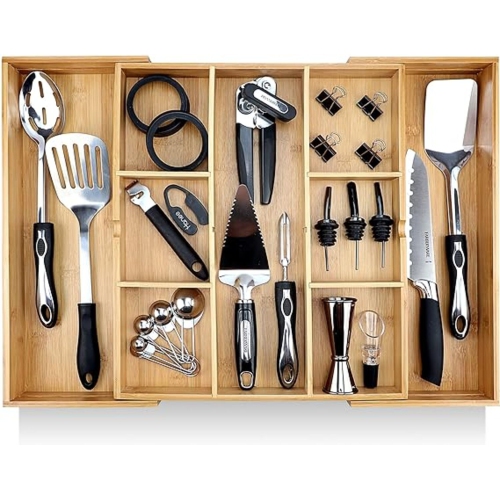
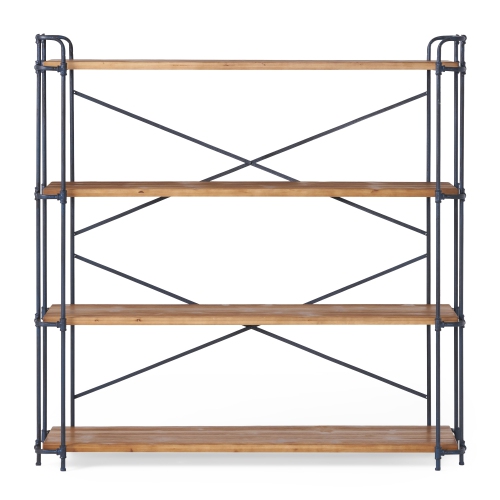
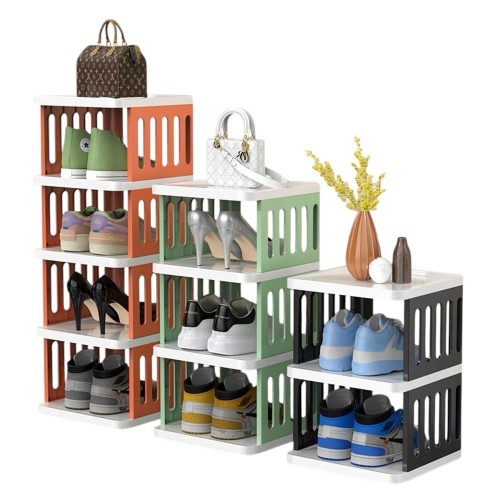
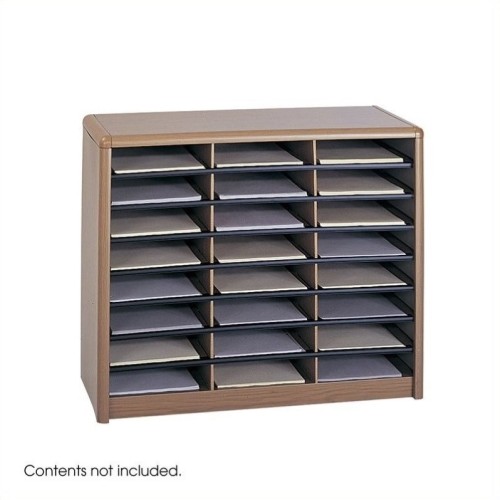
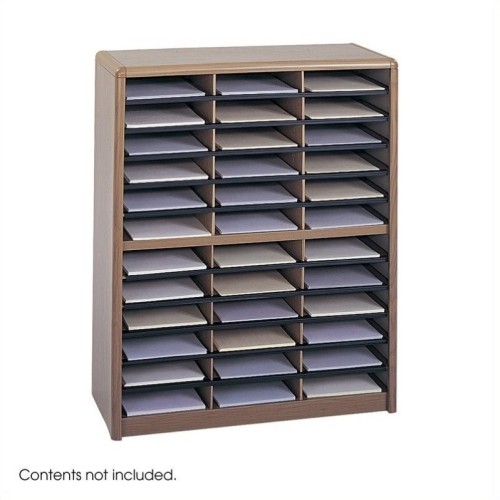
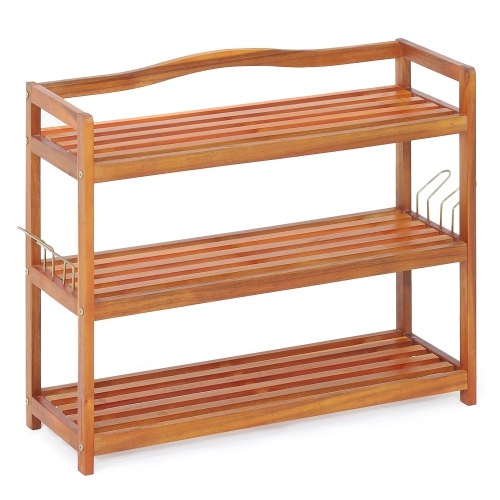
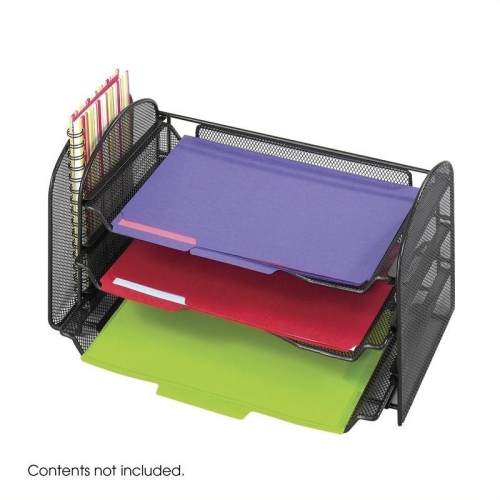
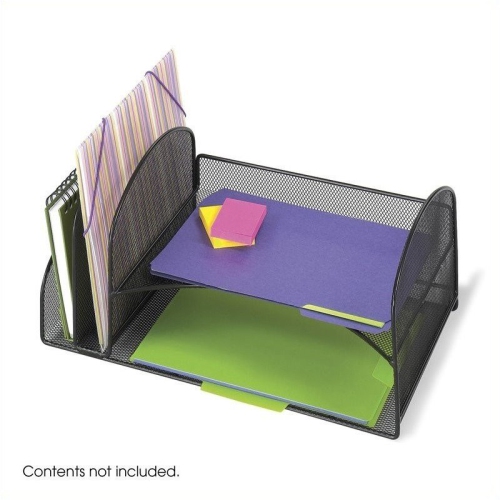
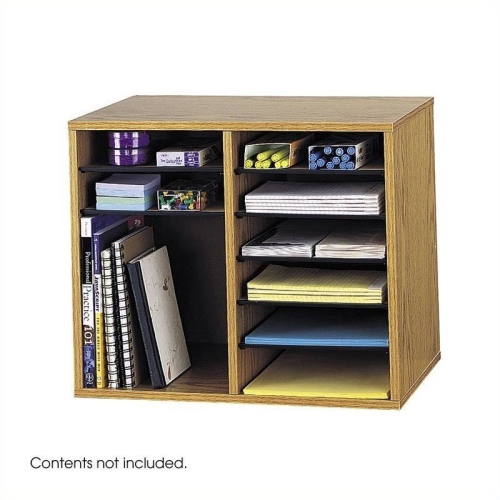
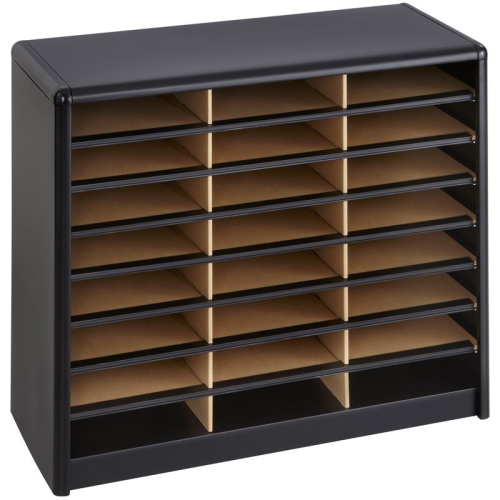
Vertical organizers make it easier to bring order to busy rooms without taking up valuable floor, desk, or counter space. Instead of spreading folders, accessories, household supplies, or everyday essentials across a surface, these organizers use height to keep items arranged in a compact footprint. A desktop file sorter can hold folders, notebooks, incoming mail, receipts, and papers upright, making it easier to see what needs attention and return completed documents to their proper place. Wall-mounted pockets offer another practical option for keeping paperwork off a work surface, while multi-shelf literature sorters can separate forms, projects, correspondence, or shared household documents into clearly labelled sections. In a home office, a vertical organizer can help create a more comfortable workstation by keeping frequently used materials within reach while leaving room for a keyboard, monitor, writing pad, or lamp. In a student’s study area, it can provide a simple place for assignments, reference materials, and notebooks. For shared spaces, separate compartments can help each person maintain their own section, reducing the familiar pile of papers that tends to form on a kitchen counter or entryway table. If you are arranging a complete workspace, browse Office Organizers for additional ways to coordinate paperwork and desk essentials. Vertical organizers are also useful beyond the office. A tall freestanding rack can make use of an unused corner in a hallway, bedroom, laundry area, or pantry, while an over-the-door rack can turn the back of a closet or cupboard door into accessible storage for shoes, accessories, cleaning supplies, small packages, or kitchen items. Floating shelves and other wall-mounted formats can help capture open wall space above a desk, workbench, vanity, or bathroom counter, keeping everyday items visible without placing them underfoot.
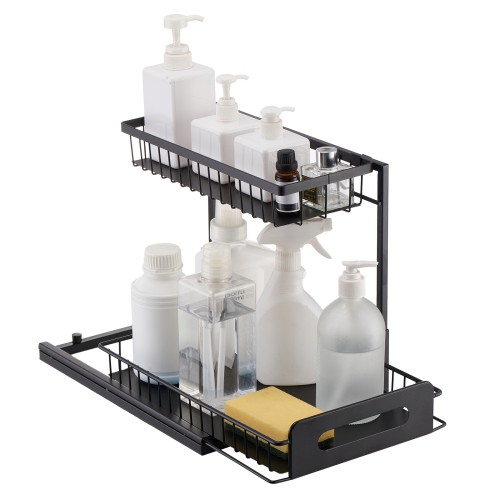
Choosing the right vertical organizer starts with identifying what you need to store and where it will be used. Measure the available height, width, and depth before shopping, paying close attention to door clearance, shelf spacing, baseboards, trim, and nearby furniture. A compact desktop unit may be ideal for letters and standard folders, while a taller freestanding design may be better suited to books, baskets, folded items, or larger supplies. Consider whether you prefer open compartments for quick visibility or enclosed sections that give the area a neater appearance. Removable shelves can be helpful when storage needs change, allowing space for taller binders, packages, bottles, or containers. If the organizer will be mounted to a wall, confirm that the installation hardware is appropriate for the wall material and that the mounting points are secure. Weight capacity matters as well: books, canned goods, tools, and full storage containers can become surprisingly heavy, particularly when several compartments are loaded at once. For over-the-door styles, check the door thickness and ensure the hooks allow the door to close smoothly without interfering with handles or hinges. In a kitchen or pantry, narrow shelves and pockets can hold spices, wraps, utensils, or small bottles, but items should be distributed evenly to help maintain stability. In a closet, tiered racks can keep shoes, handbags, scarves, and folded accessories visible instead of buried behind one another. For a bathroom, look for a suitable placement away from direct splashes and choose a format that matches the size and weight of the items being stored. A well-chosen organizer should make items easier to find, not simply create another place to tuck things away.
Vertical organizers can suit a wide range of households, work styles, and routines, which also makes them a thoughtful practical gift for someone setting up a home office, preparing for a new school term, moving into a smaller home, or refreshing a busy entryway. They are particularly useful for people who work with paperwork, manage family schedules, share a desk, or prefer to keep frequently used items in sight. A parent might use separate pockets for school notices, permission forms, and activity information; a remote worker might sort documents by project or priority; and someone in a compact apartment might use the wall or the back of a door to create storage where a larger cabinet would not fit. During the cooler months, when coats, footwear, mail, and household items can collect near the entrance, a tall rack or door-mounted organizer can help keep the hallway easier to move through. The best arrangement is usually the one that matches an existing habit: place incoming papers in the first open pocket, keep daily accessories at an easy-to-reach height, and reserve higher sections for items used less often. Labels can make shared storage more intuitive, while open compartments help prevent forgotten items from disappearing behind closed doors. Look for sturdy construction, smooth edges, stable bases, dependable mounting hardware, and finishes that suit the room where the organizer will live. With the right size and layout, a vertical organizer can turn an overlooked wall, door, corner, or desktop into useful storage while keeping important items visible, accessible, and easier to put away.
Choosing the right vertical organizer starts with identifying what you need to store and where it will be used. Measure the available height, width, and depth before shopping, paying close attention to door clearance, shelf spacing, baseboards, trim, and nearby furniture. A compact desktop unit may be ideal for letters and standard folders, while a taller freestanding design may be better suited to books, baskets, folded items, or larger supplies. Consider whether you prefer open compartments for quick visibility or enclosed sections that give the area a neater appearance. Removable shelves can be helpful when storage needs change, allowing space for taller binders, packages, bottles, or containers. If the organizer will be mounted to a wall, confirm that the installation hardware is appropriate for the wall material and that the mounting points are secure. Weight capacity matters as well: books, canned goods, tools, and full storage containers can become surprisingly heavy, particularly when several compartments are loaded at once. For over-the-door styles, check the door thickness and ensure the hooks allow the door to close smoothly without interfering with handles or hinges. In a kitchen or pantry, narrow shelves and pockets can hold spices, wraps, utensils, or small bottles, but items should be distributed evenly to help maintain stability. In a closet, tiered racks can keep shoes, handbags, scarves, and folded accessories visible instead of buried behind one another. For a bathroom, look for a suitable placement away from direct splashes and choose a format that matches the size and weight of the items being stored. A well-chosen organizer should make items easier to find, not simply create another place to tuck things away.
Vertical organizers can suit a wide range of households, work styles, and routines, which also makes them a thoughtful practical gift for someone setting up a home office, preparing for a new school term, moving into a smaller home, or refreshing a busy entryway. They are particularly useful for people who work with paperwork, manage family schedules, share a desk, or prefer to keep frequently used items in sight. A parent might use separate pockets for school notices, permission forms, and activity information; a remote worker might sort documents by project or priority; and someone in a compact apartment might use the wall or the back of a door to create storage where a larger cabinet would not fit. During the cooler months, when coats, footwear, mail, and household items can collect near the entrance, a tall rack or door-mounted organizer can help keep the hallway easier to move through. The best arrangement is usually the one that matches an existing habit: place incoming papers in the first open pocket, keep daily accessories at an easy-to-reach height, and reserve higher sections for items used less often. Labels can make shared storage more intuitive, while open compartments help prevent forgotten items from disappearing behind closed doors. Look for sturdy construction, smooth edges, stable bases, dependable mounting hardware, and finishes that suit the room where the organizer will live. With the right size and layout, a vertical organizer can turn an overlooked wall, door, corner, or desktop into useful storage while keeping important items visible, accessible, and easier to put away.
Top selling and popular products
-
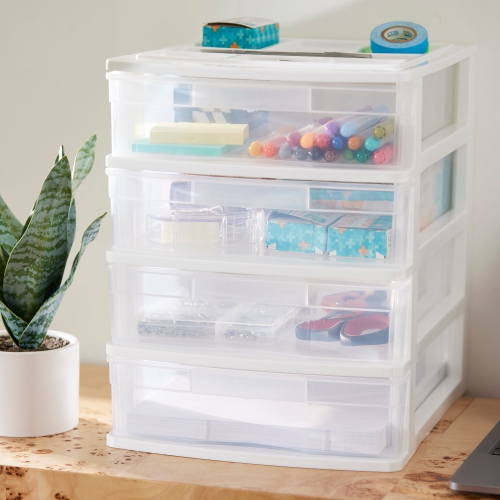 Your price for this item is $162.99
 -
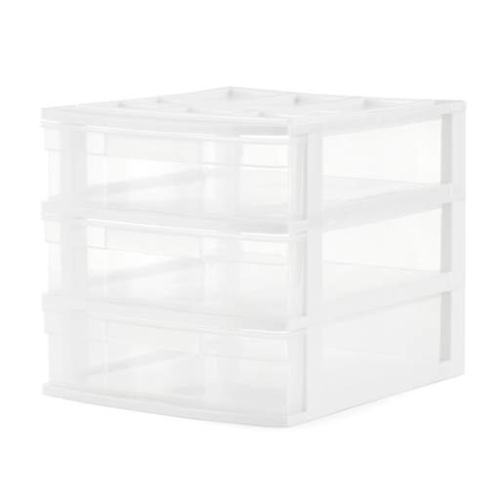 Your price for this item is $71.99
 -
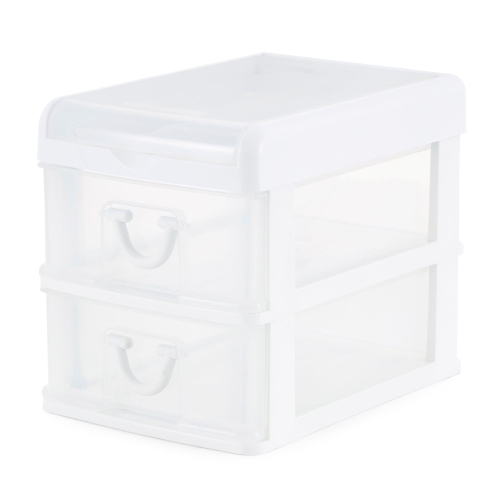 Your price for this item is $65.99
 -
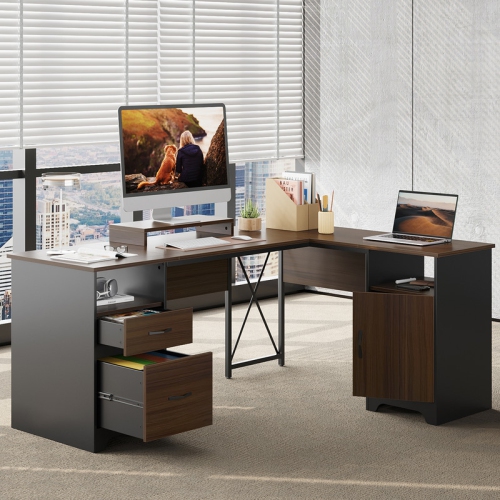 Your price for this item is $299.99
 -
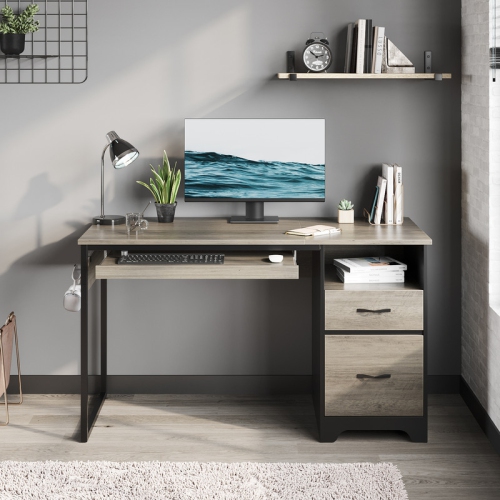 Your price for this item is $249.99
 -
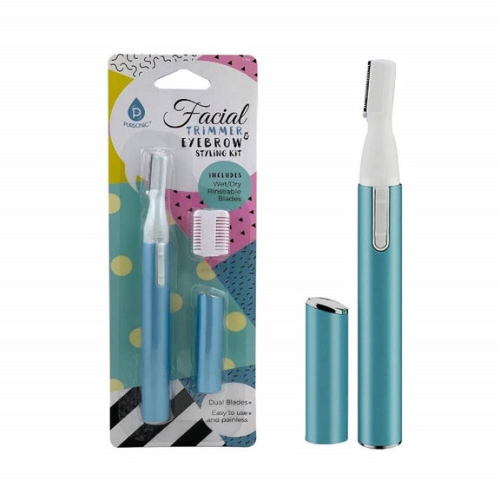 Your price for this item is $19.99
 -
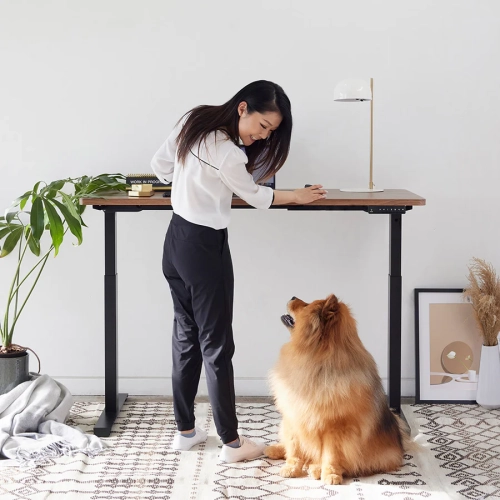 Your price for this item is $745
 -
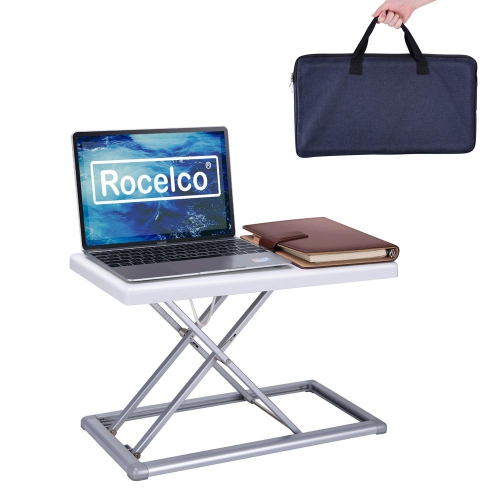 Your price for this item is $129.99
Discover more categories related to Vertical Organizers
Top Collections:
Pokemon Centers, Kindle Devices, Best Budget Office Chairs, Apple iPhones 16, Best Laptops for Writers, iPhone 15 Apple, Canon G7X Cameras, Refurbished Apple Laptops, Alarm Clock, Motorola Razr Phones
Some products may be subject to Environmental Handling Fees
(EHF) depending on your province.
Learn more about EHFs.