Wall Mounted File Holders
Organize your workspace with our selection of wall-mounted file holders. These sleek and functional accessories are designed to help you declutter your desk and keep important documents within reach. Whether you need a simple single-pocket holder or a multi-tiered system, we have a variety of options to suit your needs. With their space-saving design and easy installation, these file holders are the perfect solution for almost any home office, classroom, or professional setting.
Sort
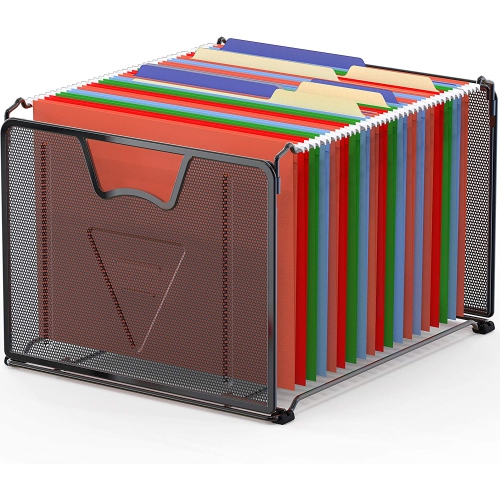
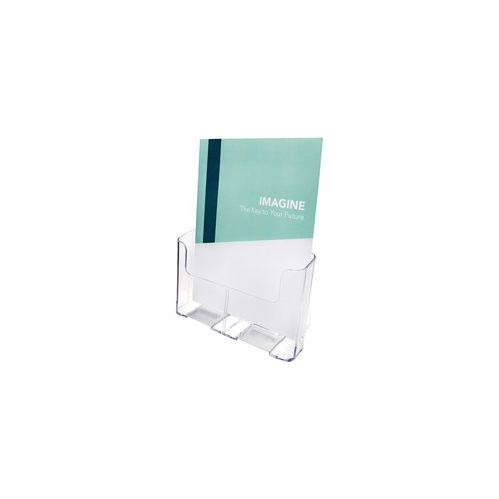
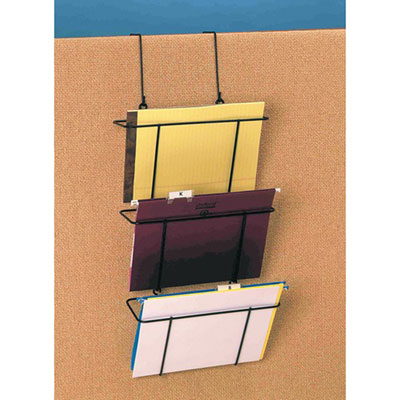
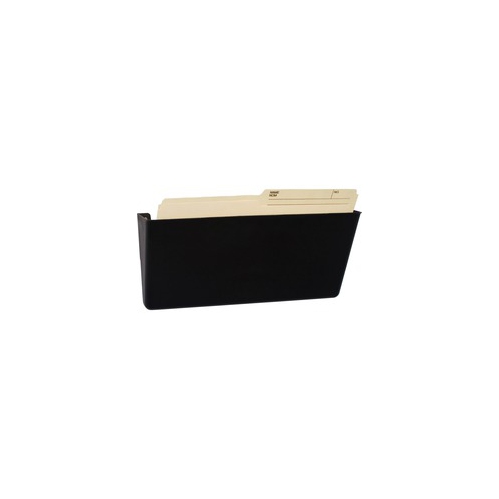
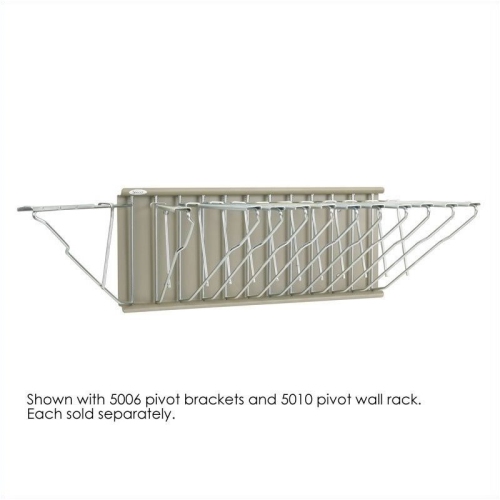
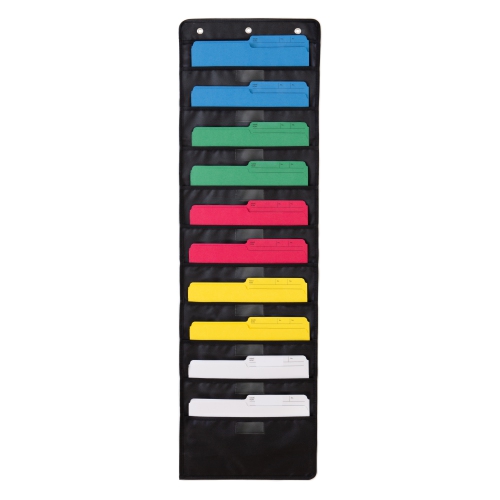
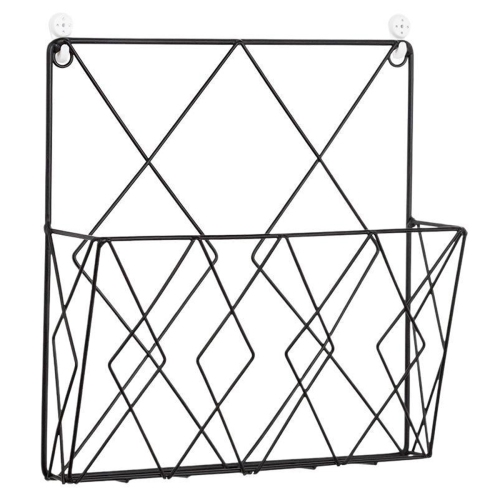
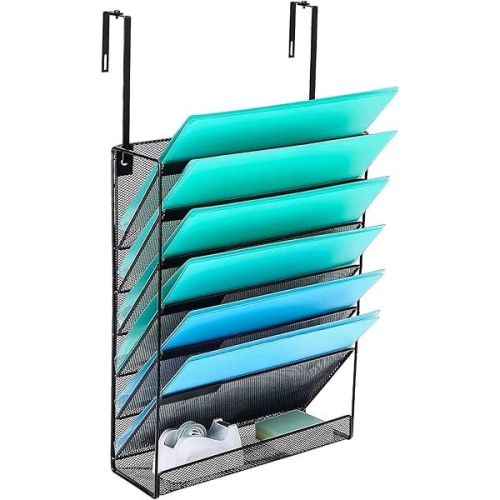
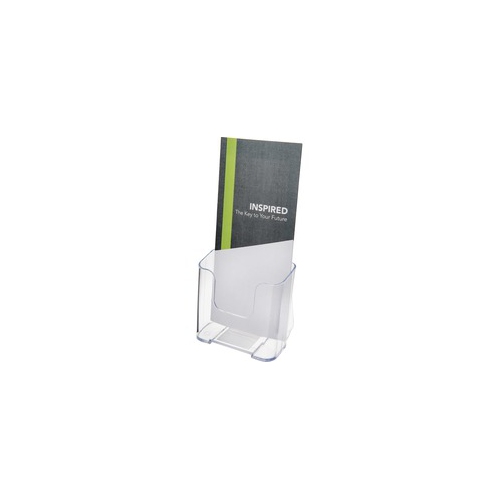

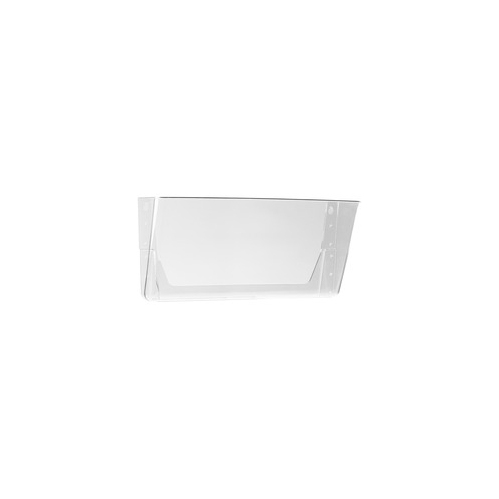
Unused wall space becomes an everyday filing system
Wall mounted file holders are a practical way to bring order to papers that tend to gather in untidy piles. By lifting documents off a desk, counter, or worktable and arranging them vertically at eye level, they make frequently used paperwork easier to see, reach, and return to its proper place. They can be useful in home offices, classrooms, reception areas, kitchens, craft rooms, shared workspaces, and small business settings where every bit of surface area matters. A wall file holder can keep incoming mail separate from documents that need action, create a dedicated spot for bills and receipts, or sort paperwork by person, project, department, or deadline. In a family command centre, different pockets can hold school forms, appointment information, permission slips, and household notices. In a home office, they can separate invoices, reference material, correspondence, and papers waiting to be filed. This simple vertical arrangement can make a room feel calmer, particularly during the cooler months when more time is spent indoors and desks often serve several purposes throughout the day. Wall mounted file holders are also helpful for people who prefer visual organisation. Instead of hiding everything in a drawer, they keep important papers in view without spreading them across a work surface. Clear labels, colour-coded folders, or a consistent filing routine can make the system even easier to maintain. They may be a thoughtful practical gift for someone settling into a first apartment, setting up a home office, organizing a study area, or managing a busy household, especially when paired with folders, labels, or other desk accessories.
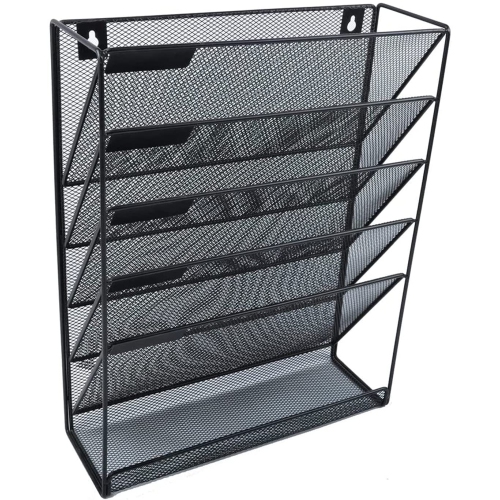
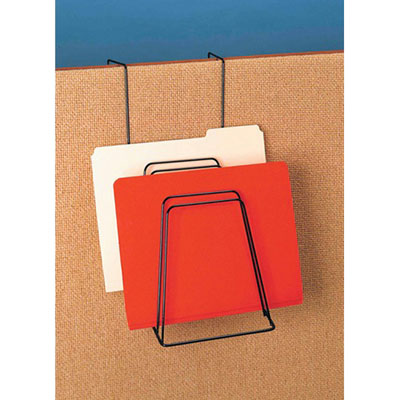
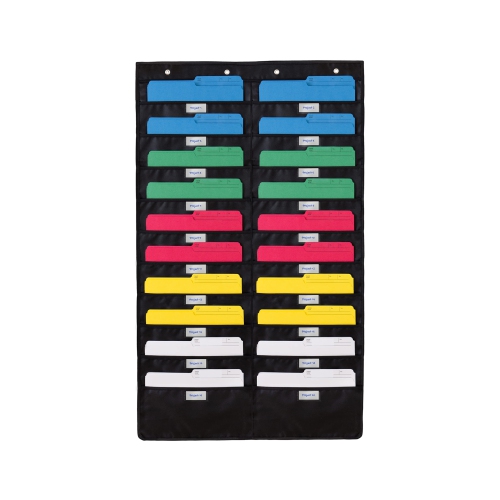
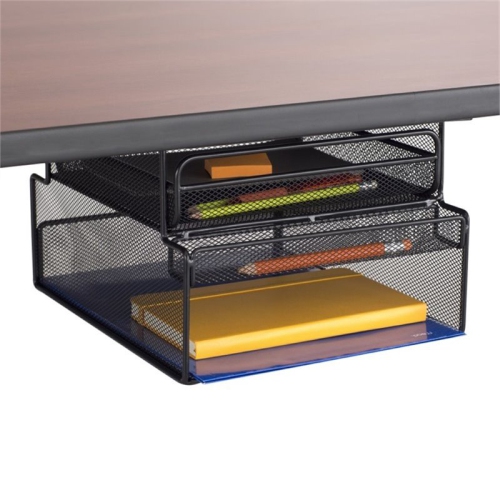
When choosing a wall mounted file holder, start by considering the papers it will need to accommodate. Letter-size documents are common in Canadian homes and offices, while legal-size papers require deeper or taller pockets, so checking the listed dimensions can prevent folders from bending or extending beyond the holder. Think about how many categories need their own space and whether a single pocket, a tiered arrangement, or a larger multi-pocket layout will suit the available wall area. Plastic pockets are generally lightweight and easy to wipe clean, making them convenient for everyday paperwork, children’s activity sheets, or areas where occasional spills are possible. Metal mesh holders offer a more structured appearance and can be well suited to busy offices, reception desks, and workrooms; some designs include a lower tray for pens, clips, notes, or other small supplies. Fabric hanging organizers can provide a softer, flexible option, particularly for bedrooms, craft areas, entryways, and spaces where a hook, rail, or over-the-door placement is more suitable than permanent wall installation. The appearance matters as well as the capacity. A discreet neutral finish can blend into a professional office, while a brighter option may help distinguish a child’s study station or a creative workspace. Consider the weight of the papers, folders, and accessories that will be stored, then compare that with the holder’s construction and recommended capacity. A lightly loaded pocket for incoming mail may need far less support than a fully packed section holding manuals, project files, or several legal-size folders. It is also worth allowing room for documents to be removed and returned without catching on neighbouring pockets. A holder that is too tightly packed may be difficult to use, while one with a little extra capacity can accommodate changing workloads.
Mounting method is another important part of the decision. Screw-mounted wall file holders can provide dependable support for heavier loads when installed into a suitable wall surface with the correct hardware. Anchors may be needed where a screw cannot be placed directly into a stud, and the installation area should be checked for a level surface before the holder is secured. Adhesive mounting can be a convenient tool-free choice for lightweight paperwork on smooth, clean surfaces, such as painted walls, glass, laminate, or the side of a cabinet, but the adhesive instructions and weight limits should be followed carefully. Dust, textured finishes, moisture, and uneven surfaces can reduce its grip. Magnetic backing can work well on steel filing cabinets, refrigerators, lockers, or magnetic whiteboards, allowing the holder to be moved as a workspace changes. Before mounting, measure the wall and check that nearby doors, drawers, windows, and light switches will remain clear. Positioning also affects how naturally the organizer becomes part of a routine: a holder near the entrance can collect mail as it comes in, one beside a printer can sort completed documents, and one near a desk can keep active files within easy reach. It can be helpful to assign each pocket a clear purpose and schedule a quick review so old papers do not quietly accumulate. For additional home organization ideas, explore Wall Mounted Towel Holders, which use a similar wall-saving approach in another part of the home. With the right size, material, mounting style, and location, wall mounted file holders can turn an overlooked section of wall into a useful filing system that supports everyday routines from early fall through winter and beyond.
When choosing a wall mounted file holder, start by considering the papers it will need to accommodate. Letter-size documents are common in Canadian homes and offices, while legal-size papers require deeper or taller pockets, so checking the listed dimensions can prevent folders from bending or extending beyond the holder. Think about how many categories need their own space and whether a single pocket, a tiered arrangement, or a larger multi-pocket layout will suit the available wall area. Plastic pockets are generally lightweight and easy to wipe clean, making them convenient for everyday paperwork, children’s activity sheets, or areas where occasional spills are possible. Metal mesh holders offer a more structured appearance and can be well suited to busy offices, reception desks, and workrooms; some designs include a lower tray for pens, clips, notes, or other small supplies. Fabric hanging organizers can provide a softer, flexible option, particularly for bedrooms, craft areas, entryways, and spaces where a hook, rail, or over-the-door placement is more suitable than permanent wall installation. The appearance matters as well as the capacity. A discreet neutral finish can blend into a professional office, while a brighter option may help distinguish a child’s study station or a creative workspace. Consider the weight of the papers, folders, and accessories that will be stored, then compare that with the holder’s construction and recommended capacity. A lightly loaded pocket for incoming mail may need far less support than a fully packed section holding manuals, project files, or several legal-size folders. It is also worth allowing room for documents to be removed and returned without catching on neighbouring pockets. A holder that is too tightly packed may be difficult to use, while one with a little extra capacity can accommodate changing workloads.
Mounting method is another important part of the decision. Screw-mounted wall file holders can provide dependable support for heavier loads when installed into a suitable wall surface with the correct hardware. Anchors may be needed where a screw cannot be placed directly into a stud, and the installation area should be checked for a level surface before the holder is secured. Adhesive mounting can be a convenient tool-free choice for lightweight paperwork on smooth, clean surfaces, such as painted walls, glass, laminate, or the side of a cabinet, but the adhesive instructions and weight limits should be followed carefully. Dust, textured finishes, moisture, and uneven surfaces can reduce its grip. Magnetic backing can work well on steel filing cabinets, refrigerators, lockers, or magnetic whiteboards, allowing the holder to be moved as a workspace changes. Before mounting, measure the wall and check that nearby doors, drawers, windows, and light switches will remain clear. Positioning also affects how naturally the organizer becomes part of a routine: a holder near the entrance can collect mail as it comes in, one beside a printer can sort completed documents, and one near a desk can keep active files within easy reach. It can be helpful to assign each pocket a clear purpose and schedule a quick review so old papers do not quietly accumulate. For additional home organization ideas, explore Wall Mounted Towel Holders, which use a similar wall-saving approach in another part of the home. With the right size, material, mounting style, and location, wall mounted file holders can turn an overlooked section of wall into a useful filing system that supports everyday routines from early fall through winter and beyond.
Top selling and popular products
-
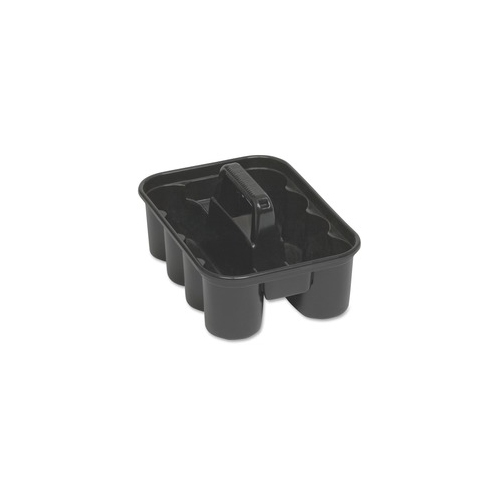 Your price for this item is $18.99
 -
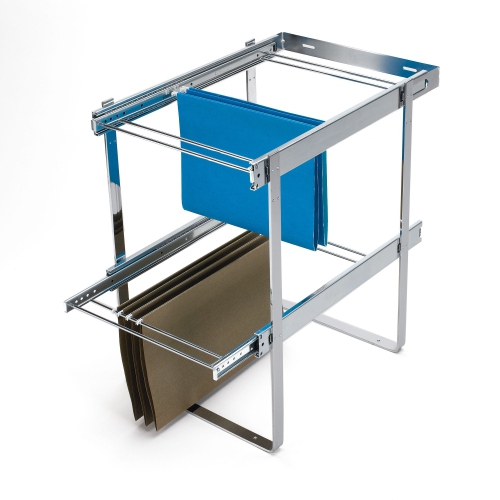 Your price for this item is $165.99
 -
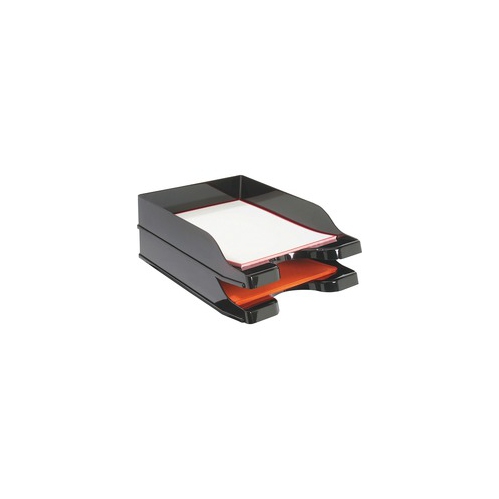 Your price for this item is $31.99
 -
 Your price for this item is $571.89
 -
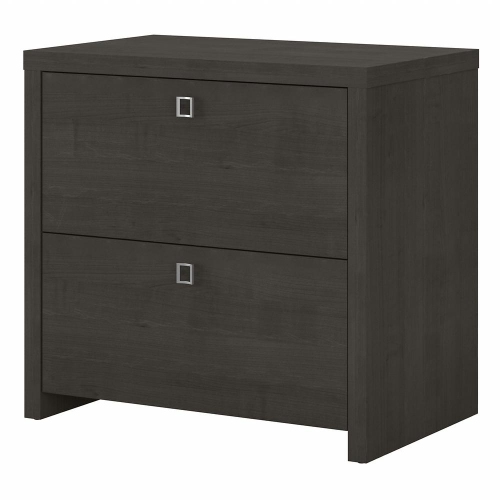 Your price for this item is $899.84
 -
 Your price for this item is $46.96
 -
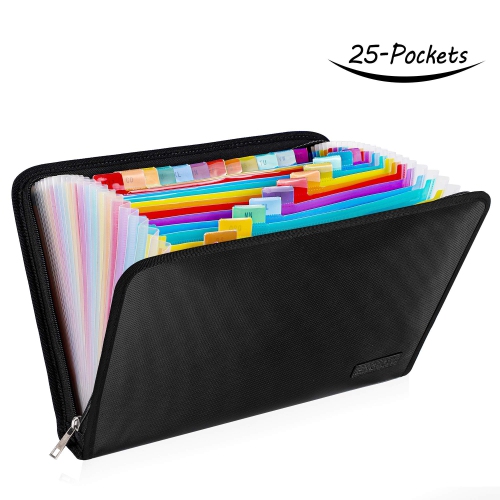 Your price for this item is $65.96
 -
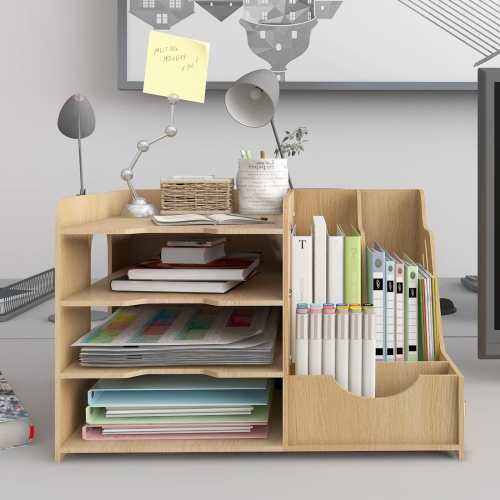 Your price for this item is $59.9
Discover more categories related to Wall Mounted File Holders
Top Collections:
Pokemon Centers, Kindle Devices, Best Budget Office Chairs, Apple iPhones 16, Best Laptops for Writers, iPhone 15 Apple, Canon G7X Cameras, Refurbished Apple Laptops, Alarm Clock, Motorola Razr Phones
Some products may be subject to Environmental Handling Fees
(EHF) depending on your province.
Learn more about EHFs.