Watercolor Supplies
Whether you're a seasoned artist or just starting out on your creative journey, our wide selection of watercolor supplies has everything you need to bring your imagination to life. From vibrant paints and high-quality brushes to durable paper and convenient palettes, our collection offers the essentials for creating stunning watercolor masterpieces. With a range of options to suit every skill level and budget, finding the perfect tools to express your artistic vision has never been easier. Explore our extensive assortment of watercolor supplies and unleash your creativity today.
Sort


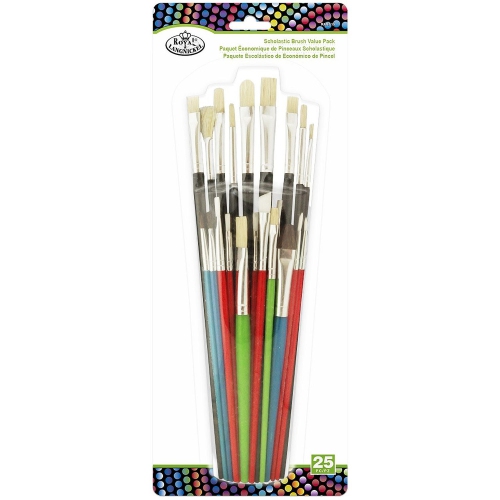
From first washes to confident colour control
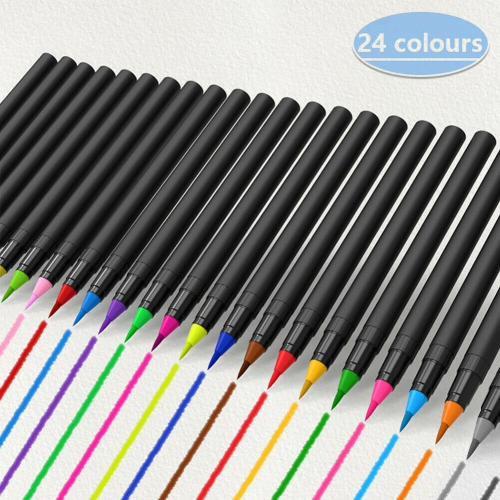
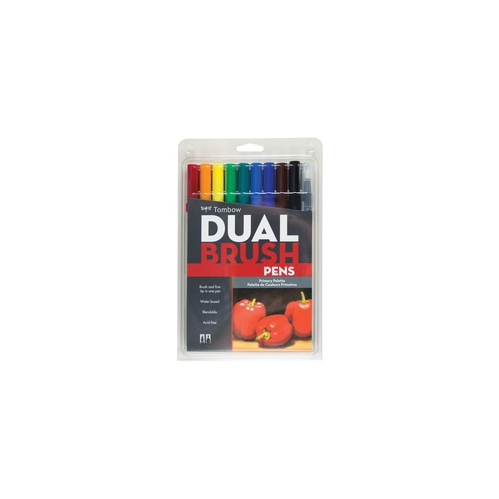
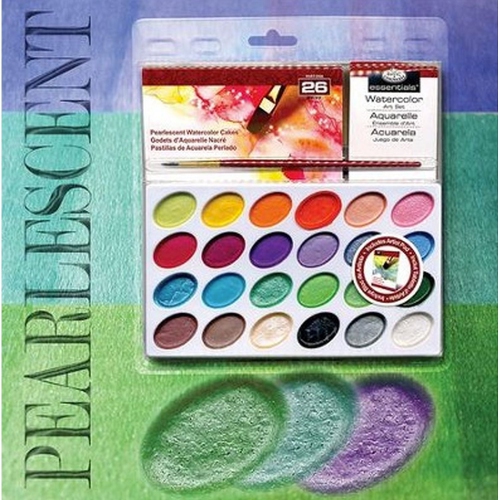
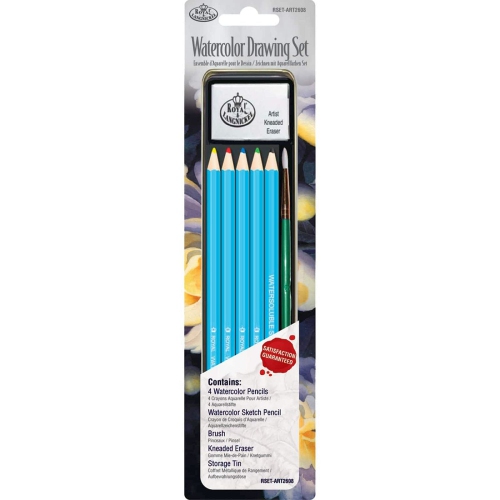
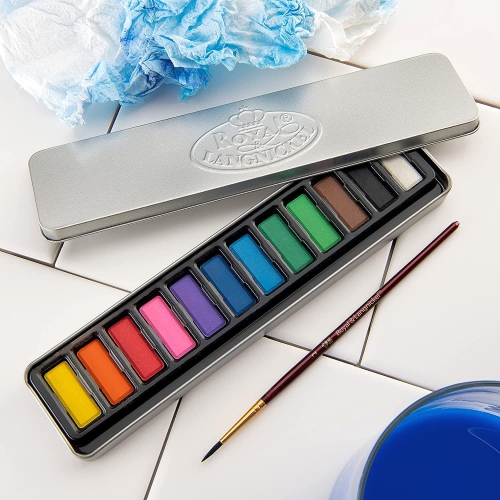
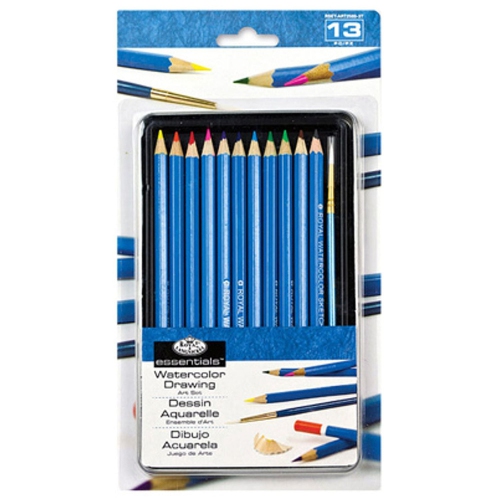
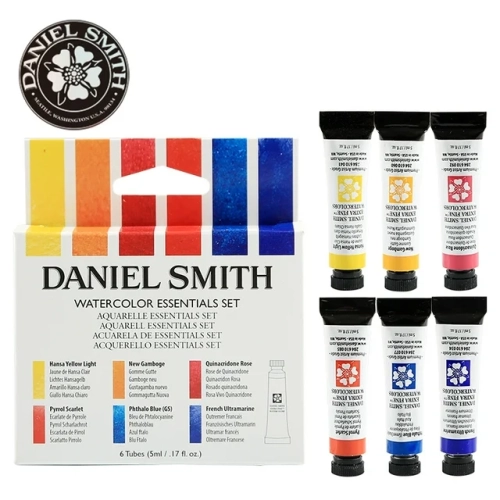
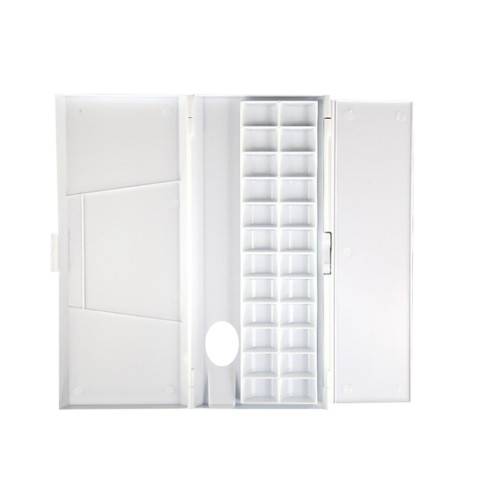
Watercolor supplies bring together a simple set of tools that can produce remarkably varied results, from transparent washes that resemble morning mist to finely painted details with the texture of a dry brush. A practical starting point includes watercolor paint, suitable paper, a few versatile brushes, a mixing palette, water containers, and something absorbent for lifting or softening colour. Paint is available in pans and tubes, and each format has its own advantages. Pan paints are compact, tidy, and easy to carry, making them useful for students, travellers, sketchers, and anyone who likes to paint at a kitchen table or outdoors. Tube paints can be convenient when larger quantities or rich, freshly squeezed colour are needed, especially for broad washes and larger work. Beginners often benefit from a set with a balanced range of colours rather than an oversized collection, since learning to mix greens, violets, oranges, and muted shades builds confidence and helps develop an understanding of colour relationships. Student-grade paints are a sensible choice for practice, while artist-grade paints may appeal to experienced painters who want greater pigment intensity, finer colour control, or specific single-pigment shades. When comparing sets, look for clear colour names, lightfastness information, and paints that can be reactivated with water after drying. A small mixing palette with separate wells makes it easier to keep colours organised, while a ceramic plate or smooth, non-porous tray can also provide a generous mixing surface. Keeping two water jars nearby is a useful habit: one can be used for rinsing pigment from a brush, and the other can remain cleaner for diluting colour or creating a pale wash. A soft cloth or absorbent paper towels are equally helpful for blotting excess water, correcting edges, and creating highlights. These modest accessories often make the difference between a frustrating first session and a relaxed, enjoyable one.
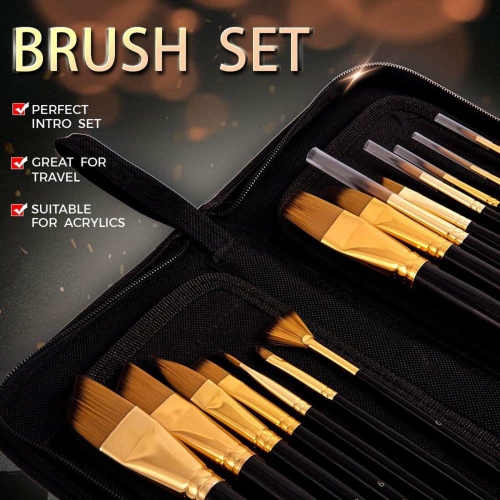
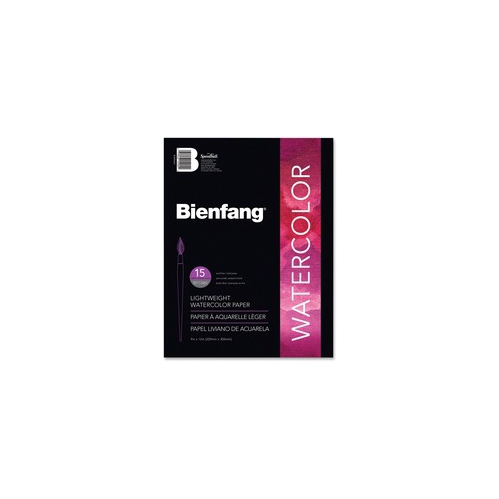
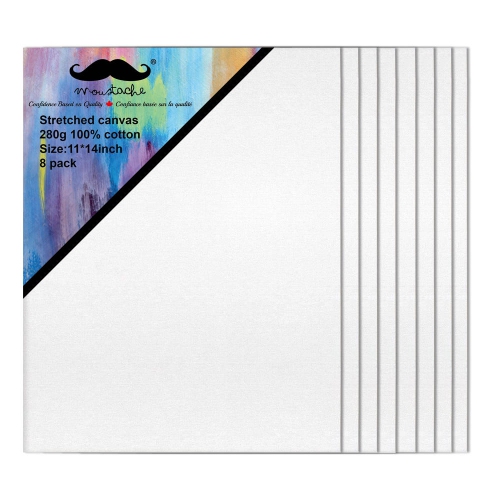
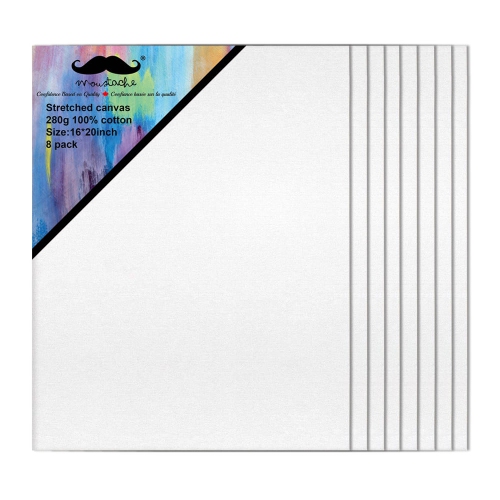
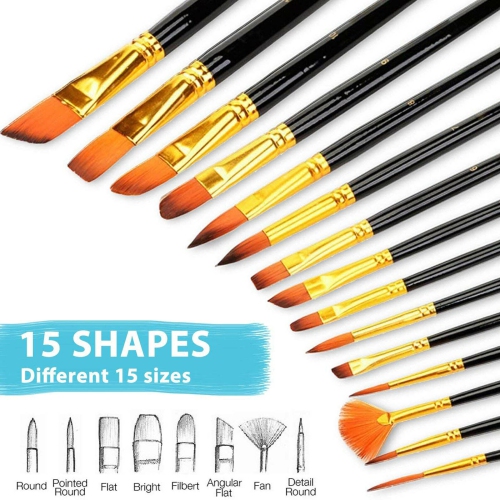
Paper is just as important as paint, and ordinary printer paper is rarely suitable for watercolour work because it buckles, pills, and tears when it becomes wet. Look for paper labelled specifically for watercolour, ideally with a weight of at least 140 lb or 300 gsm. Heavier sheets can handle generous washes with less warping, while lighter paper may be useful for quick studies, lettering, or practising small colour swatches. Cold-pressed paper has a gently textured surface that works well for most beginners and supports both broad washes and controlled details. Hot-pressed paper is smoother, making it a good choice for precise botanical studies, ink and watercolour combinations, or illustrations where clean lines matter. Rough paper has a pronounced texture that can add character to landscapes, expressive skies, and loose, painterly work. Paper may be purchased as individual sheets, pads, blocks, or bound sketchbooks. A block with sealed edges can help keep wet paper flatter while painting, whereas loose sheets offer more flexibility for larger compositions. Before beginning a painting, many artists test their chosen colours on a scrap of the same paper to see how they granulate, blend, and dry. Watercolour often dries lighter than it appears when first applied, and a quick swatch chart can make colour selection more predictable. Brushes deserve similar attention. A medium round brush, such as a size 8, is a versatile all-purpose option for washes, stems, lettering, and moderate detail. A smaller round brush, such as a size 4, can handle veins in leaves, facial features, fine outlines, and other small marks. A larger wash brush is useful for skies and backgrounds, while a flat brush can create crisp edges, geometric shapes, and broad strokes. Synthetic brushes are often durable and responsive, and a pointed round brush that returns to its shape after use can be particularly valuable. Rather than choosing a large assortment immediately, consider a few shapes and sizes that feel comfortable in the hand. Rinse brushes thoroughly after painting, reshape the tips gently, and store them with the bristles protected so they are ready for the next session.
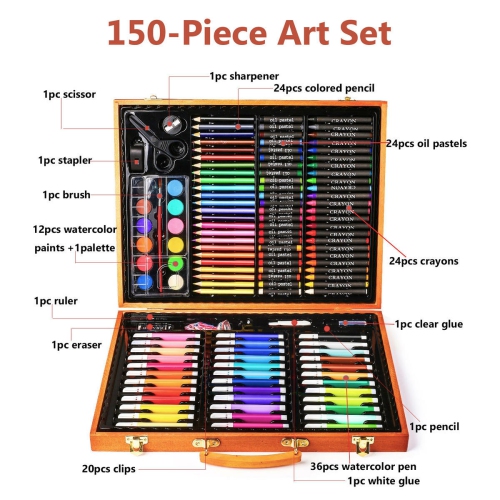
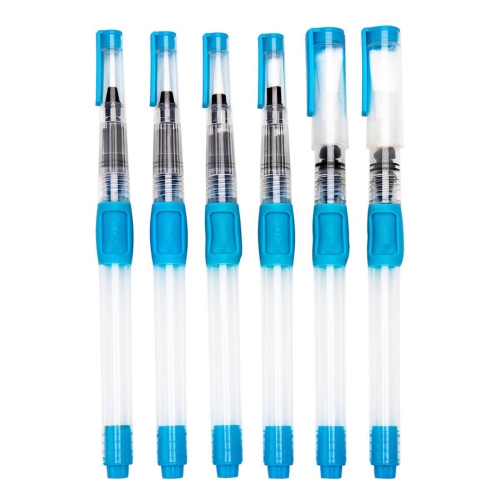
Watercolor supplies can suit many kinds of creative routines and make thoughtful gifts for artists at different stages. A child exploring colour for the first time may enjoy a compact, easy-to-use set paired with sturdy paper, while a student might appreciate portable supplies for class projects, visual journals, or urban sketching. An experienced painter may prefer to build a personal palette with carefully selected colours, but practical additions such as high-quality paper, a travel case, masking tape, a water brush, or a larger mixing palette can still be welcome. A coordinated Watercolor Art Sets collection can be convenient for gifting because it brings several essentials together and reduces the guesswork involved in assembling a first kit. Watercolour is also well suited to quiet hobbies during cooler months, when a small table, a cup of water, and a sheet of paper can create an inviting creative corner indoors. As the weather warms, portable supplies can travel to a balcony, garden, cottage, or park, allowing painters to capture changing light, leafy shadows, and quick impressions before they disappear. For anyone setting up a home painting space, protect the work surface with a washable mat, keep paints and brushes within easy reach, and allow finished sheets to dry completely before stacking them. Beginners may want to start with simple exercises such as flat washes, graded washes, wet-on-wet blending, and wet-on-dry edges. These techniques explain how water controls the movement of pigment and help painters understand why a brush loaded with clean water behaves differently from one carrying concentrated colour. It is useful to work from light to dark, leaving the palest areas of the paper untouched whenever possible, and to avoid repeatedly scrubbing a damp surface. With the right paper, a manageable selection of paints, dependable brushes, and a few practical accessories, watercolor supplies can support everything from casual experimentation and handmade cards to detailed illustrations, travel sketches, and considered works of art.
Paper is just as important as paint, and ordinary printer paper is rarely suitable for watercolour work because it buckles, pills, and tears when it becomes wet. Look for paper labelled specifically for watercolour, ideally with a weight of at least 140 lb or 300 gsm. Heavier sheets can handle generous washes with less warping, while lighter paper may be useful for quick studies, lettering, or practising small colour swatches. Cold-pressed paper has a gently textured surface that works well for most beginners and supports both broad washes and controlled details. Hot-pressed paper is smoother, making it a good choice for precise botanical studies, ink and watercolour combinations, or illustrations where clean lines matter. Rough paper has a pronounced texture that can add character to landscapes, expressive skies, and loose, painterly work. Paper may be purchased as individual sheets, pads, blocks, or bound sketchbooks. A block with sealed edges can help keep wet paper flatter while painting, whereas loose sheets offer more flexibility for larger compositions. Before beginning a painting, many artists test their chosen colours on a scrap of the same paper to see how they granulate, blend, and dry. Watercolour often dries lighter than it appears when first applied, and a quick swatch chart can make colour selection more predictable. Brushes deserve similar attention. A medium round brush, such as a size 8, is a versatile all-purpose option for washes, stems, lettering, and moderate detail. A smaller round brush, such as a size 4, can handle veins in leaves, facial features, fine outlines, and other small marks. A larger wash brush is useful for skies and backgrounds, while a flat brush can create crisp edges, geometric shapes, and broad strokes. Synthetic brushes are often durable and responsive, and a pointed round brush that returns to its shape after use can be particularly valuable. Rather than choosing a large assortment immediately, consider a few shapes and sizes that feel comfortable in the hand. Rinse brushes thoroughly after painting, reshape the tips gently, and store them with the bristles protected so they are ready for the next session.
Watercolor supplies can suit many kinds of creative routines and make thoughtful gifts for artists at different stages. A child exploring colour for the first time may enjoy a compact, easy-to-use set paired with sturdy paper, while a student might appreciate portable supplies for class projects, visual journals, or urban sketching. An experienced painter may prefer to build a personal palette with carefully selected colours, but practical additions such as high-quality paper, a travel case, masking tape, a water brush, or a larger mixing palette can still be welcome. A coordinated Watercolor Art Sets collection can be convenient for gifting because it brings several essentials together and reduces the guesswork involved in assembling a first kit. Watercolour is also well suited to quiet hobbies during cooler months, when a small table, a cup of water, and a sheet of paper can create an inviting creative corner indoors. As the weather warms, portable supplies can travel to a balcony, garden, cottage, or park, allowing painters to capture changing light, leafy shadows, and quick impressions before they disappear. For anyone setting up a home painting space, protect the work surface with a washable mat, keep paints and brushes within easy reach, and allow finished sheets to dry completely before stacking them. Beginners may want to start with simple exercises such as flat washes, graded washes, wet-on-wet blending, and wet-on-dry edges. These techniques explain how water controls the movement of pigment and help painters understand why a brush loaded with clean water behaves differently from one carrying concentrated colour. It is useful to work from light to dark, leaving the palest areas of the paper untouched whenever possible, and to avoid repeatedly scrubbing a damp surface. With the right paper, a manageable selection of paints, dependable brushes, and a few practical accessories, watercolor supplies can support everything from casual experimentation and handmade cards to detailed illustrations, travel sketches, and considered works of art.
Top selling and popular products
-
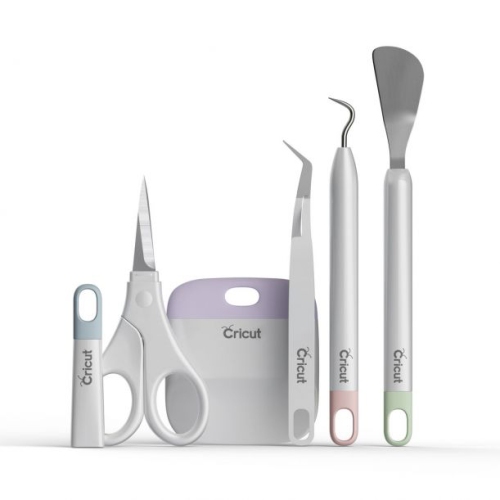 Your price for this item is $40.99
 -
 Your price for this item is $4.99
 -
 Your price for this item is $2.99
 -
 Your price for this item is $5.99
 -
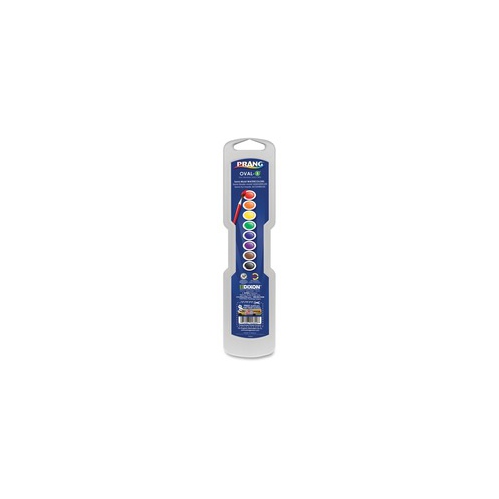 Your price for this item is $4.99
 -
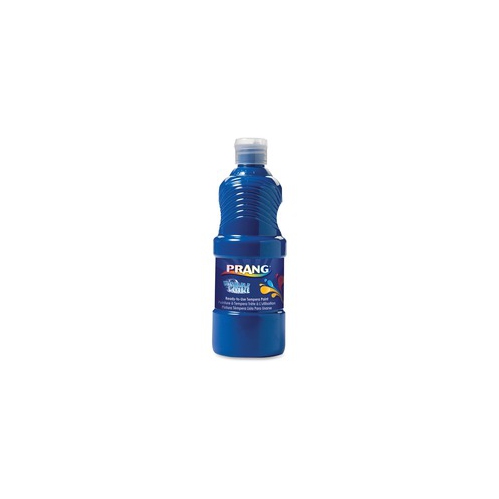 Your price for this item is $4.99
 -
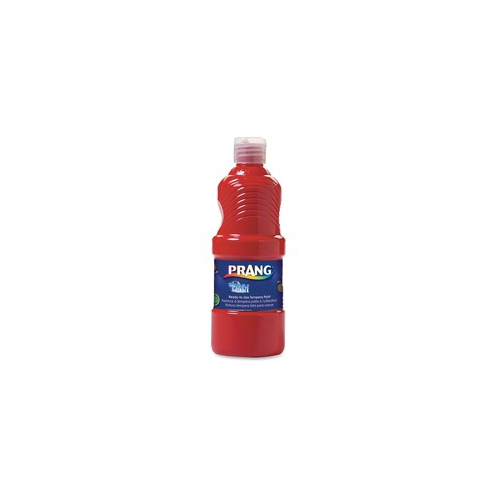 Your price for this item is $4.99
 -
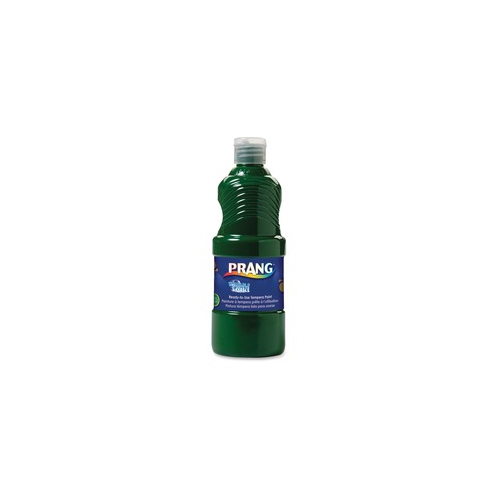 Your price for this item is $4.99
Discover more categories related to Watercolor Supplies
Top Collections:
Pokemon Centers, Kindle Devices, Best Budget Office Chairs, Apple iPhones 16, Best Laptops for Writers, iPhone 15 Apple, Canon G7X Cameras, Refurbished Apple Laptops, Alarm Clock, Motorola Razr Phones
Some products may be subject to Environmental Handling Fees
(EHF) depending on your province.
Learn more about EHFs.