Yard Waste Containers
Our yard waste containers are designed to make your outdoor clean-up a breeze. Whether you're tackling a small gardening project or a major landscaping overhaul, these containers are perfect for collecting grass clippings, leaves, branches, and other debris. With sturdy construction and ample capacity, our yard waste containers provide the ideal solution for keeping your outdoor space tidy and organized. Say goodbye to messy piles of yard waste and hello to a more efficient and hassle-free clean-up process.
Sort
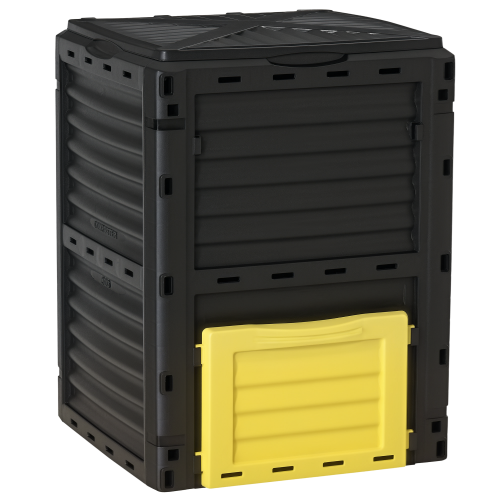
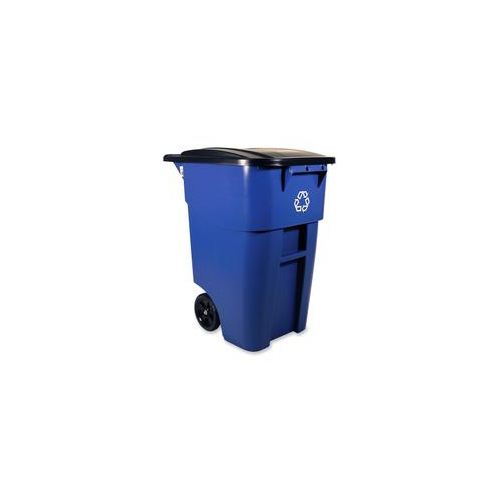
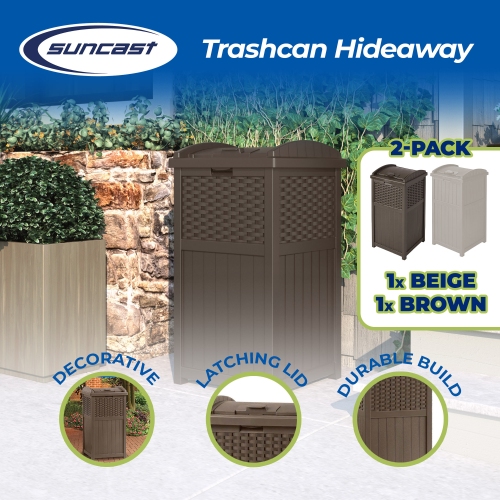
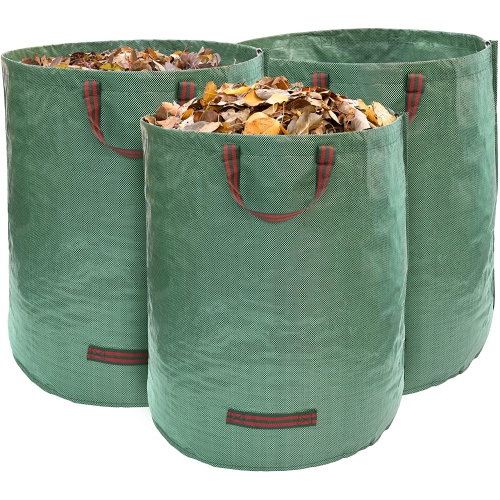


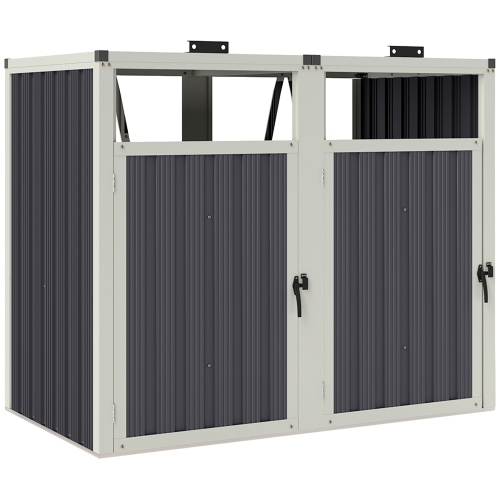
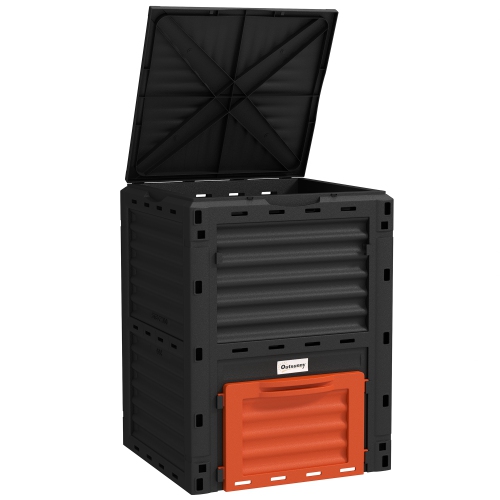
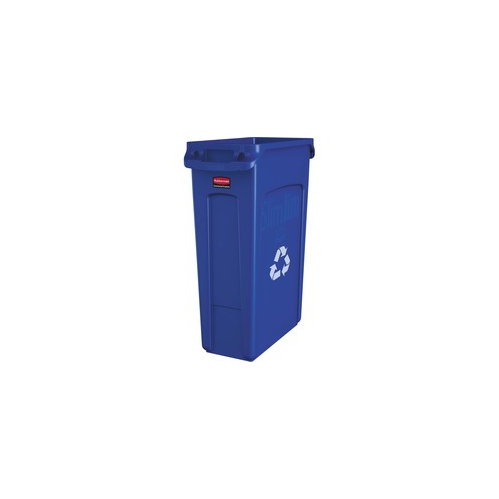
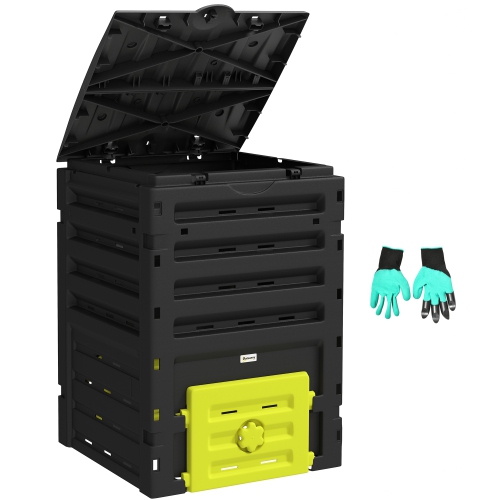
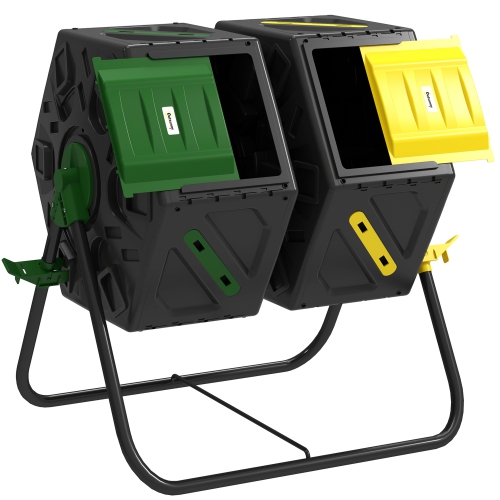
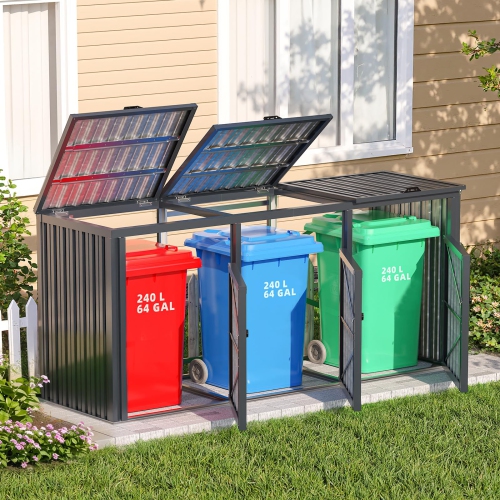
Organized yard clean-up from lawn to curb
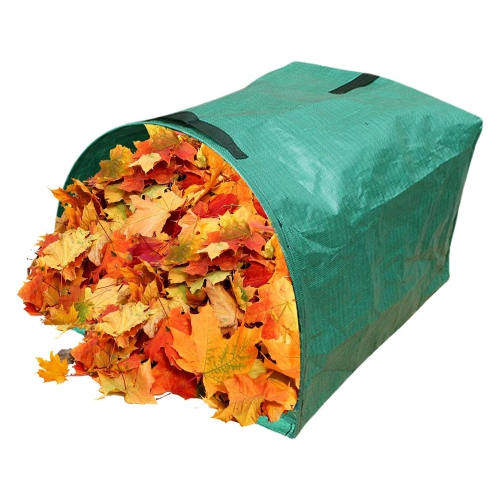
Yard waste containers make outdoor clean-up more orderly, less strenuous, and easier to manage from the first sweep of the lawn to the final trip to the curb. They are designed for common garden and yard debris such as fallen leaves, grass clippings, weeds, small branches, hedge trimmings, and spent plants, giving you a dedicated place to gather material as you work. The right container can help prevent loose debris from spreading across a walkway or being carried back over a freshly cleared lawn by the wind. It can also reduce the number of trips between the yard, garage, and collection area. During the cooler months, a sturdy container is especially useful for gathering damp leaves, while as the weather warms, it can handle the steady stream of grass clippings and pruning debris that comes with regular yard care. Yard waste containers generally fall into three useful formats: paper yard waste bags, rigid open-top bins, and reusable yard bags made from durable fabric or flexible materials. Paper bags are convenient for planned collection days and can stand upright while being filled with lightweight leaves and clippings. Rigid bins provide a stable opening and solid sides, which can be helpful when collecting heavier or bulkier material. Reusable yard bags often fold or collapse for storage and can be carried around the property as you work. Choosing between them depends on the size of your yard, the type of debris you typically collect, available storage space, and the collection rules in your municipality.
Capacity and construction are important considerations when selecting a yard waste container. A smaller container may be easier to lift and carry, particularly for routine lawn maintenance or for someone who prefers to empty it more frequently. Larger containers can reduce the number of trips during a major leaf clean-up, but they should not be filled beyond a manageable weight. Many municipal collection programs set maximum weight limits in the range of 15 kg to 23 kg, or approximately 33 lb to 50 lb, although the exact limit varies by location. Wet leaves, grass, and soil can become surprisingly heavy, so leaving some room at the top is often more practical than packing a container tightly. Look for reinforced handles, a broad base, and a design that remains upright while being loaded. A wide opening makes it easier to rake debris directly inside, while a flexible rim or supported frame can help keep the container open during use. If storage space is limited, a collapsible yard bag may fit neatly beside gardening tools, in a shed, or on a garage shelf. Rigid bins can be preferable for frequent use and may be easier to position beside a deck, garden bed, or driveway. Paper bags are useful when you want a simple container for a scheduled collection, but they should be kept dry before use and placed where they will not be exposed to prolonged rain. Check your local municipal instructions before setting anything out, as collection services may require specific container types, dimensions, labels, stickers, or placement methods. Many municipalities do not accept regular plastic garbage bags for yard waste, even when they are filled only with leaves or grass. Some services also distinguish between yard waste, large branches, soil, and household garbage, so sorting material before collection can help prevent missed pickup. For other outdoor refuse and general property clean-up, browse Outdoor Trash Cans for containers intended for different types of waste.
Yard waste containers can be useful for homeowners, renters with access to a shared yard, gardeners, property managers, and anyone who looks after outdoor spaces on a regular basis. They are also a practical gift for a new homeowner, a family member with a garden, or a friend who takes pride in keeping their lawn and landscaping tidy. A well-chosen container is helpful without requiring you to know the exact layout of someone’s yard, and it can become part of a reliable outdoor routine. A gardener might keep one beside a raised bed for weeds and trimmed stems, then move it around the property as different areas are cleared. Someone with a mature tree may prefer a high-capacity option for the heavy blanket of leaves that gathers across the lawn and driveway. For smaller spaces, a compact or collapsible design can make routine sweeping easier without taking over a balcony storage area, shed, or entryway. Consider how the container will be moved when full: handles should feel comfortable, the base should remain balanced, and the overall shape should be easy to lift without scraping against steps or garden edging. A container used for grass clippings may benefit from ventilation and a wipe-clean interior, while one used mainly for dry leaves can prioritize capacity and easy folding. Keep sharp branches separate from softer debris where possible, and avoid overfilling any container until it becomes difficult to carry. When preparing for collection, confirm the accepted materials, maximum size, weight restrictions, and collection schedule through your municipality, since rules differ between cities and regions. Place the container in the designated area with the opening accessible to collection crews, and use any required labels or markings. With the right size and format, a yard waste container turns a scattered outdoor chore into a straightforward process, helping keep tools, pathways, gardens, and collection areas organized through changing seasons.
Capacity and construction are important considerations when selecting a yard waste container. A smaller container may be easier to lift and carry, particularly for routine lawn maintenance or for someone who prefers to empty it more frequently. Larger containers can reduce the number of trips during a major leaf clean-up, but they should not be filled beyond a manageable weight. Many municipal collection programs set maximum weight limits in the range of 15 kg to 23 kg, or approximately 33 lb to 50 lb, although the exact limit varies by location. Wet leaves, grass, and soil can become surprisingly heavy, so leaving some room at the top is often more practical than packing a container tightly. Look for reinforced handles, a broad base, and a design that remains upright while being loaded. A wide opening makes it easier to rake debris directly inside, while a flexible rim or supported frame can help keep the container open during use. If storage space is limited, a collapsible yard bag may fit neatly beside gardening tools, in a shed, or on a garage shelf. Rigid bins can be preferable for frequent use and may be easier to position beside a deck, garden bed, or driveway. Paper bags are useful when you want a simple container for a scheduled collection, but they should be kept dry before use and placed where they will not be exposed to prolonged rain. Check your local municipal instructions before setting anything out, as collection services may require specific container types, dimensions, labels, stickers, or placement methods. Many municipalities do not accept regular plastic garbage bags for yard waste, even when they are filled only with leaves or grass. Some services also distinguish between yard waste, large branches, soil, and household garbage, so sorting material before collection can help prevent missed pickup. For other outdoor refuse and general property clean-up, browse Outdoor Trash Cans for containers intended for different types of waste.
Yard waste containers can be useful for homeowners, renters with access to a shared yard, gardeners, property managers, and anyone who looks after outdoor spaces on a regular basis. They are also a practical gift for a new homeowner, a family member with a garden, or a friend who takes pride in keeping their lawn and landscaping tidy. A well-chosen container is helpful without requiring you to know the exact layout of someone’s yard, and it can become part of a reliable outdoor routine. A gardener might keep one beside a raised bed for weeds and trimmed stems, then move it around the property as different areas are cleared. Someone with a mature tree may prefer a high-capacity option for the heavy blanket of leaves that gathers across the lawn and driveway. For smaller spaces, a compact or collapsible design can make routine sweeping easier without taking over a balcony storage area, shed, or entryway. Consider how the container will be moved when full: handles should feel comfortable, the base should remain balanced, and the overall shape should be easy to lift without scraping against steps or garden edging. A container used for grass clippings may benefit from ventilation and a wipe-clean interior, while one used mainly for dry leaves can prioritize capacity and easy folding. Keep sharp branches separate from softer debris where possible, and avoid overfilling any container until it becomes difficult to carry. When preparing for collection, confirm the accepted materials, maximum size, weight restrictions, and collection schedule through your municipality, since rules differ between cities and regions. Place the container in the designated area with the opening accessible to collection crews, and use any required labels or markings. With the right size and format, a yard waste container turns a scattered outdoor chore into a straightforward process, helping keep tools, pathways, gardens, and collection areas organized through changing seasons.
Top selling and popular products
-
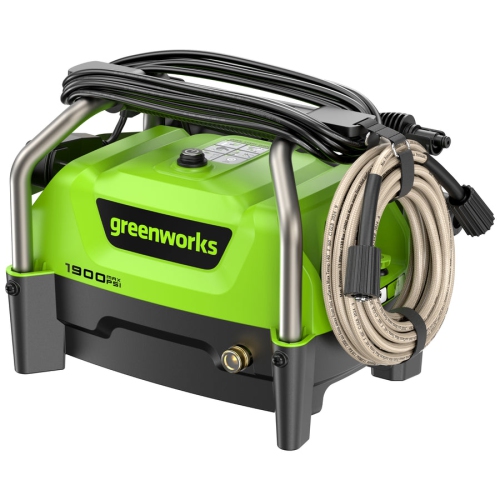 Your price for this item is $169.99
 -
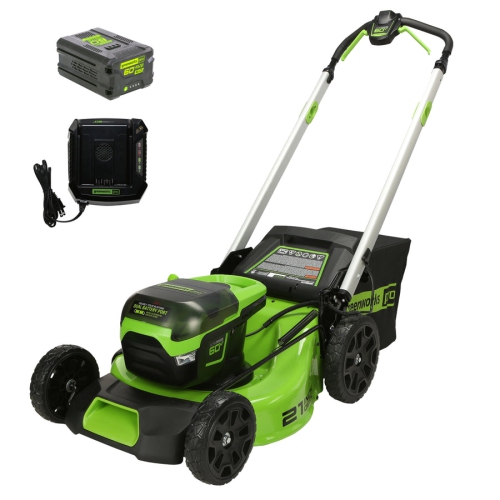 Your price for this item is $554.39
 -
 Your price for this item is $879.99
 -
 Your price for this item is $439.99
 -
 Your price for this item is $499
 -
 Your price for this item is $255
 -
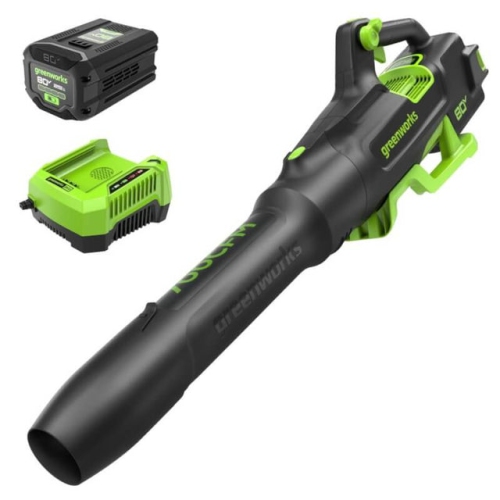 Your price for this item is $272
 -
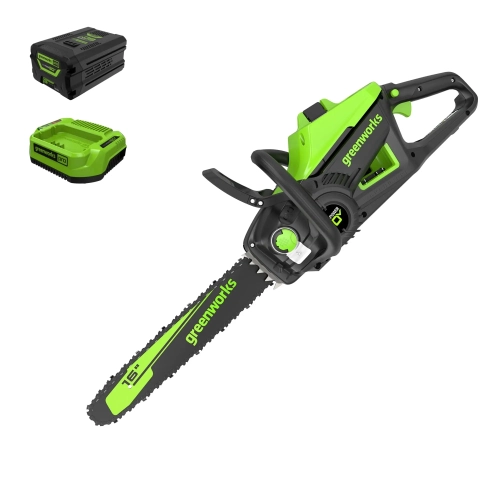 Your price for this item is $329.99
Discover more categories related to Yard Waste Containers
Top Collections:
Pokemon Centers, Kindle Devices, Best Budget Office Chairs, Apple iPhones 16, Canon G7X Cameras, iPhone 15 Apple, Alarm Clock, Refurbished Apple Laptops, Flip Phones, Best Laptops for Writers
Some products may be subject to Environmental Handling Fees
(EHF) depending on your province.
Learn more about EHFs.