Open-Ear Headphones with Ear Hooks
Open-ear headphones with ear hooks offer an alternative to in-ear designs, with hooks that wrap around your ears for added support while leaving your ear canals open. Compare options for listening on the move, paying attention to fit, comfort, and how easily you can hear your surroundings while enjoying your audio.
FAQ
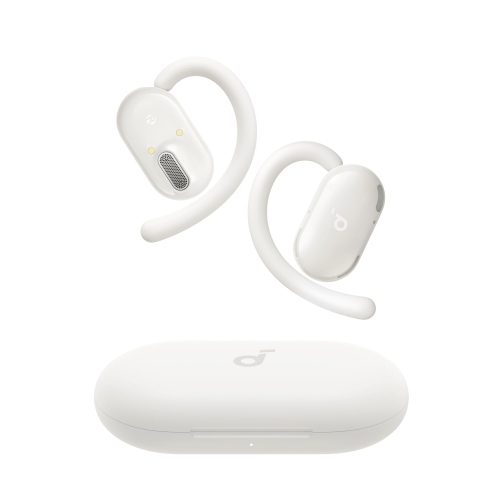
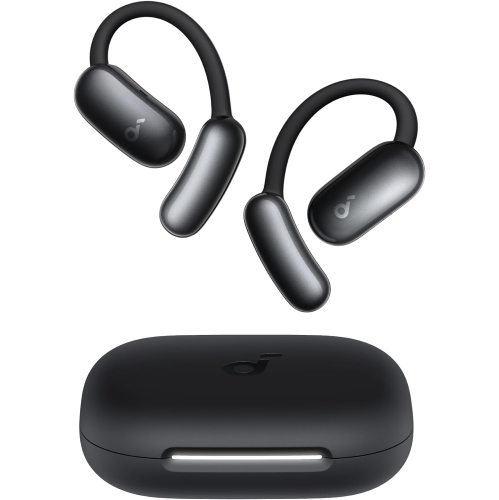
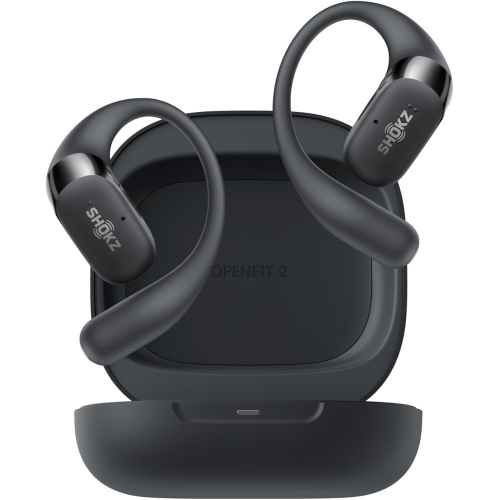
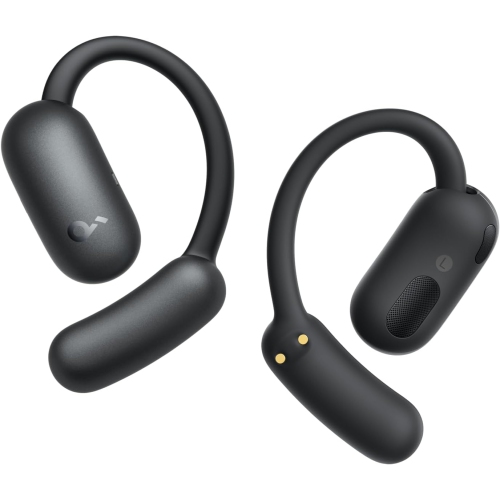
Open-ear headphones with ear hooks position audio components near your ears without sealing your ear canals. The hooks curve around your ears to hold the headphones in place, offering an alternative to in-ear earbuds and over-ear headphones.
Not necessarily. Many use air conduction, with small speakers that direct sound towards your ears. Bone-conduction headphones transmit vibrations through contact points near the ears instead. Open-ear describes the listening design, rather than one specific audio technology.
Open-ear headphones leave the ear canals unsealed, allowing surrounding sounds to remain audible naturally. Transparency mode uses microphones to bring surrounding sound into earbuds electronically. Ear hooks describe how headphones are worn and do not indicate whether a model has transparency mode.
Wireless models typically connect through Bluetooth to compatible phones, tablets and computers. Some support multipoint pairing, which lets them stay connected to two devices at once. Supported connections and switching controls vary by model.
Depending on the model, controls may include physical buttons, touch panels or a companion app. These can offer access to playback, volume, calls and voice assistants. Some apps also let you customize control shortcuts or adjust equalizer settings.
Top selling and popular products
Discover more categories related to Open-Ear Headphones with Ear Hooks
Some products may be subject to Environmental Handling Fees (EHF) depending on your province. Learn more about EHFs.