Modern Black Ottomans
A modern black ottoman is a great way to add style to your living room. It's also an excellent place to set your feet up when you're watching TV or reading a book. Black is a versatile color that matches well with any home decor. Here are some great options for modern black ottomans.
Sort


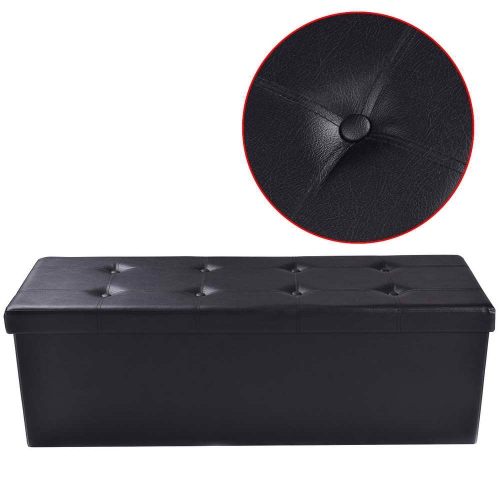
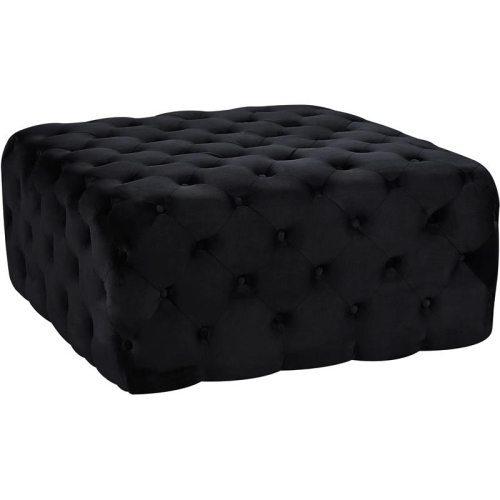
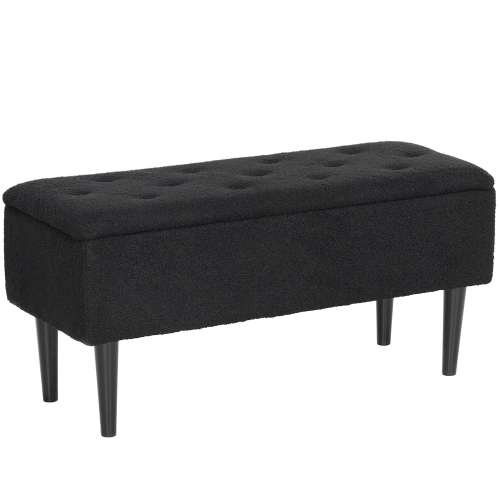
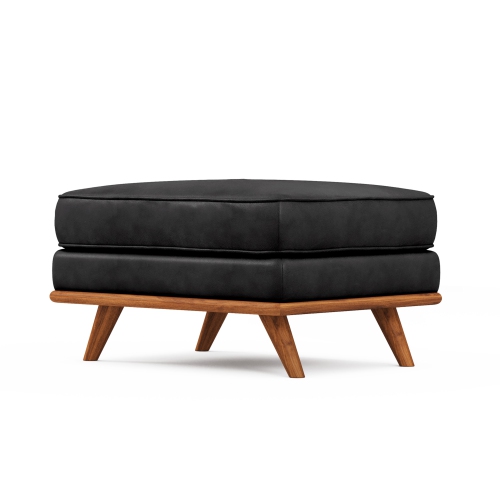

A black ottoman’s appeal goes beyond its colour
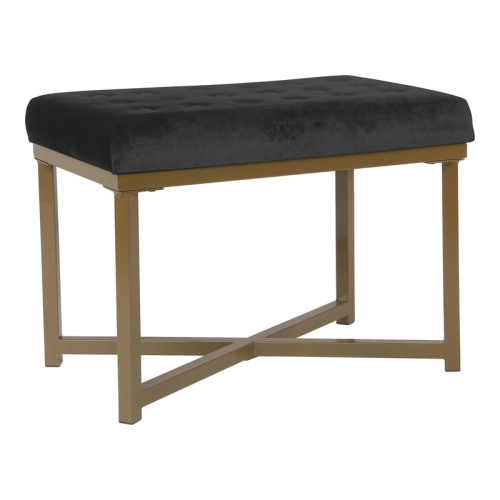
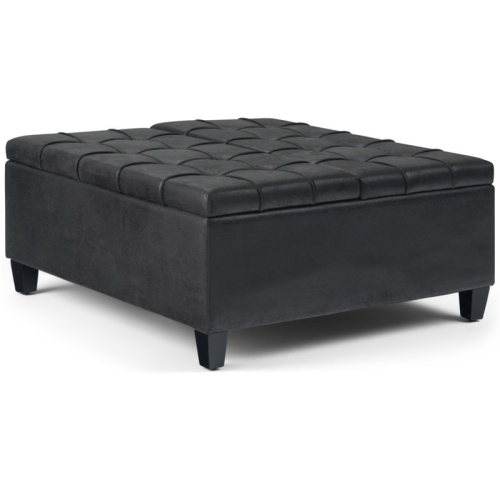
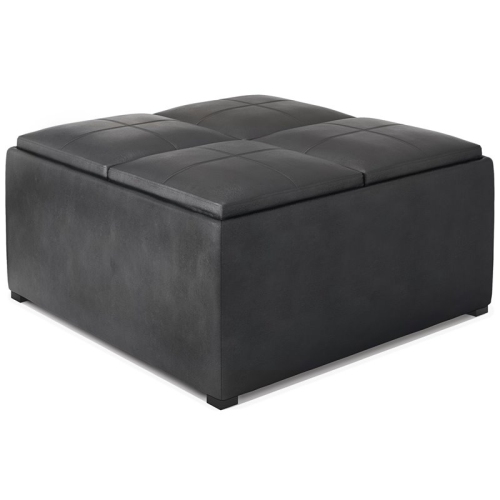
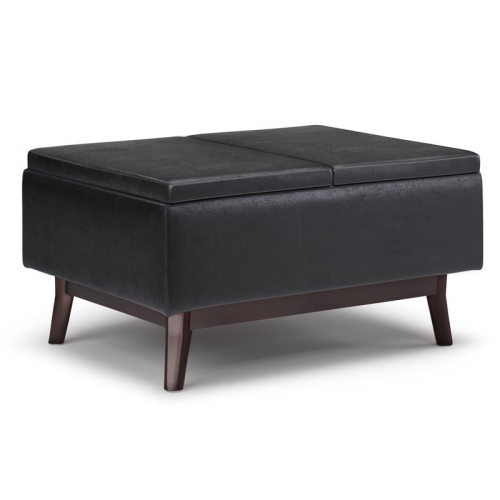
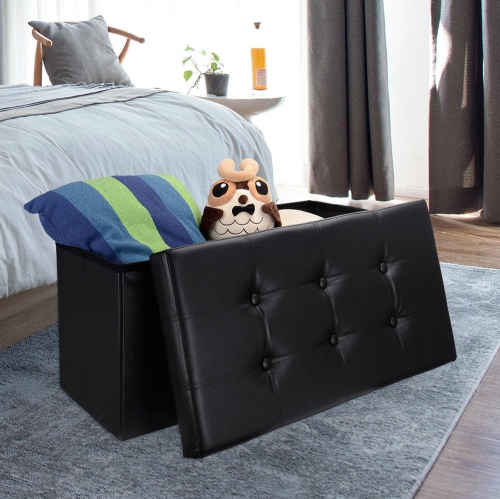
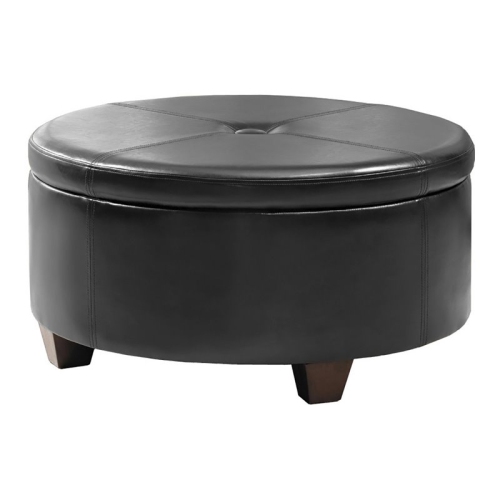
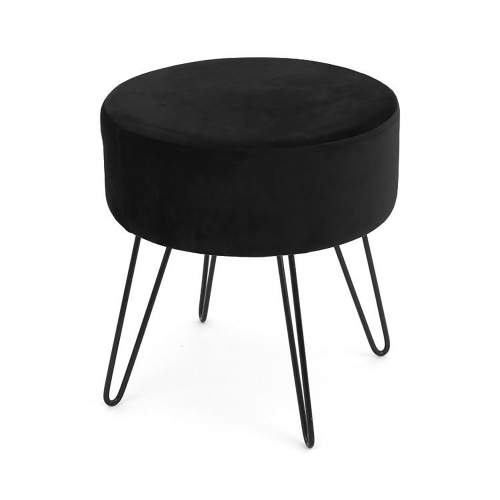
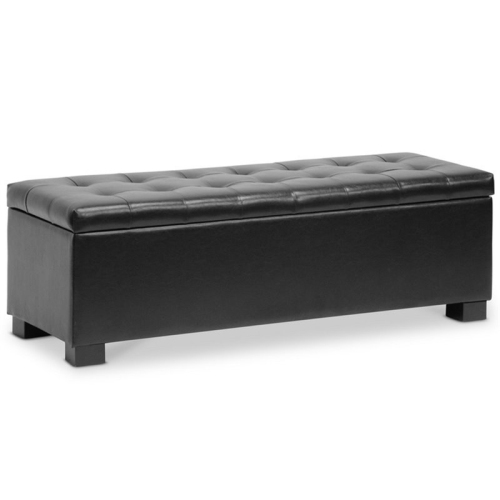
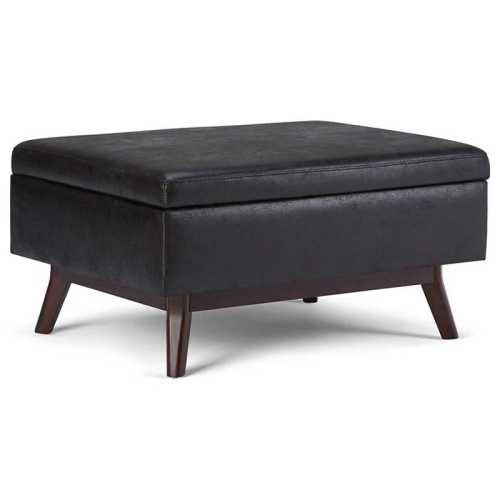
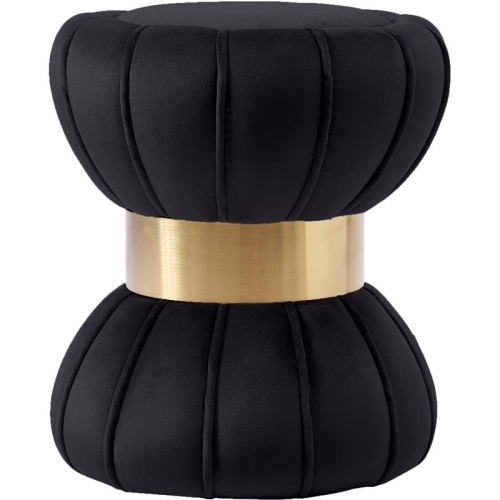
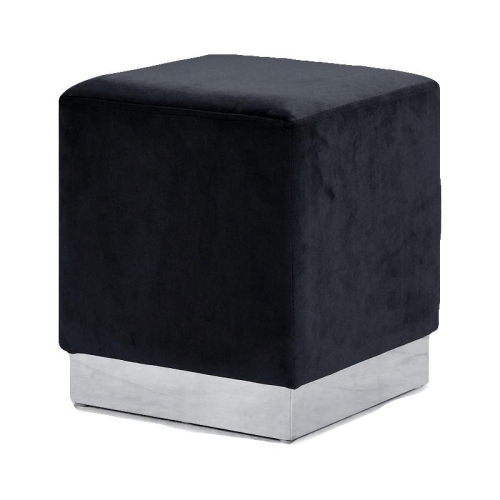
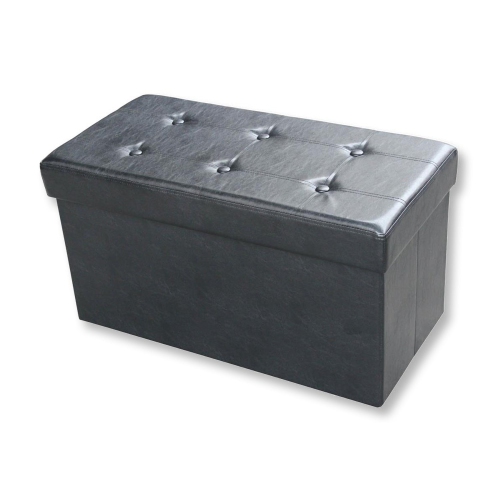
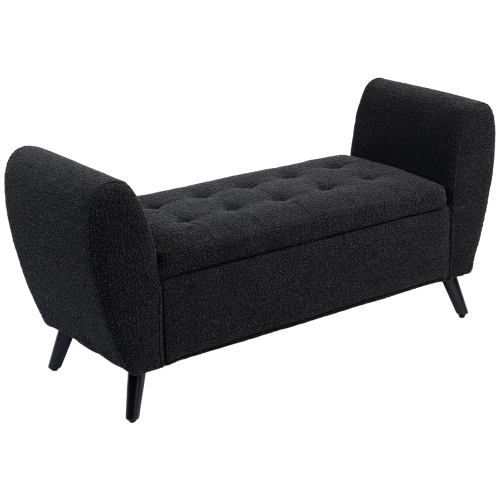
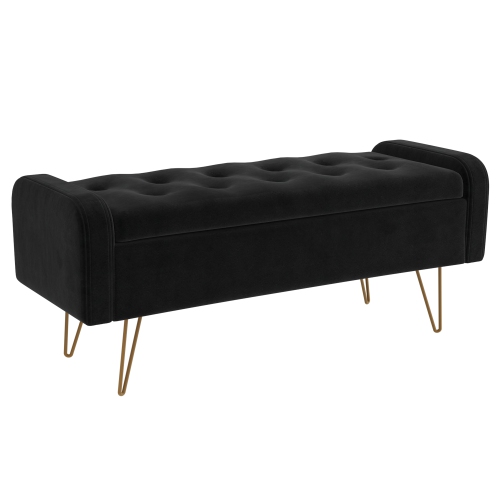
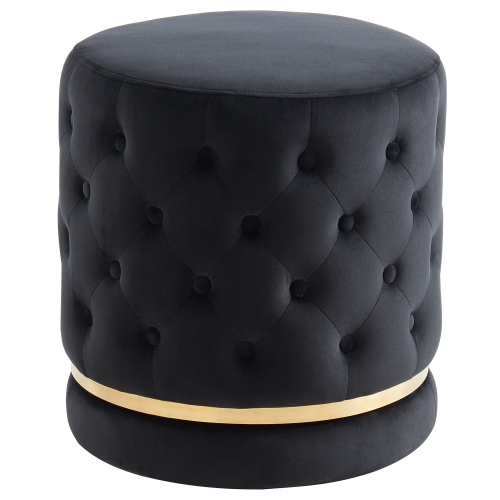
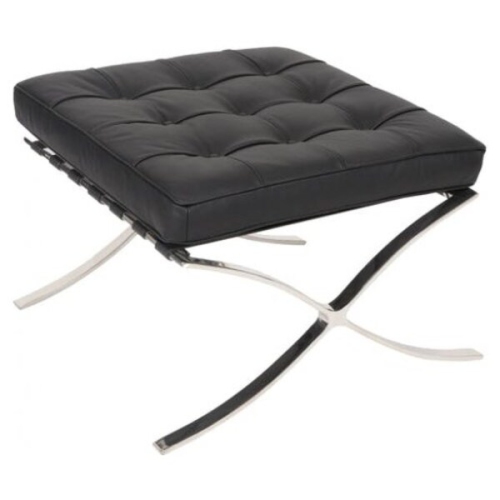
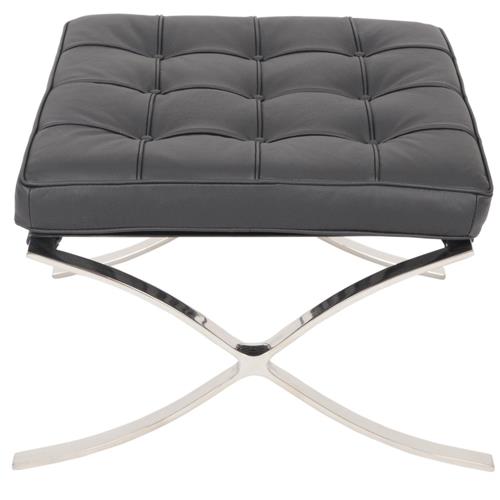
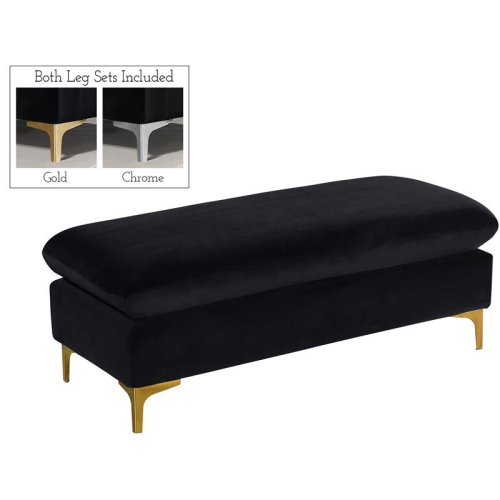
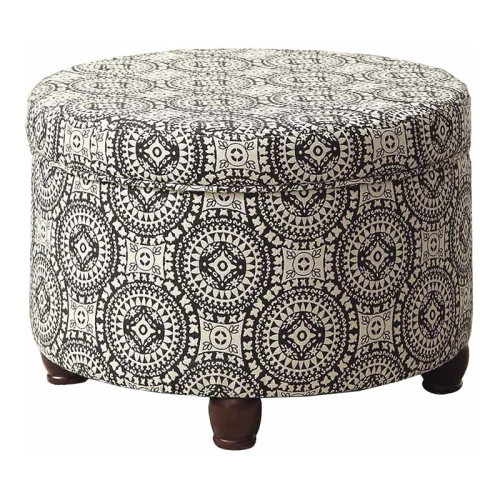
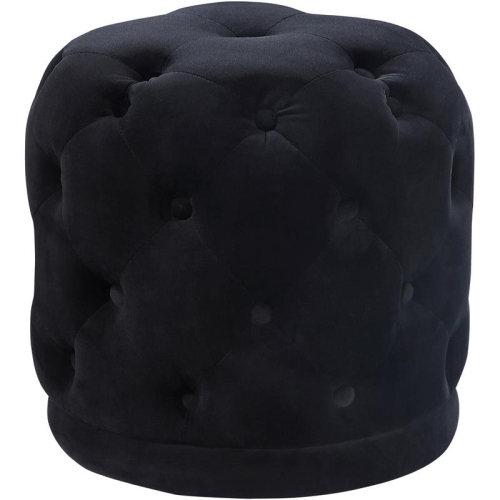
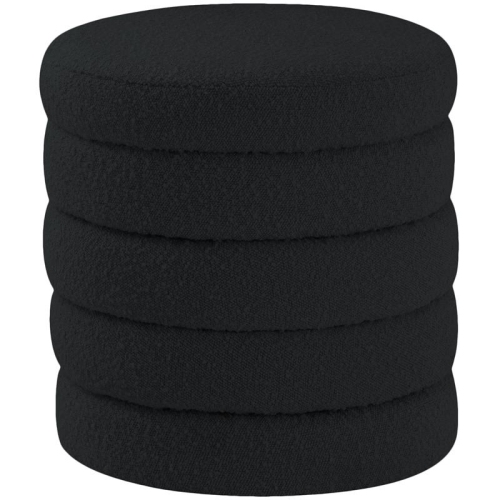
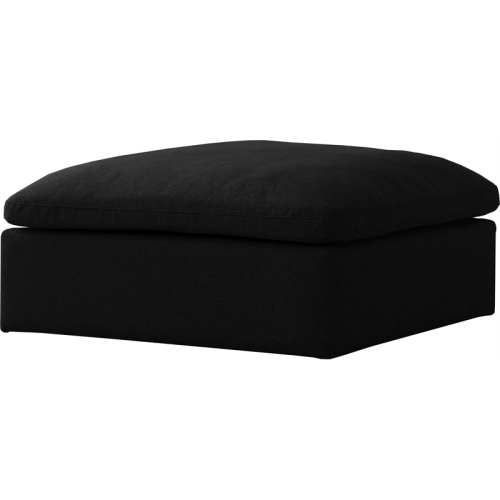
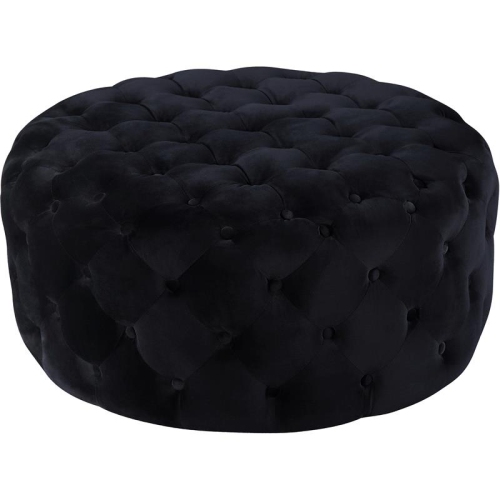
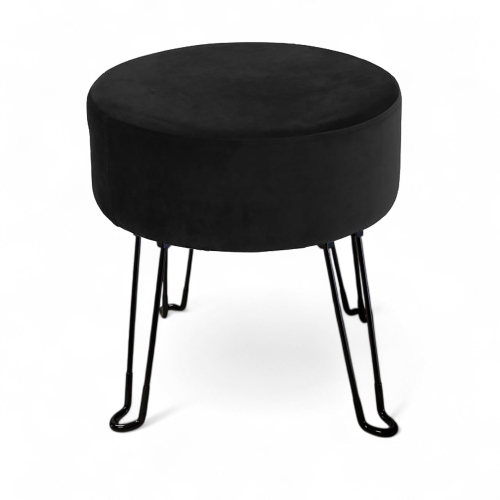
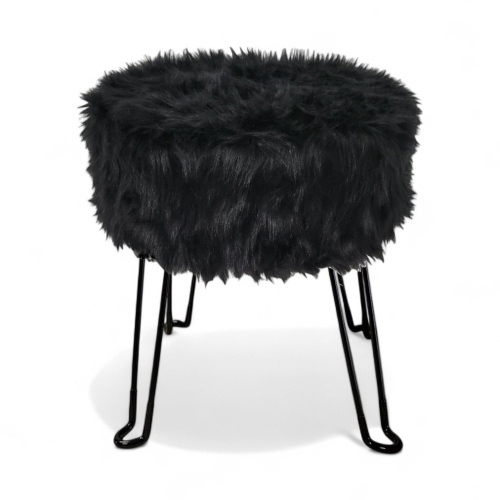
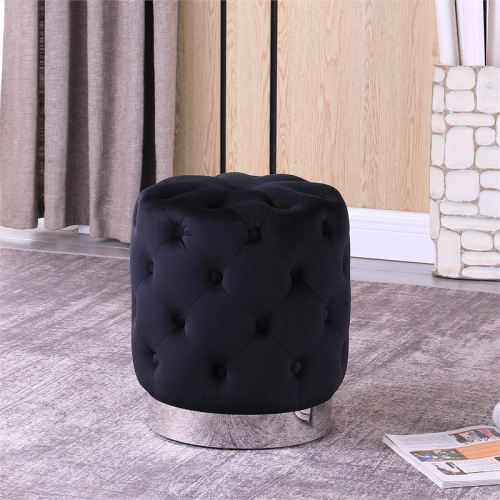
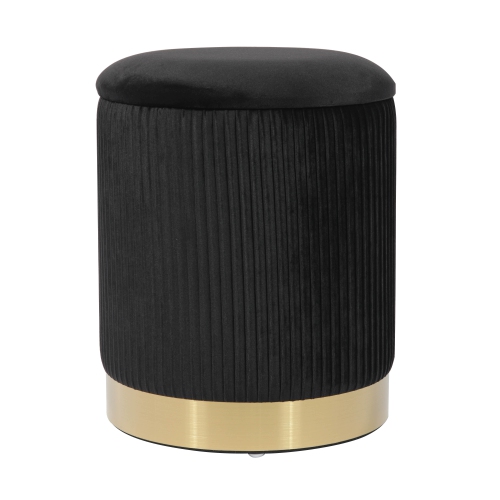
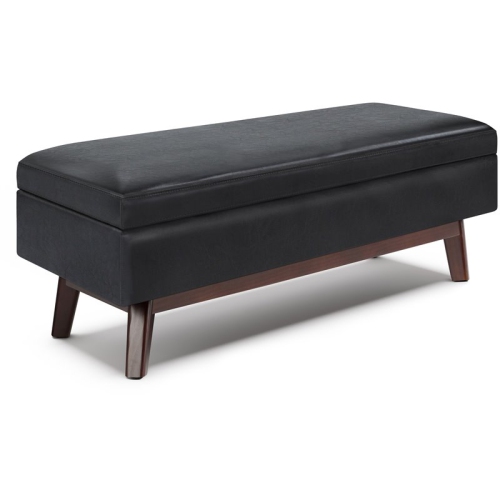
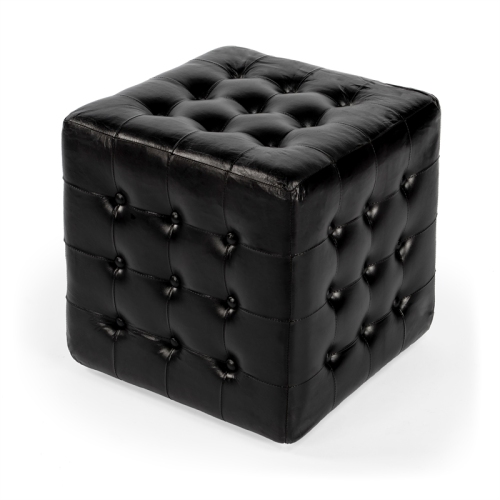
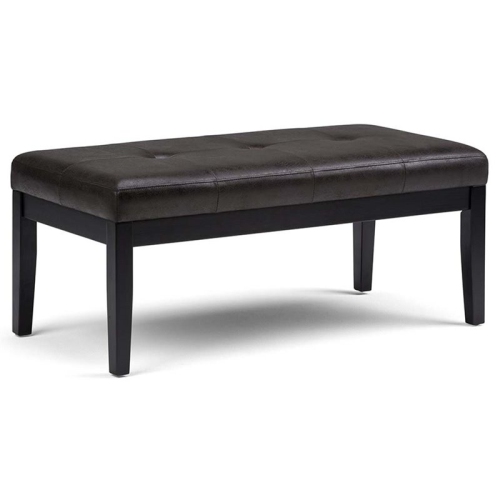
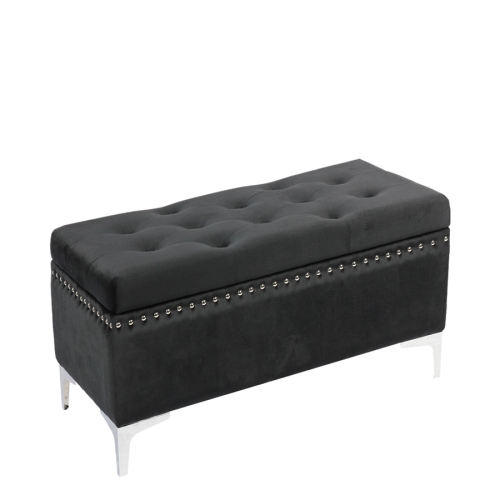
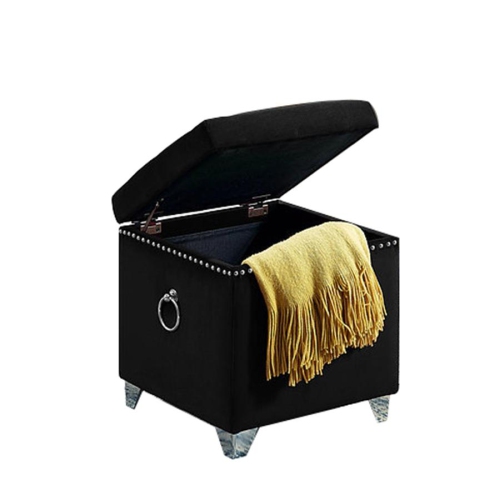
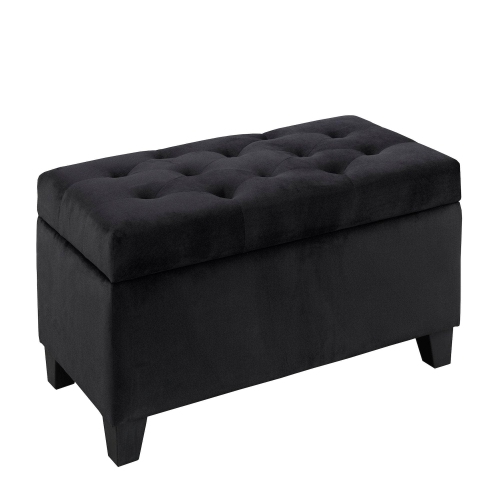
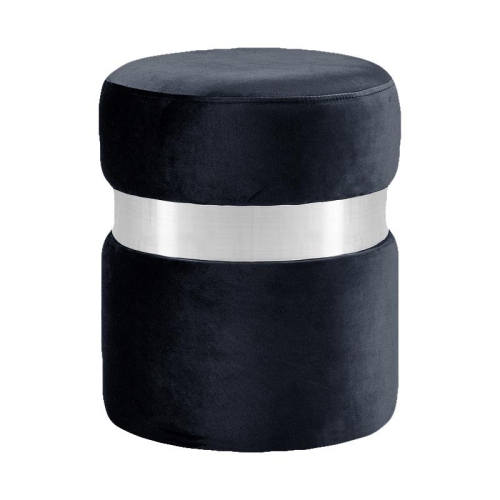
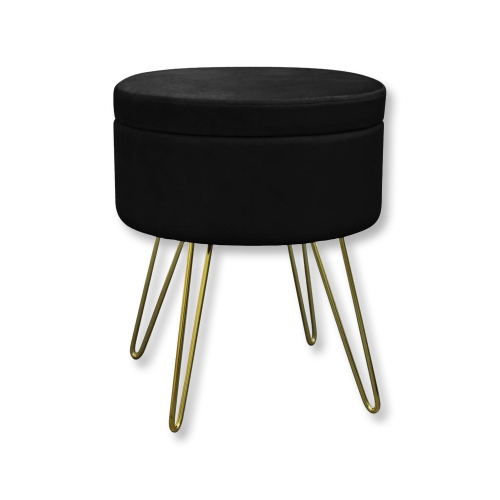
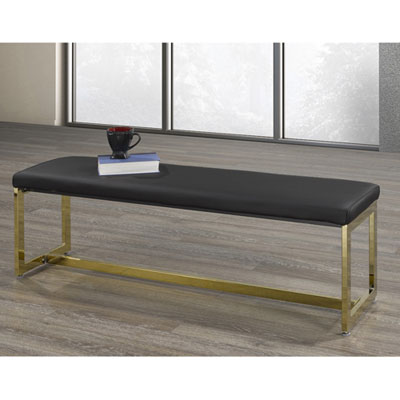
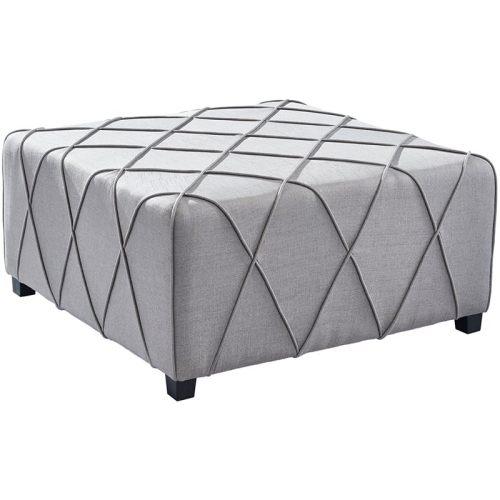
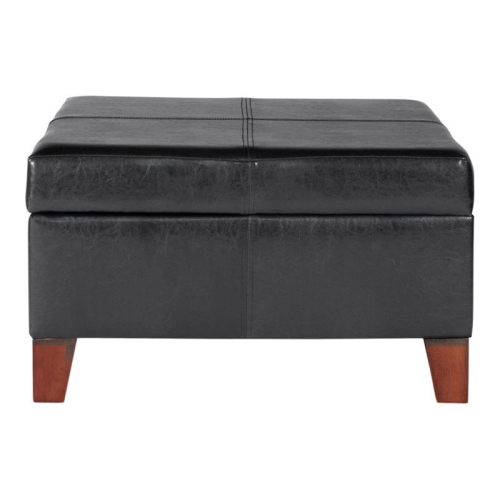
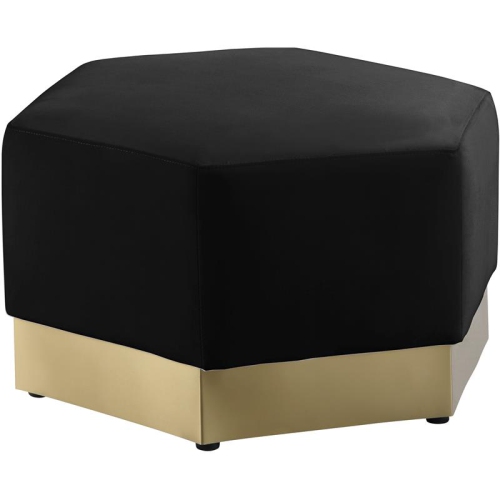
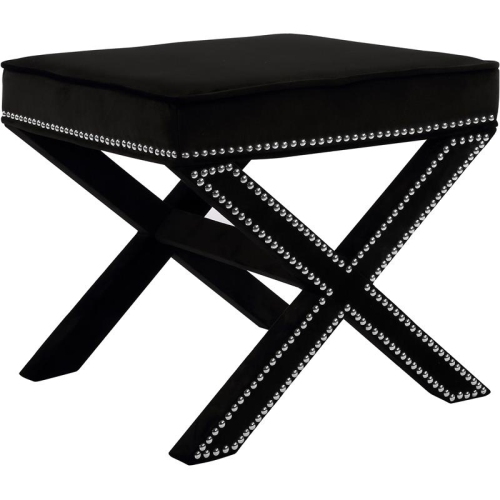
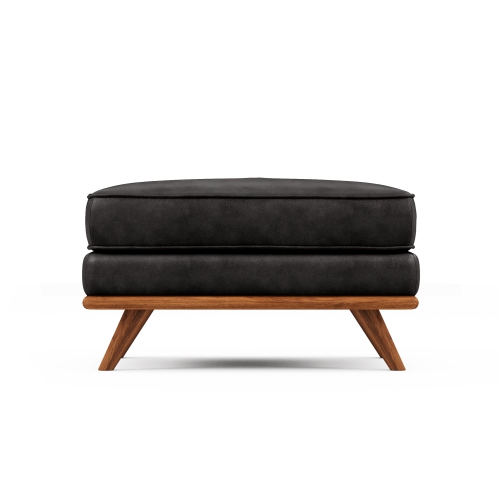
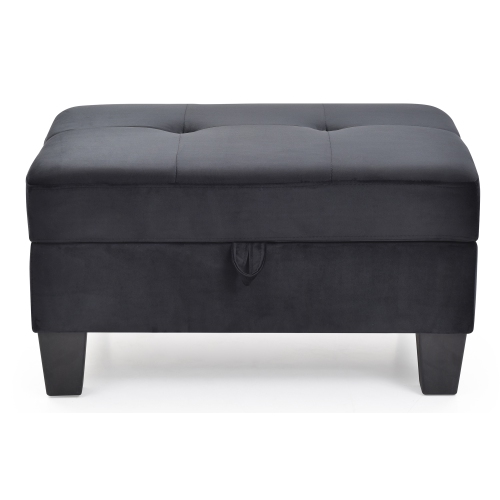
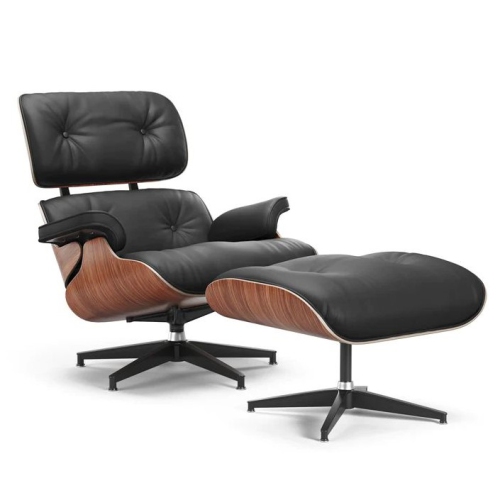
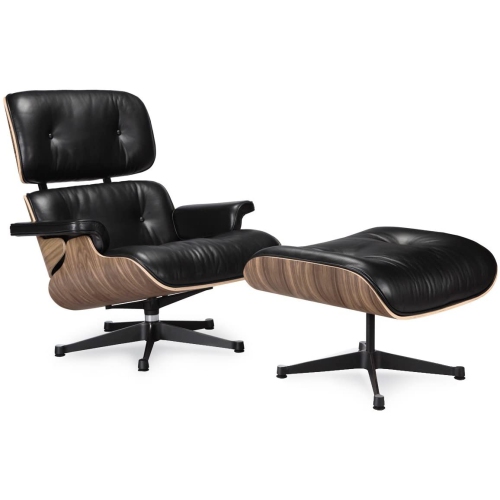
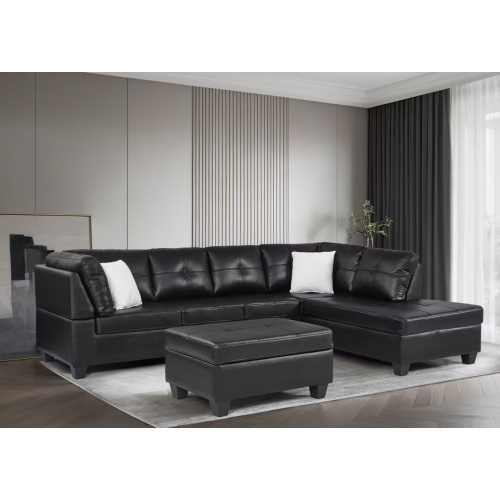
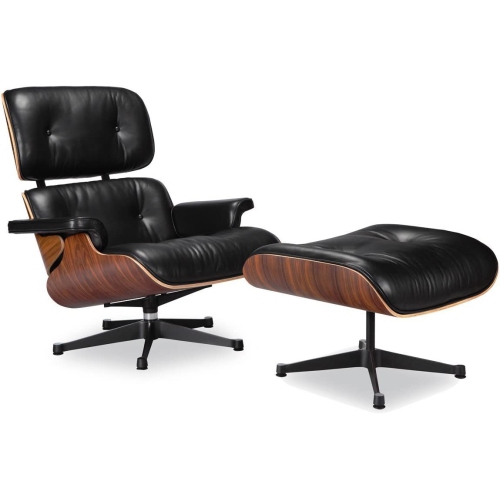
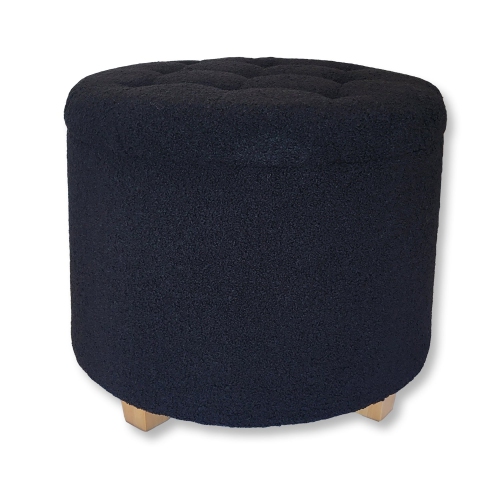
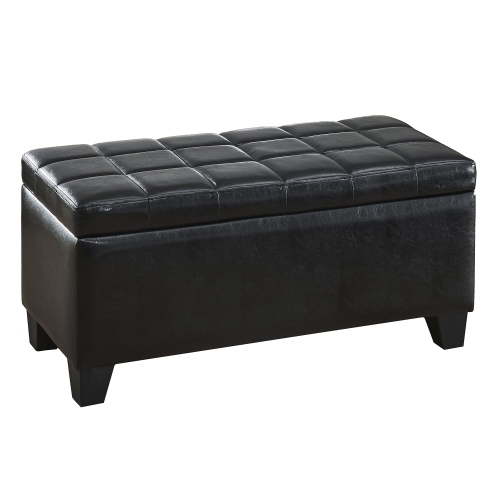
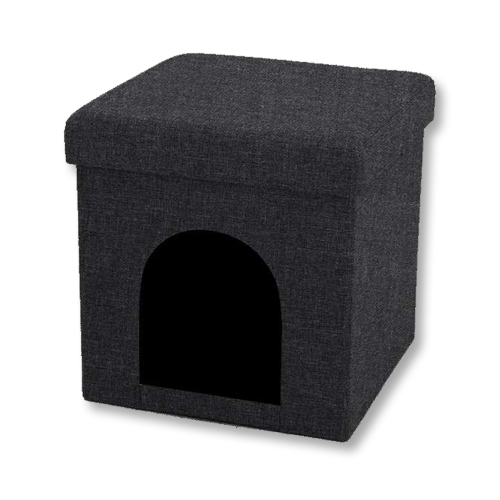
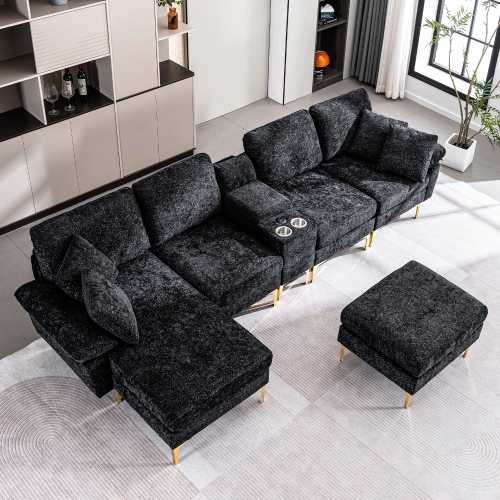
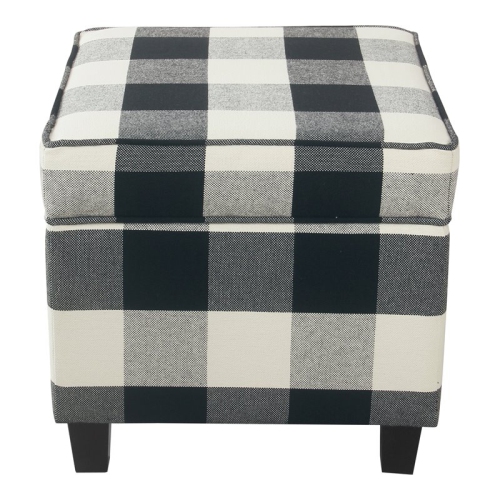
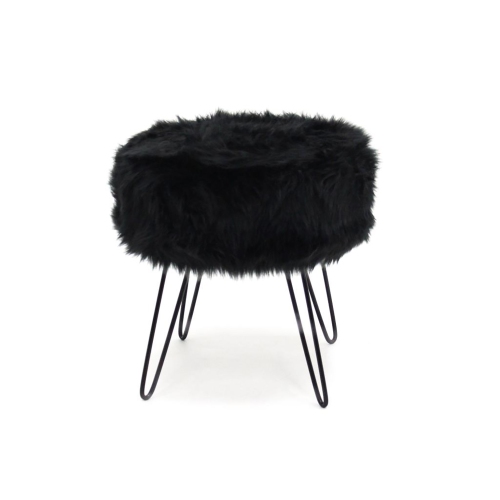
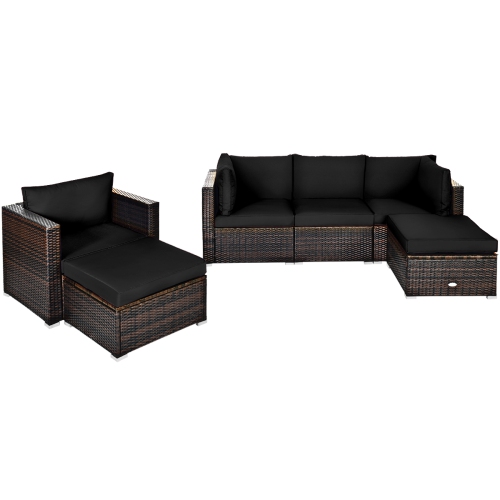
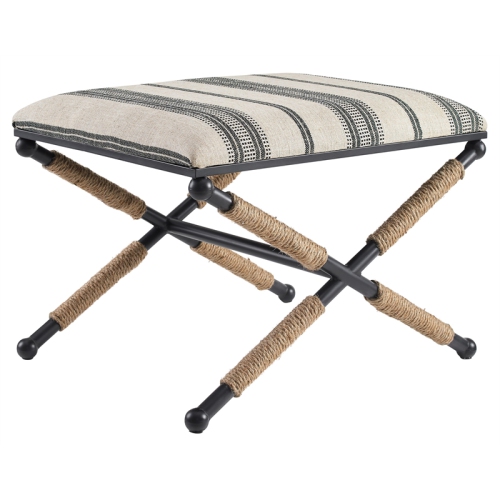
Modern black ottomans combine a place to rest your feet with a strong visual anchor for a contemporary room. Their defining features often include simple silhouettes, restrained detailing, and upholstery that brings depth to a neutral colour scheme. Black can look crisp against a pale rug, understated beside a charcoal sofa, or warm when paired with walnut furniture and woven textiles. The shape makes as much difference as the colour: a square ottoman echoes the lines of a tailored armchair, a rectangular design sits comfortably alongside a longer sofa, and a round ottoman softens a room filled with straight edges. Low, broad profiles tend to feel relaxed, while exposed legs give the furniture a lighter appearance by leaving more floor visible. Some designs have smooth, uninterrupted surfaces; others use channel stitching, shallow tufting, or curved sides to add interest without elaborate ornamentation. For everyday use, the most useful distinction is between a dedicated footrest, an ottoman designed to support seated weight, and a storage ottoman with a lift-up or removable lid. Those functions can overlap, but they are not interchangeable unless the construction supports them. A compact footrest can complete a reading corner without taking up the space of a recliner, while a larger upholstered ottoman can become the centre of a conversation area. A firm, level top may also support a suitable tray for a book or remote controls, though soft cushioning is not a stable surface for an uncovered drink. In an open-plan home, matching black accents across furniture legs, lighting, and an ottoman can connect the seating area with the rest of the room. The broader range of Black Living Room Ottomans can also offer context for comparing contemporary shapes with other living room styles. Whether the room feels minimal or layered, a black ottoman works best when its scale, texture, and purpose relate to the furniture around it rather than simply matching its colour.
Upholstery influences how a modern black ottoman looks, feels, and holds up to regular contact. Genuine leather has natural variation in grain and can develop visible character with use, although its resistance to marks and spills depends on the finish. Smooth, protected leather often suits a tailored setting, while a softer, less coated finish may show scratches and changes in tone more readily. Faux leather offers a similar visual effect with different care requirements; its surface can be convenient to wipe down when the manufacturer's instructions allow, but abrasion, unsuitable cleaners, and repeated flexing may affect the finish over time. Fabric brings another set of choices. A tightly woven textile can give a black ottoman a quiet, matte appearance, whereas velvet catches light along its pile and may look lighter or darker when brushed in different directions. Bouclé adds a nubby texture that contrasts with smooth cabinetry or glass, though loops can catch on pet claws or jewellery. In homes with cats or dogs, the weave, care label, and tendency to show hair may matter more than the colour alone. Black upholstery disguises some marks but can make pale lint, dust, and light-coloured fur easier to see. Regular care usually starts with removing loose debris using an upholstery attachment or a soft cloth appropriate to the material. Spills are best blotted promptly rather than rubbed, with any treatment guided by the upholstery care instructions and tested in an inconspicuous area. Leather conditioners are not suitable for every leather finish, and products intended for leather should not automatically be used on synthetic coverings. Durability also depends on what sits beneath the upholstery: frame construction, joint reinforcement, cushioning, and the way the legs attach all affect stability and long-term comfort. Firm foam can provide supportive footing or occasional seating when the ottoman is designed for it, while softer filling offers a more yielding place to stretch out. Neat seams, securely fitted upholstery, and a lid that closes evenly are useful details to assess alongside the overall style.
Fit is especially important because an ottoman occupies the space where people stretch their legs, pass through the room, and gather around seating. For use as a footrest, a top close to the sofa's seat height, or slightly lower, generally creates a more comfortable position than one that lifts the feet well above the seat. The right distance from the sofa allows someone to reach the ottoman comfortably while still being able to stand up without squeezing through a narrow gap. Measuring the footprint on the floor, including room for the lid to open if applicable, gives a more realistic sense of fit than judging a photograph alone. A round design can ease movement around a compact seating arrangement, but it still needs adequate clearance from nearby furniture. A long rectangular ottoman may suit a sectional or a position at the foot of a bed, provided drawers, doors, and walking routes remain accessible. Storage designs are useful for keeping throws, spare cushion covers, or board games close at hand, although the interior dimensions determine what will actually fit. A divided compartment keeps smaller belongings organized, while an open cavity accommodates bulkier textiles more easily. Hinged lids should have appropriate support, and fingers need to stay clear of the closing edge, particularly in homes with children. If occasional seating is part of the plan, the stated weight capacity and intended use deserve attention; a hollow storage cube or decorative footrest should not be assumed to function as a stool. Floor contact matters too. Suitable protective pads can help limit scratches on hard flooring, while stable legs or a broad base can reduce unwanted movement during use. A lighter ottoman is easier to reposition beside an armchair, whereas a substantial design may feel more settled in a central location. For a housewarming gift, a compact black ottoman can be a thoughtful choice when the recipient's room dimensions and preferred upholstery are known. For daily living, the most satisfying design is one that handles its intended job comfortably, leaves the room easy to navigate, and adds texture without making the space feel crowded.
Upholstery influences how a modern black ottoman looks, feels, and holds up to regular contact. Genuine leather has natural variation in grain and can develop visible character with use, although its resistance to marks and spills depends on the finish. Smooth, protected leather often suits a tailored setting, while a softer, less coated finish may show scratches and changes in tone more readily. Faux leather offers a similar visual effect with different care requirements; its surface can be convenient to wipe down when the manufacturer's instructions allow, but abrasion, unsuitable cleaners, and repeated flexing may affect the finish over time. Fabric brings another set of choices. A tightly woven textile can give a black ottoman a quiet, matte appearance, whereas velvet catches light along its pile and may look lighter or darker when brushed in different directions. Bouclé adds a nubby texture that contrasts with smooth cabinetry or glass, though loops can catch on pet claws or jewellery. In homes with cats or dogs, the weave, care label, and tendency to show hair may matter more than the colour alone. Black upholstery disguises some marks but can make pale lint, dust, and light-coloured fur easier to see. Regular care usually starts with removing loose debris using an upholstery attachment or a soft cloth appropriate to the material. Spills are best blotted promptly rather than rubbed, with any treatment guided by the upholstery care instructions and tested in an inconspicuous area. Leather conditioners are not suitable for every leather finish, and products intended for leather should not automatically be used on synthetic coverings. Durability also depends on what sits beneath the upholstery: frame construction, joint reinforcement, cushioning, and the way the legs attach all affect stability and long-term comfort. Firm foam can provide supportive footing or occasional seating when the ottoman is designed for it, while softer filling offers a more yielding place to stretch out. Neat seams, securely fitted upholstery, and a lid that closes evenly are useful details to assess alongside the overall style.
Fit is especially important because an ottoman occupies the space where people stretch their legs, pass through the room, and gather around seating. For use as a footrest, a top close to the sofa's seat height, or slightly lower, generally creates a more comfortable position than one that lifts the feet well above the seat. The right distance from the sofa allows someone to reach the ottoman comfortably while still being able to stand up without squeezing through a narrow gap. Measuring the footprint on the floor, including room for the lid to open if applicable, gives a more realistic sense of fit than judging a photograph alone. A round design can ease movement around a compact seating arrangement, but it still needs adequate clearance from nearby furniture. A long rectangular ottoman may suit a sectional or a position at the foot of a bed, provided drawers, doors, and walking routes remain accessible. Storage designs are useful for keeping throws, spare cushion covers, or board games close at hand, although the interior dimensions determine what will actually fit. A divided compartment keeps smaller belongings organized, while an open cavity accommodates bulkier textiles more easily. Hinged lids should have appropriate support, and fingers need to stay clear of the closing edge, particularly in homes with children. If occasional seating is part of the plan, the stated weight capacity and intended use deserve attention; a hollow storage cube or decorative footrest should not be assumed to function as a stool. Floor contact matters too. Suitable protective pads can help limit scratches on hard flooring, while stable legs or a broad base can reduce unwanted movement during use. A lighter ottoman is easier to reposition beside an armchair, whereas a substantial design may feel more settled in a central location. For a housewarming gift, a compact black ottoman can be a thoughtful choice when the recipient's room dimensions and preferred upholstery are known. For daily living, the most satisfying design is one that handles its intended job comfortably, leaves the room easy to navigate, and adds texture without making the space feel crowded.
Top selling and popular products
-
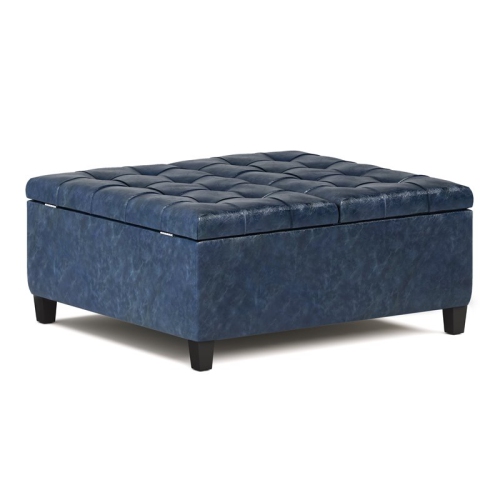 Your price for this item is $1016.33
 -
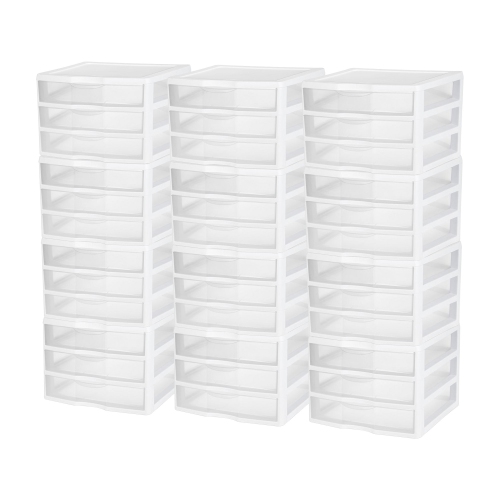 Your price for this item is $530.99
 -
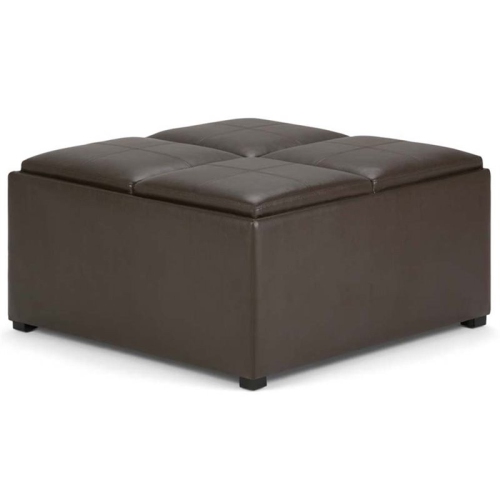 Your price for this item is $1109.94
 -
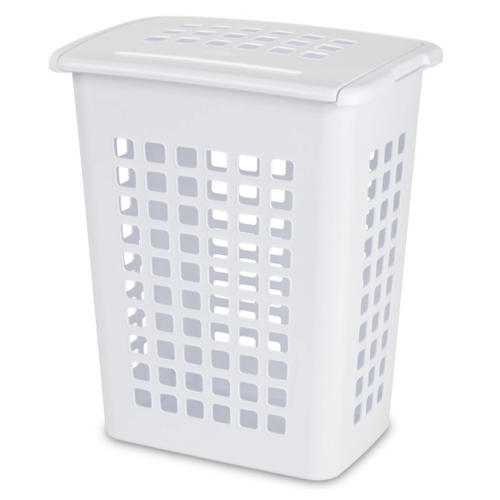 Your price for this item is $1403.99
 -
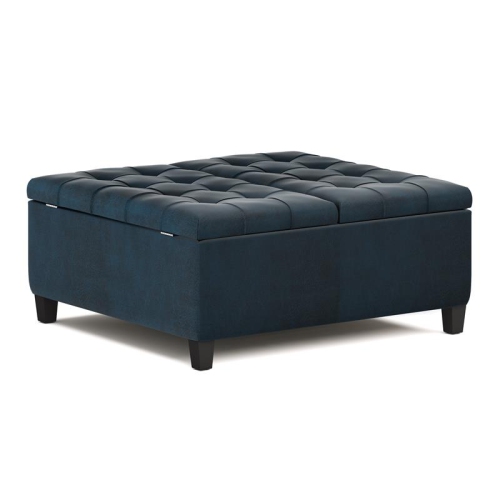 Your price for this item is $1018.38
 -
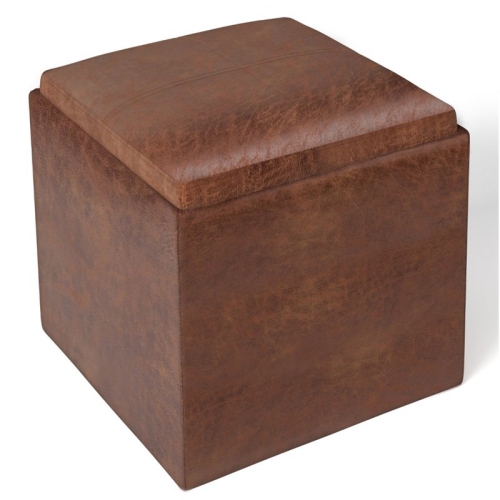 Your price for this item is $339.24
 -
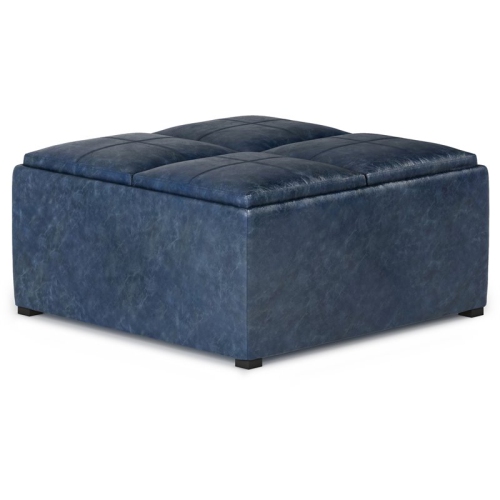 Your price for this item is $1174.21
 -
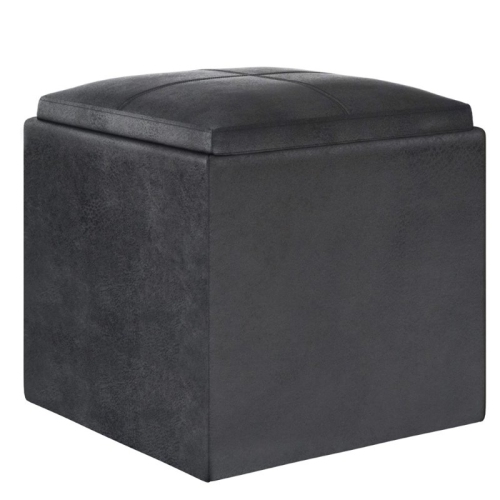 Your price for this item is $346.6
Discover more categories related to Modern Black Ottomans
Top Collections:
Pokemon Centers, Kindle Devices, Best Budget Office Chairs, Apple iPhones 16, Best Laptops for Writers, iPhone 15 Apple, Canon G7X Cameras, Refurbished Apple Laptops, Alarm Clock, Motorola Razr Phones
Some products may be subject to Environmental Handling Fees
(EHF) depending on your province.
Learn more about EHFs.