Outdoor Cooking Gas
Cooking outdoors is a great way to spend time with family and friends. It's also a great way to gather around the fire and share stories, eat delicious food and enjoy the outdoors. If you're cooking outside, you'll need some cooking gas. Here are some of the best cooking gas on the market.
Sort
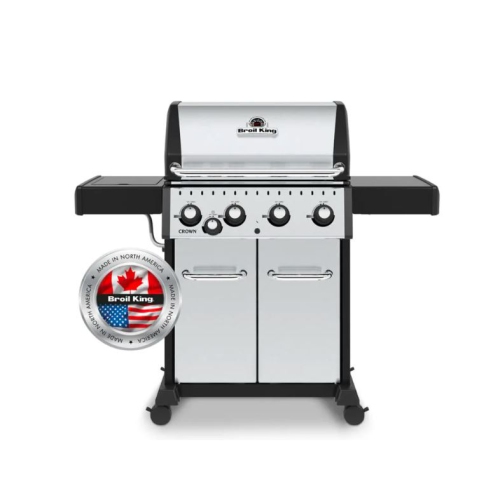
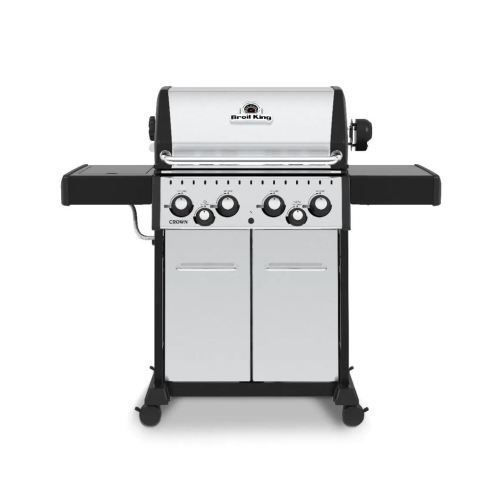
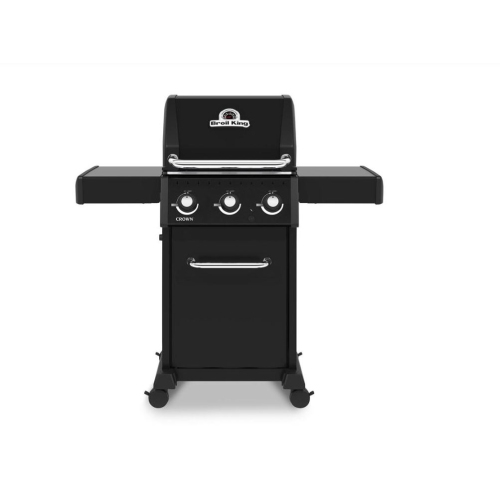
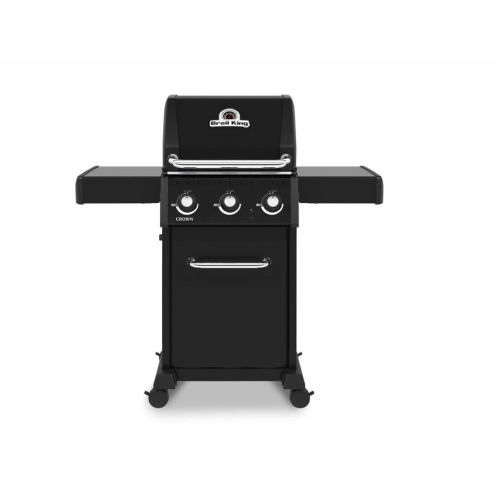
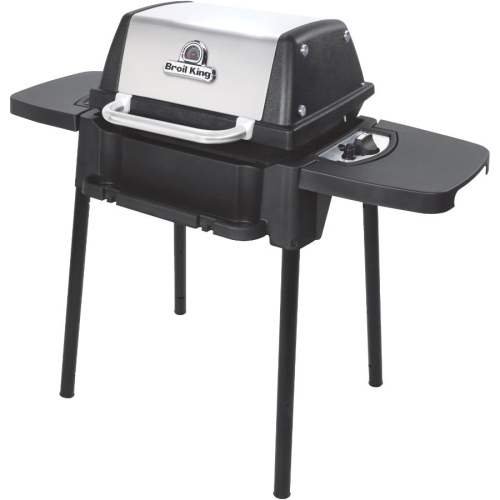
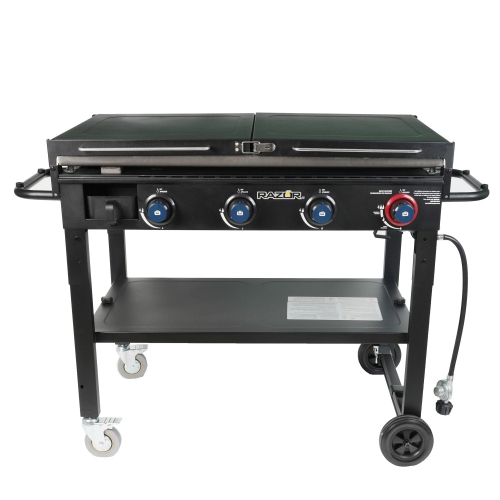
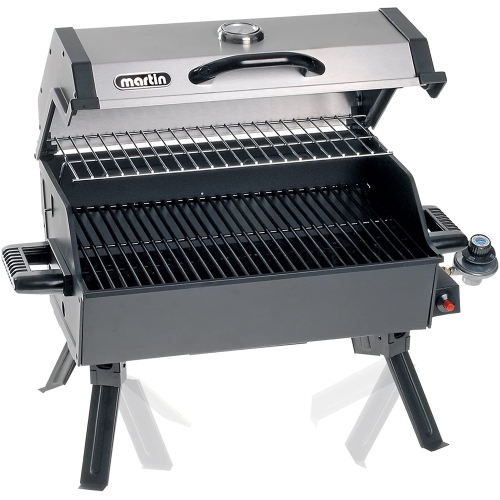
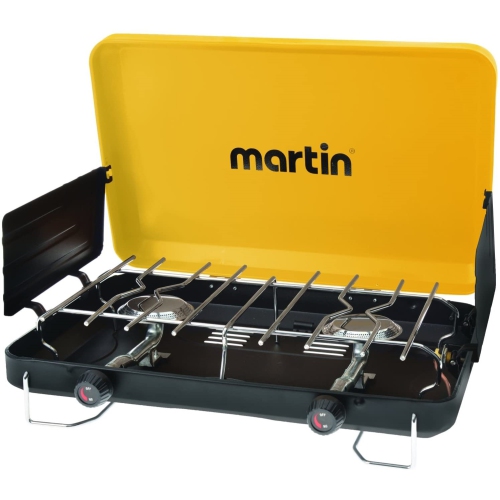
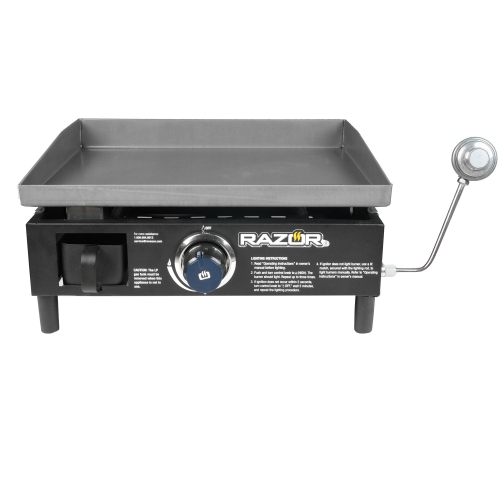
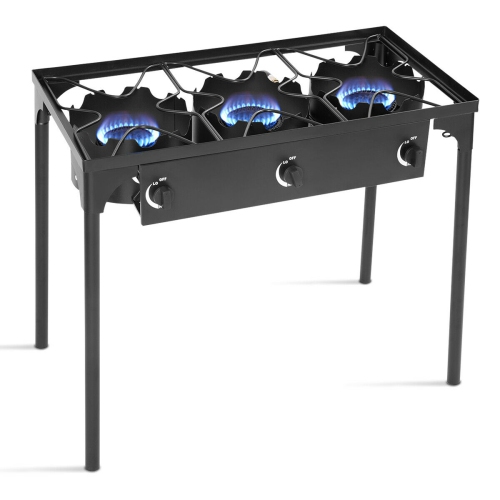
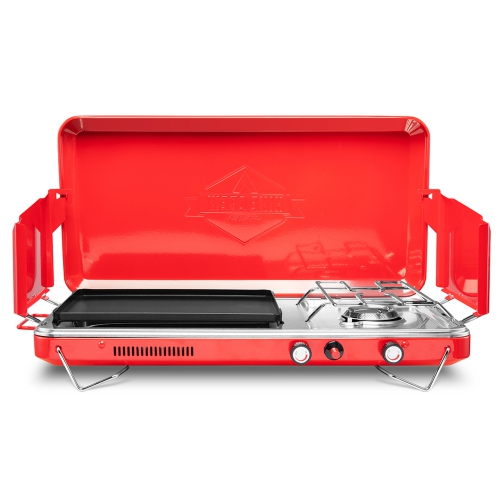
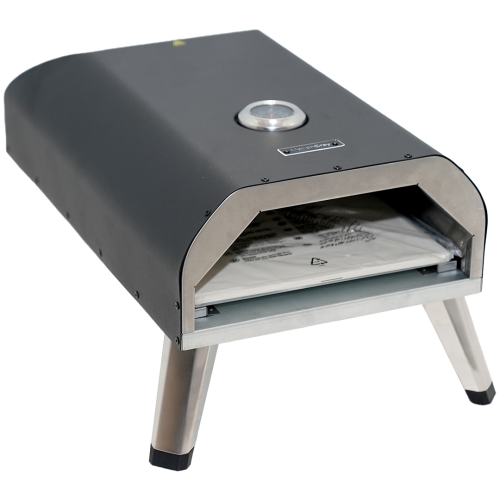
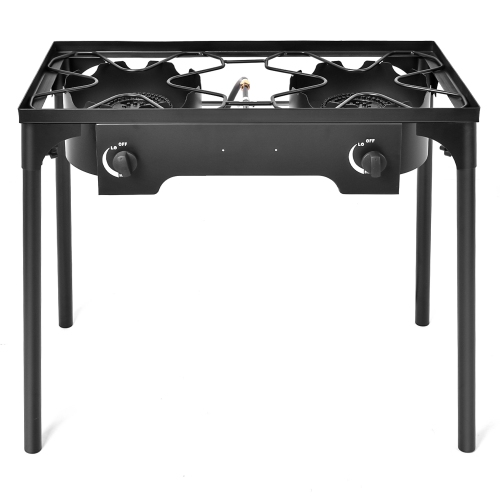
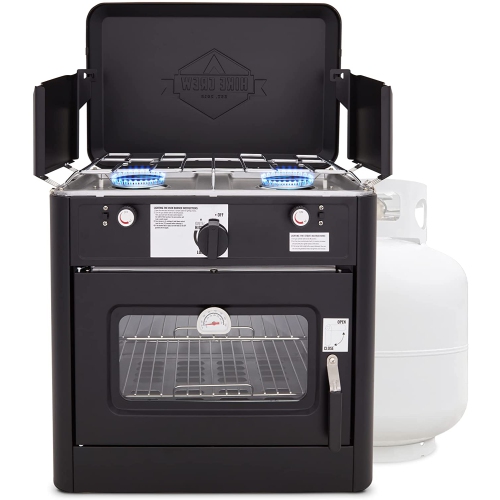
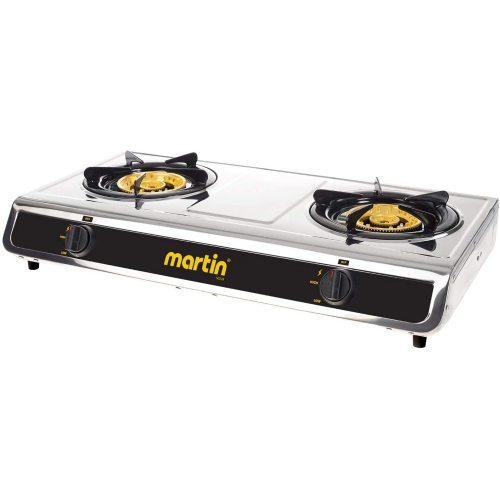
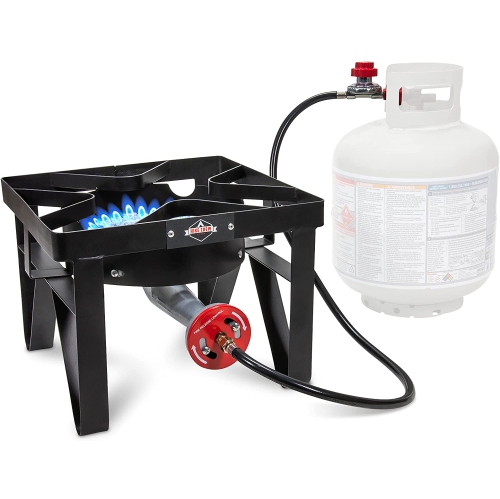
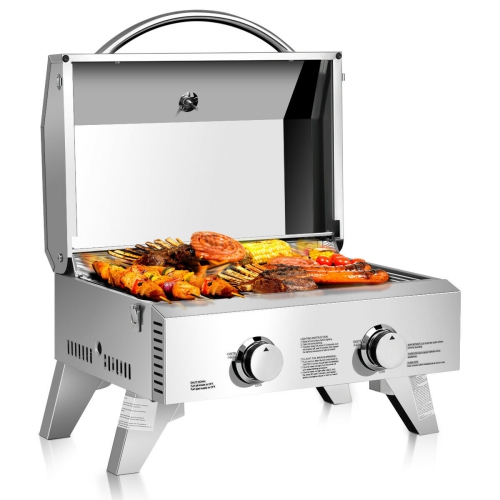
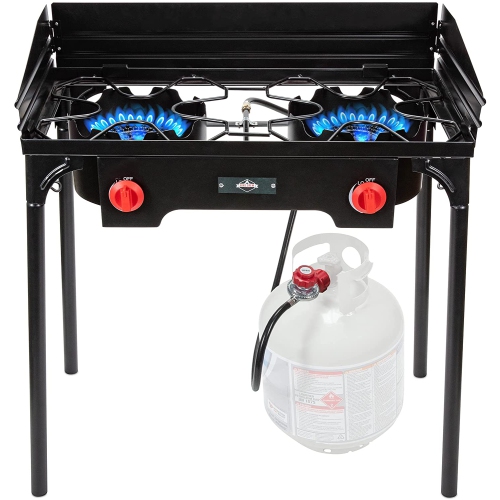
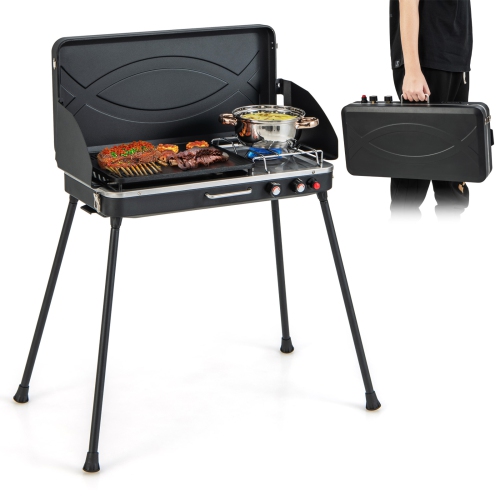

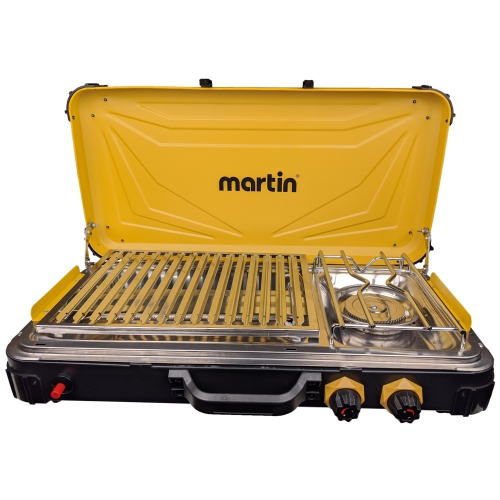
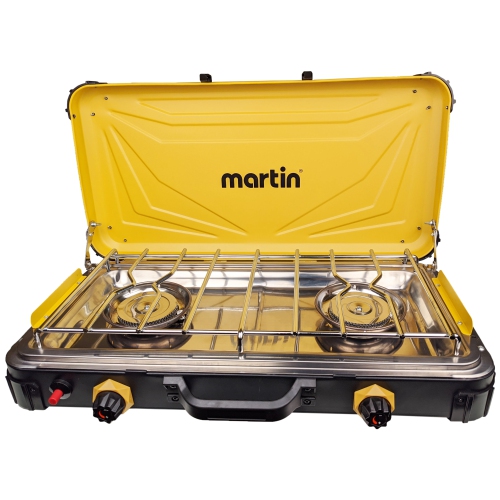
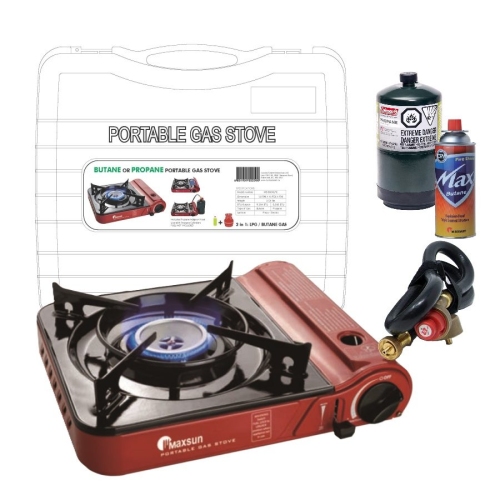
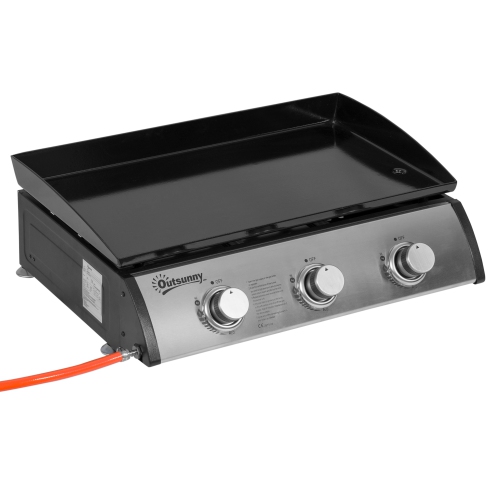
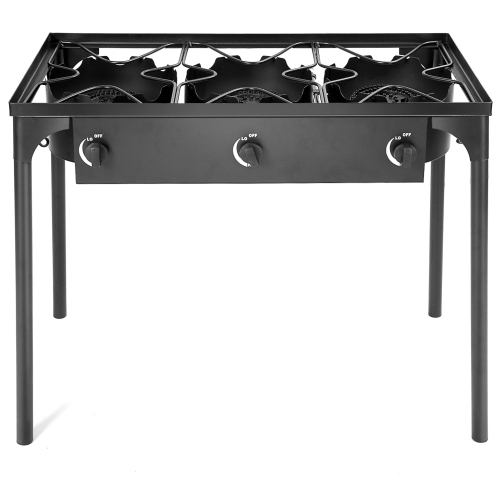
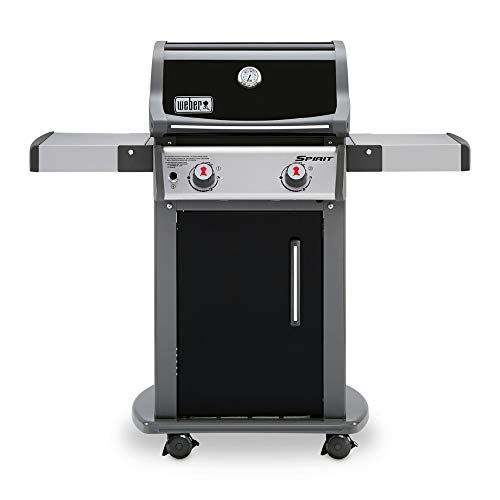
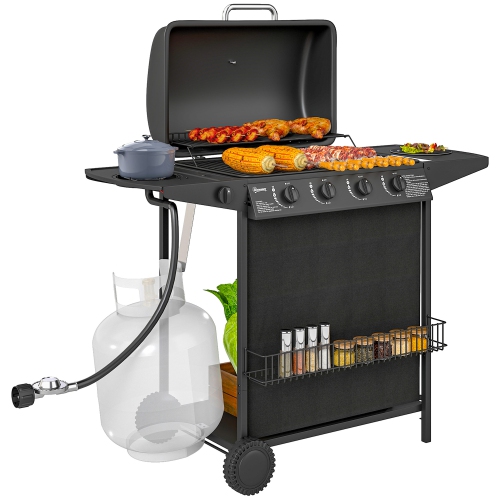
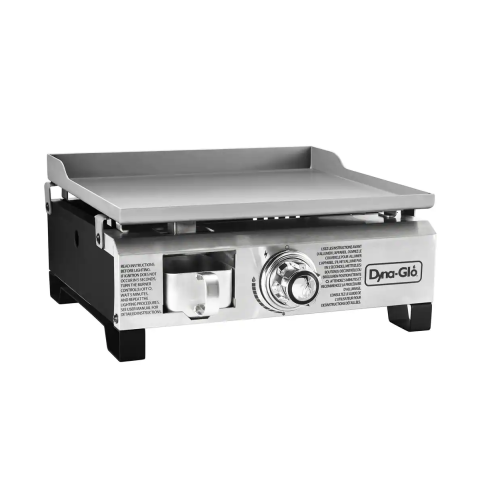
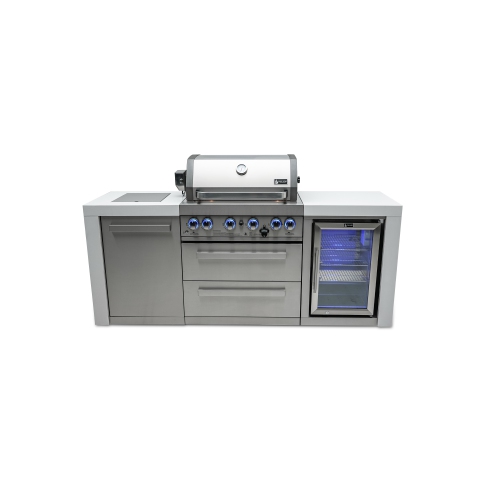
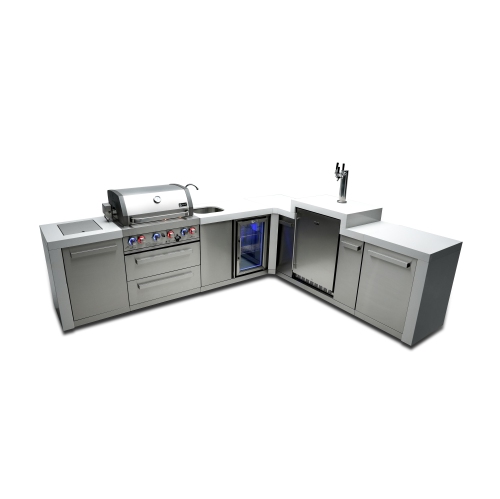
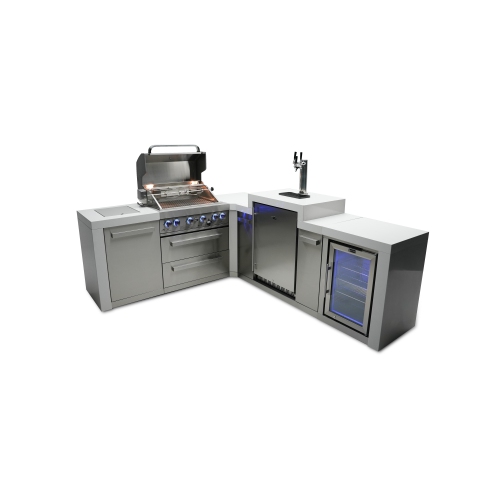
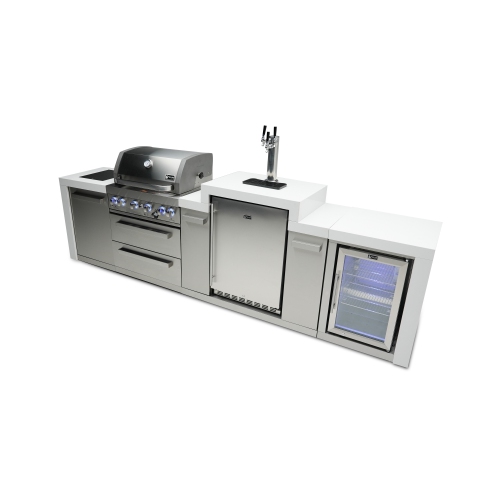
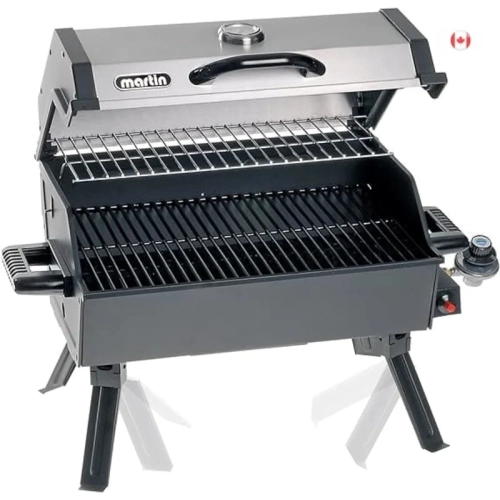
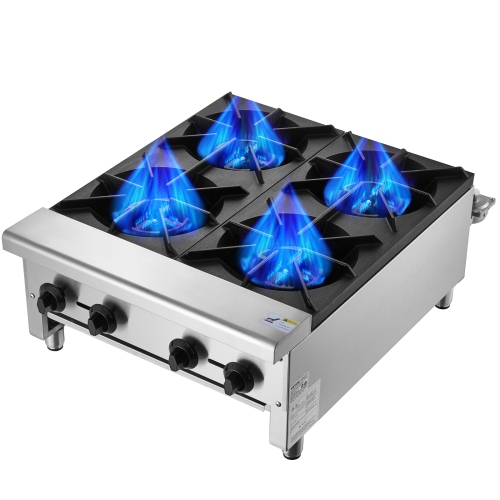
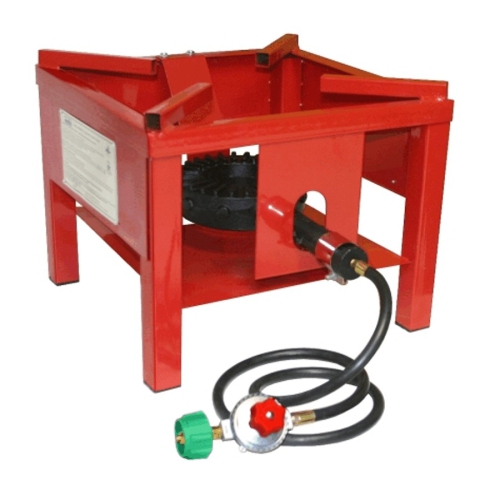
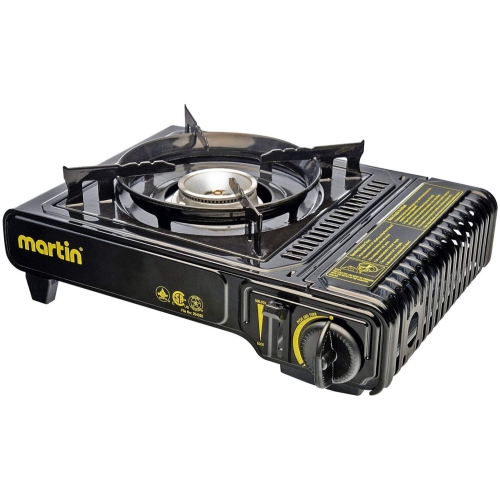
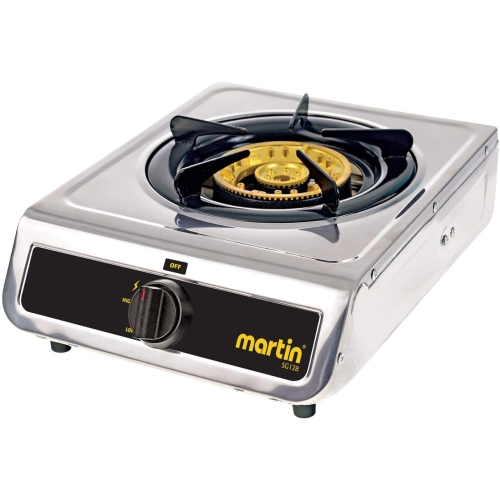

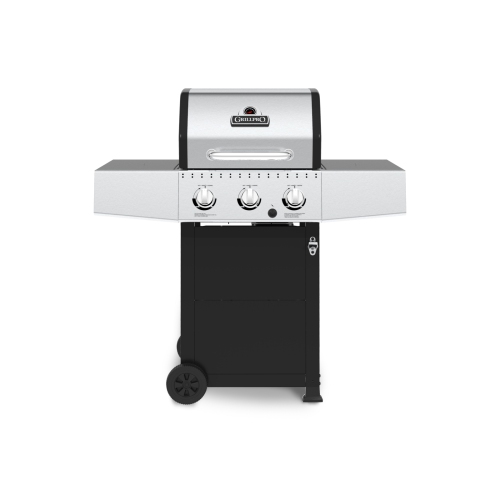
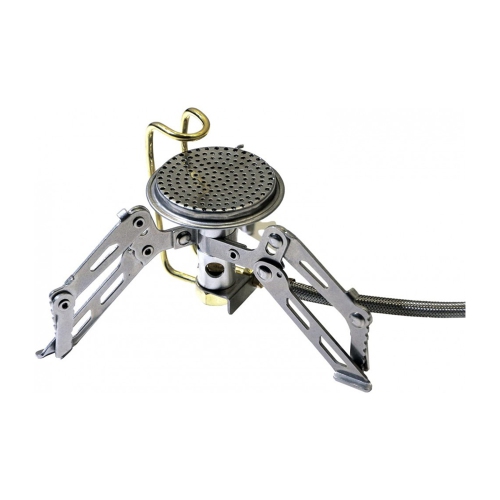
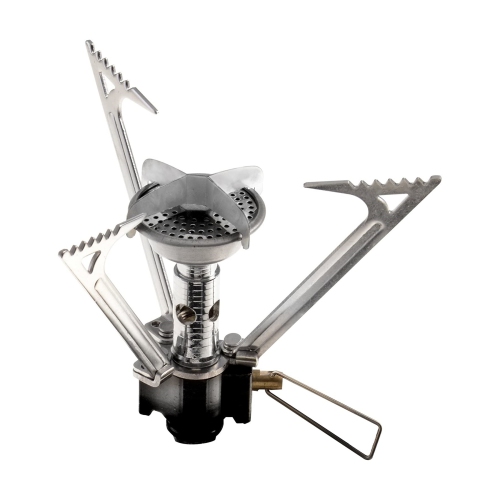
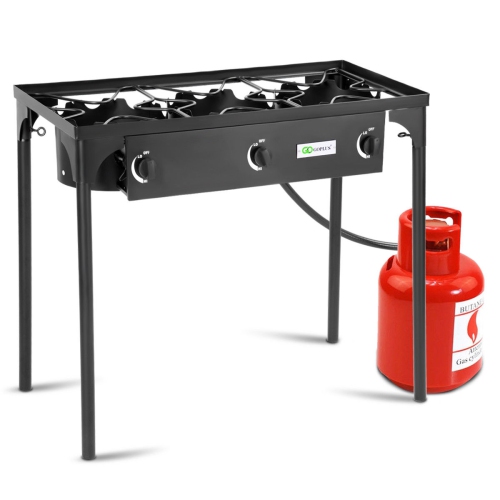
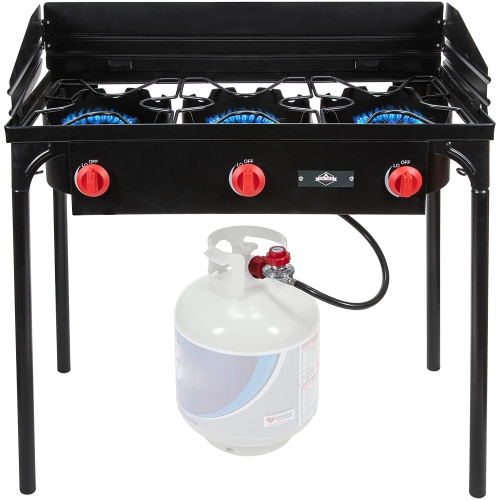
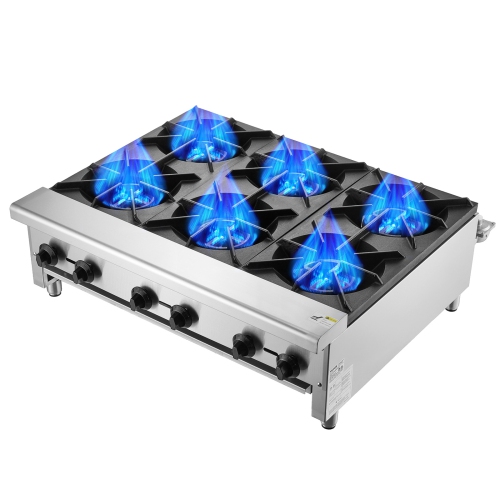
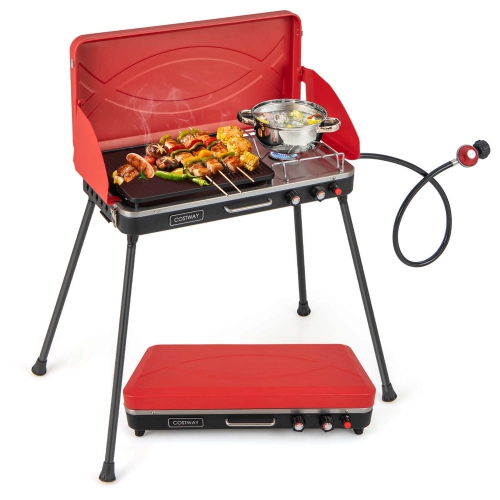
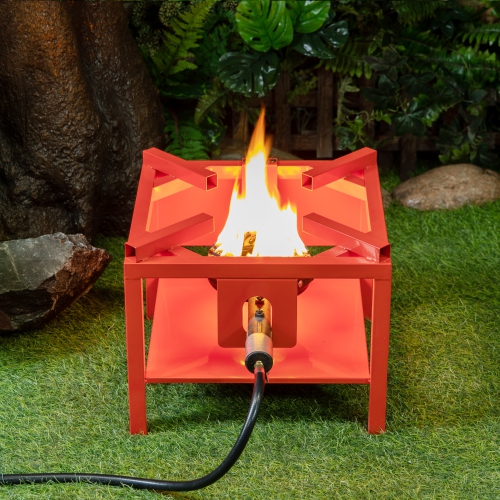
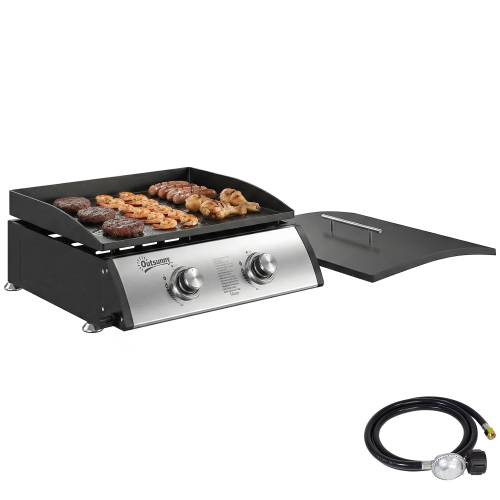
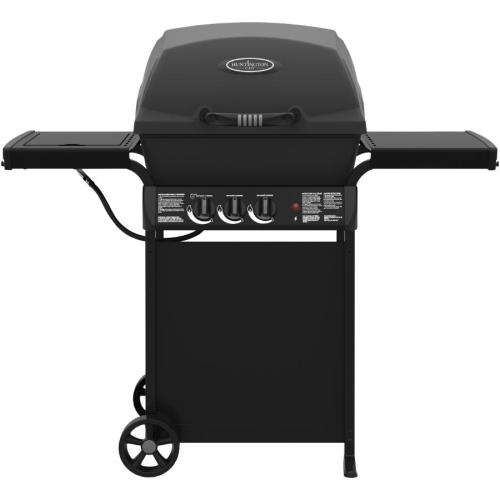
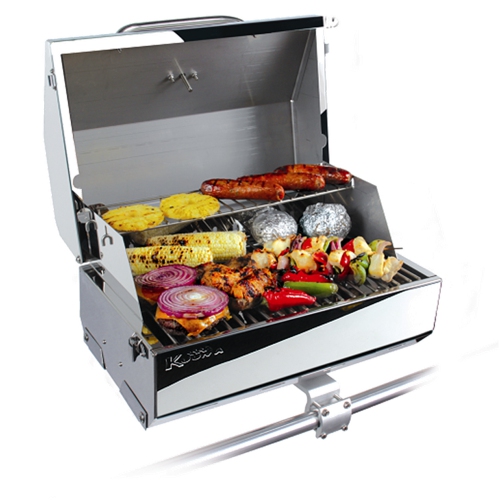
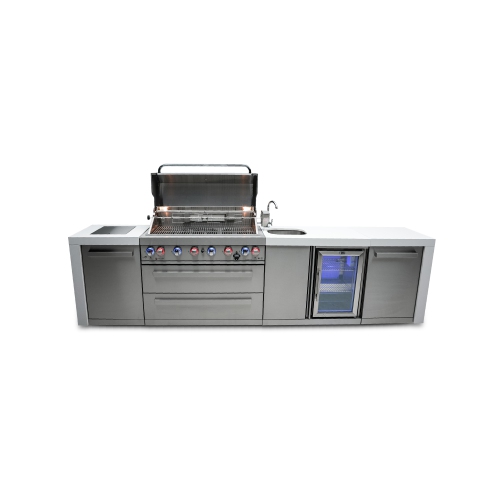
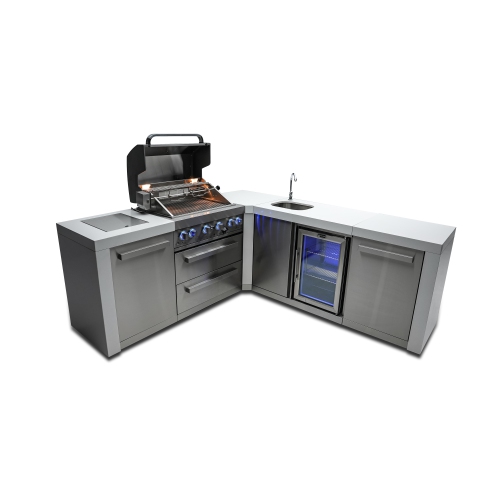
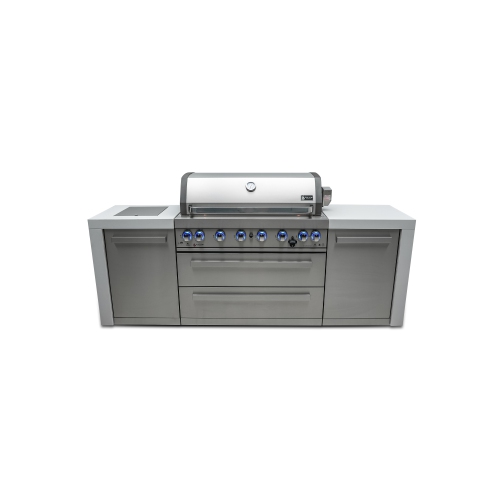
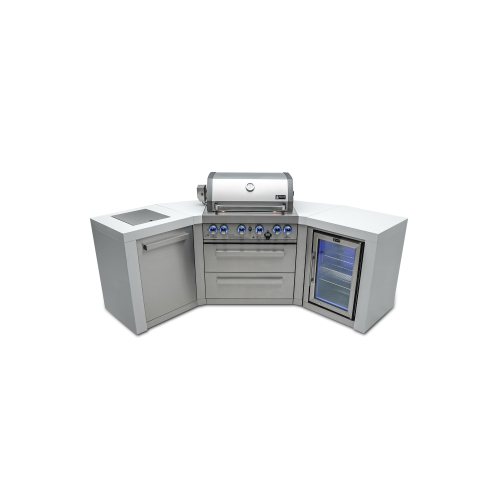
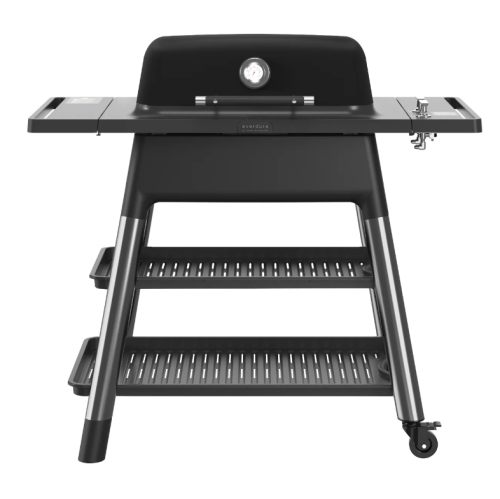
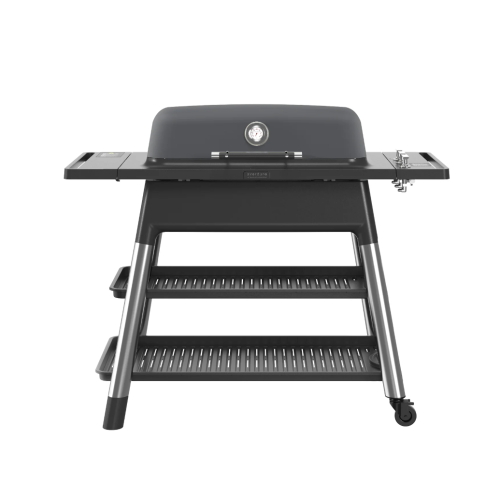
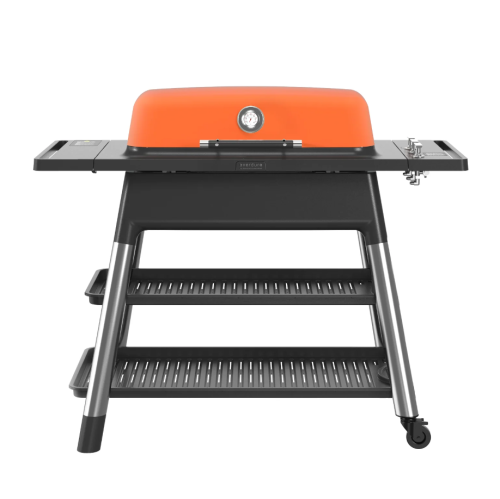
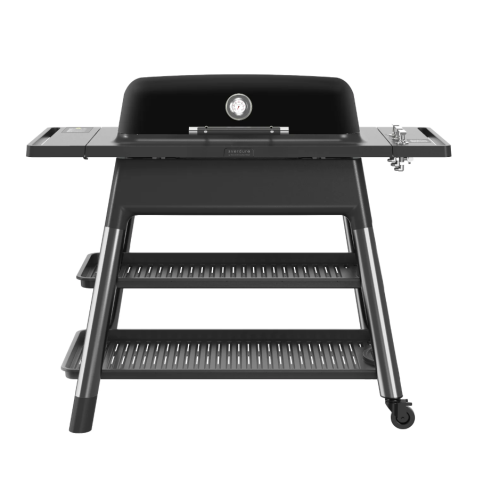
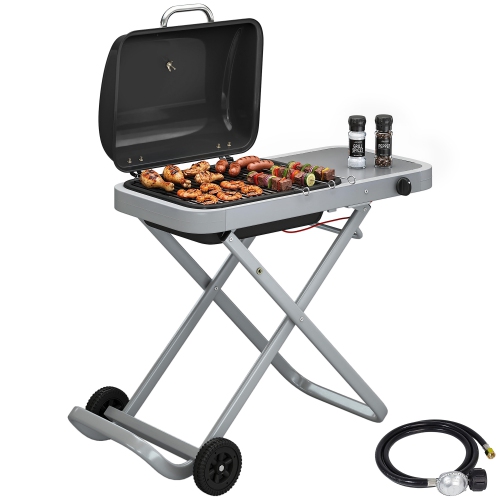
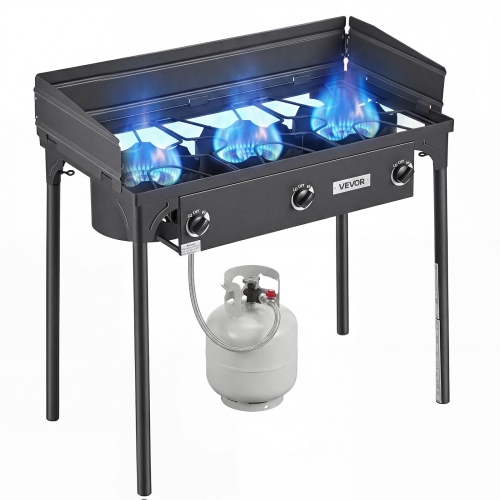
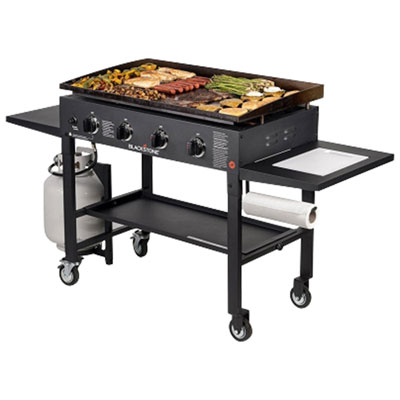
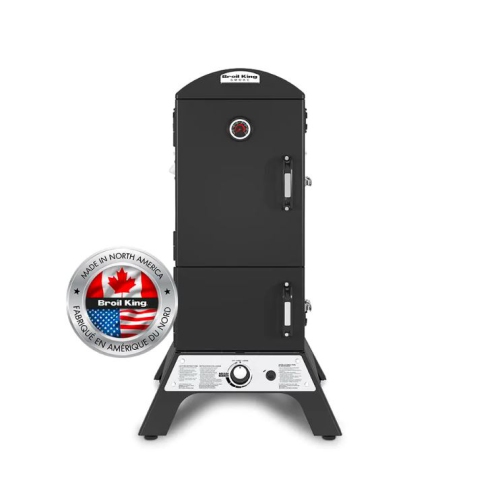
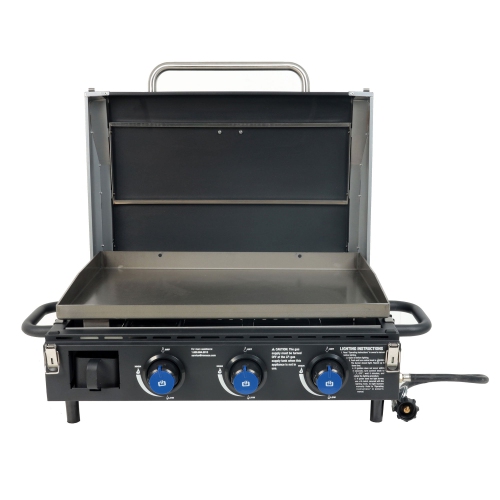
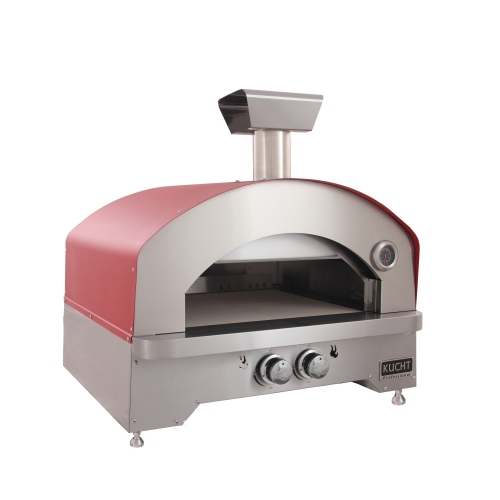
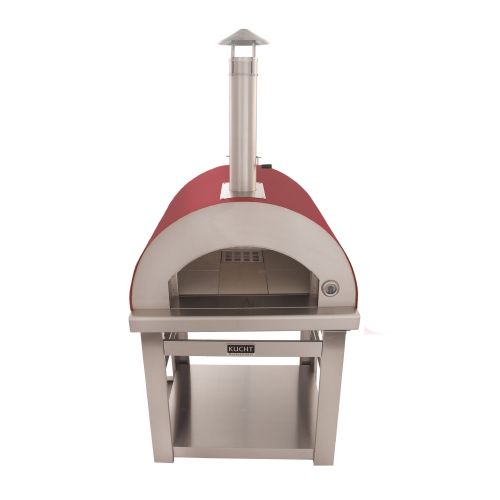
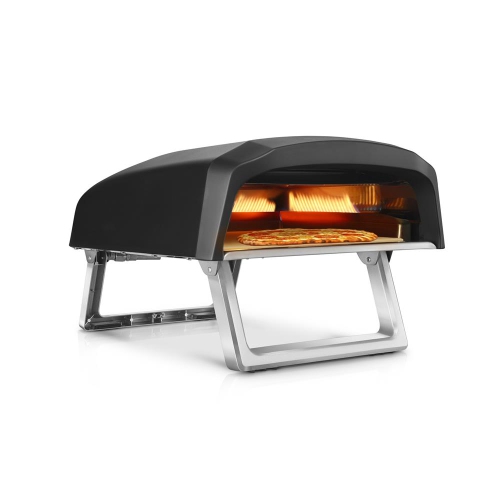
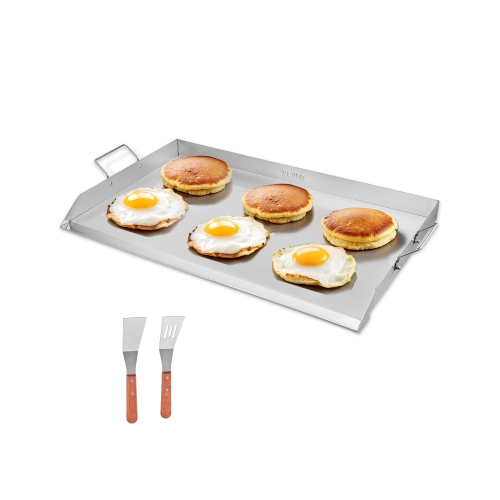
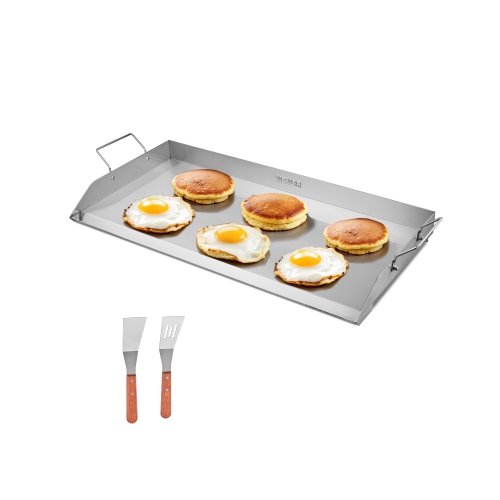
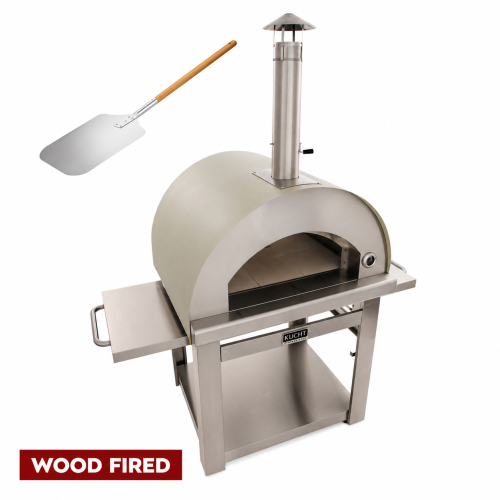
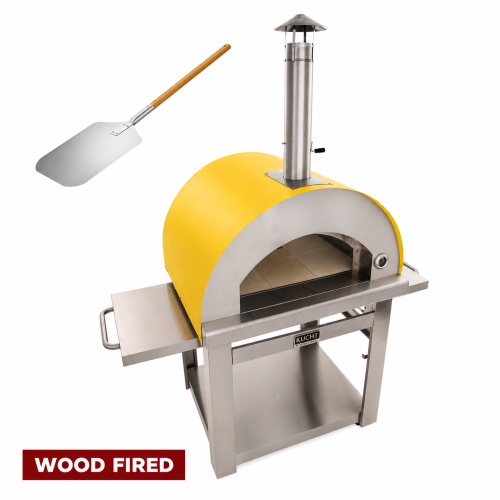
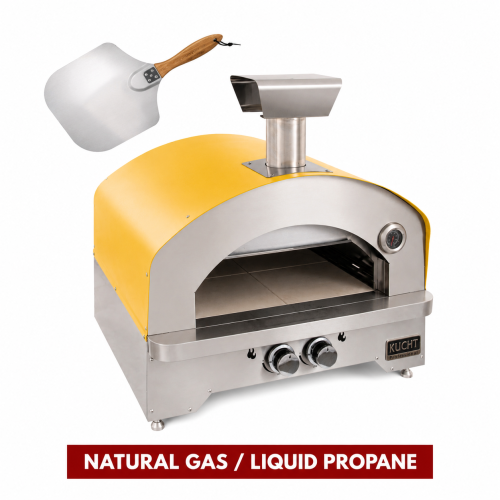
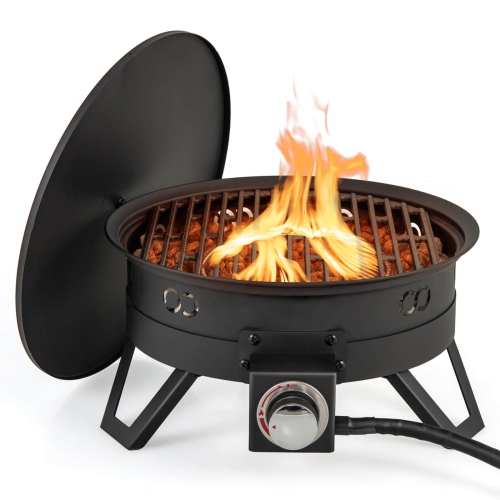
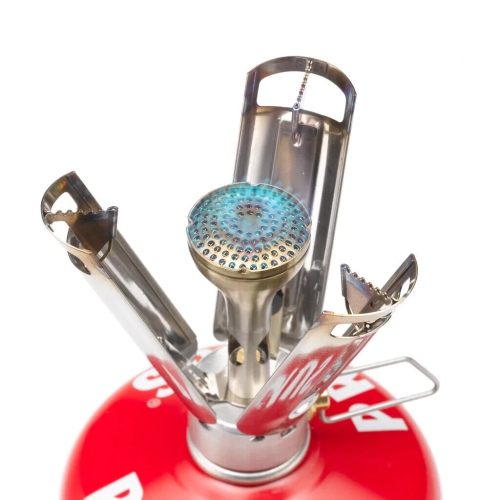

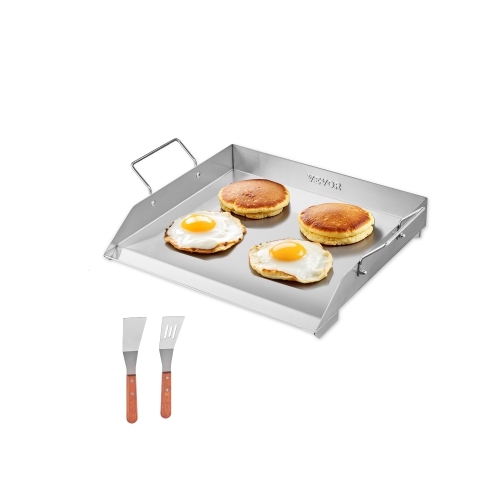
Responsive heat for backyard meals and campsite breakfasts
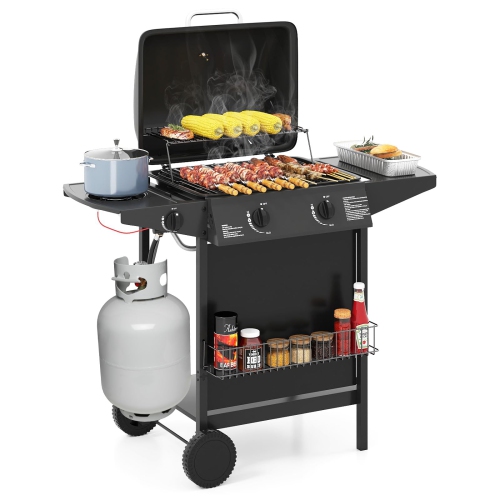
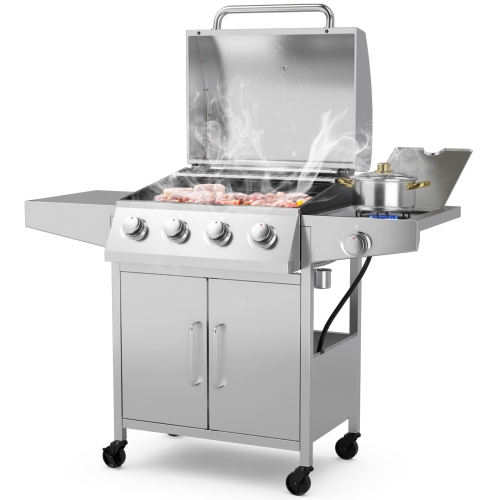
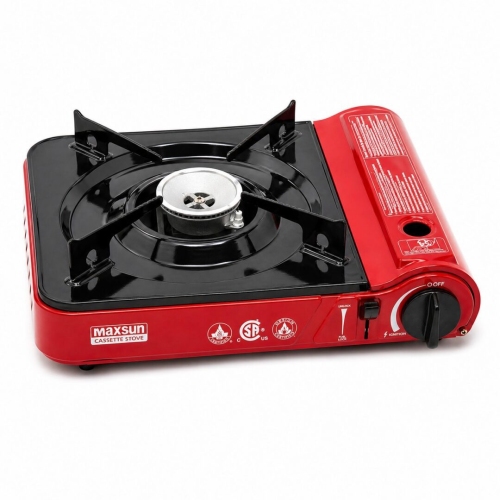
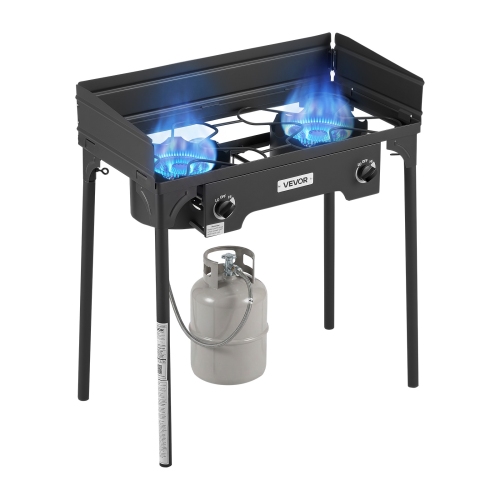
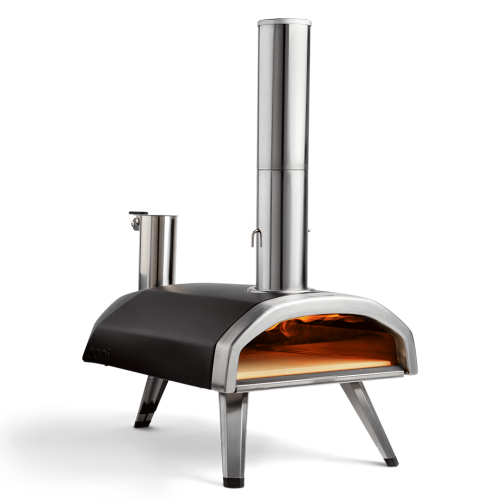
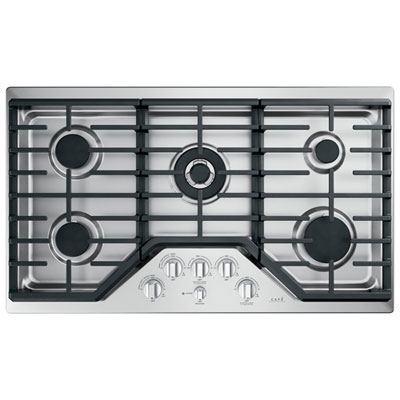
Outdoor cooking gas equipment brings adjustable heat to backyard meals, campsite breakfasts, and larger gatherings where the cooking happens outside. Propane and natural gas are the main fuel types for these setups, but they serve different needs and are not interchangeable without an approved conversion where the appliance permits one. Propane suits portable grills, freestanding cookers, and outdoor burners used away from a fixed gas connection, while natural gas is generally associated with stationary appliances connected to a home’s gas supply by a qualified professional. The right fit depends on both the setting and the food being prepared. A compact cooking surface can suit a small household making grilled vegetables and chicken, while independently controlled burners offer more flexibility for preparing several dishes at once. A broad, stable burner stand can be useful for a stockpot of corn or a large batch of soup, provided the cookware stays within the appliance’s stated size and weight limits. Gas grills, griddles, and outdoor cookers also produce different results: grill grates allow direct exposure to heat, flat cooking surfaces hold smaller ingredients, and open burners accommodate compatible pots and pans. Within the wider range of Outdoor Cooking Appliances, gas-powered options appeal to cooks who value responsive flame adjustment and the ability to move between cooking tasks without tending a solid-fuel fire. Heat output is commonly expressed in British thermal units, or BTUs, but a larger number alone does not establish how evenly or effectively an appliance cooks. Burner layout, cooking surface area, lid design, wind exposure, and the shape of the cookware all affect performance. For everyday meals, steady control at lower settings may matter as much as strong heat for searing. For larger pots, support, clearance, and an appropriately matched burner are just as important as output. These details help distinguish equipment suited to relaxed family dinners from setups intended for batch cooking or feeding a larger group.
Materials and construction influence how outdoor gas cooking equipment feels in use and how well it holds up between meals. Stainless steel is valued for its resistance to rust and straightforward cleaning, although its grade, finish, and regular care still matter. Powder-coated steel frames can provide sturdy support, with scratches and chipped areas needing attention to help limit corrosion. Cast iron grates retain heat well and can leave distinct sear marks, but bare cast iron needs thorough drying and seasoning as directed by the manufacturer. Porcelain-coated surfaces can simplify cleaning, provided tools and cleaning methods do not damage the coating. A firm frame, secure legs, dependable wheel locks, and a cooking surface that remains level make a noticeable difference when turning food or stirring a heavy pot. Physical fit extends beyond the appliance’s footprint: an open lid, extended side shelves, access to controls, and the required distance from walls and other combustible materials all take up space. A small patio may call for a compact layout, but it must still provide the ventilation and clearances specified for the appliance. Balcony use also depends on building rules and local requirements. Fuel connections deserve the same attention as the cooking surface. Propane cylinders, regulators, hoses, and fittings must match the appliance’s specified fuel, inlet pressure, connection type, and capacity. An adjustable high-pressure regulator is not a universal upgrade, and fittings that appear to connect are not proof of compatibility. Cylinder size also affects portability, storage needs, and potential cooking time, although actual runtime varies with burner demand and operating conditions. For portable setups, the combined weight of the cooker, fuel cylinder, and cookware matters when loading a vehicle or carrying equipment to a permitted cooking area. For a permanent backyard arrangement, access to the gas connection and room to clean around the appliance may be more important. Clear specifications and manufacturer-approved components provide a better basis for a dependable setup than appearance alone.
Outdoor gas cooking can remain part of the routine during the cooler months, whether the meal is a quick supper after work or a longer weekend gathering. Wind and lower temperatures can affect heat retention and propane performance, so an appliance designed for the intended conditions offers a more predictable cooking experience. A manufacturer-designed wind guard may help protect a burner flame, but improvised enclosures can interfere with ventilation and create hazards. Gas grills and outdoor cookers belong outdoors, never inside a home, garage, tent, or other enclosed space, even with a door open. A level, stable location away from foot traffic also leaves room for carrying hot food without weaving around guests, children, or pets. Large-pot cooking and outdoor frying need particular care because hot liquids add substantial weight and can cause serious burns if a vessel tips or overflows. Any fryer must be used only with the specified pot, fill limits, and operating procedures, with constant supervision during use. Routine care helps preserve both performance and durability across all types of gas cooking equipment. Once surfaces have cooled, removing grease and food residue reduces buildup, while keeping burner openings clear according to the manufacturer’s directions supports an even flame. Hoses merit regular inspection for cracking, wear, or damage, and connections should be checked for leaks using the approved procedure, never an open flame. Fuel cylinders need upright, secured outdoor storage in a ventilated location consistent with local requirements; they should not be brought indoors for convenience. A properly fitted cover can protect a cooled appliance between uses, but equipment should be clean and dry before it is covered. For frequent hosts, practical features such as accessible grease trays, usable side shelves, and easily cleaned grates can make repeated cooking sessions less of a chore. Campers may place greater value on secure transport and compact storage, while a gift recipient with an established patio setup may appreciate compatible cooking accessories rather than a fuel component chosen without checking specifications. The most useful outdoor gas cooking arrangement suits the cook’s space, habits, and preferred meals, with enough control for everyday dishes and a build that rewards regular care.
Materials and construction influence how outdoor gas cooking equipment feels in use and how well it holds up between meals. Stainless steel is valued for its resistance to rust and straightforward cleaning, although its grade, finish, and regular care still matter. Powder-coated steel frames can provide sturdy support, with scratches and chipped areas needing attention to help limit corrosion. Cast iron grates retain heat well and can leave distinct sear marks, but bare cast iron needs thorough drying and seasoning as directed by the manufacturer. Porcelain-coated surfaces can simplify cleaning, provided tools and cleaning methods do not damage the coating. A firm frame, secure legs, dependable wheel locks, and a cooking surface that remains level make a noticeable difference when turning food or stirring a heavy pot. Physical fit extends beyond the appliance’s footprint: an open lid, extended side shelves, access to controls, and the required distance from walls and other combustible materials all take up space. A small patio may call for a compact layout, but it must still provide the ventilation and clearances specified for the appliance. Balcony use also depends on building rules and local requirements. Fuel connections deserve the same attention as the cooking surface. Propane cylinders, regulators, hoses, and fittings must match the appliance’s specified fuel, inlet pressure, connection type, and capacity. An adjustable high-pressure regulator is not a universal upgrade, and fittings that appear to connect are not proof of compatibility. Cylinder size also affects portability, storage needs, and potential cooking time, although actual runtime varies with burner demand and operating conditions. For portable setups, the combined weight of the cooker, fuel cylinder, and cookware matters when loading a vehicle or carrying equipment to a permitted cooking area. For a permanent backyard arrangement, access to the gas connection and room to clean around the appliance may be more important. Clear specifications and manufacturer-approved components provide a better basis for a dependable setup than appearance alone.
Outdoor gas cooking can remain part of the routine during the cooler months, whether the meal is a quick supper after work or a longer weekend gathering. Wind and lower temperatures can affect heat retention and propane performance, so an appliance designed for the intended conditions offers a more predictable cooking experience. A manufacturer-designed wind guard may help protect a burner flame, but improvised enclosures can interfere with ventilation and create hazards. Gas grills and outdoor cookers belong outdoors, never inside a home, garage, tent, or other enclosed space, even with a door open. A level, stable location away from foot traffic also leaves room for carrying hot food without weaving around guests, children, or pets. Large-pot cooking and outdoor frying need particular care because hot liquids add substantial weight and can cause serious burns if a vessel tips or overflows. Any fryer must be used only with the specified pot, fill limits, and operating procedures, with constant supervision during use. Routine care helps preserve both performance and durability across all types of gas cooking equipment. Once surfaces have cooled, removing grease and food residue reduces buildup, while keeping burner openings clear according to the manufacturer’s directions supports an even flame. Hoses merit regular inspection for cracking, wear, or damage, and connections should be checked for leaks using the approved procedure, never an open flame. Fuel cylinders need upright, secured outdoor storage in a ventilated location consistent with local requirements; they should not be brought indoors for convenience. A properly fitted cover can protect a cooled appliance between uses, but equipment should be clean and dry before it is covered. For frequent hosts, practical features such as accessible grease trays, usable side shelves, and easily cleaned grates can make repeated cooking sessions less of a chore. Campers may place greater value on secure transport and compact storage, while a gift recipient with an established patio setup may appreciate compatible cooking accessories rather than a fuel component chosen without checking specifications. The most useful outdoor gas cooking arrangement suits the cook’s space, habits, and preferred meals, with enough control for everyday dishes and a build that rewards regular care.
Top selling and popular products
-
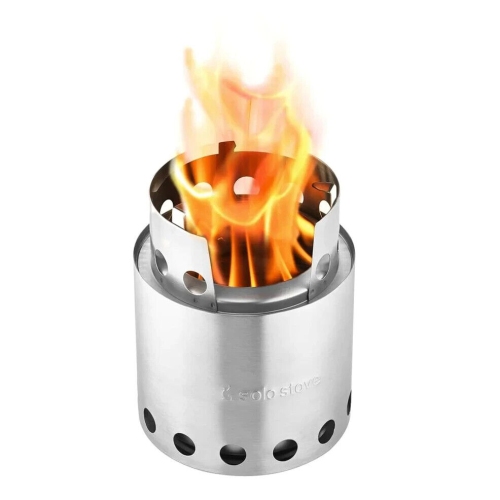 Your price for this item is $99.99
 -
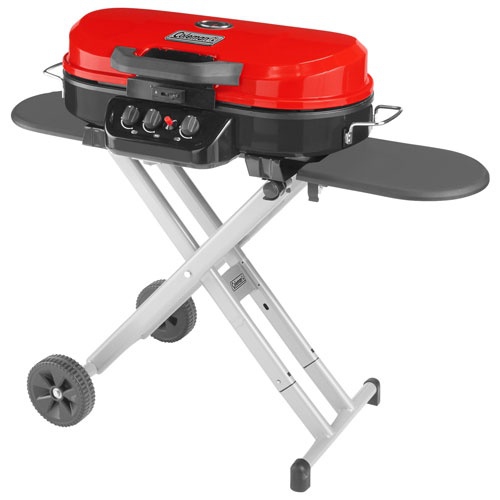 Your price for this item is $513.99
 -
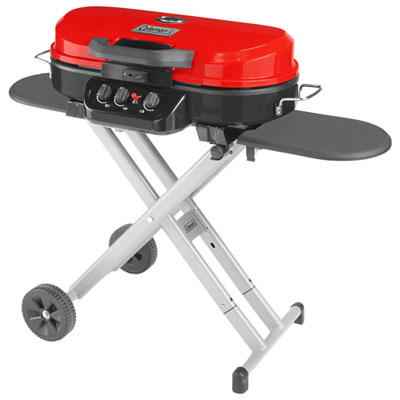 Your price for this item is $349.98
 -
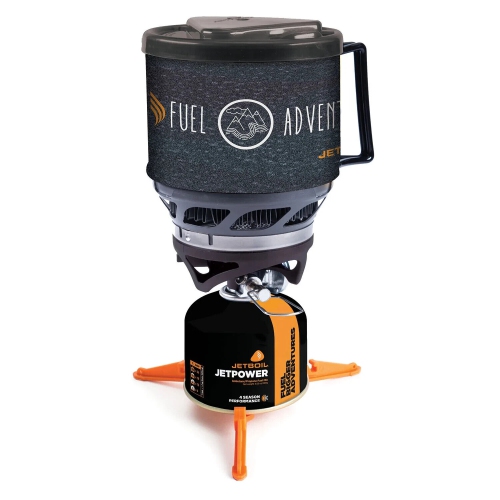 Your price for this item is $209.95
 -
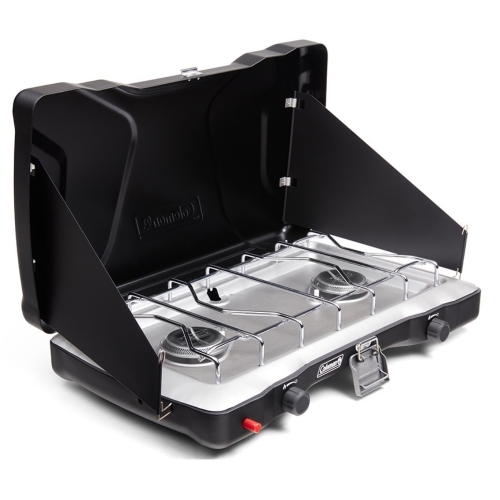 Your price for this item is $143.99
 -
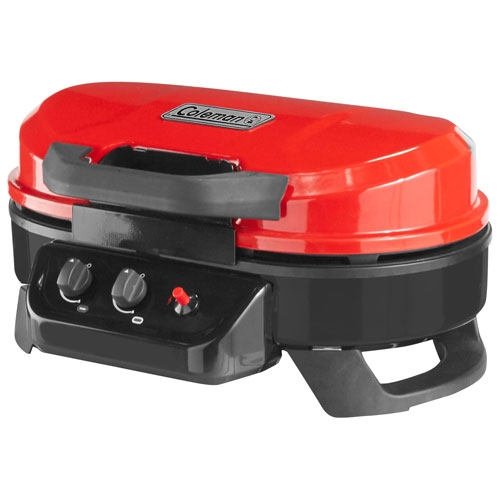 Your price for this item is $299
 -
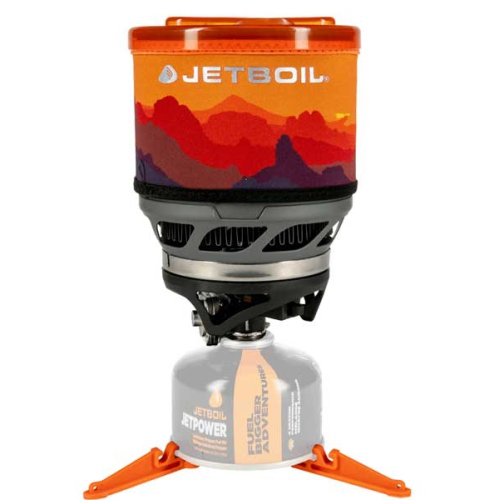 Your price for this item is $209.95
 -
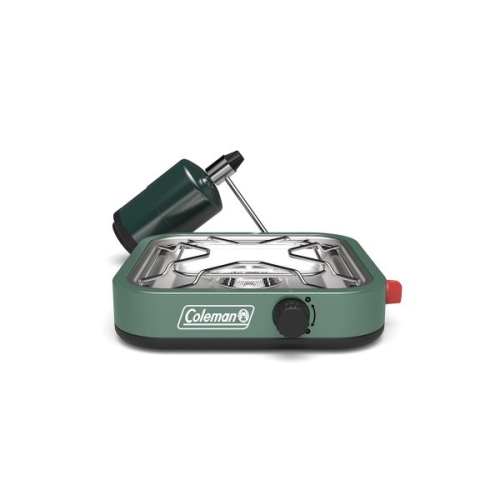 Your price for this item is $111.99
Discover more categories related to Outdoor Cooking Gas
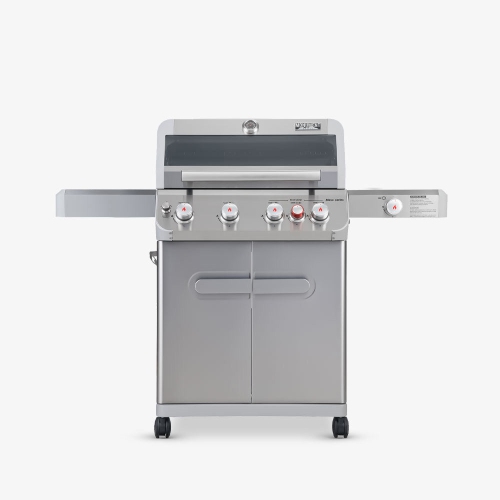
Top Collections:
Pokemon Centers, Kindle Devices, Best Budget Office Chairs, Apple iPhones 16, Canon G7X Cameras, iPhone 15 Apple, Alarm Clock, Refurbished Apple Laptops, Flip Phones, Best Laptops for Writers
Some products may be subject to Environmental Handling Fees
(EHF) depending on your province.
Learn more about EHFs.