Heavy Duty Hammock With Stand
Transform your outdoor space into a relaxing oasis with a heavy duty hammock with stand. Perfect for those who crave comfort and durability, these hammocks provide the ultimate lounging experience without the need for trees or additional supports. Whether you're looking to unwind after a long day or enjoy a lazy afternoon in the sun, a heavy duty hammock with stand offers the stability and strength needed to support you securely. Explore options that blend seamlessly with your outdoor decor while providing the reliability you need for endless relaxation.
Sort


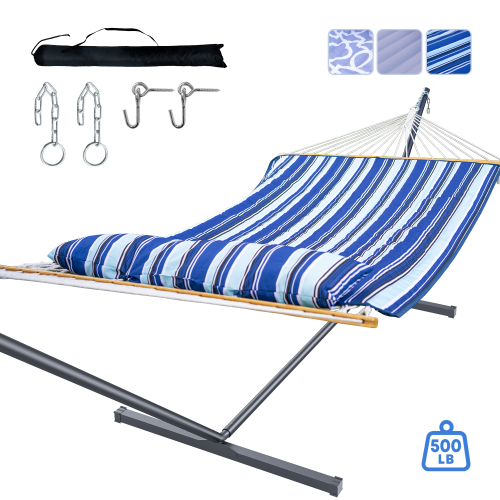
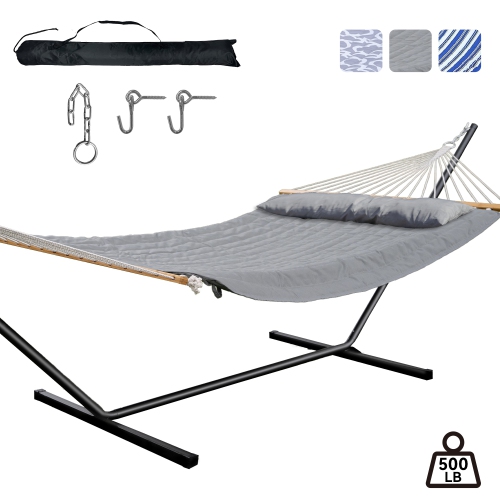

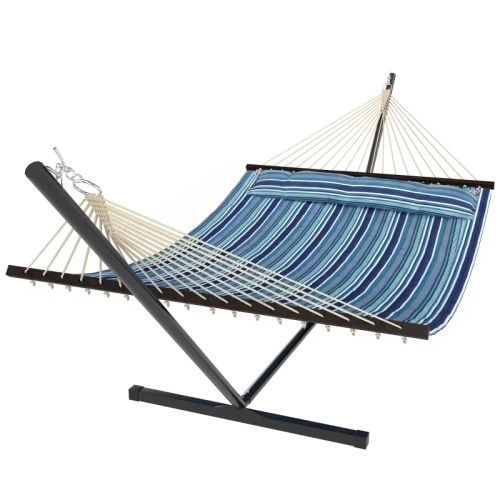
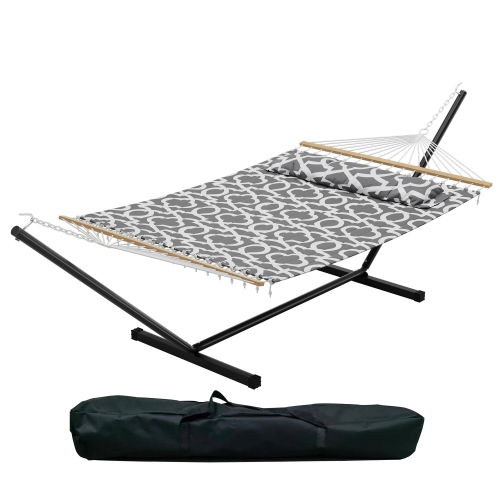
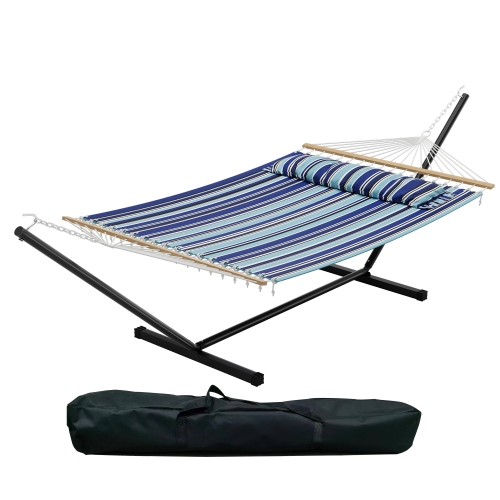
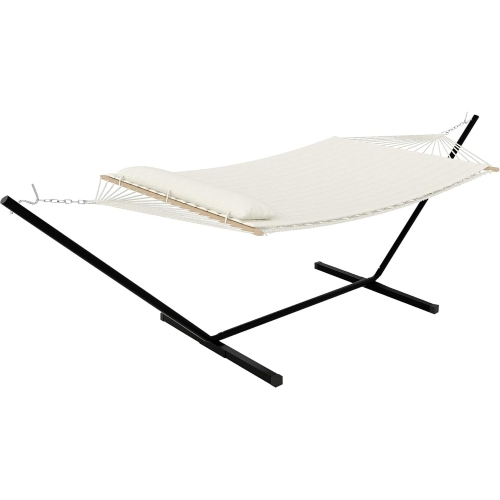
Room to unwind without trees or wall anchors
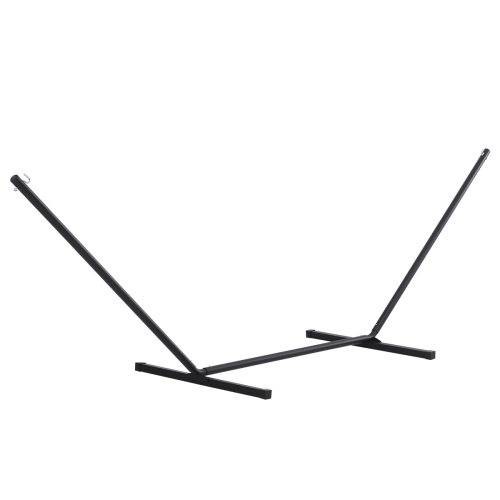
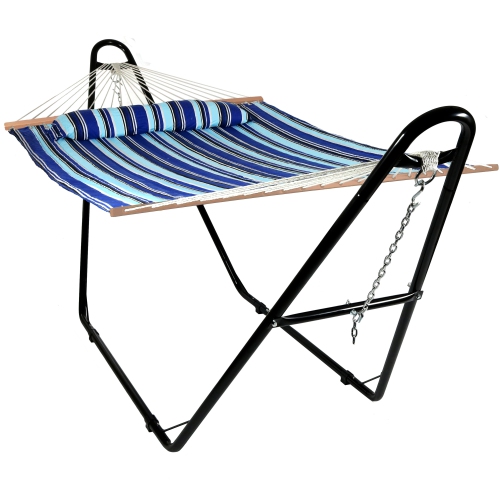
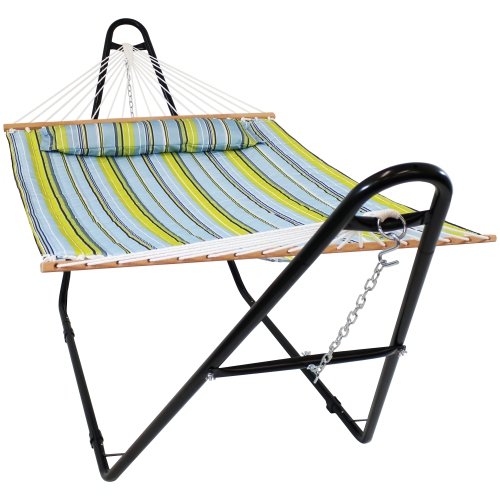
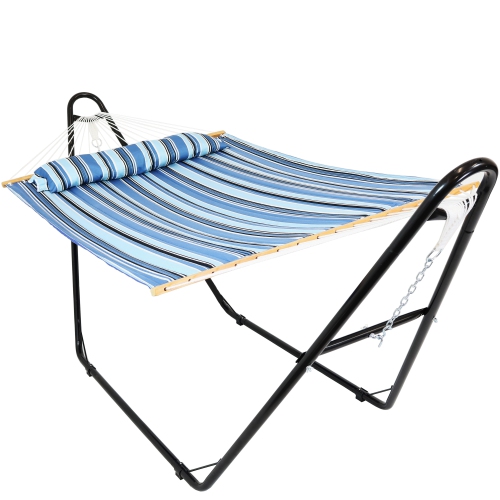
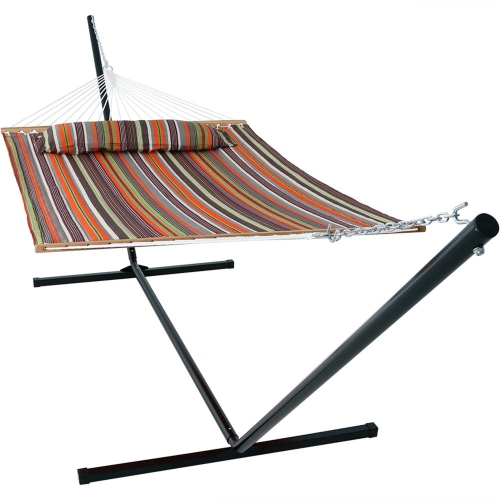
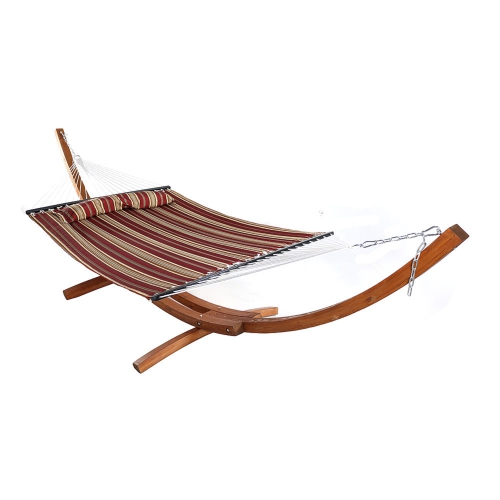
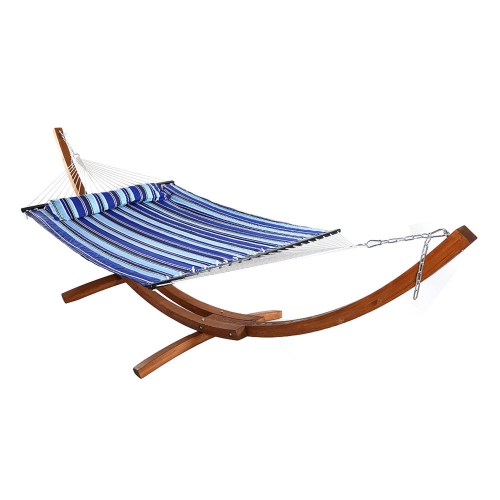
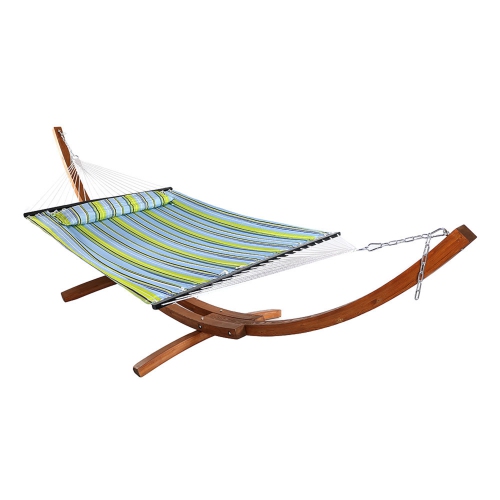
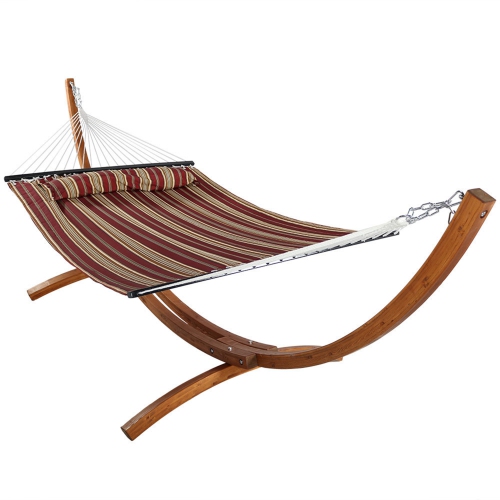
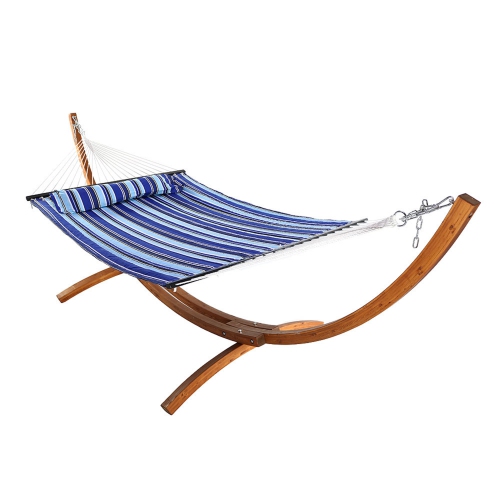
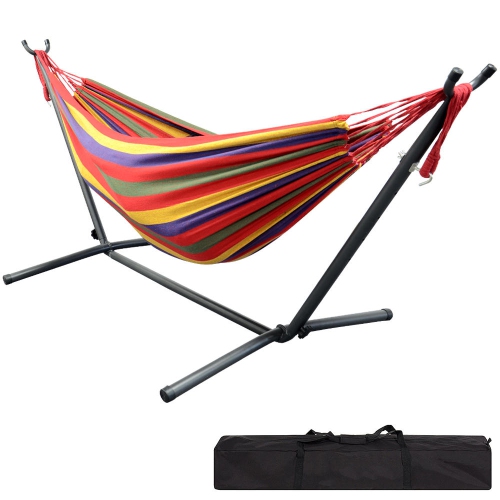
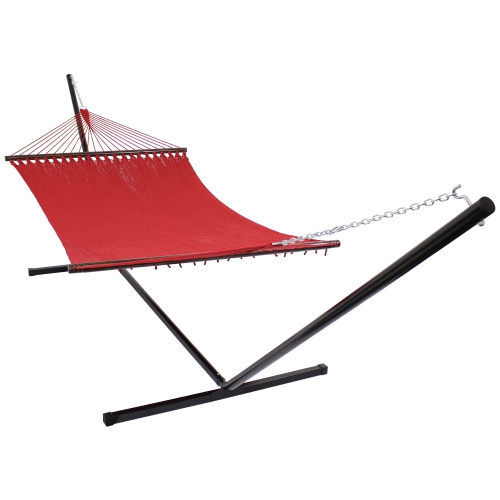
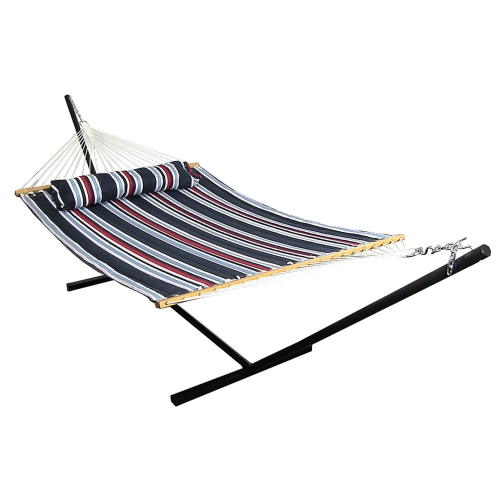
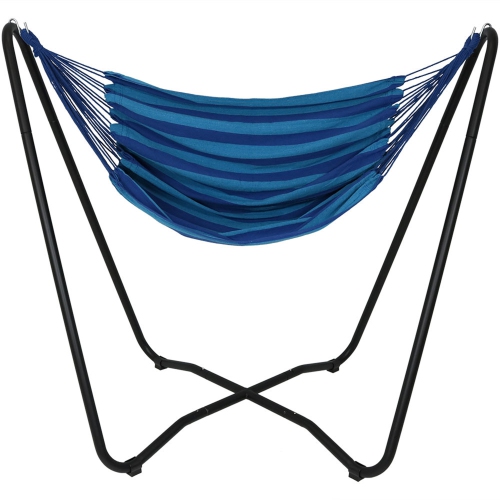
A heavy-duty hammock with a stand combines a supportive lounging surface with a freestanding frame, creating a place to stretch out without attaching ropes or hardware to trees, posts, or walls. This makes the format particularly useful for patios, backyards, and other spaces where suitable anchor points are missing or inconveniently positioned. The stand establishes the suspension points, while the hammock’s fabric, shape, and hanging tension determine much of the feel. Heavy-duty construction generally emphasizes a stronger frame, substantial connection hardware, and a hammock designed to support a higher load, but the term alone does not establish a weight rating. The stated capacity of the complete set is what matters, along with any limits on the number of users. A double hammock may offer extra width for one person to settle in with a cushion or enough room for two adults when the manufacturer permits shared use. Width and weight capacity are separate considerations: a broad bed is not automatically rated for a heavier load, and a high-capacity frame does not make a narrower hammock comfortable for two. When hammock and stand ratings differ, the lower applicable limit governs, provided the components are approved for use together. Capacity also includes anything resting in the hammock, such as pillows or blankets. For taller users, the usable bed length deserves as much attention as the overall hanging length, which includes the suspension ends. A hammock that looks generous from hook to hook may have a shorter fabric section than expected. These details help distinguish a roomy spot for reading alone from a setup intended for shared lounging. As a gift for someone who enjoys an unhurried afternoon with a book, a heavy-duty hammock set can be a thoughtful addition to a home, provided there is enough space for the frame and a suitable place to use it.
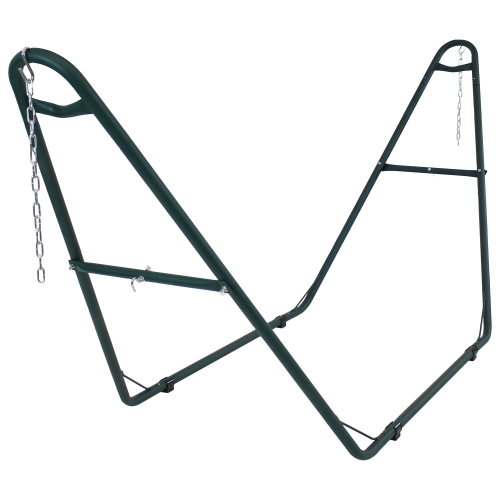
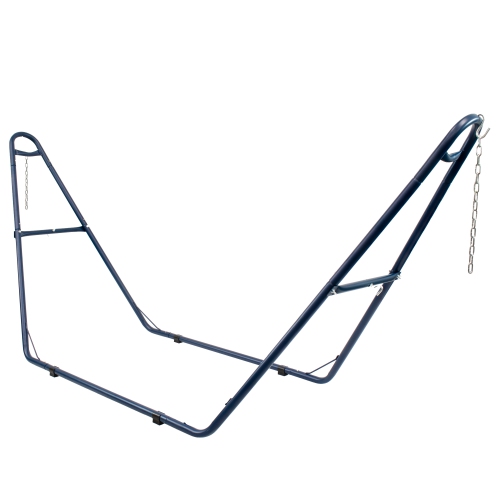
Frame material and dimensions shape how a hammock set fits into everyday life. Steel is a common choice for heavy-duty stands because it can provide a rigid support structure, although strength depends on the complete design rather than material alone. Tube dimensions, welds, joints, fasteners, and the base layout all contribute to performance. A powder-coated finish helps protect steel surfaces against corrosion, but it does not make the frame immune to rust, especially where the coating becomes scratched or moisture collects around connections. Wood frames offer a different appearance, with curved supports that can complement deck furniture, though their footprint, weight, and finish-care requirements may differ considerably from those of a steel frame. The overall stand length and width should fit the intended location with clearance for entering, exiting, and gentle movement. On a compact patio, the feet may occupy valuable walking space even when the hammock itself appears neatly tucked into a corner. A firm, level surface is important; all support points should rest securely without rocking or sinking. For indoor use where permitted, there should also be room around nearby furniture, and any floor protection must not compromise the stand’s stability. Adjustable hanging points can accommodate compatible hammock lengths and help set the resting height, but adjustment is not a substitute for matching the hammock to the frame. A hammock hung too loosely may sit too low under load, while excessive tension can affect comfort and place unintended stress on components. Manufacturer-specified dimensions and hanging arrangements take priority over appearance. For a closer look at this frame material, Steel Hammock Stands provide a related option to consider alongside complete sets. A matched hammock-and-stand combination can simplify compatibility, while a separate frame requires careful checks of hanging length, attachment style, load rating, and any required connectors. Neither approach eliminates the need to follow the assembly instructions and secure every connection before use.
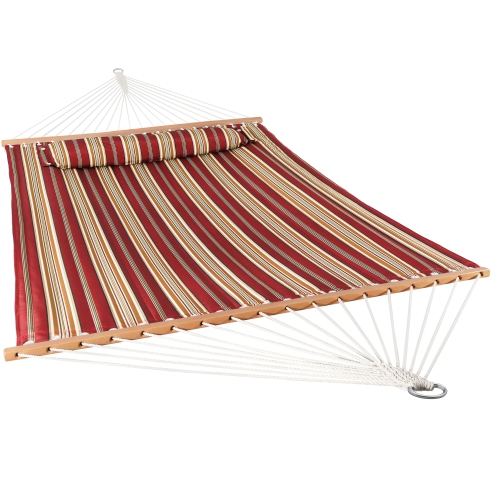
The hammock bed makes a noticeable difference to comfort, upkeep, and how the set is used. Cotton-rich fabric often feels soft against bare arms and legs, while polyester fabrics are frequently chosen for easier drying and practical outdoor care. Actual performance depends on the weave, finish, and construction, so fibre content alone cannot establish fade resistance or suitability for prolonged outdoor exposure. Tightly woven fabric gives continuous support, rope designs have a more open feel, and quilted styles add cushioning but can take longer to dry because of their layered construction. Spreader bars hold the bed open and make its full width visible, while gathered-end hammocks tend to wrap more closely around the body. These designs feel different when getting in and settling down; an open, flat-looking bed is not necessarily more stable. Entering near the centre, lowering into a seated position, and moving gradually helps avoid abrupt shifts, while jumping or vigorous swinging can create loads beyond ordinary resting use. Children need adult supervision, and hammocks are not suitable infant sleep spaces. For households that move furniture between a patio and storage area, a sectional stand can be easier to manage than a large one-piece frame. Packed dimensions, individual section weights, and the number of loose fasteners matter more than a carrying bag alone when judging portability. A set intended to stay in one location may place greater emphasis on a substantial base and a finish that suits the surrounding furniture. Routine care supports both appearance and service life: remove debris, clean the fabric according to its care label, and let every component dry thoroughly before storage. Not all hammock beds are machine washable, particularly those with attached bars or padding. Periodic checks should cover fraying suspension cords, stretched attachment loops, loose bolts, bent frame sections, and damaged finishes. Worn load-bearing parts should be replaced with compatible components before further use. With the right fit, careful setup, and straightforward maintenance, a heavy-duty hammock with a stand offers a comfortable place to pause without making permanent changes to the space around it.
Frame material and dimensions shape how a hammock set fits into everyday life. Steel is a common choice for heavy-duty stands because it can provide a rigid support structure, although strength depends on the complete design rather than material alone. Tube dimensions, welds, joints, fasteners, and the base layout all contribute to performance. A powder-coated finish helps protect steel surfaces against corrosion, but it does not make the frame immune to rust, especially where the coating becomes scratched or moisture collects around connections. Wood frames offer a different appearance, with curved supports that can complement deck furniture, though their footprint, weight, and finish-care requirements may differ considerably from those of a steel frame. The overall stand length and width should fit the intended location with clearance for entering, exiting, and gentle movement. On a compact patio, the feet may occupy valuable walking space even when the hammock itself appears neatly tucked into a corner. A firm, level surface is important; all support points should rest securely without rocking or sinking. For indoor use where permitted, there should also be room around nearby furniture, and any floor protection must not compromise the stand’s stability. Adjustable hanging points can accommodate compatible hammock lengths and help set the resting height, but adjustment is not a substitute for matching the hammock to the frame. A hammock hung too loosely may sit too low under load, while excessive tension can affect comfort and place unintended stress on components. Manufacturer-specified dimensions and hanging arrangements take priority over appearance. For a closer look at this frame material, Steel Hammock Stands provide a related option to consider alongside complete sets. A matched hammock-and-stand combination can simplify compatibility, while a separate frame requires careful checks of hanging length, attachment style, load rating, and any required connectors. Neither approach eliminates the need to follow the assembly instructions and secure every connection before use.
The hammock bed makes a noticeable difference to comfort, upkeep, and how the set is used. Cotton-rich fabric often feels soft against bare arms and legs, while polyester fabrics are frequently chosen for easier drying and practical outdoor care. Actual performance depends on the weave, finish, and construction, so fibre content alone cannot establish fade resistance or suitability for prolonged outdoor exposure. Tightly woven fabric gives continuous support, rope designs have a more open feel, and quilted styles add cushioning but can take longer to dry because of their layered construction. Spreader bars hold the bed open and make its full width visible, while gathered-end hammocks tend to wrap more closely around the body. These designs feel different when getting in and settling down; an open, flat-looking bed is not necessarily more stable. Entering near the centre, lowering into a seated position, and moving gradually helps avoid abrupt shifts, while jumping or vigorous swinging can create loads beyond ordinary resting use. Children need adult supervision, and hammocks are not suitable infant sleep spaces. For households that move furniture between a patio and storage area, a sectional stand can be easier to manage than a large one-piece frame. Packed dimensions, individual section weights, and the number of loose fasteners matter more than a carrying bag alone when judging portability. A set intended to stay in one location may place greater emphasis on a substantial base and a finish that suits the surrounding furniture. Routine care supports both appearance and service life: remove debris, clean the fabric according to its care label, and let every component dry thoroughly before storage. Not all hammock beds are machine washable, particularly those with attached bars or padding. Periodic checks should cover fraying suspension cords, stretched attachment loops, loose bolts, bent frame sections, and damaged finishes. Worn load-bearing parts should be replaced with compatible components before further use. With the right fit, careful setup, and straightforward maintenance, a heavy-duty hammock with a stand offers a comfortable place to pause without making permanent changes to the space around it.
Top selling and popular products
-
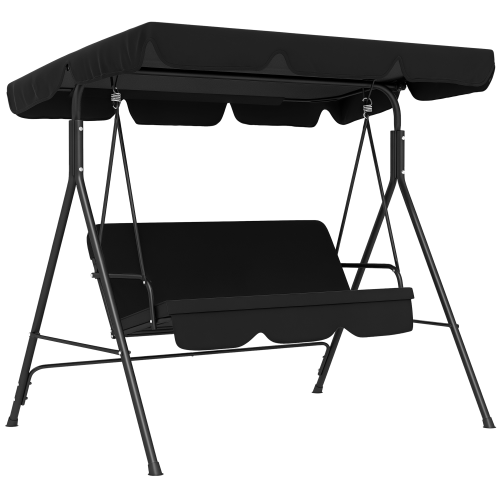 Your price for this item is $133
 -
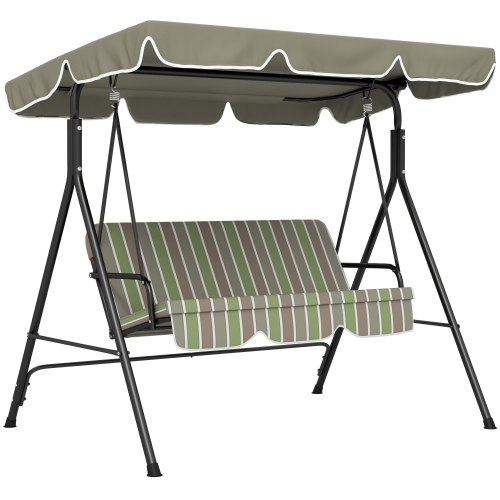 Your price for this item is $154.99
 -
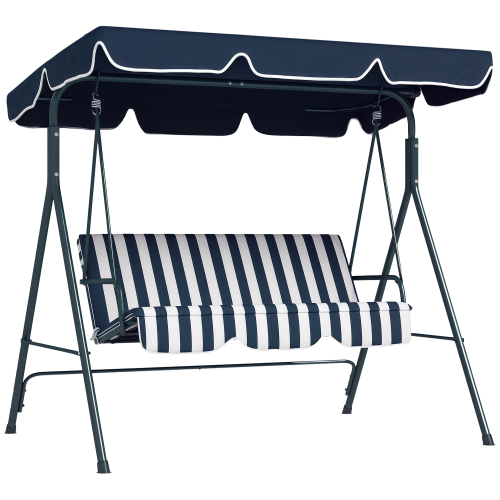 Your price for this item is $149.99
 -
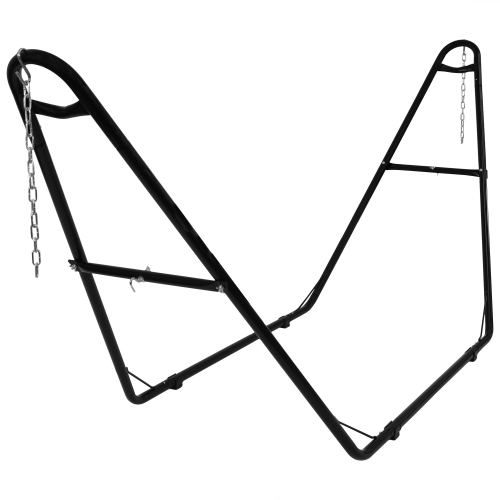 Your price for this item is $182.55
 -
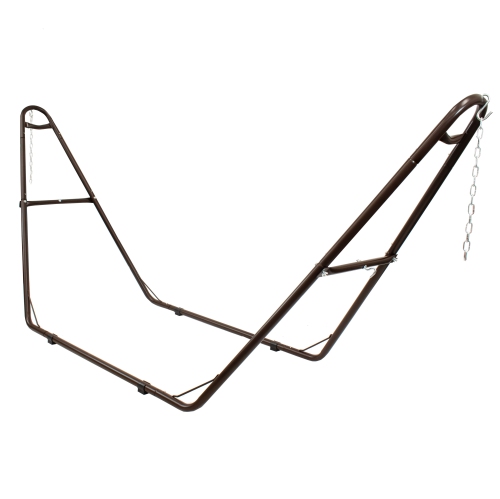 Your price for this item is $182.55
 -
 Your price for this item is $182.55
 -
 Your price for this item is $182.55
 -
 Your price for this item is $139.65
Discover more categories related to Heavy Duty Hammock With Stand
Top Collections:
Pokemon Centers, Kindle Devices, Best Budget Office Chairs, Apple iPhones 16, Best Laptops for Writers, iPhone 15 Apple, Canon G7X Cameras, Refurbished Apple Laptops, Alarm Clock, Motorola Razr Phones
Some products may be subject to Environmental Handling Fees
(EHF) depending on your province.
Learn more about EHFs.