Round Outdoor Tables
The round outdoor table is a great addition to any backyard. It can be used as an eating area, a place to sit and enjoy the weather, or even as an extra seat for guests. The round outdoor table is also very durable and can withstand the elements. These tables are available in a variety of sizes and materials, so you can choose the one that best suits your needs.
Sort






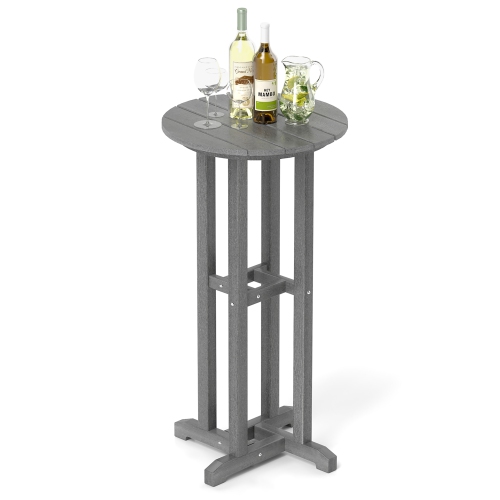
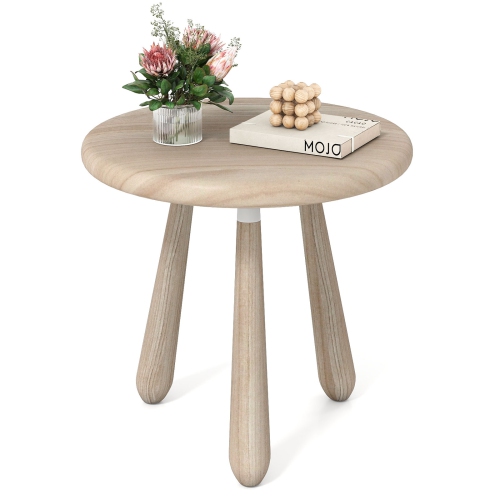
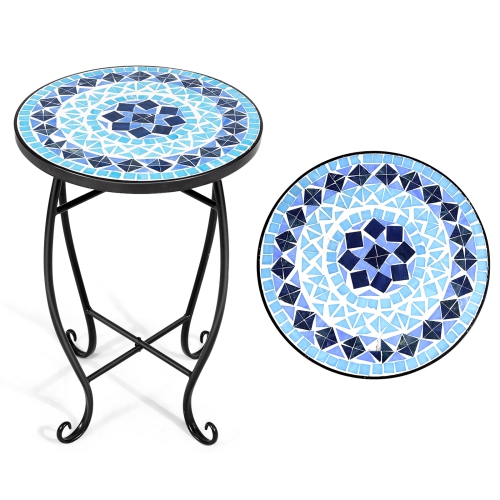
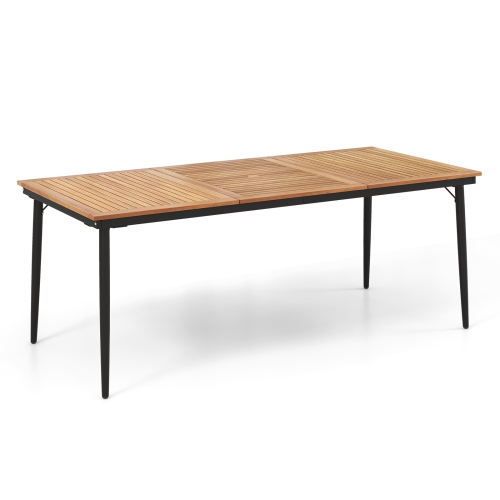
Why circular tables put conversation at the centre
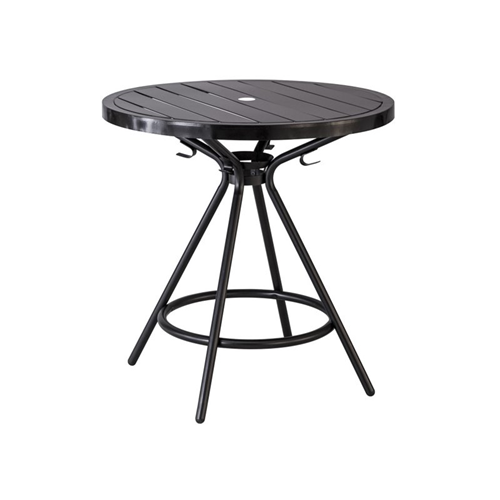
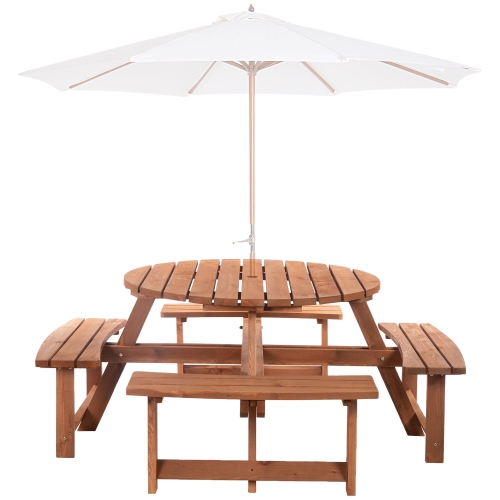
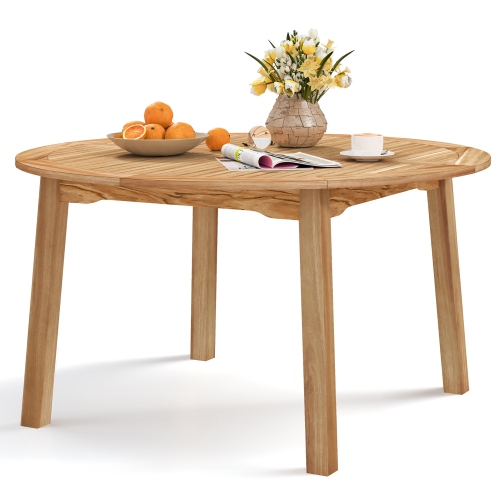
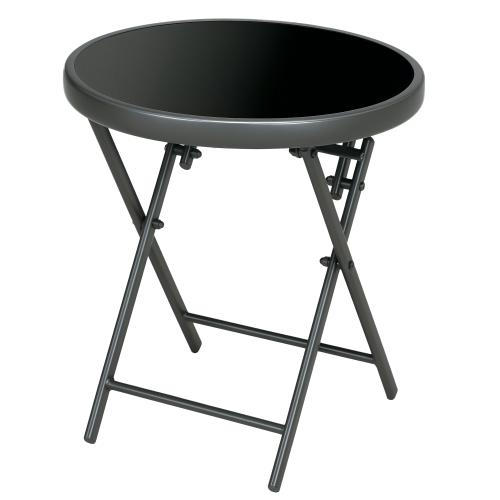
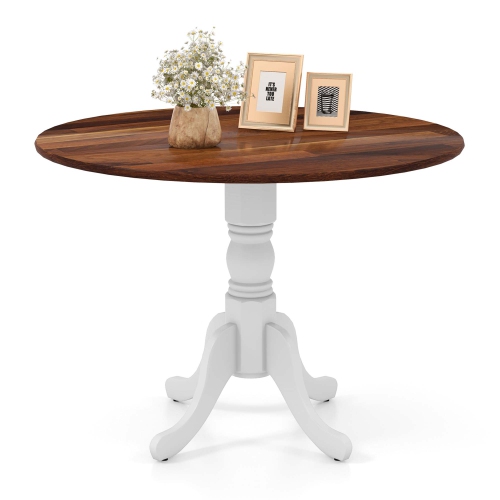
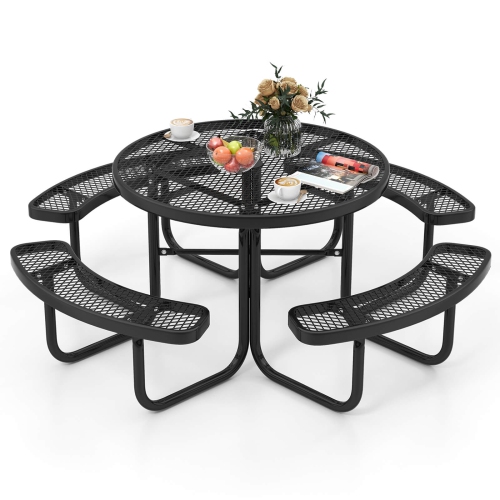
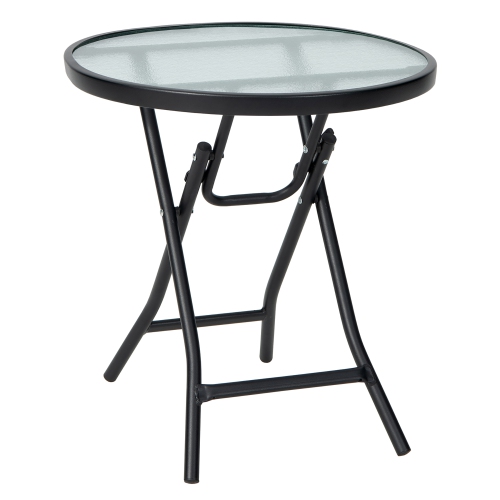
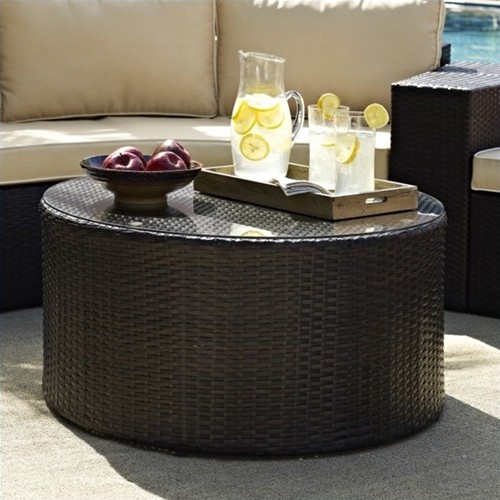
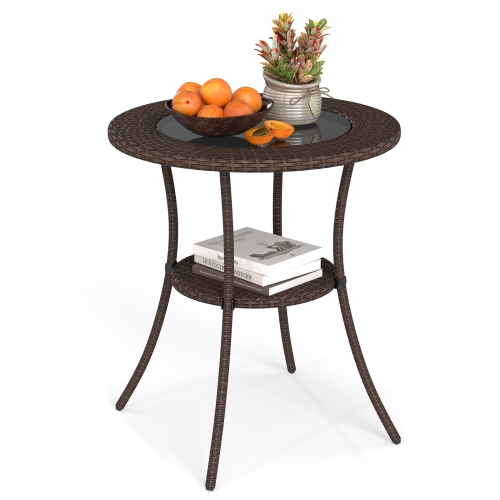
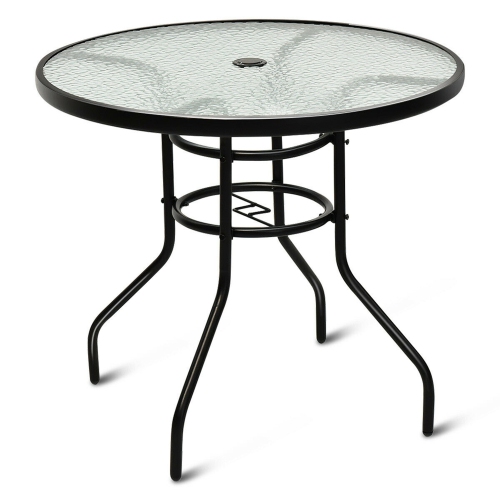
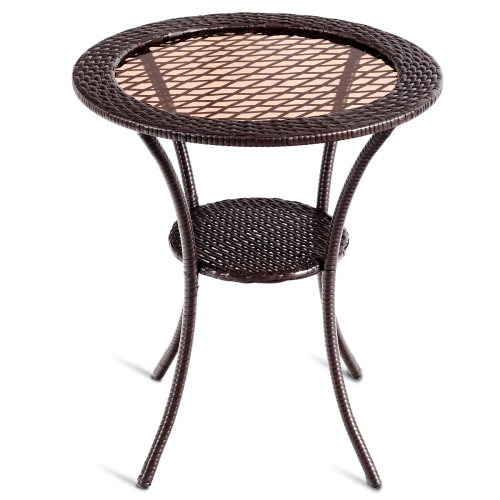
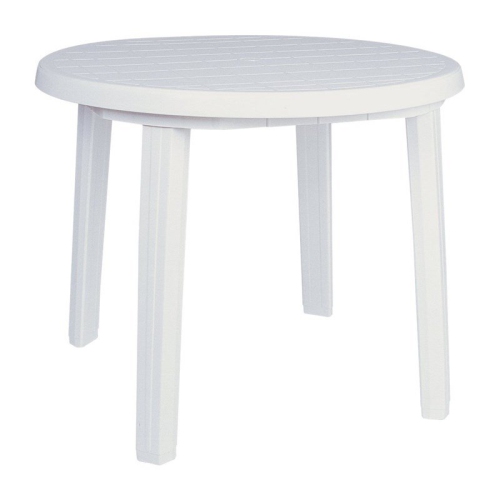
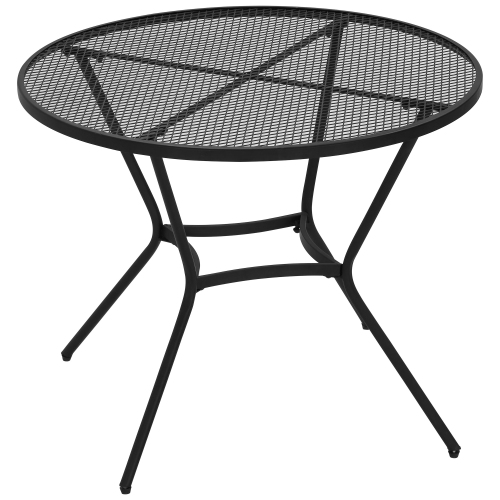
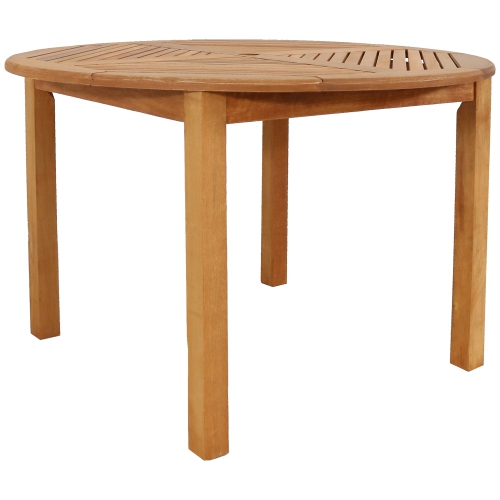
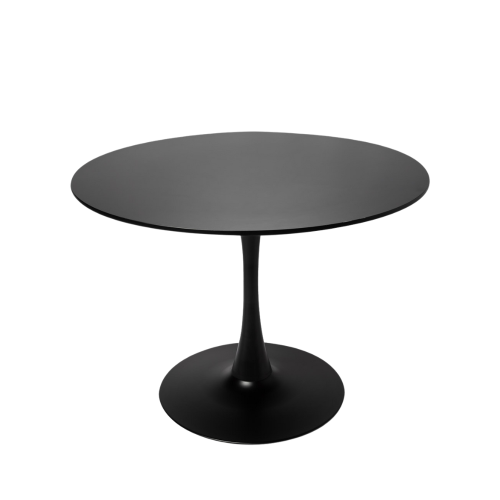
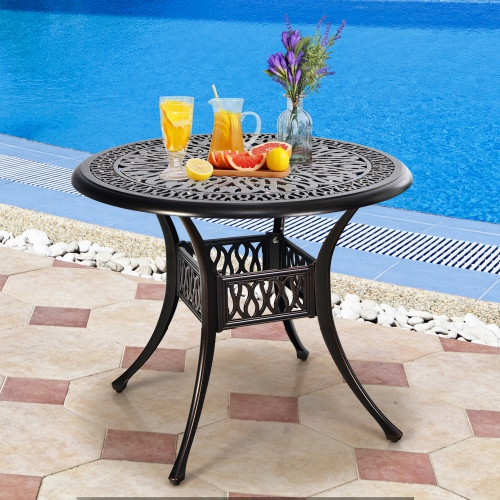
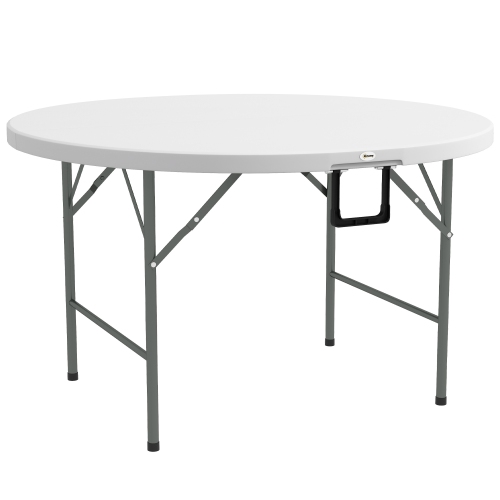
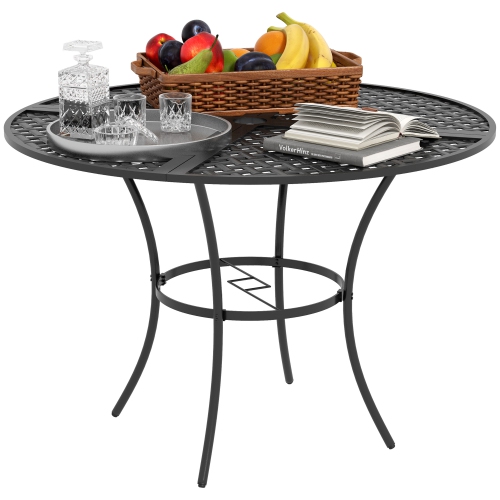
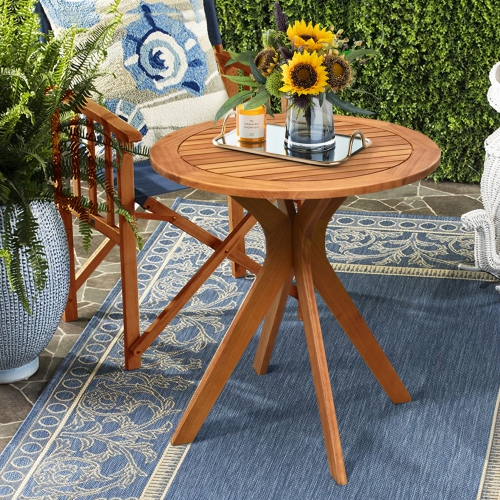
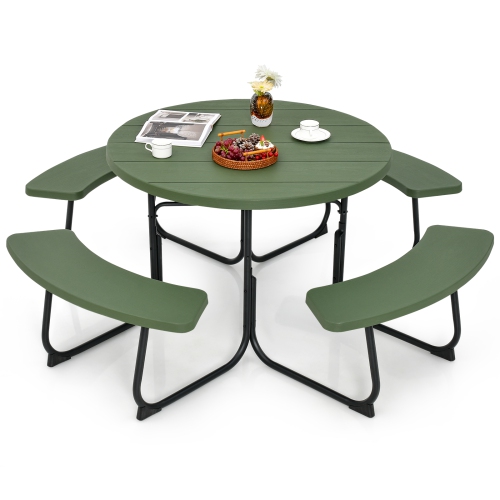
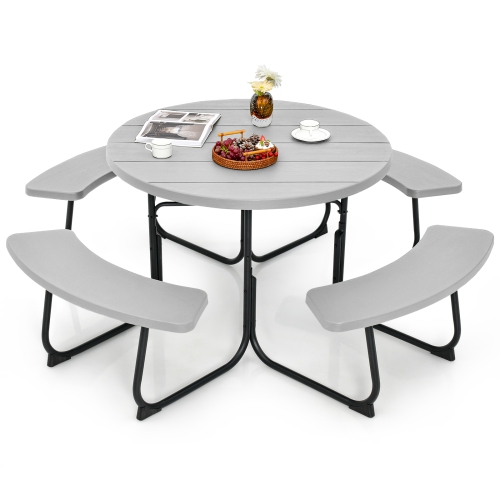
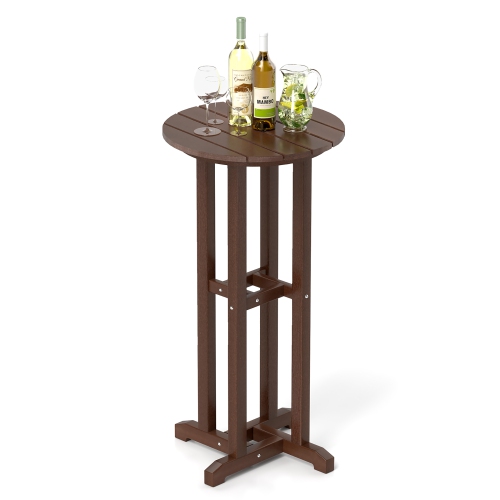
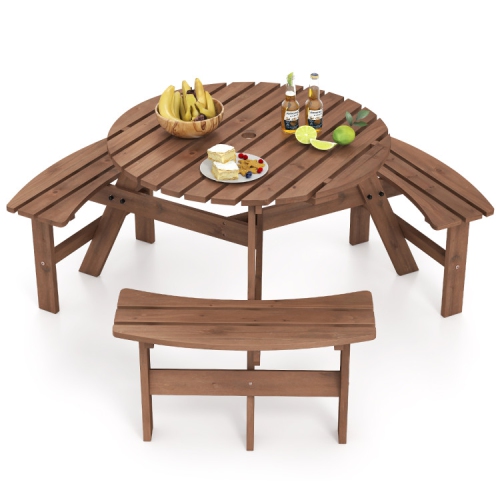
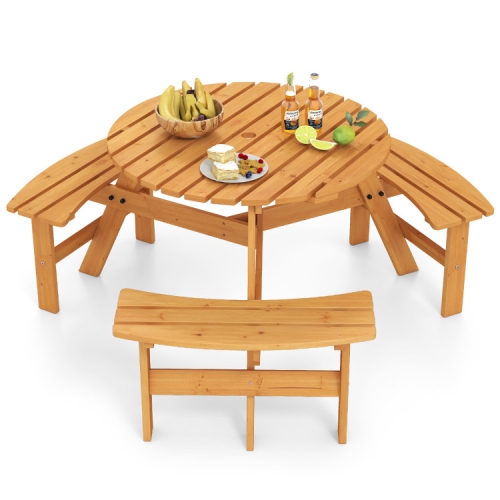
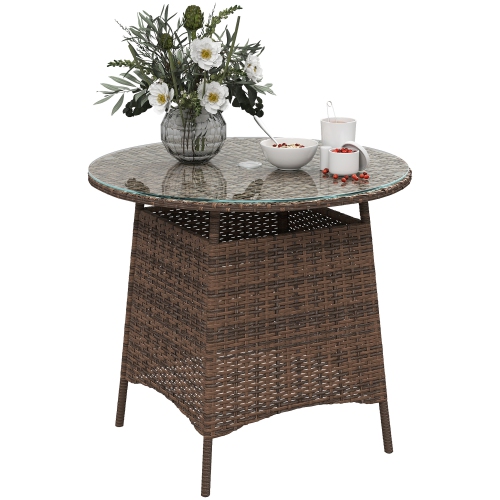
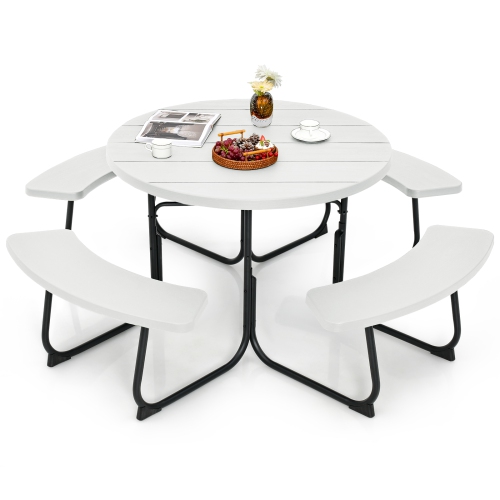
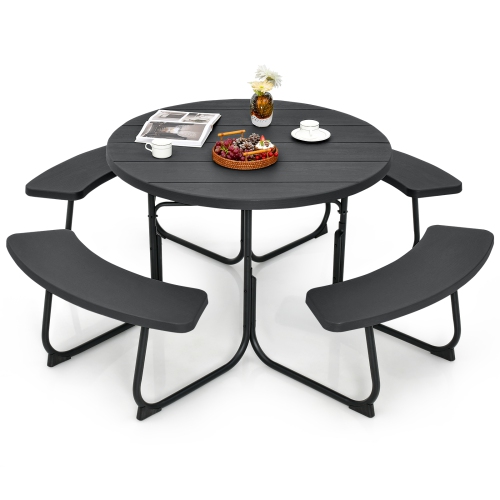
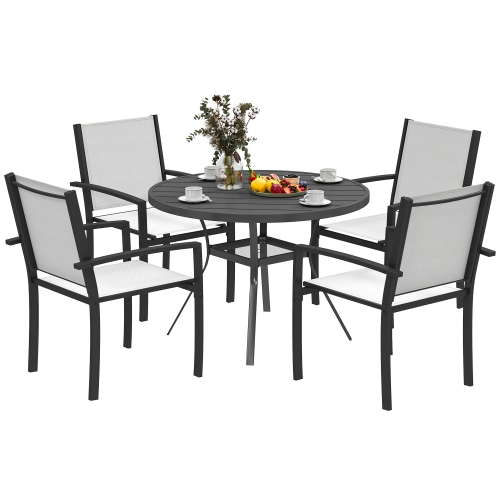
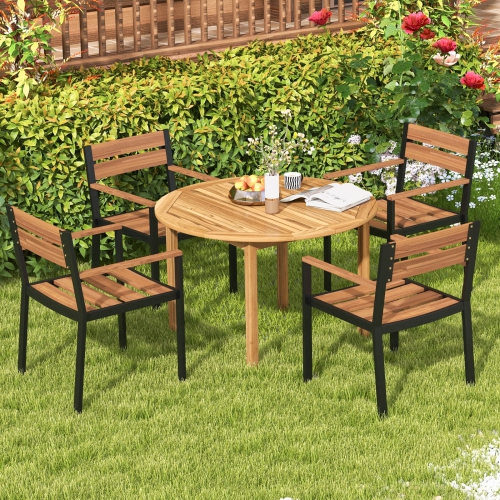
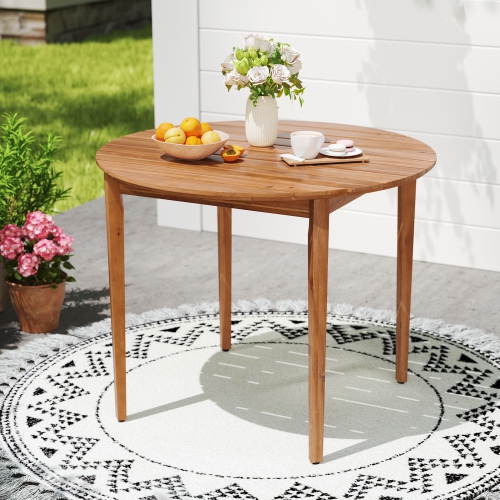
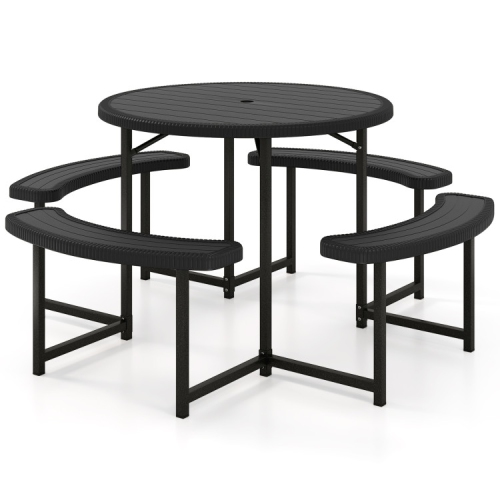
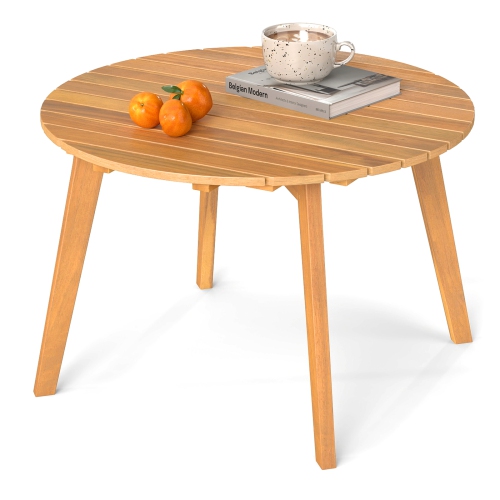
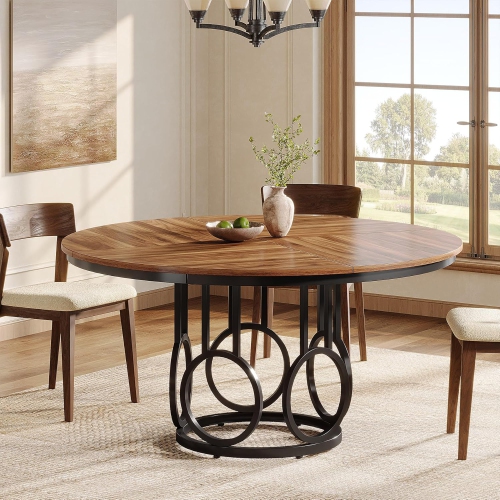
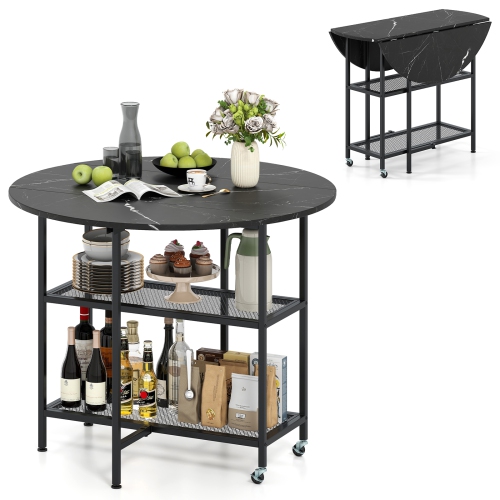
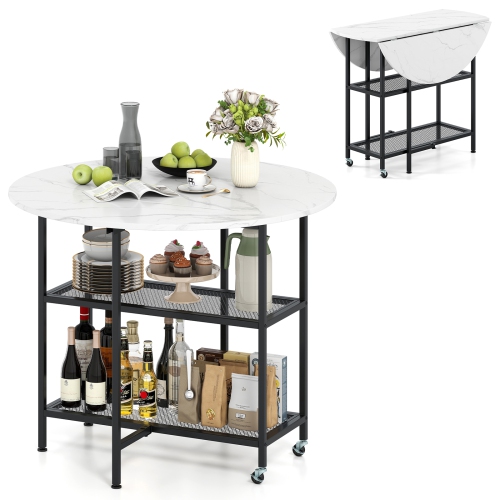
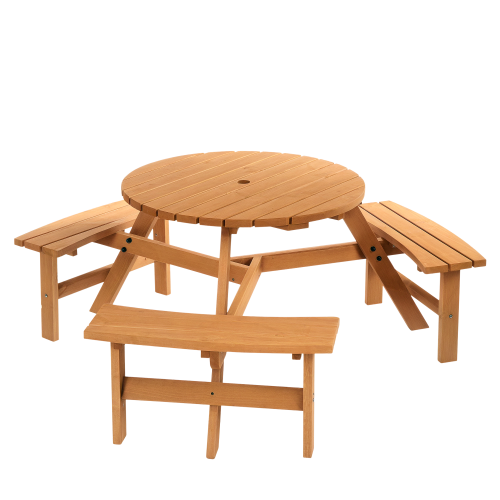
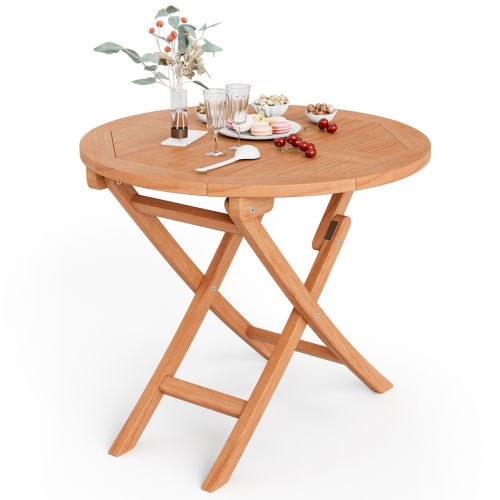
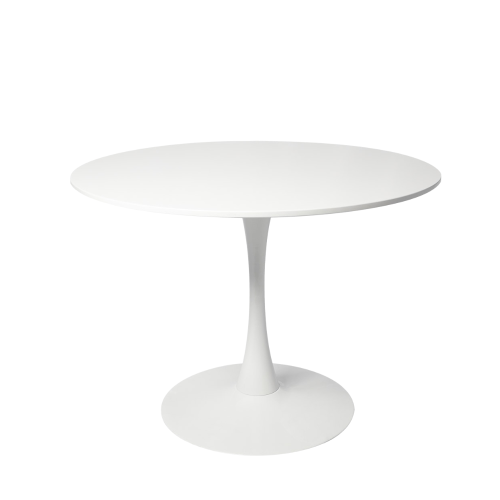
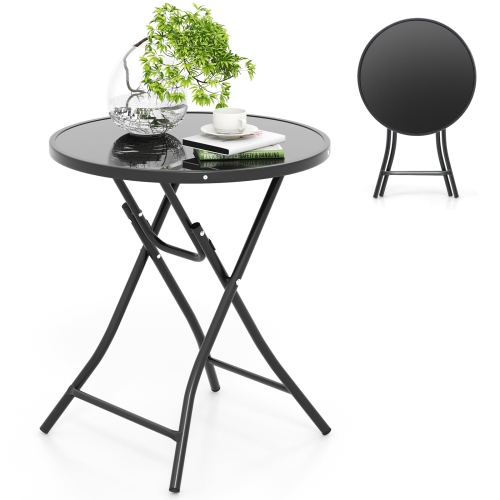
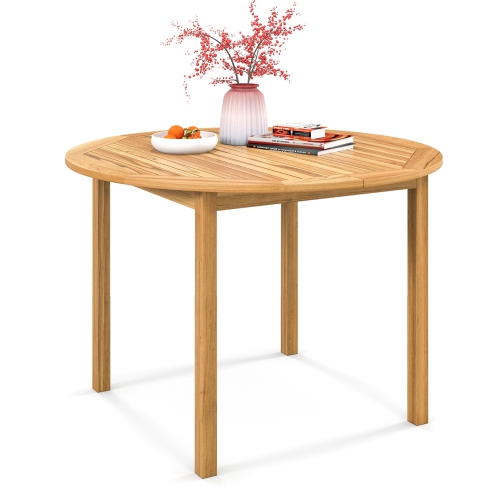
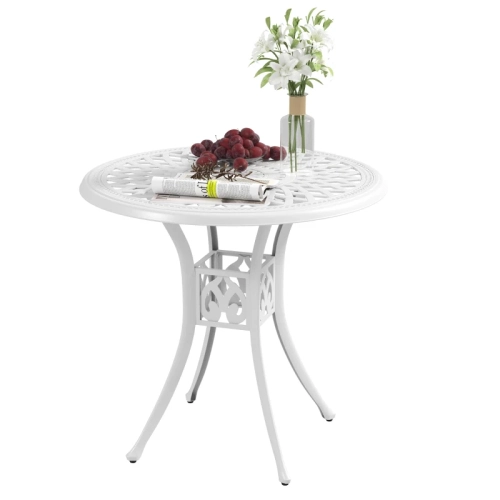
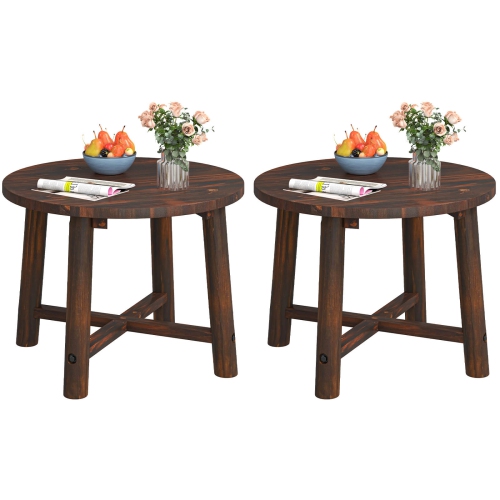
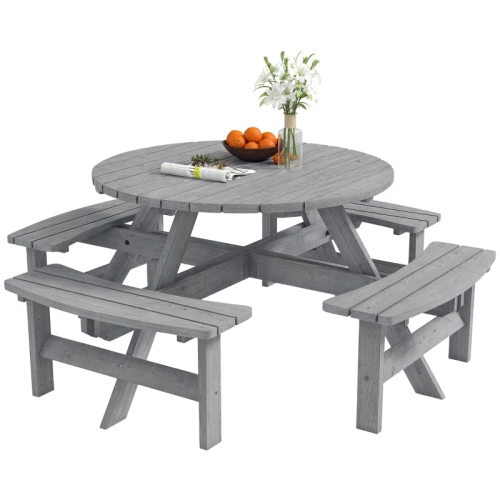
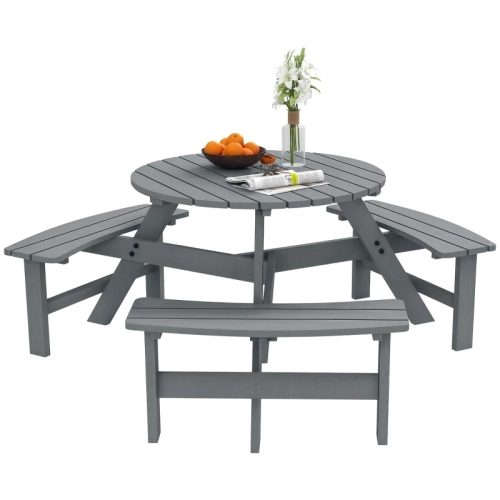
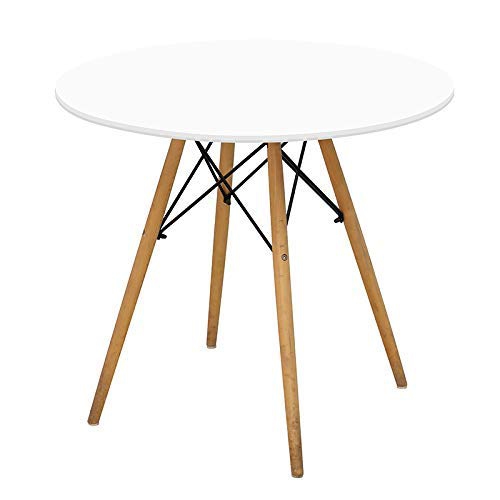
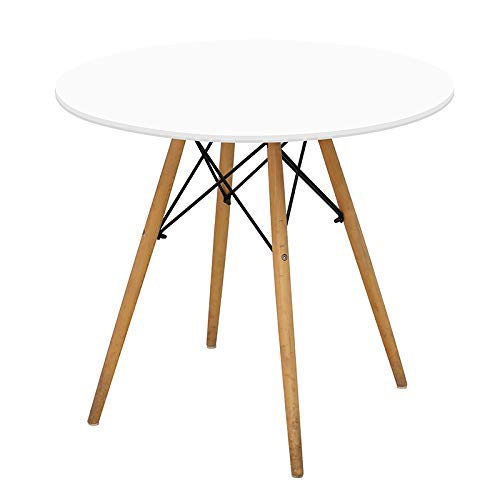
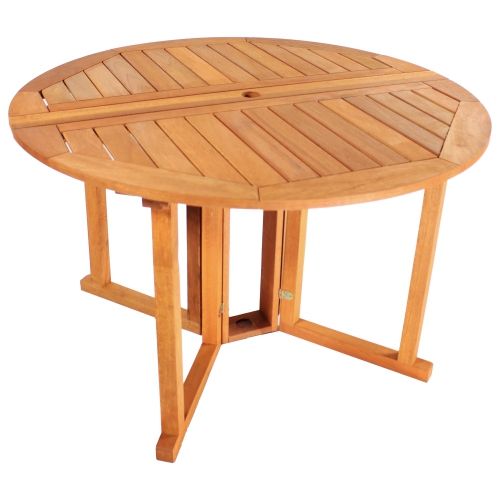
Round outdoor tables bring a shared focal point to patios, balconies, decks, and garden seating areas, with a shape that keeps everyone facing towards the conversation. Without a head position, a circular table gives each person a similar place in the group, whether the setting is breakfast for two or dinner with friends. The curved edge also removes projecting corners from a compact seating arrangement, although the tabletop and chairs still need enough clearance for comfortable movement. A small round patio table can hold coffee cups and a plate of pastries beside a balcony railing, while a larger dining table provides room for place settings and serving dishes on a backyard terrace. Diameter is a useful starting point: a table around 30 inches across generally suits two people, while a 36- to 42-inch surface can accommodate two to four, depending on chair width and the size of the place settings. A 48-inch table often works comfortably for four; seating six usually calls for a larger diameter, often around 54 to 60 inches, with the base design and chair dimensions still affecting the fit. These are planning ranges rather than guaranteed seating capacities. Allow approximately 36 inches between the table edge and a wall or railing for pulling out chairs, and more where people need to walk behind occupied seats. On a narrow deck, measuring the full arrangement with chairs pulled out gives a more useful picture than measuring the tabletop alone. Height matters just as much as width. Dining-height tables suit upright meals, lower coffee tables belong with lounge seating, and taller bistro or bar tables need appropriately sized stools. A pedestal base can leave more flexibility around the perimeter, while a table with separate legs may place supports where a chair or a person's knees would otherwise go. Looking at the space beneath the surface helps make a round outdoor dining table comfortable in everyday use, not simply a good fit on paper.
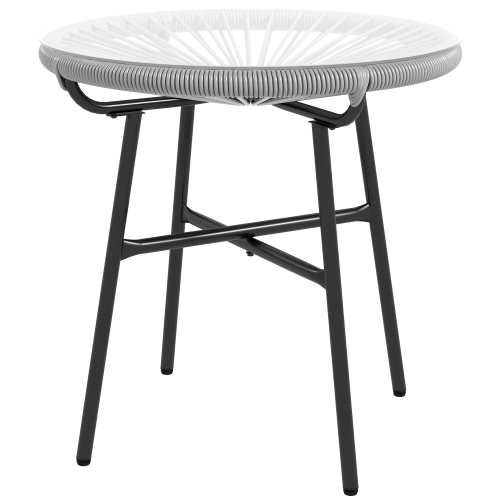
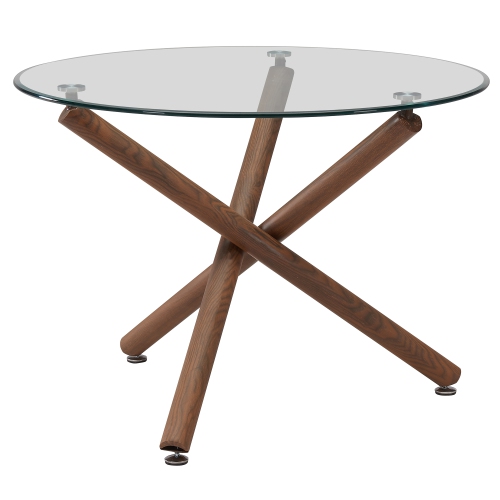
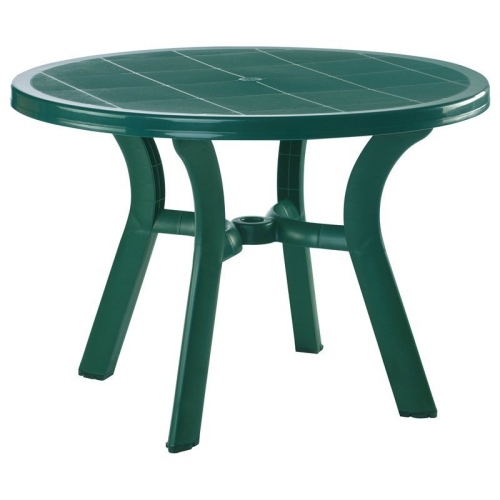
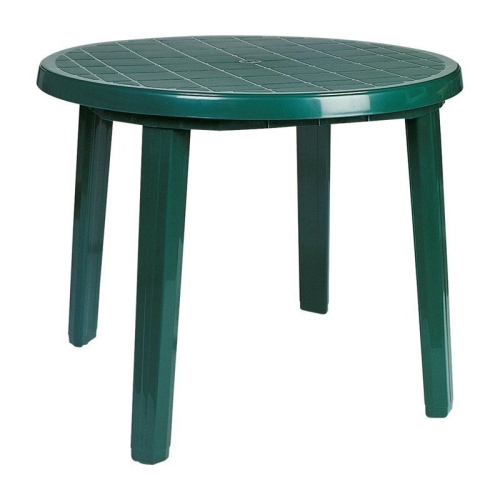
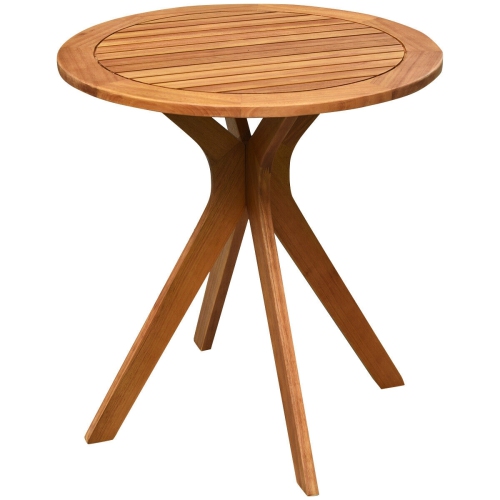
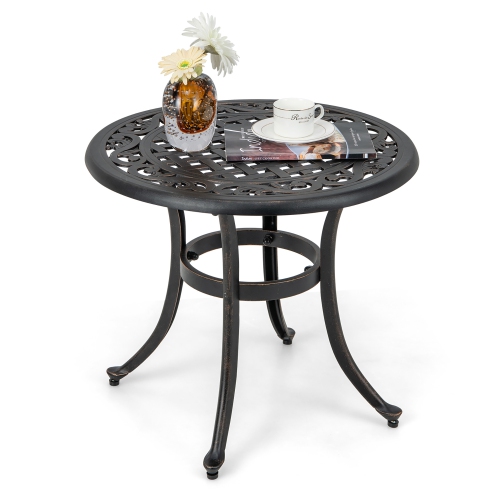
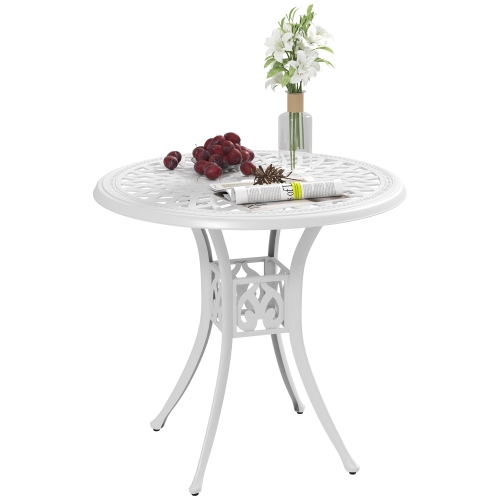
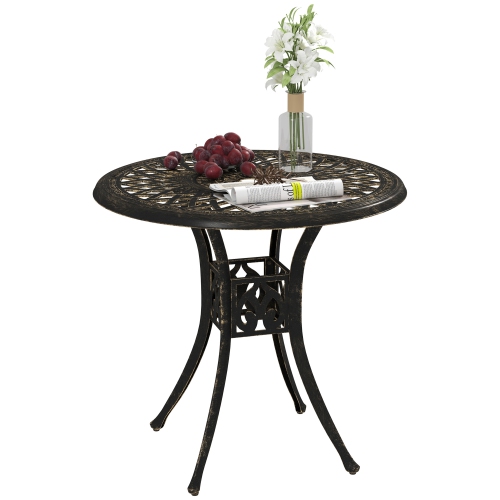
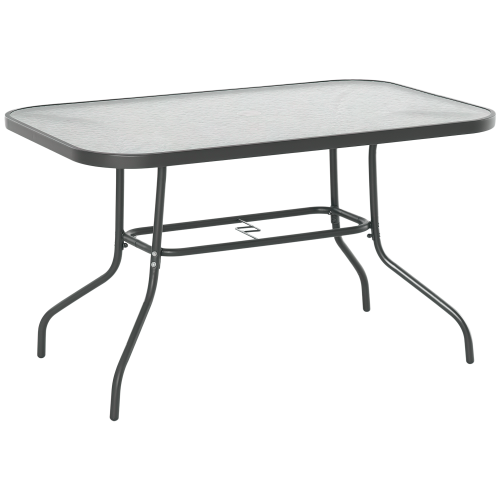
Materials influence the weight, texture, upkeep, and durability of round outdoor tables. Aluminum is relatively light and does not rust like iron or steel, making it a practical option when furniture needs to be moved for cleaning or rearranged between meals and lounging. Cast aluminum often has a more substantial profile and can feature openwork patterns that let rain pass through. Its finish still benefits from gentle cleaning, especially where dirt collects around patterned edges or joints. Steel offers strength and can give a table a slim, structured silhouette, but its protective coating needs attention: scratches or chips can expose the metal to moisture and lead to rust. Powder-coated finishes add a protective layer without making a table maintenance-free. Wood brings visible grain and a warmer surface character, with teak and acacia among the woods used for outdoor furniture. Performance depends on the species, construction, finish, and exposure, so care directions matter more than appearance alone. Some wood surfaces gradually change colour outdoors, while others need periodic treatment to maintain their intended finish. Slatted tops allow water to drain, though narrow gaps may make writing or balancing a small glass less convenient. A solid top provides a more continuous surface for plates and games, but water should not be left pooling on it. Outdoor-rated tempered glass offers a smooth, wipeable surface; its edges still need protection from impacts, and care instructions should address temperature changes and storage. Resin and plastic tables can be easy to handle and clean, with resistance to fading and brittleness depending on their formulation and outdoor rating. Stone and concrete-look surfaces vary considerably in composition, weight, and porosity, so the appearance alone does not establish their care needs. For any material, secure joints, sound leg connections, and suitable hardware are important signs of practical construction. On exposed decks, table weight and placement deserve particular attention, since a lightweight frame may be convenient to move but less suited to a windy location.
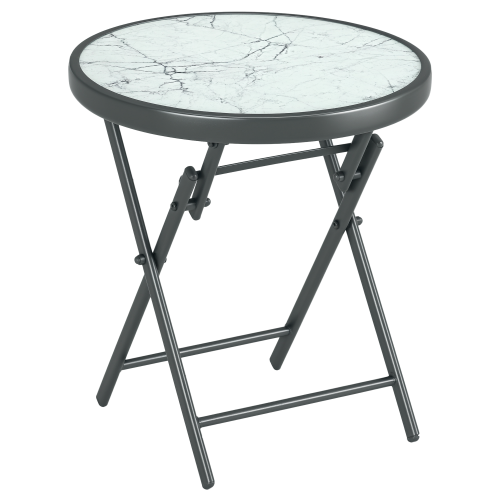
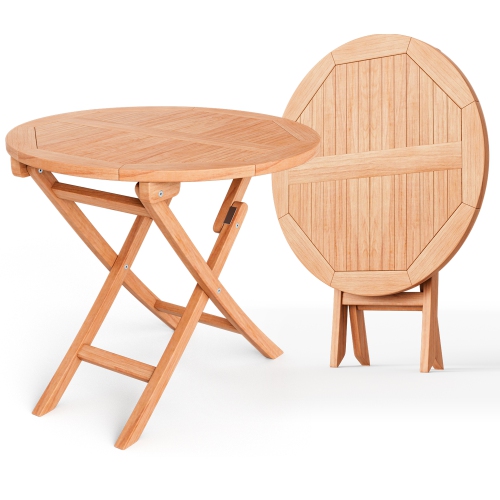
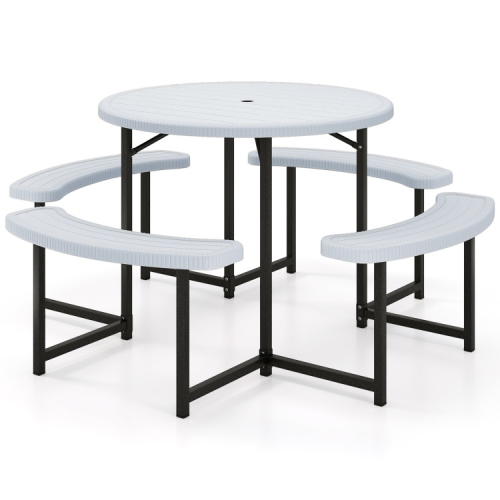
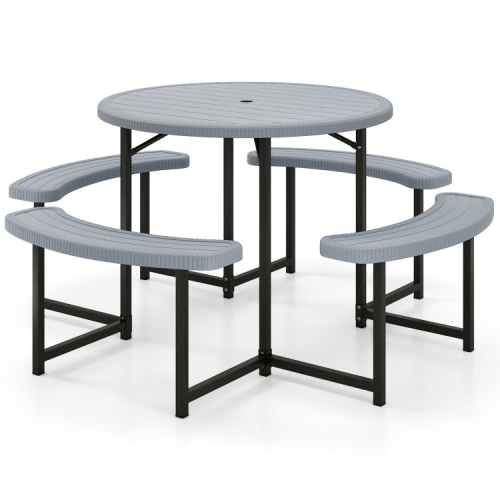
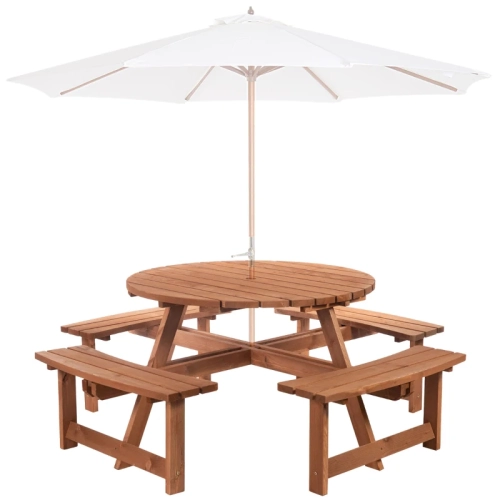
The most useful features are often the ones that solve a small, recurring inconvenience. Adjustable feet can reduce rocking on slightly uneven paving, though they cannot make soft ground or a sloping surface a stable foundation. An umbrella hole can help position shade above the dining area, provided the opening matches the umbrella pole and the setup includes a suitable supporting base. The hole itself does not secure an umbrella against wind, and the table's underside must leave room for the base without crowding feet. Folding designs can make storage easier on a balcony or in a shared outdoor area; check that the locking mechanism holds securely and that the folded dimensions suit the storage space. For frequent meals outside, a surface that wipes clean easily can be more useful than an intricate texture that catches crumbs. Families may appreciate a rounded edge and a stable base, while people who entertain regularly may place greater value on generous knee clearance and enough tabletop depth for serving bowls. A small side table beside an outdoor armchair serves a different purpose, keeping a book and drink close without taking up dining-table space. Colour and finish help connect these practical choices to the surrounding furniture: dark metal can echo railings, wood can soften a paved setting, and a pale tabletop can contrast with richly coloured cushions. For coordinating circular shapes in other parts of the home, Round Furniture Tables offers a related furniture category, though outdoor use should always be confirmed in the specifications. Routine care usually starts with removing loose debris, wiping spills promptly, and using cleaning methods approved for the material. A properly fitted, breathable cover can limit exposure when the table is not in use, but the surface should be clean and dry before covering. Furniture not rated for prolonged freezing conditions may need sheltered storage. Matching the table to its setting, seating, and care requirements helps create an outdoor gathering place that feels comfortable and is straightforward to maintain.
Materials influence the weight, texture, upkeep, and durability of round outdoor tables. Aluminum is relatively light and does not rust like iron or steel, making it a practical option when furniture needs to be moved for cleaning or rearranged between meals and lounging. Cast aluminum often has a more substantial profile and can feature openwork patterns that let rain pass through. Its finish still benefits from gentle cleaning, especially where dirt collects around patterned edges or joints. Steel offers strength and can give a table a slim, structured silhouette, but its protective coating needs attention: scratches or chips can expose the metal to moisture and lead to rust. Powder-coated finishes add a protective layer without making a table maintenance-free. Wood brings visible grain and a warmer surface character, with teak and acacia among the woods used for outdoor furniture. Performance depends on the species, construction, finish, and exposure, so care directions matter more than appearance alone. Some wood surfaces gradually change colour outdoors, while others need periodic treatment to maintain their intended finish. Slatted tops allow water to drain, though narrow gaps may make writing or balancing a small glass less convenient. A solid top provides a more continuous surface for plates and games, but water should not be left pooling on it. Outdoor-rated tempered glass offers a smooth, wipeable surface; its edges still need protection from impacts, and care instructions should address temperature changes and storage. Resin and plastic tables can be easy to handle and clean, with resistance to fading and brittleness depending on their formulation and outdoor rating. Stone and concrete-look surfaces vary considerably in composition, weight, and porosity, so the appearance alone does not establish their care needs. For any material, secure joints, sound leg connections, and suitable hardware are important signs of practical construction. On exposed decks, table weight and placement deserve particular attention, since a lightweight frame may be convenient to move but less suited to a windy location.
The most useful features are often the ones that solve a small, recurring inconvenience. Adjustable feet can reduce rocking on slightly uneven paving, though they cannot make soft ground or a sloping surface a stable foundation. An umbrella hole can help position shade above the dining area, provided the opening matches the umbrella pole and the setup includes a suitable supporting base. The hole itself does not secure an umbrella against wind, and the table's underside must leave room for the base without crowding feet. Folding designs can make storage easier on a balcony or in a shared outdoor area; check that the locking mechanism holds securely and that the folded dimensions suit the storage space. For frequent meals outside, a surface that wipes clean easily can be more useful than an intricate texture that catches crumbs. Families may appreciate a rounded edge and a stable base, while people who entertain regularly may place greater value on generous knee clearance and enough tabletop depth for serving bowls. A small side table beside an outdoor armchair serves a different purpose, keeping a book and drink close without taking up dining-table space. Colour and finish help connect these practical choices to the surrounding furniture: dark metal can echo railings, wood can soften a paved setting, and a pale tabletop can contrast with richly coloured cushions. For coordinating circular shapes in other parts of the home, Round Furniture Tables offers a related furniture category, though outdoor use should always be confirmed in the specifications. Routine care usually starts with removing loose debris, wiping spills promptly, and using cleaning methods approved for the material. A properly fitted, breathable cover can limit exposure when the table is not in use, but the surface should be clean and dry before covering. Furniture not rated for prolonged freezing conditions may need sheltered storage. Matching the table to its setting, seating, and care requirements helps create an outdoor gathering place that feels comfortable and is straightforward to maintain.
Top selling and popular products
-
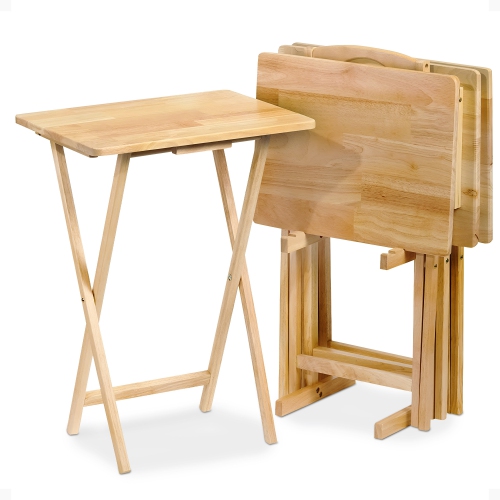 Your price for this item is $162.99
 -
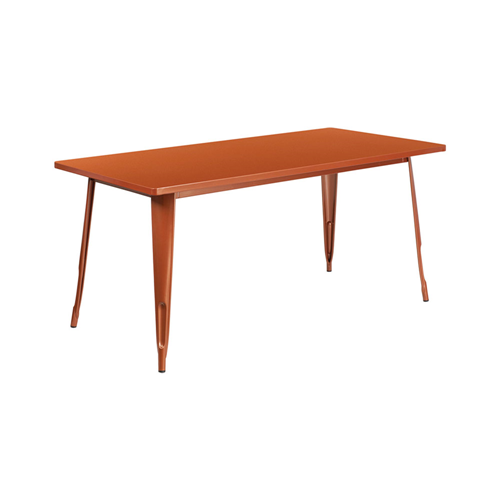 Your price for this item is $516.69
 -
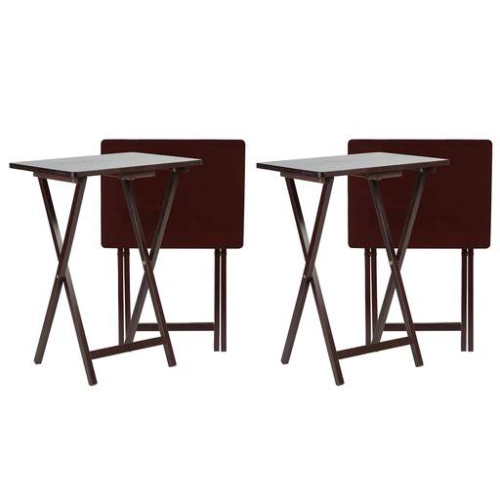 Your price for this item is $210.99
 -
 Your price for this item is $115.99
 -
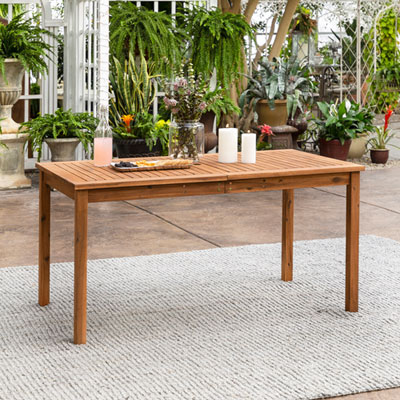 Your price for this item is $550.99
 -
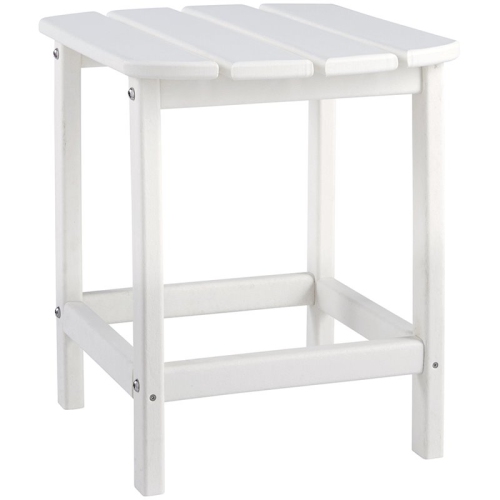 Your price for this item is $301.14
 -
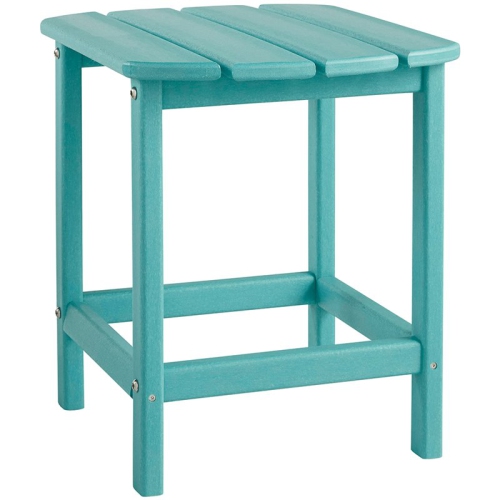 Your price for this item is $301.07
 -
 Your price for this item is $149
Discover more categories related to Round Outdoor Tables
Top Collections:
Pokemon Centers, Kindle Devices, Best Budget Office Chairs, Apple iPhones 16, Best Laptops for Writers, iPhone 15 Apple, Canon G7X Cameras, Refurbished Apple Laptops, Alarm Clock, Motorola Razr Phones
Some products may be subject to Environmental Handling Fees
(EHF) depending on your province.
Learn more about EHFs.