Top Fire Pit
A fire pit is a great way to add warmth and ambiance to any outdoor space. Whether you're looking for a place to roast marshmallows or just want to keep your patio warm during the winter months, there are plenty of options for creating a cozy atmosphere around an open flame. Here are some of our favorites.
Sort
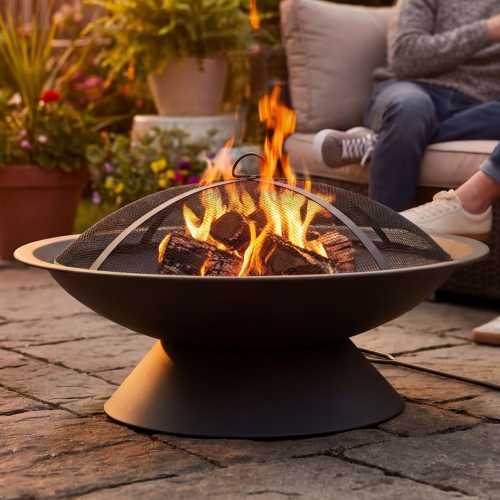
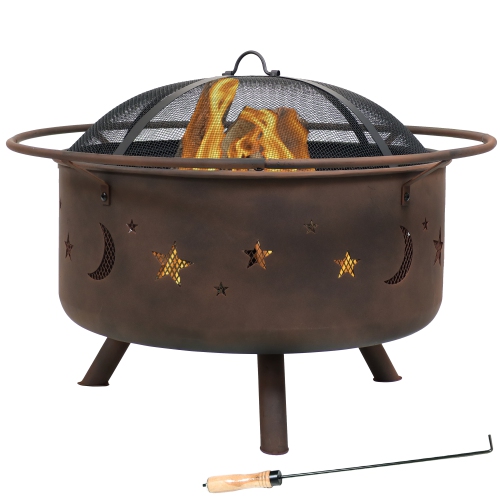
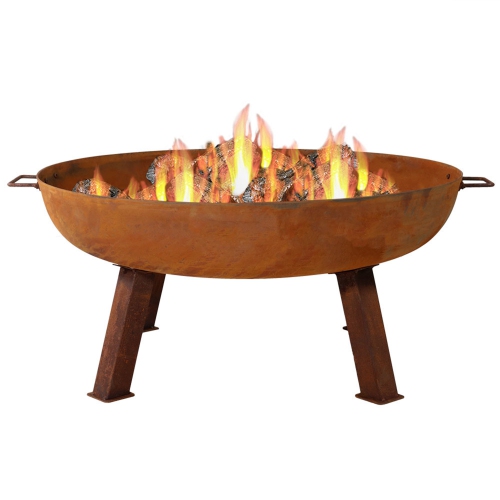
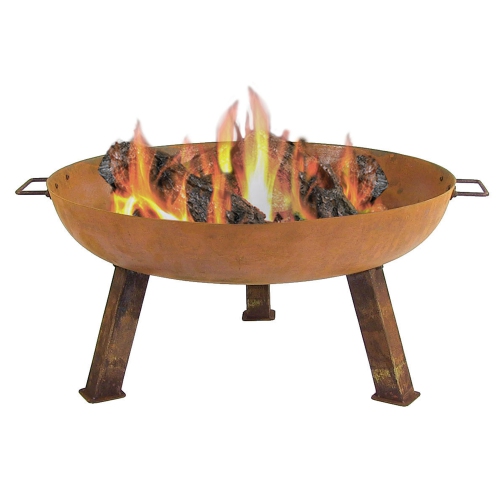


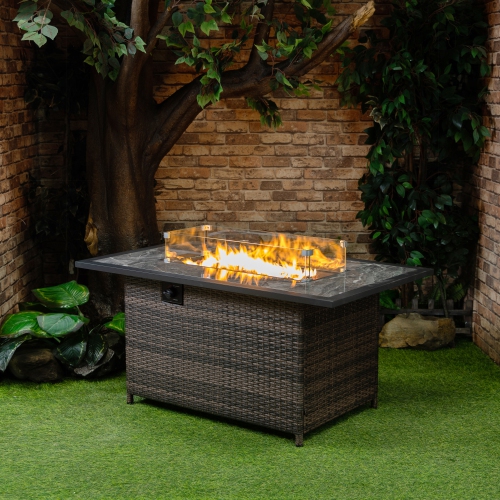
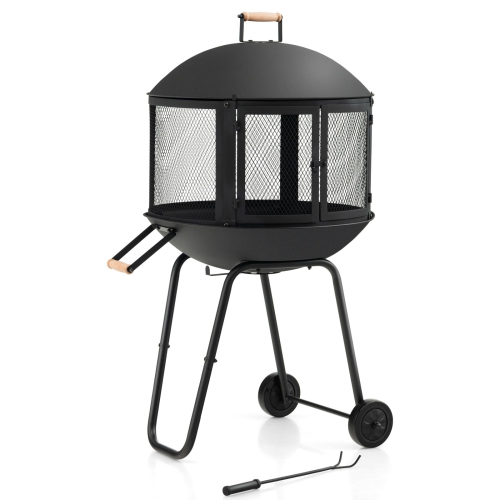
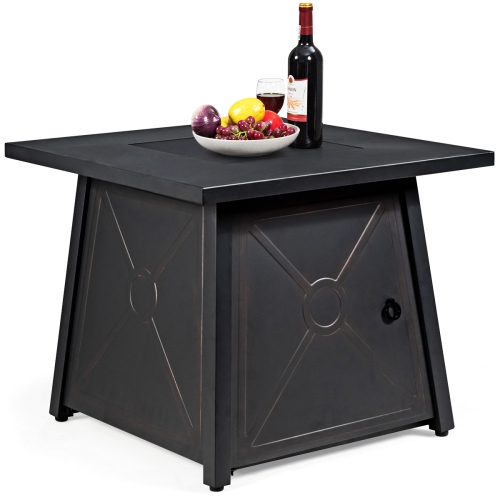
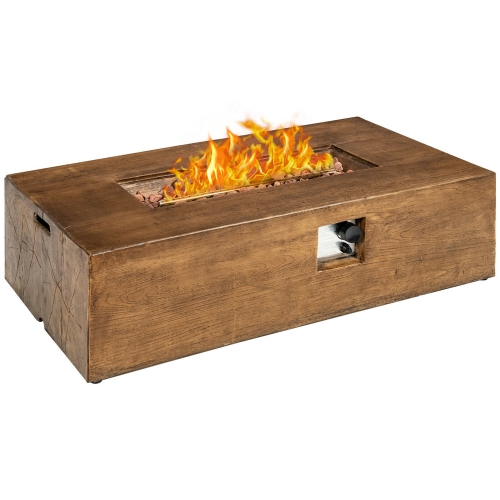
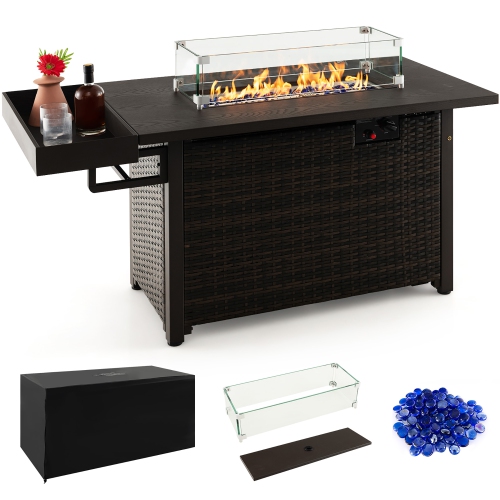
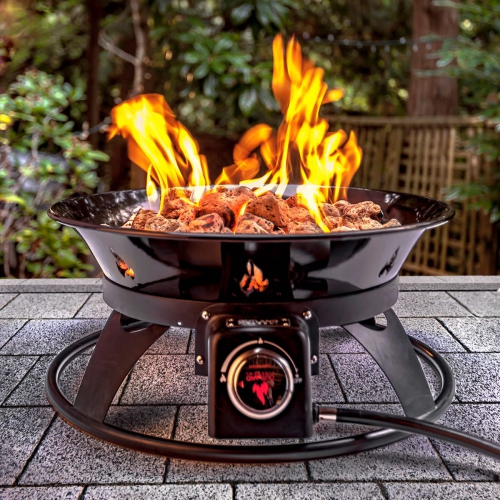
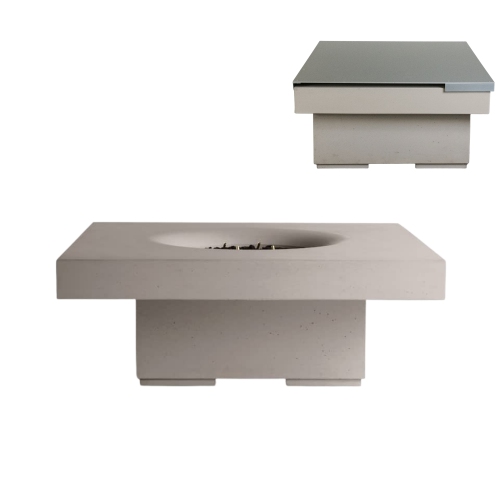
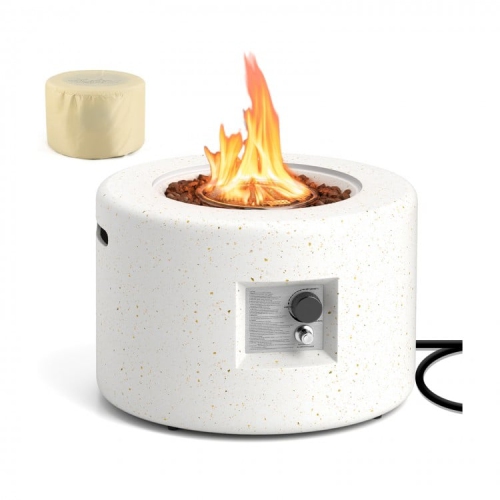
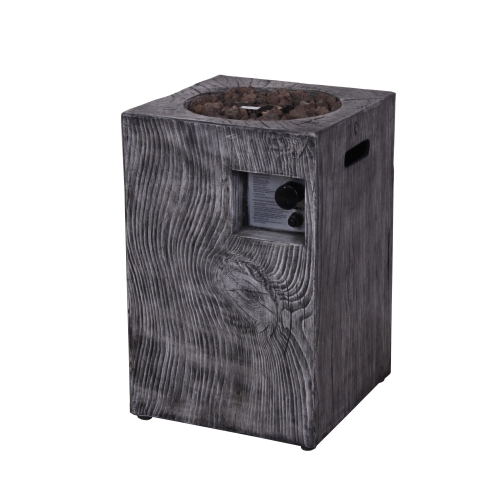

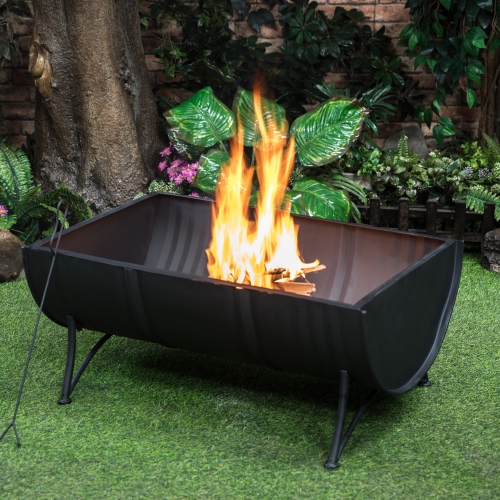

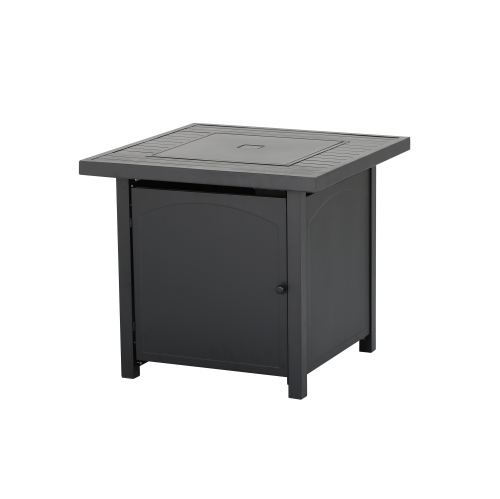
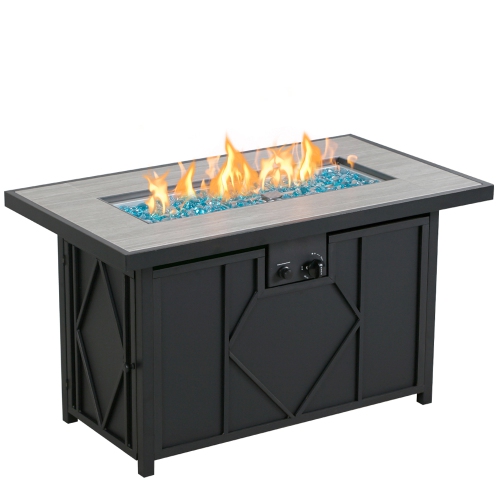



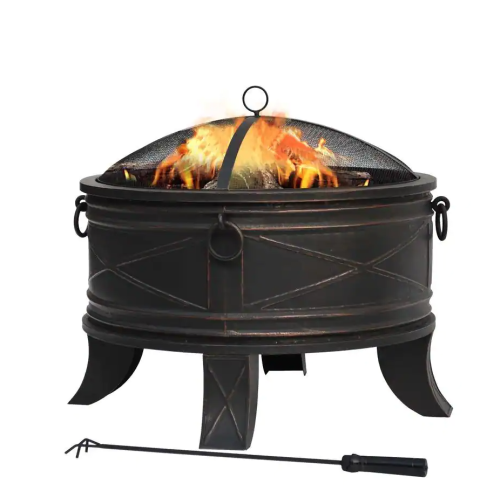
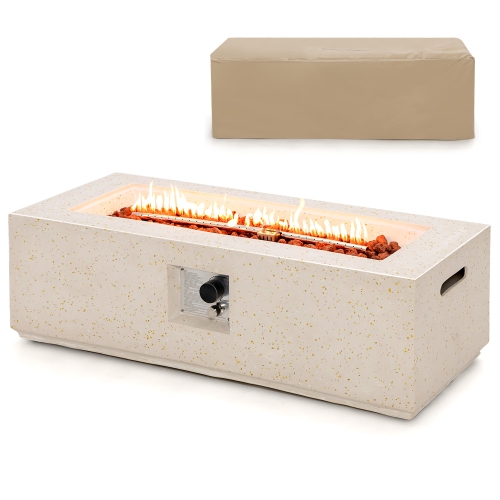
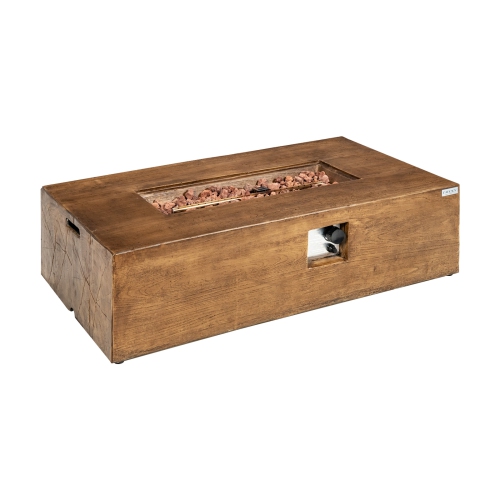
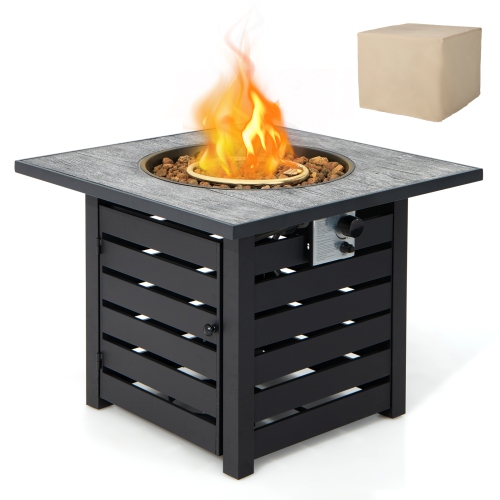
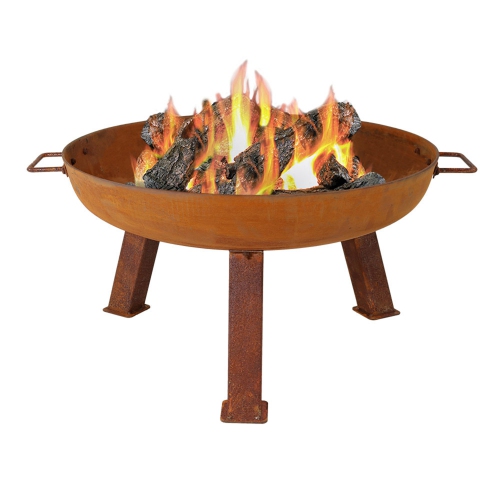
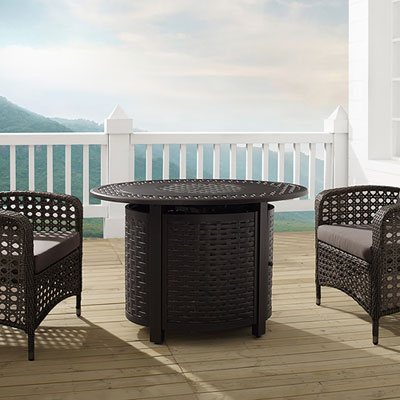
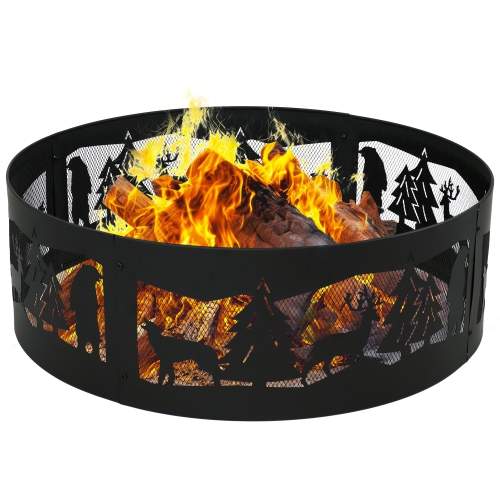
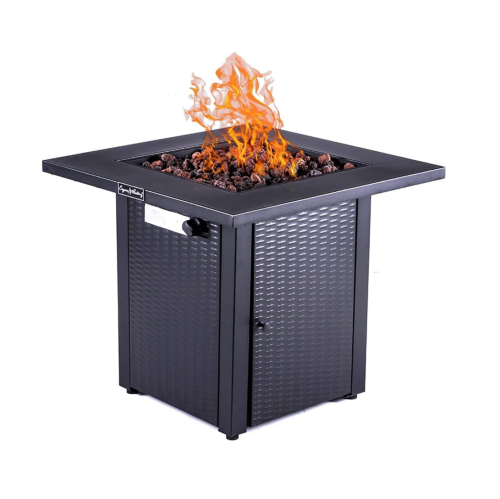
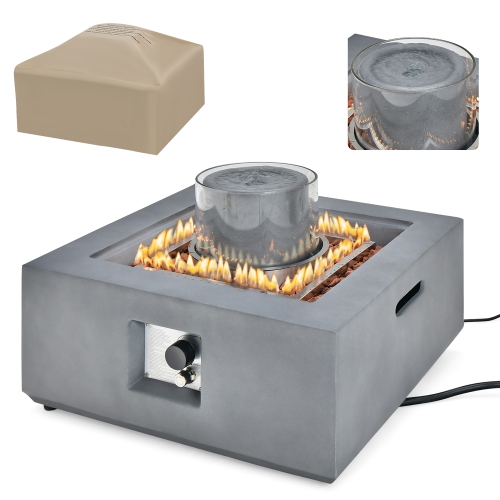
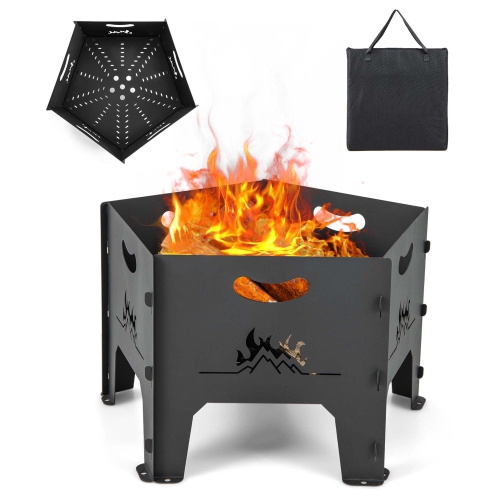
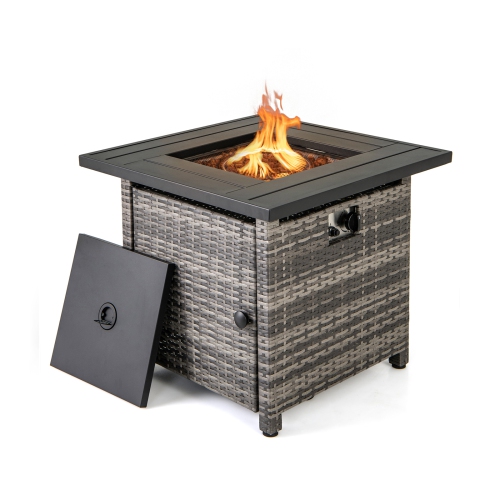
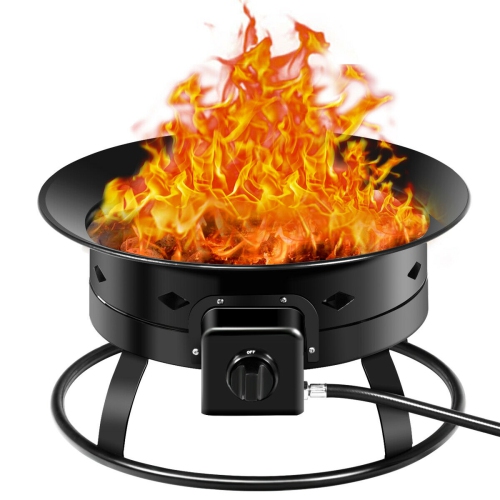



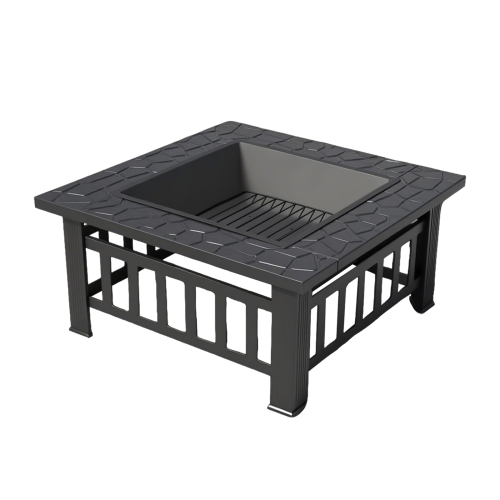

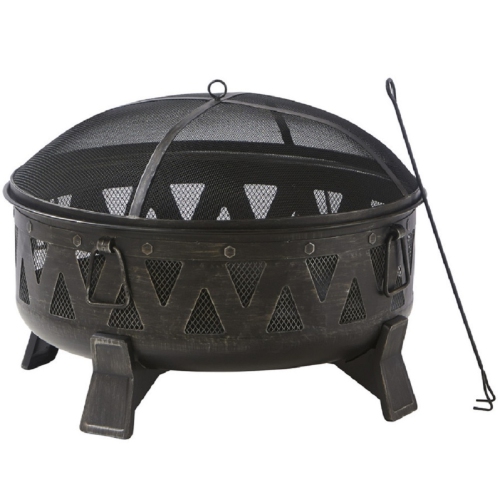
There’s more to fire pit warmth than flame size
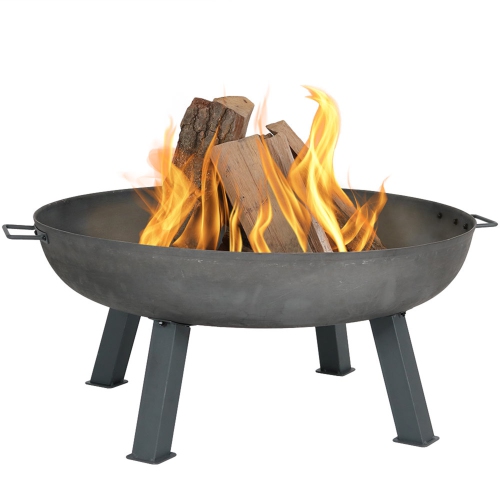
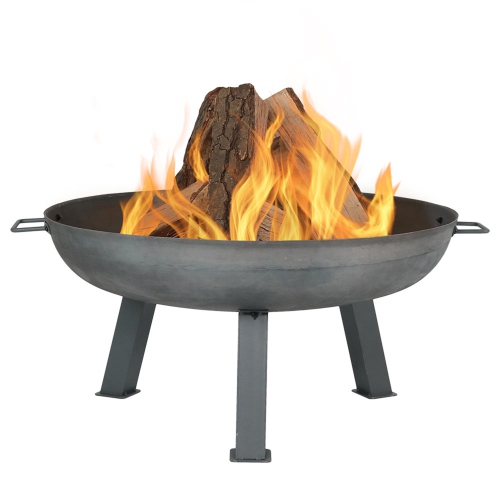
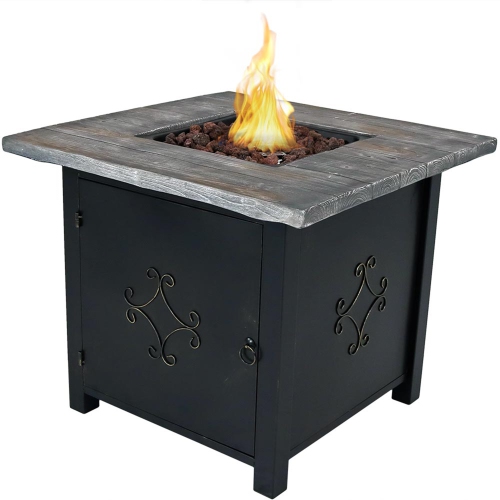
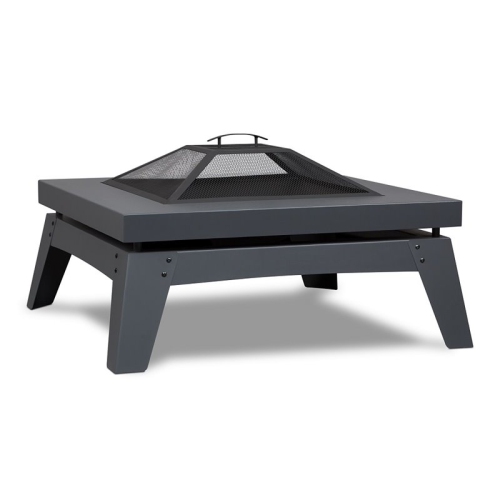
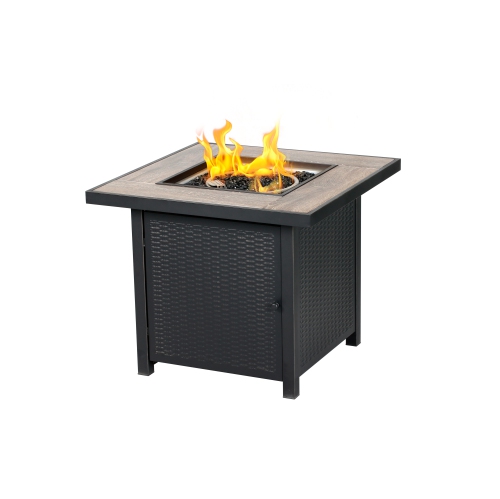
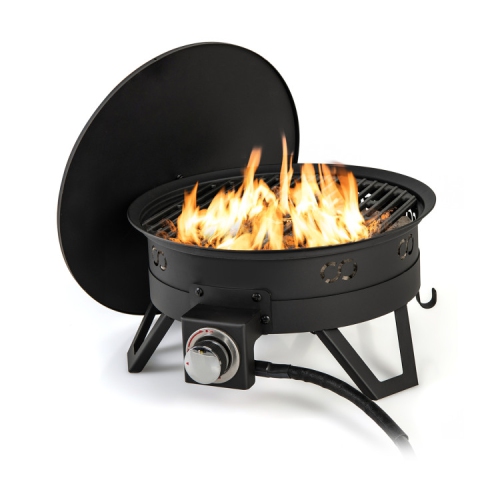
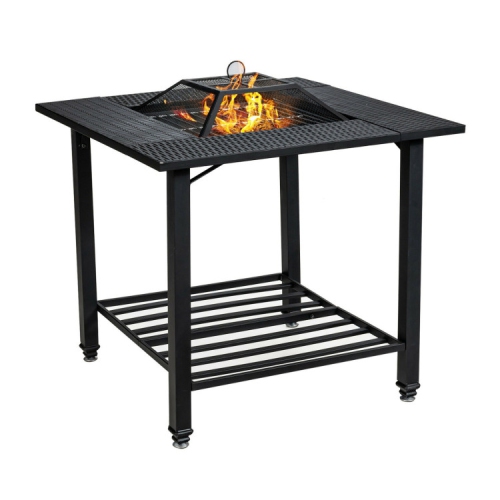
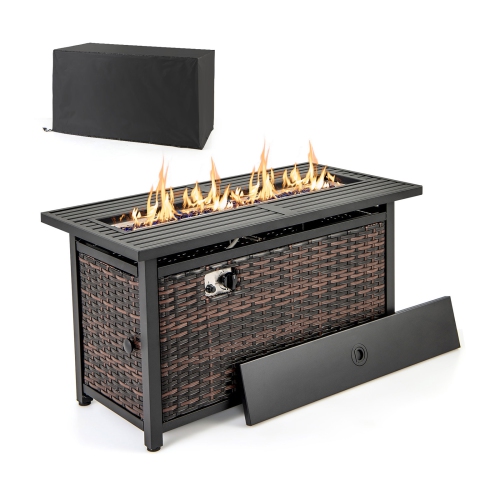
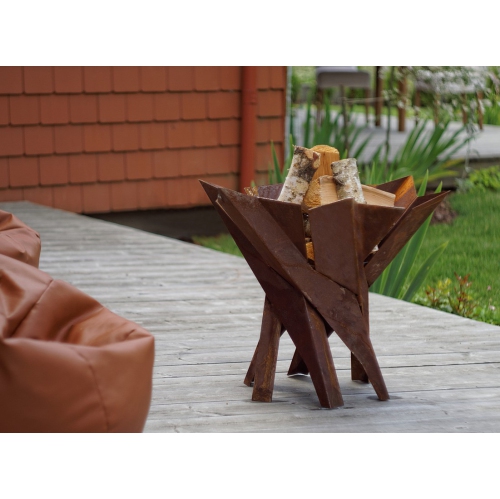
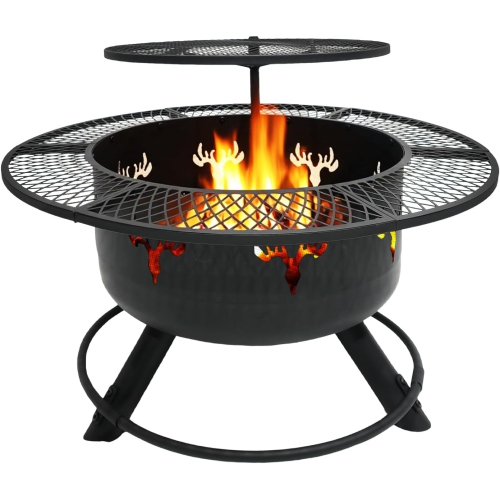
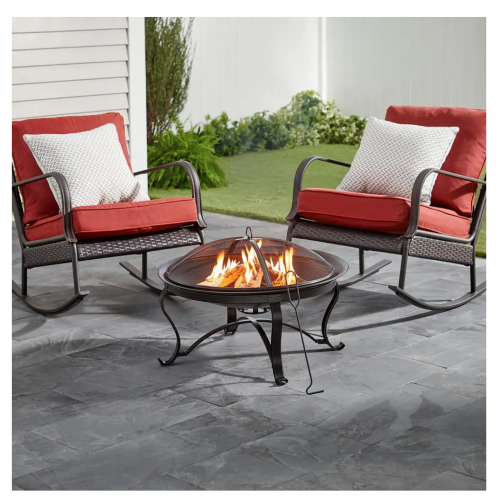
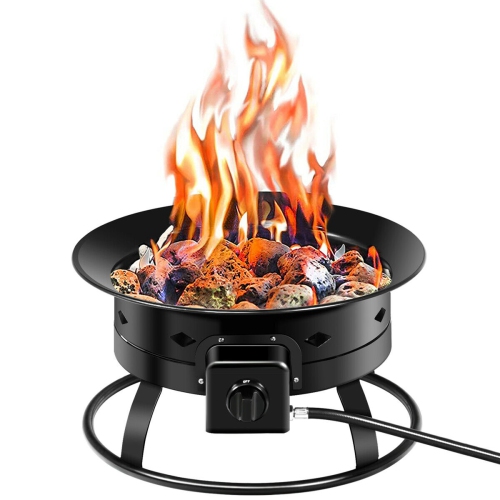
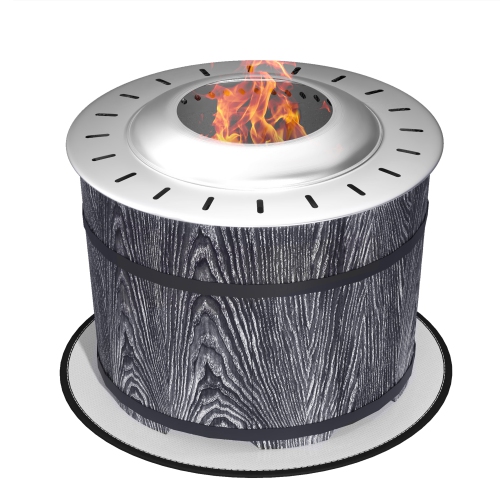
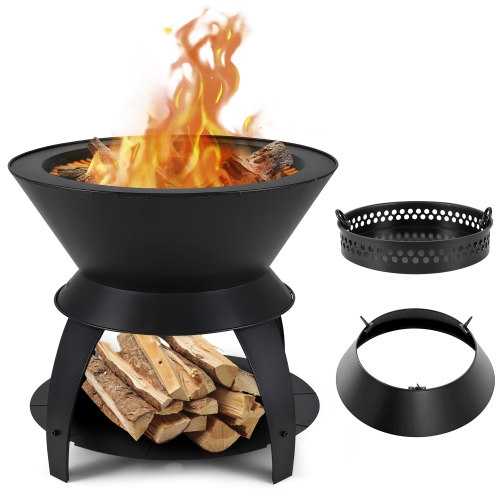
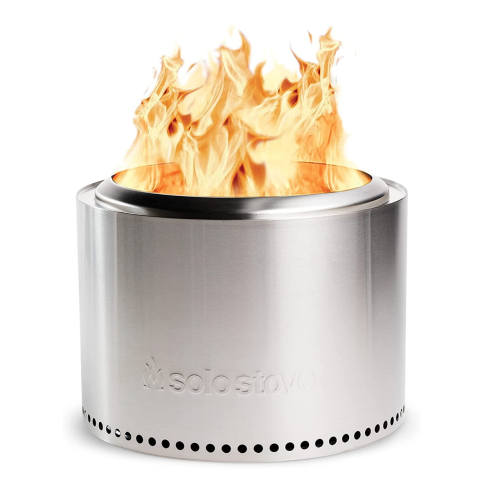
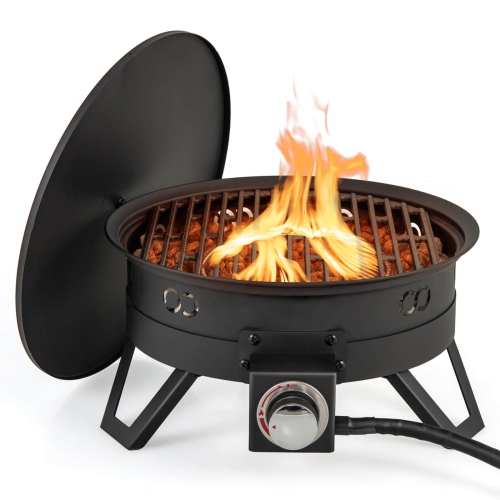
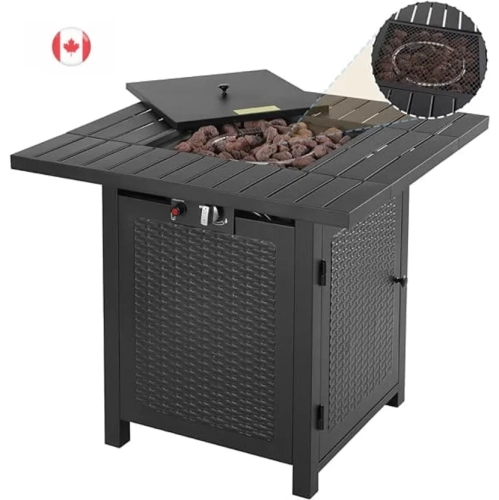
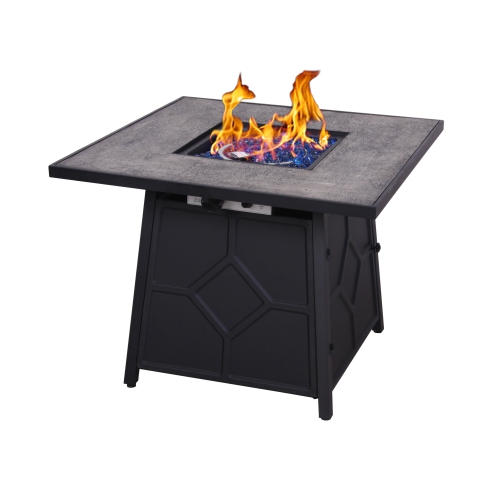
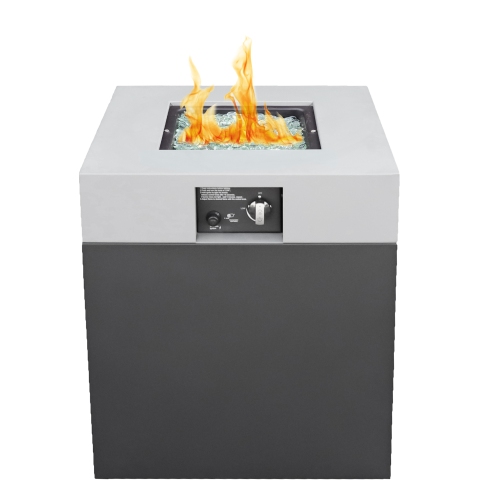
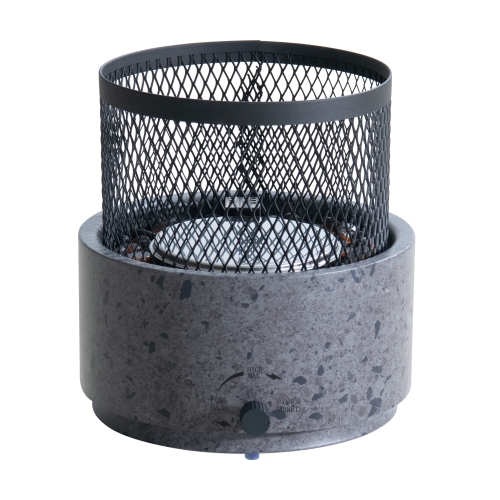
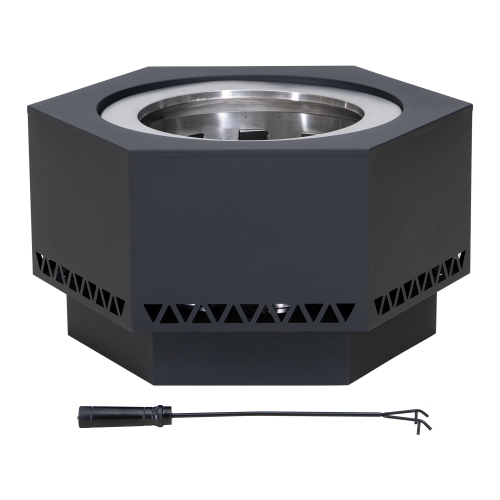
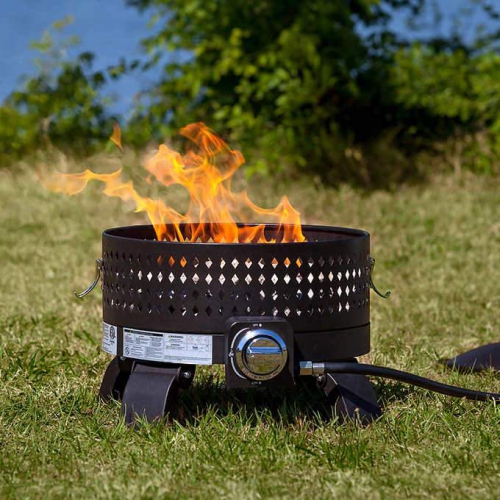
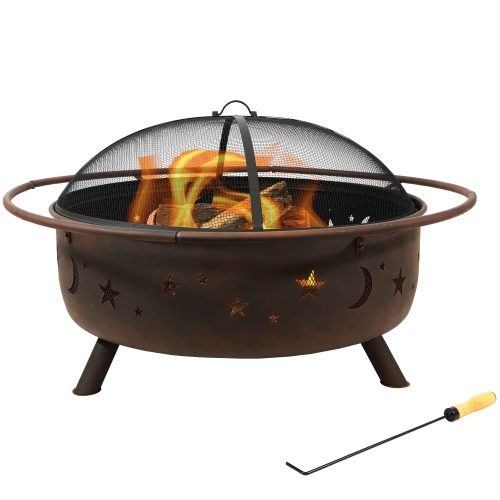
A well-chosen fire pit gives an outdoor seating area a natural gathering point, whether it anchors a spacious backyard patio or travels to a campsite where fires are permitted. The top fire pits for a particular space balance fuel type, construction, usable heat, and ease of care rather than relying on flame size alone. Wood-burning fire pits offer the familiar snap of logs and the shifting glow of an open fire, making them appealing for people who enjoy tending the flames as part of the experience. They require suitable firewood, space to store it, and a plan for removing cooled ash. Propane fire pits offer a different rhythm: a compatible fuel cylinder supplies the burner, and an adjustable control allows the flame to be raised or lowered without adding logs. Ignition systems vary, but propane designs generally make starting and stopping a fire simpler and avoid the ash associated with burning wood. Natural gas models suit some fixed patio layouts, provided a suitable gas connection is professionally installed and the appliance is approved for that fuel. Smokeless wood-burning fire pits use carefully arranged air passages to help burn smoke-producing gases more thoroughly once the fire is established. The name does not mean they produce no smoke; fuel moisture, airflow, and how the logs are stacked still affect performance. Dry, properly sized firewood and an unobstructed burn chamber matter as much as the design itself. For gas fire pits, a BTU rating describes heat input, not a guaranteed level of warmth at every seat. Burner layout, distance from the flame, and the surrounding space all influence how the heat feels. A broad fire table can create an attractive centrepiece for conversation, while a deeper wood-burning bowl offers a more traditional campfire feel. Neither format is automatically better: the right match depends on whether the priority is hands-on fire tending, straightforward flame control, or a permanent focal point for outdoor gatherings.
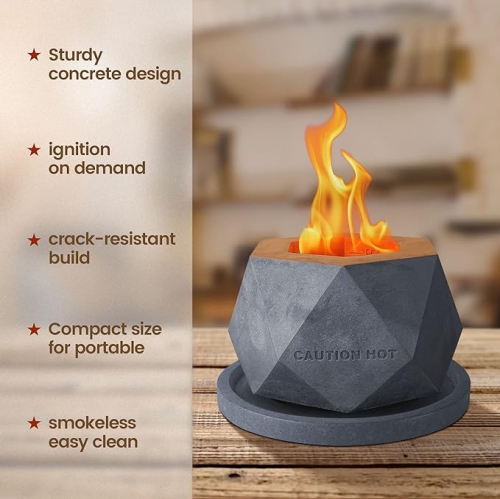
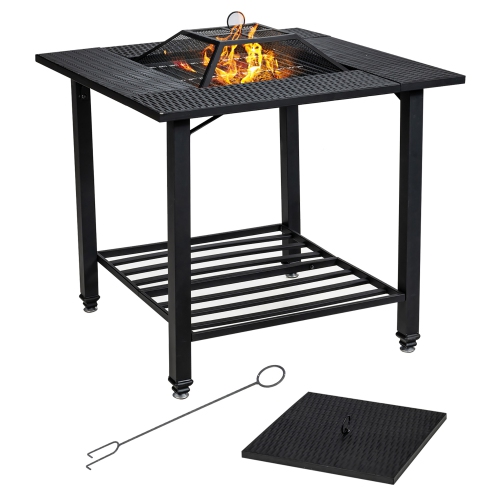
Materials and proportions shape how a fire pit looks, how easily it moves, and how much upkeep it needs. Stainless steel is often used for portable and low-smoke designs because it combines strength with corrosion resistance, although heat can leave visible colour changes and the surface still benefits from cleaning and protection. Painted or powder-coated steel offers a range of finishes, but scratches, exposed edges, and areas affected by high heat may need attention according to the manufacturer's care directions. Cast iron has substantial weight and a traditional appearance; it also needs protection from prolonged moisture to help limit rust. Concrete and composite bodies bring a solid, architectural look to gas fire tables, though their weight and care requirements vary considerably. The outer housing is only part of the picture. Burner quality, secure fittings, stable legs, and access to components all contribute to long-term usability. A removable ash pan can simplify cleanup on a wood-burning design, while an accessible cylinder compartment makes routine propane changes less awkward. Dimensions deserve more attention than the overall width alone. The depth of a fire bowl affects log placement, and the height of a fire table changes its relationship to nearby chairs. A low bowl may suit relaxed lounge seating, whereas a taller table-style design can sit comfortably within a more structured patio arrangement. Any surrounding ledge should be used only as the manufacturer permits, since surfaces near the flame can become hot. Cylinder storage also affects fit: some designs conceal the tank in the base, while others require a separate location and a safely routed hose. Clean lines, restrained finishes, and geometric shapes are common features of Modern Fire Pits, which can complement coordinated outdoor furniture without visually dominating the space. Matching the scale of the fire pit to the seating area leaves room for conversation, comfortable movement, and the clearances required for safe operation.
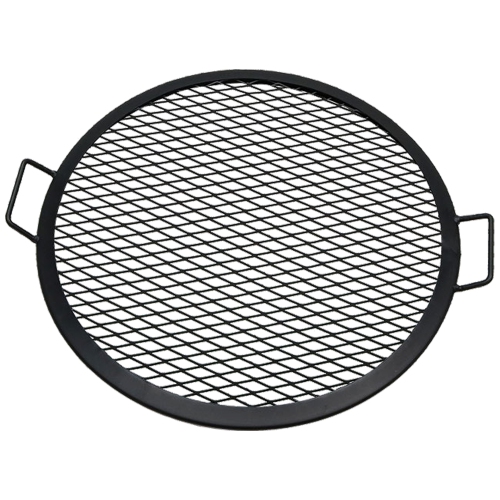
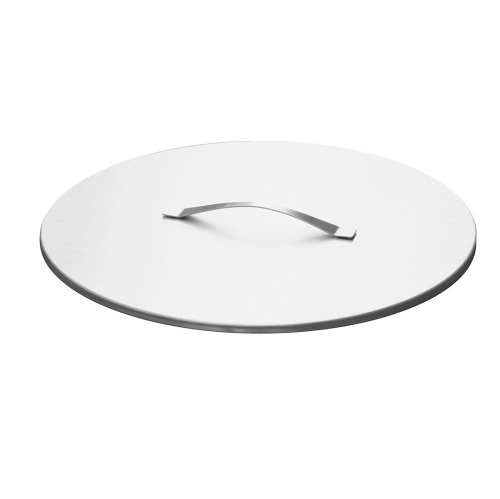
Everyday use brings the smaller details into focus. For a household that entertains around an outdoor sofa, a stationary gas fire pit may offer convenient flame adjustment and a tidy appearance between gatherings. For campers who move equipment between a vehicle and an approved campsite, manageable weight, sturdy handles, and a secure carrying arrangement can matter more than a large burn area. Portability does not remove the need for safe placement, and a compact fire pit is not automatically suitable for a balcony, wooden deck, or covered patio. Outdoor fire pits need the surface type and clearances specified by their manufacturer, including adequate distance from furniture, fences, railings, branches, and overhead structures. Local bylaws, property rules, and fire restrictions determine where and when different fuel types may be used; propane and low-smoke designs are not universal exceptions. Fuel-burning outdoor fire pits must never be used indoors, in a garage, or inside a tent because of fire and carbon monoxide hazards. Households with children or pets also need a layout that keeps play areas and walking routes away from hot surfaces. A fitted spark screen can help contain some escaping embers from a compatible wood-burning bowl, but it does not replace supervision. Food preparation is another distinction worth checking: roasting or grilling belongs only on equipment explicitly designed and approved for cooking, using the appropriate accessories. Decorative gas burners and their media should not be treated as cooking surfaces. After use, a fire pit needs time to cool fully before cleaning, covering, or transport. Wood ash should be handled only when completely cold and placed in an appropriate metal container, while gas burners and ventilation openings need to remain free of debris. Covers should fit properly and be used according to the manufacturer's directions; trapping moisture beneath a cover can undermine otherwise careful maintenance. Approved replacement media and compatible accessories help preserve the intended operation of a gas model. As a gift for a new homeowner or someone who enjoys camping, a fire pit is most thoughtful when its fuel, size, and permitted uses match the recipient's space. Those practical details turn an appealing outdoor feature into something that fits naturally into regular gatherings.
Materials and proportions shape how a fire pit looks, how easily it moves, and how much upkeep it needs. Stainless steel is often used for portable and low-smoke designs because it combines strength with corrosion resistance, although heat can leave visible colour changes and the surface still benefits from cleaning and protection. Painted or powder-coated steel offers a range of finishes, but scratches, exposed edges, and areas affected by high heat may need attention according to the manufacturer's care directions. Cast iron has substantial weight and a traditional appearance; it also needs protection from prolonged moisture to help limit rust. Concrete and composite bodies bring a solid, architectural look to gas fire tables, though their weight and care requirements vary considerably. The outer housing is only part of the picture. Burner quality, secure fittings, stable legs, and access to components all contribute to long-term usability. A removable ash pan can simplify cleanup on a wood-burning design, while an accessible cylinder compartment makes routine propane changes less awkward. Dimensions deserve more attention than the overall width alone. The depth of a fire bowl affects log placement, and the height of a fire table changes its relationship to nearby chairs. A low bowl may suit relaxed lounge seating, whereas a taller table-style design can sit comfortably within a more structured patio arrangement. Any surrounding ledge should be used only as the manufacturer permits, since surfaces near the flame can become hot. Cylinder storage also affects fit: some designs conceal the tank in the base, while others require a separate location and a safely routed hose. Clean lines, restrained finishes, and geometric shapes are common features of Modern Fire Pits, which can complement coordinated outdoor furniture without visually dominating the space. Matching the scale of the fire pit to the seating area leaves room for conversation, comfortable movement, and the clearances required for safe operation.
Everyday use brings the smaller details into focus. For a household that entertains around an outdoor sofa, a stationary gas fire pit may offer convenient flame adjustment and a tidy appearance between gatherings. For campers who move equipment between a vehicle and an approved campsite, manageable weight, sturdy handles, and a secure carrying arrangement can matter more than a large burn area. Portability does not remove the need for safe placement, and a compact fire pit is not automatically suitable for a balcony, wooden deck, or covered patio. Outdoor fire pits need the surface type and clearances specified by their manufacturer, including adequate distance from furniture, fences, railings, branches, and overhead structures. Local bylaws, property rules, and fire restrictions determine where and when different fuel types may be used; propane and low-smoke designs are not universal exceptions. Fuel-burning outdoor fire pits must never be used indoors, in a garage, or inside a tent because of fire and carbon monoxide hazards. Households with children or pets also need a layout that keeps play areas and walking routes away from hot surfaces. A fitted spark screen can help contain some escaping embers from a compatible wood-burning bowl, but it does not replace supervision. Food preparation is another distinction worth checking: roasting or grilling belongs only on equipment explicitly designed and approved for cooking, using the appropriate accessories. Decorative gas burners and their media should not be treated as cooking surfaces. After use, a fire pit needs time to cool fully before cleaning, covering, or transport. Wood ash should be handled only when completely cold and placed in an appropriate metal container, while gas burners and ventilation openings need to remain free of debris. Covers should fit properly and be used according to the manufacturer's directions; trapping moisture beneath a cover can undermine otherwise careful maintenance. Approved replacement media and compatible accessories help preserve the intended operation of a gas model. As a gift for a new homeowner or someone who enjoys camping, a fire pit is most thoughtful when its fuel, size, and permitted uses match the recipient's space. Those practical details turn an appealing outdoor feature into something that fits naturally into regular gatherings.
Top selling and popular products
-
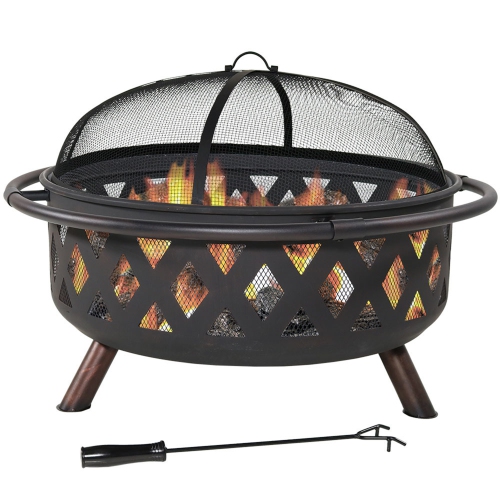 Your price for this item is $282.45
 -
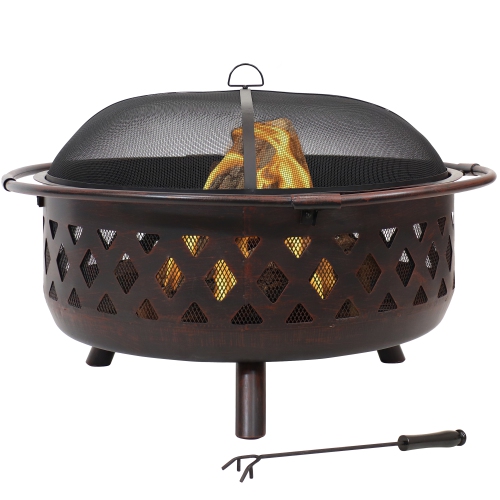 Your price for this item is $282.45
 -
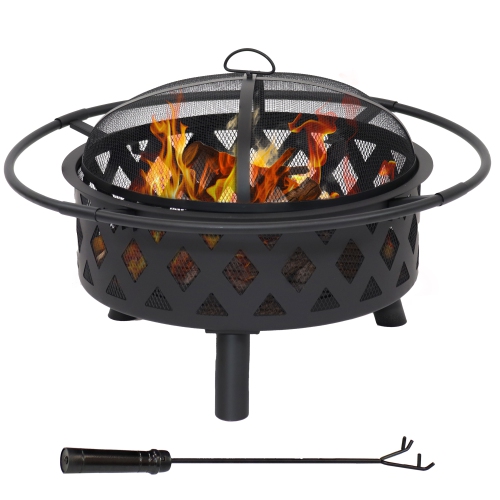 Your price for this item is $236.45
 -
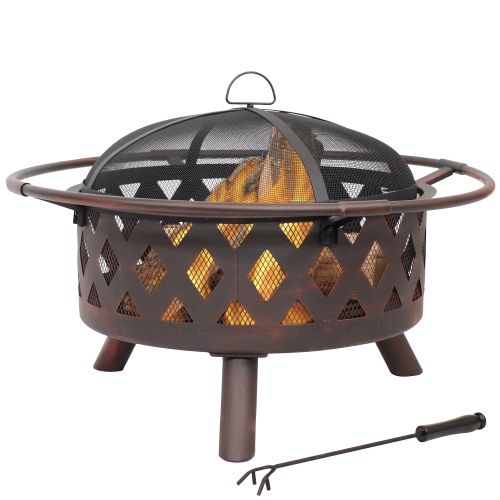 Your price for this item is $236.45
 -
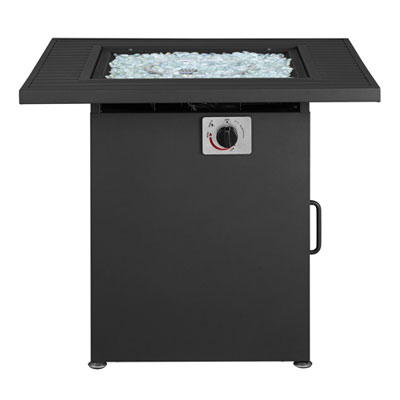 Your price for this item is $199.99
 -
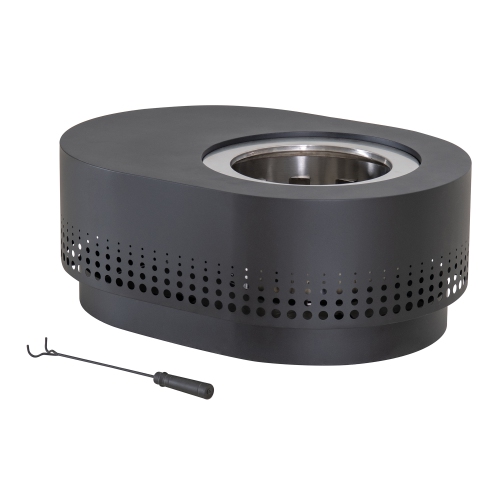 Your price for this item is $266.99
 -
 Your price for this item is $222.99
 -
 Your price for this item is $199.99
Discover more categories related to Top Fire Pit
Top Collections:
Pokemon Centers, Kindle Devices, Best Budget Office Chairs, Apple iPhones 16, Best Laptops for Writers, iPhone 15 Apple, Canon G7X Cameras, Refurbished Apple Laptops, Alarm Clock, Motorola Razr Phones
Some products may be subject to Environmental Handling Fees
(EHF) depending on your province.
Learn more about EHFs.