Gas Ovens for Baking Bread
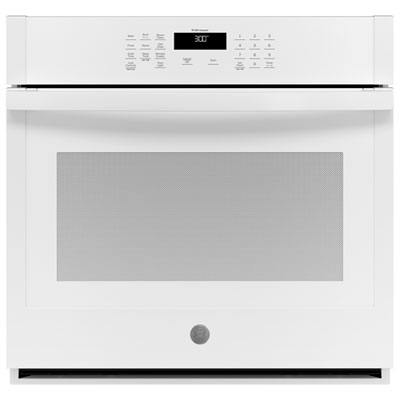
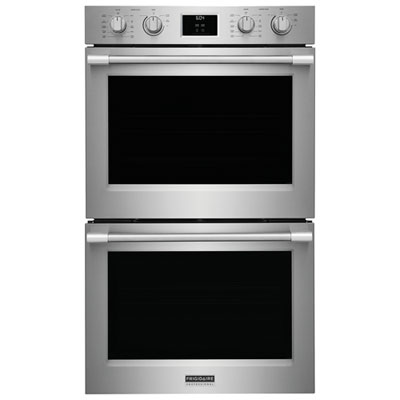
A gas oven is a type of oven that uses natural gas or propane as its primary heat source. Gas ovens are used for baking, roasting, and broiling. They're also used to cook pizza, rotisserie chicken, and other foods that require high temperatures. Here are some of the best gas ovens for baking bread available today.
Sort


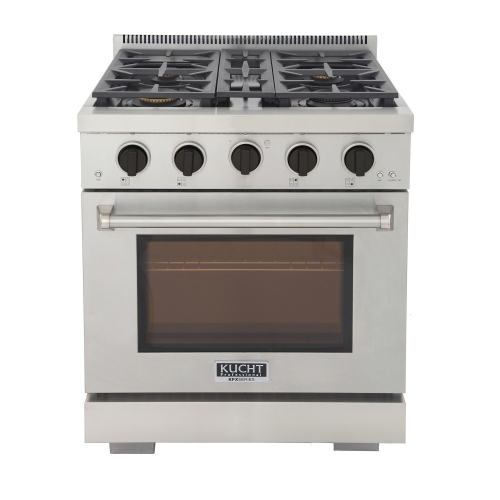
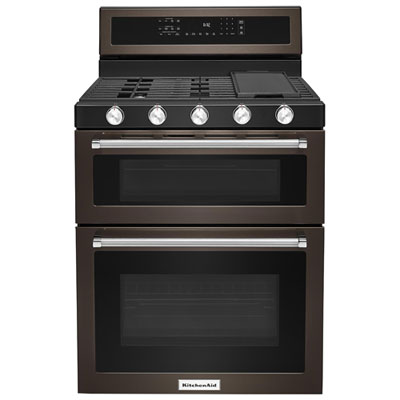
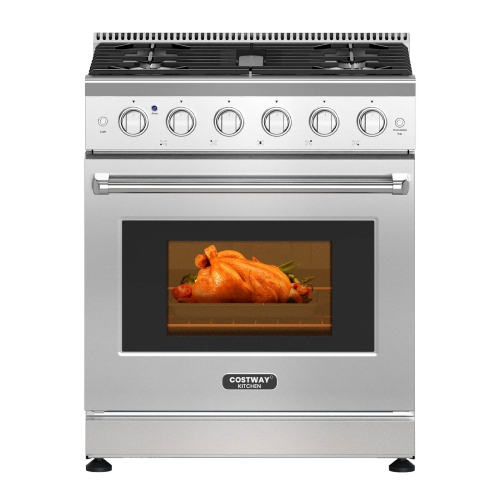
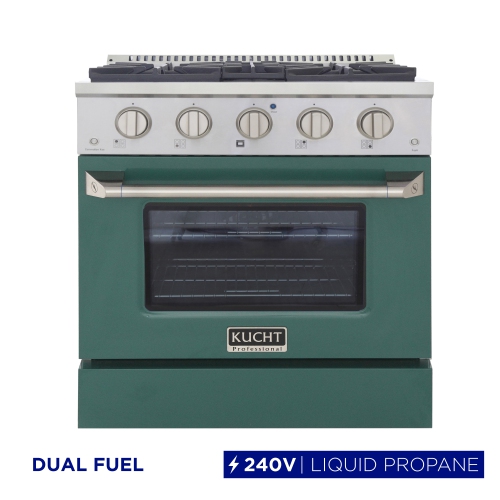
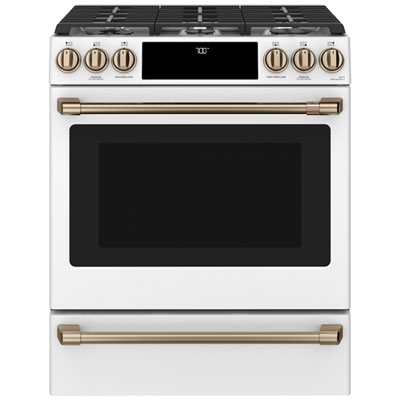
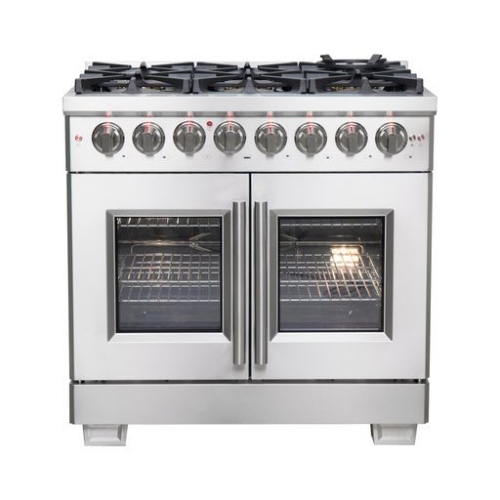
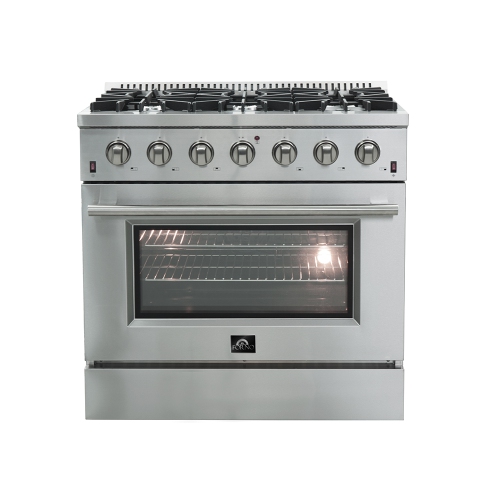

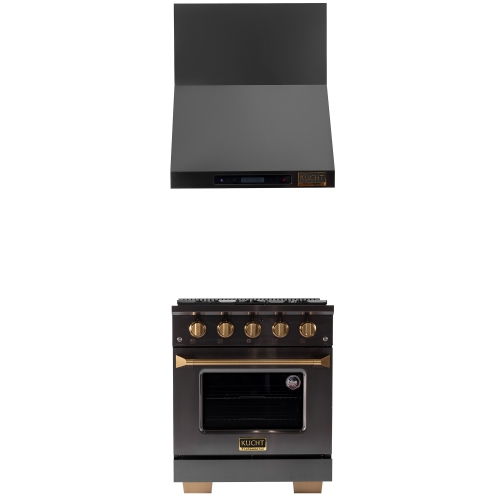

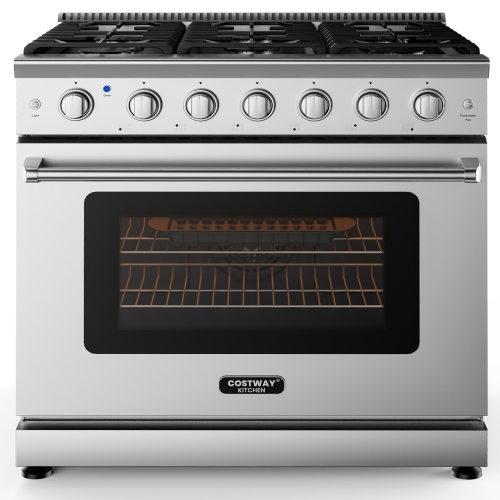
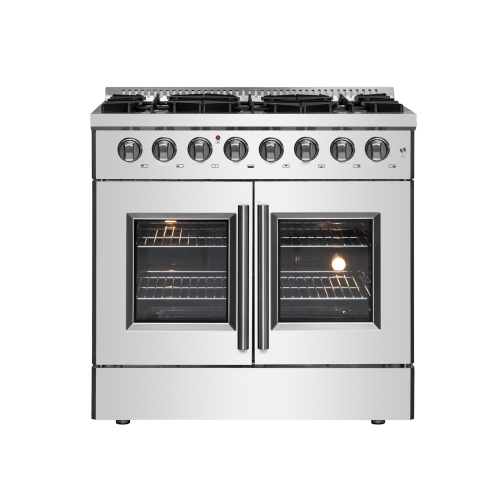
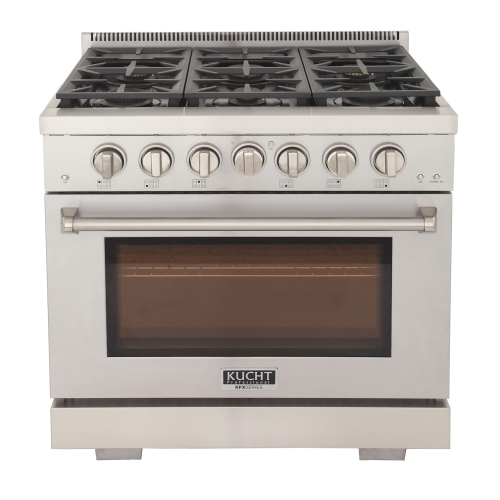
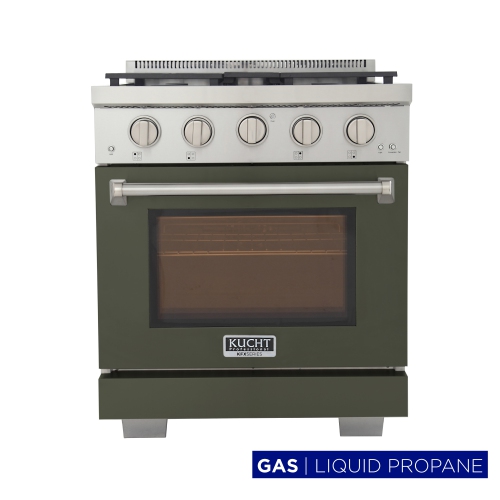
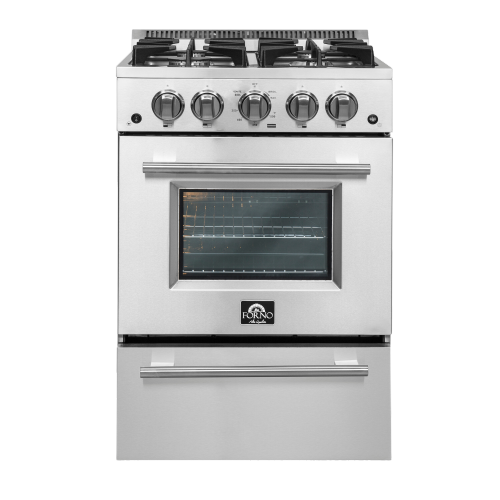
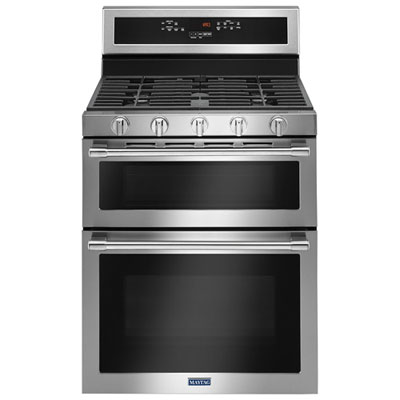
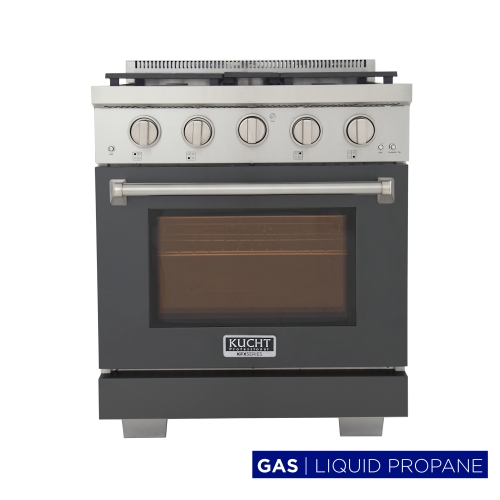


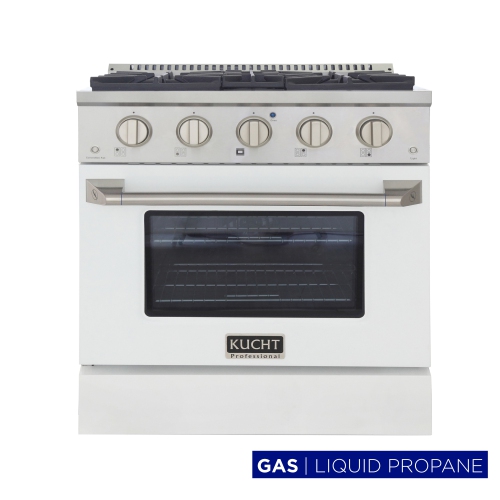

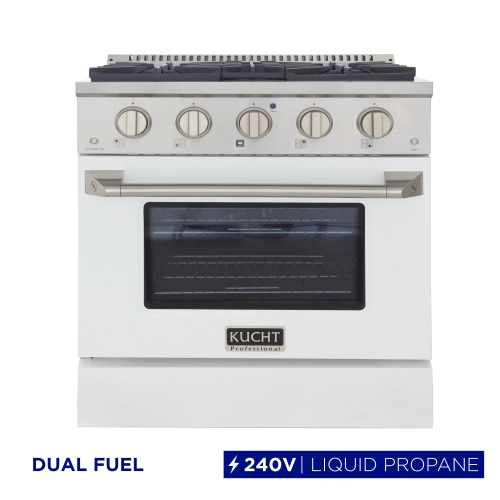
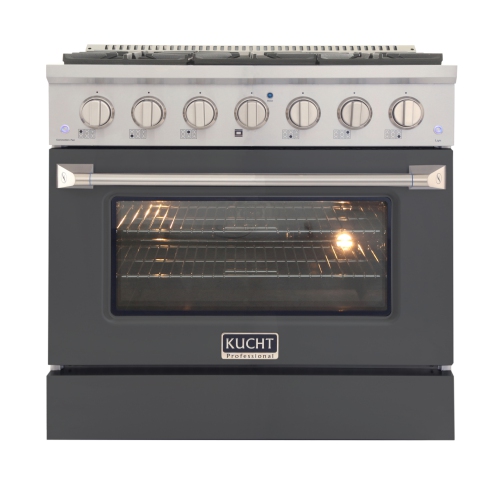
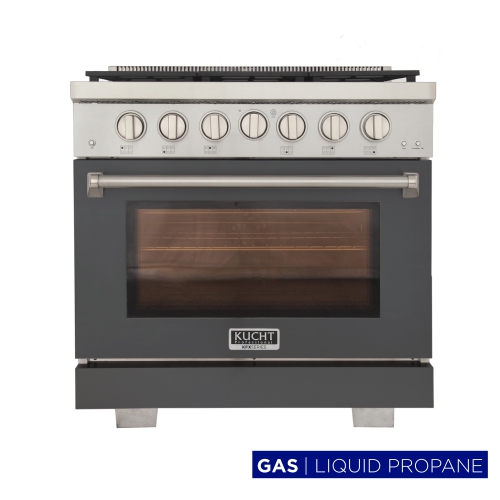
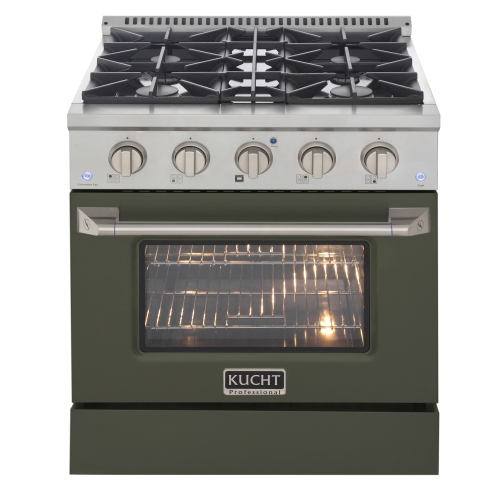


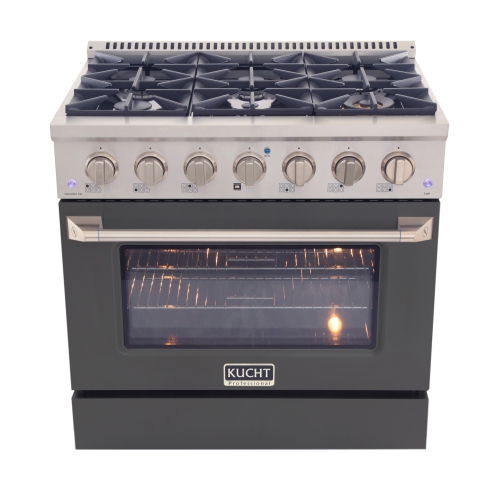

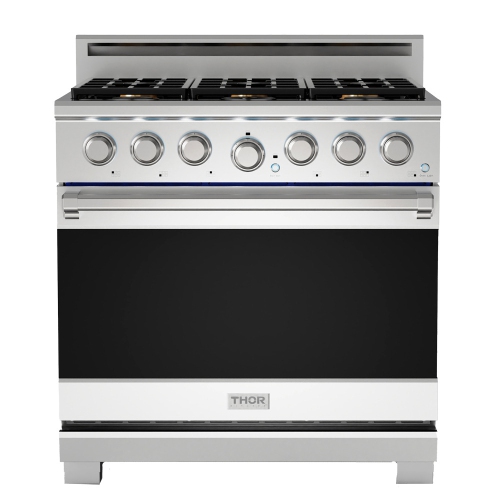
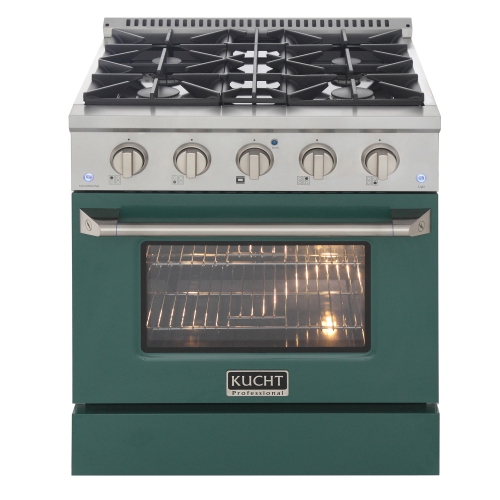


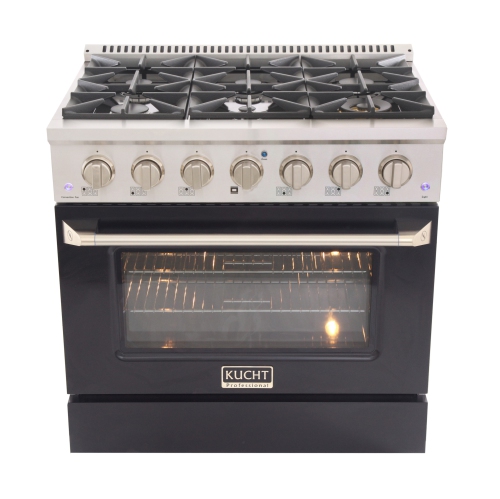






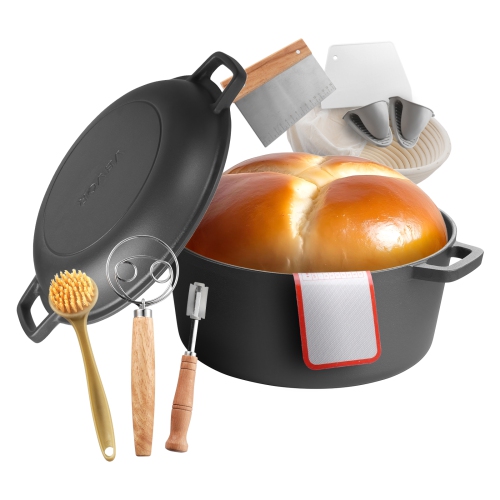

What to know about heat, humidity and oven capacity
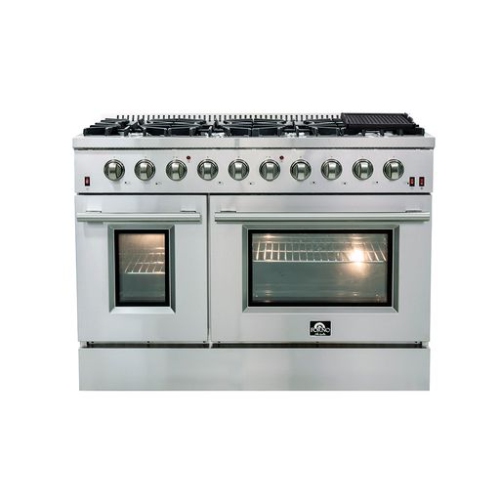
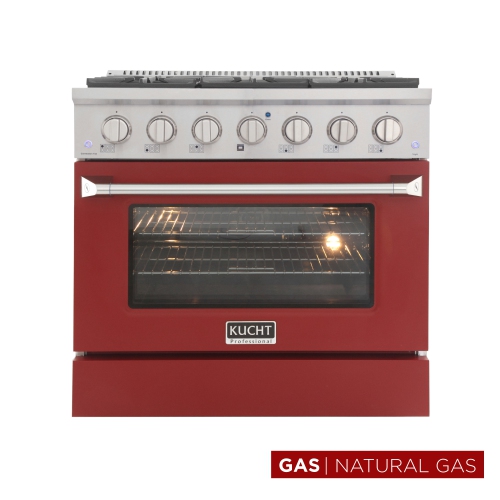
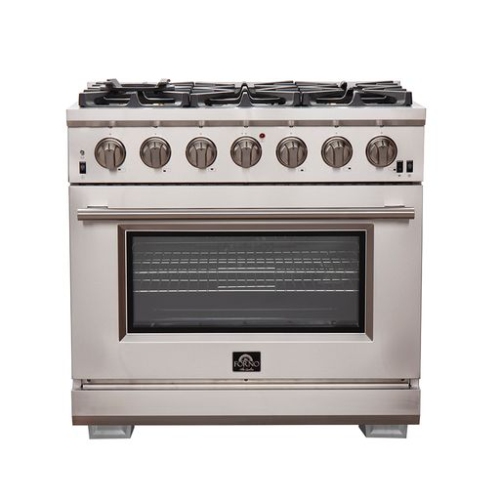
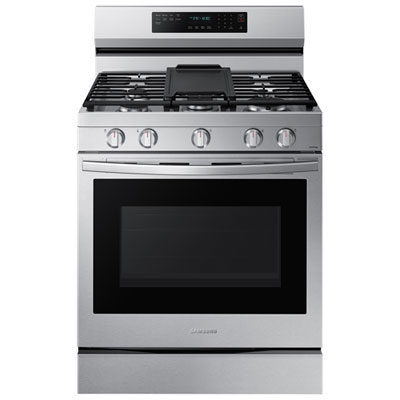
Gas ovens for baking bread are a practical choice for home bakers who enjoy everything from crisp baguettes and rustic sourdough to sandwich loaves, dinner rolls and enriched doughs. The heat from gas burners can help an oven warm quickly, while the moisture produced during combustion may create a slightly more humid baking environment. That added humidity can help dough stay supple during the first part of baking, supporting oven spring and encouraging a thin, deeply coloured crust. Results will vary by oven design, recipe and baking method, but many bakers appreciate the lively heat and responsive controls of a gas oven. A well-baked loaf should have a fragrant, toasted aroma, a firm crust that crackles as it cools and an interior that feels light rather than damp or heavy. Gas ovens can be especially appealing to people who bake frequently, prepare several loaves at a time or want an appliance that can handle everyday meals as well as baking projects. They may also suit a household setting up a first kitchen, upgrading an older range or choosing a practical gift for someone who spends cooler days experimenting with dough. When comparing products, consider the oven capacity, the usable rack space and the size of the baking vessels you already own. A spacious cavity can make it easier to bake multiple loaves or a large tray of rolls without crowding, while a compact oven may preheat quickly and fit more comfortably in a smaller kitchen.
Consistent temperature is one of the most important considerations when choosing a gas oven for bread. Look for clear temperature controls, dependable heat regulation and features that support even circulation throughout the cavity. Convection cooking can help move hot air around the loaves, although some recipes may need a small adjustment to temperature or baking time compared with conventional settings. Gas ovens can develop warmer areas, particularly near the base or around the sides, so rack position matters. The middle or upper-middle rack often provides a more balanced starting point, while a baking stone, steel or heavy baking vessel can help buffer direct heat and distribute warmth more evenly. Allow the oven to preheat thoroughly—at least 20 minutes is a useful starting point, and longer may be needed when using a thick baking surface or covered vessel. Rely on an oven thermometer if you are learning how your oven behaves, since the displayed setting and the temperature at the centre of the cavity may not always match perfectly. Watch the underside of loaves during early bakes, as the bottom rack in a gas oven can become particularly hot. If the crust is darkening before the centre is finished, move the bread higher, reduce the temperature slightly or place an empty baking sheet on a lower rack as a heat shield. A covered, heavy baking vessel can trap steam around the dough and help reproduce the blistered crust associated with professional bread ovens. For open baking, a separate source of steam may be useful, but follow the oven manufacturer’s instructions and avoid pouring water directly onto hot glass, heating elements or the oven floor.
The right gas oven also depends on how you bake and how your kitchen is arranged. Check the available width, depth, height and door clearance before ordering, and confirm that the appliance is compatible with your home’s gas supply. Some models are designed for natural gas and may require an approved conversion kit for propane; installation should be completed according to local requirements by a qualified professional. Features such as interior lighting, removable racks, an accessible control panel and an oven window can make it easier to monitor bread without releasing heat. A self-cleaning or easy-clean interior may be helpful after flour, cheese or filling spills, but baked-on residue should still be handled in line with the care instructions. Bread bakers who also prepare weeknight meals may value multiple cooking modes, while those focused on baking may place greater importance on cavity size, temperature stability and rack flexibility. During the cooler months, a warm kitchen filled with the smell of freshly baked bread can make an ordinary afternoon feel special, whether you are preparing toast for breakfast, a loaf to share at dinner or rolls for a gathering. Let bread cool before slicing so the crumb can finish setting, and keep notes about rack position, preheating time and baking temperature as you learn the character of your oven. Bakers who prefer a different fuel type can also explore Electric Ovens for Baking to compare cooking styles and features.
Top selling and popular products
-
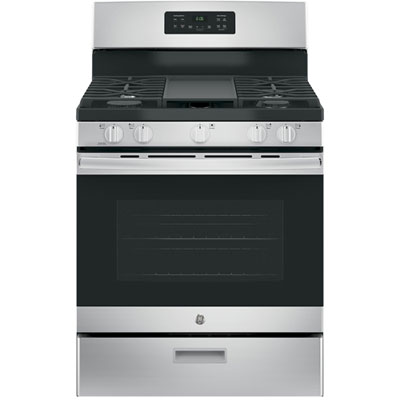 Your price for this item is $949.99
-
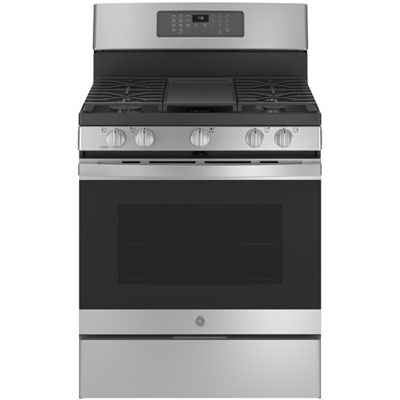 Your price for this item is $1299.99
-
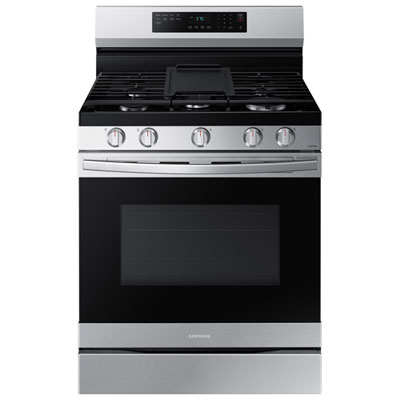 Your price for this item is $1395.99
-
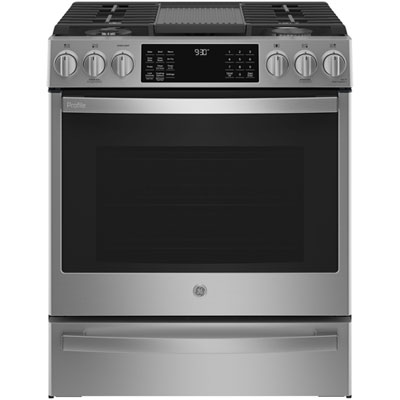 Your price for this item is $2099.99
-
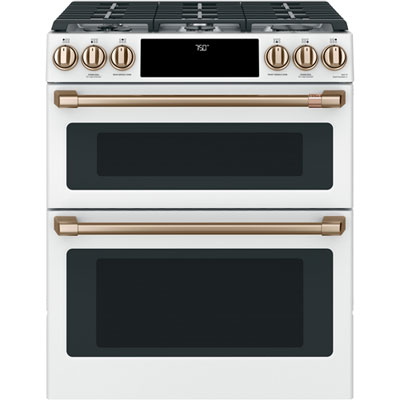 Your price for this item is $3699.99
-
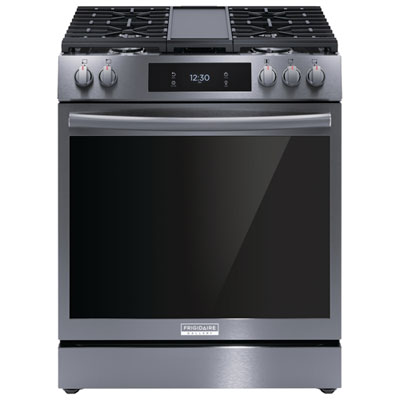 Your price for this item is $1899.99
-
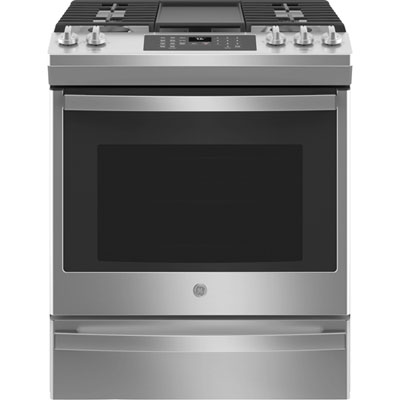 Your price for this item is $1399.99
-
 Your price for this item is $1099.99
Discover more categories related to Gas Ovens for Baking Bread
Top Collections:
Pokemon Centers, Best Cameras for Sports Photography, Kindle Devices, Samsung Galaxy Phones, Canon G7X Cameras, Pokémon 30th Celebration Cards, Refurbished Apple Laptops, iPhone 15 Apple, Laptops for Students, Budget Smartphones
Some products may be subject to Environmental Handling Fees
(EHF) depending on your province.
Learn more about EHFs.