Beard Trimmers
Achieve a well-groomed look with beard trimmers designed to help you maintain your personal style at home or on the go. Whether you're shaping a full beard, keeping stubble neat, or experimenting with new looks, beard trimmers offer convenience and control for all your grooming needs. Explore a wide selection of options to find the perfect tool that fits your routine and helps you look your best every day.
Sort
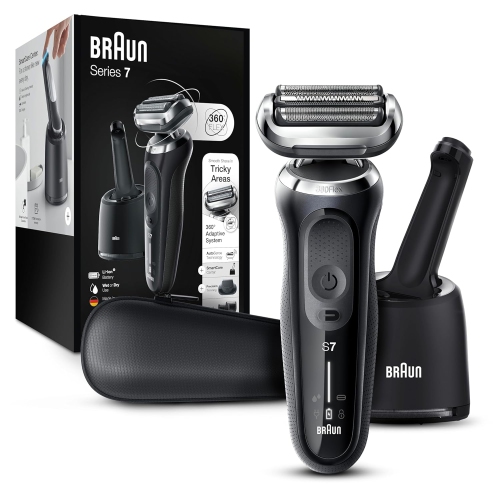
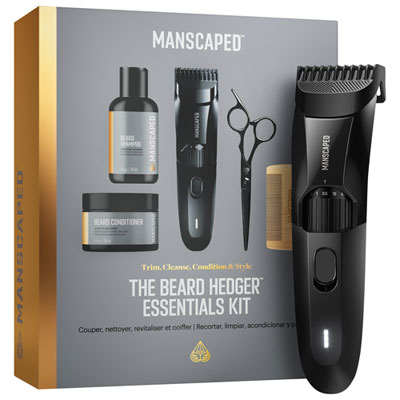
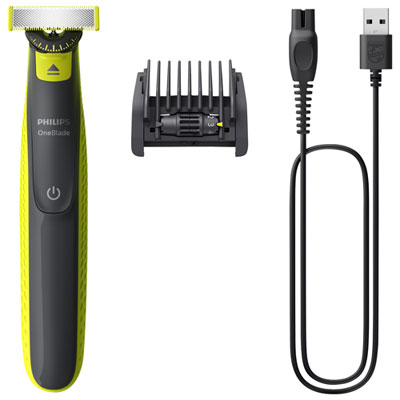

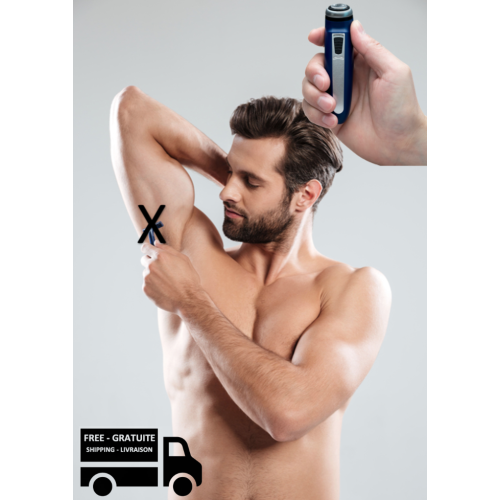
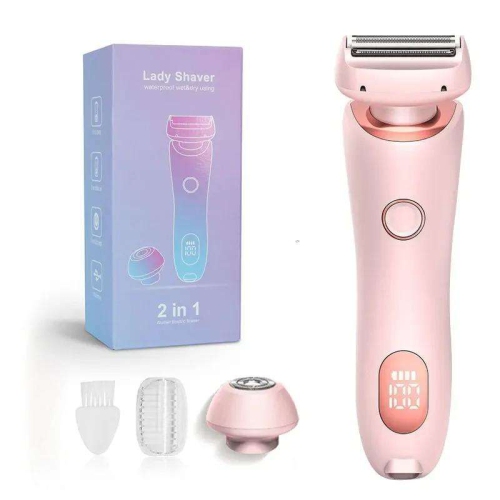
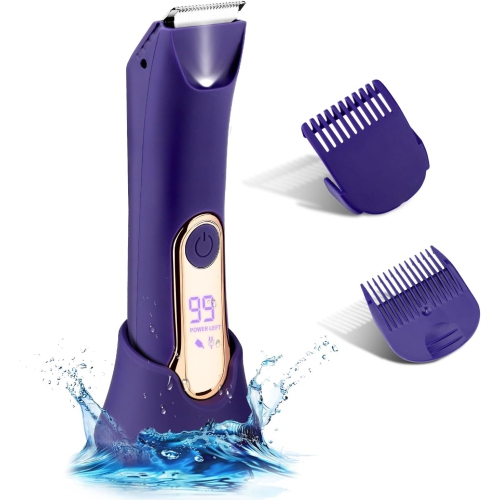

Beard Trimmers
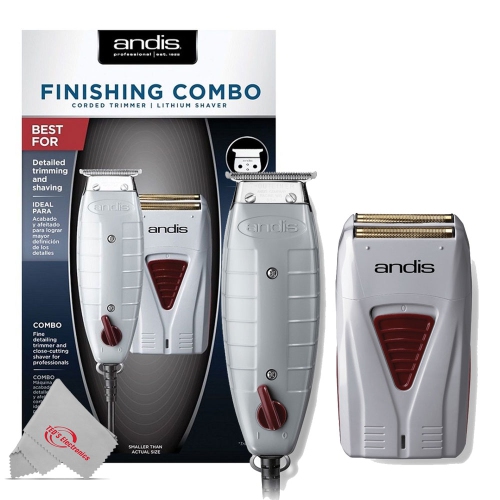
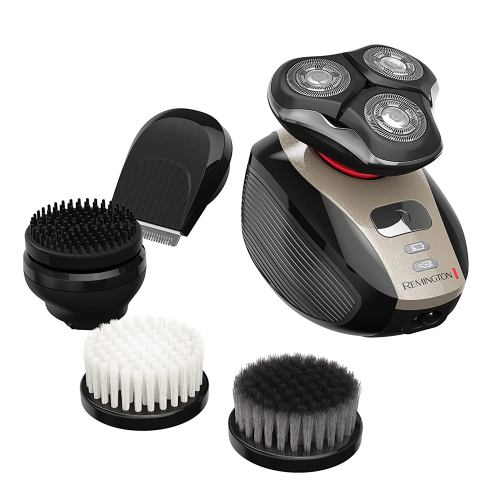
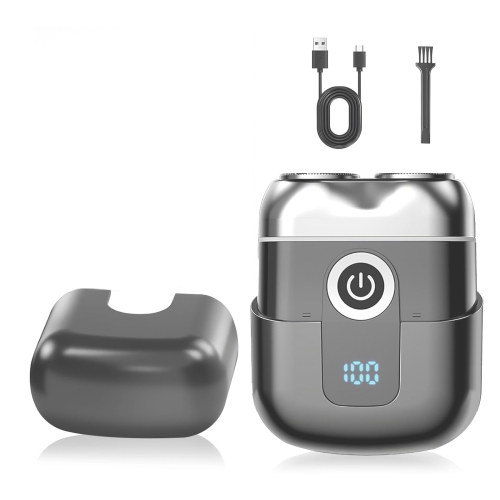
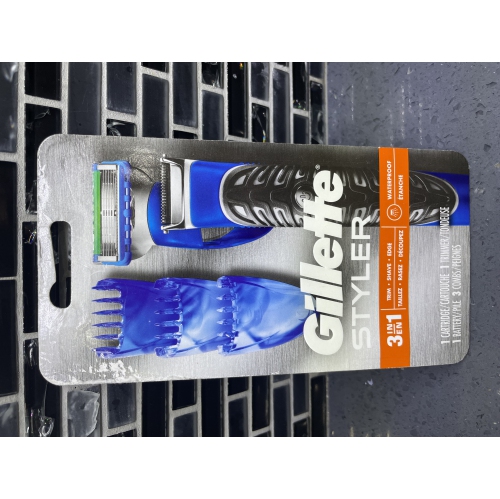
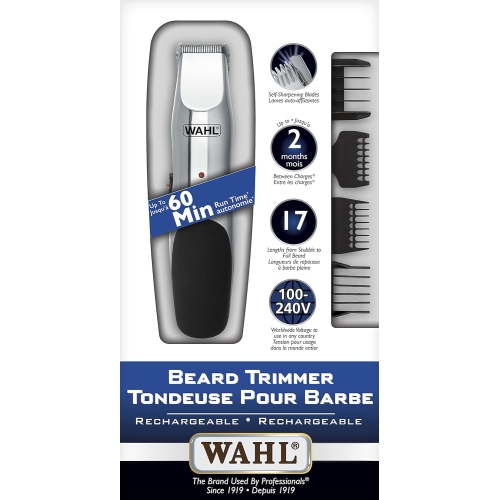
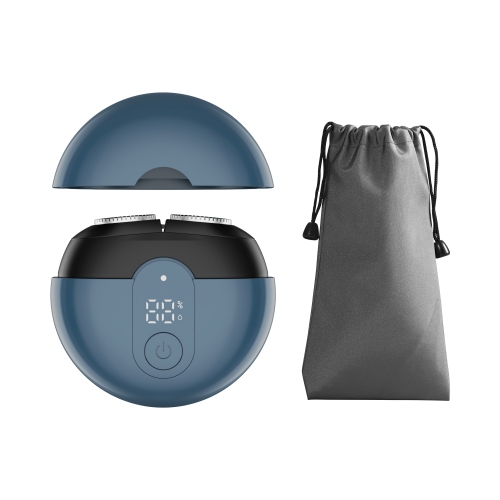
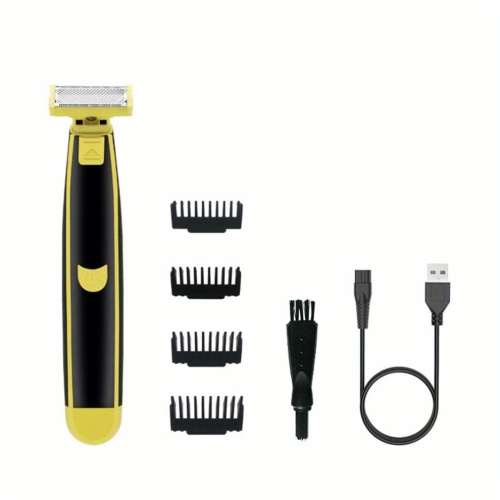
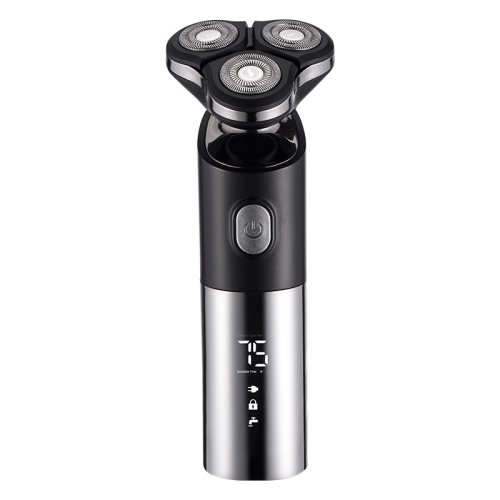
Beard trimmers make it easier to maintain facial hair at home, whether the preferred look is close stubble, a neatly shaped goatee, a defined moustache, or a fuller beard with clean edges. Unlike a traditional razor, a trimmer removes length without taking every hair down to the skin, helping create an even finish while preserving the texture and character of facial hair. Adjustable settings and guide combs allow for small changes in length, which can make a noticeable difference around the jawline, cheeks, chin, and neckline. Someone growing a beard can use a trimmer to keep new growth looking intentional while it fills in, while a person with an established beard can use one to maintain its shape between visits to a barber. A compact trimmer can also be useful for tidying sideburns, refining the area beneath the lower lip, and keeping stray hairs from making an otherwise polished style look untidy. For very short facial hair, a dedicated Stubble Trimmers selection can offer settings suited to that close, textured appearance. Beard trimmers are also practical gifts for birthdays, holidays, graduations, or a first professional wardrobe, particularly for someone who has recently started growing facial hair or wants a simpler routine. They take up little space in a bathroom or travel bag, and many models are designed to handle regular use without requiring a collection of separate grooming tools.
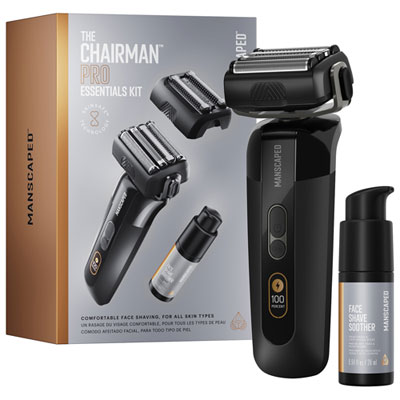
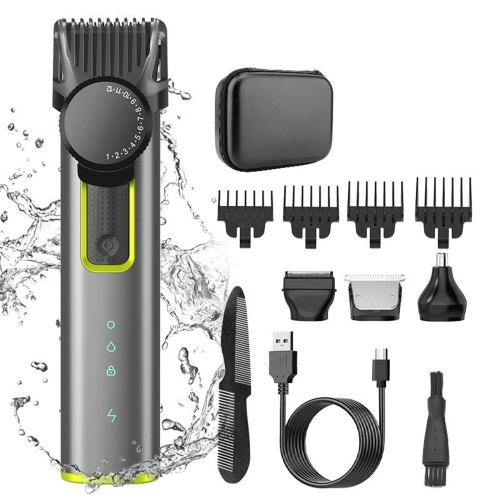
When comparing beard trimmers, the cutting system is one of the most important details. Stainless steel blades are widely used for their durability and straightforward upkeep, while ceramic blades can offer smooth cutting and may stay cooler during longer grooming sessions. Self-sharpening blade designs are intended to retain their edge through repeated use, though all blades benefit from being kept clean and used according to the manufacturer’s instructions. Length control is equally important. A trimmer with a single fixed comb may suit someone who keeps one consistent look, but multiple guide combs or an integrated adjustment wheel provide more flexibility for blending the cheeks into the chin and creating a gradual transition along the neckline. Fine increments, sometimes as small as 0.5 millimetres, are helpful for making subtle changes rather than moving abruptly from barely-there stubble to a noticeably longer beard. A wide cutting head can cover more of the beard efficiently, while a narrower precision head is useful around the corners of the mouth, beneath the nose, and along the edges of the cheeks. Attachments may expand the trimmer’s role with combs for different lengths, detail heads, nose and ear grooming tools, or accessories for hair and other areas. For a household where several people have different routines, a versatile kit can reduce the need for separate devices; for someone who focuses only on beard maintenance, a simpler set may be easier to store and use.
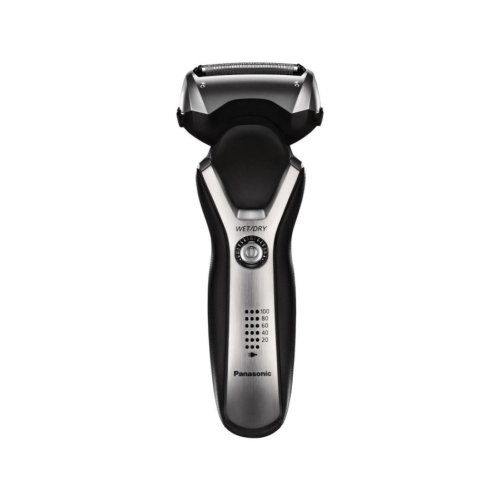
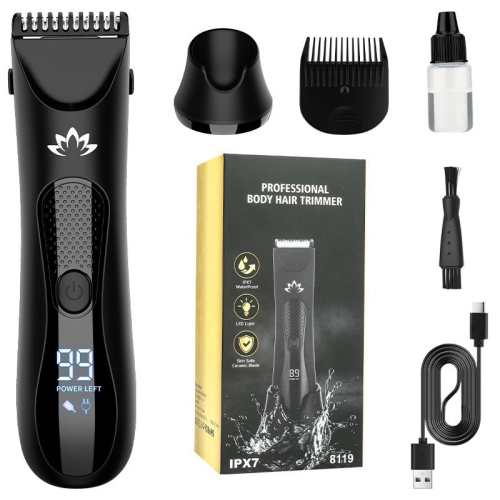
Cordless operation is another practical consideration, especially for grooming before work, while travelling, or in a bathroom where a power outlet is not conveniently placed. Lithium-ion batteries are common and can provide enough runtime for several grooming sessions, although the actual duration varies by model, beard thickness, length setting, and attachment. A battery indicator helps avoid an unexpected interruption, and a quick-charge feature can be useful when a trim is needed before heading out. Some trimmers can also be used with the power cord, while others are designed for cordless operation only, so checking the charging requirements is worthwhile. Wet and dry capability can add convenience, but “waterproof” does not always mean that every part of the device can be submerged or used in the same way. Product instructions should confirm whether a trimmer is suitable for rinsing under water, use in the shower, or only dry cleaning. A washable head can make it easier to remove clipped hair after each use, while a cleaning brush and blade oil can help support dependable performance over time. A comfortable grip, balanced shape, low operating noise, and a head that follows the contours of the face can make a particularly strong difference for anyone who spends several minutes grooming each morning. People with sensitive skin may appreciate a trimmer that allows hair to be shortened without dragging a blade directly across the skin, although gentle pressure and a clean head remain important. Those with thick, coarse, or curly facial hair may prefer a motor with steady power and a cutting head that does not require repeated passes over the same area.
A well-organized beard routine often begins with clean, dry facial hair so its natural length is easier to judge. Starting with a longer setting and gradually reducing it helps prevent taking off more than intended, especially when shaping the chin or connecting the moustache to the beard. Guiding the trimmer against the direction of growth can shorten hair more closely, while following the direction of growth can leave a softer, more natural finish. The neckline is usually easier to define by using the natural curve beneath the jaw rather than trimming too high, and the cheekline can be kept crisp or left slightly softer depending on the desired style. After trimming, rinsing or brushing away loose hairs and applying a small amount of beard conditioner or moisturiser can help the skin feel comfortable. During the warmer part of the year, a shorter beard may feel lighter and easier to manage, while cooler weather can make a fuller style appealing; adjustable length settings allow the routine to change without replacing the trimmer. A reliable beard trimmer can become a familiar part of the morning routine, much like a favourite comb or a well-fitting pair of clippers, helping facial hair look considered without requiring a salon appointment for every small adjustment.
When comparing beard trimmers, the cutting system is one of the most important details. Stainless steel blades are widely used for their durability and straightforward upkeep, while ceramic blades can offer smooth cutting and may stay cooler during longer grooming sessions. Self-sharpening blade designs are intended to retain their edge through repeated use, though all blades benefit from being kept clean and used according to the manufacturer’s instructions. Length control is equally important. A trimmer with a single fixed comb may suit someone who keeps one consistent look, but multiple guide combs or an integrated adjustment wheel provide more flexibility for blending the cheeks into the chin and creating a gradual transition along the neckline. Fine increments, sometimes as small as 0.5 millimetres, are helpful for making subtle changes rather than moving abruptly from barely-there stubble to a noticeably longer beard. A wide cutting head can cover more of the beard efficiently, while a narrower precision head is useful around the corners of the mouth, beneath the nose, and along the edges of the cheeks. Attachments may expand the trimmer’s role with combs for different lengths, detail heads, nose and ear grooming tools, or accessories for hair and other areas. For a household where several people have different routines, a versatile kit can reduce the need for separate devices; for someone who focuses only on beard maintenance, a simpler set may be easier to store and use.
Cordless operation is another practical consideration, especially for grooming before work, while travelling, or in a bathroom where a power outlet is not conveniently placed. Lithium-ion batteries are common and can provide enough runtime for several grooming sessions, although the actual duration varies by model, beard thickness, length setting, and attachment. A battery indicator helps avoid an unexpected interruption, and a quick-charge feature can be useful when a trim is needed before heading out. Some trimmers can also be used with the power cord, while others are designed for cordless operation only, so checking the charging requirements is worthwhile. Wet and dry capability can add convenience, but “waterproof” does not always mean that every part of the device can be submerged or used in the same way. Product instructions should confirm whether a trimmer is suitable for rinsing under water, use in the shower, or only dry cleaning. A washable head can make it easier to remove clipped hair after each use, while a cleaning brush and blade oil can help support dependable performance over time. A comfortable grip, balanced shape, low operating noise, and a head that follows the contours of the face can make a particularly strong difference for anyone who spends several minutes grooming each morning. People with sensitive skin may appreciate a trimmer that allows hair to be shortened without dragging a blade directly across the skin, although gentle pressure and a clean head remain important. Those with thick, coarse, or curly facial hair may prefer a motor with steady power and a cutting head that does not require repeated passes over the same area.
A well-organized beard routine often begins with clean, dry facial hair so its natural length is easier to judge. Starting with a longer setting and gradually reducing it helps prevent taking off more than intended, especially when shaping the chin or connecting the moustache to the beard. Guiding the trimmer against the direction of growth can shorten hair more closely, while following the direction of growth can leave a softer, more natural finish. The neckline is usually easier to define by using the natural curve beneath the jaw rather than trimming too high, and the cheekline can be kept crisp or left slightly softer depending on the desired style. After trimming, rinsing or brushing away loose hairs and applying a small amount of beard conditioner or moisturiser can help the skin feel comfortable. During the warmer part of the year, a shorter beard may feel lighter and easier to manage, while cooler weather can make a fuller style appealing; adjustable length settings allow the routine to change without replacing the trimmer. A reliable beard trimmer can become a familiar part of the morning routine, much like a favourite comb or a well-fitting pair of clippers, helping facial hair look considered without requiring a salon appointment for every small adjustment.
Top selling and popular products
-
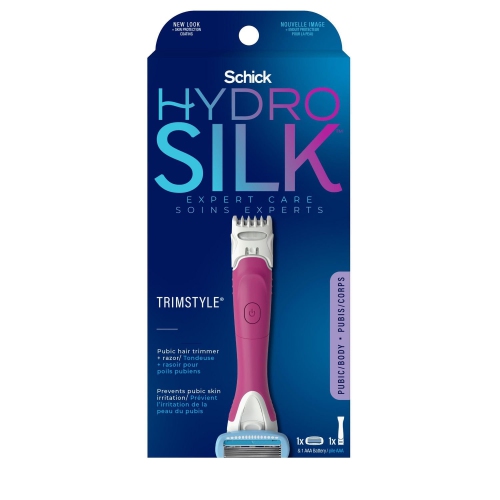 Your price for this item is $70
 -
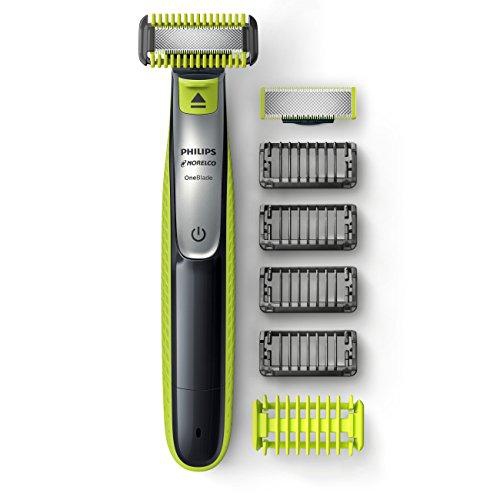 Your price for this item is $89.99
 -
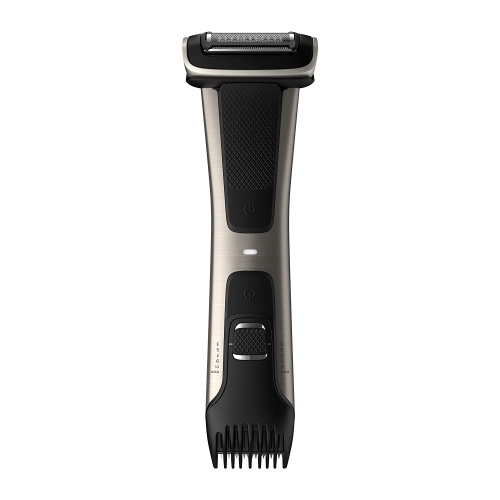 Your price for this item is $149.99
 -
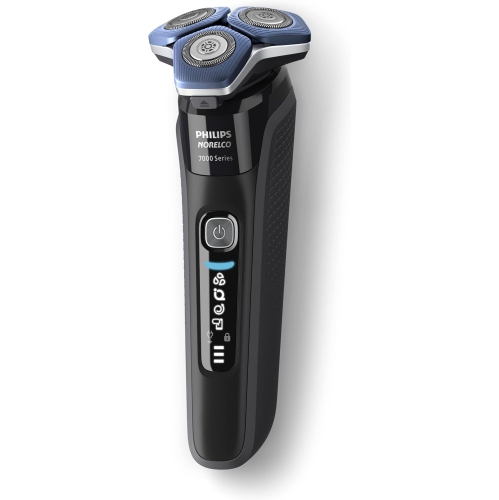 Your price for this item is $219.99
 -
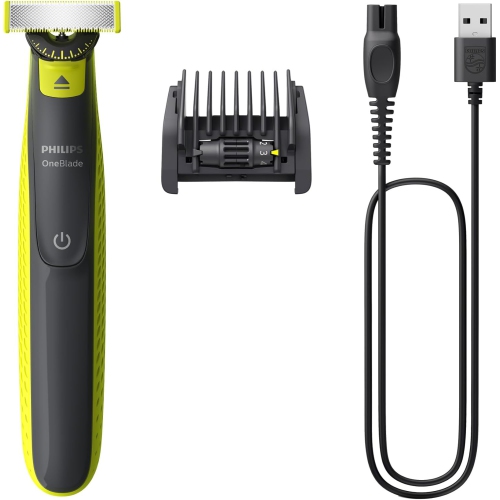 Your price for this item is $59.99
 -
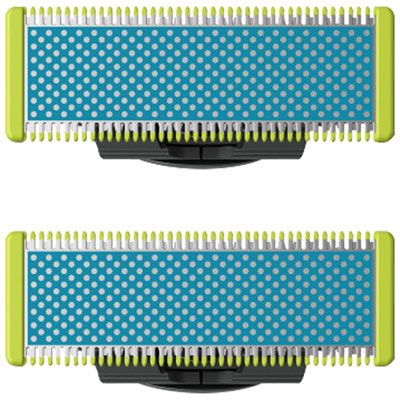 Your price for this item is $34.99
 -
 Your price for this item is $39.99
 -
 Your price for this item is $89.99
Discover more categories related to Beard Trimmers
Top Collections:
Pokemon Centers, Kindle Devices, Budget Smartphones, Budget 4K TVs, Apple iPhones 16, Canon G7X Cameras, iPhone 15 Apple, Alarm Clock, Budget-Friendly Wireless Earbuds, iPhone 14 256GB
Some products may be subject to Environmental Handling Fees
(EHF) depending on your province.
Learn more about EHFs.