Bedwetting Alarm
Help your child achieve dry nights with a bedwetting alarm. Designed to alert children when they begin to wet the bed, these alarms offer a gentle and effective way to encourage nighttime dryness. With various features such as discreet designs, customizable settings, and comfortable sensors, bedwetting alarms are a practical solution for parents looking to support their child through the bedwetting phase. Explore our selection of bedwetting alarms to find the right fit for your family's needs.
Sort
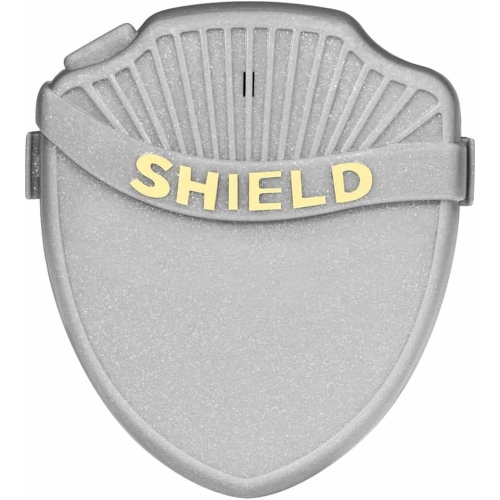

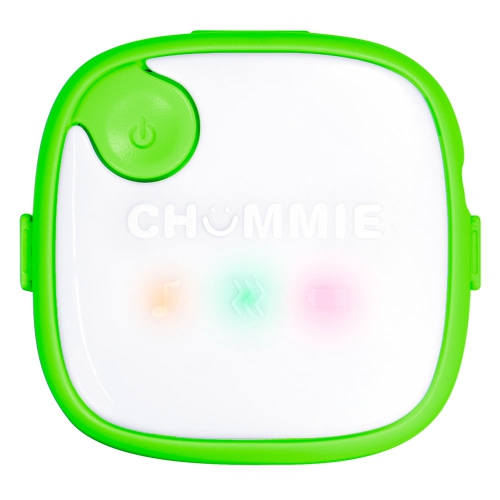

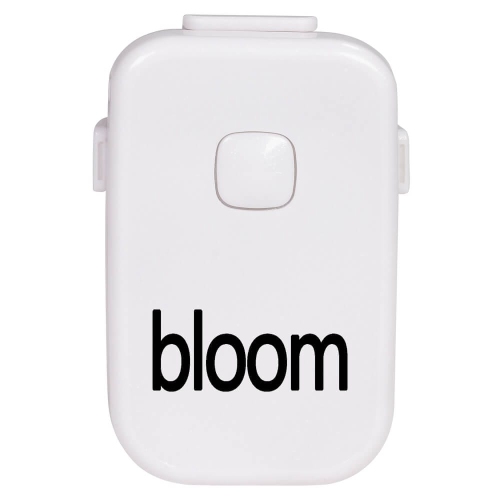
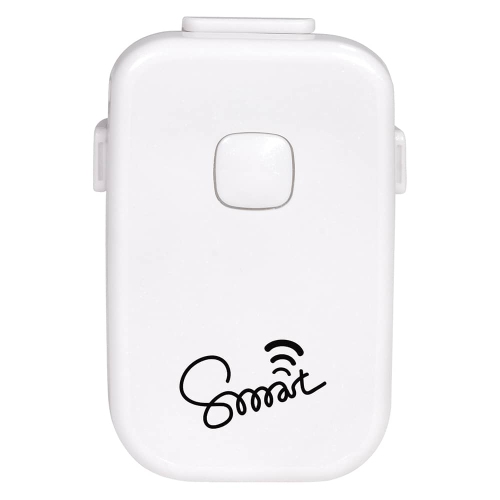

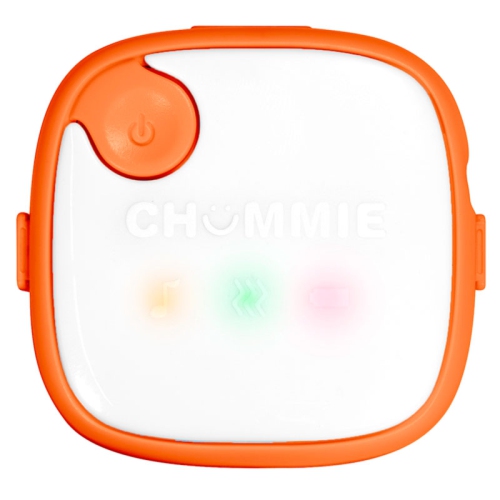
How moisture alerts support nighttime toileting routines
A bedwetting alarm is designed to help children notice the connection between a full bladder and the need to wake up and use the bathroom. It typically uses a moisture-sensitive sensor placed in or near the child’s underwear, with an alarm unit that produces a sound, vibration, or both when the first drops of urine are detected. The alert is intended to wake the child early, so they can stop urinating, get out of bed, turn off the alarm, and finish in the bathroom. With repeated use, this routine may help the child develop a more reliable waking response to bladder fullness. Bedwetting alarms are most often considered for children who regularly wet the bed and are ready to participate in the routine, rather than for children who are still learning daytime toileting skills. They can also be useful for families looking for a structured, non-medication approach to nighttime wetting. Success usually depends on patience and consistent support: a parent or caregiver may need to wake the child at first, guide them to the bathroom, help reset the alarm, and change damp bedding without making the experience feel embarrassing. A calm bedside setup, spare pyjamas, and a waterproof mattress protector can make those early nights easier. Bedwetting can be emotionally sensitive, so encouragement is important. The goal is to treat the alarm as a practical tool, not a punishment, and to recognize progress such as waking more quickly, having smaller accidents, or helping with the routine.
When choosing a bedwetting alarm, start by considering how the sensor will be worn and where the alert will be heard. Wired body-worn alarms generally have a small moisture sensor that clips to the underwear and connects through a thin cord to an alarm unit attached to the pyjama shoulder or upper clothing. This style keeps the alert close to the child and can be straightforward to set up, although the cord should be positioned comfortably and checked so it does not tug or become tangled during sleep. Wireless systems use a sensor on the underwear that communicates with a receiver placed beside the bed, across the room, or in another nearby location. They can offer greater freedom of movement and may be convenient when a parent wants to hear the alert from another room, but the transmitter and receiver need to remain within their stated range. Some families prefer a unit with adjustable volume, multiple tones, a vibration mode, or a combination of sound and vibration, particularly when the child is a deep sleeper. A vibration setting may be less disruptive to others in the home, while a louder sound can be helpful when the child does not respond readily. Bed or pad alarms are another option, using a moisture-sensitive mat positioned under the bedsheet near the child’s hips. These can be useful when a child is uncomfortable wearing a sensor, though the alarm may sound after more urine has reached the pad and may be less immediate than a wearable sensor. Before purchasing, check the recommended age range, sensor placement, cable length or wireless range, battery requirements, cleaning instructions, alarm controls, and whether replacement parts are available. For children who move a great deal during sleep, a secure clip and comfortable sensor may matter more than extra settings. For shared bedrooms, adjustable volume and vibration may help reduce disruption. The related selection of Bedroom Alarms may also be useful when comparing alert styles for different sleeping spaces, but a bedwetting alarm should be selected specifically for moisture detection and nighttime toileting support.
Consistent use is central to the way bedwetting alarms are intended to work. Families are commonly advised to use the alarm every night, because occasional use may make it harder to establish the waking routine. During the first stage, the alarm may sound after only a small amount of urine is detected, and the child may sleep through it. A caregiver can respond promptly, wake the child fully, and guide them to the toilet rather than carrying them there while still asleep. The child should generally take part in switching off or resetting the alarm, changing clothes, and returning to bed, as these steps reinforce the link between the alert and using the bathroom. Keep the sensor clean and dry according to the manufacturer’s instructions after each use; moisture and residue can affect detection and may damage electronic contacts over time. Check batteries regularly and test the alarm before bedtime so the family is not relying on a silent or weak unit. It can help to keep a simple record of wet and dry nights, how quickly the child responded, and whether fewer prompts were needed. Progress may take several weeks, and many families plan for approximately eight to twelve weeks of regular use before deciding whether the routine is helping. Continued use is often recommended after improvement, including until the child has had about three consecutive weeks of completely dry nights, to support the new habit. If bedwetting begins suddenly, is accompanied by pain, unusual thirst, daytime accidents, constipation, snoring, fever, or other concerning symptoms, speak with a healthcare professional. A doctor or other qualified provider can also offer advice when bedwetting continues despite consistent alarm use or is causing significant distress. With a comfortable setup and steady encouragement, a bedwetting alarm can give children a practical way to build nighttime awareness while helping caregivers approach the process with reassurance and respect.
When choosing a bedwetting alarm, start by considering how the sensor will be worn and where the alert will be heard. Wired body-worn alarms generally have a small moisture sensor that clips to the underwear and connects through a thin cord to an alarm unit attached to the pyjama shoulder or upper clothing. This style keeps the alert close to the child and can be straightforward to set up, although the cord should be positioned comfortably and checked so it does not tug or become tangled during sleep. Wireless systems use a sensor on the underwear that communicates with a receiver placed beside the bed, across the room, or in another nearby location. They can offer greater freedom of movement and may be convenient when a parent wants to hear the alert from another room, but the transmitter and receiver need to remain within their stated range. Some families prefer a unit with adjustable volume, multiple tones, a vibration mode, or a combination of sound and vibration, particularly when the child is a deep sleeper. A vibration setting may be less disruptive to others in the home, while a louder sound can be helpful when the child does not respond readily. Bed or pad alarms are another option, using a moisture-sensitive mat positioned under the bedsheet near the child’s hips. These can be useful when a child is uncomfortable wearing a sensor, though the alarm may sound after more urine has reached the pad and may be less immediate than a wearable sensor. Before purchasing, check the recommended age range, sensor placement, cable length or wireless range, battery requirements, cleaning instructions, alarm controls, and whether replacement parts are available. For children who move a great deal during sleep, a secure clip and comfortable sensor may matter more than extra settings. For shared bedrooms, adjustable volume and vibration may help reduce disruption. The related selection of Bedroom Alarms may also be useful when comparing alert styles for different sleeping spaces, but a bedwetting alarm should be selected specifically for moisture detection and nighttime toileting support.
Consistent use is central to the way bedwetting alarms are intended to work. Families are commonly advised to use the alarm every night, because occasional use may make it harder to establish the waking routine. During the first stage, the alarm may sound after only a small amount of urine is detected, and the child may sleep through it. A caregiver can respond promptly, wake the child fully, and guide them to the toilet rather than carrying them there while still asleep. The child should generally take part in switching off or resetting the alarm, changing clothes, and returning to bed, as these steps reinforce the link between the alert and using the bathroom. Keep the sensor clean and dry according to the manufacturer’s instructions after each use; moisture and residue can affect detection and may damage electronic contacts over time. Check batteries regularly and test the alarm before bedtime so the family is not relying on a silent or weak unit. It can help to keep a simple record of wet and dry nights, how quickly the child responded, and whether fewer prompts were needed. Progress may take several weeks, and many families plan for approximately eight to twelve weeks of regular use before deciding whether the routine is helping. Continued use is often recommended after improvement, including until the child has had about three consecutive weeks of completely dry nights, to support the new habit. If bedwetting begins suddenly, is accompanied by pain, unusual thirst, daytime accidents, constipation, snoring, fever, or other concerning symptoms, speak with a healthcare professional. A doctor or other qualified provider can also offer advice when bedwetting continues despite consistent alarm use or is causing significant distress. With a comfortable setup and steady encouragement, a bedwetting alarm can give children a practical way to build nighttime awareness while helping caregivers approach the process with reassurance and respect.
Top selling and popular products
-
 Your price for this item is $39.99
 -
 Your price for this item is $209
 -
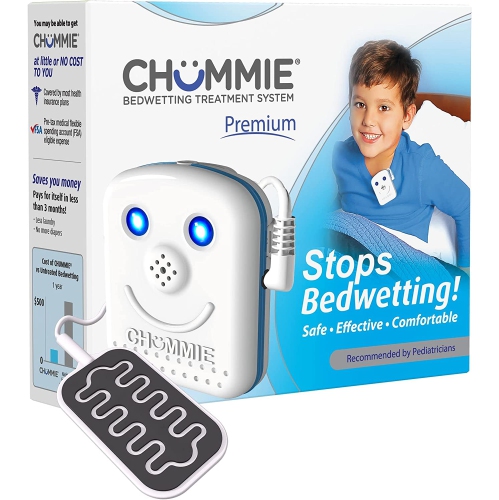 Your price for this item is $119.99
 -
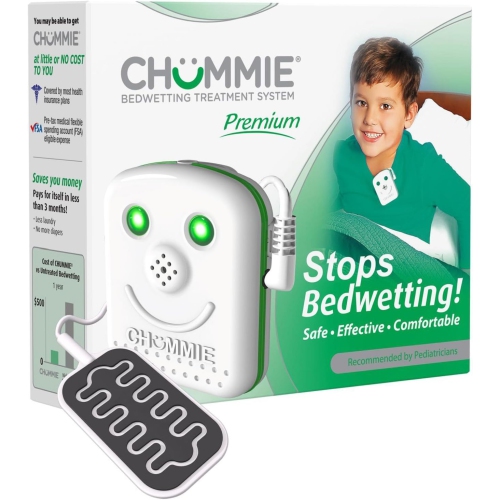 Your price for this item is $119.99
 -
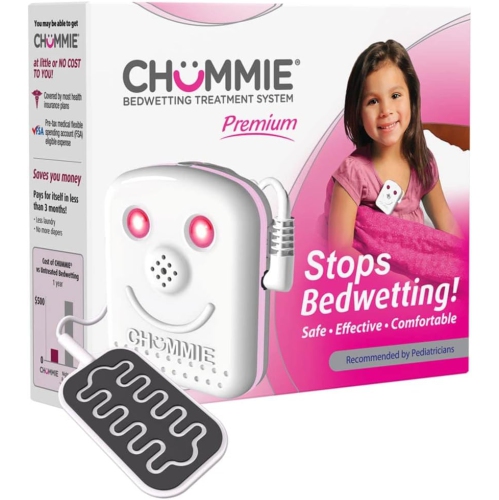 Your price for this item is $119.99
 -
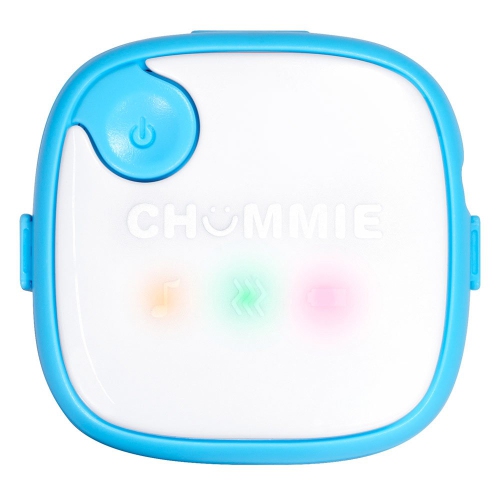 Your price for this item is $99.99
 -
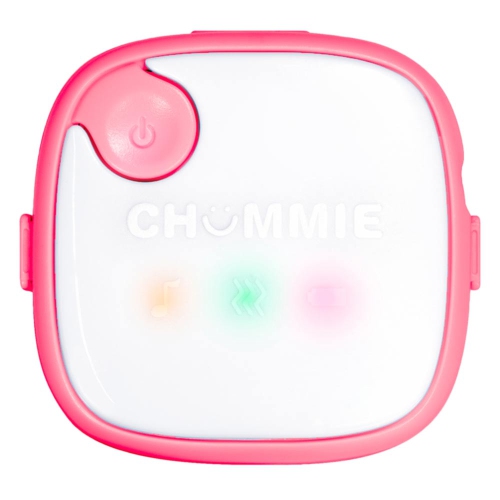 Your price for this item is $99.99
 -
 Your price for this item is $84.99
Discover more categories related to Bedwetting Alarm

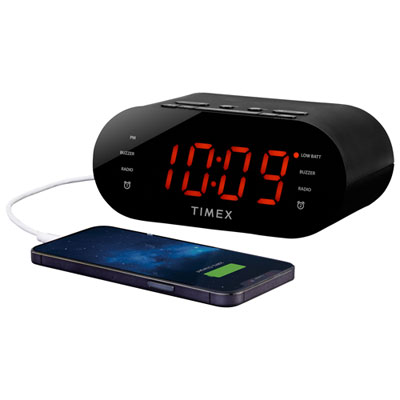
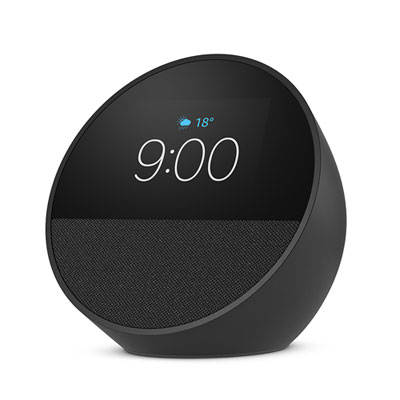

Top Collections:
Pokemon Centers, Kindle Devices, Best Budget Office Chairs, Apple iPhones 16, Canon G7X Cameras, iPhone 15 Apple, Alarm Clock, Refurbished Apple Laptops, Flip Phones, Best Laptops for Writers
Some products may be subject to Environmental Handling Fees
(EHF) depending on your province.
Learn more about EHFs.