Callus Removers
Looking to achieve baby-soft, smooth feet? Say goodbye to rough calluses with our range of callus removers. Whether you're looking for an electric callus remover or a manual option, we have the perfect solution to help you achieve salon-worthy results from the comfort of your own home. Our collection features a variety of innovative tools designed to effectively and safely remove hardened skin, leaving your feet feeling rejuvenated and revitalized. With our selection of high-quality callus removers, you can step out confidently with silky-smooth feet all year round.
Sort

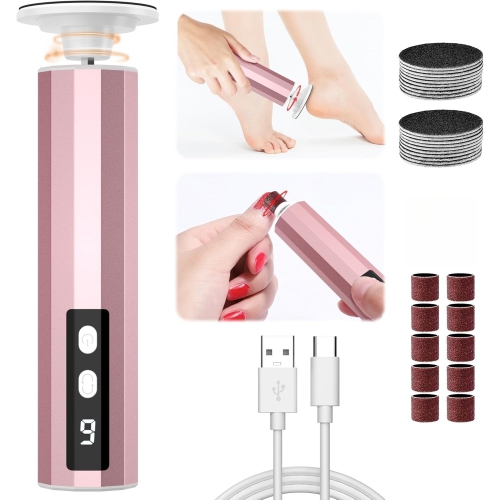
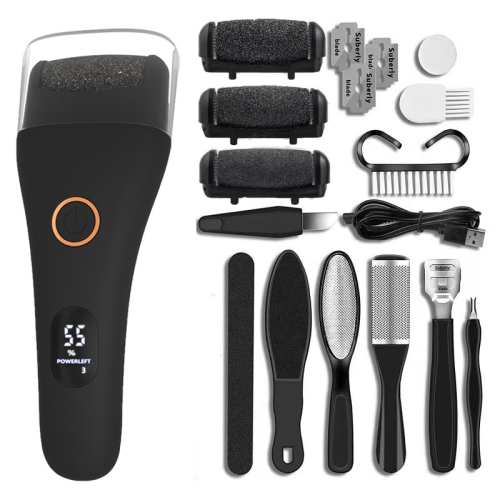

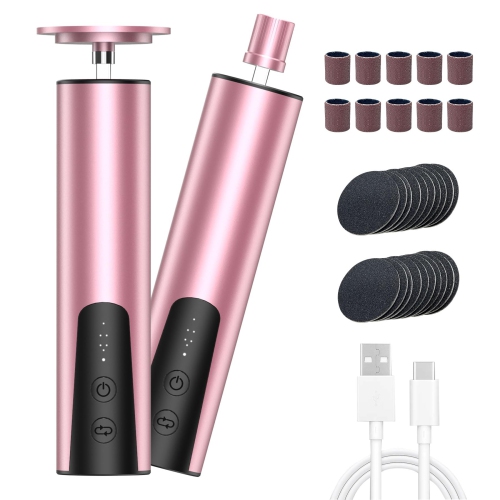
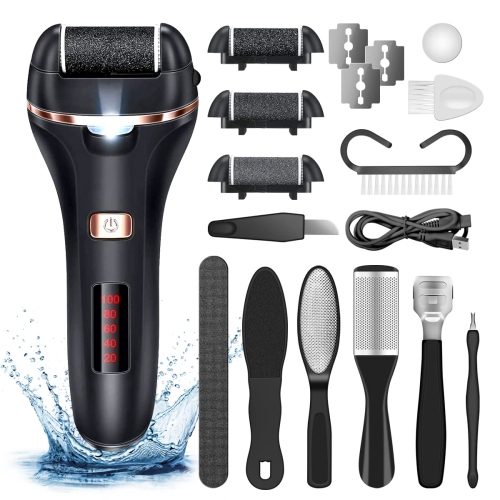
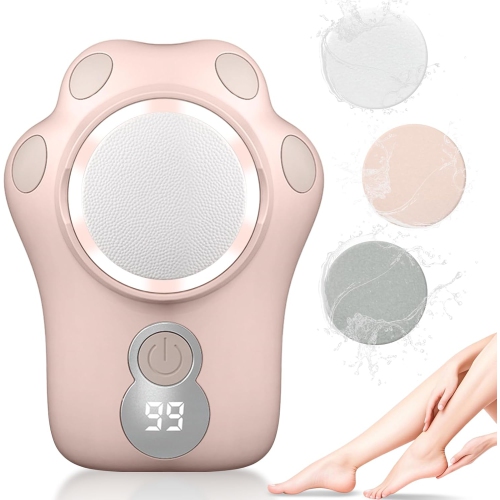
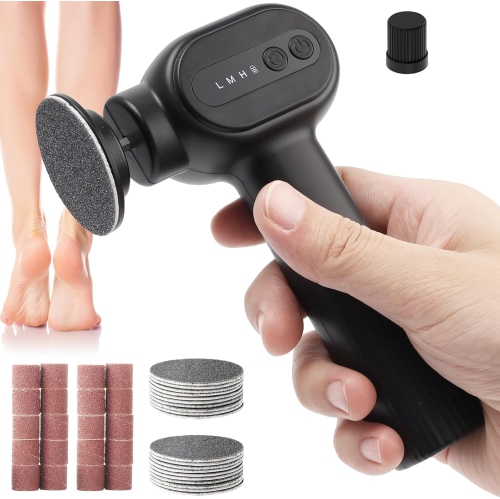
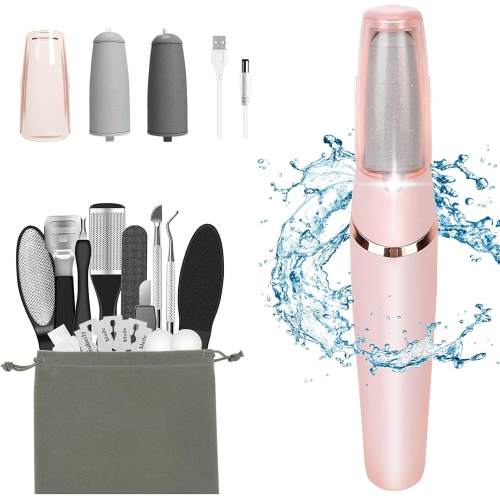
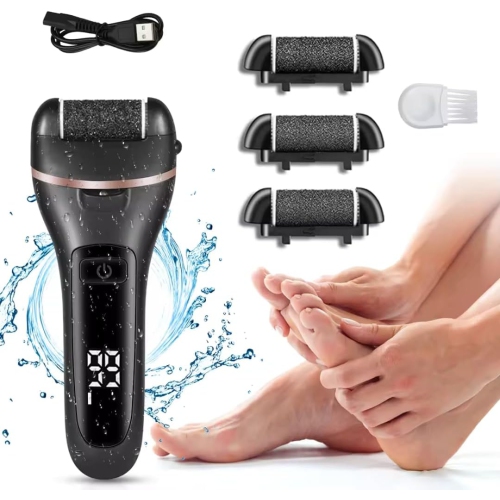

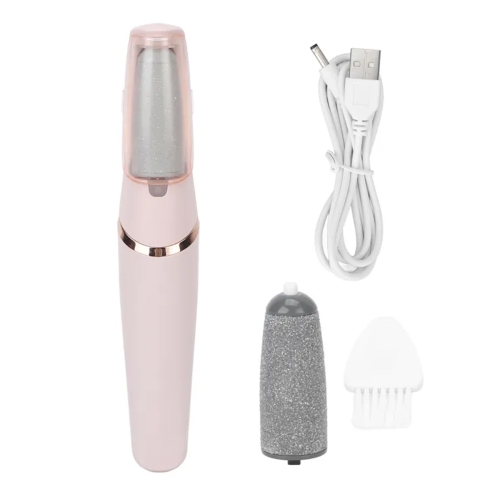
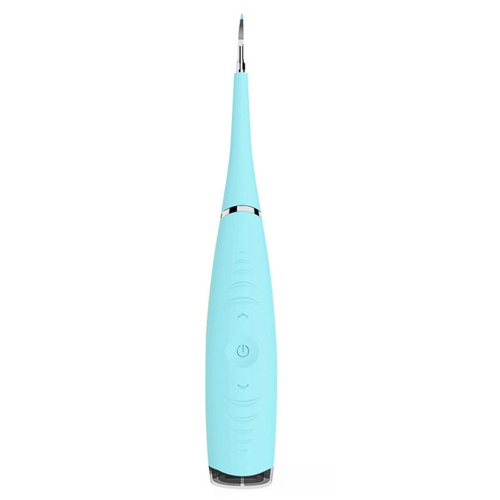
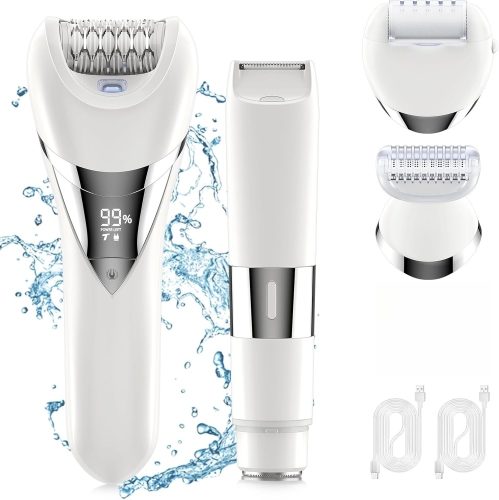
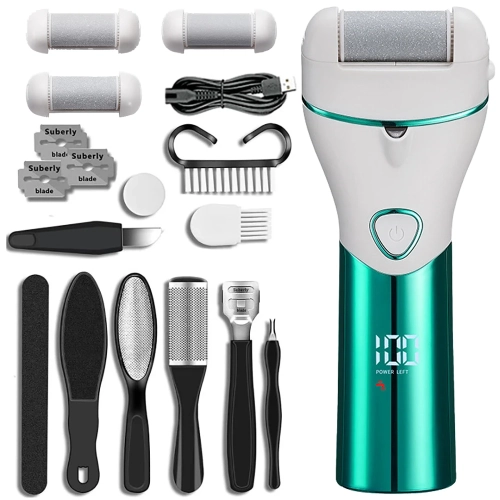
Smoother feet start with the right care routine
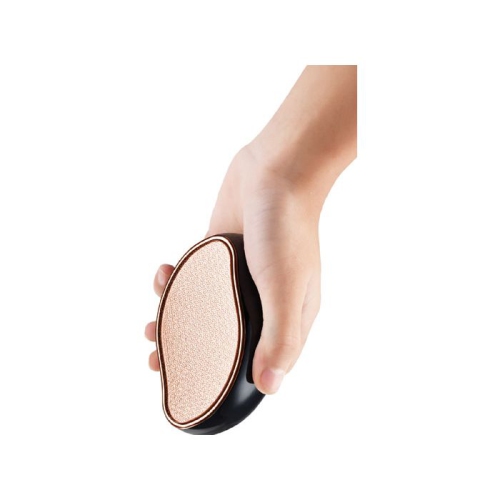
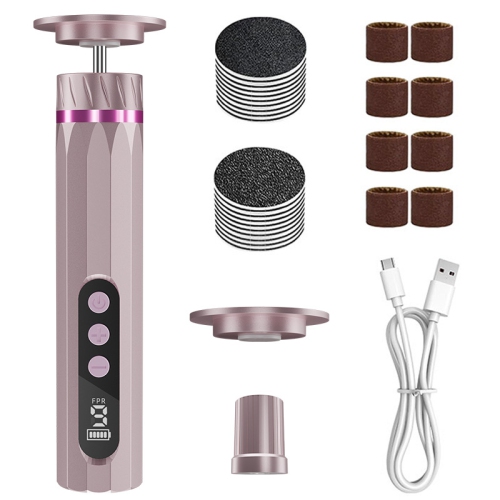
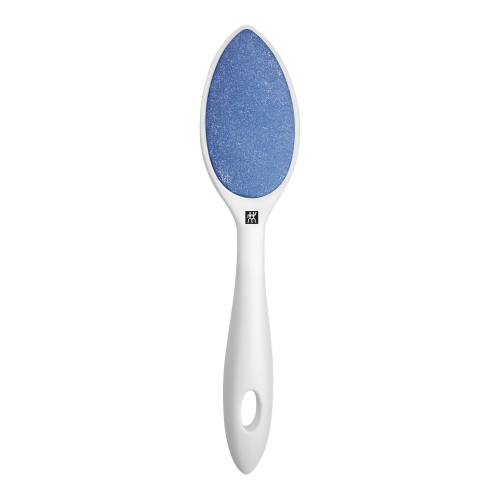
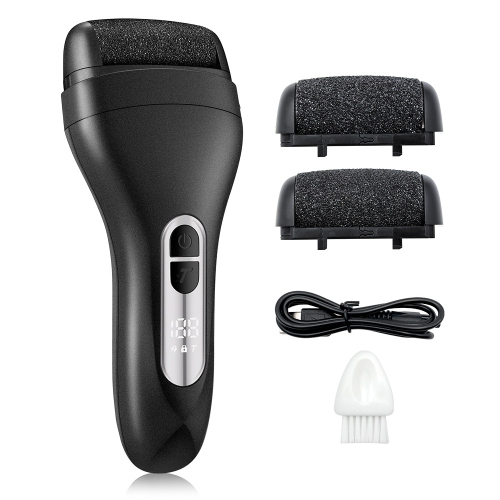
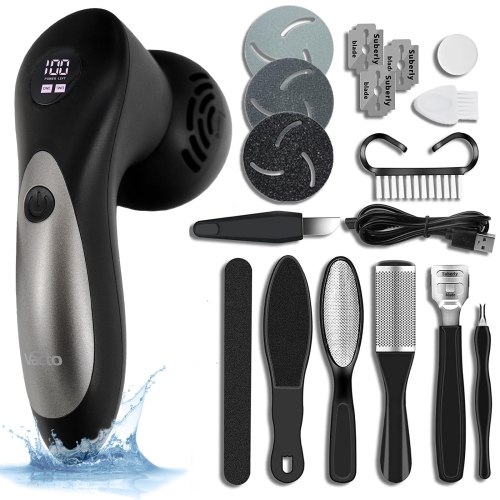
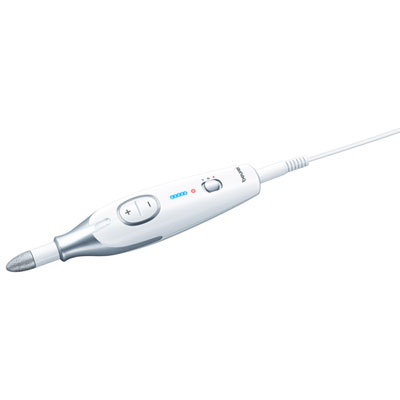
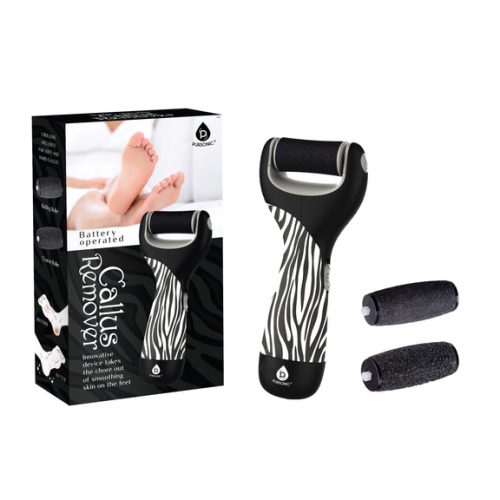
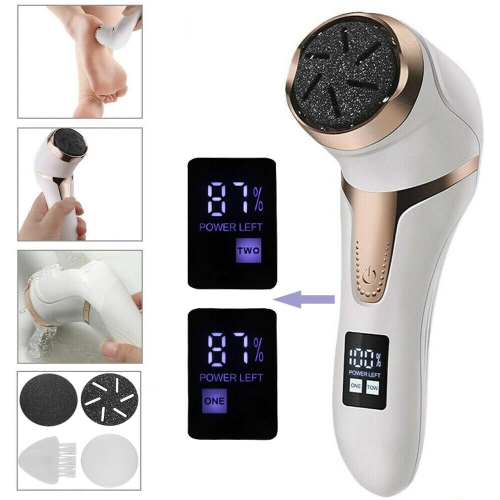
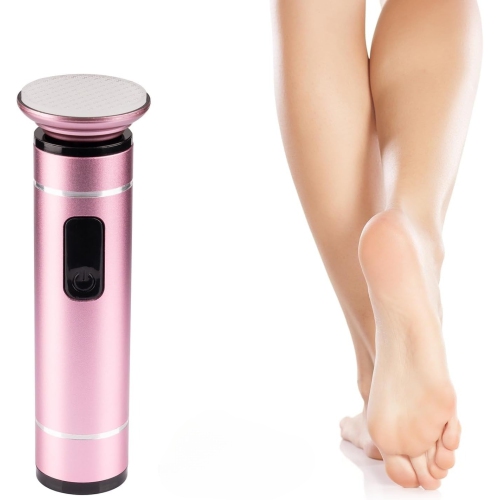
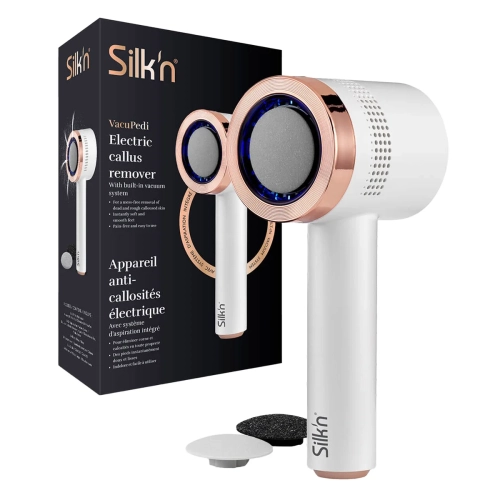
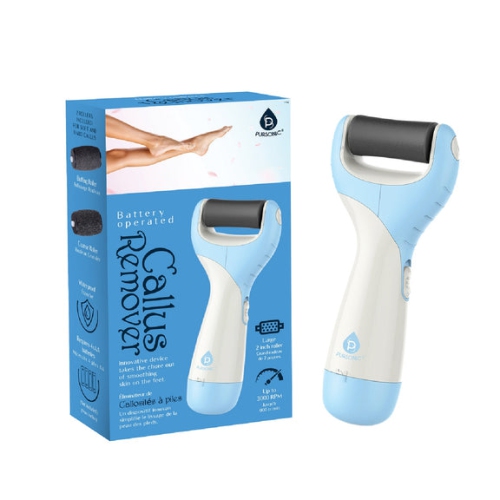
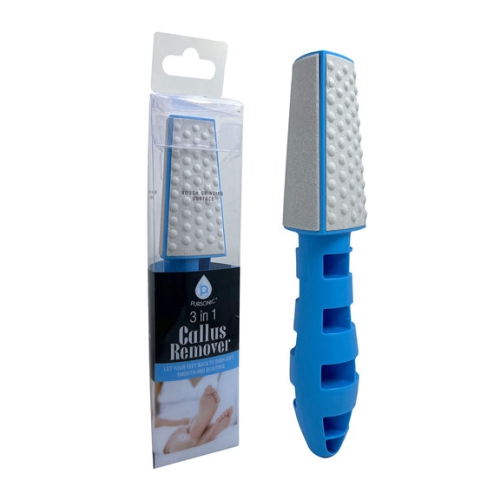
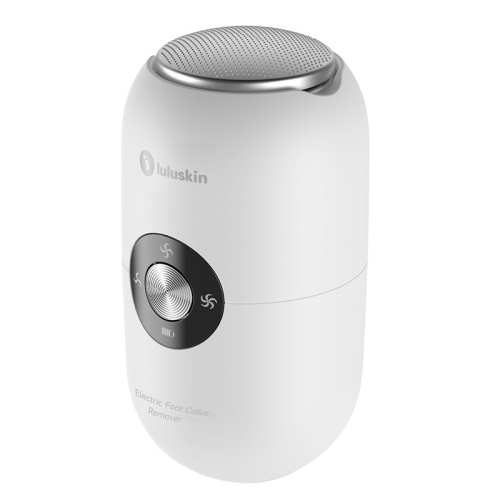
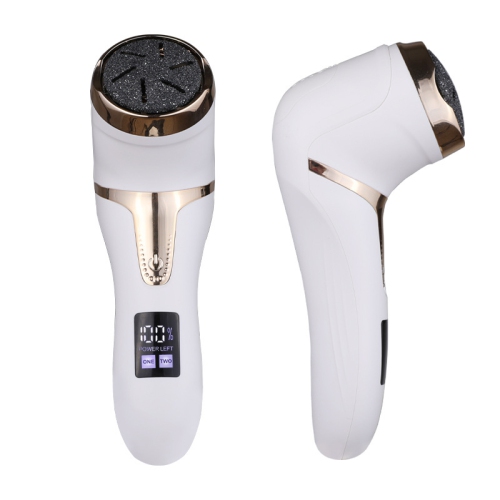
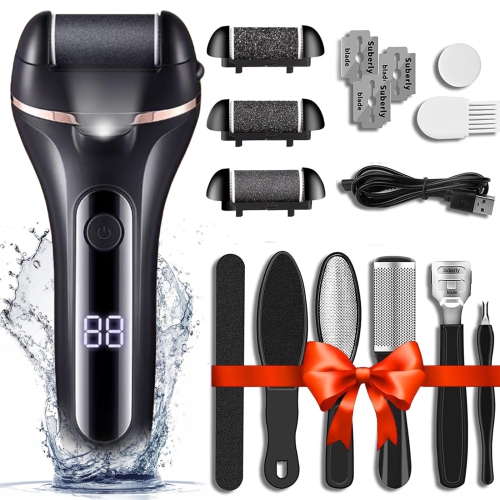
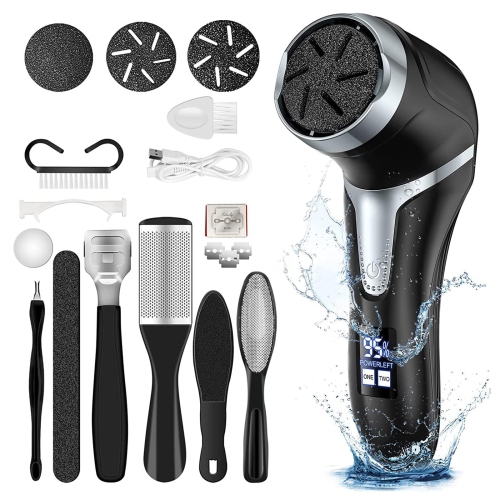
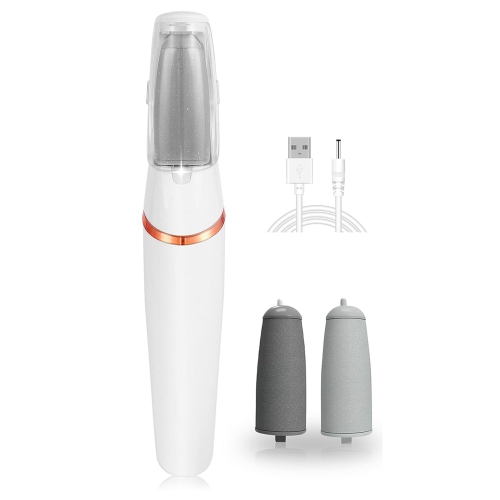
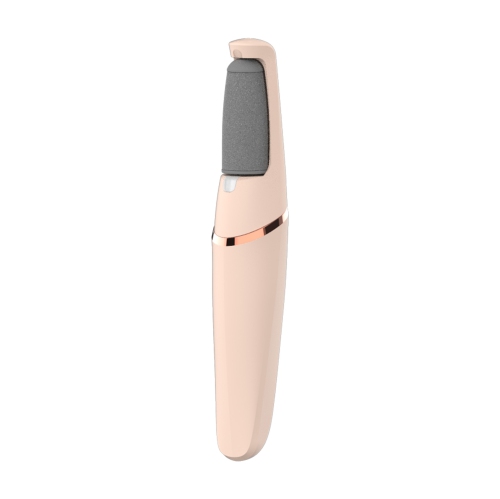
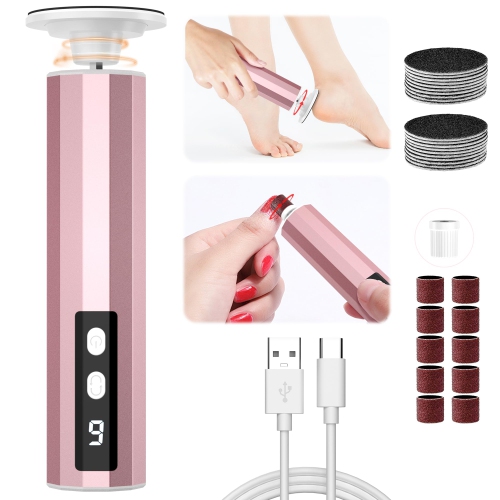
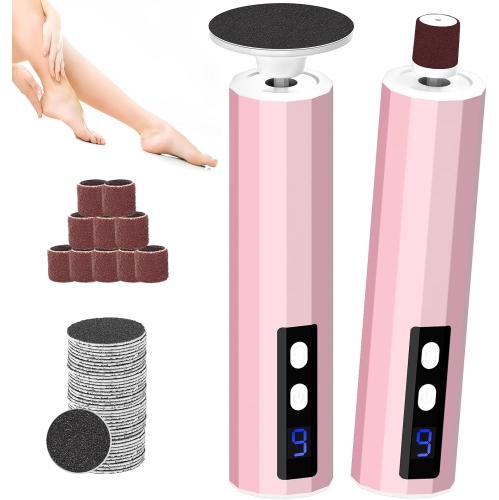
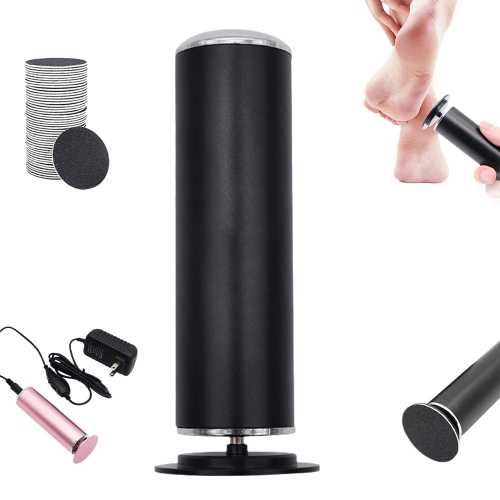
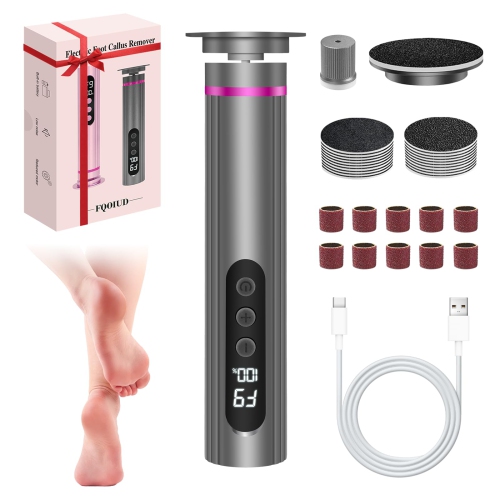
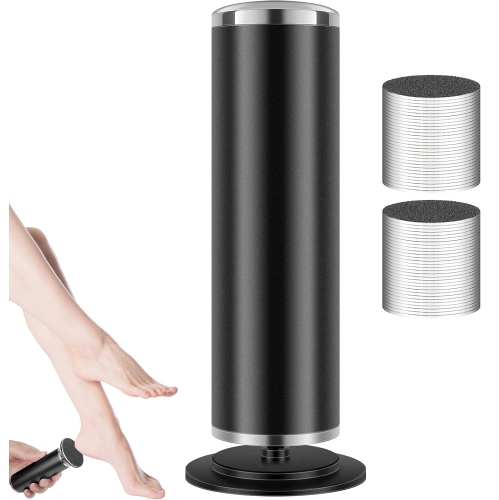
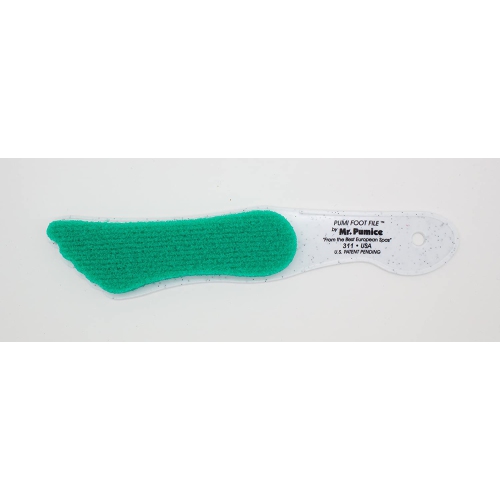
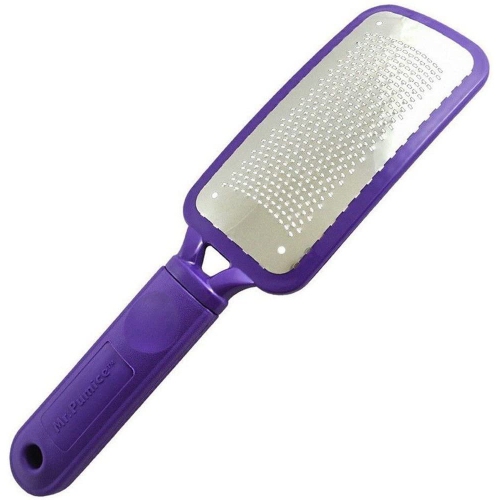
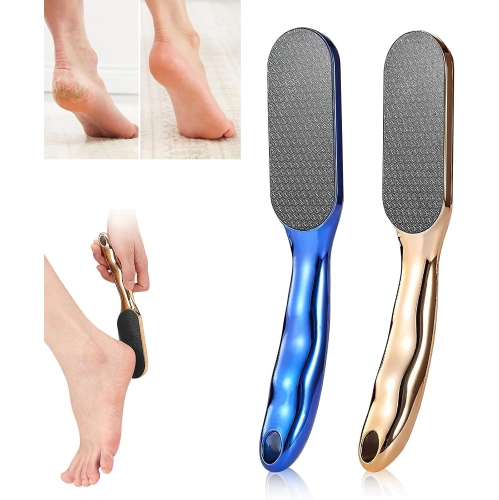
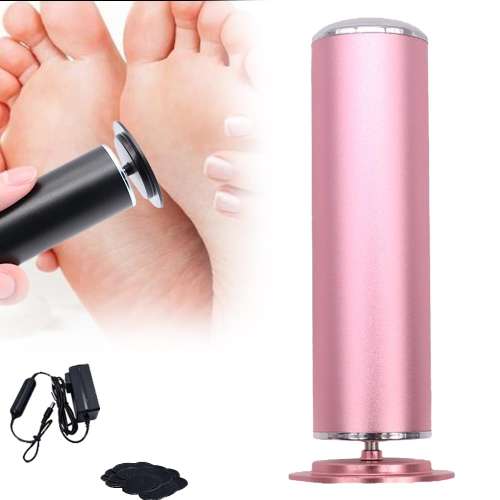
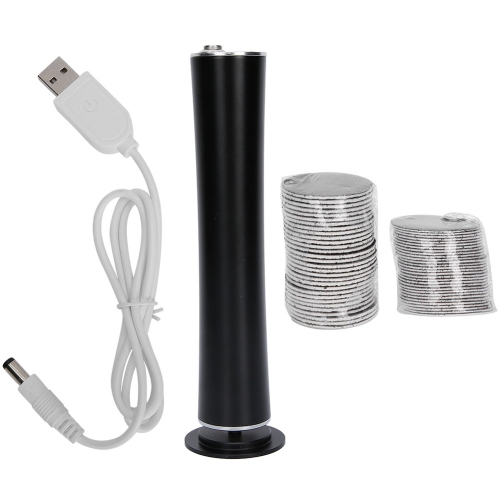
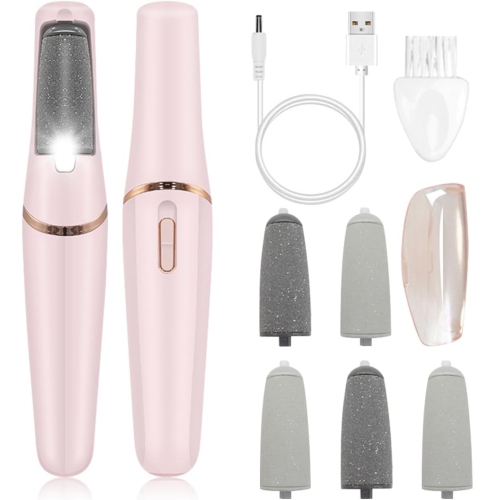
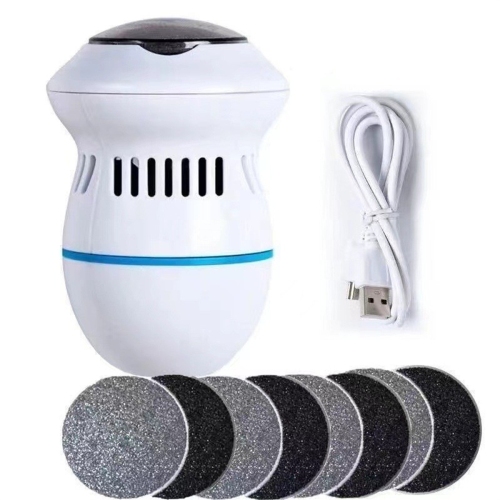
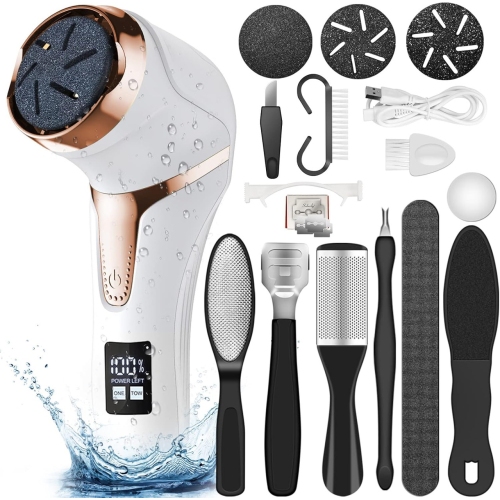
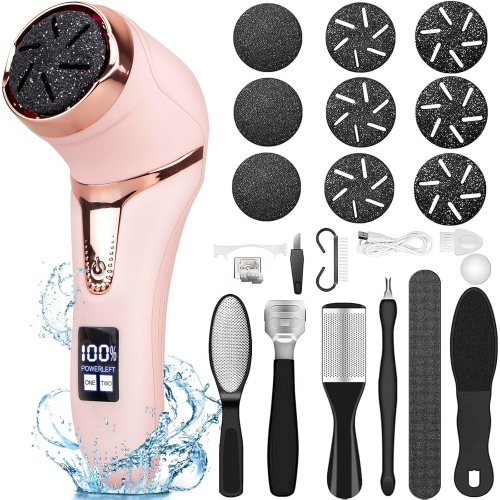
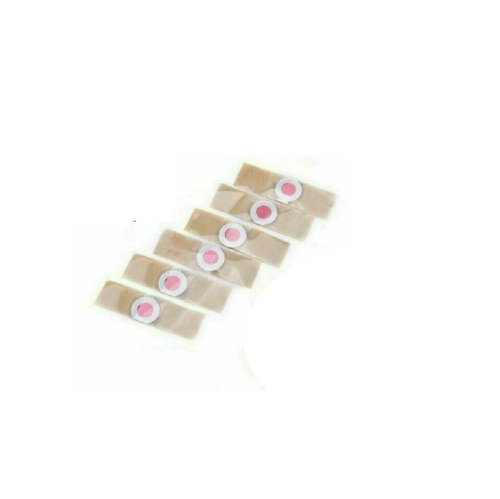
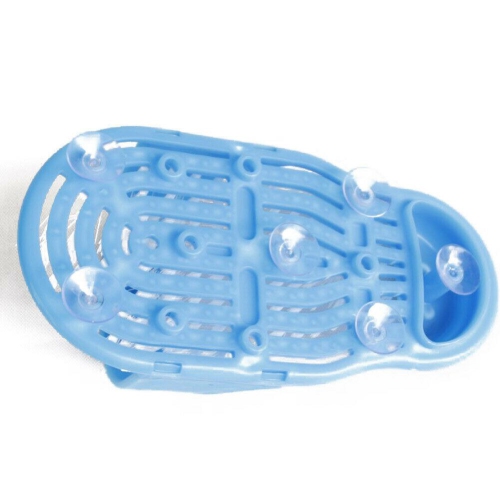
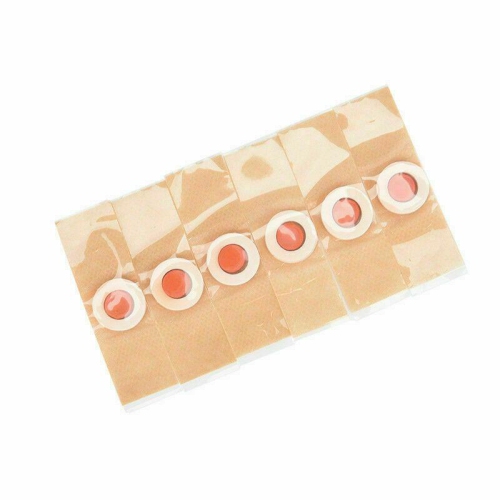
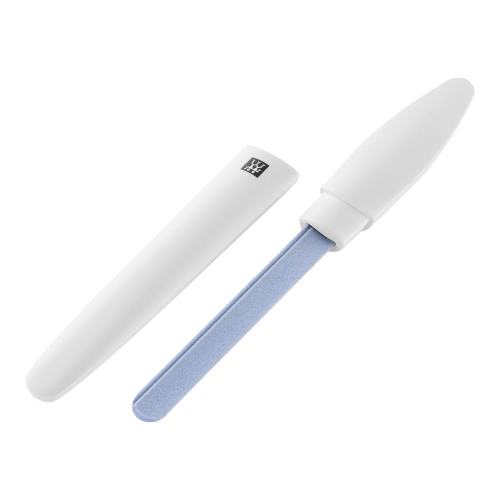
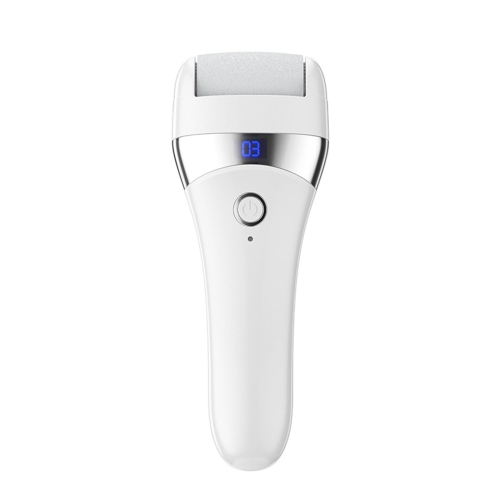
Callus removers are designed to help smooth areas of thick, hardened skin that commonly develop on the heels, balls of the feet, and along the sides of the toes. Repeated pressure from walking, standing, exercise, or footwear can cause the skin to become dry, rough, and less comfortable over time. A foot file, rasp, electronic roller, or topical treatment can make it easier to manage this texture as part of a regular foot-care routine. The right option depends on how thick the callus is, how much control you prefer, and whether you want a hands-on tool or a powered device to do more of the work. Manual files offer a simple approach and are often made with different surfaces, allowing you to begin with a more textured side and finish with a finer surface. They are useful for carefully targeting a small area and can be a practical choice for anyone who prefers a quiet, straightforward routine. Electronic callus removers use a rotating roller or similar mechanism to buff away rough skin with consistent motion, which can be helpful when reaching the heels is uncomfortable or when filing by hand takes too much effort. For a broader selection of powered foot-care devices, explore Electric Foot Grinders. Chemical callus treatments, including gels, creams, or medicated pads, use ingredients such as salicylic acid to soften and loosen hardened skin over several applications. These treatments can be convenient for targeted areas, although it is important to follow the package directions closely and avoid applying them to broken, irritated, or inflamed skin.
Preparation makes a noticeable difference when using a physical callus remover. Soaking your feet in warm, soapy water for several minutes can soften the outer layer of hardened skin and make gentle filing more comfortable. After soaking, dry your feet thoroughly and use the tool with light, controlled strokes rather than pressing firmly or trying to remove a large amount of skin at once. Move in a steady direction that follows the shape of the foot, checking the surface often so you can stop before the skin becomes tender. A callus remover should smooth roughness gradually, not leave the area raw or sensitive. Avoid using razors, blades, scissors, or other sharp instruments to cut calluses at home, since an accidental nick can be difficult to manage and may become irritated. Electronic models may include interchangeable rollers, speed settings, or washable components, so look for features that match your comfort level and cleaning preferences. Battery-operated options can be convenient for storing in a bathroom cabinet or packing for travel, while rechargeable designs can reduce the need to keep spare batteries nearby. For manual tools, consider the shape of the handle, the grip, the size of the filing surface, and whether the texture is suitable for your needs. If you are choosing a topical product, review the active ingredients, recommended application schedule, and any warnings before use. After filing, rinsing away loose skin and applying a moisturising foot cream can help leave the skin feeling softer. Regular, moderate care is generally more comfortable than waiting until a thick patch becomes painful or catches on socks.
Callus removers may suit people who spend long hours on their feet, walk frequently, participate in fitness activities, or wear footwear that creates repeated friction. They can also be a thoughtful practical gift for someone who enjoys at-home grooming, keeps a regular pedicure routine, or appreciates useful personal-care accessories during the cooler months, when indoor heating and dry air can leave skin feeling less supple. A manual file may appeal to someone who values precision and a compact design, while an electronic model can be a welcome choice for a person who prefers a quicker routine with less repetitive hand movement. When selecting a callus remover as a gift, consider whether the recipient is likely to prefer a simple tool, a powered device, or a treatment that requires repeated use. Comfort, ease of cleaning, storage, and replacement roller or pad availability can all influence long-term convenience. Anyone with diabetes, reduced sensation, poor circulation, neuropathy, very sensitive skin, or a condition affecting the feet should speak with a healthcare professional before using abrasive tools or chemical treatments. Professional advice is also appropriate for deep cracks, bleeding, swelling, signs of infection, persistent pain, or calluses that return quickly despite changes to footwear and daily habits. Well-fitting shoes and moisture-wicking socks can help reduce the friction and pressure that contribute to rough skin, while applying moisturiser regularly can support a more comfortable foot-care routine. With the right format and a gentle approach, callus removers can be a useful addition to personal care, helping feet feel smoother and more comfortable through changing seasons.
Preparation makes a noticeable difference when using a physical callus remover. Soaking your feet in warm, soapy water for several minutes can soften the outer layer of hardened skin and make gentle filing more comfortable. After soaking, dry your feet thoroughly and use the tool with light, controlled strokes rather than pressing firmly or trying to remove a large amount of skin at once. Move in a steady direction that follows the shape of the foot, checking the surface often so you can stop before the skin becomes tender. A callus remover should smooth roughness gradually, not leave the area raw or sensitive. Avoid using razors, blades, scissors, or other sharp instruments to cut calluses at home, since an accidental nick can be difficult to manage and may become irritated. Electronic models may include interchangeable rollers, speed settings, or washable components, so look for features that match your comfort level and cleaning preferences. Battery-operated options can be convenient for storing in a bathroom cabinet or packing for travel, while rechargeable designs can reduce the need to keep spare batteries nearby. For manual tools, consider the shape of the handle, the grip, the size of the filing surface, and whether the texture is suitable for your needs. If you are choosing a topical product, review the active ingredients, recommended application schedule, and any warnings before use. After filing, rinsing away loose skin and applying a moisturising foot cream can help leave the skin feeling softer. Regular, moderate care is generally more comfortable than waiting until a thick patch becomes painful or catches on socks.
Callus removers may suit people who spend long hours on their feet, walk frequently, participate in fitness activities, or wear footwear that creates repeated friction. They can also be a thoughtful practical gift for someone who enjoys at-home grooming, keeps a regular pedicure routine, or appreciates useful personal-care accessories during the cooler months, when indoor heating and dry air can leave skin feeling less supple. A manual file may appeal to someone who values precision and a compact design, while an electronic model can be a welcome choice for a person who prefers a quicker routine with less repetitive hand movement. When selecting a callus remover as a gift, consider whether the recipient is likely to prefer a simple tool, a powered device, or a treatment that requires repeated use. Comfort, ease of cleaning, storage, and replacement roller or pad availability can all influence long-term convenience. Anyone with diabetes, reduced sensation, poor circulation, neuropathy, very sensitive skin, or a condition affecting the feet should speak with a healthcare professional before using abrasive tools or chemical treatments. Professional advice is also appropriate for deep cracks, bleeding, swelling, signs of infection, persistent pain, or calluses that return quickly despite changes to footwear and daily habits. Well-fitting shoes and moisture-wicking socks can help reduce the friction and pressure that contribute to rough skin, while applying moisturiser regularly can support a more comfortable foot-care routine. With the right format and a gentle approach, callus removers can be a useful addition to personal care, helping feet feel smoother and more comfortable through changing seasons.
Top selling and popular products
-
 Your price for this item is $13.3
 -
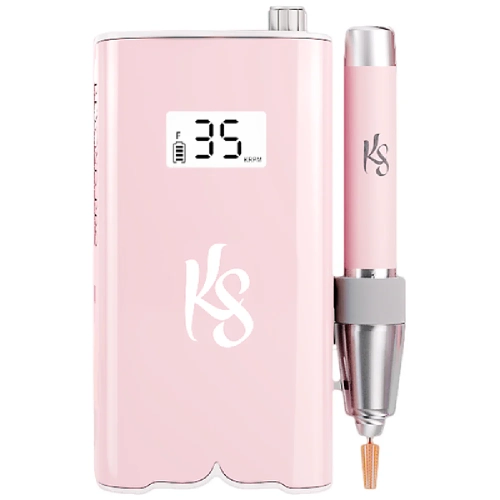 Your price for this item is $349.99
 -
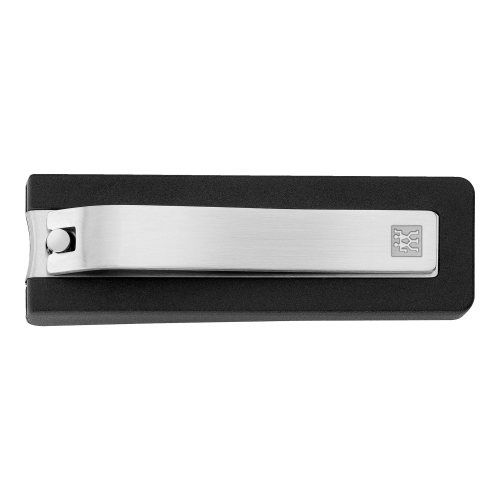 Your price for this item is $67
 -
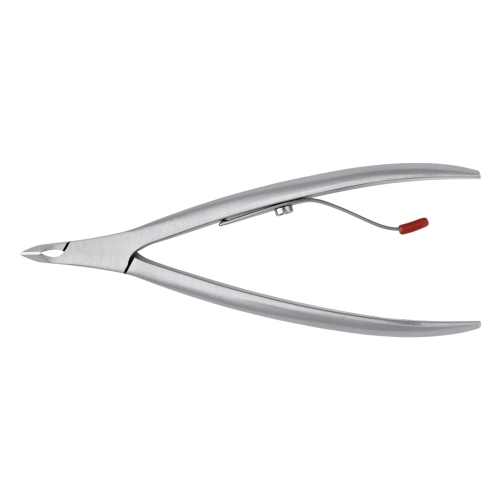 Your price for this item is $120
 -
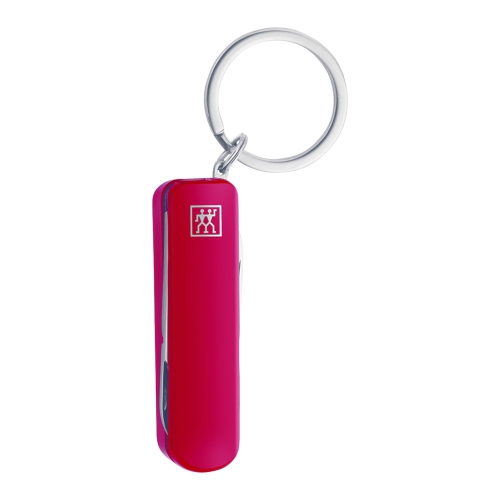 Your price for this item is $42
 -
 Your price for this item is $499.99
 -
 Your price for this item is $35
 -
 Your price for this item is $80
Discover more categories related to Callus Removers
Top Collections:
Pokemon Centers, Kindle Devices, Best Budget Office Chairs, Apple iPhones 16, Canon G7X Cameras, iPhone 15 Apple, Alarm Clock, Refurbished Apple Laptops, Flip Phones, Best Laptops for Writers
Some products may be subject to Environmental Handling Fees
(EHF) depending on your province.
Learn more about EHFs.