Curling Irons With Auto Shut Off
Curling Irons With Auto Shut Off offer a convenient and reliable styling solution for anyone looking to achieve beautiful curls with added peace of mind. Designed for modern lifestyles, these curling irons make it easy to create a variety of looks, from loose waves to tight ringlets, while helping you feel confident as you style. Explore a wide selection of Curling Irons With Auto Shut Off to find the perfect fit for your hair type and styling routine.
Sort
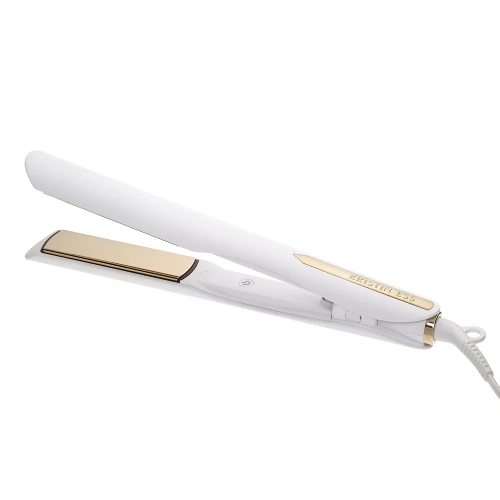
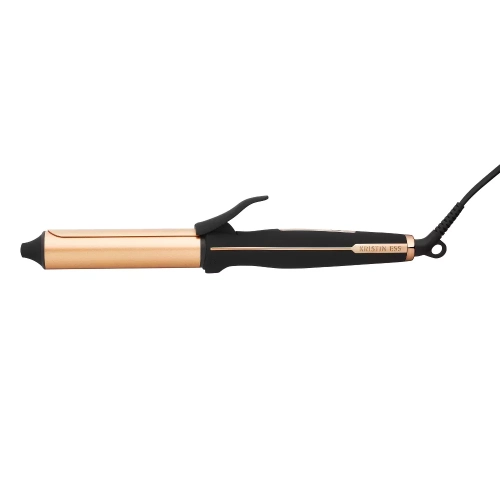
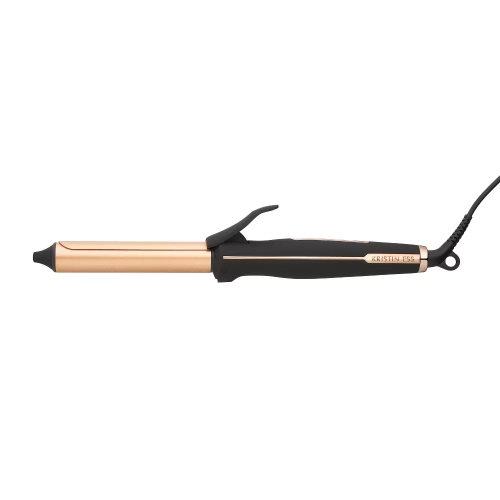
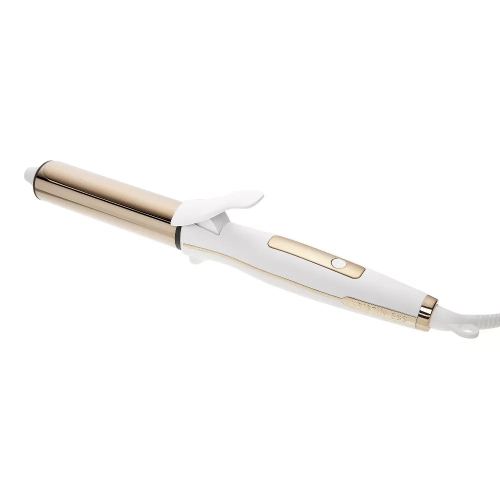

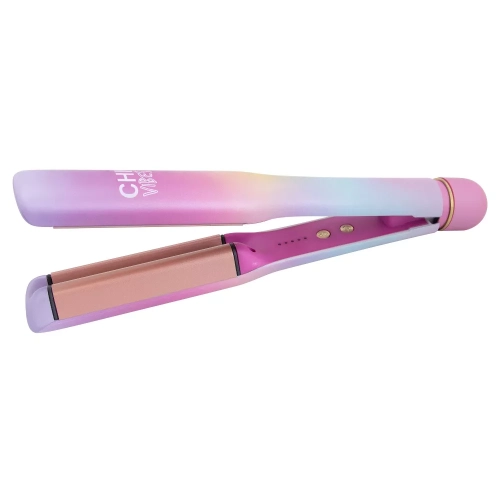
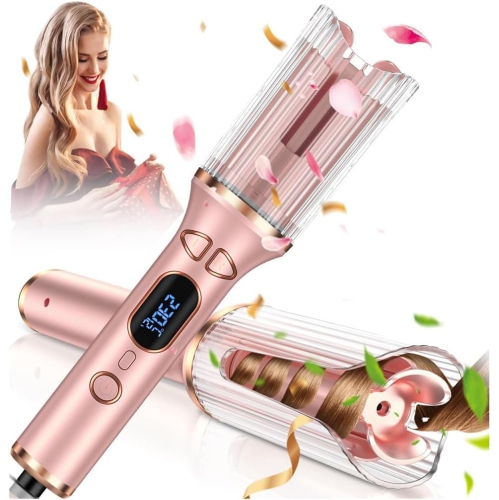
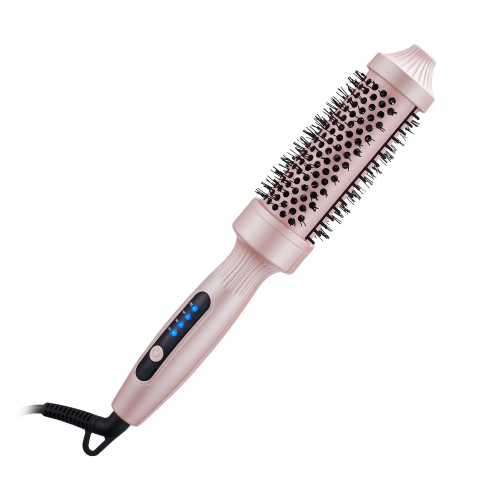
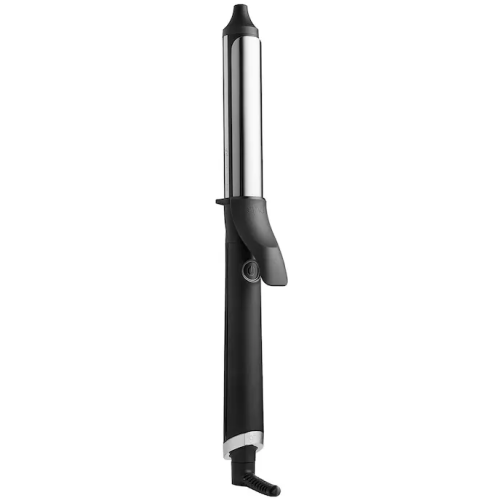
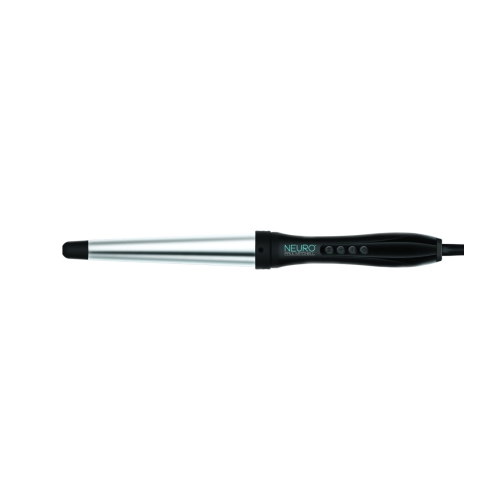
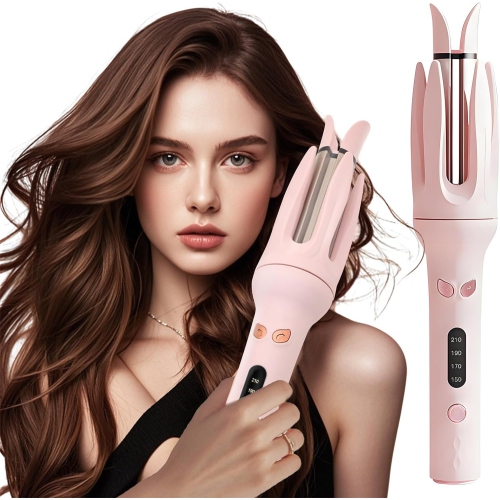
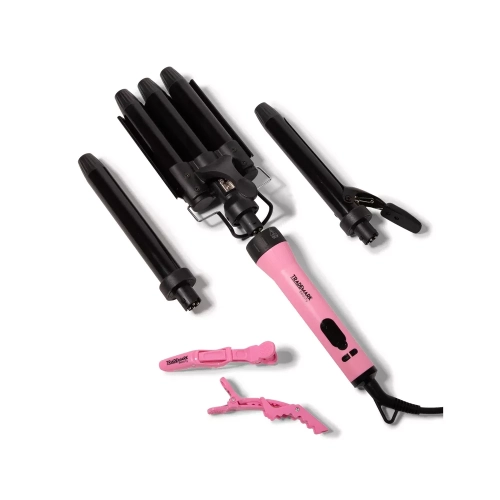
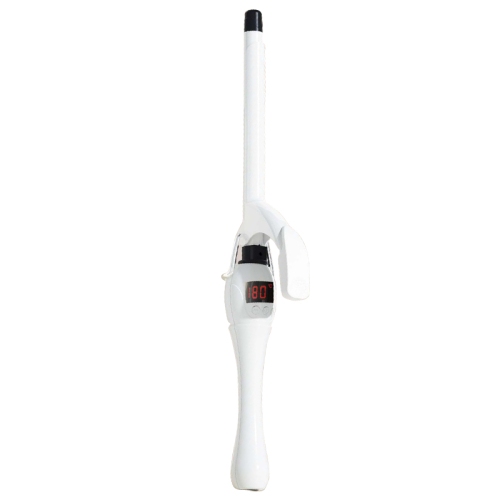
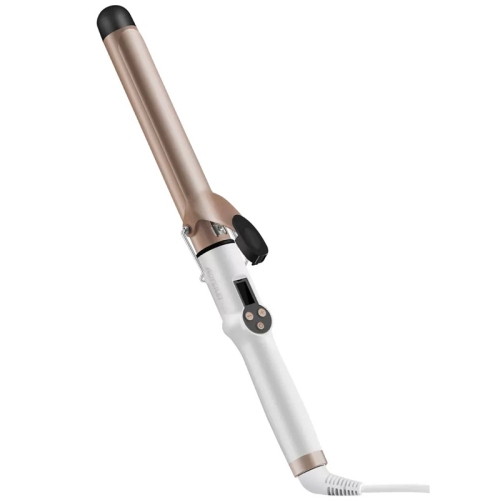
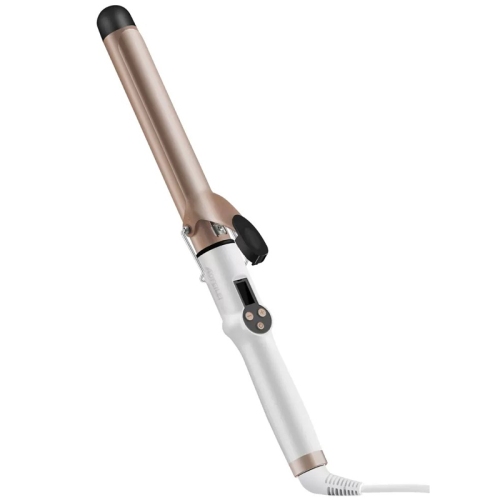
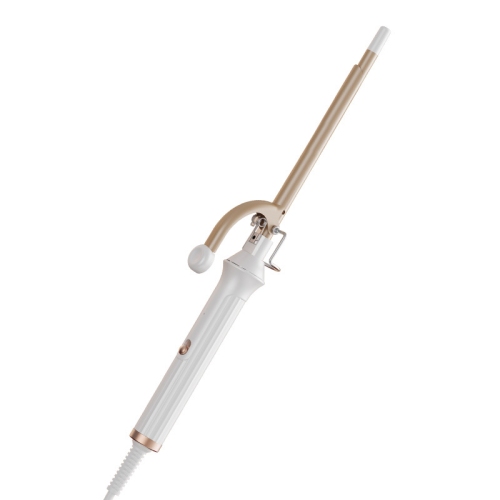
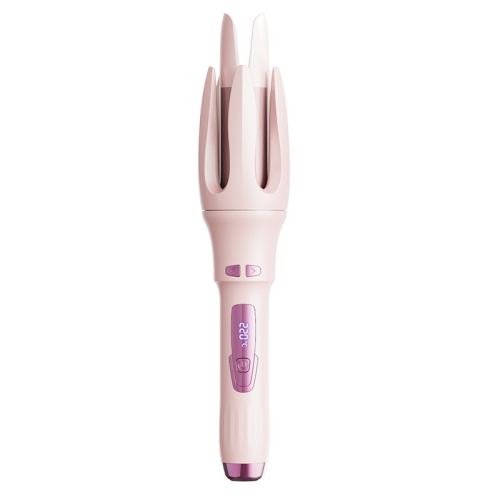
How shut-off timers work when styling gets interrupted
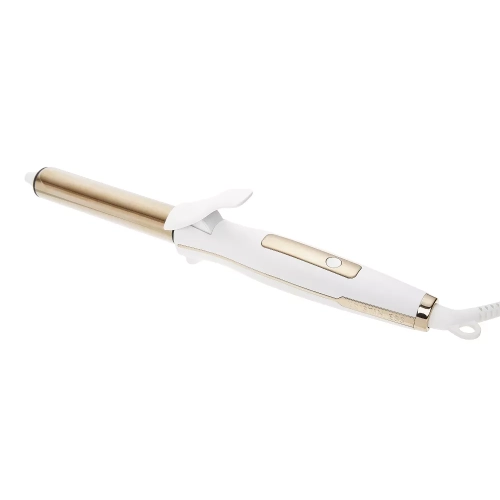
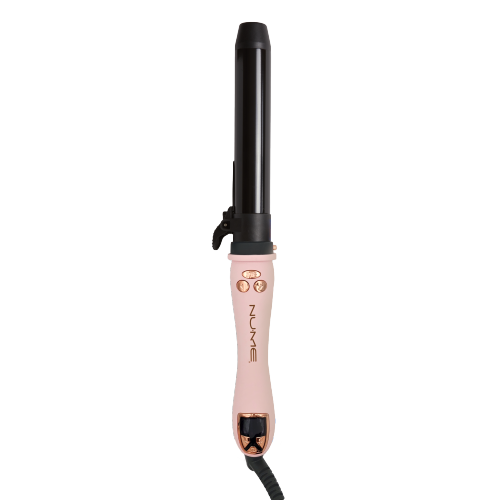
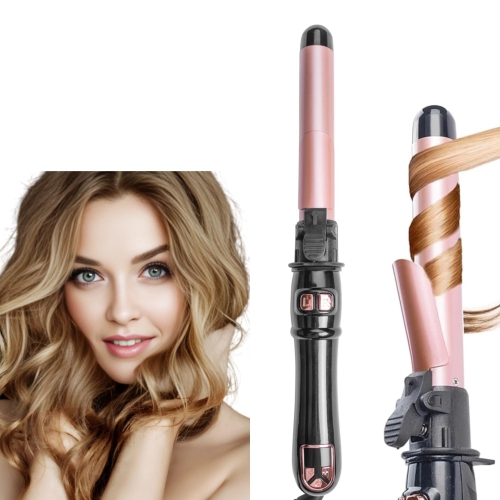
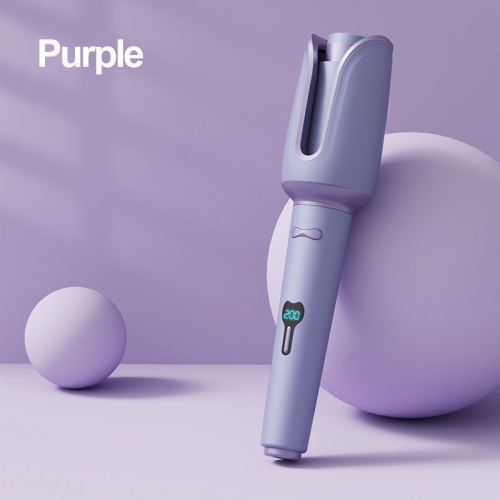
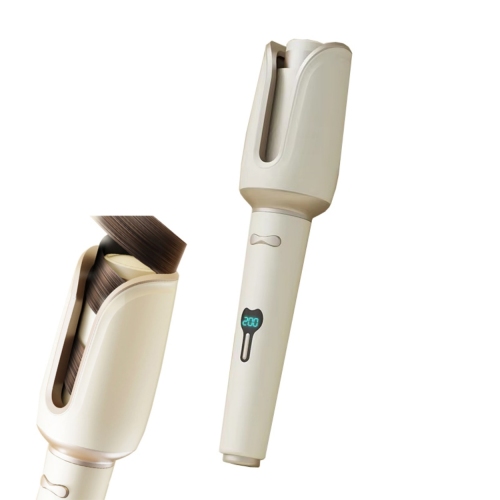
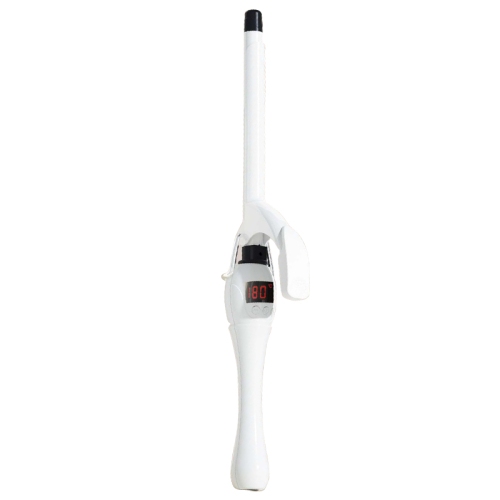
Curling irons with auto shut-off combine heat styling with a built-in timer that switches off the heating function after a defined period. Many tools use a shut-off interval of around 30 to 60 minutes, although the exact timing and trigger vary by model. Some count elapsed time from when the iron is turned on, while others respond to inactivity, so the feature description and manufacturer’s instructions matter more than a general assumption about how the timer works. Automatic shut-off adds a useful layer of protection when a styling routine gets interrupted by a phone call or a knock at the door, but it does not replace switching the tool off and unplugging it after use. The barrel can remain hot after the power stops, and the iron still needs a stable, heat-resistant resting surface away from water, towels, and other materials that could be damaged by heat. This feature is separate from automatic curling: an iron can switch itself off without having a motorized barrel, and a rotating curler needs its own stated shut-off function. Within this category, familiar spring-clamp irons hold the ends of a section against the barrel, while clamp-free wands let the user wrap hair around the heated surface. Rotating designs help wind the section, with the direction and wrapping method depending on the tool. Each format suits a different styling habit. A clamp iron can offer control when creating polished curls throughout the hair, while a wand makes it easier to leave the ends out for a looser finish. For someone who styles before work, touches up face-framing pieces, or spends longer shaping curls for an occasion, the combination of comfortable handling, suitable heat settings, and clearly documented automatic shut-off is more meaningful than the safety feature alone. An accessible power button and a clear on-off indicator also make it easier to confirm the tool’s status before setting it down.
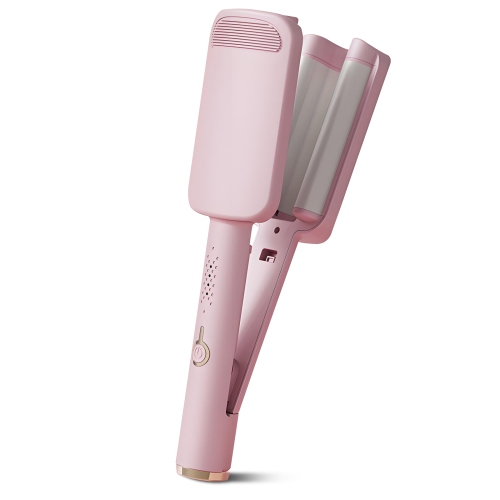
Barrel size, shape, and surface material influence how a curling iron fits a particular hair length and intended look. A narrower barrel generally creates smaller, more defined curls, while a wider barrel tends to produce broader bends and loose waves when there is enough hair length to wrap around it. A 1-inch barrel is a versatile middle ground for many styles, but the finished result also depends on section size, hair texture, wrapping technique, and how much the curl relaxes after cooling. Short hair often benefits from a barrel that allows a controlled wrap without bringing the heated surface too close to the scalp. Longer hair may be easier to work with on an extended barrel, which gives the section more room rather than requiring overlapping layers. Straight barrels create a more uniform curl diameter, while tapered wands allow variation along the curl. Ceramic surfaces are commonly used for smooth contact and even heat distribution; some barrels have a ceramic coating over another material rather than a solid ceramic construction. Titanium barrels typically transfer heat readily, making careful temperature selection especially important. Tourmaline may be incorporated into a coating, but the material name alone does not establish how gently or effectively a tool will style a particular head of hair. Adjustable heat is a practical consideration for fine, colour-treated, or fragile hair, which may need lower settings than thicker or more resistant strands. The lowest effective setting is a sensible starting point, and a higher maximum temperature is not automatically an advantage. Unless a tool is expressly designed otherwise, hair should be fully dry before curling, with a suitable heat protectant applied according to its directions. Small, manageable sections help distribute contact more consistently. Holding hair against the barrel longer to force a result can increase heat exposure; matching the barrel and setting to the hair is a better foundation for repeatable styling. Letting curls cool before separating them can also help preserve their shape without immediately applying more heat.
Everyday comfort and upkeep can make as much difference as the curl itself, particularly for someone styling the back of the head or working through thick hair in several layers. A balanced handle, a manageable tool weight, and controls positioned away from the natural grip can make the routine less awkward. On a clamp iron, smooth spring action helps hold a section without excessive pressure, while a swivel cord allows the handle to turn without twisting the cable as readily. A cool tip can provide a designated handling point, but only the areas identified by the manufacturer should be touched during use. Any included heat-resistant glove offers limited protection rather than permission to hold a hot barrel. A built-in stand is useful for resting the iron between sections, provided it sits securely on a suitable surface. Clear temperature markings or a readable display can help distinguish the selected setting from a heat-ready signal, which is not necessarily the same thing. For travel, voltage compatibility needs to be explicitly stated; a plug adapter does not convert voltage, and automatic shut-off says nothing about whether an iron can be used with another electrical supply. For households where styling preferences vary, or for someone who enjoys switching between defined curls and broad waves, Curling Iron Sets can be another format to consider, with each tool’s or attachment’s compatibility and safety features checked individually. As a gift, a curling iron is most useful when its barrel size, controls, and styling method match the recipient’s routine rather than simply offering the most functions. Long-term care starts with unplugging the iron and allowing it to cool completely before cleaning or storage. Styling residue should be removed only by the method specified in the instructions, without immersing the tool in water or scraping its surface. Loosely storing the cord rather than winding it tightly around the handle helps avoid strain at the connection. A damaged cable, chipped coating, unreliable clamp, or erratic operation warrants stopping use and consulting the manufacturer’s guidance.
Barrel size, shape, and surface material influence how a curling iron fits a particular hair length and intended look. A narrower barrel generally creates smaller, more defined curls, while a wider barrel tends to produce broader bends and loose waves when there is enough hair length to wrap around it. A 1-inch barrel is a versatile middle ground for many styles, but the finished result also depends on section size, hair texture, wrapping technique, and how much the curl relaxes after cooling. Short hair often benefits from a barrel that allows a controlled wrap without bringing the heated surface too close to the scalp. Longer hair may be easier to work with on an extended barrel, which gives the section more room rather than requiring overlapping layers. Straight barrels create a more uniform curl diameter, while tapered wands allow variation along the curl. Ceramic surfaces are commonly used for smooth contact and even heat distribution; some barrels have a ceramic coating over another material rather than a solid ceramic construction. Titanium barrels typically transfer heat readily, making careful temperature selection especially important. Tourmaline may be incorporated into a coating, but the material name alone does not establish how gently or effectively a tool will style a particular head of hair. Adjustable heat is a practical consideration for fine, colour-treated, or fragile hair, which may need lower settings than thicker or more resistant strands. The lowest effective setting is a sensible starting point, and a higher maximum temperature is not automatically an advantage. Unless a tool is expressly designed otherwise, hair should be fully dry before curling, with a suitable heat protectant applied according to its directions. Small, manageable sections help distribute contact more consistently. Holding hair against the barrel longer to force a result can increase heat exposure; matching the barrel and setting to the hair is a better foundation for repeatable styling. Letting curls cool before separating them can also help preserve their shape without immediately applying more heat.
Everyday comfort and upkeep can make as much difference as the curl itself, particularly for someone styling the back of the head or working through thick hair in several layers. A balanced handle, a manageable tool weight, and controls positioned away from the natural grip can make the routine less awkward. On a clamp iron, smooth spring action helps hold a section without excessive pressure, while a swivel cord allows the handle to turn without twisting the cable as readily. A cool tip can provide a designated handling point, but only the areas identified by the manufacturer should be touched during use. Any included heat-resistant glove offers limited protection rather than permission to hold a hot barrel. A built-in stand is useful for resting the iron between sections, provided it sits securely on a suitable surface. Clear temperature markings or a readable display can help distinguish the selected setting from a heat-ready signal, which is not necessarily the same thing. For travel, voltage compatibility needs to be explicitly stated; a plug adapter does not convert voltage, and automatic shut-off says nothing about whether an iron can be used with another electrical supply. For households where styling preferences vary, or for someone who enjoys switching between defined curls and broad waves, Curling Iron Sets can be another format to consider, with each tool’s or attachment’s compatibility and safety features checked individually. As a gift, a curling iron is most useful when its barrel size, controls, and styling method match the recipient’s routine rather than simply offering the most functions. Long-term care starts with unplugging the iron and allowing it to cool completely before cleaning or storage. Styling residue should be removed only by the method specified in the instructions, without immersing the tool in water or scraping its surface. Loosely storing the cord rather than winding it tightly around the handle helps avoid strain at the connection. A damaged cable, chipped coating, unreliable clamp, or erratic operation warrants stopping use and consulting the manufacturer’s guidance.
Top selling and popular products
-
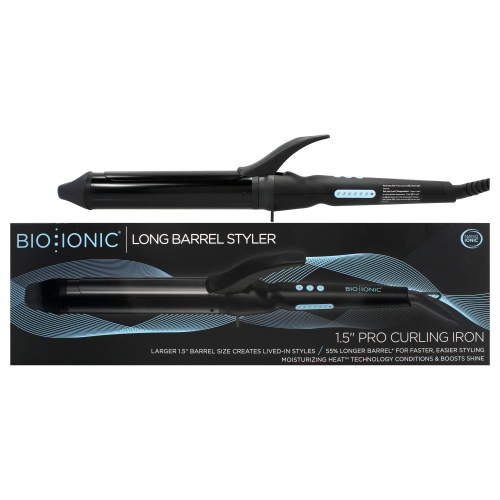 Your price for this item is $136.76
 -
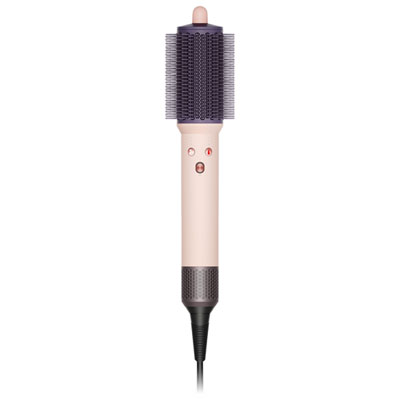 Your price for this item is $349.99
 -
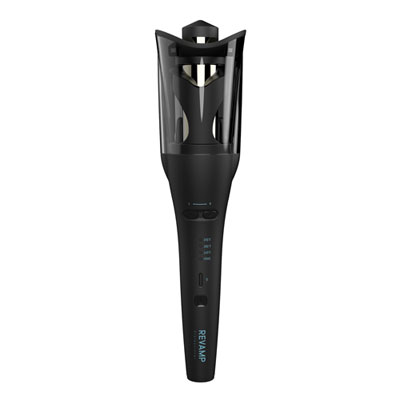 Your price for this item is $149.99
 -
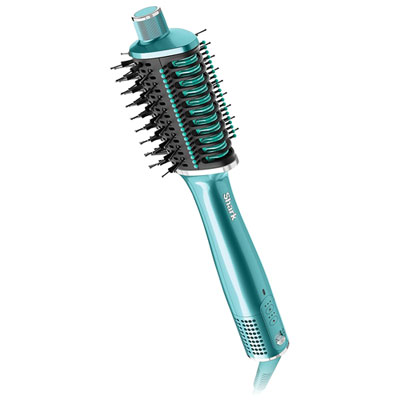 Your price for this item is $229.99
 -
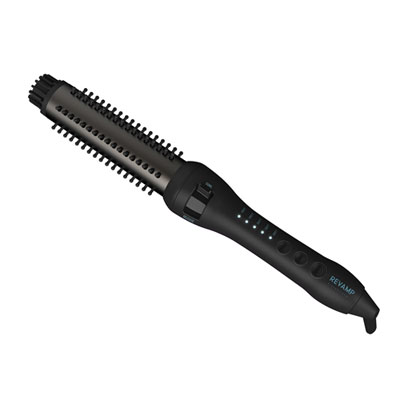 Your price for this item is $59.98
 -
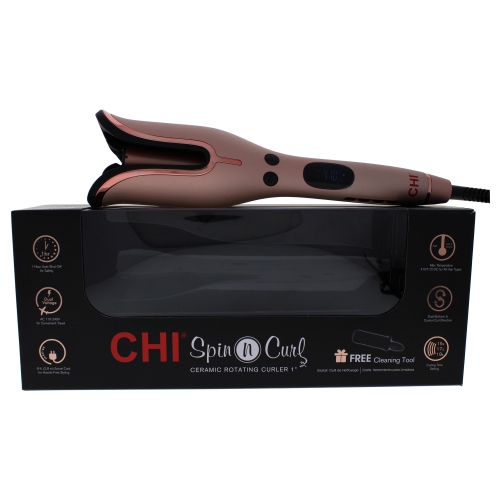 Your price for this item is $318.99
 -
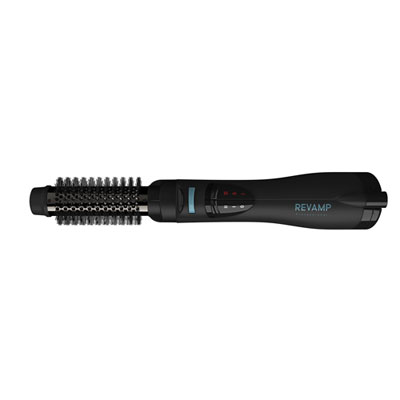 Your price for this item is $149.99
 -
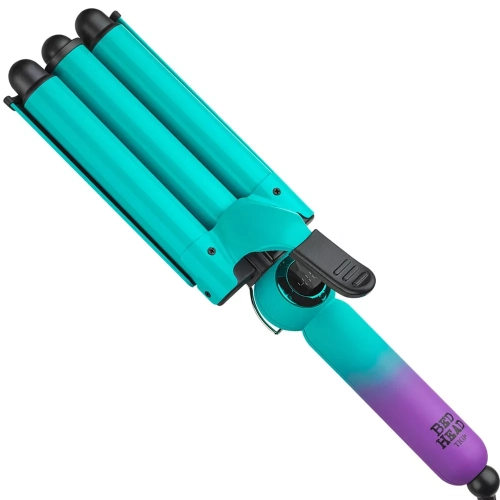 Your price for this item is $197.99
Discover more categories related to Curling Irons With Auto Shut Off
Top Collections:
Pokemon Centers, Kindle Devices, Best Budget Office Chairs, Apple iPhones 16, Best Laptops for Writers, iPhone 15 Apple, Canon G7X Cameras, Refurbished Apple Laptops, Alarm Clock, Motorola Razr Phones
Some products may be subject to Environmental Handling Fees
(EHF) depending on your province.
Learn more about EHFs.