Curly Hair Combs
Achieve the perfect curls you've always dreamed of with our collection of curly hair combs. Designed for those with curly or wavy hair, these combs are expertly crafted to gently detangle and define your natural curls. Whether you're looking for a wide-tooth comb for maximum control and minimal breakage or a fine-tooth comb for precise styling, we have a variety of options to suit your unique needs. Say goodbye to frizz and hello to beautiful, bouncy curls with our selection of top-quality curly hair combs.
Sort

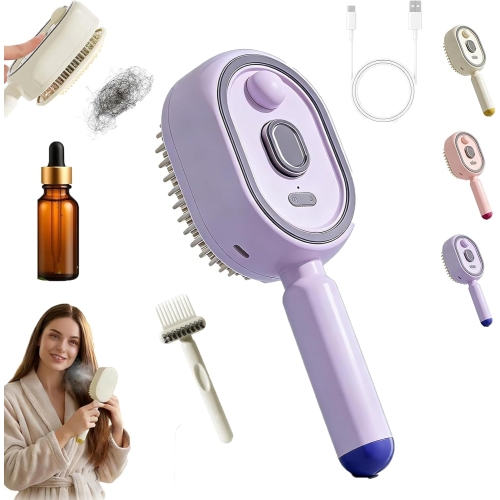
Why tooth spacing matters for gentler curl detangling
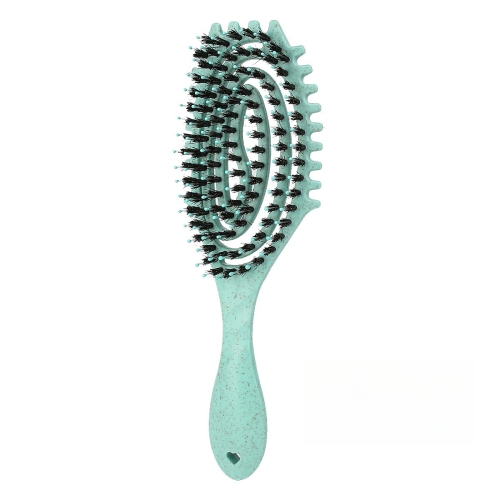
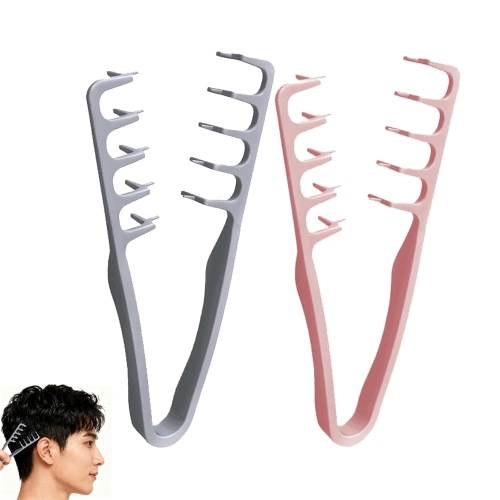
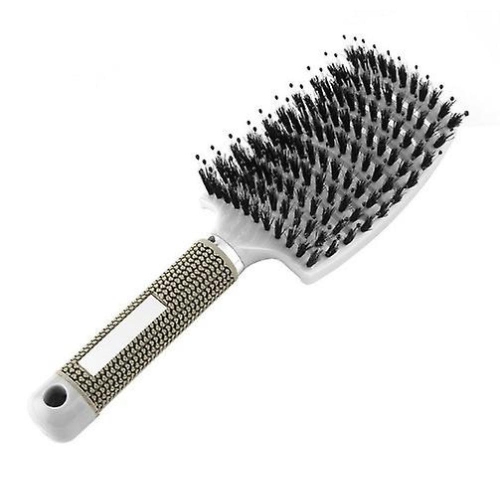
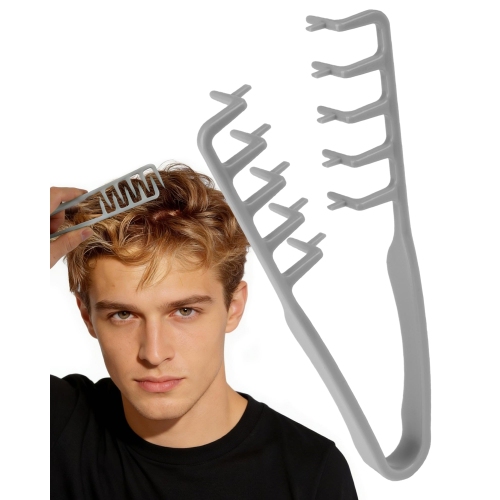
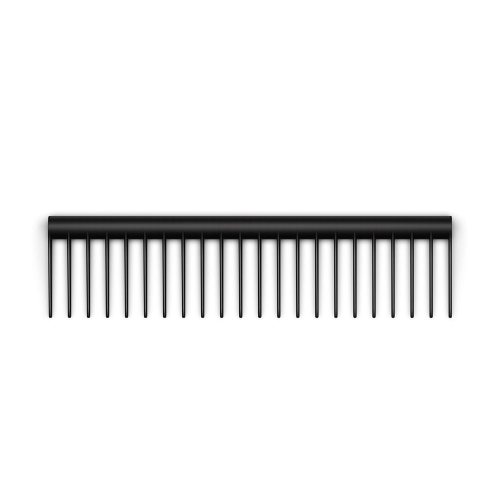
Curly hair combs are designed to separate strands, ease tangles, and shape textured hair while leaving room for its natural bends and spirals. A wide-tooth comb is often a good choice for detangling curly hair because the spaces between its teeth allow curls to pass through with less crowding than a fine-tooth comb. That spacing can help reduce snagging and avoid pulling apart curl groupings unnecessarily, although the finish also depends on hair condition, technique, and whether a suitable conditioner or detangling product is used. Loose waves, springy ringlets, and tightly coiled hair do not all respond to the same tool, and curl pattern is only part of the picture. Density, strand thickness, length, and the tendency to form knots also influence how comfortable a comb feels. Dense hair may benefit from longer teeth that reach through a manageable section, while shorter hair may be easier to work with using a smaller comb that offers closer control. For someone whose hair tangles at the nape or where it rubs against clothing, smooth, generously spaced teeth can make those areas easier to work through without repeated tugging. Wide-tooth detangling combs, hair picks, and combs used for sectioning each serve a different purpose. A detangling comb helps loosen knots through the lengths; a pick can lift the roots for a fuller shape; and a pointed handle can help create parts for braids, twists, or other sectioned styles. Fine teeth may be useful for precise finishing in some hairstyles, but they are not usually the first choice for working through dense curls from root to tip. A comb’s value lies in how well it suits the task, rather than how many styling jobs it promises to perform. For everyday curl care, a comfortable grip, smooth tooth surfaces, and appropriate spacing are often more useful than an elaborate design, especially when the same tool is used regularly through long sections of hair.
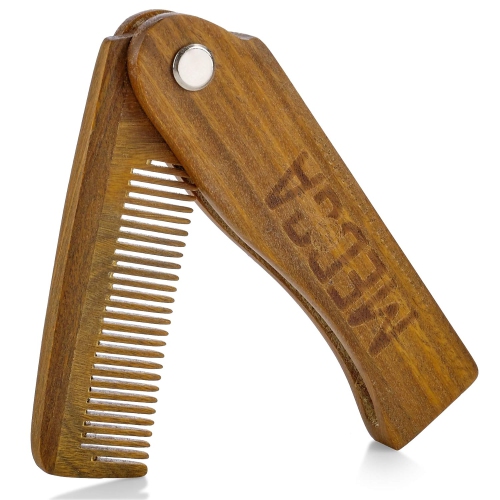
Materials and construction make a noticeable difference to the way a curly hair comb moves through the hair and holds up to repeated use. Plastic and resin combs are generally lightweight, and many tolerate regular contact with water, making them practical for routines that include detangling with conditioner. Polycarbonate is used in some sturdy comb designs, although overall strength also depends on tooth thickness and construction. A little flexibility can make a comb feel more forgiving, but teeth that bend excessively may offer less control through thick sections. Rigid teeth can provide a steadier feel, provided the user does not force them through resistance. Wood combs have a different feel in the hand and may suit someone who prefers to detangle outside the shower; their suitability for damp hair depends on the finish and the maker’s care directions. Metal combs and picks can be durable, but well-finished tips and smooth edges are particularly important for comfortable contact with the scalp. Across materials, the details worth noticing are rounded tooth tips, surfaces without rough seams, and a handle that stays comfortable without requiring a tight grip. A broad handle may be easier to hold with conditioner on the hands, while a compact, handle-free shape may appeal to someone who likes to keep the palm close to the teeth for control. Comb size also affects storage and portability. A smaller tool can fit into a toiletry bag, but very short teeth may be less effective at reaching through a dense section of hair. A larger comb offers more reach, though it still works best when the hair is divided into sections it can pass through comfortably. For related tools and additions to a grooming routine, Hair Comb Accessories offers a related category to explore. The most useful combination is one that supports the wearer’s usual hairstyles without adding tools that duplicate the same job.
Intended use matters just as much as the comb’s shape. Many people with curly or coily hair find detangling more comfortable when the hair is damp or wet and coated with conditioner or a suitable detangler, which provides slip between strands. Wet hair is also more vulnerable to damage, so a wide-tooth design does not make forceful combing harmless. Working in manageable sections, loosening knots near the ends first, and gradually moving higher can reduce the pulling that happens when a comb meets several tangles at once. Holding the section above a knot can also limit tension at the scalp. A stubborn knot may need gentle separation with the fingers rather than another pass of the comb. Dry combing has a different purpose and result: it can separate defined curls and create a softer, fuller look, which may be welcome for some styles but unwanted for others. A pick used lightly at the roots can add lift without being drawn all the way through the ends. These distinctions make curly hair combs useful for adults caring for their own texture, caregivers helping children with wash-day routines, and anyone maintaining braids, twists, or natural curls between styling sessions. For children or people with tender scalps, rounded tips and patient handling are especially important; no comb can guarantee painless detangling. A comb can also be a thoughtful addition to a hair-care gift when the recipient’s texture and preferred routine are known. Keeping it in good condition is straightforward but material-dependent. Shed hair and product residue should be removed regularly, with washing and drying carried out according to the manufacturer’s directions. Wood should not be left soaking unless expressly permitted, and all combs benefit from storage that protects their teeth from bending or chipping. Roughened edges, cracks, or damaged tips are reasons to replace a tool, since they can catch strands even when the tooth spacing is suitable. With a design matched to the hair and the task, a comb becomes a dependable part of detangling, shaping, and everyday curl care.
Materials and construction make a noticeable difference to the way a curly hair comb moves through the hair and holds up to repeated use. Plastic and resin combs are generally lightweight, and many tolerate regular contact with water, making them practical for routines that include detangling with conditioner. Polycarbonate is used in some sturdy comb designs, although overall strength also depends on tooth thickness and construction. A little flexibility can make a comb feel more forgiving, but teeth that bend excessively may offer less control through thick sections. Rigid teeth can provide a steadier feel, provided the user does not force them through resistance. Wood combs have a different feel in the hand and may suit someone who prefers to detangle outside the shower; their suitability for damp hair depends on the finish and the maker’s care directions. Metal combs and picks can be durable, but well-finished tips and smooth edges are particularly important for comfortable contact with the scalp. Across materials, the details worth noticing are rounded tooth tips, surfaces without rough seams, and a handle that stays comfortable without requiring a tight grip. A broad handle may be easier to hold with conditioner on the hands, while a compact, handle-free shape may appeal to someone who likes to keep the palm close to the teeth for control. Comb size also affects storage and portability. A smaller tool can fit into a toiletry bag, but very short teeth may be less effective at reaching through a dense section of hair. A larger comb offers more reach, though it still works best when the hair is divided into sections it can pass through comfortably. For related tools and additions to a grooming routine, Hair Comb Accessories offers a related category to explore. The most useful combination is one that supports the wearer’s usual hairstyles without adding tools that duplicate the same job.
Intended use matters just as much as the comb’s shape. Many people with curly or coily hair find detangling more comfortable when the hair is damp or wet and coated with conditioner or a suitable detangler, which provides slip between strands. Wet hair is also more vulnerable to damage, so a wide-tooth design does not make forceful combing harmless. Working in manageable sections, loosening knots near the ends first, and gradually moving higher can reduce the pulling that happens when a comb meets several tangles at once. Holding the section above a knot can also limit tension at the scalp. A stubborn knot may need gentle separation with the fingers rather than another pass of the comb. Dry combing has a different purpose and result: it can separate defined curls and create a softer, fuller look, which may be welcome for some styles but unwanted for others. A pick used lightly at the roots can add lift without being drawn all the way through the ends. These distinctions make curly hair combs useful for adults caring for their own texture, caregivers helping children with wash-day routines, and anyone maintaining braids, twists, or natural curls between styling sessions. For children or people with tender scalps, rounded tips and patient handling are especially important; no comb can guarantee painless detangling. A comb can also be a thoughtful addition to a hair-care gift when the recipient’s texture and preferred routine are known. Keeping it in good condition is straightforward but material-dependent. Shed hair and product residue should be removed regularly, with washing and drying carried out according to the manufacturer’s directions. Wood should not be left soaking unless expressly permitted, and all combs benefit from storage that protects their teeth from bending or chipping. Roughened edges, cracks, or damaged tips are reasons to replace a tool, since they can catch strands even when the tooth spacing is suitable. With a design matched to the hair and the task, a comb becomes a dependable part of detangling, shaping, and everyday curl care.
Top selling and popular products
-
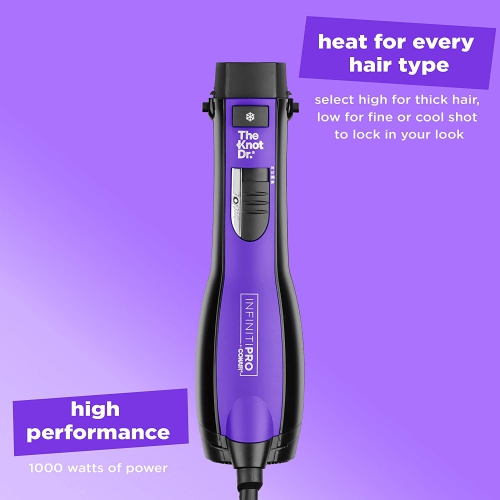 Your price for this item is $142.99
 -
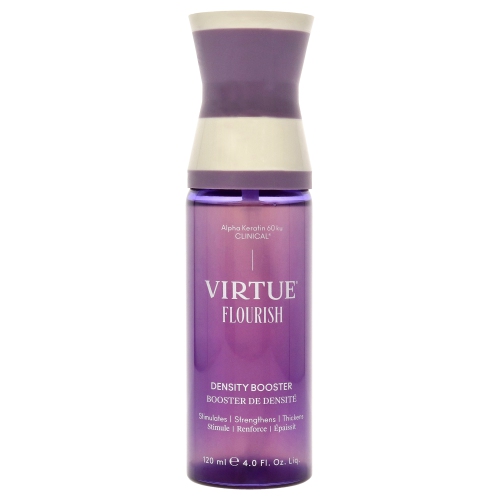 Your price for this item is $63.68
 -
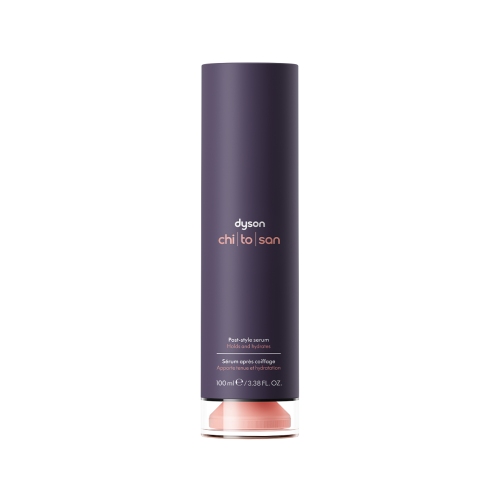 Your price for this item is $59.99
 -
 Your price for this item is $39.99
 -
 Your price for this item is $229.99
 -
 Your price for this item is $229.99
 -
 Your price for this item is $229.99
 -
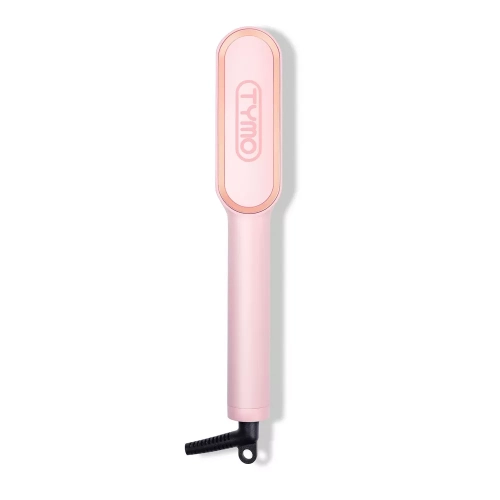 Your price for this item is $142.99
Discover more categories related to Curly Hair Combs
Top Collections:
Pokemon Centers, Kindle Devices, Best Budget Office Chairs, Apple iPhones 16, Best Laptops for Writers, iPhone 15 Apple, Canon G7X Cameras, Refurbished Apple Laptops, Alarm Clock, Motorola Razr Phones
Some products may be subject to Environmental Handling Fees
(EHF) depending on your province.
Learn more about EHFs.