Dual Voltage Straighteners
If you're looking to achieve sleek, straight hair no matter where your travels take you, look no further than these dual-voltage straighteners. Designed with versatility in mind, these straighteners are perfect for jet-setters and globetrotters who need a reliable styling tool on the go. Whether you're exploring a new city or attending an important business meeting abroad, these dual-voltage straighteners ensure that you can effortlessly style your hair with ease and convenience.
Sort


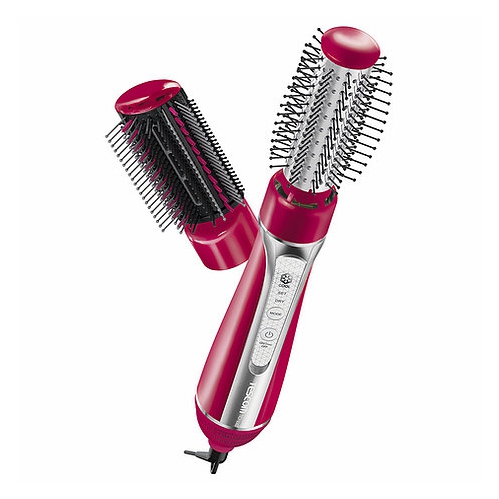
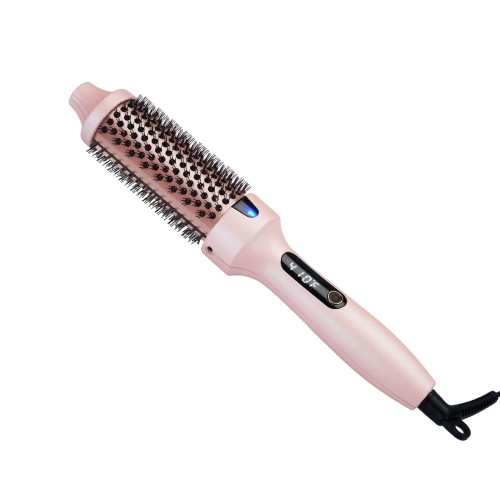
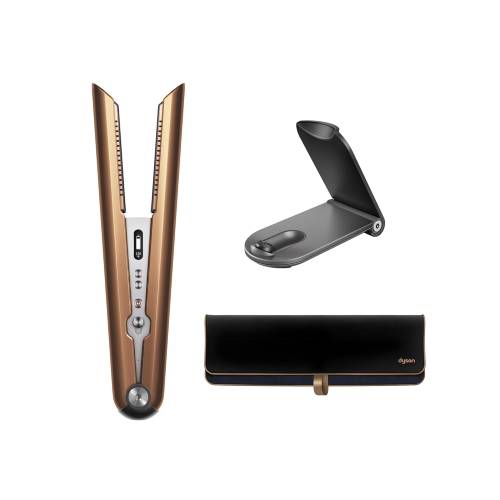
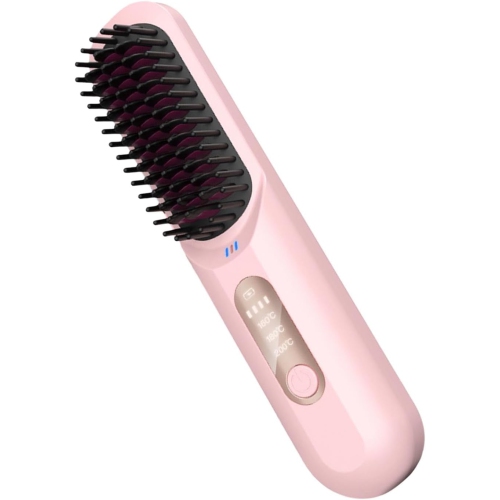
![GREEN SCENIC [Green] Wireless Hair Straightening Comb, Negative Ion Hair Straightener, Dual-Purpose Straight And Curly Curling Iron, Portable Hair](https://multimedia.bbycastatic.ca/multimedia/products/500x500/192/19281/19281442.jpeg)
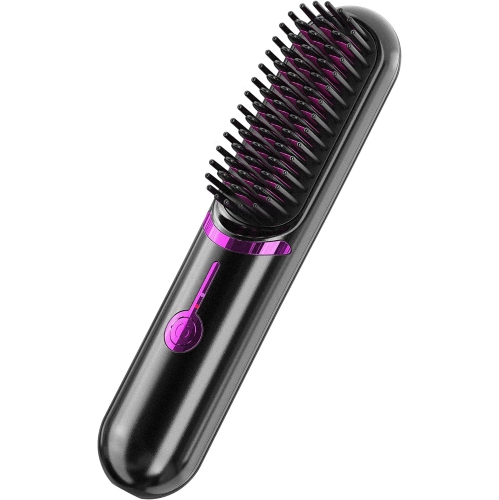
Travel-ready styling with voltage compatibility and thoughtful design
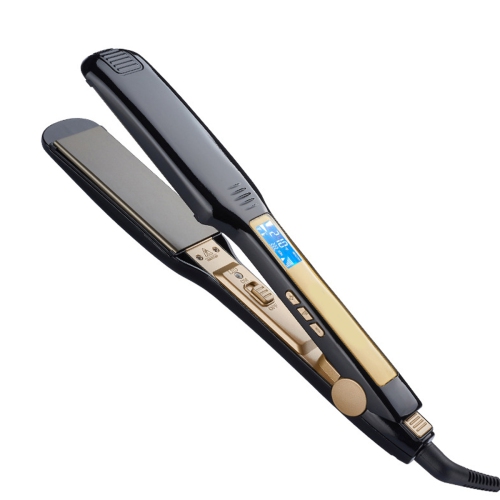
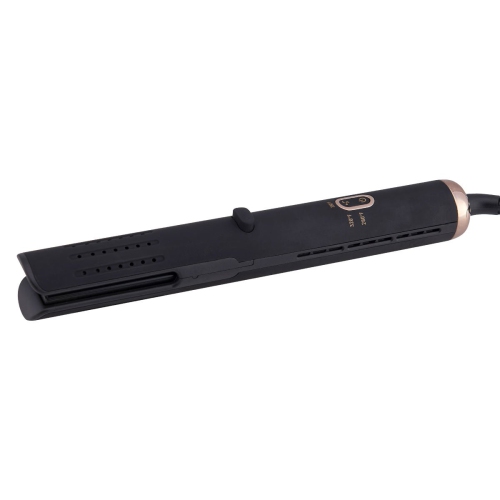
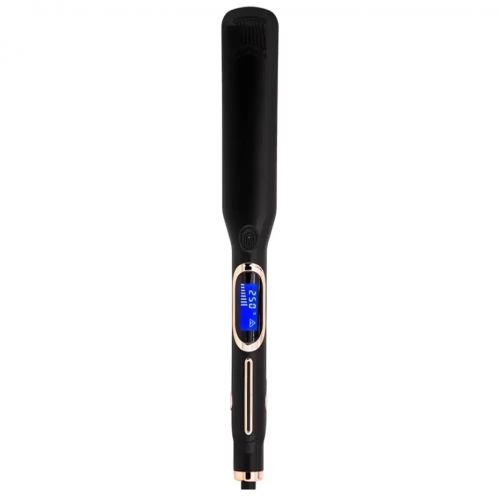
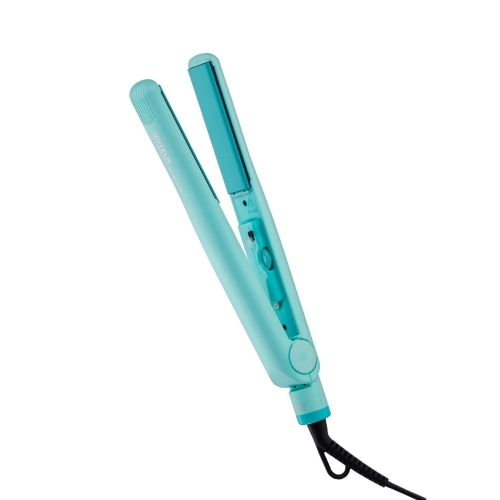
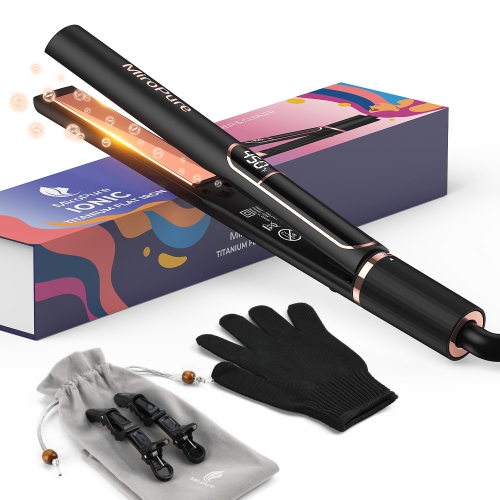
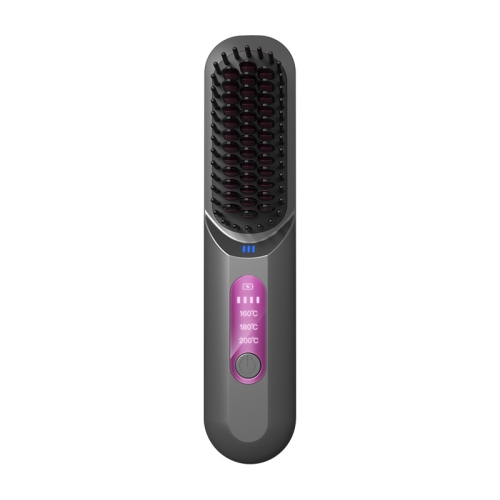
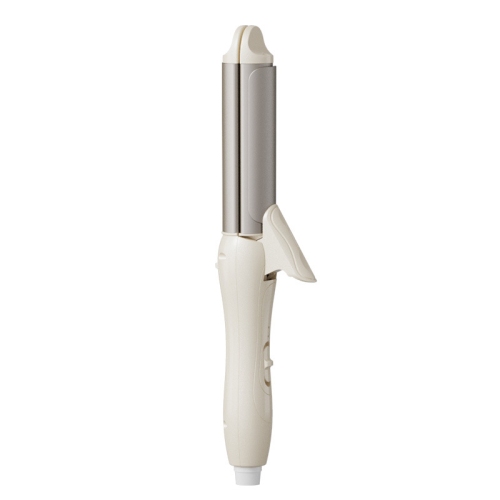
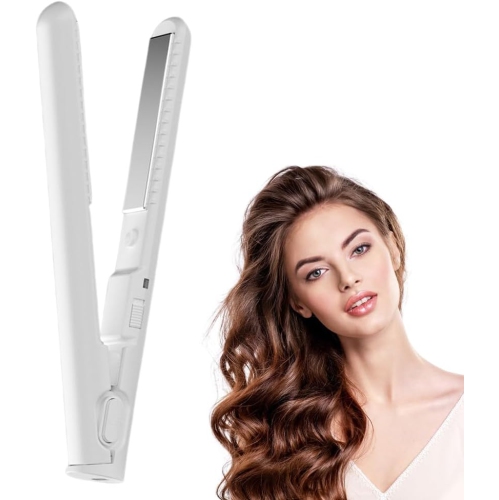
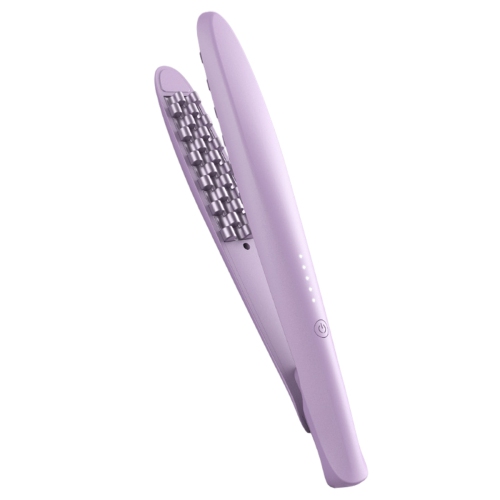
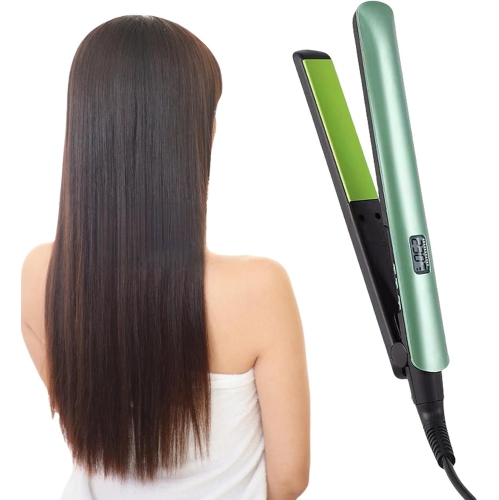
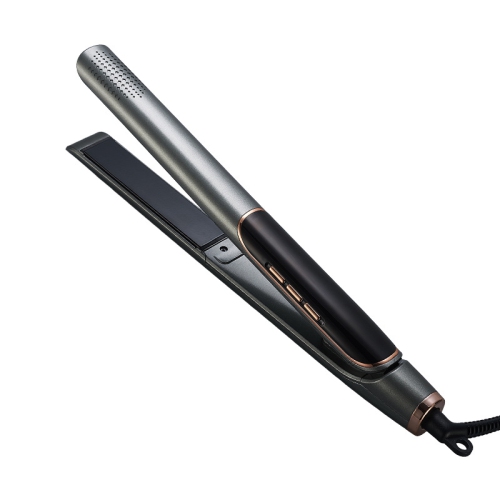
Dual voltage straighteners are designed for people who want a dependable hair-styling tool at home and on international trips. Unlike a single-voltage appliance, a dual voltage model can operate with electrical systems ranging from 100–240V, allowing it to adjust to the current supplied in many countries without requiring a heavy voltage converter. Look for clear markings on the tool, packaging, or power cord that say “100–240V” or “Universal Voltage” before packing it for travel. This feature can be especially useful during cooler months, when hair may become more difficult to manage after exposure to dry indoor air, wind, hats, or changes in humidity. A straightener can smooth flyaways, refine the ends of a blowout, or create soft bends and waves, making it a practical addition to a carry-on, overnight bag, or bathroom drawer. Dual voltage straighteners are also useful for students studying abroad, frequent travellers, performers, wedding parties, and anyone who regularly moves between countries. They can make a thoughtful gift for someone preparing for a long trip, beginning a new job, or building a compact personal-care kit. A travel-friendly design may include a smaller body, shorter plates, a heat-resistant storage pouch, a locking mechanism, or a swivel cord that is easier to manage around a hotel vanity. Full-size designs, meanwhile, may offer broader plates and a longer styling surface for covering more hair with each pass. For shoppers who prefer more room to work, Large Hair Straighteners can be considered alongside compact dual voltage options, depending on whether portability or styling coverage is the higher priority.
The most important electrical detail is that dual voltage does not automatically mean the straightener will fit every wall socket. Voltage compatibility allows the appliance to work with the local electrical supply, but a physical plug adapter is still needed when the shape of the plug differs from the outlet. Before travelling, check the destination’s socket style and bring the appropriate pin adapter; an adapter changes the plug shape, while a voltage converter changes electrical voltage, and they are not interchangeable. It is also sensible to confirm that the straightener switches automatically between voltages, as some models require a small selector to be set before use. For everyday styling, consider how the tool’s heat settings match your hair type and routine. Fine, fragile, colour-treated, or chemically processed hair generally benefits from lower temperatures and fewer passes, while thick, coarse, or tightly curled hair may need a higher setting and more time to straighten effectively. Adjustable digital controls can make it easier to choose a consistent temperature, and a clear display helps prevent guesswork when moving between styles. Floating plates may glide more smoothly over uneven sections, reducing the need to press firmly, while ceramic, titanium, or other plate materials can affect heat distribution, glide, and how quickly the tool reaches its operating temperature. A narrower styling surface is often handy for short hair, bangs, and detailed work around the face; a wider surface can help cover long or abundant hair more efficiently. Cord length, weight, hinge design, and handle comfort also matter, particularly when styling takes several minutes. A tool that feels balanced in the hand can be easier to use around the back of the head, while a swivel cord can help reduce twisting and tangling on a crowded counter.
For smoother results, begin with completely dry, detangled hair and divide it into manageable sections rather than repeatedly running the plates over a large amount of hair. Apply a heat protectant according to its instructions, allow it to dry if required, and start with a lower setting before increasing the temperature only when necessary. Move the straightener steadily from the roots toward the ends without stopping in one place, then let each section cool briefly before brushing or arranging it. This approach can help create a polished finish while keeping the routine controlled and consistent. Dual voltage straighteners are not only for creating a completely flat look; they can also be turned slightly as they move down the hair to produce loose curves, face-framing bends, or relaxed waves. Their usefulness extends from quick touch-ups before dinner to getting ready in a hotel room with limited counter space. When selecting a model, balance travel requirements with the way the tool will be used at home. A compact design may be ideal for luggage but take longer on very thick hair, while a full-size straightener may offer faster coverage but occupy more space. Safety features such as automatic shut-off, a heat-resistant exterior, a protective cap, or a secure storage case can add reassurance when the tool is used in busy households or packed after styling. Keep the straightener on a stable, heat-resistant surface while it cools, unplug it after use, and allow it to cool fully before placing it in luggage. With the right voltage range, a compatible plug adapter, suitable heat control, and a size that fits the user’s routine, dual voltage straighteners can provide reliable styling at home and across a wide range of destinations.
The most important electrical detail is that dual voltage does not automatically mean the straightener will fit every wall socket. Voltage compatibility allows the appliance to work with the local electrical supply, but a physical plug adapter is still needed when the shape of the plug differs from the outlet. Before travelling, check the destination’s socket style and bring the appropriate pin adapter; an adapter changes the plug shape, while a voltage converter changes electrical voltage, and they are not interchangeable. It is also sensible to confirm that the straightener switches automatically between voltages, as some models require a small selector to be set before use. For everyday styling, consider how the tool’s heat settings match your hair type and routine. Fine, fragile, colour-treated, or chemically processed hair generally benefits from lower temperatures and fewer passes, while thick, coarse, or tightly curled hair may need a higher setting and more time to straighten effectively. Adjustable digital controls can make it easier to choose a consistent temperature, and a clear display helps prevent guesswork when moving between styles. Floating plates may glide more smoothly over uneven sections, reducing the need to press firmly, while ceramic, titanium, or other plate materials can affect heat distribution, glide, and how quickly the tool reaches its operating temperature. A narrower styling surface is often handy for short hair, bangs, and detailed work around the face; a wider surface can help cover long or abundant hair more efficiently. Cord length, weight, hinge design, and handle comfort also matter, particularly when styling takes several minutes. A tool that feels balanced in the hand can be easier to use around the back of the head, while a swivel cord can help reduce twisting and tangling on a crowded counter.
For smoother results, begin with completely dry, detangled hair and divide it into manageable sections rather than repeatedly running the plates over a large amount of hair. Apply a heat protectant according to its instructions, allow it to dry if required, and start with a lower setting before increasing the temperature only when necessary. Move the straightener steadily from the roots toward the ends without stopping in one place, then let each section cool briefly before brushing or arranging it. This approach can help create a polished finish while keeping the routine controlled and consistent. Dual voltage straighteners are not only for creating a completely flat look; they can also be turned slightly as they move down the hair to produce loose curves, face-framing bends, or relaxed waves. Their usefulness extends from quick touch-ups before dinner to getting ready in a hotel room with limited counter space. When selecting a model, balance travel requirements with the way the tool will be used at home. A compact design may be ideal for luggage but take longer on very thick hair, while a full-size straightener may offer faster coverage but occupy more space. Safety features such as automatic shut-off, a heat-resistant exterior, a protective cap, or a secure storage case can add reassurance when the tool is used in busy households or packed after styling. Keep the straightener on a stable, heat-resistant surface while it cools, unplug it after use, and allow it to cool fully before placing it in luggage. With the right voltage range, a compatible plug adapter, suitable heat control, and a size that fits the user’s routine, dual voltage straighteners can provide reliable styling at home and across a wide range of destinations.
Top selling and popular products
-
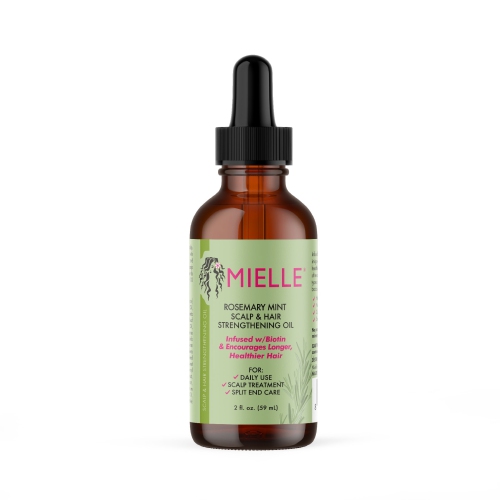 Your price for this item is $15.99
 -
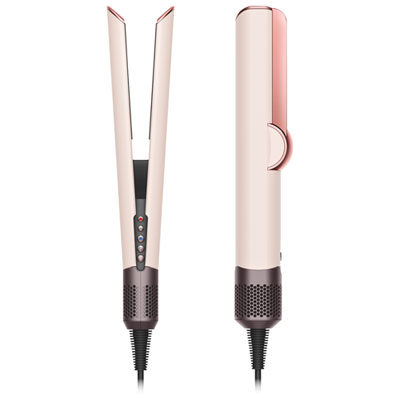 Your price for this item is $699.99
 -
 Your price for this item is $549.99
 -
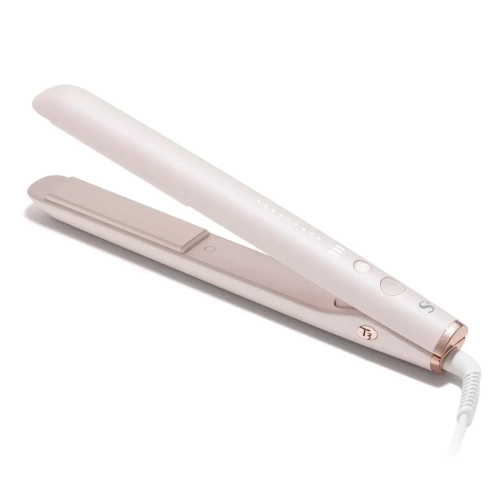 Your price for this item is $249.99
 -
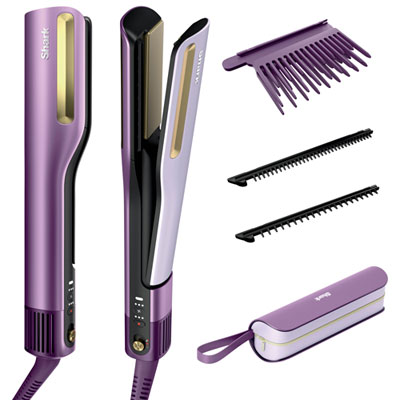 Your price for this item is $349.99
 -
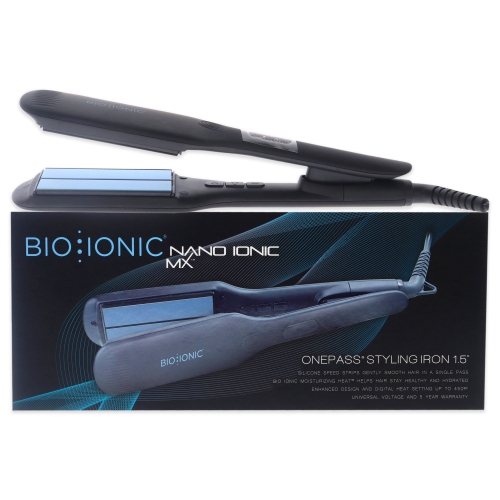 Your price for this item is $283.56
 -
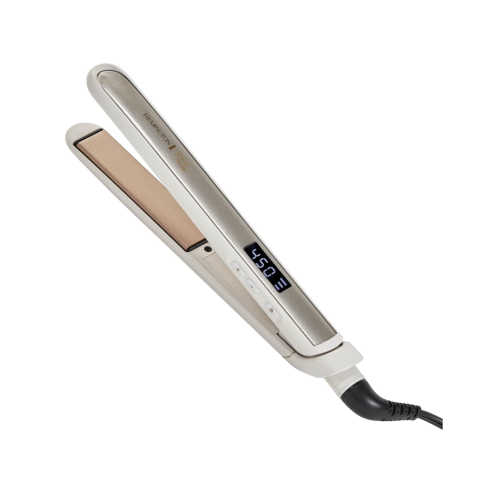 Your price for this item is $53
 -
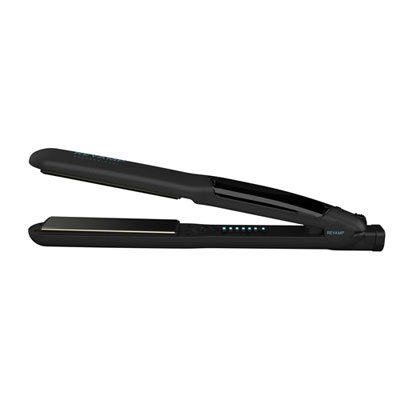 Your price for this item is $139.99
Discover more categories related to Dual Voltage Straighteners
Top Collections:
Pokemon Centers, Kindle Devices, Best Budget Office Chairs, Apple iPhones 16, Best Laptops for Writers, iPhone 15 Apple, Canon G7X Cameras, Refurbished Apple Laptops, Alarm Clock, Motorola Razr Phones
Some products may be subject to Environmental Handling Fees
(EHF) depending on your province.
Learn more about EHFs.