Dyson Hair Stylers
Unlock the potential of your hair styling routine with a versatile hair styler that combines advanced technology and innovative design. Elevate your everyday look with ease, achieving salon-quality results from the comfort of your home. Whether you're aiming for sleek straight locks, bouncy curls, or voluminous waves, this tool adapts to your unique style needs. Experience effortless styling with features designed to protect your hair while delivering stunning results. Perfect for all hair types, this styler is a game-changer in personal grooming, offering you the flexibility to express yourself through your hair like never before.
Sort


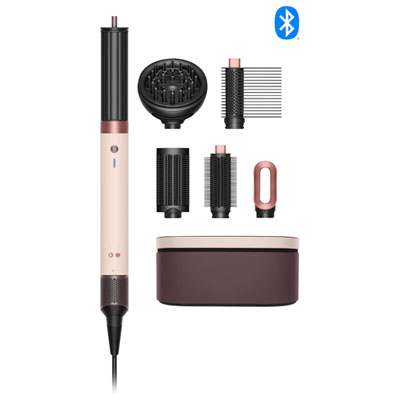
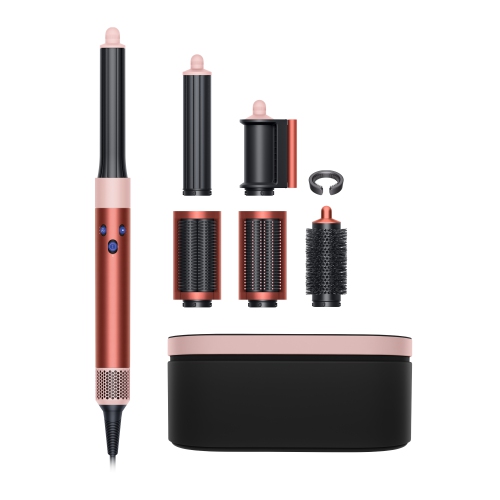

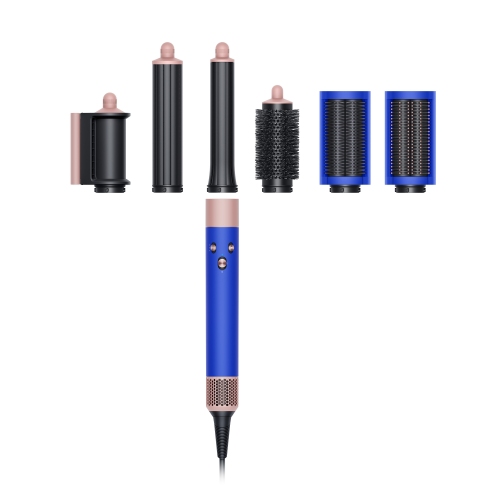
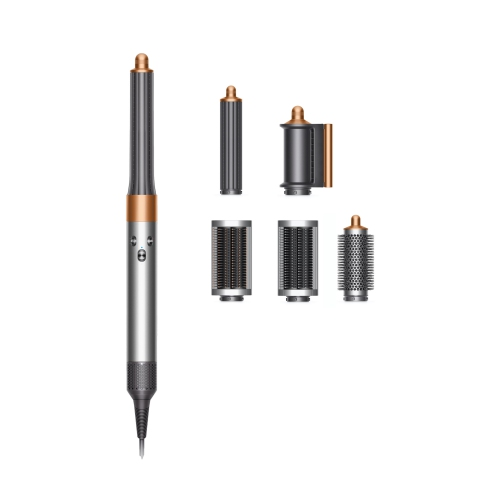




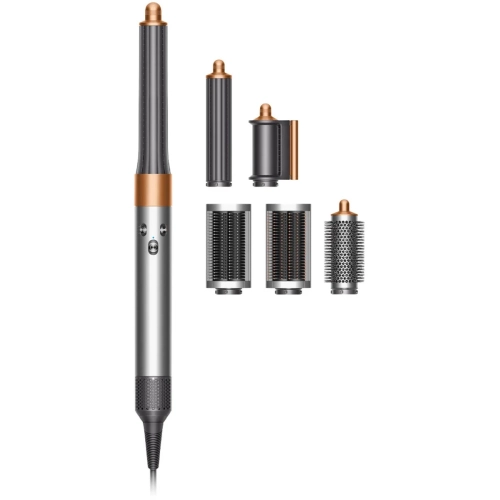

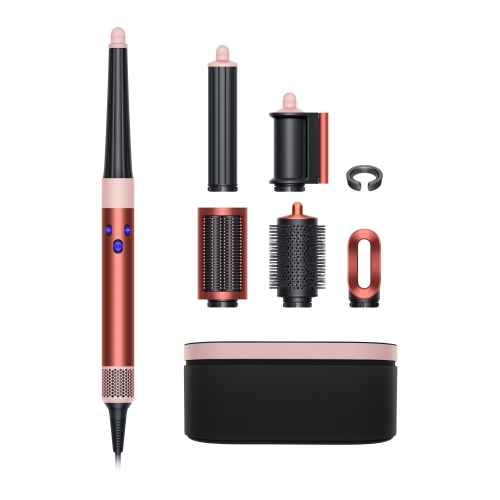

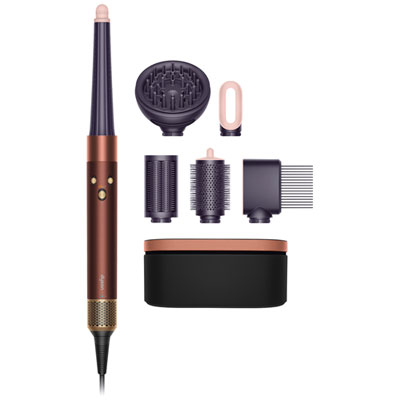
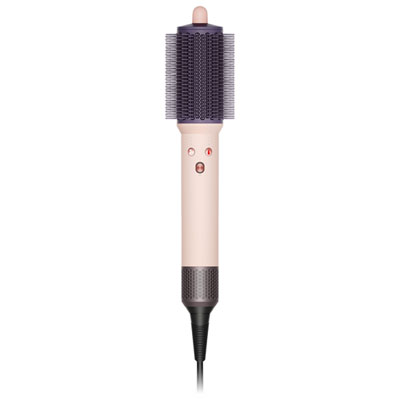


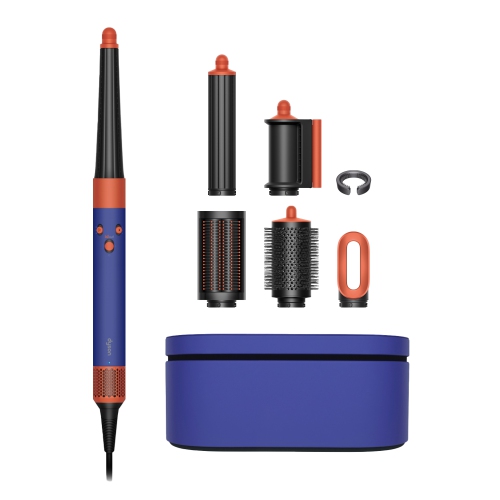

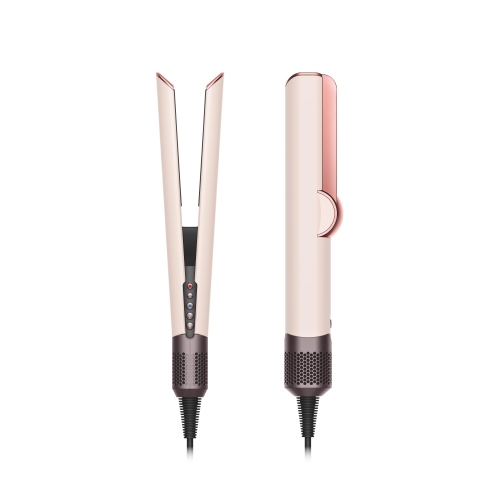


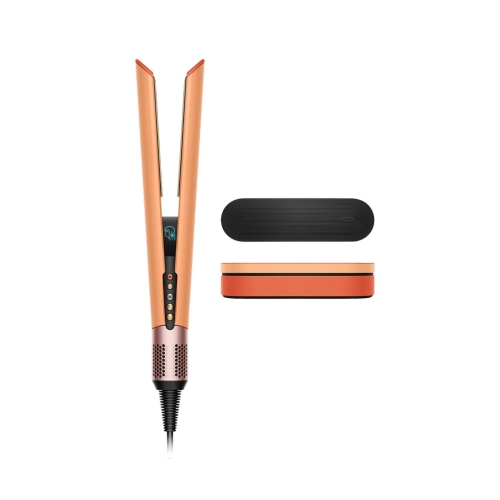
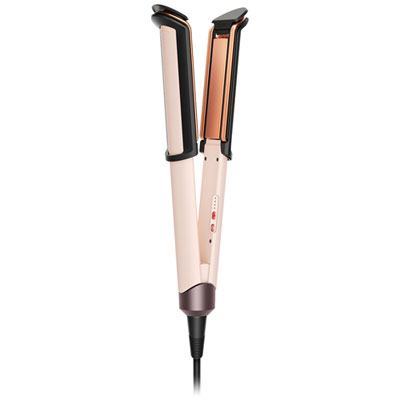
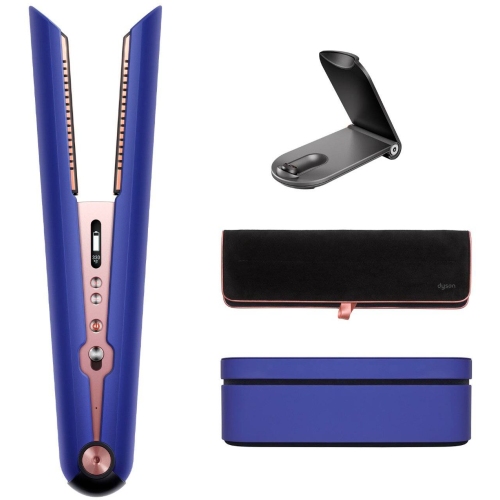
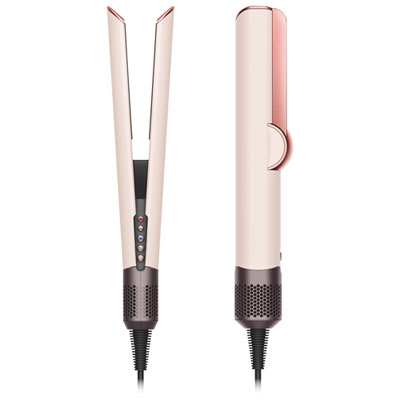
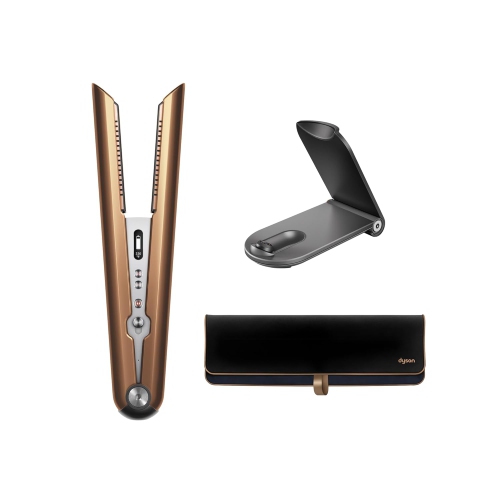


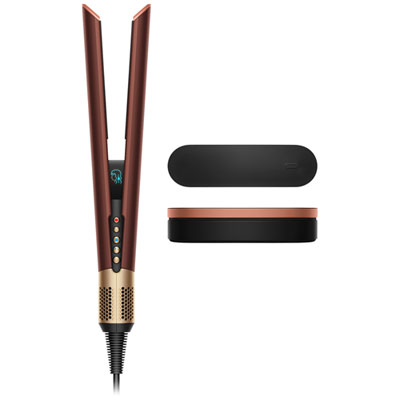


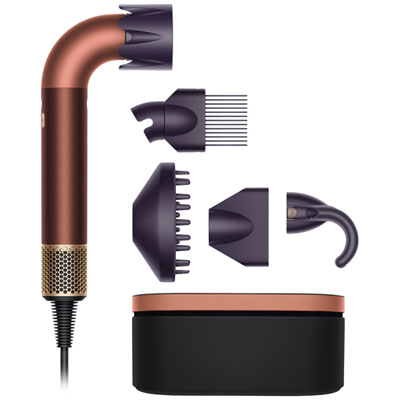

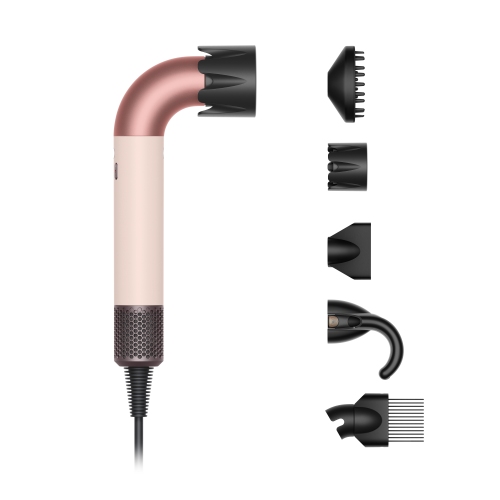
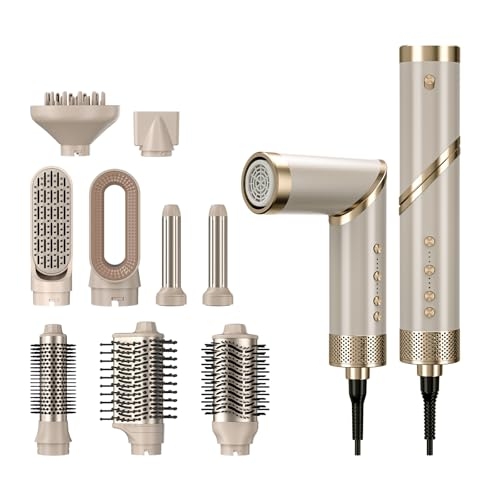


How airflow and attachments shape your styling routine
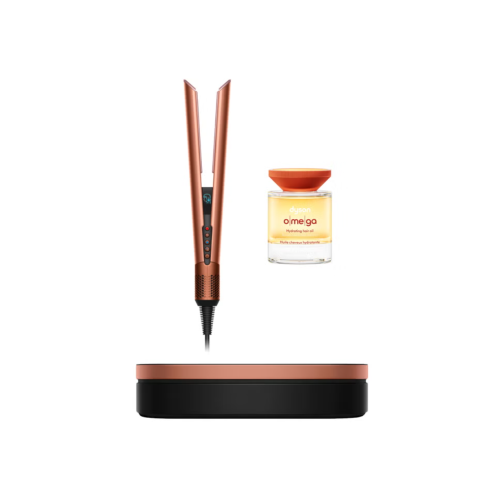
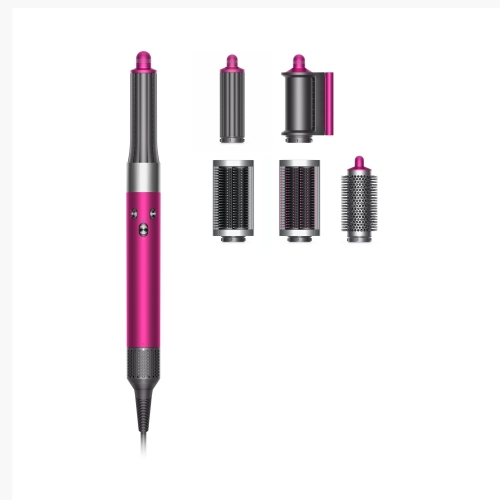
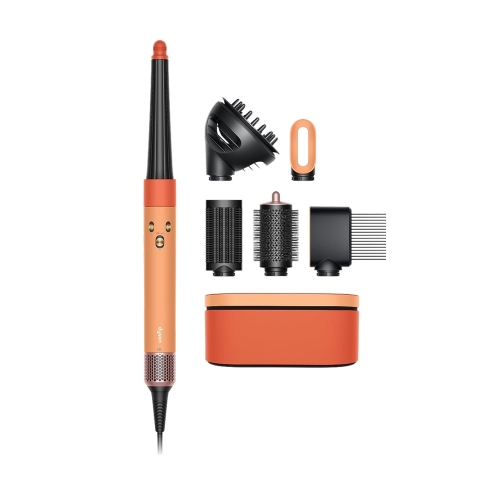
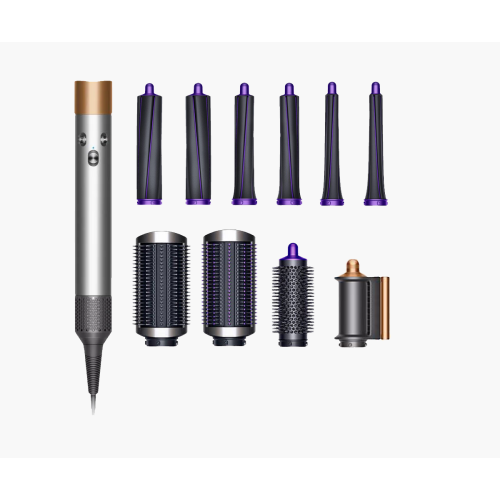
Air-powered hair stylers bring drying, shaping, and finishing into a single routine, with interchangeable attachments that create different results without requiring a separate tool for every step. Depending on the design and included attachments, a multi-styler can form loose curls, add movement through the ends, lift roots, or smooth lengths into a polished blowout. Some airflow-based curling systems use the Coanda effect: a stream of air follows a curved surface, helping attract and wrap a section of hair around a barrel. This differs from manually winding hair around a conventional heated curling tong, although technique, section size, and starting moisture still affect the finish. Air styling also uses heat, so it should not be treated as heat-free or incapable of causing damage. Controlled heat and airflow settings allow the routine to be adjusted, while temperature-monitoring features on some designs help regulate heat during use. The appeal is especially clear for someone who likes more than one look: a rounded fringe and soft ends for everyday wear, fuller waves for a dinner out, or a smoother finish that leaves some natural movement. Rather than treating every attachment as interchangeable in purpose, it helps to understand the shape each one creates. Barrels encourage curves and curls, round brushes provide lift and bend, and smoothing brushes help align strands as they dry. A drying attachment may prepare damp hair for shaping, while a finishing attachment may help make flyaways less noticeable when used as directed. Not every styler performs all of these tasks, and the attachment set matters as much as the handle itself. For hair that tends to fall flat at the crown but puff out through the ends, the useful combination may be root lift and gentle smoothing rather than tighter curls. The best match is a tool whose functions suit the styles someone actually wears, with controls and attachments that feel practical enough for regular use.
Hair length, density, texture, and condition all influence how a styler fits into a routine. A longer barrel can make it easier to distribute a long section of hair along its surface, while a smaller brush may offer better access around a short fringe or face-framing layers. Barrel diameter influences the size of the curve, but it does not guarantee a particular curl pattern or lasting hold. Fine hair may respond well to smaller sections and lighter styling products that do not weigh down the roots. Dense hair often needs more thorough sectioning so airflow reaches the strands within each section, rather than only drying the outside. Naturally curly or coily hair may call for different preparation and attachments depending on whether the aim is to retain texture, stretch the hair, or create a smoother blowout. A brush-led finish is not necessarily the same as the result from a flat iron, particularly where a very sleek look is the goal. Starting moisture is another important distinction: some tools and attachments are designed for damp hair, while others are intended for a later finishing stage. Following the directions for the exact tool helps avoid repeatedly working a section that is too wet or using an attachment outside its intended purpose. Handle balance, grip, button placement, and cord movement also become noticeable during a full styling session. Someone with thick, shoulder-length hair may hold the tool overhead for several sections, making comfortable handling more important than it first appears. Attachment materials deserve attention too, including the combination of brush bristles, the smoothness of surfaces that contact the hair, and how securely each piece locks into place. Bristles should move through properly detangled sections without unnecessary pulling. For delicate, colour-treated, or frequently styled hair, suitable heat protection and the lowest effective heat setting can be sensible parts of the routine, alongside gentle detangling and avoiding repeated passes over already finished lengths.
Day-to-day satisfaction also depends on how easily a hair styler can be cared for and stored. Hair, lint, and styling-product residue can accumulate around brushes, attachments, and air inlets, so regular maintenance is part of keeping the tool working as intended. Cleaning methods vary: an attachment that can be wiped down is not automatically safe to immerse, and a filter may have a specific cleaning procedure. The tool should be switched off, unplugged, and allowed to cool before maintenance, with the manufacturer's directions followed for each component. Clear air inlets support proper airflow, while removing trapped strands from brushes helps keep them ready for the next use. A dedicated storage case or organizer can separate attachments, protect bristles from being crushed, and make the right piece easier to find. Avoiding a tightly wrapped cord and protecting attachment connections from knocks are simple habits that help reduce avoidable wear. Durability is not just about the outer housing; secure fittings, well-kept filters, and careful handling all contribute to dependable everyday use. Related Dyson Hair Dryer Accessories may be useful for a separate drying routine, but dryer accessories and styler attachments should not be assumed to fit one another. Compatibility needs to match the exact device and generation, even when two connections look similar. The same attention matters when choosing a hair styler as a gift. Someone who enjoys shaping a bouncy blowout may appreciate a different attachment mix from someone whose main goal is smoothing a fringe before work. Hair length, preferred finish, storage space, and willingness to practise with a new technique are more useful clues than the number of attachments alone. For travel, the appliance's electrical rating and regional usage requirements need checking; a plug adaptor does not convert voltage. Whether used for an unhurried styling session or a familiar morning routine, a well-matched hair styler should offer useful versatility without making daily hair care unnecessarily complicated.
Top selling and popular products
-
 Your price for this item is $319.99
-
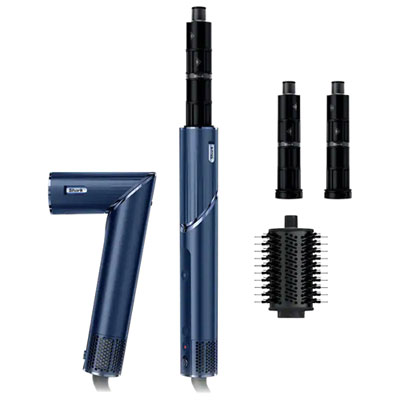 Your price for this item is $349.99
-
 Your price for this item is $108.89
-
 Your price for this item is $104.49
-
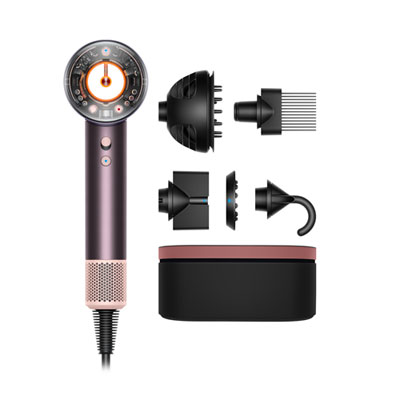 Your price for this item is $499.97
-
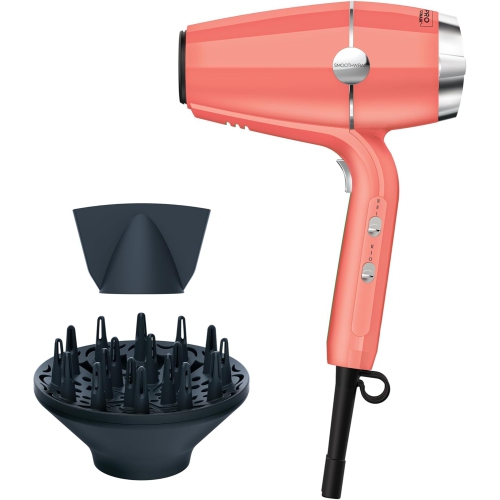 Your price for this item is $109.99
-
 Your price for this item is $499
-
 Your price for this item is $399.99
Discover more categories related to Dyson Hair Stylers
Top Collections:
Pokemon Centers, Kindle Devices, Best Budget Office Chairs, Canon G7X Cameras, Apple iPhones 16, Samsung Galaxy Phones, Refurbished Apple Laptops, Laptops for Students, iPhone 15 Apple, Budget Smartphones
Some products may be subject to Environmental Handling Fees
(EHF) depending on your province.
Learn more about EHFs.