Hair Repair Products
Welcome to the world of hair repair! Whether you're dealing with damaged, dry, or frizzy locks, our collection of hair repair products has got you covered. We understand the importance of healthy and lustrous hair, which is why we've carefully curated a selection of top-notch solutions to help you revive and restore your mane. From nourishing shampoos and conditioners to intensive treatments and serums, our range encompasses everything you need to bring life back into your hair. Say goodbye to dullness and hello to gorgeous, revitalized tresses with our hair repair products.
Sort
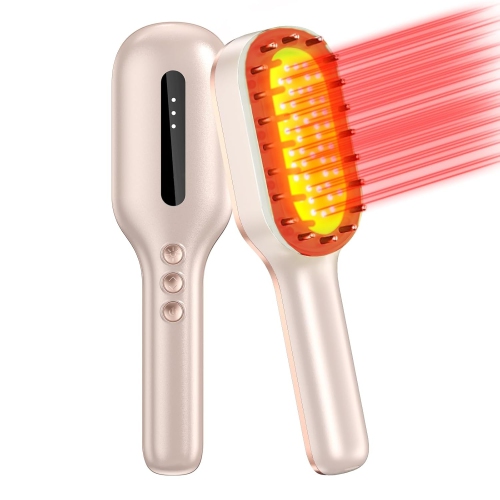
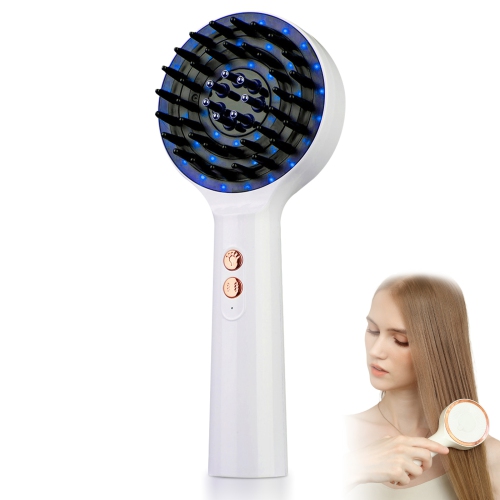
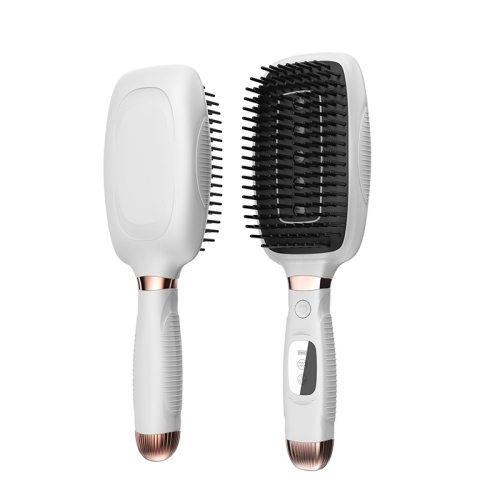
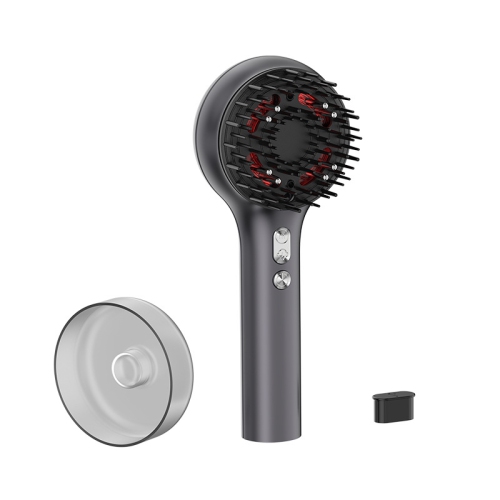
What treatments can do for dry damaged hair
Hair repair products are designed to help dry, brittle, frizzy, over-processed, or breakage-prone hair look and feel healthier as part of a consistent routine. Hair can become weakened by frequent heat styling, bleaching, colouring, chemical treatments, tight hairstyles, sun exposure, friction from towels or pillowcases, and repeated washing. Damage may show up as split ends, rough texture, a lack of shine, tangles, or strands that snap easily during brushing. Since hair fibre is not living tissue, no product can permanently restore a split end or reverse every type of damage; however, the right formulas can improve the hair’s appearance, add moisture, smooth the outer layer, reduce friction, and help prevent further breakage. When browsing hair repair products, start by considering the main concern rather than choosing solely by packaging or fragrance. Bond-building treatments are often selected for hair weakened by bleach, highlights, dye, or heat because they are intended to support the internal structure of the hair fibre. Hair masks and deep conditioners provide a richer dose of hydration and softness, making them useful for coarse, curly, textured, or noticeably dry hair. Repairing shampoos and conditioners can make a practical choice for everyday care, especially when hair feels rough after cleansing or becomes difficult to detangle. Leave-in creams, oils, and serums are helpful for smoothing the mid-lengths and ends, controlling flyaways, and creating a light protective layer before styling. For a wider selection of masks, serums, oils, bond-focused formulas, and other options, explore Hair Treatment Products. Ingredients can also guide a purchase: proteins may help hair feel stronger and more substantial, while ingredients such as glycerin, aloe, shea butter, plant oils, and conditioning agents can help hair feel softer and more flexible. Very fine hair may become weighed down by rich creams or heavy oils, so lightweight sprays, fluid serums, and smaller amounts may be more comfortable. Thick, curly, or tightly textured hair often benefits from richer masks and leave-in conditioners that support moisture retention and make detangling easier. If the scalp is sensitive or prone to buildup, a gentle formula with a clean rinse and a restrained fragrance may be preferable. Reading directions matters as well. Some masks are rinsed out after a few minutes, some treatments are used before shampooing, and leave-in products are applied to damp hair and not rinsed. Using more product does not necessarily produce better results; begin with a small amount, concentrate richer formulas on the mid-lengths and ends, and adjust based on how the hair responds.
A simple repair routine can fit into nearly any wash schedule. Cleanse the scalp thoroughly while allowing the lengths to be washed by the lather that travels through them, then apply conditioner from around ear level downwards. Once or twice a week, replace regular conditioner with a mask if the hair feels especially dry, tangled, or coarse. After washing, gently press out excess water instead of rubbing vigorously with a towel, then work a leave-in treatment through damp lengths before combing with a wide-tooth comb. Heat protectant remains important when using a blow dryer, straightener, or curling tool, since a repairing product should complement—not replace—heat protection. Lower temperatures, fewer passes, and fully dry hair before using hot tools can also help reduce stress on fragile strands. If the hair feels stiff or coated after frequent protein-rich treatments, alternate with a moisture-focused conditioner; if it feels limp or greasy, use less product or choose a lighter texture. Fine ends may need only a drop of serum, while long or dense hair may require several small sections for even coverage. Keep in mind that visible improvement usually comes from regular use and gentler habits rather than a single intensive application. Hair repair products can be especially useful for someone recovering from a colour appointment, growing out a heat-styling routine, managing curls that lose definition when dry, or trying to make long hair easier to brush. They can also make thoughtful gifts for people who enjoy styling their hair, experiment with colour, travel often, or appreciate a relaxing at-home wash-day ritual. A mask paired with a leave-in treatment creates a practical gift for someone with dry ends, while a shampoo and conditioner set can suit a person who prefers straightforward daily care. During warmer weather, sweat, swimming, and outdoor activities may leave hair feeling dry or tangled; during cooler months, indoor heating, dry air, hats, and static can create similar concerns. A smoothing cream or serum can help tame seasonal flyaways, while a richer conditioner can restore softness when lengths feel rough. For best results, match the product texture and ingredients to the hair’s current condition, follow the label instructions, and introduce new treatments one at a time. Regular trims can still be useful for managing split or frayed ends, and persistent shedding, scalp discomfort, or significant hair loss is best discussed with a qualified healthcare professional or hair professional.
A simple repair routine can fit into nearly any wash schedule. Cleanse the scalp thoroughly while allowing the lengths to be washed by the lather that travels through them, then apply conditioner from around ear level downwards. Once or twice a week, replace regular conditioner with a mask if the hair feels especially dry, tangled, or coarse. After washing, gently press out excess water instead of rubbing vigorously with a towel, then work a leave-in treatment through damp lengths before combing with a wide-tooth comb. Heat protectant remains important when using a blow dryer, straightener, or curling tool, since a repairing product should complement—not replace—heat protection. Lower temperatures, fewer passes, and fully dry hair before using hot tools can also help reduce stress on fragile strands. If the hair feels stiff or coated after frequent protein-rich treatments, alternate with a moisture-focused conditioner; if it feels limp or greasy, use less product or choose a lighter texture. Fine ends may need only a drop of serum, while long or dense hair may require several small sections for even coverage. Keep in mind that visible improvement usually comes from regular use and gentler habits rather than a single intensive application. Hair repair products can be especially useful for someone recovering from a colour appointment, growing out a heat-styling routine, managing curls that lose definition when dry, or trying to make long hair easier to brush. They can also make thoughtful gifts for people who enjoy styling their hair, experiment with colour, travel often, or appreciate a relaxing at-home wash-day ritual. A mask paired with a leave-in treatment creates a practical gift for someone with dry ends, while a shampoo and conditioner set can suit a person who prefers straightforward daily care. During warmer weather, sweat, swimming, and outdoor activities may leave hair feeling dry or tangled; during cooler months, indoor heating, dry air, hats, and static can create similar concerns. A smoothing cream or serum can help tame seasonal flyaways, while a richer conditioner can restore softness when lengths feel rough. For best results, match the product texture and ingredients to the hair’s current condition, follow the label instructions, and introduce new treatments one at a time. Regular trims can still be useful for managing split or frayed ends, and persistent shedding, scalp discomfort, or significant hair loss is best discussed with a qualified healthcare professional or hair professional.
Top selling and popular products
-
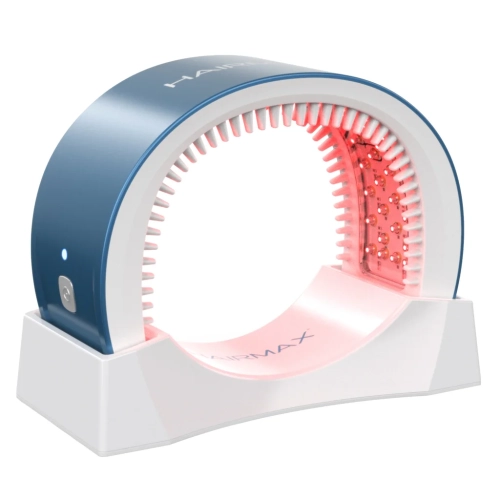 Your price for this item is $1499.99
 -
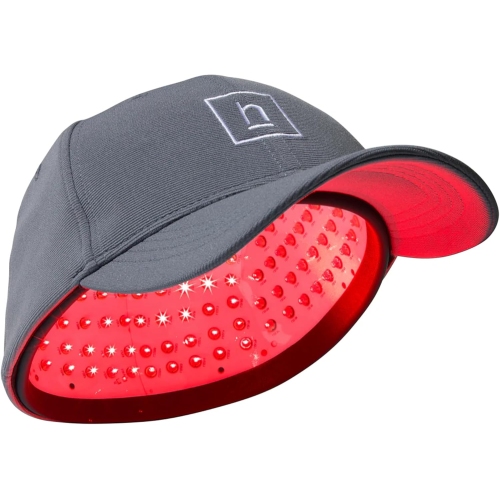 Your price for this item is $1899.98
 -
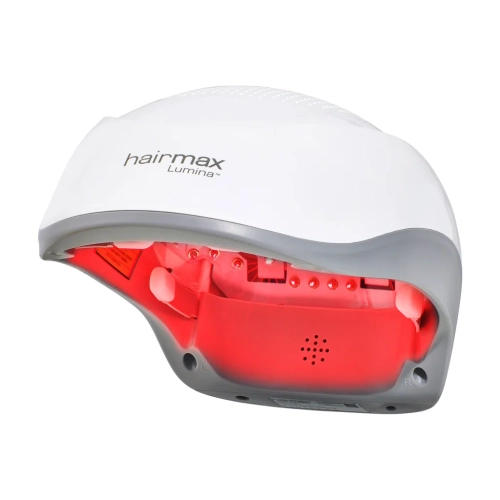 Your price for this item is $2749.97
 -
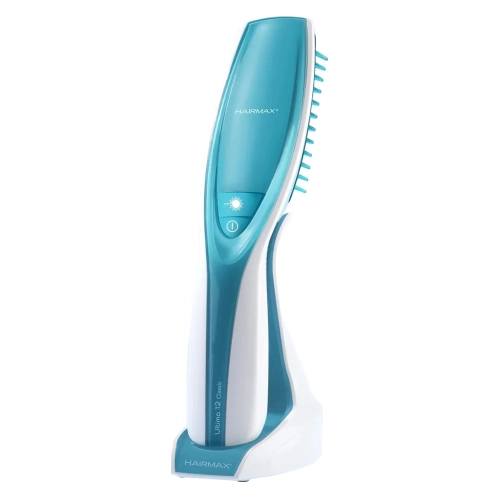 Your price for this item is $399.93
 -
 Your price for this item is $59.99
 -
 Your price for this item is $59.99
 -
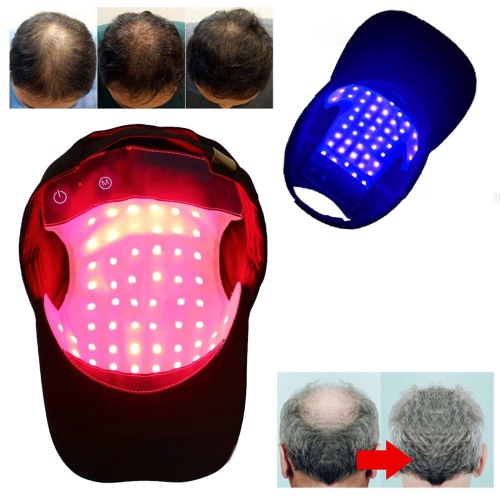 Your price for this item is $58.99
 -
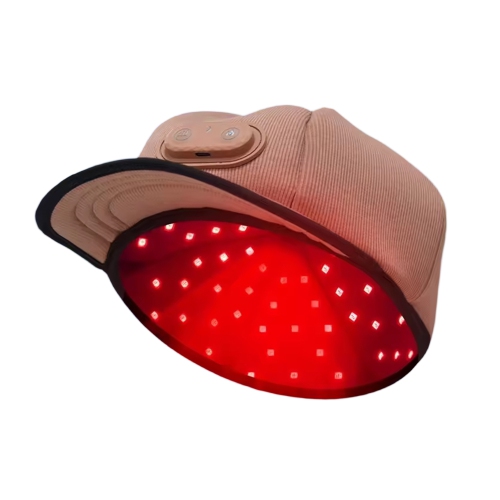 Your price for this item is $158.99
Discover more categories related to Hair Repair Products
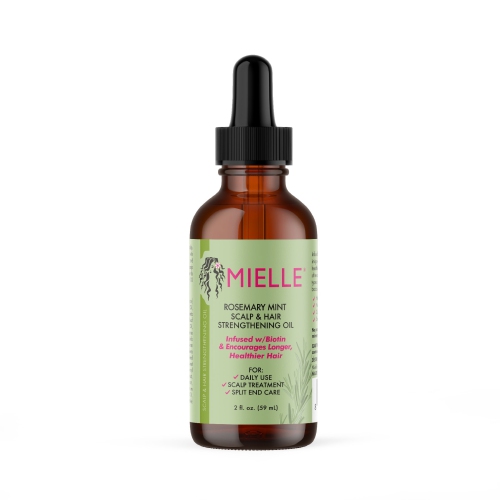
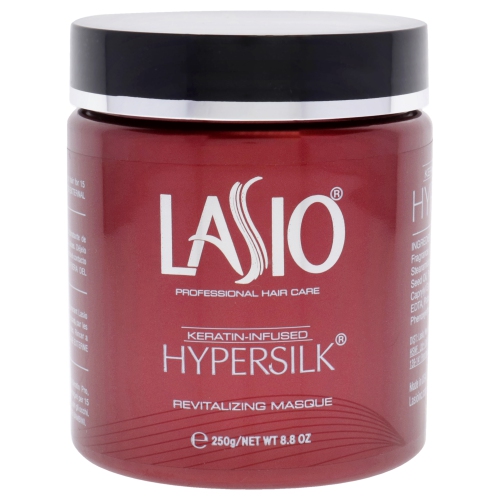
Top Collections:
Pokemon Centers, Kindle Devices, Best Budget Office Chairs, Apple iPhones 16, Best Laptops for Writers, iPhone 15 Apple, Canon G7X Cameras, Refurbished Apple Laptops, Alarm Clock, Motorola Razr Phones
Some products may be subject to Environmental Handling Fees
(EHF) depending on your province.
Learn more about EHFs.