Hot Brushes
Transform your hairstyling routine with the versatility and convenience of a hot brush. Perfect for achieving salon-quality results at home, these innovative tools combine the power of a hairdryer and a styling brush to effortlessly create smooth, voluminous, and polished looks. Whether you're looking to tame frizz, add volume, or simply speed up your morning routine, a hot brush offers an all-in-one solution for various hair types and styles. Explore our selection to find the perfect match that suits your styling needs and helps you achieve stunning results with ease.
Sort

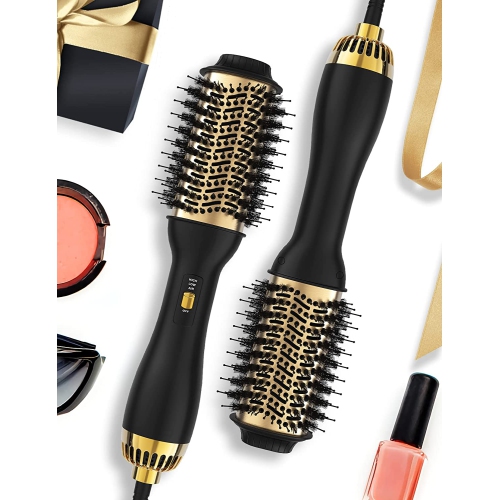
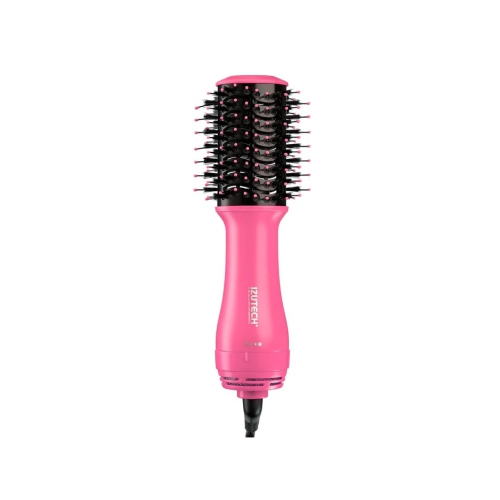
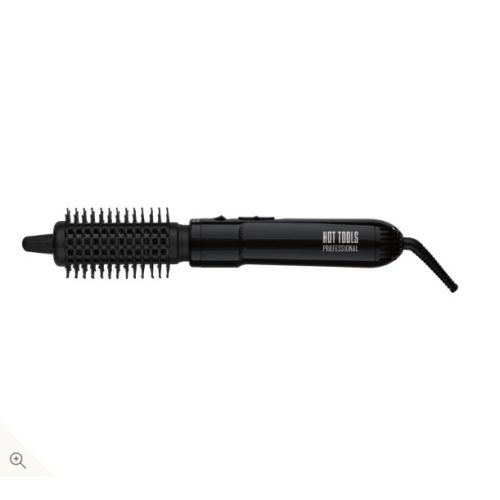
How heat, airflow, and brush shape affect styling
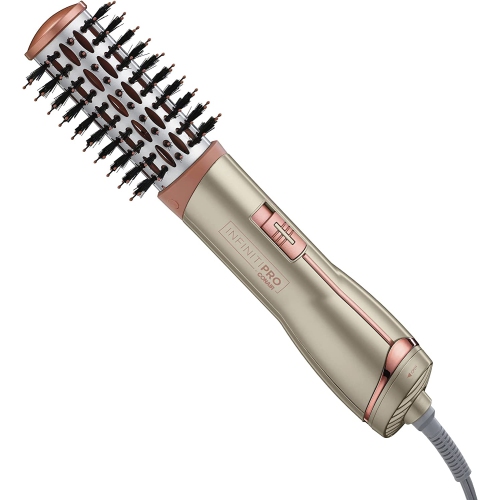
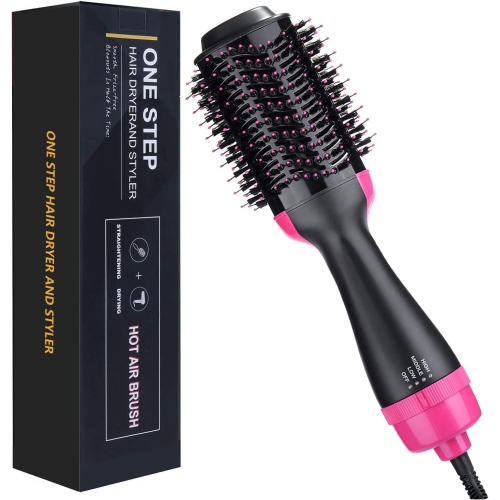
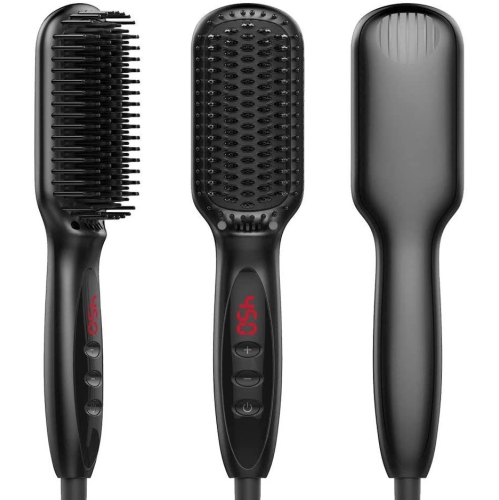
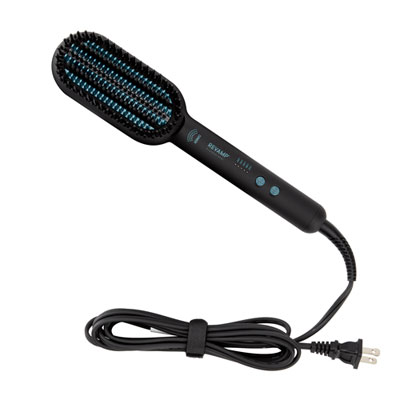
Hot brushes combine the familiar motion of brushing with heat or warm airflow to help dry, smooth, straighten, curl, or add volume to hair. The term covers several styling tools, so it is worth looking closely at how each one works before choosing a new addition to your routine. Hot air brushes use warm air to dry damp hair while shaped barrels or bristles guide it into a smoother, fuller finish, making them useful when you want to combine blow-drying and styling in one step. Thermal styling brushes heat up without blowing air and are designed for mostly dry hair, while straightening brushes use heated bristles or plates to help relax waves and reduce visible frizz as you glide through each section. Round barrels can encourage movement, soft curls, and lift at the roots, whereas oval or larger barrels are often chosen for a broad, bouncy blowout effect. Paddle-shaped brushes may be a comfortable choice for smoothing longer or thicker hair, particularly when the goal is a straighter finish rather than defined curls. If you are comparing different types, consider whether you usually style after washing, refresh dry hair between washes, create volume around the crown, or polish the ends before heading out. Someone with fine hair may appreciate lower temperature settings and a smaller, lighter tool that is easy to control, while thick, coarse, or densely textured hair may call for adjustable heat, a wider brush surface, and enough power to work through manageable sections. Curly or wavy hair can also benefit from a hot brush when used with the right technique, although the result will depend on the brush shape, the hair’s moisture level, and whether you want to preserve definition or create a smoother style. A swivel cord, comfortable handle, storage-friendly shape, and clear controls can make a noticeable difference when you are getting ready in a softly lit bathroom on a busy morning.
Your styling routine should begin with hair that matches the tool’s instructions. A hot air brush is generally intended for damp hair, while a thermal or straightening brush should usually be used on dry or mostly dry hair; using a thermal brush on soaking-wet hair can make styling less effective and may increase the chance of damage. After washing, gently towel-dry your hair, apply a heat protectant suitable for your hair type, and allow it to dry until it is no longer wet before reaching for a heated brush. It can help to divide hair into sections, securing the upper layers out of the way and starting with the lower layers at the back of the head. Work with sections that are small enough for the bristles to pass through comfortably. For a smoother look, place the brush near the roots without pressing it directly against the scalp, then glide slowly towards the ends while following the natural direction of the hair. To build volume, lift the section away from the head and pause briefly near the roots before moving through the length. With a round barrel, rotating the brush as you move can create a soft bend or loose curl; with a paddle-style brush, a steady downward pass can help reduce puffiness and flyaways. Avoid holding heat in one place for too long, and use the lowest setting that gives you the result you want. Fine, coloured, or fragile hair may need gentler heat and shorter passes, while thicker hair may respond better to several controlled sections rather than one large handful. Let curls or lifted sections cool before brushing them out, as this can help the shape settle. Keep the tool away from water, place it on a heat-resistant surface while it cools, and follow the manufacturer’s cleaning and safety instructions. Removing loose hair from the bristles after the tool has cooled can help maintain smooth movement and keep your styling area tidy. For shoppers who prefer a tool focused on heated styling rather than airflow, this selection of Thermal Hair Brushes offers a useful category to explore alongside hot air and straightening options.
Hot brushes can suit many routines because they are adaptable without requiring a large collection of separate tools. They may be helpful for someone who wants a polished finish before work, a quick refresh before meeting friends, or a little extra lift when hair has become flat under a hat or hood during the cooler months. They are also a practical gift for a family member, friend, student, or anyone setting up a new bathroom or personal-care routine, especially when you know whether that person prefers smooth hair, soft waves, rounded ends, or a fuller blowout. When selecting one as a gift, adjustable heat and multiple styling modes can provide flexibility, while a compact design may be appreciated by someone who travels or has limited storage space. A person with longer hair may value a larger brush surface, whereas shorter hair can be easier to shape with a narrower barrel that allows more precise control around the fringe, face-framing pieces, and ends. Look for features that support comfortable everyday use, such as an easy-to-read temperature display, a cool-touch tip, bristle spacing that suits the hair’s density, and a cord that does not twist while styling. Remember that no hot brush replaces basic hair care: gentle detangling, regular conditioning, and heat protection remain important parts of a balanced routine. Whether you are smoothing hair after it air-dries, adding movement to a simple ponytail, or creating a soft, rounded style for an evening out, choosing a brush that matches your hair length, texture, and styling habits can make the process feel more natural and manageable.
Your styling routine should begin with hair that matches the tool’s instructions. A hot air brush is generally intended for damp hair, while a thermal or straightening brush should usually be used on dry or mostly dry hair; using a thermal brush on soaking-wet hair can make styling less effective and may increase the chance of damage. After washing, gently towel-dry your hair, apply a heat protectant suitable for your hair type, and allow it to dry until it is no longer wet before reaching for a heated brush. It can help to divide hair into sections, securing the upper layers out of the way and starting with the lower layers at the back of the head. Work with sections that are small enough for the bristles to pass through comfortably. For a smoother look, place the brush near the roots without pressing it directly against the scalp, then glide slowly towards the ends while following the natural direction of the hair. To build volume, lift the section away from the head and pause briefly near the roots before moving through the length. With a round barrel, rotating the brush as you move can create a soft bend or loose curl; with a paddle-style brush, a steady downward pass can help reduce puffiness and flyaways. Avoid holding heat in one place for too long, and use the lowest setting that gives you the result you want. Fine, coloured, or fragile hair may need gentler heat and shorter passes, while thicker hair may respond better to several controlled sections rather than one large handful. Let curls or lifted sections cool before brushing them out, as this can help the shape settle. Keep the tool away from water, place it on a heat-resistant surface while it cools, and follow the manufacturer’s cleaning and safety instructions. Removing loose hair from the bristles after the tool has cooled can help maintain smooth movement and keep your styling area tidy. For shoppers who prefer a tool focused on heated styling rather than airflow, this selection of Thermal Hair Brushes offers a useful category to explore alongside hot air and straightening options.
Hot brushes can suit many routines because they are adaptable without requiring a large collection of separate tools. They may be helpful for someone who wants a polished finish before work, a quick refresh before meeting friends, or a little extra lift when hair has become flat under a hat or hood during the cooler months. They are also a practical gift for a family member, friend, student, or anyone setting up a new bathroom or personal-care routine, especially when you know whether that person prefers smooth hair, soft waves, rounded ends, or a fuller blowout. When selecting one as a gift, adjustable heat and multiple styling modes can provide flexibility, while a compact design may be appreciated by someone who travels or has limited storage space. A person with longer hair may value a larger brush surface, whereas shorter hair can be easier to shape with a narrower barrel that allows more precise control around the fringe, face-framing pieces, and ends. Look for features that support comfortable everyday use, such as an easy-to-read temperature display, a cool-touch tip, bristle spacing that suits the hair’s density, and a cord that does not twist while styling. Remember that no hot brush replaces basic hair care: gentle detangling, regular conditioning, and heat protection remain important parts of a balanced routine. Whether you are smoothing hair after it air-dries, adding movement to a simple ponytail, or creating a soft, rounded style for an evening out, choosing a brush that matches your hair length, texture, and styling habits can make the process feel more natural and manageable.
Top selling and popular products
-
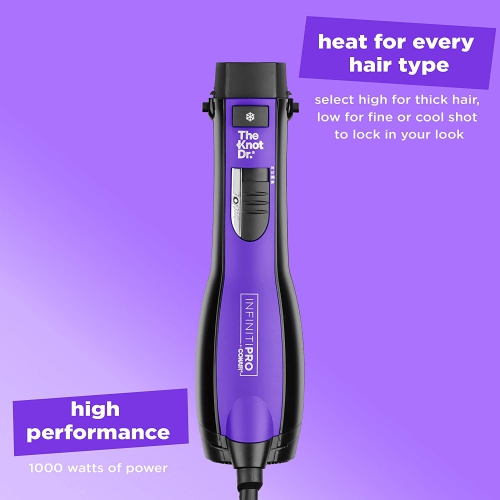 Your price for this item is $142.99
 -
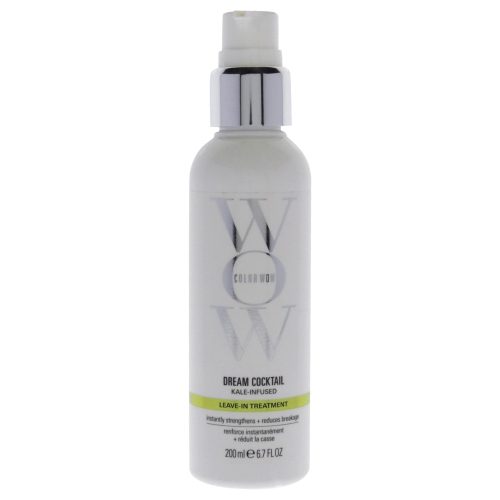 Your price for this item is $42.79
 -
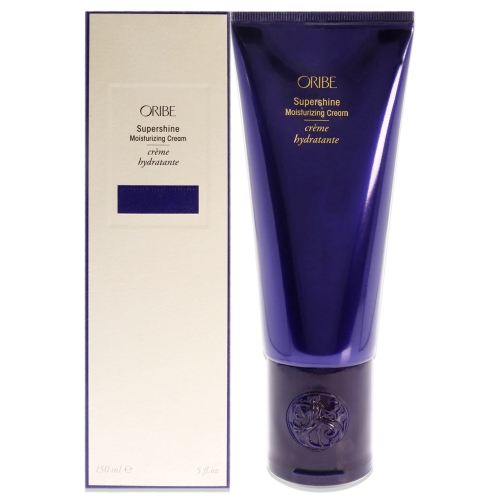 Your price for this item is $85.49
 -
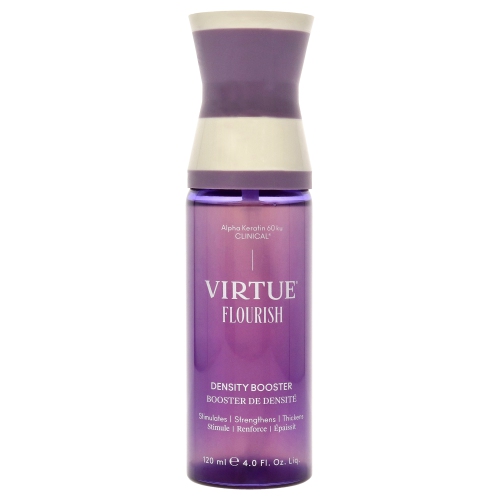 Your price for this item is $63.68
 -
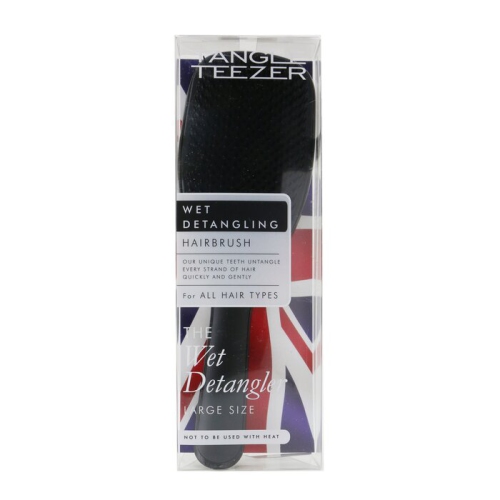 Your price for this item is $184.8
 -
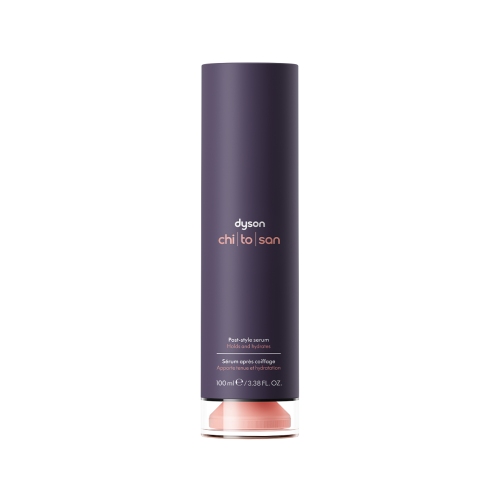 Your price for this item is $59.99
 -
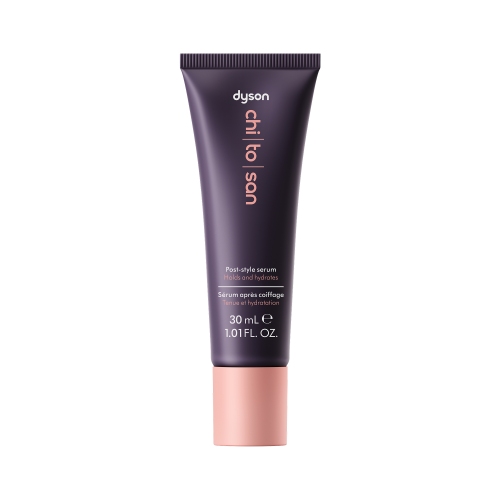 Your price for this item is $39.99
 -
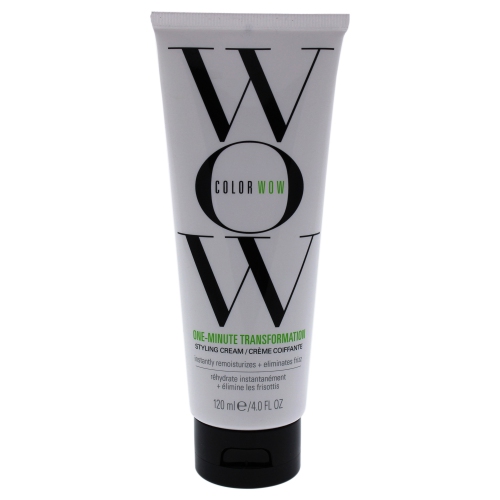 Your price for this item is $40.8
Discover more categories related to Hot Brushes
Top Collections:
Pokemon Centers, Kindle Devices, Best Cell Phones Under $500, Alarm Clock, Canon G7X Cameras, iPhone 15 Apple, Apple iPhones 16, Laptops for Students, iPhone 14 256GB, Budget Smartphones
Some products may be subject to Environmental Handling Fees
(EHF) depending on your province.
Learn more about EHFs.