Hair Styling Hot Brushes
Looking to achieve salon-worthy hair at home? Look no further than our collection of Hair Styling Hot Brushes. These innovative tools combine the power of a hairbrush and a styling tool, allowing you to effortlessly create sleek, voluminous, or curly hairstyles with ease. Whether you're looking to tame frizz, add texture, or enhance your natural waves, our range of Hair Styling Hot Brushes has something for everyone. Say goodbye to bad hair days and hello to fabulous locks that will turn heads wherever you go. Explore our selection today and discover the perfect hot brush for your hair needs.
Sort
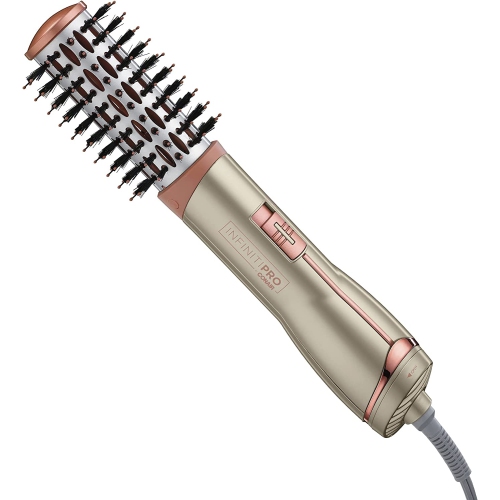
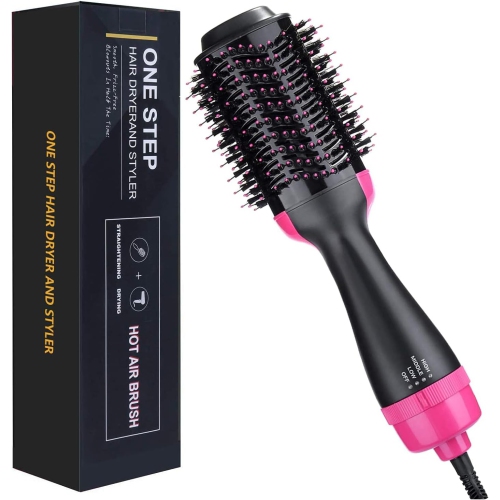
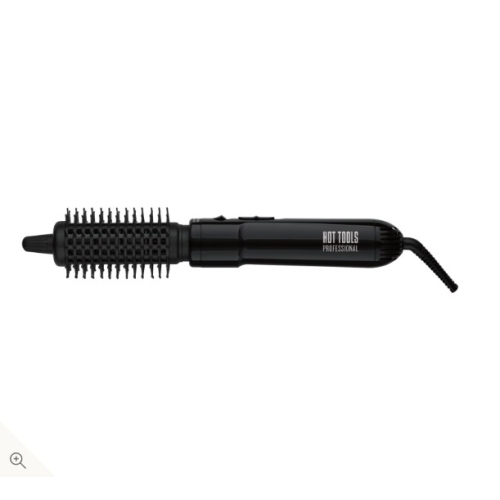
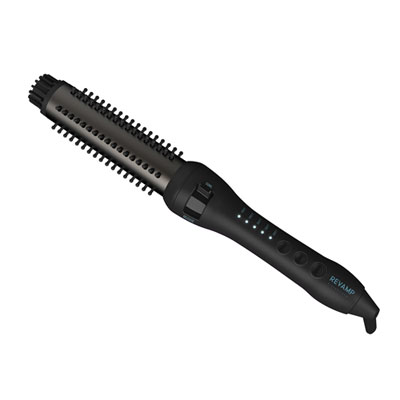


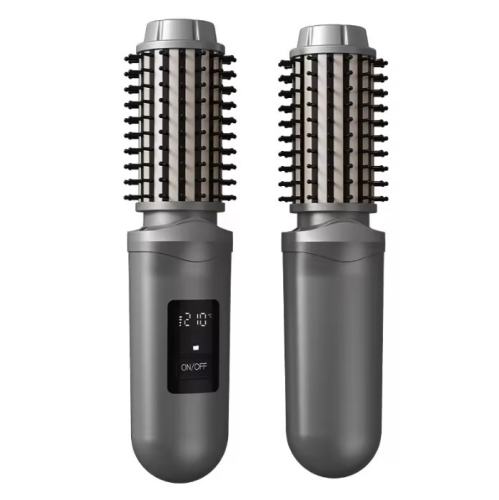


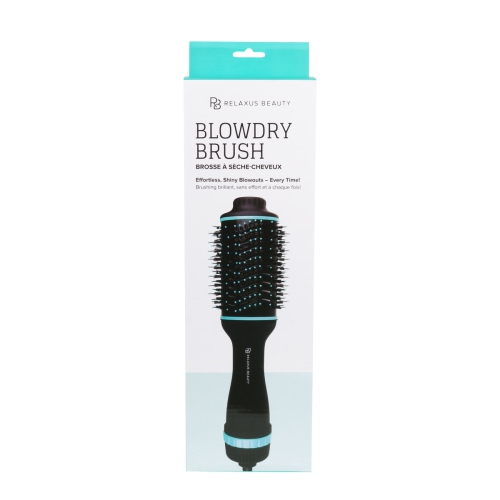

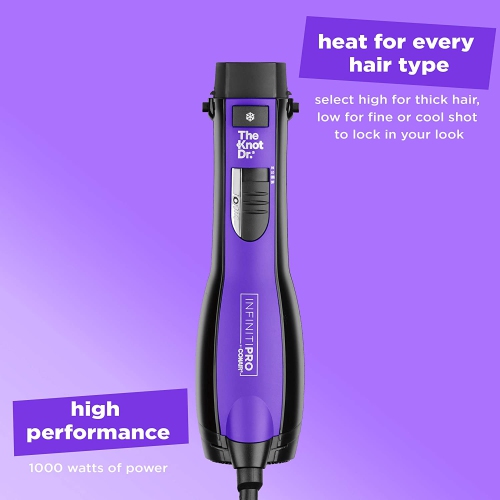


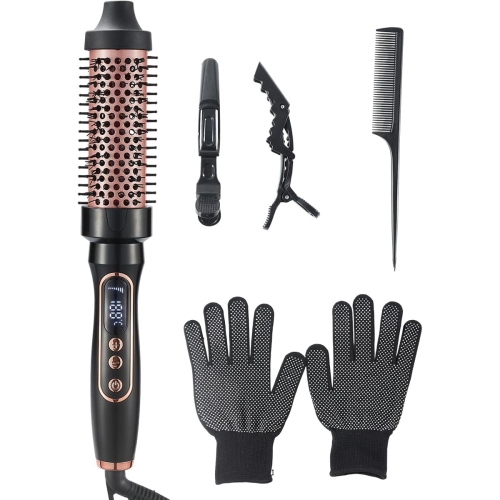
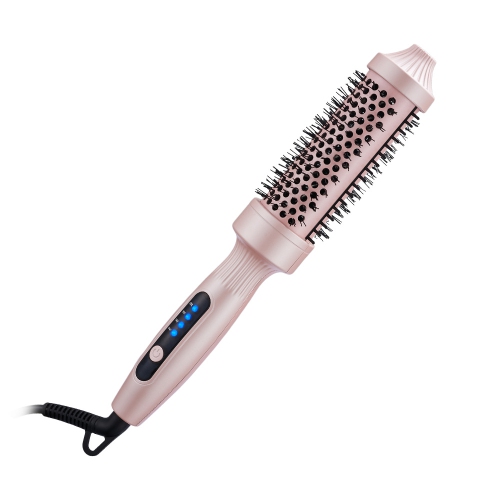
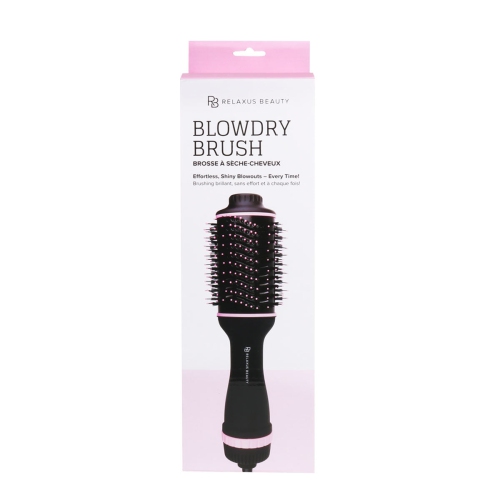
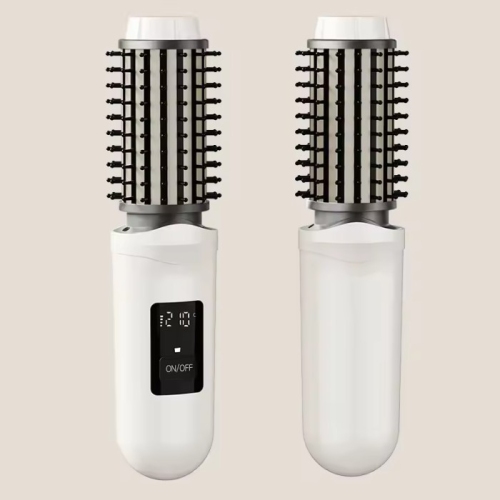
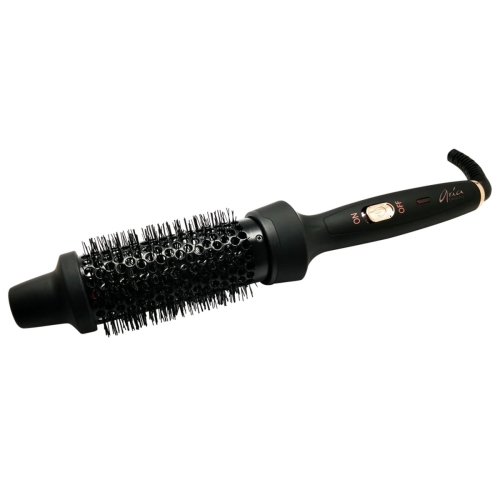
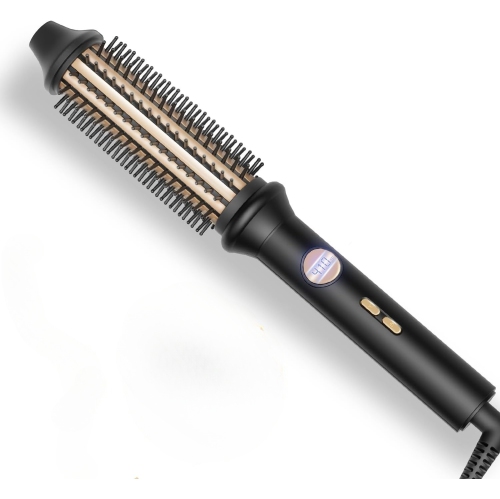

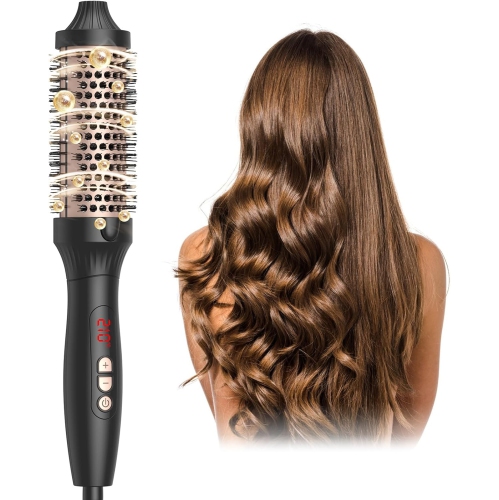
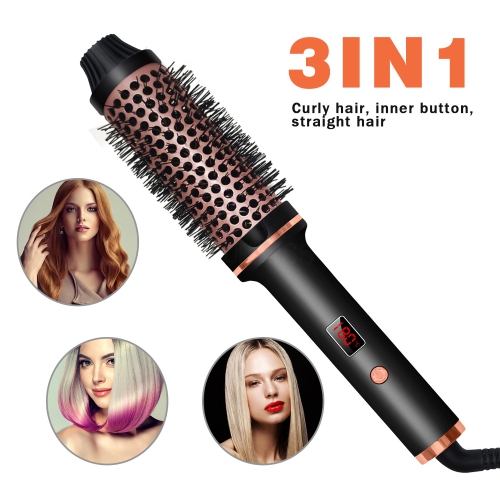
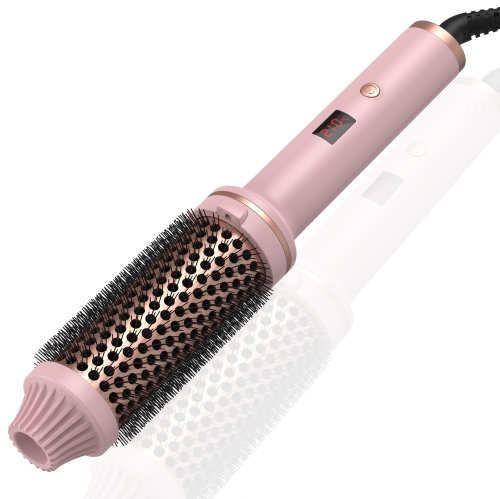


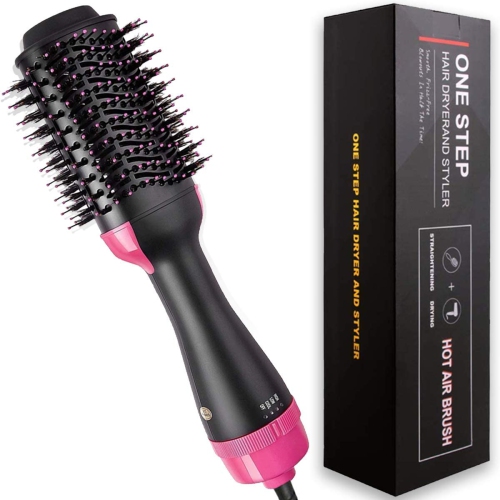

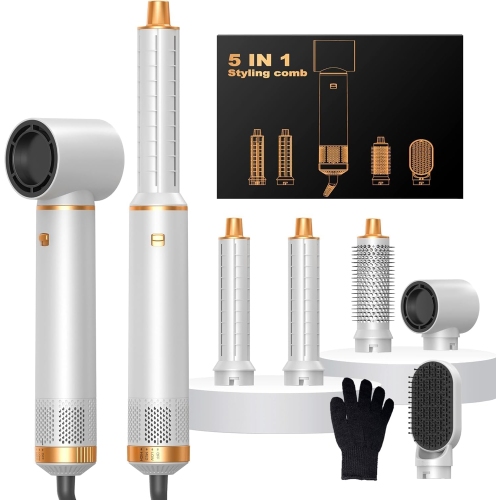

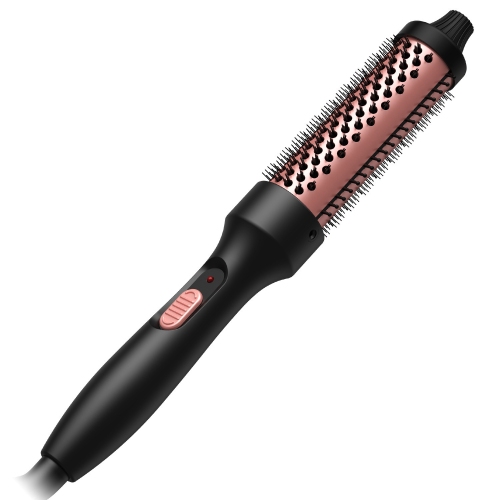


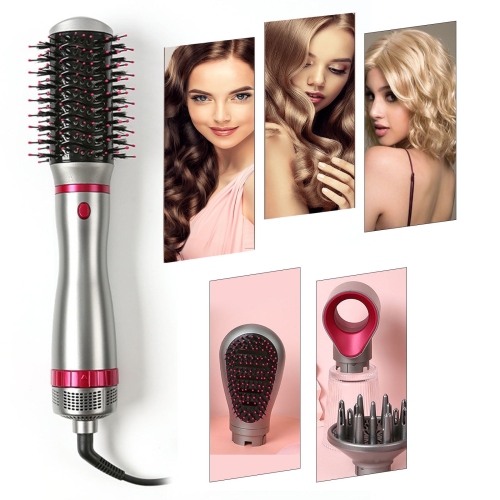
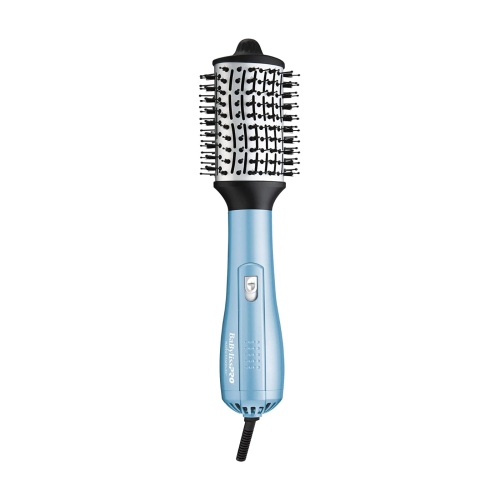
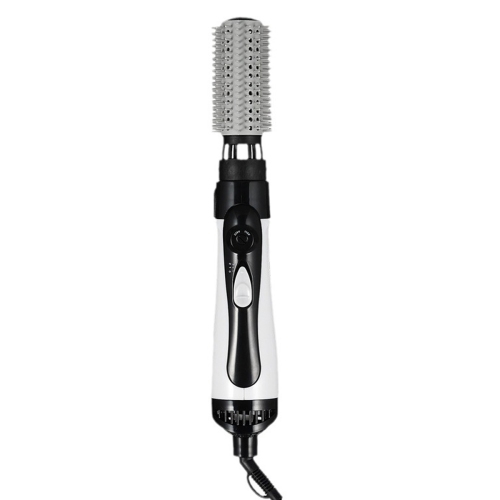
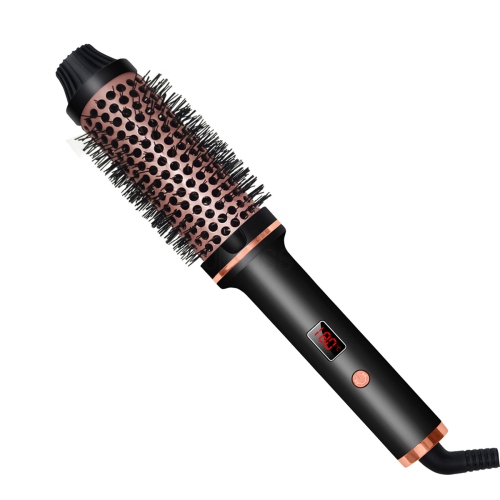


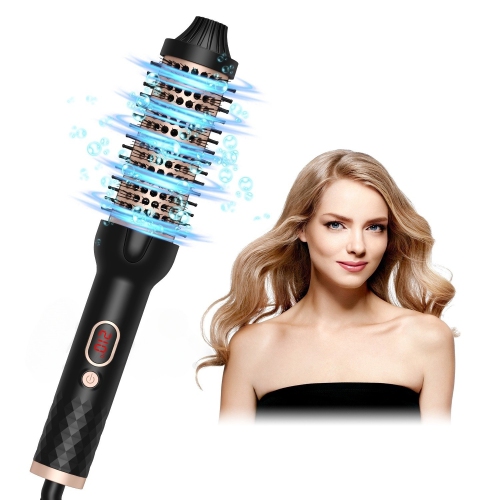

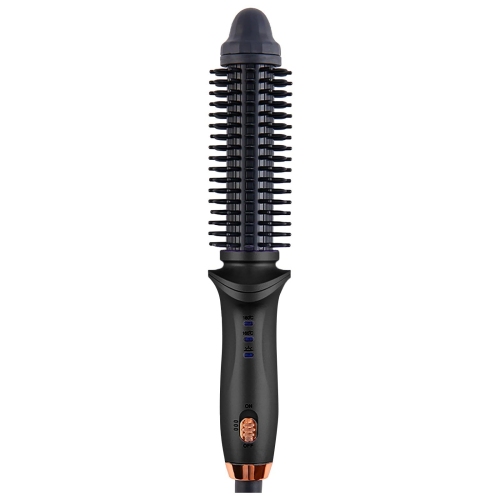

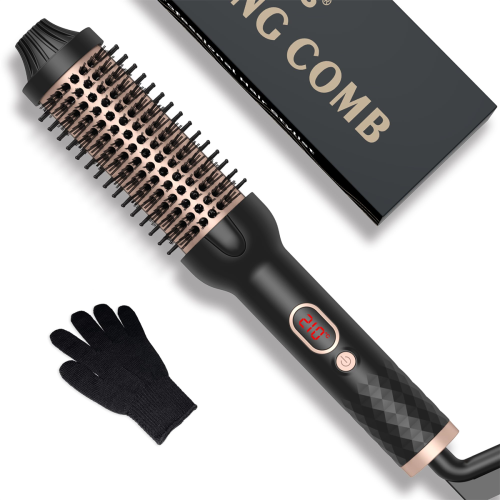
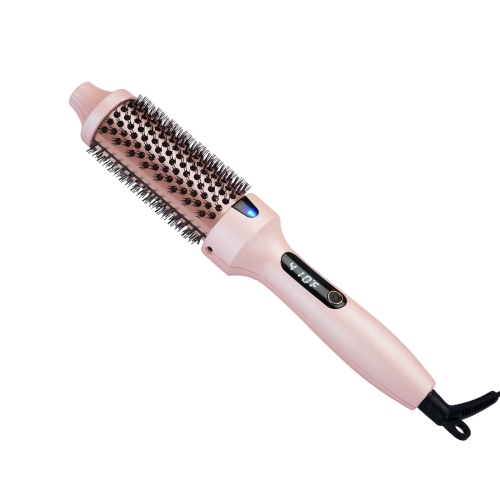

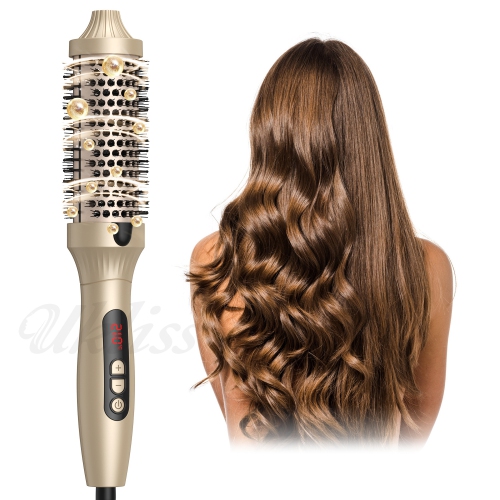
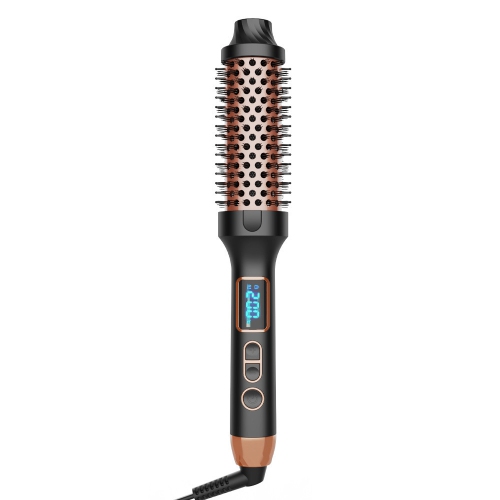


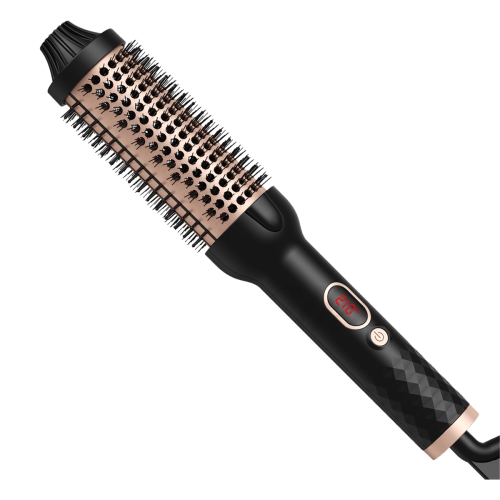

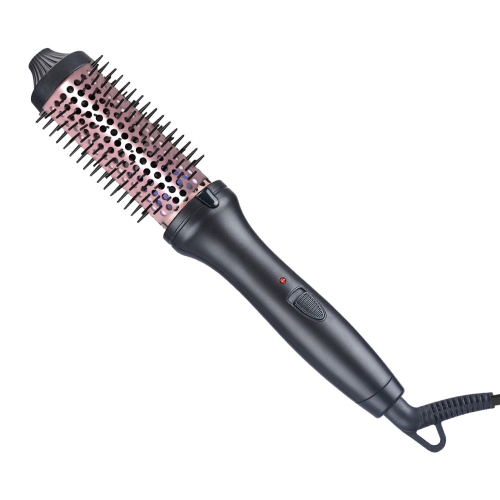

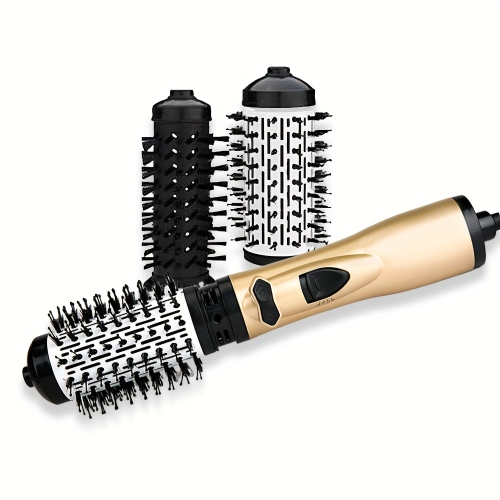

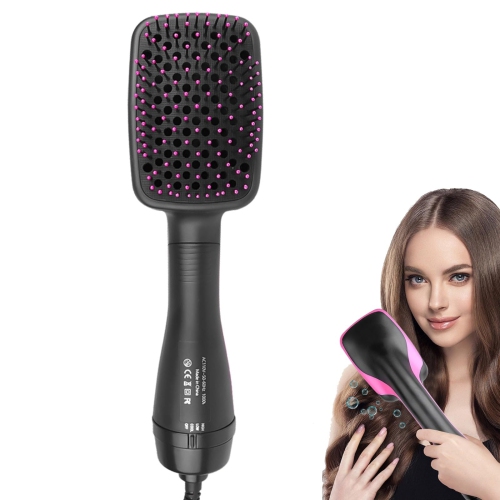
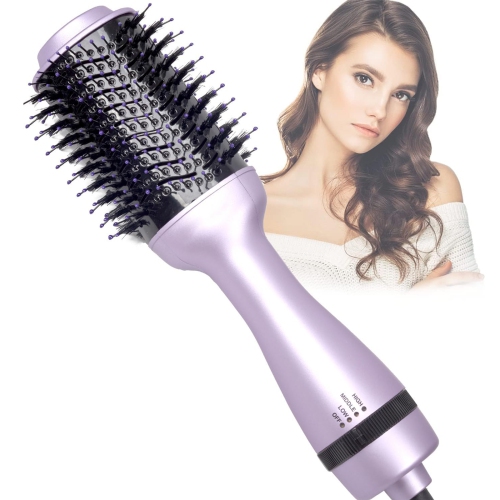


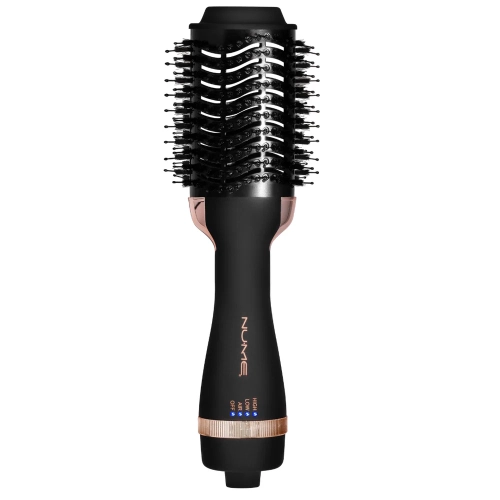

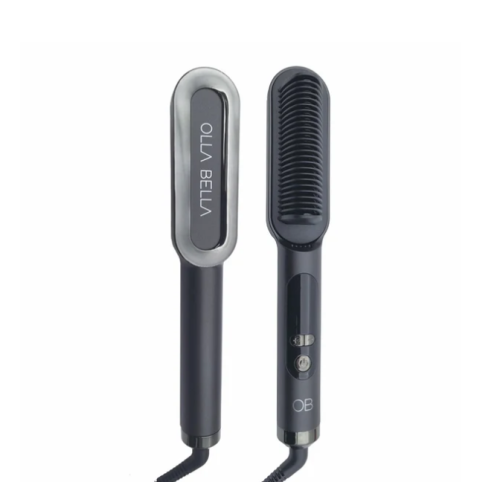








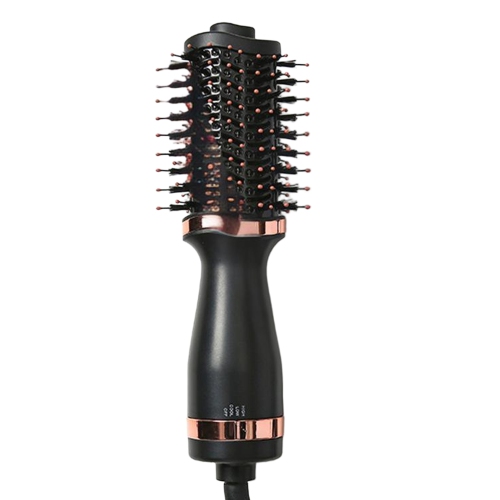


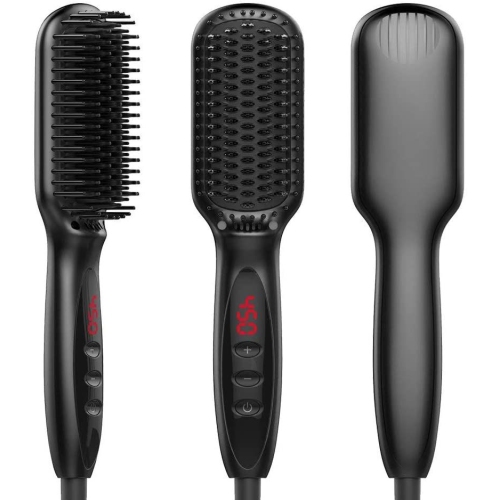
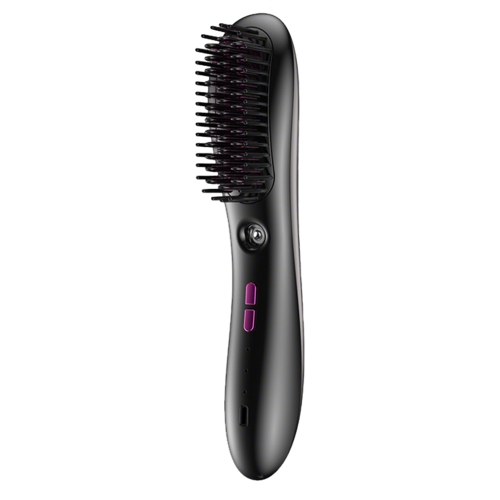
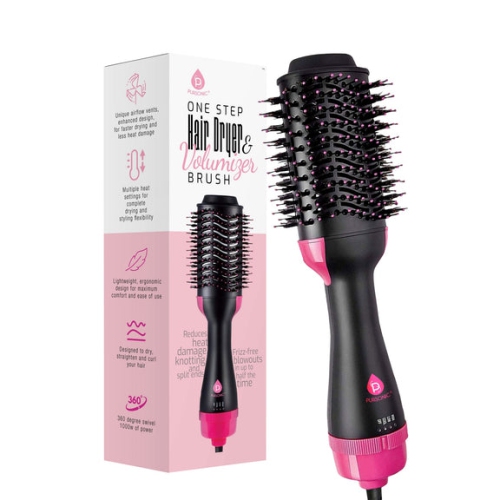


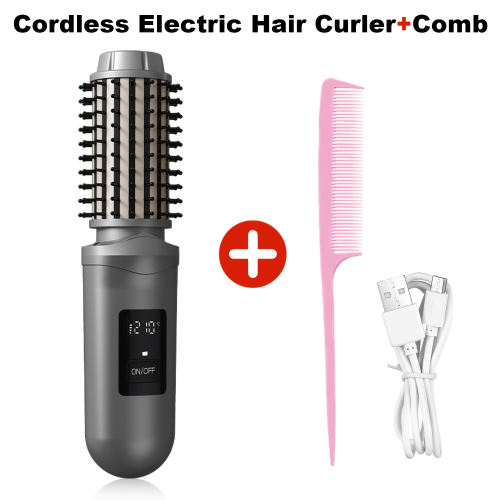


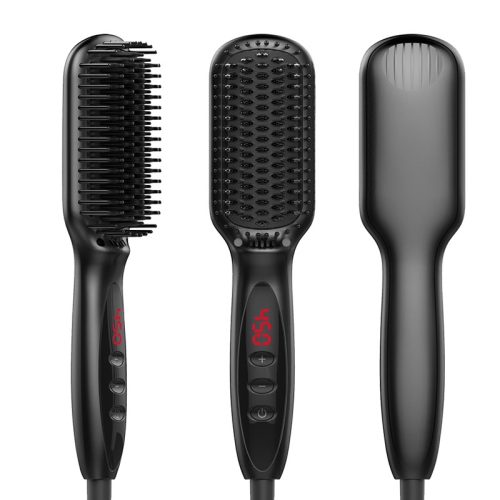

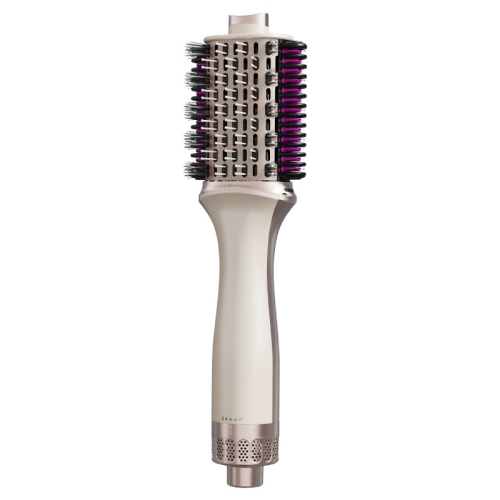

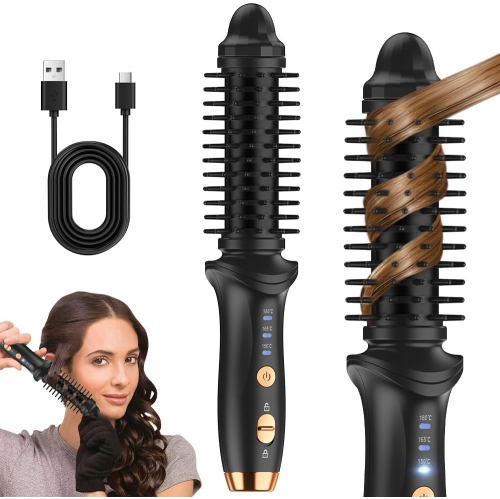


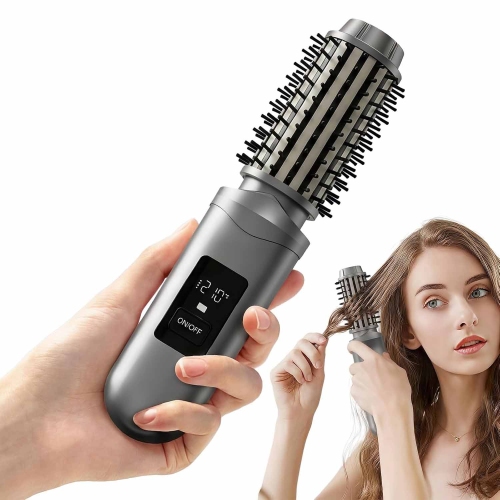


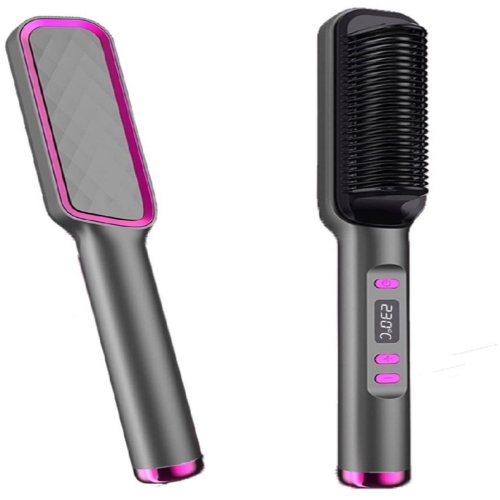
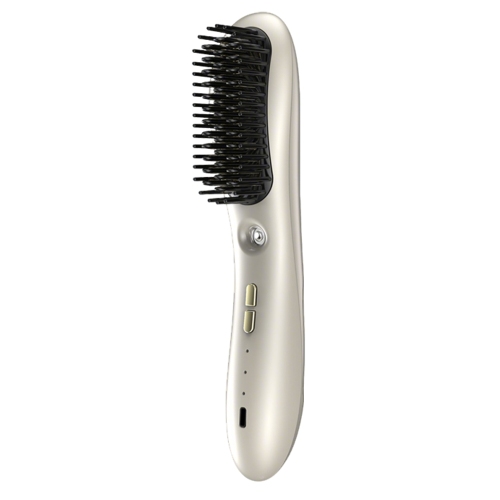
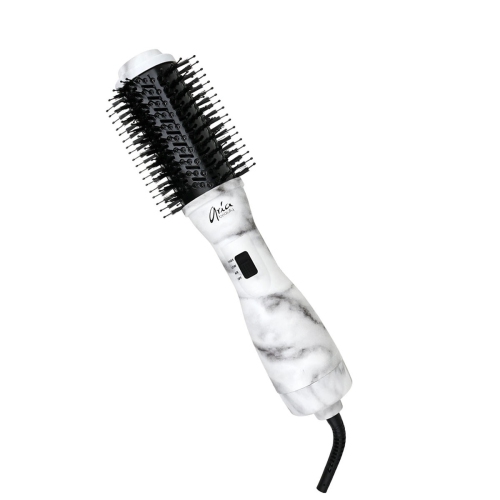
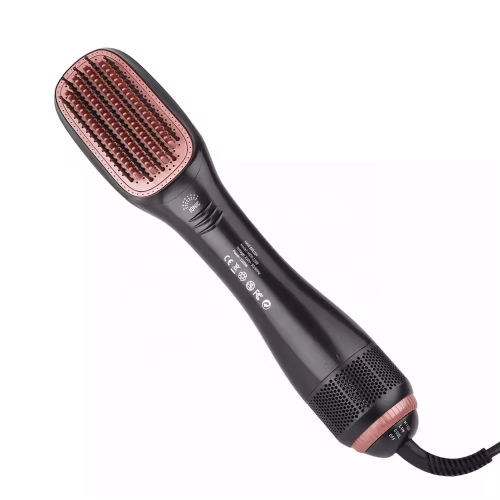


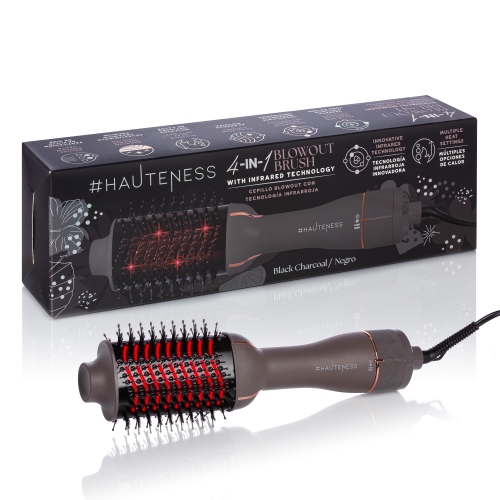
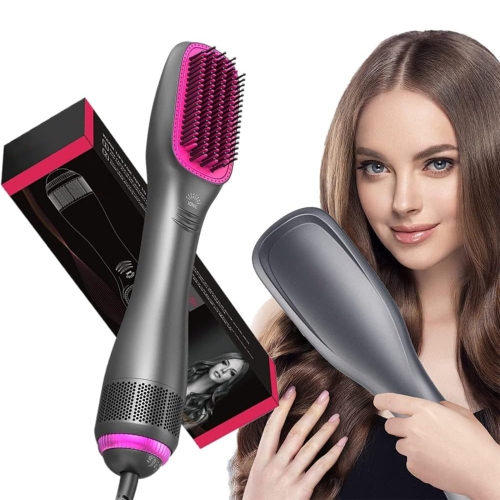


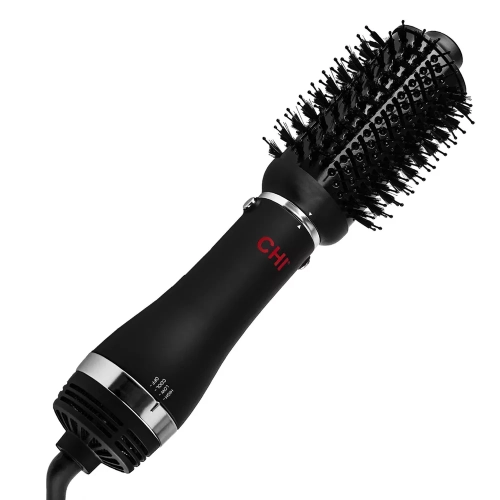



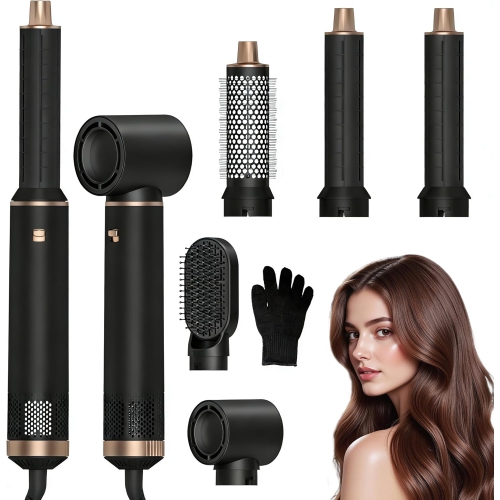
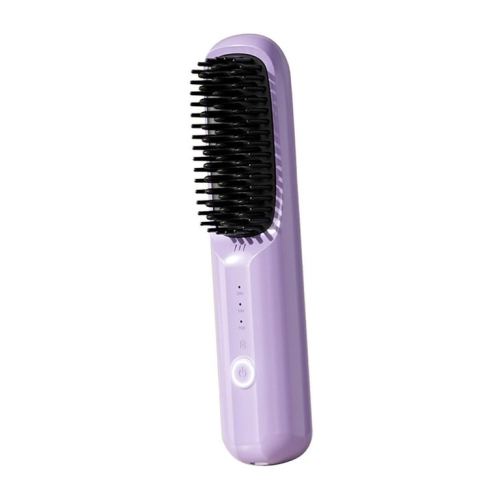
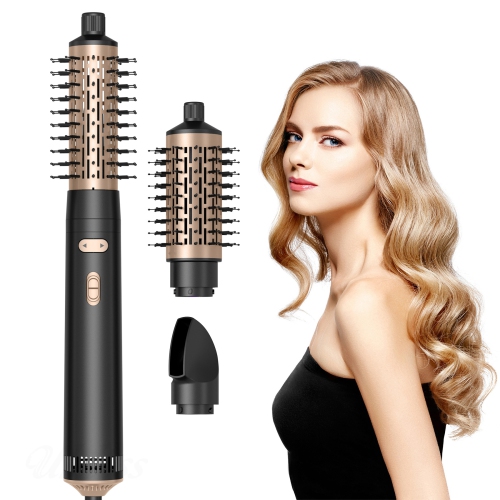


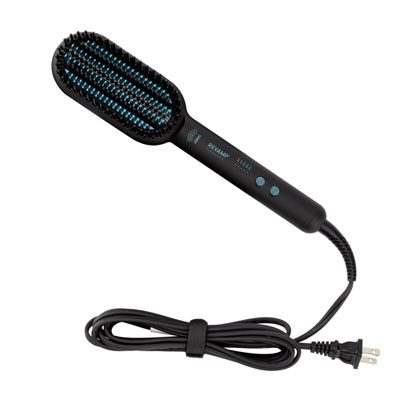


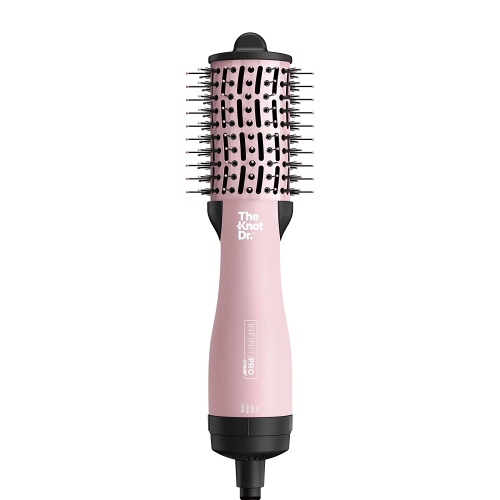
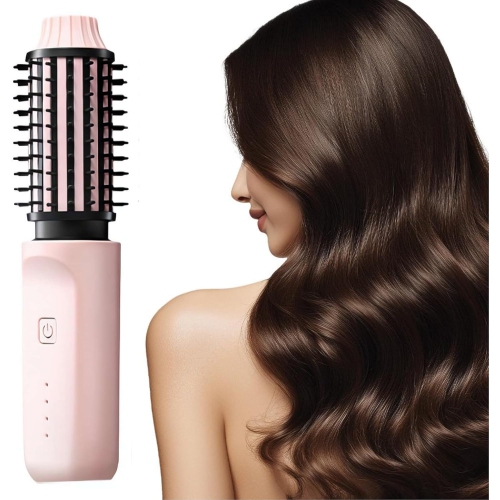
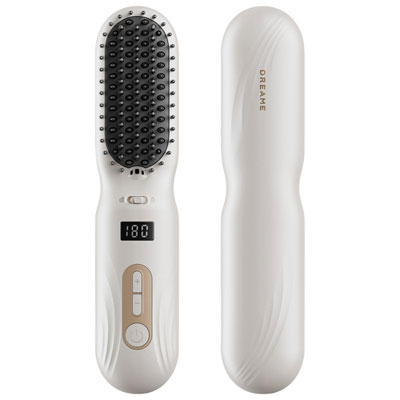


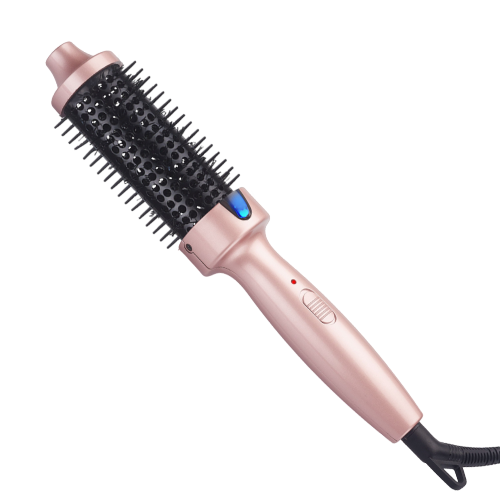

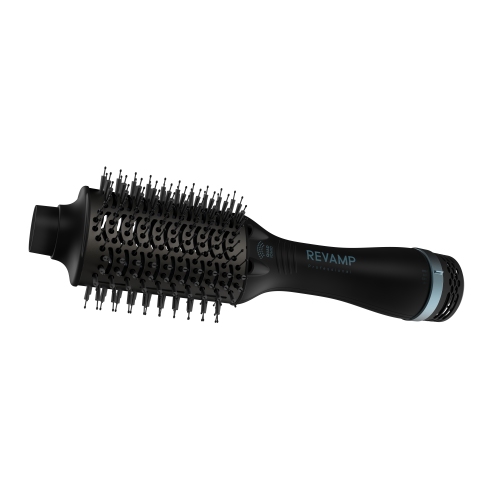

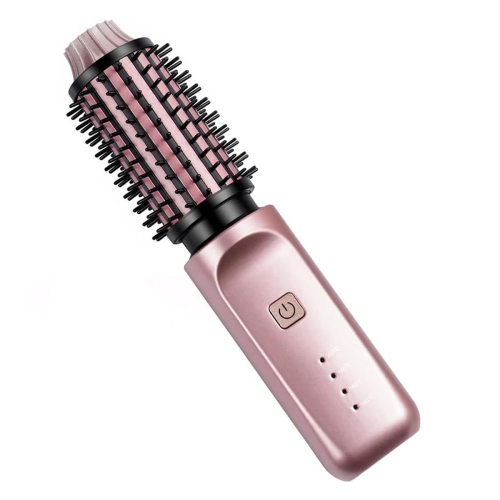

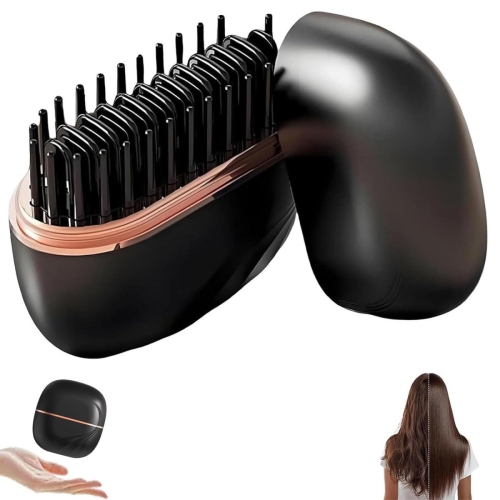

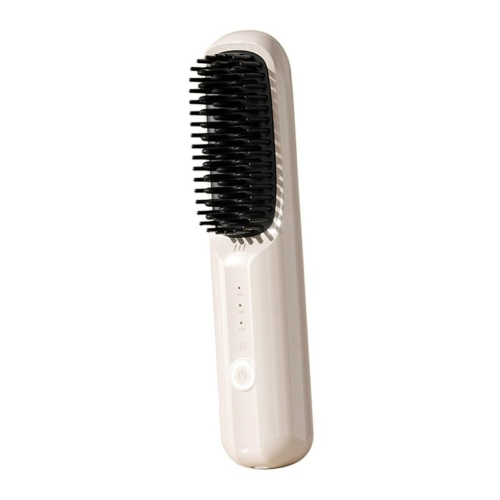
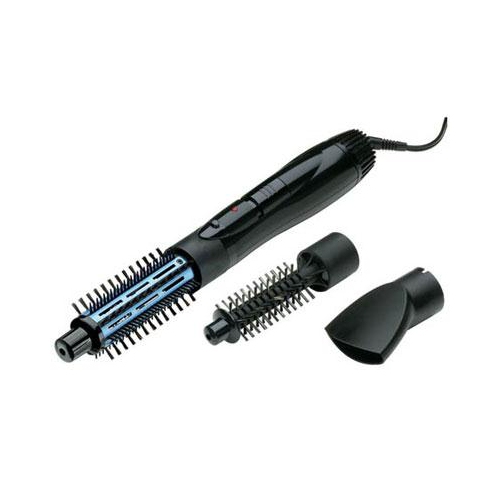


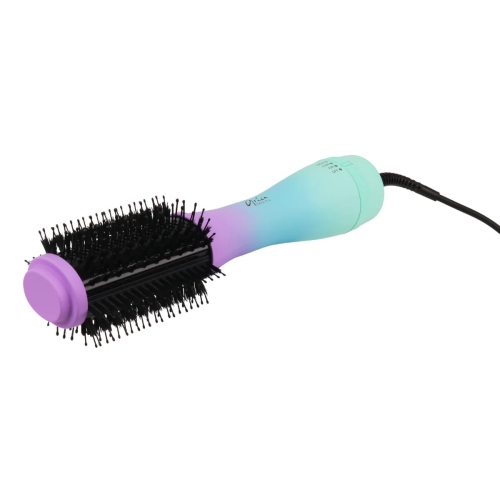
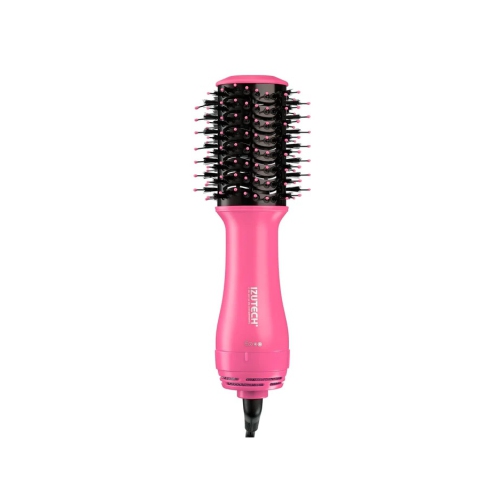
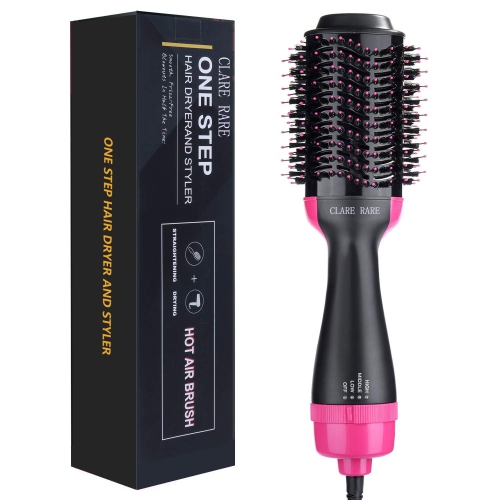


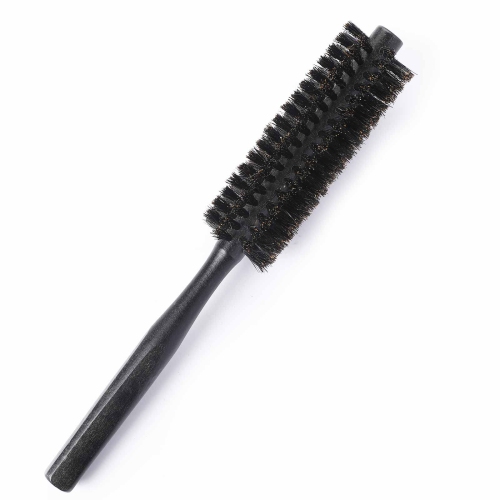


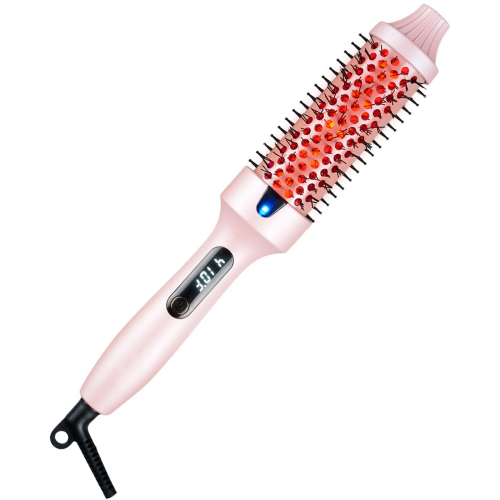
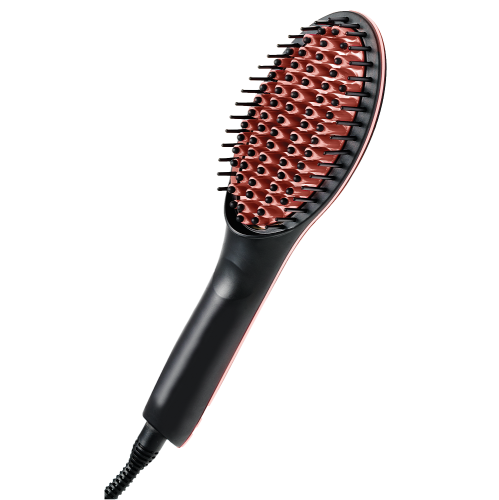


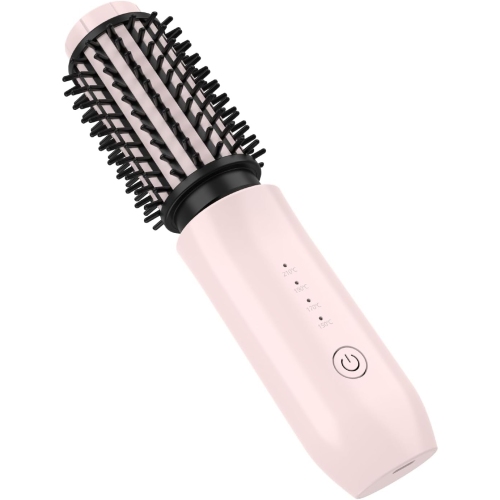

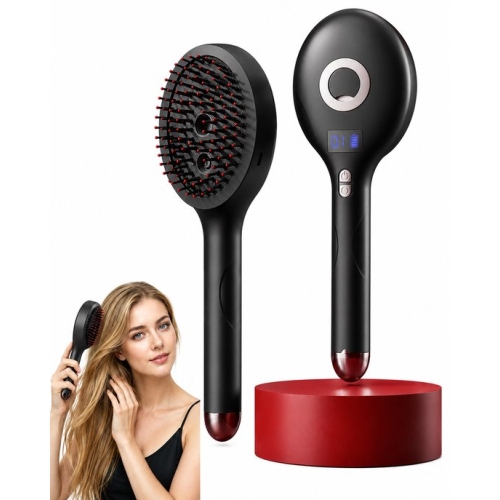
Why some brushes dry hair while others only style
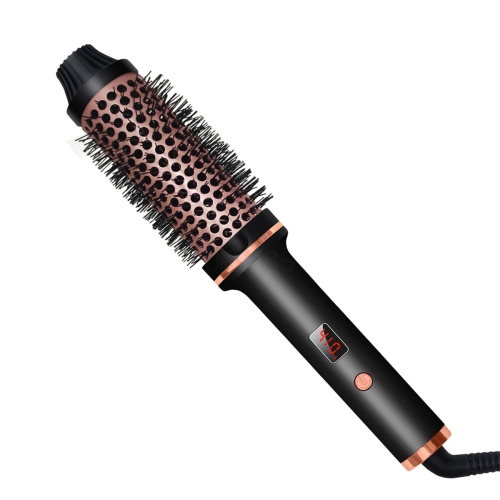
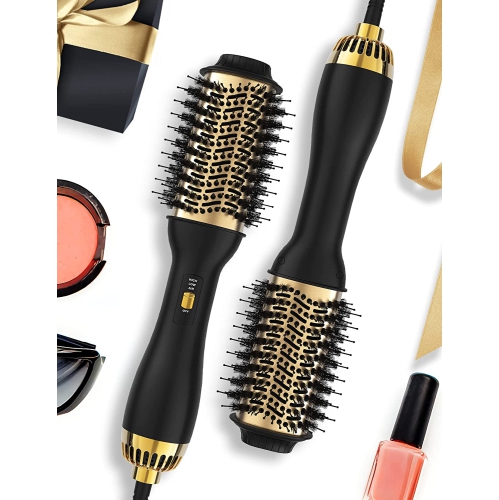
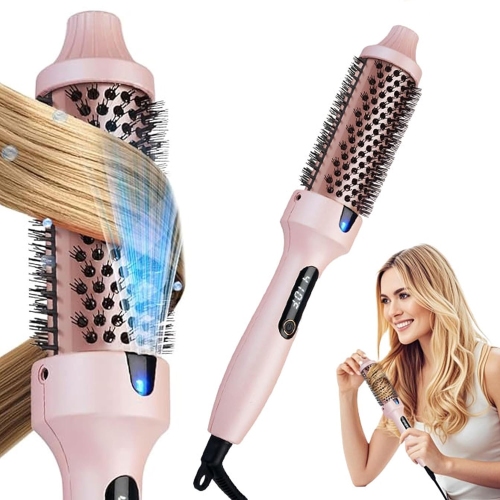
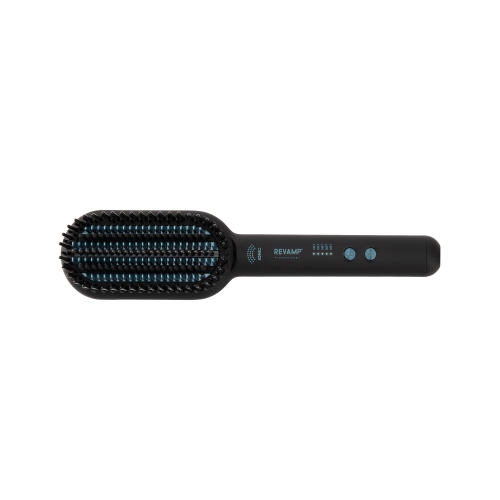
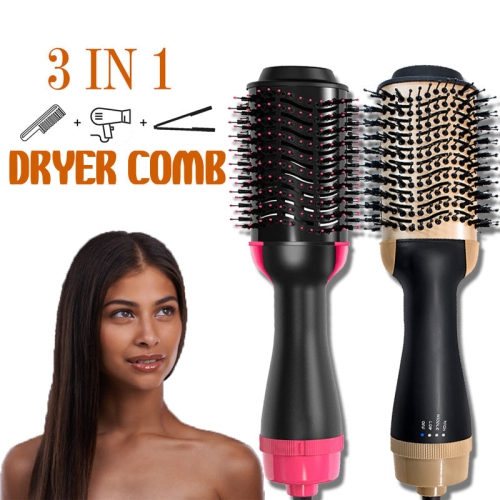
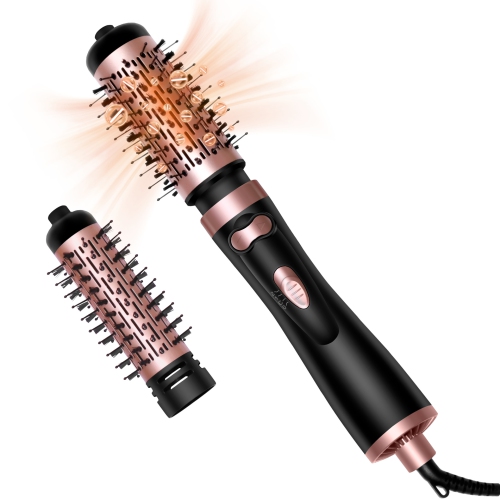
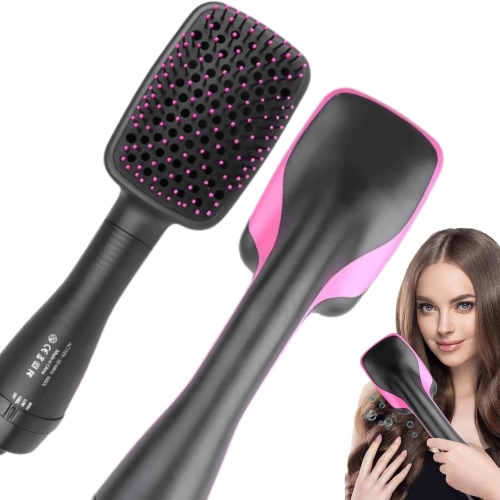
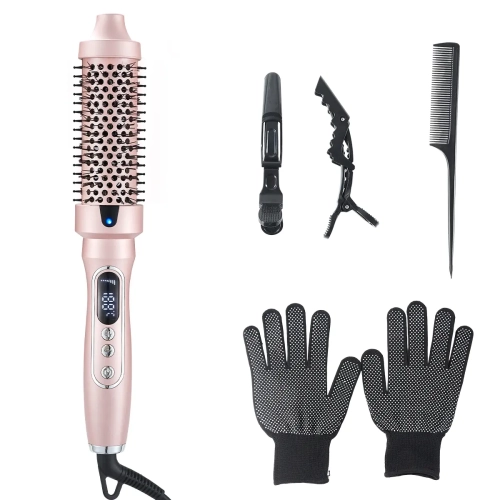
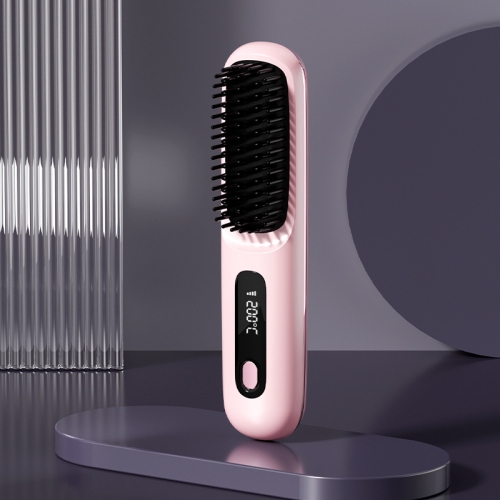
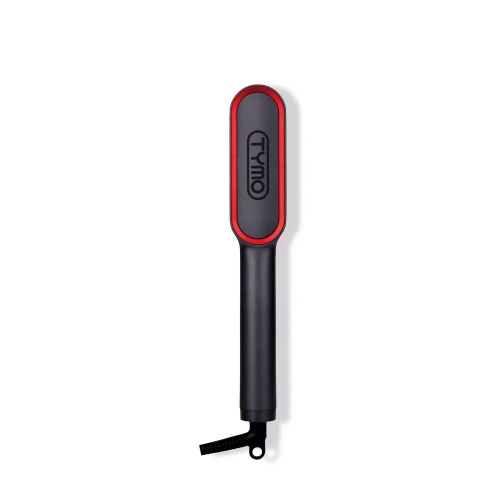
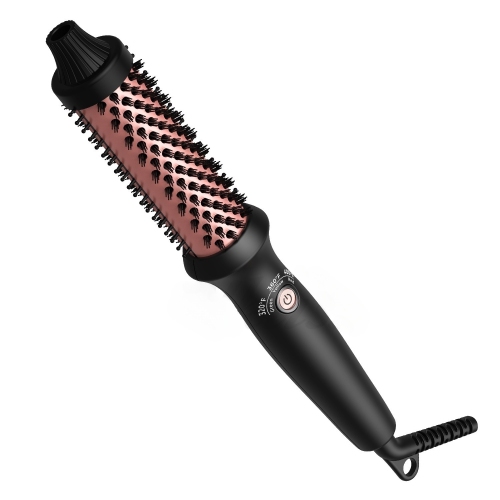
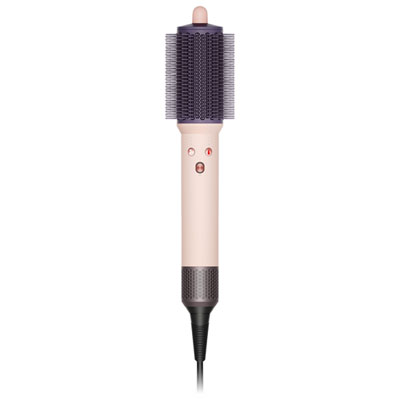
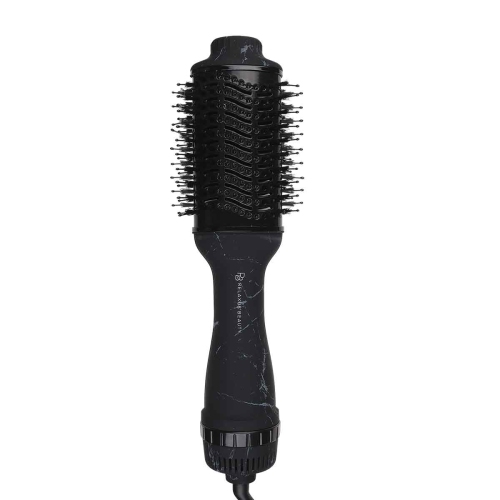
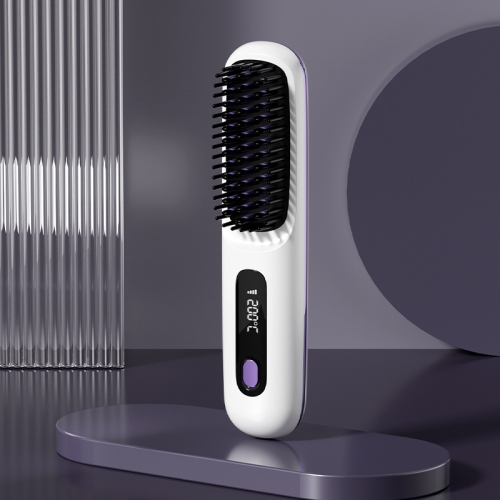
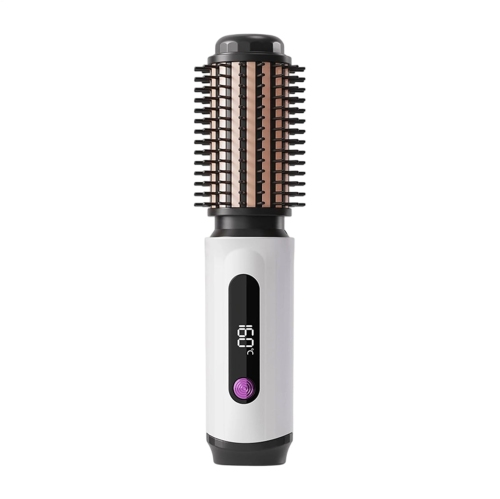
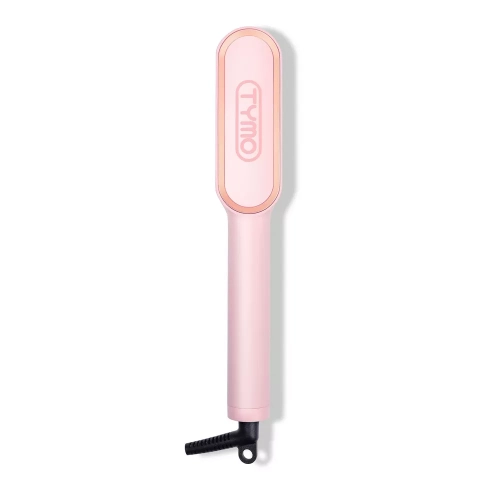
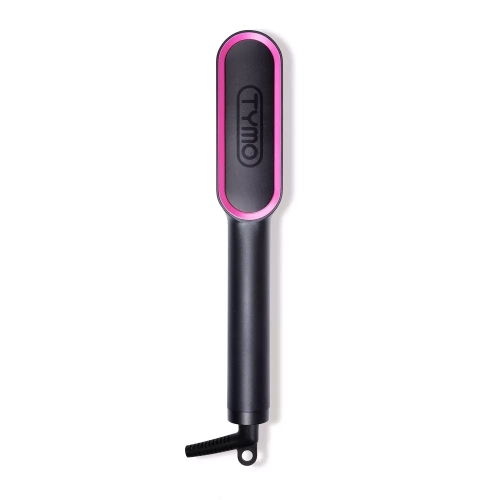
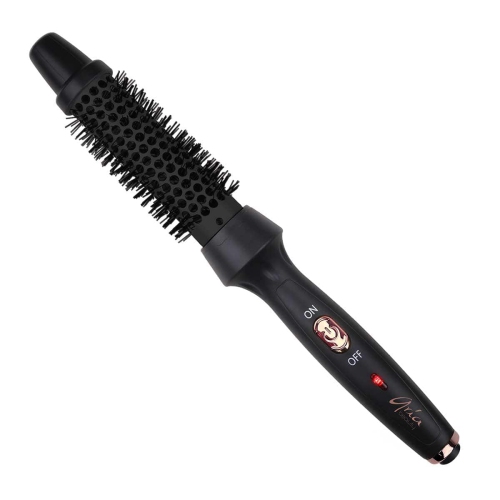
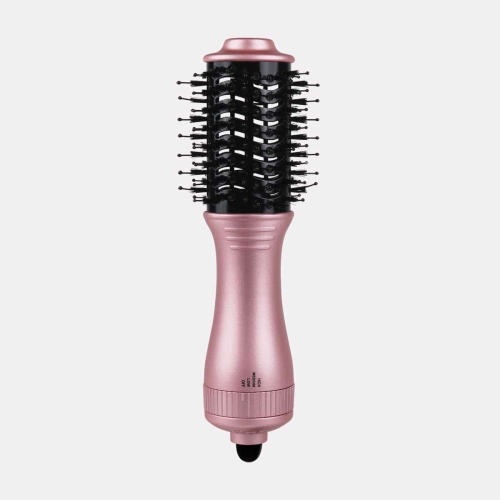
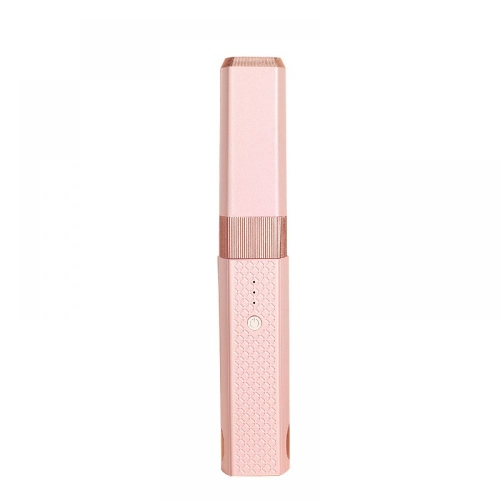
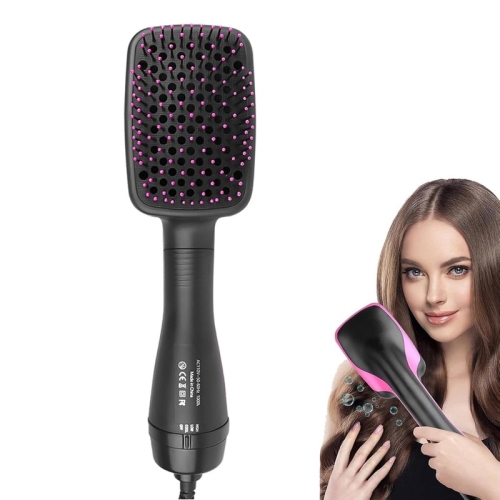
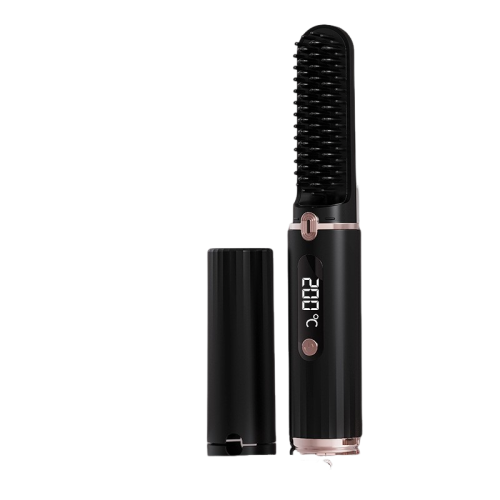
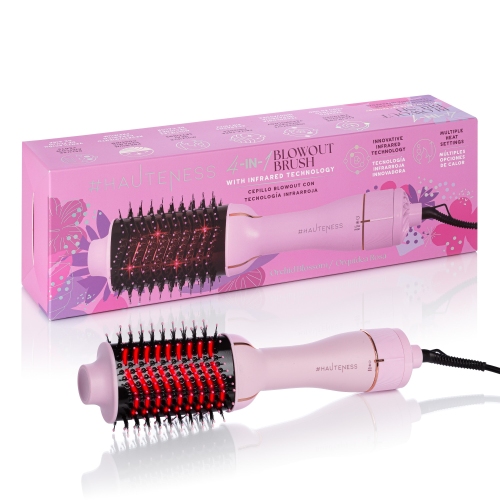
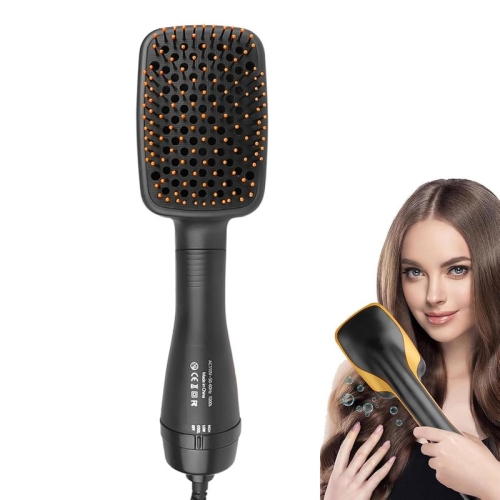
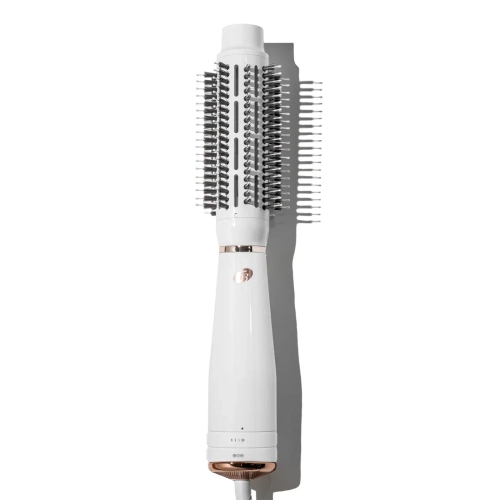
Hair styling hot brushes combine the familiar shape of a hairbrush with heat, airflow, or both to help smooth lengths, lift roots, and shape ends. They suit a range of everyday looks, from a softly rounded bob to longer layers with movement through the mid-lengths. The main distinction is between a hot air brush and a heated styling brush. A hot air brush sends warm air through openings in the brush head, allowing it to dry and shape damp hair when used according to its instructions. A heated styling brush uses a heated surface to reshape dry hair; it is not a substitute for a hair dryer and should not be used on wet hair. This difference matters for someone who wants to combine part of a drying routine with styling, compared with someone who simply wants to smooth a fringe or refresh flattened lengths before heading out. Hot air designs may have round, oval, or paddle-shaped heads, while heated brushes can range from flat smoothing tools to rounded barrels that create bends and lift. A round barrel can help turn ends under or away from the face, while an oval head offers a broader surface for smoothing sections and adding fullness. Paddle-style designs generally focus on straighter, smoother finishes rather than pronounced curls. Results depend on hair texture, length, section size, and the tool’s design, so a brush that creates a bouncy finish on a shoulder-length cut may produce a gentler bend on much longer hair. These tools are particularly useful for people who find coordinating a separate dryer and round brush awkward, although styling still requires controlled sections and gentle tension. For curly or coily hair, a hot brush may be part of a stretched or smoother style, but the achievable finish varies and should not be assumed to match the results of a flat iron. The appeal is a brush-shaped tool that can make shaping hair more manageable without requiring the same routine for every hair type.
The right brush shape and settings depend as much on hair length and condition as on the desired finish. A smaller barrel can reach shorter layers and shape a fringe more easily, while a larger head provides more surface area for longer sections. An oversized brush may feel cumbersome around a short cut, and a small barrel can make styling thick, long hair more time-consuming. Fine, fragile, or colour-treated hair benefits from careful heat selection, making adjustable settings more useful than a single high setting. Dense hair may require smaller sections and additional drying time rather than simply more heat. Ceramic-coated surfaces are commonly used to distribute heat across the styling area, while some designs include tourmaline or ionic features intended to help reduce static and improve smoothness. These features do not make hair immune to heat damage, and the quality of the finished style still depends on technique and the condition of the hair. Bristle layout also changes how a brush feels in use. Flexible bristles can make movement through a section gentler, while firmer bristles may provide more grip for shaping; either way, a styling brush is not a replacement for detangling beforehand. Snagging or pulling is a reason to pause rather than force the brush through. For hot air tools, hair should be prepared to the dampness level specified by the manufacturer, not left dripping wet. For heated styling brushes, hair must be dry before contact with the heated surface. A heat protectant suitable for the tool and routine can help reduce heat-related damage when applied as directed, but it does not justify excessive temperatures or repeated passes. Sections that fit comfortably within the brush head allow better control than large bundles that cover the airflow openings or wrap tightly around the barrel. Cool-air settings, where included, can help finish a section after shaping. Rotating heads can assist with rolling the hair through the brush, though they take some practice and require particular care near roots, tangled sections, and longer lengths.
Comfort and day-to-day practicality are important parts of choosing a hair styling hot brush. A balanced handle, accessible controls, and a cord that moves freely can make a noticeable difference when working around the back of the head or holding the brush above shoulder height. Tool weight becomes especially relevant for longer styling sessions, while the size of the head affects how easily it reaches close to the roots without touching the scalp. Cool-touch tips, protective bristles, and automatic shut-off are useful features when present, but hot surfaces still need careful handling and a suitable resting place. Interchangeable heads can offer different styling shapes in one system, although attachments should only be changed in the manner described by the manufacturer. When comparing hot air designs with Thermal Hair Brushes for Styling, the important detail is whether the brush dries with airflow, styles through a heated surface, or works alongside a separate dryer. That distinction helps match the tool to an existing routine rather than adding an unnecessary step. Care also affects performance and durability. Loose hair and styling-product residue can build up around bristles, while blocked air openings can interfere with airflow. Cleaning should take place only after the tool has been unplugged and allowed to cool, using the method specified for its materials and attachments. Electrical brush bodies should not be immersed in water, and removable parts should only be washed if their instructions permit it. A cooled brush can be stored without tightly wrapping the cord around the handle, helping avoid unnecessary strain at connection points. For travel, voltage compatibility and plug requirements need checking even when the brush is compact. As a gift, a hot brush is most useful when its size, settings, and intended use reflect the recipient’s hair and styling habits. Someone who enjoys soft volume may appreciate a different design from someone who wants quick smoothing between washes. A well-matched tool supports those familiar preferences while leaving room to experiment with a tucked-under finish, lifted roots, or gently swept-back layers.
Top selling and popular products
-
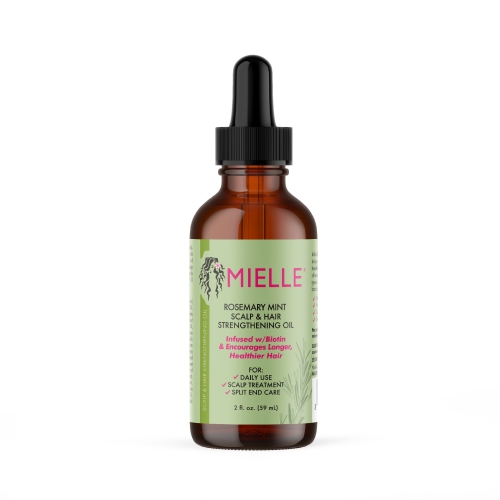 Your price for this item is $15.99
-
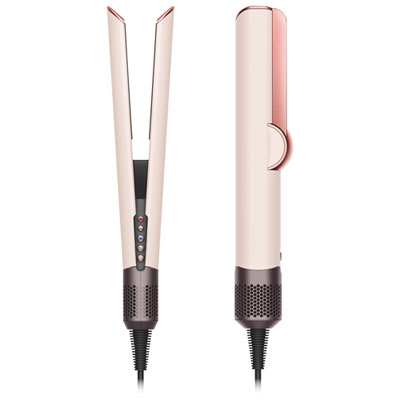 Your price for this item is $699.99
-
 Your price for this item is $549.99
-
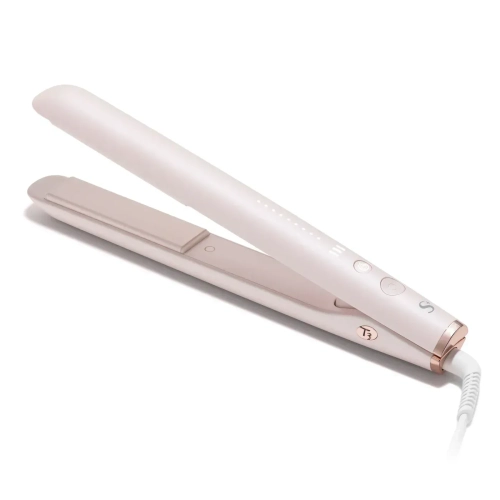 Your price for this item is $249.99
-
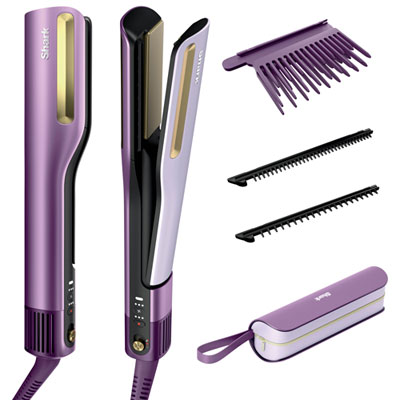 Your price for this item is $349.99
-
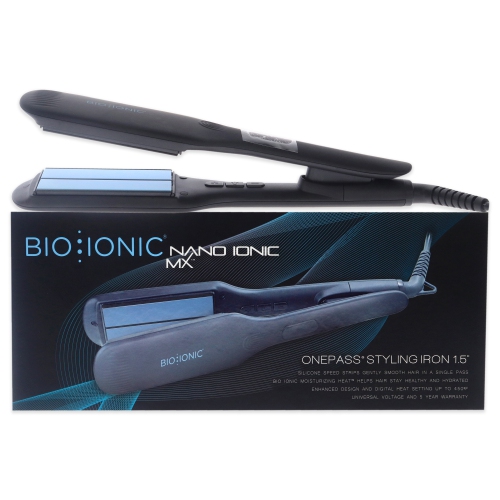 Your price for this item is $283.56
-
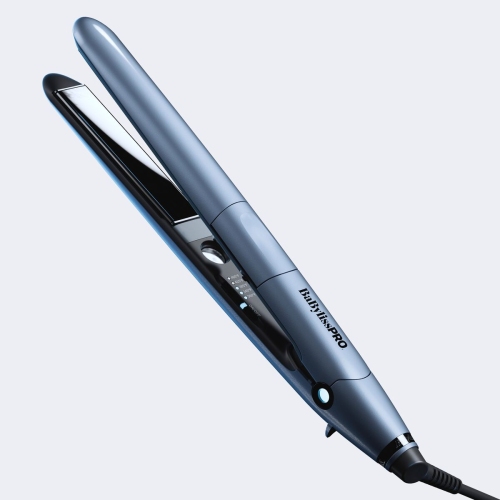 Your price for this item is $119.99
-
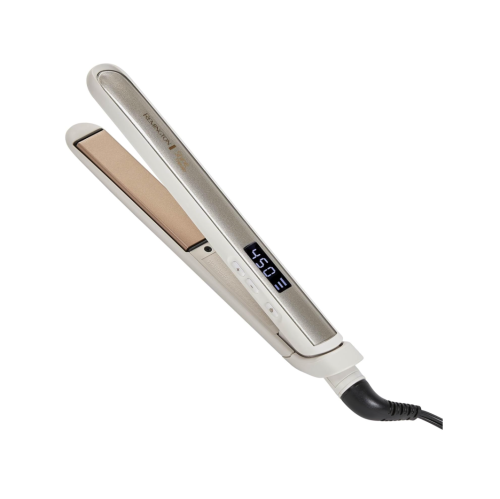 Your price for this item is $53
Discover more categories related to Hair Styling Hot Brushes
Top Collections:
Pokemon Centers, Best Cameras for Sports Photography, Kindle Devices, Samsung Galaxy Phones, Canon G7X Cameras, Pokémon 30th Celebration Cards, Refurbished Apple Laptops, iPhone 15 Apple, Laptops for Students, Budget Smartphones
Some products may be subject to Environmental Handling Fees
(EHF) depending on your province.
Learn more about EHFs.