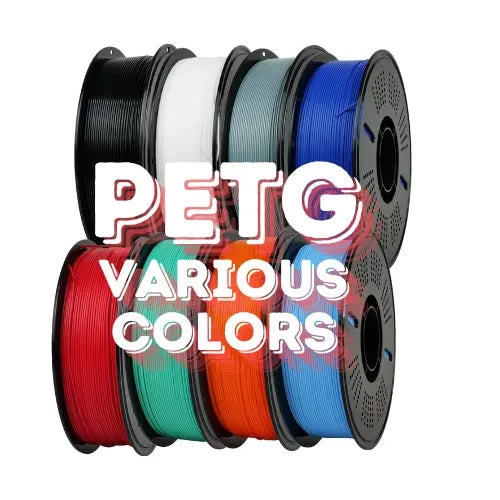
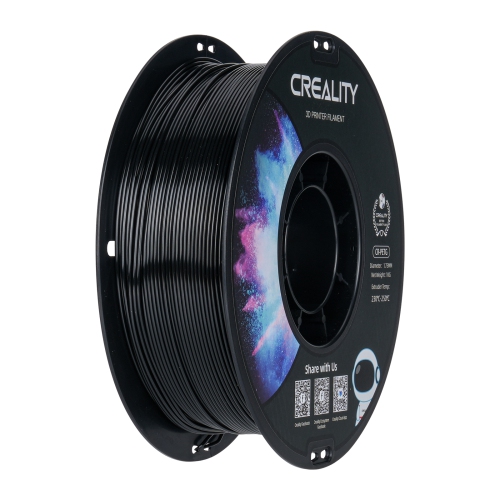
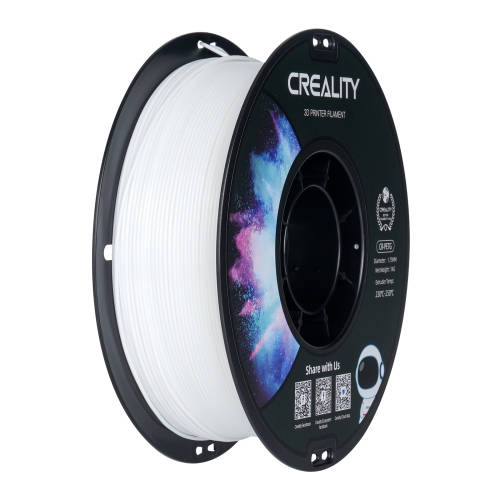
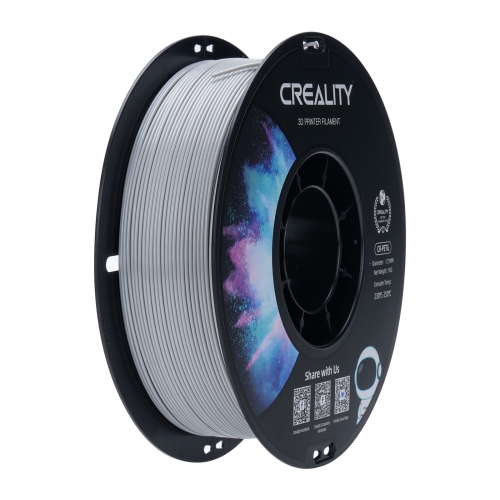
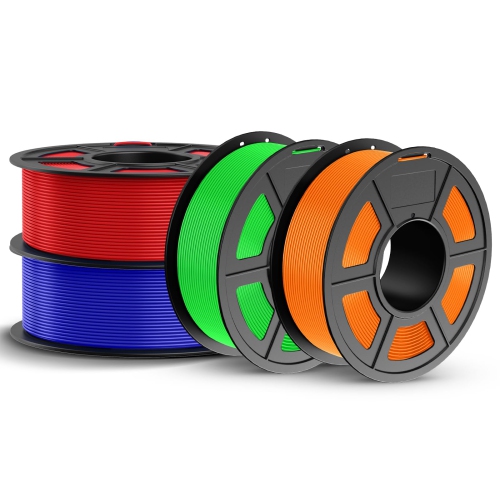
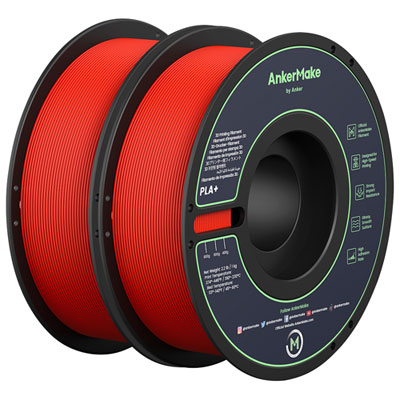
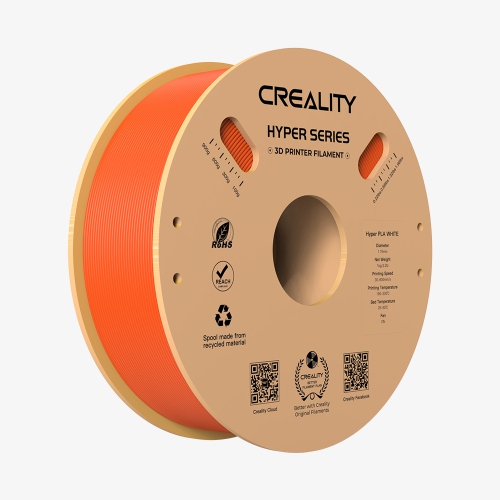
PETG 3D Printer Filament

Shop PETG 3D printer filament for durable parts, prototypes and everyday projects that need a balance of strength and flexibility. Compare filament diameter, spool weight and colour to find the right fit, and check each option’s recommended printing temperatures against your 3D printer’s capabilities before choosing.
Read More

Sort

PETG 3D Printer Filament

PETG 3D printer filament offers a useful balance of toughness, layer adhesion, and ease of printing for compatible filament-based 3D printers. Made from glycol-modified polyethylene terephthalate, PETG is a popular choice for functional parts that need more impact resistance and flexibility than standard PLA typically provides. It suits projects such as organizers, brackets, protective covers, hobby components, and prototypes, where a finished print may need to withstand regular handling rather than simply look good on display. PETG also generally offers better heat resistance than standard PLA, though its limits depend on the formulation and how the part is printed. For makers, students, designers, and hobbyists, these characteristics make it a practical material to consider when moving from decorative prints to everyday objects. Finished-part strength still depends on the design, print orientation, wall thickness, and other settings, so material choice alone does not establish a part’s load capacity or suitability for demanding applications.

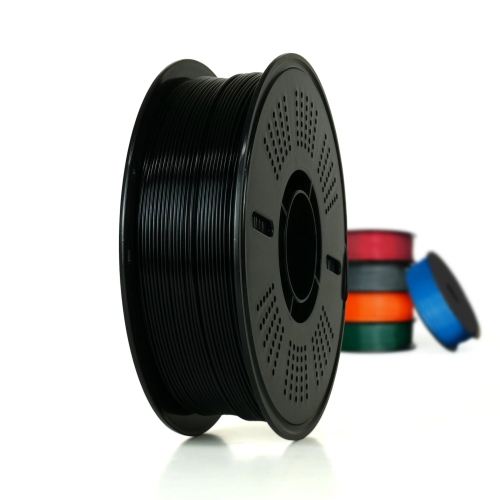
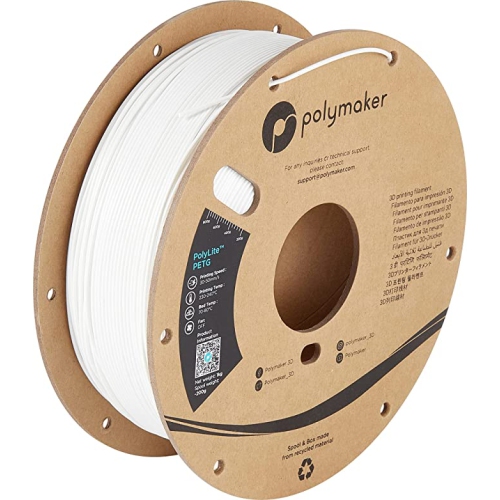
When comparing PETG filament, start with the specifications that determine whether it will work with your printer. Filament diameter must match the printer’s requirements; common diameters such as 1.75 mm and 2.85 mm are not interchangeable. Check the manufacturer’s nozzle and heated-bed temperature ranges against your printer’s supported capabilities, as PETG usually requires higher printing temperatures than PLA. Spool dimensions and weight also matter, particularly if the printer uses an enclosed spool holder or an automatic material-feeding system with specific compatibility requirements. Compare the stated net filament weight rather than relying on spool appearance to judge how much material you are buying. Diameter tolerance is another useful detail, since consistent filament dimensions help support even extrusion. If a listing describes a filled or specialty PETG formulation, review any additional nozzle or hardware requirements rather than assuming it will behave like standard PETG. These practical differences can matter as much as colour when choosing material for an existing setup.

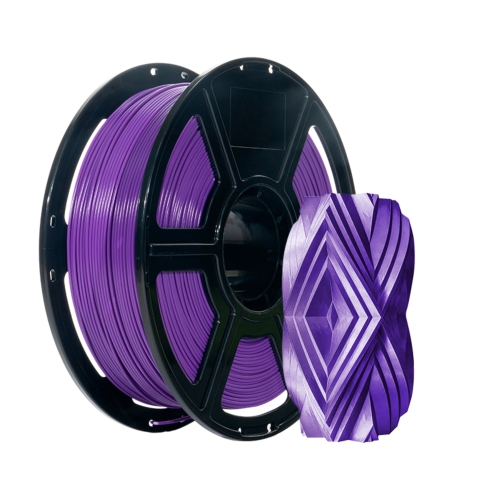
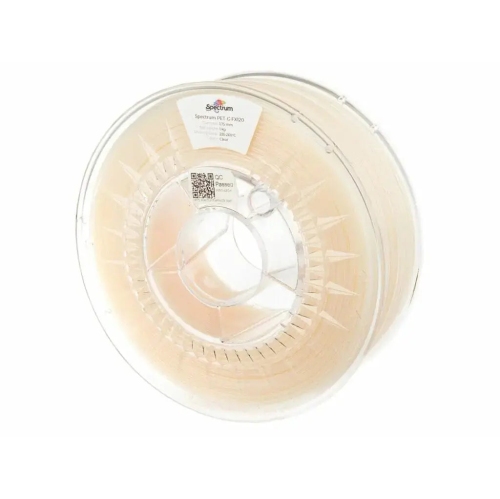
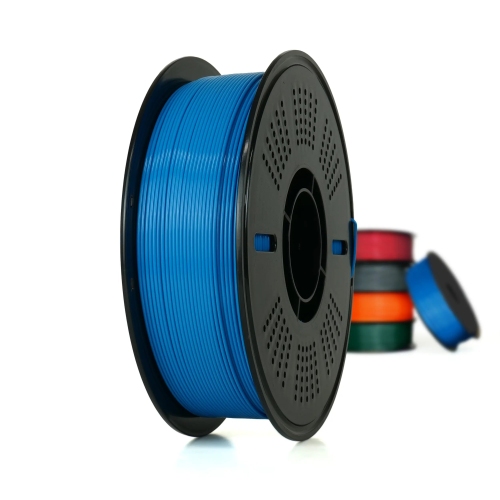
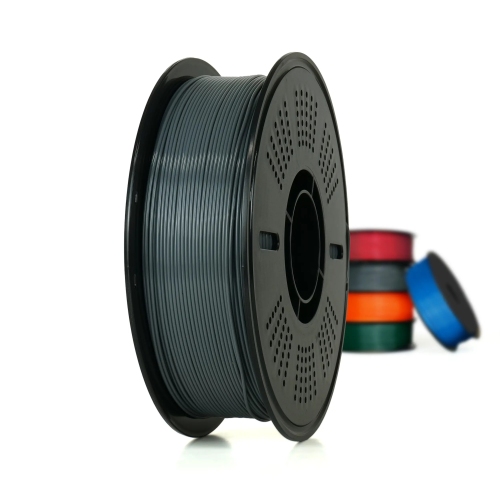
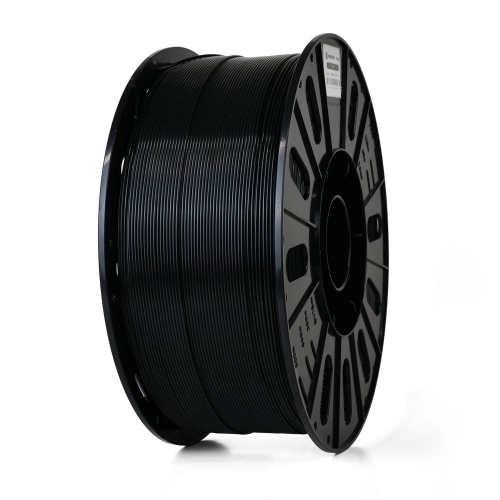
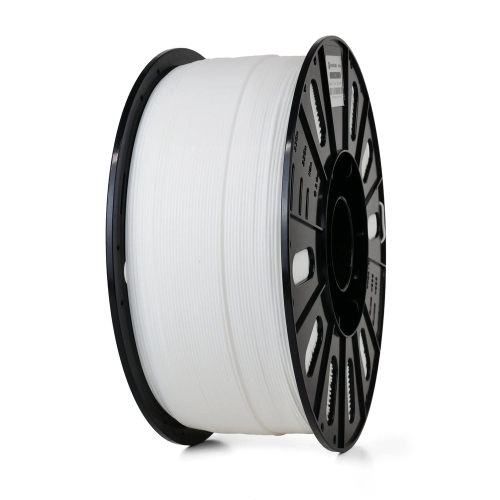
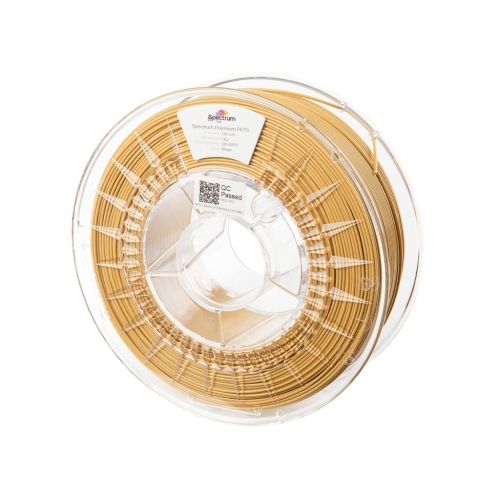
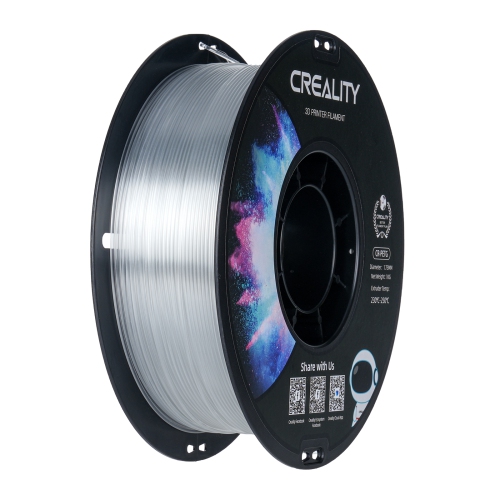
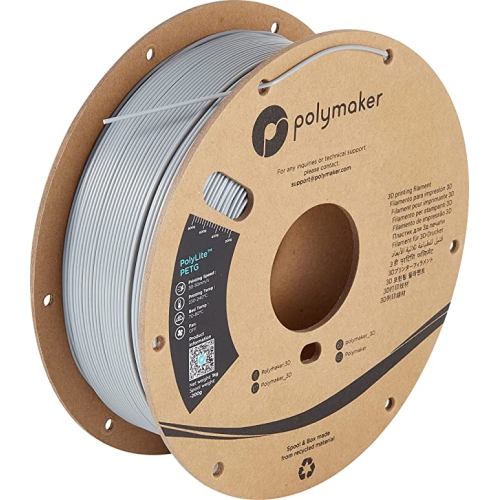
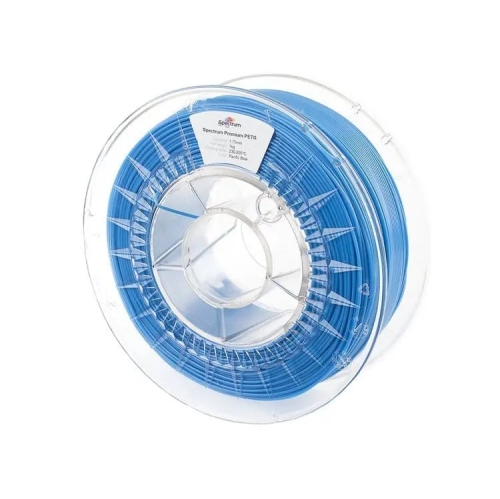
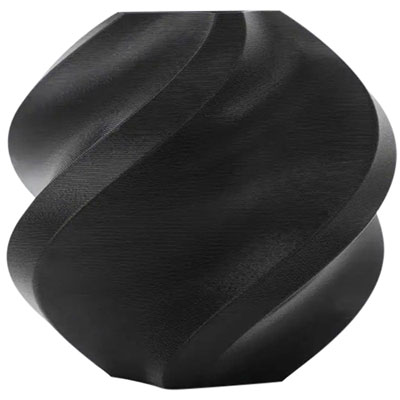
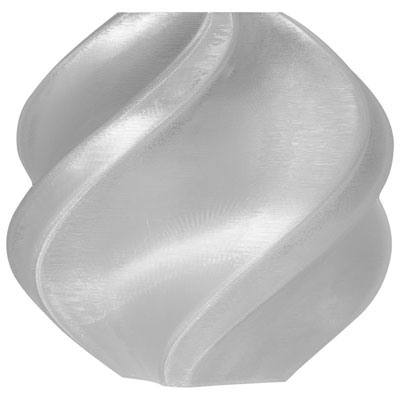
Colour, transparency, and surface finish help narrow the choice for the intended project. An opaque colour can suit housings and coordinated accessories, while translucent PETG can create a different appearance for decorative pieces, although a translucent filament does not guarantee a clear finished print. Layer height, wall thickness, and printing settings all influence the result. Storage is worth considering as well: PETG can absorb moisture, which may contribute to stringing, uneven surfaces, or inconsistent extrusion. Sealed storage with desiccant helps limit moisture exposure, and drying should follow the filament manufacturer’s guidance. Build-surface compatibility also deserves attention because PETG can bond very strongly to some surfaces; follow the printer or build-plate manufacturer’s advice on suitable surfaces and separation layers. For projects involving food contact, electrical components, or substantial heat or loads, look for explicit suitability information rather than treating general PETG properties as a certification. Matching the filament’s documented specifications to both the printer and the finished object helps make the selection more useful for the work ahead.

Read More

FAQ

Some products may be subject to Environmental Handling Fees (EHF) depending on your province. Learn more about EHFs.