Universal Phone Cases
A phone case is a must-have accessory for almost any smartphone owner. Not only does it protect your phone from scratches and dings, but it also provides a layer of protection against water, dust, and accidental drops. The best phone cases are those that are durable, protective, and stylish. Here are some universal options on the market.
Sort
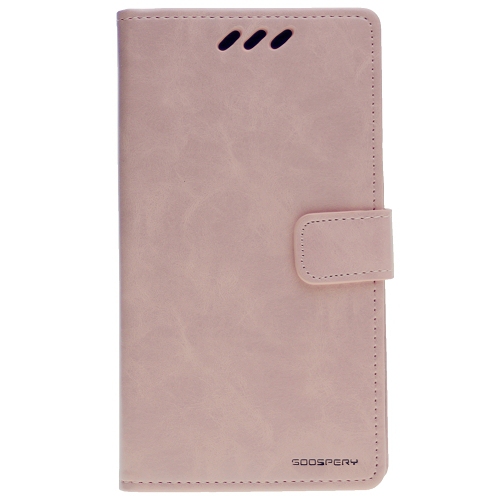
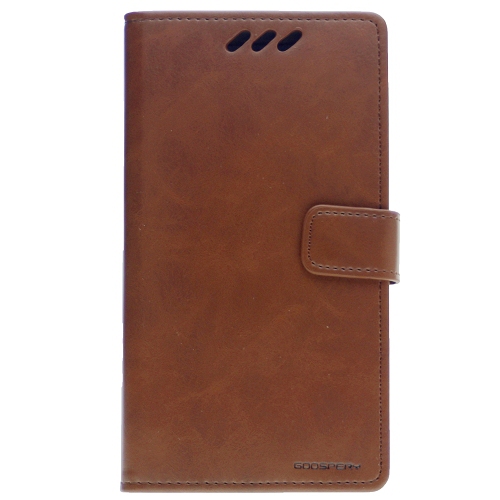

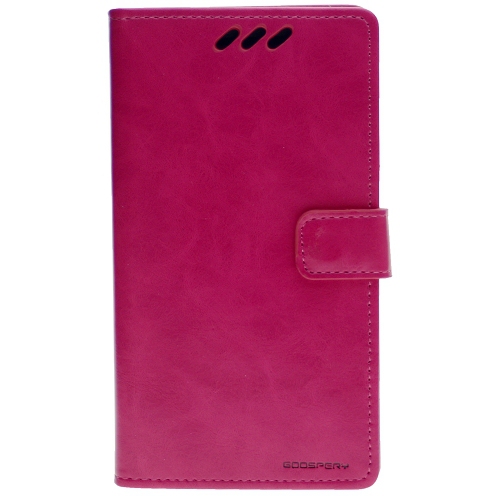
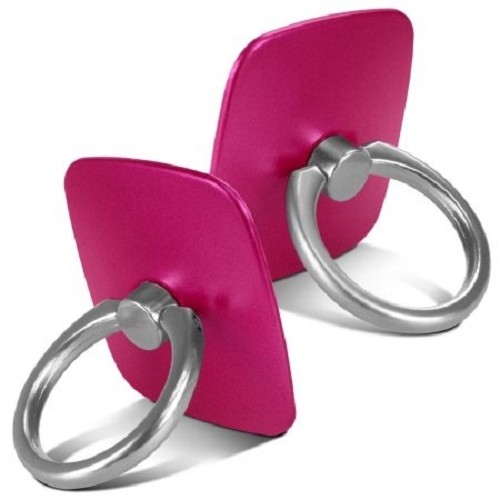
![NAVOR Universal Car Mount & Detachable Magnetic Wallet Case Compatible With Iphone 13 Mini [5.4 Inch] [Folio], Rfid Protection Kickstand](https://multimedia.bbycastatic.ca/multimedia/products/500x500/159/15962/15962450.jpeg)
![NAVOR Universal Car Mount & Detachable Magnetic Wallet Case Compatible With Iphone 13 Pro [6.1 Inch] [Folio], Rfid Protection Kickstand](https://multimedia.bbycastatic.ca/multimedia/products/500x500/159/15967/15967069.jpeg)

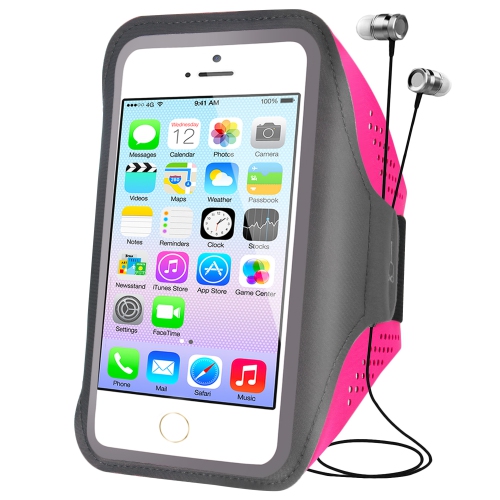
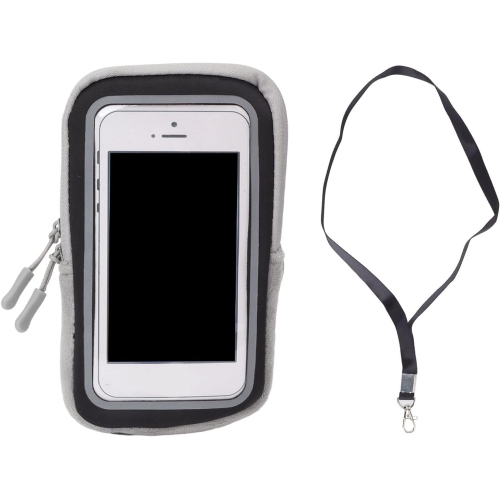
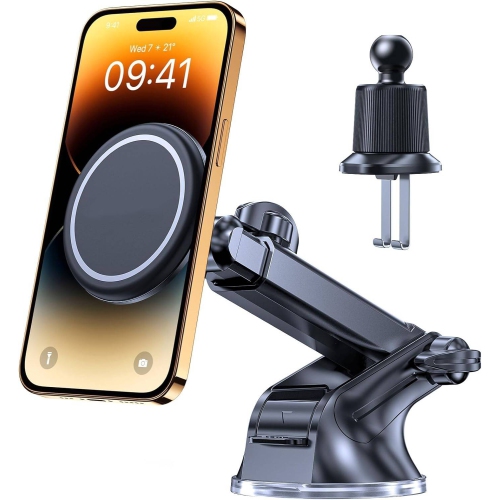
![NAVOR Universal Car Mount & Detachable Magnetic Wallet Case Compatible for Iphone 11 [6.1 Inch] [Vajio Series]](https://multimedia.bbycastatic.ca/multimedia/products/500x500/143/14309/14309881.jpg)
![NAVOR Detachable Magnetic Wallet Case And Universal Car Mount Compatible for Iphone 7 Plus [Rfid Protection] [Vajio Series] - In Brown](https://multimedia.bbycastatic.ca/multimedia/products/500x500/113/11357/11357348.jpeg)
![NAVOR Universal Car Mount & Detachable Magnetic Wallet Case Compatible With Iphone 13 Mini [5.4 Inch] [Folio], Rfid Protection Kickstand](https://multimedia.bbycastatic.ca/multimedia/products/500x500/159/15962/15962449.jpeg)
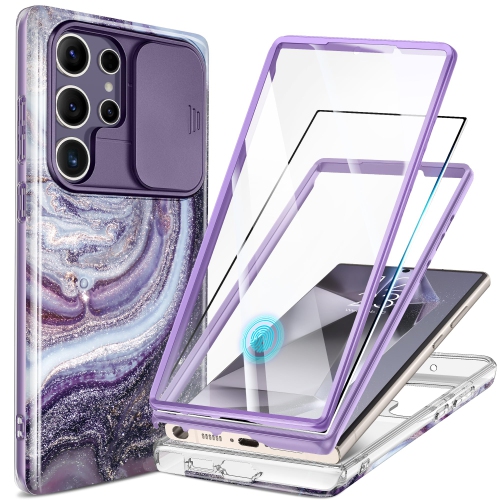
A flexible fit still depends on your phone’s dimensions
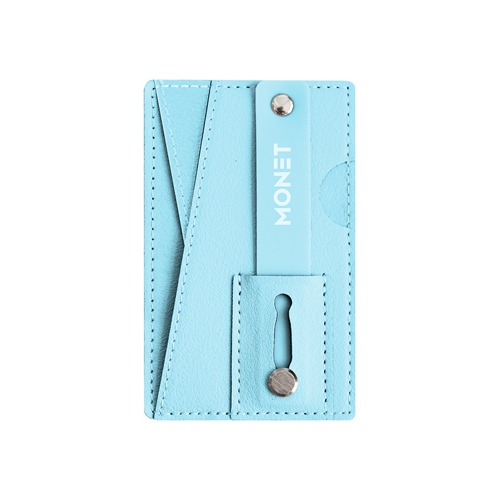
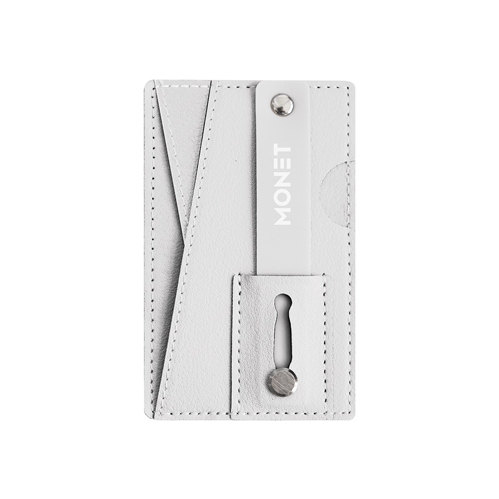
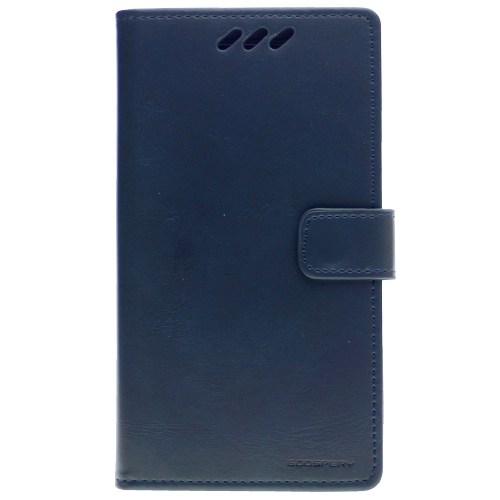
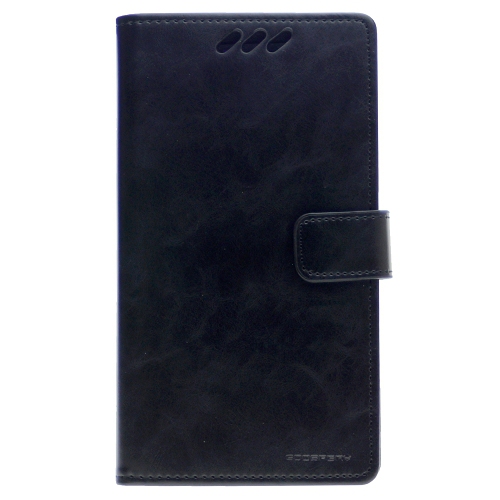
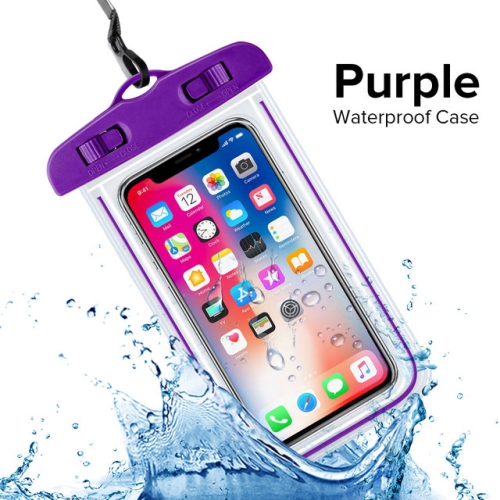
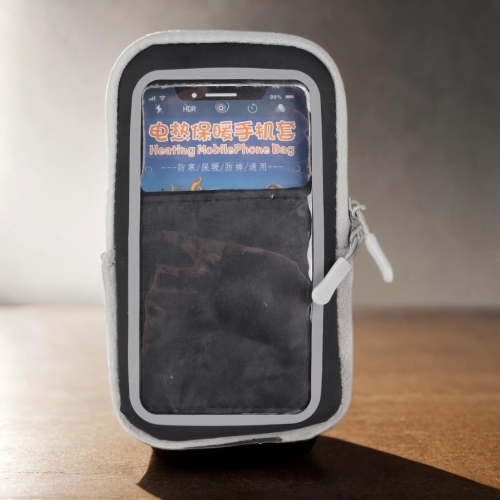
Universal phone cases are designed to hold a range of phone sizes and shapes rather than fit a single device model. Depending on the design, they may use a roomy pouch, an adjustable closure, flexible corners, or a stretchable frame to keep a phone in place. That flexibility can be useful for someone who changes phones, carries separate work and personal devices, or owns a model with fewer fitted case options. “Universal” does not mean every phone will fit, however: the case’s stated internal dimensions and compatibility details matter more than the name. Screen size alone is not enough to judge fit because two phones with the same display measurement can have different widths, thicknesses, and camera layouts. A phone already wearing a protective cover also needs more room than a bare device. For a pouch, the opening should be wide enough to slide the phone through without forcing it, while the closure should fasten fully without pressing against the device. For an adjustable corner-style case, the grips should sit securely without covering buttons, blocking camera lenses, or pushing on the screen edges. Universal phone pouches typically surround the whole device during storage, making them practical for a handbag, backpack, or jacket pocket where keys and other belongings might rub against it. Some require the phone to be removed before use; others have a clear window that allows basic screen access while the phone stays inside. Flexible frames leave more of the device exposed and can suit someone who wants frequent access to calls, messages, and photos. Folio and wallet-style designs may add a front cover or compartments for small essentials, although camera access and attachment methods vary. The most useful format depends on how the phone moves through a normal day, whether that means sitting in a crowded commuter bag, resting beside a workstation, or being carried between errands with only a few essentials.
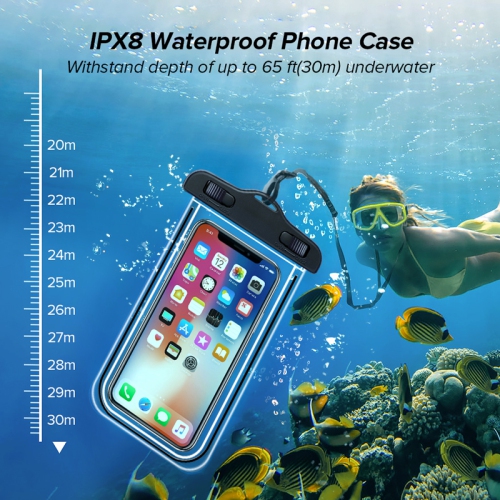
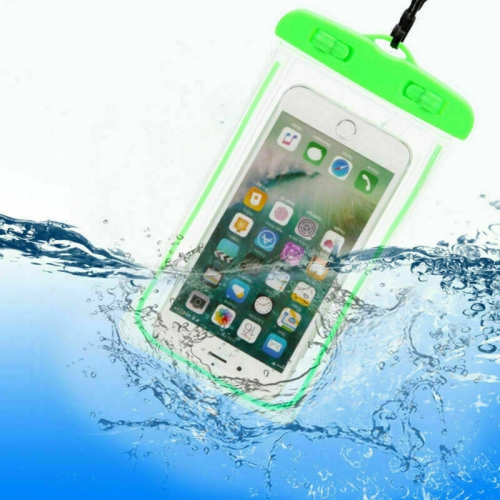
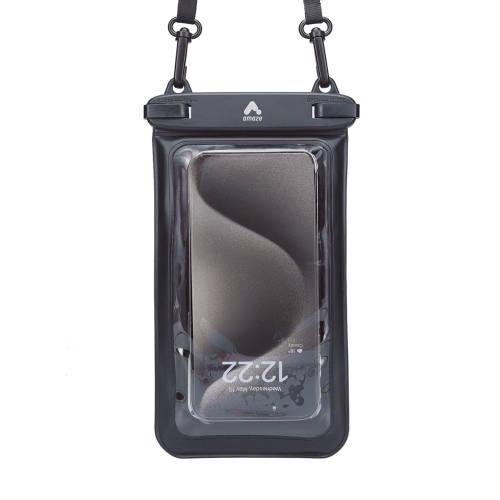
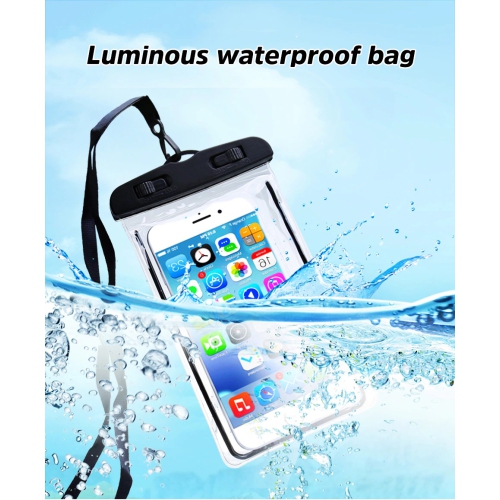
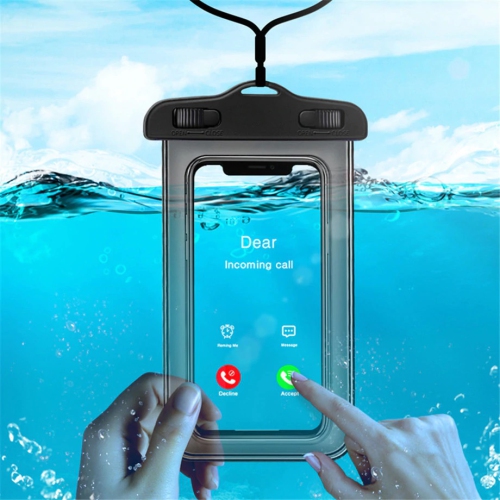
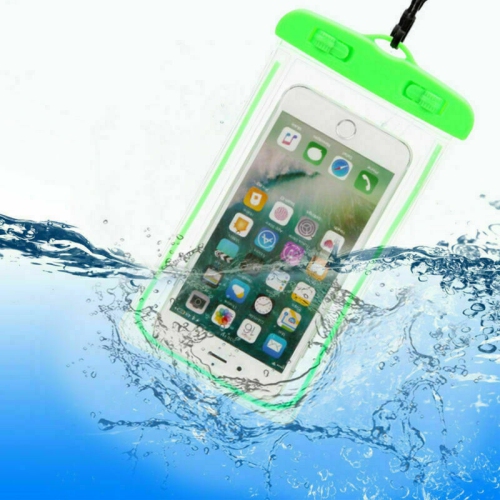
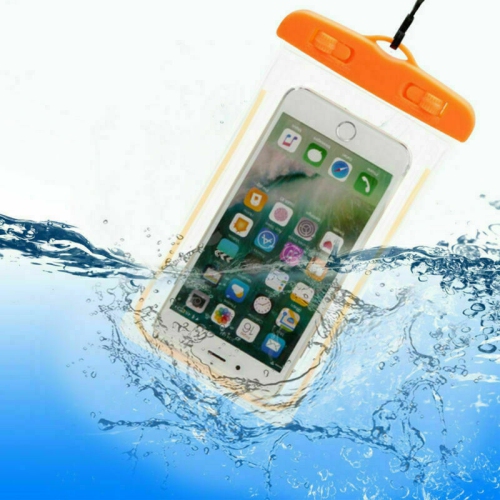
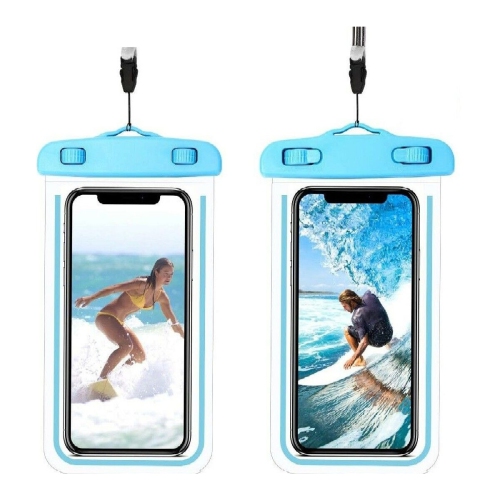
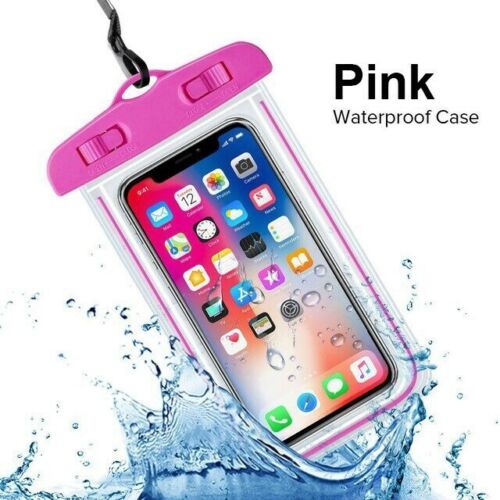
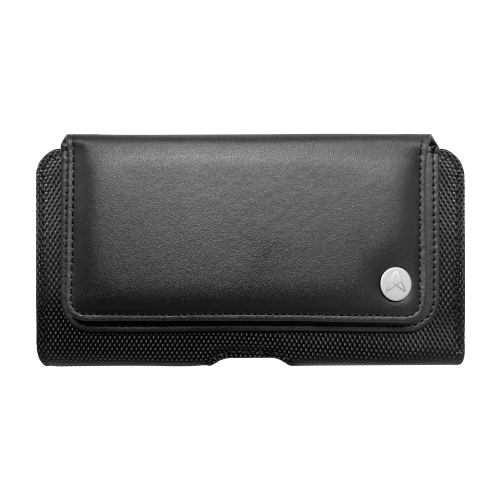
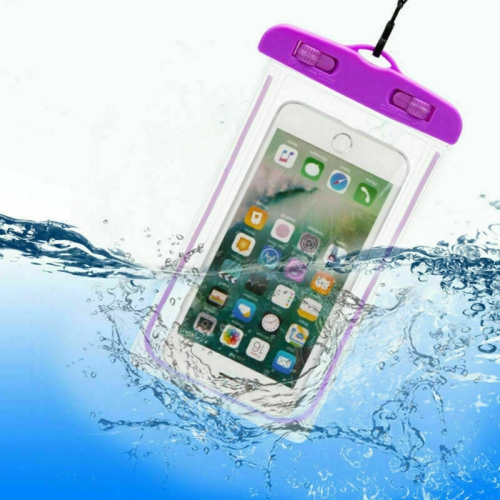
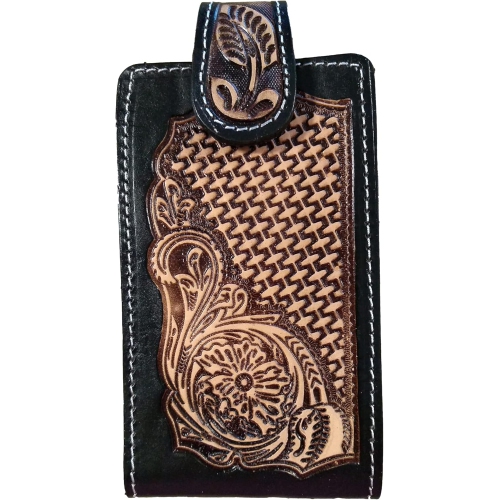
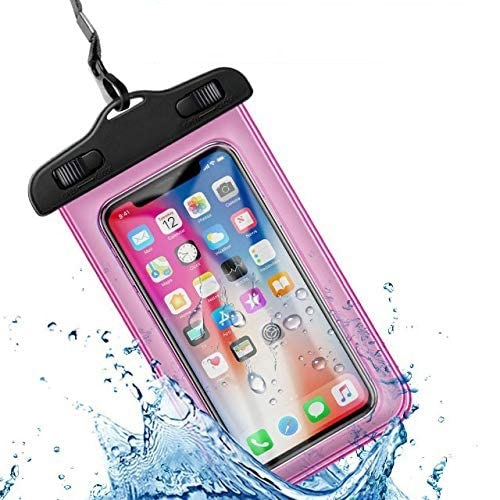
Materials and construction influence how a universal phone case feels, how much bulk it adds, and what kind of wear it can handle. Fabric pouches can provide a soft barrier against everyday rubbing, while padded sleeves add cushioning without necessarily providing tested drop protection. Neoprene is flexible and lightly cushioned, making it suitable for sleeves that need to accommodate a little variation in device thickness. Silicone and other flexible materials can provide grip in adjustable frames, though protection depends on how much of the phone they cover and how securely they fit. Leather and synthetic leather folios offer a more structured feel, with folds and closures that help keep the screen covered when the phone is put away. A smooth lining is worth considering for any style that places material directly against the display. Raised seams, trapped grit, or an overfilled card compartment can create pressure or friction where it is least welcome. Clear plastic pouches serve a different purpose, particularly when they are designed and rated for protection around water. A water-resistant pouch and a waterproof phone pouch are not interchangeable: any stated protection applies only under the manufacturer’s specified conditions, including depth, duration, and correct sealing. A secure-looking closure alone is not evidence that a case is suitable for immersion. For use around a pool, on a boat, or during a wet walk, the seal deserves as much attention as the material. Follow the manufacturer’s directions for checking it before putting a phone inside, and keep sand, lint, and hair away from sealing surfaces. Clear windows may allow tapping and swiping, but screen response can change with moisture, gloves, or the thickness of the window. Fingerprint readers, facial unlocking, call audio, and photo clarity may also be affected. Wireless charging is another feature to verify rather than assume, since material thickness, attachment hardware, magnets, and stored cards can interfere with charging. A case that works well for carrying may still need to come off when it is time to charge.
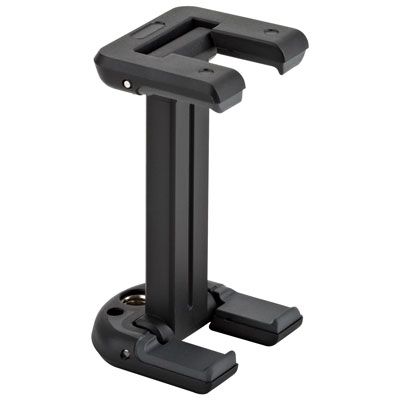
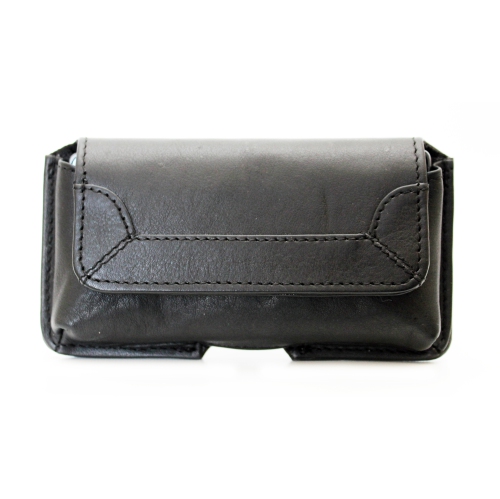
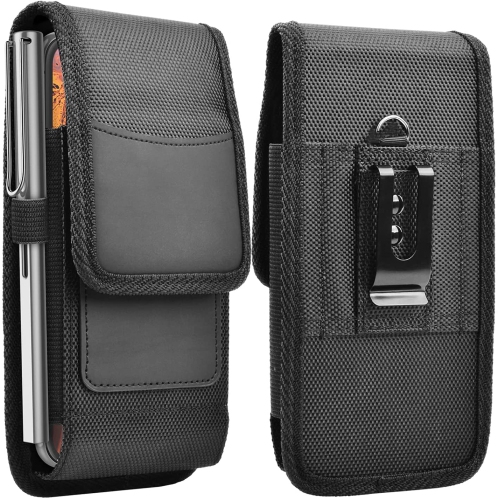
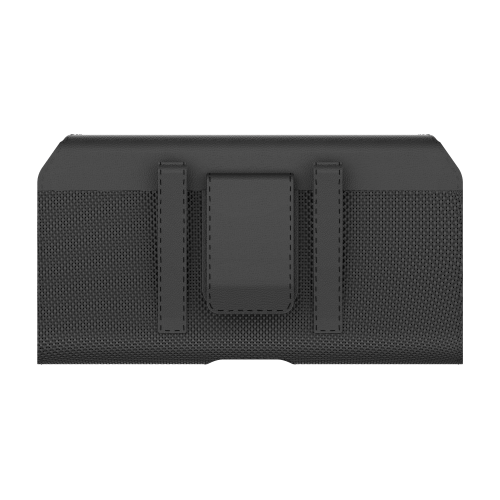
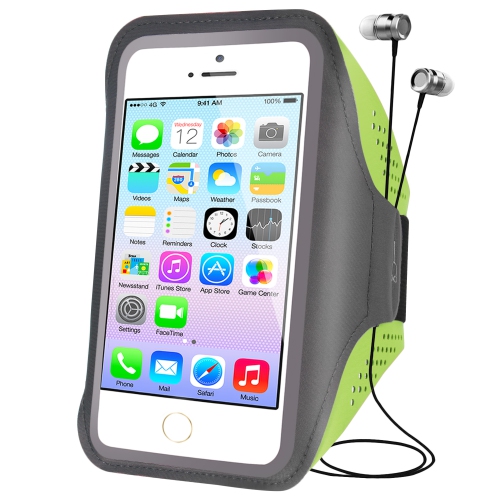
Carrying details often make the biggest difference once a case becomes part of a routine. A wrist strap can keep a phone close while someone checks a boarding pass or carries shopping bags, and an adjustable crossbody strap can free up pockets during a walk. Strap attachment points should be firmly secured, with hardware that closes properly and feels comfortable against clothing. Long straps need extra care around moving equipment and should be kept away from young children. Belt loops and clips can suit people who want their phone within reach without filling a trouser pocket, provided the case stays stable when they sit, bend, or move. Mount-compatible universal cases require a closer compatibility check: an attachment described as universal may still depend on a particular mount, adapter, device weight, or supported size range. For journeys that involve luggage, transit connections, and frequent access to identification, Travel Phone Cases offer a related category to consider alongside everyday pouches and covers. Universal styles can also make practical gifts for commuters, students, and frequent travellers when the recipient’s phone measurements and carrying preferences are known. Someone who takes photos throughout the day may value quick removal more than extra compartments, while someone who mostly keeps a phone tucked away may prefer a padded sleeve with a dependable closure. During the cooler months, an opening that is easy to handle with cold fingers can be more useful than a complicated fastening. Regular care helps preserve that everyday convenience. Follow the material-specific cleaning directions, empty compartments before cleaning, and let the case dry fully before returning the phone. Wipe away grit from the lining and corners rather than allowing it to accumulate against the device. Leather may need different care from washable fabric or plastic, and harsh cleaners can damage finishes, flexible windows, or seals. Check stitching, stretched corners, clips, and closures periodically; a loose grip or worn strap can undermine an otherwise useful case. The right balance is a secure fit, comfortable carrying, and protection suited to the way the phone is actually used.
Materials and construction influence how a universal phone case feels, how much bulk it adds, and what kind of wear it can handle. Fabric pouches can provide a soft barrier against everyday rubbing, while padded sleeves add cushioning without necessarily providing tested drop protection. Neoprene is flexible and lightly cushioned, making it suitable for sleeves that need to accommodate a little variation in device thickness. Silicone and other flexible materials can provide grip in adjustable frames, though protection depends on how much of the phone they cover and how securely they fit. Leather and synthetic leather folios offer a more structured feel, with folds and closures that help keep the screen covered when the phone is put away. A smooth lining is worth considering for any style that places material directly against the display. Raised seams, trapped grit, or an overfilled card compartment can create pressure or friction where it is least welcome. Clear plastic pouches serve a different purpose, particularly when they are designed and rated for protection around water. A water-resistant pouch and a waterproof phone pouch are not interchangeable: any stated protection applies only under the manufacturer’s specified conditions, including depth, duration, and correct sealing. A secure-looking closure alone is not evidence that a case is suitable for immersion. For use around a pool, on a boat, or during a wet walk, the seal deserves as much attention as the material. Follow the manufacturer’s directions for checking it before putting a phone inside, and keep sand, lint, and hair away from sealing surfaces. Clear windows may allow tapping and swiping, but screen response can change with moisture, gloves, or the thickness of the window. Fingerprint readers, facial unlocking, call audio, and photo clarity may also be affected. Wireless charging is another feature to verify rather than assume, since material thickness, attachment hardware, magnets, and stored cards can interfere with charging. A case that works well for carrying may still need to come off when it is time to charge.
Carrying details often make the biggest difference once a case becomes part of a routine. A wrist strap can keep a phone close while someone checks a boarding pass or carries shopping bags, and an adjustable crossbody strap can free up pockets during a walk. Strap attachment points should be firmly secured, with hardware that closes properly and feels comfortable against clothing. Long straps need extra care around moving equipment and should be kept away from young children. Belt loops and clips can suit people who want their phone within reach without filling a trouser pocket, provided the case stays stable when they sit, bend, or move. Mount-compatible universal cases require a closer compatibility check: an attachment described as universal may still depend on a particular mount, adapter, device weight, or supported size range. For journeys that involve luggage, transit connections, and frequent access to identification, Travel Phone Cases offer a related category to consider alongside everyday pouches and covers. Universal styles can also make practical gifts for commuters, students, and frequent travellers when the recipient’s phone measurements and carrying preferences are known. Someone who takes photos throughout the day may value quick removal more than extra compartments, while someone who mostly keeps a phone tucked away may prefer a padded sleeve with a dependable closure. During the cooler months, an opening that is easy to handle with cold fingers can be more useful than a complicated fastening. Regular care helps preserve that everyday convenience. Follow the material-specific cleaning directions, empty compartments before cleaning, and let the case dry fully before returning the phone. Wipe away grit from the lining and corners rather than allowing it to accumulate against the device. Leather may need different care from washable fabric or plastic, and harsh cleaners can damage finishes, flexible windows, or seals. Check stitching, stretched corners, clips, and closures periodically; a loose grip or worn strap can undermine an otherwise useful case. The right balance is a secure fit, comfortable carrying, and protection suited to the way the phone is actually used.
Top selling and popular products
-
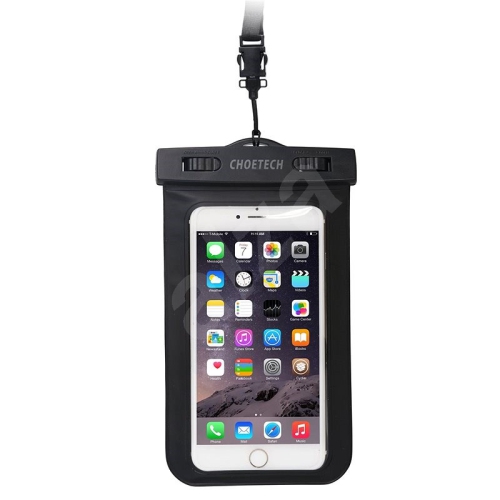 Your price for this item is $59.83
 -
 Your price for this item is $39.99
 -
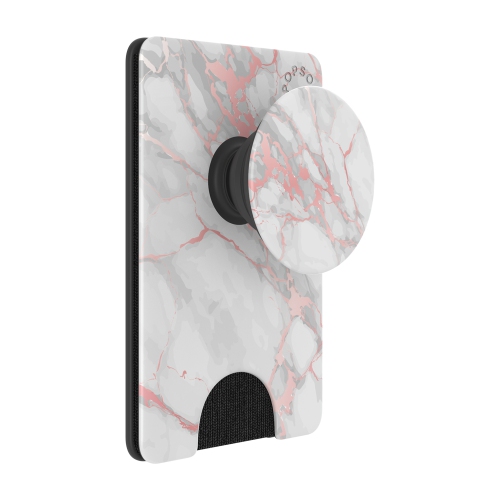 Your price for this item is $49.99
 -
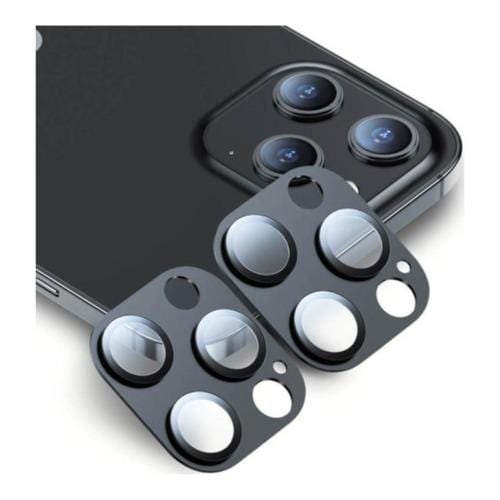 Your price for this item is $43
 -
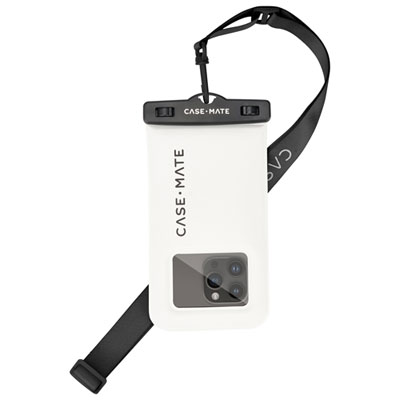 Your price for this item is $19.95
 -
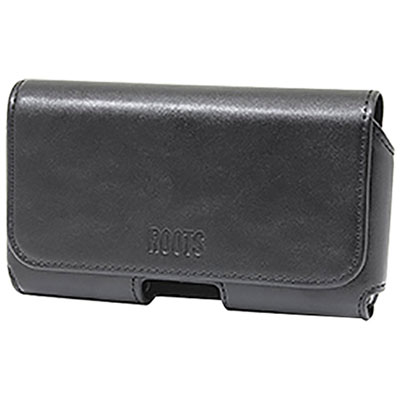 Your price for this item is $34.95
 -
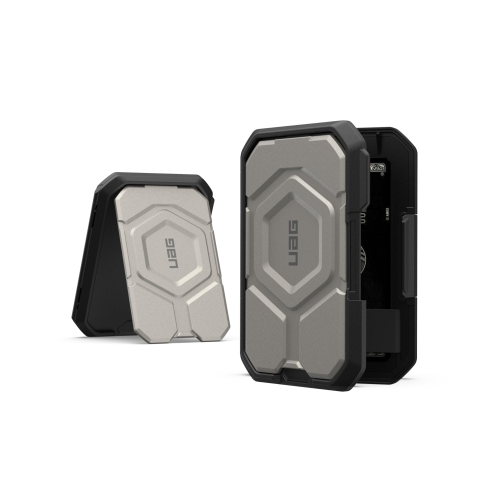 Your price for this item is $94.49
 -
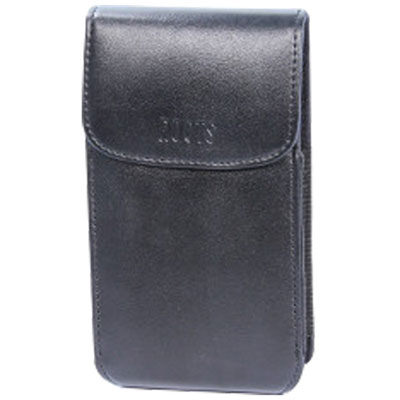 Your price for this item is $34.95
Discover more categories related to Universal Phone Cases
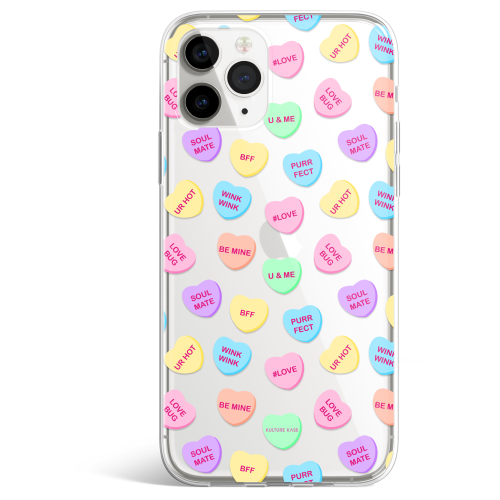
Top Collections:
Pokemon Centers, Kindle Devices, Best Budget Office Chairs, Apple iPhones 16, Best Laptops for Writers, iPhone 15 Apple, Canon G7X Cameras, Refurbished Apple Laptops, Alarm Clock, Motorola Razr Phones
Some products may be subject to Environmental Handling Fees
(EHF) depending on your province.
Learn more about EHFs.